
ROUND TABLE 48 – WHAT MAKES A PLAYER STAND OUT TO A COLLEGE COACH? – EPISODE 728
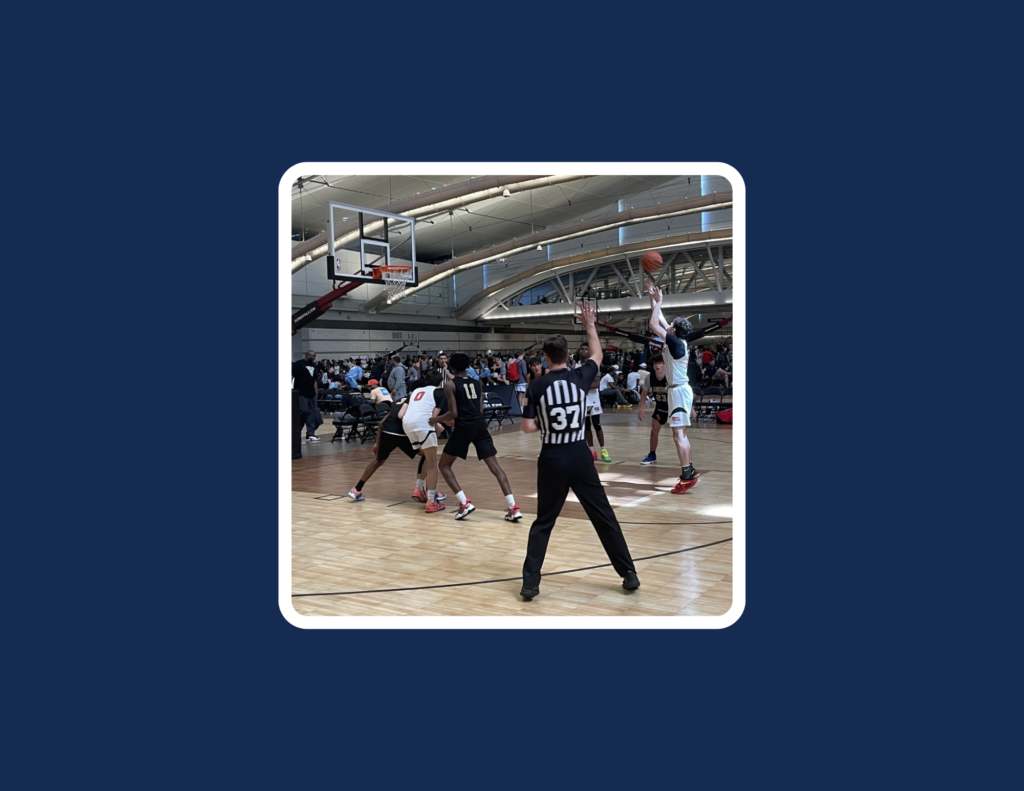

Welcome to the 48th edition of the Coach’s Corner Round Table on the Hoop Heads Podcast. Each episode of the Coach’s Corner Round Table will feature our All-Star lineup of guests answering a single basketball question. A new Coach’s Corner Round Table will drop around the 15th of each month.
December’s Round Table question is: What makes a player stand out to a college coach?
Our Coaching Lineup this month:
- Dominic Amorosa – Strake Jesuit (TX) College Prep
- Jerry Buckley – Bishop Kenny (FL) High School
- Erik Buehler – Chatfield (CO) High School
- Joe Crispin – Rowan University
- Chris DeLisio – Olmsted Falls (OH) High School
- Andy Farrell – University of Dayton
- Tom Harrington – Buckeye (OH) High School
- Tim Jackson – Author of Understanding College Athletics Through The Eyes Of College Athletes
- Bob Krizancic – Mentor (OH) High School
- David McGreal – Penn State Altoona
- Kyle Pennington – Little Rock Christian (AR) Academy
- Matthew Raidbard – Author of Lead Like a Pro
- Don Showalter – USA Basketball
- John Shulman – University of Alabama Huntsville
- Joe Stasyszyn – Unleashed Potential
- Pat Woods – Cape Henlopen (DE) High School
Please enjoy this Round Table episode of the Hoop Heads Podcast and once you’re finished listening please give the show a five star rating and review after you subscribe on your favorite podcast app.
If you are a basketball coach at any level please check out our Hoop Heads Coaching Mentorship Program. You’ll get matched with one of our experienced Head Coaches and develop a relationship that will help take your coaching, your team, your program, and your mindset to another level.
Be sure to follow us on twitter and Instagram @hoopheadspod for the latest updates on episodes, guests, and events from the Hoop Heads Pod.
Like this show? Please leave us a review here — even one sentence helps! Consider including your Twitter handle so we can thank you personally!

We’re excited to partner with Dr. Dish, the world’s best shooting machine! Mention the Hoop Heads Podcast when you place your order and get $300 off a brand new state of the art Dr. Dish Shooting Machine!

Prepare like the pros with the all new FastDraw and FastScout. FastDraw has been the number one play diagramming software for coaches for years, and now with it’s integrated web platform, coaches have the ability to add video to plays and share them directly to their players Android and iPhones via their mobile app. Coaches can also create customized scouting reports, upload and send game and practice film straight to the mobile app. Your players and staff have never been as prepared for games as they will after using FastDraw & FastScout. You’ll see quickly why FastModel Sports has the most compelling and intuitive basketball software out there! In addition to a great product, they also provide basketball coaching content and resources through their blog and playbank, which features over 8,000 free plays and drills from their online coaching community. For access to these plays and more information, visit fastmodelsports.com or follow them on Twitter @FastModel.

United Basketball Plus has over 3,000 plays, 45 Deep Dive Courses with some of the best minds in the game including Tyler Coston, Paul Kelleher, Tobin Anderson, Dave Love and more. You can also view United Basketball Clinics, and receive 50% off in-person clinics. United Basketball Plus partnered with Jordan and Joe Stasyzyn from Unleashed Potential to create their Skill Development Curriculum. United Basketball Plus is a one stop shop to help you grow as a coach, leader and culture builder. Use the code ‘clinic’ and receive an annual membership for $50.
Your first impression is everything when applying for a new coaching job. A professional coaching portfolio is the tool that highlights your coaching achievements and philosophies and, most of all, helps separate you and your abilities from the other applicants.
The key to landing a new coaching job is to demonstrate to the hiring committee your attention to detail, level of preparedness, and your professionalism. Not only does a coaching portfolio allow you to exhibit these qualities, it also allows you to present your personal philosophies on coaching, leadership, and program development in an organized manner.
The Coaching Portfolio Guide is an instructional, membership-based website that helps you develop a personalized portfolio. Each section of the portfolio guide provides detailed instructions on how to organize your portfolio in a professional manner. The guide also provides sample documents for each section of your portfolio that you can copy, modify, and add to your personal portfolio.
The first Training Camp – Elite Skill Development and Performance Combine will be held on the campus of Western Reserve Academy, just outside of Cleveland, OH powered by Unleashed Potential & the Hoop Heads Podcast. The camp is designed for boys rising to grades 6-9 and will take place June 29 – July 1, 2023. An emphasis on improving your individual skills in the context of a team environment will be the hallmark of the Training Camp.
Mike Klinzing from Head Start Basketball/The Hoop Heads Podcast & Joe Stasyszyn from Unleashed Potential will serve as the Camp Directors of this inaugural Training Camp.
Campers can expect 3 days of hard work, intense skills instruction, and learning how to be a great teammate on and off the court at the Training Camp. Players will participate in 10 Elite Skill Development Sessions led by some of the best coaches from across the country. Visit headstartbasketball.com to get registered.
THANKS COACHES!
If you enjoyed this episode let our coaches know by clicking on the links below and sending them a quick shout out on Twitter:
Click here to thank Dominic Amorosa on Twitter!
Click here to thank Jerry Buckley on Twitter!
Click here to thank Erik Buehler on Twitter!
Click here to thank Joe Crispin on Twitter!
Click here to thank Chris DeLisio on Twitter!
Click here to thank Andy Farrell on Twitter!
Click here to thank Tom Harrington on Twitter!
Click here to thank Tim Jackson on Twitter!
Click here to thank Bob Krizancic on Twitter!
Click here to thank David McGreal on Twitter!
Click here to thank Kyle Pennington on Twitter!
Click here to thank Matthew Raidbard on Twitter!
Click here to thank Don Showalter on Twitter!
Click here to thank John Shulman on Twitter!
Click here to thank Joe Stasyszyn on Twitter!
Click here to thank Pat Woods on Twitter!
Click here to let Mike & Jason know about your number one takeaway from this episode!
And if you want us to answer your questions on one of our upcoming weekly NBA episodes, drop us a line at mike@hoopheadspod.com.
TRANSCRIPT FOR ROUND TABLE 48 – WHAT MAKES A PLAYER STAND OUT TO A COLLEGE COACH? – EPISODE 728
[00:00:00] Narrator: The Hoop Heads Podcast is brought to by Head Start Basketball.
[00:00:21] Mike Klinzing: Hello and welcome to the 48th edition of the Coach’s Corner Round Table on the Hoop Heads Podcast. Each episode of the Coach’s Corner Round Table will feature our All-Star lineup of guests answering a single basketball question. A new Coach’s Corner Round Table will drop around the 15th of each month.
December’s Round Table question is: What makes a player stand out to a college coach?
Our Coaching Lineup this month:
- Dominic Amorosa – Strake Jesuit (TX) College Prep
- Jerry Buckley – Bishop Kenny (FL) High School
- Erik Buehler – Chatfield (CO) High School
- Joe Crispin – Rowan University
- Chris DeLisio – Olmsted Falls (OH) High School
- Andy Farrell – University of Dayton
- Tom Harrington – Buckeye (OH) High School
- Tim Jackson – Author of Understanding College Athletics Through The Eyes Of College Athletes
- Bob Krizancic – Mentor (OH) High School
- David McGreal – Penn State Altoona
- Kyle Pennington – Little Rock Christian (AR) Academy
- Matthew Raidbard – Author of Lead Like a Pro
- Don Showalter – USA Basketball
- John Shulman – University of Alabama Huntsville
- Joe Stasyszyn – Unleashed Potential
- Pat Woods – Cape Henlopen (DE) High School
Please enjoy this Round Table episode of the Hoop Heads Podcast and once you’re finished listening please give the show a five star rating and review after you subscribe on your favorite podcast app.
If you are a basketball coach at any level please check out our Hoop Heads Coaching Mentorship Program. You’ll get matched with one of our experienced Head Coaches and develop a relationship that will help take your coaching, your team, your program, and your mindset to another level.
Be sure to follow us on twitter and Instagram @hoopheadspod for the latest updates on episodes, guests, and events from the Hoop Heads Pod.
Let’s hear from our panel about what makes a player stand out to a college coach.
Hey Hoop Heads! This December, our partners and friends at Dr. Dish Basketball are offering $1,000 off and two free basketballs with a Dr. Dish Home purchase. Plus, all their commercial models are $2,500 off this month. Dr. Dish Shooting Machines are undoubtedly the most advanced and user-friendly machines on the market.
Learn more at drdishbasketball.com and follow their incredible content @drdishbball on Twitter, Instagram, Facebook, and YouTube. Mention the Hoop Heads Podcast and save an extra $300 on the Dr. Dish Rebel, All-Star and CT models. Visit drdishbasketball.com for details.
You can also check out their holiday gift guide if you’re shopping for a ball player in your life
[00:02:55] Kent Dernbach: Hi, this is Kent Dernbach, Head Men’s Basketball coach at the University of Wisconsin Lacrosse, and you’re listening to the Hoop Heads Podcast.
[00:03:06] Mike Klinzing: Prepare like the pros with the all-new Fast Draw and Fast Scout. Fast Draw has been the number one play diagramming software for coaches for years. You’ll quickly see why Fast Model Sports has the most compelling and intuitive basketball software out there. For a limited time, Fast Model is offering Hoop Heads listeners 15% off Fast Draw and Fast Scout.
Just use the code HHP15 at checkout to grab your discount and you’ll be on your way to more efficient game prep and improved communication with your team. Fast Model also has new coaching content every week on their blog, plus play and drill diagrams in its play bank. Check out the links in the show notes for more. Fast Model Sports is the best in basketball.
Let’s hear from our panel about what makes a player stand out to a college coach.
Dominic Amorosa – Strake Jesuit College Prep in Houston, Texas.
[00:04:08] Dominic Amorosa: Dominic Amarosa, Strake Jesuit. Houston. One thing that makes a player stand out to a college coach is how he responds to failure, whether it’s a bad shot, a bad game, a bad possession, but what’s the next play look like?
Especially for players that are supposed to be good. It’s a game of failure. There’s going to be moments of failure. I think college coaches want to. How kids respond to failure and when they are
[00:04:32] Don Showalter: challenged.
[00:04:35] Mike Klinzing: Jerry Buckley, Bishop Kenny High School, Jacksonville, Florida.
[00:04:42] Jerry Buckley: Hey, Hoop Heads! This is Jerry Buckley from Bishop Kenny High School. Answering the question, what makes a player stand out to a college coach? In my experience, obviously there’s definitely things on the court and then certainly some intangibles they look at as.
On the court, I’ve always found that being able to project to the college level at a particular position would be size, strength, athleticism, and skill level is a key thing. Understanding what they do well on the high school and AAU level and how they’ll project potentially to college. I think they’re always looking for at least one skill that will transfer it to the college level, whether that be shooting, rebounding, whatever the case is.
I think they have to be able to project that for that. On the next level, depending on where they’re playing. Certainly versatility on both ends of the floor, both offensively and defensively. Being able to handle it, being able to guard their position, all those different things would be key. And then I think also the ability to consistently play really hard.
I think obviously at that level you have to be able to play hard at all times on the college level to be success. As a player and as a team. So those are key things as well. As far as the intangibles, I would say response to failure. I saw something recently where the college coach really wants to see a player not play well and how they respond to that.
And I think that’s a key thing cuz at any level you’re always going to run into different difficult situations. So that’s an important thing to make sure you’re watching that with the. Interaction with teammates and coaches is key. How they respond to them, how they work with them, and how they would, again, project to do that at the college level as well.
And then finally, the thing we never want to forget is academics. There are plenty of schools out there no matter how good you are athletically and basketball wise, they can’t recruit you because of their standards. So that’s a key thing to be able to stand out, is can they do all those things on and off the court, as well as have the academics wrapped up as.
[00:06:35] Mike Klinzing: Eric Buehler, Chatfield Senior High School, Littleton, Colorado.
[00:06:42] Erik Buehler: Hey, what’s going on Hoop Heads? This is Eric Buehler from Chatfield Senior High, and this month we were asked what makes a player stand out to a college coach? I think the obvious to start is kind of just the, the measurables height, speed, athleticism.
It’s definitely going to make you stand out. I think the game is becoming more shooting oriented, so obviously the better shooter you are, the more likely you’re going to stand out to a coach, and that kind of is starting to supersede your size. I, I can see it here in Colorado that even small players are getting recruited by bigger schools that probably wouldn’t have recruited kids that size 10, 15 years ago.
But more things that stand out that I know my friends that coach in college, they, they always preach this and they talk about item when they’re looking at a kid is what do they do when they think no one’s watching? How do they check into a game? How do they check out of a game? How do they treat their teammates?
How do they act in their community, their school, when someone comes and recruits our kids? Those are questions that we get asked all the time, and I know a lot of coaches are watching. During the summer or when they come and watch a game during the high school season I think all those little things set you apart.
And then the final thing is grades. It doesn’t matter what level you’re playing at. Coaches love it if you get good grades and they’re more likely to recruit you. Especially once you get into the higher academic opportunities out there, especially in D three, coaches are really going to look at your grades and those are going to open a lot of doors for you.
If you have mediocre to not good grades, those are going to close a lot of doors for you. So that’s just my take. I’m very interested to hear what everyone else has to say. Have a good one and I’ll talk to you guys next time.
[00:08:29] Mike Klinzing: Joe Crispin, Rowan University.
[00:08:35] Joe Crispin: Joe Crispin, Rowan University. What makes a player stand out to a college coach? There’s a lot I could say about this. I would start with two things I think that are often overlooked. One is, do you know who you are? And two, do you know what you want in terms of knowing who you are?
I think being clear about your basketball identity being clear about your strengths and weaknesses and at what level you can really play. Is important to me. I find that when kids think they’re settling for something or they belong somewhere else they’re not going to be a good fit for us. And the same thing goes for, do you know what you want?
Many kids think they know what they want but they’re not really clear about it. And sometimes when you talk to ’em, if they’re honest, they’re going to say, well, I want to play at the highest level, or I want to put something on Instagram or social media. And the answer I’m looking for is I want to win, I want to develop, I want to have fun.
that’s the key words for us. We often have a lot of transfers in our program who wouldn’t give those answers at age 18, but who do at age 20 and they’re better players in a better fit in our program because of it. I think that’s just very, very important to college coaches. I think it’s also important for.
To recognize the answers to those questions because if parents aren’t clear about it they won’t be either. There’s a number of other things. I think one other thing I would mention in knowing who you are is do you have a skillset that is clear and pretty elite? Are, are, is there something that you do on the basketball court that is better than everyone else?
And of course you need to be great in general. You need to want to develop a variety of skills. You need to be solid on defense enough, but do you play better defense than everyone else? Are you a great rebounder? Are you a great finisher? Do you protect the rim? Are you a great shooter? Can you distribute?
I’m looking for players that are different as a college coach and compliment each other, and that requires a, a specialty skillset. Something that you’re excellent at. So plenty more. But hope that helps.
[00:10:53] Mike Klinzing: Chris DeLisio, Olmsted Falls High School. Olmsted Falls, Ohio.
[00:11:00] Chris DeLisio: Hey, Hoop Heads. Chris DeLisio, Olmsted Falls.
Talking about what makes a player stand out to a college coach. I think obviously the number one thing is going to start with talent. I don’t think a college coach is. Walking in a gym, unless they’re pretty sure a kid has the talent to play at that level, or that’s the first thing they’re looking for.
But after that, I think it’s all about intangibles and kids show ’em what type of teammate they’re going to be, how they interact with their teammates, how they respond to their coaches, coaching them, how they handle mistakes on the court, if they can move on to the next play or if they dwell. The effort level on the defensive end, or if they just want to play on the offensive end.
I think all these things are, are the things that are going to make a college coach want to recruit a kid at the highest possible level that they can, because these are the guys that make teams really good. So I think it’s mostly about the intangibles once they know you got that skill.
[00:11:56] Narrator: Andy Farrell from the University of Dayton.
[00:12:01] Andy Farrell: What makes a player stand out to a college coach? Well, I think first of all is what, what is the offensive skillset that they have? Like, what do they do really, really well? Whether it’s shooting, ball handling, passing, athleticism, offensive rebounding. Like what are those elite skillsets that they have that’s making them an asset to their team offensively?
And then can you take those attributes and fit that player within your current system or style of play? I think that that’s something that’s really, really, I. Think sometimes high school players think that they’re going to fit really, really well, but it’s because of their skillset or whatever it may be.
It’s a square peg round hole. So can what they do really, really well and the role that they are currently in within their team fit the offensive system and style of play that you’re looking for as a college coach. Same thing defensively. What do they do and can they fit your defensive system? Whether it’s their guard wing forward position, can they guard multiple positions?
Do they have the positional length and foot speed to be able to guard the way that you do at the college level? Whether you’re switching ball screens, whether you’re staying with your own. Are you blitzing ball screens? Are you picking up full court? Are you playing zone? Like what are those attributes that you need defensively and what do they do really, really well?
[00:13:18] Mike Klinzing: The first Training Camp Elite Skill Development and Performance Combine will be held on the campus of Western Reserve Academy just outside of Cleveland, Ohio, powered by Unleashed Potential and the Hoop Heads Podcast. The camp is designed for boys rising to grades six through nine and will take place June 29th through July 1st, 2023.
An emphasis on improving individual skills in the context of a team environment will be the hallmark of the Training Camp. Mike Klinzing from Head Start Basketball and the Hoop Heads Podcast, and Joe Stasyszyn from Unleashed Potential will serve as the camp directors of this inaugural Training Camp. Campers can expect three days of hard work, intense skill instruction, and learning how to be a great teammate on and off the court.
At the Training Camp, players will participate in 10 elite skill development sessions led by some of the best coaches from across the country. Visit headstart basketball.com to get registered.
[00:14:18] Narrator: Tom Harrington, Buckeye High School, Medina, Ohio.
[00:14:24] Tom Harrington: I think college coaches are looking for kids who are very competitive, great teammates, dependable, and ones who want to impact the people around them positively, obviously. For basketball, you want to have players who can dribble and shoot and pass the ball and who are really skilled.
But I think maybe even as important as that, or more importantly as on the defensive end, the kid’s ability to, to understand where they’re supposed to be defensively, can they guard the ball at a high level, and college basketball, there’s so many ball screens now. Really, if you can’t play in that system offensively and defensively, it’s really hard to get on the court.
So I think the combination of being a great teammate, someone who wants to get better, and having those skills on the court is what every college coach aspires to have in each of their players.
[00:15:18] Mike Klinzing: Tim Jackson, Author of Understanding College Athletics Through the Eyes of College Athletes.
[00:15:27] Tim Jackson: This is Tim Jackson, Youngstown State Basketball Hall of Famer, and author of Understanding College Athletics Through the Eyes of College Athletes. What makes a player stand out to a college coach is number one, his or her ability to play or their skill.
A player may not always be the best player on the team, but the amount of work they put in is reflected on their level of play, which will surely make them stand out. A player’s work ethic also makes them stand. Whether they win or lose a player’s work or their perseverance during a difficult match or game when a player is on a losing team but continues to play hard until the game is over, that will also make a player stand out.
Finally, I believe a player’s actions off the court, in the classroom, in the community are just as important as their play on the court,
[00:16:32] Mike Klinzing: Bob Krizancic, Mentor High School, Mentor, Ohio,
[00:16:39] Bob Krizancic: Bob Krizancic, Mentor High School. If a college coach is recruiting you, 99% is that you are great offensive player. You could score the basketball and you have the offensive skills, right? With that, I think you’ve have to be able to defend. Every coach wants to make sure that you are flexible defensively. If you’re a two guard, wants to make sure you could defend the one, the two, the three, possibly the four, then I think it’s definitely toughness and effort.
So in order for a coach to offer you a full scholarship, a full ride you’re going to have the offensive skills, but you’ve have to be able to defend. You’ve have to be tough and the effort’s have to be off the charts. Have a great season. Thanks.
[00:17:22] Mike Klinzing: David McGreal from Penn State Altoona,
[00:17:29] Dave McGreal: What’s going on Hoop Heads Nation? Coach McGreal, Penn State Altoona for the round table this month, the question was what qualities does a college coach look for or what stands out to a college coach when we recruit? You know, that’s a layered question. Obviously there’s a multitude of things that a college coach looks at.
Obviously. First thing is skill level. But more importantly these days, in my opinion is, we’re looking for character kids. We’re looking for guys that are going to be good teammates guys with we first mentality. You know, sometimes it’s easier said than done when recruit. So you have to make sure you’re doing your homework and, and getting to know these young men and their families the best you can.
Obviously that varies from level to level with the amount of contact you can have. But again, I mean, I think besides the skill levels of these, of these young men that we’re recruiting we’re starting to really look at how they interact with a coach, how they interact on the bench, on how to interact on the floor with other teammates, with officials.
And then obviously keeping an eye of how they’re behaving off the court as well. So again, that’s a, that’s a tough question. There’s no real one thing that we look at for a crew to stand out. You know, we’re just looking for the best basketball player and best young man we can find.
So hope that helps. Good luck for you all the rest of the season and hope everybody has a Merry Christmas, Happy Holidays.
[00:18:57] Mike Klinzing: Kyle Pennington, Little Rock Christian Academy, Little Rock, Arkansas.
[00:19:05] Kyle Pennington: This is Kyle Pennington, head boys basketball coach at Little Rock Christian Academy, Little Rock, Arkansas. This month’s round table question, what makes a player stand out to a college coach? There’s a lot of things that make players stand out. I think the first thing. Is makeup of their body, how tall they are, how big they are, how strong they are, and their athletic ability.
And then I think college coaches put a lot of premium on skills, shooting, dribbling, passing the basketball, and then how hard a kid works. I think that that, that goes into it as well. But I think any college coach is lying to you if they don’t look to see how big a kid is and how athletic he is.
Those are two really big indicators when it comes to basketball and the guys that have that, along with the skill and the work ethic, those are the special ones that can play at a very high level.
[00:20:00] Mike Klinzing: Matthew Raidbard, Author of Lead Like a Pro
[00:20:06] Matthew Raidbard: Hey, hoop Heads Nation. This is Coach Matt Raidbard back here for another Hoop Heads round table this month talking about what makes a player stand out to a college coach. This is something that throughout my career I was constantly thinking about so that I could assess players properly when I went to events or saw them at their high school.
For me, I was always looking for the little things, and I know that’s something that coaches say a lot. They’re looking for the little things. What are the little things? Body language, not only body language on the court, but body language on the bench. What’s the, what’s the athlete’s demeanor when they’re walking off the court getting subbed out?
What’s their athlete’s demeanor at the free throw line? What happens after a tough call? Do they immediately argue with a ref, or do they, you know what, compose themselves and run back down the court? I also looked for, for things that were a sign of toughness, did they take a charge or did they try to take a charge?
It’s hard to take a charge, but trying to take a charge tells me that they’re willing to put themselves in, in harm’s way, sacrifice a little bit of themselves for the team. You know, when, when teammates went down, did they, did they try to pick them up? Did they run over there? Did they walk? Did they make an effort?
Were they patting teammates on the. Were they exhibiting leadership characteristics? Were they trying to help their, their fellow teammates get into the right spot, move to the right place? Were they getting other people involved? Were they engaged in the game? That’s something I think is very underrated.
You know, looking for things like leadership and toughness are really important, but. I think that the level of engagement that a player has is really important as well. You know, do they understand time score? You know, are they making decisions that let me know that when they get to the college level, they’re going to have a very high iq?
Do they understand where the shot clock is? Do they know how to get players the ball in certain spots? If they’re a big, do they know how to move their feet and get into those right spots? A lot of those little things are extremely important as well. And, and I encourage coaches, look for leadership, look for toughness, look for body language, and look for engagement when assessing whether or not you feel like a player is a, a really good fit for your program.
And if you’re really looking for those little things, you’re going to start to see some of those players rise above the others. Thanks Hoop Head Nation, great to be with you again this month at the Hoop Heads round table.
[00:22:37] Mike Klinzing: Looking to grow your coaching? United Basketball Plus has over 3000 plays and 45 deep dive courses with some of the best minds in the game, including Tyler Coston, Paul Kellerher, Tobin Anderson, Dave Love and more. You can also view their United Basketball Clinics and receive 50% off in-person clinics.
United Basketball Plus partnered with Jordan and Joe Stasyszyn for their skill development curriculum. United Basketball Plus is a one-stop shop to help you grow as a coach, leader and culture builder. Follow the link in the show notes and use the code clinic to receive an annual membership for just $50.
Don Showalter USA Basketball.
[00:23:26] Don Showalter: Hi, Don Showalter here from USA Basketball and I am just thinking about some things that stand out to a college coach. They look at as from a player’s standpoint, first of all, I think you have to be skilled. I mean coaches aren’t going to look at you if you’re not skilled using left hand, right hand, being able to have a good shot projection.
Play defense. So those things enter into it first. So other than skilled, I think you have to be coachable. Look for smart, how smart is a player when he is playing on the court. Third thing I think they look at as toughness. Kind of hard to define, but toughness on the court I think is really important for college coaches that they look at, for players to be aware of.
Fourth thing is versatile. Comes especially into play on the defensive end, if they can guard multiple positions, that’s very versatile, play multiple positions. I think that’s what college coaches like to see. And then I think lastly is resilience might be the most important. If something doesn’t go right in court.
How is the response to the player? Do they put his head down or does he make you work harder? Get back on defense. Resilience is something that shows up all the time on the court. So those are kind of the five things I think that stand out to college coaches as they watch players. And also I might say these are the five things that personally I look for in players when we look to have players play for our USA basketball team.
And then lastly, after that, you look at the things that take no skill, coachability, body language, hard work, ethics. Those things make a big difference. Thank you.
[00:25:06] Mike Klinzing: John Shulman, University of Alabama, Huntsville, and the 720 Sports Group.
[00:25:13] John Shulman: This is John Shulman, head basketball coach at Alabama Huntsville.
Question is what makes a player stand out for a college coach? I tell you, that’s a great question, and I think if 500 college coaches, you’d get 500 different answers. And that’s the point I think every player, just be who you are. Be who you are. It’s up to the college coach trying to find the right fit and up to you to try to find the right fit, but be who you are.
I tell you this, if you go out there in a high school game or an AAU or a summer event and you try to be someone you’re not, it doesn’t work out. and I’m going to show ’em I can really shoot it. And you’re not a great shooter. Well, that kills you. And I’m going to put the ball on the floor and show ’em and you’re not a great guy putting the ball on the floor, and it’s a disaster.
And if you’re a great rebounder, be a great rebounder. If you’re a great shooter, be a great shooter. Play to your strengths, not your weaknesses. It’s different for every college coach. What stands out for us probably is the ability to shoot the ball, find someone who can really, really shoot it and pass it.
And we’re probably really interested, but that doesn’t mean that rebounding. I wanted athleticism and rebounding it, and you could guard somebody at Chattanooga, but it’s different here in Huntsville. And a lot of people recruit offense and teach defense, but everybody recruits differently.
So just be who you are. But that’s who we look for. We look for skilled guys who can make a shot and who can pass the ball and who can thank the game. The other thing is, I really firmly believe in, I want winners. I want people winning AAU games. I want people winning high school games. I want kids who are used to winning.
If they’re used to winning in AAU and used to winning in high school, then they’re going to be used to winning in college. And if they’ve never won before that, that scares. It may not scare any other coach, but it does scare me. I want guys who are used to winning, used to having success, being a great teammate.
The other thing is probably on the negative side. What are we looking for? We’re looking for bad body language. We’re looking for a bad attitude. We’re looking for something to deter us from recruiting that kid. I’ll give another team a big compliment in our league, West Alabama during the week is a really tough place to go play, and we’re looking for kids who are tough enough to go compete at West Al during the week.
And if we can find that, then I think we’ve got a pretty good player. So toughness and that’s very difficult to find and being a tough guy and a toughness wins, and that’s the biggest thing that we’re looking for and the most important, but the really, the most difficult.
Hope this helps. Y’all have a good month and have a great holiday. Thanks.
[00:28:21] Mike Klinzing: Joe Stasyszyn, Unleashed Potential – Carlisle, Pennsylvania
[00:28:28] Joe Stasyszyn: Joe Stasyszyn, Unleashed Potential. This month’s question is what makes a player stand out to a college coach? There are a couple things I’d like to talk about. The first one is being a player development coach working with some of the top high school players in the country, as well as players that will eventually play on the D two and D three levels.
I speak to high level college coaches on a D one level weekly as well as D two and D three coaches. Most times the first thing that stands out for them or they want to know is, does the player compete? Being able to compete is probably one of the highest things, highest level things a player has to do in terms of wanting to ever play in college.
A couple other things that they look at is more and more today is body language. What’s their body language on the court? How do they react to their coaches? How do they react to their teammates? How do they act when things don’t go their go their way? So as well as obviously being skilled, there are many, many other things that coaches are looking at today in players to get their attention.
Do they defend is another big one. You know, regardless of how skilled you are on the offensive end, you have to be able to defend in college or you are a big liability on your team also I like to say that shooting is a separator today. Can they make shots? This is becoming more and more important in the college game.
You watch a lot of college basketball games and there are not really good shooters. So, for a high school player to get noticed by a college coach, one of the first things they look at is are they able to make shots? You know, there are many, many basketball players out there that are very athletic, able to do different things, but if you cannot make shots, that’s also a liability today.
How coachable you are. We talked about that and how you interact with your coach and your teammates. The other thing in doing evaluating evaluations for USA Basketball that I work with and going to high level AAU games and high school games to watch players, we call it the player DNA, things that we look for are a lot of similar things that are looked for by college coaches.
Today, first of all how smart are they? What’s their basketball iq? Do they make the same mistakes over and over? That’s something that college coaches are really looking for today. Also how smart are they on the court? Second of all, goes with the competition or competing is toughness.
How tough are they? Do they go up after loose balls? How do they react against a tougher player? Being skilled. We already talked about you obviously have to be skilled. You have to be a be able to master skills of basketball. Also, a big one today is being versatile.
Whether you can play different positions or not today’s basketball game is positionless you have to be able to play multiple positions. They don’t necessarily look for you as being a point guard or a combo guard. They want you to be able to play multiple positions. And also another one that we always talk about player DNA, and I know coaches ask this all the time, how resilient are they?
Do they get back up when they get knocked down? Things of that nature. How do they respond to adversity? That’s also a big one. And in my talks with coaches today, one, that’s a very big thing today that parents don’t realize they’re not only recruiting the player, they’re recruiting the family.
So if you have parents who don’t act right, who demand things from coaches who are negative in the stands, they watch all those things today because they’re recruiting a family as well as the player. So that’s one thing that I really like to point out that players need to understand that if you have a family member that is not acting right, a lot of times they won’t recruit you.
And they also don’t like to deal with people who are middle men and things like that. They want to talk to the kids, they want to talk to the parents. So there’s a whole lot of things that go into what college coaches are looking for in players. I think in my talks with all the level of college coaches that I deal with on a daily basis, I would say they are the most important ones.
And last but not least, one, I get all the time, do they like basketball or do they love basketball? Because when you get to college, it’s a big wake up call for most players understand that a lot of times, especially on the higher levels, this is a business and you have to love basketball rather than like basketball.
And that’s what they’re looking for. Thank you very much.
[00:33:32] Mike Klinzing: Pat Woods. Cape Henlopen High School, Lewis, Delaware.
[00:33:38] Pat Woods: This is Pat Woods from Cape Henlopen High School Girls basketball Program in Lewis, Delaware. The number one question I get from college coaches recruiting our players is how are their academics? Another common thread is programs that are looking for good players from good families and good programs.
And then one specific example from a prestigious college that was recruiting, one of our admittedly undersized guards and really liked seeing her play in a showcase event. And the coaches comments to me were how impressed she was with seeing this particular player go out of her way to support her teammates.
Whether they made a good play or a bad play, she was given high fives, encouraging and saying, we got this. Or whether she herself made a good play or bad play. Her body language didn’t change and she was still supportive of her teammates giving direction and leading the team. She was not changing her mood or her body language or her energy and communication with the team based on how she was performing, and that was really impressive to the college coaches and the reason why they started recruiting her.
[00:34:51] Mike Klinzing: Thanks for checking out this month’s Hoop Heads Podcast Round Table. We’ll be back next month with another question for our all-star lineup of coaches.
Your first impression is everything. When applying for a new coaching job, a professional coaching portfolio is the tool that highlights your coaching, achievements and philosophies. And most of all helps separate you and your abilities from the other applicants, the Coaching Portfolio Guide is an instructional membership based website that helps you develop a personalized portfolio. Each section of the portfolio guide provides detailed instructions on how to organize your portfolio in a professional manner. The guide also provides sample documents for each section of your portfolio that you can copy, modify and add to your personal portfolio.
As a Hoop Heads Pod listener, you can get your Coaching Portfolio Guide for just $25. Visit https://www.coachingportfolioguide.com/hoopheads to learn more
[00:35:53] Narrator: Thanks for listening to the Hoop Heads Podcast presented by Head Start Basketball.