
ROUND TABLE 75 – WHAT IS THE MOST IMPORTANT THING YOU TRY TO ACCOMPLISH DURING A POST SEASON MEETING WITH AN INDIVIDUAL PLAYER? – EPISODE 1074

Welcome to the 75th edition of the Coach’s Corner Round Table on the Hoop Heads Podcast. Each episode of the Coach’s Corner Round Table will feature our All-Star lineup of guests answering a single basketball question. A new Coach’s Corner Round Table will drop around the 15th of each month.
March’s Round Table question is: What is the most important thing you try to accomplish during a post season meeting with an individual player?
Our Coaching Lineup this month:
- Jerry Buckley – Bishop Kenny (FL) High School
- Joe Burke – Skidmore College
- Brad Cooper – Hartwick College
- Stephen Halstead – Grace College
- Dave Hixon – Amherst College
- Chris Kreider – Rice University
- Bob Krizancic – Mentor (OH) High School
- Katie Pate – George Mason University
- Michael Rejniak – NCSA & We Are D3 TBT
- Don Showalter – USA Basketball
- John Shulman – University of Central Arkansas
- Joel Wallace – LeTourneau University
Please enjoy this Round Table episode of the Hoop Heads Podcast and once you’re finished listening please give the show a five star rating and review after you subscribe on your favorite podcast app.
Be sure to follow us on twitter and Instagram @hoopheadspod for the latest updates on episodes, guests, and events from the Hoop Heads Pod.
If you listen to and love the Hoop Heads Podcast, please consider giving us a small tip that will help in our quest to become the #1 basketball coaching podcast.
THANKS COACHES!
If you enjoyed this episode let our coaches know by clicking on the links below and sending them a quick shout out on Twitter:
Click here to thank Jerry Buckley on Twitter!
Click here to thank Joe Burke on Twitter!
Click here to thank Brad Cooper on Twitter!
Click here to thank Stephen Halstead on Twitter!
Click here to thank Dave Hixon on Twitter!
Click here to thank Chris Kreider on Twitter!
Click here to thank Bob Krizancic on Twitter!
Click here to thank Katie Pate on Twitter!
Click here to thank Michael Rejniak on Twitter!
Click here to thank Don Showalter on Twitter!
Click here to thank John Shulman on Twitter!
Click here to thank Joel Wallace on Twitter!
Like this show? Please leave us a review here — even one sentence helps! Consider including your Twitter handle so we can thank you personally!
And if you want us to answer your questions on one of our upcoming weekly NBA episodes, drop us a line at mike@hoopheadspod.com.
We’re excited to partner with Dr. Dish, the world’s best shooting machine! Mention the Hoop Heads Podcast when you place your order and get $300 off a brand new state of the art Dr. Dish Shooting Machine!
Your first impression is everything when applying for a new coaching job. A professional coaching portfolio is the tool that highlights your coaching achievements and philosophies and, most of all, helps separate you and your abilities from the other applicants.
The key to landing a new coaching job is to demonstrate to the hiring committee your attention to detail, level of preparedness, and your professionalism. Not only does a coaching portfolio allow you to exhibit these qualities, it also allows you to present your personal philosophies on coaching, leadership, and program development in an organized manner.
The Coaching Portfolio Guide is an instructional, membership-based website that helps you develop a personalized portfolio. Each section of the portfolio guide provides detailed instructions on how to organize your portfolio in a professional manner. The guide also provides sample documents for each section of your portfolio that you can copy, modify, and add to your personal portfolio.
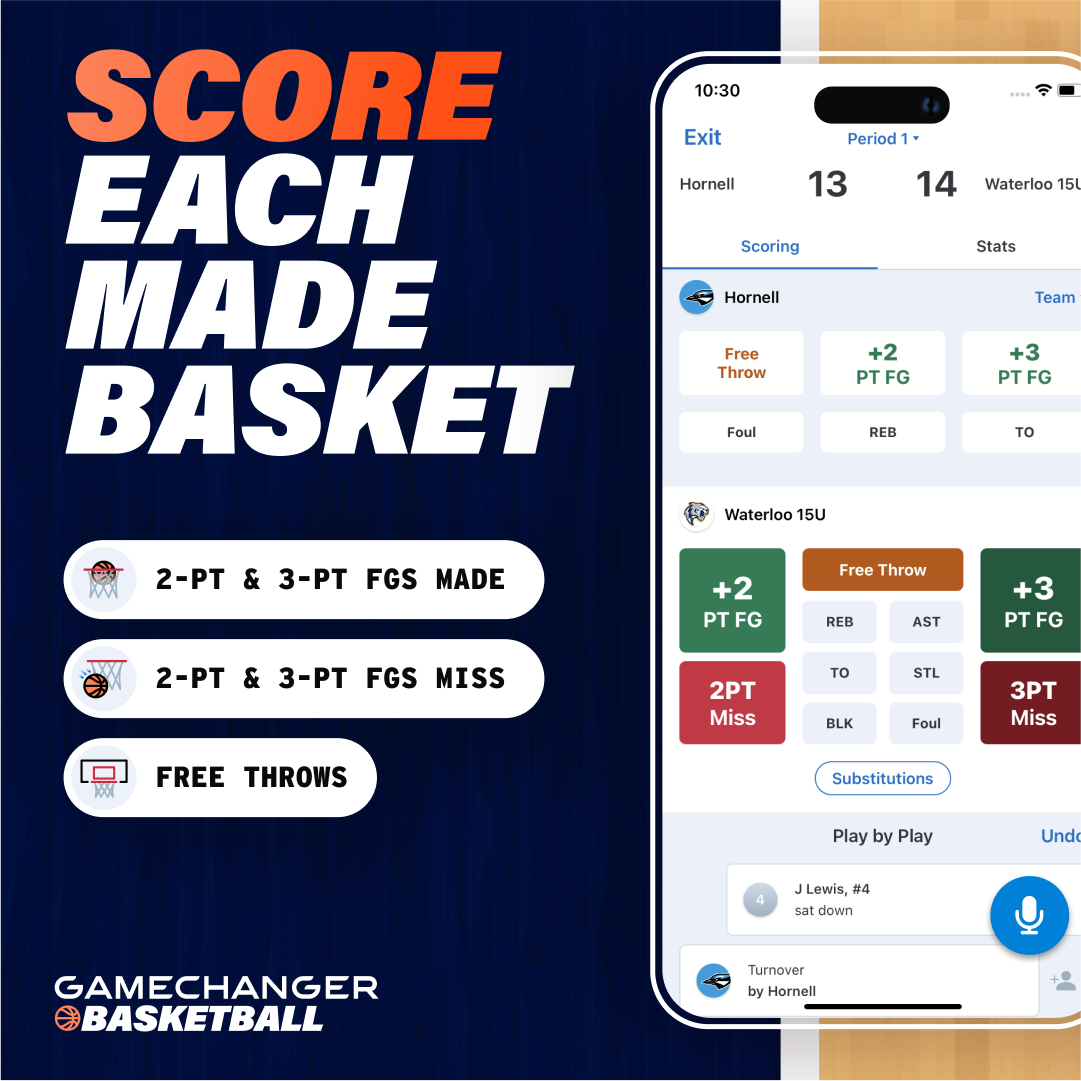
Hey, coach! Want to take your team to the next level this season? Introducing GameChanger, the ultimate game-day assistant with tools to give you a winning advantage. With GameChanger, you can track stats, keep score, and even live stream games, all for free! Get the stats and crucial game video you need to lead your team to victory, all from the palm of your hand. Coach smarter this season with GameChanger. Download GameChanger today on iOS or Android and make this season one to remember. GameChanger. Stream. Score. Connect. Learn more at GC.com/HoopHeads
TRANSCRIPT FOR ROUND TABLE 75 – WHAT IS THE MOST IMPORTANT THING YOU TRY TO ACCOMPLISH DURING A POST SEASON MEETING WITH AN INDIVIDUAL PLAYER? – EPISODE 1074
[00:00:00] Narrator: The Hoop Heads Podcast is brought to you by Head Start basketball.
[00:00:20] Mike Klinzing: Hello and welcome to the 75th edition of the Coach’s Corner Round Table on the Hoop Heads Podcast. Each episode of the Coach’s Corner Round Table will feature our all-star lineup of guests answering a single basketball question. A new Coach’s Corner Round Table will drop around the 15th of each month.
March’s Round Table question is, What is the most important thing you try to accomplish during a postseason meeting with an individual player?
Our coaching lineup this month includes:
- Jerry Buckley – Bishop Kenny (FL) High School
- Joe Burke – Skidmore College
- Brad Cooper – Hartwick College
- Stephen Halstead – Grace College
- Dave Hixon – Amherst College
- Chris Kreider – Rice University
- Bob Krizancic – Mentor (OH) High School
- Katie Pate – George Mason University
- Michael Rejniak – NCSA & We Are D3 TBT
- Don Showalter – USA Basketball
- John Shulman – University of Central Arkansas
- Joel Wallace – LeTourneau University
Please enjoy this Round Table episode of the Hoop Heads Podcast and once you’re finished listening please give the show a five star rating and review after you subscribe on your favorite podcast app.
Be sure to follow us on twitter and Instagram @hoopheadspod for the latest updates on episodes, guests, and events from the Hoop Heads Pod.
Hey Hoop Heads, this March only, you can buy one Dr. Dish CT Plus and get one for $2,000 during Dr. Dish Basketball’s semiannual sales event. You can also unlock exclusive discounts on the Dr. Dish Home and IC3 Shot Trainer. Shop now through March 31st to secure your industry leading machines just in time for the off season.
Learn more at drdishbasketball. com and follow their incredible content at Dr. Dish B Ball on Twitter, Instagram, Facebook, and YouTube. YouTube, mention the Hoop Heads podcast. Save an extra $300 on the Dr. Dish. Rebel All Star and CT models. Those are some great deals. Hoop Heads. Get your Dr. Dish shooting machine today.
[00:02:24] Billy Hansen: This is Billy Hansen, author of Harder than I Thought, Easier than I Feared and you’re listening to the Hoop Heads Podcast.
[00:02:35] Mike Klinzing: Coaches, GameChanger is making your game feel more valuable than ever. New this season to GameChanger, Film Room allows team staff to analyze full game videos, add comments to specific moments, and quickly share feedback with other coaches, team members, or families. The number one youth sports app automatically skips downtime in the game film, condensing event video into active play so you can focus on the moments that matter.
The best part? It’s completely free for coaches. Download GameChanger now on iOS or Android and take your coaching to the next level with Film Room on Game Changer. Game Changer. Stream. Score. Connect.
Let’s hear from our panel about the most important thing they try to accomplish during a postseason meeting with an individual player.
Jerry Buckley, Bishop Kenny High School, Jacksonville, Florida.
[00:03:35] Jerry Buckley: Hi, this is Jerry Buckley from Bishop Kenny discussing postseason meetings and what the most important things of those are for us.
Obviously like everybody, we can talk about the completed season with the player, things that went well and what they want to continue to improve on. Discuss their off season plans, if they’re playing AAU and with whom and all those different things. But I think the most important thing is giving them a vision for what their potential role will be for the following season based on our potential returners what types of areas improvement they need to focus on and where they can see themselves really making an impact in our team being successful the following year.
So I think that’s the most important thing is making sure they have a clear. Understanding of where they are with that as far as a role and where that can continue to develop. And a lot of times you can point at maybe graduating seniors that filled a similar role. And kind of looking for them to expound upon that and continue to improve their skills.
[00:04:35] Mike Klinzing: Joe Burke, Skidmore College.
[00:04:41] Joe Burke: For us, and this is strictly talking about returning players, we generally give them some time after the year. I think it’s important to sit back, digest the season, take a look at what happened, and take emotion out of the conversation. We usually wait a few weeks, then we’ll get together and we’ll just map out a plan going forward for where we think they need to be.
As well as where they think they need to be. I think it’s a two way conversation. It’s really productive in my eyes. And in fact, it’s probably more productive than most conversations you have during the year. The most important thing again, it’s just to get on the same page with them, understanding their capabilities and what their upside and how we think they’re going to make a serious impact on this program and helping them map out a way to get there to that point.
[00:05:30] Mike Klinzing: Brad Cooper from Hartwick College.
[00:05:35] Brad Cooper: We have three keys to our postseason meetings with our players. 1st and foremost, we want to get the players recommendations for the coaches and we want to know how we can improve on every area of the program management from game days to practices to team team culture, the team bonding, really just anything they can give us for us to improve for the next year is important.
Secondly, we want to understand our academic progress and we want to understand what internships are looking at and just understand any type of ways that we can help them professionally. 3. We want And academically, and lastly, we want to be clear and concise with our analysis of them and we think that’s important for their off season progression.
So their strengths or weaknesses and opportunities for next year,
[00:06:25] Mike Klinzing: Stephen Halstead from Grace College.
[00:06:30] Stephen Halstead: Hey, this is Stephen Halstead from Grace College tune in for the Round Table number 75. The question this week was. What is the most important thing you try to accomplish during a postseason meeting with an individual player?
One approach that we take for this is we actually have a form that we have the players go and fill out before they meet with the coaches. And the coaches fill out that exact same form. So we’ll go through numerous things. Offensive skills, defensive skills, intangible skills. And essentially what we’re trying to accomplish is we want those players to be the first one to sit down and judge and really see how they’re doing throughout the year and where they think they are on that.
And then in the players meeting we’ll sit down and we’ll go through their responses and the coaches responses. And the biggest thing that we want from this is. We don’t want any outliers where he thinks he’s a phenomenal passer and we just think he’s a terrible passer. We want them to see pretty much eye to eye on what we see as them as a player.
And then at the end of that, we have our own comments that we talk to them about the year. And then before we leave, we have a plan of attack for that player, assuming they’re not graduating. And giving them a plan attack to come back next year to improve on one to two, maybe three different things that we think they can really take a jump on going into the next season.
[00:07:45] Mike Klinzing: Dave Hixon, Basketball Hall of Famer from Amherst College.
[00:07:52] Dave Hixon: Hey, Hoop Heads, Dave Hixon here, sending in my response to this month’s question about final meeting, wrap up meeting of the season, end of the year meeting what’s the most important thing that we try to establish? I think that I try to establish reality. What is real? I hear their sense of that and, and what they got from the program, what they want from the program, where they see themselves going.
And then I give them my version of that. And we have a discussion and we try to figure out what is real, where they are what they can do to better their lot, what we can see them doing that can make them more helpful next year, make themselves better next year. Make corrections and all sorts, whether it’s on the academic side, whether it’s on the social side, behavioral side, and that’s naturally the basketball side.
So my big thing is to try to hammer out a reality. What is real? And that can’t be a one sided conversation. I think thatMike certainly in the end I make those decisions and, and so my side might be the more important side, but I learned over the years to be a great listener. And to take their input because it not only helped me with them personally, but it also helped me with what was going on with the team and what I could do a little bit better.
Thanks, Hoop Heads, and I hope you’re enjoying March Madness.
[00:09:19] Mike Klinzing: Chris Kreider from Rice University.
[00:09:25] Michael Rejniak: The most important component of a postseason player meeting is honest evaluation. First and foremost, I love to hear from the individual player and how they view the past season and really the past year, including preseason, end season, all the work that was put in, how they put that all together and view kind of where they need to go from there.
At that point, I would also love to hear just their honest evaluation of. Myself as an assistant coach in my current role Things I could do better and then also just hearing any thoughts they have Evaluating our program just especially for outgoing seniors. That’s very relevant in my opinion guys that have been in the program for multiple years and just it’s a way to Evaluate top to bottom program wide, you know as you head into the off season, but I think Experience is great, but only evaluated experience Is what can help you get better moving forward.
[00:10:34] Mike Klinzing: Your first impression is everything. When applying for a new coaching job, a professional coaching portfolio is the tool that highlights your coaching, achievements and philosophies. And most of all helps separate you and your abilities from the other applicants, the Coaching Portfolio Guide is an instructional membership based website that helps you develop a personalized portfolio. Each section of the portfolio guide provides detailed instructions on how to organize your portfolio in a professional manner. The guide also provides sample documents for each section of your portfolio that you can copy, modify and add to your personal portfolio.
As a Hoop Heads Pod listener, you can get your Coaching Portfolio Guide for just $25. Visit https://www.coachingportfolioguide.com/hoopheads to learn more.
Bob Krizancic, Mentor High School, Mentor, Ohio
[00:11:33] Bob Krizancic: Coach K, Mentor High School. We meet with every returning player individually right after the season. I definitely want to see what their goals are, but more importantly, I want to see what their plan is or what their system is for achieving those goals. It definitely includes strength and skill, and then we’ll meet at the end of each month and just see how their plan is working out. And what needs to be tweaked. Best of luck.
[00:12:02] Mike Klinzing: Katie Pate from George Mason University.
[00:12:07] Katie Pate: Katie Pate, Senior Associate Athletics Director for Development at George Mason University, former college women’s basketball coach. What’s the most important thing you try to accomplish during a post season meeting with an individual player? A few things that I really leaned into. Clarity in conversation, solution minded, specific in detail.
Made sure that I knew what I could deliver to the student athlete, whether it was regarding financial aid conversations or player improvement, or if we needed to make a decision to move in a different direction. Those meetings were deeply planned, working with assistant coaches, oftentimes scripted with bullet points, always having someone else in the office.
I never had student athlete meetings. By myself, definitely wanted to have some protection there someone to take notes. Certainly have to be prepared today that student athletes will record those conversations. So the better prepared I could be, the more beneficial that those meetings went. I tried to also predict the questions that the student athlete was going to ask me.
So a little pre Q& A in preparation of the questions that I might endure in those meetings. Certainly always sharing the results of each of those meetings with a sport administrator or with a school official, whomever you report to. Great note taking goes a long way in making sure that these, these meetings are successful and have robust results.
[00:13:30] Mike Klinzing: Michael Rejniak, from NCSA and We are D3TBT.
[00:13:38] Michael Rejniak: Hi, Coach Rej from NCSA and We are D3TBT. And this month’s roundtable question, What is the most important thing you try to accomplish during a postseason meeting with an individual player? I think it really boils down to really having an honest assessment. Of where they are at within your program mentally, like, I think, especially nowadays with the portal, like, are they planning on leaving, staying confidence, kind of where they are within the constructs of your respective team, how is their mindset, their goals.
And, and we’re just kind of overall where their whole thought process lies assessing physically, obviously skill wise, where they are and where they need to be within the team as well. And then just overall, just having assessing where they are currently within the fit of your team and the vision you have for that team.
So overall, I think the most important thing we’re trying to accomplish here is just an overall assessment. Of where the player is at. So you know currently where you are. Where you need to go. And the same thing for them. Where, where are they gonna go? And what is their journey look like? Take care.
[00:14:58] Mike Klinzing: Don Showalter, USA Basketball.
[00:15:05] Don Showalter: Hi, Don Showalter here from USA Basketball. Question is, what do you try to accomplish in your postseason meetings with your players? First of all, a couple of things. I think you need to have an assistant with you during that postseason just so you can confirm later on. If there’s a question about what you said in that meeting, you can confirm that with your assistant.
So I think that’s that’s important. Secondly, I think you ask questions of the player first, ask him what he thought of the season. Mike if he, what he thinks he could do better and then ask him for his goals for next year. If he wants to be, he’s a, maybe he’s a starter and wants to be a superstar on your team.
Well, I think you need to let him know how to get that done. He’s going to have to be a great leader. He’s going to have to be the hardest worker on the team. He’s going to have to make sure that he does his things to get his goal. So understanding goals of your players is really important in the post season meeting.
And then also I think I think you’re really honest with him. You never promise anything. You never promise playing time for next year. Never promise you’re going to start. But just to be real honest with them as far as where they’re lacking and what they’re lacking. Thank you.
[00:16:23] Mike Klinzing: John Shulman from the University of Central Arkansas.
[00:16:29] John Shulman: This is John Shulman, head basketball coach at Central Arkansas, and the question is what are you trying to accomplish in your post season meetings? I think those meetings are different on different levels, but. Biggest thing is, I think, is, I think it’s got to be a feedback on both ways.
You want to tell the young man or young lady how you think their year honestly went the goods and the bads, and what that young person can improve on, the goods and the bads, and be honest. The truth helps, doesn’t hurt, the truth helps. So I, I think that needs to be, the majority of the meeting is go back and, and try to critique and try to help as much as you can.
But then I think you need to probably turn it and ask them for their opinion. You’re not asking their parents, you’re asking them. And I think they’ll tell you the truth, and like I said, the truth helps. It doesn’t hurt, the truth helps. And we all need it. It doesn’t matter who we are, what level we are, we all need it.
So ask that young person. Get feedback from them. The goods and the bads, and how they think the year went. And how, what can you improve on? Don’t just put it on them. You got to figure out what you can improve on in the same way because we’re all in the learning process and we’re all trying to get better.
If we’re staying still, we’re probably getting worse. So that would be my suggestion on post season meetings. Go through it with them on what they can improve on and what they need to work on and their, and your vision and then turn upon them and make sure they they, they give you feedback on how you did as a coach.
And as a mentor sometimes it’s good. Sometimes it stings. But I think we all need it. Hope this helps have a great spring.
[00:18:27] Mike Klinzing: Joel Wallace from LeTourneau University.
[00:18:32] Joel Wallace: This is Joel Wallace, associate head men’s basketball coach at LeTourneau University. When I go into postseason meetings, I think there’s 2 things that I think are the most important and the 1st one is resolution.
And there’s always something that needs to be resolved from the year, whether it be a playing time disagreement, whether it be a role, whether it be just some communication that happened throughout the year. I think there needs to be resolution that has to happen. In order to move forward, and then there needs to be an understanding of what the expectation is and what they need to do to get to that next step, whatever that may be.
So, freshman growing into sophomore, sophomores, upperclassmen. Mike juniors getting into senior leadership roles, stuff like that. So I’m always looking to try and find some resolution from the season and then get an understanding of what needs to happen next in order for us to take a big step going into the next year.
[00:19:22] Mike Klinzing: Thanks for checking out this month’s Hoop Heads Podcast Round Table. We’ll be back next month with another question for our all-star lineup of coaches.
[00:19:32] Narrator: Thanks for listening to podcast presented by Head Start Basketball.