
CHRIS KREIDER – RICE UNIVERSITY MEN’S BASKETBALL ASSOCIATE HEAD COACH – EPISODE 1051

Website – https://riceowls.com/sports/mens-basketball
Email – [email protected]
Twitter/X – @CoachKreider

If you listen to and love the Hoop Heads Podcast, please consider giving us a small tip that will help in our quest to become the #1 basketball coaching podcast.
Chris Kreider is the Men’s Basketball Associate Head Coach at Rice University where he is in his second stint at Rice and his sixth season working with Head Coach Rob Lanier, including the last two years as an assistant coach at SMU and three seasons at Georgia State.
Kreider was selected to the Top Connect Basketball Symposium in 2022 and 2023, a networking and leadership event that includes athletics directors and some of the top assistant coaches in the country. He was also invited to the 2023 Jay Bilas Coaches Leadership Program, which is intended to help experienced Division I assistant coaches continue to refine their philosophy both on and off the court.
Kreider’s first stint at Rice was from 2017-19. Prior to that he worked in various roles at Virginia Military Institute, George Mason, Georgia Southern, Georgia Tech, USC Aiken, and the University of Great Falls.
As a college player Kreider started as a small forward at three colleges, playing one year at Mansfield University before transferring to Grove City College (Pa.). In his junior season, Kreider led the Wolverines in scoring (12.3 ppg) and steals (52). He finished his playing and academic career at Lebanon Valley College.
On this episode Mike & Chris discuss his growth, and adaptability in the ever-evolving landscape of college athletics. Kreider recounts his childhood experiences in Colombia, where his parents were missionaries, and how these formative years shaped his love for basketball. His travels allowed him to develop a deep appreciation for the game, which he later pursued through various coaching positions across the United States. Kreider emphasizes the value of mentorship and the lessons learned from each coaching role, underscoring that every experience has contributed to his professional growth and understanding of the sport.
As the conversation unfolds, Kreider discusses the challenges and opportunities presented by the current state of college basketball, particularly in relation to the transfer portal and NIL (Name, Image, Likeness) deals. He reflects on how the dynamic nature of recruiting has changed, making it essential for coaches to adapt quickly and effectively to secure talent. Kreider also touches on the significance of servant leadership, both for himself and in fostering leadership qualities among his players. He believes that successful coaching hinges on building authentic relationships, understanding players’ needs, and helping them navigate the complexities of their basketball and personal lives.
The episode concludes with Kreider offering insights into his vision for the future of college basketball, advocating for a sustainable model that balances competitiveness with the educational mission of the sport. He is optimistic about the potential for positive change and the role that coaches can play in mentoring young athletes, ultimately seeing basketball as a platform for personal development and life lessons beyond the court. Kreider’s passion for the game and commitment to his players shine through, making this discussion a valuable resource for aspiring coaches and basketball enthusiasts alike.
Follow us on Twitter and Instagram @hoopheadspod for the latest updates on episodes, guests, and events from the Hoop Heads Pod.
Make sure you’re subscribed to the Hoop Heads Pod on iTunes or wherever you get your podcasts and while you’re there please leave us a 5 star rating and review. Your ratings help your friends and coaching colleagues find the show. If you really love what you’re hearing recommend the Hoop Heads Pod to someone and get them to join you as a part of Hoop Heads Nation.
Have your notebook ready as you listen to this episode with Chris Kreider, Men’s Basketball Associate Head Coach at Rice University.
What We Discuss with Chris Kreider
- How his early experiences in Colombia, where his parents worked as missionaries, shaped his love for basketball
- The importance of authentic relationships with players which help foster trust and growth
- Servant leadership, focusing on helping players develop both on and off the court
- The value of supportive a head coach, enabling assistants to pursue head coaching opportunities and who prioritize family and personal development for assistants
- Why work-life balance is a challenge for coaches, but quality family time remains a key priority
- How the transfer portal has dramatically changed recruiting, making it a faster-paced process for coaches
- The impact of the transfer portal on recruiting strategies and player retention
- Why developing a player’s character and work ethic is vital for their success on and off the court
- The significance of maintaining perspective in coaching, balancing competitiveness with personal well-being
- The value of mentorship throughout his coaching journey
- The need for adaptability in modern college basketball coaching
- How NIL has drastically changed recruiting dynamics in college basketball
- Why coaching opportunities often arise from unexpected connections
- Understanding the role of a head coach as a CEO is crucial
- Intangibles play a significant role in a player’s success
- Work ethic, love for the game, high character and family values matter in players
- Preparation for becoming a head coach involves documenting your experiences along the way
- Why the future of college athletics needs sustainable solutions
Like this show? Please leave us a review here — even one sentence helps! Consider including your Twitter handle so we can thank you personally!

We’re excited to partner with Dr. Dish, the world’s best shooting machine! Mention the Hoop Heads Podcast when you place your order and get $300 off a brand new state of the art Dr. Dish Shooting Machine!

Prepare like the pros with the all new FastDraw and FastScout. FastDraw has been the number one play diagramming software for coaches for years, and now with it’s integrated web platform, coaches have the ability to add video to plays and share them directly to their players Android and iPhones via their mobile app. Coaches can also create customized scouting reports, upload and send game and practice film straight to the mobile app. Your players and staff have never been as prepared for games as they will after using FastDraw & FastScout. You’ll see quickly why FastModel Sports has the most compelling and intuitive basketball software out there! In addition to a great product, they also provide basketball coaching content and resources through their blog and playbank, which features over 8,000 free plays and drills from their online coaching community. For access to these plays and more information, visit fastmodelsports.com or follow them on Twitter @FastModel. Use Promo code HHP15 to save 15%

The Shortcut to a Better Year? A Better Brain.
Say goodbye to burnout, procrastination and sleepless nights, and hello to a sharper mind, calmer energy, and less stress.
- Two delicious daily shots
- Increase your productivity in the day
- Reset with deep restorative sleep at night
- Clinically-proven ingredients, science-backed results
Get 45% off the Magic Mind bundle with with my link:
https://www.magicmind.com/hoopheadsjan

Your first impression is everything when applying for a new coaching job. A professional coaching portfolio is the tool that highlights your coaching achievements and philosophies and, most of all, helps separate you and your abilities from the other applicants.
The key to landing a new coaching job is to demonstrate to the hiring committee your attention to detail, level of preparedness, and your professionalism. Not only does a coaching portfolio allow you to exhibit these qualities, it also allows you to present your personal philosophies on coaching, leadership, and program development in an organized manner.
The Coaching Portfolio Guide is an instructional, membership-based website that helps you develop a personalized portfolio. Each section of the portfolio guide provides detailed instructions on how to organize your portfolio in a professional manner. The guide also provides sample documents for each section of your portfolio that you can copy, modify, and add to your personal portfolio.
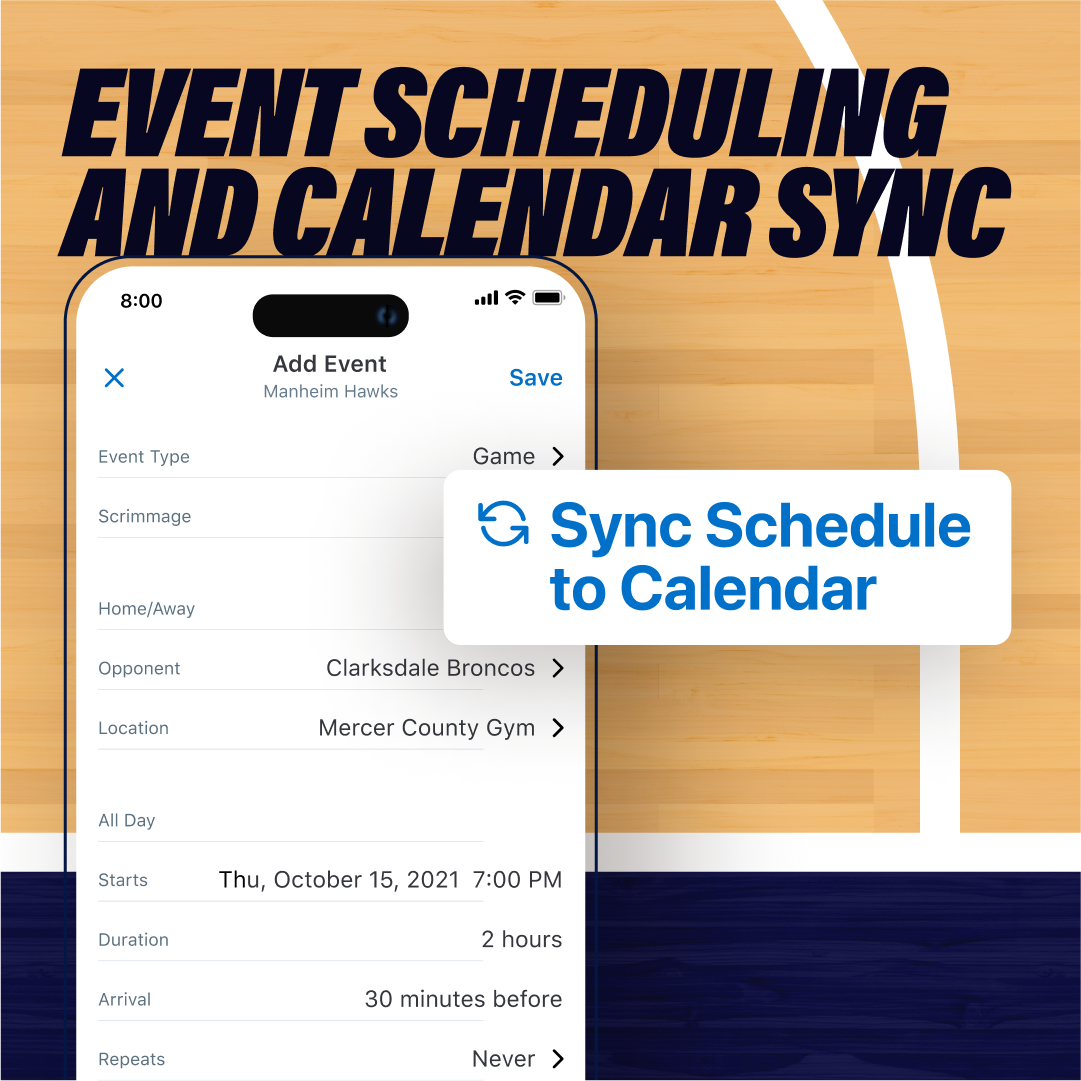
Hey, coach! Want to take your team to the next level this season? Introducing GameChanger, the ultimate game-day assistant with tools to give you a winning advantage. With GameChanger, you can track stats, keep score, and even live stream games, all for free! Get the stats and crucial game video you need to lead your team to victory, all from the palm of your hand. Coach smarter this season with GameChanger. Download GameChanger today on iOS or Android and make this season one to remember. GameChanger. Stream. Score. Connect. Learn more at GC.com/HoopHeads
THANKS, CHRIS KREDIER
If you enjoyed this episode with Chris Kreider let him know by clicking on the link below and thanking him via Twitter.
Click here to thank Chris Kreider via Twitter
Click here to let Mike & Jason know about your number one takeaway from this episode!
And if you want us to answer your questions on one of our upcoming weekly NBA episodes, drop us a line at [email protected].
TRANSCRIPT FOR CHRIS KREIDER – RICE UNIVERSITY MEN’S BASKETBALL ASSOCIATE HEAD COACH – EPISODE 1051
[00:00:00] Mike Klinzing: Hello and welcome to the Hoop Heads Podcast. It’s Mike Klinzing here without my co-host Jason Sunkle tonight, but I am pleased to be joined by Chris Kreider, men’s basketball assistant coach at Rice University. Chris, welcome to the Hoop Heads Pod.
[00:00:15] Chris Kreider: Great to be here, Mike.
[00:00:17] Mike Klinzing: Thrilled to have you on, looking forward to diving into all the things that you’ve been able to do in your career.
Want to start by going back in time to when you were a kid. Tell me a little bit about some of your first experiences with the game of basketball. What made you fall in love with the game when you were younger?
[00:00:34] Chris Kreider: Yeah, it’s I guess thinking back, it might be one of the more unique stories that you’ve had, I guess.
My parents were missionaries, so I grew up on Columbia, South America, spent five years there and in a country where soccer is king I was eight years old when I started picking up the ball and playing basketball there in Columbia, South America, went to a boarding school with, I want to say 40 to 50 other American kids that were there for the same reason I was.
So, it was going to class during the day and then just a basketball court out in the middle of the, I guess it’s the foothills of the Andes mountains in Columbia. Just started playing on my own. And then fell in love with the game there and went to a summer camp back in Pennsylvania where I’m originally from.
My parents sent me back there one summer and I guess the rest is history.
[00:01:25] Mike Klinzing: So, what was it about the game? Did you play any other sports when you were younger?
[00:01:31] Chris Kreider: I played baseball. My dad really loved the game of baseball, tried to get me in it. I tried to play it, was a pitcher first baseman a little bit, but didn’t really click and then just once I started playing basketball, I just fell in love with it.
And that was that.
[00:01:45] Mike Klinzing: When did you come back to the states full time?
[00:01:49] Chris Kreider: Yeah, so I went, I want to say it was like a couple summers in a row and it was kind of a, a unique situation. So I consider him a brother my best friend, Nate Barton now, but I, I went to his, that was the head coach at Lower Dauphin High School.
And so I went there for a camp and we just hit it off. And it got to be a point where my parents long story short with everything during the Pablo Escobar era in Columbia we had to kind of head out when all that was going on, I’m shitting half an American.
And I guess, so Nate Barton was just like, Hey, your parents are traveling around doing what they’re doing. let me talk to my dad. Let me, why don’t you just live with us. And that’s what ended up happening. My parents allowed me to do that. Looking back as a parent now I’m not sure how they did that, but from basically ninth through 12th grade, I live with coach Barton, who was our high school coach there at Lower Dauphin high school in central Pennsylvania and my best friend, Nate.
And he was a coach and that’s kind of where eventually the coaching bug came from as well.
[00:02:54] Mike Klinzing: You got a built in training partner right there in the house, huh?
[00:02:57] Chris Kreider: Yeah, we had a lot of, a lot of fun tussles over the years for sure.
[00:03:02] Mike Klinzing: So when you think back to your time as a high school player, how’d you go about getting better?
What was your process for becoming a better player? How much were you playing pickup? How much were you working on your own? How much were you and Nate working out together? What did that look like for you as a high school player?
[00:03:19] Chris Kreider: Yeah, I mean, I think not only basketball him and I pushed each other a lot.
we were. we’re basically the same age. And so every day we had our ritual, our routine we come home from school and we the ball handling drills and the 30 minutes of ball handling. And if you weren’t doing something for an hour and a half, two hours a day on your own, you felt guilty.
And we had open gym three days a week at our high school. And then we find out when the other high schools were gone. So we were pretty much in the gym every day. And eventually getting into later in high school when AAU was picking up you tried to. Get on an AAU team and do all that stuff that was pre a couple years ago before it really got like it is now, especially in the part of Pennsylvania I was from eventually tried to jump on a team from Philly and just try to get exposed to higher level basketball.
[00:04:10] Mike Klinzing: What’s your favorite memory from being a high school basketball player?
[00:04:15] Chris Kreider: Yeah, I would just think, as a player, the same reason I love coaching, I think you just think back on all the relationships you made whether it was your high school team and AAU team an all star team just.
Pretty much everybody I stay have stayed connected with them. The better friends in my life have come from the game of basketball. It’s just been kind of organic that way.
[00:04:37] Mike Klinzing: Did as a high school player that you wanted to play college basketball? Was that something that you had dreamed about since you were little?
Or did that kind of come to you as you were making your way through your college career? When did that become a reality and become something that you knew you wanted to pursue?
[00:04:55] Chris Kreider: Yeah, I was always fixated on the division one thing. I wanted to be a division one player. so I worked that way with those that goal in mind and got to my junior summer going into my senior year started getting recruited a little bit, but I could slowly there was a tournament, I forget it was somewhere in Philly.
And I, I want to say it was, we were playing against John Salmon’s team and I think I got matched up on him somehow. And when I guarded him, I was just like, this is different and I just, I realized at that point there’s levels to this thing. And so I ended up. playing division two basketball coming out of high school.
But that summer I was on the circuit exposed to some high level players and I knew I wasn’t quite ready for that.
[00:05:41] Mike Klinzing: So what would the decision making process like for you when you eventually made the decision to go to Mansfield University? What do you remember about the things that you weighed in on in terms of making that decision?
[00:05:55] Chris Kreider: Yeah, I think that’s I haven’t really thought about that in a long time, but the first thing that came to my mind was how. Just how the whole thing for me, when, when you say Mansfield, I think of Vince Alexander and Vince Alexander was an assistant coach there at Mansfield that recruited me there.
Fast forward, I end up working for Vince Alexander at USC Aiken. I chose Mansfield why it was a division two scholarship thinking back, that’s what it was. So I just to get a college education for free. That’s why I chose Mansfield. And when I went there the ups and downs of a freshman year played started, then I didn’t start and kind of the ups and downs, very immature looking back where I was.
There was a, the spring came and I made the decision to transfer. And Vince Alexander ended up getting that head coaching job once coach Ackerman stepped down and Talk, tried to talk me into staying, but I didn’t stay. And just just thinking about the zooming out now over the years, just how.
I didn’t stay to play for him, but coach Alexander ended up giving me an opportunity at USC Aiken to coach for him and coach with him. And I think that’s the cool part about this whole thing.
[00:07:07] Mike Klinzing: Going into school, what were you thinking about in terms of academically, in terms of potential career, was that something that was on your radar at all?
Or were you just. Kind of thinking about, Hey, I gotta get in and I gotta, I gotta work on my game and, and be a player. Where was your mindset at added as you, as you entered school?
[00:07:26] Chris Kreider: Yeah. I, I wanted to be the best player I could be. That really motivated me. And I, I knew just for me, I wasn’t the most athletic dude in the world.
I had to be one of the harder workers and fundamentally sound, or to the best of my ability at least. I wasn’t chasing professional basketball or anything like that. thinking back I wasn’t even school sure what I wanted to major in. I thought international business cause I had grown up in Columbia, spoke Spanish and wanted to use that.
But I took economics. I remember that. And I just, I said, Nope, I got to change this major. So that’s that’s kind of where my mind was at my freshman year there at Mansfield.
[00:08:02] Mike Klinzing: After you leave Mansfield, you head to Grove city and here’s a case where our stories sort of intersect. And Your head coach there was Steve Lamme, who was a graduate assistant at Kent while I was playing there.
So just tell me how you ended up at Grove City and then what your impressions were of Coach Lamme and what the experience was like playing for him at Grove City.
[00:08:22] Chris Kreider: Yeah, Coach Lamme was awesome. I, I’ve seen him a couple times over the years, whether it’s a Final Four just try to stay in touch with him the best I can.
Just a great coach, but an even better person just him and his wife there I ended up at Grove City, one reason Coach Barton, the family that I’d mentioned they had attended Grove City College, so there was some experience there and obviously being a, a Christian and looking for different factors when I was looking at schools, I really that part was very attractive to me, a Christian, Christian school and with a really good basketball program.
And I’m really glad I went there, was there for two years and Andy Vlakovich one of my roommates, teammates we had a, we had a room right above the, right above the gym, I guess it’s on the second floor. Thinking back right above coach Lammy’s office, I think it was like for two years or at least one year where we literally, we lived right above his office.
But Andy wanted to be a coach and he was very dedicated we roomed together. And so we had this little routine Nate nine high school, but then Andy and I at Grove city, like just really leaned into a routine, worked out together a lot. And then I could tell he wanted to coach and we kind of picked each other’s brains and we started talking about.
just ways that we were going to go about doing that. And that was slowly in the summer started working camps. That was back then, that was the way you broke in. So he would do his summer camp in Ohio and, and his little thing. And I would try to get involved at some different camps to get my foot in the door as well.
[00:09:56] Mike Klinzing: What was your favorite camp that you worked at when you were a college player?
[00:10:03] Chris Kreider: Ooh, man there were a couple really cool ones. I was Coach Pera, who I ended up working with here at Rice the first time. It was either when I was in college or right after UCLA. I mean, that getting to meet John Wooden.
that was, that was a highlight and then working camp in North Carolina did that, got to see that and met a really good friend of mine, John Holmes, who’s now at Miami of Ohio through that, but just thinking back, used to try to do like a five, five to six different camps throughout the summer.
And just go work a week, get paid however many hundreds of dollars, a hundred dollars they would pay and to try to eat, make ends meet, live in the dorms for a week and then drive to the next session. And that was a way that just at the time, that was the way to get into college coaching.
So.
[00:10:47] Mike Klinzing: Yeah, absolutely. I mean, it’s amazing that camp circuit isn’t quite to that same level that it used to be as we shifted away from that camp model more towards playing games and AAU and that kind of thing. And summer basketball has obviously become way more important. And we’ll talk about that as we, as we get into your various stops as a college coach and just how the recruiting game has changed over the time since it’s Tell me a little bit about the decision to, to finish your, your college years at, at Lebanon Valley.
And, and then once you graduate, what the, what the job search looks like for you that first time?
[00:11:29] Chris Kreider: Yeah, Lebanon Valley full circle went back to where I kind of grown up and went to high school and almost went back home type thing to finish my career and had a great experience playing for Brad McAllister there at Lebanon Valley for that last year.
I was. Pre transfer portal. They’re hitting three different schools. And I, I think just thinking back I, I choose to look at it like God had a for whatever reason that path I was supposed to take because every one of those coaches that I played for and teammates that I had, I think have impacted me in a, in a very powerful way throughout my life and my career so far.
And so getting out of college that this is a unique story to final four that’s the other way that you got to try to get in there. So, yeah. I want to say, I guess it was 2002. Yeah, I think that’s 2002. It was in Atlanta. And so, my assistant coach at Lebanon Valley, Chris Rogers, and Coach McAllister, they were going to the Final Four in Atlanta.
I had graduated. I was done, and I wanted to get into college, so I tagged along with them. And on that trip to Atlanta, ended up meeting my now wife, Heather. And so that Final Four in Atlanta. That’s a
[00:12:40] Mike Klinzing: good, that’s a good, that’s a good trip, Chris.
[00:12:42] Chris Kreider: Yeah. went there, went there looking for get my foot in the door and coaching and found the best thing that’s ever happened to me.
So yeah, that, that was kind of, and then from there through the camp circuit, that’s kind of where I had to make one of the tougher decisions, I guess Mike Genesee or John Paul, John Paul Genesee at UCLA at the time, his dad, Mike Genesee was the head coach at the University of Great Falls.
And he needed an assistant and so I guess I had the choice having graduated from London Valley was either go to Montana and take this opportunity at an NAI school in Great Falls, Montana. I know nothing about Montana, but kind of like a leap of faith, but that was the next thing I’d heard people do things like that.
And I figured, okay, well, here we go. And that’s kind of where the whole coaching journey started.
[00:13:34] Mike Klinzing: So when you get out there and you start the job. Do right away that you’ve made the right decision that coaching is where you want to be? I mean, do you take to it and you’re like, man, this is, this is it.
This is what I want to do. Even though I’m in great falls, Montana, even though I’m sure you were raking in a ton of cash in that job I’m sure, I’m sure you were just you were running to the bank every single day. But obviously with those limitations, did you still feel like, man, this is, this is the right place for me.
[00:14:04] Chris Kreider: Yeah, I mean, Mike is crazy. I haven’t thought about this in a long time. I guess did I, I knew that I was on the right track, but Montana, I was definitely out of my comfort zone. And then what made it hard for me is I met this girl and she’s lives in Atlanta and I’m like this, this thing. And I’m like, I didn’t know how to process all that.
So I’m looking back, I don’t, I don’t think I was the best version of myself there because I was a little, you Distracted. And so the way that ended there, ended up just at the end of the year trying to figure out, okay, what’s, what’s next. It was either go back to Pennsylvania and just go back where I was comfortable or go to Atlanta and try to start this thing with Heather.
And that’s what I chose to do. And I’m so glad I did. And I guess that’s where the story gets a little interesting from at that point too.
[00:14:54] Mike Klinzing: All right. So you’re following the girl. And you get to Atlanta, do you get there without a job and then you have to start the job search process or had you already started the job search when you were in Montana?
[00:15:08] Chris Kreider: No. So, and here’s where I, when I haven’t thought about it or talked about it, maybe in this detail ever, it’s like you put yourself in a, however old I was 22, 23, and just some of the decisions you make as a parent now, I can’t wait for my daughter Olivia to go through this. But No, so here’s what happened.
It moved there without a job, started waiting tables, Copeland’s Cajun restaurant on Windy Hill Parkway or whatever, Cobb Parkway in Atlanta, an area that I ended up spending a lot of time, like for the next 20 some years, I recruited Atlanta and, and spent a lot of time in Atlanta, but my first job there was waiting tables.
Look through the classified ads, look for an interview or look for a a teaching position. I was, I majored in Spanish, but I wasn’t certified to teach and so ended up interviewing for a job at St. Francis High School, a Spanish teaching position. In the interview, they said Hey, you wouldn’t, I see you played basketball.
Any interest in maybe coaching too? And yeah, that’d be great too so ended up being a throw in as a, an assistant basketball coach at St. Francis. And ended up spending three years at St. Francis in different capacities, assistant boys one year, varsity varsity girls one year, and then varsity boys.
So three years there, but just the way it all happened God definitely had his hand in opening some of those doors.
[00:16:36] Mike Klinzing: Was there any thought after that experience of staying with the high school teacher, high school coach route? Because obviously that’s a career choice that. A lot of people make, and there’s clearly more, I don’t know if stability is the right word, but you’re certainly more anchored into a home base than you are at the college level, or what was the thought process to getting back into the college game?
[00:17:05] Chris Kreider: Yeah for the first three years, nah, I was, I was locked in on just trying to get to know I met Heather knew she was the one we got married quick and we were newlyweds and we were having fun and just, I was locked in on her and the coaching was fun and the teaching was fun.
I did like teaching Spanish and then we got to the third year and I, at that point I got a little itch like Hey maybe try this thing. I didn’t know how Heather was going to respond to it. So I put it in her court. So, I went, I took one of our players from St. Francis to watch a Peach Belt game he wanted to play Division I basketball and I wanted to show him what high level Division II Peach Belt level was like.
So, I took him to a game and the game I took him to, Vince Alexander happened to be coaching the other team. So, he was at USC Aiken, Aiken was playing, I want to say it was North Georgia. After the game, I just said, hey Coach Alexander, it’s great to see you. I didn’t expect to see him at all that night.
I mean, I hadn’t seen him in years. And he said, I said, if, if you ever need a volunteer assistant or anything, just I, I’d love to be considered. And he said, like on the spot, he’s like, yeah, let’s, let’s do it. Let’s pray about it. And if you want to do it, let’s do it. So he ended up giving me an opportunity to do that.
Just from taking one of our players from St. Francis there. So it was kind of unique how that, how that happened, but it was That was a volunteer spot and so had to drive to Augusta and look for a part time teaching job to go with it and God ended up providing one of those Spanish teaching jobs there as well.
So that kind of went hand in hand.
[00:18:45] Mike Klinzing: What’s that conversation like with Heather as you’re making that decision together with her and trying to determine whether or not that’s the direction that both you and her are on board with?
[00:18:56] Chris Kreider: Yeah, I wasn’t going to do it unless she was all in and you can, you can ask her.
you can always ask questions. You try to read the context clues in the body language and all that, but I could, I could really tell that she was all in and supportive and just wanted me to be happy and do what I felt I was being called to do. And I just, I really appreciate that.
And I couldn’t just, you can’t do these, this life with with someone that doesn’t understand that. So I appreciate her for that.
[00:19:24] Mike Klinzing: She know what she was getting into beforehand. Did she have any coaches? In her family or anything that she knew about, or she just kind of learned on the fly with you?
[00:19:32] Chris Kreider: Yeah, it’s, I mean, we laugh about it now. Like she had no idea that first year fast forward 10th year. And now now, I mean, I, she watches games almost more than I do, like she’s watching games every night and I might be focused on a scout or something and she’s watching Kentucky play downstairs.
So it’s been awesome.
[00:19:55] Mike Klinzing: All right. From that opportunity at USC Aiken, what’s next?
[00:19:59] Chris Kreider: Yeah. So this is this is another interesting kind of, to me, it’s just God opening another door because I didn’t play division one basketball. I didn’t have a connection. And so I knew how hard it was going to be.
And coach Alexander obviously helped me out there. And so I had worked camp at Georgia tech for a while and in the summers and got to know some of the staff at Georgia tech. So being in Atlanta. I was just trying to think like, okay, so what are some division one schools, where I can maybe just try to sneak in there.
And so Georgia Tech was one of them work camp and I just heard through the grapevine that a GA position was going to be coming open. And so I went after that and I was recruiting it and really working it like you have to do at those, at that level. So, it was like midway through the, the summer working the camp and I’d heard that basically Coach Hewitt was gonna make sure Anthony McHenry, a former player, came back, finish school, he was gonna give that GA spot to him.
And so I I didn’t want to take no for an answer, but I knew I wasn’t going to get the job. So I was working some other things like an ops job in the Patriot League. That was an option but anyway, I’m walking across campus like. Techwood Drive, I want to say like right by the football stadium at Georgia Tech and I passed Coach Hewitt and he’s got a thousand things going.
He’s not worried about me. And so I just kind of got out of my comfort zone for a second and I just said, Hey coach I, I know you’re going to give the, your GA spot to Anthony McHenry. But if, if there’s any capacity volunteer or anything I’d love to do it. And I didn’t know how he would take that or what.
And so all he said was he looked at me and said, sounds good and kept and kept walking. But he said, sounds good. Something like that. So I didn’t know if that was a yes. So John O’Connor, one of the, one of his assistants, I said, Johnny, yo, like, do what this means? Like, He didn’t say yes or no, like, so at that level at the time I was so naive, like I, I knew, I knew they were busy, but I didn’t looking at it now, I still don’t know how I snuck in there at the end, but he’s like, look, just keep showing up.
And so Pershing Williams is an assistant at Georgia Tech right now. And Pershing Williams was the outgoing GA and Pershing and I ended up working together later at Georgia Southern. But anyway. He was like, yeah, I’m telling you, man, like just keep showing up. And I had had Brad McAllister reach out to coach who would work with him at Sienna.
Like I had the whole, I was working it, but Anthony McKenry was hired and I just kept showing up and eventually it, it, it just turned into a volunteer spot. Well. That’s great. But what else am I going to do? So Mount Pisgah Christian school allowed me to teach Spanish from like nine to noon or something like that.
So that helped pay the bills in Atlanta, obviously married, got to take care of my family. So I did that for a year at Georgia Tech. And then John O’Connor. Looked out for me year two an administrative assistant left and he was just like, Hey, why don’t you just bump Chris up? And that’s what coach Hewitt did.
So my two years at Georgia Tech, I mean, I’m just so thankful that coach Hewitt said Yes, and allowed me to do that because from there how hard these jobs are to get 364 of them, Charlton Young, the assistant at Georgia Tech when he got the job at Georgia Southern I had worked with him for two years and at that point he felt comfortable taking me with him to his alma mater.
[00:23:46] Mike Klinzing: What was your biggest takeaway from those two years at Georgia Tech? If you think about the one most important thing that you learned in those two years that you’ve taken with you for the rest of your career, what would you point to?
[00:24:03] Chris Kreider: I mean, Coach Hewitt is one of, I mean, he’s one of the best to do it.
I mean, he the final four run he had and just my job for the second year was just to take basically his personal assistance. So I like did everything I could for him off the court, but he knew I wanted to coach. And so he allowed me to do a lot of things that I was able to do compliance wise around the game of basketball.
So what did I learn? I learned that. Especially in the ACC, but when you’re a head coach, you’re a CEO and just the amount of things that were thrown at him. I mean, he was on boards at the NABC he’s recruiting, you’re talking about, he had 13 guys, I think, when I was by the time we were done at Georgia Tech, 13 guys that had gone on to play in the NBA.
So McDonald’s, All Americans, the recruiting process that’s involved in that, and then just how he had to orchestrate and organize his whole staff. And I had never seen the ACC up close. And so what I learned was at that level, you are indeed a CEO. And when you get to that level, you better have a good group of people around you because there’s a lot going on.
[00:25:20] Mike Klinzing: Yeah, absolutely. I mean, you think about the size of a division one staff and the responsibilities and all the things. And it’s interesting when you talk about somebody being the CEO of a program, because I’ve talked to so many coaches out here, Chris, that have talked about. And I’m talking about every single level of the game of basketball, and so many of them talk about that ability to be a CEO where if I hire Chris Kreider, I can give you something that you’re going to do.
And I have hired you because I know that you can do that. And so I delegate that to you and then I step back and trust that you’re going to do that thing. And I’ve had so many coaches tell me that when they were younger or when they were in their first head coaching job or when they. Had very little experience that they wanted to sort of micromanage every piece of that.
And what I hear you saying is that. At that level, obviously that’s not, it’s impossible, right? There’s no way that he could have taken on every single piece of all the things and responsibilities that needed to get done. And that’s why you need to have a staff that, A, you got to hire well, and then B, you’ve got to trust that that staff, you give them the guidance.
And then that staff takes it from there and does all the things. And so many coaches have said, when I stepped back and didn’t try to have my hand in every single thing. That that’s when my program really took off because now I’m taking advantage of all the strengths that my staff brings to the table, the reason why I hired them.
And now collectively we’ve built this program that there’s no way I could do that on an individual level. It sounds like that’s what, that’s what you were seeing there at Georgia Tech.
[00:26:57] Chris Kreider: Yeah. But I’ll just add one last thing. I mean, but I was able to do it at a unique, like I didn’t, it didn’t have a lot of pressure on me.
I, my title was administrative coordinator. And what I did from nine to four was answer the phone, Georgia Tech basketball. This is Chris. That was my job. And I had a notebook, everything I saw, I wrote it down. And I just, I tried to just be a sponge see why was an assistant there at the time, but he, Peter’s a Harris, John O’Connor, all these assistants just learning from those guys.
I mean, it was, it was an unreal experience for me.
[00:27:31] Mike Klinzing: Would you get some opportunities to sit down on meetings and some, some actual coaching stuff when you weren’t answering the phone?
[00:27:37] Chris Kreider: Yeah. All of that. Cause like I said, coach knew I wanted to coach. And so he, that was the cool thing about it. He allowed me to kind of.
Make my own job description up once he saw that I could take care of that and take care of his email and his travel and all that, but then also do that other stuff on the side.
[00:27:55] Mike Klinzing: All right, so how does the level of responsibility step up when you get to Georgia Southern? How does the job description change?
[00:28:02] Chris Kreider: Yeah, it just goes from just administrative side to just, then I’m able to do all the things I’ve been hearing stories about. It was like you hear all these things and then, all right, here you go here’s your email address, here’s your laptop, here’s your cell phone, ready, go.
And a lot of coaches, older coaches say they never really, there’s not a course for like young assistants and like even HR, like it’s just, here’s your phone, go. And But the, the, the good thing about my, I guess, upbringing in the game is I’ve, I was around some of the best to ever do it.
So like, see why one of the best recruiters you ask anybody. And so everything, everything I’ve learned about recruiting coming up was from Coach Hewitt and him, period. So the staff he put together just an unbelievable group of dudes. So we kind of hit the ground running. We’re in the hotel for the first two weeks and then trying to assemble a roster.
This was pre portal, so it was a little different, but he was going back to his alma mater, so he was helping us kind of learn the ropes, but it was, it was a dream come true for me because it was my first on the road assistant spot at the division one level.
[00:29:21] Mike Klinzing: Getting an opportunity to get on the floor, I’m sure, and work with guys was a special thing too, for you to be able to, to eventually get to that point as well, when you think about the recruiting piece of it, how do you acclimate yourself to the level of player that you can recruit and start to develop an eye for, Hey, this guy is the type of guy that we want to go after in terms of his talent, his skill level.
He’s not below us. He’s not too far above us that we have no chance. How do you start to balance out and equalize and figure out, Hey, this is the kind of guy that we can bring into this particular institution. Obviously, every time you change jobs, you got to kind of figure out what kind of player fits the school that you’re at.
So just talk about that. Maybe not necessarily just in relation to Georgia Southern, but in terms of all your stops, how do you, how do you figure out what level of player you want to recruit?
[00:30:18] Chris Kreider: Yeah, there’s two, there’s always two parts. There’s the actual evaluation. And then once the evaluation process is done, then the recruiting starts and nowadays with the portal, it’s so different, but I’m just talking like, okay, we have identified our head coach wants a, B and C and we’re in school or I’m sorry, league X and you always try to recruit guys that are one level above you if you can do that, I mean, it’s hard to sneak somebody that’s two levels above you, but if you can, yeah.
that’s how you’re going to win your league. You want guys that can be all conference guys in your league. And then it’s a systematic thing, like for the style of play and who you’re working for and what you’re really trying to build. But I, that’s what I’ve I guess what I learned the most early on is like, you have to develop your own set of eyes though.
So it’s like, you have your recruiting rankings, you can throw those out the window and you need to know what you’re looking at and you need to be able to project this I could give you some. situations where I’ve made mistakes and then ones that I maybe took too long to make the right decision where nah, he’s only 6’1 but oh yeah, his dad’s 6’8 and if you look at his face, not, doesn’t have any facial hair yet, his feet, he wears big has big feet, so he’s going to grow and, and you try to just project because I think there is a, a skill for that as well, so, and then once you do all that, then you need to say it’s like, who can you really get?
sometimes you’re just not going to be able to get so and so. And so you need to cut your losses before you put too much time because you’re going to miss out on maybe B or C waiting for a so the recruiting is, it’s a game in and of itself, but like, I can’t tell you how much I’ve learned just from all those conversations at Georgia tech, just listening to those guys, like how they recruited Derek favors and why Derek favors chose Georgia tech or why.
Anthony Morrow, how they got Anthony Morrow to come from North Carolina to Georgia Tech and what they saw. And so you just try to listen, collect information because that is recruiting too, is collecting information and intel and, and not being emotional about it. And if you hear something that’s not what you want to hear, you can’t act like you didn’t hear it.
But you just, you’ve got to really put that all together. And then it’s, it’s. It’s not a science you just got to at some point go with your gut as well. And, and if see why I used to always say, if you bat 300 in recruiting, you’re doing a really good job.
[00:32:56] Mike Klinzing: Tangibles wise, obviously you as an assistant coach, you’re looking for the type of player that can play for your head coach.
But if you look at the totality of your time as an assistant across the programs you’ve been with, just for you personally. What’s an intangible or two that you look for that you think have led to a player’s success in the programs you’ve been? What’s, what’s the key to, to finding a player who’s going to be successful?
What are some intangibles you look for?
[00:33:27] Chris Kreider: The ones that come to my head right away, just work ethic. Like, do they really love the game? If they do there, there’s something to be said for that. And then high character just coming from a good family, values. Not delusional not a transactional deal like those are the ones that thinking back and then you got to have it the ones that have a trick whether it’s shooting or just something that they bring to the table, like I think those are the biggest things that come to my mind.
[00:34:03] Mike Klinzing: How do you evaluate a kid’s work ethic? Because obviously if you’re seeing them play, you’re watching them on tape, you could tell whether the kid plays hard. By watching them in a game situation, how do what that kid’s doing off the floor in those unseen hours that’s going to allow them to continue to develop?
Is that done through conversations with people who know them? How do you go about determining what a kid’s work ethic looks like?
[00:34:30] Chris Kreider: Yeah, I would say all of that. I mean, talking to high school coaches, AAU coaches, workout guys people that in their league Their parents, just anybody that might know and, and you have to just really listen though cause sometimes, sometimes you develop your own opinion and you just want it to be true so bad that you just, you don’t hear what the mom is actually saying.
The mom’s saying that she needs him to go like work harder and go do more. And, and then the other thing is like every time you call them or you text them, I mean before texting, but like call them and they’re always in the gym, like some guys you literally. Like, coach, I’m gonna hit you back, I’m in the gym, or they call you back at 11 because they left the gym.
those are all clues that go into it.
[00:35:17] Mike Klinzing: What you say are the key characteristics of someone who is a great assistant coach. So over the time that you’ve been in a lot of spots under a lot of head coaches in your career, when you think about the guys that you’ve worked with as an assistant and you think about what you. Aspire to be what you aspire to do.
What do you think are the key characteristics to somebody being a really good assistant coach? I
[00:35:47] Chris Kreider: would say the same thing as like a, as a player just a strong work ethic, no ego. The word I like to use is a connector I think you got to be able to connect whether it’s connect the players with the rest of the staff, connect the GAs with The staff and players connect a certain player with a certain GA and maybe another manager to get extra shots up.
you just, and you’re always thinking, you’re looking at through everything through a lens of what the head coach is feeling, thinking, seeing, what does he need? What have you heard him say that he needs from his staff or from you? And are you doing that? But I do think there is this profession is, I don’t want to say like it’s not cutthroat, but it can be it’s competitive.
And so I think sometimes the human element, if you’re not careful, if you get caught up in maybe the pressures that come with it, or just you can find yourself maybe a little out of sorts if you’re not really. Trying to, trying to connect everyone and making it about the team. And I just think sometimes it’s just the way the whole thing is set up, whether it’s getting the next job or recruiting and just if, if everybody on the staff can be all about that, the program, I think that’s when you have something special.
[00:37:12] Mike Klinzing: All right. Let me flip that question and ask you same thing about a head coach. You’ve obviously worked for a number of different guys. When you think about what makes a good head coach. Head coach, what are the characteristics that Allow someone to have tremendous success as a head coach and maybe what, what do you appreciate as an assistant coach?
Because obviously the head coach is your boss and so they can make your life better, they can make your life worse. So what are the things, what are the things that you’re looking for in a head coach that, that you feel like allow a coach to have success and also allow their assistant coaches, coaches to thrive?
[00:37:51] Chris Kreider: Yeah, I like that question. I think, I think the number one thing for me. And just friends of mine, you’ve, you’ve come up talking about this all the time we’ve all had different opportunities and different times of our life, but the number one thing for me is a perspective. And when I say perspective, we love the game of basketball.
This is our livelihood. We’re trying to win, but just we have a family, we have wives and, and families are important to us. And I think anytime. And I’ve been so fortunate with every single, head coach that I’ve worked for and I think it’s seven or eight now, but everyone has been a family guy and I want to see my early on it was just Heather and I, but I do, I did want to spend time with Heather and now I want to spend time with my daughter.
So I think that number two, I would say. A head coach that pushes you out of your comfort zone a little bit gives you things to be responsible for in a way that can prepare you to be a head coach one day. I’ve had a couple of situations in my career where I have been forced to for a small segment of time, be in that chair.
It’s, it was a great experience for me I haven’t been a head coach at the, at the college level yet. And though that experience though, it helped me as an assistant try to reframe what I was doing on a daily basis for him.
[00:39:22] Mike Klinzing: What’s your process for preparing to eventually go for a head coaching job?
Are you putting together an old fashioned three ring binder and notebook? Are you a Google drive guy when it comes to. Collecting the things that when you start thinking about putting together your philosophy, what you would do if you’re building the program. How do you go about collecting that stuff and putting it together so that eventually if that opportunity does come your way, you’re prepared with all the experiences that you’ve had up to this point that would eventually lead to that opportunity.
[00:40:03] Chris Kreider: Yeah that’s, that’s an area that I’ve always try to get better every year and I think. It’s not just the the writing down or the, the documenting, it’s the, the keeping of or the corralling over the years. You’re talking about 20 years now of this. I think a notebook a year is something that I’ve done so it’s just whether it’s a set play, a quote, something I hear on a, on one of your podcasts or something I like somebody, somebody said.
I’m writing it down. I’m a big Excel document guy, just old school, but I’m color coordinated some ways that I do it. But like whether it’s scheduling, whether it’s recruiting, whether it’s staff responsibilities a separate document for each that you can kind of I’m trying to do it now here for our program.
And then just so I can just change the name at the top and have it ready. but I just think staying organized like that and then yeah. just in my phone, different notes sections that I can constantly keep updated and, and edit along the way.
[00:41:03] Mike Klinzing: Yeah. That makes a lot of sense.
I mean, I think today, obviously it’s a lot easier than it probably was 25, 30 years ago to be able to try to keep everything together. And now you think about even just like a digital library of sets you like and different things that you can put together versus. Before you’re writing those out on paper or you got a, you got a, you got a stack of VHS tapes or whatever, whatever it might’ve been back in the day.
So thankfully we’re, we’re past that. How about, let me ask you this, when you start thinking about that, that head coaching opportunity and you look and you looking at when do you, when do I think I’m ready? When am I ready to start pursuing that? How do you get your mindset right? In terms of. Obviously you want to be focused on where you are in the moment.
And as you said before, given you’re all for the program, right? You want to be focused on what your current program needs. But yet in the back of your mind, having been an assistant for a while, it’s probably a thought process of, Hey, am I ready to, to maybe get an opportunity to take over my own program?
What’s the mindset like as you’re trying to think through sort of where you’re at in your career and when might be the right time to make that kind of, make that kind of move if that question makes sense?
[00:42:18] Chris Kreider: Yeah, that’s first and foremost, I’ve, I’ve chosen the last couple of years just to God’s in control and I’m really putting everything in his, in his court.
If it’s meant to be, it’s going to be. I truly do believe that. And then I’m going to follow up with the last question you asked another thing just for me. now being with Coach Lanier for this is my first year here at Rice with him, but two years at SMU and three years at Georgia State.
So, sixth year with him, that’s, that’s another thing you want in a head coach where he has these conversations with us as assistants. Like, he wants us to be a head coach and he wants us to do what we feel is right for our families and he’s going to help us. And I think, as an assistant, you can’t put a value on that.
someone that you’re working so hard for. That we’ll do whatever he can to help us achieve that dream of ours. So whenever it’s going to happen, it’s going to happen for me. That’s what I’m going to choose to believe. I want to try to be ready. So whether that’s getting to learn the lay of the land, whether when it comes to agents and search firms and administrators, I’ve been trying to get better at that and just getting to know people.
And when that time is right for me, I trust that God will open that next door.
[00:43:33] Mike Klinzing: Tell me about the relationship piece with players. And how important that is to you and what you’ve had success with in the past in building relationships. How do you look at that? How do you approach it? What are some of the things that you try to do to, to build the types of relationships that you want to have with players?
[00:43:55] Chris Kreider: Authentic. I think from, from the recruiting process to when they come on campus to every workout, every practice to once the game starts to their plan, they’re not playing. The good days, the bad days, the checking on them in class, like all those interactions, you have to have a level of authenticity to everything that, that happens, whether it’s a phone call, a text or a conversation.
So I think. You have to be yourself, and I’ve tried to on your court as a coach, you get, you develop your coaching voice, while as an assistant coach, you develop your relationship voice, and it has to be authentic. If you start trying to act like someone that you’re not, be a disciplinarian when you’re not, or be some kind of person that you’re not, it’s gonna, it’s gonna be exposed because they’re way smarter than you think.
And I think just when it comes to that, I just try to love them and serve them and help them. And I know they all want to be the best players they can be. What I’ve tried to do is, is take advantage of opportunities to help them with things that I know when I was a player looking back life after basketball is just as important.
So the lessons you can help share and mistakes that you made that you can help. Them learn from your mistakes you can help them along their, their journey with that as well. So just be authentic, be yourself, try to help them the best that you can, knowing that you’re going to make mistakes along the way.
[00:45:22] Mike Klinzing: What’s a story from your experience that you find yourself sharing more than once with a player over the course of your career. So something that happened to you, whether as a coach or as a player that you’ve shared in that desire to be able to build a relationship and to be able to. To tell a kid, Hey, I’ve been in your shoes.
This is what happened to me. This is a decision that I made, whether good or bad, and then being able to relate that to the player.
[00:45:51] Chris Kreider: Another really good one. I think, I think this’ll come up more now just with the, the transfer portal I, I joked about my situation being pre portal I transferred a couple of times, went to three different schools.
And when I look back on why I made those decisions I can say that I, I would probably have maybe stayed instead of leaving one of those schools. But when I talk to the guys you just try to tell them like, like, look, you’re growing up and you got to make these decisions for yourself.
And you’re going to take advice from your coaches, your family. And I’m just going to tell you, I, when I was your age, I chose to leave this school and go to this other school for a reason that I wasn’t really being honest about. I was, I kind of made up my mind and I wasn’t listening to other people.
I wasn’t processing what was being said to me. I was. Narrow minded or whatever you want to call it. And so I think I could see myself having that conversation a lot more frequently now because I do think these guys have to make decisions on their own. And they’re sometimes now with the NIL and stuff, big decisions where they’re going to have to go with their gut.
And so I think that’s just the story I found myself. And then another in recruiting, I say this all the time right when the it’s decision day you get to know in the past, you’d be recruiting guys for two, three years. And then they’d have to break your hearts. But I used to tell them, look, we’re going to see each other at some point 10 years, 15, 20, I’ll run into you in the airport.
And I just want you to be able to look at me and say, Hey either it worked out because you came and you played for us and what a great time we had, or I want you to look at me and just. Appreciate it. At least I was a good dude that was honest with you and transparent through the whole process.
And then we can have a relationship like that. But I use I just always come back to that because it’s happened. you, you just run into a guy and you’re like, Oh yeah, I remember you recruited me when you were at VMI. And I just want the reaction to be positive.
[00:48:00] Mike Klinzing: That makes sense. I mean, I think that.
That’s one of the things that I learned with my son’s recruitment is he had last year with being recruited primarily by division three schools and you had the delay in the FAFSA. And so we ended up waiting probably far longer than we would have in other years because we were just waiting to find out what all the financial packages were going to be.
And as a result of that. My son probably spent a lot more time talking to coaches, the five schools that he was really interested in, because we probably would have made a decision three, four, five, six months, maybe even earlier had we had all the financial picture. So that’s three, four, five more months of talking to those coaches and building those relationships.
And One of the things that he and I talked about was exactly what you just said, Chris, is that when it was time to make a decision, like he picked up the phone and I gave him credit as an 18 year old kid, like he picked up the phone and the guys that had been recruiting him that he said, Hey you’re in my final five and they had been coming to his high school games or whatever.
picked up the phone and call them and said, Hey, I made my decision. And unfortunately I’m not going to attend your school. And I think that I’m not sure how many kids that age 18 are willing to are willing to do that. And I think for me, so much of that went back to you’re going to see these guys, these guys invested a lot of a lot of time and energy into into coming and watching you play and trying to convince you to come to their school.
And so I think you owe them enough to. to have that kind of conversation and to your point, you want to be able to see them five years from now or 10 years from now and be able to shake their hand and say, Hey, coach I appreciate what you did for me back in the day when you were recruiting me.
And again, hopefully the decision that he made ends up being the ends up being the right one. And so far I think it has been, but it’s just to your point, that, that relationship piece and be able to look someone in the eye and know that you did right by them. I think, I think it means a lot on both, on both ends of the equation from both the player and the coaching perspective without question.
[00:50:06] Chris Kreider: Credit to him for doing that.
[00:50:08] Mike Klinzing: Thank you. Yeah. Tell me how the, how has the portal affected you and the recruiting process? I mean, we all know, we all hear about it. we know that the coaches are recruiting the portal obviously to a huge degree and it’s changed the landscape of how college basketball operates, but for you as one.
Individual assistant coach. How has it changed your day to day processes as a recruiter?
[00:50:38] Chris Kreider: Yeah, it’s changed the game in a lot of ways. just being here at Rice our situation is a little unique, just be with the academic requirements here at Rice. So our pool is always going to be a little smaller than maybe some of the other schools.
VMI was similar just because of the academic there, but the portal has basically made it speed dating, I guess, is the easiest way to say it, it’s as opposed to. the two, two, three year or six, eight, 10 month recruiting processes, it’s now become the window getting narrowed to 30 days now.
It’s just like, it’s just quick question and answer it’s cookie cutter questions sometimes. But like. The authenticity still has to be there and I think we’re all finding our own new ways to make that a reality and then also just find the best way to navigate it. It is a lot of trial and error, like it’s, it’s a lot of the same graphics and conversations, but they’re just happening faster and quicker and it’s like a timeline of like, send this, then talk about this, then send this, and then talk about that, and then.
Decision day. I mean, it’s really that quick. But I think it’s just going to come down to demonstrating communicating what, what we’re about here at Rice. And then if they want to be a part of it, they’re going to make the decision to come. And when they come, we love them like we had been recruiting them for three years.
So I think it’s It’s just different and so just anytime something’s different, it just maybe feels off, but we’ll all figure it out.
[00:52:14] Mike Klinzing: What’s your best piece of advice for a high school player or the parent of a high school player? Because obviously it becomes more of a challenge for a high school player to get recruited when a program, when a coach can dip into the portal and you can, and it makes sense, right?
There’s a reason why everybody’s recruiting the portal because. You’re looking at guys who have already gone to school, proven they can do the academic work. In many cases, you’re talking about guys who have had success as college basketball players as well. And now you’re talking about taking a risk on a 17, 18 year old kid who has no idea.
Again, you hope you do. It’s not a sure thing. So just tell me, what advice would you give to a high school player, a high school parent when it comes to Recruiting and the best way to approach that from, from that perspective.
[00:53:09] Chris Kreider: Yeah, I would, I would make sure they’re like read up on all the latest things that are going on because things are happening all the time.
the, the roster changes as of today, unless more lawsuits fly in and they have to change it back there 15 roster spots at most division one schools. So that’ll, that’ll open up more roster spots, eliminate some walk ons potentially. And so like the whole. every staff will have to navigate this 15, 14, 13, what do we do with the body, like all these new decisions.
So if I’m a parent, I’m really trying to ask what do, what does my son, what does my child want to get out of this experience? Do you want to play, do you want to play early? Are you okay? Are you going somewhere just because of the money? If so, great. I mean, if you have that option, or are you going somewhere where you.
you like the, the coaching staff and the plan for your development, like what is it you’re looking for? Because if you’re looking for something and you go to another school for another thing, obviously that’s not going to work out to your advantage. So I think the, the more transparency on the front end, the better.
The more honesty on the front end, the better, and they’re the, the whole go somewhere, play, potentially put up numbers to go somewhere else. Like, yeah, that’s another avenue now that sounds weird to say it, but if you go somewhere where you’re going to play versus go somewhere and you’re going to sit a lot of people say you don’t get better if you’re not playing.
So I think it’s just figuring out what you want and, and how you think you can get there. While not falling in love with all the bells and the whistles if that stuff isn’t important to you I think there’s so many factors, but that’s my thought
[00:54:57] Mike Klinzing: such a tricky road to navigate and to know first of all You have to think about again whether or not as a player Do you have a realistic view of who you are and what level?
You can play at, and I’m sure that you run into this a ton, right? Where there’s players that think they can play at one level, and the reality is, is they’re, they probably can’t. And, and so you have to start, I think, start there, that as you said, you figure it out and, and, and navigate through the process of what is it that you’re looking to get out of it?
Can you find a school that’s the right fit for what you’re trying to accomplish? And if you do that, generally speaking, hopefully things are going to turn out correct. And obviously You as a college coach are trying to find the kids, whether it’s out of the portal or whether it’s a high school kid that is going to fit into your program with what you need and both positionally, but also just as a human being, right?
And the culture and all those things that go along with that. And then, as you said, at Rice, obviously you have the academic piece of it, which, as you said, narrows, narrows your pool of guys that you can, you can consider with the academic requirements. Tell me a little bit about. NIL, what’s been the best, everybody always wants to focus on the negative, what’s been the best part of NIL coming into the college game?
What have you seen as a positive when it comes to NIL?
[00:56:28] Chris Kreider: Yeah, I think it depends on the level we were at SMU that was one situation, Rice, different situation. When we were at Georgia State, it was pre NIL. So just putting everything together. If you’re in whatever level you’re at, at the division one level mostly, to have an opportunity to make varying levels of money and to practice financial literacy and take some money that you potentially went out and found yourself or someone came after you.
I just think there’s, there can be really good things that come from that. And so I think it’s a, it’s a positive. It is often talked about as a negative, but I, I think the combination of the portal with NIL is what sent this whole thing haywire. And just the ability to play right away. So, once some things are hopefully maybe tightened up or maybe not but I do think that there’s, there’s been great opportunities provided from this game of basketball that I’ll, I’ll look at it through the lens of coaching.
I mean, I’m, I’ve been doing something that I wake up every day loving to do providing for my family. What’s the difference? So I think it’s a really good thing and there’s, there’s positive to it for sure.
[00:57:44] Mike Klinzing: I know when I think about my experience as a college player, and if you think about your experience as a college player, it’s almost unfathomable to me, just again, thinking about it from my perspective as an 18 year old kid in 1988, that.
I would have gotten 200 or 500 or 1, 000 or whatever amount of money. I remember every year over Christmas, we’d get like 300 bucks in meal money. To be able to go and spend when the dorm and the dining halls were closed. And we’d be like, man, if I can only spend 150, I would try to get myself a pair of shoes every Christmas out of that meal money.
I’d be like, I get 300. I only got to spend 200 that I can buy myself a hundred dollars worth of shoes. And remembering just how incredibly excited I was back then just for that opportunity, and now. It’s really hard for me to wrap my head around just the way that the landscape has changed. Or you think about the Chris Mills, Dwayne Casey money falling out of the envelope back in the day and what a huge scandal that was.
And you think about the amount of money that that was comparatively to the amount of money that we see floating around at some of the biggest schools and the biggest programs, whether it’s. Basketball or football, it’s just kind of crazy to me the way that it’s changed. And so you just talked a little bit about how we don’t know really what direction this is going, but if you had to kind of think about and figure out, and I know that this is just going to be a wild prediction, so I’m not going to hold you to it, but how do you think this thing eventually settles out?
Do you, do you have any idea of what direction five years from now, what this might, what this might look like, or maybe better yet, the better question is. What would you want it to look like? So, I don’t know, you can take that question in whatever direction you want to go.
[00:59:36] Chris Kreider: Yeah, I think I don’t know. I try to stay up on it the best that I can.
whether it’s asking our administrators what they’re hearing, our compliance guy, what they’re hearing, and following all the things. every day it’s just a new court case. And I think whatever is going to be able to be held up in court I don’t know with the new administration if, if they’ll end up Congress will throw a lifeline and maybe change some things, but something that might have to be collectively bargained, that’ll hold up in court that sustainable, that could get us something to where like, even at the professional level, you can’t like there’s contracts and whether it’s multi years or not, where it’s not just a different team every year.
I think that was the beauty of college athletics. building a program or some level of consistency over a couple of years at that stage and, and, and helping guys kind of grow as players grow as people, there’s the educational component that nobody’s really talking about through this whole thing, but like however, the NIL is going to be thrown into this revenue sharing this new thing, if that’s how it’s going to be, if this house settlement passes, right.
But just make it sustainable, make it to where it’s harder to move around every single year. So there’s the fan bases or the whoever, there can be some consistency from year to year, I think is, is something that’s important. And that’s how I would, I would hope that it could all be resolved.
Cause I do think in the world, this is the only. thing like it. I mean in Europe you have the club systems. That’s a different experience. You have people from all over the world that are coming here to participate in NCAA athletics. And now the situation from Olympic sports to football and basketball, it’s, it’s become this thing that might not be sustainable.
And I just wish there was a way to keep Santa Claus. If that’s, if you want to look at an analogy, but it’s wild, it’s changing, but what do they say? you either adapt or die. So,
[01:01:49] Mike Klinzing: yeah, I would think that from everybody that I’ve talked to just in terms of being able to adapt to just, as you said.
What you traditionally what college athletics has been about is players coming in and developing over the course of four years and you as a coaching staff, getting to know them as people, getting to help them to grow as players and grow as people over that four year span. And, and now in, in, in so many cases, you’re, you don’t have those players for, for that full, that full four year experience.
And so everybody’s kind of having to recalibrate of. What does it mean to build a relationship over the course of one year? What does it mean to help a guy develop over the course of one year? And how can I still have the kind of positive impact on kids that I was able to have over four years? How can I, it’s kind of like, again, thinking about the portal and the recruiting, right, you’re condensing a process that used to be two or three years in this case, you’re, you’re reducing a.
A time span that used to go over four years. Now you might only have a kid for a year or two, but how can you, how can you make that positive impact on those players and, and make a difference in their lives? And as you said, it’s just a matter of the, the, the situation, the scenario, the environment is what it is.
And so you have to be able to adapt and, and make sure that you’re still doing what you need to do in order to be able to have the kind of impact that. that you want to have as a basketball coach on the, on those young people, both in their lives and, and as players as well. And I think that’s where, that’s where ultimately the coaching profession, I think everybody’s trying to, everybody’s trying to figure out what is that?
What does that look like? Because it certainly doesn’t look like if, if you’d have told any of us six or seven years ago that you and I would be sitting here having this conversation and you thinking about the life that you’re living day to day. If somebody would have told you that this is what it was going to look like six or seven years ago nobody obviously would have, would have believed you in any way, shape or form.
Let’s get back to the, let’s get back to a basketball question. What’s your favorite thing to, to teach out on the floor? What aspect of the game do you like to be out on the floor working with your guys? Whether it’s. Offense, defense, player development, something more specific within any of those realms.
What’s your favorite thing when you’re out there on the floor to work with, work with your team or work with individual players on?
[01:04:14] Chris Kreider: Yeah I’ve been the last couple of years focused more on the offensive side. I, but I do like the, the defensive part specifically when it comes to scouting, the scouting process.
I think there’s fun. You get in the conference season playing teams for the second time just tweaks and changes. How are you going to guard this this time or do here? So I like the scouting process, but then player development too. I think that’s where there’s nothing like being in a gym just one on one with a guy and working on things.
And that’s where you really develop a strong relationship. So I know that gave you three different things, but I think there’s a beauty in all of them. And the other thing about college coaching that is really cool is you have different times of the year, the calendar, and so like. the fall and the spring heavy individual instruction, you’re living in there and then getting a January, February scouting, love that conference season nothing like it.
So I think that’s the cool part about college coaching particularly.
[01:05:11] Mike Klinzing: Well, I would think the opportunity to work one on one again, building that relationship and helping a guy to be able to get better. And obviously you as a coach, you’re trying to help your players get better, but you yourself as a coach.
Are trying to get better and improve all the time. And obviously you’re talking with guys that are part of your staff and you’re studying the film and doing all those kinds of things. Where else do you like to go outside of your program to learn? Do you have mentors? Do you have favorite, whether you’re looking at Euro league stuff, do you steal stuff from the NBA, other college programs, do you have a favorite place you’d like to go to kind of learn the game, talk about X’s and O’s and improve your craft?
[01:05:52] Chris Kreider: Yeah, I try to just maximize it all. I’ve, I’ve tried to one, I’ve tried to get back in shape. And so every morning I try to work out and then try to stack a little bit. So like every time I’m working out, try to read, watch whether it’s slapping glass or whatever podcasts, but YouTube and just diving into different things now that as you’re preparing for the year, who you’re playing.
So like all right, they’re going to trap from the baseline. How are we attacking that? we’re going to see a lot of hedging, what are our hedging solutions? Alright, switching last year bothered us. Alright, switching package. So, all year you’re just trying to figure out and then before it you have this, whether it was a summer project where you studied a certain.
Program that, that happens to, but I do think that technology makes it to where the answer to your question is everything like YouTube, Twitter podcasts being in Houston, I got an hour commute almost every day. So I mean, if I don’t take advantage of that hour, I’d be crazy. So definitely a lot of podcasts there.
So that’s the cool part about being a coach in this era too technology is awesome.
[01:07:05] Mike Klinzing: Yeah, absolutely. Much easier than. Going to meet somebody for a clandestine exchange of VHS tapes back, back, back in the day, thank goodness those, thank goodness that era that era is behind us. How do you think about leadership in a program and developing leaders on your team?
What’s the process for you when you think about helping a kid to become a better leader?
[01:07:30] Chris Kreider: I mean, when I hear leadership, I just think servant leadership leader, servant leadership, and transformational leadership. Those are the two types that come to my mind. So whether that’s myself trying to be a servant leader in our program as a coach, or that’s helping our point guard, hey I know you’re not maybe playing the way you wanna be playing, shooting the ball the way you want.
Lean into others. Get each other, get other guys going, serve your teammates. when I think leadership, I think of serving. And then transformational kind of back what I was talking earlier about, it’s just using this, this game of basketball as a coach, it’s just the game’s going to end whether it’s for a coach or for a player.
So even LeBron James, his career is coming to an end pretty soon. So what are you going to have to show for it? And so transforming lives along the way is something that I always, and back to that word perspective, like just. Always as a coach, trying to have perspective, win, lose, whatever, like, these are young men, these are, they’re they’re, they’re taking classes, they have families back home, like, there’s so much going on and sometimes it’s easy to get in our silo of just the competitiveness of winning and losing, but just being transformational, being a servant and then having a perspective about it whether it’s players or coaches.
[01:08:51] Mike Klinzing: That’s well said. All right. Final two part question, Chris. Part one, when you look ahead over the next year or two. What do you see as being your biggest challenge and then part two, when you think about what you get to do every day, what brings you the most joy? So your biggest challenge and then your biggest joy.
[01:09:13] Chris Kreider: Yeah. I mean, that’s I like the combo of that and I’ll, I’ll put my answer together. So my biggest joy is when I come home and I see my daughter, she’s nine. Fourth grade, I mean, just really starting to develop a personality. And so, her and my, and my wife, best, best time of the day, seeing them. But then also, the, the biggest challenge I just think nowadays with in this profession, no matter what level, it’s consuming.
And so I think I, I used to say maybe every once in a while, I still say it, but like work life balance, like my wife is in, she works from home and in the business world people say that work life balance. But then I heard somebody maybe I don’t know, a couple of months ago now say, use the word, I just drew a blank.
It’s it’s not, there’s no true balance that you’re going to find. It’s something that you’re just going to have to manage. So the hardest thing for me is the time spent away from family. And feeling like I’m not maybe as present at home or as good of a father as I could be or whatever. And so the balance is never going to exist in this profession.
And so knowing that this is just something that I’m going to have to manage. And, and what I’ve tried to do is just make sure it’s quality time when I am home, step away from the phone when I can and really try to whether it’s work late at night, work early in the morning to maximize the time, walking my daughter to school.
Being, just being around when Coach Lanier does because he is so great with, with our time, taking advantage of that. And so when I heard it framed, not like a balance, but more like something that you’re just going to have to manage, it just really hit home and, and that’s something that I’m trying to work on.
[01:10:57] Mike Klinzing: Yeah. That’s really well said. And I think it’s something that every coach thinks about and tries to figure out and it’s not easy, right? Cause we love basketball, we love what we do. We’re all competitive. And yet at the same time, the, the most important team we have is, is our team at home. And I think ultimately that’s something that everybody has to, has to reckon with, has to figure out what that, what that is and how you go about doing it.
And obviously as we talked about earlier, when you have a supportive spouse, there’s nothing that can top that in terms of. allowing you to have the type of the type of career that you want to have. If you have somebody that, that understands and that’s supportive and, and has your back when you’re at home there, there’s nothing better than that.
There’s, there’s no question. Before we wrap up, Chris, I want to give you a chance to share how can people connect with you, find out more about what you’re doing, learn more about the program at Rice, whether you want to share email, social media, website, whatever you feel comfortable with. And then after you do that, I’ll jump back in and wrap things up.
[01:12:04] Chris Kreider: Yeah. Email address. Easy, I guess. [email protected]. And then social media @CoachKreider Anytime you’re in Houston, want to come to a practice, a game, stop by Rice, stop by and see us.
[01:12:23] Mike Klinzing: Chris, cannot thank you enough for taking the time out of your schedule tonight to join us. Really appreciate it. And to everyone out there, thanks for listening. And we will catch you on our next episode. Thanks.