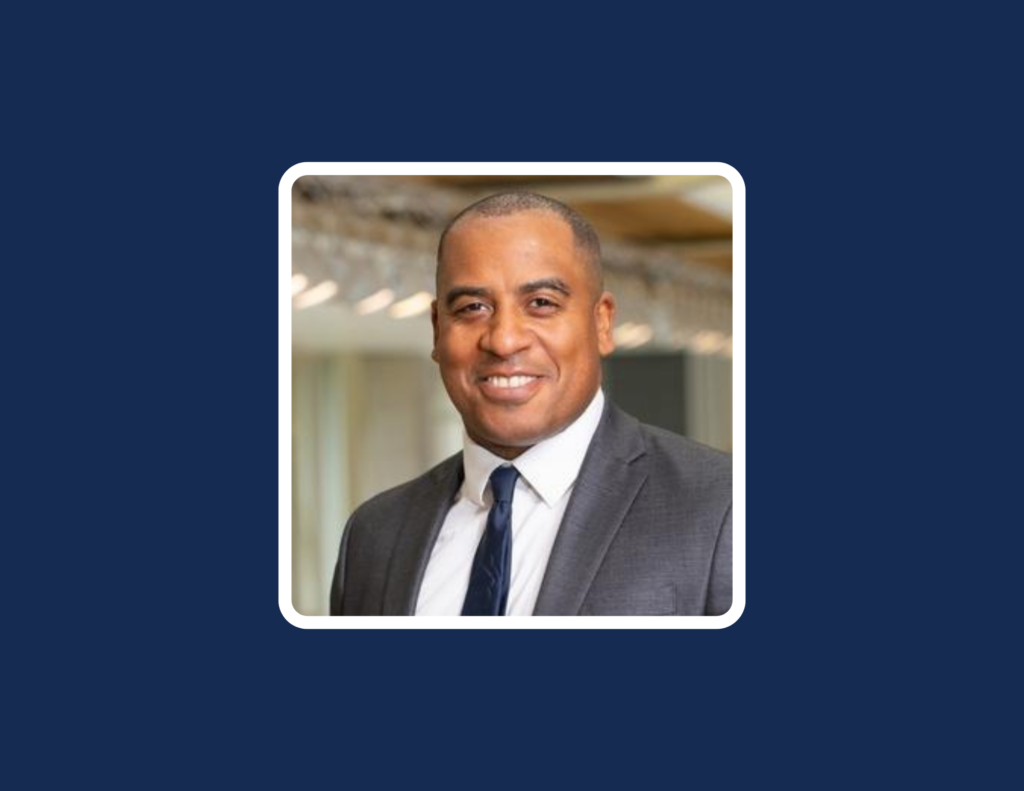
BRAD COOPER – HARTWICK COLLEGE MENS’ BASKETBALL HEAD COACH – EPISODE 1071
Website – https://www.hartwickhawks.com/sports/mens-basketball
Email – [email protected]
Twitter/X – @bradmichael11

If you listen to and love the Hoop Heads Podcast, please consider giving us a small tip that will help in our quest to become the #1 basketball coaching podcast.
Brad Cooper just completed his first season as the Men’s Basketball Head Coach at Hartwick College in Oneonta, New York. He spent the previous season as an assistant at Hamilton College. Prior to joining the staff at Hamilton, Cooper was the head coach at Keystone College in La Plume, Pa., from 2013 to 2023and an assistant coach at Keystone for the previous two seasons.
Cooper has also been the 17U boys’ coach for Scranton-based NEPA Elite AAU since 2022, and was an assistant coach at his alma mater — SUNY Fredonia — during the 2010-11 season. He graduated from Fredonia as one of the top 15 all-time leading scorers at the school with 1,077 career points and was a two-time member of the State University of New York Athletic Conference men’s basketball all-conference team.
On this episode Mike & Brad examine of Brad’s journey through the world of basketball, both as a player and a coach. He recounts the pivotal moments from his childhood that ignited his passion for the game, particularly the influence of his older brother, which prompted him to pursue basketball diligently. The narrative weaves through his various coaching positions, culminating in his current role at Hartwick, highlighting the evolution of his coaching philosophy, which is centered on using basketball as a means of fostering personal and academic growth among players.
As the discussion progresses, Coach Cooper articulates the challenges of rebuilding a program in the competitive atmosphere of the Empire 8 conference. He emphasizes the importance of consistency, preparation, and establishing a strong team culture that promotes accountability and teamwork. Insights are shared on the significance of recruiting players who not only exhibit talent but also possess the character and professionalism necessary to contribute positively to the team’s dynamics. The episode serves as a reflection on the broader implications of coaching, illustrating how the lessons learned in sports extend far beyond the court and into the realm of life skills, personal development, and leadership.
Follow us on Twitter and Instagram @hoopheadspod for the latest updates on episodes, guests, and events from the Hoop Heads Pod.
Make sure you’re subscribed to the Hoop Heads Pod on iTunes or wherever you get your podcasts and while you’re there please leave us a 5 star rating and review. Your ratings help your friends and coaching colleagues find the show. If you really love what you’re hearing recommend the Hoop Heads Pod to someone and get them to join you as a part of Hoop Heads Nation.
You’ll want to take some notes as you listen to this episode with Brad Cooper, Men’s Basketball Head Coach at Hartwick College.
What We Discuss with Brad Cooper
- How his early basketball experiences were shaped by his older brother
- Pickup basketball played a crucial role in developing his toughness and skills as a player
- The importance of maintaining consistency in coaching strategies and preparation, regardless of game outcomes
- Building a successful basketball program necessitates a strong focus on team culture and community involvement among players
- Assembling a team of high-achieving individuals who are dedicated to the process is essential for long-term success in college basketball
- A profound understanding of the game is essential, which can be augmented through diligent preparation and analysis of opponents
- Engaging in effective recruiting processes involves identifying players who demonstrate both skill and a commitment to teamwork and personal development
- In the face of adversity, a coach must exemplify resilience and a steadfast approach, reinforcing the belief that preparation leads to eventual success
- The journey of a coach is enriched by the relationships formed with players, which ultimately cultivates a supportive and productive environment
- Setting clear standards and holding players accountable
- Empowering players to take initiative and speak up, enhancing their confidence on and off the court
- Preparation off the court is as important as practice on the court
- Emotional check-ins help understand players’ mental states
- Professionalism in communication is key in recruiting
Like this show? Please leave us a review here — even one sentence helps! Consider including your Twitter handle so we can thank you personally!

We’re excited to partner with Dr. Dish, the world’s best shooting machine! Mention the Hoop Heads Podcast when you place your order and get $300 off a brand new state of the art Dr. Dish Shooting Machine!
Your first impression is everything when applying for a new coaching job. A professional coaching portfolio is the tool that highlights your coaching achievements and philosophies and, most of all, helps separate you and your abilities from the other applicants.
The key to landing a new coaching job is to demonstrate to the hiring committee your attention to detail, level of preparedness, and your professionalism. Not only does a coaching portfolio allow you to exhibit these qualities, it also allows you to present your personal philosophies on coaching, leadership, and program development in an organized manner.
The Coaching Portfolio Guide is an instructional, membership-based website that helps you develop a personalized portfolio. Each section of the portfolio guide provides detailed instructions on how to organize your portfolio in a professional manner. The guide also provides sample documents for each section of your portfolio that you can copy, modify, and add to your personal portfolio.
Hey, coach! Want to take your team to the next level this season? Introducing GameChanger, the ultimate game-day assistant with tools to give you a winning advantage. With GameChanger, you can track stats, keep score, and even live stream games, all for free! Get the stats and crucial game video you need to lead your team to victory, all from the palm of your hand. Coach smarter this season with GameChanger. Download GameChanger today on iOS or Android and make this season one to remember. GameChanger. Stream. Score. Connect. Learn more at GC.com/HoopHeads
THANKS, BRAD COOPER
If you enjoyed this episode with Brad Cooper let him know by clicking on the link below and thanking him via Twitter.
Click here to thank Brad Cooper via Twitter
Click here to let Mike & Jason know about your number one takeaway from this episode!
And if you want us to answer your questions on one of our upcoming weekly NBA episodes, drop us a line at [email protected].
TRANSCRIPT FOR BRAD COOPER – HARTWICK COLLEGE MENS’ BASKETBALL HEAD COACH – EPISODE 1071
[00:00:00] Mike Klinzing: Hello and welcome to the Hoop Heads Podcast. It’s Mike Klinzing here without my co-host Jason Sunkle tonight, but I am pleased to be joined by the Men’s Head Basketball Coach at Hartwick College, Brad Cooper. Brad, welcome to the Hoop Heads Pod.
[00:00:14] Brad Cooper: Oh, thank you for having me.
[00:00:17] Mike Klinzing: Excited to have you on, looking forward to diving into all the things that you’ve been able to do in your career to this point.
Let’s start by going back in time to when you were a kid. Tell me about your first experience with the game, what you remember, what made you fall in love with it, Brad?
[00:00:32] Brad Cooper: Oh, I appreciate the question. So, that’s actually one of one of the questions I ask every one of my recruits when I first talk to them is just kind of who put the ball in your hands.
And for me, it was my older brother so he’s six years older than me and he was he was a point guard at Monticello high school. And I just grew up watching, watching him and his friends play every day after school, they’d go in the backyard, they go to the parks in town. And I was just kind of tagging along.
I was that player that was just just dying to be able to get in there, but they were significantly older than me, so I had to kind of wait my turn and I would say that really just sparked my desire to be able to just, to just be able to play so just like a lot of young, young boys and young girls, just spending a lot of time just working on my craft by myself, shooting around in the backyard and just waiting for my chance to be able to join my older sibling.
[00:01:27] Mike Klinzing: At what point were you finally able to get there?
[00:01:30] Brad Cooper: I would say the first time my mom let me go into town and joined my older brother and his friends, I was probably about 11 years old. So he was probably about 17 and I, I, I felt I felt very accomplished that I was able to go with him into town and to watch the games and just once in a while, maybe when guys got tired, I could be a shooter in a corner.
And so I would say I was probably about 11 years old.
[00:01:57] Mike Klinzing: You had to be the first one there and the last to leave. So you can get in that first game when they’re waiting around for that 10th guy, you can be the 10th guy and then can fill in the tired guys at the end. I remember those days very, very well as a young kid going up to the park, probably a lot different than the guys that you’re recruiting now who have probably never played against guys of a different age group.
Because they grow up in the old AAU circuit as opposed to Out on the playground, the way that you grew up or the way that I grew up, certainly it’s much different today.
[00:02:25] Brad Cooper: For sure. Absolutely. No doubt. And I mean, I remember those days after school where it’d be packed there might be 20 people out there.
There’s 10 people that have next. And it was just such an environment. And me and some of the people I grew up with, we From time to time, we just talk about that experience of playing outside and there’s no refs and if you don’t play defense, you’re not going to get picked up and if you don’t share the ball, you’re not going to get picked up.
So it really helped develop some, some good habits and I would say some toughness early on.
[00:02:56] Mike Klinzing: I always say that I had an opportunity to play college basketball and obviously played high school basketball and when I think about some of my best experiences with the game, I really do think that Some of those playground games and some of the pickup basketball that I played in so many different places when there’s so many different Types of players and people from all different areas and all different ages Some of those experiences I think are some of my most fond memories of basketball despite the fact that I had a good college career And still had those opportunities to play there.
But when I think about what basketball means to me, I think that pickup basketball honestly I have as many good memories from that as I do from, from playing organized basketball, if that makes any sense at all.
[00:03:41] Brad Cooper: Yep. Absolutely.
[00:03:43] Mike Klinzing: Tell me a little bit about how you went about trying to improve your game. So you talked about working in the backyard.
Obviously you’re going to the park and, and playing pickup basketball, but as you get into junior high and high school, what do you remember about just how you went about trying to improve yourself?
[00:03:59] Brad Cooper: Really, a lot of it came from the, the fear of the, the head coach at Monticello High School. So he’s a legend.
His name is Dick O’Neill. He he actually had three three national championships as a player at Kentucky Wesleyan. I believe one of those years he was an All American and He’s in a New York state basketball hall of fame for coaching. And from the time I was growing up, it was always like coach O’Neill and his his opinion was always the standard.
So you would always hear like, Oh, if you can’t go left, you’re not going to be able to play with coach. Or if you’re, if you can’t defend, you’re not going to be able to get on the court. ? So the fear of just being able to live up to coach coach O’Neill’s standards was always in the back of my mind.
And I would say that was one of the things that really. Just driven me as a middle schooler and I just wanted to be good enough as a ninth grader to be able to be on coaches varsity team. And to this day, him and I are really good friends. In fact, I got my first tattoo, so I’m, I’m pretty heavily tattooed and I got my first tattoo based off of something he told me since I was probably 11 years old and it was if it were easy, everyone would do it.
And that was one of the things that really stuck with me from the time I was about 11 years old until now if it’s worthwhile, it’s probably going to be pretty challenging to acquire.
[00:05:19] Mike Klinzing: So beyond the tattoo, when you think about. Him as a coach and you think about yourself today as a coach.
What’s something that you took from him? That whether it was through observation, whether it was through the way that he coached you, that you feel like is a part of you as a coach today, what are you carrying with you from him? That’s still a part of your coaching style or your coaching methods today.
[00:05:47] Brad Cooper: I would say using basketball as a tool he, he always told me to use basketball as a tool and use as a tool to get a good education, use as a tool to build relationships.
And to learn life lessons through basketball through the value of working with a team through being selfless. And I, I would say he told me that from the, again, from the time I’m like 11 or 12 years old. So using basketball as a tool is something that always stuck with me.
And really, I, I’ve been really fortunate in my life probably like you and a lot of your guests where it just made a living out of basketball and it’s really such a blessing. the relationships. That you’ve made along the way and oftentimes we may not remember her game or practice, but we remember how people made us feel and we remember those, those Lifelong relationships.
And so again, I think just using basketball as a tool is probably the most valuable thing that a coach taught me and that still sticks with me today and our relationship is great. I look forward to recruiting with them every year and hearing him complain about post entries and guards can’t get the ball into the post and turnovers and so it’s, it’s been a lifelong friendship.
[00:07:03] Mike Klinzing: That’s good. That’s, that’s a funny the reason why I’m laughing so hard at that is because as a player, so I’m a perimeter player and of course us perimeter players, we don’t necessarily love it when our coaching staff tells us, Hey, you got to get the ball inside to the bigs. I’d like to think I was decent at it, but it wasn’t necessarily my favorite activity as a perimeter player.
And then I have a son who’s six, six, who played in the post. And try to see if he could ever get the ball like ever and finding a guard that could pass it to him. And he and I had so many conversations of like, Hey man, you got to get open. And if you don’t catch the ball, that guard’s not going to throw it in there.
Cause he doesn’t want to get called for a turnover. He doesn’t want to get blamed for the turnover. When you don’t catch the ball or when the guy reaches around from behind you and pokes it away. And so I got a kick out of that out of that because. It’s, it’s a conversation that rings true for me on both ends.
Cause I remember it as a player coaches tell me get it inside of this guy and need to be like, why? Like, I don’t want to, I don’t want to give it to that big guy in there. And then conversely when I’m watching my son play, I’m like, how come those guys don’t kick it inside to him? And so I can, I can completely relate to both sides of that of that particular statement without question, Brad’s funny.
So When you think about the memories that you have as a high school player, and you talked about, again, some of the things that stood out for you when you think about the relationship that you had with your coaching staff, but what’s a, what’s a favorite memory from being a high school player that sticks out for you?
[00:08:35] Brad Cooper: Favorite memory. there the, we, we kind of had a, we had a rough run in terms of just size. We didn’t have a whole, whole lot of size when, by the time I was a senior. So we had, we had one young man who was maybe about two, two inches taller than me. he might’ve been about six, three or so.
And I was a point guard at six foot. so we were a little undersized, and so we weren’t really able to make one of those deep New York State sectional runs, and so for us, we, we won the district, and we beat a very good Cornwall team, and we were able to put a banner up in the gym, and that, that was extremely satisfying, and then also, you just from an individual standpoint I had a game where I broke the school scoring record and I had 43 in a game and I was fortunate enough to play with some guys who really cared about me.
And they, they would really look out for me as a player and look to feed the hot hand and just selfless guys. And a couple of them were my best friends. And against a game, a home game against Goshen just got hot and it was just a lot of fun and we all have those games where it just seems like the, the rim is twice the size that day and I was able to have 43 that game and it was just a fun experience and had the town buzzing and from time to time when I go back, you, you still have some people talking about it and so that was definitely an experience, a, a moment that really stuck out.
[00:10:03] Mike Klinzing: For your I 43?
[00:10:05] Brad Cooper: Yeah. 43. Yep.
[00:10:07] Mike Klinzing: Me and you high school same. I had a high game was 43. It’s funny is just this year. So this is probably like maybe like six weeks ago, the assistant athletic director at my high school who I have a relationship with. He wasn’t there when I was there, but just he and I have a relationship through, he used to work for the recreation department here and he sends me a text.
With a photo of the scorebook from the game when I scored 43, the old fashioned green whatever this, and he sends it to me, he’s like, he’s like, man, it looks like you were pretty hot in this game. And I’m like, where did you find this thing? I mean, that’s like, It’s like Strongsville in Cleveland, a suburb of Cleveland.
So like 35, this thing’s like 35 years ago, maybe 40. And I’m like, how did you, how did you find this thing? Let alone. And he’s taking me, taking a picture. I was like, well, we found some, we’re trying to digitize them all. And so that we can, that we can get rid of them. And he’s like, do you want me to send you this?
I’m like, yeah, sure. Somebody I’ll throw it, I’ll throw it in the, in the, in the scrap heap back here. Yeah. So, so it was kind of, it was kind of funny to see, cause obviously you remember your own 43 and then I’m like, Oh, look, Johnny had 12 in that game. And whatever, you just kind of look at it just brought back some, brought back some good memories.
When you think about that, tell me a little bit about your college decision. Was college basketball something that was always on your radar? Was it something that you knew that you wanted to try to achieve if you could get there? Or just tell me a little bit about that process.
[00:11:39] Brad Cooper: So for me, I was for college, I kind of had a chip on my shoulder just because in my, from my own perspective, I kind of felt like I was under recruited and I only played one year of AU.
I played with a pretty good team, BC Eagles, and they were extremely talented and I might’ve actually been a six man on that team. And I averaged over 20 as a senior with probably about five assists, five rebounds. And so I was a pretty good player at Monticello.
And I just wasn’t really heavily recruited. It was some D3s and some D2s showed some interest. And I just, that really helped me I thought. And when it became time to visit some schools, I visited Fredonia. And the coach there, Kevin Moore knew my coach Dick O’Neill from working this legendary big man camp, ironically, right here in the city of Oneana where I am right now.
And he knew Kevin Moore from the old camp days and told coach about me. So I came up on a visit and coach never even saw me play at this point, the season was over and and I coach had some he had faith in me as a player and so I went up there for a visit. I loved it, loved the guys and I built a bond with coach and I decided on Fredonia and from that moment on, I just really had a chip on my shoulder and I think it really helped me.
Throughout my career I had a pretty good freshman season and then I think sophomore year, I think I might average like 15 or 16 in a very competitive SUNYAC conference. And at that point I could be wrong, but I think it’s about 19 or 20 years when I first got to Fredonia, they hadn’t won a playoff game.
And we had a really good class one of my best friends, Kevin Saunders. Came in James Cain we, we had a very talented class. And by the time we were juniors, we were in the conference championship, ironically against Joe Clark and crew was the current head coach with an empire a conference and so it’s, yeah, it was pretty ironic, but yeah, we, we flipped the program around.
We had a strong class and I think we all kind of shared that feeling of just kind of being under recruited at it was definitely a benefit for me.
[00:13:53] Mike Klinzing: How did that fuel you during your college career in terms of? the work ethic and what you did during the off season to prepare yourself and, and make sure that as you went into each season, you were going to be at your best.
What did that look like for you when you described that chip on your shoulder?
[00:14:07] Brad Cooper: Yeah. I mean, I think it really just fueled me throughout the summer, it just fueled me that the feeling of coaches thinking that I wasn’t good enough to play at a higher level and just committing myself to getting stronger more explosive just competing every day in the summertime.
And we’re actually working camps and just expanding my basketball knowledge and just being around the game. And so just that feeling of just not really being good enough and that really, really just drove me and that chip on my shoulder sometimes if I wasn’t angry as a player, I didn’t really.
They really quite know how to handle myself. I might have to create something.
[00:14:52] Mike Klinzing: You had a little, you had a little Michael Jordan and John McEnroe in you there, right? You got to play, play, play, play your best when you’re angry. I understand. I get it, man. I understand. Yeah. So when you get to school, is coaching something that’s already on your radar or are you thinking about it at all?
When you get to school, what, what’s the thought process in terms of, Hey, what do I want to do? What do I want to major in? What’s my career plans? Or are you like a typical 18 year old kid? You kind of have no idea where you want to go.
[00:15:21] Brad Cooper: Well, like a lot of, like a lot of college kids I thought that basketball as a player was going to be my path so that having that chip on my shoulder and just feeling like, yeah, I can do it having a feeling that yes, I can play overseas that was something that was always on my mind.
So. we, there was a there was a player, Taha Alassari. He, he was a senior when I was a freshman really good players, a thousand point score. I really looked up to him as a fresher freshman and his brother was my roommate and we were really close. And he really just guided me when I first got to school.
And I knew that he played pro when he graduated. The one thing I didn’t know is that some folks have dual citizenship and for a lot of the they’re allowed to Americans and if you don’t have dual citizenship, it could be more of an uphill climb. So I really had the feeling that like Taha and like some other people I knew I was gonna, without a doubt, go play pro when I was done.
And We after tearing my Achilles, I actually tore my Achilles in a game against Brockport and it ended my career. And it was from my understanding, it was one game after I could have got a medical red shirt. So up until that point, I’m thinking I’m going to play pro and man, here, here I am with a torn, torn Achilles and.
completely had to change routes and so I, I just had to adapt and I, I was very, very down like a lot of people when they lose their identity, when their identity is attached to being a basketball player or to being an athlete in general. I was just really down and had a lot of, had a few unfortunate things going on at that time.
And Coach, Coach Moore kind of brought me in and wanted me to be a student assistant my fifth year at Fredonia. And weird story. So. The assistant coach, Lester Harbin, he’s actually an associate head coach right now at Niagara. Great guy. He he blew out his knee pre practice. So just playing around with the guys, he blew out his knee and it can be hard getting around for a big fella out there in Western New York with a, with a blown knee and he needed surgery.
And so I go from being a student assistant to coach really needing me. needing me on a daily basis to help with the scouts and to take a larger role just because coach Harbin wasn’t able to necessarily travel to every game or be be as active as he could be.
So. that, that made me take a closer look at coaching. And then after I graduated, I applied to Utica and I, fortunately I didn’t get it. And then I applied as a graduate assistant at Elmira college for a great guy, Randy Torgalski. I worked his camps in the summertime. But other than working his camps he didn’t really know me a whole lot.
My family moved up to Elmira when I was in college and I tell everybody the story I think coach Torgalski quite often right now he’s a softball coach at Elmira. And after not getting the job, I was a runner up to a really good coach, Brian Matthews, who played there. He was a captain, 100 percent deserved it over me.
It was like a two week, two weeks later, I’m thinking I’m at my parents house unsure of what I’m going to do. I’m thinking about going into the military like my dad. I’m stressing over like the, the swim test for the Marines trying to figure out how I’m going to pass this swim test.
And out of nowhere, coach Torgalski calls me and he says Hey, my buddy Nevada Smith just got the job at Keystone and I just spent 20 minutes talking you up. If you call him right now, you’re probably going to get the job. And I called Nevada and the rest is history. I probably wouldn’t be coaching if it wasn’t for that phone call.
[00:19:07] Mike Klinzing: So when you kind of get that opportunity as the student assistant, right. And it sounds like up until that point you were on the track of, I always say there’s two tracks that I’ve found in all the interviews that I’ve done. Everybody’s coaching story. It usually comes back to one or two, one of these two options.
One is you’re a player, you’re playing, you think you’re going to have a long playing career. Maybe you think you’re going to go and play professionally when you’re done. And then all of a sudden, whether it’s injury, whether it’s just the fact that you don’t get that opportunity, whether it’s the fact that.
Your college eligibility is over. Your high school career is over and nobody recruits you at the college level and all of a sudden you’re like, well, where’s the game of basketball? It’s gone. And now, well, I better get into coaching. I better figure out some way to keep myself involved in the game of basketball.
So that’s one path. And then the other path is. The path where it’s somebody who’s been thinking about coaching since they were in like second or third grade. And even though they’re playing, they’ve always fancied themselves a coach and they’re, they’re drawing plays on napkins when they’re sitting at the kitchen table with their mom and whatever.
And so for you, it sounds like you were focused primarily on being a player and coaching wasn’t really on your radar. So when you have to shift gears, what was your thought process or what were you? How were you thinking about coaching? Were you like, Oh man, this, I can really see this is where I want to go.
Or were you still like, man, I still wish I could be playing and this coaching thing, I kind of got to build my way into it slowly.
[00:20:35] Brad Cooper: Yeah. So I, I think it really came about really just the same way it started just the joy of the game and how rewarding it could be when you lift others so just being there.
As a student coach and being able to help one of the younger players and seeing them have some success and then just being really happy about it. And maybe just coming over, celebrating a big win and thanking me for helping them one way or another. that, that satisfaction of really just lifting others, I would say really sparked my interest.
Like, man, this is fun in a different way. it’s fun being out there, but it’s also really rewarding helping others and lifting others and celebrating their success. And so I would say that, that fifth year, that’s what really sparked my interest in coaching. Just realizing that this could be really fun, just in a different way.
[00:21:32] Mike Klinzing: First year at Keystone. What was an area where you feel like you made the biggest leap in terms of your knowledge? Everybody always answers the question saying I kind of knew nothing and I had to grow in every area Which I’m sure is the case, but when you think about that first season What was an area that you really found yourself diving into or pouring yourself into even more than maybe you would have thought?
To be able to boost your knowledge base as you started to think that, Hey, this, this is the path that I want to go with my career.
[00:22:03] Brad Cooper: Yeah. So I, I think really Nevada Smith, really, I can’t thank him enough and he’s probably tired of, of hearing it from me. he’s one of my really close friends. And so I, I would say Nevada just really guiding me as a young coach and putting me in a position to feel empowered and to really throw myself into the game early on and it just be around him and just talk basketball thinking back when he hired me, he, he lived in an apartment.
In Clark summit right over by Abington Heights high school. And it was, it was probably a, it was a large house with probably six different apartments in it. He was good friends with the women’s coach, Katie Tesla, who was at a university of Cal on the women’s side, a really good coach, and they would just talk basketball all the time.
And he set me up in an apartment, a single apartment in that same house. So I was just around him all the time we were just able to constantly just get dinner, three of us and talk basketball. We we worked together and then he helped me get a job with a guy named John Bucci. My second year, John Bucci was Jerry McLemore’s high school coach.
And he, he ran a he ran a company called Backcourt Hoops in Scranton and it just had a very good business and I ended up being his director of basketball operations through a connection with Nevada. And I was able to stay on board with Nevada the second year so then me and Nevada moved in together and it was just nonstop basketball.
And I’m sure a lot of, a lot of people listening, they have those friends where if they go out to a restaurant, they’re writing on napkins and they’re they’re asking for a piece of paper when they’re in a restaurant to talk about a play or so. Well us two, we would just do that every day, all day I mean, literally every day, all day.
And I can’t thank them enough because if I wasn’t around them that much, I wouldn’t have as much of a. just kind of a basketball education and a different way of understanding the game and just bouncing around ideas and just having some intellectual curiosity with the game itself.
And so I would say he really just empowered me and sparked a lot of creativity. And I would say that’s where I really took a big leap where I just kind of saw the game a different way. Because he was such a unique thinker and I just spent so much time with him.
[00:24:25] Mike Klinzing: You think that again, working so closely with a head coach in your first job, because obviously they’re all different pathways into coaching, right?
So you have guys that get into it at the division three level, where maybe you’re the only assistant, or maybe there’s a part time guy and you kind of have your hands and everything. And then there’s other guys who start out. And maybe you’re a GA at the D1 level or maybe you’re a part of a bigger staff and your responsibilities are a little bit less.
Maybe you can’t even get on the floor in some instances or maybe you’re limited to not being able to recruit off campus or whatever it may be. There’s all different pathways into the game. But I always think that guys who get started in a, in a job where you can kind of have your hands in every aspect of.
The program, those guys always speak to the idea that I just got to be able to experience what it’s like to coach offense, to coach defense, to be involved in player development, to be involved in the planning of travel and the scheduling and the just everything that goes about that. So I’m just curious as to how you relate that experience in that first year as an assistant coach and kind of getting to have your hands and everything, how that’s benefited you as you’ve gone through the rest of your career.
[00:25:40] Brad Cooper: Yeah, so I think the main way it benefited me was that I was never really spoiled in any way so at Keystone, we were, we were the equipment managers we, we, we did everything so we’re. getting the P. O. For the bus. so we’re literally doing everything. We’re getting our hands dirty as coaches and we’re staying late after practice to make sure the laundry is done.
And we’re just making sure the balls are pumped up like there’s every aspect of the daily organization of a college basketball team that we’re involved in. So I think early on, it was just really just about not really being spoiled. And yeah. we’re not really at, at the top of the pay scale in the college basketball world at this time, either.
You so we’re really grinding it out for, for the love of the game and getting our hands dirty. And I, I would say that was just a, a real benefit where I get to the point now where, here at Hartwick, we have an equipment manager, we have a strength coach. at that point, I, I got certified myself as a strength coach when I was at Keystone.
And so we’re not just only the basketball coaches, we’re the strength coach. So. just just wearing different hats was something that just made it. So right now I’m just super appreciative to everything we have just a full time assistant and guy that’s there all day, doesn’t need another job an equipment manager, a strength coach, and an auxiliary gym.
And it, it just makes us all right now, those things are all the more sweet.
[00:27:11] Mike Klinzing: It’s been a couple of years as the assistant there, and then you get an opportunity to become the head coach. I know I read that you were the youngest head coach in college basketball when you get that job. So take me back to that moment in time and just where you were at from a mindset standpoint in terms of how prepared you felt versus.
Once you actually got the job, how prepared you actually were.
[00:27:43] Brad Cooper: Yeah. So it was yeah, it was an interesting, I still remember the day. I think I was coming back from an alumni weekend at Fredonia and. Nevada called me and he said, Hey, I have some news. It’s going to change both of our lives. And I’m thinking, Oh man, what happened?
did one of our guys get into something like it this, this might not be good and he wouldn’t tell me until I got home. And then he told me the Rockets called him and he hadn’t an opportunity in the G league. So I’m thinking, okay, perfect. We’re out. we’re out of here.
And he’s like, no they’re probably going to give me some NBA assistant. But the good news is I talked to the athletic director, Mack Romaldi, and I told him he’d be a fool if he didn’t hire you. So then it became more real where it was like, okay, wow. So then I go in and I talked to the athletic director and he just asked me some questions, seeing how prepared I am and at this point, we’re about to play games here shortly.
And We have another assistant who I can’t think enough Sean Rozzi, who, who actually. He’s coaching at Montclair State. He’s an all time assist leader for Division III basketball. And he played, he played for Nevada when Nevada was an assistant at Ithaca. And so it’s really just me and Sean now.
And so I, I talked to Sean and see his readiness and we were ready to go we’re excited we’re excited to do our own thing and we were just eager to get out there and luckily we, we had some really mature players we had a captain, Alex Smith, who.
it was probably only two years younger than me at that time. And he, he really, he helped the process. I think he was our lone senior and he was the one that was closest to me in age. And he, he was just professional about it. And I think he was kind of the ring leader with the guys where, because he was so professional, everybody else just kinda.
Treated me like a big brother so I wasn’t like a father figure. I was just kind of like a big brother out there coaching and Sean was even younger than me. So I think once we got out there, I think we started like five and one that year. And we, we had some good wins that year to start off.
I believe we, we we were five in one. I think one of our, our one loss was to The big dog, Glenn Robinson at Franklin and Marshall. And I remember being, I think we might have been up five or seven points at that time. And here we are against Glenn Robinson. He has his name on the court. Me and Sean, we get in the locker room at halftime.
Like, man, this is easy. we’re thinking we’re going to run through the season. And he makes a little adjustment with, with our front and the high posts and flashes. The backside and go high low and they’re ducking all over us and they end up winning the game by like 15 and it’s a real reality check.
But yeah, I, I look back to that first year and I don’t know if it would have been possible without Sean and I think he’s one of the best I think he’s one of the best assistant coaches out there in the business. And I think that has contributed to some of my clear success.
[00:30:49] Mike Klinzing: All right, so to piggyback off that, tell me a little bit about what you think makes a good assistant.
What are the characteristics when you think about a great assistant coach? What are you looking for as a head coach and what did you try to do during the two times when you had an opportunity to be an assistant?
[00:31:10] Brad Cooper: Yeah, I think everybody’s a little bit different. so I was an assistant last year for a really good coach coach Adam Stockwell, who I’m very appreciative for the opportunity to be in his program.
And even just in one year, I just learned so much. so I’m forever indebted to him for just bringing me along and so. What what coach Stockwell needs from an assistant might be a little bit different than what I need at this point so I think for some more experienced coaches, they they really need they just might need more on the management side.
they might need that guy who’s Going out looking for players nonstop who’s just making sure the daily operations are smoothly and just kind of just kind of doing a weed whacking for the head coach, if you will, where the head coach is mowing the lawn and you need that assistant to go out there and do the weed whack in and just make sure things are run smoothly where when I was a young coach, I needed Sean to really be hands on and really Do as much as possible because I needed him to take some off of my hands and put out fires and help me along the way and point things out as much as possible where sometimes a more experienced coach who’s been at it for 20 or so years, he might need a little bit less of that.
But I think generally something that’s important is. Being able to as an assistant coach, being able to speak your mind and finding the way to do it the right way with the assistant and not just with the head coach and not just being a yes, man. some coaches may like that. For me in particular, I, I don’t really need that.
so I encourage my coach Jared Benson, who has been great for us this first year. I encourage him to speak out and tell me what his opinion is and. To feel confident that it’s it’s never personal. if he feels that we’re doing something that’s going to hurt us, he has to feel confident enough to tell me that maybe we should get out of this.
[00:33:11] Mike Klinzing: How long were you into your time at Keystone before you felt like you had a pretty good handle on what you wanted your teams to look like, how you wanted them to play offensively and defensively when you get the job again, you’re a very young coach. And stepping into your first head coaching position.
So how long did it take into your tenure before you felt like, okay, I kind of have my feet underneath me. I know what I want to do with my teams. I know how I wanted to play. I don’t know if that question makes sense or if there’s a specific timeline, but just, but just how, how long did it take you to feel comfortable with who you wanted to be as a coach and how you wanted your teams to play?
[00:33:53] Brad Cooper: I would say it took, it took me personally, just starting off as a young coach. It took me a while, especially some of that going through COVID. And the ups and downs that came with that. But I, I would say really, for me, it probably took about seven years really to just kind of have somewhat not to feel like I’ve arrived or I know all the answers, but really to just have a feel for it offensively and defensively.
And. I was kind of spoiled if I could speak to my young self, I would, I would tell myself to not get too excited about some of the offensive success. So I inherited three, 1000 point scores three guards. That could really score, including Duncan Robinson, who ended up being school’s all time leading scorer.
Two guys that were top four and all time three pointers made. And they were undersized, but we could fly around and we can score a lot of points. we’re coming off flats. We’re shooting a lot of threes. We’re having a blast we’re hard to scout. And then so I had those guys for two years and then, man, it became rough to score.
When they graduated, it became really rough. So I, I go from thinking like, all right, we have all the answers offensively, we’re just going to come off these flats. We’re going to have our reads and the game is going to be easy. And then when those guys graduated we struggled to put the ball in the hoop and then after that year, then we.
Started going after some size and some athleticism guys who could defend and we just couldn’t score. So then we have some decent years probably about 2017, 18. We have really good for us. We had a pretty good year. We lose to Newman. In the, in the playoffs, first round of playoffs, but we had a pretty good showing and then a couple of years go by and COVID comes around.
And I would say right after COVID, I started having a feeling of how we could win offensively and defensively and. Right after that, had a great recruiting class right out of COVID so we had Tone Cockrell, who, who was an all region player as a senior, as a grad, grad student, and then we brought in Jackie Anderson we had Pete Laidley.
So then we started making some steps where we felt like we were pretty good. And then the year after that, we had Javen Flowers. Jack was the MVP of the league. Javen Flowers was a freshman who was like the fifth leading scorer in the country who just had a really good year at Nichols.
And just a young man who is extremely hard to guard. And then we brought in Dave L. Jackson, who I recruited for about three years. And we finally got them and. He averaged like 19 and 11, 6’6 6’7 just a phenomenal athlete and a really good person. And things came together.
we were hard to guard offensively. We could change it up and do different things defensively. Based on who we’re playing. So I, I would say it really took about seven years to really get a feel for it. Especially just starting off as a young coach.
[00:36:51] Mike Klinzing: Yeah, I always think that you clearly, as a, as a, as a young coach, right, you have people who have influenced you, the coaches that you played for in your case, you had worked for one other coach and I guess two when you, if you count your time working with your coach that you played for as well.
So those guys are always right. The biggest influence. I know my first coaching job, the things that I did in practice. The way that I coach were basically modeled on my high school coach, my college coach. Those were the only two programs, coaches that I had really been around. So everything that I did was based around them.
And if I wanted to go and do something different, well, I had to go and figure that out and look at film or, or figure out ways that I could do that. And I, and to be honest, I didn’t do very much of that. Probably that was one of the reasons if I think about what my coaching career might’ve been or the direction it might’ve gone, if I had put more time into it back then in terms of expanding, My knowledge base beyond what the coaches that I had played for had done.
And so I think that when you start talking about figuring out who you are as a coach, you start out kind of with this narrow viewpoint of knowing the people that you’ve been around and then slowly as you expand out, right, you get, you get, you get the opportunity to scout other teams. And so now you’re watching, you’re seeing what they do, and so now you can take bits and pieces of that.
And then eventually you get to the point, like you said, where. It can take years sometimes to figure out, like, what am I all about as a coach, both offensively, defensively, how I want to build my culture, all those kinds of things. And then when you really start to feel comfortable now, that’s when you start to know, Hey, these are the kind of guys that work well with me.
Now I can figure out how to put all those pieces together. And it sounds like that’s kind of what was happening for you gradually over time. So yeah. Cool. Tell me a little bit about the culture piece of it, not so much the X’s and O’s, but how you went about at Keystone building the culture that you wanted.
In your team, in your locker room, on your practice floor, what did look, what did the culture building look like for you?
[00:39:00] Brad Cooper: Yeah. So the culture building, I think it really started with just just having a high standard for what you’re going to accept and not accept. So. I had some tough decisions early on I think back being a young coach, I was probably in like year four, maybe where there was an extremely talented young man from my hometown who’s just coming off a 30 point game.
I mean, he was extremely talented, six, five could do about everything. At the time, and we’ve actually had some communication since then, and he’s a great dude now. I just talked to him probably a couple of months ago. But at the time he just wasn’t the best teammate. And so we had to let him go.
And that, that was a hard decision for me. he’s from my hometown he’s playing for me here. And it was just a decision that had to be done. And I think. when, when you make some of those tough decisions, people look around and they understand what the standard is. And I think early on that kind of set the tone and just over the years, just not accepting certain behaviors and holding guys at a high standard, and I think that really started.
Us going in the right direction just in terms of our culture to the point where, where I left, where we, since COVID we, we are great citizens like we didn’t, there was no noise complaints, there was nothing in the dorms we had good guys, we’re over a 3. 0 GPA we were together and so those last few years, and I think that really helped lead to some success so we made it to the conference championship and they were just great guys and I think that’s really where you start when you, when you talk about team culture is what do you accept and what do you not accept?
And then when the players are starting to do some of that policing themselves and just kind of speaking for the coach. And I think that’s where we’re heading right now at Hartwick where. guys are policing themselves just in terms of everything whether it’s not walking on a water break and jogging off and hustling on and off the court.
I think we’re to the point right now where the players are starting to coach other players, younger players or their peers just in that direction. And as a coach, that’s all you can ask for.
[00:41:16] Mike Klinzing: All right. Tell me about the transition from going to going to Hamilton. And, and then the transition after one year from Hamilton, what did you like about the opportunity at Hartwick?
So go through, go through those two, those two transitions, and then we’ll start talking about what it’s going to take to build the program at Hartwick in the vision that you have for it.
[00:41:40] Brad Cooper: Sure. So really my, my time at Hamilton was awesome. like coach Stockwell is one of the nicest guys in college basketball, just a great person.
And I just, I don’t have there’s not enough things that I can really say about, like, he’s just such a good dude. And so that opportunity to be a part of his program was phenomenal. And those players, man, I still, to this day I text them after games and. They’re in NCAA tournament coming up this upcoming weekend I expect them to get it done.
And so I’m really close with those guys and they’re the biggest takeaway from being there was just how great the people were, ? So going from Owen Kane to Hank Morgan to Tasia to Cooper, like, they were just really good people and really reliable and professional. I think it’s the first time ever.
That I’ve been part of a team where there hasn’t been one player late to anything not a practice, not a shoot around, not a departure time, nothing. There wasn’t a player late to anything and they’re just super professional, polite and just really good people. So I, I thoroughly enjoyed my time at Hamilton and I strive to have a makeup of a team that kind of.
Is similar just in terms of the, the personalities and the character, the high character of that Hamilton team from last year. And I learned a ton I spent a lot of time on Synergy, probably more time than ever just being on Synergy. As an assistant coach and just seeing some of the best teams in the country just approach the game in a different way so we’re going, whether it’s going against Wesleyan and double overtime, which coincidentally just happened again to them this past year just last week or going against Amherst with two seven footers or Trinity was a top four team in the country or Tufts who was ice and ball screens and super physical and aggressive just so many different styles of play at a really high level.
So man, it was really a treat for me to be in the NESCAC last year. And most importantly, like, like I said, it was just great people, just phenomenal, very professional people. And One of the things that intrigued me about the opportunity here at Hartwick is I think we can bring in high achievers on and off the court, similar to what we did at Hamilton.
I think we have the resources here. We have the basketball history. It’s a great community here. We have the facilities. We’re in a strong conference. I think we can really get Hartwick basketball. Close to, to where it was, if not in the same spot as it was under the legendary coach Lambros, who I talked to quite often and so we have a proud alumni base.
That was another thing that really intrigued me. We have alums that truly care about the program and I talked to a couple, couple of them a couple of times a week and I just think it’s a spot. Where there’s a lot of opportunity and it’s a program that’s won in the past.
And we’re in a strong conference with a lot of support from the administration. Paul Vecchio really does a great job. I’m his first hire here. And I really believe in him and some of the things that he’s doing. Here at Hartwick right away, and he probably had the job a month before he hired me.
And I just think it’s a spot that’s on the rise. I really do. I think it’s a spot where we can get quality recruits in here, and we can compete again in the Empire 8.
[00:45:13] Mike Klinzing: When you get the job, and you look at where the program was on day one, and in your mind, obviously, you have a vision of where you want to take it, what we’re The first one or two steps that you took to start to build that vision, that culture, that team that you had in your mind when you get the job.
[00:45:38] Brad Cooper: So as soon as I got the job, the main thing is I spent a lot of time talking to the players. So I. that day, I think I might’ve talked to probably about eight different players before I even talked to my parents so I, I spent a lot of time trying to get to know the guys and just talking to them and because I it’s a kind of a cliche, but I, I really think that players don’t care how much until they know you care and so I try to spend a lot of time just getting to know them individually and their concerns and.
some things that they’re looking forward to and what they had going on this past summer and what they’re working on. So right from the start, I tried to spend a lot of time just getting to know the guys through a phone call. And then the next week it was an extended phone call. And then a week after that, it was a zoom call.
So I really just spent a lot of time just trying to get to know them as people. So I would say that was the first step upon getting, getting a job.
[00:46:34] Mike Klinzing: So as you’re getting to know them as people, are you also kind of probing their mind for. What the things were that they felt were going well, what were some things that maybe they were looking for in a new coach that could maybe bring them some success that maybe had alluded them in the recent past?
[00:46:54] Brad Cooper: Oh, yeah, absolutely. And I spent a lot of time watching film so I probably watch every single possession they had the previous year offensively and defensively. So I had a pretty good feeling for the personnel and the makeup of the team. So yeah, absolutely.
I had a better feel for that stuff. But from day one and up until now one of the things that we preach as a staff is we have this saying we want to water the roots we got to water the roots before we even think about eating a fruit. And. sometimes you have to water for, for weeks, for days, for months, and you may not see that result.
But it’s common if you consistently water those roots and our roots. Are around the things that are going to make us responsible members of the community they’re going to allow us to be professionals at our jobs they’re going to allow us to be reliable family members and along the way, I think that could help us win some basketball games these, these routes to call it and it’s how we treat people how we communicate with each other, how reliable we are are we on time, are we respecting other people’s times and.
Yeah. These are the things that we’re looking to water every day. And from those first initial phone calls that’s why I told the guys we want to just keep water in the roots and eventually the results will come.
[00:48:19] Mike Klinzing: But beyond those conversations, obviously at the division three level, you are very limited in what you can do with your players in the off season, the eight days that we’re at it, obviously every coach.
That I talked to at the division three level is super thankful for those, for those days to be able to have the opportunity to have contact at least a little bit with your players on the floor in the off season. But for the most part, you don’t have that type of access like you might have at other levels in the NCAA.
So as a brand new coach, you’re sitting there and you’re looking around and obviously there’s things that you want to do that you want to accomplish. But at the same time, you can’t physically be on the floor with your team. So what were some of the things that you’re doing as you’re chomping at the bit to get out of the practice floor and actually work with your guys?
What are some of the things that you’re doing in that first summer and into that fall last year to try to prepare yourself so that when you are ready to step on the floor that you can hit the ground running? What were you doing outside of the basketball floor to prepare your program for the type of success you wanted to have?
[00:49:27] Brad Cooper: Yeah. So that’s a great question. I think it was I think it was two parts so the first part was trying to figure out the most efficient way to introduce this new system and this whole new way of playing to these gentlemen. And that, that was probably one of my biggest challenges because when I was at Keystone, you have guys that are used to our terminology and our actions.
For years and they have players that even if you only have three upperclassmen and say you have three seniors, you have four juniors. Well, those seven players have been going through this terminology and these actions for a long time, but when you have a group of 17 guys where everything is brand new, you really, in my opinion, I think you have to be really strategic about how you introduce things.
And whether it be from the terminology to the actions and the offense and plays and how you’re going to play. So really I just spent a lot of time trying to make sure. that that was a smooth transition to learning this new, new offense and new style of play. So then, the second thing I would say is really just controlling what you can control.
all the things that you mentioned make it for an uphill climb to start a program off when you can’t get on the court and you can’t just show them and you only have eight days in the preseason. So, if you can control what you can control, that’s your preparation and your knowledge of your opponents.
so really from the start, what I tried to do was, was every two days pick one team in the empire eight and really just study them and try to have the best understanding of them that I could have. And then maybe on a weekend pick a non conference opponent. But really it was just about diving into the empire eight teams and really just trying to understand them the best that I could.
And that was at that point that was, that was the most I could do that’s what I could control.
[00:51:24] Mike Klinzing: All right. So tell me about the practice planning process for you. Once you get to the fall, once you get to the opportunity to have your players on the floor. What does practice planning look like for you?
What’s your process, where do you do it? How do you do it? And then what are things that you want to incorporate into practice? Just tell me a little bit about the practice design and how you go about putting a practice plan together.
[00:51:52] Brad Cooper: Yeah. So I, I actually, I take a lot of time developing practices. Especially once we get into, once we have games we have.
two games on a weekend, maybe a Tuesday game every minute in practice is extremely important. I would say in that first month it’s a little bit easier and. so maybe you’re not spending as much time on the preparation for practice. But still you’re, you’re still being very thoughtful and deliberate on the, on the, on the approach to the practice plan.
But I would say skill development based around the offense so if we want to slip a lot of screens for three and then maybe be able to attack that, that close out, we want to be able to become familiar. With where that’s going to happen from our offense and literally just try to put our guys in position in their skill development, where they’re working on actions out of our offense.
And that’s early on in practice. And so it’s some skill development, but very specifically out of our offense. And then from there maybe breaking it down to three on three in a certain situation where they’re able to make a read, so they’re still doing a skill development, but they’re able to make a game read, ?
So maybe there’s two or three different outcomes that could happen after a certain action. And then maybe turn that same action into going back three, I know, and turning it into a competitive shooting drill. So then going back down, so starting three, I know. And it’s about the fundamentals, the footwork, and then playing live a bit and then turning that into a competitive shooting drill.
So I would say maybe about 15 minutes at the start of practice would, would look that way. And that, that can entail a lot of different actions and a lot of different styles of play. So I, I would say throughout the year, we would often start practice that way. Sometimes I got this from my like you said, we, we often steal a lot from the people that we learn from.
So. we’ve all done it. some people are a fan of it. Some people aren’t but sometimes when I just want to make sure we’re ready to practice and we’re ready to communicate and lock in and be sharp. We’ll just go old school, five man weave, three and a half minutes. You got to make 36, no drops, no travels.
And so that’s an interesting way to, to start off practice because if you’re not able to do it, then. we get some conditioning in so occasionally maybe once a week we’ll, we’ll sprinkle that in. But then through that, we really just want to be as competitive as possible in practice.
for us, you got to be able to adapt I think, and that’s for some of the young coaches listening, especially maybe starting a program or in high school, I think just being able to adapt and not just being set in how you’re going to practice or what you’re going to do every day or every year, and just being able to adapt to what you have is extremely important.
so I, I would love to practice full speed, a hundred miles per hour, five on five on five rebounding transition. But at points in the first semester I was practicing so I was practicing and roughing about three days a week we got nine healthy dudes and so you have to adapt and whether that’s three on three on three breakdown drills and using those nine players the best he can.
And I think adapting to what you have is extremely important. When
[00:55:18] Mike Klinzing: you share the practice plan with players, like do you post in the locker room before practice or do you keep that to yourself so they kind of don’t know what’s coming?
[00:55:27] Brad Cooper: I think that really changes from year to year sometimes I’ve had very experienced teams who don’t care what they’re doing they could be running for, for two hours and having a really competitive practice and they don’t change a thing about what they do.
Sometimes you, you got some, some fellas that might be looking for some spots to take a rest so then you may not share as much as a practice plan for us. We we have it on the table. It’s not really like it’s posted, but just for the, for the scorekeeper, we have it on the table, but it’s not encouraged for guys to just stare at the practice plan.
And also another interesting thing I stole from coach Stockwell. Was the daily emotional check ins. So mental health being such an important part of the game. One of the things that we do is when you start practice off, you just check off how you’re feeling that day, ?
So if it’s a phenomenal day and you feel great. You might put a five if it’s a normal day, you might put a three. If you’re having a really a rough day, maybe you failed a test or something else going on, you might put a lower number. And that kind of just helps the coaching staff understand where you’re at that day.
So that’s also, I just thought about it cause that’s also on the right by the scores table. And so that’s generally what practice looks like.
[00:56:47] Mike Klinzing: I would assume that that lends itself. If you have a guy that says he has a tough day that maybe lends itself to. Coach yourself or your assistant walking over and having a conversation with them, maybe while they’re out of a drill or maybe after practice or whatever, just to be able to kind of do that check in and, and make sure guys are doing okay.
And I think that, look, I think Brad, that’s a really underrated part of coaching. And I think when you go back to the era when you played basketball or even going back further. To when I played, I can probably say that my, my coaches probably didn’t care too much about my emotional state. Coming into practice.
They expected me to be at whatever, whatever the level was they expect me to be at. It doesn’t matter whether my day was a water. It was a five. I was expected. I was expected to be at a five as a, as a practice player in that particular day. And so I do think that when, when you look at how the coaching profession has evolved, that That ability that we have as coaches to have some some empathy and to be able to Understand that a player’s life goes beyond just the two hours that they spend every day on the practice floor and see the players as human beings, I think it’s It’s definitely a way that yeah it’s definitely a way that that coaching has changed and I also think that and i’m sure you can attest to this that When you start talking about building relationships with your guys and for you, I think back to you get the job and you’re having multiple phone calls and zoom conversations and in person meetings and talking to guys and really getting to know them.
And then you talk about being on the practice floor with them and on the bus and all these things that being able to have a finger on the pulse of, of what a player’s life is not only on the floor, but also off the floor. It just helps to strengthen the connection that you have with your players, which I really feel like ultimately enables you to help them to be at their best, both as basketball players, but also as people.
And I, and I’m sure that you feel that
[00:58:53] Brad Cooper: as well. Oh, absolutely. And one of the things that I want my players to feel is that sometimes some vulnerability is a strength. so just being able to talk through your issues and just feeling comfortable enough to stop by the office and tell talk to coach about something you’re having a hard time with is really extremely valuable just in life and I try to be that way with my guys and just kind of show them like we can all be.
Tough as hell and competitive and but sometimes also being vulnerable is a show of strength. And that’s what we want our guys to feel as well.
[00:59:32] Mike Klinzing: Speaker 2 Tell me about developing leaders on your team and how you go about that process of giving guys the opportunity to lead. Where do you find those opportunities in practice within your program?
How do you go about developing leaders?
[00:59:49] Brad Cooper: Yeah, I think one of the main ways that I try to help develop leaders is. It seems pretty basic, but I think times have changed quite a bit. And I think sometimes you just got to empower people to just speak in front of the group. I think more than ever guys are used to just texting so they’ll just they’re talking to a teammate in a group chat or it’s just, I find more and more, especially since COVID that sometimes guys are just a little quiet.
And so I think just giving them opportunities to speak in front of the group, whether it be before practice, during practice so sometimes if maybe, maybe something’s happening where I talk to the group about a certain thing or defending a certain way, maybe twice this week in practice, I might just stop it, look at one of the captains and say, Hey, why am I mad right now?
And then they’ll say exactly why, why I’m upset. And I think just. being able to identify things like that is part of being a leader but then also being able to speak on it and being able to speak to different teammates that are coming from different backgrounds and who handle criticism different ways is one of the most valuable things that all athletes can get and bring to life after basketball because you can’t talk to everybody in every way and if you’re able to be an effective communicator with different types of teammates from different backgrounds, I think that ultimately just helps you in life after basketball.
And that’s part of going back to what I said earlier is using basketball as a tool just using basketball as a tool for life.
[01:01:31] Mike Klinzing: Yeah, I think. When I look at the kids that are growing up in my children’s generation, so I have a 21 year old, a 19 year old, and a 15 year old, and so many of my kids friends, yeah, most of their communication, right, is via text, and so the kids that can talk to A, each other, but then B can talk to adults, those kids are very, very rare and those qualities tend to stand out in a big way.
And so if you can help your kids and foster that, I like how you use the word empower rather than the word force. I like that Brad, that you got the that you’re, you’re empowering them to talk. You’re not forcing them to talk. I like how you use that. I like how you use that vocabulary, but yeah, to give kids that opportunity.
To be able to find their voice. I think it’s the same way for a coach. Like I’ve had a couple of young coaches on here that talked to me about just the ability as a head coach to find your voice that sometimes it takes a little while to sort of gain the confidence and the ability to, to, to, to speak authoritatively as a head coach.
And I think players sometimes. Feel the same way. Like you might think, well, I didn’t know what this situation is, but should I speak up? Am I allowed to speak up? Is coach going to be mad at me? Are my teammates going to get upset? And sometimes it just takes forcing a kid into that role To let them speak once and now all of a sudden they do it once and they realize that hey What happened here is a positive So now that gives me the opportunity to do it again next time.
And I think there’s, I think there’s definitely power in that when it comes to, especially people, young people today who, who do spend so much time in that, in that virtual world of, of just texting and using social media.
[01:03:20] Brad Cooper: Oh, absolutely. And I think that’s one of the things I’m looking for when I’m recruiting and by the way, is your 15 year old, the one that’s six, six.
[01:03:29] Mike Klinzing: No, my, my, my, so my six, six, my six, six son, actually. Alfred he was, he was down to Alfred was in his final his final four. So he, so he ended up going to Ohio Wesleyan, he was, he was, he was a freshman at Ohio Wesleyan. My daughter, my daughter is my, is my 15 year old. So she’s, she’s, she’s a pretty good player, but I don’t think she’s going to help you in any way.
So yeah, my mind’s always gone
[01:03:52] Brad Cooper: to recruiting. So I remember you completely,
[01:03:55] Mike Klinzing: completely, completely understand. Well, when I had, when I had coach DeWitt from Ohio Wesleyan on. We, we didn’t talk about my son on the podcast, but after in our little post podcast chat, coach Stewart and I talked a little bit about him.
So it ended up being a good conversation for, for both of us. So, yeah.
[01:04:12] Brad Cooper: And, but like I was saying that that’s one of the things I really look for I want the guys that are really professional and that’s kind of what we had at Hamilton. we might have, maybe not all the time, but there, there might be some times where one of the leaders will say, Whoa, Whoa, and stop the group himself and say, Hey, why are we doing this?
yeah. coach just said, blah, blah, blah. We got to do this. We got a game coming up and when guys feel confident enough to do that with the group in a group setting with their peers and that’s significant and that’s one of the things we’re looking for. with our, this first recruiting class is 25 recruiting classes, the most important one for us because it’s going to set the standard for the future here.
And it’s a tough conference. I, I think that we can get those guys I think we can get those guys that so far, I think we have three of them committed, but I think we can get those young men that feel empowered enough to help, help the group achieve some of that fruit that we talked about previously.
[01:05:11] Mike Klinzing: How do you instill a winning mentality? When you’re in a program that is rebuilding the way that you guys are, how do you teach guys for lack of a better way of saying it, how to win? Right? Because there’s a certain, there’s a certain confidence that you have to be able to build up in your team that goes beyond just what you do as a basketball player, as a basketball team, X’s and O’s wise, there’s, there’s something that says, Hey, we’re We’re ready to win.
We believe in ourselves that we can do it. How do you go about instilling that in a team when you’re rebuilding?
[01:05:50] Brad Cooper: Yeah, I think the most important thing is really practicing what you preach and going back to what I said before about water and the roots so part of that is preparation and that translates to class.
Are we prepared with the work that’s due in class or are we doing things on time? The same thing applies to basketball. So we, we had some tough losses this year like Utica. Wins the league, they beat us at the buzzer in overtime and so we competed we had, I believe it was 10 games by single digits we lost and so we’re, we’re in these games that no matter what the result, I think the most important thing that the guys would see from me is that my approach didn’t change so there’s still the details in the practice plan for the upcoming game.
Whether we won or whether we lost a heartbreaker or if we lost by 15 my approach never changed. Even when we were out of the playoffs and our last game of the years against Sage, the preparation never took a drop off at all, ? So we’re still. going to practice for our opponent.
We’re still going to watch film after practice. They’re still going to get about 50 clips sent to them that they could check out at their, at their leisure. And so they, they see that I’m not going to change. I’m not going to fold just based on the result of the game. And I think that’s how you get some of that fruit the fruit being lens, I think you just have to be prepared and you have to stay consistent in your preparation.
And. I think they see there’s not a whole lot of woe is me or pouting on my end where we’re diving right back into it we’re going to do the film breakdown. We’re going to analyze this past year in our individual meetings throughout the year. And we’re going to recruit and we’re going to be very aggressive in our recruiting and we’re, we’re going to write the ship.
And I think that’s the most important thing that I can do as a coach is stay consistent in my approach.
[01:07:49] Mike Klinzing: That makes sense. So you talked about the recruiting piece of it, and obviously that’s the lifeblood of any program. When you look at the players that you want to bring, bring in, obviously there is a level of basketball talent that you’re trying to bring to your program.
But there’s also, as you talked about a minute ago, you want guys who are. leaders, guys who are not afraid to speak their mind, hold themselves, hold their teammates accountable. What other intangibles are important to you as a coach as you build your program? What are some of the things that you’re looking for beyond a player’s ability to run, shoot, dribble, pass, jump?
What are the intangibles that are important to you in your program?
[01:08:36] Brad Cooper: I think it’s really important to me that. The guys we bring in want to be a part of a team they, they want one of my favorite things I hear is that they want to be a part of a team. They want that community feel within the program and they want a strong team culture.
That’s one of the things that really sticks out to me. So I say in a recruit, I want somebody who is looking forward to this process and they understand that it’s going to require a lot and that this is like a full time job. where there’s going to be film, there’s going to be practice six days a week.
We’re going to lift throughout the season where it’s a grind it’s a very, there’s a lot involved in it and people that embrace that process and are eager to be a part of it, those are the guys I’m looking for and it’s such a unique time in basketball where I watch a lot of like a lot of coaches, a lot of AAU and just a lot of games and sometimes it feels like people are playing for highlights and it’s.
Really that simple. Sometimes I’m like these players like that. Patrick Ewing quote in the game is one of my favorite I’ve ever heard. He’s like, Hey, when do you work on that? When do you take that shot? And sometimes in games, players are out there playing in a way that’s going to help their Instagram highlights.
So I want guys that are dedicated to winning. Dedicated to the process of being a part of a team and contributing to watering those roots. But then also I, I look for professionalism. So if I’m recruiting a kid and it takes a week to get back to me or doesn’t get back to me at all.
it’s going to be a challenge there’s so many student athletes out there that want to be a part of a program. And if you’re not being responsive or you’re not responding in a timely manner, or you you’re just not professional in your communication with a coach who if you’re not looking at me like similar, like, like a boss or like a future employer if you’re just.
just not very professional in your approach. That’s something that’s also going to turn us off here at Hardwick, at least.
[01:10:47] Mike Klinzing: No, that makes 100 percent sense. And that’s one of the conversations that when my son was being recruited, I talked with him about nonstop of got to get back to coaches.
You got to talk to people and you got to tell them the truth about where you’re at and where you’re not at. And last year was obviously a challenge because the FAFSA being delayed. And so. And my son ended up talking to four or five coaches basically for his entire high school season because we didn’t know how much any of the schools were going to cost.
So you end up having those conversations for a long time. And I, I think that that was one of the things that I think when it was all said and done that even though some of the schools that he didn’t end up going to were disappointed. I think that the way that my son handled it, and again, he handled that on his own.
I was in the background kind of trying to guide him. But I think what you just spoke to, if there’s any parents of basketball players out there, if there’s any players that are listening to this, I think what you just gave as a piece of advice, I don’t know that there’s a better piece of advice out there for players in that if you want to be taken seriously as a recruit, I don’t care what level you’re being recruited at.
Getting back in a timely manner to coaches and, and being respectful of the coach’s time and understanding that if the coach is taking the time to text you or call you or show up at one of your games, they’re genuinely interested in you and it’s important for you to get back to them and to be honest with them.
And I think that sometimes players and parents unfortunately take that for granted and ends up hurting them in the process. Absolutely. A great opportunity. Yeah. Maybe a great opportunity that could have been there for him isn’t there simply because they just don’t take the time to, to do what seems like a very, very simple
[01:12:37] Brad Cooper: thing.
Oh yeah. And then another layer of that is. a lot of people are connected in different ways so if one of my friends has a bad experience with a recruit, whether it’s just not being responsive or just something he did at a certain time, like I go down and I work this event, I’m actually going down in a couple of weeks to work on Kevin Driscoll’s event down in Fort Lauderdale.
And he, he mentions to the recruit something that I love. He tells them not to do things that the coaches would put DNR on their recruiting packet, do not recruit. Oh you’re doing some of those DNR things. And a friend of mine asked me about you as a player and a friend of mine, if it’s truly my friend, I’m going to tell him the truth.
And I’m going to tell him what I saw so there’s things that you could do that could hurt you down the road and you just never know who knows who. And so just being professional and. just understanding that if you’re going to a school, you have alums that are looking at you as a player, like you’re representing your school, your current administration, the school as a whole, the alums so you just got to be professional in your approach.
And that’s one of the things that’s really important to us in a recruiting process. we want high achievers on and off the court. We want guys that are super competitive. But we want guys that are looking forward to the college basketball process, which is tough it’s the longest season in college athletics it’s a grind.
[01:14:13] Mike Klinzing: And it goes back to what you just said 20 minutes ago, control what you can control, right? And look, the ability to return a phone call or a text or to be polite has nothing to do with your basketball talent, but it may be the difference between you and a kid who’s equally as talented. If you’re the one that’s more professional, you may get the opportunity that another kid misses out on because I think that there’s, to me, those simple things like that.
Again, if you’re a basketball parent or you’re a player, take care of those things that you can control that are easy. And obviously the basketball has to take care of itself. But if you can control the things that you can control off the floor, just in your interactions with coaches. You’re going to be much, much better off.
And obviously from your standpoint, if you bring in those players who are professional, who have done that in the recruiting process, you can feel fairly confident that they’re going to continue to do those things once they become a part of your program. And that’s how you start to get things going in the direction that you wanted to see your program get to.
And that’s where the vision that you have for Hartwick basketball starts to come to fruition. When your team is made up of a bunch of guys who have that professionalism, who have that leadership gene, who have all that stuff, bring all that to the table. Now you’re building the kind of culture and the kind of team that you want to have.
I want to ask you a final two part question. So part one, when you look ahead over the next year or two, what do you see as being your biggest challenge? And then the second part of the question, when you think about what you get to do each and every day, what brings you the most joy? So your biggest challenge and then your biggest joy.
[01:15:58] Brad Cooper: Yeah. I mean, I think probably the biggest challenge is just keeping up with some of these teams in the empire eight. I mean, it’s. It’s a strong league and some of the teams that were in the league might have had some down years like Fisher had a down year this year and you cannot count on them having a down year for much longer.
So that’s historically, that’s a strong program and you have Geneseo and Brockport who just joined the league and Polly, SUNY Polly and Brockport’s always gonna. be extremely talented and Utica back to back champs now. So just understanding the level of competition in Empire 8 is really a blessing so that’s probably our biggest challenge and knowing that a team like Utica and some, some of the teams we may see next year they’re, they’re playing basketball right now, they have days of practice over us.
days of competition over us and experiences that are going to help them be better basketball players. So just the league in itself, I would say is the biggest challenge. And then the second part I, every time I see my parents, they kind of at some point they always tell me and they, they laugh about the fact that At one point they would drop me off at the court with a gallon of water and maybe five or 10 for the whole day.
And I’d be out there in the heat just playing basketball by myself. And I, I’ve turned that into a life where I just do basketball full time. I, I don’t have any other responsibility. I recruit for a living. I watch basketball for a living. I interact with my players. I’m the CEO.
Of a pretty much a basketball organization. And I couldn’t be more fortunate for that. So every day I wake up and I’m a basketball coach I may have to host a visit or talk to a few guys in the office or break down some film, have a practice, travel, go play a game.
But. Man, how lucky are we if we’re able to make a living doing this and like I said before, helping the impact lives and helping some of these young, young men who come in as young men, just become men and help them in their lives after basketball is such a blessing to me.
[01:18:16] Mike Klinzing: I would say that when you think about the opportunity to impact people and use the game of basketball, which we love. to be able to do that. That that’s a special opportunity. And it’s one that I never take for granted. And again, it’s, I can never give back to the game, what the game has given me in my life.
There’s no possible way. And I know you feel exactly the same way. And it’s, it’s come through loud and clear and everything and everything that you’ve said. So before we get out, Brad, I want to give you a chance to share. How can people get in touch with you, connect with you, Learn more about your programs, whether you want to share social media, email, website, whatever you feel comfortable with.
And then after you do that, I’ll jump back in and wrap things up.
[01:18:59] Brad Cooper: Oh yeah. So absolutely. People can get in touch with me. My social media is the handle is @BradMichael11 So that’s a way to easily get in touch with me. But then also my email is [email protected]. And yeah, really any coaches, any young coaches, or anybody that just wants to talk ball or any way that I could help in any shape or form, I think that’s a part of doing what you just said giving back to the game trying to give back to the game more than it gave back to you and so I’m happy to help in any way I can for any listener.
[01:19:36] Mike Klinzing: Brad, I cannot thank you enough for taking the time out of your schedule tonight. Really appreciate it. And to everyone out there, thanks for listening and we will catch you on our next episode.