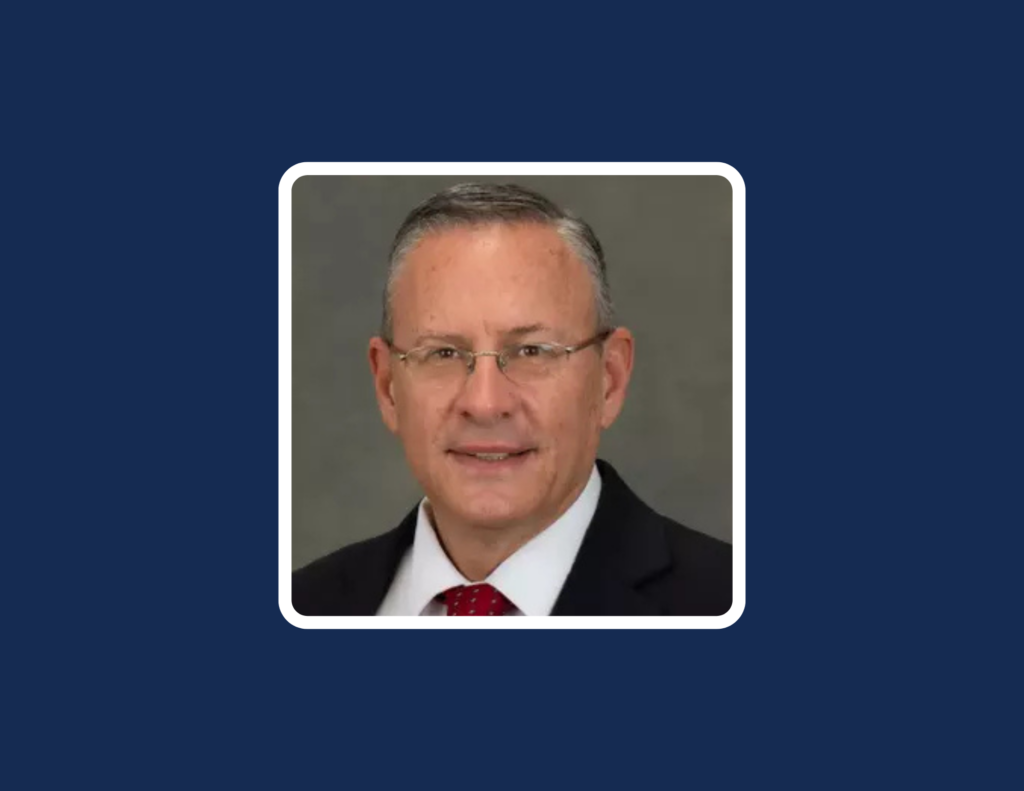
BOB WILLIAMS – FORK UNION MILITARY ACADEMY (VA) POST GRADUATE BOYS’ BASKETBALL HEAD COACH – EPISODE 1075
Website – https://athletics.forkunion.com/sports/mens-basketball
Email – [email protected]
Twitter/X – @CoachBobWill

If you listen to and love the Hoop Heads Podcast, please consider giving us a small tip that will help in our quest to become the #1 basketball coaching podcast.
Bob Williams is the head coach of Fork Union Military Academy’s postgraduate boys’ basketball program. Under Williams’ leadership, Fork Union has achieved an impressive 102-44 record over four seasons.
Williams brought 24 years of collegiate head coaching experience to Fork Union, including a successful tenure at West Virginia University Tech from 2002 to 2019. At WVU Tech, he led the Golden Bears to the NAIA National Tournament in 2015, 2017, 2018, and 2019. Williams’ accomplishments at WVU Tech include being named “Coach of the Year” three times, recording his 403rd career win, producing 14 All-Americans, and securing three conference championships.
Prior to WVU Tech, Williams was the head coach at Glenville State College from 1997-2002 and the head coach at Jefferson Community College (NY) from 1995-1997.
Williams has also served as the associate head coach at Jefferson, an assistant coach at NCAA Division III Potsdam State (NY), and the head coach at Indian River High School (NY). His coaching journey began as a student-assistant coach at Ithaca College (NY).
This episode delves into the illustrious career of Bob Williams, the head coach of Fork Union Military Academy’s postgraduate boys basketball program, who boasts an impressive record of 102 victories against merely 44 defeats over four seasons. Williams recounts his extensive coaching journey, which spans over two decades across various levels of collegiate basketball, including notable tenures at West Virginia Tech University, where he led the Golden Bears to multiple national tournaments and received accolades such as Coach of the Year. The discussion reveals Williams’ deep-rooted passion for the game, initially ignited during his formative years spent in the company of his father, a distinguished basketball coach himself. The evolution of the sport, particularly the stark contrasts between grassroots basketball during his youth and the contemporary landscape marked by organized training and a decline in pickup games, is thoughtfully examined, highlighting the implications for player development and basketball IQ.
Follow us on Twitter and Instagram @hoopheadspod for the latest updates on episodes, guests, and events from the Hoop Heads Pod.
Make sure you’re subscribed to the Hoop Heads Pod on iTunes or wherever you get your podcasts and while you’re there please leave us a 5 star rating and review. Your ratings help your friends and coaching colleagues find the show. If you really love what you’re hearing recommend the Hoop Heads Pod to someone and get them to join you as a part of Hoop Heads Nation.
Grab your notebook and pen before you listen to this episode with Bob Williams, head coach of Fork Union Military Academy’s postgraduate boys’ basketball program.
What We Discuss with Bob Williams
- The significant influence his father had on his coaching career
- The evolving landscape of youth basketball, highlighting the contrast between the informal, pickup games of the past and the more structured, organized play prevalent among today’s youth
- How working basketball camps helped hone Bob’s coaching skills
- Fork Union Military Academy’s rich history enables its athletes to gain exposure and pursue collegiate opportunities at various levels
- The importance of communication and professionalism in coaching
- Winning games often leads to increased visibility for players seeking collegiate opportunities
- Building relationships with college coaches for player placement
- His transition from man-to-man defense to the pack line defense
- Recruiting requires flexibility as coaches must adapt to the changing landscape of college basketball and player mobility
- The importance of mentorship and networking in the development of young athletes and coaches
- Keys to rebuilding a struggling program
- Mentoring former players who have moved into coaching role
Like this show? Please leave us a review here — even one sentence helps! Consider including your Twitter handle so we can thank you personally!
We’re excited to partner with Dr. Dish, the world’s best shooting machine! Mention the Hoop Heads Podcast when you place your order and get $300 off a brand new state of the art Dr. Dish Shooting Machine!

Your first impression is everything when applying for a new coaching job. A professional coaching portfolio is the tool that highlights your coaching achievements and philosophies and, most of all, helps separate you and your abilities from the other applicants.
The key to landing a new coaching job is to demonstrate to the hiring committee your attention to detail, level of preparedness, and your professionalism. Not only does a coaching portfolio allow you to exhibit these qualities, it also allows you to present your personal philosophies on coaching, leadership, and program development in an organized manner.
The Coaching Portfolio Guide is an instructional, membership-based website that helps you develop a personalized portfolio. Each section of the portfolio guide provides detailed instructions on how to organize your portfolio in a professional manner. The guide also provides sample documents for each section of your portfolio that you can copy, modify, and add to your personal portfolio.
Hey, coach! Want to take your team to the next level this season? Introducing GameChanger, the ultimate game-day assistant with tools to give you a winning advantage. With GameChanger, you can track stats, keep score, and even live stream games, all for free! Get the stats and crucial game video you need to lead your team to victory, all from the palm of your hand. Coach smarter this season with GameChanger. Download GameChanger today on iOS or Android and make this season one to remember. GameChanger. Stream. Score. Connect. Learn more at GC.com/HoopHeads

High school and middle school basketball program directors, listen closely. Coaches are expected to do far more than just coach. You know this. It doesn’t matter if you’re doing the coaching yourself, or you have a full staff of coaches with you. You know very well that coaches handle scheduling, academic issues, parent communication, leadership development, and even mental health concerns for athletes. A lot to deal with, and they haven’t even gone home yet to balance those responsibilities.
No matter the passion for the game, and burning desire to help athletes develop, this level of responsibility can lead to burnout, inefficiency, and less time spent on actual coaching. You know it’s true.
When coaches are stretched too thin, it impacts the development of athletes, team morale, and the overall success of the program. Now here comes the outsiders throwing their two cents in about what’s happening. Then come the parents complaining about how you’re running things, as if they know what they’re talking about. When’s the last time you went to their place of work chiming in from outside their window?
Before you let that fire fizzle out, know that it doesn’t have to be that complicated. There are several ways to prevent you or your coaches from feeling overwhelmed. However, I’ll tell you one of our favorite ways to keep coaches firing on all cylinders, and that’s athlete-driven accountability and organization.
Instead of coaches constantly reminding players about assignments, grades, and practice schedules, our programs at Playmaker Planner puts the responsibility back on the athletes. By tracking their own academics, goals, and commitments, student-athletes become more self-sufficient, which of course allows the coach to put their babysitter hat in the closet, and put their coaching hat back on, allowing them to focus on what they love doing.
Are we offering planners that you can get at the dollar store as a solution? Of course not, but we are starting a conversation with you to see if our programs can be a compliment to what you’re already doing. Let’s find out. To learn more visit https://playmakerplanner.com/stop-is-this-for-you
THANKS, BOB WILLIAMS
If you enjoyed this episode with Bob Williams let him know by clicking on the link below and thanking him via Twitter.
Click here to thank Bob Williams via Twitter
Click here to let Mike & Jason know about your number one takeaway from this episode!
And if you want us to answer your questions on one of our upcoming weekly NBA episodes, drop us a line at [email protected].
TRANSCRIPT FOR BOB WILLIAMS – FORK UNION MILITARY ACADEMY (VA) POST GRADUATE BOYS’ BASKETBALL HEAD COACH – EPISODE 1075
[00:00:00] Mike Klinzing: Hello and welcome to the Hoop Heads Podcast. It’s Mike Klinzing here without my co-host Jason Sunkle tonight. But I am pleased to be joined by Bob Williams, the head postgraduate coach at Fork Union Military Academy. Bob, welcome to the Hoop Heads Pod.
[00:00:18] Bob Williams: Thank you for having me on, Mike.
[00:00:19] Mike Klinzing: Excited to have you on. Looking forward to diving into all of the diverse things that you’ve been able to do in your career at various levels. Let’s start by going back in time to when you were a kid. Tell me about your childhood growing up with the game of basketball. What made you fall in love with it?
[00:00:36] Bob Williams: Well, my father was a long time basketball coach, college coach, junior college level, and high school level in New York State where I’m from, upstate New York.
And so I became a gym rat at a young age and tag along and was the ball boy at his for Jefferson Community College, where I later played and coached. With my two brothers and we had the number one, two, and three on our shirts for Ball Boy one, two, and three. And we sat on the bench and it was quite an education really to see back in those days in the, in the early seventies and late seventies, eighties.
Junior college basketball was really good in New York State and one of the best areas in the country at the time. So I got, got a good gotta see a lot of good basketball be around. My father who later went on to be a, a Hall of Fame coach in New New York state and learned the game and, and just my father, he tells a story that when I was about 13, I was watching probably Notre Dame and UCLA play and Game of the week and, and was recognizing what defenses were being played and stuff like that.
So I think at a young age, I, I decided I, that’s probably what was gonna in my blood and I, I wanted to go into coaching eventually.
[00:01:52] Mike Klinzing: You contrast for me the way that you grew up in the game as a player, and obviously with your dad being a coach had a big influence on you. But when you think about the way that the players that you coach today, how they grew up in the game, and just how the, the environment around basketball has changed from a youth grassroots.
Obviously a lot of pickup basketball back in the day when you and I are growing up versus the way that it is today. But just gimme your thoughts and just compare and contrast how you grew up in the game versus how your guys that you’re coaching today grow up in it.
[00:02:25] Bob Williams: Yeah. When, when you and I grew up, Mike, it was your parents set you outside to play all day, and if it was summertime, you went out in the morning, you probably played pick up baseball and then pick up basketball.
And if it was in the fall, maybe some football in the backyard and or you went down to the school yard and you played baseball or basketball and. And so we would be out there all day until dinnertime and then after dinner maybe go out back and turn the lights on to shoot outside or play two on two or whatever.
And so yeah, I, I played a crazy amount of pickup basketball growing up in high school and college and I, I was fortunate enough to play four years of high school basketball and three years of college basketball and but always was looking for a place I was, I was what that, that guy in, in our town, Watertown, New York, where I’m from, a city, small city, about 30,000.
But I was the guy who called and arranged the pickup games and left voice messages on for every player and said, Hey, we’re playing at six o’clock at Wiley tonight, or we’re playing at six o’clock at the Salvation Army, or at such and such school. And or outdoors courts. Fairgrounds. And and then you call, try to call 15 players and hoping that 10 would show up.
And they usually did and we had good runs and it was great childhood and great memories. And com compared to now my son just finished his college career and, and I probably can count on, on one hand how many times he’s played outside, pickup. And kids are afraid to play outside ’cause they think they might get hurt nowadays.
But it’s just different world. Everything’s changed and and everything’s gotta be organized see, I don’t think kids play a lot of pickup anymore where they organize it has to be organized for them on teams or summer leagues or, or coaches gotta bring them in and kind of make ’em do it.
But it, it’s definitely different nowadays and kids seem, I think kids when, back when I was growing up. I played so much, probably too much, and I still worked on my ball handling and shooting on my own. But kids nowadays, they all have trainers and they work on their skill development constantly, or strength training or and, and those types of things.
And we didn’t have the, the trainers back then or the, the strength training techniques that they have today. And so they have some advantages, but I think maybe they work on skill too much. And back then we probably played too much ’cause we just enjoyed playing.
[00:04:58] Mike Klinzing: Yeah, that’s a very good description of the way that the game has changed.
I think certainly one of the things that I’ve talked to several coaches about is just the fact that when you look at, let’s just say the average high school team, and you think about the guy who was maybe the 10th or 11th man on your high school team, probably was a kid who maybe wasn’t very skilled, maybe was a big football guy to just set some screens and bang people around.
And now you look at. The 10th or 11th kid on a lot of high school teams, and they’re very, very, very skilled. And the shooting and the ball handling and those kinds of things that you develop by working with the trainer, I think are off the charts in terms of that skill development. And yet, at the same time, I think you talked about it in terms of playing a lot of pickup ball, I think that there was a higher, just in general, a basketball IQ or maybe an understanding of some things, maybe the tricks of the trade that you or I developed by playing with guys who were older than us or bigger than us and pushed us around.
And so I think there’s, there’s positives to both. I always say that I’m, I’m glad I grew up in the era that I did not, that I wouldn’t have enjoyed the era of being able to go and play a a u and play in nice gyms and not have to be running up and down on the asphalt all day and putting the shoe goo on the bottom of my shoes to keep those things going so I could continue to play.
It’s definitely a different atmosphere, certainly today for kids growing up in the game than it was back when, when you were playing and when I was growing up too. Tell me about the influence of your dad on you as a coach. When you think about growing up watching him and the way that he went about his business, what’s one or two things that you still carry with you today that you feel like are a part of you as a coach that you got from him?
[00:06:47] Bob Williams: I think he’s, he was somewhat of a player’s coach in that he, he, he believed in players and he gave them the green light and he was a more of an offensive coach. I’m probably more of a defensive guy myself in my career, but he was a very good bench coach and I, so I got a great seat watching him work the officials and communicate with the players and communicate in huddles and.
Change defenses and, and change strategies. And back in those days watching him coach there was no shot clock or three point shot until later in his career. But so when I was a kid, there was no shot clock. So you would see sometimes they would go to four corner stall and so you’d see these different types of strategies, especially back in those days.
And, and and so I think that bench coaching, I think he was his strength in-game adjustments and in-game coaching and, and he coached for 27 years at Jefferson Community College and the all time wins leader there in, in the New York State Hall of Fame. And he coached four years before that in high school.
And then he was a, a junior college All American at Broome Community College, first team. Then he played at Lamar University in Texas. And so he had a great playing career and and great coaching career as well. And so I, I learned that, I think and he was, he was a very good shooting coach or he always had good shooting teams and they, they did a lot, they focused a lot on shooting and practice and it carried over into the games and, but he had some really good teams and good players over the years com combined from recruiting in New York State downstate in New York City, in Long Island, and then in the cities, Syracuse and Binghamton and, and d Buffalo and Rochester and Albany and upstate New York.
And it, it was a joy to be around. My father’s still living in it, retired in with my mom down in Florida. And so it a lot of things rubbed off just from tagging along to the gym and being in the gym all day Saturday and staying up late and, and then when they had row games running into.
Knocking on his bedroom door to see if they won the night before so that, that’s kind of how I grew up. And I grew up in a snow snowtown area, Watertown New York, and where a lot of my friends were on the ski slopes and, but I was in the gym all the time and, and couldn’t, couldn’t have been happier.
[00:09:14] Mike Klinzing: When you started your coaching career, how often did you talk to your dad to bounce things off of him?
[00:09:23] Bob Williams: I think he was more of a dad that encouraged me. we, we talked strategy a little bit, but not a ton. When when I was a young coach, he retired in in 19 95, and then he was the athletic director, and so he hired me as his successor.
So 95, 96 and 96, 97. It was the two years that I coached right after he coached 27 years. We had some success. And he so he got to see this See me coach that first year, and then the next year he moved to Florida and retired. And but I, he, I know he watches all the games. He still watches my games now here at for Union and and watches my son’s games.
And it’s always tough when you’re, it’s like, I, I think it was harder for me when I watched my son’s games or my dad’s games. It was harder on me than my own games, ? And I think it’s the same for, for my father, no stress when he was coaching, but when he was watching my team play a lot of stress.
And same when he came to see me play in high school and stuff. And it’s funny how that works.
[00:10:29] Mike Klinzing: You wanna have a little bit of control, right? When you’re just sitting there in the stands and you’re watching somebody else do it. No control over what’s gonna happen and when, at least when you’re coaching or when you were playing, you feel like you had some control over the outcome when you’re just sitting in the stands.
Just an observer during that time, for sure.
[00:10:45] Bob Williams: Absolutely. And you you want your loved ones to do well.
[00:10:50] Mike Klinzing: When you went to school, did you, were you thinking that because of your dad’s experience at the college level that you knew you wanted to coach college basketball? Were you at all thinking ever about, Hey, maybe I’m gonna teach and coach at the high school level, or maybe you weren’t even thinking necessarily that coaching was gonna be your main profession.
Just what was your mindset as you entered college?
[00:11:16] Bob Williams: I knew I wanted to coach college basketball as I entered college. And I knew I, I had to get a degree, a bachelor’s degree, to make that happen. I wasn’t the most stellar student and I had to work, especially at the maths and sciences ’cause I was in physical education.
And so I had my ups and downs academically and then, and, I wasn’t the most mature student in college. I was more of a social guy and didn’t miss many social activities at Ithaca College, where I went, where I graduated from. But yeah, I, I knew I wanted to, to be a college basketball coach.
And I, I actually played three years, played two years for my dad at Jefferson Community College, and then one year at Ithaca College, and then I became a student coach for my last two years at Ithaca College. So that, that kind of helped me be get the fir My first job was the head coach at Head boys, basketball coach at Indian River High School in Northern New York State.
And I did that for two years. And so that was my first job. And after that, I, we weren’t very good and, and I said, I need to be able to get to a place where I can recruit my players and pick my players. So I, I went to the college level. I, I went to, potsdam State College in upstate New York. I worked for a Hall of Fame coach there in Jerry Welsh, and I, I stayed there for four years and that was, that was a great learning experience as well.
[00:12:44] Mike Klinzing: So tell me a little bit, let’s go back to the, the student the student coaching when you’re at Ithaca, those last two years, what does that look like for you going to school and being a part of the coaching staff? How integrated were you into what the staff was doing? W were you, would you have considered yourself completely immersed in the coaching staff or were you still kind of looked at as being a, a guy who was sort of on the side?
Just what was that experience like for you in terms of how immersed you were, what you were able to see, what you were able to learn during those two years?
[00:13:21] Bob Williams: Yeah. The Tom Baker was the head coach at Ithaca when I went to school there. And, and I learned a lot from him. He was very organized. Practices were very organized and detail oriented.
And I played one year and I didn’t get to play that much. I was like third string point guard. So I, I just, I, I decided I would go to coach and say, can I be a student coach in the program? Maybe I can help the program better that way, and then prepare me for my coaching career. And it was, ended up being a good decision.
I, I was the varsity student, assistant coach, and I didn’t have a ton of input because they had a full-time assistant and two graduate assistants ahead of me. But it was still good to be around all of those good people that were very good coaches. And then and also co helped coach the JV basketball team.
So that really helped probably more than being the varsity student coach, because I got to be able to be on the court teach and, and and things like that. So that was, it was all, all in all, it was a great experience and, it helped me for the next step.
[00:14:20] Mike Klinzing: What part of coaching do you feel like you took to the most naturally that came to you Pretty easily?
Whether you wanna talk about just relationships with players, you wanna talk about player development, you wanna talk about X’s and o’s, you wanna talk about something else? What, what did you feel like just clicked for you right away?
[00:14:41] Bob Williams: That’s hard to pinpoint. But I would say just, I’ve always prided myself being a good professional coach.
And as far as being able to communicate with people all recruits, coaches whoever, administrators decision makers and and everybody that you met along the way, whether you’re, wherever you’re gone and wherever the basketball has, has allowed you to travel to. It’s take can take you to amazing places and meet amazing people.
But I think just maintaining professionalism is one thing that I, I’ve probably prided myself in and treating people the right way. Always treating everybody with a respect, probably just from being around good people and having great parents, that has, has allowed me to. And I think people there’s an old saying, people won’t remember what you said to them, but they’ll always remember how you made them feel.
And I think it’s just kind of live the way I’ve lived my life. A good Catholic boy from Northern New York state and, and a good Christian lifestyle.
[00:15:47] Mike Klinzing: Knowing that you wanted to coach at the college level when you graduated and you get that job at Indian River, just tell me about the process of how that came to pass.
What your impressions were of coaching at the high school level, maybe compared to what you thought. And obviously you’re a pretty young guy at that point as a head coach, so what do you remember about that experience?
[00:16:07] Bob Williams: Well, I, I vividly remember sitting in my apartment bedroom, typing a letter to the principal at Indian River and and on an old typewriter in 1988, in the spring of 1988 and mailing that letter, applying for the vacant position of head boys, basketball coach at Indian River High School.
And at the the guy that I mailed the letter to turned out to be one of my great mentors Steve Van Dusen. Steve was a long time family friend and also a successful high school coach in that area. And then he moved into administration. He was the principal now at Indian River. And Steve, I. Tried to talk me out of the varsity job.
He knew I wasn’t ready. I, of course, I’m 23. I thought I was ready for the job and in no way, shape, or form really was I, but you couldn’t tell me that I couldn’t be the head coach of the varsity team. And he tried to get me to take the JV job to start out with. I said no. So he ended up letting me be the varsity coach.
And I replaced a very successful individual there. And and there wasn’t much left in the cupboard when he retired. And so, needless to say, it was, it, it was a little frustrating not winning. And when you’re 23 and you think you got everything figured out, and you got all the answers, and you you can coach anybody under the table and, and then you find out you’re, you’re not as good as you thought because you’re not winning, ?
And and it was my, I would complain to my mom. I hate losing mom. She would be like, Rob you, you can’t make chicken salad outta chicken. what?
[00:17:47] Mike Klinzing: Right.
[00:17:48] Bob Williams: And but it was still all in all, as I look back at it as, as a blessing, everything was a blessing. And Huey Brown, the great Huey Brown, I, he said many times I’ve heard him at coaches clinics and he said I hope you lose early in your career so you will learn how to win.
And instead of getting spoiled and with winning early on, and there’s, there’s something to be said for that. And but yeah, it was two good years there of cutting my teeth and, and learning about life and basketball.
[00:18:17] Mike Klinzing: What was the opportunity then at Potsdam come to you?
[00:18:22] Bob Williams: Yeah, so when I left Indian River I was looking to get to the college level and I was look, looking around in Potsdam State.
A second assistant there had just left and went to another school. So I applied at Potsdam. Jerry Welsh was the head coach there at the time. Jerry had won two national championships in division three at Potsdam, including an 85, 86 team that went undefeated, I think 33. And oh, their team was amazing.
So he had great teams in five final fours. And so he, he brought me up. I interviewed and I had been working, I know you worked camps, and I was working camps at that time too in the summer. you’re working as many weeks as you can. I was working at Villanova, worked rolly, mass aminos camps, and Jay Wright was the third assistant and was running the camps at the time.
And I asked Jay if he would make a phone call to Jerry Welsh for me, and he brought me in his office and he was nice enough to call and recommended me for that job. And, and ’cause Jay Jay, I don’t know if he’s from, he, he used to coach in division three, started out division three up in New York State.
I think a. University of Rochester, maybe. And so Jay called and, and I, I ended up interviewing and getting the job and it was one of those jobs that was $2,500, or maybe not even that was $2,000 a dorm room at age 25 and no meal plan, and you’re expected to be in the office at 9:00 AM and don’t be late.
[00:19:48] Mike Klinzing: Right. And
[00:19:48] Bob Williams: and then co head coach of the JV basketball team and varsity assistant. And bill Mitchell was the top assistant then. And, and we had great staff. We, we probably had four or five assistant coaches and great facilities. 5,000 students at the school, maybe a little more Good college town, Clarkson University.
They’re also in the same town in St. Lawrence Universities down the road. And learned a ton of basketball from Jerry Welsh. Jerry’s still living and Jerry’s in the New York State Hall of Fame also. And, I didn’t mention that I played for a great high school coach, Luke Kling at Watertown High School, and he’s in the New York State Hall of Fame.
Coach Kling passed away a couple years ago, and Jerry Welsh is still living and retired in Raleigh, North Carolina. He, he went on to scout in the NBA af, but after the first year at, at Potsdam State Jerry was, was offered and took the Iona college job and kind of a risk for him to take over a struggling Mac job like that.
But he took it, and I remember, I remember him telling the story of the ad says, why would we take a, a chance on you, a Division III coach to come here to Iona? And Jerry Welsh looked at him and said, I’m the one taking the chance here. I have a very strong program here. he is got two natural titles and right.
And five Final Fours and countless all Americans and pros. And, and so he really was the one taking a chance and. He went, went to Iona and I stayed at Potsdam and Bill Mitchell was elevated to head coach and I stayed three more years and worked under Bill Mitchell there and became the top assistant and the recruiting coordinator.
And so, oh, in division three the thing about division three is you’re recruiting every single day. We had a sign in our office from the Long Island profile recruiting service that said Recruit Daily or Parish. And it’s pretty accurate because that’s why division threes, I mean, they get good players.
They go, they recruit all year round, whereas Division twos a wait, so kind of right now, this time of year and, and division one’s now with roster management, they have to go year round too. But so it was a great experience just from learning how to recruit and going on the road for days and week, weeks at a time around New York State and, and it was a great experience.
Then coached the JV team for two years. So while I was learning how to be a recruiter. I also was able to hone my skills as a head coach for two years.
[00:22:15] Mike Klinzing: I think those reps right as a head coach are really valuable. And sometimes I know that from my own experience when I was the varsity assistant coach, that there was one year out of the stretch of whatever, 13 or 14 years that I was the assistant varsity coach where I coached the JV team because our JV co coach had taken another position and I was completely rusty at making in-game decisions.
You talked about how one of the strengths of your dad was being a great in-game coach, and I know that year I was not a great in-game coach and it definitely took me a little while to be able to sort of remember that, hey, I gotta be the guy that makes the decision about when to call a timeout, or I’ve gotta be the guy that makes the decision about who’s subbing in the game.
Or I’ve gotta make a decision about are we gonna change what we’re doing here and reaction to what are our opponents trying to do? And. I think sometimes when you’re an assistant and you don’t ever really get those opportunities to make those decisions, those skills can get rusty pretty fast. And I definitely found that for myself, that even though I was coaching, I was in it every single day as an assistant.
It’s completely different once you sort of slide over and everybody knows that. Right? But when you’re even talking about just taking over, in your case, a college JV program, or for me taking over a high school JV program for a year Yeah. You get those reps that I think ultimately become much more valuable as you move on in your career.
[00:23:44] Bob Williams: Yeah. And just moving one seat over to the hot seat can, can mean all the difference. And and we’ve seen over the years, many, many coaches that have at the college level or aim in high school too, where a coach has sat next to a, a great coach for years and then when they get their chance they haven’t been as successful.
But. Not, I’m not saying everybody, but that has happened. And now talking about honing your skills. So one of the ways I think really benefited me to become a head coach was working basketball camps. And so you’re in, you’re teaching in stations and in intense environment and you’re, you’re working with kids and trying to teach them the fundamentals of, of whether it’s blocking out or how to vcu and get open and getting triple threat or how to defend a screen or shell drill and then I, and then coaching a team and while you’re at while you’re 21, 22, 23, 25 years old or whatever.
And and so I think that’s a great way just in camps where, where coaches can hone their skills and without even being a head coach, maybe you’re getting that head coaching type of, of experience of teaching and coaching a team.
[00:24:57] Mike Klinzing: What was your favorite camp you worked at?
[00:25:00] Bob Williams: But I enjoyed Villanova. I, I think I worked like three weeks each summer, and in between the weeks we would some of us coaching buddies, we would go rent a house down at the Jersey Shore or something like that.
And so that, that was probably the, the most fun I’ve had, and Rolly used to every night, rolly would, Massimino would, he had hundreds of coaches, big camps. These were back in the days where individual camps were huge. And so he, every night he would take care of the coaches and he would have a keg of beer and and then he’d bring in tons of pizzas.
And then whoever was speaking the next day, say it was Chuck Daley was speaking to the camp the next day, he would come in the night before, spend time with Rolly, and then and, and speak to the coaches in a coaches type clinic setting. That was really neat. And, and also rolly massimino, he didn’t use Villanova’s food.
He brought his own food service in, so they brought their own truck in and they had lobster and steak and for the campers. I mean, it was amazing and it was really good. So there was some fringe benefits there and but that was always fun. One of my favorite camps though, is the five star camp. I didn’t work the camp.
I, I, a couple assistant coaches of mine worked the camp. But I would love, I’d love to go to Honesdale in New York or in Pennsylvania, Honesdale and the outdoor cabins and outdoor courts and watch people like Rashid Wallace and those guys play and, and then, or go to pit Pittsburgh and see pit three at Five Star, which was at big time week.
And those, those were fun to go recruit at and then socialize, meet people and network and. And so I, I enjoyed those camps for sure.
[00:26:50] Mike Klinzing: Funny, when I think back to the top of our conversation, right, about just the different way that players grow up in the game today versus the way that players grew up in the game.
When you and I were kids, and to me, there’s no better example of that than Five Star, right? You show up at either one of those locations. I, I went, when I was a player, I went to, I went, I was lucky enough to go one year to Robert Morris, and you show up and you’re playing on converted tennis courts. It’s 95 degrees.
There’s no air conditioning in the dorms. You’re sitting there after lunch and you’re listening to whoever the clinician that comes in to give the speech. And the week I was there, the, the guy who was the, the player, the big name, the week I was there was Billy Owens. And so Billy Owens is in the cafeteria and he’s helping to serve and.
All those different things to be able to get his camp tuition paid for or whatever the deal was back in the day that Garf had going with all the, with all the main guys. And you just think about the way that a player today who is a top five, top 10 player in the country, if you were to try to really explain to them or just drop them back in 1986 and say, okay, here’s what you’re gonna do.
You’re gonna show up and you’re gonna play on these converted tennis courts outside in the sun. It’s 95 degrees and you’re gonna have to pour milk and clean the tables and do all this stuff. And these guys would be looking at you like you have like seven heads. But it was just, as you said, it was a different era.
And yeah, my, the week that I was there as a player was probably one of my favorite weeks of camp. And just as an experience to be there with so many great players, but also just great coaches that were there. Working with you in all those different ways. Yeah. Five Star was a totally, totally different animal than anything that we see today, that’s for sure.
[00:28:43] Bob Williams: And Station 13 and, and and that, that’s awesome though. You must have been a pretty good player, Mike, to be at Five Star with all with Billy Owens and all those guys. I, I grew up the Syracuse fan. Everybody from my hometown we’re an hour outside of Syracuse. So everybody’s was huge. Syracuse fans.
And Syracuse of course had an amazing program back in the 70, seventies, eighties and nineties. And, and Billy o was of course, I believe from Carlisle, Pennsylvania. Right?
[00:29:12] Mike Klinzing: Yep.
[00:29:12] Bob Williams: It was a great player. That, that’s a great story though, that he had to work, work his his fees off.
[00:29:18] Mike Klinzing: And I remember, I remember Garf during one of the times when the whole camp was together at that time, he always called him the Benik off of basketball.
So he is like Billy Owens, Carlisle, Pennsylvania, the benik off of basketball. And I’ll, I’ll never, I’ll, I’ll just never forget. That him, him saying that and just walking around. And that was a time where the guy used to read the Blue Ribbon College basketball yearbook that had all the whatever top 50 or top 75 high school players.
So like I knew all those guys. Not, not knew ’em, but I mean, you knew their picture, knew their stats, knew where they were from. I’m like, oh man. Like there’s that’s, there’s, there’s Billy Owens right there, and I’ve been looking at his picture for the last two or three years as this guy.
So it was, it was definitely it was definitely an experience to be able to, to be able to be a part of that. So, all right. Jumping back to jumping back to your career, you get an opportunity at three different spots to be a head collegiate coach. And as you go through those varying experiences, obviously you spent the longest time at West Virginia University Tech, but you were also at Glenville, and you were also, as you said, at at Jefferson.
Where your dad had coached. So tell me a little bit about those experiences. I dunno, we could just go chronologically, but start with Jefferson and kind of what you learned being a head coach at the college level for the first time.
[00:30:39] Bob Williams: Yeah. I was young in my, in my twenties at Jefferson, and I felt like I was ready and we were able to, I really recruited hard outta New York City in Long Island and, and brought some good talented players to Jefferson, which just not easy to do because it’s five, five and a half hours from New York City and up in the middle of nowhere for those kids.
And but we had two really good teams. We went to Final Four both years in junior college, division three, and had a couple all Americans and went to won the regional state championship the second year. Went to the nationals both years and, and national Championship game in 97. Lost a heartbreaker.
The waiting seconds. And that, that ate at me for several years, losing that game. We, in 19, 19 97 we were down to, to Eastfield Texas, Eastfield College out of Texas. They had a good team and we kind of made a run and we, we really shouldn’t have gone as far as we did on paper, but we did. It wasn’t nearly as talent.
Well, it was a good team, but it wasn’t as deep and talented as the year before. But anyways, everything just clicked and we won this regional state championship and then made a run to the finals and we were down I wanna say 16 with eight minutes to go, made a big run back. The game was in New York State, so we had a big crowd there.
And then we lost and it was tied with a minute to go, and then they, I think they scored the last four points of the game to win. And that was heartbreaking, just walking into the locker room after the game and seeing. 18, 19-year-old kids weeping the way they were weeping. I’ve never seen athletes weep that openly loud before where they were wailing in so much pain from that loss and, and that man that’s, I don’t, I couldn’t sleep, I don’t think, for three days after that.
It hurt so bad. And then and and then it just took a while to get over that, and it probably took me several years to get over that, but now I look back at it, it’s fine. it was just, it’s all a blessing. But that took some time as a young coach and then to get that close to a national title and then come up short.
But and so then after that year, I, I started looking around and I had interviewed for was it that year? Yeah, so I, when I was at Potsdam in Jefferson, I was interviewing for some D one assistant jobs and then, and and, and all other jobs too. D three head, head coaching jobs and what have you.
And then so I, I was threw my name in it just based on success. I only knew one person in West Virginia, and it was a kid that played on our team at Jefferson, and I didn’t know anybody else from West Virginia. And I, I applied at Glenville State and they I was the last one of five to interview. It was on a Friday in August of 97.
And, and as soon as I got back to the hotel in Glenville they, they called me up and offered me the job even before I left town. And I, I, the following Monday, I had a, a division one interview at Fairley Dickinson scheduled, and which was a lower paying job just outside of New York. And so I don’t know if I could afford to do that.
So I. I, I told Glenville yes, and I canceled the interview with Fairly Dickinson for Monday. And Glenville was impressed with the team. They were based on, it was just based on, we had success at Jefferson. And then they wanted know if I could bring some players with me. So I did, I brought two players with me and one was the first team all American.
And, and both of them ended up being starters first at Glenville. And now Glenville was a rebuilding situation. I both Glenville and West Virginia Tech were down when I took those programs. And Glenville was in last place, I think, or second to last place in a 15 team NCAA D two conference.
And in a very remote area of West Virginia 20 miles off the beaten path through winding roads. Wonderful community. I. I had really enjoyed my five years at Glenville State rebuilding that program. First year we, I think we were seven and 20, and it was just so re rewarding and we overachieved and then we started knocking off some of the top teams.
And then the last two years I was at Glenville, we, we won more games than anybody in the, in the conference. Now this tells you how good that league was. The West Virginia conference back then, it’s, they since changed the name to the Mountain East Conference, but the West Virginia Conference in 97, 98 had five teams ranked in the top 25 in one poll, so that in one division, two polls.
So you knew that was a really good league and and fun league to coach in great coaches, great players, and great communities, small colleges. And but Glenville was a small town and really good football there. And and now since they’ve grown, expanded a little bit, they got a nice big arena now, but.
We had a small gym back then, it was a home court advantage and, and the gym was packed and the community loved the team. The community was terrific and they supported the team and they still do. And, but it was great experience. My, my five years there, made a lot of friends at Glenville and then a lot of coaching friends along the way and, and players that became lifelong friends that, that played for us there.
[00:35:56] Mike Klinzing: What’s the adjustment like when you go from one geographical area to another when you’ve been recruiting primarily in one area? So you spent a lot of your career in New York. Now all of a sudden, as you said, you only know one person in West Virginia. You show up and again, at that time, a lot of your relationships had to be with high school coaches and getting to know people so that they would clue you in as to, hey, here’s some guys that you should be looking at.
What was that process like for you as you transitioned, just in terms of the recruiting and, and building those relationships that you need in order to be a good recruiter?
[00:36:28] Bob Williams: That’s a great question, Mike, because a lot of people get passed up on jobs because they don’t have recruiting experience in certain geographic areas.
Mm-hmm. So really, I only knew New York state when I went to, and all of a sudden I’m in a D two league in West Virginia. So I I, I always prided myself in recruiting local and we started recruiting some local kids and then we recruited good local players in West Virginia and which brought more fans and more media attention to the team.
And I had to quickly learn about, learn the state of West Virginia. And, and then I ended up living in West Virginia for 24 years 26 years before I moved here, but coached for 24 years and raised my family there and, and it’s kind, it’s really home now. And but we had to learn not just West Virginia, but you had to let.
Try to get into the Cincinnati area and Columbus and Cleveland and DC and Baltimore and and then recruit nationally too because you’re, you’re going to look at junior colleges players from around the country. You’re going to the national tournament in Illinois and Kansas and, and different places.
So and then utilizing two contacts that you’ve already had throughout the years,
[00:37:49] Mike Klinzing: what attracted you to the job at West Virginia Tech?
[00:37:53] Bob Williams: Well West Virginia Tech was and we were, we kind of beat up on West Virginia Tech, but when I left Glenville I knew West Virginia Tech. I could have success there just ’cause I already knew the conference.
they were in the West Virginia conference at the time and it ended up being a great move and I thought, well, maybe I’ll just go there for a few years. And then I ended up staying 17 years. It’s funny how things work out, but especially when you start raising children it’s harder to move around once your kids are starting to grow up.
But West Virginia Tech had a great basketball tradition, maybe better than Glenville in the, in tradition wise and West Virginia Tech Del Three was the all time leading scorer there. Sdel three played in the NBA for 12 seasons. You probably remember him. He replaced Magic Johnson.
[00:38:44] Mike Klinzing: I played against Sdel three a couple times, but up here Oh wow. Up here in Cleveland and some pickup games around.
[00:38:49] Bob Williams: Nice.
[00:38:50] Mike Klinzing: Back, back when that used to be, back when that used to be a thing like we talked about. But yeah,
[00:38:54] Bob Williams: that’s great. So you played against a lot of good players, but, so Del was a cat, quick athletic guard, scoring guard and SDEL once, not to get off on a tangent, but Sdel three once scored 55 points.
Against the Knicks and the garden. And so the, he was just one of many, many really good players in the West Virginia Conference over the years. And that was when they were NAI and then soon, then later went to D two. But, so a lot of great players have gone to a lot of those small colleges in West Virginia.
And, and one of the coaches there before me, Tom Sutherland, was a great coach at West Virginia Tech. He had a pipeline going from Atlanta and then, but we had to put our own niche. And then coach Neil bce the co the building I coached in Coach Neil Bicy was a legendary coach and did clinics with Rob and Aback and those guys.
And he’s, he wrote a book on full court zone press and it was one of the first college team to score to average a hundred points a game in three straight years. But he was also one of those, some years he would slow it down and run four corners and. But what a great coach he was and great man. And, and but I was fortunate to, to try to rebuild that program.
We, we were able to do it. It took a few years to do that. West Virginia Tech was having some troubles with administration and changing conferences going through a number of presidents, athletic directors, football coaches, and I kind of outlasted a lot of people and I stayed there. And, and then finally we, and we went from changed affiliations.
We left the West Virginia conference, went back to the NAI, then we were NAI division one for a while, and we were in a Kentucky League. And then NAI, division two independent. And now NAI has gone back to one division, but the West Virginia Tech and also the school moved from Beckley or from Montgomery, West Virginia, where I coached for 15 years to Beckley, West Virginia, where it’s located.
Now, not many colleges move locations. They moved 45 minutes to a bigger city. And and I did coach at and Beckley WVU Tech and Beckley for the last two years. I was there, enjoyed both, both places, and I was coached a lot of great players. Turned the program around and, and won a few championships, went to national tournaments for the last five years we were there.
Switched to from a man to man rotational system in 2014 to PAC Line Defense. And so, and right after that we, we, we, the story goes, Mike, we could, we were two years in a row. We were very close to getting to Kansas City, to the NAI Nationals, and we lost two heartbreaking games in regional finals.
And so I started looking around, what can we do differently to get our, put our program over the hump? And so we looked around. One thing we looked at was the pack line. We were 20 years, we were rotational man to man system. And so I went down and visited with Tony Bennett and his staff and we watched him practice one day.
And lo and behold, the father of the pack line just happened to walks in with golf clubs, off the golf course. Tony’s dad, Dick Bennett, who gets credit for inventing the pack line, and we met him and talked to him and they shared things with us and they shared video clips. They were nice enough to do that.
And, and then we talked to people like Jim Boone, who’s one of the best pack line people now, teachers of the pack line and different people around the country. And we studied it all summer and and then we implemented it and we got better at it as we went along. And we enjoyed teaching the PAC line.
And our, your team defense usually gets better throughout the season and it, it helped us maybe win close games. I don’t know, maybe we had better talent. That’s how we got to Ford International tournaments the next five years, or was it the pack line? Or both, ? So probably, probably a,
[00:42:46] Mike Klinzing: probably a combination.
[00:42:47] Bob Williams: Yeah. Yeah. But that, that was our pack line story. And then, and then when I came to, for k, of course I brought the pack line with me because I liked the pack line, so I brought that for me.
[00:42:56] Mike Klinzing: So here’s a question for you. So when you change from something that you’ve done and obviously felt comfortable with, and obviously taught for a long time, right?
You’re, you’re teaching rotational man to man. You’ve done that, what you wanna do, how you want to teach it, the drills that you want to use for that. How long does it take you, obviously you go down and you’re you’re watching camp and you’re, you’re learning from the Bennetts and you’re watching film and all those kinds of things.
How long does it take before you feel you have the grasp on it that you need to be able to teach it to the same degree of detail that you had previously with your other system? How long does it take you to feel comfortable? What’s the process for making sure you feel comfortable teaching? It’s one thing to say, Hey, I like this.
I wanna be able to do, it’s another thing. To be able to take that out onto the floor and actually teach your players what they need to know in order to be able to execute it. So what was that process like?
[00:43:48] Bob Williams: Well studying it all off season and then, then implementing it when practice started and, and I, I, my assistant coaches were involved in that too, so they were studying also and talking to people as well as I was talking to people and, and learning it.
And then there’s, there’s the ultimate pack line guide, I dunno how many pages it is, the 50 to a hundred pages of notes and clinics and on pack line and, and people that have taught it. And I think PAC Line people over the years don’t really like to tell people that it’s really successful for them.
They kind of kept that a secret and, and there’s a lot of people that say they’re PAC Line, that just means they’re in the gaps. I don’t know if they’re really committed, but we really committed a hundred percent. So the PAC line and all the exact principles of the way it was taught. By Dick Bennett. And we’ve had to tweak some things.
we’ve, we’ve tweaked a little like ball coverage, things that we kind of prefer that really work with the pack line people. But but we are true pack line and and we’re proud of it. And, and it’s really helped us. this, for example, this year we, we held our opponents to 38% from the floor.
And it’s hard to and our, our philosophy is, is we wanna build a wall around the paint, keep you out of the paint, and we wanna force you into contested jump shots as many as possible. So if we’re playing a 40 minute game we may force a team into 10 more threes than they normally take.
They might make a few more, but over the course of 40 minutes, their percentage usually isn’t that high. I think we held people to 28% from three this year, I believe. So, which is good and, and and it’s been good for us it’s been good to us. And, but that first year it took a while because it was new so we after the first year we really, it, it became easier to teach.
But in the at the beginning we, we kind of made, we had to make sure we’re using the right terminology and teaching the right things. As the season went on, we got better at it and then our team got better at it. And that first year we went, we broke through and got to the national tournament in Kansas City.
And and we had an experienced team too, and a good team and but, but that helped us. It helps us win close games. They say Pack Line helps you win games on the road and you’re building that wall around the paint because people aren’t getting in the paint as much. You’re forcing the next pass on the perimeter.
You gotta be great in the gaps. And we constantly preach do your job in the gaps, force the next pass force the next pass. Everything’s a closeout great closeouts. Don’t overrun the closeouts. Keep everything in front of you. And because we’re keeping the ball in the perimeter more, the ball doesn’t come into pain as much, so therefore we don’t foul as much.
I mean, there was countless games this year where we still had fouls to give at the end of the game, the end of the half just because we don’t foul as much. And if you don’t foul as much, they don’t go to the free throw a lot as much. So you’re trying to take away layups and free throws.
We might give up a few more. Threes, we always tell our team, we, we can persevere those things. A lot of college coaches are so scared to death to give up a three point shot that they just try to run people off the three because they’re running ’em off. They now all of a sudden they’re in scramble mode and they’re going five against four and people are getting layups or foul.
There’s fouls. And so we just are complete opposite. We just. We wanna contest threes and not give up rhythm threes and keep people on the perimeter as much as we can. And then you’re forcing long shots. They’re gonna equate to long rebounds and you’ve gotta go get those.
[00:47:31] Mike Klinzing: There’s so many things.
It’s amazing how whatever strategic decision you make, whether it’s something defensively like the pack line or just how you decide to design your offense. And then I love that detail that you just mentioned, right? Where, okay, so we’re forcing teams to take more long jump shots. Well that’s gonna create more opportunities for long rebounds.
Then we have to talk to our team and teach ’em well, okay, what does that look like? How might that be different if we’re allowing teams to get into the paint and get shots where the rebounds maybe not coming off as far? And so there’s all these just subtle details, right, that play off of one decision.
And then there’s more things that sort of pile onto that, that you have to be able to then teach your team. And as you said, as you get into that more and you go through a season with it. You get a handle on, hey, what are the auxiliary things that then go along with this? And we’re doing the main things right?
Then what are the secondary little things that we need to do in order to be able to really maximize, whether it’s the pack line or whatever other strategy that might wanna employ. I think those, the, the beauty of basketball is in that major decision then sort of has a trickle down effect of what are the next things, what are the small fundamentals, what are the small details that we have to teach in order to really maximize what it is that we’re trying to do?
And I’m sure that’s what you found over the course of your career.
[00:48:48] Bob Williams: Yeah. And I’m not saying PAC line’s the is the best thing to do. And it, it’s gotta be something that you believe in and you as a coach, you gotta do what you feel is best for your program and what’s, and what’s best for you, suited for you, and how you like play.
And there there’s a lot of different ways to, to get to success. whether it’s pressing matchup zone. Traditional man denial man. the people don’t, you don’t see people denying as much as they used to, but there’s still teams that do it and then, or PAC line, there’s a lot of different ways defensively and then there’s a lot of different ways offensively as well.
[00:49:29] Mike Klinzing: How much did about Fork Union before you went there?
[00:49:33] Bob Williams: Oh, I knew a lot about Fork Union because when I was at West Virginia Tech in Glenville I tried to recruit fork union players and the, the Great Fletcher T was the coach at Fork Union Military Academy for almost 50 years.
And coach became a friend of mine and he was friends with every college coach and and he was from West Virginia and West Virginia Tech was located in Fayette County, and that’s where Fletcher A was from f Fayette County, and he brought a lot of West Virginia boys down to, fork Union Virginia over the years and, and sat ’em to places like West Virginia and Marshall, and a lot of great players throughout the years from West Virginia that went to fork Union because of Fletcher T.
So I, I always admired Fletcher T and talked to him a lot on the phone. He would call me up and say, Bob, it’s Fletch down at Foal Union. And we’d talk about players and he’s he is telling me about players and, and great man to know. I’m still good friends with his brother John, Eric and Fletcher’s.
His nephew Frank Garrett is, is our postgrad football coach here, and Frank is from Fayetteville, West Virginia. So there’s a lot of West Virginia ties to and there’s more than that. There’s a lot of West Virginia ties to Fork Union now in I kind of surprisingly semi-retired and, and 2019.
Our, our, our last West Virginia tech team was 30 and five, and we had two all Americans on the team and we were ranked number three in the, in the nation in the NAI. And, and we went to nationals. We got upset in the Sweet 16, A team a local team out there. We were out in South Dakota and a team from one of the, the neighboring states that or Iowa.
Iowa, yeah. Hit 20 threes on our pack line defense and just got caught on fire where it didn’t matter how deep they were or you had a hand in their face, it was going in one of those nights. And and then the next year the NAI was gonna, we were division two NAI and the NAI was going back to one division and I was like, well, this might be the last chance I had the legitimate national title at West Virginia Tech.
And I was going through a divorce at the time and I. I just go out and just thinking about life in general. I had been there for 17 years and the school just moved two years earlier and I was commuting from Charleston, West Virginia over an hour each day. And I just said, I think I’m gonna, I’m gonna retire from tech.
And I people were very surprised and my family tried to talk me out of it. And the athletic director Kenny Howell did as well. And great people at West Virginia Tech, but I’m indebted to them and I loved coaching there every minute of it. We had a lot of success and made a lot of friends and, and it coached a lot of great players and had a lot of assistant coaches that were great there and a lot of ’em are moved on to division one ranks now.
And it’s amazing once you get older, then you start getting coaches in your family tree that your coaching tree that move on and make you proud and you follow them and. As we were, as we’re taping this tonight, I had one eye on the, the Navy basketball game against the championship game against American Tonight.
And jar Marino played for me at West Virginia Tech, and he is, he’s an assistant coach at Navy now. He’s like a son to me and very close with him. And I’ve when he’s, he comes to me with and asks me for advice on things. And you, some of your former players that go into coaching, they’ll do that or your former assistant, so, and he’s got a great career and he ended up, he was a three year starter and started out as a walkon at West Virginia Tech and ended up scoring a thousand points.
It was two year captain and led us to our first NAI national tournament. And and it, he was an engineer at West Virginia Tech and then he, his last year when he graduated, he, he decided to help us as a student assistant and he just fell in love with the game and. Said the heck with engineering, I’m going into coaching and, and he is been at Radford and, and Lewisburg College and, and Navy and, and has, has done a great job and he’s got a real good future and will probably be a future division one head coach.
And so people like that you, you start as you get older, you start mentoring others and you, I didn’t really see that coming. I didn’t, you never thought about when you were younger, starting out. Eventually you’re gonna be a mentor of people. And I was for blessed to have great mentors that were coaches in my career and help shape my philosophies and, and people I could lean on for advice.
And, and and so I, I got out of the game in 2019 and I said, well maybe I’ll, I’ll do something different. Maybe I’ll go into athletic administration and I’ll take a little time off. At, in 2019 was I, we called it the summer of Bob and the summer of Bob. Was just traveling around, hanging out with friends and, and being happy go lucky, not worrying about the next season.
it was really different and not having a team. And, and I enjoyed it. And, and then as time went on, so I started to miss it once basketball season came, I was like, wow, I don’t have a team. This is weird. And so I started missing. I said, well, I got two kids, one in high school and one in college.
I gotta really go back to work. So I, I was about to go back to work and then working for the state parks in West Virginia and then, then Covid hit, . Oh, so that job, no, I never even worked today because Covid hit right when I was about to work for the state park system. And and then, so I ended up being two years out from basketball and that’s when I had interviewed at Ithaca for the head coaching, or I was involved with the Ithaca job and then interviewed for a couple other jobs and.
And now I’m, I’m in my fifties and not, not as appealing as, as a coach to probably some administrations of small colleges. So anyways, the Fork Union opened up in 2021. I jumped all over that. I said that, ’cause I really was looking for, to do something different. I had already rebuilt programs at Glenville and, and West Virginia Tech.
And I, I didn’t really want a small college rebuild. Again, I either wanted to be a division one assistant, a division one advisor, or I mean, I, and all those two years I was out, I still trained kids on the side. So like, I stayed fresh teaching and training kids and then and then going to games.
And my son was at Marshall one of those years as a walk-on. So I would go over watch Marshall practice and, and play and, and go to different games and, and anyways and then, when Fork Union opened up, I said, wow, that’s something I think I would like something different where you, you have this one team for a year and you, you have to recruit and you have scholarships, and you have to place them.
And so I said, well, I could use, utilize my contacts in college coaching to help these kids. And, and I, and I really fell in love with it. And I, I’ve just finished my fourth season at Fork Union and, and I was blessed to come here and thank the good lord for sending me to Fork Union and, and and being able to get back into coaching again, which I love.
And, and it kinda rejuvenated me. And it took, after two years off of having a team, I was a little rusty. It was, coaching at first and I would forget some terminology. And then now I, I got it all back, back down. But, I’ve enjoyed it. I’ve enjoyed, I love the player development side of basketball, so it was a good fit for me where we really push our guys hard in the weight room and and then we, we try to teach ’em how to play the right way, playing off two feet.
And we try to play as a team and we try to look like a college team. We run our program and our practices the same way we ran ’em at West Virginia Tech. And a lot of the same drills we brought the Pat Klein with us, that’s helped us be successful in our, our first year at Fort Union we won 27 games and we were number ranked as high as number three in the country and went to the Nationals and beat some really good teams like Brewster Academy and IMG and Hargrave and St.
Thomas Moore and had some great wins that first year and word of God and and then, and then now it put me in a different circle of people. Meeting different coaches and I’ve had to, I had to learn how does this prep school thing work and how does the recruiting work and how does it work with promoting players and all that.
And I, so I’ve had to get better at that after the first year. And, and then we’ve had some players know, right now we have 13 players. Four C has 13 players in, in division one right now rosters. And and we, we’ve the last two years we, or yeah, the last two seasons we’ve put eight guys in division one and then in countless in division two and three in NAI and junior college.
And, and it’s been very rewarding. Fork Union has, has a great tradition. Fletcher Eric he coached guys that went to Kentucky and North Carolina and Great play Florida and Virginia and Virginia Tech and just great players. Back in the nineties and early two thousands and, and it’s a little harder for us to get tho that caliber of player now because there’s so many just Christian schools popped up and so many basketball academies everywhere.
And plus everybody’s qualified with don’t, they don’t have to have the test score now. So but, but we’re still getting good player, very good players. we’re, we get kids here that I, I couldn’t have got at West Virginia Tech freshmen this good. And then for union’s, tradition is unbelievable.
Over 400 to division one and, and 13 have gone on to the NBA and from, from our program over the years and even more impressive in football, 130 to the NFL and two Heisman trophy winners went to school here. And Kevin Plank, the founder of Under Armour, went to school here. And, some Supreme Court Justice’s sons have gone here and Secret Service and President Bush’s chief of staff son and just it’s an impressive place to be from.
And for CUNA is highly respected. What
[00:59:43] Mike Klinzing: do you think is the key, ’cause obviously for you being on the college Head coach side of the recruiting process, you’re looking at it in one way now as the coach at Fork Union, you’re on the other side of it, trying to help your players find the right fit for them at the college level.
What’s the most important part, or what’s the key thing that you have to do in your role as the head coach at Fork Union to help your players to be able to get those opportunities at the next level?
[01:00:15] Bob Williams: Well we do tell our players this, that even, even though they’re all stars at their high schools, and so these are post grads that we’re coaching guys that.
Maybe we aren’t satisfied with their offers or they need to get stronger for a year. Or they for whatever reason, they wanted to do a prep year to get more exposure in a different area. And, and so we, we really try to convince them that let’s play team basketball. I know you’re here really for an individual reason ’cause you’re trying to move on to the, and showcase your skills to get to the next level.
But college coaches don’t ever call me up and say, how many, how many points a game is this guy averaging? they might call me up and say, what’s this three point shooting percentage or how many rebounds is he getting? No one ever asks What’s he scoring? ’cause everybody at this level can play. And so they’re gonna see that everybody can play because colleges will come and watch us practice in September.
Then they’ll be following our, our team and our league, the Elite Prep League, which is an outstanding league and it’s third year. And so our guys are gonna gain exposure and. Just the name Fork Union helps our players gain exposure, but we try to convince them that it, the more you win, the more phone calls we’re gonna get.
And it’s, it’s factual. We’ve found that to be true. And that when our team is successful. So we struggled a little bit this year early on and then started hitting our stride and played really well. We ended up winning 25 games this year. It, it was a decent season we didn’t get to the Nationals, but it’s probably because we didn’t play well in November up in New England.
And but we got better and we beat Perky Oman who went to the Nationals and we beat Hargrave. We went to the Nationals, we beat Mass Nutt and we went to Nationals. And we beat some good teams in January and February and, and really improved. And so that, that’s nice to see players improve individually.
I enjoy that and it’s nice and, and obviously our team improved and so when we were going through that stretch of winning some games in January and February. People started taking notice, college coaches and, and and the whole recruiting world is, is way different than it used to be. Mike, that and Absolutely.
So like division twos are just blowing me up right now because they’re just kind of starting out recruiting and division one’s, of course, they have roster management now between now and time their season starts. And so it seems like it’s gone later and later. Like we’ve always, for unions, players have always got late offers.
Traditionally we had one division one offer on our team in the fall. And then we, we thought, well, maybe three or four guys can get division one and the end and the rest can go D two or three. And it’s gone even later, it seems like this year because and you’re seeing that if you just, if you keep an eye on the internet, you see people, everybody’s jumping in the portals when their season ends almost.
A third of the team or half of a team college team, D two and D one jumps in the portal now, and so they have holes to fill. The good thing for our players is our guys have been seen in New England, they’ve been seen down in Florida at IMGs event. They’ve been seen in, in the Carolinas, they’ve been seen in Maryland.
They’ve been seen in all the Elite Prep League stops in our, in our league footprint in January and February. So and then they get tons of exposure on the internet and they get great film too with almost 40 games. They get, they do get great film and then, and so now people have heard of our players and our, obviously our program, and so now they’re looking around the country and seeing who’s available and seeing what they gotta fill and who’s, and more.
At first they gotta find out who’s leaving their program and so, so it’s just upside down the way everything is with the portal and kids and pay for play now too. So we have some players that and we’ve had success too. So it’s helped us. Last year we had a really good team. We were 31 and seven in 23, 24, and was rank as highest fourth in the country.
Went to the national tournament and our, our point guard, Jaden Johnson’s, the starting point guard at Old Dominion this year. And it hardly came off the court as a freshman. And then we had another freshman went to Navy, we had a freshman Montevallo in North Greenville doing very well. And then a freshman at IU Indy.
Deshaun Goodes six eight. And Deshaun Goodes got a great story ’cause he came in 6 8 2 0 5 with 2D two offers. When he left for CUNY it was 6 8 2 20 3D one offers. And now he’s 6 8 2 30. And I don’t know if he’s going back to IU Indy or if he is moving on, but Right. He’s got a great future and a chance to make some money.
Playing the game while he is in college and just, it’s a different world now. And then we’ve also had some players, like Carmelo Pacheco, surprisingly he didn’t get division one two years ago, goes to UVA Wise, averages double figures, and shoots 40 something percent for three the year later.
Everybody’s blowing him up and wants him. He is blowing ’em up. He wants ’em, he is got like 10 D one offers, but no D one offers eight months earlier and now he’s starting two guard at Mount St. Mary’s and they’re having a heck of a season under Donny Lins is in his first year. And so it’s, it’s pretty neat though to see the guys once they get into college.
we told our team when we lost our last game last week, and we’ve, we’ve got I’ve got some really good assistants, Bobby Lake’s, a long time high school coach in the DMV area and he helps me out and does a great job. He’s my recruiting coordinator, especially in the DMV. And then, and Gary Hines is a, is a legendary fork union guy.
Played at Fork Union for Fletcher Era and played at Marshall. And, and he, he told the team after the last game that one of the great things for being a coach at Fork Union is to follow you guys now, follow your career and be fans of you guys. we, we enjoyed coaching you guys, and then now we will enjoy following your college careers and, and your lives and, and we’re here to assist you in any way you, you need assistance.
And, and so that, that’s been enjoyable and rewarding for me. Recruiting we, we’ve been recruiting very hard for next year’s team already, and we’re also, we’re working very hard to, to get these guys placed and talking to college coaches all day long to try to get them to the next level.
And on top of that, Mike, I’m the director of financial aid at Fork Union Military Academy. That’s my other job. So this is a busy time. So it’s been really busy. Lately. And they keep you busy at these military academies, that’s for sure.
[01:06:57] Mike Klinzing: There’s no doubt about that. And for sure that the way the recruiting and the way the landscape of college basketball has changed everybody on both sides of the equation has had to adjust.
College coaches obviously have had to make a huge adjustment in how they go about building their rosters and guys like you with the prep school level and certainly high school coaches have had to adapt and adjust the way that they approach the recruiting with their players and trying to help those guys get an opportunity at the next level.
’cause clearly the landscape is completely different from, from what it used to be. Before we get out, Bob, I want to give you a chance to share how can people find out more about your program, connect with you, whether you wanna share email, social media, website, whatever you feel comfortable with. And then after you do that, I’ll jump back in and wrap things up.
[01:07:42] Bob Williams: Yeah. Forkunion.com our website, To learn about. School. It’s an outstanding website and it’s an outstanding school. Boys military Christian boarding school for grades seven through 12, and then plus post grad sports and all the regular high school sports. And then I’m on x the former Twitter.
I think it’s @CoachBobWill and I’m on there all the time. Somebody wants to, to reach me and send me a message and a follow and I love to help anybody out that I can and coaching or looking at players and helping players as well.
And I appreciate you having me on here, Mike. I’ve enjoyed our conversation.
[01:08:31] Mike Klinzing: We enjoyed it. Bob, I’m so appreciative that you took the time out of your schedule tonight to join us. And to everyone out there, thanks for listening and we will catch you on our next episode. Thanks.