
ROUND TABLE 53 – HOW DID YOU PAY YOUR DUES EARLY IN YOUR COACHING CAREER TO BE WHERE YOU ARE TODAY? – EPISODE 793
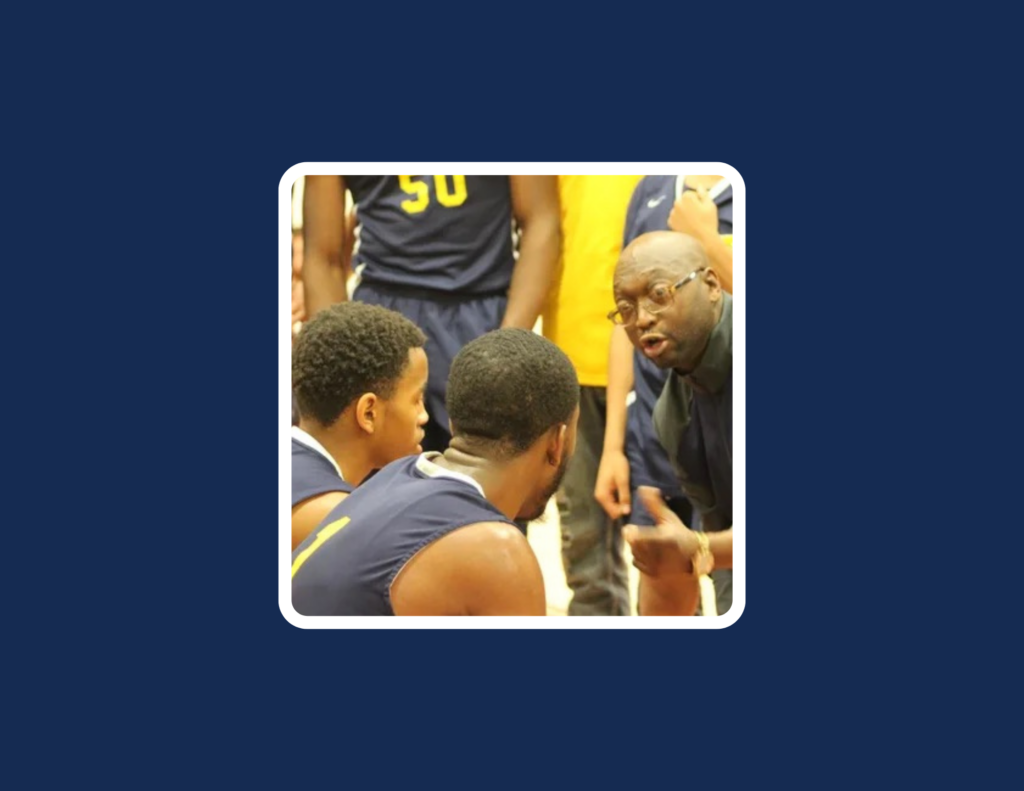

Welcome to the 53rd edition of the Coach’s Corner Round Table on the Hoop Heads Podcast. Each episode of the Coach’s Corner Round Table will feature our All-Star lineup of guests answering a single basketball question. A new Coach’s Corner Round Table will drop around the 15th of each month.
May’s Round Table question is: How did you pay your dues early in your coaching career to be where you are today?
Our Coaching Lineup this month:
- Erik Buehler – Chatfield (CO) High School\
- Andy Farrell – University of Dayton
- Joe Harris – Lake Chelan (WA) High School
- Bob Krizancic – Mentor (OH) High School
- Matt Monroe – St. Ignatius (IL) College Prep
- Raul Placeres – Maryville College
- Deronte Polite – University of Wisconsin-Milwaukee
- Dave McGreal – Penn State Altoona
- Matthew Raidbard – Author of Lead Like a Pro
- Taylor Roth – Hiram College
- Mark Schult – Centre College
- Don Showalter – USA Basketball
- John Shulman – University of Alabama Huntsville
- David Sloan – Carnegie Mellon University
- Joe Stasyszyn – Unleashed Potential
Please enjoy this Round Table episode of the Hoop Heads Podcast and once you’re finished listening please give the show a five star rating and review after you subscribe on your favorite podcast app.
If you are a basketball coach at any level please check out our Hoop Heads Coaching Mentorship Program. You’ll get matched with one of our experienced Head Coaches and develop a relationship that will help take your coaching, your team, your program, and your mindset to another level.
Be sure to follow us on twitter and Instagram @hoopheadspod for the latest updates on episodes, guests, and events from the Hoop Heads Pod.
Like this show? Please leave us a review here — even one sentence helps! Consider including your Twitter handle so we can thank you personally!

We’re excited to partner with Dr. Dish, the world’s best shooting machine! Mention the Hoop Heads Podcast when you place your order and get $300 off a brand new state of the art Dr. Dish Shooting Machine!

Prepare like the pros with the all new FastDraw and FastScout. FastDraw has been the number one play diagramming software for coaches for years, and now with it’s integrated web platform, coaches have the ability to add video to plays and share them directly to their players Android and iPhones via their mobile app. Coaches can also create customized scouting reports, upload and send game and practice film straight to the mobile app. Your players and staff have never been as prepared for games as they will after using FastDraw & FastScout. You’ll see quickly why FastModel Sports has the most compelling and intuitive basketball software out there! In addition to a great product, they also provide basketball coaching content and resources through their blog and playbank, which features over 8,000 free plays and drills from their online coaching community. For access to these plays and more information, visit fastmodelsports.com or follow them on Twitter @FastModel.

Your first impression is everything when applying for a new coaching job. A professional coaching portfolio is the tool that highlights your coaching achievements and philosophies and, most of all, helps separate you and your abilities from the other applicants.
The key to landing a new coaching job is to demonstrate to the hiring committee your attention to detail, level of preparedness, and your professionalism. Not only does a coaching portfolio allow you to exhibit these qualities, it also allows you to present your personal philosophies on coaching, leadership, and program development in an organized manner.
The Coaching Portfolio Guide is an instructional, membership-based website that helps you develop a personalized portfolio. Each section of the portfolio guide provides detailed instructions on how to organize your portfolio in a professional manner. The guide also provides sample documents for each section of your portfolio that you can copy, modify, and add to your personal portfolio.
THANKS COACHES!
If you enjoyed this episode let our coaches know by clicking on the links below and sending them a quick shout out on Twitter:
Click here to thank Erik Buehler on Twitter!
Click here to thank Andy Farrell on Twitter!
Click here to thank Joe Harris on Twitter!
Click here to thank Bob Krizancic on Twitter!
Click here to thank Dave McGreal on Twitter!
Click here to thank Matt Monroe on Twitter!
Click here to thank Raul Placeres on Twitter!
Click here to thank Deronte Polite on Twitter!
Click here to thank Matthew Raidbard on Twitter!
Click here to thank Taylor Roth on Twitter!
Click here to thank Mark Schult on Twitter!
Click here to thank Don Showalter on Twitter!
Click here to thank John Shulman on Twitter!
Click here to thank David Sloan on Twitter!
Click here to thank Joe Stasyszyn on Twitter!
Click here to let Mike & Jason know about your number one takeaway from this episode!
And if you want us to answer your questions on one of our upcoming weekly NBA episodes, drop us a line at mike@hoopheadspod.com.
TRANSCRIPT FOR ROUND TABLE 53 – HOW DID YOU PAY YOUR DUES EARLY IN YOUR COACHING CAREER TO BE WHERE YOU ARE TODAY? – EPISODE 793
[00:00:00] Narrator: The Hoop Head Podcast is brought to you by Head Start Basketball.
[00:00:21] MIke Klinzing: Hello and welcome to the 53rd edition of the Coach’s Corner Round Table on the Hoop Heads Podcast. Each episode of the Coach’s Corner Round Table will feature our all-star lineup of guests answering a single basketball question. A new Coach’s Corner Round Table will drop around the 15th of each month.
May’s Round Table question is: How did you pay your dues early in your coaching career to be where you are today?
Our Coaching Lineup this month:
- Erik Buehler – Chatfield (CO) High School\
- Andy Farrell – University of Dayton
- Joe Harris – Lake Chelan (WA) High School
- Bob Krizancic – Mentor (OH) High School
- Matt Monroe – St. Ignatius (IL) College Prep
- Raul Placeres – Maryville College
- Deronte Polite – University of Wisconsin-Milwaukee
- Dave McGreal – Penn State Altoona
- Matthew Raidbard – Author of Lead Like a Pro
- Taylor Roth – Hiram College
- Mark Schult – Centre College
- Don Showalter – USA Basketball
- John Shulman – University of Alabama Huntsville
- David Sloan – Carnegie Mellon University
- Joe Stasyszyn – Unleashed Potential
Hey Hoop Heads! I wanted to take a minute to shout out our partners and friends at Dr. Dish Basketball. Their Dr. Dish shooting machines are undoubtedly the most advanced and user friendly machines on the market. Learn more at drdishbasketball.com and follow their incredible content @drdishbball on Twitter, Instagram, Facebook and YouTube.
Mention the Hoop Heads Podcast and save an extra $300 on the Dr. Dish Rebel. All-Star and CT models. Visit drdishbasketball.com for details. That’s a great deal Hoop Heads! Get your Dr. Dish shooting machine today!
[00:02:44] Devin Durrant: Hi, this is Devin Durrant, former NBA player and author of the book, The Values Delta, and you’re listening to the Hoop Heads Podcast.
[00:02:56] MIke Klinzing: Prepare like the pros with the all new Fast Draw and Fast Scout. Fast Draw has been the number one play diagramming software for coaches for years. You’ll quickly see why Fast Model Sports has the most compelling and intuitive basketball software out there. For a limited time Fast Model is offering Hoop Heads Listeners, 15% off Fast Draw and Fast Scout. Just use the code HHP 15 at checkout to grab your discount and you’ll be on your way to more efficient game prep and improved communication with your team. Fast Model also has new coaching content every week on its blog, plus play and drill diagrams in its play bank.
Check out the links in the show notes for more. Fast Model sports is the best in basketball.
Let’s hear from our panel about how they paid their dues early in their coaching career to be where they are today.
[00:03:51] MIke Klinzing: Eric Buehler, Chatfield Senior High School, Littleton, Colorado.
[00:03:58] Erik Buehler: Hey, what’s going on Hoop Heads. This is Eric Buehler from Chatfield Senior High, and this month we were asked what we did to pay our dues to get to where we are today as coaches.
I kind of have a roundabout story, but just started coaching JV basketball right out of college. Obviously coached camps and stuff like that while I was in college. Officiated some. Then I went and I coached varsity basketball at a prep school in Florida for a couple years. Came back to Colorado, was a trainer.
Did some one-on-one small group training camps. Ran my own camps. Then I became a varsity assistant for six years, and that’s where I really honed a lot of my skills. I had a great mentor and head coach that gradually handed me over more and more responsibilities, and I realized I needed to ask for more responsibilities as well, just to learn the tricks of the trade being a head coach.
Then I went and coached freshman basketball and for a year, and then I finally ended up where I currently am as the head coach of the school where I was the freshman coach at kind of a roundabout way to do it. I know that if I could do it all over again, I would, wouldn’t change much, but I definitely would go and work more college camps.
I know they’re always looking for volunteer coaches or even a lot of times I’ll pay for you. To help with the camp point guard colleges stuff like that. And then always, like Snow Valley is a great resource to go and learn how to be a coach. Jay Bilas camp, lots of great resources there to learn how to coach and interact with some other great coaches.
That’s my story. Thanks for having me on again, guys, and we’ll talk to you guys next time.
[00:05:39] Narrator: Andy Farrell from the University of Dayton.
[00:05:44] Andy Farrell: So one thing that I would suggest that any young coaches out there that I typically do suggest two things. One is work as many camps as you can. I probably didn’t do that enough.
But just take the entire summer, map out your entire summer and just go travel the entire country. Work as many camps as you can. Not only are you going to be able to meet potentially some coaches on certain staffs, but really the opportunity to network with your peers that you are going to be coaching camps with, I think is really, really important.
Those are some lasting friendships that you can develop over the course of time, being in the trenches together, working those camps. Don’t think of it like you’re going to be working certain universities camp, and you’re going to get to know those coaches really, really well. Like you may get to know one or two of those coaches.
But really the 20, 30, 40 other coaches that you’re going to be coaching with, those are great opportunities to develop relationships that are lasting. The second thing that I would do wherever you are, especially if you’re on a lower level. Drive your assistant coaches and your head coach to recruiting trips.
I remember doing that when I was a student manager, and it was one of the best things I ever did. Really got to know those assistant coaches, know the head coach really, really well. Pick their brain and just spend time with them. Almost be a sponge. Listen to them as they’re making recruiting phone calls.
Listen to them as they’re breaking down film in the passenger seat, just so that they’re saving time as they’re driving, as you’re driving them. Two certain games to go recruit. Those are some valuable times where you’re able to really develop relationships and just be a fly on the wall.
[00:07:22] MIke Klinzing: Joe Harris, Lake Chelan High School, Lake Chelan, Washington.
[00:07:30] Joe Harris: Hello Hoop Heads, Joe Harris at Lake Chelan High School with this month’s round table question. How did you pay your dues early in your coaching career to be where you are today? I firmly believe that paying your dues should be a natural progression in coaching. You can’t just rely on your wins and losses as a marker for your success and to get better, you should also have to embrace your failures.
I feel overcoming hardship can help you succeed in all facets of your program. I started my career by learning. To do the little things that no one sees. Learning early on as an assistant coach and a head coach, that those little things mattered. Things like carrying the equipment on and off the bus, lining the field, setting up the gym.
I didn’t realize those were parts of the coaching world I should embrace. If we want our kids to learn to dig deep, to struggle and fight their way, anniversary adversity, we as coaches should do that as well. And a lot of coaches want to start the top without embracing that struggle. At several stages in my career, I was challenged to look forward and embrace those, those challenges.
My first coaching season started with a lack of success on the court. Several players quit. Our lineup was inexperienced in young. This all led to second guessing of first year head coach. Fresh from college, I could have quit and given up coaching right then. But 30 years later, I look at all those times with all those players and see what we accomplished later on.
And a smile comes to my face. As a coach, I believe that you have to experience the highs and the lows of sport. You can’t just jump over obstacles. Instead, you need to tackle them head on. Coaches sometimes want to avoid those hurdles without facing the challenges head on. And those are challenges that can shape your career, both personally and philosophically.
Two seasons removed from having one of our most successful seasons on and off the court. We had one of our most challenging losses and the injuries both piled up, players moved out of our district. I asked myself, was I a poorer coach through all of this? Did that make me a worse coach than I was the previous years when we were much more successful?
Know the humor that he made me a different coach, a better coach, and a more rounded coach. Though it is not pleasant at the time. Be thankful for all the hard times in coaching and life. If you do things the right way, you treat people the right way. In the long run, good things happen. Thank you hHop Heads and hope you enjoyed this.
[00:10:02] MIke Klinzing: Bob Krizancic, Mentor High School, Mentor, Ohio.
[00:10:09] Bob Krizancic: Bob Krizancic, Menor High School. Looking back, my early years in coaching were the toughest and the absolute best. Not knowing if you were doing the right things, but spending a massive amount of time in the gym, extra time with players. At coaching clinics, Nike clinics, working metro index camps working any camp that you could get to staying late and talking to coaches that had been successful.
Just doing anything that you could to make your program better, to make your players better, and absolutely be the best that you could possibly be. The best and the longest.
[00:10:53] MIke Klinzing: David McGreal from Penn State Altoona.
[00:10:59] Dave McGreal: Hello there Hoop Heads Coach McGreal, Penn State Altoona. Round Table question. How did I pay my dues in coaching? Man, that’s a long answer. Don’t know if we have enough time to send a round table to discuss that. But, my path to college coaching was a little different. Did volunteer assistant at my alma mater Tennessee. After I had a little in the restaurant.
That team did really well that year. And then I went into the high school ranks. I actually, that head high school job back in my hometown, Rock, Florida. And I taught high school basketball and coached at the high school level for seven years in the state of Florida.
Really realized at that point my passion was strictly dealing with student athletes on the athletic side. Teaching necessarily wasn’t for me at least teaching world history. So I was blessed and lucky enough to get assistant coaching position at community college.
That’s in my career as college coach. $10,000. I lived in a one bedroom apartment. I ate McDonald’s biscuits every morning cause that’s what we got for the teams. And I ate McDonald’s biscuits every lunch because that was my lunch and my contract was leftover sausage biscuits. But so I did that for a couple years. And my good friend Kendall Wallace, got the head job at LagGrange College down in LaGrange, Georgia, D3.
And as soon as he got hired, he said, let’s go and went with him and took a pay, took grade a year basketball to nothing. And worked four different jobs in LaGrange community from making pizzas to waiting tables to repacking Budweiser beer at a distributor. So did that for a couple years and obviously we had some success at LaGrange.
Finally was able to get a full-time job on campus as well, and that’s where we really thrived. And got me this opportunity to be the head coach of Penn State Altoona. So my path again, is, is very bumpy. Has been very bumpy. But you know, if you, the game, the sport is what you do. There are times that you’re have those sacrifices.
There are some guys out there that fall into stuff or. Their bosses get big time promotions and they kind of roll with them. But for the most of us, man, it’s, stories like mine where you have to make sacrifices, put certain things on the back burner if this is what you really want to do.
But hopefully that gives you a little perspective on my past and what I did as a head college coach. But it’s been worth it. So again, thank you for your time. I hope all’s well talk to you next time.
[00:14:39] MIke Klinzing: Matt Monroe, St. Ignatius College Prep in Chicago, Illinois.
[00:14:46] Matt Monroe: This month’s round table question, how did you pay your dues early in your coaching career to be where you are today, I think is an important one. Young coaches everywhere have high aspirations and big goals. And they want to achieve those goals right away. But I think far too many people are more than willing to skip the steps that are necessary for their long-term growth and development to ensure a successful coaching career.
Reflecting back on my 22 years of coaching so far, I really am grateful for all the experiences that I’ve had recently, but those moments of growth, those moments of learning that I had early on, I wouldn’t have skipped those steps for anything. I started coaching when I was 18 years old. I was a senior in high school and I didn’t have the playing experience that many of my peers were lucky to have had.
So when I first started coaching, I tried to do everything I could to make up for that lack of playing experience. I worked every camp in the area. I ended up coaching three to four teams a season for many years, and I volunteered in every basketball situation that I could and everywhere I went I took a notebook and I’d write down what coaches were saying, the teaching points that they made, the drills that they did.
How they built relationships with their players, all the organizational strategies that they needed to be successful and so on, and I really tried to be as much of a sponge as I possibly could. When I was 24 years old. I really was at a crossroad in my career. That spring, I ended up having two different job opportunities that I was looking at.
One was to be a head coach at a small school in Western Illinois, and the other was to go to an established high school program. Where the coach was legendary in terms of his success on the court, but also in terms of preparing coaches to be head coaches later on. And so I’ll never forget, I’m driving home from my interview to be the head coach at the smaller school in Western Illinois, and I get a call from them and I end up getting offered the job.
And I think to myself, this is a great opportunity. I could be a head coach at the age of 24. I could really get going on my head coaching career, but at the same time, I felt that something was missing. So I ended up turning down that job so I could be an assistant coach with Mike Bailey at St. Patrick High School in Chicago.
And the eight years I spent there as an assistant coach with him were invaluable. There is no doubt in my mind that if I would’ve skipped that step, if I didn’t learn what I learned being in that program and being an assistant coach, I would not be where I am today as a coach. Not only did I learn a lot of lessons, but I ended up with a great group of friends and a tremendous mentor that I call on all the time.
Even to this day. So early in your career, I think paying dues is really important. There is no job that is too big to be done. There is no situation that is beneath you. I think volunteering and getting involved, learning from as many people as you can and building those relationships, I think are essential.
Not just in your long-term success, but into your quality of life as a coach.
[00:17:44] MIke Klinzing: Raul Placeres From Maryville College,
[00:17:49] Raul Placeres: I’m a big believer in not skipping steps. I think as a coach you learn a lot during that process. For me, it was being a freshman head coach, which led me to be the JV head coach, which earned me the opportunity to be the head coach at the high school I was coaching at. Did that for four years. Which helped me gain the assistant coaching job at my alma mater here at Merrillville College.
That helped me gain an opportunity to coach one of the top AAU programs on the Under Armour circuit that helped me become the associate head coach here. And then for the last four years I’ve been the head coach here at the college. I’m a big believer in not skipping steps. You learn a lot along the way.
I think that’s great advice for young assistant coaches or any coaches that are trying to move up in the profession.
[00:18:42] MIke Klinzing: Your first impression is everything. When applying for a new coaching job, a professional coaching portfolio is the tool that highlights your coaching, achievements and philosophies. And most of all helps separate you and your abilities from the other applicants, the Coaching Portfolio Guide is an instructional membership based website that helps you develop a personalized portfolio. Each section of the portfolio guide provides detailed instructions on how to organize your portfolio in a professional manner. The guide also provides sample documents for each section of your portfolio that you can copy, modify and add to your personal portfolio.
As a Hoop Heads Pod listener, you can get your Coaching Portfolio Guide for just $25. Visit https://www.coachingportfolioguide.com/hoopheads to learn more
Deronte Polite, University of Wisconsin Milwaukee,
[00:19:39] Deronte Polite: Deronte Polite, assistant basketball coach, University of Wisconsin-Milwaukee. And my answer to what did I do early in my career to kind of pay my dues I think I just took the opportunity that was available to me. A lot of young coaches or people who want to get into this, You can’t always be picky about your opportunities.
And so the opportunity that was available to me was a program that had never done well and it paid a $3,000 stipend and that was it. And no other opportunities at the college for me to work. And I didn’t have a staff, had a manager. I will say my D. She did sit with me on the bench during games and And rode with me on the road trips, which was great.
She helped set up, she helped me with a lot. But as far as practice planning and game adjustments, film study, all of those things, like did those on my own and left a full-time job in order to take this $3,000 stipend. Shout out to my wife. And then I worked at a YMCA part-time.
And in coaching college coaches especially, just, you can’t like add any old job on top of it because it’s just a lot of hours. And so yeah, that’s kind how it all started and finally got full-time at that school. And then when I went to the next school, I was part-time again, part-time assistant role to get to the scholarship level, partial scholarship level. And at one point in time I was really considering trying to become a division one volunteer assistant get on someone, staff as a volunteer. And my opportunity to do that I wasn’t allowed to because they had just become fully staffed.
So they weren’t able to add any volunteers. But yeah. That’s kind of the start, you have to get in somehow. And so you can’t be picky about your opportunities. You take the opportunity that’s available to you, and it’s probably going to mean less pay, less support,less budget, all those things, but you find a way to get it done and to succeed at that level.
[00:22:02] MIke Klinzing: Matthew Raidbard, author of Lead Like A Pro.
[00:22:07] Matthew Raidbard: Hey, Hoop Heads Nation. This is Coach Matt Raidbard here with you back again for another Hoop Heads round table this month, discussing the question of how did you pay your dues early in your coaching career? To be where you are today. You know, paying my dues early in my career is something that had an enormous effect on me moving forward in my coaching career, and really shaped a lot of my perspective on coaching and being part of a team moving forward.
At my first college coaching job was at Western Mexico University, a small division two school down in the southwest corner of the state, and it was really an all hands on deck. In addition to coaching coaches were responsible for driving the bus to games. So my head coach and I used to take turns driving the bus.
Used to take the bus every week to the 55 passenger to get it washed and cleaned on the inside. Had to run intramurals, game operations at our other sporting events like volleyball and football. It was really a formative experience for me, and it really shaped my perspective on how, what it means to be a true team player as a coach.
Not just in terms of support, like going to events, but really doing whatever it takes to help the department succeed. Whether that’s in game operations, whether that’s jumping in to lend a helping hand on department initiatives being part of community service projects. It really taught me to get outside of that basketball bubble.
That coaches can find themselves in with their respective sports and really always have that perspective on what could I do to help the rest of the department succeed, not just my individual sport. And that’s something from paying my dues early in my, my career. Taking on all those different jobs, seeing my head coach do all those different jobs.
And my athletic director there were days where I would walk out and see my athletic director mowing on the big John Deere mower, mowing the baseball field or the softball field, mowing the football field. My head coach would be there early helping with game Up. So it was really a very important experience that had a lasting impression on me and really shaped my, imp my perspective on how it’s all of our responsibilities within an athletic department to do whatever it takes, whatever is needed to help us all collectively succeed.
[00:24:33] MIke Klinzing: Don Showalter, USA Basketball.
[00:24:39] Don Showalter: Hi, Don Showalter here from USA Basketball. Question was, how did you pay your dues early in your coaching career to be where you are today? Well, I think a couple things that I paid my dues on. First of all, I worked many camps. I was young coach. I wanted to be the best I could be. So I worked a lot of camps that I thought would really enhance my coaching.
John Wooden basketball camp. Snow Valley Basketball School where I got to know people as well. So my network was really enhanced by working camps, but also my knowledge of just how to coach really got better through working camps. And I would encourage any coach that really wants to get better to work some basketball camps. And I know today they’re much less camps than there was 15, 20, 25 years ago. Second thing is attend clinics. I attended a lot of clinics when I was a young coach. Still do actually. But. These clinics again allowed me to become a better coach, but also increase my level of of how to coach more than what to coach.
So I think that was a big area for me. So I think those are the two things where I pay my dues. Also you pay your dues, maybe \you coach for junior high or middle school, you pay your dues there before you get to be a varsity coach. Maybe you pay your dues by coaching at a small school first and then moving on to maybe a better opportunity.
And all these, I would say is be sure you do the best job of where you’re at. Because if you don’t do a really good job of where you’re at, whether it be youth, middle school, high school, you will not get any opportunities to coach at another level. So that’s really important I think. Thank you. And I hope this helps.
[00:26:42] Narrator: Taylor Roth from Hiram College.
[00:26:49] Taylor Roth: My main way of paying my dues primarily was just working camps. Youth summer camps prospect camps, just getting to as many campuses and getting in front of as many coaches as I could and coaching my own teams and kind of learning how to teach. The other thing that I tried really hard to do was I waited as long as I possibly could to not take jobs for money. Take jobs where I knew I could grow professionally expand my network and try my best to be focused on driving my learning as opposed to my finances, at least early on when I could do that. So between those two things, that was the best way for me to pay my dues and find my way early on in the coaching profession,
[00:27:38] MIke Klinzing: Mark Schult from Centre College.
[00:27:44] Mark Schult: Hey, Hoop Heads. Mark Schult, assistant Coach Centre College. Appreciate you having me on for this month’s question. How did you pay your dues earlier in your coaching career to be where you are today? I think it’s an ongoing process.
When you’re young and you can afford it, I think you want to work as many hours as you can, get on the road, get in practice, get in the gym with your guys really invest your time. And the old saying is never turn down a basketball opportunity. Again, whether that’s a clinic, an open gym, a workout, a shooting session, even shooting 50 or a hundred free throws with your team.
I think are really, really good things to do to pay your dues and kind of establish yourself. The second thing I would say is be willing to work, be willing to do whatever, whether that’s sweeping the floor, staying after practice or games and doing the laundry.
Right. Anything you can do to make your players’ lives easier, make your head coach’s life easier make your athletic director, your administrator’s lives easier. I think those are all really good ways to really establish yourself and kind of create a reputation within coaching. The old saying that I always heard is, Your reputation will travel faster than your resume.
So if you’re that guy who’s always in the gym, always on the road, always talking to people in the gym and watching games and evaluating too, but if you put yourself out there, I really think that’s a great way to again, pay your dues and kind of establish yourself in coaching and as I said at the beginning, it’s an ongoing process and the learning, the paying your dues has to never stop. So young coaches out there be willing to dedicate your time, your effort, your energy, and thanks for having me on the show.
[00:29:34] MIke Klinzing: John Shulman, University of Alabama, Huntsville, and the 720 Sports Group.
[00:29:41] John Shulman: This is John Shulman, head basketball coach at Alabama. Huntsville question is, how did I pay my dues to get to where I am now? It’s a great question. Listen, some people have to pay dues and some don’t, and it’s just a fact of life and I was one of those ones that had to, because I didn’t have a great pedigree, I didn’t play at Carolina or Kentucky, and some of those guys don’t have to pay their dues as much as the other guys.
And that’s fine. That’s just a fact of life. And it doesn’t matter whether it’s in coaching or any other business. You have to do what you have to do to get ahead. And I’m a big believer on who gets you there and what keeps you there. And so that’s what I did. And paying my dues, to get to a job.
All I did the whole summer, I would get done with classes and I literally would go and start working camps. So I was the big camp guy and number one, That’s what I did for eight weeks of the summer. I would go from Auburn to Wake Forest, to East Tennessee State to Furman, and then do it again.
And I just tried to meet people and I would work guys you know, and guys at the Bilas camp know this. I mean, I literally, my first job as a coach at a Camp was to make Kool-Aid. It wasn’t to teach offense or defense, it was to make Kool-Aid. And so you do what you have to do.
And so working camp after camp, after camp, literally did that all summer long. And then a very nice gentleman out in the forest at East Tennessee State took me under his wing and wanted to help me. And I worked at Wofford for a year. I worked at East Tennessee State and paying dues, I mean, doing study hall and going to graduate classes, but having a long day and then having to monitor study hall and having to take care of the managers and take care of stuff at practice. It’s what you did sweeping the floor. It’s what you, it’s what you did. I still sweep the floor to this day before practice. I don’t think it’s a negative thing. I think that’s what you do. And so I don’t know whether you want paying dues to get to the job or paying dues to keep your job. It’s just doing the little things. It’s doing the little things to make sure that you have a chance to be successful. So I don’t know if I some guys don’t have to work camp after camp after camp and back in the day drive to an hour to exchange a tape with another guy.
It’s a lot easier now scouting and doing that, you don’t have to pay the dues as much as you did back in the day, but I liked back in the day and it was simple and life was easy and life was simple. And you didn’t have to do some of the stuff you’re doing now. I know there’s a lot of things that make it easier, but I had no problem back in the day doing what we did.
So just network in a genuine way. Working camps whether you’re making Kool-Aid or working with the youngest guys or working with the oldest guys. Always got stuck at East Tennessee State when I was a GA working with the youngest guys, and I always took offense to that and I said, Coach Forest when do I get to work with the oldest guys?
And he was like, never. And I was like, coach, I think I’ve paid my dues to work with the oldest guys. And he was like, who comes back to camp? The old guys are the young guys. I said to young guys and he was like, that’s what you’re doing down there. So keep on doing a good job and doing what you do.
And so listen, it’s all about working. Work your hardest, stop trying to get noticed for everybody. Just work your hardest. You know, they say bloom where you’re planted, or having two feet in. If you just do that, somebody’s going to notice. And if no one notices, then you’ve done a really good job at where you at, where you are.
Hope this helps a little bit. Good luck. We all have our stories we all have our ways that we got into it. Everybody’s different and just good luck trying. tTake care.
[00:33:54] MIke Klinzing: David Sloan from Carnegie Mellon University.
[00:34:01] David Sloan: I think a lot of people talk about paying your dues in terms of the time you’ve have to work and some of the tasks you need to do. But for me, kind of paying my dues was learning through some mistakes and experiences. And so for me there’s a lot of different ways that that can look, but for me, it was kind of making decisions in terms of in practice and teaching and instructing, drills and presenting to the team with scouting reports and making some X and o’s strategy decisions after time out or special situations. And so I think being able to experience some of those mistakes and be able to learn from them to me, that’s paying your dues, right?
It’s creating those experiences you can learn through. And then when you learn from them, that can help you kind of progress in your career and give you a lot more confidence to make a better decision later. And so for me, Paying my dues has been filled with experience. It’s been filled with kind of trial by fire.
But it’s being able to learn through that, that I think has gotten me to where I’m at now.
[00:35:05] MIke Klinzing: Joe Stasyszyn, Unleashed Potential Carlisle, Pennsylvania.
[00:35:12] Joe Stasyszyn: Joe Stasyszyn, Unleashed Potential. This month’s question is how did you do pay your dues early in your coaching career to be where you are today? I really like this question.
I talk a little bit about this when I speak nationwide or internationally, whether it’s for USA basketball or whoever I’m speaking to at coaching clinics, what I tell coaches is this, you need to be great where your feet are. So in other words, one of the things I try to stress by saying that, and I’m a living example of this, Is that you cannot chase success, okay?
If you work hard, you never know who’s going to be watching what you’re doing. You try to be a learn it all. Good things will happen without trying to climb the ladder of success. Success will find you if you, if you do those kind of things. And the reason I say that is early on in my coaching career I came out of college and I came back to my hometown in Carlisle, PA and it was where I played. Always wanted to coach where I played and at that time there were no positions open. We had very good teams back then with coach Lebo. Dave Lebo was the head coach. We had his son Jeff, who’s a former player at North Carolina, and now as an assistant coach at North Carolina.
We had Billy Owens. And those guys came after me my time in playing in Carlisle, so I wanted to get involved in coaching. As a young coach, there weren’t positions open, so when I came back, I took an assistant girls high school position, assistant varsity girls high school position, and, and it was really, really good for me as a young coach, not only to just be on the girls side and you know, it was a different dynamic.
Coaching on the girls side has always been involved with, on the boys side, obviously. So I learned a lot in that experience. We actually went on to we were one game away from the state championship. We lost in the eastern finals. We would’ve won that game and would’ve been in the state championship for big schools in pa So I did that for a few years and then that was very rewarding and I learned a lot coaching as a young coach there.
And then from there Coach Lebo had just won his fourth state straight state championship here in Carlisle with Billy Owens. And obviously his son Jeff, was on one of those teams. So he decided after his fourth state championship to step down for a year and take a sabbatical. To watch his son Jeff play down in North Carolina.
And I can tell you at that time, no one wanted to step into that position because first of all, they just won four state championships. We were playing a national schedule. The JV team that year was four and 18, was not near the talent that had been there. And basically they did not have anybody coach the team.
S I stepped in and volunteered to coach the team. Obviously, like I said, we played a national schedule and my first year as a head coach, even though I knew it was on an interim basis a sabbatical basis, we won one game. But you know, I probably learned more in that one year in my career than I have at any other time on.
Working hard, trying to, learning how to handle adversity, trying to be successful where I was at, and just going in day by day and trying to try to make the team better. So even though it wasn’t a rewarding season in terms of wins and losses, I probably learned more that year on how, how to handle adversity and look inward and try to make yourself better as a coach.
So now when I look back on that and I think of all the things I get to do now working with USA basketball, speaking internationally doing all the things I get to do now through my career, I think that was very rewarding, even though it was tough at the time, very rewarding for me to do that.
And then also I went to clinics, coaching clinics, I talked to coaches, I went to practices. I was trying to learn as much as I could. Because I knew as a young coach, I needed experience. I needed to learn from the best of the best. And that’s what led me to where I’m at today. And I can even say, working with Coach K, his camp for 25 years I went there as a young coach over 25 years ago.
Worked very hard, wasn’t trying to network and make connections and try and get onto the, the next best thing for me. I did go on and coach some division three. College basketball’s assistant coach through my development. So that was another experience that I was very grateful to have and that was very helpful for me also.
Coach K even to this day had mentioned me in different times amongst whole room of coaches that when I came to Duke to work for him. That first year over 25 years ago, I didn’t come there trying to climb the ladder. I was just trying to be great where I was at and work hard and the same.
I really believe good things happen because you never know. Live an example. You never know when someone’s watching what you’re doing. Same thing when I worked five Star Camp as a young coach. I went there and Garf would come around and he would stand and he would watch.
And he would observe and you’re always on your best. You know, because Garf was there watching you. However, Garf was watching your station or your basket. So you tried to work as hard as you could so you could feel good about the job that you’re doing and be able to be the best that you can be.
So there are numerous and numerous things that I think back on that brought me to where I am today. And I tell young coaches all the time this is a lifelong learning process. You just don’t jump into, as a young coach, jump into, start working for with USA basketball or jump into speaking internationally or speaking at coaches clinics worldwide those things have to be earned. And those things take a lot of hard work and dedication and wanting to be a learn it all, not a know it all. And I think that’s probably the best advice I can give to young coaches today is be patient. Do the work earn, earn that reputation, work hard.
So somebody notices you don’t worry about well, how can I get a Division one job? How can I get a D two job? How can I get a, a high level prep school job? Those things will take care of themselves if you just work hard. And I really believe that. And I think to this day, that’s probably the biggest reason for my success and learning how to handle adversity from those that first year.
I mean, I went from coaching a very good high school varsity girls team as an assistant, almost avoided a state championship to turning around and winning one game the following year. And you know, people always say it’s how you handle adversity, okay?
You have to handle adversity. You have to learn from things. I think you have to sometimes fail. You have to fail. I think that’s when you learn the most, is when you fail. And I think that as a young coach, that was a hard lesson for me to learn and just prove tha, you know what you need to keep going.
You need to keep working hard. You need to keep learning from the best. So I really like this question this month. I think that hopefully I, I helped some young coaches out there just to just to work hard and you never know who’s watching what you’re doing. Thank you.
[00:42:28] MIke Klinzing: Thanks for checking out this month’s Hoop Heads Podcast Round Table.
We’ll be back next month with another question for our all-star lineup of coaches.
[00:42:40] Narrator: Thanks for listening to the Hoop Heads Podcast presented by Head Start Basketball.