
STEVE SCHAFER – DIRECTOR OF BASKETBALL AT COLLEGE ATHLETE ADVANTAGE – EPISODE 750

Website – https://collegeathleteadvantage.com/
Email – [email protected]
Twitter – @schafer50

Steve Schafer is the Director of Basketball at College Athlete Advantage. He was previously the head men’s basketball coach at Augustana College (IL). Before Augustana Steve was the head coach for six years at Benedictine University Mesa (AZ) where he also served as the Director of Athletics (2014-2020). He started the BenUMesa athletics department from scratch in 2014 and took the department from 60 student-athletes and eight club sports in 2014-15 to its present number of 325 student-athletes and 13 intercollegiate varsity programs.
Prior to starting the athletics program at Benedictine-Mesa, Schafer was the head men’s basketball coach at Fontbonne University in St. Louis, Missouri (2011-2014). He also spent two years as the assistant men’s basketball coach/athletic recruiting coordinator at the Benedictine campus in Lisle, Illinois from 2009-11. Steve also served as an assistant coach at both North Park University (2004-09) and Wayne State College (2001-04).
If you’re looking to improve your coaching please consider joining the Hoop Heads Mentorship Program. We believe that having a mentor is the best way to maximize your potential and become a transformational coach. By matching you up with one of our experienced mentors you’ll develop a one on one relationship that will help your coaching, your team, your program, and your mindset. The Hoop Heads Mentorship Program delivers mentoring services to basketball coaches at all levels through our team of experienced Head Coaches. Find out more at hoopheadspod.com or shoot me an email directly [email protected]
Be sure to follow us on Twitter and Instagram @hoopheadspod for the latest updates on episodes, guests, and events from the Hoop Heads Pod.
Take some notes as you listen to this episode with Steve Schafer, Director of Basketball at College Athlete Advantage.
What We Discuss with Steve Schafer
- Helping players realize their dream of playing college basketball
- The process that makes College Athlete Advantage unique
- How his experiences in coaching help him in his new role at CAA
Like this show? Please leave us a review here — even one sentence helps! Consider including your Twitter handle so we can thank you personally!

We’re excited to partner with Dr. Dish, the world’s best shooting machine! Mention the Hoop Heads Podcast when you place your order and get $300 off a brand new state of the art Dr. Dish Shooting Machine!

Prepare like the pros with the all new FastDraw and FastScout. FastDraw has been the number one play diagramming software for coaches for years, and now with it’s integrated web platform, coaches have the ability to add video to plays and share them directly to their players Android and iPhones via their mobile app. Coaches can also create customized scouting reports, upload and send game and practice film straight to the mobile app. Your players and staff have never been as prepared for games as they will after using FastDraw & FastScout. You’ll see quickly why FastModel Sports has the most compelling and intuitive basketball software out there! In addition to a great product, they also provide basketball coaching content and resources through their blog and playbank, which features over 8,000 free plays and drills from their online coaching community. For access to these plays and more information, visit fastmodelsports.com or follow them on Twitter @FastModel. Use Promo code HHP15 to save 15%
Your first impression is everything when applying for a new coaching job. A professional coaching portfolio is the tool that highlights your coaching achievements and philosophies and, most of all, helps separate you and your abilities from the other applicants.
The key to landing a new coaching job is to demonstrate to the hiring committee your attention to detail, level of preparedness, and your professionalism. Not only does a coaching portfolio allow you to exhibit these qualities, it also allows you to present your personal philosophies on coaching, leadership, and program development in an organized manner.
The Coaching Portfolio Guide is an instructional, membership-based website that helps you develop a personalized portfolio. Each section of the portfolio guide provides detailed instructions on how to organize your portfolio in a professional manner. The guide also provides sample documents for each section of your portfolio that you can copy, modify, and add to your personal portfolio.
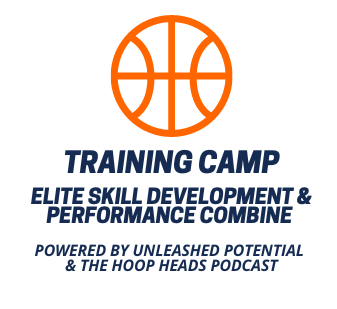
The first Training Camp – Elite Skill Development and Performance Combine will be held on the campus of Western Reserve Academy, just outside of Cleveland, OH powered by Unleashed Potential & the Hoop Heads Podcast. The camp is designed for boys rising to grades 6-9 and will take place June 29 – July 1, 2023. An emphasis on improving your individual skills in the context of a team environment will be the hallmark of the Training Camp.
Mike Klinzing from Head Start Basketball/The Hoop Heads Podcast & Joe Stasyszyn from Unleashed Potential will serve as the Camp Directors of this inaugural Training Camp.
Campers can expect 3 days of hard work, intense skills instruction, and learning how to be a great teammate on and off the court at the Training Camp. Players will participate in 10 Elite Skill Development Sessions led by some of the best coaches from across the country. Visit headstartbasketball.com to get registered.
THANKS, STEVE SCHAFER
If you enjoyed this episode with Steve Schafer let him know by clicking on the link below and sending him a quick shoutout on Twitter:
Click here to thank Steve Schafer on Twitter
Click here to let Mike & Jason know about your number one takeaway from this episode!
And if you want us to answer your questions on one of our upcoming weekly NBA episodes, drop us a line at [email protected].
TRANSCRIPT FOR STEVE SCHAFER – DIRECTOR OF BASKETBALL AT COLLEGE ATHLETE ADVANTAGE – EPISODE 750
[00:00:00] Mike Klinzing: Hello and welcome to the Hoop Heads Podcast. It’s Mike Klinzing here with my co-host Jason Sunkle tonight and we are pleased to welcome Steve Schafer, the director of Basketball at College Athlete Advantage, a recruiting service based out of Arizona. Steve, welcome to the Hoop Heads Pod
[00:00:14] Steve Schafer: Thanks for having me, Mike. Appreciate you having me on.
[00:00:17] Mike Klinzing: Absolutely excited to be able to talk to you about your background in the game, but also about what you guys are doing there to help high school athletes who are going through the recruiting process and helping them get to college, which we know in sports today, specifically in basketball, that a lot of kids have a dream of being able to play college basketball and to have someone there to be able to guide them and help them through the process, I’m sure is incredibly valuable.
And that’s what we’re going to get into and talk about a little bit as we move through your story. Let’s start by going back in time to when you were a kid. Tell us a little bit about some of your first experiences with the game of basketball and what made you fall in love with the game.
[00:00:55] Steve Schafer: Yeah what made me fall with the game was my dad. My dad played growing up. He played he was a really good high school player in Ohio, in Bridgeport, Ohio. Went on and played at Virginia Military Institute and just got me kind of into the game when I was a young kid and, and kind of coached me in the driveway and coached a couple of my you know, my, my, my peewee teams and stuff.
And just got me really just engulfed with basketball. And then as I continue to grow, I’m six six now, but I I was tall for my age, so naturally when you’re tall you play basketball. So just kept playing through junior high. Had a good high school career and luckily I was, I was recruited to play college basketball.
I wish there was something like college athlete Advantage right when I was in school. But I was fortunate enough to go on and play at Augustana College. In, in Illinois. And, you know it just had a up and down career there. Paddled a ton of injuries. Ended up having a career ending injury that forced me to hang it up, which is how I got into coaching.
[00:01:50] Mike Klinzing: All right. Let’s go back, just talk briefly about your experience as a player, because you mentioned your college decision. So let’s start with high school basketball. What’s your favorite memory as a high school player? Cause I know anybody who’s played high school basketball, you got something that stands out.
So what was
[00:02:04] Steve Schafer: yours? Yeah, I think there’s two. Going undefeated, my junior and senior year in conference was just an unbelievable achievement for our program and. For our teams. So that was really neat to be able to win two conference titles back to back going undefeated. In our conference. I played at a small school or actually it was a small school then.
It’s a big school now, but it’s Batavia High School, just outside Chicago. We had really good teams. And again, we, we, we were very fortunate to go back to back and win two conference championships. , I think the, the most memorable moment I had, we were playing at the Elgin Holiday tournament. The Christmas tournament was my sophomore.
And we were down we were down five points and we had the ball on the sideline. I caught it in the corner, got filed, banked in a three from the corner to go down one. So we were down four at the time. I got to the free throw line, missed the free throw, got my own rebound, made the jump shot.
We won by one.
[00:02:54] Mike Klinzing: You had your LuKa and Donovan Mitchell moment, it sounds like.
[00:02:57] Steve Schafer: I did. Nice. We made the newspapers and it was just being a sophomore, that was really cool to be on the front page of the sports page of your hometown and absolutely have a game like that. So that was really, really a memorable moment for me.
[00:03:07] Mike Klinzing: That’s very cool. All right, so talk a little bit about your process of going from high school to college, what you remember about the recruiting process and just your college decision and what you experienced. And then obviously as we go on, we’ll talk a little bit about how that relates to what you’re doing now.
[00:03:25] Steve Schafer: Yeah, well, I mean, it’s, it’s definitely changed today since when I was playing back in the mid, late nineties in high school. But for me I was fortunate enough to play three years of varsity basketball at a big school in Chicago and but had a lot Chicago basketball, you get a lot of media, a lot of coverage and it’s very heavily recruited in that area at the college level.
So we constantly had coaches watching our teams summertime, spring during the season. And so I was recruited pretty heavily all three years of high school. I was getting a lot of letters from division one programs, D two D three, and again, as I continued to go through my, my three years of varsity basketball, I didn’t get I was six four, a hundred seventy pounds.
I finished at 6 5, 6 6, about 180 pounds. Physically. I knew I wasn’t going to be a division one player. And it’s, and it’s funny, in Illinois there’s no, there was no division two at the time really in, in, in Illinois. So either either went division one or division three. . And so I, I, I chose to be a big fish little pond.
You know, I kind of narrowed my, my choices down to Wisconsin Lacrosse, mil University and Augustana College, or maybe preferred walk on it, Loyola Chicago. And I wanted to play you know, my dad luckily kind of understood the process and was a player and I wanted to play. So I chose small school over, over a walk-on situation.
Had a Division II scholarship offer as well, but it was kind of farther away from home. I didn’t want to go that far. So I chose to go to Augustana and, and I thought it was a great decision for me. And it’s funny, the best advice I got. Going through this process was from my mom and she said, take basketball away.
Let’s say you get hurt. What school fits you the best personally, academically, and socially? Because you know, you’re not playing basketball every single day, you know every single minute of the day while you’re there. Your season’s only from October to February. Make sure you’re happy with all the other aspects of college.
And I, fortunately I got hurt. I mean, I unfortunately got hurt. So, I mean, again, I, I, I love my experience. I was I picked the right place and, and yeah, that, that was kind of my process as I kind of went through the recruiting the recruiting world. So what do you think is the
[00:05:31] Mike Klinzing: biggest difference between what your experience was like then versus what a kid’s experience would be like today?
[00:05:38] Steve Schafer: Yeah, I mean, I just think it, it’s, it’s, it’s, schools just kind of started recruiting more on, on a nationwide level. I think you know, in the, in the, in the mid two thousands, all the way up until Covid. You know, you’d see my alma mater they were getting kids from Denver. They were getting kids from kind of all other areas of, of the country.
And when I was there, I mean, our whole team was basically Iowa kids and Illinois kids, so we didn’t really get a ton of kids from, from, from other places and I was the head coach at August. We were getting into Arizona as well, and kind of utilizing our contacts nationally to, to to, to recruit.
And so I, I just think you know, the AAU scene has just exploded since I was in school. And I think that’s really that whole summer, spring live period, the shoe circuits, I mean that’s just changed the game of the recruiting process. And that’s really the biggest difference to me is, is just those things.
[00:06:30] Mike Klinzing: How do you weigh out? I’m just curious because we talked to college coaches, high school coaches, and so we get all these different perspectives about how. Recruiting runs through high school coaches and how it runs through AAU coaches and what coaches look for when they’re watching a player with their high school team and what they’re looking for when they’re watching a player with their A a U team.
And coaches have different opinions about which one they weigh more, which one they feel gives ’em a better truer evaluation of the player. But I’m just curious from your perspective with the coaches that you’re talking to, with the players that you’ve worked with, with the experience that you’ve had, being able to place players.
And we’re going to get more into your process here in a little bit, but just which of the two settings do you feel like in 2023 are more, is more important or. Results in more players getting a college opportunity, or do you feel like it’s still pretty balanced? Yeah,
[00:07:27] Steve Schafer: I think it, it depends on where you live and where you are as, as it pertains to Arizona, and we work with kids all over the country, but as it pertains to the, the state of Arizona, I think that college coaches put more value on their, on their travel team playing, because I think they’re just exposed to better competition.
The state of Arizona, there’s, there’s some good basketball down here, but I wouldn’t say top to bottom six A to, to two to one a, that there’s, there’s a lot of great teams and you look at the six A right now in Perry High School with Coe and Cody Williams and that whole group, I mean, they’re just running through six A right now, and they’re not getting challenged night in and night out.
So if you’re, if you’re a high major guy and you’re, and you’re, you’re trying to or you’re a college coach and you’re trying to evaluate their players, I think it’s kind of hard. To evaluate some of their kids based off the competition they’re playing at the high school level. But as they transition into the, the AAU and club level, I think you’re going to see a, a, a better level of competition with the teams they’re playing on.
So I think a lot of coaches at the college level put more of a premium on what they see from those kids during the summer and spring with their club teams. Yeah, it’s
[00:08:33] Mike Klinzing: interesting. I never used to really understand that completely. And I think the more that my son’s now at Junior and the more you go kind of into it and you start to see what happens at all those different places, you start to see the value in what college coaches can see when they’re watching a kid with their spring and summer AAU team.
Because one, I know one of the things that college coaches say to me all the time is it’s just so much easier to go. and watch players in an AAU setting because I can go to one venue for two days and I can see 15, 20, 25, whatever, whatever number of players. And again, depending on the level, you can just see so many more players.
It’s so much more efficient to be able to do that than to go watch a high school game where again, you’re talking about if you’re, if you’re recruiting a player who’s going to be a college basketball player, chances are they’re one of the better players on their team. And maybe you go and you see a game where it’s a blowout and that kid only plays 17 minutes and he played 17 minutes against.
Inferior competition. It’s kind of hard to evaluate. So you can totally see where some coaches gravitate towards ao. Certainly from a volume standpoint,
[00:09:42] Steve Schafer: it makes sense. No question. And, and I think too, you can watch the same player play on, you know multiple times in the same day. Right. You know, in the spring and summer.
Whereas if you go to high school game, it’s a seven o’clock game and you hope that he plays a lot and if he gets 2000 the first quarter, you’ve wasted your time, so. Right. Exactly. No question. Yeah. Yeah. It’s
[00:09:59] Mike Klinzing: just funny how, I think, as you said, that shifted back when you were playing. Certainly back when I was playing aau, didn’t it barely existed at all.
Yeah. And now you get to a point where that’s become really, really important. I know back even like 10 or 12 years ago, I’d have people that I knew talk to me and they’d say, oh yeah, we’re, we’re missing this high school workout because we’ve got practice for our AAU team, or there’s an AAU tournament, we’re not going to be able to make it to our high school open gym.
And part of me, I always used to say like, I can’t believe that. People are missing their, their high school stuff for, for aau. And as you start to be around both scenes a little bit more, you start to understand sort of the why, especially for kids who have aspirations of playing at the next level, the the club slash AAU team, you can see where it’s definitely risen in importance in terms of what kids that want to get to the next level, why they, why they need to be doing that.
Mm.
[00:10:56] Steve Schafer: Yeah, and it’s, I mean, again, I, I think it’s, I don’t love that it’s gone that way. I, I just think there’s high school basketball is so special and you grew up in your town and you grew up with these guys and you a chance to play with them when you get to your, to high school and, and you know, you grow up watching that, that team play.
And I just don’t, I just think that’s been lost a little bit because of how big the, the club scene and the, and the travel ball has gotten. And you know, but again, at the end of the day, ch times change and so do coaches and coaches have to change at the times. And, and that is where you get the best bang for your buck when you’re trying to evaluate players.
There’s no question about it.
[00:11:32] Mike Klinzing: I know that some high school coaches have expressed frustration to me on the podcast about, man, we’ve got some of our players being recruited, The college coaches never even call and talk to me as the high school coach. Yeah. Which I know the first time I heard that was from a local coach here in Cleveland a couple years ago, and he had a player that was being recruited and he’s like this kid, he tore his ACL when he was a junior and he had some division one interest prior to that.
And then after he tore his acl, the division one s kind of backed off and he ended up signing with the division two school. And this coach told me, he goes, yeah, this kid’s going to this school. And I never have talked to the coach. And that was probably in, that was probably in like late 2018, maybe early 2019.
I remember being honestly flabbergasted Steve, like I can’t even imagine that a kid would get recruited and not the college coach would not talk to their high school coach at all. But now I’ve heard that story multiple times. And it’s funny, the high school coach was right because the kid went to this division two school and did really well there.
And then he transferred to Duquesne and now he’s actually at my alma mater, Kent State, and he’s. They’re best player and is playing really, really well. But it’s just interesting to hear these stories that before he told me that I never would’ve even believed or fathom in any way, shape or form that some kid would be recruited by a school and they never even Yeah.
Bothered to talk to the high school coach or just doing everything through the AAU program. It’s just amazing to me how that shift has taken place. But you can understand it as we just talked about. There’s certainly reasons why that’s the case as opposed to maybe what it used to be 15, 20 years ago.
[00:13:06] Steve Schafer: Yeah. And, and we, we actually see that a little bit you know, situationally with our company. I mean, when we. Promote our players and you know, we send their information out for them to college coaches their high school coaches contact information as well as their club coach. A lot of times it’s in their introductory email and they’re, they’ll call me because they know me generally cause I was a college coach and they want my opinion and things like that.
But I’ve talked to some of the high school coaches cause I try to keep them engaged with what we’re doing with their players and Yeah, like, I haven’t heard from any college coaches, but the kid might be being recruited by four or five schools that I’ve heard from. So it it does, it does happen.
And it never used to be that way, like you said.
[00:13:47] Mike Klinzing: Yeah. It’s very interesting when you went to school before your injury, obviously you’re focused. Being a player was your thought when you went to Augustana that you were going to get into coaching? Did you have other ideas or when did coaching kind of get on your radar?
Did the injury sort of push you into coaching? Were you like, Hey, I just want to stay involved in the game? Or what was your mindset when you went to school?
[00:14:06] Steve Schafer: Yeah. I, I never thought coaching was going to be, and my future. I was a speech communications major and really wanted to kind of get into the corporate world and kind of do what my, my sisters were doing and my dad was doing and, and kind of go make money and , you know you know, have a life and things like that,
But when I got hurt yeah. Have a exactly . But you know, it’s, when I got hurt coach Divan kind of pulled me aside and said, Hey, we, we want you to come on and coach your senior year if that’s something you’re open to doing. And. Gave it some thought and I’m like, yeah, why not? I want to stay around the team and my friends and, and in the program and, and I fell in love with it.
I mean, I remember Coach Giovanni taking me to some of the summer tournaments that they go recruit at and just sitting there and evaluating and kind of learning from him what they’re looking for and how they evaluate players. And I just, I just completely was hooked. I loved it and it just, I never looked back from that.
[00:14:55] Mike Klinzing: What was the relationship like when you went from being a player to being a semi colleague of your coach? Cause I always think it’s interesting for guys who get done playing. In a program for a coach, and then they transition, whether it’s just being a GA or they have a situation like yours where they got hurt, or maybe they’re at a division three school and they get hired as a volunteer assistant, whatever the case may be, where you go from being a player in a program to being a coach and you kind of go sort of behind the scenes.
Do you remember being surprised about some of the things that you learned about coaching in that, in that first year?
[00:15:31] Steve Schafer: Yeah, you learned so much. Being on the other side of the fence and you, you learn a lot of the why why is coach doing this? Why does he do this? Why does he treat him this way?
You learn a lot of that when you step to the other side of the fence and you’re looking at it from the other lens, and, and, and you, you, you do. And that’s the thing I learned about. It was such a wake up call for me. And, and I look back at myself, man, I. I was a crappy, I wasn’t very coachable sometimes so you kind of second guess how you were as a player and Right.
You, you just, you just learn a lot. And it’s also funny, I mean now I’m, I’m trying to coach my peers, which is really difficult as well. You know, the young guys listen, but the other guys are my age are like, whatever I used to cross you over doing practice six months ago now you want to tell me what to do so, but definitely a different, a different definitely a change and a different, you know but you learn so much when you’re on the other side of the, of the, of the fence.
So
[00:16:21] Mike Klinzing: it sounds like you knew right away within days, weeks, that, hey, this is. Where I want to be. This is what I wanted to spend the rest of my life doing.
[00:16:29] Steve Schafer: Absolutely. Yeah. I mean, I remember when the season ended, I, I, I asked coach, I’m like, Hey, I want to be, I want to, I want to do this full-time and what would be the best route to go?
And he kept talking about, go get it. Your go get it, your graduate go get your masters and let’s look for some graduate school opportunities. And so I, I applied to a hundred and probably 150 schools and, and emailed 150 coaches and just said, Hey, I’ll work for free. I want to be a part of this.
And I got two re two responses out of a a hundred some schools. And it was South Dakota State. And it was Wayne State College in Nebraska. And coach Naggie was, at the time, he was at South Dakota State. And he said, Hey, we’re, we’re, we’re interviewing a guy that’s been a former high school coach.
He’s got a ton of experience obviously more than you. So it’s, it’s kind of his job to turn down, but if you turned it down, I love to have a conversation with you. And so, kind of concurrently, I was talking to Wayne State, so I went out, they, they brought me out there and did an interview. And long story short, I was offered the job at Wayne State and I took it and and it was a good move because the guy that you know, that was kind of ahead of me at South Dakota State and up taking that job.
So it all worked out well. And spent three years at Wayne State, got my master’s and then was on, I was stayed on for a third year kind of a, in a part-time role. I was a sports information director slash assistant basketball coach there. So and I learned so much in that, in those three years under Coach Briquette and staff.
So.
[00:17:48] Mike Klinzing: All right. So what advice do you have for young coaches out there? working for nothing. , trying to gain experience. What’s, what’s your best advice for how you made that work? How you managed it? What did you, what did you love about that period in your life and what was the challenge about that period
[00:18:06] Steve Schafer: in your life?
Yeah, I mean, I think the best advice I can tell a young coach who’s getting into it is grind. I mean, you have to grind. And, and you know, also you know, don’t be don’t be, don’t be the guy that’s gotta be constantly told what to do and when to do it. You know, take some initiative and, and get things done and, and you know, just absorb everything you can and, and ask for more and just grind.
And that’s, that’s, that’s the way you’ve become successful. But I think the, what I enjoyed the most about coaching at a young age, I love travel. I love recruiting. I love the road. I love getting out and watching players. And I love breaking down film and, and I love practice. I just did you know, the things that, that you don’t love you know, again, it’s, it’s just you, you don’t have a life.
I mean, I remember those three years. I, I, I was in the office at seven in the morning, eight in the morning, and was in there till dark and go home, watch film, eat, go to bed, and do it all over again the next day. I remember driving to Des Moines, Iowa, or, or Cedar Rapids, Iowa, and not getting home till three, four in the morning and have to get up and go to go to class at eight o’clock in the morning.
So those were tough, but that’s what you gotta do if you want to do this you know, do do this type of career. So
[00:19:13] Mike Klinzing: what’s something right from the get-go that you feel like as a coach you were pretty good at? And then conversely, what’s something that maybe didn’t come as naturally that you struggled with initially that you had to really work out to improve?
[00:19:25] Steve Schafer: Yeah, I think the, the thing I was the best. I, I, I could develop relationships not only with our current players, but with recruits. I, I thought I was a pretty strong recruiter and, and, and knew how to sell, you know a program and, and, and those types of things. I think what I really, once I got into the coaching side of it, the xs and O side, I just, I didn’t know much.
I mean, I just didn’t understand, you know How to, how to read a defense and, and you know, if a, if a team’s hedging hard, what, what, what you should do offensively and you know, how to guard a screen, the screener or things like that, or staggered. I, I just never I never really retained that stuff as a player.
So you know, that’s, that was the biggest thing that I really learned. And I think today, if you ask what my strengths were, was a coach. I think it’s Xs and Os. I think I’m I can out X and o you know, a lot of coaches out there because I, I just was very, very fortunate to work for some guys that were extremely good Xs and os guys.
Would you
[00:20:21] Mike Klinzing: say that most of your learning Xs and os wise came from just the experience of the guys that you worked with? Or did you have other places and sources that you went to to try to
[00:20:29] Steve Schafer: learn the. You know, I think number one, it was the people I worked for, I mean, Wayne State College. I mean, it’s, it was, I mean, we, our, our playbook was a hundred pages long.
It was unbelievable. We’d have a, we’d have a, we had a, an action, we had seven different counters to that same action, and you had to know ’em all. You couldn’t get on the co floor and coach. So we had to take a test on our playbook. And, and I remember my first couple weeks on the job coach Briquette gave me three films of St.
Cloud State and said, Hey, I want you to break all these down and put together a scouting report I’ve never done in my life. And it was terrible, you know? And then he said, okay, let’s do another one. Let’s do another one. So he, I, I was really lucky to have a guy that really tried to like groom and, and, and, and kind of craft his, his his assistance.
You know, he gave us a lot of responsibility and, and he put us to work. And I learned a ton in those three years there. You know, and again, I, I tried to go to clinics and, and I tried to sit I remember Don Meyer was in our conference, and I anytime I was on the road recruiting and he was there.
I would try to go sit next to him and just learn as much as I could from guys like that who were so good. You know, so that, those are kind of how I learned and, and grew as a coach, especially from the xs and O side.
[00:21:39] Mike Klinzing: What’s the most important thing when you think about your time as an assistant coach with Augustana and then Wayne State, and then eventually move on to North Park in Chicago, what are some things that you learned as an assistant coach that eventually you took with you when you got to your first opportunity to be a head coach?
Yeah.
[00:21:58] Steve Schafer: Well, I was fortunate to work for four different head coaches, so I think you learned. What works and and what doesn’t whether it be on the floor in practice, relationships with, with players building culture. I think the biggest thing that you learn is, is what works and what doesn’t because every coach does it a different way.
And, and sometimes those ways work and sometimes those, those, those don’t. So I think the biggest thing I learned was how important relationships are. I mean, you have to build relationships not only with your players, but with your staff but also with, with people outside of your program. I mean, coach Divan always told me, and, and, and other coaches did too, you need to treat your maintenance people and your computer technology people.
Great. Throwing t-shirts and getting tickets because you never know what I could things like that that you just never think of as an assistant coach. And, and, and those things matter. So you know, that’s the kind of stuff that I thought really helped me. As a head coach, and it’s, and I’ll tell you what, and, and, and Mike, you probably know this too, being a coach, I mean, when you slide over to that first seat, it’s different.
It’s a, it’s a different situation. So
[00:23:05] Mike Klinzing: yeah, there’s no question. So I spent, early in my career, I was insistent varsity coach for the first, I don’t know, 13 or 14 years of my, my teaching career. Same staff for the majority of that time. And yeah, you’re sitting there as the assistant coach and you know, then meanwhile, I’m the head coach of like, my kids’ travel.
And as the assistant coach, look, I wanted to win as much as anybody, but when that game was over, I could kind of put that aside and just move on and be ready to coach the next day at practice and get ready for the next game. And yet, like coaching my own kids teams as the head coach if we didn’t have a game for four days, I was like, I couldn’t sleep.
I’m replaying these. I’m like, alright, this this third grade basketball game, I gotta figure out what, what did we do wrong and what could I do differently? And so I can only imagine what it’s like to be the head coach at the college level and, and to be able to take that responsibility. And again, that record is next to your name.
And we’ve had so many coaches say that to, to us over the years that, and I was an assistant, I had no idea really what my head coach had to go through and do. I think even as an assistant, even when you’re there in the office all the time and you’re, yeah, having those conversations, I still don’t think, based on every conversation that I’ve had, almost everybody has an adjustment there that they’re like, I didn’t realize how different.
This feels just moving over that one seat on the bench. It sounds like that’s the experience that you had. No question.
[00:24:27] Steve Schafer: I mean, I just, just working referees as an example. I mean, I remember when I was 30 years old and getting my first head job, I spent more time yelling at the rest and coaching our teams on games.
And you know, as you look back on that, I mean, my last five, six years, I never spoke to the rest. And it’s funny, when I was at Fon as I kind of in my third year there, I was talking to Jim Cruz. I used to go over and, and help them with their, their camps in the summer. And he told me a little trick that Rick Madras used to do.
And, and I took it and I used it and it, and it worked by gosh you know, he said he would never talk to the referees. And if he did, he’d ask questions. What did he do wrong there? You know, how can he, how can he be in a better position? And he would just be really nice to the officials for the first 35 minutes of the game.
And then last five minutes is when he’d kind of get all over ’em, because if a, an official ever questioned that, MAD’s response was, well, the guy down the other sideline been yelling at you all game. You know what I mean? Right, exactly. And I use that all the time. That’s good. I’ll tell you what, that, that worked a lot.
I mean, I got, we got a lot. I was a better, we got a lot of calls late in the game because I was nice to him down during the game. So it’s like little things like that, that is an assistant, you’d never, you never think about that stuff. So yeah, I mean, it’s just that’s, that’s the kind of stuff you learn as you grow and become a head coach.
What was the most fun
[00:25:40] Mike Klinzing: part of taking over your own program when you eventually got there to font bond and you were able to be the guy and be able to make the decisions? What, what was the most fun part of that
[00:25:49] Steve Schafer: for you? Yeah, I mean, everywhere I’ve coached besides Augusta was a rebuild. I mean, I, I walked into to, to nightmares if you, if to to, to put it somewhat lightly and, and to be able to take that program that’s got a bad culture and, and, and it’s losing to and turning it around.
I loved that challenge and every job I took. You know, whether it be an assistant coach or or a head coach, with the exception of, again, Benedictine in Illinois and, and and and Augustan as a head coach, that was what I walked into. So that was my big thing. I loved trying to take programs that were down and losing and turning ’em around.
What’s the key to that culture? I think you have to have great culture. The locker room has to be healthy. Kids have to be bought into what your vision is and they have to stay the course and, and trust your process. That’ll work. And if you can find kids that believe in that, and I think relationship development with those kids, not only on the floor but off drives that you can have success.
What
[00:26:49] Mike Klinzing: does relationship building look like for you? Is it mostly. Informal just through making connections and talking and having natural conversations, or were there some formal things that you felt like you did that helped you to build those kinds of relationships?
[00:27:04] Steve Schafer: So in our programming, we had four core values integrity, commitment, unity, and passion.
And, and we really hung our hat on those things. And we, we made all of our players establish three goals every year at the beginning of the school year. A personal goal, an academic goal, and a basketball goal. What I did I had touch base meetings with our players every single, every single month.
So every month we’d have a touch base meeting. Starting with the school this started the school year all the way into May. And we talk about their goals and, and the season and basketball. We talk about their families 15, 20 minutes, but we, we did it every month. And it was a chance for me to just build relationships with our guys and, and, and give them goals to achieve for the year.
While carrying our values every, every single day you know, why they were why they were part of our program. So I, I just felt like when you develop core values and you put goal you make your players set goals, and, and then you st you know, you, you make ’em you hold ’em to those goals and, and, and, and communicate with them.
I think you can develop really good relationships with your players and, and it worked. I mean, our, our attention rates everywhere. Our coached was through the roof. So how long were you think too? I mean, when you Oh, I was going to say, I also think we, I had JV teams. A lot of our rosters that I coached, we had 30, 25 guys.
And I think you have to. Make sure that those 20 through 25 or 10 through 15 or whatever it is, they have to be valued and they need to understand that they’re, that what they do every day for the program, even though it doesn’t show up on, on Wednesday or Saturday nights at seven o’clock, but what they do every day in practice, in the locker room, in the film room, in the weight room matters.
And, and there’s a lot of value to that and I would try to convey that to our kind of bottom end guys all the time and, and, and make sure that our top end guys understood that too. And I think that really helped our roster and helped our locker room and helped those guys. That don’t get to play have some motivation to drive because they, they felt like they were valued and they knew that everything that they did in practice mattered.
[00:28:59] Mike Klinzing: How would you do that, like on a prac, on the, in the practice, on the practice floor, in the film room? What are some specific, maybe examples of things that you did to recognize those guys? I think that’s something that a lot of coaches, especially young coaches, I think struggle with that is the ability to recognize, like we can talk about, Hey, player 12 is valuable on a 12 man roster, but it’s a lot harder to convey that to a player.
So what specifically did, did you do, did you try to do.
[00:29:27] Steve Schafer: Yeah, I mean, I think the biggest thing we did, I mean, a lot of places that I coached, we, we filmed practice and so we’d watch that. And, and doing that, you, you, I mean, everybody gets exposed in, in practice film, right? So that’s where I think you can really celebrate those guys and their effort and some of the things that they do in practice.
That’s kind of the way I tried to, to convey their value to the team. Or in practice in general when they made a great play or they did something special. I also you know, would try to get those guys to talk. Like we, we’d always circle up after practice and I would try to get some of those guys to, to, to, to bring value to that circle and, and provide some input and, and feedback to.
To, to our team in, in their, in their perspective. If a guy’s not playing hard and I, we had guys that would call ’em out and so I wish I was in your shoes and playing 25 minutes a game, but I’m, I’m not as good as you. So don’t take it for granted. And, and our guys, it was great to see some of our older guys who didn’t play much, you know do those types of things within our team.
It was great.
[00:30:26] Mike Klinzing: Yeah, it’s very cool that you kind of give those kids space to be leaders and to take on that role. Cause I think one of the things that has sort of been a theme that we’ve talked with lots of coaches about is coaches so frequently say, well, this team, we lack leadership, or We need to develop better leaders.
But then coaches don’t often give kids the opportunity to lead, or they don’t give ’em the space to be able to lead or the encouragement or just teach ’em what exactly leader. It is or what it means. And I think you just gave a really good concrete example of something that you can do to involve kids who maybe from the outside, nobody would say, Hey, your 12th man is a really good leader on your team.
But when you give them space to do that, there’s kids that can lead in different ways, and obviously they can’t necessarily, if they’re not playing a lot, they can’t be a leader necessarily on game day. But there’s lots of other ways that kids can lead, and I think that’s a really good concrete example of that.
[00:31:18] Steve Schafer: Absolutely. Absolutely. All right, so
[00:31:20] Mike Klinzing: how does a Midwest guy end up out in Arizona with your next head
[00:31:25] Steve Schafer: coaching job? Yeah, so kind of how all that played out. I was at Fon University. It’s the first day of practice. My, my my third year there. And I feel like we got a, a chance to, to, to make a big swing in our, in our program.
We, we, we really had two, two really tough years. My first two years, I, I don’t know if people know, but when I inherited that job, we were on, the coach had just passed away of cancer. We were on NCAA probation and we had about four kids in the program. None of which played any significant minutes year before.
So we were starting over like just from scratch. So by year three, I felt like we had a, a decent young corps of under underclassmen that we can make a a little bit of noise in, in, in the league in at least. And that first day of practice, the vice president ad at Benedictine came down and he’s like, Hey, I’m in town.
Let’s go play some golf and after practice if you have time, and go grab some dinner. And so we went out and played nine holes and went to dinner. He is like, Hey, I didn’t come down here to, to have dinner with you. I came down here to offer you a job. And I looked at it like, what are you talking about?
So, at the time, the, the Benedictine, Illinois campus was getting ready to, to build a flagship, or I’m sorry, a satellite campus in Mesa. And they wanted to start athletics, and they wanted me to be the athletic director. So obviously I needed some time to think about it. We’re going right into our season.
I just said, Hey, I, I’d like you to give me till March to kind of you know, figure this out and think about this. I, I want to my concentration right now is on our team and try to get this team to win games and, and, and compete for a conference championship. And so got to the end of the season.
We revisited and, and I decided, I think I love a challenge and it was a chance for me to start an entire athletic department from scratch, which I’ve never done before. And I told ’em the only way I’m going to do it is if I can also be the head basketball coach. So they granted me that opportunity too.
And in 2014, I took the car and drove it South Arizona and, and became the head coach, athletic director at Benedictine University of Mesa.
[00:33:17] Mike Klinzing: So that’s not a rebuilding project, that’s a building project. That’s even, that’s a building project. Building.
[00:33:21] Steve Schafer: Yeah, that’s right. Yeah. So
[00:33:23] Mike Klinzing: what was that like?
[00:33:23] Steve Schafer: What’s it like to go from nothing?
Yeah, it was, it was, I mean, we’re selling kids on a vision because we didn’t have facilities, we didn’t have teammates to introduce ’em to, we didn’t have coaches in, in, in sports to introduce the players to their coach. I mean, it was a completely different experience than I’ve ever had in my life. But it was great.
I mean, it was a lot of trial trial by error and you know, just kind of running around with your head on fire. But but it made it work. We got, we found facilities. We we built our rosters. We hired coaches. We ended up applying to the NAIA in the California Pacific Conference and got full acceptance to both of them.
And I think that really helped kind of really. You know, skyrocket not only recruiting, but our programs in general, because now we have an identity. You know, we play in the league and we are an I program. And our first year playing in the calak, we were a we weren’t accounting we, we weren’t eligible for postseason play.
We played 10 conference game and won 9 0 1. So, and then second year we won the league. So we had some great success early on in that league. And you know, over the, over the, the six years I was there, we grew the athletic department to be the biggest athletic department in the California Pacific Conference.
We won multiple conference championships. Our men’s volleyball team won a national title. And we had several all Americans. I mean, it was just unbelievable to see the success we had so early on in our first six years. So it was a tremendous opportunity for me and, and I look back on it, just very proud of what we were able to accomplish with very little resources.
We played off campus. The campus was two buildings. We didn’t have a dorm until year three. And, and so we, I mean, it was, it was, it was like kind of like a junior college. You park your car, you go to class, go to practice, go, go home it was kind of one of those kind of situations. So we built a lot of our programs on junior college talent and sprinkled in some high school kids.
So
[00:35:05] Mike Klinzing: who was your mentor when it came to the athletic department side of that? Did you have somebody that you reached out to as you sort of stepped into this?
[00:35:12] Steve Schafer: I did. So Mark McCorey, who I kind of mentioned earlier on who was the athletic director at the main campus, who’s now a vice president at Benedictine you know, I leaned on him a ton for a lot of guidance in, in, in things as we were building that.
And he was a, he had a huge hand in, in, in the whole thing when it was developing. And he hired me and the president of him are kind of those were, those were the guys that hired me. And so I really leaned on Mark for, for guidance and, and mentorship as we were growing the department.
[00:35:39] Mike Klinzing: All right. So that leads us to your current stage of life. And obviously as we just talked about, you have a ton of experience at lots of different levels as a college basketball coach, and then you also have this athletic department experience, which clearly can transcend just basketball. But now you’re talking about being familiar with the process of bringing in athletes in other sports.
So how do you get involved with College Athlete Advantage? What’s the story there? Why get outta coaching? What was attractive about this? Let’s start with sort of the why, and then we can get into the logistics.
[00:36:16] Steve Schafer: Yeah, so my last year at Benedictine Mesa, I, I was getting burned out trying to, to, to, to wear two hats.
I mean, it was really difficult to, to try to manage the size of our department. Still k try to grow that and coach our team. And so coach Giovanni retired in 2021. 20 20, 20 20. And you know, that job opened up and, and, I put my name in the hat for that and, and you know, I, I thought that I never, I, I never had a coaching only position anywhere I worked.
I was always the ba, the assistant basketball coach and golf coach, or the assistant basketball coach and, and athletic recruitment liaison, or the head coach and the women’s golf coach. So or the ad and the basketball coach. So I never had a job in, in college athletics was that was just coaching. So this was an opportunity for me to go back to my alma mater and just be the basketball coach.
And so I applied for it and fortunately went through the process and was offered the job and I took it. And so at the time I had a family in Arizona. And so I, they stayed here, I went up there and with the full intention of potentially them moving to Rock Island and got through the first year and it was Covid and that, that was tough.
I mean, I, I don’t think any coach will tell you the covid year was a really tough year to, to coach. I mean, there’s so many. Variables and, and just challenges. And it took a lot out of everybody, I think. Who, who, who, who experienced that? And I just remember we were playing Carthage. It, it’s For us to be able to ensure a winning season, our 21st consecutive winning season in August, end of basketball history.
We wanted triple overtime and I just didn’t have a ton of feeling after the game. And I just told myself, you know what, this is, I need, this isn’t fair to this team. And you know, I just, I think I need to look at trying to do something else. So you know during that time I’d come back and see my family and Mike Orchard, who’s the president, CEO of College Athlete Advantage.
I met him at where my wife works out. And so we got to kind of build a relationship a little bit and, and he was telling me about college Athlete Advantage and I think he knew that we were living apart me and me and Illinois and her, her in Arizona. And so he, he offered me an opportunity to, to come into the company and, and start the basketball side of the business from scratch.
Since 2018, that’s when College Athlete Advantage began. They’ve only been a baseball company, so in 2021 they wanted to start expanding to other sports and basketball was one that he felt would be a, be a really good one to start. And so that’s when he offered me the position to, to start the basketball side.
So I had a decision to make and I felt like I I, I think basketball has run its course and it’s time for me to, to do something else. And it allowed me to get back to Arizona and be with my family as well. So that’s what kind of got me outta coaching and back into Arizona. Back to Arizona.
[00:38:54] Mike Klinzing: All right. So talk a little bit about what your role is day-to-day, what it means to be the director of basketball at caa.
[00:39:02] Steve Schafer: Yeah. So kind of what I do is I oversee the entire basketball side. We do have men’s and women’s basketball. We have advisors nationwide. Right now we have 15 advisors throughout the United States.
So what our process is, and, and kind of what my job is is, is to make sure that you know, our advisors are are finding players that are good enough to play at the next level. One thing that people really don’t know about college Athlete Advantage, we don’t take everybody and there’s a lot of services out there.
There might be 40 high school players at a specific high school program from freshman JV and varsity. And a lot of these services would take every single kid. And if you ask ’em how they, how do you know if they’re good enough to play at the next level, their answer will be, well, we don’t make that decision.
We’re going to leave it up to the college coach. And I, I just don’t believe in that philosophy. I think that’s, that’s you know, taking kids down the wrong path. And so we treat this like a coach, where we go out and we watch players. And if we think they’re good enough to play at the college level at some level we want to go talk to them and their family and let them know how we can help them navigate and promote them to college coaches and navigate this recruitment process.
So number one, we have a criteria that we have in order to take players into college athlete advantage. Number one, you have to be good. Number two, you have to be academically committed. Number three, you have to have a passion and play at the next level. And number four, you have to have a family that supports the process.
So if you check those four boxes, we want to help you. So we already know the players abilities before we even sit down on a Zoom or walk into their living room and talk to ’em about how we can help them. So that’s a huge difference in what we do compared to a lot of the other services that are out there.
So you know, and I still work with families and I help kids. I, I’m working with about 75 players most in, mostly in Arizona. I have some kids in different pockets of the country as well. But I we’re helping hundreds of kids all over the country as a staff. What’s that
[00:40:55] Mike Klinzing: onboarding process look like once you identify that a player has the capability to play at the college level?
When you’re sitting down and the family’s making a decision about whether or not to engage you in the process, what does that look
[00:41:08] Steve Schafer: like? Yeah. So our, I mean our, our meetings are free and, and we tell families if nothing else, you’re going to learn a lot about the college recruitment process and, and everything that’s going to be facing your, your son or daughter over the next year, two years, three years, or four years.
So that’s number one. But we just walk ’em through our process. And our process is very unique. It’s very personal, it’s very customized because we believe no one’s recruiting process is the same. So kind of our seven steps that we, we, we walked players through was number one. We have that in-person, meeting with them to, to, to learn about them and what they’re looking for and.
A college opportunity and, and learn a bit more about their basketball and academic background and their family. And if they feel we’re valuable and they want to move forward with us, then their second step is they’re going to build their college athlete advantage profile. That’s the, it’s the right information that coaches want to see, so a blend of highlights and full games.
We coach ’em up on how to make a highlight video because as former coaches, we know exactly what that should look like. You know, if, if you’re making a two to three minute highlight video, the first 30 seconds better be really eye popp. If you’re a five 10 white kid and you can shoot it and you just have catch and shoot threes, as well as I do, might they
[00:42:15] Mike Klinzing: can find that they’re not going to stand out.
Is that
[00:42:17] Steve Schafer: what you’re saying, Steve? Yeah, and they’re not, they’re not going to watch three minutes of that. So you know, we, we try to coach ’em up on that. We, we have all of their, their transcripts, their stats, their analytics their, their high school and club coach contact information, pictures, their schedule all that stuff is in their profile.
Once that’s completed, then we dig into all of their film and we put together a nine point evaluation of their game. We don’t assume that their high school or their club coaches are telling these kids. In the off season what they need to get better at. A lot of coaches do, but a lot of coaches don’t. So we don’t assume that we put that together for every player we work with as part of our process.
So we grade ’em out on nine different basketball criteria and it’s, it’s footwork finishing, ball handling, passing, shooting basket body and athleticism, basketball IQ performance on the court and projectability. So we we’re going to tell them, Hey, these are the strengths in those areas and here’s some areas we can grow and get better.
And, and it’s funny, we had a kid that I worked with that was a junior that I thought was a division three player, and he, and he actually took the critical coach and we gave him, worked on the right stuff. And he’s got a full ride. You know, he’s a division two scholarship player right now. So he, he did the right things, and, and it’s mind boggling to me, Mike, that no other services really do this to this degree because, I mean, how are you supposed to help a kid get better and increase his recruiting stock if he doesn’t know what to get better at?
So we believe the evaluation process of our process is really crucial with to, to, to the process. The next step is we give the kids a values list, so they’re going to rank one through 10. What’s most important to them when choosing a college? And again, I don’t know any other services that do this either.
And again, it just kind of puzzles me because how are you supposed to promote a kid to a college if you have no idea what they want? You know, if a kid from Arizona doesn’t want to leave the west, We’re not going to promote them to east coast schools, we’d be wasting our time. Right? So we want to know what they want.
You know, we, Hey, how important is academics? How important is playing time? How important is the relationship with the coach? Cost, location, campus life, the facilities winning level. So we want ’em to, to rank those things so we can work smart for them and target the right schools at the right levels that they can play at.
So it’s, it’s profile, it’s evaluation, it’s values list. We get together with a family over Zoom and go through all of those things. And the last two steps of our process up six and seven, as we promote our players five different ways, most services are going to they have the emails and all that stuff.
We actually send the emails out for the player. We send emails as the advisor to the, the college coaches for the player. We promote ’em on social media, our website, and the biggest one and why people use. Is our personal college coaching contacts. Our staff are all former college coaches and we make up over 120 years of college coaching experience from division one all the way to junior college.
So we know a lot of coaches. And, and again, that’s a big way how we promote our kids from that point. Now these, our kids are starting to get opportunities. They’re starting to get actually recruited, phone calls, text messages, zoom calls, things like that with college coaches. So then we sit back and act as their advisor every step of the way until they step on a college campus.
So I’ll give you two quick examples, Mike, of how we advise players. One is camp invites, and you know, as well as I do 75% of camps or money grabs. And, and, and you know, there, there are ways to pay their assistant coaches or fundraise for their program. So you know, there’s, there’s some colleges out there.
They invite everybody to camp, and some kids think they’re getting recruited by that school just because they got a camp invite and that’s not recruiting. So what we do is we try to sift through those camps. We provide ’em a camp invite response, and they can email a coach. That generally tells ’em whether or not they’re, they’re going to get recruited by that school or not.
It’s really worked for our kids, but more importantly, we’ll pick up the phone and we’ll call that college and say, Hey, what are your needs for 2023? And if they don’t say that kid’s position, we call the parents back and say, Hey, don’t waste the money flying your kid there, getting the hotel room and paying the, the, the camp entry fees.
They’re not going to recruit your kids. So the amount of money we save families on camps more than pays for what we charge them to use our service. So that’s one example. The other one’s campus visits all of our kids are go go on and, and visit camp visit campuses officially or unofficially.
And we always say, what are you going to wear? What are you going to bring? How are you going to handle your cell phone? You know, mom and dad, what is your role in the visit? Because if you’re talking for your kid the whole time, it’s a turnoff. If you’re talking bad about his high school coach, that’s a turnoff. What are you going to ask the professor that you get to sit down with in the area study or the coach when you sit in his office or their players when you have lunch with them, or, or the tour guide, you know you know, those are things that most kids don’t know what to do, so we give them all of that stuff.
So they’re not sitting around their coffee table for an hour before the day before the visit, trying to figure that out. So our goal is to save the family time and money. And allow mom and dad to be mom and dad and enjoy the process and the player to, to focus on academics and, and performing and communicating to coaches and, and, and us as their advisor.
And so we that’s, that’s kind of our, that’s kind of our process. And we placed every single 2023 kid that wanted to play at the next level. A hundred percent. We had two kids that were latter day saint, so they chose to go mission, so we reclassified them to 24 and we’ll reactivate their stuff this summer and get them placed in 24.
And we had a couple kids that got to the finish line, had opportunities at various levels and just decided they don’t want to play anymore, so they went to a big school. So that happens too sometimes, and that’s why we ask ’em how passionate they’re about playing at the next level.
[00:47:30] Mike Klinzing: So yeah, you definitely have to have a want to, right?
I mean, there’s a lot of kids that probably have the ability to play at certain levels, but I think there are also kids that get to that point and they just say, Hey, you know what? I’m ready to just go and be a student and maybe I just want to play pick up basketball. , they had a big school. Yeah, which you can totally, which you can totally and completely understand.
How much of the education piece, when it comes to talking with families, how aware are families and kids of what the actual process is? In other words, when you’re talking to these families, do they know a whole lot about what the actual recruiting process looks like? Are most of ’em still kind of in the dark about what the real process looks like?
[00:48:13] Steve Schafer: You know, I, I think a lot of ’em are still in the dark on certain aspects of the process. I think a lot of families understand there’s the identification process and the evaluation process and the communication process, and then you do visits and things like that. There’s early signing and then there’s in-home visits and con continued evaluation and things like that.
I think they understand those things, but what they don’t really understand is, is the difference between levels, the difference between an equivalency scholarship. And, you know and a headcount scholarship. They don’t know the fact that all Division twos and any eyes are not fully funded. They don’t understand how the portal, how the covid waver year for juniors and seniors and budgets and, and things like that affect recruiting.
They certainly don’t understand that a lot of college coaches, especially the scholarship level, are looking at transfers and JUCO kids and prep kids over high school kids nowadays. They’re just not aware of, of those things. And so we really try to educate them on all those things. You know, we have a lot of kids that are high academic and they don’t, families don’t, some of the families don’t understand that there’s, there’s early decision, you know deadlines and, and, and there’s early action deadlines and things like that that you have to go through.
It’s a different process. So we know those things and so we’re able to help guide the families correctly and through the process regardless of what level they are and how high academic they’re going and things like that. What
[00:49:34] Mike Klinzing: percentage of players and families, I’m just curious, have a realistic view of what level kids can play at.
Because obviously there’s the division one or bust mentality that’s out there. What kids are seeing on social media so often is this kid’s signing there or this kid has an offer from there. And understandably so. That’s what most kids are probably aiming for. But I think there’s a lot of, at least in my experience, there’s a lot of people that have unrealistic expectations for what their kid is or where their kid can play.
So how much of what you guys do, how many families do you have to sort of, and players do you have to sort of reeducate and say, Hey, you might think you’re going to be at this level, but you may need to look here instead? Yeah, I get that
[00:50:19] Steve Schafer: question a lot. And you know, 90% of our families are, and it’s, I don’t know if we’re just fortunate with the families we work with, but 90% of our families.
Have a very good understanding of who their child is and where they can play. We still have that 10% that think their kid’s going to Duke things like that. But I think, I think our background in coaching, the evaluation process that we put our players through and being able to sit down on a Zoom call and going through that evaluation in detail with our players and, and letting them know where we believe they can play at.
That really helps families and players understand where they should go. And, and again, we are very honest and very blunt with our kids because they need to hear the truth and we tell them in the, in the front end when we sit down with them and in our initial meeting, Hey, you’re going to, you’re not, we’re not going to tell you what you want to hear.
We’re going to tell you what you need to hear. We’re not going to lie to you. We’re not going to lie for you. You know, we’re not. So we’re going to tell you where we think you should go. And my thing is like, we have kids that could probably go division two. , but do they want to play? You know, do you know what I mean?
So we try to, Hey, and, and that’s why we have the values list. I mean, if playing time is really important, then you need to look at these levels because I think you can play at these levels sooner rather than later. So those are the types of things too that we try to use to educate the families on as to how to, how to understand what level you should play at.
So, and they listen to us. They know, I mean, we, I, I, we’ve, we’ve coached at every level. We know what it takes. So,
[00:51:48] Mike Klinzing: all right. You mentioned earlier if you’re a five 10 white guard that you just can’t put catch and shoot threes on your highlight film. What things, if a kid’s putting together a highlight film, let’s just stick with the five 10 white kid.
You can go to any a u turn ’em in the country and you can look around at gyms and be like the, there’s 500,000 of these kids that are. The same. I don’t know how anybody differentiates between one or the other. So if you are working with a kid that you feel like has the potential to be able to play at whatever level, what are some things that you recommend putting in the highlight film?
Or what are some skills that you recommend kids work on at that particular demographic, let’s say, to be able to stand out to a college
[00:52:34] Steve Schafer: coach? Yeah. Well, I, the one, I’m just going to, before I answer that, my pet. And highlight videos are free throws. Never put if, if we have any high school players listening tonight, do not put free throws on your highlight film.
You’re supposed to make those. No one’s guarding you. Nobody wants to see a free throw, so don’t put those in there . I, I think and again, with highlight videos, I tell all of our kids no more than two to three minutes long. First 30 seconds, have to be your most eye-catching clips. And I think what you have to do with that is put a variety.
Of offensive and defensive clips in that film. Show them show your ability to, to, to score and transition to make a play and transition to score at all three levels. Show yourself going. We have a girl that, that put together a highlight video. Everything’s going right. You’ve gotta show coaches that you can go both directions, finish through contact, going both directions.
I think it’s really important that you put defensive clips in your highlight. Great on ball defense charges loose balls. Those things are, are really, I mean, coaches crave kids that want to put their body on the line and, and make those type of plays. So I think you just need to put a variety of different clips.
In your video and not just do the same if you’re a great shooter, that’s great, but you gotta show ’em that you can pull up going left and get to the rim and get a stop and you know, break down the defense and transition and, and make a play and come off a ball screen and read a defense and make the right decision.
Those are things that I think are really important and, and going to your weeks side, I think that’s really important too. Coaches want to see those things, so that’s what we try to coach our kids on. In, in. In terms of you know, the highlight videos, what
[00:54:06] Mike Klinzing: type of player, and again, I know this is a loaded question and it may not even be answerable, but when you’re talking to college coaches or you think about your experience, what’s a type of player that is at the biggest premium or what’s the skill that coaches right now in today’s game are putting the biggest premium on?
[00:54:24] Steve Schafer: Yeah, I mean, right now everybody that I talk to, they need, they want 6, 5, 6, 6 or bigger that are long, versatile and athletic. And then I think the other one is shooting. They shooting’s a premium and coaches want guys that can shoot it and they want long versatile athletes. I think those are the two big things that coaches are looking for.
And like every coach, the, the, the easy answer is post play. I mean, everybody needs bigs, but I think if you take the bigs away, cause that’s everybody, I think it’s those other two, you know you know, players, those types of positions. So
[00:54:54] Mike Klinzing: yeah, it makes sense. I mean, clearly when you have size it gives you an advantage and people tend to give you more looks the bigger you are.
If you fit into that category where you’re another five, 10 guard, there’s a million of those and like we talked about, then you better do some different things to be able to stand out. Whereas if you’re a player that has some of that length at some of that athleticism and maybe you can guard multiple positions mm-hmm.
it gives you a little bit more of an opportunity to maybe find. A place, find a coach that’ll take a chance on you. Just because you have size, maybe they can develop, even if you’re not as skilled as maybe somebody else who’s a little bit smaller, just that size and athleticism can give you an advantage, I’m sure.
No question. When you’re talk, when you’re talking to families, what’s a, what’s the biggest mistake or maybe the most common mistake that you see families and players making when it comes to their recruitment?
[00:55:49] Steve Schafer: I think for parents, I think it’s just a skewed vision of, of what their kid is. I think we still have those families that think their kid is, is better than the level that’s recruiting them.
And our, and our response to families is you are the level that talks to you. You are the level that that recruits you. You know, if you’re getting interest in, in, in phone calls and, and, and you know all those things from division two schools, you’re a division two player. I. You’re really not a division two player till you get an offer from a division two.
But I mean you are, you are the level that speaks to you. I think that’s, that’s a big one. You know, for, for parents in terms of just misconception. And I think the, the, the other big misconception for both players and parents is the D three level. They look at the price tag of those schools and automatically assume they’re not going to be able to afford to go.
Or that the basketball’s not that good. And I tell these kids all the time there’s, there’s great programs at every level. There’s great coaches at every level. There’s great players, there’s pros at every level. You know, I coached in the C C I W for six years and the best players in that league all had opportunities to go overseas and play if they wanted to.
A lot of ’em chose not to because they had great jobs staring ’em in the face after graduation that made that paid more money. So there’s we have a, we have a slide in our presentation that we put together for our, for our families that shows four facilities that are D two and D three versus four facilities that are division one.
And they don’t know which is which. And we ask ’em which ones do you think are better and which other play? And they all say that the top ones, which are division two, division three, and the bottom ones are division one. So we try to get that division one or bus mentality out of our kids’ heads. And we try to tell ’em, Hey there’s great scholarships at every level.
I just talked to a coach today that just got a $4 million grant from a donor that is going to meet any high need kid. That’s a, that’s a, that’s a presidential scholar at that campus, so meaning they’re not going to pay a dime. So, and that’s a division three school. And so we’ve had kids go through our process that have had D two and Division three and NEI NEI offers that have chosen Division three cause it was cheaper than the division two NAI school.
So I always tell families you, you gotta go through the process. Apply and see what we, see what, see what a a school can do for you. Because you never know.
[00:57:55] Mike Klinzing: Yeah. There’s no doubt about that. I think that’s a huge misconception that’s out there when people see the sticker price of a lot of division three schools and they immediately back away.
And my daughter who started her, she’s not a basketball player, but she just went to school and she’s at a division three school. And if you looked at the price tag. Of that school, you’d be like, yeah, there’s no , there’s no possible way that she could be going there, that I could afford it. But because of academics and the package that they were able to put together, it made it feasible for her to be able to go to that school.
And again, she’s not an athlete, so I could imagine that if she was an athlete and she was a high academic athlete, what the package that could be put together for a kid like that, I’m sure makes division three very, very attainable for a lot of families that probably just at first glance would think, oh, I’m not sure that we could afford to, to send our child there.
And I think that’s something that, again, it’s, it’s a misconception that’s out there. I think the other thing that’s interesting about the Division three level, and we’ve talked to a number of division three coaches on here, Steve, about just recruiting kids and just the lack of knowledge about how good, yes.
The level of basketball is, is division three. Like they’ll say, yeah, we talked to these recruits and. Three fourths of ’em that we talked to don’t even, they’ve never even seen a division three. Mm-hmm. game. Like they don’t really want to talk to us, but they have never even seen the high level of play that it is.
I almost wish that you could take, just grab some random teams at an a a U tournament, be like, Hey, just come to an open gym and play with some division three college players and see what that’s really like, and then make a judgment about where you want to go to school. I think we’d have a lot better educated players
[00:59:36] Steve Schafer: out there.
No question. And maybe always tell our kids, Hey, they all stream their games. Go online and watch a game. I mean, you’ll be surprised at how good they’re, and I, I want to go right back to the, the scholarship piece for division three and give you a quick story of a kid that we’re working with. He, the, the kid is a, he’s a two nine.
And he’s a 30 a c t . And so he’s, he’s committed to a small school and when he initially applied with his 29 his, his academic scholarship was, was minimal. I mean, not very much at all. But the school is tuition driven and they’ve had some struggles with enrollment. So they asked the kid to submit his test score which was a 30, and they accepted that and they scholarshiped him off the better of the two scores.
So they scholarshiped him off the 30 a ct, not the 29 gpa, and now he’s a presidential scholar. Wow. So there, there are campuses that are doing things like that because they need enrollment and they’re going to throw some money at kids. And so division three, I mean, obviously they don’t give athletic dollars, but I mean, they, they’re doing some creative things to, to make it affordable for families.
So for families out there that don’t think division threes are affordable you’re wrong. There’s a lot of schools out there that have great endowments and they’re doing some creative things to, to, to to, to make it affordable for families to go there. Absolutely.
[01:00:49] Mike Klinzing: I think it’s, again, a misconception that’s out there that there’s just because they don’t give athletic scholarships, that you can’t make it affordable, or in some cases completely free.
If you end up in the right place with the right time, with the right coaching staff, it, it’s certainly something that’s not out of the realm of possibility, especially if you’re a high academic kid, which, if you could preach anything right to high school basketball players, or better yet middle school basketball players sit down and say, Hey, take care of your academics from ninth grade to 12th grade, and you’re just going to open up so many opportunities.
I think kids, yeah, don’t necessarily understand how important that academic piece of
it
[01:01:26] Steve Schafer: is. Well, hopefully we have some kids on the, on the call tonight because, and I want to tell you, tell you guys and gals this, understand if you remember, if you, if you remember anything we talk about tonight just a little piece of advice to the players.
Listen there’s five times more money in academic scholarships versus athletic, athletic scholarship to the next level. For every 0.1 point your GPA goes up. That’s 150 more colleges that can recruit you. But it goes the other way too. For every point, one point your GPA goes, the goes down. That’s 150 less schools that can recruit you.
So my whole point to that is the higher your gpa, the more opportunity and the more money there’s going to be for you in college. Yeah,
great.
[01:02:04] Mike Klinzing: And obviously the. You’re, you’re getting yourself into a higher caliber or school, obviously the higher your grade point average, and there’s just, there’s compounding benefits to good academics, let’s put it that way.
That starts when you’re young and it just continues throughout the rest of your lifetime. As you, as you compound those academic gains and everything that you’re able to do with that. As you guys are talking to schools, obviously with your staff and the experience that you guys have as former college coaches and the connections which you mentioned earlier, give you an easy opportunity to be able to build those relationships with college coaches.
I’m just curious, as I’m sitting here as an outsider, not really knowing or being that familiar with the process, as you guys are talking with the college coaches and, and representing your players and promoting players, what’s the relationship between college athlete advantage and the college coaches, and then what’s the reputation in general of a recruiting service?
So obviously there’s two different things you’re. Specific relationship with college coaches and then just maybe what’s the feeling with college coaches about recruiting services and their role in the whole process?
[01:03:17] Steve Schafer: Yeah, so I’ll, I’ll start by answering the second part of that question. So, I mean, complete transparency.
When I started this job, my biggest hesitancy was, wow, I’m going to work for recruiting service. Because as a former 21 year college coach, I didn’t put a lot of stock in the recruit recruiting services that were out there. I mean, as a coach, you’re getting dozens of emails from these services. Every day.
And I, most of these kids can’t play for you. They don’t understand what it takes to play at your level. So, I mean, I only opened the, the emails if a kid was six five or bigger or, or in our region or our state if they weren’t, then I just, I just deleted it. So I think the average open rate for a, for a recruiting service, basketball, emails like 36%, 35%.
We don’t have a kid under 50%. In terms of open rates on, on our emails. So and I think again, The stigma of recruiting services is out there, and it’s not positive. And I think it’s, it is just because of a lot of past history of recruiting services and you know, that type of thing.
But in regards to my relationships with college coaches it, it’s funny. I mean, I, I was worried about that for the coaches. I didn’t know. But when we explained to them who we are and our background it’s refreshing to them. I think they really enjoy having a service that’s out there that they can rely on to get honest feedback and actually good players.
One of my advisors was at a a, at a showcase in the Midwest and he was sitting next to a division two coach. And he shook his hand and told who he was and, and his background and what we do. And, and I’m not joking, Mike, the, the coach hugged him. , the college coach, hugged my advisor and said, where have you guys been for the last so, so I think, I think for us as a, as a company, I, I think our, our reputation I is really solid with college coaches.
And I think it’s that way because they know we’re, we, we’re, we used to be them and we want to help them. So so I think, I think we’re in a good spot with that. And I think that in the, in the, in the states that we are in and we’ve established in I think I, I think people really families and, and, and, and players and high school coaches too.
They like what we’re doing and they know we’re helping and they’re pushing their players to us. So I haven’t had to make a cold call in a long time because we’ve established down here and, and people want to use us because they know we can help you. All
[01:05:34] Mike Klinzing: right, so I think what I’m hearing is that.
you have trust on both sides of the equation, right? You have trust with players and their families that you’re going to be able to do what you say you’re going to do. And then conversely, on the other side of the equation, you have to have college coaches that trust that your evaluation and the players that you’re sending or you’re pushing towards their programs can actually play at those programs.
Because as you described when you were a college coach, you’re getting all these emails and messages and things, and then when you do open ’em up or take the time to look at ’em, it’s completely irrelevant because the player can’t play at that level. So it’s a matter of establishing trust on both sides of that equation, and that’s where you start to build your reputation, really have this thing start to take off.
That’s what I’m hearing you say.
[01:06:18] Steve Schafer: Absolutely. Yeah, absolutely.
[01:06:21] Mike Klinzing: All right. So what are the states where you guys feel like you have a stronghold right now, where you’re
[01:06:25] Steve Schafer: doing a lot of your work? Yeah, so Arizona is a big one, obviously. That’s where we’re stationed and, and that’s where we started. We’ve got a really good presence in Oklahoma on both the men’s and women’s side.
We’ve got two dynamite advisors in Tulsa that are doing a great job there. We’ve gotten into St. Louis in the Midwest, Wisconsin. We’re doing some great things there as well. And we’re starting to get into Florida. We’re starting to get into to the East Coast a little bit. Hired some people there.
We just hired an advisor in Denver which we’re really excited about because there’s not a lot of colleges there. And, and we have a really, a good, good person that I think is very connected to, to high school and college coaches that are going to be able to help players. And we’re really trying to get up into the Pacific Northwest.
A couple things that we’ve been able to do in our time in our 16 months of existence. We signed a partnership with Nex Pro. I don’t know if you guys have heard of them. They’re a scouting service that partnered with New Balance to to have the fourth shoe circuit. You know, with, I don’t know if you knew that, I’m sure you guys knew that, but they, the new balance is now before shoe circuit in the live periods for the club basketball in the summer.
So we are going to be next pro’s, sole recruiting service provider for all the, the new balance shoe circuit tournaments in the spring and summer. So we’ll be at all their events. We’ll be at the Final four as well. Well the exhibit down there. So college coaches come check us out and see what players we sell available.
So we’ve got some really cool things going on with our company and we’re continuing to grow and, and add great staff members on both the men, men’s and women’s side. And we continue to try to grow. All right. I
[01:07:52] Mike Klinzing: want to ask you about the women’s side of it. Is there. , what are the similarities and are there any differences between your approach when you’re working with a male player versus a female player?
Is there anything different in the process of what
[01:08:06] Steve Schafer: you guys do? Our process is always the same. It’s, it’s build the profile, evaluation values list maintenance call to go over those things, promote ’em, and then advise ’em. So process doesn’t change. And again, we, we, it, it works for both sides.
And, and that type of thing. So I do think that the levels are a little bit trickier you know, at the, and the women’s side. From, from, from a promotion perspective, and that’s something I’m learning. Just being a you know, a 21 year guys coach. I’m really starting to kind of learn what Division one coaches are looking for when they’re looking for girls.
You know, they want motor, they want speed, they want size. They want athleticism, that’s what they want. And so so, so yeah, I, I think the process really is different. I mean, basketball is basketball. And, and again we’re going to promote the kid and, and, and highlight their strengths and let coaches know what they don’t do well and see if they’re fit to their program.
[01:09:03] Mike Klinzing: Absolutely makes sense. I mean, I think, as you said, basketball is basketball and if you can play and you can find the level regardless of gender, that’s really what it’s all about, is trying to find the right fit for the player. We’ve talked to so many coaches that talk about. You gotta make sure that you find the right fit.
And it sounds like your questionnaire, the survey that you put the players through and ask ’em to do that. Ratings, to me that seems like a, as you said, a critically important piece of making sure that you find the player the right fit. Because you, let’s face it, you hear lots of, all you gotta do is look at the transfer portal and realize the number of kids that mm-hmm maybe haven’t made the greatest decision coming out about what school they’re going to attend.
And sometimes priorities of what you say you’re prioritizing versus what you actually prioritize are different things. So I think if you can get kids like you guys are doing, thinking about all those things early, it’s much more likely that they’re going to end up with making the right decision. And obviously if you can make the right decision, it ends up being a good one.
Basketball wise, it ends up being a good one academically and it ends up being a good one socially. As far as going back to the advice your mom gave you, right? Take basketball outta the equation and figure out is that a school where you could thrive? Even if basketball wasn’t a part of it. And I think if you ultimately, if you guys can help kids get to those kinds of schools, then that’s really how you’re going to be able to measure success.
And then obviously the basketball career is, is right there as as an important piece of it as well. As you look ahead and you think about where you guys are now and where you are right now with c a a, what do you see moving forward as your biggest challenge over the next year or two?
[01:10:40] Steve Schafer: I just think the biggest thing is just the, the portal is the biggest challenge.
I mean that, that, and, and I think for the next two years, the Covid waiver rule, those are our biggest challenges ahead of us as we place players and promote players to college coaches because we’ve seen it happen already with our 23 class where you know, a kid. Decides to take an additional year and get a master’s, and all of a sudden that scholarship’s not available anymore.
And and that, that, that opportunity’s lost and we, we’ve seen the portal play a huge effect in, in, in some coaches and, and what they decide to do with their roster spots. So those two things will continue, continue to be the biggest challenges I that face us. But I also think because of that a system and a process and, and, and a and a service like us is more needed now more than it ever has been.
Because you have to cast a wide net and create opportunities because if you just you know, limited it to your state I, I tell kids all the time, it’s like applying for a job. If you only apply for two jobs, you, you probably, you might not get a job, but if you apply for a hundred, there might be one out there that, that, that fits.
So, and, and you might get an offer so for that job. So I think, I think recruiting’s kind of the same way nowadays with, with the way the process has unfolded. So that’s the two biggest things that I think face challenge us as we move forward. All right. What’s
[01:12:00] Mike Klinzing: your biggest joy about what you get to do every single day?
You coach at the college level for a long time, make a career change. I can tell that you’re passionate about what you’re doing, but just tell me a little bit about
[01:12:11] Steve Schafer: your biggest joy. I mean, helping kids. I mean, I love, I love helping players. That’s been my biggest joy. And, and to, so to help these kids and these families through this process and get them to the finish line is by far the biggest joy that I have doing this job.
And I would say the other thing that I love is, is exposing these kids to schools that they may never have heard of or even know about. And, and they fall in love with that, that is so fun to, to do and to see, and to watch and develop. So those, my, for me, those are my two biggest joys. Waking up every day and doing this job.
Well said. All
[01:12:46] Mike Klinzing: right, before we wrap up, Steve, I want to give you a chance to share how people can connect with you, how people can learn more about College Athlete Advantage website, social media, email, whatever you want to share. And then once you do that, I’ll jump back in and wrap things up.
[01:13:01] Steve Schafer: Yeah. So they can contact me by email at schaffer, s c h a e r, college athlete advantage.com.
You can go on our website and learn all about our company and our process and all the sports that we [email protected] athlete advantage.com. You can also follow us on Twitter, on Instagram. We have Facebook and LinkedIn as well. We’re very active on Twitter and social media. Shoot, feel free to DM me on social media as well.
And we look forward to hopefully continuing to help a lot of players throughout the country with their college basketball recruiting.
[01:13:36] Mike Klinzing: Absolutely. Steve. It’s been really informative, I think, for any players, parents and even coaches out there who are listening. I think that the process that you guys go through is one that’s very thorough and one that can have tremendous benefit for players and their families and helping to aid them in the recruiting process and help them, as we talked about throughout the night, to find the right fit for them, both from a basketball standpoint, an academic standpoint, and a social standpoint to find that right school.
So again, can’t thank you enough for taking the time out of your schedule to join us tonight. Truly appreciative, and to everyone out there, thanks for listening and we will catch you on our next episode. Thanks.