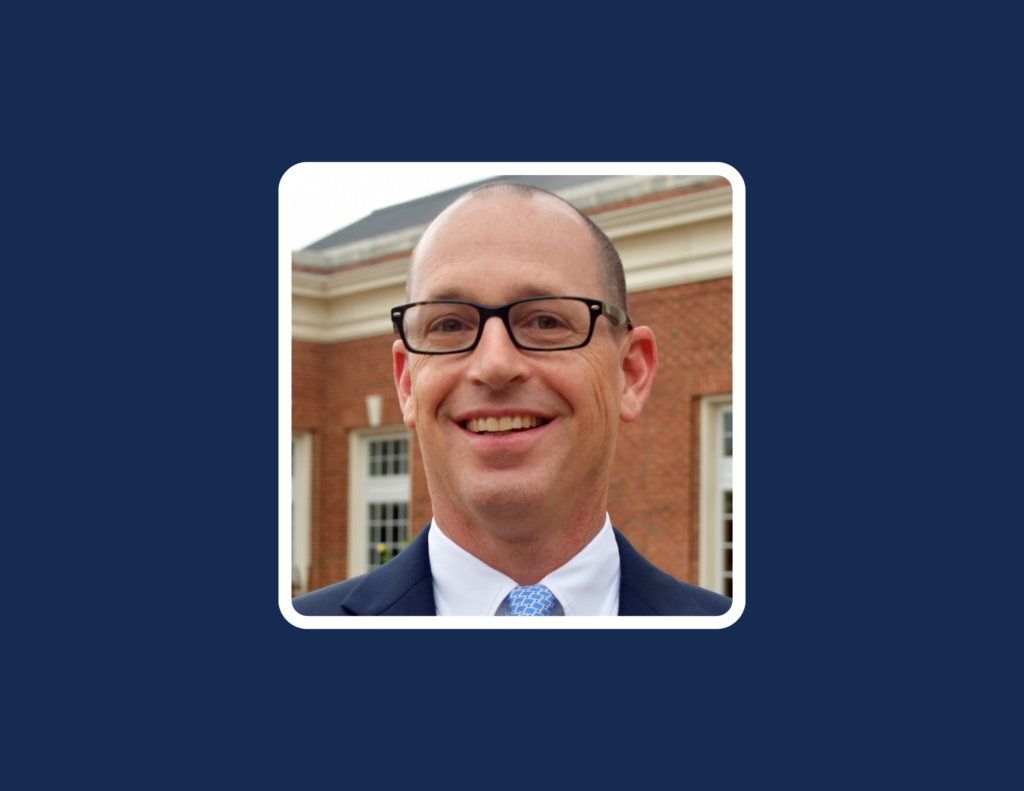
MARCUS KAHN – UNIVERSITY OF MARY WASHINGTON MEN’S BASKETBALL HEAD COACH, 2026 NCAA D3 NATIONAL CHAMPIONS – EPISODE 1241

Website – https://umweagles.com/sports/mens-basketball
Email – [email protected]
Twitter/X – @Coach_Kahn
If you listen to and love the Hoop Heads Podcast, please consider giving us a small tip that will help in our quest to become the #1 basketball coaching podcast.
Marcus Kahn is the Head Men’s Basketball Coach at the University of Mary Washington where he just led the Eagles to the 2026 NCAA Division Three Men’s Basketball Championship in Indianapolis. Kahn also took the Eagles to the NCAA Tournament second round in 2023 and the sweet 16 in 2025.
Prior to Mary Washington Kahn posted a 153-27 record in six seasons at Cabrini College, including five consecutive Colonial States Athletic Conference championships and NCAA Tournament appearances, including a run to the NCAA Championship game in 2011-12. His mark of 131-19 over those five years was the best record in all of NCAA Division III.
In his first stop as a head coach, Kahn spent six seasons at the University of Pittsburgh – Greensburg. With the Bobcats, Kahn became the program’s all-time leader in career victories (77) and claimed the Allegheny Mountain Collegiate Conference regular season crown in 2004-05, the first in program history.
Kahn also served as an assistant coach at Wesley College, Albright College, Shepherd University, and Grand View College.
On this episode Mike & Marcus discuss the experience of leading Mary Washington to victory in the 2026 NCAA Division 3 Men’s Basketball National Championship. Kahn opens up about the early season expectations that were set based on the team’s previous successes and the importance of maintaining a focus on both individual and collective goals. He emphasizes the significance of returning players in building a foundation of trust and resilience, which ultimately contributed to their championship journey. The conversation delves into the intricacies of the season, including the challenges faced in scheduling and the necessity of facing tough opponents to prepare for the rigors of the NCAA tournament. Kahn illustrates how each game served as a learning opportunity, reinforcing the team’s resolve and adaptability in the face of adversity. He reflects on the pivotal moments that defined their success, particularly the exhilarating atmosphere of hosting tournament games, which galvanized the players and the community. Kahn’s insights into the strategic elements of coaching highlight the balance between fostering talent and cultivating a cohesive team environment. As the episode unfolds, Kahn shares the emotional weight of the championship victory, expressing gratitude for the bonds formed among the players and the shared joy of achieving a collective dream. He articulates a powerful message about the enduring impact of teamwork and the memories created throughout the season, reminding listeners that the essence of sports transcends mere competition, rooted in the relationships and experiences that shape young athletes.
Follow us on Twitter and Instagram @hoopheadspod for the latest updates on episodes, guests, and events from the Hoop Heads Pod.
Make sure you’re subscribed to the Hoop Heads Pod on Spotify or wherever you get your podcasts and while you’re there please leave us a 5 star rating and review. Your ratings help your friends and coaching colleagues find the show. If you really love what you’re hearing recommend the Hoop Heads Pod to someone and get them to join you as a part of Hoop Heads Nation.
Be prepared to take some notes as you listen to this episode with Marcus Kahn, Head Men’s Basketball Coach at the University of Mary Washington, the 2026 Division Three Men’s Basketball National Champions.
What We Discuss with Marcus Kahn
- The journey to winning the 2026 NCAA Division 3 Men’s Basketball National Championship
- His thoughts during the game’s final moments
- The locker room talk after winning the National Championship
- The importance of teamwork and camaraderie among his players
- Maintaining focus and adapting to increased expectations
- The emotional impact of winning the National Championship
- Putting together the right regular season schedule to challenge the team
- Community support during the championship run
- The ability to learn and grow from tough losses
- Perseverance under pressure during critical moments of the tournament
- The challenge of staying on top
- His career path through various roles and locations to ultimately succeed at the University of Mary Washington.
Like this show? Please leave us a review here — even one sentence helps! Consider including your Twitter handle so we can thank you personally!
Give With Hoops is a groundbreaking initiative that fuses basketball analytics with modern sponsorship. Built for teams who see data as opportunity, from AAU programs to college powerhouses.
By tying on-court performance directly to community and sponsor engagement, Give With Hoops help programs raise more while deepening support from those who believe in the game.
Traditional fundraising disconnects donors from the action. Sell candy bars, wash cars, beg for donations, it’s exhausting and ineffective. Players perform better when their stats matter beyond the scoreboard. That’s why Give With Hoops was created.
Give With Hoops connects game performance to community support. Every basket, rebound, and assist becomes a chance to raise funds. Transparent, exciting, and proven to raise 3x more than traditional methods.
Aiming to go D3? The D3 Recruiting Playbook gives you a clear, step-by-step roadmap to the recruiting process – what coaches value, key milestones from early high school through application season, and how to build a target list of schools that fit your needs.
We’ll demystify researching D3 programs and how to stand out without chasing every camp or showcase.
The modules cover things like writing emails to coaches, building an effective highlight tape, using social media well, planning ID camps and visits, and navigating application strategy.
You’ll get templates, checklists, and an outreach plan to communicate confidently, learn how to compare financial packages, and avoid common missteps. By the end, you’ll have a prioritized school list and a decision framework you can use to land your best-fit opportunity.
Your first impression is everything when applying for a new coaching job. A professional coaching portfolio is the tool that highlights your coaching achievements and philosophies and, most of all, helps separate you and your abilities from the other applicants.
The key to landing a new coaching job is to demonstrate to the hiring committee your attention to detail, level of preparedness, and your professionalism. Not only does a coaching portfolio allow you to exhibit these qualities, it also allows you to present your personal philosophies on coaching, leadership, and program development in an organized manner.
The Coaching Portfolio Guide is an instructional, membership-based website that helps you develop a personalized portfolio. Each section of the portfolio guide provides detailed instructions on how to organize your portfolio in a professional manner. The guide also provides sample documents for each section of your portfolio that you can copy, modify, and add to your personal portfolio.
THANKS, MARCUS KAHN
If you enjoyed this episode with Marcus Kahn to let him know by clicking on the link below and thanking him via Twitter.
Click here to thank Marcus Kahn via Twitter
Click here to let Mike & Jason know about your number one takeaway from this episode!
And if you want us to answer your questions on one of our upcoming weekly NBA episodes, drop us a line at [email protected].
TRANSCRIPT FOR MARCUS KAHN – UNIVERSITY OF MARY WASHINGTON MEN’S BASKETBALL HEAD COACH, 2026 NCAA D3 NATIONAL CHAMPIONS – EPISODE 1241
Narrator
00:00:00.240 – 00:00:21.240
The Hoop Heads Podcast is brought to you by Head Start Basketball.
Marcus Kahn
00:00:21.240 – 00:00:41.260
No matter what happens ever again in basketball, no one can take this from us.
I’m so glad that this is the group that gets to bond over this moment.
It truly had been one of the most fun years I’d had a coaching the wins help obviously, but the group of guys that we have and the way our roster is built, I’m glad it was this group that did it.
Mike Klinzing
00:00:42.380 – 00:02:45.270
Marcus Kahn is the head men’s basketball coach at the University of Mary Washington, where he just led the Eagles to the 2026 NCAA Division 3 Men’s Basketball National Championship in Indianapolis. Khan also took the Eagles to the NCAA Tournament second round in 2023 and the Sweet 16 in 2025.
Prior to Mary Washington, Khan posted a 15327 record in six seasons at Cabrini College, including five consecutive Colonial States Athletic Conference championships and NCAA Tournament appearances, including a run to the NCAA championship game in 2011 2012. His mark of 13119 over those five years was the best record in all of NCAA Division 3.
In his first stop as a head coach, Khan spent six seasons at the University of Pitt Greensburg.
With the Bobcats, Khan became the program’s all time career leader in victories and claimed the conference’s regular season crown in 2004-2005, which was the first in program history. Khan also served as an assistant coach at Wesley College, Albright College, Shepherd University and Grandview College.
Are you or an athlete you know Planning to go D3? Check out the D3 recruiting playbook from D3 Direct.
Their playbook gives you a clear step by step roadmap to the recruiting process, what coaches value key milestones from early high school through application season, and how to build a targeted list of schools that fit your needs. The playbook demystifies researching D3 programs and how to stand out without chasing every camp or showcase.
The modules cover things like writing emails to coaches, building an effective highlight tape, using social media well planning camps and visits, and navigating application strategy. You’ll get templates, checklists and an outreach plan to communicate confidently. Learn how to compare financial packages and avoid common missteps.
By the end, you’ll have a prioritized school list and a decision framework you can use to land your best fit opportunity. Click on the link in the show notes to get your D3 recruiting playbook from D3 direct.
David Vogel
00:02:48.950 – 00:02:55.350
Hi, this is David Vogel, men’s Basketball Assistant Coach at Ohio Wesleyan University, and you’re listening to the Hoop Heads Podcast.
Mike Klinzing
00:02:59.170 – 00:04:13.760
Give with Hoops is the first platform turning basketball analytics into fundraising impact. Every stat tells a story and now every story drives sponsorship, engagement and team growth.
Programs nationwide are transforming basketball stats into funding power. Learn to use performance data to attract sponsors, engage fans and raise more with every play.
Give with Hoops will help you raise three times more money for your program as their stat based pledges consistently outperform traditional fundraisers. Visit givewithhoops.com hoop heads podcast to learn more and take your fundraising to the next level. Give with Hoops.
Be prepared to take some notes as you listen to this episode with Marcus Kahn, head Men’s Basketball coach at the University of Mary Washington. The 2026 Division 3 Men’s Basketball National Championship. Hello and welcome to the Hoop Heads Podcast.
It’s Mike Cleansing here without my co host Jason Sunkel this afternoon, but I am pleased to welcome in Division 3 Men’s Basketball National Championship at the University of Mary Washington head coach Marcus Kahn. Marcus, welcome to the Hoop Heads pod.
Marcus Kahn
00:04:14.160 – 00:04:15.760
Oh thank you. Thanks for having me.
Mike Klinzing
00:04:16.160 – 00:04:44.920
Excited to have you on Looking forward to diving into this championship season. Kind of getting a behind the scenes look at how you guys made the run all the way to Indy and were able to win the championship.
Let’s start by going back to the beginning of this season and where you were at, let’s say in September with what you felt like you had in terms of this team. Did you think this was possible? Where were you at? What were you thinking about heading into the year?
Marcus Kahn
00:04:46.210 – 00:05:59.610
Yeah, I think back start of the season, kind of those beginning September practices. We had a high expectation based on the way last season ended.
Not, not the overall last year but certainly the way that, that we made a little run there at the end I think gave us the confidence that we needed. We knew we returned everybody but two guys and so expectations were high and so we, it was good because it really helped us focus on those.
We used six practices in September and leading up to October 15th and we it really helped us focus on those. Okay, this is where I think we need to be. Let’s kind of really break some things down.
We were most of the guys that are going to play this year are going to be returners. Although we had some freshmen that cracked the lineup and did some really good things for us.
It helped us stay focused in those moments of those six practices.
But also yeah, it was something that we kind of built off of and really pushed our guys with like hey, we can do some good things this year and we’re going to get Challenged from, from game one until whenever our season goes like our schedule is going to be tough and we’re, we’re going to face some good competition so we really got to stay locked in and these first practices matter. So it, it, it, it helped with a lot of that.
Mike Klinzing
00:06:00.970 – 00:06:18.150
Put together the schedule. How long in advance do you have the schedule put together for this year?
You guys had the weekend where you lost two games playing two tough ones against Christopher Newport and Randolph Macon back far in advance. Do you put the schedule together and then how did that kind of dovetail with this particular team?
Marcus Kahn
00:06:19.110 – 00:07:39.540
Yeah, I, I used to like to have the schedule done for the following year before October 15th, before practices started. I wanted to have that next season scheduled done. So scheduling wasn’t something I had to worry about.
Reality now in the coast to coast conference and the way we are, our schedule is, I still have, I was working on it this morning here, three games to fill for next year and so it’s, it is such an ongoing process now and really the good of it is we have just about every game is non conference for us and so we really can play anybody, anytime, anywhere.
But you get to that it’s pretty easy to fill up November and December, but you start to hit January, certainly February and you’re begging for buy dates and so you’re hoping that the right teams will, will agree to play. And I I think we’ve missed on a couple, I think we’ve got a couple teams to play us which were good.
You know all that stuff matters so much now with the NPI and it allowed us at least we knew our schedule coming into this year of oh yeah, no, we, we’ve got it ready or not. Here we go. And we kind of knew that a roster was going to be the same.
So it was either going to be really good and challenging or it was going to be a tough season.
Mike Klinzing
00:07:39.540 – 00:07:49.780
So it worked out easier or harder to put together the schedule after winning the national championship. When you make that call now, is it easier to get teams to consider playing you or is it harder?
Marcus Kahn
00:07:50.260 – 00:08:54.620
Well, we’ll see. I’m, I’ve just started sending out some emails. I got three to fill.
Although I will say Lee, going into it, I did have a team drop us that we had had scheduled and then they called. Lisa called but Colin said we’re next year. I’m kind of full, I’ve got some other opportunities and it, it is what it is.
Listen, I, I, I view it as hey, in the world of NPI Now I think everybody should want to be playing better teams because that helps you and the strength of schedule is such a factor in that that going on the road, taking a loss, yeah, it’s a loss, but it’s going to help you in, in a lot of ways.
And certainly if you go on the road and win against an NPI top 100 team like that is such a boost that I, I would, I, I’ve kind of viewed it the opposite way. Right. Like I would, I want to go play some teams that are going to help us in that regard. And it helped us so much this year.
I mean, part of our run was the fact that we got to host those first two weekends, those first three games here at home like that. That was such, such played such a difference.
Mike Klinzing
00:08:55.420 – 00:09:32.770
Absolutely.
I mean the idea again that you don’t have to go on the road, that you can be at home in front of your home fans, your guys don’t have to travel and sleep in a strange bed and deal with all the stuff that goes along with traveling and being able to do that initially, I’m sure was again a huge benefit. When you looked at the run and the totality of what you guys were able to do in the NCAA tournament.
Tell me a little bit about your league and just the uniqueness of that you mentioned that it allows you to have, or it forces you to have more non conference games. But just talk a little bit about the league and how that schedule kind of plays into the way that this season sort of ran its course for you guys.
Marcus Kahn
00:09:33.490 – 00:11:05.610
Yeah, it’s.
So we’re the coast to coast where we were in the capital and had a really good, what I thought was one of the better conferences around and with the capital, but a lot of the private schools and a couple state schools left and it left us, Christopher Newport and Salisbury kind of sitting here. And so we went and grabbed independent schools from around the country really to, to form the conference and first year.
Yeah, a little bit of a hodgepodge.
But hey, we, we, we were able to keep, keep the league together and renamed it to coast to coast because we have UC Santa Cruz, Santa Cruz in it, which is pretty cool, but it is we don’t have to because of that. It’s like we’re not going to be able to fly back and forth all season long.
And so we really play our schedules out regular season for the conference tournament, which is a predetermined site.
So this year again, another advantage of hosting and we had just Been out, spent a week in California before the NCAA tournament because Santa Cruz hosted and so. Which was neat, but next year we’ll be back here on the east coast. And then. Well, these are travel, obviously, but you have that.
So then you see, based on the npi, you see the conference tournament. So we’ve been fortunate. Santa Cruz has been great conference partners. They fly out each year last.
I think it’s the last weekend in January they come out and play us, Salisbury and Christopher Newport. This year we went out there, right, for the conference tournament, returned the game, played there, which is pretty cool.
Mike Klinzing
00:11:07.380 – 00:11:07.500
So.
Marcus Kahn
00:11:07.500 – 00:11:25.220
Yeah, it is, but. And then everything in between, right, we, we hit January, we’re asking for buy dates and Monday night games can you squeeze us in?
And those are going to be the ones that are tough. Convincing a team to play us now on a Monday night. Yeah, we have to try, man. We have to find a way.
Mike Klinzing
00:11:26.180 – 00:11:30.020
You got a trip to California every year to sell to your recruits. At least that’s one positive.
Marcus Kahn
00:11:30.660 – 00:11:32.020
Yeah, yeah, no doubt.
Mike Klinzing
00:11:34.040 – 00:11:53.320
All right.
How far, how far into your schedule this year did you feel like the vision that you had for this team and like, hey, you thought we were going to, we thought we were going to be pretty good, but hey, we really are pretty good. How many games in. Where it was it before you thought, man, we got a chance to really do something special with this group?
Marcus Kahn
00:11:53.960 – 00:14:00.970
Yeah, for me, really, I, I thought that second, second or third weekend we went to the Great Lakes Invitational out in Washington, Pennsylvania and played Trine and Carthage, two really good nationally known programs, and beat both of them and played well against both. I thought both would expose us and they did for first for some weaknesses and. But I thought the way our guys responded in both games was, was great.
And I coming out of that two and oh, I thought, okay, well, hey, we’re hanging with some of the big boys now and I think let’s obviously again keep getting better, but I think we’re heading on the right path. then we go and I really, where I knew we could make a pretty good run was coming off of those two losses.
You learn a lot in that, in that time. And I first of all, I say this all the time, but very few teams go into Christopher Newport or go into Randolph making and win.
And so they weren’t bad losses. a lot of people say, oh my God, lost two in a row. What are you going to do?
It’s like, hey, it’s poor scheduling on my part, putting those two games in the Same week.
But, but hey, that was a challenge I thought that we needed because we come out of that week and our next game was Christopher Newport again just at home. And so we had a week to kind of figure it out. Challenge, challenge the guys to this can go one of two ways, man.
We can bounce back and keep rolling or yeah, do the wheels fall off? And it’s, it’s really up to us to decide that.
And the way we responded when we played Christopher Newport here at home, I thought it was one of our more well played games of the whole season. After that one, I thought, okay, yeah, we’re, we’re, we’re, we’re, we’re interested in getting back to winning again.
Winning matters to this group and it’s not, we’re not resting on anything and we have bigger picture in mind and bigger things planned for ourselves than the regular season. And so I felt good coming out of that, getting that win against Newport.
Mike Klinzing
00:14:01.290 – 00:14:47.210
It’s always good to be in a position where you can use a tough or multiple tough regular season games to steal your team for a potential playoff run. Right.
Where you know your team is good enough that hey, we can afford to play some really good opponents where there’s a chance that we might lose in a regular season on the other team’s home floor and know that it’s a learning experience for your team. So when you looked at your team over the course of the season and you started to project, hey, what could we do in the tournament?
And I know you’re looking at one game at a time and all those things, but you guys clearly had some aspirations of what you thought you could do. What did you see as being a weakness that potentially could have held your team back from accomplishing what you were ultimately able to accomplish.
Marcus Kahn
00:14:48.090 – 00:16:37.340
Yeah, I thought we needed to be more consistent rebounding. I thought rebounding was a tough. Even in that championship game, we got killed on the glass and so.
But we found ways to overcome that and I thought that’s what was great about our team. But our weakness was, was rebounding. I’ve said for the last couple years I think we are one of the better first shot defense.
Our first shot defense is pretty good. We’re one of the better teams I think in the country, numbers wise of dictating where the shot comes from and contesting it and making it difficult.
But we got to rebound the ball better.
We gave, gave up too many second chance points throughout the year and certainly in the tournament letting some teams hang around based on that and So I thought that was. And that we at times became a little too one dimensional offensively.
We have a number of guys that could score in a number of different ways, but we were led by Kai Robinson and there were, you’d look out there a couple nights when things were getting a little stale and it was because we get to buy the ball to Kai and stand and watch.
And so it was really a lot of drilling things in practice where, hey, Kai can’t score or we got to do this or everybody’s got to stay involved with it and not just relying on one guy. I’m certainly again with the teams we were playing and I think that to Randolph Macon’s credit like that was.
That was Kai’s only single digit scoring game. And so they didn’t really. And that, that showed like we just, we struggled and.
But after that it was like, hey everybody’s got a role in this.
And so he became much better at assisting, I thought in the NCAA tournament that elite a game where he didn’t score as well as maybe he would have wanted to against Chicago. But he was assisting and finding guys or that, that hockey assist, right, that creating the play was, was really good at that.
Mike Klinzing
00:16:37.340 – 00:17:45.900
So it’s always a challenge, right, when you have a great player that is going to carry you on a lot of nights and is going to do so much and have the ball in his hands as much as I had the ball in his hands. And other guys, like you said, have a tendency to just watch and not do the things that they need to do. And it’s a balance, right?
Because obviously you want the ball in your best player’s hands, you want him doing things with it.
But at the same time there’s going to be times where he’s going to draw two defenders and kick and somebody’s got to be able to make a shot or somebody’s got to be able to play off the things that he’s doing.
And that’s a tricky balance to get to over the course of a season with the team is figuring out how do we make sure that he’s doing what we need him to do and getting his. And yet at the same time it doesn’t become four guys standing around just watching and waiting for him to carry everything.
And that’s again, I’m sure it was a challenge for you throughout the season. What were the conversations like with your players throughout the year when you’re talking to them, what are you talking with them about?
What are they expressing to you, where are they mentally? You talked about kind of your own expectations, but with your conversations with the players, what were their expectations?
What were you talking to them about as the season went on?
Marcus Kahn
00:17:46.460 – 00:19:36.860
Yeah, I think their expectations exceeded mine, if I’m being honest.
All my conversations with our team, really, through the years, I think we all knew, had that kind of common goal of, all right, we got to the Sweet 16 last year. We’ve kind of figured we’ve got to break through that. And really, in my.
In my mind, if I’m being honest, that was where I was, was kind of out with this group, like, okay, I think we’re. We can get through that to that second weekend again and win a game. Can we get to the 8?
I thought throughout the year, we proved to be probably one of the best 18, certainly top 10 teams in the country. And. But our guys talked about.
I came to find this out way late in the year, but their little group chat, the team group chat, without the coaches involved with it, they. They had named it 20, 26 Natty Champs. And so when I found out, they go, oh, that’s cool. Hey, that’s a lot to live up to, man.
And that means we have to. If that’s what we’re doing, then we really got to hone in on a few things a little bit better.
And so it kind of, again, I think having that conversation and talking, if that’s what we want to do, then here are the little things that we’ve really got to get better at, and that really need to happen.
And I said to them before every game, and it really didn’t matter who we played or where we played them, that I felt if we go out and we throw our best punch tonight and we play at our best, we can play with anybody, and we can take the other team’s best punch and keep rolling. I think that was proven against Emory. I thought we proved that against Trinity, certainly Christopher Newport Times.
We played them that if we go out and we play our best game, that we’re. We can be the best team on the court that night. And so those. Those were the conversations and about what it takes to. To. To get to that point.
Mike Klinzing
00:19:37.900 – 00:19:50.930
It’s good that they were confident, right? You want a team that believes in themselves. There’s. There’s something to be said for that, that if they believe.
It’s a lot easier when they believe it than you having to instill that belief in them. Maybe sometimes you had to tamp them down a little bit, baby.
Marcus Kahn
00:19:52.370 – 00:20:12.530
You don’t have to worry. I have come to find that the mind of an 18 to 20 year old guy, you don’t need to do much to build their confidence.
It’s a pretty confident, confident group. That 18 year old male brain man, they think they can do everything. And so that benefited us this year. That really did.
Mike Klinzing
00:20:13.250 – 00:20:42.510
Absolutely. That, that lack of, that lack of fear and confidence of just going in and hey, we’re better than these guys. I’m better than this guy.
I can completely understand exactly where they’re coming from. On, on that particular mindset.
As you get to the end of the season and you go through the conference tournament, as you said, you’re out in California, how confident were you that you were going to have the opportunity to host those early rounds of the NCAA tournament? You mentioned how important that was to the running, but how confident were you that that was going to happen?
Marcus Kahn
00:20:43.870 – 00:21:51.740
I was really confident going into the conference tournament that we would get that first weekend. I knew we had to be what top 16 in the NPI and I, we were well above that.
But then you you start thinking, okay, if we get tripped up this part of the conference tournament, if we, if we don’t make it to the finals, if we make it the finals to lose, where do we do we say in that top 16?
I was pretty confident we had had locked it in for the first weekend and then, yeah, it was like, oh shoot, we are, we come out of the conference championship game and it’s one of the. My assistant is great.
Mark is, is terrific and he pays way more attention to the MPI stuff than I do and I should probably pay more attention to it, but he’s always feeding me the numbers on where we are. And it’s like before every game, this is where we’re at. After the game, this is where we’re at.
And we came out of the conference championship game, he’s like, we’re number four. He’s like, oh, like overall, yeah, we’re hosting all the way through, man.
Like, so in that moment, obviously I was like, okay, I think we’ve, we’ve got a pretty good shot here then to, to get to Fort Wayne.
Mike Klinzing
00:21:52.300 – 00:21:58.460
What was the atmosphere like on the campus? How excited was the campus in general or the crowds, like for those games for you?
Marcus Kahn
00:21:59.420 – 00:23:30.210
Yeah, I, they were tremendous.
That game against Wisconsin Lacrosse in the sweet 16 here was the most crowded this gym has ever been and it was standing room only and it, the crowd kept building. We came out for the start of the game and it Was full packed. And then I. you don’t put your coach in the games.
You’re not really paying attention to it. But I knew it was loud. But then we came out at half, and there were people standing.
I want to say it was the rugby team or somebody to come in during maybe at the end of the first half, and we’re standing over the railings up top. And it was just. It was loud and it was awesome. And as the year went on, more wins we got. We’ve had good student support.
Our student section has always been good. I think we get a lot of support from other student athletes and teams here on campus.
But as the season went on, I started noticing people we’ve never seen before coming to our games. And so the Fredericksburg community started showing up, getting excited about what we were doing.
Certainly come back from Santa Cruz, and we’re announcing that we’re hosting that first weekend and getting a lot of. A lot of people coming out just from the city of Fredericksburg to come check us out.
And again, that was the Friday night game against Worcester State was pretty full, but then that next night against Amherst was really full. And then we come back, and then that was even spring break.
And so we were off a spring break for that Sweet 16 game, which made it, again, just standing remotely, which was awesome.
Mike Klinzing
00:23:30.450 – 00:24:16.530
Yeah, it’s fun to be able to play and coach in an environment like that, with the stands are packed and there’s an energy to. To the games. I mean, again, it’s just one of those things that.
Not that it’s not fun and exciting no matter what the crowds look like, but when you have a packed house, it just adds a little bit of something special to the experience. So you guys win your three home games in the tournament, and then you head to Fort Wayne, you get the game against UChicago.
Talk a little about that game and just the experience in Fort Wayne. Obviously, the Fort Wayne experience was different this year because normally it would be the final four and the championship game in Fort Wayne.
And we’ll talk about the break and how you handle that here in a second. But just tell me a little bit about the experience in Fort Wayne in the. In the elite eight, and then the. And then the semis.
Marcus Kahn
00:24:17.490 – 00:27:13.530
Yeah, that was. It was awesome. I mean, we. we. We get the win Saturday night, and it’s like, all right, hey, we’re off to Fort Wayne, man. Like, we’re.
We’re in the big show here. And again, that was part of Our conversation, like, let’s get to Fort Wayne and see what happens. And then as the.
As the brackets go, and it’s like, oh, we’ve got Chicago. Like, forget about who we would have potentially have next. Like, right.
Chicago’s been in the top five all year long pretty much, and we’re going to have our hands full. And they play a different style than what we play. And so we. We took two. The two days we had before we traveled out there, really, and.
And focused on beating them. what we needed to do kind of game planning for that.
That one game, which has kind of been my philosophy throughout my career, is just play the game in front of you and then figure it out for the next one. And so Mark and I really honed in on Chicago. I thought we came up with a pretty good game plan.
And we came out and shot the ball really well in the first half against them there. And first of all, what a great experience of playing in Fort Wayne. I’d heard about it.
I’ve never been to the Coliseum there, and it was first class treatment all the way around, which was neat. And one of my favorite things about the profession is getting to meet other coaches and other guys in the business.
And so they had four teams in two different hotels. And so in our hotel was kind of our side of the bracket there, which was really neat. And so Coach McGrath from Chicago and I got to catch up in the.
In the lobby and just talk a little bit. And I really enjoy that part of the profession. So anyway, it was a great, great experience coming into it.
And then the Chicago game, we started off the first half just shooting the ball really well, and Jay Randall had a really good game for us. Jaden Burgess shot the ball really well. Again, two guys that we rely a lot on but aren’t typically our leading score, but on different nights can be.
And they both took off at the beginning of that game for us. And then Chicago made a run to start the second half, and we called a timeout and just kind of talked about refocusing. Like, we. We just have to.
They’re not going to go away, right? We’re all fighting for our season now. And so we answered back on a run of our own.
And what really was good about that game from a coaching standpoint was every time they made a run, we had the shot to answer it. And they might have they cut it to six.
I think we had it at 14 and a half, maybe something like that, maybe not quite 14, but it was up there. And they’d cut it down to six and we’d hit a three. They’d get it back down to six and we’d get a bucket.
And so yeah, it was, it was just an all around good game for us. And then congratulations, you beat Chicago. Now you got the return the, the reigning champ, number one team in the country.
Mike Klinzing
00:27:14.090 – 00:27:25.690
You guys, there’s, there’s no way. You don’t, you didn’t have to worry about people saying that you had a little sisters of the poor route to the, to the NCAA championship.
Yeah, you had no worry about that with the, with the gauntlet that you guys had to.
Marcus Kahn
00:27:26.630 – 00:31:04.520
Yeah, no, no, we, we faced the best. Like there was no. Yeah, there was no, oh, somebody took care of business for you on the other side of the bracket. It, it was, we played the top team.
And so which I like, I think, I think that’s, that’s again I, I love that part about this, about, about the tournament is playing good teams, a neutral floor and a cool environment and we had 48 hours to get ready for, for, for Trinity and, and really that first game against Chicago, the funny part was there was an issue with the clock on the game one. And so it pushed. We, we were the last game scheduled, I want to say for 8:30 or nine maybe scheduled for 9:00 clock tip.
We tipped off at 9:45 and so, and then you win so you’re excited. You don’t think much about it and then, but then realized like, okay, we finally got the team fed. Let’s watch a little film.
It’s like, oh, it’s 2:30 in the morning. Watch a little film. like so we, we were, we were pretty gassed that next day which is.
Really benefited us to have that off day in, in between. And so we, we really focused more on rest. Kind of focused on us a little bit. Talk Trinity, watch some film, did all that.
But our practice that day was pretty light. And then yeah, I thought we just again, we started off okay.
They had a little momentum change there in the first half and they’re really good team, really well coached obviously. And it, for me it was if we just got, they got up to. Got up 14 or 16.
I thought we, if we can just get this thing to get it manageable at half, get it down to 10, nine, something like that going into the half would be okay. And we ended the half on a 50 run and I get right to nine.
We came out and then it was toe to toe the rest of the way and, and, and battled it, took a lead and then they got the lead back. And so it was a little nip and tuck there right up until right at the end we were able to Kaden Bates again, a role played for us. Our.
He’s kind of the head of our defensive snake, if you will, that we put him on the other teams. That’s his primary role for us is, hey, you’re going to defend and rebound and any points we get from you tonight will be bonus.
And he struggled a little bit offensive. He had some good looks, but it messed. And he had a wide open look in the corner from three. Missed it.
And we’re coming out of the last media or maybe the last time out of the game.
I just said, I’m like, dude, you’re going to continue to be open, like they’re not paying attention to you, and so you’re going to make that next one. And he said it too. He’s like, I, I got it. Like, yep, they’re not guarding me in the corner. And Kai found him. We were and, and nailed it.
And so it was, it was huge. We were down two. Yeah. And he hit the three from the corner and put us up one with under a minute.
And we went back and got the stop that we needed to get. And just what a wonderful, just culmination of a great weekend for our guys.
And just the confidence boost of winning that game when I think a lot of people maybe weren’t really giving us a chance in that and probably for good reason. Right. But I think it speaks to again, the confidence we talked about of our group and the belief in each other that they had and that we’re a.
We’re just going to, let’s put our nose in there and go to work, man. See what happens. And we, we did and, and came out on top. So.
Mike Klinzing
00:31:05.560 – 00:31:52.890
So you go from having barely one day between games and trying to figure out how you’re going to prepare for Trinity now, suddenly you disrupt completely the rhythm of every season probably any of you have ever had, and you’ve got to wait almost two weeks before you play the championship game. So how, in a situation where there’s probably not really even anybody that you could call and say, hey, how did you handle this?
Because there’s really never. It never happens. So how did you approach that from a mental standpoint, from how you wanted to design your practices?
How did you guys handle that collectively as a group? That long layoff between winning that semifinal game against Trinity to getting to Indy and playing Emory in the championship game.
Marcus Kahn
00:31:53.770 – 00:37:37.280
Yeah. So a couple of things. One we took. We needed. We needed rest. That was a big weekend for us. And the travel.
And the travel back with delayed flights, of course. Right. Nothing’s going to go smoothly on the flight home from that. So it was a late getting home that Sunday. So we took Monday. Obviously Sunday was.
We didn’t do anything other than travel. Monday we took completely off. Tuesday we did more of a shoot around. Let’s just kind of gauge where we’re at and see what our guys need. And we did.
We did the same thing Wednesday or kind of did more of a practice, but short one, and then took Thursday off and so. And then we started watching a little bit of film like, all right, let’s least get our guys minds right. And so we.
I think we showed him 10 clips of Emory zone. Like, hey, this is going to be key if we’re going to beat them next weekend. This is key. So 10 clips.
And then the next day it was the same thing of them in their transition offense, which they really rely on just some main points of just a couple clips get their minds right. Hey, we’re going to be doing transition D in practice. Here’s why. This is why it’s so important.
But yeah, I mean, keeping them focused certainly until we got. Once we turn the page into that game week and we can start saying, hey, this is game week. Even that was. I mean, we.
I can’t remember what it was, but I’m typing up the practice plan. I was like, yeah, practice 97. Like these guys are like, yeah, man.
I coming back from California practice was pulling teeth and then you got an extra weekend there. It was, it was tough. And then it’s the. Now we needed a lot of that time because I don’t want to say distraction, the good distraction of.
But we come back and there’s so much attention on campus and now everybody wants to be involved with what we’re doing. And so certainly I was getting pulled in a lot of different directions during that first week, which was again, all good. I love things like this.
Talking about our program and our season and promoting our guys and they deserve it. So I want to get out and do it. But that extra time was needed for that.
Like if we had just one week to get to Emory, it would have been some tough decisions making that, hey, we’re. We’re not doing any media stuff or listen guys, I got to get this done. And so it was, it was needed. But it was a long layoff and Then.
Then, yeah, it was just a matter of, all right, get us to the game get us to Indie, which was just an incredible experience. I mean, for the student athletes involved. Division two, Division three. I mean, on. On. I don’t know how you beat it, honestly.
Like, they treated us like the. The Division 1 guys, and we kind of knew going in, they said that, like, hey bring. Bring an extra duffel bag.
You guys are going to get so much swag. You’re going to. You’re going to need to fill up a bag.
Going home to we’re thinking, all right, getting back on these flights and going out there. They charted us a flight to go to Indianapolis, which, again, for us, for our guy, that’s something we’ve never done. So it was an awesome experience.
Have the police escort the bus from the airport to the hotel. We disappointed a lot of people in downtown Indianapolis when Mary Washington got off the bus.
And it wasn’t UConn or Michigan, but, yeah, we get off the bus and are welcomed by the city of Indianapolis with.
They’ve got the race car out front of the hotel, decked out in Final Four colors, and they gifted us, all the head coaches, a helmet with our logo on. It’s a racing helmet, all colors of the Final Four and the logos and then our eagle logo on the front of it. Things like that.
The little things like that just. It was what amazing experience to the guys. Walk into their hotel, and my wife and I were kind of finished the last.
After checking in, get off the elevator last, and the guys were flying out of the rooms, like, if you’ve been into your room yet. So now I’m just. I’m getting. All right, I’m not going to spoil it for you, coach, but you go in there and let me know after you walk in your room.
And so, yeah, they had stuff laid out on the beds for. For. For the guys, which, again, the little things like that, that just make our guys feel so special.
To the practices in Gambridge Field House, to, you name it, The. The fan fest on Thursday night, kind of before it is open to the public, they let the teams go in there.
And so the experience of that, I mean, most of our guys, I don’t know if any of them ever even been to a Final Four.
And so to do that and then play there for me, somebody asked me the question that week, how is it different from just going to the Final Four in the coaches convention to having to work now, essentially? And it’s like, well, today I’m going to go watch film at lunch. If I. This would have been last year.
I would have been going to a bar with my buddies and hanging out. So a different trip. But, man, the city of Indianapolis, the ncaa, that experience they gave our guys the.
We got to go to the semifinals and we stayed after and went to the finals game on Monday night. I mean, again, outside of our game, the experience, just that experience alone was something our guys will never forget, and it just was awesome.
Mike Klinzing
00:37:37.920 – 00:38:50.590
Yeah, I think that the fact that you guys were able to take advantage of the experience in total. Right. Obviously going there and it’s a quote unquote business trip. Right.
You’re there to try to win that game and win the championship, which ultimately you were able to do. But to also be able to give your kids an experience that like you said, maybe none of them have ever had, and certainly they’ve never had it in May.
Maybe they got to show up at a Final Four city and participate, whatever, but they’re certainly not getting the type of treatment and the experience that you guys got as a team collectively through that.
So to not only be able to participate, as you said, in the game itself, but also to be able to just take part in what the Final Four is all about, from the fans to all the coaches, the events, just the.
The energy that’s there in the city, everything that goes along with the Final Four as an event that you guys got the chance to take part in, that I think was just again, sort of a crowning achievement, not only just to win the championship, but just to be there and be a part of it, do you think? I haven’t heard anything. I haven’t really talked to anybody. Is there any thought of continuing that setup moving forward? Was that discussed at all?
What have you heard on that?
Marcus Kahn
00:38:50.910 – 00:40:21.810
I. I’ve heard not. Not on a yearly basis, but I think there’s going to be. Every so many years tried to do it. Right. I. I think the next time they’d probably get.
Now they’d probably do the women’s side again. This was the second time it’s been done for the men. The last time was in Atlanta. 2013, I think 2013 or 14 in Atlanta. And then they.
They’ve done the women’s game the same way. And I think that I would imagine they would be next at some point along the way, but I hope that.
That they do, because I think the experience, unless I hope we’re a part of it every time they do it, but the. The more Division 3 basketball players that get to go have that experience, the better. And certainly in.
In that city where the fans came out like we joked all the time when we were getting off the bus like little kids at the stop, we’d pull up, they would again, they’re probably thinking, Yukon’s getting out of the bus, but it’s us. But they cared like it was still for the fans. They were still good to us. I mean, they showed up to, to our game.
There was a lot of 6,000 maybe in there. I think they had said now the NIT was after us, but there wasn’t. It wasn’t full of NIT yet.
It was just peep fans, basketball fans from Indiana that wanted to come check out a good game. And it was really neat. It was a great experience of the.
Mike Klinzing
00:40:21.810 – 00:41:37.420
Weekend as far as competitiveness and coming down to the wire and obviously the ending. So let’s jump into the game. For me, being there and watching the game, the moment that stood out for me. Back and forth in the first half, right?
Both teams started out pretty cold. Couldn’t really get much going on offense. You get to halftime, it’s a close game.
It was 43, 35 Emory with like, I don’t know, 15, 16 minutes to go there in the second half. And they had just hit two threes, and I think maybe they even had the ball at that point with a chance to go up 10.
And it felt like sitting there watching it, I was like, it looks like. It looks like Em’s about to kind of pull away. It just looked like the momentum was going in their favor.
It seemed like they were getting easier scores. They were, they were able to do some things with what you guys were trying to do.
And I just felt like, oh, it’s going to, it’s going to kind of get away from them. And then all of a sudden, boom. Kai went and I think he made. They scored your next seven and then got you back right to even.
And then it just completely flipped the other way. And then you guys ended up going up, I think 13 or so with five, six minutes to go, and then you end up having to hang on.
But tell me about that moment when you got down 8 and where your mindset was and what’d you try to get your guys to think about in that, in that, in that timeframe?
Marcus Kahn
00:41:37.820 – 00:43:33.930
Yeah, it, it, it’s. Yeah, for sure. It was. I thought they got a couple good possessions and I thought we, we had some good ones. Just missed our team this year. Had to.
They were, they always did better after they had got to see it for a little bit, or as I always say, feel it. They had to feel that zone. I mean, we could try to work on it and we could scout it and we can show them what’s coming on film and.
But they had to feel that. So I wasn’t too concerned at half, like, okay, we passed up a lot of really good looks that we said were going to be there.
So it was a little frustrating in that way. But again, our team was a team. They just had to feel it and learn it on their own.
And so the fact that we were only down a bucket at half, I thought we were in good shape.
Then they make a couple threes, which they’re, they’re a team of runs, but I knew there’d be enough possessions and as many runs as they went on in the tournament. We also, on film, watched other teams fight right back into it. And so that was just kind of our message to them. Eat one possession at a time.
Just hit singles, just keep hitting singles and we’ll be good. And yep, I think Kai hit a big three. Kaden Bates hit a big three. And then it was a little moment.
Josh Silverdor, our freshman off the bench, hits a three from the corner and it really, that just kind of lifted our guys and now we’re on a run of our own. And yeah, I mean, to their credit, like, they weren’t they. Almost everything we said at the time, I was like, they’re not going to go away.
We’re going to have to win this game.
The clock’s not just going to run out and Ethan F. Hits some, some, some big threes and then Ben Pierce gets his one of the game. Of course, in the moment where we’re trying to. And a tough one too, where he was guard that we did a great job defending him and hit that tough one.
And so, yeah, we, we were, we were in a dog fight there in that last under four, certainly.
Mike Klinzing
00:43:35.310 – 00:43:38.350
Timeout left on the last play. I couldn’t remember when I was watching the game.
Marcus Kahn
00:43:38.670 – 00:44:57.800
No, we didn’t. We, we, we didn’t. We had used it two possessions before. I think when they were pressing us, we kind of get it over half and call timeout real quick.
Just again, I thought that was a big possession for us, if we could score here it’s going to keep that lead for us and that’s going to be the most important thing. But I think even had we had one, I don’t think we would have called it. Usually the trigger for me would have been time.
And so there was a look up and there was 10 seconds and now who has the ball, right? And while we were outletting it to Kai in transition with open floor. So I think knowing that, yeah, I was, I wouldn’t have called it anyway.
We were, we were. Had the ball in the guy’s hands, we wanted it. We had them in transition, they were scrambling back.
And usually good things happen for us in those moments. And I certainly, as he’s dribbling it and he got to his spot where I thought, oh, this is, this is going to be good for.
I thought he was going to take his first step back and maybe get a block by files, but then got by him to the short corner where he’s been so good in the mid range. And I thought, oh, this is. Well, I think this is it. And then his, he slipped or his.
Mike Klinzing
00:44:57.880 – 00:45:38.370
Knee buckled, whatever, whatever happened. It was so weird watching it because I was in that. I was in the corner. I was in the corner opposite him.
So I’m looking basically kind of like straight on straight on. And as he went up, I’m like, oh, he’s got like, you couldn’t ask for a, you couldn’t ask for a better shot.
Then as he goes to lift, like you said, I couldn’t tell that he slipped, that his knee kind of buckle what happened.
And then obviously, obviously the ending happens and it’s one of those plays where you see it all the time, right, in basketball that everybody thinks it’s the last shot. And there’s eight players on the court that are just kind of. Everybody’s watching the flight of the ball. And lucky for you.
Marcus Kahn
00:45:39.890 – 00:46:44.670
Lucky? Yeah. I mean, Colin Mitchell, the ultimate role player for us, right, that just does all the little things.
And it’s funny, like he said afterward, he said, no, it was, it was what you had said, because we had talked a lot about it, that in their zone they’ll give up some offensive rebounds. So I think we can steal possessions throughout the game. So let’s just keep crashing the glass.
And he was like you said, we can get offensive rebounds. Well, certainly in that moment I expect everybody to come flying in. But yeah, we were fortunate that they had two guys just kind of track the ball.
Colin kept sprinting to the rim and probably wisely they, they chose blocking out Jay Randall and, and Colin was there.
And I didn’t realize this until he said it after the game in the, in the, in the press Conference, but that was only his 10th two pointer of the year. I, he, he’s a spot up, catch and shoot guy for us. And so the fact that he’d only had nine two pointers before that is pretty neat.
Mike Klinzing
00:46:45.150 – 00:47:19.900
That’s pretty good. Pretty good. And you don’t expect that shot to not hit anything either, right as you’re going up.
Nobody, nobody expects it to completely clear the rim and end up being in essence, an alley oop. But again, it’s, it’s right place, right time. One guy with the awareness to kind of be in the spot that the ball happens to go.
And man, that thing goes in and obviously touches off, touches off a wild celebration for you. And just what was your, what’s, what’s your reaction? I mean, do you remember when the, when the shot went in?
What’s the, what’s the first thing you do? Who do you look at? Or is it just complete pandemonium in your mind?
Marcus Kahn
00:47:20.380 – 00:48:36.870
No, it was. I see the ball go, airball, go over the other side of the rim.
And I thought, okay, over time and then getting Collins there, putting it back. So then it was, oh, it, it went in. It kind of shocked like, oh, and the clock, it.
So my first look was for an official to count it or give us something. And I thought certainly that it had gone in before on in time.
And then seeing our guys in a dog pile on the opposite end of the arena, I was really hoping that it had counted. And then my concern, the longer they were at the monitor became, are they putting time back on?
And again for that same reason, like, we’re going to have to get out of a dog pile, get our minds right and, and, and, and hope to God we can defend this, defend them for a point, however many seconds they were going to put on there. But yeah, fortunately we have to worry about that. And yeah, it was an excitement of, oh, we did it. But a super shock.
Like, I, I think it really took me till later that night to ultimately go, oh my God. Like we just. Yeah, it went in and it counted and we won. Right? There’s no one’s going to come take this from us now, are they?
Mike Klinzing
00:48:36.870 – 00:49:19.200
There you go. Yeah, that’s awesome. I mean, it’s one of those things that most teams, right.
You experience that the other way because most teams end their season with a loss, right?
And I’m sure that you’ve experienced this where you play a game that you felt like you could have won or you lost a buzzer beater or whatever it may be. And you look at that and you’re like, it’s over. We, we don’t get it. We don’t get it back. We can’t go.
As much as we want to replay that or, or get another opportunity, like it’s gone. And to be on the winning side of that where like you just said, nobody can take this away from us. We always, we always have this.
That’s a pretty good feeling. Pretty special.
Marcus Kahn
00:49:20.190 – 00:50:36.050
Yeah. Oh, it, it is. And I’m so obviously, obviously on the side that I wanted to be on in that.
But yeah, having been in this business long enough, I’ve experienced the other end of that in that game where we had a, we figured we had it one in 2012, a different school but. And Light Water came back and beat us at the end, not on a tip and we missed a shot to tie it at the end.
But I, I’ve been there and I, I as excited as I was for our guys. Jason Zimmerman is a wonderful person first of all and, and a good, very good coach. Great coach, great team, good players.
And that was just a good college game that you. At the end, obviously you want to be the winner, but you feel bad for whoever doesn’t win that game because it’s just a hard fought.
That’s what a championship game should be. And to. Yeah, I mean it, it is. You, you love, I love to be a part of those games. Would I have loved to held on to that 13 point lead?
Of course, of course. But we learned nobody would remember the game the way that we’re going to remember it now. Forever for sure if, if, if it went down that way.
So yeah, it, it worked out the way I guess it was supposed to.
Mike Klinzing
00:50:37.420 – 00:50:41.580
What’d you say to your guys in the locker room after the game? What was the, what was the speech? What’d you guys talk about?
Marcus Kahn
00:50:42.140 – 00:52:08.570
Just, just that, just honestly it was just that hey, no matter what happens ever again in, in basketball or no one can take this from us like this, this group like I’m so glad that this is the group that gets to bond over this moment.
It had truly had been one of the most fun years I’d had A coaching and the wins help obviously, but the group of guys that we have and the way our roster is built, I’m glad it was this group that did it. I’ve got Guy. I mean I love every Guy that’s, that’s pleasure with us and previous teams that I’ve coached.
But this group made it fun because they knew when to keep the Mood light. But they also knew when we needed to get after it and they, they were able to find that balance and, and make it work.
We were a loose group all year, but again, just, just the. Just tell them how proud I was again. I, I’ve. It’s taken me a long time to get to that, to that, to that point and cut that net down.
And I know there are guys that have been in the business longer than me, probably better coaches than me that have never even had the opportunity. So I don’t take that for granted. But I’m just thankful to be a part of this group and no one’s going to take this from us ever.
And I just, I hope that those guys remember that. I hope they remember all the experience of the weekend, but then remember this moment in the locker room and us together.
Mike Klinzing
00:52:09.450 – 00:53:30.090
Yeah, I think that part of it. Right. The relationships of what you build, it’s, it’s what’s special about sports in general.
I think when you talk about just the intensity of what a college basketball season is all about, the length of it, the amount of time that you spend together in the locker room, on the bus, at games, all the different things that go into that is special.
Even in seasons that don’t end with the national championship and then to have the national championship kind of as the icing on the cake makes that group again, I know that they’re going to, they’re going to remember that. You’re obviously going to remember it for the rest of your career and the rest of your life and. And so will they.
And so I’ll just kind of wrap up this championship season, part of the pod by saying, again, congratulations to you and all your guys. It was a lot of fun to be able to see that championship game in person, to watch it back and forth. Great game between two really good teams.
And again, congratulations to you. And again it’ll be. Now you get to. Now you get to set your mind on trying to, trying, trying to repeat here going forward.
But we’ll leave that, we’ll leave that for. We’ll leave that for. We’ll leave that for another day.
So let’s go and talk a little bit about your own story and kind of how you got here and take me back to when you’re a kid and how you first get into the game of basketball. What do you remember about some of your earliest memories of the game?
Marcus Kahn
00:53:30.890 – 00:59:43.030
Yeah, I think I, I just kind of. It was the, the sport I love to play the most.
And then I grew up in the Central Valley of California, small town of Hanford, little agriculture community just south of Fresno. And so Fresno State was my team.
And I can remember my, my dad, even my grand, my, my grandfather taking my older brother and I to all the Fresno State games and going in when they played at Celland arena and go, go in there and making sure we told our dad every time, hey, we got to get here early to go to the human tunnel where like the crowd would line up and the team would take the floor running through the, the tunnel of people. And that just made me fall in love with basketball. And man, my, my dream as a kid was gosh, probably still is playing basketball Fresno State.
I just never, never that obviously was, that was not something that was going to happen for me. But that’s, that was my love.
And that’s what I, I thought man, that’s, that’s my number one goal is to, is to do that reality sets in for all of us, right? And that, that wasn’t in the cards but that was really my first like this is what I want. This is. I love basketball and it was fun.
And what got me into coaching, I came home one summer during from school and worked some summer camps and just the old high school one for my old high school coach. And that was it. Like yep, this is what I want to do. Just work in a Kids camp from 9 to noon. But the teaching of it I loved it was a way for me to.
I knew, okay, when I am done with college, like I can still stay competitive in it in this way. And so I really hit the camp circuit in the summers.
My last, sort of, my last two summers of school working camps and getting to know people and doing that. But it was, it was, it was that or okay, I’m going to go back now. I change my major. I like history classes better anyway.
And so I thought well, I’ll be a history teacher and coach high school basketball, move back to Hanford and see if I can coach there. And fortunately Guy, that was our graduate assistant, Doug Wagamaster.
Coach Wags had just got his first head coaching job at Grandview College in Des Moines, Iowa. N A high school right there in Des Moines. And had called, called my house one morning, it was early, I mean six or seven in the morning.
And it said it was, I think it was a Thursday or Friday morning and said hey, if you can get to Des Moines, if you can get here by Monday, I need an assistance. You can get it by Monday, the job is yours. And so it was, whoa, okay, hold on, I need to. Hey, dad, can I borrow the car for a minute?
No, but I, I, so I packed up. Not a lot then, just having graduated school, but what I had, threw all my clothes in the back of a car and drove to Des Moines and spent that year.
Gosh, it’s so funny how little and I knew, I didn’t know anything. But now, looking back on now, how I was, it was even worse than I had thought in the moment. But I’m so thankful for that opportunity.
Coach Wag is still somebody that I just have all the respect in the world for. And he’s one of my, my favorite people.
He gave me my start in the business, but even as a friend who’s helped me along and along the way you work in those jobs for peanuts. And I was talking to somebody the other day, asked me what I did.
I, I would get up at 4 in the morning and go to a. I worked at a Bruger’s Bagels down the road and got up 4 in the morning, go down there, make bagels at the burger bagel shop, and then, then go get into the office and work and from there. What brought me east, I then at the end of our year together there, I got the graduate assistant job at Wesley College in Delaware.
So moved there for two years and got my master’s in education, hoping that, oh, wow, I could, maybe I could make this college thing work out, right?
I’m going to need my master’s, if not, at least I have a master’s if I go back, have to teach it in high school, which, which would have been fine, but at the end of my time, again, it’s all about the relationships, right? I met Coach Kraft. Doug Kraft at the time was the head coach at Marywood. He and I got to know each other in the same conference.
And I bumped into him at a Final Four in the lobby of a hotel and just said, hey, coach, if you know anybody hiring, I’m looking, I’m graduating in a month, and I need a job. And he said, wait right here, I got to introduce you to the guy that I’m with. And he brought Coach Tyler over to me and we met.
He was the head coach at Albright in Reading, Pennsylvania at the time. And so that led to an interview with him and then a job on his staff there at Albright.
He got, then got the job at Shepherd University in West Virginia and took me with him. And so that was really my first full time job. And I thought I was living the high life there, sure.
But what, What a great, what an awesome time that was and, and learned so much. I mean, each spot that I’ve been has taught me so much.
But that, that jump from all right, now the Division 2 world at, at shepherd and was really good. And then at the end of that year, I got my first head coaching job at Pitt Greensburg.
And looking back on it again, it’s one of those where at the time I’m interviewing because I know I want it and I know I can do it. This many years later, it’s like I had no clue what I was doing.
Mike Klinzing
00:59:43.590 – 00:59:44.110
It was.
Marcus Kahn
00:59:44.110 – 01:01:55.890
Probably happened too soon, but it, it’s. It. I mean, it was learning on the go for sure. There was so much that I didn’t know and I, yeah, I mean, I probably.
I certainly would have been better had it been an assistant a little bit longer, but the opportunity was there and I took it. Spent six years at Pitt Greensburg and left there and went to Cabrini College outside of Philadelphia.
It was there for six years, had some really good, good teams, some tournament runs during my time at Cabrini. And then full circle. Coach Tyler ended up being the athletic director here at Mary Washington.
And he said, hey, my job came open would you be interested?
And so out of respect for him and I, again, somebody that came up under that, we came down, visited the campus, saw everything under my interview and all that, and it worked out. And 12 years later, here we are. So it has been, it is, it has been a long road.
But, but really everybody’s is, I think, in this profession and, and if you’re going to do it right, certainly it’s so competitive, then you’ve got to be willing to make any move at any time. And again, that’s part of my reason.
I’m so thankful that my first job was with Coach Wags because he taught me a lot of that stuff of, hey, man you’re going to take this job if you want to stay in this business. You can’t care where you move. Like you probably will never get back to California.
You’re you’re going to become wherever this job takes you if you want to survive in this business, that it’s any job, anytime, anywhere. And they mean you got to be ready to move. And so I was. But obviously along the way, met my wife. So now she’s made some.
She’s made two moves with me, but we again, the City of Fredericksburg has been great to us, UMW has been good to us. And so, yeah, here we are. You are.
Mike Klinzing
01:01:56.050 – 01:04:04.640
So your story hits on, I would say, two key themes that I’ve talked to so many different coaches about, Marcus, and that is one, being willing to move anywhere in the country at the drop of a hat, right. As a young coach, like you said, you kind of have to. If you want to be in the business and an opportunity presents itself, you got to be ready to go.
That’s number one. And then number two, you talked about you’re making nothing when you start out. In some cases, you literally are making nothing.
In other cases, you’re making very much next to nothing where you have to work at Bruger’s Bagels and and there you are.
And so those are two lessons that, as I think about the things that I’ve learned or the things that I hope come across from the podcast, with all the conversations that we have with coaches, those are the two things that really stand out to me for somebody who’s getting started in their career is you have to be willing to go wherever it is that the jobs are, and you have to be willing to work for nothing or next to nothing. And then you talked a little bit too about the working camp, right? Which is another thing that that avenue still exists.
It doesn’t exist quite in the same way that it used to in terms of just the number of camps that are out there. There aren’t as many as there used to be and that kind of thing.
But certainly your story of kind of how you’ve progressed through your career rings true with what a lot of guys have experienced in the profession to get where you are. I always say it’s. It’s the glamour of college basketball, right, that everybody sees.
Everybody thinks about how glamorous it is to be a college basketball coach until they hear the story of the first 15 years of guys careers of like, where they. Where they were living and what they were eating and who was giving them money just so they could get a hamburger at night.
And all those kinds of things that I’m sure that you were able to. You were able to experience.
So let me ask you this kind of in the totality of your career, when you think about yourself as a coach, what are one or two things about you? Just personal characteristics that you feel like have enabled you to have the success that you’ve had.
Forget about X’s and O’s and that kind of stuff, but just on a personal level, what do you think you’ve done well? What are the characteristics that have allowed you to have the success that you’ve had?
Marcus Kahn
01:04:05.680 – 01:05:34.250
Yeah, that’s. Wow. That’s a good question. I. Well, I. I think. I. I hope. I mean, and I. And I hope.
I think at least the guys that have worked with me and players that have played would say that. It’s kind of the lesson that my dad would have taught me growing up. That’s kind of what I said.
I think I said this at the beginning of it about our team this year was, yeah, hey, get your nose in there and go to work, man. Like, put your head down. Work hard. Don’t worry about anything else. If this is what you want, right, you’re going to have to.
You’re going to have to earn it. And I’ve always just believed that if you put your head down, you’re a good guy. You work hard. Right? Things will work out for you.
But if you start putting yourself in, pulling yourself in too many directions or looking for the easy way, that in this business, there’s no such thing. Now, at least, I don’t think those guys last. Certainly not me. That certainly was not my story.
If at any time I would have wanted to find a shortcut in my. In my story, there wouldn’t have been one, right? Oh, the GA. Wesley. Well, maybe it’s time I just go back home to California. Finds.
Well, no, I mean, Albright. I’d never really heard of Albright College, certainly never heard of shepherd before I went there.
But, hey, if I’m going to make this work, this is what I need to do. And you know what? One more summer of working camps and some other odd jobs at this point, right? I got to make it. I got to make it work.
Mike Klinzing
01:05:36.330 – 01:05:36.610
To.
Marcus Kahn
01:05:36.610 – 01:06:51.870
Where I think that’s something that I try to instill in guys that have come to me and asked, hey I want to get into coaching. Do you know of anybody hiring? It’s like, yeah, I got a buddy out in California. He’s got. Well, I was hoping to kind of stay close.
Well, then you don’t want to get into the business, man. Like, it’s got to be a. So I think that it’s. That it’s just. You got to be persistent in it.
I think that certainly when it comes to work here, that we’re going to set a goal and a standard, and we’re going to follow it. And I think that I’ve. I think I’ve done that in my. In my career. This Kind of got me to this point. I’m. And I think self awareness also.
I’m not, I’m not the smartest coach. I’m not going to out X and O a lot of guys. It’s just I. And I’m okay saying that but I think what we’re good at, we’re good at.
And so let’s, let’s focus on that and work every work all the time to get better at the other stuff. But it’s.
Yeah, I think again, just I’ve learned so much about myself in this profession and doing it the way that I’ve had to do it that I think just that those. That experience itself has gotten me here.
Mike Klinzing
01:06:52.670 – 01:07:18.740
Self awareness and work ethic is a pretty good combination. Those two kind of go hand in hand, right?
If you know who you are and what you’re good at and what your weaknesses are and what you can work at and be able to figure it out and then actually go and put in the work to continue to grow and get better at things, it’s a pretty good combination for having success, whether you’re a basketball coach or you’re doing just about. Just about anything in your life. What was your favorite. What was your favorite camp you worked when you were kind of starting out?
Did you have a favorite?
Marcus Kahn
01:07:19.380 – 01:08:26.719
So I did. And it’s, it’s funny. So again, I’m in, in. In California.
I’m at the University of Redlands in Southern California, but I’m driving out to the Midwest because Coach Wags got me into these camps. And so his all he was from Iowa, so his connections were Midwest. And I have. My first camp ever was working Ball State camp.
And so the kind of goes full circle to Indiana guy Mike, my good friend Michael wants, who was a manager at Ball State at the time. Obviously we met during these couple summers of working camp. For him to come and watch this last weekend for me was awesome.
Like we got into the business together. He was a manager at Ball State when I was finishing up at Redlands and just trying to get into the business.
And so I think that I thought that was a lot of fun to see him again, catch up with him. But I love that. And then I would. I went up and I worked Wisconsin’s camps and I think that those, those two were awesome.
That’s where I met my first time ever meeting Mike McGrath, who’s that was working camp at Wisconsin when I was. And now we’re playing against each other in the elite eight. I think that stories like that are pretty neat.
Mike Klinzing
01:08:27.199 – 01:09:55.420
Yeah, that stuff is again, can’t. The camp circuit is one of those things that I hope it never completely goes away.
It’s never probably going to return back to its heyday just because everybody wants to play games now. And I’m not sure how many kids want to go and do an old school camp. There are still some out there, but not as many certainly as. As there used to be.
But yeah, the camp circuit, great way to be able to just network and. And again, there’s nothing, there’s nothing better than basketball camp.
I remember I went to, I worked at Ohio State’s camp when I think the first year. I think Randy, I think Randy Ayers was, was the coach there when I, when I worked it for the first time.
I was like 19, I was playing in college and I went and worked and I had gone to the camp when I was a kid and I went and I remember the last night of camp like the coaches would go and meet like at the varsity club in Columbus and pizza and beer and they made all the first time coaches, you had to stand up and tell a joke and then all the veteran guys would go and tell their jokes. And I remember just sitting there and me.
There was a kid who played at the University of Pennsylvania and he and I roomed together and I remember he and I were just kind of sitting there going like, can you, can you believe that this is what was going on when we were at, when we were at basketball camp and you’d come back and you’d be exhausted and in your dorm falling asleep as soon as you got back from your day of like 12 hours of basketball and then. And the coat, then the coaches are all heading out to the bar. So it was one of those eye opening things for me.
But yeah, there’s nothing better than just the connections that you build through that special times with the, with all the camp.
Marcus Kahn
01:09:55.900 – 01:09:58.700
For sure. For sure. Yeah. Yeah.
Mike Klinzing
01:09:59.580 – 01:10:27.080
All right, before we wrap up, a final two part question. So part one, obviously you just won the national championship.
But when you look ahead, which we are all want to do regardless of what we’ve already accomplished, when you look ahead over the next year or two, what do you see as being the biggest challenge? And then the second part of the question is when you think about what you get to do every day, what brings you the most joy?
So start with your biggest challenge and then circle back to your biggest joy.
Marcus Kahn
01:10:27.960 – 01:12:10.480
Yeah, I think the biggest challenge is doing it again. Right. And now there’s no sneaking up on anybody.
Everybody’s going to be aware of who we are, which is again, something that a goal of mine was, hey, let’s put UMW on the map here. And I want people to know who we are and what we’re about. Me personally, I am probably more of a behind the scenes guy.
I’m not out front, not a loud guy. I like kind of just being part of the crowd as opposed to being the, the focal point of it.
But so I’m, I’m glad that we’re there and people are paying attention to, to what we’ve done. It’s going the hard, the hard part’s going to be navigating the new way of college athletics too.
I think that that’s as much as I would like to think that Division 3 is immune to that, it’s not.
And there’s going to be for somebody like myself who’s been doing it one way for this number of years, and even at Division 3, it’s going to be navigating through some of this stuff while trying to maintain the same standard and get back and repeat it. I mean I was, I, on my, on the personal note, had a real hunger to get back to this point.
Having lost this game in 2012, now having tasted victory like I think that hunger is now might even be stronger to get back into it again. Oh no, we can’t. We know we can’t not do this.
So it’s going to be taming that, staying the focus and keeping our team under the same, holding them to that same standard. Right. Let’s be hungry to get back there, but understand the work that it’s going to take to make it happen. So. And what was that second part?
I’m sorry?
Mike Klinzing
01:12:10.480 – 01:12:12.600
Second part was the biggest joy, the.
Marcus Kahn
01:12:12.600 – 01:14:05.360
Biggest joy working with these guys. I, again, I don’t view it as, as, as work really.
I mean, I get to get up in the morning, I come in here, I get my run in and then I get to coach basketball, which a lot of it is the relationship piece during the day, whether it’s with building continue to build relationship with the assistant coaches, helping them in, in their profession, but also just being with our guys daily. And that’s the worst part about the summer when they go home and we don’t get to get to see them.
And again, this group was so much fun to be a part of even, even last year’s and last year’s season. It was a tough year until the very end, but it was a fun group and I’m glad That. That was the group that we went through that with. So my. My.
My biggest joy is. Is just that whether we come back next year is. Which we will, obviously, as a returning national champs.
But even if we’d come up short, like, that’s still. That’s my. Why. Right.
There was a picture that somebody had taken and sent to us of the celebration of the guys rushing off the bench, and it was their faces that I just screenshot that and send it to about, I don’t know, five or ten of my buddies.
And we’re like, this is why right here, just every face in that picture, whether they some of them still had their warmups on because they didn’t get in that note. But the smile and the joy, like, yep, that’s it. That’s it right there as they’re storming the floor, like, the.
The looks on their faces and that’s the joy I get from it. And. And that picture here very soon is going to be blown up and put right here on my wall because I think it was the best one of the weekend.
I mean, for me, it was the best. The best picture of the weekend.
Mike Klinzing
01:14:05.360 – 01:14:59.580
So that’s awesome. When everybody who’s involved feels that way. Right. And that’s not always easy to do and when guys want to play and there’s all that challenge.
So it’s really well said and there’s probably nothing better that, as a coach, sums up what you hope your program is all about. The impact that you’re having. That guy one who makes the game winning basket and guy 16 or 17 that didn’t play at all in that game.
The emotion that they experienced at the end is the same.
And that’s really a testament to, again, what you’ve built in terms of your program and the relationships and all those things that go along with that. So, again, congratulations on the national championship. Before we get out, I want to give you a chance to share. How can people connect with you?
Find out more about your program. Share, email, social media, website, whatever you feel comfortable with. And then after you do that, I’ll jump back in and wrap things up.
Marcus Kahn
01:15:00.140 – 01:15:09.700
Yeah, I would say email. I would give my social. I’m so. I’m not. I’m not really good at that. I couldn’t. I’m not sure I could tell you what my Twitter. There’s my X handle.
Even is.
Mike Klinzing
01:15:09.700 – 01:15:13.080
We’ll find. We’ll. We’ll find it. It’ll be in show notes. We’ll find. We’ll find it.
Marcus Kahn
01:15:13.080 – 01:15:34.680
Yeah, per. You you, you you can find me there. You can email me at mcon mw.
I’m happy certainly if there’s guys getting into the business or others that are in it. Just want to connect again. I’m always about that. I really enjoy that part of it.
But yeah and then yeah, that’s really connect with me on social through email anytime.
Mike Klinzing
01:15:35.240 – 01:16:38.520
Perfect. Marcus cannot thank you enough for taking the time out of your schedule today to join us. Really appreciate it.
Congratulations one more time on the Division 3 Men’s Basketball National Championship. And to everyone out there, thanks for listening and we will catch you on our next episode. Thanks.
Your first impression is everything when applying for a new coaching job.
A professional coaching portfolio is the tool that highlights your coaching achievements and philosophies and most of all helps separate you and your abilities from the other applicants. The Coaching Portfolio Guide is an instructional membership based website that helps you develop a personalized portfolio.
Each section of the Portfolio Guide provides detailed instructions on how to organize your portfolio in a professional manner. The guide also provides sample documents for each section of your portfolio that you can copy, modify and add to your personal portfolio.
As a Hoop Heads Pod listener, you can get your Coaching Portfolio Guide for just $25. Visit coachingportfolioguide.com/hoopheads to learn more.
Narrator
01:16:42.280 – 01:16:46.840
Thanks for listening to the Hoop Heads Podcast presented by Head Start Basketball.