
CHRIS SULLIVAN – DENISON UNIVERSITY MEN’S BASKETBALL HEAD COACH – EPISODE 765

Website – https://denisonbigred.com/sports/mens-basketball
Email – sullivanc@denison.edu
Twitter – @CoachSullyDU
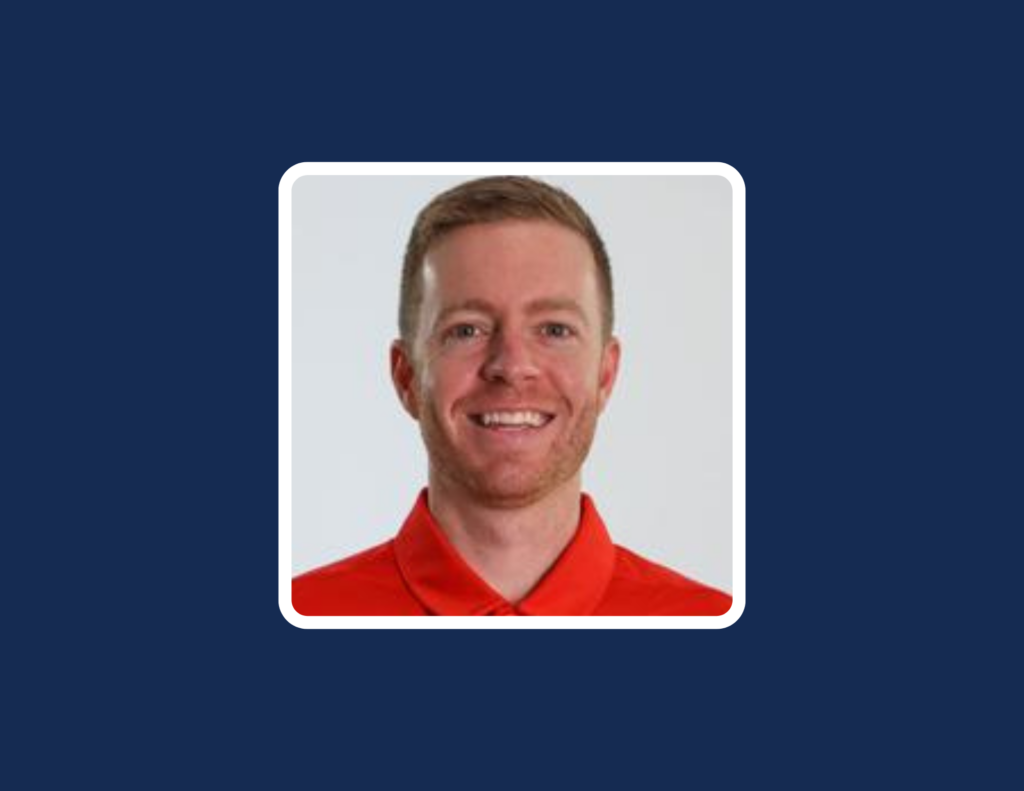
Chris Sullivan is the Men’s Basketball Head Coach at Denison University in Granville, Ohio. Sullivan just completed his third season as the Head Coach and is in his 12th season with the Big Red overall.
Sullivan became the lead assistant at Denison under Bob Ghiloni after a stellar career at Wittenberg University. He was named to the D3hoops.com All-American team in 2011 where he set the program and conference record for 3-pointers made in a season (120). He is one of 20 All-Americans produced by Wittenberg. He scored 1,090 points in his collegiate career and is Wittenberg’s career leader in 3-pointers made (241). Sullivan graduated from Wittenberg in 2011 with a degree in Sport Management.
Sullivan comes from a family of coaches as his brother, Kevin, is currently the lead assistant at Emory University; Brian, is the Director of student-athlete development for Davidson College’s men’s basketball program, and his father, Greg, is the Director of the Positive Coaching and Leadership Masters program at the University of Missouri.
If you’re looking to improve your coaching please consider joining the Hoop Heads Mentorship Program. We believe that having a mentor is the best way to maximize your potential and become a transformational coach. By matching you up with one of our experienced mentors you’ll develop a one on one relationship that will help your coaching, your team, your program, and your mindset. The Hoop Heads Mentorship Program delivers mentoring services to basketball coaches at all levels through our team of experienced Head Coaches. Find out more at hoopheadspod.com or shoot me an email directly mike@hoopheadspod.com
Be sure to follow us on Twitter and Instagram @hoopheadspod for the latest updates on episodes, guests, and events from the Hoop Heads Pod.
Get ready to take some notes as you listen to this episode with Chris Sullivan, Men’s Basketball Head Coach at Denison University.
What We Discuss with Chris Sullivan
- Competing with his brothers and learning from his Dad who coached youth basketball
- “It’s basketball, it’s fun. And I think if I can have you leave at the end of every season wishing there was more practices I think I’ve done my job.”
- Learning to shoot from his Dad and the drills they worked on
- Winning a district championship his senior year of high school
- His decision to attend Wittenberg and his college basketball career
- How an injury his junior year gave him an opportunity to start seeing coaching as a possible career
- Getting the opportunity at Denison to be an assistant coach right after graduating from Wittenberg
- “As fun as the X’s and O’s are, it’s about the people.”
- “I’m the leader of this program, but those guys are in the locker room every day. They’re the ones doing the work on the floor. So we allow our guys to choose their core values and then we talk about them.”
- “We talk about how they can show up in practice, how they can show up off the floor, how are they tested on the road. So really carving out time to be intentional with how we how we want our team and program to look and feel and act after a win, after a loss.”
- Getting ahead of issues before they become a problem
- Doing it all as a D3 assistant early on and how that helped him develop as a coach
- Learning from the experience of his brothers who are also in the coaching profession
- Taking careful notes as an assistant about decisions he might have made if he were the head coach
- Taking over as the Head Coach at Denison
- Mixing defenses after being old school man only under Coach Bob Ghiloni
- “I’ve tried to stay authentically me and develop genuine relationships with our players as if I was still an assistant.”
- “I’m here for you and our relationship and your wellbeing as a person is my number one priority.”
- The process for narrowing down who they recruit and building relationships with players during recruiting
- “I think adding onto that skill is just the level of toughness, competitiveness, grittiness, resiliency throughout a game that we try to key in on. Because I think that is what elevates talent. It makes it even better, especially when it’s needed the most.”
- Getting ready for preseason practice and the process for building a team
- “I think just placing that urgency on our guys from day one is where we’ll start a ton of those drills.”
- Tracking stats in practice and the value of paint touches
- “We really, really try to make an emphasis of giving up a good one off the bounce for me and creating a great one for my teammate, catch and shoot, or off a cut, catch and finish around the basket.”
- Playing in practice with limited dribbles to encourage the extra pass
- How he divides responsibilities within his staff
- His process for reflecting on the season to prepare for the next one
- Breaking down the stats against good teams vs. bad teams and what can be learned from that
- “You have to elevate your level of focus, intensity, and concentration to, you’re not just getting shots up to beat the next .500 team, you’re getting shots up that are going to make you feel comfortable competing against the best teams in the country.”
- “We try not to get overly specific and put them in boxes going into the off season and kind of give them the freedom to expand and work on things that they want to work on.”
- Developing leaders and giving the players ownership of different areas of the team depending on their strengths
- Players coaching players
- “Whenever it is your opportunity to do whatever it is you do best, step up, do it big time and do it as if it’s the most important thing.”
- “I think we’re right on the verge of knocking on the door to be one of the better teams, better programs in the region.”
- “The amount of work that it takes to get a team from good to great… there’s a ton of 16, 17 win teams all over college basketball. But the amount of 20 win teams that are out there is really few and far between. I think getting them to understand what that takes is my biggest and most exciting challenge”
Like this show? Please leave us a review here — even one sentence helps! Consider including your Twitter handle so we can thank you personally!

We’re excited to partner with Dr. Dish, the world’s best shooting machine! Mention the Hoop Heads Podcast when you place your order and get $300 off a brand new state of the art Dr. Dish Shooting Machine!

Prepare like the pros with the all new FastDraw and FastScout. FastDraw has been the number one play diagramming software for coaches for years, and now with it’s integrated web platform, coaches have the ability to add video to plays and share them directly to their players Android and iPhones via their mobile app. Coaches can also create customized scouting reports, upload and send game and practice film straight to the mobile app. Your players and staff have never been as prepared for games as they will after using FastDraw & FastScout. You’ll see quickly why FastModel Sports has the most compelling and intuitive basketball software out there! In addition to a great product, they also provide basketball coaching content and resources through their blog and playbank, which features over 8,000 free plays and drills from their online coaching community. For access to these plays and more information, visit fastmodelsports.com or follow them on Twitter @FastModel. Use Promo code HHP15 to save 15%
Your first impression is everything when applying for a new coaching job. A professional coaching portfolio is the tool that highlights your coaching achievements and philosophies and, most of all, helps separate you and your abilities from the other applicants.
The key to landing a new coaching job is to demonstrate to the hiring committee your attention to detail, level of preparedness, and your professionalism. Not only does a coaching portfolio allow you to exhibit these qualities, it also allows you to present your personal philosophies on coaching, leadership, and program development in an organized manner.
The Coaching Portfolio Guide is an instructional, membership-based website that helps you develop a personalized portfolio. Each section of the portfolio guide provides detailed instructions on how to organize your portfolio in a professional manner. The guide also provides sample documents for each section of your portfolio that you can copy, modify, and add to your personal portfolio.
The first Training Camp – Elite Skill Development and Performance Combine will be held on the campus of Western Reserve Academy, just outside of Cleveland, OH powered by Unleashed Potential & the Hoop Heads Podcast. The camp is designed for boys rising to grades 6-9 and will take place June 29 – July 1, 2023. An emphasis on improving your individual skills in the context of a team environment will be the hallmark of the Training Camp.
Mike Klinzing from Head Start Basketball/The Hoop Heads Podcast & Joe Stasyszyn from Unleashed Potential will serve as the Camp Directors of this inaugural Training Camp.
Campers can expect 3 days of hard work, intense skills instruction, and learning how to be a great teammate on and off the court at the Training Camp. Players will participate in 10 Elite Skill Development Sessions led by some of the best coaches from across the country. Visit headstartbasketball.com to get registered.
THANKS, CHRIS SULLIVAN
If you enjoyed this episode with Chris Sullivan let him know by clicking on the link below and sending him a quick shoutout on Twitter:
Click here to thank Chris Sullivan on Twitter
Click here to let Mike & Jason know about your number one takeaway from this episode!
And if you want us to answer your questions on one of our upcoming weekly NBA episodes, drop us a line at mike@hoopheadspod.com.
TRANSCRIPT FOR CHRIS SULLIVAN – DENISON UNIVERSITY MEN’S BASKETBALL HEAD COACH – EPISODE 765
[00:00:00] Mike Klinzing: Hello, and welcome to the Hoop Heads Podcast. It’s Mike Klinzing here tonight with my co-host Jason Sunkle, and we are pleased to be joined by Chris Sullivan, the head men’s basketball coach at Denison University here in the state of Ohio. Chris, welcome to the Hoop Heads Pod.
[00:00:12] Chris Sullivan: Thanks, Mike. I’m excited to talk with you guys tonight.
[00:00:16] Mike Klinzing: Absolutely thrilled to have you on. Looking forward to diving into all the things that you’ve been able to do throughout your basketball career. Let’s start by going back in time to when you were a kid. I know we’re going to get into it, but you have a family of coaches, so tell us a little bit about some of your first experiences with basketball.
[00:00:32] Chris Sullivan: Yes, I like a lot of coaches, I think I grew up in a household just surrounded by basketball all the time. I’ve got two younger brothers we grew up playing in the backyard a ton. And a lot of that was brought to us by our father, who played played college basketball himself back in the eighties, played at Brooklyn College, played in the Final Four.
He got into coaching himself shortly afterwards at the college level, and then it was really cool. He coached a bunch of youth teams even when we were younger, so he just coached a ton and we were all the little tykes going to practice every day thinking that we could just hop in drills, but it was just so cool to watch him give his time and energy to coaching just middle schoolers at the local Y M C A and in town.
And so we just grew up going to practices and then just trying to bring that back to our house and compete against each other all day.
[00:01:23] Mike Klinzing: When you think about your dad as a coach and now you think about yourself as a coach, some of those early impressions and just things that you saw, what part of your coaching do you think came from what you saw from such an early age with your dad?
Is there anything that sticks out?
[00:01:39] Chris Sullivan: You know, I think just the love for sharing the game. I think he had a really inspirational college coach that gave him an opportunity. That changed his life in a lot of ways. And so I think that’s what he wanted to give back to everybody that he coached.
And just watching I’m 4, 5, 6, 7, so some of my earliest memories of watching these guys look up to him and get excited to come to practice and compete every day and enjoy watching their love for the game grow. I think that’s kind of what was in infused in me and what I try to bring to practice every day is hey, it’s still practice.
It’s basketball, it’s fun. And I think if I can have you leave at the end of every season wishing there was more practices I think I’ve done my job and kind of honored what was given to me through him way back when.
[00:02:29] Mike Klinzing: Yeah, I think that’s one of the things that, especially when you’re talking about, I mean, it’s important at every level of basketball, obviously, if you can make the players understand that it’s fun and that they’re having fun and that they enjoy it, that’s obviously a part of it to go along with the hard work.
But I think at the youth level, especially, . Unfortunately, we see lots of coaches that forget sometimes that it’s a game, that it’s supposed to be fun. And I always say that one of the things that my goal with anything that I do, whether it’s camp or coaching a team, is you want it to be fun and you want the kids to come back and participate again.
And that’s part of what I think spreading the love of the game sounds like that’s what your dad did, does, and what you continue to do. And I think that’s a really important piece of what coaching is all about. Especially like I said, at the younger levels, you have to make it fun so they want to come back.
Because as we know, there’s tons of things out there that kids can be doing. There’s so many different programs and stuff that kids can be participating in and all different kinds of sports and music and art and whatever. And so if you want to get them to come back and play more basketball, you have to make sure that you’re making the game fun for them.
And that’s really, I think what it’s all about. When you think back to your time with your brothers growing up and competing with them and playing with them in the backyard and just going to your dad’s practice and all that stuff, what do you remember about competing with them? And I know one of the things that is always interesting for me, I grew up with only a sister and kind of grew up around several different families that only had brothers.
And I always felt like their houses were kind of crazy competitive. So when you think back to competing with your brothers, what are your memories of that?
[00:04:01] Chris Sullivan: Like my entire childhood, I don’t think there was anything that we didn’t compete at, last item on the table for food, that’s going to be mine or last playing video games especially especially when you’ve got three of them there’s always somebody that’s going to be left out whether it’s video games, one-on-one we’re doing something.
I think we just competed in everything that we did and just had a lot of fun for the most part, doing it. Oftentimes it turned into a in-house rivalry to some extent to where there was probably a couple times where we weren’t maybe allowed to play in the backyard.
Because every game of 21 or one-on-one would turn into something a little bit more physical. But I think as we grew older, we really began to appreciate how much we relied on each other to keep getting better. Like you said, not being able to have that just built into your own household and having to always go to something organized or an open gym or to some friends down the street just to wake up every day and have the opportunity to just go at it with somebody.
I think that’s some of our maybe some regrettable, but honestly most fondest memories of being brothers and growing up in that type of environment.
[00:05:12] Mike Klinzing: The Nerf hoops hanging right on the bedroom door. Right. You just get up and dunk on somebody. Yep.
[00:05:16] Chris Sullivan: Exactly.
[00:05:17] Mike Klinzing: Was it always basketball with you guys or did you play everything.
When did basketball become number one on the radar? If it wasn’t right from the very beginning,
[00:05:26] Chris Sullivan: I think basketball was always the one that we came back to the most. I played soccer all the way through high school. We all did baseball. Everybody did soccer. We did a little bit of everything, but I think basketball was always, for whatever reason, always the one we took the most seriously.
And when we do, yeah, that was just the one we came back to the most. And I think that was just what we always grew up watching my dad and kind of wanted to be like him and be around that. And when it was basketball season, it was time to time to go. Everything else was fun for enjoyment, to improve our athleticism and make friends and have great experiences.
But yeah, basketball always just felt a little bit different and we took it a little bit more seriously.
[00:06:07] Mike Klinzing: How much did your dad coach you influence you as a player when you think back to your development?
[00:06:15] Chris Sullivan: So he coached a handful of teams growing up, but I think the biggest thing that he really helped me with and really all of us was shooting, that’s the one thing that between myself and my career and my brothers, we both all kind of specialized in, is just our ability to shoot the ball.
And he had a great college coach that taught him the basic foundation of shooting a great jump shot. And that’s what we did a ton. He was always in the backyard just giving us a different drill, there’s times we were taping our guide hand just taping that up with duct tape so we would get our thumb out of the way.
Always just trying something different to really become elite shooters. And that I think is the thing that he really influenced us the most in terms of our game and really have an impact on that side of things.
[00:07:03] Mike Klinzing: As a high school player, do you have a favorite memory? Something that sticks out for you?
[00:07:05] Chris Sullivan: Yeah, definitely my senior year we won a district title for the first time in 50 years, or maybe 60 years at Upper Arlington. And that was just a really cool process to be a part of because my sophomore year we were just okay, maybe 500, a little under junior year for whatever reason.
I don’t know if the coaches brought this on our radar or just somehow it came about that we hadn’t done this in a program in a really long time. And so then my senior year we put on really, really old school uniforms. We looked like we were players in the 1960s, and the goal was to try to bring that district championship back.
So it was our goal at the onset of the season. We even had a goofy team picture taken early on to match the old vibe. Like, Hey, this is the last time this happened. and then to finish that season cutting down some nets with those guys that kind of built that up all the way from our sophomore year where when a lot of us were playing varsity.
To finish on that note was something really special for our group, for the coaching staff. And then really from that point on up, Arlington’s been one of the best high school programs in Columbus and even the state of Ohio for the last 15 years or so under Coach Casey.
[00:08:23] Mike Klinzing: Very cool that you put that out there and then you were able to bring it to fruition. I think that’s something that if you can set that goal and get that vision and get people thinking about it, and then the fact that you guys were actually able to go out and accomplish that, I’m sure that’s something that obviously has stuck with you and will stick with you for the rest of your life.
It’s amazing how those memories, they might fade a little bit, but man, it’s just, you think back to your high school time, it’s such an intense period of your life just as a person, but also in terms of basketball and just, that’s always curious for me to. Be able to hear what people think about when they think about their high school careers and just the accomplishments that you have as a team, as an individual.
When you think about, when did you know you wanted to play college basketball? Was that something that was always on your radar or was that something that sort of gradually over time throughout your high school career, when, when did you start to make college basketball goal?
[00:09:18] Chris Sullivan: Honestly, I think I always wanted to do it. I remember, I think writing, we had to write like a little mini book about ourselves or something in the future, and I was a basketball player at Villanova, I grew up in New Jersey until high school, so I grew up on the East coast. But, I was a ball boy at like Seaton Hall games growing up.
So there’s always just basketball was around. We were going to games, watching games. And so just being exposed to basketball, especially at the college level at a young age through my dad Just that instilled the dream. So I always knew that I wanted to do that at what level? You know, that never really was a huge concern for me.
I just knew that I didn’t want that ball to stop bouncing.
[00:10:02] Mike Klinzing: Tell me a little bit about your recruiting process, what that looked like in terms of what schools did you consider? Obviously you ended up playing at Wittenberg, one of the programs that has a storied history in division three basketball. But just tell us how you ended up there and what the process was like for you.
[00:10:17] Chris Sullivan: So actually, my high school coach was a division three national player of the year at Wittenberg. So that was just the school that I think I was exposed to the most through him. And then during my senior year, they had an incredible season. They’ve got a ton of tradition, but during my senior year, they went all the way to the national championship and I figured, hey, what better place 45 minutes down the road. That’s where my high school coach is a legend. And the coach really wanted me there. I really got along well with Coach Brown my college coach and hey, they’re competing for a national championship.
That all sounds pretty good to me. So it was a roundabout way to get there. I actually started at Franklin and Marshall which is just outside Philadelphia. But just came back home and didn’t feel like it was the greatest fit. And I think ultimately it was where I was supposed to be.
So I couldn’t feel better about having had that experience at Wittenberg for those three years on the court. Met my wife, some of my best friends. So it all worked out the way it was supposed to, I guess.
[00:11:22] Mike Klinzing: There you go. That’s a good triumphant right there.
You meet your wife, you get a good basketball experience. And you obviously get a good academic experience. What were you thinking about when you first got to school? Was coaching already something that you had kind of planned on as a career or to come to you later, maybe after your playing career as you started to wind down your playing career?
[00:11:40] Chris Sullivan: I always knew that I wanted to work in sports in some capacity. I didn’t feel like just the normal nine to five desk job was going to excite me. So I kind of followed my dad’s footsteps a little bit. He got a PhD in sports management and I thought that was pretty cool and inspiring.
So I went into college thinking, all right, I want to work in sports in some capacity. Not sure what that means yet. But then I actually got hurt towards the end of my junior year. I got a stress fracture in my back. And so the last month, month and a half of the season, I was only allowed to, they kind of cleared me to play some games, but I couldn’t practice.
And so that the last month of the year, the only reps I could get were just in walkthrough and watching some extra films. So I would come in and watch the film with Coach Brown, Coach Schwab. and that was just how I could understand things without getting physical reps every day. And I just kind of fell in love with the mental side of preparation, watching more film, just being more involved from a different angle in the scouting reports and in the walkthroughs.
And so that’s kind of what opened the door. And then that whole spring I was in a back brace, but just still found myself coming to open gym every day, coming every lifting. And I was like, man, if I could just do this every day and get paid for it, I think I’d be pretty happy. So going into that senior year just reached out to a ton of ton of schools, just looking for an opportunity, assistant, ops, anything.
And then I got really, really lucky that the Denison job opened up, that Coach Ghiloni who hired me, had recruited me coming out of high school a little bit, and that he was really, really close with my high school coach. So it all, it all just kind of came together at the right time. And more than anything, coach Ghiloni took a chance on a young guy coming right out of college with no experience.
That got me the chance at Denison. So how many letters you send out? Oh, man. Yeah, a couple hundred, emails hard letters. Yeah. You name it.
[00:13:37] Mike Klinzing: Yeah. Getting all out there. It’s funny, I graduated in 92 and that is the year that the NCAA cut back from one GA at or two GA’s at every program to one.
And so basically everybody had them staggered. So I sent out, I don’t even know how many, and that was on the old days of I printed them all out on like a dot matrix printer. Mm-hmm. and tried to send it out, no email and whatever. And just I got back, I got back nothing because everybody had somebody, everybody had somebody coming back.
And so that ended my college coaching career pretty early pretty early on in life and ended up going a different, going a different direction. But it’s just funny how when you think about all the things that you sent out there and then you get you get a position and you get an opportunity and boom, here you are.
And now you’ve been at the same place. 14 years, something like that.
[00:14:24] Chris Sullivan: Yeah. This is 12, just finished 12. Actually, quick story on all those notes I sent out. Got probably like a 5% response rate of hey position’s full or we don’t have anything, we’ll keep you on file.
But for whatever reason, I got a handwritten note back from Jamie Dixon when he was at Pitt. Still said no, but I thought it was really cool of him to give me, just write a handwritten note and say, Hey looks like you had a great career, best of luck, and blah, blah, blah. So I just thought that was pretty unique and, and really cool of him to do that.
So I remember that to this day.
[00:14:58] Mike Klinzing: Yeah, I mean, it’s a good lesson. I think that’s one of the things that I know that my wife and I try to talk with our kids about and try to get them to write handwritten notes and, and those kinds of things because it does, here’s something that you remember 12 years ago that still sticks out in your mind and, and made an impression. And some, I’m sure anybody, whether you’ve had any personal connection to Jamie Dixon since that day, if somebody asks you about Jamie Dixon, I’m sure you got something good to say. Yeah. Just because of that one note, it took him, whatever, maybe an extra three minutes to write that and it made an impression.
That’s a really good, I think, lesson for anybody out there coaching-wise. You want somebody to remember you again. We can all send emails and send texts, but man, you sent a written letter and that makes a difference. It really does. Nice. Yep. Yep. All right. So you get that job as a young guy and you step in at Denison.
What’d you know about Denison prior to getting there?
[00:15:55] Chris Sullivan: I knew enough about, about the school. I had been there on campus for shootouts in high school. And I knew coach Ghiloni enough because I went on a visit there. Like I said, he was good friends with Coach Casey, my high school coach. And I competed against them the last couple years right.
So yeah, I knew enough and was familiar, but that was an interesting transition. And I think a fortunate one for me, Denison was struggling at the time. But I walked into a good situation where we had, my first year, we had eight seniors on that team. And I just played against all of them.
So it was an interesting dynamic, but I think they all kind of respected me. I was an All-American the year prior and had not lost to them in a couple years. So I think I had that that built-in rapport. But at the same time, I thought there was potential there so we had eight seniors and that year it was really, it is a cool story.
So we started the year maybe five and 11, or six and 11 with a good group of, of veteran guys, but they just didn’t know how to win yet. And so we kind of struggled early on, gave up a bunch of big leads and then finally things started to click. We end up winning eight of our last 11 games.
Winning at Wittenberg against my former teammates. Half my old teammates are on the floor for Wittenberg and we won there for the first time in like 40 or 50 years. And then go on to win the conference quarter finals against the ranked Wabash team, go to wit who won the regular season.
And then we were two points away from the NCAA tournament with that group of Denison guys. So I knew there was some potential there and I still believe there’s so much, but a lot of it was just kind of getting that program to believe that it can be as good as it can.
And those guys really bought in right away. And that was a fun year and a really fun introduction to coaching for me.
[00:17:48] Mike Klinzing: What did you love about coaching that first year right away? What part of it were you like, yeah, yeah. This is really where my bread’s going to be buttered. This is what I love.
[00:17:57] Chris Sullivan: I don’t know if it was right around that time, but that Malcolm Gladwell book Outliers had had come out pretty recently.
And that was also right about the time film was becoming a lot more accessible wasn’t, wasn’t quite the old VHS and we have to drive to go trade tapes. Oh, okay, clip it up that way, like Hudl was around, I don’t think Synergy was around just yet, but like I remember thinking like I’m going to get my 10,000 hours of film and just be a master of X’s and O’s.
And, and I think that’s what initially got me really, really excited about how like instantly you can have an impact on these guys, on how they see the game, how they read the game, what positions you can put them in by getting really excited about the X’s and O’s piece. So I think that’s what drew me in initially.
And then I think the people is what’s really kept me in it. But that first year was, pretty exciting. And to just be thrown into the fire. Coach Ghiloni gave me a ton of responsibility that first year I remember, and this was a pretty cool move by him. But I was in charge of a lot of our offensive X’s and O’s and especially our baseline out of bounds.
So this is my first year coaching, 22 years old. I look like I’m 18, and we’re in the conference championship game down to like three seconds left. And we call it timeout. And he gives me the whiteboard. He’s just like, draw it up. What do you want to run? So drew up an out of bound play, had a wide open layup, kind of under the rim.
And one of our players, Larry Farmer, who’s now an assistant at Harvard, he got up high enough, the pass was great, and he wasn’t sure if he was going to dunk it or lay it in. And he just laid it in a little too hard back room, front rim out, and we ended up losing by two. But it was just such a cool opportunity and experience for me in my first year to be put on the spot like that and be given that opportunity.
And it worked, we missed the shot, but we got the great look. And that was a real huge pivotal confidence boosting moment for me to be like, Hey you can show up in those big moments and allow these guys to show up too.
[00:20:14] Mike Klinzing: Understanding the process is maybe not more important than the outcome, but that the process was correct.
Just the outcome didn’t turn out exactly the way that you guys all would’ve wanted it. Yep. What was the transition like in terms of gaining an understanding of, you mentioned about how that first year you’re trying to master the X’s and O’s piece, and then you said obviously at some point it kind of transitions to an understanding of how important the people are.
So what was that process like for you to kind of go from, Hey, I’m getting a grasp cause Xs and Os. Clearly you can go and you can study and you can watch a lot of film and you can, you can get those 10,000 hours. Whereas the people side of it, the relationship side of it, the psychology side of it is maybe a little bit more difficult to just go out and study and sort of build up your reps on that.
So just how’d you go about becoming a better coach in terms of building those relationships?
[00:21:12] Chris Sullivan: So I think that learning process took place just the more and more I got into coaching, year two, year three, year four, the more you realize it’s about the Jimmy’s and the Joe’s and not the X’s and the O’s.
Right? As fun as the X’s and O’s are, it’s about the people. Who are in those spots and how do they feel? How do they trust you? Do they trust each other? What is their confidence level like and all those things that factor into what those X’s and O’s are able to do.
I was really, really fortunate to be mentored by coach Ghiloni, who I took over for that was probably what he did better than any coach I’ve ever been around was just really cultivate relationships and create a culture that was built around love and trust and buy-in. And so many times it’s a coach’s first instinct to, Hey, we’re not playing very well.
We have to bring them in here, either practice more or watch more film and just break them down where he was just like, Hey, as a team, let’s, let’s, either as a team or maybe we’ve got talked to the captains and just like, what’s going on? , how do you guys feel? Where’s the disconnect in terms of, Hey, we practice this doesn’t show up. And so really just trying to get to the core of who they are as people and maybe why things are going well, why things aren’t going well. And taking things from that perspective as opposed to always coming back to the X’s, the o’s, the basketball, the drills, the film.
And really placing it on the people. And how can we get these people to perform at their peak performance and just at their peak mental and physical wellbeing, right?
[00:22:57] Mike Klinzing: How do you build that type of relationship with a kid so that you can have those conversations?
Because obviously if you’re going to have a conversation with whether it’s a captain or whether it’s somebody on the team about, Hey, what do we need to do? Or, what’s the mental state of our team? Where are we at? You have to kind of have that trust and build that over time. So what are some of the things that you either saw Coach Ghiloni do, or things that you did as assistant or now that you’re doing as the head coach to sort of help foster and build that kind of trust and that kind of relationship so that you can have those conversations that you just described?
[00:23:31] Chris Sullivan: A couple things come to mind. I think the first thing is you have to make time for it. We’ve always had what we call core value meetings, where we meet either to talk about our core values, which our guys select. I’m the leader of this program, but those guys are in the locker room every day.
They’re the ones doing the work on the floor. So we allow our guys to choose their core values and then we talk about them. We talk about how they can show up in practice, how they can show up off the floor, how are they tested on the road. So really carving out time to be intentional with how we how we want our team and program to look and feel and act after a win, after a loss.
All those different things. So just intentionally talking through that stuff. I think the other part is getting ahead on things. Coach Ghiloni was always really, really good. And I’ve tried to remain this way of not waiting for the player to come to you. Maybe when something needs to be talked about or addressed is being, being one step ahead and say, I think I see this coming.
Let’s get ahead of this and bring so and so in. Or bring the captains in and address something before it becomes a bigger issue. And then the last piece I think is just sharing yourself with the guys and understanding that they’re, doing all of this, not for you, but with you and developing those relationships so they can see you not just as their coach, but as a mentor and just as a human being.
And I think opening up those doors and allowing those walls to come down builds that level of trust that they can hopefully want to compete with and really want to fight for.
[00:25:12] Mike Klinzing: Yeah, absolutely. I think that makes total sense. I know you mentioned earlier just about the start that you were able to get under Coach Colony and being able to have your hands in so many different things.
And we’ve obviously talked to people and coaches at all different levels that got their start. Some have to start at division three, some have to start nai, some have to start at a Division one school. And it’s interesting to talk to everybody because they kind of have different experiences and one of the things that the D three guys always say in terms of their start is, I got to do everything kind of what exactly what you said, that I got a chance to touch all these different aspects of the program where sometimes at the division one level where you have a bigger staff, you’re kind of more focused on.
One or two things. You have some specific things that you’re responsible for, and you don’t necessarily get to touch on all those components of the program. So when you think about that start for you, and now you look at sort of where your career has gone and where it may be going, just talk about how valuable that first year, those first couple years, where you’re getting a chance to do all these things.
As a guy who’s 22, 23, 24 years old, how important that’s been to your development as a coach?
[00:26:24] Chris Sullivan: Yeah. I think it’s been huge. I think I’ve got a unique background in the basketball industry where I’ve been at the same place my entire career. I think tthat’s pretty rare.
But within that, I’ve been able to do everything from a 22 year old assistant to associate head coach to now head coach. I think one story comes to mind where I was hired right away that first year, there’s still a couple weeks left in my senior year, and Coach Ghiloni sends me sends me a little folder of kind of a to-do list.
Like, Hey, here’s how you’re going to get started. And first thing he said is, we want to recruit the West Coast. And so you’re going to go out there for a couple elite camps or academic showcases and what not and bring back some players. And that was it, didn’t tell me how to, what type of players we’re looking for, what offense we’re going to run.
Defense, what our academic exact specs are going to be, how to send out initial email. It was just like, Hey, go find some players. It’s like, okay, so a lot of it was kind of trial by fire, but I think it was just such a great opportunity for me to problem solve and learn and talk to other people and just figure it out.
You know, same thing, he’s like coach, hey, you’re in charge of scouting reports. Okay, what do you want it to look like? Whatever you think they’re going to respond to listen to. And it sounds kind of crazy, but he was just like, Hey, I trust you and I know you’re going to do a good job, so just deliver what you can and we’ll go from it.
So yeah, just figure it all out. And like you said, we have to do everything from, I was walking out of the office today and I saw our head baseball coach filling up waters for practice. Like, you have to do it. It’s part of the job. And we thrive in it. And I think sometimes we enjoy those little moments where we’re humbled by some of our responsibilities as D three guys,
[00:28:17] Mike Klinzing: How do you think about, you mentioned again, sort of your unique path and having been at Denison since you started your coaching career.
So how do you make sure that you’re being innovative and finding new ideas? Where, in other words, where are you going to grow yourself as a coach? Beyond. Your own staff and, and the people that you talk to and see every day, how do you grow and learn as a coach?
[00:28:42] Chris Sullivan: So, I, two different things. I think the biggest source is being able to have two of my brothers were in the industry for man, six or eight years.
So Brian, who played at Davidson, I got really close with their coaching staff while he was playing. And then when he went overseas, I went over to Germany and the Czech Republic and got to know his coaches over there. Just picked their brain about a bunch of stuff when he went back to Davidson. So I really tapped into Brian and all his experiences.
And then same with Kevin. Kevin played at DePauw in our league, was a GA at Defiance, so got to know their coaching. He was an assistant at Kenyon College and then went down to Emory. So he bounced around a little bit and through all those experiences, I would just pick their brain. So, hey, I’m not able to go watch Emory practice or work under Zim, but I’m able to, hey, just really get a feel for what they’re doing and what can I take in from all their experiences.
So I think I was really lucky to have those guys, as direct really tight relationships and, and that gave me a look into five or six different collegiate programs, three international European programs. And their experiences helped me grow a ton without ever having to leave Grandville, which, which I was really, really lucky to, to have that exposure to.
[00:30:00] Mike Klinzing: During your time as an assistant, what were you doing to prepare yourself to be a head coach? In other words, as you’re going through and you, you’re doing your thing there, You’re preparing, you’re thinking about, Hey, at some point maybe I’ll get a chance to take over a program, whether that was Denison or whether that was another program.
Were you, were you putting together sort of your portfolio of things that you wanted to do as a head coach? Just what was your prep like over the course of your time as an assistant?
[00:30:31] Chris Sullivan: I think two things. I still do spend a ton of time on Synergy just watching other teams. So from a basketball perspective, I’ve got playlists after playlists after playlists of, oh, I like this, I like that.
I like this. I’m just going to keep all these in my back pocket. So a video library of all the really, really exciting things that I was getting into from a basketball perspective. And then in terms of how to run a program I’m a big Google Docs guy, so I’ve got docs for everything.
Offensive stuff, defensive stuff, culture stuff you know, analytics stuff that I want to do. So I just kept notes and notes and notes of everything that I wanted to do and become and instill in my program. So a lot of it was really kind of, especially the last year or two when I knew coach Ghiloni and I were going to be able to transition the program over to me where I had kind of, I was almost playing the season out in two different roles.
You know, one, I was the associate head coach and the here and now, Hey here coach, here’s what I think we need to do for this team. And I’ll obviously, he’s the head coach, he gets to make that final decision. And then I played the season out again in that same, in my notebook. Okay. If I was the head coach, what would I do in this situation?
So, right. Just kind of thinking ahead and brainstorming and having all those notes to fall back on was how I really tried to prepare myself or almost just kind of role play and act it in my own head in real time as it’s going on to get ready.
[00:32:01] Mike Klinzing: Yeah, that’s a really unique opportunity to be able to.
Know that the program’s going to transition over and you’re going to be able to go from being an assistant to being the guy in charge, and yet you had some time to sort of prepare how much of what you felt like in that year or two leading up to the transition. How closely does what you’ve been able to do since you took the job.
How closely does that mirror kind of what you thought it was going to look like before you got it? If that question makes any sense.
[00:32:35] Chris Sullivan: No, I think what we’re doing now is really pretty aligned with what we wanted to do or what I wanted to do. When I kind of put all those ideas on paper a couple years ago, I knew we wanted to really recruit the heck out of Ohio.
We’ve done a really good job of keeping the best academic talent from Ohio in Ohio and bringing them to Denison. We’ve got a ton of local guys on the roster, Cleveland, Cincinnati, Columbus, so that was a huge priority. And then just in terms of how we play it’s funny, coach Ghiloni, if you said zone, that was like a four letter word that was not allowed , he’s old Bobby Knight, man to man motion, just a diehard old school guy.
And so I think in my time under him, we probably played 20 possessions of zone in nine years, where this year we had one of the best zone defenses in the country. And I loved being able to mix that up and throw that at teams after time out. So all those little things that I mean, I think we can do this and I think we can do it well.
So far ha have kind of been on track to where I think I would hoped they’d be a couple years ago.
[00:33:42] Mike Klinzing: It’s kind of, again, because of the unique situation of you being able to take over. I know a lot of times like we’ll talk to coaches and, and try to sort of pin down their coaching philosophy, and I think that’s a lot harder to do when you’re going from one place to another or another.
Obviously you’re being exposed to a lot of different. Ideas, but you also don’t really know where you’re going to end up and what kind of program you’re going to inherit. Are you inheriting a rebuilding job? Are you trying to sustain something that’s already going really well? Whereas you were able to step into a situation that you were intimately familiar with, and I’m sure there was a ton of advantages to that.
When you think about that transition going from being an assistant in your program to being the head coach of the program, it’s obviously different as an assistant coach. You’re not controlling the player’s minutes, you’re not the person making that ultimate decision. There’s sort of a different relationship player to assistant coach versus player to head coach.
What was that transition like for you?
[00:34:44] Chris Sullivan: So my transition was quite interesting in general. So on Wednesday, March 10th, I’ll get real specific. Wednesday, March 10th, Ghiloni said he was stepping down and they named me the head coach. And then on Friday the 13th, this was 2020, they send everybody home and COVID becomes as real as it was in the spring.
And so I think the first opportunity that that I had as a head coach was to try to figure out how are we going to navigate Covid. And to your point, having been at the same place, having developed relationships and I couldn’t imagine have coming to Denison, not having been there the last couple years, and then having to deal with that situation.
So just having that foundation of all those relationships built in with the players having really helped shape the program to that point, that allowed us to navigate through some hard times. And for me to make that transition from from assistant to head. But I think the one thing, and this is what I’ve really tried to stay true to, and it does have to exist to some capacity, but I’ve tried to stay authentically me and develop genuine relationships with our players as if I was still an assistant.
And they might not look at me the same way, because like you said, I’m ultimately in charge of playing time, but I try not to let that, or allow that to affect our relationships. And yeah, cause I think a lot of that can be either a myth or a stigma, but I’ve really tried to maintain that closeness, that relationship.
Hey, I know I’m not playing you as much as you’d like to, but I still don’t think that has to affect how much I enjoy your company and how much I can help you grow as a person and how much you can learn from me and just keeping that relationship authentic and genuine and true regardless of playing time or outside of playing time.
If that makes sense.
[00:36:46] Mike Klinzing: No, it does. Is that mostly through conversation? Like just I’m thinking more in terms of casual conversation as opposed to, Hey, come into my office and talk to me for 10 minutes, even though you’re maybe not getting the minutes that you want. Is that kind of how you approach it?
It’s more of a day-to-day just, Hey, we’re talking and we, we have this relationship.
[00:37:04] Chris Sullivan: Yeah, yeah, exactly. I try to sit down and eat with our guys as much as we can on the road pop back at the end of back at the bus and just BS with the guys. And then when, even call them in for individual meetings, we don’t talk basketball for the first 10 or 15 minutes just to like, Hey, I’m here for you and our relationship and your wellbeing as a person is my number one priority.
And then we can talk to basketball even if it’s a hard conversation. But I want them to know that them as a person is number one, two, and three, and basketball we can keep working on that as we need to. But I think that’s the biggest thing is just giving myself to them and giving my time to more than just hoops.
[00:37:49] Mike Klinzing: All right. So that relationship that you build with your players obviously starts as part of the recruiting process, getting to know it, getting to know the guys as you’re recruiting them and making sure that the guys that you’re bringing in are a good fit. And obviously you have the academic piece there at Denison that has to be a fit as well.
What’s the process like for you in terms of recruiting? How do you start out putting together your list of guys that you’re considering and then just how do you narrow that down until you get to, hey, these are the guys that we’re really trying to zero in on?
[00:38:24] Chris Sullivan: Yeah, so we’re, we’re actually in the process of doing that right now, tomorrow.
My two assistants and I are going to watch, we’ve probably got a list of maybe a hundred 2024, so rising junior or juniors that’ll be rising seniors that we’re going to try to narrow that down to about 20 or 30 kind of top priority guys, just based on positions that we need. We’ve got a really big sophomore class, so just looking ahead a year or two out as to what we’ll need positionally and how we want to play.
Just fast, free up tempo and space the floor that way. So we start with talent and then start to whittle it down, really get into specifics in terms of academic side, and then as we develop relationships with them, start to really weed out, okay, what type of people, what type of person do we think is going to enhance our culture and really fit in at Denison and fit in with the rest of our guys.
So we kind of start with the basketball and then get even more specific. As we go down through that process. And honestly, the biggest piece of that process that I’m grateful for is I’ve got two assistants, Devin Price and Ethan Quinn, who are unbelievable recruiters. Again, that was something that Coach Ghiloni just said, Hey, you go figure it out.
He was a good recruiter, and I was just like, all right, I’ll, I’ll figure this out. And a lot of it was trial and error on my own. But these two guys have made me an even better recruiter over the last two or three years with these two. They’re exceptional. Really, really, really good at recruiting and I just keep getting more excited every day just working with those two to find great talent and great people to bring into the program.
What makes a great recruiter in your mind? Oh man, I think just one first is just relentless. Like, it’s a full-time job. Finding the next guy, digging into their film, making sure they’re the right fit, and then also just staying on top of them. Just constant communication calls, texts, dms letting them know they had a good game.
So just so many touch points here and there. And then just, and then lastly, being genuine with that not just reaching out for the sake of reaching out. Oh, I haven’t talked to this guy in three weeks. I have to give him a call. But just, just checking in and asking them the same way we do with our guys.
Hey, I obviously, after the third, fourth phone call where you’re telling them how much they’re going to make our program better and how great they are as kids, as players. You have to start to dig into the people side of things. What do they enjoy doing off the court? What do their Christmas look like?
What’s their season really feel like? I see how the games are playing, but like what are you enjoying most about playing with your teammates right now? All, all those little things that are not just you trying to convince them to come to Denison, but just building that relationship where they know what they’re going to get from our staff when they get here.
[00:41:05] Mike Klinzing: Ho do you balance evaluating a player in terms of film, in person, aau, high school games? Just how do you balance it out? Are you looking for different things, similar things, depending upon, again, their environment in the AAU system can be different than their environment in high school and their role can be different.
How do you go about evaluating and do you weigh one more than the other? Or what, just, how do you approach that piece of it?
[00:41:33] Chris Sullivan: I think as much as we can, we want to see these guys play live especially as we’ve gone to recruit more and more Ohio guys, that’s become possible, where Denison always has a ton of guys from all over the place. And so as much as we can, we want to see those guys live. We’ll still recruit. We’ve got guys on the roster from Boston, Chicago, Charlotte just graduated two from California. So we’ve got guys from all over the place. And so as much as we can with them, we’ll dig into film as we need to.
But then for all the local guys, we try to see them compete in person. And I think the biggest thing that we’re digging into now is just, just how bad do they want to win? And what type of competitors are they? I think we’ve always looked and been excited about skill and shooting and I’m a shooter by nature.
That’s what I do. That’s what I did as a player. That’s what I get excited about. But I think adding onto that skill is just the level of toughness, competitiveness, grittiness resiliency throughout a game that we try to key in on. Because I think that is what elevates talent. It makes it even better, especially when it’s needed the most.
This time of year our guys our recruits, are playing in district semis, district championships, regionals…are they playing their best in the biggest games? And I think that’s something as of late that we’ve really keyed into and been excited about it in a couple of our guys.
[00:42:59] Mike Klinzing: Being able to see a player come through, I think in big moments, in a big spot. Think back to your experience, right? That you share with me as a high school player and you get to win a district championship and obviously each round you go further in the state championship tournament here in Ohio, you get a slightly bigger crowd, you get a slightly bigger gym and all those things kind of come together.
And so clearly if you have players that are performing well on those levels, it tells you something about them. If, if they come through in the, in the biggest moments, and those are obviously the guys that if they’re doing that at the high school level, there’s a good chance that those intangibles I think are.
Are translatable, as you said, basketball skill. There’s a certain requisite amount of skill that you have to have to be able to play at the college level. But then there’s also these intangible things that you try to measure and you try to figure out, and obviously you want to be able to do that in as many different ways as you possibly can.
And the more times you can see the player, and the more times you can evaluate them and get to know them as people, then you’re trying to figure out, hey, if they’re going to be a fit, all right, now it’s a fit. You get them on campus and they’re becoming a part of your team. When you start thinking about how you build your team and put together your plan for a season, so when you’re sitting down with your assistance in the fall and you’re looking at, okay, what are we going to do?
How are we going to do it? What’s the practice planning process look like for you guys as you’re preparing for a season? Then we can talk a little bit about what you’re doing now, sort of at the end. Of your season. So let’s start with the beginning of the season and how do you prepare from a practice planning standpoint?
[00:44:39] Chris Sullivan: So that’s a great question. And I laugh just because I think every coach goes into the season with a certain game plan. And what that looks like at the end of the year is, can be light years away from where you started. But maybe that’s just us. We’re never afraid to change and redirect and make some changes on the fly.
But I think the biggest thing we started was, all right, who do we have coming back? What are our biggest strengths? What are our biggest weaknesses? And how can we just put guys in spots within our philosophy? I’m a big motion guy and believer in shooting the three, and we’ve always been one of the best assists to turnover teams in the league.
So kind of just taking what I believe is the right way to play the game. And then fitting that into our personnel. And then where do we want to start? Typically that’s in transition. We start our offense from running spots on the break. How do we want to flow into our primary break?
How do we want to flow into our second half of shot clock motion? And kind of just go through that really just from an offensive standpoint. Go through the shot clock and what we want that to look like, feel like and how do we want that to play out? And then same thing defensively when do we want to pick up how high, how far, how aggressive do we want to be?
How much do we want to switch? And I think that that has been the biggest key for us is being able to get our get our defense better as the year has gone on. If you look at us the last two years, we’ve got a, had a really young group the last two years and I stopped saying young, halfway through this year because they’re not young anymore, but we started the year good offensively and it took our defense a little while to get along. So the biggest thing I’m looking at now is how can we get off to a great start defensively next year? So that’s the biggest thing on my mind in the immediate, is we have to be great out of the gate. Because that’s allowed us to have two really good second semesters these last two years.
But we need that from day one.
[00:46:42] Mike Klinzing: Moving forward, how do you build the practice plan then day to day when you start thinking about, Hey, we have to be better defensively, how do you structure a practice to get in that work that you want to have as you start thinking about, Hey, what are we going to do next fall to make sure that we do get off to that good start that you’re talking about.
What do you, how do you envision structuring your practices to make sure that there’s an emphasis on what you want to get done defensively?
[00:47:06] Chris Sullivan: So, as we’ve gotten better throughout the last two years, more and more of it has been a ton of one-on-one. A lot of breakdown live stuff, and then a ton of just competing and not giving the guys an opportunity to get out of drills without it being exactly meeting the standard.
And I think this year was a really good indication that I think it’s starting to click for our guys. So we would do depending on how many days out we are from a game, either three stops in a row or two out of three. And typically if the guys have to stop, maybe somebody just smoked a layup on the other team, then our guys would say, no, that doesn’t count.
We have to reset. So a lot of it comes from just creating a standard, again, whether that’s two stops in a row, three stops in a row, or we call, do a drill called shut out drill, where it’s, you have to play 32nd shot clock all the way down. And. If somebody shoots it at 15 and you get a stop, you still have 15 on the clock and you have to get another one.
They shoot it with five on the clock, you get a stop, you have to play the five on down. So it’s, it’s a good drill to, to kind of string a couple stops together. And there’s a ton of urgency to get that and get the rebound. And I think just placing that urgency on our guys from day one is where we’ll start a ton of those drills within that practice.
[00:48:29] Mike Klinzing: Do you have things that you track during practice?
[00:48:32] Chris Sullivan: So we film everything and then we stat as much as we possibly can. We’ve got a really good crew of student student managers that work for us, so they’ll, they’ll film everything for us. We can always go back and watch practice through, and then as much as we can, we’ll just basic stats, raw stats, fuel goal, shooting, percentage block steals.
So we got some hustle things in there. And then one of our managers this year, it was a huge stat for us that we’ll keep track of all through next year, is he kept track of paint touches both offensively and defensively. And he kept track of the, of the metrics behind. Typically when we gave up a paint touch, our opponents were shooting like 1.1 points per possession.
And when we did not give up a paint touch, it was like 0.6 or 0.7. And so that, that was the biggest key for us, was keeping teams out of the paint, out of the lane, keeping on the perimeter. And so some of those stats have allowed us to, to shape how we want to guard things and, and the standard we kind of want to set or the priorities we want to dictate defensively.
[00:49:36] Mike Klinzing: Did you find that that tracked practice and games? In other words, when you were going against each other in practice, were those numbers similar to what you saw in a game?
[00:49:45] Chris Sullivan: Yeah, so offensively and defensively in games and in practices, it was pretty true to where if you were able to get a paint touch and break the defense down, it was 1.1, 1.2 if we were shooting it really well.
And then on the flip side yeah, without a paint touch, even if you shot it well, the numbers typically evened out to be closer to 0.7, maybe 0.8 on a good day. But that pretty much stayed true all year.
[00:50:12] Mike Klinzing: Are those numbers that you’re sharing with the players in terms of the raw stats, or is it more just you’re sort of talking in generalities that, hey, we have to keep the ball out of the paint.
Here’s why, which is better. I’m, I’m just curious if you shared the specific numbers with the guys.
[00:50:26] Chris Sullivan: We did it, it wasn’t every day, but we’d go back and look, Hey, we’ve played three really good games in a row, and, and here’s why. I think getting your players to understand what goes into success, why they’re being successful and kind of giving them some targets from that perspective is helpful.
So we would share them, not overwhelmingly, or not to the point where they’re thinking too much, but there’s a handful of stats and analytics stuff that that we think helps make them better players and better decision makers when the time comes.
[00:50:58] Mike Klinzing: What else, analytics wise is important to you guys?
[00:50:59] Chris Sullivan: For us, the other thing we keep track of, especially offensively, is the percentage of our shots that are assisted. I think the number one shot in the game is an assisted layup and a catch and shoot three. And so when we look at our post game analytics, that’s one. The other thing our manager keeps track of is if we take 60 field goals in the game, how many of those, even if they didn’t go in, but how many of those would’ve had an assist behind that?
And we want that number as close to 50, 60% as possible. We’ve got guys who can make plays off the bounce and we, and we need them to, but if we have that creeping up towards 60, 70% of our offense, I just don’t think that’s what we work on every day in the way that we want to play.
You know? So we really, really try to make an emphasis of giving up a good one off the bounce for me and creating a great one for my teammate, catch and shoot or off a cut catch and finish around the basket. So that’s a huge one. On the offensive side, that again, is kind of a process based stat that we get excited about.
[00:52:00] Mike Klinzing: Is that just a day by day moment by moment teaching? Because I always think about you watch teams that are well coached where you can clearly tell that their coach emphasizes making the extra pass. And as you said, I think you said it really well, give up a good one to get an even better one. And there’s a lot of teams, I know you’ve seen them and I’ve certainly seen them where that doesn’t happen.
Where guys take a lot of four shots and they’re not getting the kind of looks that you might want to get. And then you conversely watch a team where guys are just so unselfish and the ball moves. So how do you try to instill that in your team? Obviously you can share those kinds of statistics with them, but it seems like it’s have to be a day-to-day emphasis thing when you guys are practicing.
[00:52:40] Chris Sullivan: It is. Yeah. We’ll do a couple different drills. Some days we’ll just play with two dribbles where, hey, I’m not saying you can’t play off the bounce, but you have to be super efficient with it. You can’t just mess around and take guys iso or come off a ball screen and dribble the air out of it.
So we’ll play with a limited dribble, that’s helpful. Sometimes we’ll play with any, any assisted basket is worth double. So if you, if you get an assisted three that’s worth six points or an assisted cut finish at the rim, that’s worth four. So just really overvaluing sharing the basketball. And then other times when they need it, we just play, Hey, you cannot shoot it unless it has an assist behind it.
So just a couple different ways where we will just play, Hey, you could play and run our offense however you so choose within our motion, but you have to be playing with the focus of getting other guys great looks.
[00:53:27] Mike Klinzing: Yeah, it makes sense. I mean, I think it just doesn’t happen if you don’t emphasize it.
It’s the old saying, right, that if you, you get what you emphasize. So if you’re putting. A premium on making that extra pass. I think it shows with your team, ultimately out on the floor, which is what you want. Obviously that gets you to that higher assist percentage and translates to winning, which ultimately is what you’re trying to accomplish when you’re out there during practice, just like coach co colony used to do for you in terms of giving you things to be able to do, how has that impacted you in terms of what you do with your assistants and how you assign them roles both on the practice floor and in your program?
[00:54:05] Chris Sullivan: So I’ve given my full-time assistant Devin Price. He takes the majority of the defensive stuff and I take the offensive stuff. So I defer to him to 90% of what we want to do defensively how we want to match up how we want to attack some of what they’re running at a timeout.
So whether we want to switch to man zone I give him a ton of freedom and opportunity for him to really take ownership of that side of the ball. And then my other assistant Ethan does a great job primarily with scouts. Him and Devon split it, but he does a phenomenal job on the personnel side of things with scouting reports.
And then we also kind of split up positionally, Devon’s got a lot of our guards who play off the bounce. That’s so he was really good at in college, I take the majority of our wing shooters, and then Ethan takes all of our big guys. So kind of positionally as we think about developing our guys throughout the course of a season, getting some extra shots up.
We split that up positionally that way. And then we each kind of have our own area on the x’s and o side of things. And, and I really try to give them, again, a ton of ownership and a ton of freedom to mix things up and, and you know, make those calls in, in real time and in games the same way that that coach Coach G afforded me to.
[00:55:17] Mike Klinzing: It’s so important when you start thinking about the development of. coaches is you have to be able to get those reps. You have to be able to have been given those opportunities in order to sort of stretch yourself and kind of grow into your position. And then obviously at some point, if you want to take over your own program or you want to move from being the second assistant to being the lead assistant.
And again, we all know how the career path goes, but you have to be able to stretch. And I think that’s one of the things that good head coaches really do is give their assistant coaches that opportunity to be able to, to grow and stretch. And you have to be able to delegate. And obviously we all know that sometimes as coaches you kind of want to have your hand, like we talked about earlier.
You want to have your hand in everything. And yet, I think the most successful coaches realize and understand that one, it’s really hard to do every single thing yourself. And two, that when you’ve got people that are good people on your staff, that when you provide them that responsibility, then they, they grow up and they rise up to meet the challenge and.
I think clearly that’s what you want to be able to do as a head coach is to, is to be able to grow your, grow your assistance and allow them to do that. As you guys wrapped up this season and you’re kind of doing your exit interviews and talking to their players about the off season, obviously we all know that the Division three level different from the division one level in terms of the amount of contact or lack thereof that you guys can have with your players in the off season.
So as you’re setting up and you’re talking to your guys here as the season wraps up, what are some of the things that you’re talking with them about your returning players in terms of off season and kind of what you’re going to do? Obviously you have to have good leaders to be able to get guys to, to get in the gym and do some of the things that they have to do on their own in order to get you back so next October 15th, you guys are ready to go?
[00:57:01] Chris Sullivan: Yeah. So we do a lot of reflection on this past season. It gets some feedback from them, Hey, you know what, what did they think? What went well? What didn’t go well? You know, even ask them how did we perform as coaches? What did you think?
What could we have done better? We know we’re never perfect, but just getting as much information from them as we can on how they thought that the year went, just to make sure that our, our reflections are, are pretty close to theirs. We’ll do a pretty deep dive statistically and analytically into how they performed.
And kind of give them areas of strength and weakness to focus on within their game. But I think the biggest thing that we’re trying to do this off-season again, is to keep our program moving on the process of getting better. We were just, 500 last year then we went 15 and 11 this year, and we only graduate one senior.
So I think we’re headed in the right direction. But one thing I did with all of our stats is I broke up our season statistics into two categories. It was, we had a season box score for everybody that we played that was 15 wins or better, and then a season box score of every team we played that was probably right around 500 or worse.
And I think that showing those, showing our guys those numbers, Hey, this, this is the next step. We won a good amount of games. We beat some really good teams, beat you know, two teams that were. Just right around the top 25 and, and Wabash and Wooster down the stretch there. But hey, like this, this is the next step for us is okay, again, getting back to kind of what I said in the recruiting process.
How do we perform against the best teams in our region? We played and we scrimmage Mount Union, who’s still playing in the Sweet 16 Johns Hopkins and a handful of other teams that were top 25 or better regionally ranked NCAA tournament teams, Case Western, Carnegie Mellon, you name it.
Our schedule was tough and it’s going to continue to be tough and I want it that way. But the next step for us is to take a look at, hey, our statistics against the best teams in the country are not great. And that’s where we need to go. So I think the biggest message is whenever you go in the gym, You have to elevate your level of focus, intensity, concentration to, you’re not just getting shots up to beat the next 500 team, like you’re getting shots up that are going to make you feel comfortable competing against the best teams in the country.
And I don’t think all of our guys yet maybe weren’t ready for that message the last year. We don’t think about things quite that way. They just want to add this, add that, add this. But it’s like, Hey, you don’t have to add much. You just have to elevate the level at which you can perform and raise that baseline on a nightly basis so that you’re prepared to play the best teams in the country.
[00:59:49] Mike Klinzing: How specific do you get with them in terms of, here’s what we want you working on, so maybe here’s your role, here’s the things that you do within the confines of our team, within your role. Let’s try to get you better. At those things, then maybe add something to their game. Just how specific do you get into it with them of here’s really what we want you to dial in on this summer of the spring?
[01:00:12] Chris Sullivan: We try not to get too specific over the spring and kind of put them in the box. I think one thing, looking back on my own playing experience that I became a ton better over the summers, especially between my sophomore and junior year. And maybe not in the way that my college coach would’ve predicted or even would’ve preferred but I just felt like, Hey, here’s something I do really well or something I want to double down on.
Because my first two years I was just kind of a, a combo guard who could shoot a little bit, I could play the point, back it up a little bit, and then I just kind of made the decision to, all right, I’m going to become an elite shooter and that’s what I’m going to hang my hat on. So we try not to get overly specific and put them in boxes going into the off season and kind of give them the freedom to expand and work on things that they want to work on.
Because it’s their careers and like you said, we can’t be on the floor with them a ton. So we don’t get overly specific, but we also want to give them some goals and have an understanding of probably what they should be working on, at least as a foundation of their summer workouts.
And then, hey, maybe you can add a couple things to that that you just enjoy or maybe that you see yourself becoming.
[01:01:26] Mike Klinzing: How do you develop leadership in your players over the course of the season and then obviously into the off season as division three program that where you can’t have that contact?
I would have to guess that it’s pretty important for you to have. Good player led situations where the players are getting, Hey, we have to get, make sure you’re getting your work in, make sure you’re doing this. Hey, let’s meet up in the gym at this time so we can play, and that kind of thing. So just how do you go about it day to day, building leaders in your program and giving your players opportunity to, to demonstrate their leadership.
[01:02:02] Chris Sullivan: So that was maybe my biggest challenge throughout this year. We had just one senior and two juniors on the roster this year, so it was trying to help those sophomores understand that, yes, you’re a sophomore, but there’s only three guys ahead of you, quote in, in air quotes. Like, so you guys have to start becoming leaders on this team.
And, and so early on, I would kind of just point out the opportunities where they were supposed to lead or tried to hand it off to them. And as the year went on, I tried to put guys in positions to lead where I’d call a time out in practice and hey, like, rather than me going over to run that huddle in practice I’d call on one of the players to do it.
So throughout the year when I am around, I try to intentionally put them in spots where I would normally talk, but tell them to kind of do my job for me. Or you take over this huddle, you take over this time out, or you get this team ready for the next drill. So whatever that case is. So as much as I can when I am around, I try to give them those opportunities to get comfortable with it so that way when the off season comes around they’re comfortable there and it’s not something new where it’s all right, coach talks all season, and then in the off season we all just kind of figure it out where I try to pass off that baton during the year so that they’re comfortable, when that time comes and I’m no longer there.
[01:03:28] Mike Klinzing: Obviously different players have different leadership. Abilities and everybody in your program can be a leader. Some players may be vocal leaders, some may lead by example. Some guys may do it in different ways. So as you look at each individual player and you start to get a feel for who they are as a person and what they’re capable of, do you start to break that down?
And how soon before when a guy gets into your program as a freshman, do you start to identify, Hey, this kid could be one of our main, like just how long does it take you to understand and recognize which kids are going to kind of take that leadership role?
[01:04:04] Chris Sullivan: Not long. I think that’s something that again, go back to Coach G a little bit.
He had a phrase we just called players coaching players. And it didn’t matter whether you’re a freshman or a sophomore or junior, if this was kind of your area and guys really trusted and respected how you operated within that area, then you can lead, you can talk and you can kind of run the show there.
So for instance, we’ve got a young man who’s a sophomore who doesn’t play a whole lot for us, but he’s just an exceptional kid and he kills the weight room. So he was kind of hesitant I said, Jay, like, I think you’re one of our best leaders. And he was just kind of nervous and didn’t really believe in himself because he didn’t feel like he should step up because he is not the guy on the floor in crunch time.
And it’s like, well, that just might mean not your specific area to lead where, hey, we’re in the weight room 12 months out of the year and we’re together in the weight room eight months out of the year. And if you can get us stronger because that’s your area and guys respect the heck out of the work you’ve done in that area you know, that’s your place to step up.
And so even as a sophomore, we’ve leaned on him to be a leader, almost like the captain of the weight room. And I think you’ve got different areas where guys have their specific skill. Or are most comfortable in that area and they can just step up and take the team when it’s their time.
And we try to get on guys early on, whether, again, this year might be different because we only had one senior, so it was a little bit by necessity that we pulled on those on those threads early on. But even if hey, so and so is really good in the energy area. We’ve got a kid, Scotty Dean, who’s a sophomore, who’s just a borderline psycho, but we love him
And so it’s like, Hey, when practice is dead, I just go, Hey Scotty, we’re off to a slow start today. I need you. And so rather than me just kind of trying to be the rah rah guy, I just go, Hey Scotty, get us going man. We’re a little flat. And so just trying to allow each guy to be a leader in their specific area, I think is really important.
[01:06:11] Mike Klinzing: Yeah, it’s good stuff. I think if you can find those leaders and can tap into the strength that each guy has, that there’s always opportunities for everybody to be a leader. And like you said, it doesn’t necessarily always have to be a guy who is playing a ton. If you can find, well, what’s their strength, where are they contributing and can they lead other guys in that particular area?
I think that’s something that, if you can do that as a coach, I think that’s something that really can make a difference on your culture. And it also is a way to involve guys who look, players all want to play, right? I mean, ultimately playing time is important and meaningful, but if you can find ways as a coach to be able to engage those kids who maybe aren’t playing as much as they would like in different ways and show that they’re valued now you’re building the kind of culture where everybody’s pulling that rope in the same direction.I think sometimes that’s hard to do. Right.
[01:07:00] Chris Sullivan: I think I heard this on another podcast and just talking about not everybody can be the leading scorer and start every game. You know, the same way in a band. Not everybody can be the lead singer or the main guitar.
Like every band needs a tambourine player. And if that’s your role, play the hell out of that tambourine. And whenever it is your opportunity to do again, whatever it is you do best, like step up, do it big time and do it as if it’s the most important thing. So just getting everybody to understand their role and their opportunity and everybody brings value.
Whether or not you’re playing 10 minutes or you’re running the scout team in practice, like you, you, you can do that and make everybody better because of how you approach it.
[01:07:48] Mike Klinzing: That is absolutely true. There’s no question about that in my mind. Chris, we’re coming up towards the end here. I want to ask you one final two-part question.
Part one, when you look ahead over the next year or two, what do you see as being your biggest challenge? And then the second part of the question, when you think about what you get to do every day as the head men’s basketball coach at Denison, what’s, what brings you the biggest joy? So your biggest challenge and then your biggest joy.
[01:08:16] Chris Sullivan: So the biggest challenge I think is just preparing these guys to take that next step as a program. I think we’re right on the verge of kind of knocking on the door to be one of the better teams, better programs in the region. I don’t know if everybody else believes that, but I think within our coaching staff and within our locker room, the way we played this second semester with one senior and two juniors was at a really high level.
And I think we can make that a regular occurrence within our program and within this group. So I think we’re capable of something really special these next couple years, but getting them to believe that and believe in the work that that needs to go into that just because you had a good year this year doesn’t mean that success is going to come.
Just because you bring a lot back. It doesn’t, nothing’s guaranteed. So I think just trying to get them excited about the confidence that we should have to approach next year. But the amount of work that it takes to get a team from good to great there, there’s a ton of 16, 17 win teams all over college basketball.
But the amount of 20 win teams that are out there is really, really few and far between. And I think getting them to understand what that takes is my biggest and most exciting challenge for this group because I think they’re capable. And then your biggest joy Probably the maybe the other side of that coin is being able to go to work every day.
Excited about a challenge of getting 18, 19, 20 year olds to believe in themselves the same way that I believe in their full potential. I think that gift was given to me by my high school coaches, by my college coach. I’m not sure if I always believed that I was an all district and an all conference and an all-American player, but I think the way they allowed me to play the game, they saw something in me that that just inspired me to keep working my butt off.
And so I think what excites me every day is to have and share that vision with our guys about the program and about themselves, even if they don’t believe that that’s possible. And so just doing that with my two assistants that I love working with every day is really what gets me up and gets me excited and sometimes keeps me up at night.
Jotting notes down on my phone, Hey, I think we can do this. Let’s do this. Let’s try this. And. Yeah, it’s a great profession in a lot of respects that you’re just able to get excited about so much and just enjoy doing that with great people every day.
[01:10:50] Mike Klinzing: It’s well said. Before we get out, Chris, I want to give you a chance to share how people can connect with you, find out more about your program, so if you want to share email, social media, website, whatever you feel comfortable with.
And then after you do that, I’ll jump back in and wrap things up.
[01:11:02] Chris Sullivan: So, my Twitter handle is @CoachSullyDU and then we’ve got on Twitter and Instagram @DenisonHoops. And then yeah, tons of information on the website.
We’re really trying to build one of the best academic basketball programs in the Midwest and in the country, and really excited about all the opportunities and just the momentum we have within our program within the athletic department at Denison. And just the state of Denison as a university is truly in inspiring and I think going in in great direction.
So I’m just to be excited to be a part of that and would love to share as much as I can about that with anyone who’s interested.
[01:11:46] Mike Klinzing: Chris, I cannot thank you enough for taking the time out of your schedule to join us tonight. Really appreciate it. And to everyone out there, thanks for listening and we will catch you on our next episode. Thanks.