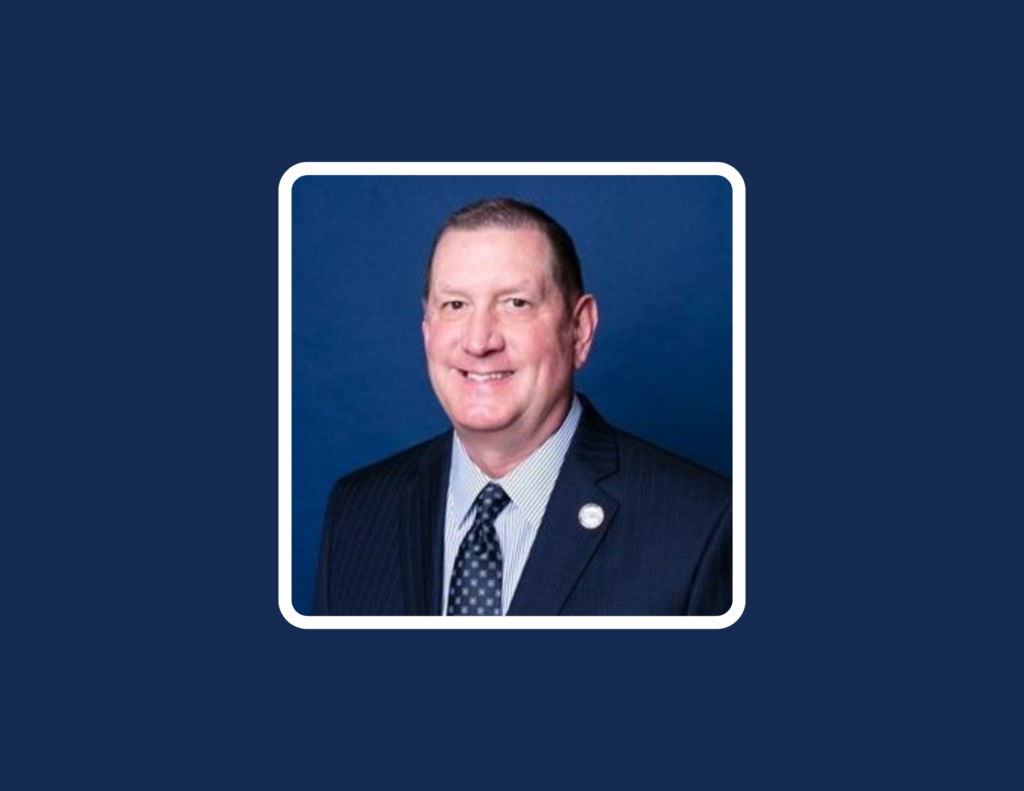
JIM BOONE – GREENSBORO COLLEGE MEN’S BASKETBALL HEAD COACH – EPISODE 815
Website – https://greensborocollegesports.com/sports/mens-basketball
Email – [email protected]
Twitter – @coachjimboone

Jim Boone is entering his first season as the Head Men’s Basketball Coach at Greensboro College in North Carolina. Boone comes to Greensboro as the 5th active winningest coach among NCAA Division II Coach’s and is ranked in the top 30 all-time for overall wins. He has taken his teams to 12 NCAA tournaments, including six Sweet Sixteen appearances and two Final Fours. Boone is known for his success with the Pack Line Defense and his ability to turn around programs to produce championship results. In his career his has led four programs to the NCAA tournament.
Previously, Boone served as the Head Coach at the University of Arkansas-Fort Smith for four years. Prior to UAFS, He spent seven seasons as the head men’s basketball coach at Delta State University. Boone has also been the Head Coach at West Virginia Wesleyan, Robert Morris University, California University of Pennsylvania, Eastern Michigan University, Tusculum College.
If you’re looking to improve your coaching please consider joining the Hoop Heads Mentorship Program. We believe that having a mentor is the best way to maximize your potential and become a transformational coach. By matching you up with one of our experienced mentors you’ll develop a one on one relationship that will help your coaching, your team, your program, and your mindset. The Hoop Heads Mentorship Program delivers mentoring services to basketball coaches at all levels through our team of experienced Head Coaches. Find out more at hoopheadspod.com or shoot me an email directly [email protected]
Be sure to follow us on Twitter and Instagram @hoopheadspod for the latest updates on episodes, guests, and events from the Hoop Heads Pod.
You’ll want to be prepared to take some notes as you listen to this episode with Jim Boone, Head Men’s Basketball Coach at Greensboro College in the state of North Carolina.
What We Discuss with Jim Boone
- The influence of his junior high school coach on his love for basketball
- How he ended up playing his college basketball at West Virginia State
- Convincing his parents that coaching would be a good profession
- Learning from Joe B. Hall while getting his MBA at Kentucky
- His original plan to coach junior high basketball
- Getting his first job as a coach at his alma mater West Virginia State
- The Bob Knight motion offense video that had to be played on a projector
- His one year as an assistant at Charleston Southern under Tommy Gaither
- How he got the head coaching job at California University of Pennsylvania
- The importance of a supportive spouse
- “It doesn’t matter where you coach, it matters why you coach.”
- The influence of Don Meyer
- Learning the pack line defense from Coach Dick Bennett after he took the Robert Morris Head Coaching job
- “Chasing significance and not the next job”
- His time at Eastern Michigan and what he learned after being let go
- Taking the job at Tusculum College which allowed his son, Jimmy to play for him and eventually coach with him
- The joy of coaching his son in college and advice for how they handled it
- “You’re going to guard and you’re going to play defense and if you don’t, you’re not going to play. I don’t care what you do on the other end of the floor.”
- “The greatest coaches are those coaches that can find a way to push the right buttons to get their guys and their teams to grow.”
- “When you get a chance to visit with them as men and they’re telling you what an impact you had on their career and their life, that’s why we do this.”
- “It’s not what you say, it’s how you say it.”
- His stops at West Virginia Wesleyan and Delta State
- “Division three offers, maybe the purest form of student athlete of basketball that we have today where guys are there because they absolutely love the game. They have a passion to play the game and they’re there for the right reasons to get a degree.”
- “The first thing you have to do is recruit players you can lose with.”
- “You have to have guys that are going to stay true to you and true to your culture.”
- “The first thing I tried to do was to recruit the current team and make sure that we kept as many of those guys on board as possible.”
- “It’s my job as a coach to paint that picture, to create that vision.”
- “There has to be some overriding goal and it has to be something that’s bigger than basketball that we can hang our hat on.”
- “Your culture is not about signs and slogans and whatever. It’s about getting in and living it on a daily basis.”
- “It’s not what you teach, it’s what you emphasize.”
- Culture is an every day process
- “Our eyes need to be focused on the daily habits and what are we doing to build good habits.”
- “I’ll know more about this team in five, six, and seven years when those guys are going out in the real world and being successful as leaders in their communities as successful husbands and fathers.”
- “I think we spend too much time maybe coaching a player in who he is that day, when we should be coaching him on who he’s going to become.”
Like this show? Please leave us a review here — even one sentence helps! Consider including your Twitter handle so we can thank you personally!

We’re excited to partner with Dr. Dish, the world’s best shooting machine! Mention the Hoop Heads Podcast when you place your order and get $300 off a brand new state of the art Dr. Dish Shooting Machine!

Prepare like the pros with the all new FastDraw and FastScout. FastDraw has been the number one play diagramming software for coaches for years, and now with it’s integrated web platform, coaches have the ability to add video to plays and share them directly to their players Android and iPhones via their mobile app. Coaches can also create customized scouting reports, upload and send game and practice film straight to the mobile app. Your players and staff have never been as prepared for games as they will after using FastDraw & FastScout. You’ll see quickly why FastModel Sports has the most compelling and intuitive basketball software out there! In addition to a great product, they also provide basketball coaching content and resources through their blog and playbank, which features over 8,000 free plays and drills from their online coaching community. For access to these plays and more information, visit fastmodelsports.com or follow them on Twitter @FastModel. Use Promo code HHP15 to save 15%
Your first impression is everything when applying for a new coaching job. A professional coaching portfolio is the tool that highlights your coaching achievements and philosophies and, most of all, helps separate you and your abilities from the other applicants.
The key to landing a new coaching job is to demonstrate to the hiring committee your attention to detail, level of preparedness, and your professionalism. Not only does a coaching portfolio allow you to exhibit these qualities, it also allows you to present your personal philosophies on coaching, leadership, and program development in an organized manner.
The Coaching Portfolio Guide is an instructional, membership-based website that helps you develop a personalized portfolio. Each section of the portfolio guide provides detailed instructions on how to organize your portfolio in a professional manner. The guide also provides sample documents for each section of your portfolio that you can copy, modify, and add to your personal portfolio.
THANKS, JIM BOONE
If you enjoyed this episode with Jim Boone let him know by clicking on the link below and sending him a quick shoutout on Twitter:
Click here to thank Jim Boone on Twitter
Click here to let Mike & Jason know about your number one takeaway from this episode!
And if you want us to answer your questions on one of our upcoming weekly NBA episodes, drop us a line at [email protected].
TRANSCRIPT FOR JIM BOONE – GREENSBORO COLLEGE MEN’S BASKETBALL HEAD COACH – EPISODE 815
[00:00:00] Mike Klinzing: Hello, and welcome to the Hoop Heads podcast. It’s Mike Klinzing here without my co-host Jason Sunkle tonight, who is on a family vacation. So I’m here going Han Solo, but I am joined by the new head men’s basketball coach at Greensboro College, Jim Boone. Jim, welcome to the Hoop Heads Pod
[00:00:16] Jim Boone: Oh man. Thank you, coach. I appreciate it. I’m humbled and honored and it’s a pleasure to be with you. You and I have tried to track each other down for, seems like forever, but it’s great to be on and thank you. I’m a regular listener as well, so good to be a part of it. We’re finally here.
[00:00:36] Mike Klinzing: Appreciate the kind words about the pod.
It’s been something that has been a lot of fun and you’re, you’ve been somebody that, as you said, we’ve been, we’ve been chasing around trying to make it happen here for a little while, and excited to finally get the opportunity to have the conversation. So let’s start by going back in time to when you were a kid.
Tell me a little bit about your first experiences with the game of basketball and just how you fell in love with the game.
[00:00:59] Jim Boone: You know, it’s, it’s funny coach as a kid, my first love was baseball. I absolutely ate, slept and drank baseball. But then I got an opportunity to play in junior high school for a coach named Alan Osborne, who coaches still in West Virginia.
He’s the head high school coach at Polka High School. The polka dots, if you will. And I think coach is like the winningest all time coach in the state right now. He’s won a couple, maybe two or three state titles. And anyway his passion, his influence, his impact on me is what created my love for basketball.
My dad was a big influence too because he had been a very good high school basketball player. And so between the two of those I kind of channeled my energies and my efforts into playing basketball and was not a good, was not a great player. But by the time I was a junior had started improving quite a bit and as a senior was a pretty good, pretty good player on a really good team that played for a state title in West Virginia.
So it was fun times for sure.
[00:02:18] Mike Klinzing: Di you know at that point that you wanted to play college basketball? Was that something had been on your radar or was that something that maybe as you got a little bit better as a high school player that started to dawn on you that, hey, maybe I have a chance to play a little bit beyond high school?
[00:02:30] Jim Boone: I wanted to coach, but I didn’t know how necessarily to go about that. You know, as a junior and senior in high school, particularly at that time. I mean, I just didn’t have the depth of knowledge to understand what you have to do.
[00:02:50] Mike Klinzing: Isn’t it crazy? It’s really crazy when you think about how inaccessible information was in those days.
[00:02:57] Jim Boone: Like today. Today, today our kids have all the advantages in the world but then not so much. Again Alan Osborne, my junior high school basketball coach had a major influence on me in that regard. But I was all set to go to Marshall University as a walk on and was excited to do that.
And just happened to run into, after an all-star game that I had played in after my senior season Bob Maxwell, who was the head coach at West Virginia State. And he offered me a scholarship to come to state. And so I did, and I’ll be you know, very transparent. I was not a great player. I was okay.
I could hold my own, I guess, but what a great experience it was for me. You know, going to a small H B C U in Charleston, West Virginia and Institute actually right outside Charleston, developed some lifelong friends and relationships. The opportunity to be around that level of basketball and in particularly in that league was really, really good. So that’s how I kind of transitioned from high school into college. And I still knew I wanted to be a coach, but my parents weren’t real high on that. They just didn’t think that’s a way that you could make a living in the world. My parents wanted me to go to dental school or to be a lawyer and so I actually majored in accounting because my coaches, my head coach’s son had majored in accounting and in one of our discussions he had told me that.
So I said, well, I’ll major in accounting. So it doesn’t sound like the path of someone who was headed towards coaching, but what I can tell you is I did really well and graduated cum lati, but hated every second of accounting. Ended up taking the L S A T test and passed it and with flying colors and got accepted into several law schools and just went and had a sit down with my parents and said, listen, I really want to coach.
And my dad was like, can you make any money doing that? Can you support yourself doing that? And you know, I thought I could obviously, so they made a deal with me that if I went and got my master’s degree, that they would help me pay for it. And since I’ve been on scholarship for the last four years and that I could pursue that dream of being a coach.
And so I went to the University of Kentucky and got an mba. But also got a degree, I think, in coaching. I tried to get on their staff as a ga but coach Hall had his staff at the time. Joe B. Hall was the head coach then, and so, but he graciously allowed me to come and watch practice anytime I wanted to come.
So I very much was a student of Kentucky basketball and took a ton of notes and attended every practice I could get to, which was pretty much all of them, and was there during a really good time. So it was a great year for me from a standpoint of getting my master’s degree and a great year for me in terms of learning a lot about the college game.
[00:06:18] Mike Klinzing: Did you always know that college basketball was where you wanted to be? Or was there ever a thought about being a high school coach and maybe teaching? No. Or was the teaching part of it was the one that was, you’re like, eh, I think I’ll just stick with the college.
[00:06:29] Jim Boone: I’ll be frank with you. I wanted to be a junior high coach. That’s what I wanted to do. I wanted to teach in high school, junior high school, and just be a junior high school coach. I thought that was where you could make a tremendous impact and have a chance to really help mold kids and head them in the right direction. You know, as I mentioned previously, my coach had been such an influence on me at that point in time that I wanted to go back and do the same thing, but I had channeled myself in college in such a way that I didn’t have that teaching certificate, so I was going to have to go back to school or towards some type of education to get that certificate or certification so I could teach. And what happens is my college coach head stepped away from coaching and was full-time athletic director, and he called me up and said, we’re in the process of hiring a new coach. If you want the assistant job, it’s yours.
And I’ll make that happen and we’ll set it up so you can do that. Well, I was at least intelligent enough at the time that I said, well, we probably need to hire that coach first to make sure he’s okay with me. So to make a long story short, that happened and I took the job and taught nine hours in the business department and was assistant coach full time and.
Loved every second of it. It was a great, it was a great time for me. And then one of my high school lifelong friends also joined our staff. And so we were on the staff together. Bob Starkey, who is at LSU now as their associate head coach and on the women’s side, they just won a national title.
Bob and I were on that same staff together, so what a great time we had. And yeah, that’s where it started.
[00:08:24] Mike Klinzing: What did you love about coaching? What was the thing that you were like, man, this is what it’s all about. This is what’s going to keep me going. This is what I love.
[00:08:32] Jim Boone: I love the relationship part of it. And we had a couple really neat kids on that team when I first started that were, we kind of turned around, to be honest with you. They were kids who had came from really difficult situations and They just needed somebody, they needed somebody to love them up a little bit. They needed somebody to develop a relationship with them, to spend time with them, to be with them, to show that they cared about them.
So I loved that part of it. And then from the coaching standpoint, I just absolutely loved the, trying to figure out how to beat somebody, how to win a game, loved practice, loved the teaching part of it, the xs and os part of it. I couldn’t get enough of it. You know, when I started coaching, we didn’t have the video that we have today, and particularly at a small college.
Yeah. You know, our stuff was done on all the old VHS and beta stuff. And so I went out and bought my own tape machine because I wanted that. I wanted to to watch film whenever I wanted and I wanted to record games off of television. And so I was constantly recording games and watch as much tape as I could.
And I tell you, one of the biggest influences I had was coach Knight in his he had a black and white motion offense video that was like a 38 millimeter, I don’t know if you’re familiar with it, but it was on, you had to play it on a projector.
[00:10:05] Mike Klinzing: There you go. And I don’t think I’ve ever seen that. I know the, I remember the projector as well, but I don’t know if I’ve ever seen that Bob Knight video.
[00:10:10] Jim Boone: Oh, I actually purchased the actually my high, my junior high coach that I mentioned to you purchased the original 38 millimeter video and gave me a copy of it. So that was really cool. But that, that just was a few years ago. But anyway, I would sit in my, in my cause I was still living at home, so I sat in my parents’ hallway.
With the projector on the floor and we, because that was the darkest place in the house and would project that, that video and just watch it over and over and over on, on a wall there. So, those are the things I really enjoyed. The relationships and trying to develop a team and the strategies going into games and how you could find a way to, to be successful.
[00:11:03] Mike Klinzing: So during that experience, obviously you’re jumping into your career and it sounds like it’s something that you immediately take to, without question and that you’re in the right place. And so you start again doing what you do while you’re there to be able to grow. And as you said, you’re, you’re just like a sponge.
You’re absorbing everything that you that, that you can get your hands on. And then you get an opportunity at Charleston Southern to jump up to the Division one level. And clearly the division one level something different. In 1986, the landscape looked a lot different than it does for people who are familiar with Division one basketball now.
And we can maybe even talk about some of those differences, but just tell me a little bit about that transition from the previous level up to that division one level as an assistant.
[00:11:51] Jim Boone: Well, I loved my time at West Virginia State, but I really felt like, and coach I was probably too ambitious, if you will.
I was so driven to be a head coach. I wanted to be a head coach. And by this time I had developed a little bit of information in terms of what you needed to do to pursue that. And I knew that I was not going to be able to become a head coach being an assistant coach at West Virginia State.
And so I was working a lot of camps like we all used to do. And in the camp circuit I found out we didn’t have hoop dirt or anything like that in those days. I found out on the camp circuit that that job was open and the other guy who had just been hired as the other assistant was another person that I’d gotten to know through basketball in West Virginia.
Jeff Burham, who’s currently the head coach at West Florida. Jeff was working his camp and told me about it and said, Hey I just took the other job and he’s got one still open. And so he goes, I can hook you up if you want to. And so one thing led to another and I had a chance to go down there and work with Tommy Gaither.
I left a job where I was on a tenure track for teaching in the business department. I was making $24,000 a year and thought I was the wealthiest guy in the world and in coaching. And then I had this chance to go to Charleston Southern, then it was Baptist College for $6,000, a dorm room and a meal plan.
And I was married at the time I’d gotten married. But your parents might have had some valid concerns, it sounds like. Well, and they expressed those.
[00:13:40] Mike Klinzing: I’m sure they did.
[00:13:40] Jim Boone: So my wife and I hooked the U-Haul up to the back of our car and drove down to South Carolina and took that job.
And I’m going to tell you, it was one of the most enjoyable years I’ve ever had in coaching. You know first of all, we had a really good team. And so that was a blast. We upset a couple teams we weren’t supposed to beat, and we played really close with a couple big time teams on the road. That was a ton of fun.
And then rolled through the Big South conference and won the tournament. So it was a heck of a year, but Coach Gaither was tremendous to me. Tommy Gaither was the head coach. He was tremendous to me. He gave me a ton of responsibility. And it was just, it was a blast. And the only reason I left was cause I, first of all, coach was so good to me.
There were a couple jobs that came open that I went and talked to him about. He’d say, no, just if there’s something you’re interested in, let me know. And if I think it’ll. I’ll tell you, he told me that a couple of opportunities that I thought might have been good that you don’t need to pursue those or not right, da da, da da.
But when the Cal job came open, he said, yeah, I think that’s one that you probably need to go after. Well, the key on that was it didn’t come open until the middle of October. The head coach had left to go to Penn State as an assistant, so that’s the only reason I got the job. They had had not had a lot of success the year before.
The job came open late. There were two or three major college assistants involved in the job, but they pulled out of it cause of the lateness. And I stuck in there and ended up getting the job with Coach Gaither’s blessing and became the head coach at Cal PA when I was 27 years old. So Here’s my dream.
And I walked into it and thought it might have been a nightmare as opposed to my dream. Cause we inherited I don’t want to say a mess. Cause we had some great kids and we had a couple kids that nobody knew about that the previous staff had recruited that were big time players and great people.
So I walked in at a golden time there. But I can remember that first night my wife and I were standing up. They brought us in and they took us to the top of the gym. The gymnasium that we played in Hamer Hall. It was like a pit. And so you walked in at the top and the court was way below you.
And so we’re at the top and the assistant coach at the time was running, was running practice. Cause practice had already started. And they wanted us to walk in and be able to observe some of that and just see the team. This was the first night I got there and so I’m watching those guys and you know, they’re playing on an old court.
There’s wood backboards all the way around except for the main court had glass buckets on it. And I just looked at my wife and said, I don’t know what we’ve gotten into here. But to make a long story short, it was a great opportunity. Inherited two assistant coaches because it was so late and I know a lot of times that’s not a great situation, but what a blessing it was for me.
You know, the full-time assistant was a guy named Phil Stewart and Phil longtime family friends, still friends. And he lives in Western Pennsylvania to this day and ended up staying with us through our entire 10 years. And then Dave Philopovich, who eventually became the head coach at Air Force, is now working.
With Coach Pitino at New Mexico. Dave was our GA and I just I got two great guys to work with and we put together an incredible 10 years. It was a ton of fun.
[00:17:36] Mike Klinzing: In those first two or three weeks, you get the job practices already started. You have to figure things out. You don’t know the kids, you don’t know the school, you don’t know the community.
How do you go about doing that? What do you remember about thinking, Hey, my top priorities have to be X, Y, and z. I mean, this is even different. I don’t know that I’ve had an interview with anybody that has gotten the job when practice already started and I’ve talked to guys who have gotten the job super late in the fall or like a week before practice or, but the fact that practice is already going, how do you even begin to figure out what you’re going to do with that group?
[00:18:13] Jim Boone: Coach. I took the job on November 1st, and if I’m remember correctly, our first game was like November 17th. So we literally had two weeks. Wow. And I was to back up a little bit going to clinics and doing all the things I had done in trying to learn as much as I could to be prepared for this moment.
There were two coaches that I ran into clinics that just when I sat and listened to them, how they talked about the game, how they talked about how they played the game and taught the game and their vision of the game just coincided perfectly with what I felt in my heart, that the game needed to be played.
And that was Coach Knight. And Dick Bennett, I’d had the chance to watch Coach Knight practice to go to several clinics. And that’s in the mid eighties when they were really rolling. And he was such a dynamic speaker that if you ever had a chance to attend one of his clinics, particularly in person, you just sit there and you just couldn’t take notes fast enough.
And then Coach Bennett just how humble he was and his approach to teaching and the simplicity of it. So when I walked into Cal, I knew exactly what I wanted to do and that’s what we were going to do. And so Immediately implemented teaching our guys starting, I started just like it was day one, even though it was like day 15 to teach man to man defense and motion offense.
And I knew it was going to be a learning curve. I knew it was going to take us some time and call it call it blind ambition. Call it stupidity, call it whatever you want to call it. But I was bound and determined this is the way it was going be. And I can remember in about the, probably we’d already played some games we’re in maybe our fifth or sixth week.
And one of the kids that came to our assistant, Dave Ovitz, and said, coach, all we do every day is work on downscreen two on two and three on three. How long is this going to last? And Dave looked at him and said, getting ready for the whole year partner. Cause we’re probably going to be working on that from now until the end.
And that’s funny. Our team started out really slow, as you would expect that year. And then things just started to click in January. And I think that’s one of the things as a coach that just pleases you so much and gets your juices flowing and gets you so geeked up is when you see a team that really starts to click and hit on all cylinders and, you know are very connected on the floor and tough to play against.
And we were all those things. And that team ended up winning 17 games and played for the conference championship and lost in the tournament finals to a really good Millersville team would set up the next year. Here I am a 28 year old coach and we go in and win the league and win the tournament and go to the sweet 16 of the NCAA tournament in my second year as a head coach.
So now what? Now what do you do? Right. So that’s it. Hey, you’re setting precedent. Yeah. It was, but yeah, and the thing about it was for us it was For me it was like 24 7 basketball it was just my wife and I at the time. I hadn’t had children yet. And you know, that first year all the way up to Christmas, we basically lived in a dorm until we were able to move into a home.
And it was just, you got up in the morning, walked to the office and worked all day and went to practice and watched film at night with your staff, and we were all in it together, all hands on deck and it was just a great time. Did your wife know what she was getting into? You know, I don’t think she did.
She said she did, and I mean this with all due respect, but I was very lucky there too. I married probably the ultimate coach’s wife, and when I say that, some people take, don’t like it when they hear coach’s wife, but she’s been so supportive and so influential and. Great with our team and has been awesome.
So, but when we first started when I, we were dating, decided to get married I said, well, here’s the deal. I’m going to coach basketball and I’m going to do it at this level, and we could have to move at the drop of a hat. You have to be ready to do that. And if you’re not, then I’m probably not the right guy for you.
And it’s kind of how I’ve handled recruiting through the years when we look at a young man and say, Hey, this is how we’re going to do it and this is how it’s going to be, and if this is something you don’t like, then you probably don’t need to do it.
[00:23:28] Mike Klinzing: yeah. Yeah. That truth telling, it works in real relationships in the outside world, and it works in basketball relationships really well too.
Right?
[00:23:36] Jim Boone: Amen. Absolutely.
[00:23:38] Mike Klinzing: I think when you start talking about, having the right person by your side. I mean, you can look at how as coaches you hear the term work-life balance and I’m not sure how accurate or inaccurate, depending on how you want to define that, that can all be, but what I do know is, is that you have to have a spouse that is supportive of the amount of time it takes in order to be successful.
And when you look at, like, I’m thinking about, yes, just talking about division one basketball, like we mentioned how different it is today versus how it was in 1986. And I know like I played from 88 to 92 and when I finished my season, I would just kind of get handed, Hey, here’s your, here’s your two page ditto of your weight workout and we expect you to come back in shape and we’ll see you in August.
And that was it. And now dudes are on campus whatever, 52 weeks out of the year. Yes. You know, doing workouts, it’s a completely, it’s just a completely different thing. And so I think when you start talking about being the spouse of a coach, there’s have to be a tremendous amount of understanding and support and willingness to sort of be able to handle that schedule and when you have the right person.
I’m sure then, as you just did, attest to the fact that it makes everything so much better and easier as a coach to be able to do those things when, you have somebody supportive at home.
[00:25:10] Jim Boone: Absolutely. Well, my wife and I have been married for 38 years, so she’s been along the way the entire journey.
And it’s been a, it’s been a great ride. We’ve enjoyed every minute of it. Sure. There’s been some challenges and there’s been some ups and downs and there’s been some tough end of the months trying to figure out how you’re going to. You know, make it through all the bills you have to pay.
But, but we’ve always found a way. So it’s been good.
[00:25:39] Mike Klinzing: Tthat is awesome. And obviously there at Cal you have a tremendous amount of success over a 10 year period, and you get that program to the point where you’re in and out, you’re out you’re putting up 20 wins a season, and eventually that leads you to, to get an opportunity at the division one level.
And so you’re jumping up from division two to division one. And I don’t know, you mentioned earlier just that your aspirations early on in your career were that you wanted to be a head coach. And I don’t know if at that time you were thinking, Hey, I want to be able to be a Division one coach, or just where your mentality was.
But obviously you get an opportunity at Robert Morris. Talk a little bit about how that opportunity came to you and then the decision to eventually take the job.
[00:26:22] Jim Boone: Well, I tell you it in retrospect, California, Pennsylvania is probably a place I should have never left. You know, we had the second winningest program in division two.
Over that period of time, we had built an incredible alumni support group. Our fans were unbelievable. They traveled with us. They went everywhere. I mean, we, we really had it going, so to speak. When we were in our heyday at Cal our camps were sold out. Unbelievable. Our numbers were tremendous. We just had the total package and we had great kids coming year in, year out, as you mentioned, every year we’re, we’re competing and we’re ranked in the top 20 in the country.
In 92, we were number one in the country. And you know, frankly, had a chance to win a national title and lost in a tough loss by a point. To Bridgeport in the semi-final game, final four game. And then in 96 again, we went back to the final four that year. We were beaten by a really good Fort Hayes team.
Gary Gardner was coaching and not quite the same as the 92, where you had a real chance to win a national title in 96. Fort Hayes was clearly a better team, but we had basically all of our guys coming back. I turned down a couple of division one opportunities at small schools before.
And along the way, I had met someone who has made and continues today, even though he is not with us, to make a major impact on my life. And that was Don Meyer. Coach Meyer won a national title at the NAIA level at Lipscomb. And this was before we, this was before 92. This was like in 1990, 1991. I had written him and wanted to come down and visit with him and just pick his brain on what he did and how he developed his team and.
Coach Meyer sent me a letter back cause we didn’t have email back then and said yeah, come on down. And the best time you could do it was probably during one of our camps and gave me the dates and make a long story. I went down and I was at their college post camp and sitting there taking notes and all this, and he comes up and grabs me and says, Hey let’s walk out and take a ride.
So I got in his car with him. He says, why are you here? And I said, what do you mean, coach? I’m here to learn, right? Yep. And he said, why didn’t you tell me who you are? And I said, what? And he said, he had found out about our success and what we were doing at Cal. He said, I need to learn something from you.
And I said, no, coach. I came here to learn that was typical Coach Meyer. I said, I came here to learn from you. And that began our relationship. And as you know, Coach Meyer was big into frosty Western. Make the big time where you are. And you know, his, his statement that still rings in my ears today, it doesn’t matter where you coach, it matters why you coach.
And so here I am to bring it forward. Now in 96, we get beat again in the final, and this opportunity presents itself. I turned it down the first time when Robert Morris came and asked if I was interested. I said no. And then the AD convinced me to come to Pittsburgh and just go out to dinner with him and let him talk to me about the job. And so I ended up taking it and we inherited a division one situation where they had had seven consecutive losing seasons.
And it was We didn’t have a very good team. Now I’ll say this coach, we had some really great kids, but we just didn’t have good basketball players. So I knew we could not continue to play the way we had played at California. We had been an on the line, up the line, deny everything, fight you for every inch of the court, switch light screens and we weren’t going to be able to do that.
I had known that sometimes I think at Cal we were successful in spite of ourselves. Cause you know, it, the game had changed with the shot clock, the three point line, the game had evolved from being more of an east west game. Teams should make 10, 12, 14, 15, 20 passes to crack your defense and try to get a chance in the.
To where now teams are coming down and it’s one or two passes and just drive it north south. And so I knew we had to change and Coach Bennett had been at Green Bay and had just taken the Wisconsin job. And so I was able to connect with him and I gave my team the first year, we had about a week of practice, excuse me.
And I gave them a Thursday, Friday, Saturday Sunday off. And, well, we actually practiced Thursday morning. They had Friday, Saturday, Sunday off, which is unheard of that time of the year. And I drove to Madison, Wisconsin and spent four spent Friday, Saturday, Sunday, three days with Coach Bennett and his staff and watching them practice and picking their brain on Pack Line defense.
And so that’s where we first developed our foundation of teaching the pack. And when I got back to Pittsburgh, we put it in with our team and we, frankly, were tragic at it and not very good at teaching it. And it was on me, it wasn’t on our players, but as the years wore on, we got better and better and better and kind of put our own touch to it.
And we’ve been running it for 28 years now, but we turned that sucker around somehow some way. And a lot of that had to do with, we were able to get a really good transfer. And the whole reason we got him was because I had recruited his brother several years before when I had been at Cal.
And so the family knew us and the young man’s name was Gene S and he transferred to us from LSU and he sat out and then played two years for us and had an unbelievable two years at Robert Morris in an unbelievable two years Northeast Conference in. If not the best player in the league, the second best player in the league during that time.
So it was it was a good run and that opened up the door to go to Eastern Michigan. And probably a job I should have stayed away from. But I believed in the athletic director and I thought we would have a chance to go in and, and win. And I think we could have and would have if we’d have been given the time that we needed to turn it around.
But we were not. And sometimes that happens. You get a new president, you get a new chair of the Board of Regents and at Eastern Michigan. I’m sitting there and being told I don’t have a job. And so we had a lot of soul searching to do as a family what do we want to do here? I was fortunate that I got offered a couple major college assistant jobs, but I didn’t really want to do that. My son was now a junior in high school and he really wanted to play for me he’d been in our practices for years and wanted to play for me.
And so we talked about it and it really hit us. Coach we had been, it’s like we had spent our whole career chasing the next job. Yeah. Instead of understanding that it’s not. Where you coach, it’s why you coach, and it’s chasing significance and not the next job. And so I took the job at Tusculum College a small division, two private school, 900 students in Greenville, Tennessee, and Jimmy played his senior year in Greenville and then ended up playing for me for four years. And what came about out of that is he played for me for four years, then he was a student assistant and then a grad assistant, and then a full-time assistant. And we were together for 13 years and 17, if you count the four years you played.
And so how many fathers have the opportunity to be with their sons during their collegiate Careers and then in their after college to continue that. And so what a blessing that was for our entire family and particularly for me every year to go to work with my son.
[00:35:25] Mike Klinzing: Yeah. That’s awesome. I mean, having that opportunity, like you said, not many people have it. What was the best part, and then what was the most challenging part of coaching your son?
[00:35:34] Jim Boone: Well, the best part for Jimmy was the relationship and being with him every day. Again as I mentioned previously, to be with your son every day in practice and going through the battles.
But Jimmy had grown up in basketball, he grew up in gyms all the gyms that I was in recruiting, all the gyms I was in, coaching, all the gyms I was in coaching, my team playing he was on the bus. He was on the plane. He was always a part of it. You know, one of, one of my neat stories is that when we were at Robert Morris, I think it was our first or second year we played at West Virginia, and they were really good that year and they were really good a lot the years, but they were really good that year.
They just pressed the devil out of us and slammed us. I mean, just, we couldn’t, we threw the ball over the gym. I mean, I knew we were in trouble when they rolled out the carpet and the mountaineer came running out and fired his musket and the four of our guys hit the deck. So anyway, we, we got beat pretty soundly.
We get back to the Sewell Center, our facility on campus and Robert Morris, Pittsburgh and West Virginia Morgantown. It’s pretty short trip. So it’s, and days after midnight. And so I told our guys on the bus, Hey, Get your gear on. We’re going to go practice at 12:01. I’ll see you on the court.
And Jimmy was a part of that. He had ridden the bus back and was just a little guy and he was at practice. I told him, Hey, I can have your mom come and get you. You can go. I want to go to practice dad. And our team was awesome. They came out, they had fire in their eyes, they busted their tails.
And as I told them, if they would’ve played the way they practiced, it’d been a different outcome. It may have not been they may have not been a victory for us, but it would outcome frankly, I’ll tell you what some people think that’s a bad thing, but we came back and practiced our team and it turned our season around.
You know, that’s when we really got the thing going in a positive direction at Robert Morris. But getting back to Jimmy he’d been through all the wars. He had seen so many things, and having his eyes in practice every day, even as a player, was a tremendous attribute for, for me. So not only the having your son in practice, seeing him excel, he became a heck of a player for us on a very good team.
One of the best teams they’ve ever had at Tusculum. He was a part of, he, I think he held the record for three point field goal percentage. Maybe he still does. The most challenging part. Probably his mom, you know there were those days that why isn’t he playing more my voice mom always advocating for that.
No doubt. And she’s no different than any other parent. And here’s times that she thought I was too hard on Jimmy. And I’d pulled Jimmy aside when he first came in and said, listen. You have to understand when we walk out on the court, I’m your coach. I’m not your dad anymore, and I’m going to be hard on you cause your teammates look upon you as my son and they need to know that you’re not getting anything special from me, that it’s going to be harder for you than it is for any of them.
Are you ready for this? Is this something you want to do? And he was like, absolutely. This is what I’ve wanted to do forever and I want to, I want to play for you. And so I’ll tell you this, I wouldn’t have traded it for anything in the world. It was four awesome years. Watching him grow as a student, watching him grow as an athlete and watching him grow as a man was absolutely as rewarding experiences as I’ve ever had in coaching.
And I think he would probably tell you the same thing.
[00:39:39] Mike Klinzing: Have you guys talked about anything that. A story or a memory that maybe you come at from one perspective and he comes at from a different perspective. I’m just curious if the memories of, Hey, I remember it this way. No, I remember it that way.
Is there anything that sticks out that, that kind of fits into that particular mold?
[00:40:00] Jim Boone: I’ll tell you, we have a lot of stories. We that team cl climbed some, some tall mountains that year. And I’m talking about his senior year, we had a kid on our team who was a junior, who was a great player, ended up being a two time all American.
And I’m a coach that’s very passionate about our defensive play. And so our guys one of my things is you’re going to guard and you’re going to play defense to the, and if you don’t, you’re not going to play. I don’t care what you do on the other end of the floor. And we lost a tough overtime game.
And basically, cause this young man didn’t play any defense at all. And so we got back and we’re sitting in the locker room. I always meet our team in the locker room after a game to give him a couple final words and send him on their way. And I basically looked at him and said, you’re not going to play any defense on this team.
You don’t need to be on it. You’re done. Go. And I dismissed him from our team. Now, when I did that, I did it with the full intention that I had the support of his parents and I had the support of the team and I knew they would rally behind him and bring him back. The difference was, is that Jimmy didn’t know I had that support.
And he’s sitting there and I tell the young man, he’s dismissed from the team. Jimmy’s got his big eyeballs, the kid walks out, I bring our team together. And we get one. And then I walk out and I go up to my office and the next thing I know, here’s Jimmy with two other seniors and says what are we doing?
We need Kyle. He needs be on team. And I’m like, okay, well that’s up to you guys. If you want Kyle on your team, then you better go get Kyle and he better come in here and tell me how bad he wants to be on this team and he’s going to guard somebody. And to make a long story short, that happened.
So everything I wanted to happen happened, but it happened without him knowing that was going on. So after the fact when we talked about it, he’s like, well, I didn’t know. I mean, I’m like, are you losing it? What are you doing here? So that’s, that’s a pretty dramatic story.
[00:42:18] Mike Klinzing: It’s how you go back and you just think about all those different things that I know that I experienced.
As a player and then things that I’ve experienced as a coach and to be able to share that with a family member. I mean, again, how special that is to be able to share those kinds of experiences and those kinds of memories. Obviously you have them with your teammates and with your, your colleagues and your coaching staff and whatever it might be, but to be able to share that with, again, father, son, truly, I’m sure that those are some of the best years in, in coaching that you ever had, just to be able to have that have those moments with him, I’m sure is what it’s all about.
[00:42:57] Jim Boone: Coach. Absolutely. And I tell you, and I think this is another area that the outside world doesn’t really get about coaching is that I think the greatest coaches are those coaches that can find a way to push the right buttons to get their guys and their teams to grow. And sometimes, and you can do that, you can do that without demeaning people or being just crazy.
You can do that in a positive but demanding manner. And that’s something that I feel like we’ve been pretty good at over the years. We’ve, we’ve been able to push the right is to get guys to respond and to grow and to become better players and better people. And then it’s so rewarding when those guys come back to you and they start telling you, remember when you did this?
Well, I did. You know, that was a pivotal point in my life that turned me around that. And how rewarding is that when you hear those stories from your guys? What an impact. I think sometimes we don’t realize as coaches, How much we influence them. And when they come back, whether it’s for a reunion or coming back to work camp or just you know, coming back to visit during the homecoming or whatever, and you get a chance then to visit with them as men and they’re telling you what an impact you had on their career and their life, and that’s, that’s why we do this.
[00:44:45] Mike Klinzing: Right. I could not agree more. That’s something that I’ve had this conversation a bunch of times on the pod with different people and what I always come back to is, and I’m sure you can attest to this, probably going both directions, but there’s things that I know that coaches said to me that are burned into my memory that I will never, ever forget Those things that a coach said to me, some of them maybe are positive, some of them maybe are negative, but they’re things that.
I remember that in some way shaped me, motivated me, just had an impact and influenced me in what I was as a player and who I became as a person. And I would bet 99.99% of the things that I remember, if I went back to one of my coaches and said, Hey, do you remember when you said this to me? I can almost guarantee that the things that I remember, those coaches don’t remember the moment, the time, the place, or even what they said.
And I think that speaks to kind of what you’re getting at, which is, as a coach all the time, we’re influencing the people that are playing for us and we don’t know what they’re going to remember or what they’re going to take away. And yet we know they’re going to take away something. And so I think what I hear you saying, and what I really believe is that.
You are having an influence on young people all the time, and it’s your job to get the most out of them as players, but also as people. And you know, when they come back and they share those stories with you, like you just described, that you had that kind of impact. And I think it’s just important to be intentional about what you say because somebody is always listening to you.
And that’s what I take away from that’s the key. That’s what I take away, is being intentional about what you say and how you say it.
[00:46:40] Jim Boone: Absolutely. It’s in a lot of times it’s not, it’s not what you say, it’s how you say it. Yeah. So you have to be very intentional and you can be demanding and you can push young people, but you have to do it in a positive way.
You have to do it in a way that they know, first and foremost that they care about you and what’s the old saying? It’s more important to them to know how much you care as opposed to how much you know. Yep. Exactly. There’s no question about that. I will tell you this, from our day days at Robert Morris, that first year, this is a good story.
That first year before we ever started the ad called me and said, Hey, come down here to my office for a second. So I walked down to his office, he says, I got great news, and this is early, this is like in the summer still. And I said, okay what’s up? He said, we’re playing in the Fiesta Bowl Classic.
I said, really? He said, yeah. I said, well, who else is in that tournament? He said, Florida, Penn, and obviously Arizona’s the host. And I looked at him and I said, coach, what’s great about that? Oh, it’s great. We’re going to get at least a split there. I said, who are we going to beat? You know, Penn was ranked in the top 25.
Billy Donovan was killing it at Florida, and Arizona was Arizona. So we go out there. And obviously we’re playing Arizona in the first game. This is the Arizona team with Miles Simon and Bibby and that whole group that what a national title later that year and beat, I think they beat Kentucky. So we’re playing them and they’re killing us.
I mean, they’re just killing us and we’re in it halftime. And I’ve got one of our, our young guys who, who we were playing at a post and he’s six five and he’s playing against their athletes. And we get ready to go back out and I send the team out and I’ll walk back into the bathroom facilities and then I come out and he’s still sitting there.
And I said, Steve, what are you doing? He goes, coach, I’m too embarrassed. I can’t go out there. I said, Steve, listen man, I said, you think I’m feeling good about this? I’m more embarrassed about it than you are, but we’re going to go out there and we’re going to ride this out and it’s going to make us better cause of it.
We go out and I get home to Pittsburgh and I had people coming up and they were telling me, coach, we thought that the ticker on ESPN was broken. Cause Arizona score kept going up and you stayed the same, we lost by 64 pressed us from start to finish. He was mad at his team. He had had a couple guys come back late from Christmas and he pressed us from start to finish and he left his entire starting unit in until the end of the game.
And so we lost by 64 and a lot of people think, but we came back two nights later and played Florida because in the Fiesta Bowl Classic you had a gap in between and lost by 19 to a really good Billy Donovan team and played much better. And it was a good learning experience for our team.
And but I always think about Steve, the player. Not wanting to go back out there. Well, Steve later became a state police officer in Maryland was responsible for one of the biggest drug busts in the state’s history. Now is retired from the police force and is a very successful entrepreneur and businessman in in the North Carolina area. So that’s why we do it.
[00:50:19] Mike Klinzing: That’s exactly right. I couldn’t, I couldn’t agree with you more. I mean, I think those lessons that we try to impart as coaches and those lessons that you learn as an athlete, I think there’s no better way in the, in the, I don’t want to say the fake world, but in the, in the, in the world that we live in, in the world of athletics and the things you can learn, that you can apply to.
Your relationships to your career, to just your own life. Absolutely. Your personal character. I just don’t think there’s anything else in the world like athletics to be able to do that. I just don’t, I think when I consider my own life and who I am and where I am and what I do, and I mean, I don’t even know where to begin without the influence that athletics and basketball in particular have had on me.
Absolutely. Again, you just, the coaches that I’ve had in my life and the players that I’ve been fortunate enough to coach and the people that I’ve had pass through my life as a result of the game of basketball, I mean, that’s, that makes me who I am and it’s, I mean, it’s a lot of responsibility when you start thinking about that as a coach and how important all those things are.
I want to make sure we get to Greensboro, so just gimme the quick journey through. After you leave Tusculum, you go through a couple more positions.
[00:51:38] Jim Boone: The only reason I left Tusculum was I had a chance to go back. Their athletic director called me and I had a chance to go to West Virginia Wesleyan, and it was literally two hours from my dad’s house.
And so the opportunity to come home was really appealing, and I loved my year at Wesleyan. We had the West Virginia Wesleyan, we had a great year. We their first ever NCAA tournament game. We won the most games they had won in division two. At that point in time, we had, I think like 22, 23 wins and had a, had a really, really a, good team of great kids, inherited a good team and brought a couple of players along.
So and I had no plans on leaving there. And then I got a call from the athletic director at the University of New Orleans who I’d gotten to know. Amy Champion and she said, I’ve got a job for you. And I said, well, I’m, I’ve got one. I’m pretty happy. What are you talking about? And she said, well, Delta State’s opened and I played there and won a national title there when I was a player.
And I think it’s everything that you want. Make a long story short, I take that job. We had seven great years there, but I had an opportunity to leave there and hire Jimmy as an assistant. And so that’s why I went to Fort Smith, Greensboro. I’ve gotten to the point coach where and first of all, I’m all about players having the opportunities they have both with NIL and the opportunity to leave and find another program if they so desire.
But it’s not right for me. I’m a program builder. That’s what I’ve been really good at, bringing guys in. Keeping him for 2, 3, 4, sometimes five years and building the program. And I just felt like, you know what? Jimmy needs to move on in his career. He needs to work for somebody else. And he had that opportunity.
And so now he’s the top assistant state, which is a division two school. A very good league as you know, and is doing a tremendous job there. And I had this opportunity to come to Greensboro and I think division three offers, maybe the purest form of student athlete of basketball that we have today where guys are there because they absolutely love the game. They have a passion to play the game and they’re there for the right reasons to get a degree. And to be there for four years. And I just, that’s the place where I believe you can build a, a real family atmosphere where you’ve got guys who are growing with you in your program.
So when I was offered the opportunity, I jumped on it and it’s been great. We have a lot of work to do. You know, there are challenges here, just like there are challenges everywhere. But I’m excited about North Carolina being in a hotbed of basketball. I’m excited about the city of Greensboro and I’m excited about our program at Greensboro College, and we’ve got a great start already on the number of guys that are coming back on our team.
We’ve been able to add some really good pieces to it, and we’re looking forward to getting started next year.
[00:55:01] Mike Klinzing: Tell me a little bit about the recruiting process after you get the job and just going out and what’s it like you’re sort of in a new area, you’re at a new level.
You’re obviously an experienced recruiter through all your different stages along the way. But just when you start, when you come into a new school and a new level and a new geographic area, which you’ve done multiple times, what’s the process for sort of getting to know what you need to know in order to be able to effectively recruit to the school where you’re at.
[00:55:31] Jim Boone: Well, I tell you the first thing is that some of the opportunities that I’ve had in coaching to speak I spoke on the Nike circuit for a while at their clinics and I had a chance to speak with USA Coach Academies and several other clinics.
So I’ve kind of developed coaches that know us and know about us all over the country. So that’s been a of a great help. We actually, a player that we signed this year is cause of a coach that saw me speak at a clinic and then. And then followed up with some phone calls and then bought a couple of our videos and what have you.
And so it’s amazing what that kind of networking has done for us. To kind of take a step quickly back, I think it’s important when, the one thing we’ve been able to do, I’ve been blessed with this, is our eighth different head coaching stop. So it’s the eighth different program that we’ve had the opportunity and been blessed to rebuild.
And I heard Coach Bennett say this years ago, and it has stuck with me every place that I’ve been thereafter. And that’s it. First thing you have to do is recruit players you can lose with. And a lot of people look at you like what? You have to recruit players you can lose with first. Because you have to have guys that are going to stay true to you and true to your culture.
Sometimes as coaches, we get so seduced with talent, whether it be athleticism or the ability to shoot it or what have you, but we need guys that are going to be passionate about playing defense, that are going to be committed to being a good teammate and being a serving teammate as opposed to a selfish teammate.
And that are going to have a degree of toughness. And so we want guys who are going be humble enough that in the bad times they can stay focused on what our culture pillars are, and the goals of our program and where we’re headed. So when I got to Greensboro, the first thing I wanted to do was to express that to our team.
The players we were inheriting, which one of the things I always say is that I hate it when coaches say, when I get my guys in. Cause these guys were here long before I was. Yes. And when I walk on campus, they’re my guys. And so we invite everybody on the bus now to quote John Gordon.
But that doesn’t they may not like the way the bus is going. They may not like the journey, they may not like the, the route that we’re taking, and that’s okay. And if they want to get off the bus, that’s fine. But I think it’s important that we give them every opportunity to be a part of our team.
So we had, we had a number of young men that All came back. Every, every eligible player came back. We had two guys in the transfer portal and they came out of the portal to stay. And then we had a couple guys that had decided for one reason or another, not to be a part of last year’s team and came back to come back.
So we were giving them an opportunity and then we went out and recruited five very special young men that we think fit who we’re, that are going to be true to our culture and are going to be guys that are going to stick with us through the thick and the thin because we know it’s going to be adverse. We’re going to have some adversity.
Whenever you inherit a program that has not been winning they’re going to be bumps in the road. That’s just what’s going to happen. We have to have guys that are going to stick it out and stay true to us and stay true to what we’re trying to teach. And coach. To answer your question, I think the first thing I tried to do was to recruit the current team and make sure that we kept as many of those guys on board as possible.
And then and then I basically had been a one man show, but I was fortunate that the guys that were here before I decided to keep the assistant who had been a volunteer and teaches at a local high school. And he has been tremendous cause he has such a great acumen for the area and knows a lot of the coaches.
So he has been extremely helpful. And we’ve put together a pretty good class, I think, of the five guys we brought in. So and now after we’ve done that and it, and while we were doing that, It’s about getting on campus and getting to know people and being seen and also getting around town and getting to know people and being seen.
And so I think those are the things when you first take a job that you’ve have to really do a great job of players, recruit a new team, get your staff together, and be as visible as you possibly can.
[01:00:30] Mike Klinzing: How do you take the idea of the type of culture that you want to have? And obviously as you start to recruit guys, you’re trying to find those guys that fit into the vision of what you have for a program.
But how do you take that from your mind’s eye to actually out on the floor and into your program, to boots on the ground, getting that culture built? Because again, it’s easy to have a vision for, Hey, this is what we want it to look like. The guys who are super successful are the ones who can take that vision and make it a reality.
So for you, how do you go from this is the idea of kind of what we want to do to this is how we actually make it happen so that it becomes real and alive and something that we live out every day versus just an idea on a piece of paper?
[01:01:20] Jim Boone: Absolutely. I think that’s a great question. I think the first thing is, it’s my job as a coach to paint that picture, to create that vision.
And I have to do it very vividly and very dramatically, if you will. It has to be an inspiring, inspiring vision. It has to be something that people want to be a part of. And so painting the vision and then Giving them a North Star, there has to be some overriding goal and it’s has to be something that’s bigger than basketball that we can hang our hat on.
They can hang their hat on. And so that’s the first two things we try to do. Then to make that a reality, it’s an everyday thing. You know, your culture is not about signs and slogans and whatever. It’s about getting in and living it on a daily basis. So if you walk in to see us practice, and obviously we’re not there yet cause we, we haven’t been able to do anything exactly until now at division three, this is a blessing for me.
They give us eight days kind of like eight flex days that we can use the practice before October 15th. So we will definitely utilize those eight days and use to their fullest. Extent. And that’s what it has to be about in that time of that we have with our student athletes. We are a defensive program.
First and foremost. We are creating a defensive culture. That’s who we’ve been. So obviously, if you’re going to do that, defense must be an emphasis. It’s another coaching axiom from Coach Bennett. It’s not what you teach, it’s what you emphasize. And so we’re going to emphasize defense.
We’re going to emphasize passion, we’re going to emphasize toughness, which to me, toughness more than anything else is humility. The ability to be humble and understand who you’re to be a serving teammate to be the guy that’s going to block out, even though you may not get the rebound that’s going to be give up his body to get on the floor for a loose fall, that’s charge.
Even though they’re trying to legislate that out of our game to be that guy and then to be a great teammate and what does a great teammate look like? And then what we have to do is we’ve got, as a staff and me as the head coach, as a leader, I’ve got to preach that on a daily basis. They can’t hear those things enough.
But they have to be emphasized and supported in how we practice, how we meet, how we go to the weight room how we condition, how we get on the bus, how we go to class all those things. Are we going to be tested? Absolutely. That’s part of the deal. Kids are always going to test you, your own children test you.
My son’s going through that right now with my granddaughter. Tes wants see what her limits are. She’s a two year old, so I guarantee you your 18, 19, 20, and 22 year olds, they’re going to test you cause they want to know what their limits are. And so I’ve been pretty good at being able to describe those and emphasize and hold people accountable to those limits.
And that’s how I think you bring it into a reality. It’s an everyday process.
[01:04:59] Mike Klinzing: Yeah, it’s well said. I mean, I think when you start talking about living it out every single day and that it starts with you as the head coach and what you emphasize and what becomes important and what you point out and what you praise.
And that’s what you end up getting more of. And I think day after day after day, that’s how you end up building a culture and getting the program where you want it to be. When you think about this season, and obviously it’s the first one, and you’ve been, as you said, you’ve been through seven other first seasons with programs.
When you look back at the end of this year, how are you going to define the success of your first year? What markers are you going to look for? How are you going to think about that in terms of, Hey, was this year a success based on what we wanted to accomplish?
[01:05:47] Jim Boone: Before I answer that let me bring this back, kind of reel it back in.
Okay. You know, I told you this story about the young man we dismissed from our team. Cause he didn’t defend, well, what do you think practice the next day look like? Not only was he defended at an elite level, but everybody on that team who witnessed him walking out of that locker room because he didn’t defend defended that day.
In practice that next day at an elite level, it’s not so much what you teach, it’s what you emphasize. Yep. And so that’s a big part of getting your culture across. And I am a true believer that you do that positively with praise, but you also have to be demanding and you have to hold young people accountable.
And they’ve have to know that if they aren’t accountable, there are consequences. And so that will be a big part of determining our success this season. In my mind, our success will not be determined on wins and losses. I never, I don’t set those kind of goals, I think too often as coaches and as players we have our eyes on the scoreboard too much, and our eyes need to be focused on the daily habits and what are we doing to build good habits. And if we’re building great habits, good habits, and we can repeat those over and over and over, then we’re going to have a chance to be successful. And so what I will measure that success on is by our guys and how we practice, how we go to class, how we achieve academically and then our achievements on the court.
But those achievements will be not necessarily based upon solely winning and losing. They’ll be based upon our attitude, our buying into our culture. And that’s the word you have to use today. Cause that’s what you’re doing. You’re selling your culture to them and you’re wanting them to buy into it.
So to buy into your culture. And just our players at the end of the year, what are they? What did they achieve? You know, are they, are they better players? Are they better young men? Are they better? Are we a better team? Are we a more cohesive team? Are we better connected? I guess I that’s a little bit of rambling, but I think those things are, it’s easy to put tangibles and obviously in coaching we’re measured in that way by tangible results, but I really believe that at the end of the day, our greatest mark on our young men, probably, I won’t know at the end of next year that this team, I’ll know more about this team in five, six, and seven years when those guys are going out in the real world and being successful as leaders in their communities as successful husbands and fathers.
That’s the true test of, have we been successful and hopefully coach along the way, we’re going to win a few games.
[01:09:19] Mike Klinzing: Hopefully those other things, right? The intangibles hopefully translate into the tangible one, loss record, but they do. You took, you took the answer exactly the direction that I would’ve anticipated in that you’re going to judge your team and your success on more than just, Hey, what’s our one loss record?
There’s a whole bunch of things that Amen to that, right? Because the process, you can’t always control the outcome, but you can control the process, control what you do. And if you keep doing the things that are the right things that lead to the process being done the way that it should, then you are eventually going to be able to get to where you want to go.
In terms of one loss record, I want to ask you one final two part question. Part one, When you look ahead over the next year or two, what do you consider to be your biggest challenge? And then part two, when you think about what you get to do every single day, what brings you the most joy? And I can already guess the second part of your answer, but just you’ll can go ahead and say it anyway.
So anyway, your biggest challenge and your biggest joy.
[01:10:26] Jim Boone: Those are great questions. The greatest challenge is going to be taking a new group and molding them into a successful cohesive unit into a successful team to building comradery and we call our locker room, our team rooms.
So building comradery in our team room. Getting our guys to buy into the culture that we talked about cause we’re inheriting a, a great group of in numbers of student athletes that are all coming from different backgrounds and what have you to buy into this common culture that we’re trying to create for our team.
That’s going to be a challenge. It always is. And then navigating through this year they haven’t had a great deal of success here. And I don’t think there’s any one thing to blame for that. You know, I’ve been a big believer that you don’t come in and try to be negative about the former coach.
I mean, he worked hard and did a great job. I’m sure it’s about us finding a way to navigate through this thing and bring our guys together. So that’s going to be a challenge, no doubt about it. I’m sure that competing in this league is going to be a challenge cause it’s a really good division three league.
You ask about division three basketball, It’s a challenge getting young finding the right young men who want to basically pay for their education. You know, I’ve spent the first you know, 37 years offered, so it’s a little bit different from that standpoint. But one that I’ve embraced and have enjoyed the most joy is waking up every day, putting two feet on the floor and getting to go to practice and getting to impact young people’s lives and know that I’m an influence and who they’re going to be and what they’re doing and where they’re going to be.
Sometimes as coaches, again, I think we spend too much time maybe coaching a player in who he is that day, when we should be coaching him on who he’s going to become. Later. And so just having the opportunity to do that. Coach, I love what I do. I have such joy in working with young people and helping them to reach their goals and where they want to be as students and as basketball players and as people.
It’s been really unique at this level already. Just in my meetings that I had with our young men before they when I first got there and then when they left school, at the end of school. It’s just I’m dealing with a little bit of a different young man here that has a is maybe a little bit more grounded academically a little bit more.
Even though we’ve had really good students everywhere we’ve been. They want to talk about more than just who they are as players. They want to talk a little bit about politics, about philosophy, about life, about business those kind of things. And that’s been kind of enjoyable to hear some of their ideas and their thoughts.
That’s a long-winded answer. I think it’s just the joy comes in the day-to-day process of being with young people and helping them develop.
[01:13:59] Mike Klinzing: Very well said. And I think that when you start talking about, again, it’s sort of been the theme that’s run through our entire conversation tonight, right? It’s about using the game of basketball to be able to have an impact on people.
And as you said, you can do that. The level doesn’t matter, right? It’s, it’s the why. The kids that you’re impacting at Division three, division two, division one, they’re all kids that are going to go out and eventually have a life outside of basketball. And if you can influence that in a positive way, what, what better way to, to be able to do that than through a game that you love, that I love, and to be able to use that to impact kids.
To me, there’s nothing, there’s nothing better than that. Before we get out of here, I want to give you a chance to share how people can connect with you, find out more about your program. So you want to share social media, website, email, promote anything that you got out there right now, go for it and then I’ll jump back in and wrap things up.
[01:14:55] Jim Boone: Yeah. Thank you. And thank you again for the opportunity to be here tonight. This has been a great conversation. It’s not often I spend a lot of time listening to other people talk about themselves, so it was a pleasure to talk about my journey a little bit. Thank you. That’s kind of a unique situation.
I don’t get that. Opportunity often. So thank you for that and thank you for the opportunity to be on the show. First thing I always give my number to coaches. My cell number is 4 7 9- 7 5 5 – 7 3 4 9 And if they have a question or something they’d like to bounce off of me, I love talking ball and I love talking to coaches.
So feel free to give me a call, but if you do that, I don’t answer leave a message or follow it up with a text. So I make sure you’re not trying to give a car warranty or something like that. And then my email is just [email protected]. So pretty easy.
Twitter has been a great way for me to communicate with people and that’s just @CoachJimBoone and Instagram @CoachJim Boone. And then we do have a website that we’re trying to get updated as we speak. It’s www.CoachJimBoone.com. And so one of the things that we do every year that I did want to mention is we run a free fall coaches clinic.
And we’ll be doing that again this year, a week later than we normally do. It’s going to be October 27 and 28 on our campus and our gym. And it’s two days where we cover Pack Line Defense, A to Z, and we cover our version of motion offense to Blocker Mover from A to Z. And love to have any coaches come down to it and there’ll be more information about that on our website as we go along.
But hey, thank you again. I can’t say thanks enough. I appreciate the opportunity to share some of our outlets and platforms with your listeners and look forward to your podcast that you have with other guests as well.
[01:17:07] Mike Klinzing: Jim, can’t thank you enough for taking the time out of your schedule tonight.
I’m glad that we were finally able to get this thing done. It’s been an absolute pleasure to have you on. Wish you nothing but the best in your first season there at Greensboro. And to everyone out there, thanks for listening and we will catch you on our next episode. Thanks.