
AUSTIN NEWTON – BEREA COLLEGE MEN’S BASKETBALL HEAD COACH – EPISODE 812
Website – https://bereaathletics.com/sports/mbball
Email – [email protected]
Twitter – @austinnewton

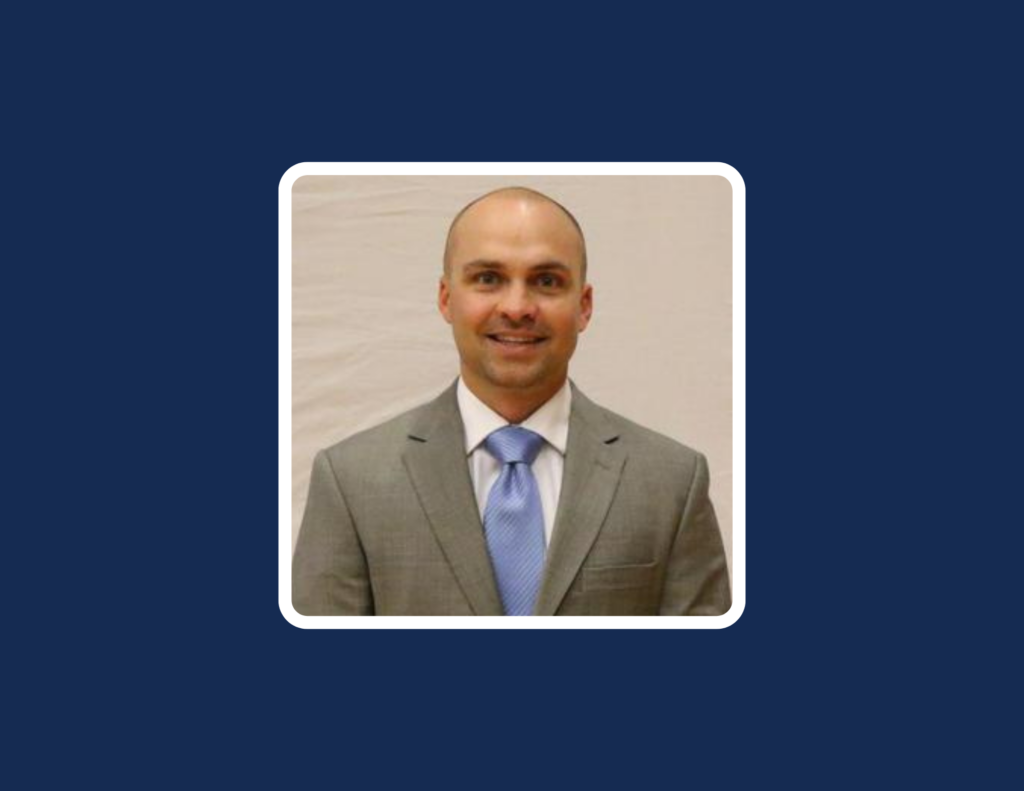
Austin Newton is the Men’s Basketball Head Coach at Berea College in Kentucky. In his first season at the helm, Newton was the named the Collegiate Conference of The South “Coach of the Year” in the inaugural season of the league. The Mountaineers won the most games (15) since 2016-17, tied for second in the league (7-5), and hosted their first ever post-season since joining Division III.
Prior to Berea College, Austin served as the Head Coach at Madison Southern High School in Berea. Before taking the reigns at Madison Southern, Newton spent many years at Eastern Kentucky University as a coach and administrator. From 2015-2018 he was the Assistant Athletic Director of Development & oversaw the fundraising efforts of the Colonel Club & EKU Athletics.
Newton served as the Basketball Director of Operations at EKU from 2008-10 before being promoted to a full-time assistant coach for the Colonels from 2010-15. Before his coaching stint at his alma mater, he spent two years at the University of Massachusetts (2005-07) under the tutelage of his college coach Travis Ford in the role of Video Coordinator.
Newton played collegiate basketball for four years at Eastern Kentucky (2001-05). He was a senior captain on the 2004-05 squad that earned a spot in the 2005 NCAA Tournament to play the Kentucky Wildcats in the first round.
If you’re looking to improve your coaching please consider joining the Hoop Heads Mentorship Program. We believe that having a mentor is the best way to maximize your potential and become a transformational coach. By matching you up with one of our experienced mentors you’ll develop a one on one relationship that will help your coaching, your team, your program, and your mindset. The Hoop Heads Mentorship Program delivers mentoring services to basketball coaches at all levels through our team of experienced Head Coaches. Find out more at hoopheadspod.com or shoot me an email directly [email protected]
Be sure to follow us on Twitter and Instagram @hoopheadspod for the latest updates on episodes, guests, and events from the Hoop Heads Pod.
Grab your notebook before you listen to this episode with Austin Newton, Men’s Basketball Head Coach at Berea College in the state of Kentucky.
What We Discuss with Austin Newton
- Growing up in Kentucky as a fan of the Wildcats
- How missing two critical free throws as a high school freshman drove him to become a better player
- Being a walk-on for Travis Ford at Eastern Kentucky University
- “It’s really hard for a college kid that wants to play to make that adjustment, to be that teammate and to be that leader when you’re not on the court.”
- Working for Travis Ford at UMass as the video coordinator for his first coaching job
- Leaving the job at UMass to return home and work at his Dad’s Lee’s Famous Recipe Fried Chicken restaurant
- Getting an opportunity to get back into coaching at Eastern Kentucky thanks to Josh Merkel
- Finding his voice and confidence as a coach
- “Make the big time where we’re at.”
- His time as an administrator raising money for EKU athletics
- Taking a high school head coaching job at Madison Southern High School to get back into the coaching profession
- “Create a belief that you can compete.”
- “I think that sense of pride and community support that you get at the high school level is unmatched at any level.”
- Taking the job at Berea College and the uniqueness of it being a no tuition work-study school
- Starting a jv program at Berea
- Ice and Trousers
- “We watch a ton of film. I think it’s the best way to learn.”
- “Once you hit that October 15th date, it’ll really come out who the leaders are and who the leaders have been over the summer and in the off season.”
- Season ending meetings with players
- “We try to make up with our lack of rebounding by taking care of the ball and forcing turnovers.”
- Joining the Heartland Conference
- “Division three basketball is a full student athlete experience.”
Like this show? Please leave us a review here — even one sentence helps! Consider including your Twitter handle so we can thank you personally!

We’re excited to partner with Dr. Dish, the world’s best shooting machine! Mention the Hoop Heads Podcast when you place your order and get $300 off a brand new state of the art Dr. Dish Shooting Machine!

Prepare like the pros with the all new FastDraw and FastScout. FastDraw has been the number one play diagramming software for coaches for years, and now with it’s integrated web platform, coaches have the ability to add video to plays and share them directly to their players Android and iPhones via their mobile app. Coaches can also create customized scouting reports, upload and send game and practice film straight to the mobile app. Your players and staff have never been as prepared for games as they will after using FastDraw & FastScout. You’ll see quickly why FastModel Sports has the most compelling and intuitive basketball software out there! In addition to a great product, they also provide basketball coaching content and resources through their blog and playbank, which features over 8,000 free plays and drills from their online coaching community. For access to these plays and more information, visit fastmodelsports.com or follow them on Twitter @FastModel. Use Promo code HHP15 to save 15%
Your first impression is everything when applying for a new coaching job. A professional coaching portfolio is the tool that highlights your coaching achievements and philosophies and, most of all, helps separate you and your abilities from the other applicants.
The key to landing a new coaching job is to demonstrate to the hiring committee your attention to detail, level of preparedness, and your professionalism. Not only does a coaching portfolio allow you to exhibit these qualities, it also allows you to present your personal philosophies on coaching, leadership, and program development in an organized manner.
The Coaching Portfolio Guide is an instructional, membership-based website that helps you develop a personalized portfolio. Each section of the portfolio guide provides detailed instructions on how to organize your portfolio in a professional manner. The guide also provides sample documents for each section of your portfolio that you can copy, modify, and add to your personal portfolio.
THANKS, AUSTIN NEWTON
If you enjoyed this episode with Austin Newton let him know by clicking on the link below and sending him a quick shoutout on Twitter:
Click here to thank Austin Newton on Twitter
Click here to let Mike & Jason know about your number one takeaway from this episode!
And if you want us to answer your questions on one of our upcoming weekly NBA episodes, drop us a line at [email protected].
TRANSCRIPT FOR AUSTIN NEWTON – BEREA COLLEGE MEN’S BASKETBALL HEAD COACH – EPISODE 812
[00:00:00] Mike Klinzing: Hello and welcome to the Hoop Heads Podcast. It’s Mike Klinzing here with my co-host Jason Sunkle tonight, and we are pleased to be joined by the head men’s basketball coach at Berea College in the state of Kentucky, Austin Newton. Austin. Welcome to the Hoop Heads Pod.
[00:00:14] Austin Newton: Appreciate you guys having me on. Been a long time listener of your show and just honored to spend some time with you guys here.
[00:00:23] Mike Klinzing: Well, appreciate those kind words. Always means a lot to us to know that there are people out there listening and we appreciate you being one of those listeners. Let’s start by going back in time to when you were a kid. Tell me a little bit about how you got into the game of basketball when you were younger.
[00:00:38] Austin Newton: So, grew up in central Kentucky and of course like any kid that grows up in the state of Kentucky, loved basketball at a young age. Grew up a die hard Kentucky Wildcat fan. So really started liking it when Rick Pitino became the coach there, UK I was probably six or seven years old. If you guys remember, Eddie Sutton was on his way out.
They were on probation season tickets were pretty cheap. So my dad had season tickets would take me to all the games and just fell in love with those teams that Pitino coached there in the early, early nineties and became eight up with, with basketball. It was my dream to play at uk. Ended up playing for a guy named Travis Ford who was on those teams at EKU.
Favorite player was Jamal Mashburn and like literally like would do anything to play for UK and. I was actually Rex Chapman one year for Halloween. Would write letters to the guys at UK and the lodge, hoping they’d come see me at my house, but just really fell in love with basketball by watching them.
And just developed a love and just still five foot eight not a very tall guy. So knew I had some challenges in that area, but my love and passion for the game kept me driven to compete at a high level.
[00:01:49] Mike Klinzing: What did the Rex Chapman costume look like?
[00:01:52] Austin Newton: Yeah, so he got cut under his chin one game, I think it was against Louisville.
He got cut under his chin, had to get stitches, and he wore this bandaid for a while. So had the UK uniform with the bandaid and tried to do a Rex Chapman. Cut. Nice.
[00:02:06] Mike Klinzing: Oh, he had hair back then. Yeah, there you go. He probably, yeah, he definitely, he definitely had hair back in the day. Rex Chapman, I always say that I would’ve, I would’ve given my left arm to play one game with Rex Chapman’s athleticism, just to see what that would’ve felt like.
He was so good, so athletic, really good There was no question. He was fun. He was a fun guy to watch without a doubt, was a good guy to try to be.
Trying to get better as a player, and you obviously are infatuated with the game. You love the Wildcats, you’re trying to be the best player that you can become. What do you remember about just how you went about trying to become the best player you could be? Let’s say back when you were a high school player.
[00:02:51] Austin Newton: My dad was a huge influence on me as a basketball player. So when I was young, we had a small court down in our basement, had had two regulation size goals on it, but the ceiling was really low, but it gave me a chance to go down there and work on my ball handling and was just spent a lot of time in that basement.
And then when I got to high school, he actually he, he got me a full court in my backyard to play. So just spent a lot of time out there. Had an older brother that was four years older and had a lot of kids around the neighborhood that we would just, we’d just get out and play. And like I said, I was undersized and I knew that I had to fight and compete to play with the older guys.
And it’s probably the best way that I learned was just playing against older competition and just didn’t have AAU back then. Not until my junior or senior year of high school did AAU really. Come on the scene, but just loved it so much, was always shooting watched Hoosiers movie, like just matched with the, with the game of basketball and just couldn’t go a day without it.
[00:03:50] Mike Klinzing: What’s your favorite memory of being a high school player?
[00:03:54] Austin Newton: Favorite memory as a high school player? It’s probably not the best memory, but it taught me the most about myself as a player and as a, a life lesson was my freshman year in high school. We made it to the regional championship against the it was the biggest school in the state of Kentucky against North Harden.
And of course I played at a very small school, graduated with 80 kids. But long story short regional championship game, my high school hadn’t been to the state tournament. Of course you guys know in Kentucky we don’t have a class system. It’s basically little guys playing the big guys. But anyway we’re playing in regional championship and North Hardin’s holding for the last shot.
I got thrown in there as a freshman. Senior heavy team, 10 or 11 guys holding for the last shot. And they miss it. And the ball comes back to me about the free throw line. And I, I wrap my arms around the ball and like, Hey, we’re going to overtime. And one of their guys comes up from behind me and tries to smack it away, and he fouls me with no time left on the clock.
So here I go to the free throw line with zero seconds on the clock to send my team to the state tournament. And felt great about the first one that, and that sucker rimmed in and out. And then I got a little nervous on the second one and short armed it. And then we ended up losing the game in triple overtime.
Woo. So while you, while you asked me about what my best memory was, it wasn’t my best, but it was probably the most meaningful memory was because when I missed those free throws, I knew that I’d let a lot of people down didn’t go to school for a few days and various, but somehow picked myself up and became a top five free throw shooter in the state the next season.
And it just really, Created this inner drive within me to prove people wrong and really set me on fire to be the best player that I could be.
[00:05:36] Mike Klinzing: It’s funny how I think when I think about memories that a lot of times it’s, it’s a loss or it’s something that didn’t go well that you, that you remember.
In fact, it’s funny. So I’ll just share this story. This is one Jason, I’ll keep him awake over there. I’ve never shared, I’ve never shared this story on the podcast. So I was sitting yesterday coming home. I was driving actually with my with my daughter and my wife. We were coming back from one of my daughter’s soccer games and we were picking up pizza and we, we stopped in at like this strip mall where there was a pizza place and that didn’t exist.
And I live in a town where I grew up and this particular pizza place didn’t exist, but it was on this road where again, it’s like the main road through town and. I remember I was sitting there and my wife went in to pick up the pizza and I was sitting there like, man, I go, I remember what used to be here when I was in high school.
And I remember one time that I had this game against, or interestingly enough, it was against Berea, but not Berea College, Berea high school here in the state of Ohio. And it was when I was a sophomore and I had two points, I think it was my worst game of the season. And I remember it was snowing and I was so mad that I walked home from the high school and it wasn’t super far, but it’s probably a good mile and a half from the high school to my house.
And I remember walking home after the game and I walked like where this pizza place used to be or where this pizza place is now. I walked like basically through that area, like behind. Cause there was a lot less development at the time and just, that’s a memory that sticks with me. Like I probably don’t remember much of anything about that season in terms of like wins or big games I had. But it’s like those things that where you fell short of what your expectations were, that that drive you. And that’s something that, again, I was just thinking about it yesterday. It was kind of interesting. So yeah, I think those memories that where we don’t maybe live up to our own expectations, where those are things that we remember most vividly and then they drive us moving forward.
[00:07:37] Austin Newton: Exactly. As bad as it was at the time. Like if I make one of those free throws and we go to the state tournament and I’m the hero, like my life could have turned out a lot differently. So thankful looking back 25 years ago now time it was, it was really, really bad.
[00:07:53] Mike Klinzing: Yeah, I can imagine that’s a tough one to, it was certainly a tough one to show up for school the next day.
Let’s put it that way.
[00:08:00] Austin Newton: Yeah, we had 10 or 11 seniors that were just really great leaders and just great guys and just really. Disappointed that I let them down was the, was the biggest part of it. But hopefully we’ve all moved on.
[00:08:16] Mike Klinzing: Hopefully. All right. Talk a little bit about your college decision and where you were in terms of why you decided to attend Eastern Kentucky and just what were some of the opportunities that you had as player.
[00:08:32] Austin Newton: Undersized guard, very good ball handler. Could shoot it. Good high school player. Not the greatest high school player. Probably wasn’t a division one player. Getting a lot of interest. Division three, division two was also a really good golfer in high school and baseball player, so basketball looking back was probably my third best sport.
But just really loved it more than the other sports. So decided that I wanted to play college. And Travis Ford, who I spoke about earlier, played at University of Kentucky is now at St. Louis. He was coaching there at a local college, Campbellsville University there in my hometown. And so him being about five foot eight, me being about five foot eight, I think he had a special place in his heart for small guards and he was recruiting me to come to Campbellsville, which is an NAIA school there. And so my senior year of high school is when he got the job at Eastern Kentucky University. And when he got the job, just stayed in contact with him and, and gave me the opportunity to walk on there at EKU, which I couldn’t pass up.
It was a dream of mine to play at the highest level. And again, I probably wasn’t a division one player, but couldn’t pass that opportunity up to go to E K U.
[00:09:44] Mike Klinzing: What was your experience like in that first year, that first month as a walk-on player? Cause I know that, again, from talking to guys that have played division one basketball at different schools and different places, that depending upon the program, an experience for a walk-on can be completely different.
I’m guessing that yours was a pretty positive considering that your career moved along. But just talk a little about how that experience went for you as a walk-on in that first year, that the first semester.
[00:10:16] Austin Newton: So got to EKU in 2001 and EKU at that time was literally, I don’t know how many division one schools there are now in the country, but literally last RPI wise, like worst team in the, in the country.
So not coming into a great situation. And Travis Ford was his second year there trying to rebuild the program and actually came in my freshman year. And started about 11 games as a walkon. And so it’s funny, I tell my team this at Berea all the time we were so bad that on the day of games, like at shoot around, we would literally, we would play five on five at shoot around to see who got the start that night.
And I prided myself on playing really hard and I was like, Hey, you going to gimme a chance to start tonight? I’m going to go out there and try to win this game. So got to play a lot. My freshman year got to start against Louisville and Rick Pitino at Freedom Hall and played like 36 minutes.
So really was living a dream. Even though we just weren’t winning. I think we won seven games that year. Then my sophomore year we got a really good point guard in from Tip City, Ohio named Matt Witt. Was all time leading scorer there at E K U for a while. So when he showed up, it was great for our team.
Not great for my playing time. So that year really was tough on me not playing for the first time in my life and had some doubts about do I want to keep doing this and what’s my plan? And then I think it was that year I really felt like that I wanted to become a coach. And so I just took every opportunity at practice and in games to just soak up as much as I could to learn about coaching.
And then my junior season, we turned the corner as a team and I think we had a 500 record, which was like when the NBA finals for us at E K U during that time. Then my senior year had a special season. They picked me as one of the captains of the team, even though I didn’t play at all.
I guess they thought enough of my leadership to, to make me a captain. And we won 23 games that year. Went to the NCAA tournament and got to play Kentucky of all teams. In the NCAA tournament and played them, played them really tough. It was a tie game with about five minutes left. And met my wife there at E K U.
We got two kids now. So looking back it was a pretty good decision to walk on there and go to NCAA tournament, meet my wife.
[00:12:34] Mike Klinzing: All right. So how did you shift your mentality? You go from a guy who plays a lot as a freshman, obviously your team isn’t having tremendous amount of success, but you’re still out on the floor, you’re playing, and clearly as a player, you were in a state tournament game as a freshman in high school, so clearly you playing a lot as a high school player.
So to go from a guy who’s playing a lot and being out on the floor and, and being an important member of the team as a point guard, to suddenly to go from that to. All right. Now I’m not playing. How did you shift your mentality and how did you remain a positive force, which obviously you did since you were named a captain, as you mentioned as a senior.
How did you do that? How did you change your mentality to accept sort of what your role was and continue to move forward in a positive way? Cause it would be really easy for somebody to be like, oh man, I be a little bit bitter, or think about, Hey, maybe I should go somewhere else so I can play more. Just how’d you handle that?
[00:13:34] Austin Newton: It was really tough and something that I use when I talk with my players here at Berea and every coaching style that I’ve been, and basically I tell them the same thing. Like went from playing a lot to not playing and was probably the hardest year of sports in my life. And it wasn’t like a overnight.
Changed my mindset, like I’m okay with not playing. It was like, hey, I’m still competing to play. But I also know that I have value as a leader. I have value on the scout team. So we’ll talk about that a little bit later on. When I was an assistant EKU, I was on the scout team basically my sophomore year of college up.
I’m still playing on the scout team. Actually my son’s middle name scout because I’ve been on the scout team for so long. Nice, nice, nice. Kind of took on that scout team role of just giving those guys great looks. Really enjoyed my teammates. Still best friends with a lot of them. We still talk a lot, so I think after I finally realized like, Hey, I still want to compete and I still want to try to play, but I know I’m not better than these other guys.
So I’m just going to try to, again, I want to be a coach. I’m going to soak up as much as I can, but I’m also going to try to help our team at E K U turn the corner and be relevant again and get to that NCAA tournament. So took a while, but finally made that that shift happen.
[00:14:51] Mike Klinzing: What are some things that you did as a teammate that when you talk to your players today and you’re having conversations with guys who maybe aren’t playing as much as they want to, and not that you necessarily say, Hey, well, back in my day, this is what I did, but just lessons that you learned that you can pass on to guys who maybe aren’t getting the kind of minutes they, they would like to show them how they can impact their team even though they’re maybe not playing the minutes that they want to
[00:15:16] Austin Newton: Yeah, I think everything matters as far as maybe going to rebound for the best player when he is shooting at warmups.
Like it’s. Sometimes you’ll see a walk-on like myself out there trying to get threes up before the game. Like, Hey, if you know that you’re not going to play, like, why don’t you be a great teammate and go down there and rebound for this guy that’s really going to help us win this game. It’s a very, it’s a very hard shift to make mentality wise.
But just being positive, talking to him when they come to the bench talking to them before the game, making sure they’re focused. Like, I know that all sounds cliche and like something simple that should be done, but it’s really hard for a college kid that wants to play to make that adjustment, to be that teammate and
[00:16:01] Mike Klinzing: Yeah, I give you a lot of credit for doing that because I know it’s not easy. And I had one year in my career as a player when I was a freshman in college where I didn’t play. And it was a tough year. I mean, it was a tough, tough year to go and. Compete at my hardest every day in practice and know that even if I played really, really well in a given week or a given practice or a given game that I was probably going to get maybe maximum six or eight minutes at the most, and more likely I was going to get nothing.
And that’s tough. I mean, that was tough for me to sort of make that adjustment. And I can’t imagine trying to make it where it was more of a, Hey, this looks like the writing on the wall, that this is kind of a permanent thing and it’s good. I’m sure for you that you started to shift your focus, as you said, to thinking about coaching and starting to look at things more from a coaching perspective as opposed to a playing perspective.
When you finally graduated, what was the idea? Were you immediately thinking, Hey, I have to go out and start looking for coaching jobs? Were you in any way, shape or form thinking about getting a real job? Or were you completely sold on coaching and then what did that coaching search look like?
[00:17:14] Austin Newton: I was not completely sold on coaching.
Again, I had a pretty serious girlfriend who’s now my wife, and was just going to graduate and start looking for jobs and knew that coaching was kind of on the back burner. If something popped up that made sense, I would definitely do it. So actually needed a summer class to graduate and during the summer while I was in classes my coach, Travis Ford, he had just got the job at UMass because we had such a good year there at E K U, went to the NCAA tournament got the job at UMass and called me during that summer and said hey, we got a video coordinator job open for you.
Would love to have you obviously take some time to think about it. And I did have to take a lot of time cause I didn’t want to leave my wife. And of course, moving from Kentucky to Massachusetts was something was a little scary for this southern boy. But finally just did enough research on it and just thought it was a great opportunity for a first job right out of college that not a lot of other guys would get a chance at.
Did your wife come with you? She did not. So she was a teacher for a while and she had some student teaching to do. So spent two years there and she told me it was time to time to move back, which I did. And so moved back, got married, and got back down south.
[00:18:32] Mike Klinzing: What was the learning curve like in the video room?
[00:18:36] Austin Newton: Yeah, it was a lot. So this was back when VHS tapes were still going on. So I mean, just me like, and I was just clueless on how much time coaches spent breaking down, fem doing scout reports up all night. And then of course it’s my job to splice all that together, so I’m just, I’m up all night just working, working a lot of hours exhausted.
So it was a tough job. I wish we had synergy and all the technology that we have now, but we just didn’t. But learned a lot, not only about. You know, scouting reports and video, but just getting to watch so many good teams, like in the Atlantic 10 conference, like offense, defense just learned so much about basketball during those two years.
Just watching it over and over and over, preparing for our opponents. So definitely a great first job in a big time basketball conference to kind of kind of get my feet wet.
[00:19:31] Mike Klinzing: Did you start putting together things that you liked? Were you starting to anticipate, hey, these are things that I need to kind of commit to memory?
Or just what was your process for growing while you’re doing that? Or were you just so enmeshed in the job that it was like, Hey, I just have to get this together for the coaching staff?
[00:19:46] Austin Newton: So, to be honest, coach Ford was all I knew cause I played for him and then worked for him. Yeah. So I really hadn’t been under any other coaches to learn any other system.
So I knew all his stuff, his philosophy, offense, defense so it was good for me to see other teams, but it wasn’t really until I got to E K U with Jeff Neubauer, where I learned basically a totally different philosophy, different culture which really helped me as a coach. But definitely taking notes on actions that I liked from other teams.
But was really set in the thinking that, hey, if I were to get a head coaching job here soon, like I would basically take the Travis Ford philosophy plays, offense, defense, all that with me.
[00:20:30] Mike Klinzing: So after you had that experience at UMass with Coach Ford, and then you get the opportunity to go back home, you reunite with your future wife and you’re back at your alma mater.
What do you remember about that interview process? Because clearly, I’m assuming that you didn’t have a relationship with Coach Neubauer prior to that. So just what was that interview process like?
[00:20:52] Austin Newton: I did actually meet Coach Neubauer there before I took off to UMass and spent some time with him talking about the guys that were returning on the team there for his first year.
And it’s a funny story. I didn’t start working there until about a year and a half after I got back from UMass. My dad owns a, it’s called Lee’s famous recipe. It’s a fried chicken place. Yeah, I know that. Yeah. Yeah. He’s owned for 40 years and it’s down in Danville, Kentucky.
And so when I moved back I didn’t have a job. Like I came back, I just quit my job at UMass to come home and get married and try to find something else. Worked for Edward Jones for like six months. Then started frying chicken, never worked for my dad before my life. And a guy named Josh Merkel, who I’m sure everybody know is at Randolph Macon, he was actually an assistant there at E K U. And I had a pretty good relationship with Merck throughout the years. And so I’m actually, I’m frying chicken down at Lee’s famous recipe. I’ve got my hand down in flour, like getting ready to put the next batch of chicken in and, and Merk’s calling me.
And he’s basically saying that they had an operations position open there at eku. And so I couldn’t get my apron off fast enough to tell him, Hey, I’d love a chance at that job. So anyway Merck called and went and met with him and started there the next couple weeks.
And my first three years there I spent in operations. So basically doing all the things that a dobo does from meals to Travel to the laundry, all that good stuff. And then spent five years there as a full-time recruiting assistant.
[00:22:33] Mike Klinzing: What was it like going from, cause obviously as the video coordinator, you’re not on the floor, and then as the ops guy, you’re not on the floor.
When you finally got an opportunity to get out on the floor and actually coach, what did that feel like? And just, I’m sure that that’s obviously something that you had wanted to do, but clearly it’s a different animal altogether. In terms of sort of the things that, as you described, what you were doing before.
So what was it like for you, just going from, again, being sort of in the back room to being out on the floor with the guys?
[00:23:07] Austin Newton: It’s a tough transition, to be honest. I’m a quiet guy by nature. And so to jump on that court and Coach Neubauer he would actually send me an email every morning saying, Hey new, you’re going to have the best practice you’ve ever had vocally at E K U today.
And he pop me up every morning because he knew I was quiet. He knew I struggled speaking up and of course didn’t want to say anything out of line, but like finally learned over time how to, how to project my voice and how to throw myself in the mix and get in there. And of course, being on Scout team there helped me with that.
But for a Quiet Guy really had a lot of help and guidance from Coach Newbauer to say, Hey, you really know what you’re talking about. Jump in there and coach these guys up.
[00:23:54] Mike Klinzing: How Long was it before you felt the confidence to really do that? Were, was it sometime during that first season?
Did it take less than that? Longer than that, where you really felt like you found your voice?
[00:24:03] Austin Newton: After you break the ice and you, you throw yourself in the mix. I would say toward the end of that first season, I finally felt confident. Of course presenting scouting reports and watching film with the guys, and it’s your show and you got the laptop in your hand, you got the laser pointer, and you’re showing actions like it’s nervous, especially at that level.
Like it’s a serious business. So as scary as it was, it helped me to learn to, again, just I know what I’m talking about, to be confident in my approach and just really learned a lot about myself in that year.
[00:24:39] Mike Klinzing: Yeah, I think that’s the big thing. When you start talking about the higher levels you go up, it’s really about can you help the players get better, right?
Guys start to trust you and believe in you when they know that you know your stuff. And I’ve talked to so many coaches that have talked about that, hey, if you have, not the confidence, but the competence to know what you’re doing, to be able to help players get better, that. Guys are going to buy into who you are as a coach, that they know you care about them and they know you want to get them better, and you have the tools to be able to do that.
I think that’s a big piece of being able to have success. When you think about your time as an assistant there at Eastern Kentucky, what are some things, one or two lessons that you took away from that experience, that have helped you as you’ve moved on your career and that you kind have applied to, to what you’re doing now at Berea?
[00:25:31] Austin Newton: Coach Neubauer, like everything mattered as far as the detail of how meals on the road were going to happen to. I remember he called me in early in my tenure there and he’s like, new, we want to make the big time where we’re at. We want Eastern Kentucky to seem like it’s Duke to our players. And so whether that was as small as putting a logo on an itinerary to give the guys, when we travel on the road to having Gatorade in the locker, like, just little things to make it feel like a big time program. The way we promoted ourselves. Social media wasn’t huge back then, but he really was big on promoting our brand and our culture, which is something that’s really helping us at Berea right now.
And then I would say just this, the guys I got to work with there at E K U during my time. You think, you talk about Josh Merkel, who’s at Randolph Macon won a D three National Championship Dale Wellman Nebraska Wesleyan won a D three National Championship. Ted Hotaling who’s now at New Haven guy named Erick Sullivan, who’s at Lenore Ryan.
Richie Riley one of my best friends in the world’s at South Alabama. He’s got an assistant named Rodney Crawford who spent some time there with me, a guy named Luke Rege, who’s at a JUCO mineral area at junior college. So just you think about all the guys that were there at the same time, just to be able to learn from all those guys.
About how coaching works, recruiting the, the experiences and the lessons I learned from all those guys are just invaluable.
[00:27:04] Mike Klinzing: At one point there, you transitioned from coaching to the administrative side. Talk about that change and why it came to be.
[00:27:12] Austin Newton: Yeah. So toward the end of my time there as an assistant, we had three of the best seasons in E K U history, won a lot of games made another NCAA tournament in 2014 and played Kansas.
And played them really tough. I actually had the scouting report, which is probably my coolest memory from being on staff. So getting to set in that first seat against Wiggins and Embiid and those guys, and that first round game was pretty surreal. But Coach Newbauer got the opportunity to go to Fordham University up in the Bronx, New York.
And so when I moved home from UMass and got married, I made a promise to my wife and to my family that. I don’t want to be one of those coaches that moves my family across the country chasing jobs, and it’s just a commitment that I’d made to them and I wanted to stand by it. So coach Neubauer did give me the opportunity to go up there and to be an assistant with him at Fordham.
And something that I thought about, but just couldn’t get the wifey to go from Berea to the Bronx. And so EKU ended up getting a, getting a new coach in. And so I was trying to I was trying to stick around and stay on staff and just wasn’t, wasn’t able to. And it’s college basketball as a business and new coach wanted to bring his own assistants, which I totally understand.
And when actually talked with the president of E K U at that time, just told him love this university and really want to continue to help in any way that I can. And Got a position as a fundraiser for athletics. And so did that for about two and a half years, and was a great job.
Like, really liked what I did. Got to meet a lot of E K U alums, did a lot of great things raising money for E K U athletics. But after that two and a half years, just really missed coaching, missed being a part of a team more than anything. And so I had to find my way back in.
[00:29:06] Mike Klinzing: All right. So you then at that point, leave the college ranks and go back to high school.
So what was that decision making process like? And then what was the adjustment in terms of just your approach and how you felt about coaching high school players versus coaching at the college level?
[00:29:27] Austin Newton: Yeah, so went and coached at Madison Southern High School, which is actually here in Berea, Kentucky, literally right across the street from where I’m coaching at now.
Berea College. My wife actually went to school at Madison Southern. She’s an alum and so had followed the program for many years, knew a lot about it, knew the old coach really well. And so when he left just thought it was a good opportunity for me to get back into coaching and to be a head coach for the first time in my life.
And when I got down there, it was it was kind of eye opening because of course coming from division one I’m going in early trying to do all these work workouts and individual instruction. Like, these guys can’t even put weights on a barbell, you know what I mean? Like, I was like, hold on now. Like we just had to start from zero and really take our time In the process of trying to develop some sort of program,
[00:30:21] Mike Klinzing: What was the key to the success when you eventually sort of unlocked it. What did you have to do in order to kind of connect with high school players and to, to build a good high school program that, I don’t know if it was different necessarily from college, but just what unlocked being a good high school coach for you?
[00:30:39] Austin Newton: Yes. So the high school that I was at, it’s in a very good basketball region in Kentucky, the 11th region. Really athletic, tough region. And so Madison Southern had never won a game in the regional tournament, which is school had been there for 33 years. So that was our goal. And so Southern had had a lot of good teams over the years, but the whole culture was kind of this culture of mediocrity, of just not believing that we could compete with these other schools.
So the biggest thing we had to do was like, create this belief that we can compete with these guys and we can beat them. And with that belief, you have to put the work in and the weight room, you have to put the work in on the court, and you have to have a system and a culture that allows you to do that.
But I think the biggest thing is that we just made guys believe that they were really good. We did that a few ways by pumping them up, talking to them, but also by trying to help them individually and just creating this sense of belief that we can compete and we can beat these teams.
[00:31:41] Mike Klinzing: Talk about the amount of time that you had to put in as a high school coach in order to get the program where you want it to go. Cause I think it’s one of the things that has really changed in the last 25 or 30 years in terms of the amount of time that a high school coach has to put in just to forget about being at the highest level, but just the baseline, the bar has been set now in terms of the amount of time that coaches have to put in much, much higher than it used to be.
So talk about just the time that you put in year round in order to get that program where you wanted it.
[00:32:13] Austin Newton: Freshman, JV program, a varsity program. You got a youth league. We had a youth league with over 400 kids in it, which I think is very important. And building a good high school team is having good young players coming up.
I actually, I don’t have a teaching degree. I was a public relations major, so didn’t have a teaching degree, but knew that I needed to be in the school in order to see my guys to try to create that culture that we wanted. I couldn’t just work a job during the day and just show up at practice and really build those relationships that I knew that I needed to in order for us to be successful.
So actually was a credit recovery teacher for a couple years. And then became the testing coordinator there for a year. I thought that it was that important for me to see my guys in the hallway every day and just check on their academics and, hey, this is the way that we do things and I’m here for you if you need me.
And so I think me being around that much really helped our culture. But like you said, even during the summertime, like we were playing 25, 30 games in June and it’s just, it’s a nonstop year round deal now in high school. And it’s just, it’s a lot.
[00:33:25] Mike Klinzing: I think there’s so many different rules across states that Kentucky’s one of those states where you guys still have unlimited access o your players in the off season.
[00:33:37] Austin Newton: Yeah,
[00:33:40] Mike Klinzing: So, I mean, to be able to look, there’s a lot of states of coaches that would love to have more access or have unlimited access, but the reality is when you have unlimited access, That means that you better be doing a lot of things.
Cause there are guys that are taking advantage of that unlimited access to do a whole lot with their guys. There’s no question about that.
[00:34:05] Austin Newton: I’m sure we had work to do. And so while you can’t make everything mandatory, when you say unlimited access, you can’t make everything mandatory. Right. For those guys that want to show up and get better, we wanted to be there for them.
We wanted to give them that opportunity to get better because the fact of the matter, we did have to improve and get much better in the weight room and on the court to compete with the teams that were in our region.
[00:34:28] Mike Klinzing: What was your favorite part about coaching at the high school level?
[00:34:33] Austin Newton: Our last year there at Southern, we beat our rival Madison Central, who’s got a great Hall of Fame coach Allen Fieldhouse. We beat them in the district championship, which has only been done three times now. And then we were able to win that game in the region tournament that had never been done.
So that was a very special moment just to see over the four years the work that we had put in and the culture that we had built for that to pay off and just to see the, the happiness on the kids’ faces and in the school and the community. They just really rallied behind our team.
I think that sense of pride and community support that you get at the high school level is unmatched at any level. It’s just a feeling that you can’t get at the college level.
[00:35:18] Mike Klinzing: How hard was it then to walk away when the Berea college job becomes open or becomes available to you?
[00:35:25] Austin Newton: It was really tough. Mainly we had everybody coming back off that team that we had some success with. So that was into play. Knew I’d put a lot of time and investment in trying to make that team really good, that program good. And then I even told the administration at Berea College, when I interviewed, I said, Hey, listen, I’ve lived here for 15 years and to be honest, I don’t know a lot about the job.
I don’t know a lot about the team. I don’t know when they play. I haven’t been to a game in probably 15 years, and I literally lived five minutes down the road. And so it was scary. But the more research that I did about the institution it just made sense for me to give it a shot.
[00:36:08] Mike Klinzing: All right. Let’s start here. For people like myself who aren’t familiar with the uniqueness of the institution there at Berea College, talk to me a little bit about. Just what makes Berea so unique, and then we can dive into more of the basketball side of it.
[00:36:26] Austin Newton: Berea College is one of a handful of schools. It’s a no tuition work study college
So basically every student that attends Berea College does not pay any tuition. And so with that comes some prerequisites in order to be admitted into the school. So you have to have really good grades and you have to come from a low income family in order to be admitted at Berea College.
I think it’s a land of opportunity. Again, like I said before, I lived here 15 years. I drove past the college every single day for the last 15 years and really had no clue, like the mission of the school. I mean, I always knew kind of like. I just thought of it a place where all people go to school for free there, but had no idea, like the mission of the college.
And the longer I’m here, the more I just, I’m in love with what this college does for students that wouldn’t have opportunity to go to college because of their financial situation. So really unique deal, especially now that we’re division three. So Berea College has had a basketball team since 1895.
I learned that a few weeks ago. So 128 years of basketball. Was NAIA for a long time. And then made the switch to division three back in 2017. And remember when they went division three, like thinking, man, you talk, you’re talking about a school where you can get in and not pay any tuition, but it’s division three.
I was like, wow, that may be like the only D three job in the country that’s like that. And so always been intrigued by that Division three Berea college deal. So that was another factor in play when I took the job. in the interview
[00:38:09] Mike Klinzing: In the interview process what question or questions did you have for the administration there that were important to you?
[00:38:19] Austin Newton: We have a beautiful facility. We’ve got two gyms. We’ve got 2000 seat chair back arena, like just a top-notch facility. And I’m just, I was thinking the whole time, like this is just too, I, I felt like it was a goldmine type of job in my opinion. And just wanted to really see how much they valued athletics around campus.
It is a very high academic grade school. You get a Berea college degree, you can get about any job you want, so it’s very high academic. So just wanted to make sure that administration athletically was board and trying to make our, our basketball team really good and relevant again. And everything that I heard from them is that they wanted to do that and we all got on the same page and they’ve stood by that and I think we’re well on our way to really getting this thing going again.
[00:39:08] Mike Klinzing: What was the biggest challenge in your first year?
[00:39:11] Austin Newton: I would say how busy our student athletes are. So I think I mentioned part of, part of being a Berea College student and going to school for free is you have to work a job on campus 10 hours a week, two hours per day. And so just trying to find that time to practice and it’s either go at 6:00 AM or last year we went about 7:00 PM every night just to try to get everybody there because the jobs are different times throughout the day.
So I think the biggest challenge was just how busy these guys are with school and studying and working the job and have to attend a convocation every Thursday where they have different speakers. So just navigating the schedules of the guys was the toughest part.
[00:39:57] Mike Klinzing: So you obviously inherit a roster of guys and you got the job.
Late last fall. And so I’m sure that, that trying to be able to recruit when you get the job in September not very easy to bring in a new set of guys to, to help contribute to, to this season. So this is kind of your first off season of recruiting and I’d have to imagine that as you’re recruiting guys, there’s an educational component in terms of you being able to, and having to explain to players and families what Bria College is all about.
And I’m sure there’s some local guys that are maybe familiar with it, but generally speaking, when you start going out on the recruiting trail, what’s that been like? What’s the pitch and then what kind of players are you targeting?
[00:40:46] Austin Newton: We only lost two guys off last year’s team, so I wasn’t really thinking that we needed a lot.
Somehow we’ve ended up with 12 guys coming to us next year, so. Okay. Well we are going to start us a, a JV program. And so I had heard a lot of bad stories about how hard it is to recruit here and I do think a lot of those are true, but I also think the opposite of we’ve got something that no other division three school can really offer, which is a full ride.
And so that’s a good selling point. I’ve just have to be very proactive in the guys that we’re recruiting as far as doing some research on them before I go watch them play. So it does mean no good to go to AAU event, just pull up, set up shop and be like, Hey, I like that guy and I like this guy because his parents may be lawyers and no way he can get into school here.
So, got a lot to do. I have to do a lot of work on the front end, just making sure it’s the right fit academically and financially. So that’s just been the biggest part for me is trying to find those guys. And being from this area and knowing a lot of the high school coaches really helps because I can reach out and email, call those guys and say, Hey you know what we’re looking for at Berea College.
Do you have any guys that would fit what we’re looking for?
[00:42:01] Mike Klinzing: So off that initial list, then, once you have guys that you’ve identified or people have helped you to identify that would be a good fit, both in terms of their family situation, their academics. Talk about the evaluation process. How much do you value what you see in AAU versus high school?
Are there certain things that you’re looking for in each environment? How do you identify which of the guys that are on that initial list that you really want to target and, and bring onto your campus?
[00:42:35] Austin Newton: Yeah, we really value skill. We only had one guy over six four last year, so extremely small. So we do need some size and we got us some size coming in for next season.
So was really looking for some guys that can rebound and defend and score in the paint. But when I got the job, to be honest with you, I had like this high school coaching mentality of, Hey, let’s keep our numbers real low. Let’s don’t bring a bunch of guys in so we don’t have to deal with a lot of and in high school you have to deal with parents and playing time issues and all that.
And like, I literally didn’t deal with one issue the entire season. Like the group of guys that I inherited were a dream come true to coach. And so I kind of changed my recruiting philosophy of, hey, here’s a guy that’s a good player And if he has the ability to, to go through the admissions process and get admitted in the Berea College, and I can give him an opportunity to be part of our basketball family, he can go to school here for free.
Like, we’re going to take a chance on him. And so we’re not real picky about like we’re not taking him and we’re taking this guy. It’s, Hey, if you apply to Berea and you get accepted, then you’re a really good student. You come from a special situation, and if you want to be a part of our program, then we’re going to give you an opportunity.
Whether that’s on the JV team a manager, like I just want to help kids, especially if I can help somebody get a, a free education and be a part of something bigger than themselves. Like that’s what I’m really looking for.
[00:44:04] Mike Klinzing: Yeah. That’s awesome. I mean, again, when you start thinking about what you do as a coach, I mean, clearly there’s a one loss element and the basketball side of it, but being able to have that kind of huge impact, I think really speaks to what.
Coaching is all about. And you mentioned a couple times now about getting a JV program started. What’s that like? What’s the process like for, hey, we’re going to start a JV program. What hurdles do you have to go through in order to be able to get that done?
[00:44:34] Austin Newton: Great question. That’s what I’m learning right now.
I do have two part-time assistant coaches here. I think most division three schools not, not blessed with a bunch of full-time guys running around. So I got two assistants that are great, but they’re both high school teachers during the day. So I think it’s just going to have to be a, a cumulative effort of us taking on a JV program.
Going to have to probably have some tough conversations with some guys early in the year of. Hey you’re going to be strictly jv. We can’t have 30 guys on the bench for a varsity game, so to speak. So going to have to be some conversations and just making sure everybody’s on the same page about how we’re going about it.
I do think these eight extra days that has been given to us in Division three will really help kind of, not necessarily use it as a tryout, but for us to be able to evaluate all of our guys together in the gym. I think those eight days are really going to help us, but going to need to find several JV games.
And I just, I, I know back in the day, there’s a, a legendary coach here at Berea College named Roland all time winningest coach and they had a JV program his whole time and I just, I think it’s a great way for guys that that transition period when you come in as a freshman to still play college basketball to learn about our system.
I just think it’s a, it’s a great advantage moving forward to, to find some guys that are playing well and maybe pull them up to the varsity level.
[00:46:03] Mike Klinzing: How many guys you going to have in your gym during those eight days?
[00:46:07] Austin Newton: Well, thankfully we’ve got two gyms. I hope both, both gyms are open cause both of them might be running.
So that’s, I’m trying figure out gyms if we’re going to split times, but that’s something that I need to figure out here.
[00:46:20] Mike Klinzing: That’s funny. That is good stuff. What about the on-campus jobs? What are some things that some of your guys are doing for the job portion of the experience there at Berea?
[00:46:30] Austin Newton: Yeah, so they’re really all over the place.
We got a guy that actually works here in our arena. He comes in from six to eight in the morning and you’ll see him mopping the floors and he’ll be vacuuming my office when I come in in the morning. And how you doing coach? And got a guy that works over at the dining facility. Got guys that are RAs and, and dorms.
We got a guy that works over at the post office on campus. He’s always text me, coach, we got packaging you think new, good for so just pretty cool to see all the jobs. And again, that’s, people always say that scares recruits off when you start talking about the job, but our guys really do enjoy working their jobs.
They learn a lot from it, and they actually get paid a little bit to do it. It’s nice. A little less than minimum wage, but you’re still getting paid and you’re learning, learning life skills.
[00:47:19] Mike Klinzing: Yeah, it’s really good. I think you can see the value in that. And you can also see where it’s attractive. I mean, I, when I think about.
I’m sort of unique in the way that I grew up in I never, I never really had a job. I don’t know if it’s you, but did you have a job when you were a kid?
[00:47:33] Austin Newton: I did not, not until I worked at Lee’s, like I was telling you.
[00:47:36] Mike Klinzing: Yeah, there you go. See, I never had a job. I mean, I had a paper out when I was maybe like eight or nine.
And other than that, like I never worked at a fast food restaurant. I never, I never drove a delivery delivered pizza or, I mean, I just, I never had a regular job cause I was just, I was all basketball at the time. But yet I think like in today’s world, there’s so many kids, athletes and otherwise that, that have jobs that are kind of used to that way of doing things that I would think that that ability to have a job, obviously the free tuition that goes along with it clearly helps.
But I think there’s a lot of guys that, that probably appreciate the opportunity to have a job. And like you said, In their pocket. I’m sure that, that, again, there’s probably guys that maybe that turns off, but I would think that it would be a net positive really, when it comes down to it.
[00:48:24] Austin Newton: So they’re very grateful for everything that you do for them.
My first team meeting as the coach here, I was talking to them about myself and my philosophy. And then to end the meeting, I was like, guys, what do we need right now to be successful at Berea College? Like, give me something that I can do for us to be successful. And the room got real quiet and nobody would say anything.
Finally, one guy raises his hand. He is like, Coach can we get ice after open gym? And I was like, yeah, I can get you some ice. I was like, is there anything else that we need? And another guy raises it. He’s from London, England. He’s like, coach, can we get some trousers this year? He’s like, we’ve had travel suit jackets, but we haven’t had any travel pants for the last two or three years.
And I’m like, yeah, I got you Prince. Like I said, is there anything else, like other than ice and travel pants, like, Nope, we’re good coach. So just, just the mentality of the student that goes here, like just high level thinkers, very smart and appreciative of everything that you do for them. Which also translates well to the court.
I mean, you think about coaching guys that are very cerebral, that can remember plays and are hungry to prove people wrong. Like it’s just, it’s a very good combination to coach. Pants and
[00:49:45] Mike Klinzing: Ice, man. You have to figure out a way to incorporate that. Yeah, you have to get that on the t-shirt, man.
Pants and ice. Figure out, figure out to figure out some like hidden meaning for that, that somehow you can tie it, tie it into something. I kind of, I kind of like that. There’s some, there’s some good logos you can go with that man. There’s leather’s. A lot of things you can play off that. I kind of, I kind of, I kind of like it man.
When, when you come up with the, when you come up with the pants and ice t-shirt, I’m going to expect you to send me one. Yeah, that’s trousers. You have to say trousers. Trousers. There you go. That makes even better. I said from, used some trousers.
[00:50:16] Austin Newton: Said it two or three times and I couldn’t understand what he was saying. Like he’s saying pants coach.
[00:50:23] Mike Klinzing: That’s hilarious. That is funny. Talk to me a little bit about practice planning. What’s your process?
[00:50:35] Austin Newton: I take it from Jeff Neubauer, who was a master planner. When I was an assistant for Coach Neubauer, we would literally meet every day before practice for hours upon a time.
He had this circle table in his office. It looked like a chess table. It was the, the logo of our court was on this table. And he had little men that he would move around, like coach Newt, you’re going to be under this basket. And he would put five players over there. Like, he was very specific about how practice would go.
And so I’ve taken that concept and unfortunately don’t get my assistants since they’re working other jobs. But try to prepare as much as I can. Know, making out team if we’re going to play three on three, four on four, five on five, making sure I’m not wasting time in practice saying, you go here, you go here.
Like I’ve got my team set. Spend a lot of time at the beginning of practice, getting ourselves loose, working on skills, shooting. We’ll work depending on what type time of year we’re in we’ll do some defensive stuff and then obviously some scouting and some live action stuff toward the end.
[00:51:40] Mike Klinzing: How do you balance out how much you stop play versus how much you let things flow? And then talk to players as they come off on the side or maybe review it with them on film or, or talk to them again during a break. I know that’s one of the things that we talk to coaches that everybody’s trying to figure out that balance right.
Of, of how much do you, how much do you interject? What are you focusing on? So just what’s your philosophy in terms of coaching during the practice and, and stopping the flow?
[00:52:10] Austin Newton: Think it, it depends on how long you’ve been the coach somewhere. So this year is my first year and I literally officially got hired on October 3rd in our first practice.
You know, it was October 15th, so didn’t have a lot of time to really talk about because at the division three level, you, you can’t even talk hoops with them until exactly 15th. So it’s like October 15th we’re thrown into the fire. So this past season, I probably spent too much time talking. We spent a lot of time watching film.
I am a big believer in film. We probably watch too much. I had a guy on our team who’s probably my favorite player I’ve ever coached named Isaac Coddle. And after our first film session, he came up to me, he’s from Eastern Kentucky and he’s like, coach, we going to watch that much film every day. So I was just, to me it was just natural because that’s what I’ve always done.
Even at the high school level, we watch a ton of film. I think it’s the best way to learn. But you know, as I’m here longer and as the guys get used to who I am as a coach and our system, we won’t have to watch as much, but did spend more time than I wanted. This past season, teaching and watching film,
[00:53:16] Mike Klinzing: How do you balance out when you’re watching film between showing the players what they need to do?
In other words, looking at things they did wrong versus picking out things that they did well? Are you conscious of trying to have a good balance between those two, or are you just really trying to figure out what’s the best way for us to teach it?
[00:53:34] Austin Newton: Yeah, I’m huge on positivity not only with film, but just my coaching style and just always try to find the good, the positive.
So won’t watch a lot of negative clips if we had 30 clips we’re going to watch, I would say 27 or 28 of those are going to be really positive and the two negative are going to have to be really, really bad or just a teaching point of some sort. But just really big on showing guys things that they’re doing well.
I can also take positive clips and kind of focus on somebody else during the play of, Hey Trey men’s getting ready to make a great move right here, but look at what he’s doing in the corner as far as spotting up. Just making several points on one clip that are positive and maybe throw in a couple negatives, like, Hey, you should be here instead of here.
So definitely more positive than negative when it comes to film.
[00:54:24] Mike Klinzing: When are you watching it with the guys? Are you watching before practice? After practice, separate from practice? What’s the process?
[00:54:30] Austin Newton: We always watch it before practice. I just think it gives good guys time to come in, get dressed, and then focus in on, on what we did the day before and gives them an opportunity to kind of think about it as we go out there and stretch and get ready for practice.
Do like to call guys in individually to my office to watch clips, maybe see something individually, don’t want to show in front of the team, but can present it, present it to them in a way individually in my office that’ll resonate better with them instead of in front of the team.
[00:55:01] Mike Klinzing: Yeah, I think that sometimes that’s a balance, right?
To be able to have things that you feel like everybody can benefit, and then maybe there’s some things that you need to dial in with the individual player to be able to touch with them. Talk about building relationships with your guys. Obviously this was your first year, you’re inheriting a whole roster of players that you didn’t recruit, that you had really no previous relationship with.
So how do you build the kinds of relationships that I know are important to you so that you can coach those guys hard? And so you can have the type of, again, relationships that are going to be long term and not just about, Hey, how are we winning and losing on the court?
[00:55:42] Austin Newton: Like they’re gone home right now. They go for the summer and so there’s not a lot of time during the off season. Of course, me being a new coach didn’t have time anyway to, for them to really get to know me. So tried everything that I could spend every second of the day, texting, calling again, they’re really busy at Berea college, so there’s never just a great time for, Hey, you want to go to lunch and hang out for an hour or two.
It’s just, they’re so busy. So it took a lot of planning and. Of course, having a brand new team of guys that didn’t know me, brand new coach coming in it was, it was really me just trying to figure out ways to, to get to those guys, to let them know that I care about them, that I wanted basketball to be fun wanted them to come to practice and get away kind of from the stress of Berea College, of how hard it is from your job.
So just try to do things in practice before practice, after practice for them to have fun and enjoy themselves. Huge on family. I’ve got two kids of my own that always come to practice and show up and spend time with our players, have them over to the house have team dinners, but just as much as we can do to promote, Hey, we’re all in this together.
I know we don’t know each other very well, but like, I’m here for you. Want you to have a great experience. Just try to do a lot of that here in year one.
[00:57:03] Mike Klinzing: As you build those relationships and you’re in a practice setting, you’re on the road with guys, you’re, you’re really trying to develop that team chemistry.
You’re trying to build bonds between players. One of the things that becomes important is developing leaders on your team. It’s always said, right, that a player led team is better than a coach led team team. So when you think about the concept of leadership and trying to develop leaders on your team, what does that look like?
How do you go about trying to develop the leadership of whether it’s all your players or just trying to pull out a leader to the kind of steps to the forefront for you?
[00:57:38] Austin Newton: That’s his name. A little while ago, a guy named Isaac Coddle, who unfortunately graduated, but he is probably my most favorite player I’ve ever coached.
I’ve told him that I hope it’s no offense to any other guys that I’ve coached, but this guy literally. He’s, he’s married, he’s got a wife. He’s a fifth year guy, so he is married, he was teaching middle school math. He’s an education major. He’s about six four and I’m not going to call him any names, but he wasn’t in the best shape physically, like his body didn’t look great.
But just the ultimate teammate leader shot 40% from three, 90% from the free throw line would take two or three charges a game. Just unbelievable how hard he played. Let our conference and rebounding at six foot four. I mean, just. Unbelievable heart will and soul and he, he was just the ultimate leader and so we’re losing him.
But he was a huge help to me as I got the job just kind of talking me about different guys personalities of, Hey, we did this last year, but I think we should do this. Just, he’s going to be really hard to replace, but hopefully the guys that were on our team last year really learned from his example.
He just got a job as an assistant high school basketball coach. So that high school is getting ready to be impacted in a great way by Isaac Coddle. But he, in my book is one of the greatest leaders I’ve ever been around. And we need more guys to be like him.
[00:59:08] Mike Klinzing: How do you think you can get people to step into that role?
What are some things that, when you start looking at next year’s team, you think about the personnel you have coming back, what are some opportunities that maybe you. Or will create for your players to, to step into that leadership void that Isaac leaving has sort of left?
[00:59:28] Austin Newton: Yeah, I think at this level they get the opportunity a lot because we’re just not allowed to be in the gym with them.
So of course I’m not able to like go to a workout and say, Hey Bryce Riley, who’s a freshman, he’s really stepping up as a leader. I’m not able to see that. And so what Isaac was great about doing was just communicating like, Hey coach I know you can’t be there, but we’re playing open gym tonight at seven o’clock.
Just want to let you know, and yada, yada yada. And so just a guy that wants to take ownership of the team and, and, and basically be the coach when the head coach can’t be there. And so I think once you hit that October 15th date, that it’ll really come out of who the leaders are and who the leaders have been over the summer and in the off season.
Because those guys will step up when it’s time to step up when that practice
[01:00:16] Mike Klinzing: starts. How’d you handle the end of the season in terms of meeting with your guys and kind of talking about what the first season with you looked like and then what your expectations were for them heading into next season?
And talking about again, how the summer was going to go and, and what guys needed to be doing. Did you have team meeting, individual meetings? Just how’d you handle the end of the season this year?
[01:00:38] Austin Newton: We did have a couple team meetings, just kind of gave them the schedule for our summer camps and when we expected them to be back and all that stuff.
But also met individually with each guy and basically had a 30 minute meeting with each player on our team and, and talked about season and review. Talked about kind of some things they can work on during the summer, and then expectations for next season from looking at the stat sheet to looking at, Hey, your three point percentage was this.
I think it needs to be this. Just from, from threes to grades to life to how’s your mom? Just, just trying to recap the season and, and send them off. Feeling good about coming back to, to Berea College basketball, but also giving them some things during the summer specifically of you can improve in this area and it’s really going to help our team.
So it’s one thing to just give workouts and say, Hey, this is what you need to do. It’s another thing to say, Hey, you shot 28% from three last year. If you can get that number up to 35%, it really helps our team win. So just being specific with each guy, I think hopefully will help them during the summer.
[01:01:48] Mike Klinzing: Now did you get down to the point where you’re giving them individual drills and things that, hey, here’s something specific, this is what it should look like, or are you talking more in terms of, Hey, we need you to improve as a three point shooter. Go and figure out what you need to do in order to get that percentage where you need.
How specific are you diving down into what you want them doing on the floor in those meetings?
[01:02:11] Austin Newton: Yeah, so we, we really value shooting and we only shot 31% from three this year. And we still won 15. We were 15 and 11. And so, like my whole system offensively is, is built around making threes. And I’m just thinking to myself, if we can go 15 to 11 and, and be 31% from three, like, just imagine like when we start making shots, how good we could be.
Yeah. So to answer your question, we do a lot of shooting during practice, have a lot of different drills that are time that we have goals for. And so instead of giving them just made up shooting drills, I’ll basically say, Hey the hubes that we do, or the top of the key threes in one minute that we do like that would be really good for you to do every single day during the summer.
Just give them things that they already know that we do in practice. So it’s not some brand new drill, but can get very specific with each guy. I’ve, hey, this, this drill would be better for you than doing hubes for 30 seconds.
[01:03:07] Mike Klinzing: No, that makes a lot of sense. I think if they’re familiar with what you already do in practice, you can say, Hey, just double down on this particular drill, these particular things that you already know how to do.
That makes a lot more sense than showing them something that completely is brand new to them again. I think they’re going to benefit from that, and then obviously they come back and you’re designing your drills around what you do in games, so it makes a lot of sense to be able to give them something to go on that they’re already familiar with.
When you look ahead to next season and you think about where you are right now on June 1st and where you want to go, not just next year, but in the future, what do you see as being the biggest challenge or two that you are going to need to overcome in order to get where you to?
[01:04:01] Austin Newton: Biggest challenge would be post players. So when you think about I know at every level, I mean, even at division one, it’s hard to find good post players. And so last year, like I said, we only had one guy over six four. Just really struggled at times against bigger, stronger, more physical teams to rebound.
And it hurt us a lot of times. Now we do really put a value on taking care of the basketball. We were top 20 in the country and value in the ball. We like to pressure defensively and create turnovers. So we try to make up with our lack of rebounding by taking care of the ball and forcing turnovers.
But at some point I think the biggest challenge is, is to find that that post presence that can just dominate the paint. And so we do have a couple guys, 6, 5, 6, 6 coming in. But we think they could be really good in time. I love our guards. We got all of our guards back pretty much other than Isaac Coddle, who I’ve talked about.
So really like our guards for next season. It’s just can we find us a, a post presence that can really battle with those bigs in our league? And I just from a facility standpoint, from a recruiting standpoint, budget standpoint, like I think I’ve got everything that I need as the head coach of Berea College to make this place really successful.
And so I’m excited about that. So I don’t see a lot of challenges. Like I do feel like we’ve got everything we need to be successful at this level.
[01:05:31] Mike Klinzing: And you mentioned to us before we jumped on that you got some news today that you guys are joining a new conference. So talk a little bit about that and how that impacts, I guess, the way you approach probably doesn’t impact the way you approach your team, but just how that’s going to impact the scheduling and just the things that are going to have an effect on the program.
[01:05:49] Austin Newton: Yeah, so found out today that we’re going to be joining the Heartland Conference not this coming season, but the following season in 2024, which is exciting. It’s a great basketball league geographically makes much more sense than the league we’re in now, which we, we do really enjoy the league that we’re in now and I’ve formed great relationships with the head coaches around the league, so it’s going to be hard to be in that league for two years and leave, but also think long term it makes more sense for us to be a member of the Heartland.
Transylvania, which is in Lexington, used to be a big rival of Berea back when they were both in a I school. So that’s a, that’s a game and a rivalry. We’re really looking forward to. Reuniting getting that game back. But I think the best, best part about it is just the travel is going to be so much better than the league we’re in now.
So league we’re in now the Collegiate conference of the South. It’s, I mean, we, we played Bell Haven, which is a 12 hour bus trip. Luckily we got the fly last year, but most of the schools we play is at least a six, seven hour drive. And so just makes it really tough, especially with how hard Berea is academically to miss class and to get back at two and three in the morning.
And I think being in this new leagues just going to be great from a basketball standpoint, but also academically and geographically.
[01:07:12] Mike Klinzing: Yeah, I think just the opportunity, as you said, and we talked about before the podcast, to, to cut down on travel and it makes a lot more sense, much easier on your student athletes and.
As we talked about before, the uniqueness of your institution and the academics and the, the work and, and all the things that go into it to, to be a great basketball program. I think it should be a good change for you guys there at, at bea. Alright, before we wrap up, I want to ask you one final question.
When you think about what you get to do every single day and being the head coach at Bria College and just going into your job and sitting in the office, what brings you the most joy about what you get to do each and every day?
[01:07:54] Austin Newton: I tell our athletic director all the time, like, I feel like I’ve got the best basketball job in America.
I mean, I’m probably not making the money that high major coaches are making, but like, you give a beautiful facility at a division three school that my players are very grateful and appreciative of everything that I do for them. You can go to school here for no tuition. Division three basketball is a full student athlete experience.
Right now, like I said, I’ve got two kids and this is no offense to anybody that’s out there grinding as a coach. But I just turned 40 years old and I’ve lived the grind of being a division one player. I’ve lived the grind of being a division one assistant. I’ve lived the grind of being a high school head coach, and so as bad as I hate not being able to be with my team during the summer, it’s also a great chance for me to refresh and be with my family and be a dad.
Coach my kids. My son’s playing a lot of golf, so I get to caddy for him. So just being able to do those things, but also be a, a college head basketball coach. Like, it just, it almost seems too good to be true when I wake up in the morning. So I don’t know if I said that very well, but just very happy with my job and the college that I’m at and the, the mission of the school and the guys I get to coach
[01:09:10] Mike Klinzing: That’s well said. I mean, I think you start talking about being able to have that balance and being able to spend time with your family to be able to coach at an institution that you love and be able to coach guys that you care about and you see on the horizon that. The ability to win where you are. To me, all those things are, are critically important and, and the fact that all that resonates with you, I think is well said.
So let’s, before we get out, I want to give you a chance to share how people can connect with you, whether you want to share email, social media, website, whatever you feel comfortable with. And then after you do that, I’ll jump back in and wrap things up.
[01:09:52] Austin Newton: Sure. So my email address is [email protected]. So you can obviously email me anytime you want.
I am on all social media platforms, probably too much spend a lot of time on there. But my Twitter is @AustinNewton, all one word. We do have a Berea College Twitter account as well for our men’s basketball team, which we try to put some good content out there and really promote our guys and our, our college.
Also on Instagram and Facebook. So find me on any of those and would love to talk with anybody about the great opportunity here at Berea College.
[01:10:34] Mike Klinzing: Austin, I cannot thank you enough for taking the time out of your schedule tonight to jump on and join us. Really appreciate it and everyone out there, thanks for listening and we will catch you on our next episode. Thanks.