
ROUND TABLE 93 – WHAT’S SOMETHING ABOUT WINNING THAT YOU UNDERSTAND DIFFERENTLY NOW THAN YOU DID WHEN YOU FIRST BECAME A COACH? – EPISODE 1299
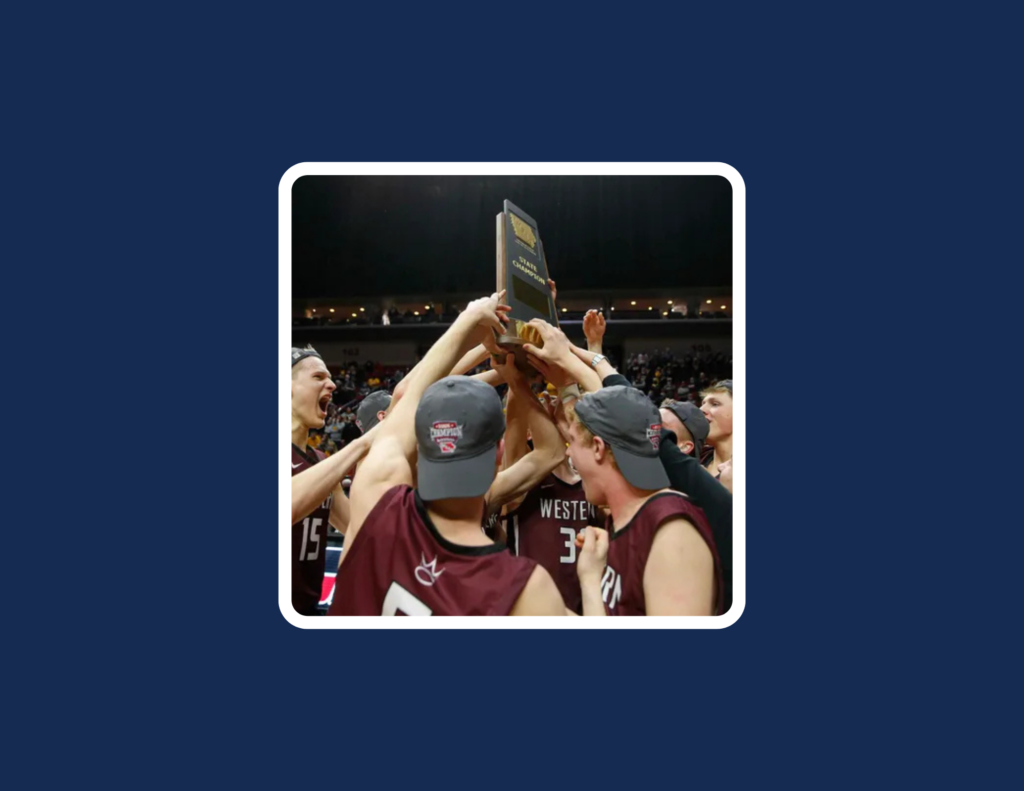

Welcome to the 93rd edition of the Coach’s Corner Round Table on the Hoop Heads Podcast. Each episode of the Coach’s Corner Round Table will feature our All-Star lineup of guests answering a single basketball question. A new Coach’s Corner Round Table will drop around the 15th of each month.
September’s Round Table question is: What’s something about winning that you understand differently now than you did when you first became a coach?
Our Coaching Lineup this month:
- Jerry Buckley – Bishop Kenny (FL) High School
- Erik Buehler – Arapahoe (CO) High School
- Chris DeLisio – Olmsted Falls (OH) High School
- Matt Elkin – Stanford University
- Stephen Halstead – Grace College
- Dave Hixon – Amherst College
- Mike Koehler – Elkhart Lake (WI) High School
- Bob Krizancic – Mentor (OH) High School
- Dell Leonard – Mountain Home (AR) High School
- Dan Miller – San Marcos (TX) High School
- Matt Rogers – Significant Coaching & Recruiting
- Don Showalter – USA Basketball
- John Shulman – University of Central Arkansas
Please enjoy this Round Table episode of the Hoop Heads Podcast and once you’re finished listening please give the show a five star rating and review after you subscribe on your favorite podcast app.
Be sure to follow us on twitter and Instagram @hoopheadspod for the latest updates on episodes, guests, and events from the Hoop Heads Pod.
If you listen to and love the Hoop Heads Podcast, please consider giving us a small tip that will help in our quest to become the #1 basketball coaching podcast.
THANKS COACHES!
If you enjoyed this episode let our coaches know by clicking on the links below and sending them a quick shout out on Twitter:
Click here to thank Jerry Buckley on Twitter!
Click here to thank Erik Buehler on Twitter!
Click here to thank Chris DeLisio on Twitter!
Click here to thank Matt Elkin on Twitter!
Click here to thank Stephen Halstead on Twitter!
Click here to thank Dave Hixon on Twitter!
Click here to thank Mike Koehler on Twitter!
Click here to thank Bob Krizancic on Twitter!
Click here to thank Dell Leonard on Twitter!
Click here to thank Dan Miller on Twitter!
Click here to thank Matt Rogers on Twitter!
Click here to thank Don Showalter on Twitter!
Click here to thank John Shulman on Twitter!
Like this show? Please leave us a review here — even one sentence helps! Consider including your Twitter handle so we can thank you personally!
And if you want us to answer your questions on one of our upcoming weekly NBA episodes, drop us a line at [email protected].

Give With Hoops is a groundbreaking initiative that fuses basketball analytics with modern sponsorship. Built for teams who see data as opportunity, from AAU programs to college powerhouses.
By tying on-court performance directly to community and sponsor engagement, Give With Hoops help programs raise more while deepening support from those who believe in the game.
Traditional fundraising disconnects donors from the action. Sell candy bars, wash cars, beg for donations, it’s exhausting and ineffective. Players perform better when their stats matter beyond the scoreboard. That’s why Give With Hoops was created.
Give With Hoops connects game performance to community support. Every basket, rebound, and assist becomes a chance to raise funds. Transparent, exciting, and proven to raise 3x more than traditional methods.

The D3 Recruiting Playbook is your step-by-step guide to getting recruited as a college athlete at the NCAA Division 3 level. This course is designed by former D3 Athletes to take you from zero interest from college coaches to securing your first offer and putting you on the path to committing.

Your first impression is everything when applying for a new coaching job. A professional coaching portfolio is the tool that highlights your coaching achievements and philosophies and, most of all, helps separate you and your abilities from the other applicants.
The key to landing a new coaching job is to demonstrate to the hiring committee your attention to detail, level of preparedness, and your professionalism. Not only does a coaching portfolio allow you to exhibit these qualities, it also allows you to present your personal philosophies on coaching, leadership, and program development in an organized manner.
The Coaching Portfolio Guide is an instructional, membership-based website that helps you develop a personalized portfolio. Each section of the portfolio guide provides detailed instructions on how to organize your portfolio in a professional manner. The guide also provides sample documents for each section of your portfolio that you can copy, modify, and add to your personal portfolio.
TRANSCRIPT FOR ROUND TABLE 93 – WHAT’S SOMETHING ABOUT WINNING THAT YOU UNDERSTAND DIFFERENTLY NOW THAN YOU DID WHEN YOU FIRST BECAME A COACH? – EPISODE 1299
[00:00:00] Narrator: The Hoop Heads Podcast is brought to you by Head Start Basketball.
[00:00:20] Mike Klinzing: welcome to the 93rd edition of the Coach’s Corner Round Table on the Hoop Heads Podcast. Each episode of the Coach’s Corner Round Table will feature our All-Star lineup of guests answering a single basketball question. A new Coach’s Corner Round Table will drop around the 15th of each month.
September’s Round Table question is: What’s something about winning that you understand differently now than you did when you first became a coach?
Our Coaching Lineup this month:
- Jerry Buckley – Bishop Kenny (FL) High School
- Erik Buehler – Arapahoe (CO) High School
- Chris DeLisio – Olmsted Falls (OH) High School
- Matt Elkin – Stanford University
- Stephen Halstead – Grace College
- Dave Hixon – Amherst College
- Mike Koehler – Elkhart Lake (WI) High School
- Bob Krizancic – Mentor (OH) High School
- Dell Leonard – Mountain Home (AR) High School
- Dan Miller – San Marcos (TX) High School
- Matt Rogers – Significant Coaching & Recruiting
- Don Showalter – USA Basketball
- John Shulman – University of Central Arkansas
Please enjoy this Round Table episode of the Hoop Heads Podcast and once you’re finished listening please give the show a five star rating and review after you subscribe on your favorite podcast app.
Be sure to follow us on twitter and Instagram @hoopheadspod for the latest updates on episodes, guests, and events from the Hoop Heads Pod.
[00:01:45] Matt Sayman: Hi, this is Matt Sayman, Head Boys Basketball Coach at Grapevine Faith Christian School in Texas, and you’re listening to the Hoop Heads podcast.
[00:01:53] Mike Klinzing: Ever since I founded Head Start Basketball in 1993, we’ve helped young players develop their skills, confidence, and love for the game. Now we’re partnering with coaches and athletic programs to bring the Head Start Basketball camp experience to new communities.
Our camps run for five days, three hours per day, and serve boys and girls in grades one through six. You or someone on your staff directs the on-court portion of the camp while Head Start Basketball manages registration, promotion, parent communication, T-shirts, trophies, website setup, and administration.
There are no upfront camp planning headaches, and the profits are divided 50/50 between your program and Head Start Basketball. If you want to reach more families or strengthen your youth basketball pipeline or just create additional revenue for your program, visit headstartbasketball.com to explore hosting a camp.
Let’s hear from our panel about what they understand differently about winning now than they did when they first became a coach.
[00:02:50] Matt Rogers: Jerry Buckley, Bishop Kenny High School, Jacksonville, Florida.
[00:02:56] Jerry Buckley: Hi, this is Jerry Buckley answering this month’s question. I think some of the biggest things, or maybe the biggest thing I learned about winning from p- becoming an assistant coach to eventually a head coach, is just how important it is to have so many different factors in alignment really behind the scenes than what takes place on the floor, all pulling in the same direction.
Whether it be fundraising facilities, your administration, putting your coaching staff together, the importance of your freshman JV teams on the high school level youth programs, developing those players as they come into your program, and then player communication and parental communication. How the– all those things are really pulling all in the same direction and can have a huge impact in what happens on the floor and ultimately getting to winning, which is what your goal is.
As a young coach as an assistant coach, maybe you don’t see all those things. You just see r- really what happens on the floor every day. But behind the scenes, knowing how important all those things are and how hard they can be to get in alignment, and how important that is to have the success you want to have.
[00:04:06] Mike Klinzing: Erik Buehler, Arapahoe High School, Centennial, Colorado.
[00:04:13] Erik Buehler: Hey, what’s up hoop heads? This is Erik Buehler coach at Arapahoe High School here in Colorado. And this month we were asked what’s something about winning that has changed since we started coaching or our perception or our view of winning?
I could probably list ten things here. Mostly because when I started coaching, I still had the very very locked in perspective of a player, and that winning is everything, and winning at all costs is a big deal, and that’s where our focus needs to be and the teams that I coached. And I quickly realized that it’s not necessarily about the destination of winning or the end game of winning.
It’s more about the journey along the way and pouring into individuals and watching them grow and finding enjoyment in those relationships and just the the change that you can have in a positive way in people’s lives. That’s probably the biggest one for me. And then I’ll add this one. Winning is extremely hard, and there’s a lot of detail that goes into it, and there’s a lot of development that takes years before you reap the w- rewards of having succe- success on the basketball court.
It’s hard, especially at the big school level when it comes to the game of basketball. And in all sports I know it’s very difficult to win at the, the varsity level. So didn’t realize that when I first started coaching. Have a much better idea now being around the game at the coaching level for about sixteen years.
So thanks for having me again, guys, and talk to you again soon. Bye.
[00:05:57] Mike Klinzing:Chris DeLisio, Olmsted Falls High School, Olmsted Falls, Ohio
[00:06:04] Chris DeLisio: Hey, Hoop Heads, it’s Chris Dalissio. Talking about winning and what we understand differently as a coach now than when you first became a coach, and boy, that’s a question that I think you could talk about for a long time, ’cause I think even as you get more into your career and you experience winning kinda how you view winning and whether it’s what it takes to win or how you feel about winning, I think definitely changes.
But what doesn’t change is winning is great, and it’s fun, and it’s fun for the kids, and that’s, essentially, I think, as a coach, what you also want. I think early in a career for a lot of coaches, the winning is, important to them for sure because you’re just really trying to prove to yourself that you can do that.
And once you do that, I think later on it becomes more about the kids and their enjoyment and… But don’t get me wrong, every coach just really enjoys winning, and it is fun, and it will always be that way. I think the process of winning is what you definitely understand more as a coach later in your career as far as what it takes and the minor details that have to be ironed out, and there’s such a fine line between winning and losing, and if you don’t take care of those fine details it’s just really hard to win because it is really hard to win.
Doesn’t matter how much talent you have, it’s just really hard to win ’cause coaches are good, players are good. So I think, there’s just so many aspects to that question, but I think you process winning differently, and I think you really prepare differently later in your career to make sure those details are where they need to be.
[00:07:38] Mike Klinzing: Matt Elkin, men’s basketball assistant coach at Stanford University
[00:07:47] Matt Elkin: Hey, Mike. Hope you had a great weekend. Here’s my answer to this week’s question. So one thing that I definitely understand more about winning is how much it impacts those around you now that you’re in a big-time program, for college particular how much the wins and losses impact those around you, whether it’s the other teams in the department how much success can bring collective success when you’re winning, but also if things are not going well, how that can translate into negativity or just bad impressions across the athletic department amongst other teams could create jealousy for different reasons wins and losses.
But, so yeah, just to think the ripples effect of wins and obviously, I think we all know the impact of winning and what that can do for university-like teams that made great runs in the tournament, things like that. But thinking about it with the Western Michigan-Michigan football game this past weekend and, what the ripples effect are for both teams, the, the ones that ended up winning and the ones that ended up losing, and how much impact the, that game in particular, that one game will have for the, not only those teams, but their fans and the administration and all the, the implications that they mean for their respective departments as a result of winning.
[00:09:09] Mike Klinzing: Stephen Halstead from Grace College
[00:09:14] Stephen Halstead: Hey, this is Stephen Halstead from Grace College tuning into the Hoop Heads roundtable number 93. Question this week is, what’s something about winning you understand differently now than you did when you first became a coach? And the first thing I immediately thought of is when I first started coaching, I thought the X’s and O’s and what you ran was the only thing that mattered, or at least the most important thing that mattered, that in terms of winning.
And I think the longer I’ve coached, the more I’ve realized that obviously that plays an important role, and the style has to fit the system that you’re doing, but I don’t think it is the most important thing. I think the culture that you’re building and the camaraderie with the group and the team is going to be such a key attribute that you have to continually try to strengthen each and every day.
So I would say that’s the biggest thing that I understand differently now than when I first became a coach.
[00:10:09] Mike Klinzing: Dave Hixon, Basketball Hall of Famer from Amherst College
[00:10:16] Dave Hixon: Hey, Hoop Heads. Dave Dixon here. Today’s question: something about winning that you understand differently now than when you first coached. And I would have to say one of the most important things that I learned, and I didn’t certainly know early was how to read a team and how to get a team ready, and I think they’re different things.
I think that very often I successfully got us ready for a game when we sh- we shouldn’t be too jacked up because we were too tense. And other times that they weren’t maybe ready to play. They didn’t have the edge that they needed to have, and I had to try to find a way to give them that edge to make them the best that they could be.
And so I think it’s a psychological battle. I think it’s something that as a as a coach, you have to look at it and decide. You can’t always do it 100%. You can’t always get everybody all psyched up and crazed to play the big game because they’re going to struggle with that sometimes.
And so I think that to be able to sometimes mellow ’em a little bit and slow ’em down a little bit don’t get ’em all riled up, calm the nerves a little bit. I used to tell a couple jokes, and we were very successful. We beat a couple great teams when we had to just relax guys a little bit by making ’em a little bit more mellow.
And then naturally, there are times when, we had to get teams ready, and sometimes I would fabricate an issue and get everybody all riled up so that we could go out and play well. Anyway, that’s what I got. Have a good day. Thanks, man. Bye.
[00:11:48] Mike Klinzing: Mike Koehler from Elkhart Lake High School in Elkhart Lake, Wisconsin
[00:11:55] Mike Koehler: This is Mike Koehler, Elkhart Lake High School in Wisconsin, with this month’s question, what’s something about winning that you understand differently now than when you did when you first became a coach?
For me, it’s the understanding that really at all levels of basketball, winning is hard. The other team has players. They practice. They’ve done other things to become good basketball players. The opponent is playing hard. The other team has coaches. Those coaches have a strategy that they’re trying to get their players to execute on, and at the end of this, only one team can in fact win.
So winning is really hard, and at the high school level particularly, not all teams in all years are equally positioned to experience winning. There are many variables, many outside the control of coaches and players, which can impact winning. Thus, I think the big picture lesson is that the focus should be on the process and not necessarily what a scoreboard says at the end of any particular game.
[00:13:08] Mike Klinzing: Bob Krizancic, Mentor High School, Mentor, Ohio
[00:13:15] Bob Krizancic: It’s Coach K, Mentor High School. Early in my career, we stressed and we concentrated on the outcome on winning or losing. And that was our major focus in practices preseason. As I got on in my coaching career, that changed drastically, and we now concentrate and stress the process.
Our philosophy, what we know we have to do in games, every single play, the execution, and the skill level that we need to put on the floor. Our players do understand that if we do all that and take care of business in practice and worry more about the process, the winning will take care of itself.
Have a great year. Thanks.
[00:14:05] Mike Klinzing: Dell Leonard, Mountain Home High School, Mountain Home, Arkansas
[00:14:12] Dell Leonard: When I first started coaching, it was, it was all about winning. Like You wanted to win every single game and I’m very competitive. I was very competitive. It was all about winning a lot of games, winning championships hanging banners, and I think obviously you still want to do that, but and I don’t think that part of me will ever change.
But after being in the business for 31 years I do look at winning differently now because the… I think the older I’ve gotten, the more I’ve realized that whether or not you win or lose is probably the smallest part of what winning in this profession is really about. And what I mean is that winning is seeing maybe a kid that struggles with something and then watching him or her learn how to fight through it.
It’s like watching a kid who maybe wanted to quit but didn’t. It’s seeing a kid learn how to handle failure or disappointment or adversity, and realizing that those are things that they’re going to need a whole lot longer than they’re going to need a jump shot. And probably the biggest thing for me now is seeing our former players and what kind of adults they have grown into and the success they’re having in their lives.
And when they come back years later or we run into them somewhere and, they got wives or husbands or, now they’re mothers or fathers, they’re teachers some of them are coaches. They’re just successful in whatever they’ve chosen to do. And sometimes they bring up something that, may have happened when they played for me or something I said or something our team went through and we’ll be honest, that’s…
half the time I don’t even remember those moments, but they do. And that’s when you realize this, this is always going to be about something bigger than just winning games. And don’t get me wrong we love the trophies and championships and love those successful years and those banners hanging in the gym.
But, And those will always be great memories. But eventually, all that stuff just collects dust and get old and nobody really remembers the scores of games as much as they remember those relationships and hopefully the impact that, that you had on those kids as a coach. And I believe those are the things that stay with us, I guess if you ask me what I understand about winning today that I didn’t understand when I first started coaching, I’d just say that winning isn’t just what your players accomplish, while they’re playing for you.
I think the, the greatest wins are who they become after they’re done playing for you.
[00:17:15] Mike Klinzing: Dan Miller, San Marcos High School in San Marcos, Texas
[00:17:22] Dan Miller: There are a lot of factors that go into winning basketball games. Attention to detail having a good game plan. Basketball always has the variable of shooting. If you don’t shoot it good, you’re not going to win. But strategy aside, one thing I really have learned is you have to have the players.
You can win games when you’re not supposed to. You can upset some teams with inferior talent. There’s no doubt about that. Make the season better than what it could be with some great coaching, attention to detail, and muster out a few more wins. But if you have bottom-end talent, the reality is it’s really hard to win.
And you have to make the best of that though for your team, especially if you’re coaching in high school, to make sure they have a great experience. When you’re blessed with great talent and then you do those things with attention to detail, sky’s the limit and you can really have a special season.
But winning is winning in life, not just winning basketball games. And that’s what I want to stress. And as I got older as a coach, winning in life on and off the court is true winning.
[00:18:30] Mike Klinzing: Matt Rogers from Significant Coaching and Recruiting
[00:18:35] Matt Rogers: Hi, this is Matt Rogers, former head men’s basketball coach at Maryville University in St. Louis and head women’s basketball coach at University of La Verne. I am excited to ask- answer this question this week because 25, 30 years ago, and winning was everything for me.
Because as a young coach, I really believed that wins and losses defined who I was as a coach and my ability as a coach. Now, I can look back 25, 30 years later, and I’m proud of the championships, and I’m proud of the national tournament berths, but I wish I would’ve enjoyed them more and appreciated the journey we went through as a team together a lot more than I did when they were happening.
Today, my wins are phone calls, texts, social media messages, Christmas cards, and updates from my former players about their marriages and children and their careers, or just a call to check in. I can look back now and know that all I ever wanted was to make a difference in these young people’s lives and to have them know that we would forever be family, and I would always be there for them.
As cheesy as that sounds, those are the wins I take most pride in. Have a great day.
[00:19:40] Mike Klinzing: Don Showalter from USA Basketball
[00:19:47] Don Showalter:
Hey, Don Showalter here from USA Basketball. Something about winning that I understand differently now than I did when I first became a coach. When you first start coaching, I think you think that winning is dictated by, you can out-coach everybody, which obviously you cannot do as a young coach.
But I think one thing is I thought, you have plays and you get your kids ready and they know what to run. I thought that was the key to winning. But obviously the longer I’m in coaching, the less and less it’s about the plays and what you run and the defenses and the offenses.
It’s much more about building relationships with the players and giving them opportunities to become young men or young women as they grow in your program, which is most important. And then this will prel- preclude winning. I think the winning beco- comes because of the relationships that are built.
Thank you.
[00:20:53] Mike Klinzing: John Shulman from the University of Central Arkansas
[00:21:00] John Shulman: This is John Shulman, head basketball coach at Central Arkansas. And this month’s question is what’s something about winning that you understand differently now than you did when you first became a coach? Couple things. When you first become a coach, and just be honest, it’s all about winning, and you don’t think…
You think you’re judged on winning, and you put winning first. And as you get older, you understand that winning is a byproduct of the process. And if you do the process right, you have a chance to win. Doesn’t assure you of anything, but, the, the winning is the result, and winning is fleeting. Ben McCollum the, the process tells the truth.
The results are lies. And so if the results are lies and the process t- says tells the truth, then this thing can’t just be about winning. It’s about performing at a high level. It’s about doing the right things that you believe in. And if you do enough right things and things go your way, you may win some games.
And if they don’t, doesn’t mean you’re a loser. It just means that things just didn’t go right at that moment. The other thing is y- you can only control what you can control, and if you… last year we came really close to winning our tournament and going to the NCAA tournament, but, we, you have to be a little lucky and we weren’t as lucky.
We were beat up. We had our starting point guard had a bad ankle. A, a really good player for us had a bad foot. It was n- n… we just didn’t have kinda luck on our side when we kinda needed it the most, and sometimes you need the ball to bounce your way instead of the other way, and it didn’t.
You try to control that luck by doing as many right things as you can, but sometimes that’s why I’m saying winning can’t be the end all be all. It’s the other things that matter. Another thing is, what’s something about winning that you understand differently now than you did first becoming a coach?
It ain’t about, it ain’t about you. It ain’t about just you. You’re not the one… You’re not helping them win that much, and you’re not helping them lose that much. You’re just trying to put them in position. So it’s not about you. It would be about the team and the group. And it ain’t about you helping them win or drawing up a great play or any of that stuff.
So take your ego out of it The kids, they want to play, and absolutely they want to win. But the higher you go, the more winning becomes part of the business. The lower levels it may not be about winning. It may just be about doing things the right way and preparing kids for life off the court and on the court.
Hope this helps. I know I rambled. Hope this helps. But winning it isn’t the end-all be-all, and I think everybody needs to understand that. It would be great if it was, but it’s not, and it will never be. And if that’s all you’re in it for, you’re in for a… as Dean Smith once said if winning and losing becomes life or death you’re going to die a lot.”
And so it can’t be like that. I’ve done that before in my career, and it’s not a fun way to go about it. Hope this helps. Thanks.
[00:24:24] Mike Klinzing: Thanks for checking out this month’s Coaches Corner Round Table on the Hoop Heads Podcast. We’ll be back next month with another question for our all-star lineup of guests.
[00:24:33] Narrator: Thanks for listening to the Hoop Heads Podcast, presented by Head Start Basketball.