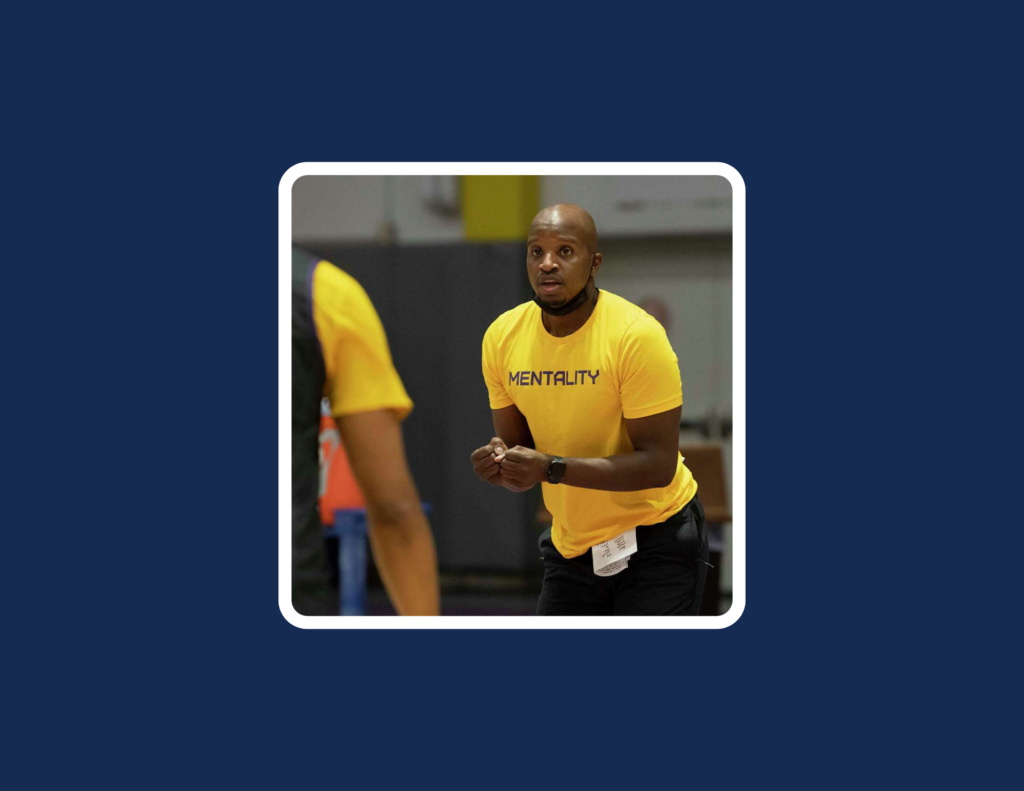
SEASON 3 PART 2 WITH DWAYNE KILLINGS – UNIVERSITY AT ALBANY MEN’S BASKETBALL HEAD COACH – EPISODE 859
Website – https://ualbanysports.com/sports/mens-basketball
Email – [email protected]
Twitter – @CoachKillingsDK

If you listen to and love the Hoop Heads Podcast, please consider giving us a small tip that will help in our quest to become the #1 basketball coaching podcast.
Dwayne Killings is in his third season as the Head Men’s Basketball Coach at the University at Albany. This episode is the second in a series that will chronicle the 2023-2024 season as Killings and the Great Danes compete for an America East Conference Championship.
If you’re looking to improve your coaching please consider joining the Hoop Heads Mentorship Program. We believe that having a mentor is the best way to maximize your potential and become a transformational coach. By matching you up with one of our experienced mentors you’ll develop a one on one relationship that will help your coaching, your team, your program, and your mindset. The Hoop Heads Mentorship Program delivers mentoring services to basketball coaches at all levels through our team of experienced Head Coaches. Find out more at hoopheadspod.com or shoot me an email directly [email protected]
Be sure to follow us on Twitter and Instagram @hoopheadspod for the latest updates on episodes, guests, and events from the Hoop Heads Pod.
Get ready to take some notes as you listen to this episode with Dwayne Killings, Head Men’s Basketball Coach at the University at Albany.
What We Discuss with Dwayne Killings
- “In the summer, it was about more learning our team, establishing our culture, establishing how we do things.”
- ” I think people should be able to come into our gym and, and kind of get a feel for who we are the minute they see us play”
- “We have what we call Mentality Club which is where we show all of our players basically the habits we’re trying to build on a day to day basis in practice.”
- The day to day preseason schedule at Albany
- The daily practice plan and building a great practice environment
- Giving assistant coaches an opportunity to coach and have their voices heard
- “We’re going to make them better by inspiring them, by motivating them, by teaching them how to do things.”
- “Let’s get better at two or three things incrementally and we’ll get them where we want over the course of the year.”
- What the team learned from a pre-season retreat
- “If you don’t want to be coached, you don’t want to get good.”
- “Every decision that players make is reflected on what’s most important to the team and that’s winning.”
- Getting players to take ownership in in the team, the program and the practice environment
- Looking for the good in “messy” practices
- How individual players are progressing
- How he handles walk-ons in his program
- Getting the most out of scrimmages at the college level
- Talking with the opposing coaching staff after a scrimmage to get their perspective
- Helping players understand their roles while also giving them growth opportunities and keeping them in the fight
- “I think this is the hardest thing is when the games start. That’s where you start to figure out how strong your culture is, your program, your team, because they’re human. I mean, everybody wants to play.”
Like this show? Please leave us a review here — even one sentence helps! Consider including your Twitter handle so we can thank you personally!
We’re excited to partner with Dr. Dish, the world’s best shooting machine! Mention the Hoop Heads Podcast when you place your order and get $300 off a brand new state of the art Dr. Dish Shooting Machine!

Prepare like the pros with the all new FastDraw and FastScout. FastDraw has been the number one play diagramming software for coaches for years, and now with it’s integrated web platform, coaches have the ability to add video to plays and share them directly to their players Android and iPhones via their mobile app. Coaches can also create customized scouting reports, upload and send game and practice film straight to the mobile app. Your players and staff have never been as prepared for games as they will after using FastDraw & FastScout. You’ll see quickly why FastModel Sports has the most compelling and intuitive basketball software out there! In addition to a great product, they also provide basketball coaching content and resources through their blog and playbank, which features over 8,000 free plays and drills from their online coaching community. For access to these plays and more information, visit fastmodelsports.com or follow them on Twitter @FastModel. Use Promo code HHP15 to save 15%
Your first impression is everything when applying for a new coaching job. A professional coaching portfolio is the tool that highlights your coaching achievements and philosophies and, most of all, helps separate you and your abilities from the other applicants.
The key to landing a new coaching job is to demonstrate to the hiring committee your attention to detail, level of preparedness, and your professionalism. Not only does a coaching portfolio allow you to exhibit these qualities, it also allows you to present your personal philosophies on coaching, leadership, and program development in an organized manner.
The Coaching Portfolio Guide is an instructional, membership-based website that helps you develop a personalized portfolio. Each section of the portfolio guide provides detailed instructions on how to organize your portfolio in a professional manner. The guide also provides sample documents for each section of your portfolio that you can copy, modify, and add to your personal portfolio.

SportsLab360 is an online platform that empowers youth basketball players to increase their Basketball IQ. It is made up of engaging, interactive modules that focus on different tactical concepts, from the basics of reading a ball screen, to specific offenses such as the dribble drive. Coaches assign these modules as basketball homework for their players, and can track player progress and scoring, as well as input custom notes within the modules.
By working through the modules before practice, players arrive with a cognitive head-start on the topic, and coaches can get much more out of a single practice. Simply put, rather than having to try and progress from A all the way to Z, SportsLab360 takes care of the first letters of the alphabet, allowing coaches to more quickly move on to the next layer, imprinting their own philosophy and style of play.
SportsLab360 launched in soccer about 6 years ago with lots of success, and have just recently launched in basketball.
THANKS, DWAYNE KILLINGS
If you enjoyed this episode with Dwayne Killings let him know by clicking on the link below and sending him a quick shoutout on Twitter:
Click here to thank Dwayne Killings on Twitter
Click here to let Mike & Jason know about your number one takeaway from this episode!
And if you want us to answer your questions on one of our upcoming weekly NBA episodes, drop us a line at [email protected].
TRANSCRIPT FOR SEASON 3 PART 2 WITH DWAYNE KILLINGS – UNIVERSITY AT ALBANY MEN’S BASKETBALL HEAD COACH – EPISODE 858
[00:00:00] Mike Klinzing: Hello and welcome to the Hoop Heads Podcast. It’s Mike Klinzing here with my co-host Jason Sunkle tonight. And we are pleased to welcome back for episode number two of season 2023 24 with Dwayne Killings, head men’s basketball coach at the University at Albany. Dwayne, welcome back. Number two.
[00:00:26] Dwayne Killings: What’s going on, man? It’s great to be back. You know, these days. Kind of continue on you get closer and closer to start a college basketball season. We got one of our players, he keeps track of the countdown. So every day before practice I ask him what the number is when he starts getting into the 20s you start saying oh shoot that season’s coming. We’re not that far away.
[00:00:45] Mike Klinzing: He’s not marking it off like a prisoner is he on the side of the wall man?
[00:00:52] Dwayne Killings: No, Excitement for the kids they want to play as coaches, you’re just thinking, do you have your baseline out of bounds, your press offense, press defense? Are you ready for all the wild things that happen in a college basketball game?
[00:01:04] Mike Klinzing: So going into a season, do you have, obviously you put together sort of an overarching what you want to accomplish? How does that look in terms of where you’re at compared to where you hope to be at of getting things in? And you’re with your guys a lot during the summer too, and you can get some things in place, but obviously when you’re stepping foot on the practice floor for real, it’s a little bit different. So where are you in terms of where you thought you’d be or where you want to be?
[00:01:28] Dwayne Killings: Yeah, I thought in the summer we, it was about more learning our team, establishing our culture, establishing how we do things, getting to know everybody and getting the kind of ecosystem, if you will, the practice environment and everything together. I think now you’re against the clock a little bit practice time is good, but you’re always trying to think of, okay, what have we gotten in?
And then what do we need to get accomplished today? And then the next day, and what’s the overarching emphasis and what are the kids taking away? And then obviously every practice takes a life of its own. So you may not get down the practice plan, you may need to live somewhere else in it to make sure that the kids retain information that they’re building good habits or getting better. I think for us what we’ve done is you know, Coach Whitesell, for instance, has been our defensive coordinator. And we have a defensive checklist. You know, how far down that checklist are we?
How do we need to manage the next two practices where does that put us? And then obviously, October is a long month so it’s just random injuries happen. Guys are out for a day or two. You got to constantly adjust and pivot and obviously do the same thing in games.
Offensively, I think we’re doing the same things, but then I think we still also explore. I mean, we’re playing against each other, so it’s certain coverages that you’re playing against every day and things of that nature, but I think at the same time. ideas come out of it. Guys make certain kind of reads and plays you start saying, well, maybe we could be good at this.
Today, Jerome Allen who coached with the Detroit Pistons and the Boston Celtics was the head coach at Penn, spent a day with us, talked to our team, spent some time in our offices. We talked about some different ideas that we could approach with our group. And I think that’s been the major focus.
And then right now I think Our kids need to be able to articulate how we win games offensively and defensively, and there should be a true identity of that. I think people should be able to come into our gym and, and kind of get a feel for who we are the minute they see us play and we’ve done some things to discuss that, to talk about it, make sure everybody understands it.
We’re right where we’re supposed to be but we got some more work to do.
[00:03:41] Mike Klinzing: What’s the practice schedule look like? Right now during the preseason, how long are you guys going? Are you consistently at the same time every day? What are the expectations for your guys outside of the practice court in terms of watching film?
And are you guys doing study table with the freshmen? Just what’s a day look like for you guys right now?
[00:03:59] Dwayne Killings: Yeah, great question. I mean I was really fortunate in my career to be at Marquette, UConn Temple, I think facilities are a big part of this at different places.
And you’re, you’re at Marquette. I mean, you get this consistent time. Here at Albany, we have a really good women’s program. We got to share. Right now, a practice court with them as our arena is being done, which will get delivered to us in the next couple of weeks, which is awesome.
But that requires us to kind of have a different practice time from a day to day basis. So Tuesdays and Thursdays, we’re on the court 11 to 2. Mondays, we go 9 to 11. Fridays. We can either go 9 to 11 or 3 until whenever we want to be done on Saturdays. Just kind of depends on what we do.
We lift three days a week, which is great. We have a team study hall every Friday. We have a big team meal Fridays in a restaurant that’s on campus, which is really good for us. Every day we give them a meal after they finish training for the day. And from a learning perspective the environment we try to create is We have what we call Mentality Club which is where we show all of our players basically the habits we’re trying to build on a day to day basis in practice and we reward them they would get, say, plus three for a charge, they get minus two for a turnover you know, multiple efforts, they get plus two they get a point for a fifth there’s all these things that we chart and we value and we give a mentality club winner every single week. We may talk about that some every Monday, we have what we call mentality Mondays. It could be a video of Obama speaking. It could be a video of Nick Saban speaking, and there’s a message behind it, and we’ll ask them their perspective just to get them thinking throughout the course of the practice day and for the week. And we’ll kind of re emphasize those messages. And then when it gets to practice time what we try to do is today we started with a transition review, really walked them through transition defense.
So that way there was, Anybody can ask any questions that they want. I think sometimes you’re throwing so much at their minds. Let’s slow them down, where it’s not full practice and emotions are going and competitive energy’s going. Let’s just really teach and make it like a classroom environment where we’re really walking them through space to space.
Answer questions, ask questions, make it where they’re replying and they’re talking about what we should do. So hopefully we can either affirm that, A, they know it or B, hey, they’re a little fuzzy. Let’s kind of explore this. Then we do five on O as a way to kind of get their bodies moving, get their voices going.
Then we stretch. And then we always spend some time Working on skill, we call it guards forwards, kind of break down by position. And then we do some station work, just again, building habits today. It was one station with multiple efforts. We’re trying to get them to understand how to get guys to play through the chest.
How to rotate over and take charges. Recovering to the gaps and then the other end working at the point of the screen with a three on three kind of a ball screen series that we go to show. And in that part of practice that’s where our identity starts to show up.
We play with a high level of urgency. We start with every single detail. Four guys are touching hands. If they’re not, we restart them make sure they’re closing the gaps, making sure they’re high hands. The whole deal, and there’s a progression that we do there. And then we go to what we call kill drill.
They got to get three stops in a row, which is a big part for our program. Our marketing team is behind it, and they’re going to kind of brand it during the year. But they’re playing against two coaches that were All League players, and Matt Cerruti, who played for us here, and Ryan Daly. Who played at St. Joe’s and these guys get it going with two walk ons. I mean, they make it hard for them, which is
Jason Sunkle: Dwayne, Dwayne, do you suit up?
Dwayne Kilings: No, I do not. I do not. I do not. I try to inspire. I try to motivate, but I do not. I am retired. If I get out there, I think at this point, either I got to make a stand still jumper or I got to get an open area rebound but we’ll get through that and then we start playing and playing out of actions and we get competitive and one of the things we do that’s great. We do these eight point games that really teach these guys it’s a game of runs. So it’s like who can get the run going who can maintain it.
So I like our practice environment. I think it’s been really good for us. We got work to do, but I think our team has really gotten better over the course of the preseason.
[00:08:26] Mike Klinzing: When you guys are doing those stations or positional breakdown, are you floating between stations and between each side of the floor, just kind of overseeing your assistants are doing the teaching part of it and the working directly with the players?
Or how do you guys organize that?
[00:08:40] Dwayne Killings: Yeah, it’s two coaches kind of on both ends. And it’s an opportunity for the coaches to use their voice. It’s an opportunity for the coaches to teach to manage. And we got both sides going and I’ll spend time on either side whether it’s the pace and the flow that I want or if, hey, we got to slow down and kind of teach a guy a little bit more than what we’re doing right now so I kind of see saw back and forth, but I give them a lot of freedom to be able to manage and coach our guys. They’re really good.
I mean, we have really good coaches we meet in the mornings and we’ll talk about the practice, talk about what we’re doing. I want them to run it. I want the guys to really hear their voice and hear their teachings. And I think it’s a good way to get them engaged in practice. And I think that momentum carries throughout the practice.
[00:09:37] Mike Klinzing: What’s the chemistry been like? You got some new guys on the staff. You got Jim Whitesell, who obviously has a ton of experience. You’ve got some of your younger guys that you already mentioned that are out on the floor that are playing and can get competitive with your players.
What’s the chemistry been like for you guys, both in the office and out on the practice floor?
[00:09:55] Dwayne Killings: Yeah, I think my personal opinion is like our identity in the office as coaches, it carries on to the practice. Our identity. Or rather our relationships in the office that carries on to the practice for us.
So if there’s some gaps, it’s probably reflected in our staff. I mean, we’re pretty locked in. You know, it’s fun, we have a good time together. I think we challenge each other. We speak very openly. Coach Whitesell was super experienced, but then we have some guys with a different set of experience.
They’re just younger in their careers. They’re willing to challenge and to give ideas, give thoughts, be engaged what we’re trying to do and try to get the most out of our guys. And then… People that come around us, I think again, we’re, we’re sitting around a table in the office, we’re talking about practice, talking about what we’re going to do we’ll laugh, we’ll joke, we’ll talk about an NBA preseason game that we saw, and then people that will say, like, when they get down to the practice floor, it’s like within two seconds, it’s like all this energy comes out of us.
Coach Whitesell has been doing this for a while, but he’s just as energetic as KJ Baptiste, who’s 30 years old, which is pretty impressive to have. And I think it’s challenging for our student athletes because we’re going to make them better by inspiring them, by motivating them, by teaching them how to do things. It’s 1 thing to be able to tell a guy, okay, This is how you’re going to come off a ball screen. It’s different when you can have guys on your staff that can really teach them by showing them. Some guys learn by watching film. Some guys learn by watching people do it. Some guys learn by having somebody walk them through it, but really teach them point A, B, C, and D.
We have guys that can do it at every level. Which I think is an advantage for our guys and our guys have gotten better. So you can see it. And our guys like to do it like, like you can, after practice you go in, guys get in the showers and your guys are sweaty. Guys are a little tired.
We were fully engaged in there for the two, two and a half hour practice, which is, I think what any player would want and you can see in what we do, because we’ve been lucky we’ve had some all league players we had my first year and Rookie of the Year, the first year, and obviously we had Rookie of the Year this past year, and I think we’ve really developing talent at a high level here and you’ll see the fruits of our labor as the year goes on.
[00:12:26] Mike Klinzing: As you look at the time between practices, so practice ends today, you got another practice coming tomorrow. How do you go back and look at what happened today and how does that sort of guide you into what you’re going to do tomorrow?
How much time are you spending looking at the practice film? Who’s looking at it? What are those discussions like?
[00:12:48] Dwayne Killings: Yeah. We’re not going to stay in the office until nine o’clock at night. Our guys need to have lives, and I have a family I want to make sure we can get home and be a good father.
And I want these guys to be able to feel good in the morning when they go to work. I think that’s part of it. If you get burnt out, it’s hard to be give your all and give the perspective. We send a lot of text messages as the evening goes on, guys are watching film. Today one of the points of emphasis was we have a term, who’s got the mic, and KJ Baptiste brought this to our program.
It’s the man in charge, the man in charge, the guy that declares the ball. And it’s a big point of emphasis today. So, if you can’t see it on film, that means you’re not being… Really assertive when you declare the ball, so we’ll show some clips of it because our point is if we can Declare the ball and get the ball slowed down and corral the ball meaning the guy to the left or the right As he’s kind of filling them before you slow the ball down.
We can do that the first three seconds We probably have a chance to win the possession. So we should be able to see that on film. We’ll show that tomorrow I’ll get a couple clips of it. I’m just looking at the practice plan right here one of the notes You know, we need to bring physicality, meaning how we block out, how we fight over screens, how we set screens.
So we’ll show a few clips of that. I’m personally not a big 30 minute film session guys can only absorb so much information. I think I mentioned to you before, we had a guy named Doug Lemov come over who is kind of a specialist in learning styles in the academic realm kids today in a conversation we had in the summer, it’s like, they absorb information and quick hits it’s like a few swipes of a phone’s Twitter, it’s 90 seconds. So we’ll try to show them 10, 15 clips, but then I’ll tell the guys, get guys up in the office and show them five, 10, 15 clips on your own. Now if we hit them two or three times throughout the course of a day, That’s 10 times, 15 times throughout the course of the week.
They’re going to get the messages that we want. Let’s not throw a ton of things at them. Let’s get better at two or three things incrementally and we’ll get them where we want over the course of the year. And then we’ll write notes today and kill drill. I mean, it took them a while to get. The kill against coaches.
So the message to them is like, do we have the urgency where we got two kills? Why didn’t we get the third? You know, it was Ryan Daly got it going and we had a chance. It was funny. We got two stops in a row and we were close to getting a kill and a guy was hesitant to go double and he was just kind of in between Ryan fired it to that guy cause he was in no man’s land and the guy he was matched to makes a three.
So let’s show him the film is going to happen in the game. I think we’re creating, like, as many game like repetitions as we can by making it really competitive. And I think their competitive energy goes up really high playing against the coaches because there’s that embarrassment factor.
They’re going to talk to him and they’re going to get it going from that perspective. So let’s, let’s go back through it. And it’s not just so much the rotations, like where’s your mind at where’s your heart at? Where’s your mentality in the possession?
Do you want to stop that bet? and now when the emotions are going, guess what happens next? Somebody gets undisciplined. And that’s why they lost the possession. Same thing happens in the game when the referees go and the trash talking is going. So I think we’re able to kind of create some of that.
To start the conversations, to open their perspective. Hopefully, we’re not making the mistakes in the scrimmages, but let’s make them in the scrimmages so we don’t make it in the games.
[00:16:34] Mike Klinzing: When you think about what you’ve done to this point compared to if you think back to sort of the night before this first practice of the season, what’s been the most pleasant surprise that you’ve gotten out of your team to this point through preseason practice.
[00:16:51] Dwayne Killings: We did a retreat, we call in advance. We went to a campsite about an hour and 20 minutes away from campus on Tuesday night. And it’s a place owned by the school when we went in. We talked about our goals we talked about keeping us from our goals and some guys asked some really good things.
Then everybody got up and the point was to kind of learn more about each other. So we talked about who your hero is, what your biggest highlight in life was, and what your biggest hardship. And then also you talked about your biggest fear. And then we put a chair next to where everybody sat and it was an open seat, who would you invite to the open seat? And I thought it was great because guys were very vulnerable. They let themselves go and the guys really liked it. And what I took from it was they believe in each other. They want to get better. They think that we can be really good together. Now, the playing time hasn’t started.
The adversity hasn’t started. That will come. But right now I think we’re in a really good spot. I think we’re a pretty good practice team. We’ve only had, probably one day where I’ve been really disappointed in our effort in practice. And that’s going to happen. I mean, they’re only human.
But I think we’re becoming a good practice team, which means we can become a good team because you get better in practice. And I think the other thing is the guys are learning how to play with each other. I mean, we have eight or nine new guys. That’s a lot. So the way you guys move, the way you guys catch, the way you guys communicate, I mean, that takes some time to figure out when you don’t have the continuity from a team from the year before.
And I think we’re, we’re getting it in practice. I think the one thing that we have to grow at is, I think we get them to the point where you build good habits, you’re doing certain things you’re emphasizing on Monday or Tuesday, you take Wednesday off. Thursday, you’re like, wow, we’re getting it.
Friday, you got it, you’re playing well. Saturday we compete on Saturdays. Take Sunday off and Monday, it’s like you’re starting over again because we’re just not quite there with the habits that we want, where it’s ingrained and it’s a natural reaction, right? That’s what you want. You want to go back to your training and your habits.
So that way you’re reacting the way you want your guys to, to help you win games. But we’re getting there. And I think they respond well to coaching. I think they want to be coached. And that’s something we talk about. If you don’t want to be coached, you don’t want to get good. And I think our guys, and I say this, and I think this is like a universal conversation, they’re learning how to become basketball players.
They don’t just play basketball. Here’s what I mean. Basketball players, they get treatment, go to class, they get in the gym, they watch film, they don’t just have the film running. I mean, they watch it and they process it and they study it and then they practice and then they’re disciplined enough to get their sleep and then they do it again and again and again And every decision that they make is reflected on what’s most important to the team and that’s winning So guys aren’t messing around and all that thing.
I think we’re getting there. We’re slowly getting to the point where we’re all doing that. And I think the work capacity has grown. I mean, it’s like you throw more at them. We told them the other day, on days we shoot around, well, I’m shooting around, but we still want guys to come in, shoot 50 free throws, sorry, on the home game days, and the guys didn’t even bat an eye..
They’re like, cool, that’s going to help us get better. Let’s do it. So we’re getting there.
[00:20:27] Mike Klinzing: When you think about a typical practice, or you think about your experience in all the different places you’ve been, including Albany. I’m always curious about this from a coaching perspective. When your team comes out on the floor, how long into the practice is it before Hey man, these guys are locked in.
Or you can kind of sense that, Oh man, like you said, you had the one practice day, like how far into that practice were you, where you kind of knew, like, Oh man, it’s just. Like it may not happen today?
[00:20:54] Dwayne Killings: Yeah, I think it’s like the hard drill like there’s always a couple of drills that are hard, we have a couple of transition drills that are really hard.
We had a drill called no paint. It’s just three on three, but it’s you space the floor and guys got to be able to guard the ball. I think those drills when you don’t have it, it shows and you’re just like, all right, we got to get through. But coach Whitesell had a really good saying one day.
He said like start to fall in love with the messy practices like those are okay because you have to, you have to fight through you have to grind through it and that’s the game. Some days you’re stuck in mud on the road, you’re stuck in mud at home. You have to grind through it to be able to get out of the game with a victory.
So I think as coaches and this is, I’m at the infancy part of being a head coach. I think you want to have a perfect practice and because that’s the way you go home feeling good. But sometimes I think having that perspective that helped because the messy practices, sometimes it’s like, man, we didn’t have it, but we still did some good things couple guys that we’re relying on couldn’t make shots, but they still stuck with it.
They still executed. They found another way. To impact the possession, that stuff is really good things to see. And then at the end of the day, they will get into the circle. And one of the guys says, you know what, we got to be better tomorrow. They get it. They understand it because they’re taking ownership in in the team, the program and the practice environment.
[00:22:36] Mike Klinzing: I think when you can really get guys to start to recognize, Hey, this is what a good practice looks like. Hey, this is what a practice is. Maybe not up to the standard that we all want it to be when they can start to see that. And self correct is maybe the wrong way to say it, but they can start to analyze and be like, Hey, like we’re, we have to, we have to pick this up.
And obviously as your team develops. Those internal leaders and guys that other players look to, to sort of be the emotional bellwether for what you guys are bringing to the table every day, then that’s where, again, that type of mentality can come from the players where they can sort of start to feel, Hey, we got to turn this thing around.
And that doesn’t always have to come from a coach or from you. They can come from them saying, Hey, we got to pick this thing up, whether they’re in one of those, those tough drills, like you mentioned, or maybe it’s just, Hey, we got to get through and get our work done and make sure that. From the moment we step on the floor that we’re locked in.
And as you know, like that, that takes a lot. It takes a lot for 15 dudes to get locked in every single day. And that’s where if you’ve got those guys that are leaders in your locker room and on the practice floor, that those guys can kind of start to dial in. Are you starting to see even this early?
Obviously you got guys coming back, but as you said, you got a ton of newcomers. Are you starting to see those leaders emerge at this point or where are you guys at with that?
[00:23:56] Dwayne Killings: Yeah we have a kid, Marcus Jackson, who, he’s only a sophomore, his brother, Andre Jackson plays for the Bukcs we played at UConn, he is our leader, we talked about it on the advance and I asked the guys about his leadership and everybody raised their hand.
I thought that was a strong thing. It’s interesting that you ask he’s out right now, he’s got a minor injury. But we miss his presence on the floor. I think Jonathan Beagle, who is the returning rookie of the year he’s become a very good practice player. Not that he wasn’t last year, but he’s a freshman.
Everything you’re throwing at him, you absorb it differently as a freshman than you do as a sophomore. I think he’s become very good in practice. And I think he’s… You see his talent. I mean you walk in the gym, you’re like, man, this guy can go. And he’s an All League player and he kind of is the connector for the group.
But then you look to your left and you got the rookie of the year from two years ago, Justin Neely on an exercise bike, working to get himself back. You know, he’s doing things on the court. You’re like, man, like I can see his body, how much it’s changed from when he got to campus. to October 12th, which is today.
You see it. So I think that’s really important. But then you walk in the gym and there’s one or two guys there who are in a full lather shooting. And then there’s two or three guys in the gym shooting after practice or Amar’e Marshall who came from Hofstra every day. He runs a ladder, so he goes up and down the court a number of times because he’s trying to build condition.
He’s trying to get an edge. I think those habits are great so let’s continually do those things. And then the guy that I think we’ve challenged the most is Sebastian Thomas, we got him from Rhode Island. He’s a very talented pastor. And we really challenged him about just the way he handles his business.
And I think he’s embraced it all. He’s gotten better because he’s gotten more mature. And then the second thing I’d say It’s funny, we talked to him about all these different things we wanted to do on or off the court and he walked in the gym today and he cut his hair, he had braids and I said, what’s up with that?
He goes, I want to start fresh and I said to myself, this dude is trying to get it done and he believes he’s bought into what we’re trying to do because I think he’s seen the benefit of me. He’s gained 10 pounds as he’s been here. He’s doing well academically. He’s playing good basketball, but our point to him is you can be better than what you are right now, so let’s stay in it.
I like our group. I mean, I really like this team. We have a good time together. It’s fun coaching them. We’re starting to do some good things and we’re to the point where it’s time to play somebody though we’re not totally ready. You know, from everything you want to get in and be prepared for, but it’s getting close to that time.
Mike Klinzing: Where are your freshman at right now?
Dwayne Killings: Ooh, great question. I think it’s a lot. You know, we have one kid, Zach Matulu. So Zach actually, ironically, is a walk-on. He’s still from the local area. He’s got the best motor I’ve ever seen. Like he, the kid doesn’t stop a true story. Every day after practice in the summer, the kid ran three miles.
He works himself to exhaustion. Zach Matulu, I will go on record by saying he will play meaningful minutes here. He works that hard. Like, he’s not always doing the right thing, but he’s playing hard. So the game rewards him. You know, he finds a loose ball. He gets a layup. He gets a block because he just worked playing so hard with so much energy.
He’s got a great voice. He’s got, he’s got great energy. He’s a positive kid that like just. You know, it bounces off of them. Jack Margoupis, it’s funny, Jerome Allen came here and he talked about it for way longer than I thought he would have, but Jack is an elite shooter. I mean, he shoots the cover off the ball.
Now learning and figuring out plays and defensive rotations is just, it’s just trying to figure it out, but he’s got an elite skill. Like, I think there’s really good players, but then there’s guys that have elite skills, guys that rebounded at an elite level, guys that pass at an elite level.
This kid shoots it at an elite level. Yeah, I think we’re trying to connect all the other dots. And then Zane Adnan we brought him. He’s a culture kid. I mean, he won Mentality Club last week, and he does all the culture things. He got three charges throughout the course of the week.
And we rewarded the guys with three points in Mentality Club for that. And then he did awesome with that. And then it’s funny, you take a shot sometimes and we did walk on tryouts and there’s a kid right now we’re giving him a shot, kids all six, seven, six, eight. I mean, just strolled in strong as an ox.
His cousin is Jarace Walker and we’re giving him a chance and physical, I mean he’s in his trial kind of window. Physical is all heck. And Shelly makes it hard for the guys because he’s just kind of just brute muscle and sets hard screens and tries to rebound and drive.
And right now he’s trying to fight like crazy to win every sprint. And that’s what we want. So we’re trying to just see his habits and see how it goes for him. But I think those four kids, I mean, they, they’ve impacted our program because they they’re playing hard and they’re trying to figure it out.
[00:29:23] Mike Klinzing: What do your walkout tryouts look like? I’m always curious. I think that’s something that we’ve talked to different guys that. Have gone through that experience of being a walk on. It’s not something that when I think back on the podcast, I don’t ask too many people that question, but what did you do? Like, did you know this kid was going to come and try to play as you contact him before he showed up at tryouts or kind of where were you guys?
How do you guys handle that?
[00:29:42] Dwayne Killings: Yeah. I got a text from somebody about him. Cause he had enrolled in school year and he showed up in the office andthere’s like, we give them a couple of checkpoints and they got to do certain material to be able to walk on. From an NCAA and school perspective.
So it’s kind of like, if you don’t follow through with that, then they’re not that serious from it, then we kind of give them the structure practices and class schedules and what that needs to look like. And then with the tryouts, I mean, we kind of let you know, our GA get involved and all that kind of stuff to help him manage the whole experience.
And I think you just try to figure out what kind of kids they are can, do they have a good foundation of skill, good understanding of basketball, then a good understanding of the role because I think some kids…Hey, we’re going to coach you, but our commitment really is to these, the kids that we’ve given scholarships for, and then you can work hard and who knows what can happen, but you got to understand what you’re walking into it. Not to mention the team has been established and they, these kids have been around and they’re in better shape and there’s just so much, there’s so much far ahead.
So just to get them to understand it, because I think they just want the uniform so bad. They want the sweatsuits so bad, but they don’t know the responsibility that comes with that. And then for me, when I sit down with the kids that we are willing to consider, I mean, I just speak for my own personal, I was a welcome and it’s like, Hey be seen, not heard.
And when your number’s called, be ready. This isn’t like. Hey, I didn’t know you were going to call him at any minute. You’re going to get thrown into the fire. You got to be ready to go. And you can’t be the first one out of the gym and you can’t be the last one to come in. You got to get there and you got to be really like, you got to have a really selfless way about yourself because your job is to get other guys prepared. Your win, honestly, for game day comes in preparation. You know, can you get in, know the scout, run through the plays, make it hard for the guys, make sure they’re guarding, make sure they’re supposed to be shot goes up, you’re flying into the glass of guys.
And when you win games, a lot of times, I mean, I’ve said my whole career, we won the game because the walk ons got us ready. And, but that, that was your, your contribution to the team and game day I think for some kids, it’s hard for them, but you got to be kind of kid where. You get lost in celebrating other people’s success.
[00:32:17] Mike Klinzing: Yeah, absolutely. I mean, I think the key is understanding where you’re at and what the role is. And there’s some kids, as you well know, that embrace that and take advantage of it and make the most of it. And then there’s other kids who they go and they think they want it. As you said, and it turns out that the commitment, the time, what it takes, the effort, and knowing that you’re kind of, again, you’re not going to get.
What we would think of as being the traditional recognition, right? You’re not going to get to run out with the starting lineup. You’re not going to get to be the people that the fans are cheering for on game night, but instead what’s going to happen is you’re going to get that recognition from the coaching staff, as you said, for preparing those guys and getting them ready.
So. It’s just interesting when you think about the experiences that walk ons can have. And part of it comes from how you guys, right, as a coaching staff, handle that situation and integrate that into your team. And then how your guys react to those walk-ons because we all know there’s all different kinds of experiences that dudes can have when they, when they walk on, it can be positive and it can also sometimes go, go the other way. So you guys have some scrimmages coming up, so just talk briefly about those, and then I think after we do that, it’s probably a good that’s probably a good natural ending point. Just what are you hoping to get out of the other scrimmages that you guys have coming up?
[00:33:31] Dwayne Killings: Yeah we have an opportunity to play against two really good teams. I think the goal is a couple of things when we scheduled them, I think the first one that we’ll play, the idea was. Let’s find a really good offensive basketball team, a really good program that is going to really test us and spread us out.
They’re going to move us. We’ve got to be able to guard, kind of challenge our defensive principles. You know, from an offensive perspective, they’ll make it hard for us. Let’s see, let’s see how good we are. And let’s also play as much basketball as humanly possible. So we’ll talk to their coaching staff about let’s play as long as we can and maybe play some situations and afterwards it’s all coaches go into a room and let’s talk shop let’s talk about what did you see about our team?
What did we see about your team? You know, here’s some things that you run. Here’s some things that we like, cause we all want to get better. I think as coaches through COVID, I think we learned how to share more information, use zooms and things of that nature, but when you’re in the season, you steal ideas and stuff by watching games, but you don’t talk to coaches as much cause you’re kind of lost in your own stuff.
So we’re fortunate to be playing against two coaches that I was very familiar and friendly with. So we’ll do that. So we’ll kind of go and we’ll play afterwards have a meal with both programs and then I have a chance to talk to their coaches about what do they see, what they’re trying to take away, share some ideas and things like that.
The second one is a little bit different. Where I think it’s going to be really physical for us, which would be a good for our team. I think that would be really good preparation for the season. And I think those two styles will give us two different looks, two different ways to think about competition preparation.
We’ll simulate a game day by having a shoot around for the first scrimmage. The other one’s on the road, so we’ll have a chance to. And I think we’ll be as prepared as possible to start the year. And then I said to our guys at the advance that our goals, we’re going to compete in the scrimmage, so let’s open our minds to understand we’ll talk about roles, but you guys got to be ready, but it may not be what you think in terms of playing time and opportunity, I mean, this is college basketball this isn’t CYO, so trying to get them to understand that too, so they can be ready when their number is called and try to give them a little bit of perspective. Like, hey, we got some time before the first game, but here’s some of the gaps or some of the growth opportunities for you and what I’d like to do is after the first scrimmages start to declare roles, but also give them their growth opportunities. And here’s a space where we think you can get good at to help our team. Now, we may not be ready for you to do these things today right now for us, but let’s invest in it. Let’s get better. Let’s get it better in pre practice, in practice, these couple areas, because I think it can have a nuclear reaction for our program and for you individually. And then I think the other part of the accountability for all of them. Hey, like, here’s the things that also we’re seeing that are really hurting you that may be like, Hey, maybe you got in better shape or you need to know the plays or, Hey when we’re doing these different actions or defensive coverages, here’s where we want you to be, but here’s where you are.
So, like, I think that can help them give them a little bit more of a roadmap. And I think coping a little bit wit opportunity, maybe as much as they want it, not as much whatever it is to still give them some hope because they can still stay in the fight. Because I think this is the hardest thing is when the games start.
That’s where you start to figure out how strong your culture is, your program, your team, because they’re human. I mean, everybody wants to play. But I think your practices change, your environment changes after those first scrimmages, especially after those first couple games.
[00:37:49] Mike Klinzing: Yeah. Guys get a chance to figure out what they look like against exterior competition. And you guys as a coaching staff, I know that’s one of the things that any team I’ve ever coached, you get those questions in the preseason, like, Hey, how are you guys looking? And I think the question was always, well we look pretty good against ourselves, but.
That doesn’t really tell us necessarily a whole lot about what it’s going to look like when we go out and compete against the teams that we have on our schedule and what that’s going to look like, both from a team standpoint and an individual standpoint. So I think that obviously when you come out of those two scrimmages, you’ll have a better idea kind of where you stand and where your guys are and not necessarily compare it to themselves, but comparing yourself against two pretty good programs.
So, you’re less than a month away from, from game number one. You guys open up at UMass. I know that we talked before we jumped on here that we’ll probably get at least one more in before the season before the season rolls around, if not, if not more. So looking forward to the next one, maybe we dive into some X’s and O’s a little bit, talk a little bit about how you guys design what you do offensively and defensively, and we’ll just kind of see where the road takes us.
But number two for this season is in the books, Dwayne. Can’t thank you enough for jumping on. I don’t know if you have one final wrap up statement or anything you want to throw at me before we get out of here and then you’ll get to bed and so will I and so will Jason.
[00:39:09] Dwayne Killings: Yeah, I appreciate you guys. I think if I had one thing I’d say is doing this for the last couple of years, one thing that we’ve done a good job of this year is I think getting the fat out it’s like, Hey, we know what we need to get done. Beause when you first get in, you’re trying to do so many different things and you’re learning what’s most important.
And I think what we’ve done is we really streamline our process. I think it’s better for our kids. I think it’s better for us. And now the days go by really, really fast, but I think we have a pretty good process with things. And I think we can continually. But I think in terms of the preparation I think things slow down as you’ve done this a little bit and you kind of know what’s coming at you.
And I’m excited to get back on, especially. After we would have played to give the perspective of, okay, here are the things that, hey, man, I thought we were doing really good and maybe we’re not doing as good. And here are the things like, man, I didn’t see this one coming, but this guy kind of moved up in the rotation or, Hey, man, we found something that we didn’t really realize we’re that good at. Like, one of the things we talked about a bunch is you can rep this a lot and every coach will talk about it. What’s your closeouts like, you know? And, and it’s a tough read in practice because you emphasize it and you’re doing drills and guys know what’s coming.
You go out there, a lot of competition against a really good shooting team. If your closeouts aren’t really good, you’re going to pay for it. So now what is that urgency now creating our teams? I would love to talk more about the things that we think that we were going to be good at and then what we weren’t or were when we played and then also, like, what kind of urgency does it create in our team when we get back on Tuesday, the 24th in practice or 25th in practice after having played our first scrimmage?
Because I think that’s going to really set the tone for our group moving into scrimmage 2 and into game 1.
[00:41:13] Mike Klinzing: All right. Well, we will figure out amongst ourselves when we’re going to jump back on, but thanks for staying up late with us tonight, Dwayne. Really appreciate it. And to everyone out there, thanks for listening and we will catch you on our next episode. Thanks.