
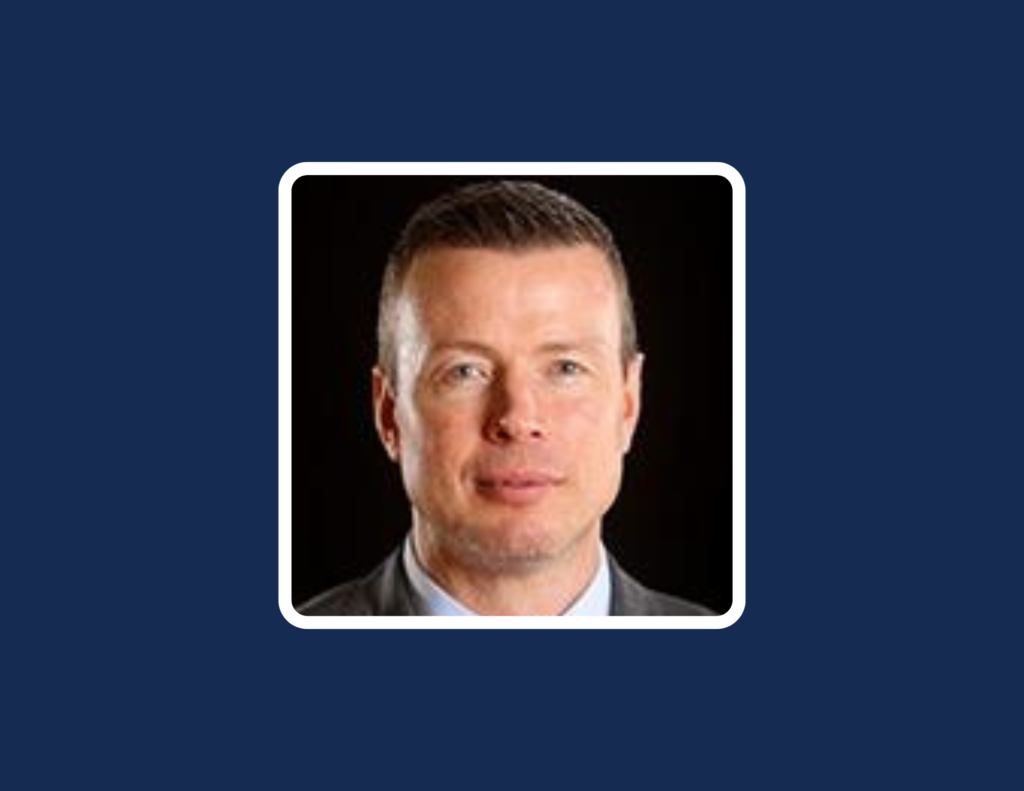
LUKE FLOCKERZI – UNIVERSITY OF ROCHESTER MEN’S BASKETBALL HEAD COACH – EPISODE 784

Website – https://uofrathletics.com/sports/mens-basketball
Email – lflockerzi@sports.rochester.edu
Twitter – @URCoachFlo
Luke Flockerzi is the Head Men’s Basketball Coach at the University of Rochester where he has guided the Yellow Jackets to two UAA championships, in 2011 and 2013, and has made the NCAA Division III Tournament six times. Flockerzi has amassed more than 200 wins during his tenure at Rochester,
Luke was previously the Head Coach at Skidmore for three seasons from 2007 – 2010. Prior to Skidmore he served as an assistant coach at Amherst College, Sewanee, The University of the South, and at Rochester.
Flockerzi played his college basketball at Grinnell College in Iowa.
If you’re looking to improve your coaching please consider joining the Hoop Heads Mentorship Program. We believe that having a mentor is the best way to maximize your potential and become a transformational coach. By matching you up with one of our experienced mentors you’ll develop a one on one relationship that will help your coaching, your team, your program, and your mindset. The Hoop Heads Mentorship Program delivers mentoring services to basketball coaches at all levels through our team of experienced Head Coaches. Find out more at hoopheadspod.com or shoot me an email directly mike@hoopheadspod.com
Be sure to follow us on Twitter and Instagram @hoopheadspod for the latest updates on episodes, guests, and events from the Hoop Heads Pod.
Be prepared to take some notes as you listen to this episode with Luke Flockerzi, Head Men’s Basketball Coach at the University of Rochester.
What We Discuss with Luke Flockerzi
- Growing up a Utah Jazz fan
- “I just think being a well-rounded athlete, rounded person benefits you.”
- Multi-sport athletes
- Balancing academics and basketball at Rochester
- Using the 8 new contact days in D3
- His original plan to go into athletic administration
- The opportunity and connections that led to his first coaching job at Amherst College
- “I just felt a desire and passion to help others have that same rewarding and positive experience through athletics in that high academic environment.”
- Working for Hall of Famer Dave Hickson at Amherst College
- There’s so many different ways to be successful
- Learning from other basketball minds through conversation
- The self-doubts of a first time head coach
- The emotion of leaving Skidmore for Rochester
- Helping players reach their potential as students and as athletes
- Managing culture through the recruiting process
- “Through the recruiting process we target hardworking, self-motivated, driven individuals who are genuinely trying to be the best student and the best basketball player they can be.”
- Relying on the feedback of his current players on prospective recruits
- “I’m a big believer in trying to just identify your team’s strengths and doing everything you possibly can to play to those strengths year and year out.”
- Looking for ways to tweak what you do year to year
Like this show? Please leave us a review here — even one sentence helps! Consider including your Twitter handle so we can thank you personally!

We’re excited to partner with Dr. Dish, the world’s best shooting machine! Mention the Hoop Heads Podcast when you place your order and get $300 off a brand new state of the art Dr. Dish Shooting Machine!

Prepare like the pros with the all new FastDraw and FastScout. FastDraw has been the number one play diagramming software for coaches for years, and now with it’s integrated web platform, coaches have the ability to add video to plays and share them directly to their players Android and iPhones via their mobile app. Coaches can also create customized scouting reports, upload and send game and practice film straight to the mobile app. Your players and staff have never been as prepared for games as they will after using FastDraw & FastScout. You’ll see quickly why FastModel Sports has the most compelling and intuitive basketball software out there! In addition to a great product, they also provide basketball coaching content and resources through their blog and playbank, which features over 8,000 free plays and drills from their online coaching community. For access to these plays and more information, visit fastmodelsports.com or follow them on Twitter @FastModel. Use Promo code HHP15 to save 15%
Your first impression is everything when applying for a new coaching job. A professional coaching portfolio is the tool that highlights your coaching achievements and philosophies and, most of all, helps separate you and your abilities from the other applicants.
The key to landing a new coaching job is to demonstrate to the hiring committee your attention to detail, level of preparedness, and your professionalism. Not only does a coaching portfolio allow you to exhibit these qualities, it also allows you to present your personal philosophies on coaching, leadership, and program development in an organized manner.
The Coaching Portfolio Guide is an instructional, membership-based website that helps you develop a personalized portfolio. Each section of the portfolio guide provides detailed instructions on how to organize your portfolio in a professional manner. The guide also provides sample documents for each section of your portfolio that you can copy, modify, and add to your personal portfolio.
THANKS, LUKE FLOCKERZI
If you enjoyed this episode with Luke Flockerzi let him know by clicking on the link below and sending him a quick shoutout on Twitter:
Click here to thank Luke Flockerzi on Twitter
Click here to let Mike & Jason know about your number one takeaway from this episode!
And if you want us to answer your questions on one of our upcoming weekly NBA episodes, drop us a line at mike@hoopheadspod.com.
TRANSCRIPT FOR LUKE FLOCKERZI – UNIVERSITY OF ROCHESTER MEN’S BASKETBALL HEAD COACH – EPISODE 784
[00:00:00] Mike Klinzing: Hello and welcome to the Hoop Heads Podcast. It’s Mike Klinzing here without my co-host Jason Sunkle this morning. But I am pleased to be joined by Luke Flockerzi, Head Men’s Basketball Coach at the University of Rochester. Luke, welcome to the Hoop Heads Pod
[00:00:19] Luke Flockerzi: Hey, thanks for having me on.
[00:00:22] Mike Klinzing: Absolutely excited to have you on, and definitely looking forward to diving into all the things that you’ve been able to do in your career.
Let’s start by going back in time to when you were a kid. Tell me a little bit about some of your first experiences with the game of basketball, what you remember from when you were younger.
[00:00:27] Luke Flockerzi: Yeah, I grew up in Salt Lake City, Utah, and it was a huge Utah jazz fan. I’m old enough though. It was pretty thin.
So it was Frank Layden and Ricky Green and Thurl Bailey and grew up playing junior jazz when elementary school and fell love with the game at that time.
[00:00:51] Mike Klinzing: Good time to be watching Utah Jazz Basketball. Thurl Bailey, I had a chance to meet him one time at a junior n b A event. Super nice guy.
And he told me a funny story about the year that they went to the finals in 83 with the Jim Valvano and that whole group and how Valvano kind of tricked him into saying that basically, Got them all fired up when they were playing before they played the Phi Slamma Jamma, Hakeem, Drexler the Houston Cougars team.
So it was a good story. So I really liked Throw Bailey the one time I, I met him. So fun guy to grow up, I’m sure to root for as you were growing up.
[00:01:22] Luke Flockerzi: My assistant Aaron is a big NC State fan, so you know, he certainly we’re talking about NC State Basketball.
[00:01:33] Mike Klinzing: game and a little bit older, what do you remember, what do you remember about some of the experiences you had as a high school player?
[00:01:37] Luke Flockerzi: You know, I think just sports in general. It was my passion. I was fortunate to play for sports in high school. Basketball was always kind of what I was most drawn to and most excited about and kind of had the most passion for, but just kind of learning who I was as a person and how much I enjoyed competing and working hard for success.
And I think it’s taken me some great places and just enjoy that aspect of sports and basketball in particular.
[00:02:08] Mike Klinzing: How do you think about being a multi-sport athlete, both as a kid growing up and maybe the benefits that you felt you got from it, and then obviously as a college coach, you’re having the opportunity as you recruit to look at, is this guy a one sport athlete?
Is this guy a multi-sport athlete? And just maybe some of your experiences on the coaching side of it.
[00:02:26] Luke Flockerzi: Yeah, I think I’m probably in the minority here where I’m not a big fan of specialization. Like I love guys having other interests and whether it sports or otherwise. I just think being a well-rounded athlete, rounded person benefits you.
So certainly reap the rewards, learning from other coaches, other sports, other perspectives, and. I think when you get so entrenched in one lane it takes away from some other growth opportunities and honestly creates a lot of burnout in my opinion. But I know with AAU basketball and the year round circuit and how competitive it is to become a college basketball player and how much is on the line, I understand it.
But anytime we have a prospective student come through say they have an interest in playing another sport, I get excited, some of my favorite athletes I’ve coached over my years have been the multi-sport guys. And I would love to see us hold onto a little bit of that, at least.
[00:03:28] Mike Klinzing: How does that differing interest fit into your experience into your experience there at Rochester because I know one of the things, Luke, when we’ve talked to coaches at all different levels, and I know one of the things that Division three coaches often mention is just the fact. Basketball is really important to their guys, and yet the division three basketball experience affords them the ability to be out on campus and get involved in some things that they might have interest in outside of the game.
So just maybe talk a little bit about how that particular perspective plays out in your program>
[00:03:57] Luke Flockerzi: Yeah. I mean, being in the elite academic environment that we’re in, In such a strong academic school there’s no doubt in our program, their academic pursuits are paramount first, second, and third.
That’s what they’re here for. It’s why they chose Rochester, and we do everything we can to support them as students at the highest level and reach their goals. Our basketball programs been very successful, so we always say like a very close secondary pursuit is basketball.
And, and so I think what’s different at a school like this we’re playing at an extremely high level of basketball, but in addition to school and basketball, our guys get to have an experience outside of just those two things. I want them to be involved in different things on campus and if they tell me it’s important, everything outside classroom. Again, some of my favorite student athletes we’ve had over the years are the ones who are completely entrenched in campus and involved in numerous things all at the same time. And doing that, juggling that is so much of the college experience and what they’re getting out of it as a reward.
[00:05:09] Mike Klinzing: Yeah. It’s so interesting how different that experience can be at the division one, division two, division three level. And in terms of, especially thinking about the amount of access. You as a coaching staff have to your players in the off season. Whereas now in division three, you guys are picking up those eight days, which I know lots of coaches are excited about, where you’re going from zero zero days of off season contact on the floor to to go into eight.
And you compare and contrast that with the division one experience where a lot of those guys are on campus 50 weeks a year. And I don’t know, I always look back at my experience as a player and think, man, that would. That would be an awful lot of listening to the same people chirping my ear as a player and then the same thing from a coaching standpoint, just feels like you might need a little bit of a break, so there’s probably a happy medium in there somewhere.
[00:05:56] Luke Flockerzi: I think the eight days is spot on. I think it’s perfect. I think as a winter sport, we were really missing some connectivity early in the school year with most notably our incoming first year students, not being able to get on the court with until October 15th and kind of having them out in the wild for the first six weeks without kind of that structure and support system.
I think was doing them a disservice and. It’s not like we’re kind of have crazy intense practices or anything like that, but it gives us a touchpoint to really touch base with our guys and, and get on the right track, so to speak. The beginning of school year and winter season really for days to do some post post-season work.
And so one frustrating elements is we have our post-season meetings with our guys, and inevitably everyone wants a little bit more, and so they start to talk about, what do you need to work on to get better? And what are your areas that you’re targeting to improve based on your experience this year.
And so we used to just be left to talk to them about it, but now hopefully we can get on court with a couple times and say, all right, this is how we’re kind of develop our left hand. And this is how you can spend some time working on your ball screen reads. And so I do think from a developmental standpoint, it’s kind of be very beneficial for our student-athletes.
[00:07:18] Mike Klinzing: I could see that being a really huge development in terms of being able to put some actions to words, and instead of just sending a kid out saying, okay, here’s in the summertime, here’s what we want you to work on now. You can actually put them through that on the floor, give them some ideas of what they can work on when they’re on their own, or if guys are working with trainers or whatever their system is for getting better.
I could definitely see the benefit to being able to use some of those. At the end of the season to be able to have contact with. And then obviously as you mentioned, when you have those incoming players who are first year and get on campus, and again, not that they’re not choosing your school for academics, but obviously as you said, basketball is a very close second, so to not be able to have those touch points. I know from talking to other coaches that that’s always been something that’s been challenging to try to get those kids acclimated and make sure they’re ready to go on October 15th for the first day of practice. So it’s definitely something that I think has been needed and I’m glad to hear that you found it to be a benefit or you’re kind of find it to be beneficial as you move forward.
When you think back to the beginning of your coaching career. When did coaching get on your radar? When was it something that you started to look at and say, Hey, I think this is something that I want to pursue for my career. Was it still while you were playing, and I know you had an opportunity to play at Grinnell in Iowa, and so was it at a time where your career ends and you’re like, oh, I have to get into coaching now because the game is my time as a player is over?
Or is it something you kind of always had in the back of your mind?.
[00:08:46] Luke Flockerzi: Yeah, I kind of backdoored my way into it. I certainly wasn’t seeking it out or setting out to be a coach. I didn’t come from a coaching family, I didn’t have great background coaching to early actually was at, of my college career. Trying to figure out what I wanted to do exactly.
I had a great connection with our athletic director at Grinnell College Diane Fairchild, and I thought what she did was really cool. You know, back then it was kind of being an athletic director, was being a coach of coaches and doing it in a small liberal arts college environment sounded really appealing to me.
And so I pursued graduate school for sport management to go down that path. And just kind of a quick story to show you how small the coaching world is. My coach at Grinnell College played at Colby College in the mid seventies, and he played against David Hickson, who was the head coach at Amherst College.
And so when I went out to graduate school at, at the University of Massachusetts, Amherst for Sports Management, My coach knew best. He kind of said, Hey you’re going be out there anyways. I know Coach Hickson from my playing days. Why don’t you see if you can just go over and volunteer and help out?
And that was kind of the, the seed that needed to be planted. And Coach Hickson was very gracious to include me in the program at Amherst. And kind of the rest was history almost. You know, I immediately, Found the kind value and joy in impacting student athletes lives in a positive fashion, both on the court and just on a personal level.
And halfway through that graduate year helping Amherst, I was really becoming more and more to coaching as a profession, and so wasn’t completely ready to give up on my aspirations to be an athletic director.
There were two paths. You could either coach your way there and kind of pick up administration as you went and or just do the administrative route. And so I started head more and more down the coaching path. And now here I am, 20 plus years later, just really enjoying coaching and, and not really focused on that administrative route anymore.
[00:11:04] Mike Klinzing: When you think back to that first experience as a coach, was there anything that was surprising to you in terms of coaching? Something that you liked about it, that maybe you were surprised considering that you hadn’t spent much time thinking about being a coach prior to that?
[00:11:17] Luke Flockerzi: Yeah. No, it was really, it was two of my student athletes in particular John Donovan, Adam Harper still very close to them.
They just kind of latched on right away. They wanted my perspective. They wanted to work out, they wanted my take on something, on a personal level. They wanted my thoughts on the game plan. They wanted feedback when they got off the court, and they just really, Almost all in before I even really earned their trust and, and showed the credibility.
So it. Just the thought and the fact that I could have an impact on them in a positive way. I started to wrap my head around what made my athletic experience so special. I learned ton in the classroom. Things I learned on the court and so I had an amazing experience as a student athlete in that environment.
And so I just, the easiest way to say it is I just felt a desire and passion to help others have that same rewarding and positive experience through athletics in that high academic environment. And to use the analogy again, the seed was planted and it’s just continued to grow ever since.
And that’s kind of at the core of why I coach and, and my biggest goal as a coach is to help my student athletes have that rewarding experience.
[00:12:41] Mike Klinzing: Talk a little about your experiences as an assistant. and what you learned along the way that you felt helped prepare you when you eventually got your first head coaching job at Skidmore>
[00:12:53] Luke Flockerzi: Yeah. I just told you kind the happenstance and, and how I got into coaching in the first place. But I had the opportunity to work with two of the best division three coaches to ever do it. Dave Hickson actually in exciting news. I’m not sure if you’ve, but he’s getting inducted into the Naismith Basketball Hall of Fame.
Oh, that’s awesome. As the first division three head coach ever. Kind of a division three lifer. And so to see that kind of resume get rewarded it just gives credibility to kind of what I’m doing, what all of us are doing at the division three level, and how we’re impacting student athletes. He was at Amherst College for 45 plus years.
He’s won 800 games. Most successful coaches to ever do it, and so easily my biggest mentor. But when I, when I left Amherst I came to the University of Rochester as an assistant coach and got to work with Mike, who another 30 plus year veteran at the same school. Unbelievable kind of achievements.
Four final fours at this level. So I think if you talk to anyone in the division three landscape, they’ll tell you they’re two of the best to ever do it. And for me to be able to work with both of them and have those varied experiences, it was really special. And so I think the biggest takeaway for me was that they were so different.
They approached it so differently. They had such different personalities. Their focuses were so different as well that it showed me that there’s so many ways to be successful. And, and just really kind of gave me the confidence to zero in on doing it the way that was best for me.
That was true to my personality and you know, gave me the confidence that I would be successful doing it that way as well, so many little things to take away from every coach I worked with for sure.
[00:14:44] Mike Klinzing: When did you start to get a feel for the way that you wanted to play. So in other words, as an assistant coach, were you already starting to kind of put together, okay, I’m kind of take this piece from this person, this piece, from this person.
And obviously you’re putting in your own opinions and obviously as an assistant you’re always thinking, okay, here’s a situation. Here’s how my head coach handled it. Maybe how would I have handled it differently? When did you feel like you had a real firm grasp? Your philosophy, was that before you got the job at Skidmore or was that somewhere through that tenure, or was it not till you got to Rochester?
When did you really feel like you had a grasp on what you wanted to do?
[00:15:20] Luke Flockerzi: Whenever I’m asked to be on a podcast like this, I, it gives me an excuse to go and listen to some. So you do a great job. It’s really some good work you do here. And I went back and listened to Taylor Roth and so he talked about the value of his diversity of experience and being at five different stops and how he kind of was able to take a little bit from each stop and make it his own.
That’s true of coaching in general. You still stage having coached college basketball for 20 plus years. I’m still work in progress. I’m still kind taking pieces I like and ditching pieces. I don’t, and so that’s what my assistant, that’s what I try to live by as well,
What are the aspects that you like that we’re doing here that you’re kind of carry forward? And, and what are the parts that you don’t like that, that you’re kind of leave behind? And how do you make it your own? And so I think that process started pretty much for me as soon as I started coaching.
And I really like this aspect of the program. This is definitely kind of be part of my program when I’m a head coach. And just kind of picked up those pieces as I went along. And you know, like I said, it’s a work in progress, there’s things about
Fall from other coaches and it really is such an interesting profession and it’s just you know, the constant kind of sharing and gathering of information. What’s
[00:17:02] Mike Klinzing: What is your biggest source of that information in terms of learning? Is it mentors? Is it other people? Is it watching film?
Is it grabbing stuff from other coaches? How do you just go about, even at this stage of your career, how do you learn?
[00:17:15] Luke Flockerzi: Oh, it’s just, it’s everything you mentioned. You know, you might be watching a game, you might be breaking down a film, you might be scouting, an opponent might be tweaking something yourself.
You might bring in the Princeton offense and he’d be like, what if we did it this way? Or what if we tweaked it to fit our personnel in this fashion? And so just having those conversations, being around basketball minds. It could be one of our women’s coaches. It could be anything.
It could be Nike convention. And you just never know where you’re kind of pick up a little nugget that kind of helps you be better as a coach and help your program.
[00:17:50] Mike Klinzing: When you took over at Skidmore, your first head coaching job, what do you remember about being the hardest part of making that transition from assistant to head coach?
[00:18:01] Luke Flockerzi: This is an easy answer for, it was very impactful. I had, I had the opportunity work at such successful program. So at Skidmore I took over a program that was the year before I got there. And un unfortunately we didn’t have opportunity to recruit before the next season. So I was trying to kind of install our identity and our program and our pillars and things I knew were successful and would successful skid
No matter how confidence you’re, as a first year head coach you’re kind of have some doubts and you’re kind of second guess yourself and. I was really lucky to have such great mentors that I could reach out to and have conversations with and kind of reaffirm that what we were doing was good and was kind of working.
And so just that moment as a young head coach I think was really kind of something that I look back to and I was just like, wow. You know, I’m glad I had the fortitude tostruggle through that and continue forward and teach things that I know that are important to our success.
And unfortunately I didn’t have to wait long. We started having some success shortly.
[00:19:35] Mike Klinzing: How did you together your staff that first year?
[00:19:35] Luke Flockerzi: Yeah, the resources at every school are different. We didn’t have any full-time positions and so I was just working with some part-time money. I did my best to kind of piece it together and so we had local high school coach, veteran John Lee.
[00:20:21] Mike Klinzing: After three years at Skidmore, Why the University of Rochester, obviously as an academic institution and the history of the basketball program becomes clear that when that job opens up, I’m sure that’s one that there are a lot of people that had an interest in it. So what particularly struck your interest in the University of Rochester when that job comes open?
[00:20:43] Luke Flockerzi: Yeah, so before I went to Skidmore from Rochester. So I was at the U of R as an assistant coach for one year with coach Near. And didn’t really dream of coming back, it’s such a kind of premier job in the division world, but fortunately three years later we had just turned the corner at Skidmore and set record for wins.
In my third year we postseason tournament was almost serendipitous the timing of coach near retiring here and the job opening up and it was a challenging moment for me. It was a no brainer in so many ways, but it was a really hard, difficult decision in a lot of other ways because I had worked so hard over the last three years to kind of build what we were doing at Skidmore and the success we were having and the relationships I built with the incoming players who helped us turn it around.
It was tough to leave. At the same time for what I do and what my passion is the University of Rochester is a pinnacle job. I’m able to impact students life at the highest level,
The resources that allow us to be successful kind of year in and year out. And so as someone who doesn’t have division one aspirations, who wants to be at the division three level for my career to be able to move to a place where I felt like we were supported the right way and we had the resources to do it every year was important.
And so I feel very fortunate that I got the head coaching job here.
[00:22:17] Mike Klinzing: What were those conversations like with your kids at Skidmore when you leave, because obviously you’re going in there building, as you said, that first year you didn’t have an opportunity to recruit. And then moving forward, you’re obviously bringing in guys that you’re selling them on your vision for the program there.
It’s something that a lot of coaches have to go through, so I think it’s probably really relevant advice in terms of how did you handle those conversations with the kids that you were leaving behind at Skidmore to go and take that opportunity at Rochester?
[00:22:45] Luke Flockerzi: Yeah, I think what made it easiest was, it wasn’t about me.
As a recruiter, I almost view myself more as a college counselor. I may be too altruistic in the process. I genuinely want everyone to have a positive experience, and be successful. And so when you recruit that way, Everyone was at Skidmore for a reason. And you know, certainly they, I’m assuming, liked me and appreciated as a coach.
But you know, ultimately that’s not what I was Skidmore.
I didn’t want to say goodbye and it was hard they were in the right place, whether or not I was there and. I was confident that whoever Skidmore hired was kind of help them continue to achieve and, and kind of fulfill the dreams of why they chose Skidmore. And, and so that put me at peace almost.
And you know, I think from a basketball standpoint, from a coaching standpoint, they’re all smart. You know, guys, they got it. They understood why it was a sensible move for me to come back to Rochester and I don’t think any of them either at the time or do now harbor any kind of, well, it was hard cause we were having so much fun together.
[00:24:04] Mike Klinzing: No, that makes a lot of sense. And I think as you said, that’s one of the things that I hear a lot. Certainly from coaches out there about finding the right fit. And sometimes that happens. And as you can see from the transfer portal, sometimes that doesn’t happen. But clearly I think if you can find the right fit, both as a coach and as a player, you’re kind of be much better off than you otherwise would be.
When you get to Rochester and you start thinking about, okay, what do we have to do to continue the success? That we’ve had in the first week or two on the job. Beyond talking to the players, what did you feel like were the most important things you had to do to sort of ingrain yourself in the program and start to put your stamp on it?
[00:24:49] Luke Flockerzi: Being an assistant prior certainly helped. I didn’t have to ask anyone how the program worked or what they were being taught, and so many of the values of the value system was the same. I think the biggest changes. True to myself as a coach and coming in here and not trying to run the program the way coach ran it, but run the program that you know, I’m kind of run it and.
You know, honestly the challenges early on were the circumstance. You know, coach retired late in the spring and, and so here I was three years kind of on some footing in the sense that we only had seven or eight recruited players in the program. And so just trying to navigate how we’re going to play.
We to play to our strengths with that group and how we were kind of manage biggest challenge and the transition.
We had some very unexpected success that year. We ended up going and winning Thea my first year back with a very small,
It’ll certainly one of teams, teams, I’ve ever had. Looking back at what we were able to accomplish with that group and some really special student athletes.
[00:26:14] Mike Klinzing: You’ve hinted at it a little bit. Give you an opportunity to lay out your full answer in terms of what you love about the Division three level.
As you mentioned, that’s the level that you’re at. It’s the level that you want to be at. You don’t have aspirations to move up or jump up to the Division one level. So what is it in your mind that makes Division three basketball so special? That again, causes you to feel the love that you have?
[00:26:40] Luke Flockerzi: Yeah, I think everything’s just in the right perspective.
That’s my central goal for everyone who comes through our program is to here in four years.
I say perspective cause it’s you, like I referenced. This is a unbelievable university and really high level academics and we have here and themselves to reach their potential as a student and it’s environment in athletic pursuit is, is such a nice compliment to it. And really helps them grow.
I think it’s special. I think I’ve never really had the division one experience. I’m not talking firsthand, but I as prioritize what we’re trying to accomplish. And so I think what we do is kind of the last passion of being a true student athlete and you know, it’s, I we work with the highest quality, highest character people out there. The guys in our program are what make it special, and being able to work with those people on a day, day-to-day basis is, is so rewarding that I wouldn’t trade it for the world.
[00:28:16] Mike Klinzing: How do you find those guys in the recruiting process? What does that look like for you?
[00:28:21] Luke Flockerzi: Yeah. Culture is the word that everyone wants to use, right? And so our biggest strength is our student athletes. Our players. And part of that is the culture.
And so I think the most important way we manage our culture is through the recruiting process we target. Hardworking, self-motivated, driven individuals who are genuinely trying to be the best student and the best basketball player they can be. And just trying to identify good people to go along with that.
And so when you get a bunch of like-minded student athletes in the same environment with the same goals and they’re able to kind of work off each other and push each other. Your culture is kind of be in a good place. And so we’re very fortunate. It’s not something that we take for granted year in and year out.
It can change. It’s honestly something that, As a coach, you don’t have a complete grasp on the wheel when it comes to it because it’s so much up to your student athletes. And so we kind of are just benefiting and trusting that if we get the right people here who are trying to achieve the same things and they’re doing it in a very kind of positive, professional way, like we’re going to be successful. And that served our program very well.
[00:29:42] Mike Klinzing: How do you identify those guys? Because obviously with the academic profile at Rochester, you can recruit guys from all over the country. So what does that look like in terms of your identification process? How do you start to narrow it down from whatever the funnel looks like at the beginning to the guys that you’re actually kind of bring onto campus and potentially have joined your program?
[00:30:05] Luke Flockerzi: For us the. Filters is the term I use are very straightforward at the beginning. Can you get in? Do you have the grades? Can you afford it? Cause it kind of be expensive for certain populations. And can you help our team continue to excel? And so what level of basketball player are you? Those are the three kind of easy ones to check.
And once we get past those three filter. It’s much more of a fine tooth comb where we’re trying to identify the right position, the right type of person. And so that’s when gets more kind of under magnifying glass. And so we’ll talk to coaches, we’ll talk to former teammates.
But I think the thing we rely on most is the campus visit. And we really lean on our current student athletes to spend time with prospective students. Possibly an overnight visit with a prospective student. And then we, I think the right word is we demand that our players give us feedback on what they thought of the person as a fit for our group.
And we certainly have had prospective students visit who our guys say, Hey, I’m not sure this is a great fit. And so we kind of back off on and vice versa I think they’ll fit in great. It’s just one of the, the ways we try to kind of manage our group and try to be mindful of what’s important to our culture.
[00:31:37] Mike Klinzing: How many guys typically do you bring in during a recruiting season that come and make a campus visit?
[00:31:40] Luke Flockerzi: It fluctuates based on the year and how many spots we’re looking to fill. We really try to manage our roster and. If I’m about COVID times, we, we, we roughly bring in three or four players per year and graduate three or four, which gives us a roster size around 15 or 16 guys.
And so you, in a typical year the recruiting process has got escalated and bumped up time wise that we’re making most of our commitments early decision or earlier. And so the, the number, the quantity of campus visits has, has decreased because we typically are having a handful of significant recruiting visits early in the fall of a prospective students rising senior year.
And then they’re making a commitment. And so the number’s hard to pinpoint exactly. I’d say 10 to 15.
[00:32:46] Mike Klinzing: Now you have your roster and you’re thinking about right now. So we’re here in the season, just ended within the last month.
What’s the process now for preparing for next season. You talked a little bit about kind of what you’re doing individually with the players that have your meetings and talk about, Hey, here’s what you need to work on. What are you guys doing as a staff right now in April to prepare for next fall and your season?
[00:33:13] Luke Flockerzi: Fortunately, we made the tournament again this year, and so our season then guys are on spring break and have a couple weeks away and then we kind of dive into post-season meetings and talk to each player individually.
So that’s what our current players are doing, as a coaching staff we’re really hitting the ground running on juniors, rising seniors. So this is when we really start to engage prospective recruits for the next cycle that are kind of be rising seniors here. And so we’re mapping out summer plans both from a recruiting standpoint, from a camp standpoint.
But then when it comes to our program and our team, we’re trying to talk shop and just as a coaching staff start to hash out who are our key contributors. You know, what’s the make of our team, what changes we need to make structurally to how we’re playing. I’m a big believer in trying to just identify your team’s strengths and doing everything you possibly can to play to those strengths year and year out.
So I do think, because I’ve had such a varied background we have a lot of confidence that we can kind of play some different styles and do some different things successfully and teach them different things well that we do really I think change how we play quite a bit year to. That doesn’t mean that there’s not a great kind of skeleton and backbone and to how we operate as a program, and some things are never kind of change.
Kind the tweaking on the extremities is I think what’s helped us maintain our success and that’s a lot of the focus of our con conversation right now. We’re graduating a lot and we’re kind of different team next, so how we those pieces together most successfully and to benefit them and put our players in positions to succeed moving forward.
And that’s kind of be an ongoing conversation from now through the fall to. Even the first several weeks of practice when we spend more time on the court with our guys. But that’s a lot of the, the legwork is that’s going on at this time of year.
[00:35:31] Mike Klinzing: I would think that would have to be a lot of fun to be able to look and analyze and figure out, okay, what do we have?
What do we do last year? What do we need to do moving forward? Our personnel’s changing, so how do we adapt to that? I think putting together that puzzle, As you go from the end of one season to the beginning of the next season, it’s have to be one of the most exciting parts of being a coach, is just being able to dive into all that stuff and figure out how you can maximize your players, which ultimately, I think as a coach, that’s your goal is to get the most out of.
Each individual player, which conversely allows you to get the most out of your team. We’re coming up towards our time deadline here, Luke. So I want to give you a chance to answer one final question. It’s a two-parter. Part one is when you look ahead over the next year or two, what do you see as being your biggest challenge?
And then part two, when you think about what you get to do every day, what brings you the most joy? So your biggest challenge and then your biggest joy.
[00:36:20] Luke Flockerzi: Yeah. Our biggest challenge is honestly the same year to year. Trying to help our student athletes succeed at the highest level in all their pursuits while trying to get our group collectively to climb the mountain.
And what we do as kind tradition where we’re trying to build momentum and climb the mountain as a group goal for next year’s team is to reach our potential. That’s an ongoing challenge year in and year out. And as you just referenced, that’s a huge part of the joy too is just tinkering with our team and our players to reach that pinnacle as a group. And so the joy that I take most coaching we’ve referenced repeatedly conversation here.
It’s just helping our student athletes have a very positive experience during their career on campus. And then watching kind of what that foundation is able to help them achieve both professionally and personally.
Coaches talk about the relationships they have with their players and watching them become doctors or have different successes in life. And so that’s really where the reward is, just seeing what they’re able to accomplish both as a person, as a professional, and then hear them reference how impactful their experience at the University of Rochester in our program was to them and help them succeed at that level.
So, That’s really where I take the most enjoyment is just kind of seeing the reward pay off.
[00:38:19] Mike Klinzing: Yeah, there’s nothing better than that. Being able to have an impact and use the game of basketball, which we all love to be able to do that. I think there’s, there’s nothing better than that. Before we wrap up, Luke, I want to give you a chance to share how people can connect with you, connect with your program, so if you want to share social media, email, website, whatever you feel comfortable with, and then after you do that, I’ll jump back in and wrap things up.
[00:38:41] Luke Flockerzi: The website is the best way to reach us for anybody who needs help with the college process or is looking to improve in the basketball realm feel free to reach out and we’ll do whatever we can to help.
[00:39:08] Mike Klinzing: Luke, I can’t thank you enough for taking the time out of your schedule this morning to jump on with us and to everyone out there, thanks for listening and we will catch you on our next episode. Thanks.