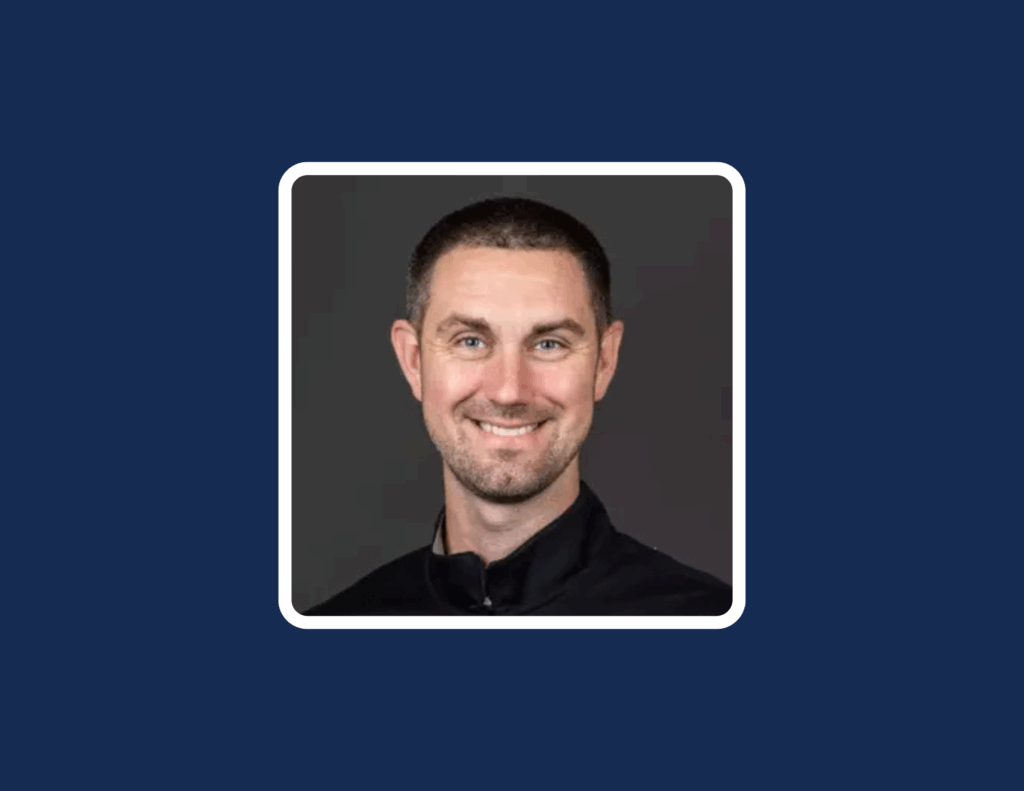
JORDAN FAIR – ARKANSAS STATE UNIVERSITY MEN’S BASKETBALL ASSISTANT COACH – EPISODE 1158
Website – https://astateredwolves.com/sports/mens-basketball
Email – [email protected]
Twitter/X – @Jordan_Fair

If you listen to and love the Hoop Heads Podcast, please consider giving us a small tip that will help in our quest to become the #1 basketball coaching podcast.
Jordan Fair is entering his first season as a Men’s Basketball Assistant Coach at Arkansas State University in 2025-2026 under Head Coach Ryan Pannone.
Fair spent the previous 4 seasons as the Head Coach at his alma mater Oldsmar Christian (FL) High School building up the Eagles into one of the top 25 high school programs in the country. Fair has also worked in player development with NBA players including Donovan Mitchell, Anfernee Simons, John Henson, Tony Bradley, Adrian Griffin, Aaron Jackson, Harrison Barnes, and more.
Fair served as an assistant coach under Rick Pitino at Louisville during the 2016-2017 season following his first stint as the Head Coach at Oldsmar Christian from 2012-2016. Jordan began his coaching career as an assistant to Pannone at Oldsmar in 2010 and then was an assistant at Faith Baptist (FL) High School for the 2011-2012 season.
As a player, Fair competed collegiately for Lee University and the University of North Florida.
On this episode Mike & Jordan discuss the importance of personal growth and adaptation in coaching, as Fair reflects on his experiences from coaching at the high school level to entering the collegiate sphere. He emphasizes the necessity of hard work, continuous learning, and cultivating a positive environment for both players and staff, highlighting the profound impact that relationships and culture have within a team. Fair’s commitment to developing not only skilled athletes but also good individuals is central to his coaching philosophy. As he embarks on this new chapter at Arkansas State, listeners are invited to explore the challenges and joys that accompany the pursuit of excellence in the world of basketball.
Make sure you’re subscribed to the Hoop Heads Pod on your favorite podcast app and while you’re there please leave us a 5 star rating and review. Your ratings help your friends and coaching colleagues find the show. If you really love what you’re hearing recommend the Hoop Heads Pod to someone and get them to join you as a part of Hoop Heads Nation.
Be sure to follow us on Twitter and Instagram @hoopheadspod for the latest updates on episodes, guests, and events from the Hoop Heads Pod.
Grab pen and paper before you listen to this episode with Jordan Fair, Men’s Basketball Assistant Coach at Arkansas State University.
What We Discuss with Jordan Fair
- The importance of hard work and dedication in achieving success
- The significance of mentorship in Jordan’s journey is highlighted, particularly the role played by Coach Ryan Pannone
- Creating a positive and enjoyable environment within a basketball program is essential for player development and team cohesion
- The challenges and opportunities presented by the transfer portal in modern college basketball recruitment
- The significance of building strong relationships with players, focusing on their goals and aspirations to help guide their development and accountability
- Success in basketball is not solely based on wins and losses, but rather on the positive impact coaches can have on the lives of young men
- Understanding player roles in a highly competitive environment
- The fulfillment derived from being part of a player’s growth and success
- The transition from high school coaching to college coaching
- Fostering joy and commitment among players
- Investing time in understanding players’ individual goals and motivations
Like this show? Please leave us a review here — even one sentence helps! Consider including your Twitter handle so we can thank you personally!

We’re excited to partner with Dr. Dish, the world’s best shooting machine! Mention the Hoop Heads Podcast when you place your order and get $300 off a brand new state of the art Dr. Dish Shooting Machine!
Your first impression is everything when applying for a new coaching job. A professional coaching portfolio is the tool that highlights your coaching achievements and philosophies and, most of all, helps separate you and your abilities from the other applicants.
The key to landing a new coaching job is to demonstrate to the hiring committee your attention to detail, level of preparedness, and your professionalism. Not only does a coaching portfolio allow you to exhibit these qualities, it also allows you to present your personal philosophies on coaching, leadership, and program development in an organized manner.
The Coaching Portfolio Guide is an instructional, membership-based website that helps you develop a personalized portfolio. Each section of the portfolio guide provides detailed instructions on how to organize your portfolio in a professional manner. The guide also provides sample documents for each section of your portfolio that you can copy, modify, and add to your personal portfolio.

Hey coaches — you’ve got a game plan for your team… but do you have one for your money?
That’s where Wealth4Coaches comes in.
Each week, they deliver simple, no-fluff financial tips made just for coaches. Whether you’re getting paid for camps, training sessions, or a full season—Wealth4Coaches helps you track it, save it, and grow it.
It’s time to stop guessing and start building.
Subscribe now at wealth4coaches.beehiiv.com/subscribe
And follow them on Twitter @Wealth4Coaches for daily money wins.
Your money needs a coach.
Start with Wealth4Coaches.
THANKS, JORDAN FAIR
If you enjoyed this episode with Jordan Fair let him know by clicking on the link below and thanking him via Twitter.
Click here to thank Jordan Fair via Twitter
Click here to let Mike & Jason know about your number one takeaway from this episode!
And if you want us to answer your questions on one of our upcoming weekly NBA episodes, drop us a line at [email protected].
TRANSCRIPT FOR JORDAN FAIR – ARKANSAS STATE UNIVERSITY MEN’S BASKETBALL ASSISTANT COACH – EPISODE 1158
[00:00:00] Narrator: The Hoop Heads Podcast is brought to you by Head Start Basketball.
[00:00:20] Jordan Fair: I had a lot of growing to do. I used to be a head coach of a top 10 high school program and a number one AAU team in the country. I was my own boss. I made my own rules and I had to learn a lot about the game. I had to learn a lot about myself. I had to learn a lot about work ethic. It was a wake up call for sure, and as I got into a groove of being there and work and getting better and learning new things and I became addicted to it, I became addicted to the continuous opportunity for me to grow and get better.
[00:00:51] Mike Klinzing: Jordan Fair is entering his first season as a men’s basketball assistant coach at Arkansas State University in 2020 5 26 under Head Coach Ryan Pannone. Fair spent the previous four Seasons as the head coach at his alma mater, Oldsmar Christian High School in Florida, building up the Eagles into one of the top 25 high school programs in the country Fair has also worked in player development with NBA players, including Donovan Mitchell, Amerie Simons, John Henson, Tony Bradley, Adrian Griffin, Aaron Jackson, Harrison Barnes, and more.
Fair served as an assistant coach under Rick Pitino at Louisville during the 2016 17 season, following his first in as the head coach at Oldsmar Christian from 2012 to 2016. Jordan began his coaching career as an assistant to pone at Oldsmar in 2010, and then was an assistant at Faith Baptist High School for the 2011 2012 season as a player Fair competed collegiately for Lee University and the University of North Florida.
Hey Hoop Heads. I wanted to take a minute to shout out our partners and friends at Dr. Dish Basketball. Their Dr. Dish shooting machines are undoubtedly the most advanced and user-friendly machines on the market. Learn more at drdishbasketball.com and follow their incredible content @drdishbball on Twitter, Instagram, Facebook and YouTube.
Mention the Hoop Heads Podcast and save an extra $300 on the Dr. Dish Rebel, All-Star and CT models. Visit drdishbasketball.com for details. That’s a great deal Hoop Heads, get your Dr. Dish shooting machine today.
[00:02:31] Matthew Raidbard: Hi, this is Matthew Raidbard, author of Lead Like a Pro, and you’re listening to the Hoop Heads Podcast.
[00:02:42] Mike Klinzing: Coaches, you’ve got a game plan for your team, but do you have one for your money? That’s where Wealth4Coaches comes in. Each week, we’ll deliver simple, no fluff financial tips made just for coaches. Whether you’re getting paid for camps, training sessions, or a full season, Wealth4Coaches helps you track it, save it, and grow it.
It’s time to stop guessing and start building. Subscribe now at Wealth4Coaches.beehive.com/subscribe and follow us on Twitter at Wealth4Coaches for daily money wins. Your money needs a coach. Start with Wealth4Coaches, grab pen and paper before you listen to this episode with Jordan Fair, men’s basketball assistant coach at Arkansas State University.
Hello and welcome to the Hoop Heads podcast. It’s Mike Klinzing here without my co-host Jason sunk tonight. But I am pleased to be joined by Jordan Fair. Men’s basketball assistant coach at Arkansas State University. Jordan, welcome to the Hoop Heads Pod.
[00:03:42] Jordan Fair: Glad to be here, man, really excited about the opportunity,
[00:03:46] Mike Klinzing: Fresh off the road recruiting directly from the car to the podcast.
It’s the way it works. So, Jordan, appreciate you taking the time. That’s to, to jump on with us tonight and add on to your, your long and hopefully fruitful day of recruiting. But let’s start by going back in time to when you were a kid. Tell me a little bit about your first experiences with the game of basketball.
What made you fall in love with it?
[00:04:06] Jordan Fair: I started I want to say fourth or fifth grade. And I remember, as none of my coaches will believe me saying this, but I remember just getting a lot of buckets just buckets galore and the feeling when you score like it, it makes you like a game more.
So I just remember being a pretty good young scorer and my dad used to take me out there. We play all the time and. I just fell in love with it, man. It’s just something I haven’t been able to get away from, or get off my mind or put down ever since probably about fourth or fifth grade.
[00:04:43] Mike Klinzing: Would you say that early on your dad was your bigger, biggest influence in the game, or was it somebody else? I would say a youth coach.
[00:04:49] Jordan Fair: No, I would say def, I would definitely say my father now, he was a former player, but he was an elite level competitor so everything we ever did was competitive.
So once he saw that, I really liked the game of basketball he turned it into us competing every day in the driveway. So would definitely say he was my, my initial driving basketball force for sure.
[00:05:14] Mike Klinzing: As you got to be a little bit older and you started to take the game more seriously, in addition to just being able to get buckets in a game and you, you really thought, Hey, want to get better.
What did it look like for you, your process for improving as a player, let’s say as you get into middle school, high school? What did you start to do to really work on your game?
[00:05:34] Jordan Fair: that’s, so I’ll kind of start in eighth grade and I think you’re going to find this story to be really interesting. So, first and foremost, I played with a, a, a really good middle school team.
So I actually played with former NBA player Tyshawn Taylor. They played at Kansas played for the Brooklyn Nets. I played with Adam Peg that played in the University of Delaware, was an all conference guy at Stetson. We we used to play against Luke Lauch, who’s the head coach at Florida State now.
We were in the same middle school league and my team, we went undefeated, we went 12 and oh, won every game. And at that point. That’s when Ryan Pone kind of entered my life. I’ve actually known Ryan Pone since I was about 12 or 13 years old. who’s my current boss now here at Arkansas State.
So he kind of introduced me to what it looked like to actually work on my game. eighth grade you, you go to the gym, you go to the park, we’d be in there all day, every day. I mean, we’d, we’d ride our bikes to the rec center and we’d be in there from the time the sun came up to the time of dinner time.
But when I kind of got to know Ryan Pone he showed me what does a skill workout look like? how many shots should you be making every day? How many minutes of ball handling what does it look like to become a better athlete? So I can say coach Pone entering my life at eighth grade kind of got me down the path of like, alright, I love the game, but now here’s how you, if you want to be a college level player, division one player, these are the things that you need to begin doing.
[00:07:05] Mike Klinzing: And what were those things? What did that look like for you? Are you in the gym mostly by yourself? Are you with your buddies working out? Are you playing a lot of pickup games? Some combination of all that. What did it look like for you specifically once you kind of got on this path that Coach Manone sent you on?
[00:07:21] Jordan Fair: Yeah, that’s a great question. So school started at 8:30 AM we would get in the gym around seven, be more of like a shooting session, right? Getting up, making a bunch of shots after school. We’d do a quote unquote skill session with Coach Pone where he’d put us through different skill workouts working on finishing in the lane different skill moves, different game actions.
Then we’d play pickup. And I, so it, it would, it would be sometimes you’d do it on your own, but primarily, I mean, we would do it with our buddies we always had a workout buddy, I worked out with the guy mentioned Adam Peg a lot. Chris Perez that played at University of Albany Dave of Maniah that played at Liberty.
John Henson that played in the NBA for 10 years. He was a childhood really good friend of mine. We spent a bunch of time in the gym together, so it would kind of be a three-prong thing. I don’t think I touched a weight until I was probably a senior in high school. It was a lot of just shooting skill, workout and then a lot of pickup.
[00:08:24] Mike Klinzing: So with all those guys that you had an opportunity to play with and against,
[00:08:29] Jordan Fair: yeah.
[00:08:30] Mike Klinzing: Right. Were you at all at this point in your career as a player thinking about coaching? Or were you strictly still thinking about the game from a player perspective? Because usually what I’ve found over the course of doing the podcast, Jordan, is that you have sort of two schools of how people get to coaching.
You have the kid who’s in fourth grade and they’re drawing plays on a napkin, and they’re coaching their teammates and they’re. Thinking the game like a coach. And then you have the other people who they’re just strictly focused on trying to be the best player they can possibly be, and then all of a sudden their career ends, or it’s coming to an end and they start looking around going, wait the game.
I can’t, I can’t play anymore. Well, I have to stay involved in the game. Let me turn to coaching. So, I don’t know. Were you thinking about coaching at that young age as you’re a high school player, or was it still something that was not really on your radar yet?
[00:09:26] Jordan Fair: can say that when I was a young player, I definitely was thinking about being a pro.
I didn’t think I’d be an NBA player, but I thought I could be a pro player playing overseas. So would say that most of my thought process was towards being the best player that I could be. I was always told, told as a kid that I wasn’t ab going to be able to be a division one player that I wasn’t going to sign a division one scholarship.
So I spent a lot of time on just making sure that those people were wrong. And if my fire I played with team breakdown in a a u I played with Kenny Boyton and Brandon Knight. we won an AAU national championship and wasn’t the best player on that team and I wasn’t playing all the minutes.
So I, even though I played with great players the deck was kind of stacked and I had to, I had to really work I had to really, really, really work at it to, to have an opportunity. So then I went and played division one basketball, and I think once I got to college and maybe realized it was a little bit harder than I thought it was going to be to be a pro, I looked at the guys around me like, wow, these guys are really good and they’re not going to be pros.
Like, I think that’s probably when the switch went. what? I never want to leave the game. So let me start thinking about what would I do next? when I’m done playing, would I, would I coach, would I be an agent? Would I try to be in the NBA in some capacity? What would that look like?
[00:10:56] Mike Klinzing: Talk to me a little bit about your mentality as a kid going through high school, being surrounded by other great players and wanting to prove yourself that you could be a Division one player. Your story rings true for me because way back a long time ago, so I graduated from high school in 1988, so we’re talking pre-internet, nothing’s, whatever.
And I know that for me, the only scholarship offer that I got is the one that I took and I wanted to prove that I was a division one player and I saw guys around me that were in my high school class or were in my same area, and I’d see, well, this guy’s getting a scholarship and this guy’s getting a scholarship.
And in my mind, each time I saw that, I was like, I’m better than that guy, or I play with that guy all the time and he’s not better than me. And so I really wanted to play division one, and yet at the same time. I only had one offer and Well, if you only have one offer, a lot of people will tell you Right.
That well, you are who’s recruiting you. And for me, yeah. Most of who was recruiting me in the state of Ohio was division three schools. And I only got a scholarship out offer at the very, very end of the spring of my senior year because somebody else dropped out and transferred. And so they opened up a scholarship and I was lucky enough to get it.
So just talk to me a little bit about how important that desire to play at the Division one level. How did that push you to work and improve and get better as a player? Just to, as you said, prove people wrong? ’cause I feel like my story it totally rang true when I heard you talking that, because that’s how I felt back when I was a high school player.
[00:12:42] Jordan Fair: think I was very, very, very fortunate to be surrounded with, with intrinsically motivated individuals. I was extremely fortunate to be around people that weren’t going to allow me to settle for anything less than my best. IE Ryan Pone and I had some great friends that they were really good players the mentality was, is you’re not going to outwork me.
You might be bigger, you might be stronger, you might be more athletic, but you’re not going to do more work than I was going to do. So I dedicated, remember not going to the movies. I remember not going to the mall. I was a thing to do when I was a kid, and I just remember jump roping. I remember running sprints.
I remember going to the park all day and the heat blazing, heat outside. And I just remember just being relentless, just thinking, what, man, I’m not. My, my, my dad told me when I was a young man, if you don’t get a scholarship to play this game, you’re probably going to work with me at the pizza shop up the road.
So I just, a lot of those things just intrinsically motivated me to be just in the relentless pursuit of being the best I could be and not allowing anybody to ever outwork me. I think a lot of those things that propelled me, those thoughts and those feelings that propelled me as a young man to get a Division one scholarship still drive me today.
Like, you you might be more talented, but you’re not going to outwork me. That’s just not something I’m going to allow to be true, ? So, it was an everyday mentality was I was going to, if you’re waking up at, at seven, I’m waking up at six 30. if you’re doing two shooting workouts, I’m going to do three.
If you made 50, I’m going to make 75. If you’re running 10 shrimp sprints, I’m running 12. whatever you’re doing, you’re clearly a better player than me, or you’re more gifted than me. I’m just going to make sure whatever you do, I do more to give myself the best opportunity to, to do, make this happen.
And I’ll never forget Ryan coach Pone sitting me down and just saying, look, dude, you’re not working hard enough. And I just, what, what are you talking about, man? I’m doing more than everybody else. t, it wasn’t enough, ? So then it just, okay, all right, well look, this is what I want.
So if you tell me it’s not enough and you ‘m okay. What, what do you think I need to do more of? And take, taking great advice from great leaders and then not being too stubborn or hardheaded to go and do it. So, I was, can just say I was very fortunate to be surrounded by great influences,
[00:15:19] Mike Klinzing: life lessons, right?
That you take from the game that, as you said, apply not just to a high school kid trying to get a Division one scholarship, but apply to anything that you’re going to do in life, right? If you’re willing to work harder and longer than the person that you’re competing with, chances are you’re going to come out ahead no matter how much more quote unquote, naturally talented that person may be.
And there’s a tremendous life lesson to be learned there. And
[00:15:46] Jordan Fair: I think a lot of people are in into instant gratification, especially now with social media. they see somebody doing something online and they’re like, oh, well I should just be able to go outside and do this in a week. And you can’t beat consistency.
when, when I was younger there, there wasn’t a cell phones and what, I mean, you could only be on a OL dial up for like an hour like you had to do something with your time. So I, and I, , and I wasn’t constantly checking the progress of somebody else. I had to go stack my own days.
Right. I had to make sure that I was just consistent with what I was doing. And so I was able to just kind of get lost in that. And like I said, great influences around me, just constantly reminded me, like, we have to work today. We have to get better today. What, seven days in a week? It’s seven opportunities to get better.
Let’s make sure we take full advantage of that.
[00:16:42] Mike Klinzing: What’s your favorite memory from being a high school basketball player?
[00:16:47] Jordan Fair: Hmm. My favorite memory from being a high school basketball player? I can say ‘ll give you a couple, I’ll give you two. One when I was a freshman playing on varsity. we were played the IMG Academy back in the day.
They had Ricky Sanchez. That was a draft pick out of high maybe out of high school, maybe one year after college. I remember just that being kind of my welcome to varsity basketball. we, we ended up winning the game. It was my best game from that game, I ended up getting recruited to play high level a a u basketball.
I just remember it being a, a gratifying event that showed that the hard work that I was putting in paid off. I’d say the other memory is probably a group of memories. playing a a u basketball with team breakdown as a kid. going down to Miami and just being in a gym with Eddie Rios and Brandon Knight and Kenny Boydton all these great players that I’m just, I’m the worst player of the group.
But going in and just battling that out and just, I remember we’d practice, we’d work out together, we’d practice, we’d work out. I mean, it’d just be these long. Grueling days of just grinding it out against each other in a dark, hot gym. And I just remember like no matter how hard it was, it was gratifying to me.
Like, I’ll never forget my basketball journey of the things that I went through to be a great player. I don’t, I don’t know how well or if the, the gillian’s that run team breakdown, but it was a highly competitive a a u environment and it definitely made me better.
[00:18:29] Mike Klinzing: How did that play into your eventual recruitment?
Gimme the story of how you make a decision about college and how the a a u experience with team Breakdown played into that.
[00:18:42] Jordan Fair: Yeah, I mean, I think I didn’t like you, I didn’t have a plethora of options. I think I maybe had two or three division one offers and ‘m, I’m, I’m, I’m a Florida guy, pretty through and through.
was pretty serious about Florida. It was my prerogative to not leave the state of Florida. I wanted to leave. So don’t know how much of an influence playing a, a U made on my decision. I think it was more so like I went and visited North Florida. It was my first visit. It was near the beach.
It was three or four hours from my house. And I enjoyed the environment. watched him play pickup. felt like I could compete and I felt like there was opportunity for me. And think made my decision based upon that.
[00:19:27] Mike Klinzing: What was the adjustment like for you when you get to college?
Both from a major basketball was major, social, academic, what, what was, what was that adjustment like for you?
[00:19:36] Jordan Fair: Oh, it’s major. I mean, it was major, I’d say the biggest struggle. That I had was just time management priority making priority the things that should be priority. when you’re a college freshman college student you got your freedom for the first time.
you’re, you, you got this big old campus with all these new people and all these different events and things going on, but you still got homework. you still got practice, you still have to work on your game, you still have to lift weights, you still have to go to study hall, you still have to do all the things while still wanting to be a, a college student.
So I can tell you my first semester whooped me. Academically and really woke me up like, oh wow, I was a AB student in high school. This ain’t high school anymore. I have to really buckle down. And nowadays they have really good academic support. When I was there, you had to go to like a learning center and you kind of just were in there by yourself, figured it out, .
So times changed a little bit, but the biggest adjustment for me, for me was certainly just time management. Making sure that I was prioritizing my time and making sure that the things that were most important were finished before I did anything that was fun or foolish. Sort of like a typical 18-year-old kid.
Right. I was, I was definitely one of those. That’s for sure. I had a great time at North Florida.
[00:20:57] Mike Klinzing: When you go into school, we talked a little bit about the coaching piece of it, but what were you thinking about? Were you at all, what were you thinking about in terms of, in terms of career, or were you still focused at this point?
Like, I want to be able to play professionally. When I’m done at your mindset as you went into school?
[00:21:16] Jordan Fair: Yeah. At this point, this point, I’m, I’m coach Beone really started pouring into me in terms of like networking, building relationships with the coaches, building relationships with other coaches, building relationships with the other players, and making sure that I kept the relationships with some of the guys that I knew.
And I think I think started really to turn to like, what would coaching look like for me? what, what, what would that look like? how would I go about that? And I don’t think I figured that out until like my sophomore year I transferred to Lee University in Tennessee. I actually tore my Achilles and at that point it was like, I came I went through the whole nine, 10 month rehab came back.
I didn’t feel the same. And I’m thinking I can definitely, there’s some, I have some options to continue to play, but do I really want to play even though I’m not the same player that I was? at that point, I reached out to Coach Pone and I went and I was his assistant coach at the high school.
And fell in love with it.
[00:22:19] Mike Klinzing: What was it immediately about coaching that you love when you get there? What, is there one aspect of it that you grabbed onto or like, oh yeah, this is, this is it, man, this is why I want to do this.
[00:22:30] Jordan Fair: Yeah. So keep referencing coach Pome but he was a big part of my childhood as a basketball player.
So I remember being a young man and when my parents split, right? when you’re young, there’s two directions that you can go, right? You can go down the path of woe is me, and it is tough and turbulent time, and potentially make some bad decisions. Or you can go down the path of like I’m motivated and nothing’s going to stop me from being successful.
Well, coach Beone pulled me down that path. Like, Hey, look like, let’s take this as an opportunity to grow and get better and make sure that we make something of ourselves. And I remember going back and and dealing with some young men that were going through turbulent times and just falling in love, remembering what someone once did for me and now I have an opportunity to do it for them and look at the impact that was made on me in my life.
Well now I get to make the impact on somebody else’s. So I remember falling in love with that feeling of making a difference in a young man’s life for the better.
[00:23:33] Mike Klinzing: Makes sense. I mean, I think that goes to using the game of basketball to be able to have an impact. And it’s a theme that has run through this podcast from the very beginning, right?
That when you get into coaching, you want to be able to have an impact, as you said, on kids who are going through maybe similar circumstances to what you went through when you were their age and being able to use the game of basketball. That we love to be able to do that. I just think it’s such a privilege to be able to use the game, which has been so, I always say there’s no way I could ever give back to basketball.
What basketball has given me. When I look at everything in my life, people, jobs, fun experiences, influence on who I’ve become as a person. Like all of that, I can trace back to the game of basketball. So I can never give back what it’s given me. But yet when I hear you talk and I hear you say, Hey, what is it that grabs you about coaching?
It’s that ability to be able to have impact on the young people that you’re working with and to be able to do that with basketball. To me, there’s nothing that’s more satisfying and more powerful than maybe be able to use something that you love to be able to have an impact on people. And it sounds like that’s what grabbed you right away.
[00:24:55] Jordan Fair: Oh, no doubt. No doubt. No doubt. And it that it propelled me through. Through coaching high school basketball. I became a, became a head coach and at Oldsmore Christian and I was, I had the opportunity, I was blessed to coach a lot of really good players, but more importantly, make a lot of positive impact and on a, on a lot of young men’s life for the better.
that’s something that those memories and the memories I’m continuing to build with the players we’re coaching now is, is what continues to drive me forward.
[00:25:27] Mike Klinzing: When you got started, and obviously you’ve been to a couple stops in college, been at Louisville, been at Arkansas State, and we’ll dive into those a little bit more here in a second, but were you thinking high school coaching was where you wanted to be?
Or was there ever a thought that, hey, I’m starting out at the high school level. I played at the college level. I know lots of guys who have played at the college level. Maybe I want to get there or where was your mindset. As you get started, or were you just happy to be coaching, man? You’re just like, Hey, I just, I just love coaching.
Here I am with Coach Manone. Let’s, let’s see where this thing takes me.
[00:26:03] Jordan Fair: I can tell you that the original thought was I wanted to coach in college. Well, as I became a better coach at the high school level, and started to win more games and coach better players. Well, I kind of got to the could do this, I could do this forever, ?
’cause coming along with coaching the team, you also run the camps, right? We had kids camp during the summer that I ran trainings that I ran, and just enjoyed it, man. I, there was a point where I was never going to leave that I was going to stay at Oldsmar Christian forever. So I think that the initial goal was, I’m going to be a college coach.
But I think was, there was a time maybe couple years in where I’m, I was happy right where I was at. I was content.
[00:26:51] Mike Klinzing: What did you learn during your time as an assistant and both as a head coach, that you feel like if you were going to give advice to somebody who was a relatively new high school coach, what are one or two things that you think are critically important to having a good high school program that’s successful, both successful in terms of wins and losses, but also successful in developing and having the kind of impact that you talked about that drew you to coaching in the first place?
[00:27:24] Jordan Fair: That’s a great question. I’d say there’s, there’s a couple things that I would say. I would say number one make sure that you do not get caught up in the wins and the losses, right. you are going to win games because you are going to invest time and you are going to, what I’m saying?
Focus on the young men that you’re coaching. How do you make them better? How do you make sure they’re turning into good people? How do you make sure that you are being the leader that your your young men need? Right. Chasing wins and being all about wins and making decisions based upon wins and losses.
It is a mistake. You are molding the minds of young men for the future, both in basketball, but also as people. Right? So that would be number one. Number two, I would say you have to be hungry to learn all the time. , I was at a coaching clinic with Coach Pone at University of Alabama a couple weeks ago, and just the best coaches just want to learn all the time.
They just want to learn. They always want to learn. They’re locked in a learning. They never know too much. They Nate Oates is asking the most question at this coach’s clinic. And Nate Oates has been doing the Elite Eight and the Final Four in the last two years. He’s arguably one of the. best college coaches in the game right now, but he’s constantly asking questions.
He’s constantly wanting to learn, right? And if you ever get to a point where you’re done learning and you’re not growing well, then there is a problem. You, so I would tell any young high school coach or any high school coach that wants to continue to grow, like invest in your people, invest in ’em.
Don’t make it about you. Don’t let it be about your wins. Don’t let it be about your losses, right? Those things are going to take care of itself because you’re molding great young men and you’re investing in their career and their path, but, and also be like I said, just hungry to learn. hunt the margins.
Be open. Be open to doing things different. Be open to doing things better. Be open to taking suggestions. I wish, as a young coach, all the college coaches that came in my gym, and I feel like I did it sometimes. , I wasn’t nearly consistent enough. I should have cornered all of those coaches that came in my gym and said, what is something that I should have done better?
Or, what is something that you do? I we do it this way. How do you do it? Or, please, send me your drills or ple what can I get from you for being here today? Recruited? wish I would’ve invested more time and energy picking the brains of individuals that were clearly smarter than I was.
[00:29:54] Mike Klinzing: All right, so let’s take that a step further. So you look back on that opportunity, that as maybe a missed chance to be able to grow. When you think about yourself today, at this moment in your coaching career, when you think about being a lifelong learner, where do you go? Who do you turn to? What do you turn to when it comes to learning about being a better coach?
What are the sources? Where do you go? Are you a book guy? Are you a YouTube guy? Are you a synergy guy? Are you a. I call and talk to mentors. Are you a little bit of all that? What’s your process for learning and growing as a coach right now today?
[00:30:34] Jordan Fair: So, I’ll be very honest with you. I don’t read at all, but I do listen to audio books.
I’m a big audio book guy. I do love to, to listen to audio books. I do listen to the slapping glass podcasts when I’m getting a good lift in or, or getting a good workout in. I do also work for a basketball encyclopedia Ryan Pone. So when in doubt cut film what I’m saying, , I’ll sit down cut our practice.
I’ll cut an NBA game. I’ll go through watch as much as I can, pick out as much as I can. I also love to call individuals that I know have more experience individual that call often is, is Chris Capco at SMU is an unbelievable basketball coach. It’s had an unbelievable amount of success.
I pick his brain a lot. I’m open to all facets of learning. I would love to learn any way, shape, or form. So would say the best answer, I’m a little bit of everything. , I’m, I’m listening to podcasts. I’m I’m listening to audio books. I’m cutting film. I’m watching film. I’m going into Coach Bono’s office picking his brain as much as I can.
Or I’ll, I’ll call pick some of the other really smart college coaches that I know I’ll pick their brain to.
[00:31:53] Mike Klinzing: As a high school coach, you had an opportunity to coach a lot of really good players that went on to play college basketball. And I think one thing that young coaches sometimes struggle with is, how do I make sure that I’m coaching my best players hard and getting the most out of them, and making sure that the other players on the roster see that.
I’m coaching that quote unquote star player, just as hard, I’m trying to improve them just as much. How did you make sure early on in your career that, that you’re giving those guys who are high level players, that you’re giving them what they need, but also making sure that, that you’re pushing them to be able to get the most out of those players and maximize what you have on your roster?
[00:32:46] Jordan Fair: Well, I think I think it’s really, IM important that you, before you coach a player, you invest in a player, right? You have to invest time into the person, right? You have to invest time into the person that you’re getting ready to coach, finding out. Things like what are your goals? What do you want to accomplish?
What is the reason that you’ve decided to come and play here? And I think it’s pretty simple, ? Or maybe not simple, but I think the logic is simple and it’s holding them accountable to what their goals were. Right? When guys wouldn’t practice hard, when guys would give attitude like, well, you told me this was what your goal was.
You told me this is what you, do, you feel like your effort, and do you feel like what you’re doing is, is going to help you accomplish what your goal is? My job is just to help you accomplish what you told me your goal is. So what I’m going to do is I’m going to coach you that way. Every single day no matter what.
And you need to be okay with that. So I think establishing the, the relationship with all of your players and the team. I remember doing a team meeting every year like, Hey, I don’t care who you are. I don’t care. What’s your ranked? I don’t care how many offers you have. You all are here for a reason.
You’re, you’re a reason of being here as you want to be a great human being. You want to be a, a better basketball player, you want to be a great student. I’m going to hold you accountable to be great people, great players, and great students. So, and I’m going to do that every day. Whether you’re Jimmy Johnny or Timmy, I’m going to do it every whatever it takes to help fulfill what my obligation to you is based upon what you told me you came here for.
[00:34:17] Mike Klinzing: Makes sense, right? I think that in any business coaching, especially the opportunity to get to know your players, understand what makes ’em tick, invest in them as people first. Now that allows you, as you said, to be able to get the most of them on the floor because. You can just say to ’em, Hey, this is what I thought we talked about, right?
And you want to get here. It’s my job to help you to be able to get there. So I think that’s a really good approach. It’s a good piece of advice for any young coaches out there to be able to grab onto that and just think about the process for, Hey, how do I get to the point where I can coach those players hard?
I have to understand who they are and what they’re all about. So when you were coaching at the high school level, were those conversations formal or informal that you were having with players? Are you sitting down in a preseason meeting and going through their goals with them individually and as a team?
Or is that sort of a day-to-day conversation? That conversation piece of it?
[00:35:17] Jordan Fair: Yeah, no, I would have them all set up what are your goals? What are your goals for the preseason? What are your goals for the season? like, I need three goals for each. I need to know what you want to accomplish individually.
I need to know what you want our team to accomplish. And we would talk through those goals and we would establish like, what is it that we want to do here? And young men they, they needed help sometimes formulating those goals and articulating what it is that they wanted to accomplish.
But we’d sit and have those conversations. We’d sit down before we started practice, and then I would have a full team meeting on, look, this is why we’re here and this is what we’re doing. We’re here to be great students. coached at a Christian school. I didn’t need to curse you out.
I yelled, I was definitely a yeller. No doubt about it. I was probably pretty wild. But there’s no cursing you out. there is the, this is what we’re here for. We’re here again. This is an academic, academic institution where we’re going to be great people and we’re going to try to be the best players we can possibly be.
The wins and the losses, those are going to come because all of you are going to be really good players, right? We’re more focused on how do we prepare you to get to that next level or become that better player. So I feel as though I did not have a problem coaching any of the players that I had in terms of them being disrespectful or talking back.
feel like for the most part, maybe unless there’s somebody that’s slipping my mind ‘d never had anyone that was perfect. But in terms of coming to practice and working for the most part, think because we had conversations built around goals and aspirations and we level set, set expectations, think we, we beat to, to a pretty similar drum.
I was also fortunate to coach good players that, that held others accountable too.
[00:37:08] Mike Klinzing: Yeah, that helps for sure. If you have guys that hold up the standard, and it’s not just the coach that’s trying to uphold it, but the players are saying, Hey, we all have to take care of this. I think that’s huge. And like you said, the ability to be able to have those conversations with players and understand where they’re coming from, what they want to accomplish.
And then your job, as you said, is just to go in and hold those players accountable to those things that they told you. Right. But you have to establish that baseline first, where if you don’t have those conversations, if you don’t know what guys are trying to accomplish, all of a sudden what you’re describing becomes much, much more difficult, especially as a head coach trying to figure that out on the fly.
When you were a high school coach, what did your practice planning process look like on the high school level? How did you go about putting together a daily practice? Are you sitting down by yourself, pen and paper? Are you doing it on the computer? Do you have, just what’s your process? How did you go about planning a practice when you were a high school head coach?
[00:38:21] Jordan Fair: That’s a great, another great question. So was definitely a pen and paper guy for sure. I would sit down, I’d one thing really wanted to make sure that I did for every practice was I would have a printout for all the college coaches that would come in, but most importantly, I’d have a printout for me.
So I’d write it all down, right? And then I’d take a picture on the scanner, so it was chicken scratch writing. I’d put it on the scanner in there and I’d pass it out to everybody. But I would build it. I mean, tried to make everything as competitive as possible in a buildup way. We’d do some one-on-one, we’d go to two on two, three on three, four on four, and then we’d play five on five.
And I tried to be as conceptual as I could, right. I definitely would’ve done a lot of things differently. But I tried to make the two on two, close out drill live, whatever the case may be. Nowadays, I’d probably work on ghost outs and two on two pick and roll whatnot.
three on three we worked a lot on, on, on just rotating, helping the helper different things. Four on four shells. Everyone does now. And I try to make the shell tricky. And then 5 0 5, we’d, we’d play we’d play out of some of our transition drills and I would do different scrimmages such as zone scrimmages, man to man scrimmages.
But had a winner and loser for every single drill that we did. I wish that I would’ve done a better job of keeping track of which team or, and what players won you. Right. I wish I would’ve nowadays we do that now in our practice, we, we have win percentage for every player. I think that’s brilliant.
I wish I would’ve thought of that back in the day. I would’ve done it, it would’ve helped me with some playing time with some kids. Right. But we had a winner and loser for every drill. We did a lot of running when you lost. We made it as competitive as, as we possibly could. And we, we, we really, I made sure that the focus every single day in our practice was to build right, build on whatever it was that we were doing the day before to the next day.
, I didn’t do a lot of repetitive drills. Maybe every other day. We did the same thing we did two days ago, but I tried to not do the same thing every day.
[00:40:34] Mike Klinzing: How do you divide up, or how did you divide up? At the high school level, your starting five, your bench unit, how often did your starting five play together?
When you were going five on five against your bench? Which obviously then making it and keeping it competitive probably means you have to set up some constraints and some different things. How often did you mix lineups together, where you had a couple of starters on each team? What was your philosophy on sort of building practice units?
[00:41:04] Jordan Fair: Yeah, no, that’s great. I looked at it as an opportunity to build leadership amongst some of my better players. I would, I very rare, unless we did five on oh, or unless we were preparing for a game, I would, I would very rarely have the starters together. I would, I would try to rotate the teams as much as possible.
I just looked at it as whether you, you play with the best players or the worst players. This is an opportunity to help your teammates get better. You never know when you’re going to need some of these guys, whether they’re the best or not. And it’s a great opportunity for you to become a better leader, right?
Like, what type of winner are you, losers complain about playing with Jimmy or Johnny, what I’m saying? Like, exemplify winning stuff. Be about winning help your team win. Find a way to elevate these guys to win. So looked at it as an opportunity to, to improve in a lot of areas.
again, looking back on it I don’t think I would change it because again at the high school level, you don’t have 10 division one players on your team. I was fortunate sometimes to have maybe like six or seven on a team. But you still, there’s still three or four other guys that are not, and you have to find a way to raise their level of play.
And that’s on the players, right? You have to make your teammate better. You have to lead your team and find ways to win.
[00:42:21] Mike Klinzing: How did you divide up the responsibilities on your staff as a high school head coach?
[00:42:28] Jordan Fair: Ooh. I think could have certainly done a better job of that. I think I tried to own a lot of the coaching.
I did have two assistant coaches one of the assistant coaches when I was there from a bulk of it. I let him do a lot of the individual workouts. He owned a lot of that getting guys in the gym extra. But I think probably hogged a lot of practice. I probably hogged a lot of it looking back on it.
I probably should have done a better job of developing my assistant coaches. I probably should have allowed them to bring a drill every day. This is your drill. Let’s have you run it. I probably should have done that more. I probably should allowed ’em to, to run some scouts. probably owned a little bit too much.
[00:43:16] Mike Klinzing: I think that’s a natural tendency, right? As a young coach is. I’ve talked to so many people, Jordan, that. Told me that when they’re young, right, you kind of want to have your hand and everything. Part of what you feel like makes you successful and makes you a good coach, right, is you right. You doing the coaching and you taking care of those things and you having your hand in all this stuff.
And then as you go on in time, you come to realize that as you build a good staff, you want to be able to take advantage of the things that they know that they do well. And also when you are able to delegate some of those things, then it allows you to sort of be the overseer of everything as opposed to getting bogged down in some of the small, tiny minutia.
And I do think that that’s something, that delegation piece that. I’ve talked to very few coaches who say, Hey, when I was 24 or 25 years old, I was great at delegating. I could just pass stuff off to people all the time. It just, this is not the way it works. And then as you get older and you gain more experience, right, you’re more comfortable in your own skin, you have a better understanding of what it takes to run a program.
Now you give the ability to be able to, to delegate. And as you said, I always think that one of the things that really good head coaches do well is they, they do develop their assistance. They do pour into them. They do give them opportunities to be able to coach and stretch and grow and do that kind of thing.
So maybe just talk a little bit about what that’s like when you’ve worked with Coach Pone in terms of him, when you’re his assistant, both at the high school and now at the college level. How has he done. That delegating to be able to help you to continue to grow.
[00:45:03] Jordan Fair: Coach Pone gives us a lot of autonomy over our own, all of our, you whatever we want to learn.
Like I said, if we want to go to a a a A practice, we want to go to training camp, we want to be on a podcast, we want to go to a clinic. I mean, he, he gives so much autonomy over that he is all in on us improving and getting better. Whatever it is that we feel that we need to do, whatever we can get involved in, in terms of like delegation within our program.
Again, he, he you have to show initiative, right? What is going to make our program better? That’s what Coach Beone wants. he wants to, to move forward. He wants us to better our careers, which I respect and I appreciate. So we have someone that runs our defense. he runs a lot of our offense, but he’s also in the same breath.
Like we all work together. Right. Whatever is going to help our players be better. Whatever is going to help our program be better, whatever’s going to help us succeed, let’s do that. No, it’s no one person’s recruit. It’s nobody’s defense. It’s nobody’s offense. It is ours. Let’s figure this out together. So think he does a great job of making sure that we all have a hand in everything that we’re doing.
[00:46:19] Mike Klinzing: So what’s nice about the situation there that you’re describing with Coach Pone, right, is that each of you are given the responsibility to be able to take care of some aspect of the program, but then ultimately, right? It’s not about who gets credit for this or who gets credit for that. All the contributions that you guys make as a staff all come to Perge, come together to produce one outcome.
And I, and I think when you start talking about the ability to, to delegate, yeah. You want your coaches to be able to have the responsibility, you want them to be able to grow, like you described. You want to be able to pour into them. And yet at the same time, you want everybody working together to the point where we’re trying to produce that same outcome and your piece that you’re bringing from over here and that your other assistant’s bringing from over here, and that coach pone might be bringing from here.
Everybody’s, again, contributing their piece. And then you’re, you’re ending up with, you’re putting all the ingredients together and then at the end you’re, you’re baking the pie and coming out and hopefully building the type of program that you want to build. And that’s really what it’s all about. When you think about what a coaching staff is supposed to do, right?
Everybody brings their strengths to the table and compliments one another, and then boom, that’s when you start getting those outcomes that you’re looking for. Tell me about the opportunity at Louisville
[00:47:37] Jordan Fair: in terms of how we got it, or how it was In terms of
[00:47:42] Mike Klinzing: Yeah, in terms In terms, yeah, in terms of how, well, let’s start, let’s start with how that opportunity comes to you.
’cause as you said at that point, right, you’ve built a successful high school program. You’re feeling pretty good. I know your original goal, as you said, was to coach at the college level, but at some point you kind of shifted a little bit and said, Hey, I think maybe I can just stay here at the high school level.
So what changes or what is the opportunity at Louisville? How does it come across your jet, your desk?
[00:48:11] Jordan Fair: Yeah, so my last year coach in high school, had I had nine division one players. I had like three top 50 guys who were top 10 in the country. I think we were as high as like number six or number seven.
Coach Patino came down and watched practice and we had a good team. We had some good players. he pull ended up pulling me aside saying. why you have any interest in coaching in college and at the time Yeah. obviously you answer Yes. Yeah, of course. I have some interest and didn’t know if I wanted to do it.
Wasn’t really sure. Ended up taking a visit up there and checking it out and it just came to how do you turn it down. So I went in as a graduate assistant. the experience it itself was, I learned at, at my point when I was a high school coach, and that’s why I made the comment about never being closed.
My always willing to learn. Like I thought I was a hard worker. I thought I was a good basketball coach. Well, when I got to Louisville didn’t know anything about anything, what I’m saying? Like, I was not, I was not where I thought I was. I learned a lot about the game, I learned a lot about work ethic.
I learned a lot about what it takes to be successful. he. He was an unbelievable detail-oriented individual. I mean, he was a relentless worker, and I learned a lot about the game. I’m very grateful for, for what I did learn about the game of basketball and the work that needed to be put in at a high level in order to be successful.
[00:49:46] Mike Klinzing: What was your day-to-day role as a graduate assistant at Louisville? Just give people an idea of what some of your responsibilities were.
[00:49:52] Jordan Fair: Man, I went, probably was a crazy graduate assistant. learned how to do Photoshop. I learned how to cut film. I learned helped the assistant coaches prepare travel.
I would help do scouts. I mean, , I did. It is whatever anyone would allow me to do. did it. didn’t leave the office until everybody else did. I didn’t leave the gym until everybody else did. I was, I was in there from 6:00 AM to 11:00 PM every single day. was, I was pretty relentless.
[00:50:25] Mike Klinzing: You love college coaching?
I mean, was that something that, that schedule, that level of commitment that you saw clearly was someone, your personality, from what I know, from talking to you here for close to an hour, your background as a player, how you measure yourself as a coach, it clearly seems like that type of competitive work ethic driven environment would’ve been one that you really, really enjoy.
Did that sort of shift your mindset as to, Hey, maybe college is the spot, is the place where I want to end up? What, what, what’s your thought processes you’re going through that year?
[00:51:03] Jordan Fair: Oh, man, it was, it was a lot of growing, man. I had a lot of growing to do. I had to obviously as a graduate, I used to be a head coach of a top 10 high school program and a number one AAU team in the country.
I was, I was my own boss. I made my own rules and I had to learn a lot about. the game, I had to learn a lot about myself. I had to learn a lot about work ethic. I mean, it was, it was it was a wake up call for sure. And as I kind of got into a groove of being there and working , and getting better and learning new things and became addicted to it I became addicted to the continuous opportunity for me to grow and get better.
So I could say that the idea of continuing to grow and continue to get better at, at coaching the game learning new things. I just, it it was, I was addicted to it, man. I was, couldn’t get enough of it, to be honest with you.
[00:52:02] Mike Klinzing: So after the 2017 season at Louisville, what’s next for you?
[00:52:07] Jordan Fair: Yeah, went obviously I went back I was in Florida. started a basketball training business where I was working with guys like Tony Bradley. I was working with John Henson individual by the name of Aaron Jackson to play for the Rockets. Played overseas, or Carl White, played for the Cleveland Cavaliers.
I worked with Adrian Griffin. I worked with those off the top of my head. But started working with a lot of different pros. Not just NBA pros, but overseas pros. I was working with younger athletes. I was doing a lot of training, a lot of on the court. I’d be in there sometimes until 11 o’clock at night, just working different guys out.
Then I decided I wanted to coach high school basketball again at the school that I was Oldsmar Christian. I continued the training, continued the workouts, but now also go, got back into coaching. We ne we didn’t get back to the pinnacle that we were at, but we ended up building a, a top 2025 program in the country.
We can proceeded to have some division one players and have some good success.
[00:53:09] Mike Klinzing: What is the key to being a trainer that is impactful for high level guys who are playing division one college basketball, playing overseas, playing in the NBA? What do you have to bring to the table as a trainer to be able to have a positive impact, impact on players at that level?
Right? Because I’m sure you’ve had conversations the same way I have of guys who are training or people who want to get into training and who do they want to train, right? They don’t want to train necessarily fifth grade players in their local community. Everybody wants to be able to train. BA guys or work with high level college players, ultimately that’s where people who are in the training business typically want to get to.
So what would you say are the keys to working with players at that level? What do you have to bring to the table as a trainer to be successful in that arena?
[00:54:02] Jordan Fair: Well, I mean, number one, you have to be prepared. these are professionals you’ve have to be ready to rock and roll. You’ve have to step on the floor with a plan and you better be ready to execute that plan.
I mean, you come in there with no workout and you’re just free flowing and you’re just turning into a rebounder. They can find people to rebound for ’em anytime. you have to be prepared to bring them value and you have to be prepared and you’ve have to also do your research. that’s what goes into being prepared.
Like, what does this individual do? Well, what is this? What is, what is this NBA team or this pro team, what are they asking this guy to do? what are they asking ’em to improve on? How can you help them get prepared for their NBA team or their NBA season or their training camp, or whether it’s midseason workout or how are they shooting the ball whatever the case may be.
So, being prepared and making sure that you’re doing your due diligence and knowing what it is that the individual needs to work on or get better at, that’s really important. number two is, is working with guys like that, understanding that they are people as well. you have to make sure that you are.
making the workout enjoyable, right? Like, you have to make sure that it’s not just straight fa, I mean, these are people, right? You want to have fun with the workout you want to be prepared and you want to make sure that you’re doing things that are tangible and valuable. Like, let’s have fun.
Let’s enjoy this workout. Let’s make sure that they have to go through a grueling 82 game season, right? Getting prepared with me shouldn’t be miserable. we shouldn’t not talk. We should get to know each other. We should enjoy each other’s company. We should be friends, right? You just like any job, whether it’s a corporate America’s job, right?
You want to enjoy the people that you’re around every day or you’re going to be miserable. So I think, I think those two things really were something I would focus on. Again, having a plan, being prepared, but also like, let, let’s have fun today. Let, let’s build a good relationship. Let me be somebody that you can talk to.
Let me be somebody that you can cut up with make sure that you’re enjoying.
[00:56:00] Mike Klinzing: How do you balance, especially with guys who are playing. Professionally, whether that’s in the NBA or overseas, how do you balance out working on a player’s strengths versus working on a player’s weaknesses? Because one of the things that I’ve learned over the years from doing this podcast is when you talk to coaches at higher levels, right?
What often happens is players have very specific roles that are needed to be played as an NBA player. If I’m a eighth or ninth man on an NBA team, my coach is not just going to gimme the ball and say, Hey man, go do your thing. Just shake and bake , and do show me, show me what you got. Right?
A guy who’s an eighth or ninth man in the league has very specific things that his team needs him to do. So how do you think about that piece of it as a trainer in terms of making sure that, again, you as the trainer understand their role and then helping to. Allow the player to understand that so that they can maximize the things that are going to keep them in the league.
Again, being the all around number one ball handler, working on all that for the eighth guy in an NBA team probably isn’t going to be valuable. There’s probably a few things that their team needs them to do. So how do you, a, design workouts around that idea and then b, frame conversations to make sure players understand that if think what I’m saying is, is making sense.
[00:57:31] Jordan Fair: Yeah, yeah. No, no, it, it is. So I, one I would say it depends on the time of year, right? Like, are we in off season? Are we in season? Right? That’s going to depend a lot on what, what it is that we’re going to work on. In the off season. We may try to get you out of the box that maybe the team puts you in and we’re going to try to dial in on maybe building some new skills.
I remember one year. John Henson’s NBA he had Jason Kidd, then he went to Budha Holzer. Well, Buddha Holzer one of their four, and they’re five to shoot threes. Right? They went to that more modern, well, John didn’t shoot any threes in the NBA for the first seven, eight years so we had, in the off season we had to shoot threes.
We had to shoot a ton of threes, like more threes than he’d ever even thought about it. So if it’s in the off season, we’re going to we’re one, we’re going to, what did, what did they pay you for? Right? What, what are they paying you to go and do, right? The NBA is, there’s 30 star players and then there’s 400 role players, right?
Like, so what is your role? what are they paying you to do? And let’s be great at your role. You’re not. think a, a common misconception out of a lot of, you’re not scoring your way to the NBA, you’re not, you’re not scoring there’s 20 Shaa Alexander didn’t score his way to the NBA average three points a game his rookie year or something like that, right?
Like, you’re not scoring, you have to do the other things really well to get the opportunity to score the ball. So how do we get you to be a great role player? how do we get you to be a great rebounder? How do we get you to be a great shop blocker? How do we get you to be a great screener? How do we get you to be a great catch and shoot guy?
How do we get you to make the early easy pass? Or how do we how do we read different situations, right? So that you can get inside of a game and you can operate, right? I was, we, we, we have a guy on our staff, his name’s Anthony Goods, great human being great basketball coach, but he was in the front office for the, for the pistons.
And ‘ve, I’ve heard this from a, a plethora of other people, but there’s unique skills that each front office is looking for. And if you don’t have ’em, like, they’re just not even, they’re going to take you off their board. So, and none of those unique skills is scoring, what I’m saying?
It’s, it may be a facet of scoring maybe a great three point shooter or maybe, but are you, you have basketball iq, are you a good human? can you make a catch and shoot three? Right. So I think I think that you’ve have to make sure one you’re working on what are you getting paid to do, but also understanding it’s, that’s okay that we’re working on that.
And then depending on the time of year, like, let’s get out of the box a little bit. Let’s develop some skills and let’s see let’s see what, what If we can carve you out maybe a little bit bigger role and show, show people what you actually can do, come, come training camp.
[01:00:24] Mike Klinzing: It’s so interesting because I remember the first person that ever.
Sort of shared this idea with me was Mike Procopio, who at the time was working with the Dallas Mavericks. And it just always struck me during that conversation. It almost feels counterintuitive, right? Because if I’m working with, let’s say a kid in elementary school or even a middle schooler, ‘m probably working on developing their all around game, right?
You want ’em to be able to dribble, you want ’em to be able to pass, you want ’em to be able to shoot, you want ’em be able to do all the different things that basketball players do. And we’re talking about a kid who’s between the ages of eight and 14, and then you get to the highest level guys like you’re talking about.
And I love the idea of, hey, what are they paying you to do? Right? So maybe this guy, his job is to be able to guard opposing point guards and knock down catch and shoot threes. And so whether or not that guy can be a high level ball handler or. have tremendous court vision is almost secondary.
As long as he goes through and does the two things that the team is paying him to do. And it, it, it, I remember when Mike said that to me the first time, I was like, I don’t think I ever heard anybody explain it quite in that way. But it makes total sense, as you said, right? There’s 30 guys who are stars, and honestly, there’s probably, there’s, there’s probably even less than that of guys who NBA coaches just hand the ball to and are like, all right man, go ahead and do your thing and we’re going to work our work off of what you do really, really well.
And very few guys get that opportunity at any level of basketball, right? Even at the division one college level, not many guys show up at college and their coach says, all right, here you go. Take the ball and go do what you want. And we’re going to base our whole off offense, over around what you do.
So think when it comes to training, it’s really just a, it’s always an interesting conversation as to how. Guys who are doing that training approach the idea of, hey, how do I really help my guys to excel in their role with their team? Right? And that’s ultimately what you’re trying to do, is what you, what you’re training for is trying to get something that’s translatable to the game, that’s going to make the player better.
Which again, in the case of the NBA is going to allow them to sign their next contract or get a slightly bigger role. And if you’re talking about a high school player, maybe it’s being, they having the opportunity to get a scholarship, but it’s, it’s as a trainer, understanding who your player is and what their trying to accomplish and again, what their role is with their respective team.
[01:03:06] Jordan Fair: A hundred percent.
[01:03:08] Mike Klinzing: Alright, let’s jump to Arkansas State. So first year back with Coach Pone. Tell me a little bit about the conversation between the two of you. Obviously he gets the opportunity here. Arkansas State coming from Alabama. How soon does he make the call to you? How soon do you make the call to him?
When he gets the job? What’s the, what, what goes on between the two of you? What’s that conversation like when you decide to jump on join him here?
[01:03:39] Jordan Fair: Yeah, I mean, he he called me right away obviously offered me the opportunity. I mean, pone he is a great human man.
so , I knew I had felt not new. I had felt that he would offer me an opportunity when he got the job. I focused on being happy for him. his journey has been unbelievable. It’s been very unique. But when he offered me the opportunity, obviously I’m, I’m I’ve got a wife, I’ve got a one-year-old son.
We’re living in Tampa, Florida. I’m coaching basketball, I’m training a bunch of guys, and it’s, it’s, it’s a. It’s a tough tougher decision because you’re pretty removed. was going to have to move across the country. I’d never been to Arkansas I’d never even thought about Arkansas before.
So when he got the opportunity, offered it to me I had to go through a process. came up and visited it, brought my wife it was still semi up in the air, but in the back of your mind, like these are opportunities you dream of to work with someone that you grew up around that you love, that you care about, that you believe in it was almost like a dream come true.
It was something that I just couldn’t pass up. I couldn’t pass up working for Perone just, believe in him. Like I said, he’d been someone that had been pivotal in, in my life. So I looked at it as an opportunity to not only just get back into college coaching, but help him continue to be successful as well.
[01:05:06] Mike Klinzing: After you decide to take the job, what are the conversations that. You as a staff are having in the coach’s office in terms of what you need to do, what are the things you prioritize back in the spring after he gets the job that you knew you needed to take care of in order to get the program going in the direction you guys wanted to go?
[01:05:28] Jordan Fair: Well, we lost every player, every player, every player off the roster was gone. So we had zero guys on our team, so we had to go build a whole new roster. So the conversations, I mean, we would be in the office till one, two o’clock in the morning watching film and kind of breaking down like who it is that we’re, we, we need to go after, and who it how do we build this roster?
How do we want to put it together? what are the things that we need to do? And then we just ripped and roared, man, I don’t even remember those days I’ll be, it was so much going on. It was so many things happening that we just, we just plowed through it, man. We ended up putting together a good roster.
We ended up one that I feel really confident in. We got a lot of really good people, which is most important. good players, but good people. We have a like I enjoy going to practice with these guys every day. They’re enjoyable. So yeah, I mean, we, we just were focused on building, like we didn’t focus enough on scheduling.
I can tell you that for sure. That’s something I learned right out the gate. We have to do better with that. But we really focused on building the team.
[01:06:30] Mike Klinzing: When you guys went out on the recruiting trail, obviously there’s a level of basketball skill and talent that you wanted guys to have to fit into what you want to try to do.
But when it came to. Intangible things that you were looking for, right? You just talked about not only do you have a roster of good players, but you got a roster of good people. What are the intangibles that you guys are looking for as a staff in the guys that you brought in what’s your process for identifying those intangibles as in a player?
What are some of the things that you’re looking for?
[01:07:06] Jordan Fair: Yeah, I mean, so obviously you want to do a lot of intel on, on these guys. what, what type of people are they? You want to call everyone, you want to figure out who they are. But we’d want to watch their best games and then we’d want to watch their worst games to see what type of teammate were they when things weren’t going well?
When they weren’t playing well were they, were they turds on the bench? Were they lifting their team up? Were they still clapping? Were they still playing hard? Were they still coachable? and how were they in their best games, right? Were they cheering their teammates on?
Were they dapping ’em up? Or were, or did everyone hate playing with him in, in his best games? ’cause he was selfish. So we looked at a lot of little things, like a lot of body language stuff, man. A lot of mannerisms, lot of things that you wouldn’t if you’re on the bench, were they given water to their teammates on the bench?
Right? How were they ch on, on the bench? what, what was, or they were sitting back in their chair, right? I mean, what, so we focused a lot on those little things, coupled with a lot of intel, a lot of question asking, a lot of making sure that the individual just fit into what we were trying to build from a culture per culture is hard in college sports nowadays to build right?
And we wanted to make sure that we brought in good people that valued the things that we valued.
[01:08:33] Mike Klinzing: How do you balance out. In the college basketball world today, clearly the recruiting landscape from when you were at Louisville, completely different. In terms of the portal, the NIL piece, high school recruiting is much, much different because of all the available talent in the portal.
So how have you adjusted from your previous college experience in terms of looking at roster building, thinking about the portal versus high school, what was your guys thought process and going through and thinking about how you’re going to construct that roster? High school players versus guys out of the portal?
Was it more a case of, hey, we’re going to try to identify guys that we think can have an impact regardless of whether they were portal or high school, or did you favor one over the other? Just what were you thinking in, in those terms?
[01:09:33] Jordan Fair: Yeah, I mean, we knew that we wanted to bring in high school guys.
we knew that we wanted to bring in three, at least three high school guys. We didn’t necessarily say portal, portal portal or JUCO or whatever. I mean, we definitely were open to the best fits possible for the program. We landed on signing three high school kids. then we went with 10, a combination of the portal , and junior college guys.
But we didn’t, we didn’t go into it with, this is what our priority is. Like, no, we went into it. Let’s find the players that fit what we’re trying to do.
[01:10:10] Mike Klinzing: How do you build a culture. With, I guess maybe it’s almost easier with a completely brand new team. Completely brand new coaching staff, right?
Everybody’s coming in fresh and you can kind of set the tone for what things, what you want things to look like, but how have you guys talked about the culture, what you want to build, how you want to build it, and then what is the daily interaction with your players that reinforces that culture that you guys are trying to set?
[01:10:38] Jordan Fair: Yeah, no coach Pannone had a, we had a great culture meeting before we, we really kicked things off and we established what the pillars of we that we wanted of our culture. And we would go through an outline specific words within our culture and what did that mean to our players, right?
What did ? And so we try to do things like that in our every day that we get an opportunity to meet. Just talking about what, what are the things that. what does a winner look like? What does a loser look like? What’s a good father look like? What’s a good husband look like?
And kind of describe those people and what they look like. What are the traits? Well, let’s try to have these traits every day. Right? And then a lot of that is also, it falls upon the leadership. if you are as a leader, low energy and negative, and you are not enjoyable to be around with it, you can’t, you can’t expect your players to be positive and uplifting and and excited to come in every day.
And think that’s one thing that I think us as a staff, we try to make sure that we are fun-loving and energetic and uplifting and positive and joking and laughing, and we try to create an environment conducive for people to want to be there. At the end of the day, if there is not joy within your program, if you don’t, basketball is fun.
We should enjoy doing this. We should have joy doing this. So if there’s no joy in your program, if there’s no joy in playing, then you’re going to run into some problems.
[01:12:12] Mike Klinzing: I would agree with that, and that is one thing that I will say that over the course of the last 20 years, there’s definitely been a shift towards more coaching staffs, believing what you just talked about, right?
In terms of we’re going to work hard, we’re going to build the right kind of culture, we’re going to strive to win. But at the same time, we want it to be an enjoyable experience. We want it to be fun. I think back to. My experience as a college player, and it was a different era, and the idea of it’s supposed to be fun or it’s supposed to be enjoyable, I’m not always a hundred percent sure that that was a part of the discussion in the coach’s office back when I was playing.
And it’s certainly something that I think when we look at way. Yeah. Yeah. I mean, it just was, again, it was a different, a completely different era. And just the way, just the way it was back in the day. I mean, I can point to a million things that would happen in practice that everybody in the whole practice should have been laughing and instead something would happen and we’d all turn and stare at our head coach and let be like, is he going to laugh
[01:13:26] Jordan Fair: or is he, is he going to crutch what’s Yeah.
And if he,
[01:13:29] Mike Klinzing: yeah, and if he moved and if he moved on and didn’t laugh, everybody just kind of stifled their smile and went on about their business. And so I, whenever I hear. a coaching staff talk about, or I get an opportunity to be around a team that you can see the joy. And it’s always one of those things that when, and I’ll circle back to the beginning of our conversation, right?
What, what makes the game fun? When you’re a little kid, it’s the reason why we all pick up a ball. Throwing the ball through the, through the rim is fun, man. It’s fun. It’s fun to make baskets. I agree. It’s fun to play the game. And so often, and again, it’s understandable, right? You guys are making a living based upon wins and losses within your program, and ultimately that’s how you’re judged.
And yet, at the same time, I think that when we all look back, and think you’ll agree with this, when you look back on your experiences as a basketball player or as a basketball coach, yeah, you remember some of the wins and losses, but ultimately you remember the experience, right? You remember. What you felt.
Did you like being a part of this team? Did you like the people you were going through the experience with? Did you like your coaches? Did you like your fellow players? All that stuff plays into it and I think that it’s one of, to me, I feel like the greatest developments in coaching and in the game of basketball is that people have come to the understanding that you can work really hard and you can be focused on trying to win.
And you can still do that and create an an environment that’s fun and fast-paced and energetic that people want to be around. People don’t need to trudge into the gym downtrodden because they know they’re going to just go through a three hour death march of a of a practice in order to be able to win some basketball games.
And I just love the idea again, that. The game of basketball can be about winning and fun and about fun at the same time. And it sounds like that’s what you guys are trying to build. Oh, there’s
[01:15:30] Jordan Fair: no doubt about it. Yeah. We’re, we’re very big on that. Very big something we talk about every, almost every day.
[01:15:37] Mike Klinzing: So where are you guys at right now in terms of feeling ready for the preparation? Obviously at the division one level, you’ve had your guys around in the summertime, you’ve been able to work do some things with them over the summer months, and now you’re back to school here in the fall.
But where are you guys at in terms of how you feel, in terms of the prep for your inaugural season as a coaching staff?
[01:16:06] Jordan Fair: That’s a great question. I mean, , again, feel very confident in our group of guys. Again, I think we have good people. I think we have good players. I think positionally, I think we’ve got really good depth.
I think we’re, right now we’re going through some growing pains of learning a new style of play. we’re very conceptual, we’re very flow offense. So we’re, we’re learning how to play together. We’re learning how to flow together. We’re learning how to create offense for each other.
I would say we’ve defended, well, I’ve, I’d say our guys go hard. They get after it, they’re competitive. I just think we’re learning, we’re learning a lot right now. We’re, we’re, we’re learning a lot in, in, in a short period of time. we have our hour restriction right now Tuesday or Monday, excuse me, we’re, we’re able to start official practice.
So look forward to that. Getting to spend more time on these things progress a little bit faster.
[01:17:04] Mike Klinzing: Yeah, it’s, once you, once you step into the real practice time again, your ability then to. To really grow and do the things that you want to do to get your team prepared for their first game, you can really step all that stuff up.
And so let’s take that to a final two part question. I think this is a good point to, to jump to that. And when you think about the next year or two, obviously you guys, new staff hired last spring heading into your first season. So over the next year or two, what do you see as being your biggest challenge?
And then the second part of the question, we just talked about it in terms of bringing joy and having the game be fun, but what brings you the most joy about what you get to do day in and day out? So the two question, two parts of the question. First, your biggest challenge, second part of the question, your biggest joy.
[01:17:57] Jordan Fair: I’d say the biggest challenge is just going to be year over year. just continuing to understand the league, right? The the, feel like the league. Change the amount of change from last year to this year in the league in terms of players is unbelievable. I mean, teams look totally different.
So I think the biggest challenge is just going to be that understanding the league and the, the type of guys that are in the league so that we can adjust if needed. Maybe we don’t need to. Maybe we’ve just done a phenomenal job fingers crossed. Right? I think that’s cha the biggest challenge.
The thing that gives me the biggest joy right now, man, is I get to work alongside really good people. I get to work with one of my mentors somebody that has helped me achieve levels of success. think that’s my greatest joy the fact that I get to do it with my family here with me supporting me.
I feel like I’m in a really good position like I said, in terms of getting to coach a game that I love. I mean, I get to wake up every day and coach ball, ? I mean, that’s, that’s a we, we, we dream for days like that we’ve trumped our whole life for days that we get to wake up and coach some good ball, right?
But also, I get to do that surrounded by people that have a like mind as me, that are enjoyable to be around. With my family to come home to every day. I’m blessed and thankful and I think my joy is right there. obviously I love our players. Obviously I love our team. But think, I think that encompasses what I said anyways the people I get to do it with.
[01:19:40] Mike Klinzing: Yeah, that’s great stuff. I mean, again, relationships, the people, basketball, it all plays together and creates an environment that. You want to be in and that you feel blessed to be able to be a part of. And certainly that’s come through. Anybody listening tonight can certainly feel what you just said coming through the microphone.
So before we get out, Jordan, I want to give you a chance to share how can people get in touch with you, connect with you, find out more about what you guys are doing at Arkansas State, whether you want to share email, social media, website, whatever you feel comfortable with. And then after you do that, I’ll jump back in and wrap things up.
[01:20:16] Jordan Fair: Yeah, I mean, I’m open to share anything, anytime, any place, anywhere in terms of what we’re doing in Arkansas State, my journey. Any information you, like I said, I was at GA I was a high school coach. I was an AAU coach, so I’m a division I kind of went through a lot of the different journeys.
So I’m open to help anybody, anywhere, anytime, any place. My cell phone number (727) 735-4935. My email is [email protected]. , I’ll be honest with you, I don’t even remember my Twitter name, so I would stick with the two.
[01:20:52] Mike Klinzing: We’ll find it and throw it in the show.
[01:20:57] Jordan Fair: Yeah. I forgot my Instagram name, my Twitter name. I don’t even know what those are, but those as well. Any way possible. I mean, like I said, I’m an open book. I’m willing to share anything, anytime, any place, anywhere.
[01:21:09] Mike Klinzing: There we go. Well, Jordan, I cannot thank you enough for taking the time out of your schedule tonight to join us at the end of a long day on the road recruiting.
So kudos to you and thank you, and to everyone out there, thanks for listening and we will catch you on our next episode. Thanks.
Your first impression is everything when applying for a new coaching job. A professional coaching portfolio is the tool that highlights your coaching achievements and philosophies, and most of all helps separate you and your abilities from the other applicants. The Coaching Portfolio Guide is an instructional membership based website that helps you develop a personalized portfolio.
Each section of the portfolio guide provides detailed instructions on how to organize your portfolio in a professional manner. The guide also provides sample documents for each section of your portfolio that you can copy, modify, and add to your personal portfolio. As a Hoop Heads Pod listener, you can get your coaching portfolio guide for just $25.
Visit coaching portfolio guide.com/hoopheads to learn more.
[01:22:18] Narrator: Thanks for listening to the Hoop Heads Podcast presented by Head Start Basketball.