
CHRIS RICHARDSON – WHEELING UNIVERSITY MEN’S BASKETBALL HEAD COACH – EPISODE 1159

Website – https://wucardinals.com/sports/mens-basketball
Email – crichardson@wheeling.edu
Twitter/X – @CRich4
If you listen to and love the Hoop Heads Podcast, please consider giving us a small tip that will help in our quest to become the #1 basketball coaching podcast.
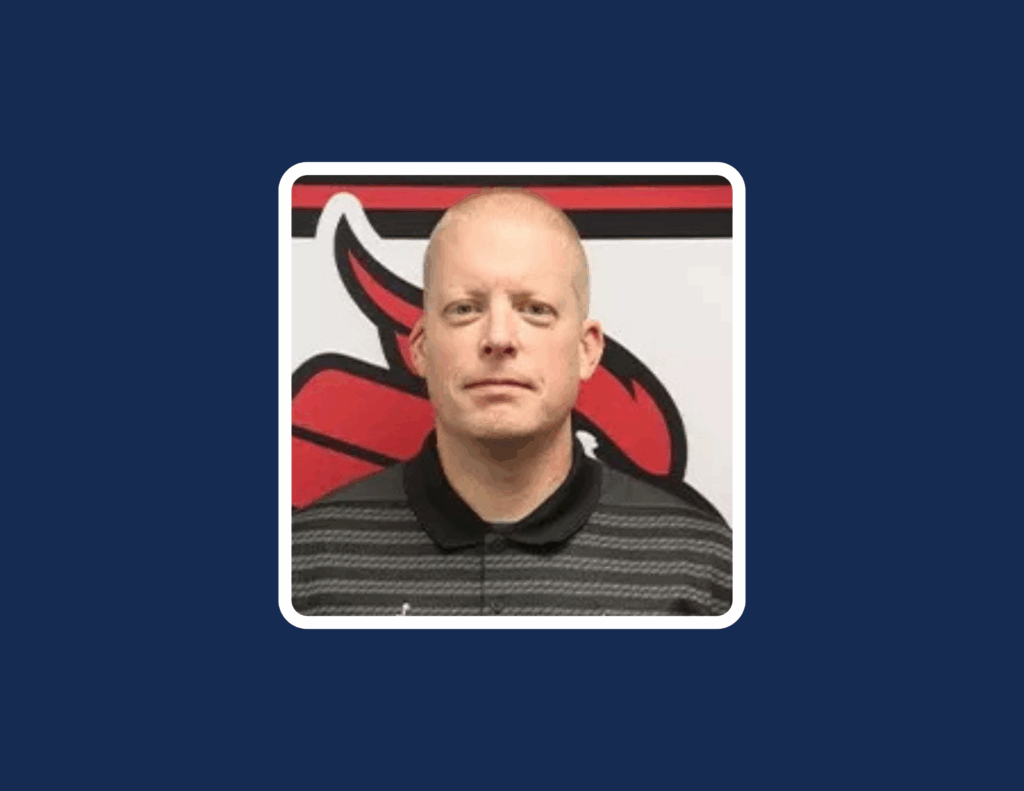
Chris Richardson is entering his 6th season as the Men’s Basketball Head Coach at Wheeling University in the 2025-2026 season. During his career he has been a part of five 20-win seasons, two conference championships, three NCAA tournament appearances and one conference tournament championship. Richardson has coached 22 all-conference players and three All-Americans.
Richardson previously spent six seasons as an assistant coach at Central Missouri, two seasons as an assistant at Delta State, and one season as an assistant at both Fairmont State and University of Charleston. He got his first coaching job at Arkansas Tech University in 2009.
Richardson began his career as an intern with the Memphis Grizzlies, where he worked for General Manager Chris Wallace.
On this episode Mike & Chris discuss the keys to fostering a supportive and growth-oriented environment within a basketball program. Throughout the discussion, we emphasize the dual objectives of developing both the athletic and personal capacities of student-athletes, encouraging them to lead not only by example but also through their interactions with teammates. Richardson shares insights from his extensive coaching journey, highlighting the necessity of building relationships that transcend mere performance metrics. He articulates a philosophy of coaching that prioritizes character development alongside athletic success, demonstrating how this approach nurtures a cohesive team culture. Ultimately, this episode serves as a testament to the profound impact that intentional leadership and genuine mentorship can have on young athletes, shaping them into not only better players but also better individuals.
Follow us on Twitter and Instagram @hoopheadspod for the latest updates on episodes, guests, and events from the Hoop Heads Pod.
Make sure you’re subscribed to the Hoop Heads Pod on iTunes or wherever you get your podcasts and while you’re there please leave us a 5 star rating and review. Your ratings help your friends and coaching colleagues find the show. If you really love what you’re hearing recommend the Hoop Heads Pod to someone and get them to join you as a part of Hoop Heads Nation.
Take some notes as you listen to this episode with Chris Richardson, Men’s Basketball Head Coach at Wheeling University.
What We Discuss with Chris Richardson
- The essence of leadership encompasses support and encouragement for teammates in all circumstances
- To cultivate a thriving basketball program, it is imperative to prioritize the holistic development of student-athletes beyond just basketball skills
- Establishing a culture that emphasizes accountability, commitment, and communal support
- The ability to adapt coaching methods and practices based on the unique dynamics of each team is a hallmark of effective leadership in sports
- The essence of teamwork lies in supporting one another and fostering individual growth within the collective
- The importance of communication cannot be overstated; it is essential that coaches articulate expectations clearly to players to foster understanding and accountability
- Allowing players to express their individuality while fostering a supportive team environment
- Experiences in high-pressure situations can shape a coach’s philosophy and influence their approach to leadership and player development
- The impact of a coach’s words can resonate deeply in a player’s journey and mindset
Like this show? Please leave us a review here — even one sentence helps! Consider including your Twitter handle so we can thank you personally!

We’re excited to partner with Dr. Dish, the world’s best shooting machine! Mention the Hoop Heads Podcast when you place your order and get $300 off a brand new state of the art Dr. Dish Shooting Machine!

Your first impression is everything when applying for a new coaching job. A professional coaching portfolio is the tool that highlights your coaching achievements and philosophies and, most of all, helps separate you and your abilities from the other applicants.
The key to landing a new coaching job is to demonstrate to the hiring committee your attention to detail, level of preparedness, and your professionalism. Not only does a coaching portfolio allow you to exhibit these qualities, it also allows you to present your personal philosophies on coaching, leadership, and program development in an organized manner.
The Coaching Portfolio Guide is an instructional, membership-based website that helps you develop a personalized portfolio. Each section of the portfolio guide provides detailed instructions on how to organize your portfolio in a professional manner. The guide also provides sample documents for each section of your portfolio that you can copy, modify, and add to your personal portfolio.

Hey coaches — you’ve got a game plan for your team… but do you have one for your money?
That’s where Wealth4Coaches comes in.
Each week, they deliver simple, no-fluff financial tips made just for coaches. Whether you’re getting paid for camps, training sessions, or a full season—Wealth4Coaches helps you track it, save it, and grow it.
It’s time to stop guessing and start building.
Subscribe now at wealth4coaches.beehiiv.com/subscribe
And follow them on Twitter @Wealth4Coaches for daily money wins.
Your money needs a coach.
Start with Wealth4Coaches.
THANKS, CHRIS RICHARDSON
If you enjoyed this episode with Chris Richardson let him know by clicking on the link below and thanking him via Twitter.
Click here to thank Chris Richardson via Twitter
Click here to let Mike & Jason know about your number one takeaway from this episode!
And if you want us to answer your questions on one of our upcoming weekly NBA episodes, drop us a line at mike@hoopheadspod.com.
TRANSCRIPT FOR CHRIS RICHARDSON – WHEELING UNIVERSITY MEN’S BASKETBALL HEAD COACH – EPISODE 1159
[00:00:00] Narrator: The Hoop Heads Podcast is brought to you by Head Start Basketball.
[00:00:20] Chris Richardson: Are you going to think about yourself or are you going to look across at your teammate and call him up? Hey man, you’ve got this. Letting guys be themselves, but also understanding that you can be yourself and still bring somebody with you. Still be there and support others and lead. Not just leading from the front, leading from the back, but leading from the side as well.
Being alongside them for the good times, the bad times, and everything in between. It boils down to letting guys be themselves and challenging them to continue to encourage the people that they’re with on a daily basis to do their best.
[00:00:52] Mike Klinzing: Chris Richardson is entering his sixth season as the men’s basketball head coach at Wheeling University in the 2020 5 26 season.
During Chris’s career, he has been a part of 5 21 seasons, two conference championships, three NCAA tournament appearances, and one conference tournament championship. Richardson has coached 22 all conference players and three all Americans. He previously spent six seasons as an assistant coach at Central Missouri, two seasons as an assistant at Delta State, and one season as an assistant at both Fairmont State and the University of Charleston.
Richardson got his first coaching job at Arkansas Tech University in 2009. He began his career as an intern with the Memphis Grizzlies, where he worked for General Manager Chris Wallace.
This October, our friends at Dr. Dish basketball are giving away one Dr. Dish CT plus to a school or facility and one doctor dish home to a home user. Enter to win at info.drdishbasketball.com/sweepstakes for a chance to win your own Dr. Dish Shooting machine. Entries close October 10th at 11:59 AM. no purchase necessary.
You can also follow their incredible content @drdishbball on Twitter, Instagram, Facebook and YouTube. Mention the Hoop Heads Podcast and save an extra $300 on the Dr. Dish Rebel All-Star and CT models. Those are some great deals Hoop Heads. Get your Dr. Dish shooting machine today.
[00:02:17] Michael Rejniak: Hi, this is Michael Rejniak, AKA Coach Rej GM head coach of We Are D3, and you’re listening to the number one podcast out there for True Hoopers, the Hoop Heads Podcast.
[00:02:33] Mike Klinzing: Coaches, you’ve got a game plan for your team, but do you have one for your money? That’s where Wealth4Coaches comes in. Each week, we’ll deliver simple, no fluff financial tips made just for coaches. Whether you’re getting paid for camps, training sessions, or a full season, Wealth4Coaches helps you track it, save it, and grow it.
It’s time to stop guessing and start building. Subscribe now at Wealth4Coaches.beehive.com/subscribe and follow us on Twitter at Wealth4Coaches for daily money wins. Your money needs a coach. Start with Wealth4Coaches.
Take some notes as you listen to this episode with Chris Richardson, men’s basketball head coach at Wheeling University. Hello and welcome to the Hoop Heads podcast. It’s Mike Klinzing here without my co-host Jason Suckle tonight. But I am pleased to be joined by Chris Richardson, head men’s basketball coach at Wheeling Univers.
Chris, welcome to the Hoop Heads Pod.
[00:03:31] Chris Richardson: Thanks, Mike. Great to be here and looking forward to some time together.
[00:03:35] Mike Klinzing: Absolutely excited to have you on. Looking forward to diving into all of the great things you’ve been able to do in your career. Let’s start by going back in time to when you were a kid. Tell me about some of your first experiences with the game of basketball.
What made you fall in love with it at an early age?
[00:03:51] Chris Richardson: Yeah. growing up late eighties and throughout the nineties like a lot of kids from that era, a lot of us from that era that still consider ourselves kids, it was the NBA and specifically Michael Jordan and Larry Bird and Magic Johnson, and.
Those larger than life figures, right? Just like my son has today with some of the players that, that, that he looks up to. And so it was always kind of around and my dad helped coach a little team at the church that I grew up in. And so I would tag along to that even though most of the kids were, were older than me.
And then it was just something that we did. We, we went to the gym on Saturday mornings and we worked on ball handling and passing, and we got better. And when I was old enough to play on the team, I played on the team and just kind of never left got in the gym probably four or five years old and, and never left.
And so something I’ve always loved the, the, the playing part of it was, was very abbreviated for me. But. Being able to be around the game for, for my entire life in, in some facet e even not being a good player, just, just finding a way to to stay around the game has been more rewarding than I would’ve ever thought.
as a little kid being, being there in the gym for the first time,
[00:05:02] Mike Klinzing: did you think about coaching from early on? Was that something that as you played on teams and had your experience as a player that you looked at, the coaches that you played for when your dad was coaching said, man, that’s something I could see myself wanting to do?
Or were you still just kind of focused on, Hey, I’d like to continue to play for as long as I can, because I know a lot of times guys come to coaches there, there’s kind of two ways you get to coaching, right? One is the kid who’s drawn plays on a napkin when they’re eight years old and is coaching their friends and buddies and all the thing, and they kind of know that they want to be a coach.
And then there’s other people that. It maybe hits them a little bit later when the ball stops bouncing and they look around, they say, I still want to be involved in the game. Let me maybe get into coaching. So I don’t know if either one of those stories or those scenarios rings true for you.
[00:05:50] Chris Richardson: Well, I can tell you this given my ability as a player, I kind of saw the game more as a coach.
Not not just because of a, an IQ or anything. But, because I spent a lot of time on the bench and so I got, I literally got to see the game as a coach and Rick Green long time legendary head boys, basketball coach at George Washington High School. He’s the one that really planted the seed.
And Coach Green is still there all these years later he is one of the legendary coaches in the history of West Virginia basketball. And he told me, Hey, look, and I’ll give him credit. He was honest with me and he had known me since I was a little kid. And so it probably wasn’t easy for him.
None of us like having these conversations, right? When you have to crush somebody’s dream. But, he said, look, you’re, you’re not a good player. Like, you’re just not. There’s, there’s nothing that you can do that’s going to keep you playing the game for as long as you want to play it. But you do love the game.
You love being around the game. You love being around the team. you’re positive around the team and you, you look for things that players typically don’t look for when, when you’re watching. And so you need to think about getting into coaching. And so he’ll tell you now, all these years later he was just trying to be nice, but thank, thank goodness he was, because I wasn’t I wasn’t smart enough to discern it at the time that, that it was anything other than, Hey, go, go take the world by the tail and, and chase your dream of being a coach.
And so not playing in college and not playing much in high school in terms of being on the court, it, it it was something I started thinking about early. But, but. Getting into it was kind of the trick, ? And so I had a job when I was a student at West Virginia University where I worked for, it’s, it’s now 24 7 sports.
That’s the big recruiting network and covers the day in, day out goings on in college sports. But at the time it was, it was scout.com and the guy that ran their WVU site and worked in conjunction with a, with a weekly magazine covering WVU sports. He had a job and I jumped at the opportunity to do that.
And the first assignment I got was a coaching clinic, which just kinda lit the fuse that much more, and so I kind of embraced being the basketball guy, so to speak of the three or four of us that worked at the, at the website and at the newspaper. And used that opportunity to kind of get to know a lot of people in the game scouts college coaches, high school coaches, players and then I happened to be very lucky and fortunate at the time that John Beline was a coach at WVU and always had open practices and let me come in and sit and watch and observe and learn.
And then Coach Huggins followed him and got to, got to spend time around Coach Huggins. And both of those guys have been unbelievable to me. So he’s a little bit ignorance on my part at not knowing any better to start that, that, that got me kind of. Bit me with the bug, so to speak.
And then once I got in the gym and started looking at it, Hey, this is what I want to do, then, then I really haven’t left. And so it’s been a, it’s a wild road into coaching, but I had a front row seat for Big East basketball for five years and got to meet a lot of cool people that are still really involved in the game at, at levels all the way from high school all the way up to the NBA and so it’s been, it’s been a lot of fun so far and I’m looking forward to many years to come.
[00:09:06] Mike Klinzing: Can you remember about some of the conversations that you may have had with Beeline or Huggins? Is there anything from those times that you had an opportunity to talk with them that still stick out to you in terms of them encouraging you to continue to chase your dream of, of being a coach?
[00:09:25] Chris Richardson: I remember one instance and, and coach be Lion’s teams they were never the most in those days they, they, they weren’t the most talented teams but he found his kind of guys, guys that fit how he played with at the time.
You see it all the time now. You watch basketball now you see so many of coach be lion’s, bread and butter actions, whether it’s chin action or point action or the two guard the guard through stuff. So much of it is prevalent now, but at the time, nobody really weaved all those things together.
It was, it was his own creation. And so watching how they played and how they played together that was always my favorite part of basketball as a player was being part of a team and making the good pass and finding the open man and doing the little things. And his teams always did that.
And so seeing how he was able to win at a high level with a team that wasn’t recruited. Person to person by a whole lot of Biggie schools. that I kind of wanted to know how that all worked and it was about finding great kids and, and that are all great men now, and finding a way that they fit together.
And then the really cool thing is Coach Huggins came in and my last year there was, I think his first year and he had a lot of the same guys and totally different philosophy, totally different system, but two things. He still found a way to get them to play his brand of basketball with the toughness and the rebounding and the defensive presence.
Whereas Coach BeIN’s teams were known more for their offense and maybe their 1 3, 1 defense coach Huggins, that that gritty, tough man to man defense. And just out toughened their opponents. He took the same guys and played almost a completely different way and was. As successful and ultimately got him all the way to the Final four with a lot of those guys that, that ultim that originally came there under Coach Beline.
So seeing that, and then also one thing I saw from Coach Huggins who was even when he got to West Virginia, everybody knew he’d be in the Hall of Fame eventually. And Coach Beline will as well, by the way. But he he, he changed a little bit. He, he took those guys and they taught him the 1 3 1 he knew some of the basics of it, but he leaned a lot on them.
And so if a Hall of Fame coach can. Find a way to adapt to what he has and, and learn from them and check his ego. what a great lesson for me when they’d go into the 1 3, 1, like, wow. I mean, he’s he’s willing to do whatever it takes to win. Whatever his guys are, are, are good at and whatever he can do to find an edge on the court.
And so a lot of lessons sitting there, courtside and some places such as Madison Square Garden, rafter up in the rafters, watching, watching those guys coach a lot of games as well as so many great coaches in the Big East in those days.
[00:12:11] Mike Klinzing: Were you organized enough at that time to take notes and keep track of stuff or were you just kind of internalizing it?
Where were you at in terms of that, I dunno if Prep works the right way to say it, but were you, were you formally taking notes and trying to keep track of the things that you were learning or were you just cataloging it in your, in your mind?
[00:12:30] Chris Richardson: Yeah. Well one of my big areas is studying college was communication.
And so. That was naturally kind of what I looked at is how they communicated and how they got through to guys. I remember coach Be, lion’s teams were always known for their shooting and they, they, they really took advantage of the three-point shot before everybody did. people talk a lot about that with, with Rick Pitino and he certainly was the, was the first to do that with his Providence teams.
But coach Be Lion’s team shot a ton of threes and there was one guy in particular that, that wasn’t a great shooter. If you looked at the numbers and you’re just watching, you had to pick your top three shooters on the team. He probably wouldn’t be one of your first three choices.
But I remember watching a practice and they were coming off a loss, and I remember watching the game and the guy had passed up some shots and this, that and the other. And we’re just talking about it up there on press row, having all the answers. like, Hey they’re playing four on five, like, this guy’s not shooting the ball.
So two days later in practice, he was open. The guy didn’t swing it to him, and Coach Beline stopped it immediately and he, and he pointed at him, he goes, Hey, he’s a damn good shooter. He can knock that shot down, pass him the ball, he’s open, he is going to make it. And the next time that he was open, they passed it to him and he made it.
And watching him the rest of his career, he, he made some timely shots. He wasn’t a knockdown shooter like Kevin Pit or Mike Ansy, but he, he made some timely shots. And so just finding a way for him to, to pour confidence into a guy that maybe was lacking a little bit, that that was one instance that, that really stood out.
[00:14:06] Mike Klinzing: Kind of amazing when, again, you think about just the lessons that you’re able to learn from two guys and just being in that spot where. You could learn from two, as you said, eventual Hall of fame coaches to be able to internalize some of those lessons just in terms of how they dealt with their players.
Not only the X’s and O’s piece of it, but then just dealing with personalities and as you just relate in that story, being able to see something on the floor and then being able to relate it right. And being able to teach it so that it translates to what the players understand because the players don’t get it and you don’t have the way to communicate in an effective way.
The most, the, the best coaches are, are, are effective communicators. And for you to be able to see those two guys do that in a practice setting, day in and day out, day out, I’m sure extremely valuable. So as you’re going through and your college career and you’re getting towards the end of it, what are you thinking about in terms of.
Career. Career. And what does that first job search look like for you? Are you sold on, Hey, I want to get into coaching. I know you end up going and work for the Grizzlies with Chris Wallace, but just talk a little bit about that first job search when you graduate.
[00:15:18] Chris Richardson: Yeah. I didn’t know, man. It, it was how do you, how do you need an elephant?
Right? One bite at a time. I didn’t even know where to begin. And so I did, I got lucky. Chris Wallace who’s a, who’s a West Virginia native, he was in Morgantown and he and I had gotten to know each other because he kept tabs on, on WVU. And I had, I had used him to kind of bounce some things off of when I was doing a story on the NBA draft one year.
And he came to Morgantown to scout a game. It was WVU and UCLA and it was, I believe, coach Beline last year. And he, there’s a bunch of future pros in that game. UC L’s starting point guard was out. Darren Collison, which was a big reason West Virginia ended up getting left out of the tournament.
They said, well, they beat UCLA but didn’t have their best player. The guy that backed him up though was Russell Westbrook. So history’s been a little kinder to that team that ultimately ended up winning the NIT for WVU. But, so Chris was there to scout the game and there’s pros everywhere, and he looks at my boss before the game and says, Hey, you want to go to dinner tonight?
And my boss says, I really can. I got family commitments and I got, I got work to do. He is like, but Chris is a broke college student. He’ll, he’ll go with you. He’ll take a free meal anywhere, believe me. So I got in the car and drove down about 20 minutes from, from the Coliseum after the game, and I was on the way there.
Just kind of had one of those moments where you’re like, oh. You got a real opportunity here, right? Like you’re going to dinner with an NBA general manager, a general manager of the Boston Celtics, and you want to coach. So the worst thing he can do is tell you no and make you pay for your own meal, right?
So I ordered the cheapest thing on the menu just to, just to have my basis covered. And when I got done and we’re, we’re still sitting there talking and talking about the game. And I said, look, I, I appreciate you bringing me to dinner and been great getting to know you and I know me in this reporting role, but I really want to get into basketball.
Like, I don’t want to be a reporter. This is just a, a way to kind of make some ends meet and help me pay for some school and pay my rent and all that. And I want to get into coaching or scouting or I want to be in the gym and I don’t want to deal with a notebook. And so any help you could give me you could tell me no, but, but.
I’d never forgive myself if I didn’t at least ask. And he didn’t bat an eye. He was like, yeah, I’ll help you. Absolutely, that’d be great. So I was originally going to go intern for the Celtics, which would’ve been awesome for me because I’m a lifelong Celtics fan. My uncle lives 10, 15 minutes from the facility.
And communication kind of broke down because he, he had gotten hired before my internship would’ve started. He got, he got hired in Memphis to run the Grizzlies. And so I’m sitting on my porch one night, months later, the internship’s falling through. I’m a little down. I’m trying to think how I’m going to get into coaching.
And he calls, or I get a call from a Memphis number and my roommate comes out, he is like, Hey, you’re going to want to take this one? And so he said, Hey, look, things kind of fell through. Sorry about that. But why don’t you come down to Memphis soon, as soon as you can in the spring. And you can, you can stay with our family and we got plenty of space.
Don’t worry about. looking for a meal or anything like that. Like, we’ll take care and you can see if this is really something you want to do. So, packed up the car in the spring and got down there and it was, it was unique because they were at the very beginning of a long and difficult rebuild that most of the people there, quite frankly, in, in, in the city and around the NBA, never believed in they just traded P Gasol.
I think we all remember anyone who followed the NBA in 2008 remembers how that was received. While I’m down there, the Lakers are playing in the in the finals against the Celtics. So the, that all kind of got rehashed in a very public forum. And he was taking a lot of shots from national media and other coaches around the NBA and all that, and he didn’t blink.
He’s like, look, our, our payoff is down the road. it is a delayed gratification deal for the grizzlies was his go-to line. And he meant it because he knew that the cap space that he got from that deal would allow them to build a better roster. And he said that PGAs salt’s younger brother Mark was going to be a really good player that if he were coming into that draft because they got his draft rights, if he were coming into that draft, he would’ve been a lottery pick.
Well, to that, having seen Mark Gessell played in high school when he was really heavy and kind of ran three point line to three point line, I didn’t buy that. So I fought him a little bit on that one. So him being the boss, he sent me to the film room one day before we went home, picked up a few DVDs of Marcus, Saul, and just watched him dominate these pro men in Spain.
These, these older pro. Really good league over there in the a, CB one of the best in the world outside of the NBA. And so at that point I saw that number one, you have to be you have to have a plan. And number two, you have to, you have to understand calculated risks and being patient to seeing that plan through and not panic panicking when other people don’t believe in it.
Understand what your long-term vision is and how you get there. And so, as much as I learned in Memphis, as many cool people as I got to be around and meet and be around NBA coaches and players, that the biggest thing that I learned from Chris Wallace was the importance of having a vision and having the patience to see that vision through, which has helped me a ton throughout my career, but especially while I’ve been here at Wheeling.
[00:20:58] Mike Klinzing: Sure. As a head coach. Right. That’s one of the things that, it’s been a theme that’s run through a lot of interviews that we’ve had on the podcast, Chris, in terms of. Coaches saying you have to have your vision of what you want your program to be. And there’s always going to be outside influences, right?
There’s always going to be voices that are trying to bend your gear that are trying to tell you, Hey, you should do this, or you should do that, or people are going to be critical. And ultimately what I’ve had tons of head coaches tell me is you’ve have to make the decision that you feel is the best decision for your team, for your program, for you as a head coach.
And I go back to, I think it was probably my maybe third or fourth interview with Sean O’Toole, who was a long time high school coach here in the Cleveland area. Coach at Euclid. Coached at St. Ignatius, and then now he’s the athletic director at Gilmore Academy. And I remember to go along with this point, what he said to me was.
He goes, everybody always has their opinion. He goes, but what I always try to do is make a decision that when I put my head down on the pillow at night, I know that I made the best decision for my program based on the truth as I know it to be and what I feel comfortable with. And I think that’s a great lesson that any head coach is going to benefit from, but especially as a young guy, it’s sometimes hard not to listen to those outside influences, those outside voices.
And it sounds like you were able to get that pretty early on in your career, that you were able to take that lesson and internalize it. And as you said, I’m sure that it’s served you well throughout your entire coaching career. Because if you can make decisions based on what you believe to be true and what is the best for your program, and not listen to those outside sources.
You’re, you’re going to be much better off because you can never make everybody happy. Right Chris? I mean, if you’re, if you’re doing a good job coaching, there’s always going to be somebody that’s unhappy. because you can’t give everybody what they want.
[00:22:57] Chris Richardson: Yeah, a hundred percent. It’s, it’s the, the quote I don’t remember which coach said it, but I say to our, our campus priest all the time, and, Hey, you want to make everybody happy?
Don’t, don’t go into coaching go sell ice cream. And so, right. It’s so, it’s so true. And you can’t you have to, you have to be firm enough and strong enough in your beliefs and not just in your philosophy, but why you do it, how you do it, and who you’re doing it with. That those outside influences, they, they don’t even, they don’t become influences.
They, they’re just, it’s outside noise.
[00:23:29] Mike Klinzing: Was that NBA world one, that when you were in it felt like it would be something that would be attractive that you might want to continue? Or did you always have a dream of coaching college basketball or was it a matter of just figuring out, hey, what’s the next opportunity?
Because clearly once you get into that NBA landscape, there’s a lot of perks that go with that, and there’s a lot of long hours and a lot of hard work that go into it too. But obviously in the NBA, you’re at the very upper echelon of basketball and there’s a lot of people that want to get into that particular career track.
So just what was your mindset as you’re there with the Grizzlies? What were you thinking about in terms of what’s my next step?
[00:24:11] Chris Richardson: That was another lesson that I got from Chris is, is, and he would tell this to young players when they would come in to work out before the draft or free agents or some of their guys who were in the early stages of their career at the time.
And his go-to phrase was, let your career come to you. let your career come to you. And I really took that to heart with it’s so easy in this profession to get caught up chasing the next job. Chasing all, all the fancy bells and whistles com comparison is the thief of joy, right?
Teddy Roosevelt comparing what you have or what you don’t have to somebody else. But those aren’t any of the reasons that any of us that, that are in this for the long haul get into coaching and get into service and leadership. It’s, it’s about being there with the people that, that you’re around every day for as long as you can be around them and helping them get better so that 10 years when they’re done 10 years passed, when they play for you, they come back and they can share with you maybe something that they didn’t understand at the time.
But that, that made a lot of sense down the road. And I will always go back to what I heard Billy Donovan say at a clinic is, is the worst mistake worst feeling you can have as a coach is a, is a player. Come back 10 years later and say why didn’t you, why did you let me slide with this?
Why, why didn’t you hold me accountable to this this, why didn’t you demand more from me academically? Why, why didn’t you stress the importance of being on time? all the little things. It’s not, it’s not necessarily the basketball, it’s, it’s at the college level helping to shape young men to be good fathers and husbands and citizens and productive members of, of our world.
And so the NBA was great. It was, I doubt I’ll ever get back there again. I’d love to. Obviously we’d all love to. But what was cool was seeing. How important at that level, even though it was big and, and a lot of lights and glitz and glamor still came down to relationships.
it came down to getting to know and build trust with the people around you. And in my very short time in Memphis, I saw that and I I’ve been fortunate enough to be a part of that everywhere I’ve been at the division two level in the past 18 years as well.
[00:26:21] Mike Klinzing: It is amazing that when you think about what’s important as a coach, what’s important in building culture, what’s important as developing players, but more importantly people, I think you’re a hundred percent right in that it crosses levels and the things that are important in all those areas in the NBA are the same thing that are important if you’re coaching a freshman high school basketball team, and obviously there’s different.
Levels of basketball skill, and not every situation is completely identical, but the core principles of what it takes to build a great culture and build a great team and develop players both as basketball athletes, but also as people. I think some of those things, clearly our universal, despite the different levels of basketball skill, whether we’re talking about the NBA, whether you’re talking about college basketball or you’re talking about high school, there are just some guiding principles that I think all coaches fall back upon when it comes to relationships.
Right. And getting to know your players and. Pouring into them and buying into them. Again, not just as basketball players, but as people. And when you have that two-way street of a relationship, it allows you then to coach your team in such a way that you can get the maximum out of them as individuals, and then hopefully get the maximum out of those individuals, putting them together collectively to have success for your team.
So you take those lessons that you learned in that first opportunity with Chris Wallace and you get your first coaching job at Arkansas Tech. Tell me how that happens. Was it a connection? Was it a a a, a search that you’re just sending out 250 emails to schools? What, what was your process for finding that job?
[00:28:04] Chris Richardson: So, I was so far down the rung in my first coaching stop along the way that there’s, there’s not much record of it. Before I went to Arkansas Tech, I was at Fairmont State for a year as a volunteer, and that was. I was finishing up some one class at WVU keeping my job there with the, with the blue and gold news and then, and then volunteering down there, whether it was doing laundry there’s a couple games.
Our work study guide didn’t show up and so I had to, I had to learn how to run the camera on the fly, which is a fun experience when you think about they can get fined if you screw up. No pressure
[00:28:39] Mike Klinzing: there, Chris. Yeah, yeah, exactly. Hey, make sure
[00:28:42] Chris Richardson: you get the game. Like we get fined if we don’t post it, it’s $500 and I’m like, I don’t have 500.
So so Tim Murphy had grown up in, in, in Buchanan and Coach Murphy was the coach at Fairmont for many years. Was an all American player there. And he had grown up in Buck with Chris Wallace. And so that was kind of a little connection that, that and then I knew a couple football players there that went in and put a good word for, I was just trying to hit from every angle and from as I was trying to.
My footing as a, as a coach somewhere, I reached out to only the handful of people I knew. coach Huggins was always willing to help and, and meet and talk. And then Jason G was the coach at the University of Charleston when I was a kid. And he’s been all over college basketball, the head coach and assistant coach, and just a great man who’s been a great influence on my life.
And he told me check with the small schools that you can drive to within an hour or two hours of, of wherever you live in Morgantown. Check with all the small schools because they need help. And he was right. And so Fairmont State emailed me back. Met with Coach Murphy helped them out and I was actually, I was going to probably either go back there or my, my guy Rob Fulford was getting Huntington Prep off the ground, Rob’s non assistant at Marshall.
And so there was an opportunity there and so I didn’t really know what was going to happen. And there’s a great guy that lives in Morgantown named Frank Rio, who I think he’s a lawyer by trade works in business as well. And known Frank for a long time. And he used to work at WVU and he grew up with Mark Downey who was the coach at the time and is now back in the second stint of Arkansas Tech.
So he reached out to me, he said, Hey, I got a, I got a buddy. Like, just want to connect you. I know you’re trying to meet people. And called Coach Downey and just not even really about a job, just more about trying to make some connections and hit it off right away. It was like having. my long lost big brother and he offered me the opportunity to come down there and work camp.
Again, I stayed at his house for, for that week. I felt like Dupri in that movie. I just traveling the country, staying at people’s house as America’s guest. Figured at some point I’d have to get my own place to live if I was going to stay in coaching, but stay with him and worked his camp.
And then he said, Hey, like, why don’t you come down here and volunteer? I said, all right. Like, it’s chance to get somewhere different. And kind of ran it by Coach Green and Chris, and they both said, Hey, any chance you have to expand your network and go to somewhere different and get out of your comfort zone, it’s a great opportunity to do that because the game is so big and global.
But it, but it really comes down to who . So the, the more. Places you can get to know people and build your network the more it’ll pay off for you in the future. And so jumped in at, at Arkansas Tech as a volunteer. The first year that I was a volunteer at Fairmont, we were, I think 20 and nine that year at Arkansas Tech.
We were 30 and two. So. After two years of, of volunteering, I’m like, man, this is easy. ? Right. We’re like, 20 wins, 30 for sure. More people do this. what I mean? Like this, this is easy. I should have been doing this a long time ago. So yeah, getting connected with, with Coach Downey, who’s still like one of my dearest friends and just a great mentor in my life in so many areas.
I’m, I’m a true believer that there’s no accidents. That God puts you where you’re supposed to be. And every stop in my career has, has been because of that. And Arkansas Tech was one of those experiences that I was only there six, seven months but made lifelong friends and was just around a special group of players that, that were so, so tightly knit and just refused to settle for anything less than, than winning every night.
And so, it was a great experience and like I said limited in responsibilities in those early roles. because I was so green. But that, that, that human piece, right, the connection and the relationship piece that was, that was still very, very much a part of, of everything that happened in those programs.
And I started to kind of figure out that’s, that’s what was going to be the most important thing.
[00:32:53] Mike Klinzing: And obviously as a volunteer in these two roles, you’re making no money. So you’re not staying in coaching because, hey, I’m getting a lucrative contract every year. You’re staying in coaching because you love it and you see that this is where you want to end up.
What were the one or two things, if you think back to that time, what were the one or two things that you loved about coaching, even in those limited roles that you had? How did for sure you were like, Hey, I know I’m in the right place. This is what I want to do for the rest of my life.
[00:33:26] Chris Richardson: Well, it’s probably everything that went wrong that, like, didn’t make you bad an eye.
Like you just didn’t care. Right. So I lived with our other volunteer and he had, he, I had a little money saved. Not much, but enough to pay some rent. He had a little money saved from, from a job he had been working. He was, he had been in coaching and then got in business and hated it.
And he was 40 and he had, he got out and got back into coaching again. And so he and I, we, we were living in not one of the nicer spots in town. Our the maintenance man at our gym was, he had a couple of rinky dink townhomes right around the corner from, from the campus that we got into one of those and we had no furniture.
We slept on camping pads and sleeping bags. We didn’t have a tv, but we had a monitor and we had electricity and we had like one of those old. Computer desktop towers. So we would plug in three tend Yuma every night for about two months and just watch it till we fell asleep in our sleeping bags there in the, in the floor.
When it would rain, the, the, the water would seep in through the front door because it was sitting a little bit low. Our front door locked broke, and we were afraid that we were going to have to pay for a new one. So we just started climbing in and out of the window. I mean, just dumb stuff. looking back on it now that we didn’t bat an eye about, it’s like, well, the, the door doesn’t work today, so we have to go through the window.
Like we got practice, ? But, but those are kind of the times that, I don’t want to say they shape you, but they, they reinforced that you’re not going to let anything stop you. And it, it was, it was really cool. The first night that I was here in Wheeling as a head coach, I didn’t have a place to live yet.
I had stayed with my brother-in-law over in Pittsburgh for a couple nights. Again, like going through that whole RI phase. And so I asked my GA’s, because I didn’t have a full-time assistant at the time. I had two young GA’s, two great guys, and they had an apartment on the other side of town. I was like, Hey, can I, can I crash at your all’s place?
Like, I’ll just sleep in the living room. Like it’s, it’s no big deal. And they’re like, yeah, I guess, like, you sure? And I said, I said, yeah. They’re like, I mean, you could, like, we’ll sleep in the living room. You can take one of our beds or one of our rooms where I was like, no guys. Like, I’m fine.
And so it’s your first day on the job really, and you’re on the phone all day and you get there at 6:00 AM and you’re leaving at 10:30 PM and I get back to their apartment that night and I just had this. I just stopped in my tracks when I walked in because there’s my sleeping bag with a pillow on top of a a small pad or air mattress or whatever it was.
And it was like, I’ve worked all these years to become a head coach, to get this opportunity and I get it and look where I am. Right. No accidents. And so, right. Just a reminder to stay humble and remember where you came from and know that it’s, it’s not, it’s not all the, the splendor or the how much money you make or this, that and the other.
It’s, Hey, what, tonight I have to sleep on an air mattress, but tomorrow I get to coach basketball again. ? It’s it’s a reminder of kind of where you came from. And so I, I’ve got a picture on my phone of walking in and seeing that setup that night that I had left earlier in the day and was just, I mean, it floored me when I walked in and saw that because it right then in that instant, so many years later, I was, I was right back at that tiny little apartment in Russellville, Arkansas sleeping in the floor again.
[00:37:00] Mike Klinzing: Well, it tells you about the love for the game, right? I think that’s something that when I consider all the interviews that I’ve done over the years with coaches and just the number of guys that have a similar story to what you just told, and so many people on the outside who aren’t coaches, who don’t know the career paths of so many guys don’t understand the amount of dues that you have to pay to get to where you want to go, and along the way and paying those dues.
You do it because. You love what you do because you love the game, because you love coaching. And as you said I think you said it very well, that you don’t even notice all the things that are going wrong or the things that somebody else might stop by that apartment and look and go, holy cow, man, you’re sleeping on the floor in a sleeping bag to do a job where you’re not really getting paid in order to do it.
What kind of, what kind of a life is that? And yet, at the same time, you can see in guys like yourself who have done that, who have lived that life, that those moments are so meaningful on so many levels because it just, I think, demonstrates the dedication and the passion that you have for what you do.
And I can certainly see where. You did all the things, and we’ll talk about the other stops you had along the way before you get to Wheeling. But to get to that moment where, hey, I’ve ascended to the point where I have my own program, and now here you walk into a room and you’re, you’re seeing something that looks exactly similar to what you were when you started.
I can see that being a moment of deja vu, a moment of clarity, but also a moment of, I’m sure, incredible pride to realize of, Hey, here’s where I started and I’m continuing to move forward in my career through the perseverance and determination, all those things that go along with it. So again, I’m sure that’s a moment that when you’re, you’re 95, you’ll still be able to tell that story with perfect clarity, because to me that just feels like a memory that’s going to stick with you forever.
[00:39:09] Chris Richardson: Yeah. It was a, it was a, it was a really cool moment and like I said, it still burned in my mind and I’ll, I’ll never delete that picture, that’s for sure. because it was, it’s a reminder what you went through. But also don’t, don’t lose your love for the game. Don’t let anything rob you of your joy for, for being part of the game and, and all the impact that you get to have and the impact that people have on you.
Right. It’s, as a head coach, you’d think, well they’re going to learn all these lessons from me. Well, it’s really, and I think anyone would, would admit this, you learn so much more from your players and your assistants and the people you work with on a daily basis than you could ever give back to them.
And that’s kind of the cool cycle of, of, of what we get to do.
[00:39:49] Mike Klinzing: Yeah. There’s no doubt about that. I think that anybody who is good at what they do, and especially when it comes to coaching, you’re constantly looking for opportunities to be able to learn and the situations that you’re in and the people that you’re with.
Certainly if you’re not learning from them day in and day out, if you only look at yourself as being a disseminator of information and not someone who’s taken in and learning through those situations, you’re doing yourself. A disservice. because again, we all, no matter how much I know that, I’m sure you would echo this sentiment, but whenever you think a lot, you come to realize, the more that the less you actually, the, the more you realize that there’s, there’s so much more that you have to learn.
And I was even thinking that when you were talking about just the experience of, of watching John Beeline coach and then watching Bob Huggins coach and just the idea that two guys could do things and approach it in such a different way. And yet both get to sort of the same finish line of developing people, developing players and having success.
And that’s really what it’s all about, is just continuing to grow and expand figure out what works for you. And being exposed to all these different programs and coaches and areas of the country that you’ve been able to be in. All those things are things that you’re taking with you and incorporating into who you are as a coach, what you do, and eventually what you end up turning your program into.
It Wheeling, which we’ll.
Your next two stops as an assistant University of Charleston and then back to Fairmont. Tell me a little bit about those two experiences and what those were like and what lessons you took from there.
[00:41:25] Chris Richardson: Yeah, so Charleston it was, I talked about how easy those first two years seemed, right? And then we get to Charleston, which is where Mark played.
And the first time I actually had met Mark, and we didn’t realize this until we got back there, but he had been a counselor at camps that I went to growing up because he played for Greg White, who was a long time coach at Charleston and Marshall and I always went to Greg’s camps and Coach G’s camps as well.
And so go back home, right? Like how, how could it get any better than that you’re back in your hometown? It was kind of hard, like in Arkansas we had this great year and you’d, I’m trying to think like you’d walk out after the game and everybody would have their families there, right? Well, like. My, my, my family came to, they were able to get to one game while we were at Arkansas.
My dad and my cousin and my brother drove down to Alabama to watch us play right before Christmas. So that part was kind of different always having kind of been close to home. Not that I needed a hundred people there every night or anything like that, but it was just, it was kind of different walking out and not really having any family there.
And then you go to Charleston and everybody’s there. And so that year I finally got paid, I got paid to do the laundry for the entire athletic department except for football. because they used a different facility. But practice gear, game uniforms, you name it. I learned more about Oxyclean and getting grass stains out of baseball and softball uniforms than, than I’ll ever be able to use.
But so I got, I got a little stipend for that. And then I was back in my hometown and as the year went on, like I just. We had a tough year because we were trying to implement the way we did things. And we had some great guys, but they were used to doing things one way. And so that was a learning process where the year before and the two years before that, I had gone into situations that were pretty well established.
The coaches had been there a long time, and then we go to Charleston and it’s a, it’s a different deal. You’re starting from scratch. And so that was a healthy experience to see that and see how, how is not easy, right? How every little detail and conversation and way of doing things matters when you’re trying to build a program.
And Mark got it built he got them built into a unbelievable power in the mountain east, or sorry, the, the West Virginia Conference at the time played in the championship game his second year and, and took them to the NCA tournament. And so it, it was a matter of win, not if he was going to get it done, but as the year went on.
What I noticed about myself being back in my hometown is I was 25, right? So I’m hanging out at all the same places that I hang out with growing up. Same friends who are awesome people. But I was too comfortable and that wasn’t conducive to growth. It, it wasn’t, it wasn’t good for my career. And so I went and met with Mark at his house and I said, I have to, I have to get out of town because I’m too comfortable and I’m afraid if I stay here, I’m going to have a safety net.
I’m not, I’m not going to work. Like, I, like, I’m accustomed to working and I’m not going to be able to help our team first and foremost, like, I’m going to hurt our team. And so he he was very supportive. I ended up going back to Fairmont State. Murph had a GA spot. So I go back there and, that, that year was, that year was challenging as well.
We didn’t win many games. We went through a coaching change and it was, it was kind of one of those years where anything that could go wrong did. And so those two years from a wins and losses standpoint were very challenging. But, but looking back, you learn a lot. you learn how to deal with failure.
You learn how to keep guys positive or try to keep guys positive or keep them upbeat when they’re, they’re not playing or they’re not playing well. And then at the end of the season when, when Jared Calhoun took over I’d known Jared for years. She was a WVU guy and he had helped me get in working camp and all that there.
And he had helped me kind of from afar. And first thing he told me is, Hey, I want you to stay. I think you’re going to be really excited about how we’re going to do things. It’s going to take a lot of work. But he told me that the only reason he kept me wasn’t because of our friendship. It was because the whole time, the whole time.
Our season was going on, he would check in with me or I’d see him out in Morgantown, because we’re only 20 minutes from Morgantown. And he’d ask me who was getting the job, and I always answered that it was going to be our interim head coach. And he’s like, I don’t know if you believe that or if that’s what they were telling me to say, or what he’s like.
But the number one thing you look for, an assistant coach is loyalty. And he’s like, you, you never, you never wavered from that, whether you believed it or not. He goes you never wavered from that. And that’s the type of people I want on my staff. So, great experience there with him, getting things going.
He, he hit the ground running from a fundraising standpoint, recruiting standpoint I only ended up working for Jared for six or seven months because I got a full-time position at Delta State right as the school year was starting the following year. But I learned so much from him in that short time about the energy it takes and how to, how to get a program re-energized and get a community on board.
And he’s, he’s one of the all time greats at that. He’s a, he’s a phenomenal basketball coach. But his energy and his, his way of rallying people together and getting them all moving in the same direction in a very short amount of time is, is impressive. There’s not many people that have that, that talent.
And he has it.
[00:46:46] Mike Klinzing: How did he do it? What do you think was the key to him being able to rally people around the program?
[00:46:52] Chris Richardson: It was, I mean, it’s just genuine relationships. I mean, Jared goes a hundred miles an hour and he does it. He’s, he, he’s not negative about it. He’s he, he’s demanding, but, but there’s an energy being around him that, that you can’t help but get caught up in yourself.
you want to match his energy, you want to try to see if you can, you can even exceed it. He gets you to believe in what he is doing because it works, ? And so I think you’ve seen that nobody ever thought you’d win at Youngstown State, right? And he went there and flipped that place on its head.
Utah State is a job that a lot of people have, have looked at over the years and say, wow, they got everything you need. Well, he’s even, he’s even raised the standard there, ? And so just being around a guy that’s, that’s got that talent and skill, but then seeing how down to earth he was, how easy he was to talk to he, he never met a stranger.
He wouldn’t turn people away. He, he was always very giving of his time. He’s been a great influence on me. He’s another guy that I look at almost as like a big brother that, that I’m fortunate enough to have him as, as part of my career path. because, because I learned a lot from him, even though it was just a short amount of time.
[00:47:58] Mike Klinzing: And how excited are you to get an actual paid position at Delta State? How, how, how much of a relief is that to say, Hey, I might finally actually be able to collect a little bit of money for doing this job that I love? It had to be a good feeling.
[00:48:14] Chris Richardson: Yeah, it was good. It didn’t change kind of like what the expectations were every day.
And again, going into a situation where new part of the country not completely new because I have to spend a lot of time in Memphis, which I’d always kind of kept that as, as my recruiting area wherever I had been in by that point. But. A job that was a complete rebuild. And then Coach Boone who had been at West Virginia Wesleyan just, I mean, such a great coach.
He’s won at every level. He is been at he’s won at the division two level, division three division one level. And, and I know he is going to win at the NAI level at Missouri Valley in, in a very short amount of time before he has them winning a lot of games. But just, just getting to work for him and, and he made you think every day that whatever your responsibility was, right?
That it was of paramount importance for the entire program to function. Right. Whether that was making sure everything was set up for practice making sure our class schedule was organized so that. We knew where everybody was in class so that nobody would, nobody would miss and we could double check to make sure they were there because we wanted to build that culture academically as well as basketball wise when we got there.
He just, he made you feel so important and valued from a responsibility standpoint that there’s not a day that goes by that I don’t use something that I learned from him in terms of how a program operates and how important each and every detail is to a program. And so there two years and it was our first year we played competitively.
I don’t, we didn’t have a winning record, but we had some big wins and I think people knew it was only a matter of time before we were, were a force in the conference. And that happened in year two. we had core group back from the, from our first year that, that had kinda laid the culture, laid the foundation, and then had some.
Unbelievable impact players and Willie Reis who was a senior transfer in Devin Schmidt, who was a freshman who finished one, two and Player of the year that year. I think Willie was one and Devon was two. And so I mean, in terms of building a program and knowing how to run a program day in and day out working for Coach Boone was a, was an incredible experience.
[00:50:27] Mike Klinzing: When you think about that time, and obviously now you’ve been at this point in your career, you’ve been at a bunch of different stops. You’ve worked for a ton of different people, you’ve kind of got an idea of, Hey, this is sort of where I’m at in my career. Is this kind of the direction that I’m going?
Are you, I asked you this question a little bit beforehand, but are you starting to compile a notebook a, a Google drive of all the things that you like, that you’ve been, the pieces of information that you’re taking from each of the coaches that we’ve talked about to this point and sort of compiling them into, Hey, this is what Chris Richardson is going to be all about.
As a coach, as you continue to move forward, as in your career, is that something that you’re starting to compile at this point?
[00:51:11] Chris Richardson: Yeah, you’re starting to think about, and Coach Boone would like, I mean, he would challenge you on that. Like you have to have a philosophy as a coach. And if you’re not spending time developing that, then you’re not preparing for your opportunity to eventually be a head coach.
And I mean, one of the first days I was down there, he said, I want coaches that want to be head coaches. And to be a head coach, you have to develop your philosophy. And so he was very intentional about making sure that, that we were doing that and that we were very thoughtful with it’s easy as an assistant coach, especially a young assistant, to sit in a staff meeting and throw out ideas and throw out.
But coach Boone was great about making you think about why you were presenting the idea, what was the substance, what was the context, how would it affect our team? And ultimately was it what was best for our team? And so all those pieces you weave together your philosophy necessarily. Isn’t necessarily Xs and Os that’s part of it, how you want to play.
But how you want to play also goes into how you want to practice, what type of people you want what are the important things, what, what are the things that you can live with? What, and then what are your non-negotiables that, that we can’t, we can’t ever let happen. And so it was, it was great for developing my philosophy and obviously I’ve taken pieces from his and Jared’s and Mark Downey’s and, and Coach Murphy’s and Doug Carls Skins and everybody I’ve worked with and for, there’s different pieces and then coaches that we’ve competed against as well.
Stuff that was difficult to stop or difficult to score against. you tend to dive in and look at that to find ways that you can help your team. And so. I hadn’t spent a ton of time developing my philosophy before that, but that stop at Delta State for two years is, is where I really, really started to think about okay, what, what did I want it to look like when I became a head coach?
[00:53:01] Mike Klinzing: Stop Central Missouri. You spend six years there. What are the lessons that you took? Obviously as you said, at this point, you’re starting to crystallize kind of what you envision where you want to go. What are the lessons that you took from those six years that eventually are going to help you as you get to Wheeling?
[00:53:21] Chris Richardson: Yeah. The, the best thing about working at Central Missouri with, with Doug Carlson and Nate Johnson and all the people that we were with in our time, there is he made you take ownership of certain areas of the program, right? And so there was one year that, hey, okay. You think this is what fits us offensively.
Like prepare it, teach it and, and drive it home every day. Right? And so having oversight of offense and, and finding solutions to problems. And Nate was such a good coach as well, or other assistant that he would, he would throw things at us in practice that we had to figure out a way to solve.
And then later in my time there, okay we’ll be over oversight of our defensive philosophy as well. And so getting, getting to kind of focus on one side of the ball and take ownership of that and really think about how you want to lay out the teaching and the structure and the adjustments and where the pieces fit and all that.
As I was already kind of in that mode when I got there of developing a philosophy it really accelerated over those six years, I was able to, to learn a lot again, not just from the guys I was working with, but the, the teams we were coaching against. there were some unbelievable coaches in the MIAA.
There still are. Everybody knows about Ben McCollum, who’s now at Iowa, that they’re going to be good. They’re, they’re going to be good. They’re going to be good for a long time. And a lot more fun to watch on tv or, or with a ticket than sitting on the opposing bench. Watching, watching Coach McCollum lead his teams.
Tom Hankins was the coach at Central Oklahoma. And he’s now in the G League has been for several years. I remember I thought I had this great defensive game plan. We were getting ready to play them and it worked to a t like we executed it so well, and then we played them again a couple weeks later in the conference tournament and they shredded us.
I mean, it was like, it was a, it was a masterclass and adjusting and we didn’t have, we didn’t have the time we needed to make the adjustments to win that particular conference tournament game. And so going up against the, the coaches that we had to score off against on a nightly basis in the players in the MI it’s, it’s an incredible league.
It’s, it’s, it’s a high level of basketball. Some of the other stuff I learned at Central Missouri just, I mean, that campus is so, and that community is so all in on their school. Everybody really does pull in one direction and a lot of campuses people silo and there’s conflict and not that there was, it was all utopia right at, at at Central Missouri.
But just the importance of everybody working for the betterment of the student and the student athlete and the betterment of the campus. Started at the top with our presidents Chuck Ambrose and, and Roger Best. And then our ad sent at Central Missouri. Jerry Hughes rest in peace was, he’s a legend he is there for 40 plus years and he was a basketball guy, so he’d come in and talk ball, get on the board every now and then.
But just, just how important everybody is in terms of helping develop those students and those student athletes. And Central Missouri does such a great job of that that the, the people who graduate from there leave it with a, a great skillset to take on life.
[00:56:34] Mike Klinzing: Did that experience that you just described there in terms of the support for the basketball program, from the administration, from the community, from the school, when you started to look around for head coaching jobs, and I don’t know at what point during your tenure there at Central Missouri where you started to actively look and try to start thinking about, Hey, should I apply here?
Or This job’s open, maybe I should go after that. How much did that experience at Central Missouri and what you had in terms of support, how much did that then impact you when you thought about what kind of institution you wanted to go to to be a head coach? In other words, clearly when you’re in an environment where you have that kind of support, it makes it much easier for you to build the kind of basketball program that can have sustained success on and off the floor.
Whereas we all know people who have been in situations where. The environment surrounding the program has been less than ideal. So how much did that impact where you were looking and how you went about your own coaching search as looking for a head coaching position?
[00:57:45] Chris Richardson: Yeah, that’s a great question. it’s hard to compare.
Every place to, to Central Missouri or every place to Wheeling or every place to Delta State. But what I did learn there was, like I said, how important everybody that was in contact with, with your, your student athletes, how important they are to their journey. And so I did want a place for everybody was pulling in one direction where there was a great commitment to the development of the entire person.
Right? And they, they get four years to play basketball in college. And a, a small percentage of them end up going on and playing professionally. But e every one of those people that comes through your program, they, their, their experience, not just in basketball, but for life is, is shaped so much through their, their college experience and.
if you talk, I’m sure you’ve known plenty of players that have played overseas and worked with them and all that, and they’ll all tell you if they could go back and play college again, they’d do it because of the community feeling and the camaraderie with your teammates and all that.
And so at Central Missouri was just how much they cared for the student and the student athlete. and that was, that was very important to me. And I wanted to get closer to home if I could. There were some other opportunities that came up through the years that didn’t work out for one reason or the other.
And I, and I always took that stuff to Jerry Hughes as well, because he was so well-versed in division two. And he would, he would give me advice on the pros and cons and if you take it you have to look at it like this, here’s some things you have to overcome, and if you don’t like get right back to work and take what you’ve learned and help Doug and, and the mules.
And so, yeah, just the, the, the way that everybody pulled in one direction there for the betterment of the student. It, it was something that I really wanted and I’m certainly lucky that, that I’ve hit the jackpot with, with, with that wheeling over the last five plus years.
[00:59:42] Mike Klinzing: So tell me, what about Wheeling made it an attractive job for you?
What things did you see in place that as you’re looking to decide whether you want to take the job, that you felt like, Hey, these things are here, these are the things that I need in order for me to be able to build a successful program. What were some of the, what was some of the structure that was there that you felt could, could benefit you as a head coach in, in building a great program,
[01:00:09] Chris Richardson: a place that was going to help emphasize academics.
It’s a great place to live. So selfishly, being in a place where I could raise a family. We had, my son was born while we were out in Missouri and. Excuse me. So looking for a place that was going to be a great place to raise a kid, things, to do parks, good schools, all those things. Supportive environment that was important.
And obviously all that was in place here. Wheeling is known for being such a family friendly city. Got a great park system and a a zoo and all that. And so that it checked that box for sure, but then, . I never went to school here. But I know a lot of people that, that have, and the tight-knit community feel they, they had such a great experience on campus.
The basketball players had such a great experience in the program. And you get to know so many people from so many walks of life. Our campus is not very big both in terms of population. We’re around 800 students trending upward for the last three years, and we’ll continue to do that.
It’s a really exciting time here. But then also the physical space is, is not very big. we’re bordered on the backside by a creek and by a, by a major interstate on, on one edge and a busy through way on the other. And so we’re kind of nestled into this little neighborhood.
You get to know so many people from so many different cultures all over the world. International students athletes from sports that I know. I know none of the rules of rugby, but I know all our rugby players, what I mean? Yeah. And so just a, a place that feels like family and Central Missouri’s.
I’m massive school. 15,000 students there. And it felt like a family wheeling is a fraction of that size, but it feels like a family and the people you’re around every day. And so if it can feel like a family to us as a family, then I know it can feel like a family to our players as well.
And so if you’ve got that, if you’ve got an environment where, where people are going to care for you and, and hold you accountable and challenge you but also help you grow and, and walk with you as you grow then I think you got gold. And, and I really believe that we have that here.
And we’ve graduated every single player that’s finished his eligibility here, we’ve won the a, b, c academic award for, for a couple years in a row now, and we’re going to keep that going. And I think we’ve really done a good job of preparing the, these, these young men that come through our program for, for what’s next in life.
And a lot of that is because of the commitment that our campus has. Developing the whole person. And it’s, it’s rooted in the Jesuit tradition, life leadership service is, is the way of life at our place. And so being in a place that, that we put that on the flyers, right? But then you get here and you live it every day.
You learn how to lead you learn how to embrace every moment of life. And then you learn the importance of service and, and being there with and among others. And so it’s a perfect place for me. It really is because it aligns with so much of what I believe in as a, as a man and as a human being.
That, that I know, that we can continue to make an impact on, on our community and our community will continue to make an impact on us for a long time to come.
[01:03:22] Mike Klinzing: When you think about that leadership piece, how do you develop those leaders on your team? How do you give kids space to develop their leadership qualities within your program?
What are you doing to develop those leaders?
[01:03:37] Chris Richardson: I think you have to let them be themselves. what, what’s best for the team still comes first. But we don’t really try to keep anybody from showing their personality. Maybe sometimes, like some, some of these, some of these guys, like, they’re, they’re, they’re, they’re great guys.
They just make you shake your head sometimes. But having them like, like something as simple as, okay, if you’re not in a drill coach, the guy who subbed in for you tell him where he is at, tell be there. Support him. Right. You’re in the weight room, you’re doing that last plank, and it’s hard.
Like it, you’ve been in there coach Chambliss has, has had you in there for 45 minutes and we’ve been moving, we got a great pace in the weight room. There’s, there’s metal hitting metal and, and a lot of noise and stress. And you think you’re gassed, but you have to finish that last one minute plank and you got a 45 pound plate on your back.
Are you going to think about yourself or are you going to look across it at your teammate and, and call him up. Hey man, you’ve got this you’ve got this, Mike, come on, keep holding Mike. We’re almost there. We’re almost there. And so letting guys be themselves but, but also understanding that you can be yourself and still bring somebody with you still, still be there and support others and, and lead not just leading from the front, leading from the back, but, but, but leading from the side as well being, being alongside them for the good times, the bad times, and everything in between.
I think it boil, it boils down to letting guys be themselves and challenging them to continue to encourage the people that they’re with on a daily basis to do their best.
[01:05:13] Mike Klinzing: What’s been the most gratifying part for you about being a head coach? When you think about the varied experiences that you had as an assistant coach, going all the way back to being a volunteer and making no money and sleeping in a sleeping bag, and then as you said, when you’re a young assistant and you’re in the office and you’re throwing ideas at your head coach, Hey, let’s try this, or let’s do this, and then suddenly you get into that head coaching chair and you’re no longer lobbing ideas at somebody.
You’re the guy that is taking in the information then having to make those decisions. But what’s been the most gratifying part for you when you look back on the totality of your career as an assistant now getting that opportunity for the last few years to be a head coach? What’s been the most gratifying part of being able to run your own program?
[01:05:58] Chris Richardson: Just continuing to develop that philosophy. find things that work, find things that fit our team challenging yourself when it doesn’t work out the way that you envisioned it finding a solution. Right. Sticking to that big term that, that, that, that big picture vision that, that I learned from Chris Wallace.
Right. we, we still recruit a ton of freshmen. We’ve got six right now. And we’re always going to do that even in the portal age because we, we keep a large roster. We don’t have a JV or anything like that, but we always keep a, a large roster. And we know that if we recruit freshmen and we help them develop and they get better, and we can, we can walk with them through a little bit of patience and growth.
that, that ultimately it’s going to help us grow that culture. And we’re seeing that, like we’ve seen that a ton more every year with guys that have been through the program for three years, four years two plus years. And so the gratifying part is just seeing guys that come in and typically they’re, they’re scrawny.
They may have an abundance of overconfidence in, in some facets of their game. And absolutely no confidence in other facets, particularly in the weight room or the conditioning aspect. And then seeing a couple years later how they’re the ones that are talking guys through their, through their lift or through shell drill or through our conditioning drills or whatever we’re doing.
They’re the ones that are passing that on, right? Because they’ve been through it and they’ve developed the confidence and, that’s going to, that’s going to set them up later in life. And it’s going to give those younger guys that are, that are learning from them, it’s going to give them an example to follow as they, as they go through the program.
And so the gratifying thing is just seeing guys do well be, be thriving on campus taking on different roles on campus coming back to games and giving you that hug. And then understanding that you may have taught them a thing or two about basketball or how we want to guard a flex screen or got a good out of bounds player too in your pocket.
But you also hope that you taught them the importance of relationships and being part of something bigger than themselves. And so no matter what our record is or how many three pointers we make, which we want to make a lot, we want to make 12, 13 a game. But if guys understand where they fit in the bigger picture and how to bring people with them, then, then that’ll always be the most gratifying thing.
[01:08:25] Mike Klinzing: When you think about the guys that you want to bring into your program and the culture that you’ve built and you’re out on the recruiting trail, what are one or two intangible things that you look for that I are important? When you think about a player that’s going to have success under Coach Richardson, what are one or two intangibles that you think are ease to a kid being able to have success in your program that you look for while you’re recruiting?
[01:08:55] Chris Richardson: Yeah. I think the best way to illustrate that is talk about William Gabbard, who, who is now preparing for med school. But he was with us for four years here and played it. He played for Coach Green at gw and then his family moved. And he went to Greenbrier East high school a different part of the state.
And his fam, that’s where his family was originally from. And they moved back there. And so he played his senior year there, and it was the COVID year. And so our, as soon as our season ended at the beginning of March, west Virginia’s high school season began. So I drove, I don’t know, four and a half, five hours.
And it’s not a, there’s not a whole lot of easy drives in West Virginia, but this one in particular isn’t the most smooth or flat. So I get down there and he’s playing and he was playing, his coach was pbo Coles that played in the NBA for a long time. Played for the Cavs and the Heat and the Celtics and a number of teams.
And Bimbo is a great human being. And he had given me a great scout on William and what he did well from basketball standpoint. We liked his size, we liked his ability to shoot. We liked his character. I go to the game and I think he got, he hit a free throw. He went one for two, and then he got two fouls in the first quarter.
And then he came in, in the second quarter, he got his third foul. And by midway through the fourth quarter, he’s foul out of the game like he’s done. He had like two points and I’ve driven five plus hours through every stereotypical landscape you can think of about the state of West Virginia with the hills that, that was that drive.
And the kids scored like three points and didn’t play hardly at all. But as I’m watching him, he’s clapping every teammate up on the bench. He’s the loudest guy on the bench. He’s coaching the guy that’s in for him. He’s geeking guys up as they come in for the timeout. He was the best teammate in that gym right now.
He was the best player too. He just didn’t have a good game. But when I left that night and started that long drive back, I called my GA’s and I said, we have to, we have to get Will Gabbard because at his worst, he, he’s still going to help us be better. He’s going to impact our team on his worst night, he’s still going to impact our team.
And so when you find guys that are, and Coach Beline talks about that, like always, always be intentional about being a great teammate and celebrate being a great teammate. And, and so that, that’s the short answer to your question is guys that are great teammates, guys that are coachable guys that are respectful to the people they encounter, that, that compete, that, that compete.
To the max that, that go right up to that line. But then when they step outside the lines it, they’re, they’re, they’re good young men that you want to have around your two young kids and the, the other people on your campus and on your program. And so compare competitive character we’re big on, right?
Like competing as hard as you possibly can, but, but still having respect for your opponent and, and every, everything that comes with the game. And certainly your role as, as a teammate,
[01:12:10] Mike Klinzing: when you take that competitive nature. Let’s spin that into how you design practices. So you’re recruiting those competitive guys.
You’re recruiting guys that. They step between the lines, they’re going to get after it, they’re going to compete. Then when you step off the floor, they want to build relationships with their team. And so you have all that part of it going when you design a practice. What’s your philosophy on putting together a practice to take advantage of that competitiveness that you brought into your program in the form of the players that you’ve recruited?
[01:12:39] Chris Richardson: Yeah, that’s evolved. it used to be, oh, we’re going to do this many drills, and then if we have time, we’ll play a little five on five at the end. Man, we play a ton. We, we compete a lot this year. we’ve got a group of guys that loves being in the gym and so they get in there a ton on their own and work on their ball handling their shooting play one-on-one with their teammates, all that.
But when we’re in practice, I think out of every workout we’ve had so far, and we’re about four weeks in, I think we’ve had one segment of practice that was five on. Four on, oh, everything else has been four on four, three on three five on a ton of five on five. And so I think understanding and we’re a, we’re a motion team, right?
And so we introduce one concept at a time, one teaching point at a time, and then we add to it as we go along. And so introducing that, and then jumping right into live play it’s going to show you, number one, what you’re good at. Number two, how the pieces fit together, and number three, what you need to work on.
And so I’m really pleased with where we’re at from that standpoint right now as we, as we record this in late September. We’ve gotten to play a ton of five on five, and we’ve gotten to evaluate our team in a number of different facets already. Whereas in previous years where we didn’t play as much, five on five, we’d still be searching for what can this guy do?
What can, we got a pretty good idea now what, what guys can do. And so that’s something that, that I’ve evolved with over time. If any of my players from my first couple years are listening to this, they’re going to be really unhappy to hear that because they’re doing all these drills straight off of the championship production DVDs and other practices that, that I’ve been a part of at other places.
And now we now we play a ton. We use, we use live play to train our decision making, but also to identify what our weaknesses are and, and how we can fix them.
[01:14:36] Mike Klinzing: So how do you balance then, and I think this is one of the questions that. I always find to be interesting in terms of the answer that guys give when you’re playing more five on five, right?
In a drill, it’s more, I don’t know if conducive is the right word, but it’s easier to stop the drill and there’s a specific teaching point that you’re trying to get through when you’re doing a drill. But then when you’re playing five on five, clearly that’s the game. So there’s lots of things going on at the same time.
So how as a coach then, do you balance out what you want to coach the players on versus stopping the flow of practice versus keeping it rolling so that you’re not interrupting it all the time? And I think that’s where you get into sort of that, what’s the art of coaching when you’re coaching in a five on five setting in practice.
So how do you think about that in your mind in terms of. Playing the five on five, but then also making sure that you’re teaching the decision making and some of the things that you want to incorporate into your style of play. Just how do you balance that out in a five on five setting in practice when that’s a majority or a lot of what you’re doing?
[01:15:48] Chris Richardson: Yeah, that’s a great question. number one is everybody has to have an accountability and an understanding that by playing more five on five, we’re, we’re not just rolling the ball out. Like we’re going to get better at how we play. And when that, when that wanes or, or disappears, that’s, that’s when you step in and you stop and you teach.
And but, but what I really try to do is, okay, say there’s something that, that, that fits within our motion from a cutting standpoint and we have a perfect opportunity to do it and we don’t, then I will stop and I’ll put everybody back in their spots and I’ll say, okay. What are we supposed to do here?
And I’ll point at a guy that’s not even involved in the play, right, that’s not involved in, like, if it’s a ball screen, he is not involved in, in, in the screen, he’s not a screener, he is not handling the ball. So what are you supposed to do? Okay, well then do it right? And so you, you catch them, for lack of a better term.
You catch them making the mistake and you try to correct it on the fly in a short 15 to 32nd burst, right? And then you, and then you resume. And then I think it’s, I think it’s critical to drive home the importance of why you’re doing what you do to stop and do it when they do it the right way as well.
Right? Say we, the opposite of the situation I just described, right? Someone makes the cut and they may not get the ball, but they get somebody else in open three because they force someone to respect them at the rim. And, and we get an open shot, right? Have to stop. And you have to celebrate that, whether the shot goes in or not, Hey, Mike, that was a hell of a cut, right?
And because you cut, because you did your job, nobody in the stands is going to know it. Your dad’s not going to pat you on the back for this after the game, but you got him an open shot, right? You got a good shooter, an open shot because you did your job right? That’s how we play. We have to play for the betterment of the team.
And so finding moments to catch them, not just when they make a mistake, but, but when they execute the right way. And we talk about shots like I heard Barry Bond say this about hitting and growing up in, in that era, man, like I loved watching Barry Bonds. He, he said his battle was always against the pitcher, right?
If he hit the ball to somebody else and they caught it, or they, they threw it to first and got him out. It’s like the pitcher didn’t get him out. The fielder did, but he won that one-on-one battle with the pitcher, right? So we look at offense if we’re getting the right shots. We have to understand that over the course of time, if we continue to take the right shots, we’re going to make them.
We can’t get hung up on the result of each individual shot, right? If, if that, if Mike, your shot right there, if that was the best shot we could get, if it’s the shot that we want, the shot that you practice, we’re living with it. And over time, we know if we continue to take that shot and avoid the bad ones that we’re going to come out ahead.
And so looking at things like that when you’re playing five on five, catching them doing things and correcting them when they need correcting, but also reinforcing it when, when they do it the right way. I think, I think it just helps it drive the point home even more that how we’re supposed to play.
[01:19:00] Mike Klinzing: It’s a really, really good point there, Chris, and it’s one that I think coaches try to do as much as possible, right? When you’re, you’re pointing out something that somebody does well and you’re focused on. The process of what was supposed to happen and not necessarily the result. And I know that that’s something when I think about myself as a parent of a basketball player and you are watching them play or you’re studying video with them, and you’ll see like, Hey, see how you cut right here?
And because you cut through hard, the defender went with you, and then now your teammate gets a three. Well, nobody in the stands besides me notices that at all. You’re not going to get any credit. Hopefully your coach is going to give you credit for it. But there’s a reason why you have to continue to cut hard and make the right play and do all these things that it doesn’t necessarily always result in a basket for you or an assist for you or a rebound for you or or whatever.
But what you’re doing is you are contributing to the overall success of the team, and you have to continue to press. That button and reward the players who are doing the things that you want them to do. Because again, you’re focused on that entire process. And if you keep again right, you’re playing the percentages of, yeah, we get the shot we want, is that shot going to go in a hundred percent of the time?
Clearly it’s not. But if we get that shot and 97% of the time we run our offense, we get the shot that we want, we’re going to end up having a lot of success. And all of getting to that point is making the right cut, making the right read, being in the right spot, all that stuff. And so I think you make a really good point and I think it’s one that for coaches that play and teach a lot out of the five on five, I love how you said you have to strike a balance between stopping it when something doesn’t happen and going over that and understanding, hey, here’s what we should have done.
And yet balancing that with, Hey, we just executed this perfectly and yeah. A lay up and we made it, or maybe we got a shot that we wanted and it didn’t go in. But that is just trying to get the process to be repeatable. I think to me that’s really critical when it comes to training and teaching your team to make good decisions is you have to have a balance between pointing out the positive and pointing out the negative.
And a lot of times this conversation comes up, Chris, when we’re talking about film. And so I don’t know what your philosophy is in, in terms of teaching off a film, but one of the things I always think it, it’s very important to do is you have to have a balance between, Hey, here’s a situation where we did something incorrectly.
What could we have done differently? And then, hey, here’s a situation where we executed this perfectly. Let’s watch that. So we see that we’re capable of, of doing what we’re supposed to, and yet at the same time we see that there’s still room for improvement over here by pointing out the things that maybe we didn’t do as well.
So I’m assuming that that’s something that you’re conscious of in terms of balancing that positive and negative out and kind of whatever you do within your coaching style.
[01:22:08] Chris Richardson: Yeah. And you have to understand how each kid’s going to respond, right? That’s, that’s part of the challenge of developing the relationship to understand.
And sometimes it, like, you’re not going to figure out how to coach every guy right away, right? And some guys, you’re going to figure it out, work out one, some guys you’re going to figure out work out one of the third year, right? Like, it, it just, everybody, it’s, it’s a, it’s a, it’s another thing you’re competing at, right?
How do I get through to him? I will say one, one thing I heard a football coach say on a podcast once was they asked him what a difference between being an assistant and a head coach was. And he said, when you’re an assistant, you got your group of guys that you talk to a lot. maybe it’s the guys you check on academically, or maybe it’s the position that you coach or whatever.
He’s like, and your conversations with them are important, right? Like you’re, you’re a lot of nuts and bolts day to day making sure things get done. He’s like, but when you’re the head coach, right? If a player. Talks to you or a player asks you a question or you say something to a player during practice or a workout or in film, it’s probably going to stick in their mind the rest of the day.
It might be the most important conversation they have as a player that day it probably is going to be. And so being intentional with your words and, and being responsible with them. And I learned that the hard way. I told a kid, like, I stopped him in a workout my first year and I said, Hey man, if, if, if you guard the ball like that, you’ll play right.
Well, we get later in the year and he, he didn’t play much and he still guarded the ball, but he wouldn’t take good shots. He wouldn’t run what we call, right. And so he came back, he’s like, you said, if I guarded the ball I’d play, and I was like, I did say that. I did. You’re right. And what?
I shouldn’t have been so, such a, such a snap comment like that. Because you put a lot of stock in that and I probably shouldn’t have said it the way that I said it. And so I think it’s the same thing when you’re, when you’re coaching them on the floor and, and coaching them through film is, is understand the impact of your words as the head coach.
And not just what you say, but how you say it and who you’re saying it to and how it’s going to impact them moving forward. Because if your goal is to get them to buy in and play the way that you want to play and be a good teammate and be an important part of the team then, then you, you need to hold up your end of that bargain as well.
[01:24:33] Mike Klinzing: That’s a tremendous point. And I will honestly say that when I go back and think about myself in my coaching career, it’s not necessarily something that you always thought about in terms of the conversations that you’re having with. Players. And I always say that there’s things that coaches said to me that I still remember that I’m sure that they have no recollection of ever saying to me.
And I’m sure that there’s things that I’ve said to players that they remember and they’re going to remember if the rest of their life that I have no recollection of having ever said. And then I look at it now as a parent, right? So I have a son that, he’s a sophomore at Ohio Wesleyan, and so all through his high school career, and then now through whatever one season, and then heading into his sophomore season, you have conversations and it’s amazing how kids and players, and you understand this as a head coach, that like you just said, a conversation with your head coach, that kid is then taking those words that you said to them as the head coach and is going back and is trying to analyze, well what does that mean?
What’s, what’s coach thinking and where do I stand how does, and then. In my case, right? My son or my daughter or whoever we’re talking about in this particular instance, they’ll sometimes bring those things to me, well, what do you think this means? Or How did this is what happened in practice today?
And how do I interpret that? And you forget sometimes as a coach that there’s all these other things that go on once the players leave, practice your words, travel with them, and that impacts sort of the way that they react. And so I guess the, the greater point here is the, the learning point is that you have to be intentional about what you say.
And that goes back to your conversation of, Hey, if you guard the ball, you’re going to play well. Yeah, that’s a pretty simplified version of that. But the kid obviously took it to heart. And so you have to really be intentional about what you say is I is I think, a great lesson that we can take from that little piece of our conversation there.
[01:26:32] Chris Richardson: Yeah. And as we go back to the beginning of our conversation. Think about, think about what Coach Green said to me, right? Hey, you’re not going to, yeah, you’re not going to be a player, but. I think you could be a coach, right? Yeah. I took that to heart and here we are. If, if he would’ve never said that, if he would’ve left that one fouled back here I’d pr probably be watching a West Coast baseball game downstairs right now or something.
Know for sure.
[01:26:56] Mike Klinzing: For sure.
[01:26:57] Chris Richardson: And so, and it’s I think it’s, it’s something that unfortunately I had to learn the hard way and other people will as well. But something that, that, that has been part of my growth is, is be a little bit more, as you can tell, I’m, I’m a talkative guy, right.
But, but when you’re correcting or teaching or just understand how impactful the words that you have are to the people that you coach.
[01:27:21] Mike Klinzing: Yeah. There’s no doubt. And again, there’s always things that you don’t remember ever saying, and that somebody else is taking those words with them to their grave, that they’re going to remember the impact of it, and hopefully it’s positive.
I’m sure that you have things in your, in your career that somebody said to you that maybe weren’t positive, that you take with you too, that that fueled you in whatever way. And so it’s just, again, always important as a coach, as a teacher, as a parent, as a friend, whatever, to remember that people, people take your words with them.
And so just to be intentional about the way that you interact with, with your team and, and your players. So, all right. We’re coming up on an hour and a half. So I’m going to ask you a final two part question here, Chris. So part one, when you look ahead over the next year or two, what do you see as being your biggest challenge?
And then the second part of the question, when you think about what you get to do every single day as a college basketball coach, what brings you the most joy? So your biggest challenge and then your biggest joy.
[01:28:19] Chris Richardson: Yeah. Biggest challenge is just continuing to grow. I think that’s a constant challenge.
. Continue to self scout, the self-reflect, and then continue to push the envelope every day in, in who you are as a leader and bringing people with you. And so I think I really like the pieces we have of our team. It’s the most veteran team that, that, that I’ve had here and the challenges being able to do them a, a good service every day, right?
Like giving them, I’m always going to go in the gym and give them my best, right? But, but constantly pushing what that standard of best is, right? This team deserves a higher standard of best tomorrow than they had today. And they got a higher standard of best today than they got Monday. And so continuing to push that all the way through the finish line.
And just being intentional about the relationship piece as well. And so I think those are the constant challenges, continuing to raise your standards. And, and then continuing to really, really invest in the relationships around you. Whether you’re winning, losing in a good mood, in a bad mood.
Like you have those responsibilities every day and it’s important to continue to, to execute them. As far as joy it, it’s the same thing. One part we didn’t talk about in my, in my early days is I loved coming home from school and going to the park and playing at the park and just, just playing the game.
Right? And I wasn’t very good, but I loved being out there on the court and going through stuff, growing up stuff that you deal with and you go to the gym or you go to the park and it, it’s a, it’s a way to kind of get away from all that. Right? Well, it’s, it’s the same thing now as a coach, right?
Jimmy V said it best, right? Other people go to the office. I get to go to the gym, I get to coach. And so no matter what’s going on, right my kid’s got a big homework assignment or my daughter threw one of her toys at me in the morning. Or whatever’s going on outside of my life when, when, when I walk in that gym door, it doesn’t matter, right?
It, it’s, it’s, it’s the greatest joy there is. It’s the purest escape there is. it’s, it’s a great way to cope, but it’s also a great way to celebrate. It’s a place you want to be on your best days in a place that, that’s always there for you on your worst days as well. And so that’s, that’s always been how the game has been for me.
And I know there’s a million people out there that feel the same way. And so that’s never going to change. And the day it does is the day that I probably don’t do this anymore, but that’s not going to happen for a really long time.
[01:30:52] Mike Klinzing: There’s nothing like the game of basketball in so many ways, and I always say, and I think you would echo this sentiment, that whatever little bit I can give back to the game, through this podcast and through conversations like this, I can never even come close to giving the game what it’s given me.
When I look at my life and everything that my life has been about and who I am as a person, I feel like so much of that has come through the game of basketball. And so just to be able to interact with all the great people that I’ve been able to have on the podcast and to be able to have conversations and to hear guys like yourself talk about how much the game means to you and just again, being out on the court, whether it’s as a little kid just firing the ball up at the basket when you’re four feet tall and trying to get the ball up to a 10 foot rim, or now when you’re the head coach at Wheeling University and you’re getting to have an impact on your players.
There’s just, there’s just nothing better than being able to use the game of basketball to have an impact on people. And to me, that’s really, that’s what it’s all about. Before we wrap up, Chris, I want to give you a chance, share how people can get in touch with you, find out more about you and your program, so whether you want to share social media, email, website, whatever you feel comfortable with.
And then after you do that, I’ll jump back in and wrap things up.
[01:32:10] Chris Richardson: Yep. I’m pretty easy to get ahold of if you email me at cRichardson@wheeling.edu and make sure you put the Hoop Heads Podcast in the subject line. That way I’ll be looking for it. There we go. All coaches are always welcome at practice.
I’m always willing to talk on the phone as well, so if you email me, we can set up a, a phone call. I’ve, I’ve got enough random text messages, so just email me first and then I’ll give up my cell phone. But any, any time a coach wants to come to practice more than welcome just let us know ahead of time so we can have a plan out for you and give you an idea of what time we’ll be going and what we’ll be doing that day.
And I think we all have a responsibility that to continue, as you said, to grow the game and try to give a little bit back to the game that has given so much to us. And that’s why we do it and that’s, that’s why we’re going to do it for as long as we can.
[01:33:03] Mike Klinzing: Absolutely. Well said.
Chris, cannot thank you enough for taking the time out of your schedule tonight to join us. Really appreciate it. And to everyone out there, thanks for listening and we will catch you on our next episode. Thanks.
Your first impression is everything when applying for a new coaching job. A professional coaching portfolio is the tool that highlights your coaching achievements and philosophies, and most of all helps separate you and your abilities from the other applicants. The Coaching Portfolio Guide is an instructional membership based website that helps you develop a personalized portfolio.
Each section of the portfolio guide provides detailed instructions on how to organize your portfolio in a professional manner. The guide also provides sample documents for each section of your portfolio that you can copy, modify, and add to your personal portfolio. As a Hoop Heads Pod listener, you can get your coaching portfolio guide for just $25.
Visit coaching portfolio guide.com/hoopheads to learn more.
[01:34:07] Narrator: Thanks for listening to the Hoop Heads Podcast presented by Head Start Basketball.