
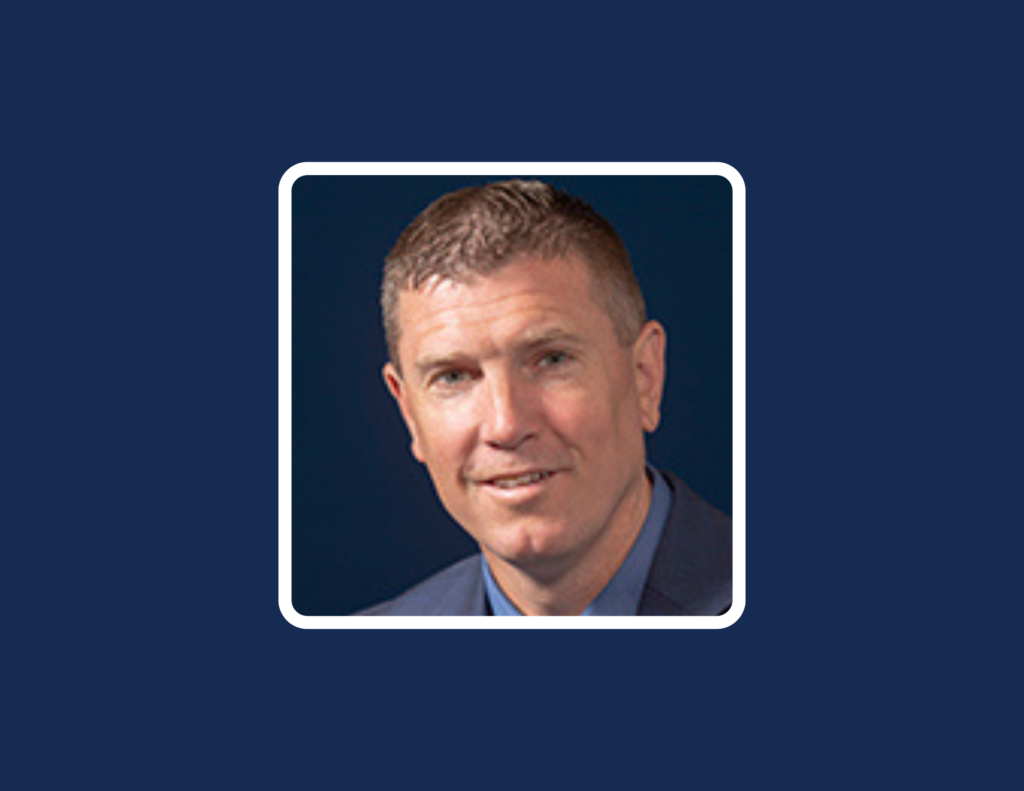
BROOKS MILLER – TRINE UNIVERSITY MEN’S BASKETBALL HEAD COACH, 2024 DIVISION 3 NATIONAL CHAMPIONS – EPISODE 929

Website – https://www.trinethunder.com/sports/mbkb/index
Email – millerb@trine.edu
Twitter – @TrineThunderMBB
If you listen to and love the Hoop Heads Podcast, please consider giving us a small tip that will help in our quest to become the #1 basketball coaching podcast.
Brooks Miller is the Men’s Basketball Head Coach at Trine University where he led the Thunder to the 2024 Division 3 National Championship finishing with an overall record of 29-4. Miller has compiled an overall record of 226-116 at Trine in his 13 seasons as head coach.
Prior to arriving at Trine Miller worked as an assistant men’s basketball coach for three Hall of Fame coaches that amassed seven National Championships throughout their careers. Miller began his collegiate coaching career working for Basketball Coaches Association of Michigan Hall of Fame Coach Ed Douma (one National Championship) whom he previously played for at Hillsdale College. In 2007, his career took him to Texas Tech University in Lubbock, Texas, where he served as a graduate assistant coach to Naismith Hall of Fame Coach Bob Knight (three National Championships). In 2009, he became the Head Assistant Men’s Basketball coach and National Recruiting Coordinator at South Plains College in Levelland, Texas for Junior College Hall of Fame Coach Steve Green (three National Championships).
Miller’s started his collegiate playing career at the University of Toledo finished at Hillsdale College. At Hillsdale in 2003, Miller was selected team captain, Academic All-Conference, and team “Defensive Player of the Year.” Hillsdale reached the NCAA Division II National Tournament in back-to-back years for the first time in school history during Miller’s sophomore and junior seasons in 2001 and 2002.
If you’re looking to improve your coaching please consider joining the Hoop Heads Mentorship Program. We believe that having a mentor is the best way to maximize your potential and become a transformational coach. By matching you up with one of our experienced mentors you’ll develop a one on one relationship that will help your coaching, your team, your program, and your mindset. The Hoop Heads Mentorship Program delivers mentoring services to basketball coaches at all levels through our team of experienced Head Coaches. Find out more at hoopheadspod.com or shoot me an email directly mike@hoopheadspod.com
Be sure to follow us on Twitter and Instagram @hoopheadspod for the latest updates on episodes, guests, and events from the Hoop Heads Pod.
Make sure you’re subscribed to the Hoop Heads Pod on iTunes or wherever you get your podcasts and while you’re there please leave us a 5 star rating and review. Your ratings help your friends and coaching colleagues find the show. If you really love what you’re hearing recommend the Hoop Heads Pod to someone and get them to join you as a part of Hoop Heads Nation.
Have your notebook handy as you listen to this episode with Brooks Miller, Men’s Basketball Head Coach at Trine University, the 2024 Division 3 National Champions.
What We Discuss with Brooks Miller
- The story of how Fred and Cortez Garland ended up at Trine
- “Winning is what unified us.”
- “There was a lot of different unselfish things that happened throughout our time together. You know, all that stuff, none of it mattered until we lost. We had to figure out who we had and what we were like when things didn’t go our way.”
- The team’s first loss of the season at Elmhurst and the loss of Emmanuel Megnanglo to finger injury while separating two frozen hamburgers
- “We told them, but what did we teach them?”
- “When you look somebody in the eye and tell them you’re going to do something, you do it.”
- “We have no system at Trine. Our system is, let’s get the best players we can find, whether those are high school kids, whether they’re transfers from other programs, or grad transfers looking to spend that extra year of eligibility, and put them in the best position we can to be successful.”
- How reading the book, Tribal Leadership, helped the team throughout the season
- “We have five all conference players in this room and we all think we’re great, but we haven’t done anything together yet.”
- Feeling like they had a realistic chance to win the National Championship after beating Hope and Calvin back to back on the road
- “If we just didn’t beat ourselves, we would always have a chance to win a game.”
- “I think when you’re in a game, the one thing the coach really is responsible for during the game is making sure he’s got the right guys on the floor at the right time.”
- After losing three of their last five games including the conference tournament championship game against Hope – “We are going to push you harder, coach you harder than we have all year long, no more massaging egos, no more making sure this guy’s okay with this guy in this role. I don’t care anymore. We are going to grind this thing out and see where we can take it.”
- Ramping up the intensity and duration of practices heading into the NCAA Tournament
- The excitement and pressure playing their first four NCAA Tournament games at home
- “I was blown away what a first class event The Final Four was. And I knew it was going to be great, but just to see that at the Division III level was really cool.”
- Having so many former players at the Final Four cheering on his team
- Beating #3 Trinity and #1 Hampden-Sydney in the Final Four to win the National Championship
- “To watch these guys just celebrate each other’s success was awesome. And I didn’t know what to say. These are things you dream about as a coach or as a player.”
- The locker room atmosphere after the championship game and how it wasn’t like what he might have expected
- It was almost paralyzing because we knew we weren’t going to take a court together again. We felt like we had nothing left to give each other.”
- This is just a culmination of the effort and sacrifice of so many people. My family, my wife, my kids, our athletic department, our players families. I mean, there’s just so many people.”
- “You may not have any idea what the players are going through. Just help them through it. That’s our job. Our job is just to help them through the tough times.”
- Looking up to the coaches in his life and wanting to be that same inspiration for his players
- Working for three Hall of Fame coaches as an assistant, Ed Douma, Bob Knight, and Steve Green ath three different levels of college basketball
- His favorite Bob Knight stories
- “I think the biggest thing I had to adjust to at the Division III level was knowing what type of players we needed to win at a high level.”
- “As a head coach, the only thing I care about is fulfilling the needs of our players and everything that they do. Take care of that part first, and then we can adjust to somebody else’s style of play second.”
- “Sharing the ball, attacking the ball, and going and getting the ball.”
- “Don’t be tricked by talent. Field goal percentage over talent.”
- Running a motion offense this season with no down screens
- The MTI Center and how having a great facility raised the level of Trine’s program
- “We’ve tried to find the right guys that were willing to be patient, and to be the third team guy for a year, and actually enjoy doing that.”
- The future of NIL in Division 3
- “Every time we play now, we’re going to have this significant target on our back that we’ve earned, and we need to embrace that.”
Like this show? Please leave us a review here — even one sentence helps! Consider including your Twitter handle so we can thank you personally!

We’re excited to partner with Dr. Dish, the world’s best shooting machine! Mention the Hoop Heads Podcast when you place your order and get $300 off a brand new state of the art Dr. Dish Shooting Machine!

Prepare like the pros with the all new FastDraw and FastScout. FastDraw has been the number one play diagramming software for coaches for years, and now with it’s integrated web platform, coaches have the ability to add video to plays and share them directly to their players Android and iPhones via their mobile app. Coaches can also create customized scouting reports, upload and send game and practice film straight to the mobile app. Your players and staff have never been as prepared for games as they will after using FastDraw & FastScout. You’ll see quickly why FastModel Sports has the most compelling and intuitive basketball software out there! In addition to a great product, they also provide basketball coaching content and resources through their blog and playbank, which features over 8,000 free plays and drills from their online coaching community. For access to these plays and more information, visit fastmodelsports.com or follow them on Twitter @FastModel. Use Promo code HHP15 to save 15%
Your first impression is everything when applying for a new coaching job. A professional coaching portfolio is the tool that highlights your coaching achievements and philosophies and, most of all, helps separate you and your abilities from the other applicants.
The key to landing a new coaching job is to demonstrate to the hiring committee your attention to detail, level of preparedness, and your professionalism. Not only does a coaching portfolio allow you to exhibit these qualities, it also allows you to present your personal philosophies on coaching, leadership, and program development in an organized manner.
The Coaching Portfolio Guide is an instructional, membership-based website that helps you develop a personalized portfolio. Each section of the portfolio guide provides detailed instructions on how to organize your portfolio in a professional manner. The guide also provides sample documents for each section of your portfolio that you can copy, modify, and add to your personal portfolio.

We know you’re invested in the next generation of athletes, so why not give them the star treatment this season with GameChanger. Introducing GameChanger, a free app that provides you with data to make strategic coaching decisions and to deliver memorable moments to your team and its fans. Engage your players, empower your coaching decisions, and give parents the thrill of watching every play unfold in real time this season. Download GameChanger now on iOS or Android. GameChanger equips your team with the tools they need to succeed. Download it today and make this season one for the books. GameChanger. Stream. Score. Connect. Learn more at gc.com/hoopheads.
With GameChanger you’ll get automated highlight clips for all scoring plays as well as rebounds, steals, assists, and more. Plus free live streaming, advanced scorekeeping, and team management. No complex setups required, just easy, free streaming from your mobile device. AI powered technology will automatically pan and zoom…
Coach: the season just wrapped up and you need a break. Take your family on a much needed trip somewhere and leave the launch of your off season film review to #TeamsOfMen and our brand new #CoachsMirror product. Combining your game film & schematic goals with an experienced coach’s eye and the time saving power of AI, we will have an entire self scout of your film ready for you when you come back refreshed from your time off. Packages are available now breaking down 1, 3 or 5 games from this season.
Pro Skills Basketball is thrilled to announce that they are expanding their reach and seeking driven individuals to join them as City Directors in new cities across the country. This is an exciting opportunity to be at the forefront of revolutionizing youth basketball development and fostering a culture of excellence inspired by European-style basketball academies. Learn more now!
THANKS, BROOKS MILLER
If you enjoyed this episode with Brooks Miller let him know by clicking on the link below and thanking him via Twitter.
Click here to thank Brooks Miller via Twitter
Click here to let Mike & Jason know about your number one takeaway from this episode!
And if you want us to answer your questions on one of our upcoming weekly NBA episodes, drop us a line at mike@hoopheadspod.com.
TRANSCRIPT FOR BROOKS MILLER – TRINE UNIVERSITY MEN’S BASKETBALL HEAD COACH, THE 2024 DIVISION 3 NATIONAL CHAMPIONS – EPISODE 929
[00:00:00] Mike Klinzing: Hello and welcome to the Hoop Heads Podcast. It’s Mike Klinzing here with my co-host Jason Sunkle tonight, and we are pleased to welcome Brooks Miller, the head men’s basketball coach at Trine University, the 2024 Division III National Champions. Brooks, welcome to the Hoop Heads Pod.
[00:00:20] Brooks Miller: Hey, thanks for having me, Mike. Appreciate you putting us on here to talk about our team and our kids and our program.
[00:00:27] Mike Klinzing: Thrilled to have you on. Looking forward to diving into this national championship season and learning more about you and your program. Let’s start by going back to the fall and you’re looking at your team. Obviously this year you got the eight extra days in Division Three to kind of prepare and use them as you choose and see fit.
If you go back to September, August, school starting, what was your mindset? What were you thinking about your team? Where were you at in terms of just your preparation and what you thought this team could be?
[00:01:04] Brooks Miller: Well, we’re going to have to rewind it. Actually two falls ago there was a young man named Cortez Garland went into the transfer portal from Albion College, who was a big time rival of ours. He was in the portal. Him and I talked about coming to try and doing a fifth year with us and helping us get to the edge here. We felt like we had a lot of great pieces, but we didn’t have a ball handling guard that could really put us in an elite level of play in the NCAA tournament.
And long story short, we weren’t able to get it done the year before when he was in the portal. So he sat out all year that year. And then this year leading up to the season, we were able to, his brother, Fred was in the portal. So we worked really hard. We got Fred to come and then we realized that Cortez still had eligibility left.
We didn’t know that at that time. I figured he was out of semesters after going back to Albion and just being a student for two more years. And August came around and Cortez, he said, coach I’m going to go to Texas. I got a job down there. I’m going to work. I said, okay, well, if anything changes, you just let me know.
And adding Fred to our group, I knew it added a significant higher level of speed to our lineup, which really kind of, we were 22 and four the year before, some really tough hard nose guys, but we started basically four forwards and a center and we knew we needed speed to get to where we needed to go offensively, to be able to score.
And about three or four days before school started, Cortez gives me a call and says, coach, you still got a spot for me. And I said I don’t know, I think maybe we could find something, we can figure something out. So he hops into U Haul, somehow he got out of his lease in Texas, got out of his job, he said, I really want to play with my brother and I know what you guys have done up there and I want to be a part of it.
So he drove through the night, we found him a place to live, we got him a job, and the minute he was here and settled in, I felt like, okay, This team has a chance to definitely be the best team we’ve ever had here when it comes to talent, but I think if we can just maintain the right mindset, I don’t think there’s any ceiling to what we could accomplish.
And Cortez came in here and really provided us with an alpha type of mentality on this team. We’ve got a lot of great, hard nosed, tough guys, unselfish guys. And to bring Cortez to the group to help lead them. And the way he did that, I thought we had a great opportunity. So you’re using those eight days in the fall were real significant for us.
We spent more time just being together utilizing the whole day. So not just using it as a workout two hours, send everybody home. We’d bring them out to my house or we’d have a cornhole tournament or we would have a big dinner, we would do everything we maximized every minute we had because talking with Fred and Cortez. And then we added another young man named Drew Moore who, who played at Olivet in our conference too. So we brought three guys into our team that we had competed against fiercely for championships in 2019. We won and in 2020 Albion won it in I think 21, we won it again. So we were going back and forth with those guys.
So we had to figure out how to cultivate those relationships. And we just really wanted to maximize our time together. X’s and O’s were the farthest thing from my mind at that time. It was just, let’s get everybody on the same page and understand what we’re trying to do. And winning is what unified us.
We really they came here to win and our returning guys accepted them and embraced them because they knew they could help us.
[00:04:27] Mike Klinzing: How long does that process take before you feel like, man, these guys are really starting to coalesce? Was that something that after those eight days you’re like, okay, I think these guys are really going to come together?
Was it three, four games into the season? Was there a particular moment or is more of a slow build? Just when did you know that the chemistry was right with the group?
[00:04:48] Brooks Miller: I would say we thought we had great chemistry, probably from the get go. There was a lot of different unselfish things that happened throughout our time together.
You know, all that stuff, none of it mattered until we lost. We had to figure out who we had and what we were like when things didn’t go our way. Once the guys that started last year didn’t start, once the guys that played you know, 20 to 25 minutes on a team again, that was 22 and four, weren’t getting those 20 to 25 minutes.
And the first time we were going to face some real adversity who’s going to be the ones pointing the finger? So. You know, we ended up taking our first shot in the face at Elmhurst and, and Emmanuel Mignangolo, who I think is the most dominant player in Division III easily the best defensive player in Division III, six foot eight, averages almost four blocks a game, two and a half steals a game, but he just changes the entire game.
He’s at home for Thanksgiving. And he is separating two frozen hamburgers. And I mean, this is just stuff you just can’t you can’t make up. So he’s separating two frozen hamburgers and he stabs through the burgers right through his left hand. It’s a very tiny wound. He sends me a picture of it. But it severs the tendon to his left ring finger.
So what we’re able to do, he goes to the doctor, long story short he’s got to have surgery to fix the finger, to fix the tendon. Now, guys like you and I, maybe yeah, I grew up on a pig farm. I’m a history major or whatever Hey, just tape it to the other one we’re going to play, which is actually what he did for two games.
He had 17 rebounds, 15 points, five blocks, huge win in Heidelberg. With a severed finger and, but he had to choose whether he wanted to have surgery or not. Well, he’s a computer science engineering major. So his fingers are a little bit more valuable than to him than mine are to me as a basketball coach.
So after having two of the best games of his career, he had to break it to the team that, Hey, I’m not going to be able to play here for the next six weeks. Which we were all in full support of, and we felt like we had the pieces in place to. To keep the ship together, but we got popped in the mouth at Elmhurst, I mean, not taking anything away from them because they’re a great team.
We could have easily gotten beat there with him. They had a great team and that’s when we kind of found out a little bit more what we needed to do. What else did we need to discuss and talk about? What type of leadership did we need? You know, who was going to be the guy that helped us bounce back?
So, yeah. I thought you know, Brent Cox was a fifth year senior for us this year. He’s been here all five years. He had over 102 wins. He kind of took a back seat this year compared to where he’s been in the past. And he just really helped galvanize us with his mentality of understanding that one night might be Drew’s night, the next night might be Cortez.
Fred really got off to a blazing start for us this year, kind of picking up a lot of scoring. So, so I think the chemistry, to go back to your original question, the chemistry was always something that we had to work with and try to improve because Everything is great to talk about. A lot of people my favorite thing is when you hear a coach or even parents being having a 10 year old son and a six year old daughter now, well, we told them not to do this.
Well, okay, we told them, but what did we teach them? You know, what did we teach them? So we always kept circling back to the most important things. And to me, it’s respect. I think since Twitter and Instagram and all this stuff started, all you hear is culture this, culture that. Well, everybody thinks their culture is great.
So what is culture? Well, how about just seeing it as simple as when you look somebody in the eye and tell them you’re going to do something, you do it. Or if somebody has an idea to share with the group, you listen to them. You just respect people. So, I think if there’s anything that we really locked into is really each of us from all different types of backgrounds.
We got Emmanuel from Benin, Africa. We got Brent Cox from Kendallville, Indiana. We got the Garlands from Detroit. We got Ryan Preston from the suburbs of Fort Wayne. And myself, I grew up on a pig farm. So, we’re all just trying to learn from each other, and I think, again, going back to what unifies us we just kept reminding them, this is part of the experience.
We’re going to do something that nobody thinks we can do. You know, how many times did somebody say, well, the Garlands aren’t going to work at Trine, they don’t fit in their system, they can’t screen, they don’t want to run motion. Well, we have no system at Trine. Our system is, let’s get the best players we can find, whether those are high school kids, whether they’re transfers from other programs, or grad transfers looking for to spend that extra year of eligibility, and put them in the best position we can to be successful.
And those guys really embraced that. And I think it was always a work in progress just like any other team, but it was really special. We thought if we could bring this group together, that it would be a real unique experience for everybody involved.
[00:09:39] Mike Klinzing: Much of those conversations were with the entire team in terms of your guys that were coming back that maybe had a larger role the year before?
How much of those conversations were with the whole team and how many times or what did the conversations look like when you’re talking with those players individually? Did you have to have those type of conversations in the locker room with the entire team, with individuals? Just how’d you approach making sure that Everybody was okay with it.
Cause just like you said, there are times where somebody could nod their head and say, yeah, I’m okay with it, but. When push comes to shove, they’re complaining to this teammate or they’re absolutely people down. Yeah. So how did you make sure that you kept your finger on the pulse of what was going on?
[00:10:23] Brooks Miller: Well, we really like to do everything within the group. We take a lot of pride in the fact that we don’t think there are any elephants in our program. We keep our number pretty small, our playing varsity group to like 12, maybe 14 guys max. I just think if you have more guys than that that think they’re involved in playing, that it’s really difficult to bring everyone together.
So here’s how we started, and this was kind of a risk on our part. But we just felt like, I read this book called Tribal Leadership about, I don’t know, five years ago. I read one of Phil Jackson’s books like ten years ago, and he had this three books that he always talked about. One of them was Tribal Leadership, another one was Hanta Yo, and I don’t remember what the third one might have been.
But I thought, okay, let me look into this Tribal Leadership book. And I loved it. I thought it was great. And it talks about the five different stages of leadership and how you get there within a tribe. And I thought, okay, I know if we give these guys, if we buy them all books and we tell them to read them, three, maybe four of the guys might actually read it.
You know, another three or four might read the first two or three chapters, but let’s try something else. I said, let’s assign one chapter to each guy and have them report it to the group. So we keep journals or notebooks is what we call them, but they’re basically a journal. We don’t give guys scouting reports.
We don’t have this long in depth stuff. We just have them make sure they write stuff on about different teams, about this practice, or this is some of our values or whatever. So I just said, Hey, let’s just have them chapter and do it. So the biggest one that the first one was an introduction chapter, so that was really simple.
But Emanuel did that one and reported to the group and then Cortez, who sat right in the front row, right in the very middle. Nobody told him to do that. Nobody asked him to do anything like that. It’s just the role he took for us. In our film room. So we have a two tiered film room. And he goes, coach, I want chapter two.
And I said, okay, you got it. And the way the first one went, it was a real simple chapter. I was like, I don’t know if this was a good idea. And I have four other coaches with me. One is a man named Ed Bentley, retired Marine. And he’s been a great high school coach. He took a year off this year and he wanted to be a part of our program.
His big role with us was, I wanted him to kind of figure out some leadership things that we could utilize military to here and then to real life, try to correlate everything. And so chapter two comes around the next day and Cortez did about a 25 minute presentation with no note explaining every different stage of leadership.
And you should have seen the way these guys looked at him and how he captivated their mindset. And he talked about right now we’re in stage three. And what stage three is, I’m great. We have five all conference players in this room and we all think we’re great, but we haven’t done anything together yet.
Our next stage, this is how we can get to stage four, which is, we’re great. And then the fewest and far between programs, companies, families, whatever it may be, get to this stage five level where it’s bigger than what you’re actually doing and you have a significant impact on your community or maybe cancer research or something along those lines.
And the way he talked to that team, that’s when we knew like, hey, we got something going here. And then, okay, who’s doing chapter three? Five hands go up and then somebody does, but the bottom line is he set the tone right away. If we are going to do things in an excellent manner. So everything we did and we talked about was really elite and he really set the tone that day.
And we kept circling back to that book throughout the year. So our goal was to get to stage five. And when we played in Fort Wayne in the Final Four, and we set the Division III record for attendance, and it’s 4,500 people there at the Fort Wayne Coliseum to watch us play and to watch us win.
It was just really a unique feeling. And the best part about this whole thing, about winning this championship, we can’t tell you, not just myself, the players, how many people have come up to us and said, our family has had so much fun following this team. We’ve had so many great experiences. And to us, that was our level of stage five, that we had an impact on the community, but they had such a significant impact on us.
We win a game, we’re down 10 with a minute 50 to go because we’re at home and we feed off their energy and that wasn’t the only time we did that. So it was just really a cool thing to actually see something corny like that that us as coaches we try to pull from anything. All right, what can we do to get them on the same page and to have this thing work?
But it was one of those things where when that worked, almost every button we tried to push worked. It’s just, it was just kind of a ripple effect and it was kind of cool to see it develop.
[00:15:11] Mike Klinzing: So critical, right? When your best guys sort of take those reins, right? It’s the old player led team versus coach led team.
When your players take over and lead in the right direction and do it with the right intent and get everybody on board. And now suddenly that type of leadership, that type of selflessness becomes contagious. And man, when you got everybody on your roster pulling in the same direction, and you and I both know that that’s not always easy to do.
It’s always challenging because I’m sure every kid in your program wants more shots. They want more minutes on the floor. And if they’re a competitor, that’s just the way it is. And yet, the best teams, and it sounds like your team, your team got to that, this plateau this season is that everybody puts that aside with the idea that, Hey, there’s a greater goal in mind of what we’re trying to accomplish.
So let’s keep working our way through the season. So you lose your first game on December 20th at Elmhurst, and then you rip off a whole nother section of wins in a row. So was there a point where you started to say to yourself, Hey, it’s a realistic goal. Now, obviously to get through the NCAA tournament and win it.
Is not something that you’re sitting there going, Oh, this is going to be easy. We got this whole thing under control. But was there a point in the season where you really thought like, Hey, this is now realistic?
[00:16:45] Brooks Miller: Yeah, I would say after beating Calvin and Hope back to back on the road and the way we dominated those two games, I think against Calvin, we were up as many as 17 or 19 in that second half.
And that lead dwindled late. It might’ve been like a three. They made a shot at the buzzer or whatever. But the way we dominated that whole game, and then the way we were able to come from behind at Hope, we were down, I think, 10 or 12 in the first half with about four minutes to go in the first half, and then we ended up having a lead at the half, a one or two point lead at the half, and we just ran them in the second half.
I thought, okay, this team is really capable of going on huge runs quickly. We were down 17 at Anderson who won their conference, the HCA team played in the NCAA tournament. We’re down 17 in the second half on the road before the Elmhurst game without Emmanuel and were able to come back and win that one.
I thought that was significant but we were able to, this team just could really make up ground in a hurry. It could take a, we could have like a four point game, whether we had the lead or we’re down and we could be up 14 or 16 in a matter of two or three minutes. So I felt like this team was so explosive.
If we just didn’t beat ourselves, we would always have a chance to win a game. And as long as we kept the right guys healthy. I couldn’t tell you who our best player was. Everybody, there was like four of them that we, actually, I mean all of them that we couldn’t do without any of them.
Emmanuel was so dominant defensively and Cortez was a guy that could get the ball anywhere on the floor at any time. We needed Drew more speed on the wing and his ability to make open shots and, and Fred had this competitive spirit about him. Like, if he wasn’t out there we just didn’t have the same type of pop.
So, It was really a unique team to watch, but I would say after those two wins, I felt like we were capable of making a run deep into the tournament for sure.
[00:18:36] Mike Klinzing: Sometimes your team just fits together, right? You have just guys have diverse skill sets, and this guy just slots perfectly next to that guy, and this guy’s strength covers for this guy’s weakness.
And you just have people that do collectively everything that needs to be done in order to be able to win games. Not every roster comes together in that way. And obviously you guys were able to to do that this year and feel like, hey, when we’re out there as a collective five, we’re able to have everything that we need in order to be able to win games and, and win at a high level, which obviously you guys were able to do.
As you read into your conference tournament and you make it to the final, you guys are hosting And you lose to Hope in overtime in the final of your conference tournament. What was the mindset after that game? Obviously, you know with your record and the success you guys had that you’re going to make the tournament, but how were your kids feeling?
What was the mentality? How did you guys approach that loss knowing that you had to regroup and then be ready to play in the NCAA tournament?
[00:19:48] Brooks Miller: Well, we lost three out of our last five there, and I can tell you, so we were 22 and one going into the Olivet game on the road, and if we beat Olivet on the road, we were guaranteed a share of the league title still with three games to play.
And I think we made huge mistakes as a staff, myself in particular, myself leading the way. The way we structured our practices, we almost were so cautionary that we didn’t want to get anybody hurt. We just felt like, okay, if we can stay healthy here the last two weeks, we’re going to guarantee ourselves a league championship being health being the most important thing.
And our practices were kind of geared around just not doing anything that’s going to hurt ourselves, self inflict a wound. And that was a huge mistake on our part. We started diving into some analytical things with our lineups. I looked at that and I thought, hey, maybe we shouldn’t play this guy with that guy moving forward looking at their body of work here, this matchup or the last time we played Calvin, it looked like when we played these two guys together, we were at our best, most efficient, and we just overcoached it.
And it really put our team in a tough spot. And I think after we made the NCAA tournament we were able to get that share of the title, which was great in a win at home against Kalamazoo on senior night. But then we lose to Calvin in overtime at home, an absolute loss. Coaching mistake on my part is, I think when you’re in a game, the one thing the coach really is responsible for during the game is making sure he’s got the right guys on the floor at the right time.
Whether that’s late in the first half with guys in foul trouble, or how you’re working a guy in late with foul trouble, or making sure, okay, we haven’t scored here in a Do we need somebody of good scoring lineup or a good defensive lineup? I think that’s a coach’s biggest job during a game. I think drawing up plays are significantly overrated.
I think adjustments at halftime are really overrated. I think it’s just, okay, let’s make sure we got the guys on the floor at the right time. And we did not do that at Calvin. Drew Moore or Nate Tucker played seven minutes in that game. I think Drew Moore played maybe 12. And we got done with that game and into the conference tournament, and I just felt like, wow, we really shorthanded our team.
And I think as a staff, we had to own that. And then we got Hope at home in the championship game, and they were really good. Like, they were really, really good. And we had two shots to win the game in the last minute. We just missed them. And, and they earned that victory against us, but I didn’t think we played poorly.
We just didn’t get it done. And then going into the tournament, so use that mindset I just talked about we just had selection show party, in Club Z here at the MTI Center. It was awesome. Everybody on campus was there. We went right to the lock. And I said, men, I said, we got a couple different choices here.
We can be just happy to be here. And we got at least one banner going up as a partial share of a championship. Or you know, we can really say, screw that. We’re going to make a deep run here. I said, I’ll be honest with you guys. I’m super happy to be here. I can’t tell you, it’s been 13 years.
We had to create our own NCAA tournament in 2021 by going and playing Randolph Macon when we ranked number two in the country when they canceled ours. I said, but I’ll tell you what, I don’t going back to the book, I said, Everything we worked on from here, you can throw it out the window.
Nobody, I can’t say the exact words, but we don’t care about your feelings anymore, and I don’t think you guys should either. I said we are going to push you harder, coach you harder than we have all year long, no more massaging egos, no more making sure this guy’s okay with this guy in this role. I don’t care anymore.
We are going to grind this thing out and see where we can take it. We were the number two team in the country two weeks ago. Now we feel like number 200. There’s no reason for that. So we went from having 45 minute practices to an hour and 45 minute practice, two and a half hour practices, physical bang them up.
Let’s go at each other. Cause at that point we’re like, who cares? We have to do this to get better. Our style of play, we felt like physicality is muscle memory, so we needed to get back to that. And we just grinded it, and then we beat Fontbonne at home in a really hotly contested battle that really came down to the fact we had to get stops and rebounds, make physical plays, and then the Coe game.
We’re up 20 at the half, around something like 20. They come all the way back, take the lead on us. And we had to really see where we’re at. We made some really tough shots to get into the sweet 16, and we stayed with that mentality. Hey, the night before the national championship game, we got bodies just beating on each other, banging on each other, and I think twe got back to who we were and that made a big difference for us.
[00:24:32] Mike Klinzing: How important was it for your team, your kids, your community to be able to have those games both in the first and second round and then in the sweet 16 to be able to host? How important was that to you and your program and to your kids?
[00:24:47] Brooks Miller: Well, part of me actually wanted to go on the road. Because I’m thinking we’re in the NCAA tournament, let’s go somewhere and be like in a tournament somewhere but obviously we were excited to be at home and to have our crowds there and the different things our university did to promote the games.
And we had incredible attendance throughout the tournament. Both weekends and, and I think you know, although it may be an advantage, you still got to win the games. I mean, there’s plenty of people that don’t win all their home games. And I do think maybe being able to sleep in their own beds was a good thing.
We just don’t have anything else to compare it again. So it was nice. And but just to have those people there and to share the journey with them and for them to push us along in it, it was just a really, it was a real partnership. So it was pretty special. And then Of course, as a coach, like the pressure that’s on you to win at home.
And as you had, you couldn’t let your team feel that, but you got everybody in the university working here. You got a Friday, Saturday game. And the, I remember saying to myself, God, please, please just let us at least win the Friday game. You know, so all these people don’t have to come to work. And I told our staff, I told our staff, listen, if we lose this Friday game, The four of us are working the concession stand and taking tickets.
We’re not having our compliance guy and these other guys working on a Saturday night if we ain’t playing. So there was some pressure there that I thought t\was good, but obviously we tried not to have the guys, anything like that. But it was it’s just how many times in life where you can have this thing at home where the final four is right down the road.
Going into the Platteville game, I told the team, I said, listen, here’s what this is about. This is, we’re in the Elite Eight. This is going to be the best season ever in the history of Trine University. You’re always going to come back here. This team’s going to be inducted probably into the Hall of Fame someday.
You guys are going to come back here the next couple of years to watch us play or see some of your girlfriends that are still running around here on campus. And they’re going to ask you this question. They’re going to ask you one or two questions. It’s going to be, man, how cool would it have been to have you guys play in the final four right down the road in Fort Wayne?
Or how awesome was it that you guys got to play in the final four in Fort Wayne in front of everybody? And they answered the call and now the question’s always going to be what an awesome experience it was. How cool was it? So I was just really proud of them that they were able to get that done and not have that monkey on their back the rest of their lives.
[00:27:20] Mike Klinzing: So when you show up at the Final Four, what’s that experience like for you, for your staff, for the kids? Just what’s the atmosphere around what’s happening in Fort Wayne when you guys get there?
[00:27:32] Brooks Miller: Well, I got to tell you the NCAA did a tremendous job of making us feel very important. I thought the atmosphere in the locker room the gifts that they gave the players, the way we were treated from a hospitality standpoint, from our liaison to the people that were working the door at the hotel.
It was a tremendous experience. I have from my days at Texas Tech I’ve built some really great relationships and I would go, when our season was done, I would go with Coach Beard when he, even when he was at Little Rock, I would, I flew out to Denver and would hang out with him during the NCAA tournament the first round.
Then he’s at Texas Tech, I went to Dallas, I went to Anaheim, wherever they were at. And I don’t, we were treated just the same as his teams were treated when I would go back in the locker room with those guys. And I was blown away what a first class event it was. And I knew it was going to be great, but I just to see that at the Division III level was really cool.
We had families at the hotel and we had people stopping in, former players. It was really cool. I bet we had 25 to 30 former players from Trine in my last 13 years. either came to the game or were at the hotel with us, and their families. So it was just really neat, and I got pretty emotional then.
I remember I’m sitting there, I don’t know, two hours before the national championship game, three hours, and the guys are about ready to come down and do our last film session before we load the bus, and Jared Holmquist, who was named the Academic All American Player of the Year in the country in 2016.
And a couple of his teammates were down there and I’m just looking at them and I’m just, I’m like in tears. And I kept telling myself you know, we’re telling stories and stuff and telling us, man, this ain’t the time, man. You can’t get sappy now. We got a championship to win. Knock it off, but it was really cool to have those people there.
So it was just really neat. I had old college teammates there. I bet I had 10 or 12 college teammates from Toledo there. My college coach was there. High school buddies were there. It was just a real cool fraternity of people that were there to support us.
[00:29:32] Mike Klinzing: It’s awesome to be able to have that community. And again, when I think about the game of basketball and I think about all the coaches that we’ve talked to on the podcast, I think about my own experiences. it ultimately comes down to those relationships that you built and to be able to have so many people that had been a part of your basketball life to be in the building, to watch you guys win a national championship, had to make it, I’m sure, doubly special.
But obviously, it’s not an easy road. You guys are playing the number three team in the country, and then you have to beat the number one team in the country. in the championship game. Just walk me through those two games and just what they were like, how they went, and what you were feeling as you were going through both the semi and then the championship game.
[00:30:16] Brooks Miller: Well, preparing for both teams what I really respected and loved and studied a lot with Trinity was their ability to offensively and their physicality defensively. They played Calvin in the Elite Eight, who like I mentioned earlier, is in our conference, who we shared the conference championship with.
If Calvin would have won, we would have played them in the semis there in Fort Wayne. Trinity just physically beat him up. And I thought one of Calvin’s biggest strengths was they could always beat you up, but they did a great job with them. And we knew that if we could defend the perimeter the way they really love to shoot the three, all these kids love to shoot the three now.
So if you can find, but the way we try to stay principled is to take things away that people really kind of like. And we felt that if we could defend the perimeter defensively, making them take contested shots and somehow came up with the long rebounds, we could be successful because they were so great defensively in the half court, but we knew they were going to take some bad threes.
And those would be the chances we would have to maybe get some easier baskets in transition. So we knew if we scored, we could score in the first five to seven seconds against them and possibly in the last five to seven. But they were really, really good early in the clock in a set defense. So we had to try to use our offense as part of our defense as well too.
And we were able to do that. It was a big back and forth game there for the first eight minutes. I think their first four baskets were offensive putbacks. And you just look at your staff and you just laugh at each other. Well, we told them, right? We told them, well, we didn’t teach them. You know, and part of the way we play, we give up offensive rebounds.
We rotate a lot. We’re trying to keep the ball out of the middle. So we’re, we’re doing a lot of rotating. And what comes with that is giving up some offensive rebounds. And we try to counter that by creating turnovers. And then at the biggest play of the game we’re at the four minute mark, we had about a, I don’t know, 14 point lead, maybe a 10, 12 point lead.
They cut it all the way down to three or four. And we came out of that last four minute timeout. And I told the guys, I said, listen, a shot fake is going to win this game for us. We got to get a great shot fake. Cause that’s, that was a big key for us. Cause they’re super aggressive on defense. And we felt like if we could get a really good fake early in the clock, we could play five on four, but we weren’t going to, we had the shot fake.
And we come out of the huddle as their ball and we end up getting a steal. We’re in the right spot. We create the turnover we needed to create. And Cortez goes the length of the floor, shot fakes a guy who is a superior defender, a great defender, gets him up in the air and then goes right around him and scores the basket to put us up 6th.
I think we got a stop and a rebound and Cortez, with using a pass fake on the perimeter, was able to create a shot late in the clock, going to the rim, and now we’re up 8th and then we just had to win the game. You just had to make the right plays to win the game, but. A lot of respect for Trinity and how physical they were and tough they were.
They had great length. And then going into Hampden-Sydney, we thought it was more of the same. Except they had a little bit more, we felt like decision making wise, they were a little bit, I don’t want to say better. I don’t think that’s fair to Trinity, but I thought they, they kind of had an elite guard in Brazil number 24 that we had to limit his opportunities.
And they are another good elite offensive rebounding team and good defensive team early in the clock. So we, we just felt like, again, use your fakes, try to score as early as we can. If we get some long rebounds or turnovers, If not, we have to wait till late in the clock because they’re just too good.
It was kind of like the running game in football when you run motion offense. I think we’re down 19 to 8 with seven minutes to go in the first half against Hampton City in the championship game. And we come back to the huddle and all we really did in the huddle was just try to remind these guys what we were doing well.
And I looked at my coaches, we’re down 19 to 8, and I said what do you guys got? What do we want to remind them about? And my one assistant, for lack of better words, Coach Bentley, the former Ranger as well. We are playing our asses off right now. So, put that on the thing. I said, good thing for us.
I said, all we do is practice. How can we win games without putting it in the basket? So just keep up the great work. You know, and we wound up going on like a 13 to nothing run or 15 nothing run. And it was a tight game at the half. But I think because we got the ball side to side and paint touches in that first half, it really helped loosen their defense up in the second half. And those driving lanes got bigger and bigger and we were able to create more offense in the second half in the half court based on getting the ball side to side in our paint touches.
[00:34:42] Mike Klinzing: What’s the locker room look like after the game when you guys get in there and it’s just you and you come off the court and you guys are, you in there in a private moment.
What’s that look like? Absolute exhaustion.
[00:34:55] Brooks Miller: You could just see it on their faces that they gave everything they had. And you know, the one group I haven’t talked about yet, who was a significant key to our success are our third team guys. When I tell you we got like 12 guys in our playing rotation, Or 13, maybe guys that can make an impact either this year or next year.
We also have five to seven other guys that come in and all they do is run the other team’s stuff and whether it’s the way they defend, because it’s obviously different from ours most, most of the time, or what they are, shell drills. We do a lot of different shell drills. We don’t really run their plays.
We just run shells based on trying to keep the ball out of the middle. And. Their enthusiasm with the guys that were on the floor to watch these guys just celebrate each other’s success was awesome. And I didn’t know what to say. Like, these are things you dream about as a coach or as a player. You know, you win a championship.
How are you going to get the things you what song are you going to play in the locker room? Who’s going to dump the water on? We just looked at each other and we just sat there and we hugged each other. And we just felt like we had more to play. It was really odd feeling like it wasn’t an emotional, again, like I was way sappier before the game.
I don’t mean any disrespect to Hampden-Sydney when I say this or Trinity, but as both those games are being played, I think our team felt like we were the better team and there was an expectation of us playing well and playing better as the game went on and making the plays we needed to make. And when we were done, it was just like, we did it.
And we were just so excited for each other. It was really hot. It was nothing like I ever would have imagined. I never got a chance. My wife is a state champion and I’ve had to listen, not listen to it because I’ve enjoyed it. She’s incredible. She’s just a free athlete, but she’s always told me how, what it’s like to win that game.
And then one year she lost it. She won it and lost it. So she’s been on both ends of it. And I’ve always kind of picked her brain out of it and respected her experience with that. Because I never got to do that. And this was the first time that I’d ever been a part of anything where you won the last game.
And it was just really I don’t want to say relief. That’s not the case, but it was just like, we’re just so proud of each other. And it was, it was really neat.
[00:37:16] Mike Klinzing: It’s interesting that you say that because obviously most teams lose their final game. There are very, very few teams every year that get a chance to end their season with a victory.
And so most of us players, coaches, the most typical way our season ends is it ends with a loss. And so then finally when it doesn’t, that’s obviously what you’re working towards all the time. But yeah, I can totally understand how, and you look at it and you’re like, Hey, we won. Let’s go play again. And obviously it’s such a special group that you don’t, you don’t want a season like that to come to an end.
I mean, obviously you want it to come to an end and you want it to end the way it did with the championship. But I got to believe that there’s still, as you guys are all sitting there looking around, there’s still this feeling of, and this is kind of our last time together in this form with this group.
And. despite the elation of winning the national championship, there was probably at least a little reflection of, man, we got to savor this because this group is never going to look like this again. We’re never going to be back in the same scenario. And so I’m sure that there were just a million thoughts racing through everybody’s head at that point in the locker room.
And it’s just, it’s interesting to hear you say that it didn’t feel like that. Maybe the way you anticipated it feeling.
[00:38:32] Brooks Miller: It was almost paralyzing because of what you said. Like we knew we weren’t going to take a court together again. We felt like we had nothing left to give each other. Like we just, we did it.
We did what we asked each other to do. You know, as head coaches or as a head coach or assistant coaches, our job was just to assist them in any way possible to give them the best chance to win. And their job was just to just play, to give each other everything they had. And they did that.
There was no wild music going. There wasn’t a whole lot of dancing going on. You know, it was just, they were hugs. There might’ve been a tear here or there, but I don’t, it wasn’t like, like you’d think. My AD sitting there next to me and we just, he says to me, do you realize what you just did?
And I said, I don’t know. I don’t, I don’t know. I’ve never been here. So, but no, it’s and then of course the next morning you wake up, you still feel pretty good. It wasn’t like I felt the same way after we beat Hope on a Saturday, that next Sunday, going to church and getting your pats on the back and, Hey, nice job, coach, and this or that.
But then Monday comes around, you start thinking, God, well, what do we got to do next? You know, what’s next? Have we talked to this kid since we’ve been gone last week? Have we you know, do we got this guy’s academically, are we in the right situation with him? You just go right back to work.
I just, there was nothing different after that, but knowing that we needed to continue to ride the momentum as long as we could.
[00:40:07] Mike Klinzing: It’s amazing how. It’s incredible. quickly you can shift focus from, man, we’ve been working for this for your entire career, right? And you get to it and obviously there’s a tremendous amount of satisfaction and yet life keeps coming at you.
And the next thing that you have to do is something that you have to do. And so have you had a moment in the last 10 days to kind of sit by yourself and quietly reflect on what the whole thing. means to you or have you not gotten enough distance yet to kind of put a perspective on it?
[00:40:41] Brooks Miller: Well, unfortunately the weather turned on us quickly after being great. So I couldn’t wait to get out in my fishing boat and do exactly what you’re talking about. But I will tell you at the time that I have. That I do reflect is the drive from the arena to the house. It’s a lot shorter now for me than it was when I first started, but those five to seven minutes that I have there in that truck by myself, and I think about all the people that have helped us get to this point, even if it’s just a regular season win or, or whatever.
But after that one you have that moment of Wow. This is just a culmination of the effort and sacrifice of so many people. My family, my wife, my kids, our athletic department our players families. I mean, there’s just so many people. Our band director. Those kids in the band that showed up every single day.
We had 19 home games this year overall and they were just rock stars. I mean, literally rock stars. You know, our, our people in our tennis coach and the team that had to work the concession stand the, the people that had to take the tickets, you just think about all the commitment they made and how glad you felt that now they can look back and say they were a part of this thing.
And this is something that’s always going to stay with this university. So I just, I think. You know, in those moments, they’re really special. And you know, when you got a family, it’s, you think about it all the time because every time you see them, you’re just so thankful. And just reminds you of how hard you work, but how hard they work.
And it’s just kind of a surreal thing.
[00:42:19] Mike Klinzing: That’s well said. I mean, I think that when you look at it, right, and you’re working towards a goal like winning a national championship. And you wonder, I’m sure, Hey, we’re taking the right steps, but it’s hard. It’s hard. It’s hard to get there. And eventually when you do, I think you do realize that, man, there’s such a great team surrounding me as the head coach. And again, you mentioned your family, your players, but then all the people on the periphery and the university that helped in some small way to contribute to what you’re doing and to have them, like you said, all be a part of it and to know that that banner is going to hang forever and it’s always going to be recorded and it’s always going to be something that your group inside that locker room, like we talked about when that game ended and the locker room door closed and your group that grinded it out every day through blood, sweat, and tears and worked hard and went from those 45 minute practices to those hour and 45, two and a half hour practices to make sure that they were prepared and going to be able to get it done. Like that’s something that nobody can ever take away from you guys.
And I think that it’s got to be just a special, special feeling to be able to, to put that championship up in the rafters. And you’ll always, whenever you walk through and. No matter where you end up in your life, you’re always going to be able to walk back into that arena and see, Hey, that was us.
And it’s just not many people get an opportunity to say that Brooks. And it’s again, I just say congratulations to you guys and your team and your community and your university for, for getting that thing done. Well, thank you. All right. So let’s kind of go back in time and now let’s flip to the second part of the pod and let’s tell the story of a championship coach.
Let’s go back to when you were a kid. Tell me about some of your first experiences with the game of basketball, how you got into the game, what you remember from the early years of your basketball development as a player.
[00:44:23] Brooks Miller: Well, I started out in CYO basketball in Northwest Ohio. So I grew up on a small pig farm.
And my dad was my coach for everything. I swear, like, our community was so tight. We were always playing ball somewhere with our friends. My parents both played softball, and then they played, my dad would play Fed League basketball in the winter, and we were always with a group of kids organizing some type of game.
And our dads were the ones coaching us. And so that was always something I think I admired at a young age of my dad and how involved he was with my friends. Some of our friends didn’t have father figures. They were from tough situations that he helped maybe fill the void for some of them in certain spots.
But I think I was really lucky. I ended up losing my dad when I was 15 to a heart situation. And I had a younger sister who was two years younger than me at 13. And then we had our youngest brother was seven at the time. So it was really tough. And I was really lucky to have an entire community of people behind me.
And I had some great, great mentors, coaches, teachers just other farmers in the community or whoever it may be. And I always wanted to pay that forward. I think my high school coach, I idolized him. I idolized him before he was my coach. He used to play with my dad in the Fed Leagues and he was the coolest guy because he was younger than them and he could dunk.
So Jerry Kiefer was his name and he was the guy we all wanted to be like. He had a Michigan hat he’d wear all the time backwards, thought he was the coolest guy. But anyway I had him and then Coach Beamer, Bob Beamer was my football coach. And then Brian Nagy was my baseball coach in high school.
And those guys really it was, they were always there for me. I made a lot of mistakes. I remember there was a football game one time in high school where we were two and oh, we’re playing against the best team in the state. I threw for five touchdowns the first game four touchdowns the next game.
And I thought I was on top of the world. We just get smacked. We’re down like 35 to nothing in the first half. And there’s kind of a backstory to it, but one of my buddies was trying to get out of 12 minute run that week and he pretended he had a headache. So it was kind of a concussion protocol at the time.
So long story short, they wouldn’t let him play those guys. And I was like, dude, just tell him you were trying to get out of 12 minute run. He said, he won’t let me go. He said, I can’t do it. So I just tell him, I said, hell, you ain’t letting him play. I’m done. I’m not going out there. We’re down 35 now. Then I quit on our team.
I’m 16 years old. I just lost my dad the fall before that, and I quit on our team and any other coach would have kicked me off the team and all of my friends would have disowned me, which they did for a little while, but I had to earn all that back and Coach Beamer at the time was there by my side, helping me get through that.
And I go back to that moment a lot when I’m working with these players at our level of the compassion you need as a coach is to understand that, hey, they’re not walking in your shoes. You may not have any idea what they’re going through. Just help them through it. That’s our job. Our job is just to help them through the tough times.
And we get to use basketball or football or baseball, whatever it is. as a tool of getting them through that. And I did. I just had great people that helped me. Then I went on to college. I learned a lot from Coach Joplin my first year at Toledo as a player, as a walk on. And then I transferred to Hillsdale College from there and got a scholarship and played for Ed Douma.
So he was tremendous with me. I learned a lot there too. So I just had a lot of people that were a big influence in my life. when I needed it. And I always wanted to do that for somebody else. The way I looked up to those people, I thought if I could if somebody looked up to me that way, I would it’d make me feel good.
So that’s really why I got into coaching. And it’s kind of a crazy story, but the best part about it is I’m with Coach Douma. He decides he’s going to retire my third year at Hillsdale as his assistant coach. We go down to Atlanta. They interviewed me for the job, Division 2 Hillsdale. I was 27 years old, nowhere near ready to have that type of responsibility.
And they hired somebody else. But I ended up going to the Final Four that year. We happened to run into Pat Knight. Now this is a, this is a two hour, 12 pack, maybe case of beer story. But I’ll sum it up as quick as I can. We happened to run into Pat, and he knows Coach Douma from way back. And, and Coach said, Pat asked him how he’s doing.
Coach said, well, I’m retiring, but can you help my boy here? Pat goes, shit, man, if he worked for you, he can work for us. And I’m like, are you serious? At Texas Tech? I can work for you guys? And he goes, yeah, we don’t have anything full time, but coach, we’re losing our two GAs this year.
We got to hire two other GAs. And if you can work for Coach Douma, you can work for Coach Knight. And he always called his dad coach. I always thought that was kind of cool, but kind of different. Yeah so, so he goes, yeah, just meet us out at this Joe’s Tavern, wherever it was out in Buckhead that night we’ll get together or whatever.
So I’m thinking, I think I just got a job, but I’m not sure. No, I’m engaged and married back in Hillsdale and I’ve got this full time job that I’m going to trade in here for a year. I remember going back to the hotel room, staring out the hotel room, looking into Atlanta Fulton County Stadium and explaining to my soon to be wife that, Hey we’re going to move to Texas.
Do you still want to get married? And so we go out that night and I’m trying to find Pat, talk to him and we see him there, but I don’t ever get him alone. You know, it’s like, he’s got a bunch of people around him. He’s having fun, having a great time. And now I’m thinking to myself, and I’m exhausted.
It’s like two o’clock in the morning. Now I’m thinking, I’m just going to go. And as we’re going out, this is a true story. We’re walking out in the parking lot in this parking garage. And then all of a sudden, out behind two cars coming from around the corner is Pat all by himself. I said, Hey, coach. I said, Hey, I’ve been trying to find you all night.
He goes, Hey, man, will you just relax, man? You got the job. Just come call me in two weeks or call me in a week when I get done recruiting. We’ll get you out there in May. We’ll get you started. I said, I really want it. Do I need to get you a resume, the skills? No, just show up. So long story short, I show up at Lubbock, Texas.
After having only one conversation with Pat on the phone, I show up there in May. And there’s no Pat, there’s no Coach Knight, there’s only Leslie the secretary, Les Fertig the director of operations, and Chris Beard in the back. And nobody has any clue I’m coming, or that I have a job whatsoever. And I loaded everything up in my car, I quit my other job and just left, and I just showed up.
And Beard tells the story, he just told it the other day to a buddy of ours. And, and I just, I said, Hey, Pat told me I had a job. And he goes, man, Pat does this stuff all the time. So long story short. They found something for me to do at Texas Tech and I was there for one year with Coach Knight and then the second year with Pat and it was a great experience.
I felt like Forrest Gump of the people I got to meet and hang out with and be with, things I learned, absolutely tremendous. Unfortunately, Coach Knight, he resigned my first year there but it was fortunate too because then I got to learn from Pat in a different capacity, which was great. And then I went to South Plains Junior College and worked for a guy named Steve Green.
Who I think I’ve learned more in two years working for Steve than I have learned in my other 20 years combined as a coach, head coach, assistant. He was just a wealth of knowledge of how to manage a team and how to recruit players and how, how to get the most out of them. Coach Knight was more about how to the fundamental side of things what wins games, the philosophical side of it, how to teach the game.
What I learned from Steve was how to win the how to Just keep the team on the floor, keep them together. And the people I got to meet recruiting junior college we recruited internationally and then all over the country, which is tremendous. And Steve ended up winning three national titles there at South Plains and lost in two other championship games in the division one level of junior college.
So that was really awesome. And him and I are still close to this day. And I actually was just on the phone with him last night. So. But that’s kind of my journey in a nutshell. There’s a lot of other great stories in between there, but coming to, coming to Trine from there was quite an experience.
And my wife is she’s a chief operating officer here at Trine University, and she’s been a vice president for about five or six years now. We just love Trine and they gave us an opportunity when nobody else gives my first head coaching job, we’re just happy to represent what we do at Trine University.
[00:53:02] Mike Klinzing: All right. So let me go back to the Bob Knight piece of it. What’s your best Bob Knight story. What’s something that you took away from obviously a guy who is a legendary coach. Obviously somebody who has had tremendous success. in the game. He’s also had some controversy surrounding him. So just talk a little bit about what your experience was like or tell a story, something that is memorable when you think about your time being around Coach Knight in that kind of capacity where you’re seeing him behind closed doors in ways that most people never got an opportunity to do.
[00:53:36] Brooks Miller: Well, first and foremost, he was hilarious. He was super funny, like in a lot of different ways. He could be really facetious type funny, and he could be just blatantly funny in the way he did things and he communicated with the staff or the players. But what I learned from coach more than anything else was just, okay, how do you win with everything being equal?
Everybody’s got the same amount of talent, so how do you win the game? And I things he would say, the best play in basketball is one on zero. You know, how do you get easy baskets? How can you create, how can you get to the free throw line? My favorite Coach Knight story that has to do with coaching is we are about to play Texas A& M at home and they’re ranked maybe third or fourth in the country at the time, or maybe they were number nine.
They were number nine. He has Oh, I think he’s got 899 total wins in his career. Now we have lost to Sam Houston State. We have lost to Centenary. We have lost, and I think we were just coming off a loss, to maybe Oklahoma at Oklahoma with Blake Griffin and Taylor Griffin and those guys. And we got Texas A& M coming up at home, and it ain’t getting any easier.
We got like Bill Walker and O. J. Mayo and those guys coming up from Kansas. Actually O. J. wasn’t on that team, but it was Bill Walker and Michael Beasley at Kansas State coming up next. So Texas A& M has DeAndre Jordan as a freshman on that team. They have I think, was it Donald Sloan? Donald Sloan was an NBA player.
He’s the point guard. They have Joseph Jones, and he’s another All Big 12 player, and another All Big 12 player was Josh Carter, and Mark Turgeon’s coaching this team, and they were incredible. They were just really, really good. And all we worked on for like the first two days was flashing Trevor Cook to the elbow, shot faking, driving and getting fouled to get DeAndre Jordan in foul trouble. I had to get him in foul trouble to win the game. And the game starts and there’s probably, I don’t know, 15, 10 to 15 NBA scouts sitting right behind the bench. One of my jobs is the GA. I sit right behind coach and pad, but I got to get the stats every four minutes for these media timeouts, killing all these trees.
You wouldn’t believe the amount of paper. But I give them to the NBA scouts. I got to give them to the chancellor who’s sitting there. And then I got to give them to the coaches. And to start the game, we, we won the tip, and I think Trev first played the game, he backscreens, pops to the elbow, catch and rip, shot fake, gets fouled, fouled number one on DeAndre Jordan, like, with the 1948 mark.
And then they go down, whatever happens, and then another possession or two later. We get some type of rebound situation, shot fake him again, he gets fouled again, he fouls again, so now he’s sitting out Turgeon sits him out the whole first half. I don’t know what the score was at halftime, but I think we were up.
And then the second half comes around, and he’s so frustrated, and he hadn’t played the whole first half. He turns his ankle like a minute and a half into it, trying to go for a loose ball, and I don’t know how long, I just know I’ve been in coaching long enough. Sometimes guys decide that they’re going to get hurt, whether it’s in practice or in a game, just based on their mentality.
And I think they had him, we had him so frustrated that it was just one of those things where anything that went wrong, he was going to quit on the team and go down. And he kind of did. Anyway, we win that game by 19 points. It’s coach’s 900th win. Awesome experience. Couldn’t believe it. That we, that we beat those guys based on some of the, the, the talent level we had compared to what they have.
All right, now let’s fast forward a month and a half. Coach has already resigned. We, we beat Missouri and he said, I’ve had enough. I’m going to let Pat be the head coach. We go to Texas A& M. We lose by 55 at Texas A& M. Same team we just beat by 19. And I’m not a math guy by any means, but I think that’s a 74 point swing.
Based on us just focusing on trying to get guys in foul trouble to really frustrate the other team, but it was kind of like winning that mental battle that I took from that whole situation. I thought it was really remarkable how we prepared for that game that we won was nothing fancy, wasn’t any special plays, it wasn’t fancy.
You know, let’s do this or do that. Something we hadn’t done before, it was how can we put this guy on the bench? And I thought that was significant. We do that a lot now at Trine coming out of a timeout or maybe something like that. We think of a way to get a guy in foul trouble, but one of the funniest things I saw him do.
Yeah, there’s a lot of, I don’t know how many I can really talk. One time he just told this freshman, we’re in a four man workout and I’m 27 years old at the time. So I’m actually kind of in the prime physically. I played division two basketball. But back then, you couldn’t work out with the team as much, so in the fall, you could only do four man workouts, and we had 15 guys.
And I was number 16, so in the last group, I got to play with the two walk ons, and maybe the number 13 guy scholarship wise. So that was kind of fun, and he’s coaching them or whatever, and the one kid the freshman gets hurt, or he falls or something like that, and takes some time getting up, and coach yells, John, John, get your ass up, John.
I hurt more than that taking a shit in the morning. I started dying laughing, Chris Beard’s like, hey, John, you can’t laugh, you can’t laugh. But you know, he would say that would just be kind of funny at the right times to kind of break the ice a little bit because when he walked onto the floor.
Everything changed. I mean, as a GA, my biggest job was player development. So we didn’t have a player development director. There was me and another GA, Almir Smach, a Bosnian guy who, I’m actually on vacation with him and his family right now. And we had to pass. We had two lines that we passed.
You made sure you hit guys in the chest every single time. If there was a loose ball, rebound it for somebody, you sprinted after it. If somebody fell as a GA, hey, we had towels. I went for being a full time assisted interviewer for a Division II head coaching job, grabbing a towel, wiping the floor when somebody fell, you know.
You made sure, when he walked into the office, you made sure your cell phone was on vibrate or off. You didn’t want anything out of the ordinary. He just raised the level of everybody’s alertness, which was, Just something you can never duplicate, but it was a great experience. I learned a ton. I still have a great relationship with, with Pat.
We went and visited coach two, two summer, two springs ago. And that was the last time I got a chance to see him before he passed, but just wanted to thank him for, everything one last time and really putting me in a situation to have a great career.
[01:00:19] Mike Klinzing: Did everybody know when it was okay to laugh and when it was not okay to laugh?
[01:00:28] Brooks Miller: Yeah, after wins. You could laugh after a win. That
was about it.
[01:00:29] Mike Klinzing: That’s funny. Definitely, without question, a different era. of coaching in terms of just how the approach and I can relate. I played a long time ago back at Kent and Jim McDonnell was my head coach. And I feel like there was There was some similarities there in terms of just the, the approach.
And I know that there would be things in practice that I look back on them as a player. And there were things that were funny and everybody would kind of look around and the staff would kind of look around. The players would kind of look around and everybody were like, I don’t think it’s okay to laugh right here.
So we better stifle, we better stifle that and move on to whatever it is that we’re going to do next. And just, I mean, again, a different era of coaching without question.
[01:01:16] Brooks Miller: Yeah, it was it was pretty great. And I look back at it a lot. I still have a lot of that stuff journaled too, and those experience different ways to motivate guys.
[01:01:26] Mike Klinzing: All right. Tell me about the transition from being an assistant coach to taking over your own program at Tryon as the head coach, what do you remember about the adjustments that you had to make? What were some things that maybe you were prepared for? What were one or two things that, man, you had no idea that really there was a steep learning curve as you got into it?
[01:01:46] Brooks Miller: I think the biggest thing I had to adjust to at the Division III level was knowing what type of players we needed to win at a high level. I’m very proud of the fact since I’ve been here, we’re the only team in our conference to finish in the top four every year. So we were always in that semi final game of the tournament, getting a lot of experience and doing that.
But I never really realized our capabilities of who we could go after based on how much school would cost. It was a difficult learning curve for me to understand the financial aid side of things and to get a good grasp on that. The thing that I changed the most from assistant to head coach was I could care less what other teams were doing as a head coach as compared to an assistant when I was worried about, okay, these guys are recruiting this guy.
We should be more involved with him or this or that, or these guys like to run this set, we should be running that, as a head coach, the only thing I care about is fulfilling the needs of our players. and everything that they do. And that part first, and then we can adjust to somebody else’s style of play second.
But how do we get our guys to play hard, to play smart, and most importantly, play together? Which for us, we kind of talk to the guys about the three things that we think are really important. Sharing the ball, attacking the ball, and going and getting the ball. Those three things, I think, are something that I’ve just made the adjustment to from that standpoint as the head coach and really locked into just what we do, what do we need right now, regardless of who we play opponent wise.
[01:03:23] Mike Klinzing: How long into your tenure were you till you felt like you had a pretty good grasp on who you were as a head coach and how you wanted to play? And obviously again, you’re adjusting somewhat year to year based on your personnel, but how long did it take you to feel kind of comfortable in your own skin with your philosophy and who you were as a head coach?
[01:03:42] Brooks Miller: That’s a great question because I think a lot of young coaches, you don’t have a body of work to pull from. So no matter what you think, you hear a lot of young coaches, if you listen to them talk, they’re always telling you what you should be doing. And I was probably no different, but I was very lucky. I hired a high school coach that I’ve known for a long time named Doug Williams, and he is really probably the biggest mentor I’ve had in coaching.
And all he talked about teaching, teaching, teaching. How do you teach this? How do you teach that? And who contributes players that contribute to winning. There’s a former coach from the University of Toledo named Bob Nichols, who I started to build a relationship with early in my career, right before he passed.
He always told me, I still have it on a piece of paper. It said, Don’t be tricked by talent. Field goal percentage over talent. Always look at field goal percentage, because that’s what you got to have. So I think, early on, I just had to make sure, probably year six or seven after Coach Williams left, because we ended up having his son on our team and he didn’t want to coach his son.
He’s a real old school guy. He’s probably 30, 35 years older than me, but I brought him to coach me. And now I have this body at work. And I have an understanding, okay we did this with this guy to motivate him in this spot, when and maybe during exam week what did we do to give him a little bit of boost here?
What worked? What didn’t? But I think really probably year six or seven is when I had a good feel for how we wanted to play. But even now you make adjustments in everything that you do and you realize you really don’t know but you have an idea. I think maybe everything we do, there’s maybe two things that I could tell you I feel really confident sharing with someone that I felt would work for them because I think you just got to figure out what works for you and what type of people you have and what do they need. So I think we definitely lock more into who we have first, what they need to feel comfortable and to make it important to them. But really when it comes to X’s and O’s, we make a ton of adjustments. We run motion offense and this year we decided to get rid of the down screen.
Like we don’t down screen anymore because it’s easy for teams like Hope and Calvin who are big, strong and physical to hold and grab cutters on a down screen. But it’s really hard to do it when we flare screen and back screen. So we ran a motion offense this year. All we did back screen, flare screen and ball screen.
So I’m sure coach is probably flipping over in his grave seeing that.
[01:06:17] Mike Klinzing: Yeah, absolutely. A little bit different, a different style of motion offense. Let’s put it that way. So. How, when you’re going into a season and you’re doing your prep for how are we going to play, and you’re looking obviously at your personnel, you’re looking at what you did last year, you’re looking at what do we have, what’s the process for you in the off season with your staff, how are you guys approaching what you want to do as you’re heading into a particular season.
You don’t have to narrow it down to, hey, this year, this is what we did, but just in general, what are you guys doing from an X’s and O’s standpoint between the end of one season, the beginning of the other, to kind of prepare and think about how you want to play?
[01:06:55] Brooks Miller: Well, now at this stage of where our program is, after we moved into the MTI Center I think it was in 2018, And it’s really kind of changed where we’re at.
I would say if this is even a thing, we went from being maybe a mid major Division III program to a high, high major Division III program with having such a great facility like that, something that really attracts So now we really kind of make our focus of, OK, how do we beat the top teams in our league?
How do we beat the top teams in our region with who we have? So we look at the things that they do well, and I kind of touched on it there with the down screen. We just didn’t have any confidence that we could beat Hope or Calvin in a championship game. When it came down to how physical they were, how could we avoid that?
What could we still do to be really good? Who did we have to recruit? We knew we had to get faster. So we didn’t have a choice. Now in Division III, it’s a lot more difficult. It’s not like, okay, we need speed. Let’s go get three fast guys. It happened to work out this way that it was like a perfect storm for us that the top three guys in our board, we got top four guys, really counting the freshmen, who we really liked a lot.
But I think you always have to look at your personnel in division three. I think division three is much more of an extension of high school when it comes to your personnel, like there’s some things that are just out of your control financial aid wise and degree wise as compared to being at a Division 2 school or a Division 1 where you can always recruit to your style of play.
It’s a little bit harder to do in Division 3. We were able to do that this year and I think those are the things we look at. What does it take to beat this team? And now like for us, that field goal percentage number is 49%. All right. How can we get our team to shoot 49 percent from the field this year to give ourselves a chance to win championships?
And so we just, we’ll go back and forth a little bit with what type of screening actions we need or type of things we need to really discuss with the group.
[01:08:53] Mike Klinzing: All right. So then talk a little bit about the recruiting piece, cause obviously that’s an important part. of having sustainability as a program.
You got to continue to replace the good players that you have with other good players. So what’s the process like for you in terms of first identification of players that you may have an interest in and then how do you start to narrow that list down to eventually you get guys that you bring on campus and give them a roster spot?
[01:09:20] Brooks Miller: Well, we think and again, Hope and Calvin have been kind of the leaders in our conference before we got here. And what did they do really well? What gave us problems? Well, they had big guards the Dutch up there in West Michigan. I think their average height is six foot three in the world, as Coach Saul told me, who actually coached me at Hillsdale.
So we knew we need, we need big guards. We need big bodies. And the best small college players are guys that are like six, four to six, six that can put the ball on the floor, score at the basket. Maybe play with their back to the basket and make open shots. So if you can find those types of guys, they’re pretty special.
Now everybody wants them. So how do you create what you got to create them and develop them? The thing I’m probably the most proud of too, besides the consistency, we have not had anybody transfer that was a rotation guy in over six years for us. So, we try to bring guys in that want to be at Trine, that want to be a part of a winning program as freshmen, but understand it’s probably going to be difficult for them to play as freshmen on a 18 to 24 win team, which is our goal every year. It’s difficult to do. So they got to want to come and develop and learn. Aiden Smiley, who I think was the most productive player in the country this year when it comes to if he didn’t make a basket, he still had a significant impact on the game.
He came up here from Tennessee as a freshman, played JV, Probably should have played varsity in hindsight. And then as a sophomore, he starts on a 22 and 4 team, does a tremendous job. And this year he just hit big shot after big shot, after big shot. But he stayed and he was willing to develop. Now our facility allows you to do that too, because it’s just a basketball facility.
So we don’t share it with volleyball or wrestling or anybody else. Our guys can get in there and work. We have our own weight room. We got our own film room. We got the floor. So our guys do get better. They have a lot of resources to do that, but we want to get guys with good size and length that have the ability and the mindset to want to develop.
And this is true too. I’m not saying this because I’m on a podcast. We recruit parents. We have turned down kids that wanted to come to Trine, that were really talented, that we didn’t think had a great support structure at home, because we didn’t think they would be able to get through a time where maybe they weren’t playing, or maybe they weren’t scoring as much as they wanted to score.
We’ve tried to find the right guys that were willing to be patient, and to be the third team guy for a year, and actually enjoy doing that. So that stuff matters to us too. I mean, we got to have families that support our vision for their son and where we want them to go and how we’re going to get them to develop into a man, but we’ll also take transfer guys you know, we were able to get a lot of transfer guys that are in maybe the best transfers for us are division three transfer guys that were successful in other programs that maybe want to play in a nicer gym or think they want to play in a program that plays the way we play for whatever reason it may be. And then obviously the COVID year, which we really saw COVID as an opportunity here at Trine as opposed to an obstacle.
We’re still thriving off of that, getting Cortez for a fifth year, just a one year grad transfer guy, that type of stuff. So this year we had a first team all conference player that was a grad transfer, a first team all conference player that was a two year transfer, a first team all conference player that was a fifth year guy, and the defensive player of the year and the conference who has played four years for us.
So a lot of different people can thrive with us as long as they’re willing to be as committed to the group as everybody else.
[01:12:51] Mike Klinzing: That’s a matter of recruiting culture, right? We talked about earlier that you’re building that, but at the same time, you’re also recruiting it and you’re bringing in the right kind of guys and being able to identify that.
And I think families go right along with that same thing where you have to evaluate the whole entire package of what you’re getting. Same way, same way that a player on the other end has to evaluate the entire package of the coaching staff, the players, the school, there’s a whole thing that goes around it.
Well, when you bring in a player, Obviously into your program. It’s not just the player that’s coming in, but that player is bringing an entire package with them. And it’s definitely interesting at the division three level, when you start talking about, I loved what you said about, Hey, we can’t just go out and pick up, Hey, we’re going to get three quick guards just because that’s what we need.
There’s so many different factors that go into it. When you start thinking about the financial aid, and then obviously this year, the FAFSA has been delayed. So that’s been, I’m sure a whole fun production for you as it is for many other division three coaches around the country and lots of players that are trying to figure that whole thing out.
Because. It just has put a put, put the brakes on people being able to figure out what their, what the financial aid packages are at the various schools.
[01:14:03] Brooks Miller: We’re in a climate right now, whether it’s division three or division one, where the most innovative people and the most hardworking at it are going to be the most successful because you’re going to have to think outside the box.
With the NIL at the highest levels and they have the portal. Division 3’s always had the portal. I talked to Division 1 friends all the time. I said, you guys are dealing with the same stuff we’ve been dealing with since I’ve been a Trine. I said, guys, we had a guy in our league play for one school the first semester and then play against them second semester.
I said you can go to school X in our conference for 4,000 bucks, but it’s going to cost them 20 grand to come to Trine. I said, that’s just kind of, you got to figure out how to make up the difference. So it’s a unique time, but I we’ve been very innovative here coming up with different ways to help our guys out all within the rules.
But understanding that you got to find how far you can go legally to get things done. We have a basketball class. I teach basketball class. So, The guys take basketball class in the fall. So those eight days are great to have, but we have two days a week. They come to basketball class with me anyway, in the fall.
Now we have some guys in there with some football guys in there. We got a couple of international kids in there. But it’s an opportunity for us and our administration says, absolutely, if it’s legal to do basketball class, we’re going to do it. So we do it at Trine.
[01:15:27] Mike Klinzing: Where do you see the future of NIL going at the division three level? I’ve heard some things just about schools that maybe at some point have wealthy alums that suddenly there’s an NIL deal for a kid that almost becomes like a full scholarship. So I’m just curious what you’ve heard, what you’ve thought about, where you think maybe this thing might eventually go at the division three level.
[01:15:51] Brooks Miller: That’s where I think it’ll go. I think that wealthy alums that would rather help a kid get school paid for while they’re representing their former university you know, I’ll just give you an example. We have this young man, Brent Cox. Who, his sophomore year, he’s up at 6 o’clock in the morning, or actually 5 o’clock in the morning, well probably for him, 5:45, to work the 6 to 10 a. m. shift at McDonald’s, supposed to go to class from 11 to 2, and then comes to basketball from 3 to 5. I know that if I had the means, That would be the young man I would want to help out to try to alleviate some of the financial stress he has just to pay rent, just to eat normal, and get his books paid for.
I mean, those would be the kids I would want to write a check to as opposed to another kid who already has a full scholarship is getting a 10, 000 stipend a month on top of it. So I think there’s a lot of avenues in Division 3 for kids to be helped out in that way. And I’m all for it if they can find the ways to do it the right way.
I mean, you got to do things the right way. There’s plenty of avenues to, to do that type of stuff as long as you go through the checklist of, okay, the NCA says you have to do this, this, and this. So just do those things. I think when people start to cut corners is when it makes everybody look bad. And I think that’s just unfortunate.
That’s why we have laws. That’s why we have rules. Because there’s always a few people that want to cut a corner and not go through the full process.
[01:17:21] Mike Klinzing: I mean, I think you can go back and look at the history of the NCAA at all different levels. see that rule bending clearly has gone on at various points.
And it’s just that right now, everybody’s still, I think, trying to figure it out both on the inside and the outside of the NCAA in terms of how this thing’s going to shake out. It’ll be very interesting to see at the various levels, how this all shakes out five, six, seven, eight, nine, 10 years down the road.
And what the college basketball college football with the NCAA is going to look like. It’d be very interesting as we move forward. All right. Before we wrap up Brooks, I want to ask you one final two part question. So part one is when you look ahead over the next year or two, you just coming off a national championship.
What do you see as being your biggest challenge? And then the second part of the question, when you think about what you get to do every day, What brings you the most joy? So your biggest challenge followed by your biggest joy.
[01:18:22] Brooks Miller: Oh, I would say the biggest challenge moving forward is the continued recruiting. Continue to stay hungry in recruiting and getting the right type of people involved in our program. I think as long as you continue to do that, the other stuff will take care of itself. There’s a lot of things that are out of our control. I’m sure every time we play now, we’re going to have this significant target on our back that we’ve earned, and we need to embrace that.
But as long as we continue to recruit the right type of people and surround ourselves with the right type of people and our administration continues to support what it takes to win, which I’m sure they will. I think that’ll be our biggest challenge is maintaining that because recruiting is always a tough challenge.
And then what gives me the biggest joy selfishly is seeing my children and my wife interact with our team and love them as much as I do. And our team reciprocate that. As a dad, and it’s just the coolest thing in the world to have our players genuinely love and embrace our family and back and forth.
I mean, my son is there with his buddies. One of the reasons we had the big crowds we had this year, I’m going to be number one in overall attendance because of my son. No better recruiter. And my son, we get almost half of Ryan Park elementary at every game. And they sit underneath the basket with pool noodles, waving them back and forth. I think our opponent shot like 65 percent from a free throw line this year.
[01:19:55] Mike Klinzing: Nice,
[01:19:55] Brooks Miller: But having them so involved and to know that it’s genuine and not fake, that’s probably the biggest joy that I get out of anything. And it’s pretty special.
[01:20:09] Mike Klinzing: Yeah. Being able to mesh your two families together, right?
Your basketball family and your quote unquote real family. When you can put those two together in a positive way, I mean, there’s really nothing better than that because obviously you’re, you’re spending a lot of time with both of them. And when you can combine them and spend time together, there’s, there’s really nothing better than that.
Before we wrap up, I want to give you a chance to share how people can connect with you. Reach out to you, find out more about your program. So if you want to share social media, website, email, whatever you feel comfortable with, and then after you do that, I will jump back in and wrap things up.
[01:20:45] Brooks Miller: Yeah. You know, we are an open book. We don’t have any secrets here. The way coaches share information nowadays is significantly different than it was 25, 30 years ago. Everybody’d be open to come to any of our practices or workouts. My cell phone number is 419 304 8517. Would love to talk with anybody that wants to share, it’s always fun.
When you’re talking about your program and your team and what you do, you get asked questions. It makes you rethink, okay, is this really what I think we’re doing? So I always enjoy sharing stuff with whoever might be interested. Our Twitter account @trinembb on Twitter. I don’t know that exactly, but we put a lot of our stuff on Twitter.
And then my email is just millerb@trine.edu. And we would love to have anybody out to practice and meet our guys. It’s really, they’re a special group of guys just to watch them work and watch how committed they are to each other. It’s really pretty fun to watch.
[01:21:41] Mike Klinzing: Once again, congratulations on the 2024 Division III National Championship for yourself, your players, and for Trine University.
And we thank you for the time that you’ve taken out of your schedule tonight to jump on with us, share the story of this national championship season, and share a little bit of your background. Truly appreciate it. And to everyone out there, thanks for listening, and we will catch you on our next episode. Thanks.