
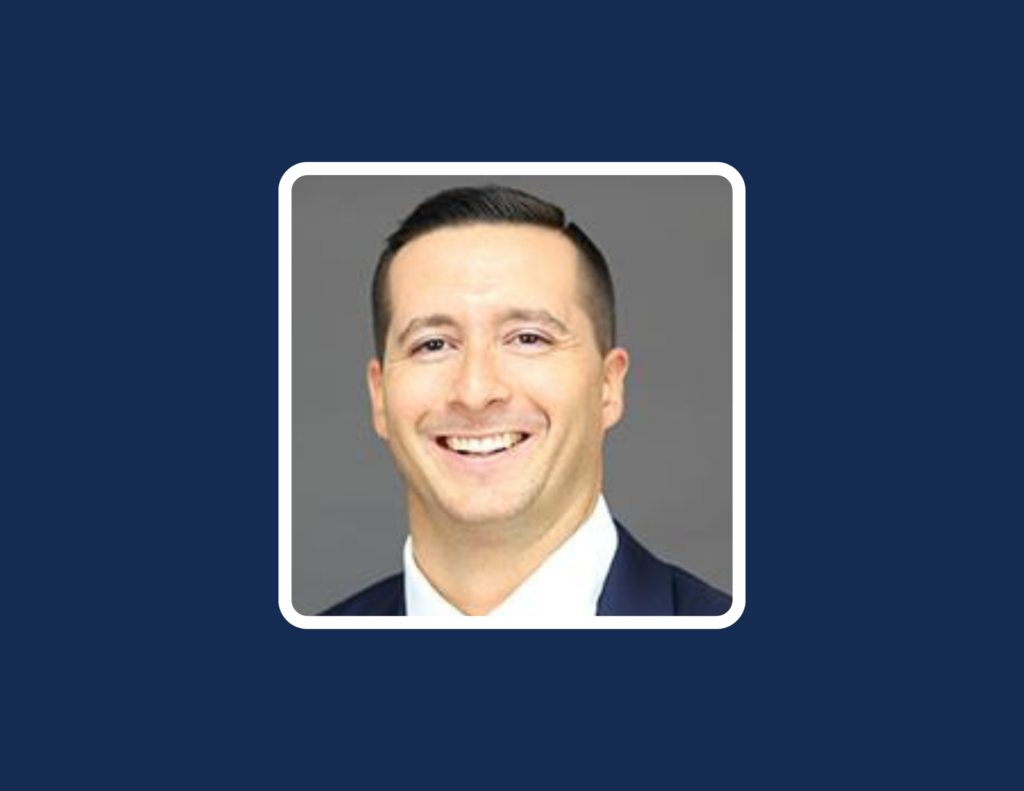
BJ DUNNE – GETTYSBURG COLLEGE MEN’S BASKETBALL HEAD COACH – EPISODE 811

Website – https://gettysburgsports.com/sports/mens-basketball
Email – bdunne@gettysburg.edu
Twitter – @CoachBJDunne
B.J. Dunne is the Head Men’s Basketball Coach at Gettysburg College in Pennsylvania. Dunne has led the Bullets to the postseason and into the Liberty League Semifinals the past two years.
Prior to Gettysburg, Dunne guided the Vassar College men’s basketball program for five seasons. In his first season as head coach, Dunne became the youngest head coach in the NCAA at all levels at the time, and in 2016, he was one of two Division III Coaches named to the Under Armour 30-Under-30 Team.
Before his time at Vassar, Dunne spent a year as the men’s basketball top assistant coach at Emerson College in 2011-12 under Jim O’Brien, the former head coach at Ohio State University. He was also an assistant coach at Babson College during 2010-11.
In addition to his work at the college level, Dunne was the founder, owner and program director of the Bay State Flash AAU Basketball Club. Additionally, Dunne worked for the Boston Celtics NBA Development League affiliate, the Maine Red Claws, where he assisted the Basketball Operations department.
Dunne is a 2010 graduate from Bates College with a Bachelor of Arts degree in sociology. He was a three-year letter winner and served as a student-assistant coach as a senior for the Bobcats.
If you’re looking to improve your coaching please consider joining the Hoop Heads Mentorship Program. We believe that having a mentor is the best way to maximize your potential and become a transformational coach. By matching you up with one of our experienced mentors you’ll develop a one on one relationship that will help your coaching, your team, your program, and your mindset. The Hoop Heads Mentorship Program delivers mentoring services to basketball coaches at all levels through our team of experienced Head Coaches. Find out more at hoopheadspod.com or shoot me an email directly mike@hoopheadspod.com
Be sure to follow us on Twitter and Instagram @hoopheadspod for the latest updates on episodes, guests, and events from the Hoop Heads Pod.
Be prepared to take some notes as you listen to this episode with B.J. Dunne, Head Men’s Basketball Coach at Gettysburg College in the state of Pennsylvania.
What We Discuss with BJ Dunne
- Growing up in Massachusetts shooting baskets into a milk crate
- Why he has a chain net on his hoop at home
- “No matter what the talent level is going to be, the guys that I coach, I want everybody to feel valued.”
- Why he chose coaching over his original plan to work in an NBA front office
- His experiences starting his own AAU Program and how that helped him in his coaching career
- Spending his senior year in college as a student assistant coach
- “I’m definitely not the smartest person in the room ever, and I just try and ask a lot of questions and soak up a lot of answers if I can.”
- Betting on himself when he got the head coaching job at Vassar
- “I’ve always wanted to attack my days with a lot of passion, energy, enthusiasm, and try and make everybody around me better.”
- “The more that you can act and prepare like a head coach now, you’re going to be more than ready when that phone call comes your way.”
- The transition from being liked to being respected
- The need to always keep learning
- Why left Vassar for Gettysburg
- “Relentless pursuit of continuous improvement and just trying to get better every single day”
- “In order for us to go where we all want to go, we’re going to have to check egos.”
- “We compete, we don’t compare.”
- “We want guys who can embrace adversity and find ways to win anyway.”
- “Everybody on our team has to be an elite leader.”
- Tracking hustle stats in practice
- Doing summer reading with his players
Like this show? Please leave us a review here — even one sentence helps! Consider including your Twitter handle so we can thank you personally!
We’re excited to partner with Dr. Dish, the world’s best shooting machine! Mention the Hoop Heads Podcast when you place your order and get $300 off a brand new state of the art Dr. Dish Shooting Machine!

Prepare like the pros with the all new FastDraw and FastScout. FastDraw has been the number one play diagramming software for coaches for years, and now with it’s integrated web platform, coaches have the ability to add video to plays and share them directly to their players Android and iPhones via their mobile app. Coaches can also create customized scouting reports, upload and send game and practice film straight to the mobile app. Your players and staff have never been as prepared for games as they will after using FastDraw & FastScout. You’ll see quickly why FastModel Sports has the most compelling and intuitive basketball software out there! In addition to a great product, they also provide basketball coaching content and resources through their blog and playbank, which features over 8,000 free plays and drills from their online coaching community. For access to these plays and more information, visit fastmodelsports.com or follow them on Twitter @FastModel. Use Promo code HHP15 to save 15%
Your first impression is everything when applying for a new coaching job. A professional coaching portfolio is the tool that highlights your coaching achievements and philosophies and, most of all, helps separate you and your abilities from the other applicants.
The key to landing a new coaching job is to demonstrate to the hiring committee your attention to detail, level of preparedness, and your professionalism. Not only does a coaching portfolio allow you to exhibit these qualities, it also allows you to present your personal philosophies on coaching, leadership, and program development in an organized manner.
The Coaching Portfolio Guide is an instructional, membership-based website that helps you develop a personalized portfolio. Each section of the portfolio guide provides detailed instructions on how to organize your portfolio in a professional manner. The guide also provides sample documents for each section of your portfolio that you can copy, modify, and add to your personal portfolio.
THANKS, BJ DUNNE
If you enjoyed this episode with BJ Dunne let him know by clicking on the link below and sending him a quick shoutout on Twitter:
Click here to thank BJ Dunne on Twitter
Click here to let Mike & Jason know about your number one takeaway from this episode!
And if you want us to answer your questions on one of our upcoming weekly NBA episodes, drop us a line at mike@hoopheadspod.com.
TRANSCRIPT FOR BJ DUNNE – GETTYSBURG COLLEGE MEN’S BASKETBALL HEAD COACH – EPISODE 811
[00:00:00] Mike Klinzing: Hello, and welcome to the Hoop Heads Podcast. It’s Mike Klinzing here with my co-host Jason Sunkle tonight, and we are pleased to welcome BJ Dunne, the head men’s basketball coach at Gettysburg College. BJ, welcome to the Hoop Heads Pod.
[00:00:11] BJ Dunne: Hey, thanks Mike. I’m excited to be here.
[00:00:17] Mike Klinzing: Thrilled to have you on. Looking forward to diving into all the things that you’ve been able to do in your career. Let’s start by going back in time to when you were a kid. Tell me a little bit about some of your first experiences with the game of basketball, what you remember from an early age.
[00:00:27] BJ Dunne: Well, outside of my dad having to carry me out of the Fleet center when the Indiana Pacers beat the Boston Celtics a long time ago I guess for me my love started.
I’m from a really small town, Massachusetts called Medfield. And some of my just earliest memories are being in our driveway before we had a basket I used to put this milk crate in the driveway and I don’t know if you guys remember those Lays chips where you could accumulate points.
Oh, yeah. So I remember I saved up enough points and I got one of those like, really cool portable speakers. Now my guys have no idea what those were because it was just the radio. Now we have all these unbelievable speakers that project throughout the gym. But I remember I would like run out of my garage into the driveway and my grandparents had retired at the time to Wilmington, North Carolina.
And my grandfather got me a North Carolina full uniform. So that thing never got washed when I was like eight, nine years old. I would shoot in this milk crate all the time. But that was really when I started to fall in love with it. And I played a lot of sports growing up, but I always just took to the teamwork and just the chemistry and really just the excitement of the game and that translated into continuing to play obviously throughout high school and then into college and into what I do now as a coach.
You were seriously old school with the milk crate, man, dude. Old school man. And it wasn’t even like on a pole, man. Like I was shooting that thing on the ground. So I can really, I could really shoot the ball. So like, you have to think
[00:01:49] Jason Sunkle: You need a pitch basket. I had to BJ you need a peach basket.
[00:02:01] BJ Dunne: I know I needed that. But you want to talk about developing good arc, man. Like I had to have enough arc in touch so that ball didn’t bounce out of the crate. Cause if it did, yeah, exactly. Exactly. So that thing needed to land in there perfectly. And then obviously we finally got the hoop and we got the chain net because if you have a hoop in the driveway, it has to have a chain net.
So that was when we moved to Gettysburg. That was my only request to my wife when she was like, what do you want to get for the house? I said, well, we’re buying a house with a basket and I’m putting a chain net in day one. So that’s what we have. Nice. The aesthetics of the chain net. Absolutely. Have to
[00:02:46] Mike Klinzing: Absolutely. Have to hit that sound effect.
There’s no doubt. Get a different, it’s a totally different feel than the swish. Let’s put it that way.
[00:02:50] BJ Dunne: Nothing better, man. Nothing better.
[00:02:53] Mike Klinzing: All right, so as you move on and you get a little bit older, what do you think about when you remember some of your early coaches? Are there guys that coached you, whether while you were playing in a youth league or when you’re playing in middle school that had an influence on you both as a player and maybe still now as a coach?
[00:03:10] BJ Dunne: Yeah, no doubt. one of the cooler things when I was in middle school I played lacrosse throughout middle school and high school. My dad was actually my middle school lacrosse coach from sixth to eighth grade. And I just we had such a, a really great relationship. On the field.
And it was really fun just like being at practice like with your dad, but knowing that like he was your coach and he was trying to help you get better. And I think when I think back on, like my youth coaches, he definitely just sticks out to me where there was that give and take that Push pull relationship of, alright, like he’s my dad, he wants to see me succeed and seeing him as a coach, but then also having an opportunity to see him as a dad too and watch him cheer and support you when you do something good.
Our teams were really successful and I just like, remember when I was a middle school, like he made it really fun, right? Like you’re in middle school, it’s not we had, it was travel, but lacrosse was still new. So it wasn’t these like elite select teams that there are now. And just the way that he was able to teach the game and make everybody really enjoy it.
For some of our players who may not be as athletic or understand the game at a level at some of the other guys, like, he made them feel valued. And I’ve always carried that with me as a coach now at college of no matter what the talent level is going to be, the guys that I coach, I want everybody to feel valued.
And I really got that from my dad. And I was really lucky when I was in college. I played for two guys. I played for Joe Riley, who’s now the head coach at Wesley, and I played for him for two years. And he just was such a culture guy and I just remember like he did, he was so stubborn on his values and standards and we really believed in that too.
And we had some really good teams my first two years in college. And then when he left for the Wesleyan job, John Fubu took over and he’s had a lot of success. He took Bates to a sweet 16 a couple of years ago, and I just remember his just like energy and passion and just competitive fire. And then when I graduated, I worked at Babson for Stephen Brennan, who won a national championship at Babson in 2017.
And then I worked for Jim O’Brien, who was the head coach at Emerson at the time, but also the former head coach of Boston College and Ohio State. And both of those guys won the National Coach of the Year award. So I’ve been really blessed that I’ve had an opportunity to be coached by my dad, to be coached by two incredible college coaches who’ve had a lot of success.
And then to be, to be mentored by two guys who received the top award that you can as a coach.
[00:05:42] Mike Klinzing: When was the moment you knew you wanted to coach? Was that going back to the influence of your dad or did it come a little bit later?
[00:05:45] BJ Dunne: So, when I was a junior in college, going into that summer of my senior year I thought I wanted to work in the front office.
So I applied for all of these internship opportunities. I had an internship with the Charlotte Bobcats. I ended up staying up in Maine and working for the Maine Red Claws, and it was their inaugural year and it was really cool cause they hadn’t hired a coaching staff yet. They hired like Austin Ainge Danny Ainge’s son, like a month into me being up there.
But I spent a ton of time with our president every morning watching N B A Summer League games. And we were evaluating players who was going to make rosters, who was going to slip. I did some research on some Euro league stuff, some lower level Europe leagues too about which guys may want to try and test the N B A waters who we could kind of get in the G League.
And that was great. I think it was at that moment, honestly, that I was like, man, like these dudes are commodities. Like this is a job. Like we’re talking about salaries and contracts and trading guys, and who’s going to slip and who’s going to fall, and we’re betting on these guys and. I really enjoy the comradery, the teamwork of like building something and really the process.
And I think that’s why we’ve had a lot of success since I’ve been at Gettysburg is we built it with younger guys and we’ve watched them grow and we’ve watched them develop. And I think it was that moment that I was like, man, like I want to be on the floor. Like, I don’t want to be eye in the sky in some suite or some box and moving some guys around.
I want to really develop relationships with guys. I want to help them through adversity and help them find other ways to win. I want to be in workouts I want to diagram play Scouts. So my senior year I actually was a student assistant at Bates, and I think that was, but that moment that I was at the red clause really was the catalyst for, okay, like I want to have a profession in basketball, but I want it to be on the floor.
[00:07:36] Mike Klinzing: So when you shift that mentality, then how did that shift your approach to the basketball landscape and starting to make connections and try to think about how you were going to actually get a job? Or was it still just, Hey, I just have to build my network and kind of see where things fall?
[00:07:51] BJ Dunne: Yeah, no, I so I was really fortunate. I had known Coach Brennan when I was Yeah. At Babson. we, he had recruited me out of high school. His wife actually was my high school student advisor. I worked his camps. I went to his summer camps. So going into that summer, all I all I knew what I was going to do was I was going to get my master’s from Boston College.
I figured that would be a good thing to have. I just finished undergrad. I was like, all right, I’m already in an academic mindset. I might as well keep this thing going and not take a break. And I went into his office just asking for help and advice, and he said, Hey, I got an open spot. What do you think?
And I’ll never forget that. And I’ve always tried to do the same. I had such an unbelievable undergraduate experience for my coaches and then for him who knew me, but obviously didn’t know me as a coach, but he was willing to put his stamp of my approval of being on his staff.
That just meant so much to me and I’m forever grateful for him that anytime someone wants to get their foot in the door and reach out for advice, if I have an opening, I’m going to do whatever I can to help them out and mentor them. And that’s really how I got in. And then I connected with Coach Brian through somebody that coach Brennan knew I was, I started my own AAU program when I graduated from college.
I did that for two years. Obviously I built up my network that way. Having some college level guys and you’re talking to college coaches on the phone and you’re out and you’re about, and I think it’s important to try and be everywhere as a young coach. Like, you have to grind, you have to hustle. I know people don’t always talk about, they don’t like to Talk about the word grind.
But it is a grind. I mean, you’re working almost seven days a week. You’re in the gym Friday, Saturday, Sunday. You don’t see a lot of sunlight. So it is a grind in, in a lot of ways. And I felt like that kind of helped me grow and expand my network and put myself out there as someone that was going to be a relentless worker and had a strong passion for the game.
[00:09:50] Mike Klinzing: All right. Best part and worst part of running your own AAU program?
[00:09:52] BJ Dunne: Oh my God, man. Well, the best part was, it was when AAU was aau when I was doing it. So we used to that was when like super showcase and nationals were in Orlando and everybody would go. So to me that was the best. You knew where you were going for two weeks.
It was so much fun. being down there and being in the espn, you know Or the Disney arenas. Oh man. The worst part. I honestly, it’s just like getting the kids to practice, man. I did a lot of driving and back then I didn’t have a lot of money in my bank account, so I only, any money that I had, I was spending on gas money picking kids up and taking places.
[00:10:41] Mike Klinzing: That’s funny. That’s funny. And that, which obviously is still going on many, many times over today without question. AAU is an interesting world. We can maybe talk about that a little bit when we talk about your, about your recruiting, when we get to, when we get to that point in the pod. Tell me a little bit about how what that first experience was like at Babson in terms of did it live up to your expectations, was it what you thought it was going to be? Was there something different maybe that you were surprised about that, hey, I didn’t realize that college assistant coaches did all of this stuff, or just what was your first experience like?
[00:11:09] BJ Dunne: Yeah I remember when I, so when I was at Bates and being a student assistant when I talked to coach Furbush I said, listen, if I’m going to do this, like, I want to be all in.
Like, I want to be treated as an assistant, I want to be involved. And game planning, I was like, I’m a student, you don’t need to take some of my ideas, but I want to be there. I want to be part of it. I want to see everything that had had gone in. So I had had a year under my belt of understanding practice, planning, scouting reports strategy, game planning, some of the recruiting.
I think the biggest thing for me was, I mean as you’re enjoying your senior year. Like on the weekends I was at school, I’m not in the gym recruiting. I think that was, Probably like where you, some of your friends are out having a good time or they’re on summer vacation, like, Hey, where you going?
I’m like, I don’t know, somewhere in New Hampshire on a Friday night to watch the New Hampshire Jayhawks and AAU showcase tonight. So I just think the amount of time that we spend in the gym and spend on a player to really build a necessary relationship to yield them, I think was something that was really eye-opening to me, that I’ve always carried now with me wherever I go and how we really attack recruiting.
But I think just Coach Brennan was so detailed oriented and everything that we did whether it was slobs or blobs how we were playing post defense, everything was just so detail oriented. And again, I think you, that’s something that I’ve taken from him. And we break our program down.
I think our guys will tell you that everything has a lot of details to it because that’s how you’re going to win a basketball game.
[00:12:46] Mike Klinzing: Did you start putting together a notebook, a computer file, of all the things that you felt like you needed to continue to remember and just gather as you thought, started to prepare for the potential that maybe someday you’d be a head coach?
[00:13:00] BJ Dunne: So you’re, you’re going to laugh. I actually, I’m in my office basement right now. Next to me is this massive binder called DJ Dunne’s book of basketball with this horrible Photoshop of this rubber basketball. Nice. It’s probably word art, if anybody remembers what that was, but Oh yeah. It just has every tab from personal to how I would recruit, what I would want my guys to wear on the road or in the locker room to fundraising ideas to.
Locker room quotes, and I would just compile it everywhere I go. And I actually still do it now. I one of the best actually purchases that I’ve ever made for myself was called the Remarkable two. It’s a tablet that’s a note taker. So I used to have all these different binders, all these notepads, I’ve consolidated them, and then all my assistants they give me a lot of grief because we have this Google Drive that literally has a tab for any, you name it, we have a tab for it or a folder for it.
But I think you have to start compiling that. You have to have an idea of how you want to play. I think you have to be doing that years in advance before you get that opportunity, because when you’re in that interview, you have to speak it into existence and the committee has to be like, okay, this guy has done this before.
He’s talking like he’s run a program before. He has a true belief and vision for how he’s going to run. So and so college men’s basketball team. So once I got once I was a student assistant at Bates, I started doing it and I just carried it all the way through. I’ve always been a note taker.
I’m definitely not the smartest person in the room ever, and I just try and ask a lot of questions and soak up a lot of answers if I can.
[00:14:41] Mike Klinzing: When did you feel like you were ready to start interviewing? Do you remember your first interview and just what, what sort of pushed you over the edge to say, Hey, I’m ready for that opportunity?
[00:14:48] BJ Dunne: I was really lucky I was in the right place at the right time.
So when I was at Vassar, I was an assistant at Vassar College. There was unfortunately a coaching change. I remember I was in Charlotte, North Carolina. I was working an academic basketball camp for Harvey Rubin and Lane Odom. We were at Davidson, I was at lunch with a couple of my colleagues a couple of guys working camp.
I had interviewed for a couple of assistant jobs. I actually had, was about to accept an assistant coaching job in the Nets G and the AD at Vassar called and was like, Hey, listen, like HR can’t pull their stuff together. We’re not going to be able to run a search in time to make this competitive. How would you feel about being the interim coach for a year?
I’m 25 years old at the time and it was about to double my salary, so I was like hell yeah. So I was but I think so much of, of coaching is just luck and Know, I was like, okay, I’m willing to bet on myself. I’ve always been willing to bet on myself my whole life. And I knew nothing was guaranteed.
After the first year, I knew I was taking over a program that had been in two conference tournaments and it’s 42 years of existence and had won 31 games and five years and was returning all the players from a team that won six games the year before. But again, I was willing to bet on myself and so I didn’t really have to interview.
But I guess in a lot of ways that season was a year long interview. And how I was going to approach the day to day as a 25 year old where my seniors were 22 and there wasn’t that much, you know age gap between me and them. We won 19 games that year. We set a program record for wins in a season, and conference wins in a season.
We lost some double overtime in the conference championship game. I could probably tell you everything that happened in that game still. But Yeah, I think that that was the interview. So I think a lot of people always prepare for that zoom or that on-campus interview, but you’re interviewing every single day.
When in the department, when you’re on campus, when you’re in the community, everybody is always watching you. I’ve always had that mindset. I’ve always wanted to attack my days with a lot of passion, energy, enthusiasm, and try and make everybody around me better.
And we ask that of our guys too. So I think when you talk about that interview process, I think it’s really important for young guys who are eager to become a head coach that you are interviewing now whether you know it or not. And the more that you can act and prepare like a head coach now you’re going to be more than ready when that phone call comes your way.
[00:17:26] Mike Klinzing: So when you get that opportunity, you’re transitioning from being an assistant in the program to being a head coach, which obviously. Quite clearly shifts your role and shifts your relationship with the players, and you’re doing that as a first time head coach at age 25. What was that transition like for you in terms of just changing your role and the way that the players looked at you? How’d you handle that?
[00:17:48] BJ Dunne: I’ve always been someone who’s been relationship driven try to build trust and have connection with guys and that’s never changed from when I was assistant to a head coach. I think obviously there’s going to be some boundaries, but I’ve always wanted my guys to feel comfortable being able to share things with me that aren’t just going on the court.
I think that’s really important. I think one of the biggest things that I really tried to do was as that assistant coach you’re liked, everybody really likes you, right? Like you’re, you’re their sounding board. a lot of times you’re younger, so you’re close in age.
I try to really transition that from being liked to being respected. And I think gaining that respect through vulnerability of being able to talk about my career what I have going on off the court, what’s going on in my life, who I am as a person. And I’ve continued to, to try and do that because I think sometimes we often look at ourselves as coaches, and these guys are your players, but we’re so much more than that.
We’re people, I’m a husband, I’m a father, I’m a son, I’m a brother, I’m a friend, I’m a colleague. We wear a lot of hats. We have a lot of layers to us as do our players. So I think that transition for me was really more about, all right, I have to open up. I have to let these guys really know who I am, if they’re going to really follow and believe my vision and what I’m trying to do.
And I think that really helped us and it led to a really successful first season.
[00:19:23] Mike Klinzing: Looking back, how solid were you with the way you wanted to play your philosophy? All the things that you talked about that. You had put into your notebook once you had to put those things in practice, how much did you stick to the script versus, versus kind of saying, Ooh, maybe it didn’t play out exactly the way that I thought it would, and having to make adjustments on the fly.
[00:19:41] BJ Dunne: Yeah. We that first year we really stuck to the script pretty good. we were kind of a Princeton team. We played a kind of a slow, methodical pace. We weren’t very deep. We had to limit possessions, which made us pretty good defensively. I had some really bright guys.
I mean, Vassar was the top 10 academic school in the country and still is. So we could really throw a lot at them. We could take away a lot of different actions and looks which helped us, especially if you’re limiting possessions, it’s limiting the amount of time that your guys actually have to be on that side of the ball.
And I thought we had the right personnel to play to that. we had a really strong point guard who could really shoot, shoot it. And we had a great wing who averaged 20 a game as a sophomore and we could put those guys in a lot of rub actions together and you have to choose because both of them could really shoot it.
So oftentimes somebody was open if we could really slip it or reject a screen hard. But as the season kind of went on, we had a forward who was starting to come on really strong and we had to find ways to be able to play two forwards together. So that changed my philosophies a little bit, but some of the Princeton stuff where you’re kind of four round one and trying to find a way to get two bigs on the floor and if they’re going to be in some of the rub actions, having them curl or reject or slip it to try and get a post up and try and get a high low from the pinch post.
And then defensively I’ve always been a pack line guy. I’ve evolved as I’ve kind of. Moved, got into Gettysburg, we’re a little more aggressive. I think that’s because of how we’ve recruited. And then unfortunately every other year at Vassar we had some, some challenging injuries, like serious injuries to some key guys season ending.
So I couldn’t always be super stuck in my ways. We had to be a little more creative with how we played, so we had to experiment with some funky zones to try and change things up. Try and steal a couple games that way. So I think you have to be able to adapt. You have to be kind of creative and innovative with some of that stuff.
But I think as long as your standards and what you expect out of your guys every day doesn’t change, I think you can kind of tweak a little bit your X’s and O’s. Cause they’re going to have to, as the personnel changes.
[00:21:58] Mike Klinzing: Where’d you go and where do you continue to go? When you want to learn, are you going to mentors, are you going to film work?
Are you going to leadership books? I’m sure it’s a little bit of everything, but just talk a little bit about your learning process as a coach.
[00:22:11] BJ Dunne: Yeah. So I’m a big reader. I love to read, I have a binder of all the books that I’ve read. I type up all of the notes that I take in the books.
I love the Euro League. I love European basketball. I’m really fascinated by it. I think I’ve always been just impressed. I think European coaches are a little more they’re more risk takers than I think. We are in college. The NBAs get in there too. Where I think they do some things where people would kind of be like, oh, why are they doing that?
Why would they turn their back to the ball on the weak side helped to take away the one more, right? Or why would you try and force the ball back to the middle instead of allow the ball to go to the corner and keep it on one side of the floor? So I’ve always been intrigued by that and slapping glass does such an unbelievable job with their videos.
Those guys are awesome videos and breakdowns and I was able to do a round table with them at Van Gundy last year, and so that’s really where I go. They do a lot of that stuff, but there’s a lot of other guys. On Twitter that I really enjoy and follow. But yeah, it’s just I think that the reading read as much as you can.
We do summer reading with our guys. And when we come back in the fall we always have some culture meetings based around the book. We read Legacy by James Kerr about the All Blacks in New Zealand. So I think just. as much as I can get my hands on. And then every off season I try and come up with some type of plan of, alright I have all these Twitter bookmarks of offensive ideas.
Alright, let me look through these. Alright. This week I’m going to look through some defensive stuff and not trying to like completely change what you do, but just like adding a couple things here and there. it’s funny, like my wife the other day was like, Hey, like now that classes are over, like, do you have to be in the office every day?
And I was like, but I like to be in it. I like to watch as much basketball as I can. This is the fun part of the year for me where I really get to learn and grow and think about where we can put some of our personnel and put them in positions to succeed. So I think that’s really crucial for, for anybody in our profession to never stop learning.
[00:24:20] Mike Klinzing: Absolutely. I think being able to learn and then like you mentioned earlier, being then able to look at your personnel and adjust whether that’s adjust. In the off season going into the year with the anticipation of which guys you’re going to have available. And then obviously in some situations, if you have injury or other things that happen where you’ve have to adjust on the fly and the more tools you have in your bag, the better off you’re going to be able to be able to make those kinds of adjustments.
What about the recruiting when you’re at Vassar, obviously as you mentioned, tremendous academic school. What was it like recruiting there? What did you like about that process and some of the guys that you were able to bring in?
[00:24:58] BJ Dunne: Yeah, no, it was definitely challenging. But I think at a good way there, there was a really high academic standard that you had to meet to be accepted to Vassar as there should be.
I think that really helped me just with my networking expanding my, my network to a national level of, all right, we’re not just going to recruit kids in New England or in New York. Like, we have to really get out there if, if this is such a small pool of potential student athletes.
So I think that really just opened that network up for me. Allowed me to connect with a lot of different high school prep coaches, AAU coaches. And we were able to get involved with some really, really great players who are, are doing some pretty amazing things in the real world. We actually have our first player wedding this fall in the outer banks, which is going to be pretty exciting and really cool just to see those guys go through different life stages which we’re excited about. So I think that’s the biggest thing that I would say that I, I took away from that experience was really working with the high school and the AAU coaches, prep school coaches and having a more national network than starting some having a regional job where you’re only very you know recruiting from a regional standpoint.
[00:26:21] Mike Klinzing: So you spent five years at Vassar and obviously you’re getting that thing turned around from where it was when you took over great institution and you got the program headed in the right direction. Why Gettysburg? Why at that moment, what about the opportunity there was attractive to you? And just tell me a little bit about the process of getting there.
[00:26:41] BJ Dunne: Yeah, no doubt. So I think a couple things. I was really proud of what we’re able to do at Vassar. It definitely took a lot of energy to get that to where we had to go and, I probably got it as far as I was going to be able to get it. And I felt like it probably needed somebody else.
And Ryan Mee’s done a phenomenal job. I mean, they won the Liberty League championship for the first time ever a year ago, and he’s going to continue to do great things there. And that’s a really good friend of mine. But it was going to take a job like Gettysburg for me to apply to look elsewhere. So my wife is a Gettysburg alum.
She was an All-American lacrosse player at Gettysburg. So when that job opened up, there was a lot of pressure on me. But the most important pressure right there, the most important pressure. But no, I think when we both thought about the job, we were just married It was an opportunity to kind of come home and start a home, and start a family in a lot of ways in an area that she was familiar in, a place that she loved and that I had grown to love because of the people that I had met through her that just talked about Gettysburg, like it was one of the eighth wonders of the world.
And it’s a pretty amazingly strong, passionate place and, It was a place that I felt like we could win a national championship. And when you look at the success of our athletic teams across the board, we’ve won well over a hundred Centennial Conference championships. A lot of our teams have been super successful.
Our women’s lacrosse team just lost the national championship. Our men’s lacrosse team went to the Sweet 16. Our women’s basketball team went to the NCAA tournament. Again, our men’s and women’s soccer teams had been successful. I just felt like this was a place for me and the desires that I had as a coach.
It wasn’t going to compromise the academic piece. It was still a top 50 liberal arts institution that believes in student athletes, believes in what the power and the value of athletics. And that was incredibly enticing. And then you add on the fact that there’s this amazing support from the top where we have connection with the president almost every day.
We have connection with the vice president admissions and financial aid and marketing and communications. The rest of campus really believes in what we’re trying to do is just a home run and an absolute fit for me and my family.
[00:29:03] Mike Klinzing: What was the number one question you asked in the interview when you were thinking about what was going to make the difference in whether or not you were going to go there?
[00:29:09] BJ Dunne: Man, that’s a great question. I feel like I might have blacked out that day because I was so nervous. I think I remember being in the room, it was intimidating. There was all. All had all staff was in the interview. Like I’m talking every staff member at the college, man, there must have been 40 people packed in this conference room.
And I was like, man, how could I kill some? So these people don’t grill me. Let me ask each and every single one of them a question. So I asked them to go around and tell me why Gettysburg, like what makes this place so special? And I just. I mean, everybody talked about the people.
Everybody talked about the people. And I remember when I got hired, everybody wanted to talk to me. Everybody wanted to get to know me. And that hasn’t changed in my five years being there. And I think that says a lot about that place that students come up to you and they say hello and they have conversations with you and you have faculty and staff.
They talk about your guys. Like there’s not a lot of liberal arts colleges that are, that connected with athletics and academics. Right. And then obviously I wanted to know like what, what the vision was. Like do we want to win and compete on a national level because that’s our goal.
I mean, we’re chasing two giants. I mean, Swarthmore and Johns Hopkins are both top 10 of the country. I mean, they’re Landry and Josh are two of the best coaches in the country at any level. And that’s who we’re chasing. And if we want to catch them, like we have to have that type of support.
And they were all in on that. And I’ve been really grateful since being hired.
[00:30:42] Mike Klinzing: So the first thing, obviously, that you have to do if you want to reach that goal of contending on a national level is you have to get the right players in place. When you first get the job, you’re clearly inheriting a roster, and then you’re putting your recruiting classes together as you go forward.
Tell me a little bit about your recruiting philosophy and then your process, how you go from, Hey, let’s identify guys that we want to put on our radar, and then just how do you go through evaluating those players and eventually figuring out who makes it onto campus and becomes a part of your roster.
[00:31:13] BJ Dunne: No doubt.So, yeah, I think the first thing for us we, we looked at Swarthmore and Hopkins and the first thing I said is we’re never going to be Swarthmore or Hopkins. And I don’t want us to be them. I mean, they’re them because of who they are. And they’re incredibly well coached, they’re incredible academic institutions and they’ve been super successful.
We have to be different in the league. Everybody in the league is playing a certain style. We have to be a little different. We have to get bigger, we have to be more athletic. we have to be able to really guard because that’s what it’s going to take to beat those guys. So we went out and we tried to find guys with high motor guys.
I think high motor guys are going to have a competitive fire about them. They’re going to be incredibly passionate. They’re going to be guys that are going to be winners on and off the court. We wanted guys with a lot of length. We wanted to be able to switch one through four. So we had to find some guys who had length that we weren’t allowing any type of advantage for our opponent when we would switch And then we wanted guys who were winning and I think that’s easier said than done, right. To like make sure everything fits. But in that first class, man, we were so lucky we got Ryan McEwen from the Sanford School.
This kid is the most influential recruit I think Will I’ll ever get in my career. He is just absolutely in incredible. I mean, he knows our schedule in and out. I’m not talking the game schedule, I’m talking our daily schedule. When we break it down, he lets everybody know where they’re supposed to be.
He’s involved in the community. He also has led the league in block shots the past two years since been top 25 in the country in block shots too, so kid can hoop. But he won state championships at the Sanford School. We got this kid, Elijah Williams from Sidwell Friends who won a state championship at Sidwell.
Friends. another player on our leadership team this year was a sophomore. Carl Schallers from Garner Valley. Garner Valley had the best season and program history his senior year when he was the MVP of the league. So those are the type of guys that were looking for that. Have experience winning because we knew that we had to flip this thing.
We took over a program that had won fi, had five winning seasons in seven years and had won seven games the year before. And we needed to bring in players who understood the type of work that it was going to take to turn this thing around. And those are the guys that we’ve been really fortunate to yield and go after.
I mean, our freshman class this year all had a lot of success in high school. We’re not just talking about individual success. we really focused more on the team success and those are the guys that we knew were going to be coachable and help us. So once we kind of had that idea, those are the guys that we honed in on.
And I think gGttysburg’s a place. I think it’s a first choice from an academic and athletic place. When people come and see our facilities and get a campus vibe, it’s a place that they want to go. And I think it’s helped us expedite the growth process and be involved with some higher level guys because of those things.
[00:34:15] Mike Klinzing: How do you balance evaluating a kid with their high school team versus aau? Do you weigh one more than the other? Do you like looking at them in both environments and kind of taking bits, bits and pieces from each one? How do you look at just seeing those players in those two contrasting environments?
[00:34:29] BJ Dunne: Yeah, no, I would agree with what you just said that we’re kind of taking bits and pieces from both. What’s been great is having this, these scholastic periods in June, it gives us an opportunity to evaluate these guys in AAU from April, right?
All the way up until those in June. And then they play with their high school teams. And just to kind of see how they fit in and gel. You know what was actually great about Covid when we didn’t play in high schools, did we got to watch almost every one of those games. Because everything was live streamed and that was right.
Honestly, like one of our better recruiting classes that we’ve ever had. And we really enjoyed watching those guys compete because there wasn’t a lot of guys in the gym and you could tell when the gym wasn’t full, you didn’t have those student sections, right? Everybody’s playing with masks.
Like, you got a really good feel for who loves this game, regardless of how many people are in the stands and if the music is pumping right. And I think Watching all those games and seeing who could get up gaming and game out when there weren’t fans. I that those guys have really helped us at Gettysburg.
[00:35:38] Mike Klinzing: Once you have these guys on campus and you’re starting to build your team, obviously one of the things that’s really important is creating a cohesive team and building the culture. When you think about what it takes from your end as a head coach to build a culture, what are some of the keys to making sure that you’re building the kind of team that you want to coach?
[00:35:57] BJ Dunne: So when we’re in the recruiting process, we talk a lot about pounding the rock. That’s kind of become our mantra. It’s this idea of this relentless pursuit of continuous improvement and just trying to get better every single day. So I think in the recruiting p process early, we’re really trying to vet the type of guys that are gym rats that want to be coached, that know, they’re not a finished pro product.
And we really stress the idea of this is what our goals are every single day, and when you step in our facility and when you put on this jersey and when you’re part of this team, this is what we’re going to ask of you every single day. And that’s kind of our culture. So it’s all about putting the team first.
I think we’re very clear with guys up front in the recruiting process that you’re going to be on a roster with a lot of other talented players that were all league that could have been thousand point scores probably were. But in order for us to go where we all want to go, we’re going to have to check egos.
We’re going to have to give ourselves up for the betterment of the team. We talk a lot about beating yesterday pound the rock mantra and how important that is. We ask guys to bring the juice every day, and for us, the juice is jacked up and intense, contagious energy, and we try and get that out of guys in the recruiting process whether that’s on Zoom, a phone call.
They’re on our campus, but we want to know, like, who has a lot of passion, intensity, enthusiasm. And then we really want to find guys who love to compete in everything that they do. Whether it’s ping pong, whether it’s walking to the dining hall, it’s in the classroom, it’s video games.
I think that’s really been a change in our culture is we don’t talk a lot about winning and losing. Now there’s a score. We keep score for everything, but we don’t talk a lot about it because we want our guys to give themselves up to the game and to not fear making a mistake because it’s either going to cost them a game or they could potentially a game winning shot.
They’re a little tight if it doesn’t go in. But no, man, you took that shot, like you gave yourself up, you competed. That was really important. And then we always talk about like, just do what we do. Like don’t compare. We compete, we don’t compare. And the other key with our competing is we want guys who can embrace adversity and find ways to win anyways.
And we try and get that out in the recruiting process too. Like has there been some adversity in high school and a game and a season? Just kind of getting an idea of where they are mentally. And then our last two are just making every play count is crucial for us and everything that our guys do.
Being a good citizen off the court. And then we want guys to appreciate the journey. It’s incredibly hard to put on a basketball jersey. When our guys get there, we ask them to have a lot of gratitude for all of the people that have poured into them and who are going to continue to pour into them.
So I think by sharing those things early on in the recruiting process, I think our guys get a really great idea of what they’re about to walk into. And then when they get to us I think one of the other strong things that we do is, I’m a big believer that everybody on our team has to be an elite leader.
It’s not just about our upperclassmen, our captains. When our freshmen come in, they’re going to have the same weight and responsibility to the mission. As a senior who’s played in 70 games I think that increases our connection. It enhances the brotherhood and makes guys feel pretty invested in what we’re trying to accomplish.
[00:39:14] Mike Klinzing: All right. Let’s talk about the competitiveness and. The leadership piece. Let’s go competitiveness first. Obviously the initial part of that is you’re going to recruit competitive guys, so you’re trying to get a feel for them before you even bring them onto the team. But when you talk about developing competitiveness within your team, let’s say just in a practice setting, besides you mentioned keeping track and keeping score when you’re doing drills and the things that you’re, you’re doing during practice, what in your mind is important to develop a competitive practice model?
If we’re talking about some advice you might have for other coaches that they want their practices to be more competitive.
[00:39:47] BJ Dunne: Yeah, I mean, I think it’s important for the guys to understand that they only control the effort and their effort’s going to control the results. So I think we’re pretty clear with our guys right away that they’re in control of that.
I think anytime you can increase some just like intensity and enthusiasm in the practice we’re going to be a high energy staff. We’re going to bring it, we’re going to expect our guys to bring it too. I think the way that our practices flow and the way we model our practices just create that competitiveness.
I think our guys know what to expect every single day. So when they get into the gym we’re going to hit a quick dynamic warmup. And then actually before that, this year we started doing offensive skeleton, which was something new that I’ve never done in practice before, before our guys even stretched.
And the reason being was I wanted our guys to get into a basketball mindset before the dynamic. Cause I think sometimes the dynamic guys can goof around. They talk about their day. So before that even happened, like. We’re doing skeleton, we’re running through stuff, maybe we’re installing. And that was really good for us.
And I think we had really great practices this year because we didn’t waste like that time at the beginning of practice where we were sloppy. Like our guys had to execute, they had to be on, they had to be connected. And then we always are doing some type of footwork. there’s time on the clock.
We’re talking about very detailed, specific stuff with our feet, where our hands are on the catch, how we’re stepping in attacking a closeout downhill. But I think our guys have a really good feel for the flow. We always have shooting competitions. We keep track of all shooting records so our guys know what the records are.
I think that creates a really fun, joy, competitive environment when our guys are trying to break a record and they know with a minute left, all we need to do is make 10 more shots. And I think that puts so much more emphasis on the process that needs to get there for that shot. And then the way, just like we have practices with our, we have two teams or we have three teams, we play a lot of cutthroat.
I think that’s been really good for us. It gets everybody involved. We don’t have a lot of guys standing around. Everybody kind of feels engaged in practice and has an opportunity. And then I think the biggest way I should have said this at the beginning is we really believe in hustle stats.
So, For the first month of our season, we have 30 different categories for both sides of the ball that we feel like impacts winning. And we tell our guys, Hey, these next two or three segments, so it’s 30 minutes or whatever, every practice is going to be hustle statted. So our managers are tracking possessions.
Everybody has to play an equal amount of possessions. That’s the only way to develop a fair player efficiency rating. And then after practice, I’ll take the offense, my assistant will take the defense. So there’s no like crossover biases. We watch the same thing and then we chart those categories and then every day it spits out a player efficiency rating.
So I think that really creates a lot of competition in the first month because, excuse me every, it’s a meritocracy. Everybody feels like they have an opportunity to really get into the depth chart.
[00:42:59] Mike Klinzing: All right. How do you train your managers to make sure that they’re getting things recorded the way that you want them recorded, and then I’m assuming you go back and are kind of double checking at least at first until you start to build up some trust with those guys.
[00:43:08] BJ Dunne: We have the best managers in the country. One of them is the GA at Buffalo, the other is the GA at the mount, and another is an assistant coach in the Millbrook school in New York. So we kind of crushed it with those three guys this past year and they’re going to be pretty missed. But those guys were absolutely awesome.
So we’ve been doing it, they’ve been with us for the past couple years, so they kind of had an idea. We just had a sheet. They knew anytime somebody crossed half court it was a possession. And then because it’s going to be in a very specific part of practice, we actually like will make those sheets based on the teams and possible rotations that are going to be seen in that segment, if that makes sense.
[00:43:48] Mike Klinzing: No, it does. I mean, I think that’s one of the things that when you start talking about, again, it’s different at the division one level, you where you got so many guys on staff at the division three level, it’s sometimes, I think, more difficult, right? To be able to track the things that you might want to track.
And I know we’ve talked to a lot of coaches that sometimes they’ll go back and when they’re watching the film or practice, they’ll kind of chart things themselves or just have them, their assistant do it. And so for you to be able to have managers that you could sort of hand off that task and then be able to come back and have those things at your fingertips, I’m sure was tremendously valuable.
How much time do you spend after a practice evaluating that practice before you move on to the next one?
[00:44:24] BJ Dunne: Every morning we’re breaking that practice down and watching it we have a synergy key motion camera, so we’re able to film every practice. That’s been really helpful to be able to also just get guys in the office and to watch practice film too.
So it’s probably an hour to two hours to break down that, like 30 minutes of, of the live play. But it’s really been huge for us.
[00:44:50] Mike Klinzing: Absolutely. All right. Talk a little bit about the leadership piece. You mentioned how you want everybody to be able to lead in your program, and I think one of the things that is always a challenge, you hear coaches say all the time, Hey, we want to develop leaders in our program.
We want more leadership. And I think what’s important is how do you go about giving. The players, the space to be able to lead. So when you think about developing each player on your team into a leader, or you just think in general about developing leaders in your program, what are some ways that you do that in terms of giving them the opportunity to take something over and lead, if that question makes any sense?
[00:45:28] BJ Dunne: Yeah. No, I mean, I think going back to what you were saying, as coaches always talk about wanting to develop leaders or everybody to build leaders and I think it we have to look at as how, how do we define leadership? Because there’s so many different ways to define leadership and what a leader looks like, right?
I think you have everybody in their mind has that quintessential, like that loud, energetic giving the rah rah speech. But we had one of the best leaders I’ve ever coached this year who probably didn’t say much for four years. But the kid showed up every single day and. He never really played a lot of minutes for us, but every single day he showed up with the same type of commitment and intensity. Like he was playing in game seven of the N B A finals. Like he took care of his body. He foam rolled, he the gunned, he dynamic warmup. He had the same shooting routine. Like that’s leadership to me. Right. And then when you can balance that with some guys who can get fiery and give that speech and hold some guys accountable but I think being able to show up every day and hold your own self accountable is a leadership that we’re trying to get out of our guys.
And I think when our guys understand that the onus is placed on them, that. You know what? They’re going to make the plays. Our job as a coach is to herd them. It’s to direct them. It’s to put them in the best situations on both sides of the ball and prepare them, but they have to react. They have to make those plays.
They have to take that responsibility and accountability for it. And obviously we spend a lot of time teaching that and preparing it. But in the flow of the game, I think that’s important. I think one of the things too that if you ever watch this practice, I don’t start and stop it a lot, a lot of what I do and I ask our staff to do is I want them to live coach, because that’s what we have to do in a game.
We can’t start and stop it a lot. And our guys can’t take a ton of information. There’s so many studies out there that show, like if you try and give your guys like four things in a minute, they’re probably only going to remember one. So what is that most important thing? And we try and stick to that.
So every day in our practice plan we have each coach is coaching an area and how that leads into leaders is our guys have to figure it out on their own. The knowledge has to be on the floor. It’s great if our staff knows what the other team is going to do, or we know how we want to attack some type of ball screen, but our guys have to be able to execute that.
So we start that in practice and when they can build those connections and that those leadership and those voices and those actions together, man, that’s when the magic happens. And it’s really awesome to see. I think some of our other leadership stuff that we’ve done, I think the summer reading is great.
We split guys into groups. They each take like two to three chapters and they give these presentations and they continue to blow me away when they do these presentations. Like they have these unbelievable PowerPoints and they really spend a lot of time and energy and effort into it. And it’s really impressive.
But I think giving them and letting them know that they have as much stake in this program as you, I think is really, really important. I don’t know if you’re, you guys watched Ted Lasso, but it was incredible TV show. And one of the last scenes this guy Trent Carim was writing this book and he called it The Lasso Way and he said, change it.
This was never about me. It was always about the program and the guys. And I think that’s a really important way to look at leadership is like those are the guys that are going to produce the wins. They’re the ones who are competing every day and they have to feel like this is their team and this is their program, and you have to let them lead and you have to be okay with that.
You can herd them, you can equip them with the tools. And that’s I think how we’ve been able to develop some pretty strong leaders in our program.
[00:49:19] Mike Klinzing: How does that play into the off season, where as everyone knows in division three, you don’t have the same access to your players that you have in division one.
Clearly guys are going to get the eight days. So I’m sure you got a lot of plans for those eight days that you’re going to be able to put together and be with your guys. But having strong leadership to be able to just, again, as you said, because guys are taking ownership in the program, they’re doing the things that they need to do.
But just talk a little bit about how player leadership influences the growth that your program has in the off season.
[00:49:53] BJ Dunne: Yeah, I mean, it, it’s been everything I’d even take it back to, so during that covid year we brought everybody back to campus and then we densified campus to where we only had freshmen on campus.
So our upperclassmen had to go home that second semester, they were going to bring upperclassmen back, freshmen were invited back. But my guys. All wanted to take a gap year so they could play four years of college basketball. So what our guys did was they ended up getting a house together in Charleston, South Carolina that worked at a pizza shop.
I don’t know if anyone should ever order pizza from them, but I was just like amazed that like, you want to talk about growth in the off season, right? Like we just won six games, then we won 12, then we had Covid, so we doubled our wins. Those guys took it on themselves to say, Hey, like, we’re not having a year, but we have to continue to grow.
We have to continue to get better. And the only way we’re going to do that is if we are together. So almost half of our team was in Charleston, South Carolina, working at this pizza shop, working out playing hoops. Some were taking some classes, but I think it was at that moment that I was like, man, our program’s on the right track.
If our guys care enough about each other to want to do something like this. I thought it was pretty cool. We had these awesome Zoom calls once a week, just like these check-ins. But again, like when your guys are all together, it’s, it’s way easier. And then that year we really started to take off.
We had another new recruiting class. We were really young but I thought some of our older guys really set the tone and I give them a lot of freedom with that. I ask them a lot of questions about, all right, what do you guys think is the appropriate amount of time to play pickup and they give me a response back.
And I said, do you think that’s good enough to win a national championship? Same thing. this is what we’re thinking about doing for lifts in cardio. Do you think this is good enough to win a national championship? And I want to know what their answer is. And a lot of times our ideas were on the same page.
Sometimes we’re a little off, and that’s natural and it allows us to have a little bit of discourse and figure it out. But I think you have to give those guys some freedom, especially at our level when we really can’t be around them. But I think when you have the right team and you have the right guys with the right mentality, I think they’re going to get the job done.
[00:52:14] Mike Klinzing: When you think about where you are right now in this moment, and you think about your ideal vision for where you want this program to get to, what do you think is the biggest. Step, the biggest challenge, the biggest thing that you need to accomplish in order to be able to get to where you want to go?
[00:52:33] BJ Dunne: Yeah, no, that’s a great question. We actually in our end of season meeting we talked about that with our guys because we’re so close. I mean, we had a really good year again. We won 16 games. We beat Swarthmore who ended up going to the Final Four this year.
We actually held him to Zero Assist for the first time in their school history. And we competed with Mount Union who went to a Final Four play, put together 30 great minutes. I think part of it is we’re young, we were still playing a lot of underclassmen. So to be able to have just that experience of college basketball games and those moments, and I think we’re I’m excited about that play some upperclassmen this year.
But when I think back to what we talked about of alright, like here we are, we finished third place, back to back years, we’ve lost to Swarthmore in the conference, semi-finals, back to back years. How are we going to crack through and how are we really going to take this thing to the next level?
We talked a lot about our mentality That in game I think was some, just when you have younger teams I think there’s an opportunity there’s times where things might not be going well, where guys could get a little frustrated and they could show that I thought we did, we do a really good job.
I would say 90% of the time. But if we really want to compete on a national level, like we have to turn that thing on those 10% of the time. To get to a hundred. we talk a lot about just our shooting has to improve. I think that’s a big thing for us, we had a lot of games we were scoring seventies and eighties.
We shot 30% from three. That’s just not good enough for us to really compete at the next level. So that was a thing that we really wanted improve in the off season. We purchased the Noah shooting system which is the video camera on both hoops that provides our guys direct feedback, immediate feedback.
[00:54:29] Mike Klinzing: How do you use the Noah? I’m just curious. Just in your program, because I mean, I think it’s a really cool piece of technology. Yeah. I’m just curious how you put it to use.
[00:54:34] BJ Dunne: Yeah. So a lot of it is like in the off season our guys can just go in and use it on their own.
I can’t really look at it or track it right. Because it’s the off season, but our guys raved about it and thought it provided the right feedback and allowed them to really recognize why they were making shots or why they’re missing shots. I’m excited to use it with guys in workouts especially, there’s one feature called the Splash, which it will only make a splash noise if it’s within like two or three degrees in the metrics. So it really forces guys to put an emphasis on their mechanics for each shot. Right. So we’re excited to use that. And I just think that direct feedback I think that guys need every now and then, just like.
All right. That arc, it was 42, the goal is 45. Right? Like, you you just, you need to hear that to recognize, all right, I have to get my elbow up, or man, I was off left or right. Like my wrist wasn’t centered. my depth, I was short. Like, I have to reach a little more into the hoop, right?
So we’re really excited to add that, but I think that was just another element for us. It’s like we really have to improve our three point shooting. Swarthmore Hopkins are such great three point shooting teams. And then we talked about just continuing to grow and develop our role and our bench production.
I think we have a lot of really talented players on the team and we need to make sure that we, we can get more out of that group. But I think those three things are kind of where we need to go, and I think our culture is really strong. We have the right pieces. I think we just have to fine tune those three things.
And I think we’re really excited for what we could possibly do this next season. Not, I didn’t hear you mention milk crates that, that that could come out, man. That, that could come out. We actually, when milk crates are used with the 45 pound plates and our guys pushing down the, you’re missing out on the marketing man.
[00:56:33] Mike Klinzing: Forget the Noah, you should start selling the BJ Dunne milk crates. Seriously. All right. One final question. When you think about what you get to do every single day, wake up in the morning, and you get to go to your job, what brings you the most joy of being the head coach at Gettysburg College?
[00:56:52] BJ Dunne: I think there’s, there’s two things. One, I love coaching to you get to watch your players. go through some really hard things and embrace adversity and come out on the other side and win. And that brings me a lot of joy to just to see them succeed and on and off the court.
I think for me. we have a two and a half year old. It’s my wife’s alma mater. I get to drop him off every day on campus at daycare. He loves my guys, my guys love him. It was actually really cool. I was checking in with all my guys yesterday and every single one of them asked about him.
That was pretty next level. And then I get to go into a gym where my wife has banners that hang. So I think the combination of watching your guys succeed and push through and, and win in life and then to be at a place that means a lot to your family and then to watch your little guy grow up and celebrate with the guys and dance in the locker room.
And I think the impact that they get to make on his life, whether they know it or not, is, is pretty cool. Like he was at graduation cheering for those guys. I mean, he’s two and a half years old. He knows everybody’s name and he’s watching them come across the stage and he’s rooting them on.
I just think they’ve made such an impact in his life and it’s a pretty cool thing for me and my wife to experience.
[00:58:16] Mike Klinzing: Absolutely. To be able to have your basketball family. Interconnect with your real family, I think is something that is really special. And it’s obviously something that as he continues to grow up and being around the guys and just going to make it from a father-son perspective and a family perspective, just such a joy to be able to have that.
So I think that’s well said. Before we wrap up, I want to give you a chance to share how people can connect with you, learn more about your program. You want to share a website, social media, email. Whatever you feel comfortable with. And then after you do that, I’ll jump back in and wrap things up.
[00:58:49] BJ Dunne: Yeah, absolutely I’m pretty active on Twitter. My personal I have to remember it here, I think it’s @CoachBJ Dunne. We’re at GBB for both Twitter and Instagram. Always trying to post content and promote our guys and what we’re trying to do and always want to help just the younger generation of coaches and the best that I can, so never hesitate to reach out.
I’ve been really fortunate to be mentored by some great coaches who’ve provided me some incredible experiences and opened a ton of doors and love to pay it forward.
[00:59:23] Mike Klinzing: BJ cannot thank you enough for taking the time out of your schedule tonight to join us. Really appreciate it.
And to everyone out there, thanks for listening and we will catch you on our next episode. Thanks.