BEN WITHERSPOON – MERCER UNIVERSITY MEN’S BASKETBALL ASSISTANT COACH – EPISODE 959

Website – https://mercerbears.com/sports/mens-basketball
Email – [email protected]
Twitter/X – @CoachBenW

If you listen to and love the Hoop Heads Podcast, please consider giving us a small tip that will help in our quest to become the #1 basketball coaching podcast.
Ben Witherspoon is entering his first season as a Men’s Basketball Assistant Coach at Mercer University. Previously, he was an assistant coach under Johnny Dawkins at the University of Central Florida for two seasons beginning in 2022.
Prior to joining the UCF men’s basketball staff in June 2022, Witherspoon spent three seasons (2019-2022) as the head men’s basketball coach at Dr. Phillips High School in Orlando, winning a state championship in 2021.
Before his tenure at Dr. Phillips, Ben enjoyed two stints at Montverde Academy as an assistant coach in 2013-14 and 2018-19. In 2013-14, he coached a team with current NBA players Ben Simmons (Brooklyn Nets) and D’Angelo Russell (Minnesota Timberwolves) to an undefeated national championship season.
Witherspoon was also the head coach at Cypress Creek High School in Orlando in from 2016-18.
If you’re looking to improve your coaching please consider joining the Hoop Heads Mentorship Program. We believe that having a mentor is the best way to maximize your potential and become a transformational coach. By matching you up with one of our experienced mentors you’ll develop a one on one relationship that will help your coaching, your team, your program, and your mindset. The Hoop Heads Mentorship Program delivers mentoring services to basketball coaches at all levels through our team of experienced Head Coaches. Find out more at hoopheadspod.com or shoot me an email directly [email protected]
Be sure to follow us on Twitter and Instagram @hoopheadspod for the latest updates on episodes, guests, and events from the Hoop Heads Pod.
Make sure you’re subscribed to the Hoop Heads Pod on iTunes or wherever you get your podcasts and while you’re there please leave us a 5 star rating and review. Your ratings help your friends and coaching colleagues find the show. If you really love what you’re hearing recommend the Hoop Heads Pod to someone and get them to join you as a part of Hoop Heads Nation.
Get your notebook and grab a pen so you can take some notes as you listen to this episode with Alex Sarama from Transforming Basketball.
What We Discuss with Ben Witherspoon
- “If you’re uncomfortable with something, work on it.”
- Learning to play different roles in different environments as a young player
- His journey to playing college basketball
- Going into the music business after college
- Getting an opportunity to volunteer at Montverde Academy through an ad on Craig’s List and just showing up at practice one after not getting a response
- “If I’m seeing Ben Simmons and DeAngelo Russell and those guys get coached that way, why wouldn’t I coach everybody else hard and expect the best from them?”
- “Apparently, a lot more matters than winning high school basketball games to get a job in college.”
- His experiences as a high school varsity coach in Florida at two different schools
- “How many steps forward can we possibly take today in the time that we have, that is what we need to do every single day. Do not waste a day, do not waste a rep.”
- “You’re one of my guys. I’m gonna love you and be there for whatever you need in life in school and have high standards for you in every aspect.”
- The importance of being on the “same team” with your players
- Working for Johnny Dawkins at Central Florida
- Helping college players deal with adult things as a result of NIL
- “Recruit IQ and passing. It is an overlooked skill in our game.”
- “There’s a baseline of love with each other that egos are out the window.”
- “I’m a growth mindset person. I want to do hard things.”
Like this show? Please leave us a review here — even one sentence helps! Consider including your Twitter handle so we can thank you personally!

We’re excited to partner with Dr. Dish, the world’s best shooting machine! Mention the Hoop Heads Podcast when you place your order and get $300 off a brand new state of the art Dr. Dish Shooting Machine!

Prepare like the pros with the all new FastDraw and FastScout. FastDraw has been the number one play diagramming software for coaches for years, and now with it’s integrated web platform, coaches have the ability to add video to plays and share them directly to their players Android and iPhones via their mobile app. Coaches can also create customized scouting reports, upload and send game and practice film straight to the mobile app. Your players and staff have never been as prepared for games as they will after using FastDraw & FastScout. You’ll see quickly why FastModel Sports has the most compelling and intuitive basketball software out there! In addition to a great product, they also provide basketball coaching content and resources through their blog and playbank, which features over 8,000 free plays and drills from their online coaching community. For access to these plays and more information, visit fastmodelsports.com or follow them on Twitter @FastModel. Use Promo code HHP15 to save 15%
Your first impression is everything when applying for a new coaching job. A professional coaching portfolio is the tool that highlights your coaching achievements and philosophies and, most of all, helps separate you and your abilities from the other applicants.
The key to landing a new coaching job is to demonstrate to the hiring committee your attention to detail, level of preparedness, and your professionalism. Not only does a coaching portfolio allow you to exhibit these qualities, it also allows you to present your personal philosophies on coaching, leadership, and program development in an organized manner.
The Coaching Portfolio Guide is an instructional, membership-based website that helps you develop a personalized portfolio. Each section of the portfolio guide provides detailed instructions on how to organize your portfolio in a professional manner. The guide also provides sample documents for each section of your portfolio that you can copy, modify, and add to your personal portfolio.
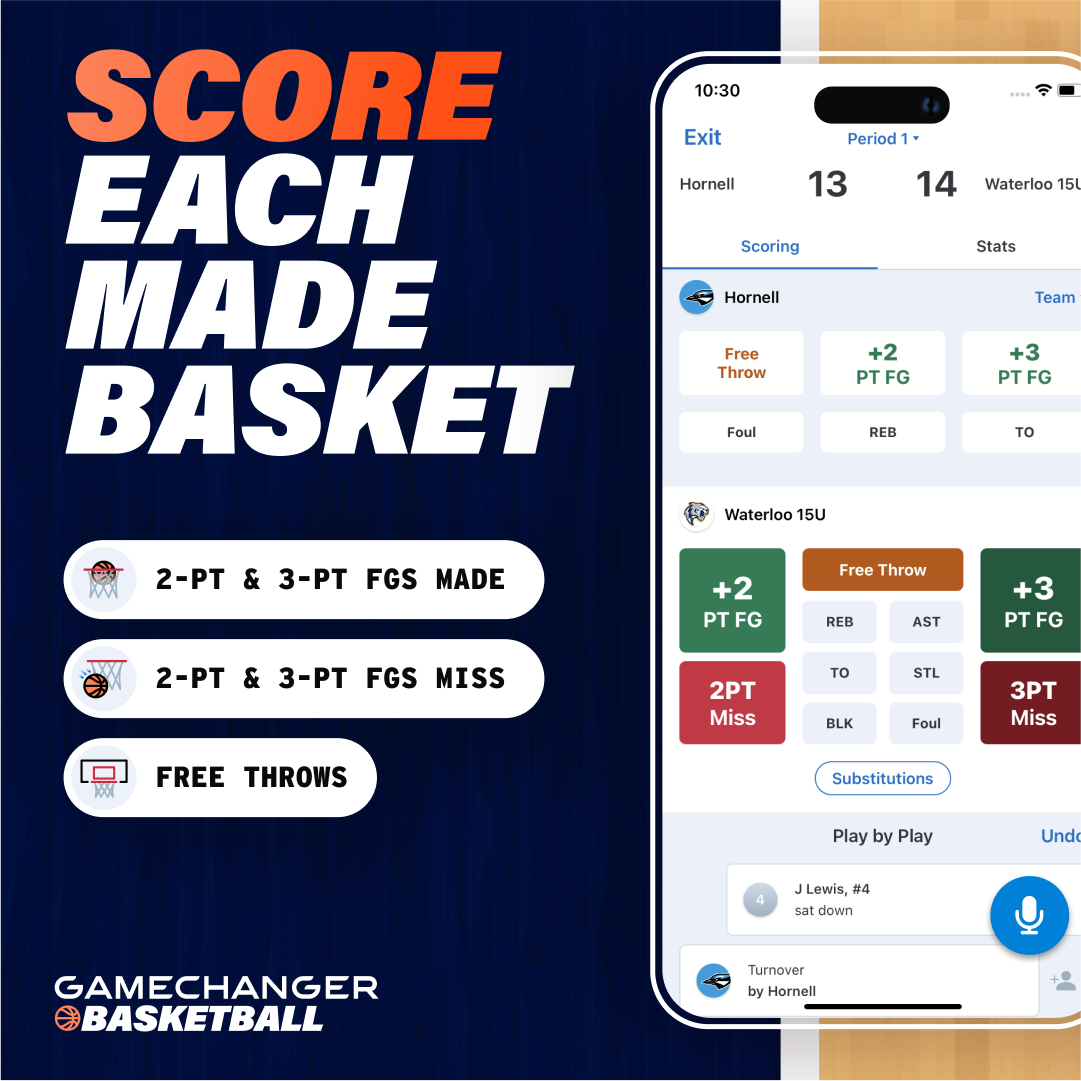
Hey, coach! Want to take your team to the next level this season? Introducing GameChanger, the ultimate game-day assistant with tools to give you a winning advantage. With GameChanger, you can track stats, keep score, and even live stream games, all for free! Get the stats and crucial game video you need to lead your team to victory, all from the palm of your hand. Coach smarter this season with GameChanger. Download GameChanger today on iOS or Android and make this season one to remember. GameChanger. Stream. Score. Connect. Learn more at GC.com/HoopHeads
THANKS, BEN WITHERSPOON
If you enjoyed this episode with Ben Witherspoon let him know by clicking on the link below and thanking him via Twitter
Click here to thank Ben Witherspoon via Twitter
Click here to let Mike & Jason know about your number one takeaway from this episode!
And if you want us to answer your questions on one of our upcoming weekly NBA episodes, drop us a line at [email protected].
TRANSCRIPT FOR BEN WITHERSPOON – MERCER UNIVERSITY MEN’S BASKETBALL ASSISTANT COACH – EPISODE 959
[00:00:00] Mike Klinzing: Hello and welcome to the Hoop Heads Podcast. It’s Mike Klinzing here without, at least for the time being, my co-host Jason Sunkle, but I am pleased to be joined by Ben Witherspoon, men’s assistant basketball coach at Mercer University. Ben, welcome to The Hoop Heads Pod.
[00:00:16] Ben Witherspoon: Thanks for having me on. Appreciate it.
[00:00:20] Mike Klinzing: Thrilled to have you on. Looking forward to diving into all the experiences that you’ve had to this point in your career. Let’s start by going back in time to when you were a kid. Tell me about some of your first experiences with the game. What made you fall in love with it?
[00:00:32] Ben Witherspoon: Man. So basketball is the only sport I’ve ever played.
So start there, I guess. I moved to Florida when I was seven years old from Buffalo, New York. And all I remember is really wanting to play basketball. I’d go to my dad’s like men’s league games sit on the side and throw up shots and mess around there with the other kids. And then when we moved to Florida and I was old enough to start playing that was the youngest league we could get in.
I started playing and fell in love with basketball ever since and didn’t want to do anything else. And I didn’t really, I played one, one, one season of flag football, I think and that was it. I just wanted to play basketball year round. That’s all I love. It’s all I really cared about. I had an uncle that hurt his back playing football when he was younger.
My mom’s like, you’re not playing tackle football. So don’t even ask me. So I didn’t and I didn’t really want to, I just fell in love with basketball. And really just never looked back.
[00:01:33] Mike Klinzing: As you got older. So let’s say as you get into middle school and high school, what do you remember about how you went about getting better as a player?
What did you do? Were you playing? Pick up basketball, you were working in the gym by yourself. Just what was your process for trying to become a better player?
[00:01:50] Ben Witherspoon: Yeah. So one thing, it was a lot of pickup at that time. Obviously today is heavy trainer based and kids are doing that. And that’s a great thing to have somebody dedicated to you.
We did not have that. And I kind of had this dichotomy of my basketball life. So in the city, I grew up in, called Norman Beach, Florida in the rec league over there, I was the best player in that league. Just what it was. I was athletic and bigger and everything for that league. So that league, I was driving to the basket and I was scoring at the basket and kind of doing what I wanted to at school, I went to school in Daytona beach.
I was not. I was a smaller kid. I wasn’t even close to being the best player because also, my mom skipped me a grade when I moved to Florida. So I was a year younger than everybody in my grade. So at school I was smaller. I had no choice but to be a good outside shooter. So all day PE and all day when I was playing with the kids at school, I was shooting.
Rec League at night I was better than those kids so I was driving the ball in the basket. So that was one thing that I kind of had is I worked on different parts of my game depending on where I was. I had to figure it out to be successful in different places. And then As far as what the individual skills look like for me at that time, it was, and this is really what it was up through high school for me, it’s, What am I uncomfortable doing?
Whatever I was uncomfortable doing, I would go to the gym, me and my best friend and we would just get rep after rep after rep of doing that until I felt comfortable doing it enough and pick up. And then when it felt comfortable enough and pick up, it was good enough to doing games. So that was kind of the process for me.
It was just, if you’re uncomfortable with something, work on it, do it over and over again. And then at that time too, it was basketball camps were the big thing, right? So, My dad would send me up to camps up and down the East Coast shooting stars camp. I went to camp at Temple. I went to John Wooden’s camp all these different things.
I went to the University of Florida and you would get the workout books there. And those workout books, We’re like a golden ticket for us because that’s all we had. We didn’t have YouTube. We didn’t have individual trainers. We didn’t have that stuff. So it was like, I got this workout book from this camp and I’m the only one that has it.
Cause me and my friend went up there and everybody doesn’t have it. And it was kind of what we use as a guide to do our work in addition to things that we were uncomfortable doing.
[00:04:31] Mike Klinzing: Yeah, it’s really is amazing when you think about just from a training standpoint, I think about this all the time and I’m a lot older than you.
And when I was growing up and playing and similar, I was going to playgrounds, whatever. And then I would always kind of just do the same workout. Like I had next to zero creativity in terms of what I was doing. And I look at all the things that players can do today and just the myriad of places that they can go and resources that they have to be able to Hey, let’s do this drill.
Let’s work on this skill, but do it in a slightly different way. And I think back and look, there’s something to be said for monotony and repetition to some degree. But I look back on it. I’m like, man, how did I not just completely get bored with doing? I had like two workouts, my solo workout. And then if I was lucky enough to have somebody to shoot with.
I do that workout, but obviously, again, you going to those camps and being able to get the drill book and sort of having that leg up of, Hey, now I got some other things that I can work on. It’s, it’s interesting just how the evolution of player development sort of, again, for a player on their own. working and trying to get better and what that looks like and just how that’s morphed over time.
And then when you think about yourself as a high school player, what, what are, what are two of your favorite memories from playing high school basketball? Do you have any that stick out on, off the courts? What do you remember?
[00:05:49] Ben Witherspoon: Man. So first two years I went to Atlantic High School in Port Orange and I ended up transferring to Seabreeze high school, which is where all my friends were growing up.
So first memory there is being able to play with childhood best friend at the same school and guys you grew up playing with. That was great. And then biggest one, I mean, is Seabreeze was awful, like leading up to the years before me and my friends got together and went there. I mean, they just weren’t any good.
So like having a winning season was a huge thing for us. It was the first winning season in 10 years. For our school beating our rival school, Mainland High School, where Vince Carter went beating them. It was like, see, they’re not going to be Mainland ever. They’re just not good anymore.
Mainland has all the good kids. I didn’t go to Mainland because I wasn’t good enough to be the best player there. So I was, I went somewhere else, but beating your rival there when you’re not supposed to those are probably the two things that stick out the most. For me is just playing with my best friends and then being our rival.
[00:06:53] Mike Klinzing: Being able to play with your friends, I think is always something that when I think about high school basketball for myself and then for my own kids and for just the experiences that I see players having, I think that that camaraderie and that feeling that you build with the, the kids that you grow up with and the kids that you end up getting a chance to play high school basketball with.
I think that that’s something that again, can never, you never really duplicate that at any degree or level. You can get it to some degree, but I just think high school you have, in a lot of cases, especially Whether it’s a public high school and you’ve gone to, with grade school for gone to school with kids for a long time.
There’s just, there’s just a special bond that you build with your high school teammates that it’s hard to at the other levels. Thinking about college basketball, what was your, when did college basketball get on your radar? Was that something, obviously you grow up and basketball is your game and it’s what you do.
And so when did you start thinking about playing college basketball? Just what was your process for. going through the recruiting and obviously it’s different back then compared to how it is today. But just talk a little about your experience and with giving yourself an opportunity to play college basketball.
[00:08:01] Ben Witherspoon: Yeah. So like we talked about earlier, I mean, basketball is the only sport I played. It’s the only thing I loved growing up. So I mean, with that, you want to be an NBA player, right? So striving to be Michael Jordan and Scotty Pippen and Penny Hardaway and Grant Hill and all the guys that I loved watching growing up and I guess you got to play college to do that, right?
So, at that time, that’s where college basketball came into focus for me. I mean, I remember having Georgetown University pennants up in my room. That was kind of one of the places that was huge at that time with John Thompson Definitely, you know a place that a lot of kids that they’d be good enough to go play for.
And so yeah, striving to be a college basketball player was, was really my whole life. Everything was centered around that getting that scholarship, wanting to be a college basketball player and, and the very small percentage of guys that got to do that, that became my life. So, that time, obviously, AAU was not huge there’s one AAU team in all of Central Florida.
The best players are there playing. I was not one of those guys that was the best 12 guys in all of the area. So it was different. We had exposure camps at that time. I mean, I was going to all the Bob Gibbons individual events. Individual showcase events, wherever I could get to them to get exposure.
Those were really the only way to be seen at that time for guys that were outside of the AAU stuff. And if you weren’t already getting recruited and guys were coming to your high school game. So Didn’t have huge interest coming out of high school. I was unsigned until the spring of my senior year.
And I went and played at a Bob Gibbons event at MTSU in Murfreesboro, Tennessee. I made a play where I blocked a shot on one end. I glassed a shot and dunked it on the other end. And the coach from Lipscomb University was there, assistant coach, my guy Sean Centers, and he told me from that play on, he watched me the rest of the day.
And then things kind of grew from there. Lipscomb was transitioning, they were independent, division one at the time. They recruited me. I had a couple of division two schools recruiting me. Obviously everybody’s dream is to go to division one. So I decided to go to Lipscomb. So yeah, that’s kind of how I got to play college basketball, at least to start it.
[00:10:35] Mike Klinzing: Do you feel like looking back, like how much, because I feel like now there’s so much more information available to kids and recruits to be able to kind of understand. where they fit and who they’re being recruited. Not that everybody’s realistic about where they, about where they think they can go. I don’t have to tell you that, but just, I think back 10, 15 years ago, it was a lot harder to know sort of where you stand.
How do you feel like your knowledge base was of kind of what the process of recruiting was all about? Like, are you getting to that spring of your senior year? And are you still thinking, Hey, I’m going to get a ton of offers? Are you starting to get nervous? What’s your knowledge base of kind of the recruiting process like at that point?
[00:11:20] Ben Witherspoon: You really only had comparison to other guys is what you had. So didn’t get a lot of exposure to play other people out of the area. But when I went to camps is, is the main thing. And where I was able to see other guys and play against other guys there was a camp in Atlanta university shooting stars where I was able to play against.
Other guys that were getting recruited at division one level. And I was in the same all star games as them. So I’m like, all right, they can do it. Why aren’t how come I’m not good enough to do it? You know what I was, that was kind of the measuring stick we had, it was just.
Getting out of town and seeing other guys, playing against other guys that were at that caliber.
[00:12:07] Mike Klinzing: I think being able to compare yourself is certainly something when you start looking around, you’re like, man, I’m better than this guy or man, I, this guy’s going here and I should be able to get an opportunity.
And so I completely can understand. Exactly where you’re coming from. And then you get to Lipscomb and what’s the transition like for you, both as a basketball player and school wise, socially, academically, just the transition from high school to college.
[00:12:32] Ben Witherspoon: Yeah. So it was tough for me physically. Because I graduated at 17 so I’m a year behind physically.
I mean, I’m 6’2 159 pounds and I’m going to play Division I basketball. So, that was the biggest Roadblock for me was, was just the physical part of it. I mean, I loved playing basketball. I love being in the gym. I would play for four or five hours and not worry about it. Did I want to go lift weights?
No, not really. That’s not what I love to do. I love playing. So that caught up with me when I got there to Lipscomb. So that made it tough for me there. But I ended up figuring things out as the year went on and you go through freshmen issues and you learn from the older guys there, some of the tricks that they’re doing and how come I can’t get off the screen?
How come I can’t bring the ball before you just start figuring things out as you go along as a freshman my freshman year was, was interesting because I was going to red shirt because physically I needed time. Team was struggling. I was playing well in practice. Coach wanted to pull me out of red shirt.
Am I at 17 years old smart enough to look down and say, ah, man, I actually, I need this year to sit, sit out and get my body better. I was like, no, hell yeah, I’m playing. Let’s go coach. Like, yeah, I’m playing. Like you brought the conversation to me. I was like, yeah, I’m playing. So I go and I play pretty well and spot minutes here and there.
Remember I have a, just an awful game against Ole Miss. They’re pressing the whole game. They’re just better than us. So they’re going to dominate us and press us the whole game. I turned it over two or three times in probably five minutes. And that was basically ended up kind of being my season.
Only really got in spot minutes here and there. The rest of the year. So went to transfer back home to Embry Riddle school where I grew up going to the basketball camp, knew their coach since I was a kid, grew up with his kids. My sister grew up with his daughter playing volleyball. So it was just a good situation to, to get closer back to home.
And then I ended up at a workout at Lipscomb, I ended up tearing my meniscus. I was going just insane, crazy. That whole year was frustrating for me, not playing as much as I wanted to play. Felt like I had improved, felt like I was doing better in practice, deserved more minutes, wasn’t getting them.
So not season ended. I mean, I was insane. I was, I was absolutely insane. I was going to the gym four times a day. I was going in the morning by myself and working out. I would lift with the team, do a workout with the team, shoot after by myself or with a teammate after our team workouts. And then I go back to The rec center that night and play like two hours of pickup.
So I was just killing myself because I was so pissed off about not playing. And that’s probably why I ended up getting hurt really. So tear my meniscus and thankfully coach Ritter at Embry Riddle still honored my scholarship. And, and I had a red shirt the next year at Embry Riddle and then having a good career there.
[00:15:51] Mike Klinzing: What are you thinking about career wise during this point? Are you still just focused on. I’m a basketball player. Are you thinking about a future career? Where are you at academically? What’s the process at that point?
[00:16:05] Ben Witherspoon: Yeah. So again, back to that measuring stick we talked about, right? So I’m at Lipscomb at the end of the year and it’s the springtime and we’ve got some alumni coming back in and they’re playing pickup and they’re guys that are playing overseas.
And I’m playing against them and I’m like, man, these guys aren’t that good. I can, I can make money playing basketball. I’m playing right with him. I’m scoring against him. I’m stopping. I’m like, I can do this. So in my head, I’m still, and obviously I’m working, working out five times a day, so I’m like, I got the work better, I got the work ethic, right.
[00:16:41] Mike Klinzing: I’m putting the time in. This is what it takes. Right?
[00:16:44] Ben Witherspoon: Right. So I’m still just focused on being the best pro I can be at that point. Like, that’s what I wanted to do. That’s all I really cared about. So I was still completely down that path. And then injuries happen.
I tore meniscus and I end up having two more surgeries. I had micro fracture surgery because my cartilage was gone from the way the surgery was done. It got pretty bad for me. I sat out probably a year and a half. Wasn’t able to play. And then it was throughout the end of my college career was, I was fine.
I was able to play. It was just getting back to be able to play the next day was work. So it was like, I don’t think I’ll be able to do this professionally.
[00:17:29] Mike Klinzing: Yep. Was coaching on your radar at all during college or were you just strictly, I’m strictly playing? Because there’s, there’s always this interesting, Ben, I feel like there’s really two sort of tracks to coaching where there’s the kid who, even though they’re playing, they’re in like third grade and they’re drawing up plays on the napkin and they’re thinking about how the game is, they’re looking at it through a coach’s eye in addition to their playing eye.
And then there’s other guys who they’re just strictly playing and never think about coaching. I know I fall into that latter camp. Like I never once While I was playing thought, Oh, I’m someday going to coach basketball. I just, I was like you, I was a player. That’s what I wanted to do. So I’m assuming that’s sort of the camp that you fall into.
[00:18:11] Ben Witherspoon: 100%. Never thought about coaching. All I wanted to do was play point guard. So I saw the game in a way that it was bigger than me and much bigger than me. And how can the team function its best is the way that I had always saw the game. And that was as close to thinking about coaching as I had ever gotten.
My college coach did approach me my senior year and asked me if I wanted to stay on staff and be a graduate assistant. Throughout my time in college, I ended up really falling in love with music and the music business. Met one of my best friends in college who wasn’t on the basketball team, but he was a musician and ended up with paying attention to what was going on with my health ended up going down a path of music and working in the music business for a while.
So I told coach, Hey I don’t want to coach basketball. I want to go and have the next Roc a fella records. That’s what I wanted to do. So I chased that dream for a while before I got back to basketball.
[00:19:16] Mike Klinzing: And what made you come back to, what made you come back to the game?
Was it something that you soured on music in some small way, or was it just the draw of basketball eventually got you back to it?
[00:19:28] Ben Witherspoon: Yeah. So, I mean, I was managing one of my best friends, his music career. When things didn’t progress as fastly as I needed them to, or, and it was time to start getting other people’s money involved.
And I wasn’t sure that I absolutely wanted to do that. I kind of saw, Hey, I don’t really love the music business as much as I thought. I really love my best friend and I love building things, but I don’t want to stay in this. So it was really a falling out of love with working in the music business.
And then just a time where I didn’t know what I wanted to do. I just loved basketball still. And I decided, Hey, I’m going to get back into coaching. Get back to basketball really. And I just started coaching. I went to a middle school rec league and just, I asked them, Hey, do you guys need help?
Is there anybody that needs a coach? So they told me, Hey, this guy needs help. And I reached out to him and said, Hey, I want to coach basketball. And he said, I’d love to have you. And I just started coaching out of a middle school rec league and in Orlando was helping out. And it was a dad trying to help his son and he was super appreciative of the time I was giving and he wasn’t a college basketball player or anything like that.
So he appreciated that I was able to teach the guys some things and I fell in love with coaching then just because the kids. really appreciated, I think, what I was bringing and I just love teaching. So I think that’s really the time when I was like, Oh, this is, I love this. I want to do this.
[00:21:08] Mike Klinzing: Then who’d you make a call to, or how’d you go about taking that first experience and start moving it towards it being a career? How did you call somebody? Did you start looking for job openings? How’d you go about the process of transitioning to a new career?
[00:21:26] Ben Witherspoon: Yeah, so was working insurance during the day. So I was working at State Farm from 8 to 4:30 during the day. And I kind of recognized I want to coach basketball. How can I get that to be my career? I need to get in there. I need to start working. So I ended up seeing a post on Craigslist for A volunteer assistant at Montverde Academy.
This is 2014, 2013 actually it’s 2013. So Montverde had just really started rolling there. Kevin Sutton had gotten the program going and then coach Kevin Boyle came to Montverde and took things to an even bigger level they had just won, I believe their first national championship the year before.
So I see this post and I look up who Montverde is. I’m like, wait, what? You guys are on Craigslist looking for a volunteer coach. And this post, mind you is like, it’s two weeks old. I think when I get to it, so I’m already, I’m thinking, I’m like, man, ain’t no way somebody hasn’t jumped on this opportunity yet, but let me try and send the email and see what happens So I sent an email and it goes to Coach Boyle’s wife.
She responds and says, Hey, the position, we’re still looking for somebody in the position. I tell her I’d be interested and send a resume and tell her what I’m looking for and what I want to do. She said, she’ll get back to me. I don’t hear anything. A couple of days, I email her again.
Hey, coach is really busy. I’ll get back to you. Okay. A couple more days go by. Still waiting. I don’t hear anything. And I just drive to Montverde. I go to Montverde. I walk in the gym at practice time. And I just sit down and one of the assistants comes over to me and says, Hey how you doing? I say, good.
What are you doing here? Well, I’ve been talking with coach Boyle’s wife about being a volunteer assistant. So I just figured I’d come by and watch practice, see how it goes. So I sat there and I watched practice and Coach Boyle talked to me after for a little bit, told me to come by the next day.
And from there, I mean, I was at practice every day. I’m part of the coaching staff at Montverde. And I adjusted my work schedule. So I’m at State Farm from 7 a. m. to 3. 30 in the afternoon. I’m driving 45 minutes from work straight to Montverde every day to just learn help train the guys and, and get my coaching career going.
So that was really the next step. Obviously learned a ton. Coach Boyle is one of the best teachers of basketball to ever live. It’s high of an intensity and it’s high of standards of anybody to ever coach basketball. So it was incredible for me for that to be really my base of coaching to watch him coach DeAngelo Russell, Ben Simmons, Jordan Caroline, all these high level guys.
As hard as he coached them and to the standard of what she wanted. And there was no babying. There was no worrying about guys transferring. There was nothing. He coached those guys so hard, like they were no good at all. And for me seeing that and that haven’t really having that as a base for my career was huge because I mean, if, if I’m seeing Ben Simmons and DeAngelo Russell and those guys get coached that way, why wouldn’t I coach everybody else hard and expect the best from them?
[00:25:03] Mike Klinzing: How soon into that experience were you sure that this is the direction you wanted to go? In other words, was it the first day, a weekend, was there a moment where you’re like, yeah, I’m going to be, I’m going to be in coaching for, for my career?
[00:25:18] Ben Witherspoon: It didn’t take long. I can’t pinpoint it. As to when it was, but it didn’t take long.
If anything, it was figuring out the financial part of my life was the obstacle I had to get over because I have a job and I was living a lifestyle that was fit that job. And we know basketball does not starting as a basketball coach doesn’t give you any lifestyle at all.
[00:25:45] Mike Klinzing: Your lifestyle is based on having a little money on in your pocket and actually getting a salary. Is that what you’re talking about?
[00:25:51] Ben Witherspoon: Yeah. And then your lifestyle for coaching college basketball is homelessness. So I had to I had to figure out how am I going to transition my career to where I could still pay my bills and not have a credit score of negative 45.
[00:26:08] Mike Klinzing: So what’d you do? What’s the plan?
[00:26:11] Ben Witherspoon: So I keep talking to coach Boyle and as the year goes on at the end of the year, I tell him, Hey, coach, like, there’s any opportunity for me here? We’d love to transition to full time coaching basketball. At this time, Montverde now has Montverde CBD, which is the Academy, right?
So there’s like a hundred kids or however many over there. And they didn’t have it yet. So he was just thinking about starting and it was the ground floor of it. He, but he was only looking to hire like one person. So he hired somebody else. So I had to move on and figure it out. Thankfully girlfriend at that time, who is now my wife was able to really fund my life for a little bit. She was like, she, gave so much to me and, and I paid less of the rent for a little while because I was, I went and started substitute teaching during the day. I had my own training academy and I was coaching, then I started coaching high school.
So the transition was, Hey, I’m going to start coaching AAU. I’m going to train kids on my own and me training kids. I start, I then understood, well, during the day, what am I going to do? The kids are all in school. Right. I should probably just be in school with them and be a teacher or do something.
So then I start substitute teaching, which is, in Florida at that time, 75 a day. So it’s not a whole lot of money. You’re not getting rich. Absolutely not. Probably getting poorer with just driving around the city using gas. So I substitute teach. I’m an assistant coach at a COE high school.
And I’m training at night. So I’m doing those things, go to school, practice after school, training at a park or at a Coey, whichever, wherever I can find until seven, eight o’clock at night. And then I’m at home and I’m doing it all over again. And really those days also, I’m at LA fitness in the morning.
I have a couple of kids that come before school. So I’m at 5am at LA fitness. And then school. And so that was my, that was how I was working for a while. And then a co lead ends up hiring me as a full time teacher. So that helped some just for me being on campus every day. So I was a teacher and coach.
And then at the end of the year, as an assistant coach at ECOI, I get an opportunity to be a head coach at Cypress Creek High School, another school in Orlando. So then I’m a teacher at Cypress Creek High School. Well, excuse me, first year, I’m a Dean, which was insane.
[00:28:49] Mike Klinzing: Those jobs, look, I’ve known lots of people in those positions.
And every time I see somebody who has that job, I’m always like, man, I do not want to have that job. Even on my worst days, even on my worst days as a teacher, I’m like, the things, the things that I don’t want to do as a teacher are talk to parents all day and go to meetings. And then I’m like a Dean. Well, that’s pretty much all you do.
And usually you’re not talking to. Happy parents, you’re talking to unhappy parents typically. So I’m sure your experience was similar.
[00:29:19] Ben Witherspoon: All day. All day. You are talking to your kid just got in a fight. How are you doing? You having a good day at work? Your kid just punched another kid in the bathroom and they set it up and it was the whole thing.
Does that sound good yet? So like, it’s that it’s, Hey, there’s weed in the bathroom. All right. Coach Rutherford, I’m going to go get it. It’s just there’s all the things of being a Dean did not enjoy, and I’m running around so I didn’t have time to run my program the way that I wanted to with all the administrative stuff.
So, the next year I’m in the classroom, which is much better. Kids are doing work online. While the kids are doing work online, I am practice planning, watching film, scouting, running our social media accounts, doing all the things I need to do. They had a good understanding with me there. Coach Witherspoon’s here to coach basketball and we’ll allow him to be a good teacher.
Not a great one.
[00:30:16] Mike Klinzing: So what’s it like transitioning and getting your first head coaching job? What’s that like running your own program?
[00:30:22] Ben Witherspoon: So Sarge Sears was our head coach at ECOI and I’m so thankful to him. For the responsibility that he gave me. So he really let me do a lot and experience a lot. He knew my aspirations were to coach the college.
He knew kind of the path I wanted to go on and high school head coach to. And then coaching college. So he gave me a lot of responsibility really has pushed me to do a lot. And so thankful for him for that. So that was big. I mean, he got sick for district playoff game. And I had, I was the head coach of the team.
I mean, he didn’t do that on purpose, but he trusted me to, to run the practices and do everything while he was out. So transitioning to head coach, Wasn’t that hard, really, because of all the responsibility that Sarge gave me at Ocoee. So our athletic director at Ocoee was the brother of the principal at the school that hired me.
So, It was pretty easy, I guess on their part, because he was just like, no, this guy’s good. You need to give him the job. So I mean, obviously I interviewed and I was prepared and I did all the things I needed to do for that, but it was kind of my job to lose because they had already had, had experiences with me.
So great being able to run your own program, do things your way. I knew that’s a level I wanted to get to. So throughout the entire process of coach Boyle and I’m coaching AAU at different places in my own training and just, Taking notes from other guys and things I like, things I don’t like, things I’ll do, things I won’t do really all went into becoming a head coach and being a head coach.
And it’s what I wanted, comfortable leading, been a point guard and doing all those things. So transition was great again, because of what coach Sarge.
[00:32:21] Mike Klinzing: Yeah. To be able to have that experience as an assistant where your head coach gives you that responsibility and develops you as a coach, I think is invaluable.
If you’re in a situation like that as an assistant, it’s such a benefit when you eventually get the opportunity to go and, coaching job. So you’re there from 2016 to 2018, and then you get an opportunity to go back to Montverde. Talk about that decision.
[00:32:48] Ben Witherspoon: Yeah. So I thought that I could win my way to coaching college basketball is what I thought was going to matter.
And at that time, so At Cypress Creek, school is a great school, but the basketball program had been very bad. They won 12 games combined the three years before I got there. We won 12 my first year, the next year we win another 12, so it’s like we’re 500 and it and for that school it is
Not good enough for me, but one turn around program. I think we did that. So then I’m coaching AAU also at the same time with, on the Adidas circuit. So I’m thinking, hey, Let’s see what I can get in college. I resigned from Cypress Creek. And I started looking for college jobs. Apparently, a lot more matters than winning high school basketball games to get a job in college.
I mean, who would have thought, right? So didn’t have a ton of success. Looking, didn’t like the options I had, thought that going to Montverde would give me a good opportunity to, to learn more under coach Boyle this time, do a whole lot more make more connections with college coaches, be around high level players again.
So I decided to go to Montverde. To take the next step in my career. And it was an awesome year. It was, I mean, at that time, the Center for Basketball Development was fully gone. So I was coaching basketball all day long. There was no teaching in a classroom. It was basketball all day.
We had a practice in the morning. Our varsity guys come in and do a skill workout, lunchtime, another practice in the afternoon. And then our varsity guys would practice after school. So it was. Basketball all day. If you had a game with either varsity or your own younger team you were there for your game at night.
We worked hard, but it was basketball all day. So love that situation. Awesome time. I mean, around awesome guys and Cade Cunningham on that team, Moses Moody Dariq Whitehead, Caleb Houston, Precious Achua. Like, so, I mean, there’s just a countless number of NBA players on that team and being able to work with those guys and train those guys.
Great experience for me. And then being a part of that team and making the national final for that year and having a bigger role was great.
[00:35:10] Mike Klinzing: And so when you start thinking about, okay, what’s my next step, obviously you’re, you’re wanting to get to the college level, but you end up going to. Dr. Phillips high school after that year at Montverde. So why that decision? And then eventually we can get to how you were able to go from there to your first college experience.
[00:35:32] Ben Witherspoon: So that year at Montverde, I ended up having my daughter Emery. She was born in August, right at the start of the school year.
And that changed me. It really told me Do you really want to be away from this all the time? And coaching in college was a lot more travel. Are you sure you want to do that? So that was one factor in it. I started to question if it’s something I wanted to do right now. And then also I missed being a head coach.
I love being a head coach. My spot would choose if I had a choice, I would be a coach all the time. So decided that I wanted to, to, Build my own kind of national powerhouse program in high school. And that brought me to Dr. Phillips. So our AD at Ocoee when I was there, that helped me get the job at Cypress Creek, that AD at Ocoee was now the AD at Dr.
Phillips high school. I shot him a text and said, Hey, Steve, I’m looking to build my own championship program in high school this coming year. If you hear of anything, let me know. I did not know the Dr. Philips head coach was stepping down. He knew, but I didn’t know. So as soon as I sent that text, he texted me back and said, call me.
So I call him and he says, Hey our coach is stepping away. But this would be basically your job to lose. You’re going to, we’re going to interview, we’re going to go through the entire process and do what we need to do. But I know you, I work with you. I know you’re what we’re looking for.
This is a job you want, you should go for it. Went for that job, was able to get it and coach at Dr. Phillips. And then. What do as soon as I get the job at Dr. Phillips, Ryan Ritter, who is my head coach now, gets the head job at Bethune Cookman, and Ryan Ritter calls and says, Hey man, what are you doing?
I’m like, I’m at Dr. Phillips first week of school, Ryan. Alright, would you be interested in coming? To coach Bethne-Cookman
How these things happen not when I’m looking for it, but I had to tell him, Hey man, I just got here. I want to do something here on my own start something special here. I’m going to stay here and I’m going to see it through. So That’s, that’s how I got to Dr. Phillips. And that’s from there we started working.
[00:38:05] Mike Klinzing: How did you approach the Dr. Phillips job differently, if at all, from the job at Cypress Creek? So going through it your second time, did you take some lessons from the first time, things you changed? Just how did you go about that process of, Coming in and, and taking over a program for the second time and maybe adjusting sort of your approach or did, or did you kind of come in with the same mentality?
[00:38:32] Ben Witherspoon: Yeah. So I would say the mentality of maximum daily improvement, I mean, it is, is the goal for me is, and it was as a head coach, I mean, it’s how many steps forward can we possibly take today in the time that we have, that is what we need to do every single day. Do not waste a day, do not waste a rep.
And that did not change. But my goal did change I understood at Cypress Creek trying to win a state championship and wanting to do that was a great thing, but I just didn’t have the players to do it. I’m the tallest guy, 6’2 I had guys playing soccer growing up. Like it just wasn’t really going to happen there.
So, I mean, just having winning seasons there, I understood and knew having Competing for a district championship was big time goal there, but the Dr. Phillips, the goals were different. Powerhouse name in the state huge school, big history of Shane Larkin and Chris Warren and some big time names have been there but they had never won a state championship.
So the goal immediately became win a state championship. So the approach didn’t change. Really the immediate ceiling is what changed. So. Really, I mean, I went to work the same way I went to work at Cypress Creek. Our, our summers at both Cypress Creek and Dr. Phillips were more like basketball camp.
Our guys would come in, I mean I reserved the gym from eight to one in the summer, Monday through Thursday. They’re playing AAU on the weekends and that’s fine, but we’re going to work, be a part of this program. And that’s what it is. So eight o’clock it was weights first for 45 minutes or so.
And then it was in the gym for an hour of skill work. And then it was an hour of really competition. Whether that’s one on one, three on three, five on five, or getting into some defensive habits things. So it was competition. And then the last 45 minutes to an hour was just straight shooting.
So that approach didn’t change from Cypress Creek to Dr. Phillips and we went there and, and it was different for those guys because I just had a level of expectation and standards of work. That were different for them. But they loved it and appreciated the guys worked hard and showed up every day and understood we’re here to win, put a banner up that that’s never been put up at this school. So they were into it and we went to work.
[00:41:09] Mike Klinzing: When you think about building. Relationships with your kids at the high school level. What do you think is the key if you were to give advice to high school coaches out there that might be listening in terms of building relationships with your players? What worked for you?
[00:41:27] Ben Witherspoon: First of all is, is wanting to help them. It is something that we all can have. I mean, cause below that is a level of love for your players. That’s not something everybody has and it’s not something that you can give everybody. Some guys, or it’s a job for some people.
Some people just aren’t going to really love their players like that. They’re just not. So I mean, for me, it’s a love for them, it’s, you’re one of my guys, you’re one of my guys. I’m gonna love you and be there for whatever you need in life in school and have high standards for you in every aspect.
With that love comes wanting to help them. Right. Right. So. I think all of us can be servant leaders and. And want to help the kids we’re working with in whatever way we can. So that’s really what it starts with is them knowing that you care about them and that you’re there to help them.
Once you really have that relationship with them You can coach guys hard. You can hold them accountable because they know you care. But I mean, that relationship building was a big one. And a pillar of our programs was being the ultimate teammate. And that’s something starts with the players and them getting to know each other, but it really starts with me as a coach.
Doing the player interviews and finding out about their families, finding out what they care about, how is their upbringing, just everything about them and why they’re doing this and what’s important to them in their life is important. I mean, so I wanted them to be great teammates to each other.
And I would always tell them you’re not, you don’t play for me, you play for each other, but I had to be a great teammate also to coaches and even to the players, I mean, for them to know coaches in this thing with me and helping me, it’s not coaching staff versus the players.
It’s everybody’s together. And I’ve been on staffs where it feels like it’s. Coaches, first players, y’all don’t do what we want you to do. Y’all don’t do this. Y’all don’t do that. And the players feel like you’re not in there with them. So just being somewhat of a teammate with your players is important is knowing that you’re on the same team.
[00:43:45] Mike Klinzing: Yeah, it’s a great way to look at it. I think that most everybody who’s been in the game for a long time has probably experienced both of those different types of situations where everybody’s together and pulling that rope in the same way. And then you have other teams where it feels like you’re just coaching staff and players are diametrically opposed for whatever reason and nothing ends up, nothing ends up getting done.
So you win a state championship there. State runner up a second time there at Dr. Phillips. And as you’ve said a couple of times that you kind of were looking at opportunities to get into the college game. So how does the opportunity at Central Florida come to you? Obviously you’re right there geographically in the same area, but who, who’s your contact?
How do you go about getting that opportunity to jump up a level and coach college basketball?
[00:44:36] Ben Witherspoon: Yeah. So at the end of my third year at Dr. Phillips I resigned with no job had guys starting to want to come to Dr. Phillips and transfer in and move from out of state and do all kinds of things.
So I just had to stop and say, Hey, I can’t let this family sign a lease. I can’t let these people start to move or do all the things they need to do. So I just have to resign and let Dr. Phillips hire the next coach and let the players figure out what they’re going to do if they’re staying, if they’re going or not.
So I resigned and then it, I mean, my full time job becomes finding a full time college job. That’s what it became. So I’m going to EYBL sessions, talk to coaches. Emailing, calling on hoop dirt all day doing everything I can to find my first opportunity. So Jimmy drew at University of Central Florida.
He was the director of ops. Jimmy ended up getting a head coaching job at Lincoln Division 2 school out in Missouri. And he reached out to me and said, Hey man, like I just got this head coaching job. Would love to talk to you about the opportunity. We go hang out, talk about the opportunity he has there.
Like what he has going on. Not sure what I’m going to do yet. I was kind of holding out for Division 1 opportunities. And at the end of our talk, he says to me, Hey, have you talked about, Have you thought about taking my job at UCF? I said, not really, but now that you say it, I guess I should look into it.
So he tells me I should reach out to Coach Dawkins, coach Johnny Dawkins at UCF, head coach and, and just kind of and let him know you’re interested. And I said, okay, I’ll do that. So I did. And I met coach Dawkins a couple of times. We talked at UIBL he had a coaching clinic. I went to he was in the gym at Montverde when I was there working.
A couple of other guys on the staff have been recruiting some, some of my players at Dr. Phillips. I knew the video coordinator at UCF for, I mean, probably eight, 10 years at that point So I had good connections within the program. I coached in the same program as their starting point guard, Darius Johnson.
So I knew his dad really well. So I knew basically the whole staff pretty well, except for coach Dawkins. I mean, me and coach Dawkins, we just didn’t have a lot of interaction yet. So it’s going to sound familiar, like my first Montverde situation, but this is prime transfer portal had just kicked off of guys just going and leaving.
So. They are heavy in the portal in the spring, recruiting, recruiting, recruiting. Hey, coach Dawkins. Love to get together and talk about your open position. Yeah, man, sounds good. I’ll get back to you here next week. We’re swamped in the portal. Follow up. Hey, coach Dawkins. whenever you have time, let me know.
I’m, I’m free every day, whatever. Whenever you want to do it, bro, he is still in the portal, still in the portal. So what do I do? I show up at UCF. I just go. So I just show up to the offices say hello to Video coordinator, Jacob Coach Johnson, and just there and just talking letting me know what was going on, getting caught up and while I’m in the office NJIT calls me and offers me a position, Director of Ops.
Literally while I’m in the office. I step out, I take the call, I come back in. I told him, Coach Johnson, you’ll never believe this, but NJIT just offered me a job. It’s like, man, that’s incredible. Yeah. So I got some things to figure out. So I leave. And then the next day, Coach Dawkins says, Hey, are you available to come in?
[00:48:28] Mike Klinzing: Basically a little time crunch will do.
[00:48:31] Ben Witherspoon: Yeah. So come in. Interview with coach Dawkins went, went well enough to where he was comfortable hiring me found out that he was really looking for more of a special assistant to the head coach. Our video guy, Jaycob Ammerman, had got promoted to director of operations.
He wanted more than just a video coordinator. So he wanted someone with coaching experience. He wanted someone that could do the video work, but also help him with head coach related tasks. And, and so that’s what they hired me as a special assistant to the head coach and super lucky to, to have been at UCF for two years and work closely with coach Dawkins and have that.
Head coach experience that he has. I mean, just having that thought process in my head of, all right, well, what will coach Dawkins do here? being able to work so close and that I think I would be able to at least have a good idea of what he would do in certain situations, which helps me a ton.
[00:49:32] Mike Klinzing: All right. So comparison, high school basketball, college basketball. Give me one positive of each of the two, something you love about coaching college basketball, something you loved about coaching high school basketball.
[00:49:46] Ben Witherspoon: I loved high school basketball because there’s no rules. Me telling you that we’re in the gym from, I mean, I’m working the guys for four hours during the summer, like every day I’m around and we can just, we can just work and work and there’s no nothing to worry about.
And, and also competitively, I’m able to outwork people. Because there’s just a limited hour. So no, I mean, I don’t know of anybody else that was doing what we were doing and staying in there for four hours. So it was like, you know what, this is a competitive advantage and I can do this in high school. So being able to do that and work.
And then the amount of time I got to spend with the guys on the floor, but then also off the floor, seeing you guys at school. Seeing them throughout the day being intertwined with their academics more so was great and enjoyed it, loved it. Just seeing your players on campus, it’s when you have a special bond, like there’s 3,500 kids at Dr. Phillips, however many there are, but it’s like seeing your guys, it’s just, It’s cool. And, just loved it being able to be around them all day and impact them in more ways than, than basketball. And college thing I love outside of the basketball part now is we are really preparing college athletes today to be adults.
Because they’re having to do adult things in college being at the high major level at UCF. I mean those guys are making money. I’m talking to my players about budgeting. I’m talking to my players about their taxes. I’m talking to them They live with their girlfriends and I’m talking to ’em about life and relationships and dealing with adult things where in the past the money part of it and really having to grow up and deal with those things.
It wasn’t there and there’s a lot of coaches that complain about NIL and you can’t develop players anymore. It’s just not true. You got to develop them differently. They have different things going on now than they did before. Yes, you might not have that player for four years, the way you used to.
And it’s not just focused on basketball. Now you actually have to care about their whole life. Sorry. I mean, you’re developing something different now. It’s just, so we just have to shift what we develop and where we develop. And for me, it’s awesome. I love that part.
[00:52:20] Mike Klinzing: I would think that from an off the court standpoint, clearly there’s obviously, as you just said, a difference in how you manage, develop the players that are part of your program.
And there’s obviously more transiency than there’s ever been. Yet at the same time, I think you bring up a point that I really haven’t heard very often in that you do get to impact players. In other ways and help them in ways that coaches previously, as you said, really, you didn’t even have to think about it.
You weren’t thinking about, Hey, how do I help this player deal with. Income because especially at the division one level, obviously players aren’t even allowed to have jobs during the season if you go back in the past. And now you’re talking about the money that’s coming in through NIL and just being able to, to touch those players in so many different ways.
And I think it goes back to the question that I asked you and the answer that you gave when I asked you about developing relationships with your high school players and ultimately what it comes down to is do you spend time with those kids? I don’t care what level it is. It can be middle school, it could be high school, it could be college, it could be.
The way you invest in people is you spend time with them. You show them that you care and you try to improve them as a basketball player. You try to improve their life. You try to get to know them as a person. All those things kind of are how you develop a relationship. And so now what I hear you saying, which is something that I haven’t necessarily heard from a lot of coaches is, Hey, this NIL.
Rather than being a negative, like this is a positive. It’s another way that we can impact kids so that we’re again, what’s ultimately, what are we trying to prepare them for? I mean, we want to make them the best basketball players that they can be. We want to try to win games and obviously at the college level, that’s very important if you want to keep your job, but by the same token, ultimately, part of your responsibility as a coach and as a university is to develop people who are going to be good citizens and who are going to be good people and are going to be happy and have successful lives. And so I think it’s a really great way to, to approach it. What I hear you saying, like I said, I haven’t heard anybody else that I’ve talked to approach it in that exact same way of, Hey, it’s just another avenue for us to be able to have a positive impact on our students lives.
And I think that’s something that, man, a lot of people probably need to adopt that particular way of looking at it, if that makes sense.
[00:54:39] Ben Witherspoon: I appreciate you pointing that out, but it’s just the way I’ve seen it. like, I mean, however we can help our players, we should help them. That’s our job. And there’s just different aspects that they need help in now. So we should help them in those aspects.
[00:54:56] Mike Klinzing: What’s the biggest thing that you learned while you were at UCF? Again, you may not be able to narrow it down to one, but however you want to kind of answer this question. A couple of things that you learned there at UCF that you’re going to take into your new position or that you’ve already taken to your new position at Mercer?
[00:55:14] Ben Witherspoon: I think one just overall approach and prioritization of defense. And rebounding is paramount and it just carries over to everywhere. If you want to have any sort of success I mean, cause I was a heavy defensive coach in high school. But going to UCF and seeing the emphasis that’s placed on the defensive end of the floor and from a practice time standpoint and Working on the habits and what we’re looking at in film and just how much it matters there.
And it shows with us being a top 25, 50 defensive team in the country both years it translates and then it matters to winning. So that was one thing. And just, I took away is continue to place emphasis on it and have a high standards for that and a heavy level of intensity on the defensive end of the floor.
And it can translate to winning games. I mean would we want it to win more UCF for sure? Absolutely. But to NIT burst in two years, UCF while I was there is really good for that school. Again, it’s about Where you’ve been and what expectations are, right? So able to win with defensive emphasis is great.
So that was one big thing. And then I would say something that maybe we didn’t do my second year at UCF and just recruiting in the portal and how important it is to recruit IQ and passing. It is an overlooked skill in our game. Decision making is one of those things that’s coming to the forefront with coaches now and what we’re looking at and understanding the game is about decisions.
But in recruiting, there are times when too much attention is being paid to shooting too much attention is points per game. And just looking at stats and it’s not decision making and IQ and passing is not at the forefront. And it is something when I watch NBA games, I am just amazed at how many guys on the floor make the right pass.
Yeah. Every time. It’s five guys on the floor, make the right pass. In a college game, you do not have that. If there are most of the time, there are two guys on the floor and in a college game where you can be late on a back door, you can be late to a rotation because they can’t, they just can’t see the play.
They won’t hit the right guy. You can shoot a gap and they faded and they just can’t make that pass. NBA players are making that pass and they’re making you pay for it. Centers, fourths, whoever it is, they’re making the right play. So I think just walking, when I left UCF, it was just understanding the value in decision making and passing an IQ and recruiting is something that cannot be overlooked on the offensive end of the floor.
[00:58:22] Mike Klinzing: All right. Let me ask you about recruiting. So we’re talking about basketball IQ and you being able to identify that in players. How do you compare watching a player with their AAU team versus watching them with their high school team? Are you looking for different things? Obviously, a lot of times players have different roles in those two environments, but just how do you think about evaluating a player with their high school team versus with their AAU team, especially when it comes to basketball IQ?
[00:58:50] Ben Witherspoon: Yeah. In the AAU game, I mean, it is closer to our game as far as the size and the length and the athleticism that is all over the floor at all spots. So it’s a better judgment. point for us do you still get value out of watching guys play in high school?
Yes. If there’s a guy that you’re watching in an AAU game may not be the primary ball handler secondary balls ball screen user, that kind of thing. And you like what he’s doing. You see he’s making the reads and in ball screen situations and reading closeouts and all the IQ things.
But he just doesn’t get a lot of opportunities. Track that guy, follow that guy. Then you go watch him in high school and he is the primary ball handler. Right? So now I get a really good idea of what he does when he has the ball the most. Does he completely change from who he was? Is he making the right reads still?
Or is he super selfish guy and taking a bunch of bad shots because he’s the best player in the high school team and all these reads out the window. Or is he still the same guy? Or is he even better because he gets to make more decisions and impact the game more with the ball in his hands. So it does mean more in the AAU world with the decisions, because I have to see it.
As close as we can with the size and length and athleticism that they’re going to face in college. And is it the exact to our game? Absolutely not. Our game’s another step faster and bigger and stronger and everything. But if a guy’s able to do it at that level and have great feel, great decision making, the game is very slow for them at that level. A lot of times that’s going to translate to ours. It just might take some time.
[01:00:37] Mike Klinzing: That’s a good way to say it. I think it’s always interesting to hear how coaches. Answer that question and just what, what you’re looking for at each one of those different environments and, and how much that the AAU piece of it.
Again, I go back when I started the podcast and I remember having conversations with coaches. They would tell me how important the AAU side of it was, and this was before my kids had kind of really gotten involved in it to any huge degree. And my own perspective certainly changed in a large way that AAU, when it comes to the college recruiting piece of it, I think has, has taking, taking over from, from high school basketball in, in a lot of ways, not to say that high school basketball isn’t still critically important.
And you and I talked about it at the top and just the experience that you get to have as a player in, in playing high school basketball. But from a recruiting standpoint, obviously from a college’s perspective, you get to go and see all those players against other high level players. As you said, there’s length and athleticism and skill all over the floor.
And then not only that, but you’re getting to see all those players in the same venue. in a much more efficient way than driving or flying all over the place to see one high school game where who knows if it’s even going to be a competitive game or if the kid’s going to play or they can foul trouble and how much you’re going to see him play and all those things.
So just from an efficiency standpoint, completely makes a ton of sense why AAU has kind of surpassed High school basketball, at least in terms of importance when it comes to, comes to recruiting. Tell me about the, the Mercer job and why it was so attractive to you. Obviously you had a previous connection with Coach Ritter, but just tell me a little bit about why you decided to make the jump from UCF to, to Mercer.
[01:02:19] Ben Witherspoon: Yeah. So I obviously loved my time at UCF learned a lot started out as special assistant to the head coach, was able to be promoted to an assistant coach. there at UCF and do all the things that come with being an assistant full time. But at UCF a lot of assistants are there high major program bigger budget And there was a lot of guys, so opportunity came up with Mercer for me to kind of move down the bench have more input, have even more of an impact on our staff and on our guys And it’s one I just couldn’t pass up.
I mean, I played in college with our head coach, Ryan Ritter played for his dad grew up knowing each other. Our families are very close. His younger brother’s on the staff. We have a, who played at Embry Riddle known his younger brother, obviously his whole life, basically. We are. Another assistant is, and every Riddle grad known him for a really long time, our other assistant, Jonathan Mitchell who worked at Stetson as a coach and most recently in the G League.
So our staff, we’ve all known each other a really long time. It’s family with us. So the combination of being able to move forward in my career and work with family it was just an opportunity I couldn’t pass up. And it’s been awesome at Mercer. It’s been a little over a month now and we’ve completed our roster.
All, everybody’s working hard. I mean, everybody on our staff has, has recruited players that ended up signing. I mean, so it’s just everybody is working hard together and every day is fun, I mean, we’re showing up and yeah, we’re working, but there’s a baseline of love with each other that egos are out the window.
We don’t even know who first, second, or third assistant are. We don’t know we’re just all gonna have our own roles and we’re gonna do our work. And there’s no egos, no insecurity about anything because we just know each other and we can be ourselves. And, and at the end of the day, we know there’s love for each other because of just the relationships we have together.
So that staff connection was a huge one for us. And my wife went to Georgia Tech and she’s spent a lot of time in Atlanta. So being a little closer to Atlanta and some friends and that stuff, I mean, it just worked out for my family as well. It was just Right opportunity at the right time.
[01:04:43] Mike Klinzing: Makes sense. All right. So that leads into my final two part question and it’s fitting in that you’re just getting into the job at Mercer. So the two parts to the question are part one, when you look ahead over the next year or two, what do you see as being your biggest challenge? And for you taking a new job, clearly there’s going to be some things in front of you that are going to be challenging.
And then part two, when you think about what you get to do every single day, what brings you the most joy? So your biggest challenge and then your biggest joy.
[01:05:18] Ben Witherspoon: Yeah. Biggest challenge is having a different role is what I would say. I mean, it’s looking like here I’ll be in charge of the defense at Mercer and having complete control of that at this level, not being in high school anymore. And last year, obviously the last two years at UCF, you haven’t put on your scouts but you’re not necessarily Complete ownership of something. So working with a new head coach and trying to meld together what he wants evaluating our players in our first year in the league and coming up with a system that fits all those things, right, your head coach, what he wants in his style of play, what your players are and what they can do.
And then trying to win your league in the first year is going to be a challenge. One that I’m super excited for and that I’m working towards every day to watch a bunch of film from, from our league and get to know everybody in the league and what Mercer did last year and kind of where things are good, where things were bad and looking at the best teams.
Cause we had a lot of coaches come back in our league. So. Think some things should be similar from year to year, from program to program. So yeah, that will be a challenge this year that we’re looking forward to and then biggest joy. I mean, that, that I’m looking forward to this year is possibly probably the same thing as a challenge.
I mean, I’m a growth mindset person. I want to do hard things. Cause I know I’m just going to get better. I still want to be a college head coach and that’s the path I’m on. So the greatest joy will be being in charge of the defense, being able to have heavy impact on, on what we’re doing.
And just loving that every single day and bringing that energy and bringing that intensity to our guys and watching us grow throughout the year will definitely be the biggest joy for me.
[01:07:17] Mike Klinzing: Good stuff, Ben. All right, before we get out, I want to give you a chance to share how people can reach out, get in touch with you, find out more about the Mercer program.
So you want to share social media, email, website, whatever you feel comfortable with. And then after you do that, I will jump back in and wrap things up.
[01:07:35] Ben Witherspoon: So, I mean, to get in touch with me my phone number has been the same for years now. My cell phone number is 954 937 4451. Shoot me a text. If anybody needs anything from a coaching standpoint or.
However I can help. My email address, I’ll give you personal email is [email protected]. My Twitter and my Instagram is @coachbenw So you can reach out to me and, and however way you, whichever way you want. And then as far as our Mercer program, @MercerMBB on Twitter is us.
So follow us there. Get to know the new bears and myself and head coach, Ryan Ritter.
[01:08:23] Mike Klinzing: Ben, cannot thank you enough for taking the time out of your schedule tonight. And for those people out there that don’t know, Ben was traveling all day in his move. So not only did he drive from Florida to Georgia today, also jumped on to do an hour and 25 minutes of a podcast with us.
So I thank you for that, Ben, truly appreciative of your time. And to everyone out there, thanks for listening and we will catch you on our next episode. Thanks.