
MASON PADGETT – CALHOUN (SC) ACADEMY BOYS’ BASKETBALL SPECIAL ASSISTANT TO THE HEAD COACH – EPISODE 960
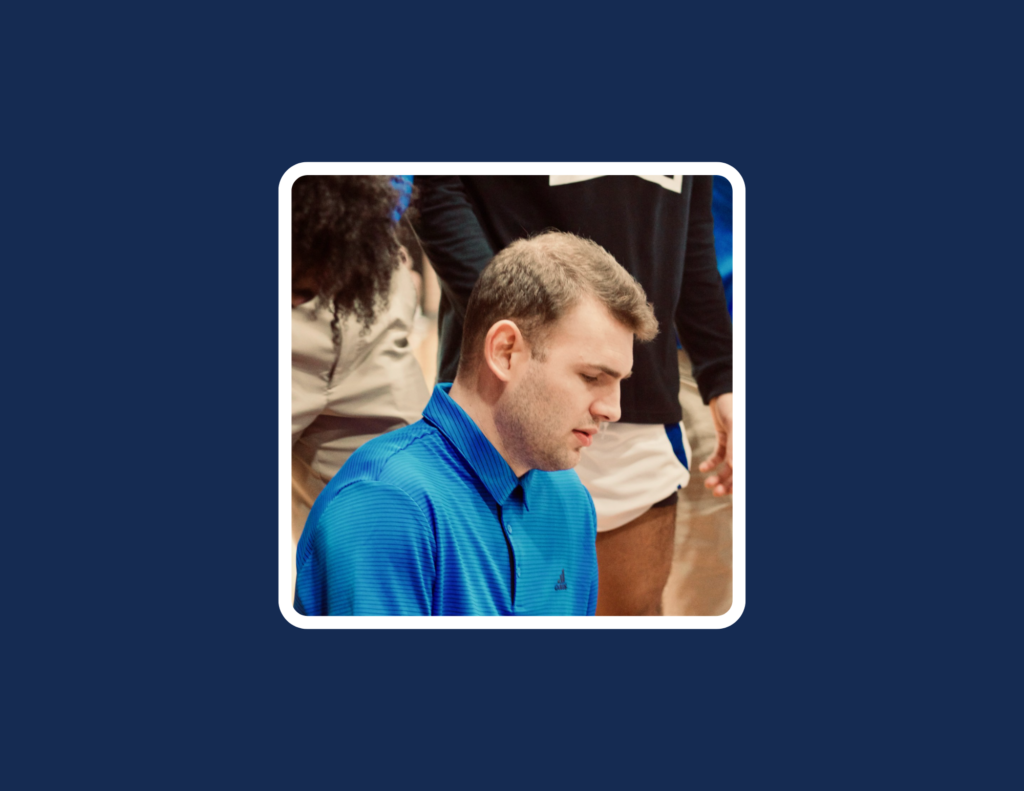
Website – https://new.express.adobe.com/webpage/cusMwf8HVWPCF
Email – [email protected]
Twitter – @mason_padgett

If you listen to and love the Hoop Heads Podcast, please consider giving us a small tip that will help in our quest to become the #1 basketball coaching podcast.
Mason Padgett is currently entering his first season as the Special Assistant to the Head Coach at Calhoun Academy in St. Matthews, South Carolina. He spent the previous season at Holly Hill Academy where he was the Head Boys’ Varsity Coach.
Prior to Holly Hill, Mason was an assistant at Hickory Ridge High School in Charlotte, North Carolina and the Athletic Director at Union Christian Day School in Spartanburg, South Carolina.
Padgett was the Head Coach at Lake Norman Christian from 2019-2021, winning a North Carolina state championship in his first year. He also had stints as an assistant at the Cannon School and Hickory High School. Mason started his coaching career as a student assistant at Catawba College.
If you’re looking to improve your coaching please consider joining the Hoop Heads Mentorship Program. We believe that having a mentor is the best way to maximize your potential and become a transformational coach. By matching you up with one of our experienced mentors you’ll develop a one on one relationship that will help your coaching, your team, your program, and your mindset. The Hoop Heads Mentorship Program delivers mentoring services to basketball coaches at all levels through our team of experienced Head Coaches. Find out more at hoopheadspod.com or shoot me an email directly [email protected]
Be sure to follow us on Twitter and Instagram @hoopheadspod for the latest updates on episodes, guests, and events from the Hoop Heads Pod.
Make sure you’re subscribed to the Hoop Heads Pod on iTunes or wherever you get your podcasts and while you’re there please leave us a 5 star rating and review. Your ratings help your friends and coaching colleagues find the show. If you really love what you’re hearing recommend the Hoop Heads Pod to someone and get them to join you as a part of Hoop Heads Nation.
Grab pen and paper to take some notes as you listen to this episode with Mason Padgett, Special Assistant to the Head Coach at Calhoun Academy in St. Matthews, South Carolina.
What We Discuss with Mason Padgett
- Growing up in North Carolina and how he first got into coaching while he was a student at Catawba College
- Getting his first job out of college at Hickory High School
- Assistants should always be positive energy guys
- ” An assistant has to be on the same page and always pushing for the head coach and always making him look good.”
- “As an assistant coach, you’ve got to be able to make that sacrifice for the head coach, whatever he wants you to do.”
- “Private schools want you to recruit and attract top level players to enhance their school.”
- The major differences coaching at a private vs public high school
- “If your administration is excited about athletics and support athletics, your school can go through the roof.”
- “The highest level guys just have an unbelievable work ethic. They have a grit and some toughness to them that not a lot of people have.”
- “You are who your parents are. Your parents are wild and crazy. You’re probably wild and crazy.”
- As a head coach, find what you have and make the best of it
- “As a first head coach, you got to go all out. You can’t sleep. You got to work 24 hours a day.”
- “It’s not about you. It’s not about your shots. It’s not about your playing time. It’s just about the team from from the culture standpoint.”
- “When one guy has success, they all have success.”
- “If you’ll make some sacrifices for the greater good of the team, it will come back to you.”
- Accountability is the key developing a great team culture
- “Wherever I’m at, wherever I go, I always want to leave it better than I found it.”
- “Grit and toughness”
- Developing an energetic bench
- Building in some social time at the beginning of practice
- Using special situations in practice
- Ending practices with a competitive drill
Like this show? Please leave us a review here — even one sentence helps! Consider including your Twitter handle so we can thank you personally!

We’re excited to partner with Dr. Dish, the world’s best shooting machine! Mention the Hoop Heads Podcast when you place your order and get $300 off a brand new state of the art Dr. Dish Shooting Machine!

Prepare like the pros with the all new FastDraw and FastScout. FastDraw has been the number one play diagramming software for coaches for years, and now with it’s integrated web platform, coaches have the ability to add video to plays and share them directly to their players Android and iPhones via their mobile app. Coaches can also create customized scouting reports, upload and send game and practice film straight to the mobile app. Your players and staff have never been as prepared for games as they will after using FastDraw & FastScout. You’ll see quickly why FastModel Sports has the most compelling and intuitive basketball software out there! In addition to a great product, they also provide basketball coaching content and resources through their blog and playbank, which features over 8,000 free plays and drills from their online coaching community. For access to these plays and more information, visit fastmodelsports.com or follow them on Twitter @FastModel. Use Promo code HHP15 to save 15%
Your first impression is everything when applying for a new coaching job. A professional coaching portfolio is the tool that highlights your coaching achievements and philosophies and, most of all, helps separate you and your abilities from the other applicants.
The key to landing a new coaching job is to demonstrate to the hiring committee your attention to detail, level of preparedness, and your professionalism. Not only does a coaching portfolio allow you to exhibit these qualities, it also allows you to present your personal philosophies on coaching, leadership, and program development in an organized manner.
The Coaching Portfolio Guide is an instructional, membership-based website that helps you develop a personalized portfolio. Each section of the portfolio guide provides detailed instructions on how to organize your portfolio in a professional manner. The guide also provides sample documents for each section of your portfolio that you can copy, modify, and add to your personal portfolio.
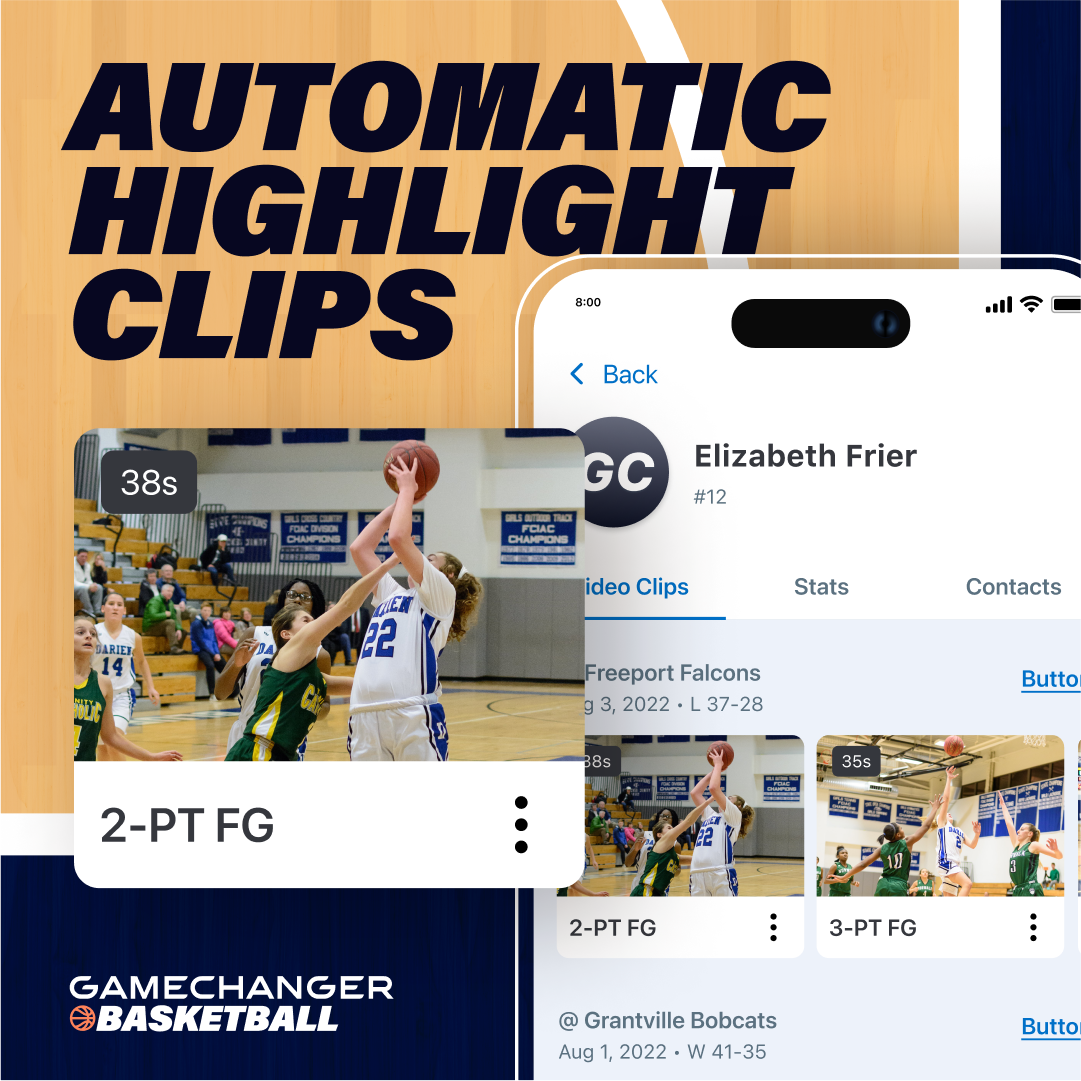
Hey, coach! Want to take your team to the next level this season? Introducing GameChanger, the ultimate game-day assistant with tools to give you a winning advantage. With GameChanger, you can track stats, keep score, and even live stream games, all for free! Get the stats and crucial game video you need to lead your team to victory, all from the palm of your hand. Coach smarter this season with GameChanger. Download GameChanger today on iOS or Android and make this season one to remember. GameChanger. Stream. Score. Connect. Learn more at GC.com/HoopHeads
THANKS, MASON PADGETT
If you enjoyed this episode with Mason Padgett let him know by clicking on the link below and thanking him via Twitter.
Click here to thank Mason Padgett via Twitter
Click here to let Mike & Jason know about your number one takeaway from this episode!
And if you want us to answer your questions on one of our upcoming weekly NBA episodes, drop us a line at [email protected].
TRANSCRIPT FOR MASON PADGETT – CALHOUN (SC) ACADEMY BOYS’ BASKETBALL SPECIAL ASSISTANT TO THE HEAD COACH – EPISODE 960
[00:00:00] Mike Klinzing: Hello and welcome to the Hoop Heads podcast. It’s Mike Klinzing here without my co-host Jason Sunkle tonight, but we are pleased to be joined by Mason Padgett, special assistant to the head coach at Calhoun Academy. Mason, welcome to the Hoop Heads Pod
[00:00:17] Mason Padgett: Hey Mike, thank you so much for having me. I’m super excited to be here and talk with you. I love meeting new people. I absolutely love talking and chopping it up with coaches and learning about people’s experience and telling coaches more about my experience as well. Basketball is a love and a joy of mine and I’m just super excited to be here tonight. Thank you for having me.
[00:00:38] Mike Klinzing: Absolutely. We are thrilled to be able to have you on. Looking forward to diving into all the diverse things that you’ve been able to do in your career. You’ve been in lots of places at lots of different levels of the game. And those conversations are always fascinating to me. So let’s start by going back in time to when you were a kid, you growing up in North Carolina, tell me a little bit about some of your first exposures to the game. What made you fall in love with it?
[00:01:00] Mason Padgett: Yeah, no doubt. Basketball in North Carolina is a way of life. You eat it, you sleep it, you breathe it. Basketball is just what we do around here in the state of North Carolina. I’m probably like any other kid. My parents threw me in a rec league. When I was young I guess the Odell rec league is the league that we played in all of our, all my little friends and I’m from the outskirts of Charlotte, a little small town called Davidson, North Carolina.
Well, it got popular when Stephen Curry kind of blew up, but it’s a small town and so parents threw me in, just started playing recreationally. It was my dad’s favorite sport. I had a hoop out in our neighborhood, I grew up on five acres of land. So we did things like ride bicycles and dirt bikes, four wheelers.
But basketball was always my love. I had one of those basketballs that we played for four or five years with, and the leather got wore off of it. And it was, it was almost nasty from the mud, but we loved it. We played two on two and three on three with the neighbors, and we just really just absolutely loved it at a young age.
I think we played rec ball for a while and then I played some small AAU, a small group called the Carolina Cougars, just a small local team. Obviously back when I was growing up, AAU wasn’t as popular as it is now, but man, we had our little jerseys and we had our little gear and we wore them in the middle school and we thought we were just the greatest thing and I got, I finally went to Northwest Cabarrus and he made the JV basketball team.
I think we had a hundred kids try out and I was one of the 12 that made it. And I came to find out very quickly. I really wasn’t that good. I could shoot it a little bit, but I couldn’t play defense. But I really tried hard. I think the reason why I got into coaching and obviously the love of basketball, but I got into coaching cause I had to sit on the bench and watch my friends play and watch the coach coach, and I thought I was better than the coach how everybody thinks they’re better than the coach, and so I was like, man, I think I can do a better job than he can.
And so that’s, I guess, funny enough, that’s kind of where I started to learn why I wanted to coach and I went to a lot of summer basketball camp, there’s a big time Basketball coach in our area named Andy Poplin. He coaches with CP3 and a lot of other organizations and he’s done a great job. He has summer camp.
And so I went to summer camp as a ninth grader, 10th grader, and then I played high school basketball at Cox Mill high school where now everybody knows it because of Wendell Moore and Leaky Black went. Played a little bit for the Charlotte Hornets at one time.
And Wendell currently plays for Minnesota Timberwolves, but those guys made it famous, but I was one of the first people ever to play high school basketball there. And during my junior year, a good friend of mine who had a lot of summer camp, he said, Hey, would you like to work a summer basketball camp?
And so my junior year I didn’t flip burgers and McDonald’s or do anything else, man. I just worked summer basketball camp every week. 9 a. m. to 4 p. m. Monday through Thursday, I work basketball camp every summer starting my junior year. And so it was fun. We did basketball skills and drills in the morning with the five year olds and we had shooting clinics in the afternoon and a little bit after the afternoon, they had a big swimming pool.
We went swimming at camp. And so, man, we just had a lot of fun. This kind of basketball is really all I know. And so we had fun at camp and I played a year at Cox Mill. And then I ended up my senior year, I was I guess I thought I was a cross country runner, so I ended up not playing basketball my senior year.
I focused on cross country and I ended up getting a little cross country scholarship to Catawba college has ended up where I went to college. And so I ran cross country at Catawba. And then I also was like an assistant basketball coach at Catawba As small Division 2, Division 3 schools, we were Division 2.
A lot of the smaller schools, man, they need all the help they can get. They probably got one or two assistants at the most. And they knew I was willing to help. So I was helping with recruiting and giving tours and making sure we had meals on the road and making sure we had charter buses that were going to come pick us up.
So I was like 18 years old, a division two assistant coach. They trusted me with a lot of stuff. And so I kind of got into college coaching at a young age. They tried to take care of me as much as they could from a tuition standpoint to help me out. So, man, I’ve just been doing basketball a long time, so that’s kind of, that’s kind of my younger story.
That’s kind of how I got into it. And that’s all I know, man, to be honest, Mike.
[00:06:02] Mike Klinzing: All right, I got one short question, and then I’m going to follow up on what you said with a longer question. So growing up in North Carolina, I got to ask, where is your Allegiances in college basketball. Who’d you grow up a fan of?
[00:06:12] Mason Padgett: Man, no doubt. I bleed baby blue. I will be a Tar Heel for life. My best friend is a Duke fan. We get together for every Duke Carolina game. If the Tar Heels win, he has to wear a Tar Heel shirt the next day at work. And if if, if Duke wins, I have to wear a Duke shirt the next day.
So we have a big rivalry, but I will always be bleed baby blue for sure.
[00:06:36] Mike Klinzing: All right. I am a Carolina guy. I grew up in Ohio. I have no ties to North Carolina whatsoever. For whatever reason, from the time I was really young, I think back to, and I’m a lot older than you, but I can go back to Al Wood and the 1980 NCAA championship at the Carolina one.
And then obviously you go on to Michael Jordan and on and on from there. And so I can tell you that when I was a kid, every year, my family would go on vacation to Hilton Head Island and on the drive down, I would always make my parents stop. I’m like, I have to find a Michael Jordan, North Carolina jersey.
And you’d figure, okay, go to a department store at the time. And clearly there was no NIL. So the thing probably wouldn’t even have had Jordan’s name. it was just, I couldn’t, I couldn’t find one. And now you think about how easy it would have been for a kid who wants a Michael Jordan jersey, you can get it.
Pretty much in every store and anywhere online that you want. Different time back in 1981, 82, 83, trying to find that it was crazy. So I’ve been a Carolina guy. So I was glad to hear you say Carolina and not Duke. Good work, man.
[00:07:40] Mason Padgett: I’m trying to impress you, coach. Trying to do a good job.
[00:07:43] Mike Klinzing: You are, man. You are. All right. So then my longer question is, so when you go to college and obviously you jump in and you’re helping out and you’re acting as a student assistant coach and you’re getting all that experience, like you described, are you at that point sold on the fact that I’m going to college and I want to eventually get a coaching job?
Or was coaching something that, Hey, I love this. I’m doing it here while I’m in school, but I’m focused academically on something else. I want to have a different career. Was it always coaching? And then if it was coaching, what were you thinking about in terms of college coaching, high school coaching? Where was your mindset at while you were in school?
[00:08:23] Mason Padgett: Yeah, that that’s a phenomenal question. So I always knew I wanted to coach. My degree was in physical education. So I basically just went to school to play dodgeball and kickball in college just so I could be a part of all the coaching and learning and soaking all that stuff up.
I knew I wanted to coach at the time freshman, sophomore year, I truly didn’t know what level I wanted to be at. I just love coaching. I love Meeting the families, meeting the new players. I love focusing on the drills. Like I got these college coaches. They’re teaching all these new drills I’ve never learned before. I learned building relationships with the players. I loved so Jim Baker was the head coach at the time. He was there for 24 years and he did an amazing job. Just building the culture and getting to know the families and getting to know the kids. And that’s all I really wanted to do while I was there at Catawba.
I just wanted to soak it up. I wanted to get that on my resume as, like you said, a student assistant. Coach Baker was one of the best X’s and O’s coaches I had ever seen. So I’m, man, I got a little whiteboard. He would call a timeout. He would draw up a play and whether it would work or not, I thought it was the greatest play I had ever seen because I was just so young and so naive and I just didn’t know.
And I just took all that and I just soaked it up. And so. I truly, I just truly wanted to help Catawba be successful. And then after my junior year, I learned really quickly that coaching and the coaching business is hard. So coach Baker ends up leaving. And so in my senior year, the guy that I love to death was leaving.
And so obviously that’s just the way coaching and then the business works. You go move on and you got to go somewhere else. I ended up staying and getting my degree and my good friend of mine took a job about an hour away from my college and it was a high school. They were really good by the name of a Hickory high school.
And I knew I wanted to be with him. He was a great mentor of mine when I was growing up. I knew he could really coach. I knew I could learn. I knew I was still young. I could learn a lot from him. As this is kind of when I got to my senior year, he took a good position. They had a, they had a teaching job for me at the local high school.
And so I had just made up my mind like, Hey, this is what I want to do. I’m going to go with him. I don’t know where it’s going to take me. I may go to go back to college one day. But I may just stay at the high school level. So that’s kind of how I fell into the high school level. When I got to college, I just wanted to be the best assistant I could.
I just wanted to help. I’ll help win games, help the families, help the coaching staff. And then I just kind of fell into high school basketball as it went along. I didn’t specifically want to go to the NBA or be a certain level of coach when I got there. I think by the time my senior year, I was set on going to high school basketball.
[00:11:27] Mike Klinzing: You want to coach. I can hear it in your voice, man. I can hear it in your voice. All right. As an assistant coach, what are some things that, obviously you’ve been an assistant at various times during your career, when you think about what makes a good assistant, what are some of the characteristics or traits that you would say, would You’ve picked up along the way that you think make it for a good assistant coach.
And obviously you’ve been on the other side of it as a head coach and had assistant coaches. So just give me the traits of a good assistant coach.
[00:11:55] Mason Padgett: Yeah. I think a positive energy guy every day, right? Like I’ve been around head coaches who, who are fired up. I’ve been around head coaches who don’t have a lot of energy.
I’ve been a head coach who’s got a lot of structure. I’ve been around a head coach who’s, I don’t have any structure at all, but I think of an assistant coach positive energy, a positive attitude every day, whether you’re, you have won 20 games in a row or lost 20 games in a row, that positive energy has got to come flowing through your assistants to try to push everybody, move everybody forward.
I also, I think another characteristic is just a guy who’s always got the head coaches back when the head coaches is nowhere to be around and the players are all talking about, I don’t know why coach does this, or I don’t know why coach does that, or why does he put me in this for this? You always got to have the head coach’s back. Well, he does this for this and he’s trying to help you and he’s trying to work with you. So I think there’s a lot of assistants who sometimes go behind the head coach and, and just kind of give their own opinion or create drama or toxicity. I just think the assistant has to be on the same page and always pushing for the head coach and always making him look good.
I think that’s huge. And then I also think as an assistant coach, you’ve got to be able to make that sacrifice for the head coach, whatever he wants you to do. If he wants you to go on the road and recruit in three states over, you’ve got to do it. If he wants you to do study hall and you’ve got to stay for study hall for three hours, whatever that may be.
If he wants you to go fill up the water bottles and wipe the floor up, you’ve got to be willing to do it. I think great sacrifice as an assistant coach has got to be huge. And you got to be willing to do what nobody else would do. And I think over time, once you make that sacrifice for whatever that coach wants, I think that helps you in the long run as an assistant moving forward.
[00:13:51] Mike Klinzing: Absolutely. That makes a ton of sense. I mean, I think that loyalty piece is one that whenever you talk to coaches, whether they’re assistants or head coaches, I think Head coaches especially that we’ve talked to have just say how much that that loyalty piece of it is important. And you can take loyalty In a lot of different directions, right, in terms of being loyal to the program and staying and being a part of it and just making sure that when you might have disagreements behind closed doors in the coach’s office, but once you step out that you’re going to support the message of the head coach and not kind of, again, we’ve all been in situations and probably seen situations where you have an assistant that is angling for, maybe they want that job or they’re just, they’re trying for whatever reason to, I don’t know, sabotage is the wrong word, but there’s just, there’s times where people who are in that assistant position don’t demonstrate the kind of loyalty that you’re talking about.
And I think that to me is always a huge piece of, of being a good assistant that you’re there for the good of the program. You’re there to support that head coach and there’s no other motive other than that for a good assistant. So I think that’s really well said, Mason, in terms of what makes for a good assistant coach.
At Hickory, you’re at a public school, and then your next opportunity is at the Cannon School, which I’m assuming is a private school and then you’ve kind of bounced back and forth between some private schools, some public high schools. So give me a little bit of a thought process on the difference between coaching at a public high school and coaching at a private school.
You’ve had experience at both. I don’t know. You can take that question in whatever way you want. Positives, negatives, the differences between the two. Just kind of talk about your experiences at a public versus a private high school.
[00:15:39] Mason Padgett: Yeah, I think the first and foremost thing especially at the private schools I’ve been at, they typically want you to recruit and attract top level players to enhance their school.
They want to use athletics to attract and market more students with private schools, it is a business. They have to have kids who pay obviously sometimes you have to find some financial aid for really good players, but those players market and help your school grow. And then with public school, a lot of times with the public school, you truly are just coaching whatever, whatever kid lives in that district some.
You truly have to make a big sacrifice for those kids. A lot of times with the public school kids, you’re taking them home at night. You might have to purchase a meal or two for them. You might have to go pick them up to get to practice, a lot of times public school kids they need you probably more than you need them.
I’ve been, obviously been on both spectrums of it. I have just made tremendous relationships and those kids love you and care about you a lot in the public school. I had a lot of success at Hickory High. We were 80 wins and 13 losses. We lost in the final four.
We got to play whatever the arena is for Wake Forest. We got to play where Wake Forest plays. So it was a great experience. But yeah, the relationships that you make with some of those kids at the public school level are just different and unique. And then with public school basketball, you have to be figuring out who’s good in those middle schools.
You have to be developing those JV teams and you have to be developing the varsity groups. So you’re basically working all three levels. And then at the private schools that I’ve been at, it’s a little different. So the private schools is, Hey, we’re trying to go find the six or seven best guys in the country.
And we’re trying to take the most amount of talent we can find. Obviously, sometimes it is about fit, but we’re trying to get the most talent. We’re trying to. Build a powerhouse team and we’re trying to build a national level program. So like Canon is a good example. I had Jaden Bradley, who’s now at Arizona.
He started at Alabama. Christian Reeves was at Duke. Now he’s at Clemson. DJ Nicks he was at Cornell. I think he still may be in the portal or he may stay at Cornell, but we have these high level division one kids and we had them coming in every year. And so like at the private school level, sometimes the middle school and the JV levels are just for kids to play basketball and get the experience. But then on that varsity team and we were trying to get on ESPN, we were trying to play in the biggest tournaments, like the John Wall. It’s a national Christmas event. Or the city of Palms. We were always trying to get in those events and compete against the best.
And sometimes at your public schools, you’re just trying to take what you got, have a great year, try to win a state title. And the private schools I’ve been at, we’re trying to we’re trying to get to Geico, obviously the chances of that are very slim, but you are trying to get to that level. If that makes sense.
[00:18:49] Mike Klinzing: No, it does. Talk about the need for a supportive and maybe even beyond supportive administration. I think at both levels, I think on a public school level, having a supportive administration is critical. I guess I’m thinking more about in terms of a private school, obviously, The administration of that private school, as you said, you laid out the reasons why they want to build a powerhouse basketball program to be able to gain some notoriety and attract other students.
But what’s it like in terms of working with the administration and the support that they provide and how that can have an impact on how easy or difficult it is to kind of build the type of program that schools like Cannon or when you were at Lake Norman that, that they want to build. Just talk about how the administration can help in that respect.
[00:19:41] Mason Padgett: Yeah, Mike, it’s almost like you can read my mind. It’s unbelievable that you asked me that question. Nobody’s ever asked me that question, but that might be the most important thing when it comes to building a really good programs. I heard a couple months ago, I heard John Calipari said coaches win games and administrations wins championships. And that is the truest thing I have ever heard. He’s spot on and I’ve been through it. I’ve learned from my experiences from a public school standpoint, administration can if depending on like, they can put you in easier classes so you have time to watch film during the day. They can call pep rallies to get your kids hyped up and motivated. They can take things off of you to make your life a little easier to help you have more success. Now they can’t do what the private school can do. And I can get into that in a second, but there are things public schools can do.
There’s just obviously not as many. And then from a private school, if you want to grow a private school, having a basketball team is one of the easiest ways. And if the administration and the boards, obviously there’s always a board of people who typically control the school. If they give those administrators the green light and the go ahead to build powerhouses, you can do it pretty easy.
It starts with the administration. First of all, they have to understand financial aid is important. Basketball players cannot afford 20, 000 a year. Now, I think every kid should, if you, if you’re at a private school, I think every kid should pay something. We call it skin in the game. whether it’s a hundred bucks a month or 50 bucks, whatever you can afford.
I always think if they invest a little bit in the school, they’re more likely to care about your school. I do think financial aid is huge when it comes to private school administrator. I also think. Being able to have seats in the school is huge, right? If I’ve got three kids who are all juniors and they’re all top 50 ESPN players and we don’t have no seats in our junior class, then we got no ability to get them in.
So always having the ability to add a few students anywhere between the freshmen to a senior level is huge. With basketball, you only need somewhere between seven or eight players. Like my buddy’s a big time national coach and he only takes nine kids a year. So it ain’t like football where you got to have 30 or 40 really good players.
You only need seven or eight. And so long as you have seven or eight seats in your private school that then you typically can have a successful team. So financial aid is big seats in the school was big and just administration that supports athletics as a whole is huge too. If a kid gets in trouble and he’s in the basket on the basketball team, don’t pick on him or single him out all just because he plays basketball. Treat him just as he would everybody else. Like, there’s going to be kids getting in trouble at that school. Hey, just give him the punishment that you would hold anybody else to the same standard. And typically you’re fine.
Typically you have no issues. But when you have an administration that’s supportive of like host families and supportive of some financial aid, like I’ll give you a good example. When Mikey Williams enrolled at Lake Norman Christian for me, we had 400 applications hit our school within 24 hours, 400 kids applied because they wanted to be a part of what we were doing.
Mikey coming to the school, everybody knew we were starting to sell out games. So people want to be a part of energy. People want to be a part of excitement. People want to be a part of winning. And if your administration understands that the school skyrockets, they start making a lot more money and they get new enrollees.
We had a hundred kids at Lake Norman Christian when I was there the first year, and then by the time I left in the end of the second year, they had over 250 kids. So we more than doubled the school because of basketball. And so it, I have seen it for sure. if your administration is excited about athletics and support athletics, your school can go through the roof.
[00:24:13] Mike Klinzing: Makes sense. I mean, I think that it’s really an underrated piece of evaluating a job as a coach. I think too often coaches look at things and clearly there’s other factors that go into why you take a job or don’t take a job. But to me, I always feel like one of the most important things that you can have, and I don’t care whether it’s at the high school public, at the high school private, if it’s at the college level, you have to have an administration that is supportive of the program.
That could be supportive in terms of just ideology. That could be supportive in terms of the finances and budget and what they’re going to put in. And I think really too often that’s overlooked when it comes to what makes a job an attractive job. I think if you have a supportive administration, it just allows you to do, as you just described, so many more things to bolster and make your program a better program.
You’ve been talking quite a bit here and I know in your experience over the course of time that You’ve had a chance to coach some really high level players and not every coach in their career gets to coach guys at the level that you’re talking about that play at the high major division one level.
Not every coach, especially at the high school level, if you’re coaching at a lower level of college, you’re not going to always get a chance to see that kind of talent. So tell me a little bit about what your experience is like working with players at that level. And what you really enjoy about coaching players who have that kind of ability and talent and drive and everything that goes along with the kind of success that they’ve had.
[00:25:51] Mason Padgett: Sometimes it’s just about being in the right place at the right time, knowing the kid, knowing the family. When I was coaching college basketball at Catawba I was coaching, but also I wanted to be a head coach. And so I got together with this guy and we created this little AAU team called CC flight.
And I was like 18 or 19 years old. And this guy was like, Hey, I got this six three fifth grader and you need to take a look at them. And here comes a Wendell Moore walking through the door with a size 13 shoe and a big head. And he has no idea what he’s doing and obviously now he’s playing with the Minnesota Timberwolves.
Being at the right place, right time, as far as when I was an assistant at Cannon, I got to coach Jaden Bradley and that guy, he’s just different. He had a different switch. His change of speed was unbelievable. You just knew he had a chance to be high major, high level. I think the thing that we always did a good job of when I was at Cannon is we always took great kids.
Sometimes when you’re recruiting, you just don’t care. Just give me the best player. I don’t care about his attitude, but we always took the best kids. Christian Reeves is a yes, sir, no, sir, very humble young man, great mom and dad. Jaden Bradley’s parents were the same way. you are who your parents are.
Your parents are wild and crazy. You’re probably wild and crazy. So we always try to not only recruit good kids, but recruit good families. And so the ones that I see continue to make it, not only to be good high school players, but good college players and onto the NBA, They’ve always got a great support system around them.
Not just parents trying to make money off of them or a parent get famous. It just, to me, the families that are truly behind their kids, love their kid, and just want what’s best. It seems like those kids continue to have a lot of success. And then a lot of the division one kids that I’ve been around coached around, they always want to be in the gym, the kids who are lower level division, two guys, division three guys, they enjoy basketball, but they’re not always in a gym.
They’re not always texting me. Like coach, can I get on the shooting machine? Hey coach, I know 5. AM is early, but can I get in there and get up a thousand shots? Hey coach, I know I had a bad game tonight. Can we find some time to get some shots up or you work me out? Guys just seem to always want to be in the gym, always get better.
And obviously there’s different situations for everybody. Some guys are just super talented and blessed and they don’t have to work nearly as hard, but I think the higher level guys that I have coached for the most part, They truly have great support system and families and they just always want to be in the gym.
They always love basketball. That’s their only focus. Trey Green is at the University of Xavier right now. I’ve never seen a kid work harder and I’ve never seen a dad work his son as hard. that I’ve ever seen Trey work. I mean, his dad would just be all over him and they would work for two or three hours.
And then I’d see Trey hit 53 pointers in a row, 10 at each spot, 10 on each corner, 10 on each wing and 10 at the top, not miss one, hit 10 50 consecutively, 10 at each spot. It’s like, that kid just works. He would just practice and practice and practice. So I think the highest level guys for me, They just have an unbelievable work ethic.
They have a grit and some toughness to them that not a lot of people have. And they just love basketball more than they love life. And I, I think those are a lot of good qualities you got to have to continue to have success at the next level. anybody can really have success at the high school level.
There’s different levels of high school, but when you want to get to that next level, you got to have grit. You got to have a love of basketball. And I think that’s, those are the qualities and the things that I’ve seen from a lot of high level kids.
[00:29:48] Mike Klinzing: Yeah, I think it always comes down to, for me, when you start looking at really any level of the game, right?
There’s guys who have the ability to play well at that level. And you can start with high school, you can go to college at all the different levels, you can take it all the way to the NBA. And there’s lots of guys who, even if you look at the very highest level, that have similar physical tools, right?
Like there’s guys who don’t have the physical tools to be able to play at the high major division one level. There’s guys that don’t have the physical tools to be able to play in the NBA. But once you get there, There’s a lot of guys that have similar physical tools, but it’s what you talked about, right?
The work ethic, the time that you put in in the gym, the film study, all the little extra things that the very best guys at whatever level you’re talking about, those guys go and put in that extra work, put in that extra time or in the gym for an extra hour or study in film for. an extra hour a day or are really working on their craft.
And it’s really interesting when you’re around those high level guys that that’s, I think the separator because you get to a certain point and like everybody’s talented and it’s a matter of who’s going to put in the work, who’s going to be coachable. And you also made a great point, I think, and it’s one that I’ve heard tons of coaches make about, especially at the college level or when you’re talking about being able to recruit to a private school at the high school level.
You’re not only recruiting the kid, you’re not only getting the kid to be a part of your program, but you’re also getting the parent or parents to be a part of your program. And sometimes I’ve had coaches say to me, there was a kid we were recruiting. We really liked the kid, thought the kid was good, thought he could help us.
And we went to a game and we watched the way his parents behaved in the stands. And we were like, do we want to have those parents in our program for the next four years? And the answer was a resounding no. And so they moved on and went and looked in a different direction. And I think sometimes if any parents of basketball players are out there listening, just a reminder, coaches are, as much as they’re recruiting your kid, they’re also recruiting you and they’re watching what you’re doing because they’re bringing you into their program as well.
So I think that you made some great points there about what it takes to be at the very highest level as a player. And obviously you’ve had an opportunity to coach players that have gone on to play at the high major division one level. And in the case of Wendell Moore, go all the way playing the NBA. So those are some special experiences, which a lot of coaches don’t get to do at all.
So let’s talk about the transition then from being an assistant coach when you are finishing up at Cannon and then you get an opportunity at Lake Norman to become the head coach. What’s that? First of all, how does that job? Come across your desk. How do you go about getting the job first? And then secondly, what was the transition like for you to go from being an assistant to being a head coach?
[00:32:38] Mason Padgett: Yeah. So it’s all about who and, and who knows you, I’m sure you’ve heard that a million times, but I was at Cannon, Cannon is a big 4A school. They’ve got a thousand kids at Cannon. A lot of the kids that go to cannon are like the CEOs, kids of like bank of America, or like, Kids of like the Panthers, Charlotte Panthers or the Charlotte Hornets or Carolina Panthers, I’m sorry, Charlotte Hornets as well.
So like you’re talking about very powerful people. It’s a huge school with Cannon. Just adult doesn’t get any better than Cannon. And so I could have probably stayed there forever and been an assistant, but I’m, I’m at that time, I’m 25. I had been an assistant for a while. I had that itch to be a head coach at the high school level.
I felt like I was ready. But everybody tells you that six inches when you slide over is a lot different from one seat to the next, but just me having a huge ego and me being a coach. Every coach wants a chance to try to get that head first head coaching job. So that’s what I was doing. I was looking, I was hunting, I probably applied for three or 400 jobs and, and every single state I called every head of school, every athletic director I could, I was willing to move to Alaska, California.
I was going to do whatever I could get the first head coach job. I was going to take any school, whatever it took. So as. As we all know, coaches don’t make a ton of money. And so I do driver’s ed in the summer. I teach kids how to drive a car, probably put my life on the line every day. But in the summer I’m teaching driver’s ed.
And one of the instructors who was my former cross country coach at my high school, he says, Hey, he says, Hey, I’m teaching at this little private school called Lake Norman Christian. We got like a hundred kids we’re not very good at basketball, but we are looking for an athletic director and a basketball coach.
If you would like a head coaching job, I think they’d interview. And I said, I said, heck yeah, sign me up. I don’t care who’s in the building, what the school looks like. I don’t care. I’m going to take any head coaching job. Cause in my mind, I’m young, I’m crazy. I’m going to go get it done in any way possible.
So I go for an interview. The guys the head of school was wonderful. He’s early forties. He loves athletics. He was a former football coach. He knows what he knows what athletics can do. The school at the time was needed money financially, needed new students. They were willing to do whatever it took to try to get the buzz around Lake Norman Christian.
And they thought I had a lot of energy, a lot of passion. So they pulled the trigger on me. So I was AD and head basketball coach. I think I just turned 26 at the time. So I get this job and I’m super excited. It’s like the first week of August. I didn’t have any time to recruit during the summer.
I didn’t have any time to do any type of summer stuff really. I just kind of got the job like a week before school. So we were getting ready. I call like a, like a little workout, a little meet and greet, and I got four dudes show up. And these four dudes, they’re like family to me. I still talk to these guys, but they know they wasn’t very good.
And I knew they wasn’t very good. They’re all under six foot. They really couldn’t make a left hand lay up. They didn’t know what a pass and cut was. They didn’t know how to screen away. It just wasn’t very good. So I jumped on the phone. I recruited within about, to start the school week, we recruited three kids in like 10 or 12 days, and then I recruited two more within the next month or two that enrolled during the school year.
So we ended up recruiting five guys. A couple of those guys went division three, a couple of those guys went junior college, but anyway, we took what we had and we were at the lowest level of private school basketball that year. We were 1A and we, we got we took the four guys and then the five hour recruiting, we took nine guys and I got everybody to buy in with nine guys, you don’t have 15.
It’s a little easier to get everybody to buy in. Everybody knew their role. We ended up going 32 and 2 my first year as a head coach, and we ended up winning the state championship. a lot of teams don’t get to finish their season on success. A lot of it is all failure, you lose your last game.
It hurts, but for us, we got to finish on a high note. When you’re an AD and a head basketball coach, and it’s your first job I’m naive. I don’t care who’s saying what he’s not going to get it done. I’m just, I’m just, I got positive juice. I’m doing everything I can to try to make a successful I’m hosting as many workouts as I can.
I’m at a small school, I don’t have any staff. I had one guy who, he worked for Amazon. He couldn’t be there all the time. So I’m doing all the scouting reports. I’m calling all the families, making sure we’re all on the same page. I’m having meetings, one on one meetings with the kids when I can to making sure they’re bought into the program and if they’re having any issues.
I’m doing everything. I’m making sure the bus has gas and I’m making sure they truly know what’s on the scouting report. I’m making sure we got a system in place to have success. I got a system offensively to make sure that fits our program. I got a defense that fits us, you know?
So it just, as a head coach, yeah, it sounds sexy. It sounds awesome. You call the shots, but now everybody’s looking at you like, Hey, you’re taking this program. We haven’t had a winning season in 10 years. What are you going to do? so we as the head coach, I think when you take that first job as a head coach, you just got to find what you have.
Don’t worry about, Oh, I don’t have great facilities or I don’t have this or that. Find what you have, make the best of it. If you can recruit a few guys in there, do that. If you can’t take what you got and make it the best you can. And obviously not a lot of guys go 32 and two in year one, but.
You definitely got to, you just got to go for it and take a chance as a head coach, you can’t always sit back as an assistant. So I we had a good year and then in year two so like we went and say championship and then two weeks later, this thing called COVID happens, so the world shuts down and I start seeing, I start seeing all the rival schools around me.
They start posting like graphics on Twitter about, Oh, we’re getting this player, we’re getting that player. And I’m kind of sitting at home, just kind of hanging out. And I’m like, Oh no, sounds like they’re obviously working hard and recruiting on the phone or Skype some type of Skype or zoom calls.
Like, so then we did the same thing. We just kind of take learn from other people. So we started recruiting kids and that kind of thing. And at the time I worked with a pro skills basketball and team Curry I had an opportunity to get a few of those top level players.
And then when we went private schools in the South during COVID, a lot of them went back to school. There was a lot of different rules. We wore masks. We were six to seven feet apart. Not a lot of kids in the classroom, but we did go back. And so when the public schools shut down, it helped us get more students in the private school.
And so like you have to, as a young head coach, you got to adapt. You got to adjust. Hey, we got we got this opportunity. Let’s go get some more players. So we ended up getting some really good players. And then I think I had, I had five really good college players. Four of those players were division one.
And then in October. October of going into that season, I get a phone call from a friend of mine and he’s like, Hey this kid named Mikey Williams is moving to Charlotte cause California’s shutting down. And would you like an opportunity to talk with him? I said, absolutely. So we talked to Mikey and his family and we got them balled in and on board.
And with when you, when you add a five star, when you add a top player, other players want to come with them. And so we added Trey Green, who was a four star out of Charlotte. And we added Joyful Hawkins who was a four star. Out of Southwest Georgia at the time. So they we had a five star and two, four stars, and then we had a plethora of other division one players.
So that’s kind of my first experience as a head coach. Hey, year one, we got off to a good start. I got a lot of. People on board, we got excitement going. We had a lot of good kids and then year two with COVID, we got a lot of transfers in, but also learned as a head coach, I guess you hurt people’s feelings and you have to make sacrifices to continue to move up with your program.
Like the first five kids that we recruited were, were great kids and they really worked hard. But then when we brought in that second class of recruiting I heard some feelings. I had some kids leave just because we were moving up the scale. We were getting better. We’re going to the national level.
You can’t make everybody happy. You got to do what you think’s best for the brand and the program. So that’s what we tried to do. But I think as a young coach, whatever job you get as a first head coach, you got to go all out. You can’t sleep. You got to work 24 hours a day. You got to if you can recruit, recruit, find a, If you can find a great coach and staff, I’ve always struggled with trying to find great coaches in the area.
I think you’ve got to try to find some help. I always think it’s good to have a young guy on your staff. Also have an older guy on your staff, a little bit of both. I’ve always thought I’ve really struggled to find good help. And then then you just got to go, you got to build your program and try to get a little better 1 percent every day.
I think that’s just how you build a program as a head coach. I just think that’s what you do, in my opinion, Mike.
[00:42:24] Mike Klinzing: All right. So let me ask you this. I know one of the things that we talked about before is just how much you believe in culture and I think when you start talking about a program where you’re bringing in a bunch of new guys, one of the things that’s very difficult is how do you then create the kind of culture where those guys are playing for each other and you’re building a team as opposed to you have eight or nine individuals who all kind of have their own We talked a little bit earlier about at a private school and you mentioned, Hey, you got to go back.
You got to know what’s going on in the middle school. You got to go to know what’s going on in the JV. And as you do that, right, you’re kind of building the culture as those kids come up through the ranks in a public school. But in this private school setting, you’re bringing in guys who maybe you’re only there for a year or two years or whatever it might be.
They all have goals and agendas as individual players, but yet your job as the coach is to, yes, help them achieve whatever individual goals they have, but also you have to get them to buy into a team concept. So let’s kind of use that as a jumping off point for how you build the culture on the teams that you’ve been around.
[00:43:36] Mason Padgett: Man, getting the high level guys to buy in. I would argue is one of the hardest things in sports, especially from a basketball perspective. I say this with every team that I, that I coach, whether they’re high level or not, I tell every single one of them every day it’s not about you. It’s not about the number of shots you get.
It’s not about the playing time that you get. It’s not when you go home and you shut that door and you’re driving off and your mom’s still little Johnny, why, why didn’t you shoot the ball more? You were wide open. Why didn’t coach play you more? Why didn’t coach play you at whatever position you’re better at?
What I tell them, it’s not about you. It’s not about your shots. It’s not about your playing time. It’s just about the team from the culture standpoint. I try to get the guys to understand when one guy has success, they all have success. When one player has 25 points and he’s got four college coaches, like.
Ohio State and Michigan and Clemson and Florida State and Florida, when they’re all looking at that kid, they’re all coming to the game to watch the game and watch the entire team. And so they may come for player A and they may leave falling in love with player B. And so I try to sell to the guys, like you may have to sacrifice four or five shots or a couple minutes.
If we stack a team and we get a bunch of high level players and we get four or five mid level, mid major and high major players, we may have to sacrifice some playing time and some minutes and some number of shots, but at the end of the day, if we got five guys that are all mid major to high major basketball players, and they’ve got, let’s just say 10 schools each recruiting them.
That’s 50 different schools looking at our program. So if you will come by in and make a small sacrifice, maybe you have to play shooting guard more than point guard. Maybe you have to play a little more center and not power forward. Maybe you have to make some adjustments. Instead of us playing four out, maybe we play five out, whatever that may be.
But if you’ll make some sacrifices for the betterment and for the greater good of the team, it will come back to you. But you have to buy in. You have to listen to what I’m saying. You have to care about the guy beside you. It can’t all be about you and your NIL money and how many shots you’re getting up.
If we all play well and we beat really good teams I think I had a chance to play on ESPN versus Oak Hill. Like, obviously we didn’t win, but if we would have won, how much success does that give everybody? It helps everybody. If you beat, like we beat the Burlington school, they were nationally ranked when we beat them.
Like when you beat teams like that, it puts your team on the map. It’s not about one individual player. And I think sometimes social media hurts a team. I have seen that where a kid has so many followers or viewers and programs become about that one guy. If everybody will block that out and not care about one individual success and not get jealous or frustrated, and they will just care about winning and the team and listen to the coaches and buy into the coaches and not listen to the AAU coaches sitting in the stands or mama in the stands. If they’ll just listen to the coach, buy in, do what is asked of him, go get rebounds, go get blocks, dive on loose balls, dive in the stands if you got to, whatever it takes.
If you would just be about the team and buy into the team program, not make it about you and your individual awards and goals, the betterment of the team will always come out on top. So that’s what we try to sell. It don’t always work. If you have an ultimate cancer, sometimes you got to get rid of them.
Addition by subtraction. But ultimately I’ve had I’m really still really young. I can just really connect with those guys, pick and play with them, create banter. The top level guys love it when you can make them laugh and have fun and just treat them like normal people and treat them like kids.
And when you do that, a lot of times you can, you can get them balled in. Now you’re never going to get a team a hundred percent balled in, but when you have a great amount of talent. And you can get them balled in about 80 or 85%. You’re going to have a lot of success.
[00:48:02] Mike Klinzing: It makes sense. And I think when you start talking about, as you said, High level, getting those kids to see the bigger picture.
I love the point that you made about, hey, if schools are coming to see Player X, well guess what? They’re also going to be sitting in the stands and they’re going to be watching the game, and they’re going to see everybody else who’s in that game playing as well. And so there’s a chance that, hey, somebody’s going to, I’m going to catch somebody’s eye just by the way I play, if I’m playing the right way and being coachable and all the things that we always talk about as, as coaches.
If you look at and you think about your time there at Lake Norman, what’s the number one thing that you learned in that experience, your first experience as a head coach that you’re going to take with you or that you have taken with you thus far? for the rest of your career. What’s the most important lesson you learned during that time?
[00:48:56] Mason Padgett: Yeah, I think accountability, accountability to the players, or holding them accountable, or to a high standard regardless of how many stars you have beside your name, or whoever’s recruiting you, none of that matters. You don’t always treat Everybody equally you treat everybody pretty fair, but I think for me, the number one thing is just holding those kids accountable.
I think I was really young and I had a lot of people in my ear for one or two players like, Oh he, yeah, let him show up to practice 10 minutes later we have to, have to let him do this or we have to let him do that. Or it was like, and like that really, that created toxicity and turmoil in our program.
Kids are like, coach, why does he get to do this and not me or, or whatever that may be. So I think making sure I hold a high standard for all the kids, whether you’re the first and the best player, or you’re the only, you’re the 12th man, just clapping and cheering on our team and being energy givers, regardless of what your role is.
We have to hold everybody to a high standard and don’t let any anybody fall through the cracks and think they’re bigger than the program. That’s just, I think that’s the number one thing I learned. I made a big mistake early on. I did a great job of recruiting. I did a great job of having a great practice plan and having a lot of great X’s and O’s and I, you just think you’re this great coach and then reality hits you in the face and when you give an inch to a top player, he takes a mile.
And it really hit our culture hard. And then I think that’s why I’m so big on culture now is. Is I want, I want the kids to have a lot of fun. I want the coaches to have a lot of fun and you can’t do that when one kid gets a lot more leash or a lot more, I guess, chances if he gets in trouble, that kind of thing.
So just holding everybody accountable is the biggest thing for me, Mike.
[00:50:57] Mike Klinzing: Yeah, it makes sense. I mean, it’s hard to put together a team when you have different sets of standards for different guys. And that’s not to say that there isn’t an opportunity to be able to work with guys and do the things that need to be done.
But at the same time, if everybody knows there’s one set of rules or standards for one player and everybody else has to follow them and that player doesn’t, that eats away at that team chemistry and that culture very, very quickly. So after your two year run at Lake Norman, then you move on and you take an EAD job at Union Christian Day School in South Carolina.
Why that move? What made it a good opportunity for you? And just tell me a little bit about that experience.
[00:51:46] Mason Padgett: Yeah, I think I just had come off a lot of success. I think we still had a lot to do at Lake Norman. Obviously, the board felt like They were like you talked about earlier, administration is huge.
And I think the board and the administration just felt like it was time to no longer have so much attention on the basketball program at Lake Norman Christian. So I ended up just wanted to get away. I wanted to hit a reset button. I wanted to evaluate what I had done over the last two years and figure out what I could have done better and not only be a better coach, but a better person as well.
And so I decided to just take an athletic director’s job. I just love being in the school system. I love teaching and coaching, and I still wanted to do that at some level. And I just didn’t know. And I just thought going there and trying to help their program and athletic director and help their program as a whole, that’s just kind of what I wanted to do for one year.
And then the second year after I left there a good friend of mine, I moved on to Hickory Ridge High School. After one year at Union Christian Day School. And so I went to Hickory Ridge High School just to be a PE teacher. And it’s a public school. The head coach is like my best friend. And so I just kind of wanted to help him.
I was like a special assistant to him for a year. He was a first year head coach and man I’m not going to say that I’m the greatest thing in the world, but he had a great helper. You had a guy who had built a national program and had been a head coach, a new head coach within the last five years, and he’s going to be a head coach.
He gets to hear everything that I had made mistakes or everything I had success with. we, we helped get his program off to a great jumpstart. So that was that was fun being with my, being with my close friend. And then this past year, I went to Holly Hill Academy in Holly Hill, South Carolina.
It’s a little small town, about 45 minutes from Charleston. And they had won four games and they’re just kind of like me taking over Lake Norman. Like I just didn’t care. I didn’t care what was in the past. I know we talked about earlier about what you look for in a first head coaching or what you look for when you try to take a job.
For me, I need to know that the administration’s on board and I need to know that there’s financial aid. I don’t really care what the facilities look like. I’ve had success with terrible facilities. I just need to know their seats in the school and I need to know there’s financial available and. early on, we had a lot of that at Holly Hill.
So instead of the, the year before I got there, they had four wins and we got it to 14 this past year. And we also, they had no guys the last three years get all region. All region is a pretty big deal in South Carolina. So we had three guys get all region and we also upset the number one team in our playoff.
So they beat us by 40 in December, early December, they beat us by like 40. And then in the first round of the playoff game, we upset them by two points. So we had a lot of success. We may have not won 32 games, but we definitely. We tripled the number of wins in the year one.
We knocked off the first round of the playoff team for the first seed. And so we only had kind of like Lake Norman. We only had nine guys the whole year. We were battling through sicknesses and injuries. We would play with six players some nights, cause we just had adversity that we were trying to fight through, but we had a great year and when you turn programs around, sometimes.
You’d get weird phone calls and I had a good friend of mine once again call me. And obviously I people tell me I’m a journeyman I just kind of move around a little bit, but I felt like the school I’m going to this year I would have loved to stay at Holly Hill, but I had a much better opportunity for four or five reasons.
I just thought Calhoun was a better situation in a lot of ways. And so it was a much bigger school and they said, Hey, would you like to come over here? And I said, absolutely. So I’m definitely excited about my opportunity at Calhoun. I love being a head coach, but I do think there are some positive things to be said about being an associate head coach or a special assistant or whatever it may be, I think when you get head coaches who really ask for your opinion and ask for your insight and want to take your advice, sometimes obviously head coaches are never going to listen to everything you say, but when they, when they really listen and they won’t help.
I think I’m always a good fit for that. I always try to make a program better. That’s what I’ve always said. Wherever I’m at, wherever I go, I always want to leave it better than I found it, and I have definitely done that. Whether it be winning or bringing in good people to help the school or whatever that may be I definitely felt like I’ve done that.
But now I’m definitely excited about our year coming up at Calhoun, man. I’m just going to help their school any way that I can. Mike.
[00:56:59] Mike Klinzing: Talk to me a little bit about basketball philosophy, kind of how you like your teams to play. Somebody were to come and watch a team that you’re coaching. What do you want those teams to look like?
What do you want your teams to be known for from a basketball standpoint?
[00:57:14] Mason Padgett: Yeah, grit and toughness has got to be two of the biggest things. I want, I want us to try to play 94 feet. I want us to play in your face, man to man. I want you to struggle getting the ball up the floor. I want it to be hectic. I want to apply pressure from a defensive standpoint.
When you walk in the gym, I just want you to feel the pressure that we’re all over you. And then from a, from an offensive standpoint, we want to get the ball up the floor as fast as we can, but we’re looking for a great shot. Like we don’t, we’re not trying to shoot it with under seven seconds or whatever it may be.
We like to change sides with the basketball. I love a good drive and kick anyway, if we got to lay up, we want to take it, pitch it ahead, get a layup, but if we don’t. I definitely want to change sides and make that defense work. with, with every pass your offense makes the defense gets weaker and weaker with every pass.
So we want to try to move that ball around ball movement and player movement and try to get a high percentage shot. And then that’s offensive defense philosophy. And then, man, when you walk in that gym, I want you to see our bench going bananas. I want our guys. I want the guy that never plays. I want him jumping up and now screaming at the top of his lungs.
When they call an offensive set, we want to scream it. We may not know what it is, but man, I want our guys screaming their plays that confuse them. I want our bench going bananas. Like it’s the final four of the NCAA playoffs. And I just want the energy. And the excitement coming from our side. And I think that really has a lot to do with my culture.
Like that’s a part of our culture. When our guys dive on a loose ball, we better have four other guys running over there to pick them up, when we sub a guy out, I want our whole bench to stand up and give everybody a high five. I want you to scream until your lungs bleed and cheer on your teammates.
When we call a timeout, I want everybody huddled up around me, engaged in the play. We try to get a few parents every year when we call timeouts to take pictures of our, our bench, and I’m trying to look at the faces to see if our kids are looking at the play I’m drawing up or what I’m saying, or they staring, staring at their girlfriend in the stands.
We set up, I try to set up two cameras. I try to set up a camera for the game and I try to set up a camera for the 10 feet from our bench, watching our bench the entire time. So if I got a guy with his hand on his chin or his head down or bad body language, we try to address that during film session.
So I think for me, we’re trying to play hard grit defense. I think we’re trying to push that ball and get easy transition, lay up baskets first. And get that ball moving around. And then from a bench standpoint, if you are on your butt with your mouth closed, you’re not helping us. I want energy and excitement flowing through our program.
And I that’s when you come to a game, eat some popcorn, drink a soda. I hope that’s what you see.
[01:00:21] Mike Klinzing: That’s what it’s all about. Tell me about putting together a practice. How do you go about planning a practice? What are the things that you feel like are important to include? Just what’s your process for putting together a practice?
[01:00:32] Mason Padgett: Yeah, everybody’s got the dynamic stretching or whatever it may be. I had a coach tell me a long time ago, I like to take the first 10 minutes and let those guys kind of come up with their own stretching plan. I let our guys do it beginning of the year and I basically want our guys for the first 10 minutes to talk to each other.
I want them to sometimes we’ll circle up in a huddle and I’ll let them do a funny dance in the middle. they’ve had a long day at school. They’ve taken tests, studied for quizzes. They’ve had a long day. So I want the first 10 minutes to just talk to their friends, talk to their teammates ask them how their girlfriend’s doing or whatever that may be.
I want them to talk to each other and be friends. Cause that’s nobody wants to be miserable. Oh, we go to practice and then coach is yelling and screaming at us for two hours. No, like, Hey, I get to hang out with my friends and have a good time. So the first 10 minutes is kind of them moving around, getting loose, having a social time.
And then I also want to right after we do some type of stretching, we’re also, we start into some type of close to the basket finishing drill. We have a couple of different drills we do, but anything, Mike and layups, we call them X outlet, anything to catch the ball see the rim, get close to the basket, any type of easy layup drill we can start with.
I also like to start with some type of passing and catch. I want to get loosened up. I want to see that ball. I want to make a good pass, do the little things right. So once we do some close shooting or layup package drills, We’re going to jump into some passing and some type of catching just to get loops warmed up.
And then once we do that, we typically split up our guards and our bigs. I’ll let our bigs coach go work fundamentally for 10 or 15 minutes with our bigs, just finishing around the basket. It’s just like hitting a golf ball. If you want to be good at golf, you got to go swing that golf club every day and see it go in, see it go near the hole, just like us see it go in the basket.
So working with our bigs is really crucial. And then our guards. We’ll split up and we’ll do all kind of guard. We don’t do fancy stuff with tennis balls and kind of crazy stuff. We do the simple stuff, drive it to the paint, two foot jump, stop, kick it to a teammate. Some type of dribble handoff.
Yeah, we’ll do ball screen work. Whatever that may be, we’re trying to focus on throughout the year. But we, we keep it pretty simple. Two foot finishes around the basket power layups high percentage threes, catch and shoot, throw them a good pass we’ll split up there and then we always want to do a couple of things every day of practice.
We always want to find just a couple minutes to take a charge, even if it’s just a silly, like we hit them in the chest with the ball, just something silly is okay, but we always want to take a charge every day at practice. We always want to dive on a loose ball at practice. It ain’t have to be serious or super crazy.
Like I don’t want you to get hurt, but Hey, if I roll that ball on the floor, go get it. So diving on the ball is number two. A box out. We always want to do some type of box out drill and we always want to close out every day. So those four things kind of come next in our practice. And then I love to get shots up.
I want them to get as many shots up as we can. The shots that we’re looking for, not just lazy floaters or. some weird pull up jump shot. No, like let’s go get high percentage shots. So we try to get in a couple of shot shooting drills every day. And then once we get some shooting done, we’re going to shell it up every day.
We’re going to rotate the right way. We’re going to close out for us, number one thing for us is on defense. We want to stay in front of that basketball. We don’t want to let nobody go by us. And obviously everybody’s got different rules, but we. We definitely want to stay in front of that basketball and help and talk and communicate.
And so we do the shell drill every single day. And then we do some type of transition drill. It can be a four on four or five on five transition drill. Whatever that looks like. And then I definitely want them to play. And we’re not just playing the five or whatever we want to play to a score.
Like, Hey, maybe the score is a 55 to 50. We’re down five. We have three minutes. I want to play situational basketball. I want those kids to figure out how do we come back? I want our kids to, we don’t have a shot clock a lot. So some of the, Hey, how do we how do we win this game?
Regardless, if we’ve got to hold the ball for a minute, whatever that looks like we want to find a way to win. And so we’ll put up situational stuff at the end of, at the end of our practices. And then I always want to try to end with some type of competition. It can be some type of shooting competition or whatever it may be, can be a one on one competition between players.
But I want to end practice with a competitive competition drill to kind of get us excited and, and kind of bond before we get done for the day and we pull them we’ll pull them together and we’ll pull them together and let them if they got anything to say, or I got anything to say, we’ll talk at the end of practice.
And then we’ll be done. So that’s kind of a quick scenario of what a practice will look for us every day. Obviously as a coach, I got I got four or five drills that I like to do for whatever that shooting competition or whatever the shell breakdown looks like for the day, I got different drills that we do, but that that’s a.
That’s a pretty simple answer of what our practice plan will look like every day.
[01:06:11] Mike Klinzing: Yeah, no, I like that as an ending. I mean, I think you keep the energy high and then bring them together and let them talk. And again, that’s another way to, another way to bond together and build that, build that culture like you were talking about.
All right, before we wrap up, I want to ask you one final two part question. Part one, when you look ahead, obviously you’re taking a new job at Calhoun. When you look ahead over the next year or two, what do you see as being your biggest challenge? And then second part of the question, what brings you the most joy in what you get to do every day?
So your biggest challenge followed by your biggest joy.
[01:06:44] Mason Padgett: And my biggest challenge for me is a guy who is very ego driven, always, I guess, looking for the next thing or always looking for the right fit. For me, it’s just the biggest challenge for me is always the right fit for the right school.
Well, maybe I do need to go back and coach college basketball or find a place that it’s all about basketball or whatever that may be, but for me, for a long term fit, trying to be somewhere for three to five to seven years, I’ve really struggled with it. It can be relationships with the board or administration or whatever it may be.
But I think for me, I’m really trying to find that place that I can build a dynasty. I have truly, I’ve been on ESPN. I’ve coached the best guys. I tell everybody I’ve done everything. But put my name on a court because I got to stay there for 20 years. So that’s what that’s my biggest challenge is like, I’m trying to figure that, that next spot, that whether that be like an IMG or Montverde or prolific prep, or you can do it at different places.
There’s a lot of military academies out there that you can do it. Whatever that may be, I’m looking for that place that truly wants to be put on the map, whether they’re on the map and trying to get to that next level or they’ve had no success and they want to take it to the highest level, whatever that may be, that’s what I’m looking for.
And so that’s my challenge is to try to find that next place where I can get you on ESPN, I can get you high level guys. And that’s hard. Like you talked about earlier, a lot of administration don’t understand that. If you can find that good administration and that good board and get everybody on the same page, that helps.
The biggest joy is just being in those kids lives. Like, I have so many kids that text me all the time. Like, coach, what are you doing? My financial advisor is one of my former players.
Like I kick his butt if he loses all my money, I kick his butt. Like it’s just being around the kids, it’s impacting their lives. I get so many thank you cards every year. I try to keep all my thank you cards. I got. Parents who text me all the time, just, Hey, thank you for being in my kid’s life.
Like my kid comes home and talks about you all the time. They probably come home and say some things I probably shouldn’t say. And I’ll sometimes I’ll say off the wall, funny things. And so the kids just, I’m a great connector of people. I love the kids. Obviously in life, you’re not going to enjoy everything you do, but getting to wake up and be a part of those kids lives or whatever level, whether it’s the mid level kid or the high major kid or the five star or the kid who’s just going to go be a doctor or whatever that may be. I just love to impact lives and impact kids. I think I’m going to cherish that forever.
[01:09:42] Mike Klinzing: Well said. Before we get out, share how people can get in touch with you, connect with you, social media, email, whatever you feel comfortable with. And then after you do that, I will jump back in and wrap things up.
[01:09:53] Mason Padgett: Yeah. My email is [email protected]. My cell phone number is (704) 562-8195. Just shoot me a text who you are. You heard the podcast, you’d love to build a relationship with me, connect with me. I’d love to talk. I do have social media. You should be able to find them.
I think my Twitter is @Mason_Padgett. And then my IG is. CoachMasonPadgett. So I’d love to connect with me any way you’d love, like to. I’m always looking to build relationships with new coaches, getting to know people.
So yeah, so please, anybody can reach out to me anytime. I’d be happy to help anybody any way I can.
[01:10:49] Mike Klinzing: Mason, cannot thank you enough for taking the time out of your schedule to jump on and join us. It’s been a lot of fun getting to learn about your journey, the different stops you’ve had along the way.
Again, being in a private school, being in a public school. The differences between the two talking about making an adjustment from head coach to assistant coach, kind of what your goals are and taking us a little bit behind the scenes as to what it takes to build a powerhouse private high school program.
So thanks for that. Really appreciate it. And to everyone out there, thanks for listening and we will catch you on our next episode. Thanks.