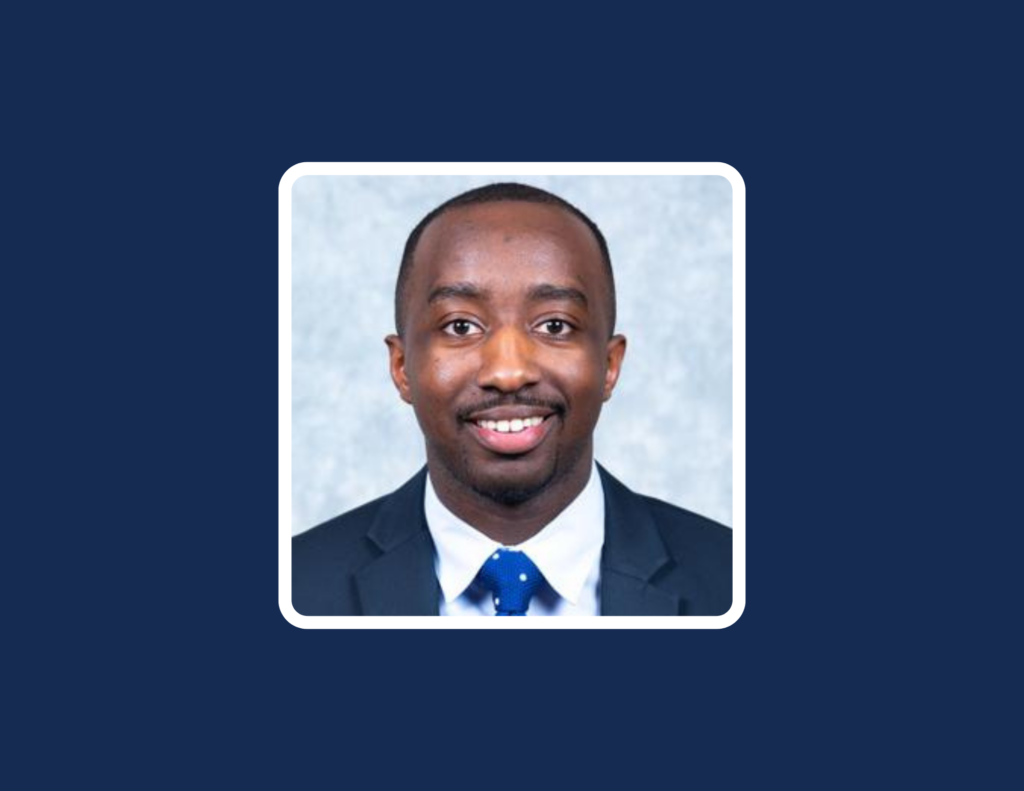
DOMINIC PARKER – CHRISTOPHER NEWPORT UNIVERSITY MENS’ BASKETBALL ASSISTANT COACH – EPISODE 912
Website – https://www.cnusports.com/sports/mens-basketball
Email – [email protected]
Twitter – @CoachDomP

If you listen to and love the Hoop Heads Podcast, please consider giving us a small tip that will help in our quest to become the #1 basketball coaching podcast.
Dominic Parker is in his first year as the Assistant Head Coach at Christopher Newport University. He previously coached two seasons at CNU from 2017-2019, and for the last three seasons was an assistant coach at Guilford College in Greensboro, North Carolina.
Parker spent one year as an assistant coach at the University of Maryland Eastern Shore after leaving Christopher Newport in 2019. He originally came to CNU following two seasons assisting the Shenandoah University men’s basketball program. He began his coaching career at Virginia State as a graduate assistant in the 2012-2013 season and later assisted the program at Richard Bland College from 2013-2015.
If you’re looking to improve your coaching please consider joining the Hoop Heads Mentorship Program. We believe that having a mentor is the best way to maximize your potential and become a transformational coach. By matching you up with one of our experienced mentors you’ll develop a one on one relationship that will help your coaching, your team, your program, and your mindset. The Hoop Heads Mentorship Program delivers mentoring services to basketball coaches at all levels through our team of experienced Head Coaches. Find out more at hoopheadspod.com or shoot me an email directly [email protected]
Be sure to follow us on Twitter and Instagram @hoopheadspod for the latest updates on episodes, guests, and events from the Hoop Heads Pod.
Grab pen and paper before you listen to this episode with Dominic Parker, Assistant Head Coach at Christopher Newport University.
What We Discuss with Dominic Parker
- His Dad’s $10 for 10 shots in a row challenge
- The letter his Dad gave him after he didn’t make an AAU Team in 7th grade with the advice “Never give up”
- Having a great game in high school against John Wall’s team in front of Coach K
- The story of why he went to D2 Lincoln Memorial in Tennessee
- His Mom’s cancer diagnosis and transferring closer to home at Virginia State after his sophomore year
- Changing from physical therapy as a career goal to coaching
- Staying on at Virginia State with Coach Darryl Jacobs as a graduate assistant
- Doing a two year master’s program in one year to open up an opportunity at Richard Bland College as an assistant
- Having three job titles, Coaching JUCO at Richard Bland
- Winning the JUCO National Championship his second year
- Taking an assistant job at Shenandoah University and trying to build a winning culture
- His first stint as an assistant at Christopher Newport
- “When the game comes, we already know as a staff, what we’re going to see, how we’re going to attack these things and the game was already played in our minds.”
- Making players feel comfortable coming to you as an assistant coach
- Taking the leap from D3 to D1 at Maryland Eastern Shore
- “On the division one level, you have to be different. Your mentality has to be different. If you don’t love the process, you could get lost in division one.”
- The benefits of the 8 extra contact days that were added in D3 this year
- “You got to get guys who are self motivated if you want to be good and you want to stay good.”
- Being able to see a player play in person much more as a D3 recruiter vs a D1 recruiter
- Why he prefers watching recruits with their high school teams vs AAU
- The new NCAA live periods during high school team camp weekends
- How the no contact off-season at D3 level allows players time to recharge and refresh
- “I think if your coaches are unified, your players will be unified.”
- Leaving Maryland Eastern Shore to return to D3 at Guilford
- “I think the big key is the upperclassmen give a blueprint to the underclassmen on how it’s done.”
- “Tough and Together”
- “We don’t want guys that are going to come here and think they’re going to score 50 points a game. We want guys that they may score eight points a game but they help us win.”
- “You can live in the past if you want, or you can keep the train moving forward so we can try to try to win another national championship.”
- “You win a national championship there’s a bullseye on your back.”
- “Pressure is a privilege”
- “Having somebody in your corner and somebody that’s giving you some confidence, man, you can do some great things.”
Like this show? Please leave us a review here — even one sentence helps! Consider including your Twitter handle so we can thank you personally!
We’re excited to partner with Dr. Dish, the world’s best shooting machine! Mention the Hoop Heads Podcast when you place your order and get $300 off a brand new state of the art Dr. Dish Shooting Machine!

Prepare like the pros with the all new FastDraw and FastScout. FastDraw has been the number one play diagramming software for coaches for years, and now with it’s integrated web platform, coaches have the ability to add video to plays and share them directly to their players Android and iPhones via their mobile app. Coaches can also create customized scouting reports, upload and send game and practice film straight to the mobile app. Your players and staff have never been as prepared for games as they will after using FastDraw & FastScout. You’ll see quickly why FastModel Sports has the most compelling and intuitive basketball software out there! In addition to a great product, they also provide basketball coaching content and resources through their blog and playbank, which features over 8,000 free plays and drills from their online coaching community. For access to these plays and more information, visit fastmodelsports.com or follow them on Twitter @FastModel. Use Promo code HHP15 to save 15%
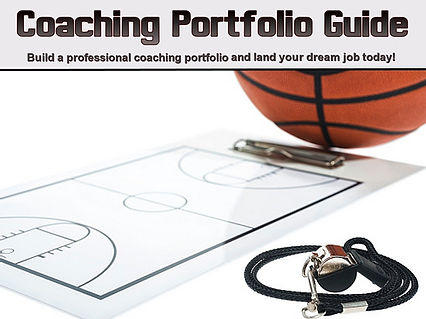
Your first impression is everything when applying for a new coaching job. A professional coaching portfolio is the tool that highlights your coaching achievements and philosophies and, most of all, helps separate you and your abilities from the other applicants.
The key to landing a new coaching job is to demonstrate to the hiring committee your attention to detail, level of preparedness, and your professionalism. Not only does a coaching portfolio allow you to exhibit these qualities, it also allows you to present your personal philosophies on coaching, leadership, and program development in an organized manner.
The Coaching Portfolio Guide is an instructional, membership-based website that helps you develop a personalized portfolio. Each section of the portfolio guide provides detailed instructions on how to organize your portfolio in a professional manner. The guide also provides sample documents for each section of your portfolio that you can copy, modify, and add to your personal portfolio.

We know you’re invested in the next generation of athletes, so why not give them the star treatment this season with GameChanger. Introducing GameChanger, a free app that provides you with data to make strategic coaching decisions and to deliver memorable moments to your team and its fans. Engage your players, empower your coaching decisions, and give parents the thrill of watching every play unfold in real time this season. Download GameChanger now on iOS or Android. GameChanger equips your team with the tools they need to succeed. Download it today and make this season one for the books. GameChanger. Stream. Score. Connect. Learn more at gc.com/hoopheads.
With GameChanger you’ll get automated highlight clips for all scoring plays as well as rebounds, steals, assists, and more. Plus free live streaming, advanced scorekeeping, and team management. No complex setups required, just easy, free streaming from your mobile device. AI powered technology will automatically pan and zoom…
THANKS, DOMINIC PARKER
If you enjoyed this episode with Dominic Parker let him know by clicking on the link below and thanking him via Twitter.
Click here to thank Dominic Parker via Twitter
Click here to let Mike & Jason know about your number one takeaway from this episode!
And if you want us to answer your questions on one of our upcoming weekly NBA episodes, drop us a line at [email protected].
TRANSCRIPT FOR DOMINIC PARKER – CHRISTOPHER NEWPORT UNIVERSITY MENS’ BASKETBALL ASSISTANT COACH – EPISODE 912
[00:00:00] Mike Klinzing: Hello and welcome to the Hoop Heads Podcast. It’s Mike Klinzing here with my co-host Jason Sunkle tonight and we are pleased to be joined by Dominic Parker, men’s basketball assistant coach at Christopher Newport University. Dom, welcome to the Hoop Heads Pod
[00:00:17] Dom Parker: Thanks for having me, man. I’m an active listener, so I’m definitely excited to be a part of it.
[00:00:25] Mike Klinzing: We are thrilled to be able to have you on. Looking forward to chatting with you about all the things that you’ve been able to do thus far in your career. Let’s start by going back in time to when you were a kid. Tell us a little bit about how you got into the game of basketball when you were younger, what made you fall in love with the game?
[00:00:41] Dom Parker: Yeah, that’s a, that’s a good question. So my father, he was a big basketball fan. He also played himself, so he really got me into it. He would take me to the gym with him when he would play when he was playing and I would sit on the side and, and I would watch him playing with the, with the adults. And I kind of became obsessed with it.
And he, I always, I joke about it now with him, but he would trick me. He would say, well, and this, he was basically trying to get me to just kind of go somewhere and not mess with anybody. But he would say, Hey, look, I’ll give you $10 if you make 10 in a row. I’m five at the time. So I’m just going over there and I’m trying my hardest.
I got to get this 10, but him doing that, I fell in love with it. I owe it to him. I mean, he’s a big part of my development and he really got me started with basketball.
[00:01:36] Mike Klinzing: When you think back to the influence that your dad had on you throughout your basketball career, if you could boil it down to one or two key things that you learned from him as a young kid, and again, you could take that all the way up through your high school career, but anything that you learned from your dad that sticks out, that still is a part of who you are today.
[00:02:00] Dom Parker: Yeah, I think it goes back to when I started playing, I wasn’t the best so we would be in a garage and we would have cones and we would dribble and we would go through different drills. I would dribble between my legs and he would show me all this stuff.
And one thing that he really instilled in me was to never give up no matter what. I still do that to this day and I remember this, I was talking to him today about this, but 7th grade in North Carolina, where I’m from, 7th grade is when you can play Tryout for sports for your school.
I played AAU basketball. I played with Garner Road. We had a pretty good team. So I get to seventh grade, I’m trying out for the team. I thought I had a pretty good tryout and I felt good about it. And my dad they back in the day, they put the list of the players that made the team and I was not on it.
And it’s funny cause he had two letters. He had a letter if I made the team. And he had a letter if I didn’t make the team. So when he drives up, he sees me crying and he gave up the other letter. And that letter said, never give up. And, and that’s something that sticks with me to this day. And no matter what happens in my life.
the ups and downs I’m never going to give up. And, and that’s something that he’s instilled in me. And that seventh grade year, I made a promise to myself. I said, you know what, I’m never going to feel like this again. And man, I can honestly say I didn’t get cut again.
[00:03:39] Mike Klinzing: How’d you work on your game as a middle school, high school player? What did you do to get better?
[00:03:44] Dom Parker: So my biggest development is when I got cut that seventh grade year, I took it very personal. Now, all my buddies made the team and all my AAU teammates was on their middle school teams. So I just got missing I would go, I would dribble the basketball around my neighborhood with my left hand.
I’m right handed. So like I would, that whole season, I was just dribbling anywhere I went, I would dribble, dribble, dribble, dribble, dribble. And then also too, I would I didn’t make the team, so I would just go to the gym on my own. And just my imagination I would do three, two, one.
That’s like, you kind of shot clock goes down and you’re just shooting shots. And I would just put myself in different scenarios. And I would just that imagination I have for it. And honestly, that was probably the biggest development because. I was in love with the game, but also too, the creativity and the will and the passion for it really went up too.
And like I said, I made a promise to myself that said, I would never get cut again. I just worked hard, continued to work hard. And eighth grade came around. I made the team, I was starting, leading scorer. And I kept I kept, kept doing, doing, doing I had to do.
[00:04:59] Mike Klinzing: So what’s your favorite memory from playing high school basketball?
[00:05:00] Dom Parker: Favorite memory. So cool thing with me, I have a unique little story. I played at Ravenscroft school and at the time we was nationally ranked. I played alongside with Ryan Kelly who went to Duke and he got drafted to the Lakers. So we was ranked top 25 in the country. I also had another teammate, his name’s Justin Bradley.
Who’s also, he’s the assistant coach at Loyola Chicago. So we had a really good team and my best memory is we played we played Word of God, Word of God at the time was ranked top five in the country. They had John Wall. who’s number one player got drafted? Kentucky had C. J. Leslie was a McDonald’s, All American Des Wells, all these great players.
And I probably had my best game in high school ever. I mean, it’s, you had Coach K in the crowd. You had Sidney Lowe, who was a coach at NC State, in the crowd, and I wasn’t that good, but that night, and I probably had like I scored probably 17, 18 points, had nine assists, had a really good game, and I wasn’t that good to play on that level.
Those coaches, they all came up to me and said, Dom, like, man, you was phenomenal. Like you, whoever gets you, they’re going to be very lucky. So in high school, that’s probably one of my best memories. And it’s something I worked up to that moment.
And my senior year, I was hoping that we could make it to the state championship, but we lost in the final four. We played the Plumlee brothers they was at Christ school. So the Plumlee brothers, I mean, it was a boarding school, so they had all these guys from all over the country.
So all the, all the teams are like, man it’s not fair, but we lost to them and…
[00:06:49] Mike Klinzing: Welcome to high school basketball, especially today, right? Right, right. Exactly. So it’s crazy. The way high school basketball is today.
[00:06:55] Dom Parker: It is, it is. And that was I got a taste of it, but I had a really good high school career.
I scored, I think, 1500 points won some games and ultimately. I got a scholarship, which was a big goal of mine and my family. So it was good. I had a really good high school experience.
[00:07:15] Mike Klinzing: What was that process like in terms of the recruitment and how do you use that at all? When you think about when you have conversations with players that you’re recruiting now, do you use your story at all toward it sort of to talk to them or just tell me a little bit about your recruitment.
[00:07:28] Dom Parker: Yeah. So one thing about me, I was in high school, I was probably six foot six, one, like 140 pounds. I was really quick. I was very quick. I could shoot. And I wasn’t strong, but I was fast. So all these coaches would come see me play. They really liked me, but they just said, I don’t know if you could take the division one beating I wanted to play division one basketball so I had some schools recruiting me. James Madison was recruiting me South Carolina State, North Carolina Central. I’ve had some schools High Point University I had a bunch of schools, but nobody pulled the trigger.
So what happened was later in my senior year coach Josh Schertz, he’s a coach at Indiana State right now. At the time Josh Schertz was a coach, he was an associate head coach at High Point. So he came down and we had a really good team. So we had a couple of six 11 kids on our team.
And he would come down and watch work out and he saw me play, you know? And at the time he just, he didn’t think I was big enough. So the cool thing was that, that summer I’m still available. He took a division two job Lincoln Memorial in Tennessee. And he got the job and I think he said I was the second or third person that he called.
He said, Dom I saw you at High Point I just didn’t think you was big enough, but I took this division two job, it’s in Tennessee. I would love to recruit you, I would love to have you can you come on a visit? And at the time I’m like, okay, yeah cause I remember Coach Schertz like, yeah, he’s a cool dude.
So me and my family, we went up to Tennessee and one thing about Lincoln Memorial, it’s in Harrogate, Tennessee. There’s nothing there. But it’s just beautiful basketball gym. So I get on campus, we go to the gym and I’m like, I’m in awe. I’m like, wow, like, this is unbelievable. And I went to, it was a couple of other guys on their visits and I went in the office with Coach Schertz and he sat me down.
He said, this is my first year as a head coach. And I think I got recruited some good players and it was unique for me because I was used to scoring. I felt like I was a good scorer in high school and he started off the conversation. He said, well, you scored a lot of points.
1500 points in high school is pretty good. He said. I don’t need you to do that here. So I’m looking like and he said, man, he basically showed me these two other guys, these two big guys. He said that your quickness and your shooting ability, like when the shot clock gets low, I’ll let you do your thing.
But I want you to get the ball to these guys. And it was it was funny at the time. And me and coach Schertz, we still talk about it to this day a little bit, but he was very real. And I think that’s something that I’ve taken with me as a coach is he was very honest. He was very upfront.
He didn’t tell me what I wanted to hear. He told me, he said, look, man, I see you in this role that he could be good in this role. And, and the spot’s yours if you want it. I went back home, talked it over with my family and I thought that was the right move. So that’s what I did.
I committed, I signed at Lincoln Memorial and I was there and yeah, that, that’s how the story, the college story started.
[00:10:44] Mike Klinzing: So when you go to college, are you at all thinking at this point that coaching is something that you might want to do or are you still just completely 100 percent focused on I’m a basketball player or coaching sort of at least enter your consciousness at this point?
[00:10:59] Dom Parker: So just to back up a little bit. So my high school coach, his name is Kevin Billerman. He played at Duke. He was a longtime college coach himself. And I loved the confidence that he instilled in me. And I was just like, dang, that wouldn’t be bad being a coach but it never really crossed my mind.
So I got to college and I really wanted to be a physical therapist. So I took all these prerequisites to be a physical therapist and just to piggyback off that. So I was at Lincoln Memorial. We had a pretty good, my freshman year, I was pretty good. I got freshman of the week twice played, I started probably four or five games.
And in my sophomore year it was, it had, it had some adversity happen. So my mother got diagnosed with cancer. And so Coach Schertz, when he recruited me, he knew I was a big family guy. And I was from Raleigh, North Carolina, Harrogate, Tennessee is probably seven, almost eight hours away.
And we just didn’t know what was going to happen. So at the end of that season, Coach Schertz, he said, man, he said, Dom, like you’ve gotten so much better, but I know you’re a big family guy. Let me help you transfer to be closer to home. And, and. I mean, I was, I was so thankful for that. And I didn’t want to leave.
I got so much better as a basketball player. I got close with my teammates, but coach Schertz helped me. I transferred to Virginia state, which is a HBCU school in the CIA, in Petersburg, Virginia, which is a hour and 45 minutes from home. And it’s funny now, cause just thinking about it.
So my junior year, I transferred to Virginia State. And we got the record there for the most losses in a row that year, we lost 13 in a row. And the crazy thing that happened that we had practice. It was a day like today. We had practice, we had an early morning practice because my coach, Coach White, he had to go recruit that night.
And the AD called me and I’m like, Whoa like I didn’t do anything. So she, long story short, they, they let them go in the middle of the season. Wow. So in the middle of my junior year season, I mean, we, I think we only won like four games that year. It was good that I went through that as a player because as a coach, I see all the characteristics of a team that has the potential to be a losing team.
And I’m sure we’ll probably talk a little bit more about it, but looking on my journey that that was big to kind of see like, okay, wow. Like and it was totally opposite of when I was at LMU. Like LMU, like we was always in the gym, it was just a winning program.
And then I went to Virginia State and at the time it was a losing program and going through that. And we got a new coach the end of that, end of my junior year, a guy named Darryl Jacobs and my senior year was a little better, but still was, he was trying to rebuild the culture and the unique thing about coach Jacobs is like I said, I took all these classes to, cause I wanted to be a physical therapist.
I wanted to go to VCU and be a physical therapist. So I applied, I did all these prerequisites. And I got put on a waiting list. So Coach Jacobs, basically he asked me, he said what’s your backup plan? And I was like, coach, I don’t really have one. He said, well. how about this? what if you get in a grad program here and be a grad assistant for under me?
And I was just like, nah, coach, like I’m not I don’t know if I want to coach. I want to be a physical therapist. So with that being said, I got in a program and I said, you know what, I’m going to do it for a semester. And hopefully I get taken off the waiting list and I go to go to PT school.
I never got taken off the waiting list. That one year of being a grad assistant, it was challenging because I went from playing with guys to now coaching them. Right. But the unique thing about it is, you know how guys are like, the coach don’t know what he’s talking about. I could articulate it in a way that they could understand, but also kind of back my head coach.
He made me in charge of a lot of the workouts. Because the guys that we had at the time, like they would work out hard for me, I guess, because I don’t know, they saw me as a player, I guess, I don’t know. So, like, he made me be in charge of the workouts. I did all the miscellaneous stuff.
I washed clothes. I was in charge of film exchange. And I did all I would get the food on the road and post game meals. And I’m just doing it just because like I’m just doing my job and I mean, I didn’t know that 13 years later that coaching would kind of be my path and kind of my passion.
But that was my first really true look at it. And I’m so glad he gave me a lot of a lot of responsibilities because, I mean, I took that on. And later I got other jobs and that was really key. So that grad assistant year was very key and it really made me fall in love with the college game to see kind of everything that they had to do and as a player, I never really understood that.
I just would go to practice or work out and that was it, but I didn’t know the ins and outs of it. And how tedious you had to be with certain things just monitoring practice and the weight room and the athletic training room, making sure guys getting treatment, like it’s tough. ]
[00:17:02] Mike Klinzing: How long into that year were you before you really started to think, Hey man, I could do this as a profession? Was it something that you knew right away? Were you ready to take to that first semester? Just, just when did you realize like, Hey, I think I could make a career of this?
[00:17:19] Dom Parker: So what happened was the program that I was in was a two year program. So you take 36 credit hours you, you break it off in two years. So, like I said my college coach, my college assistant coach, my junior year, I mean, they let go of my head coach. So they let go of the assistant coach, my assistant coach.
His name is Donald Payton. He reached out to me one day. He said, Dom, like, I see you you’re being a grad assistant over at Virginia state. He said, man, like if coaching is something that you want to. Like, dude, I think I can get you a job at the place I’m at. And at the time he was at Richard Bland college.
He said, but you have to have your master’s. So I’m like, okay and at the time I was falling in love with the college coach and some said, okay. So what I did is I went to the Dean of my major and I asked her, I said, Hey, I have a job opportunity, but I got to do this program in a year. And so she approved it.
And long story short, I did the program in a year. I got my master’s.
[00:18:22] Mike Klinzing: What was that like, man? Doing double duty classes and trying to coach. And did you ever sleep?
[00:18:29] Dom Parker: I didn’t sleep. I did not sleep. And, and the cool thing about it is I also was A teaching assistant. So I was a teaching assistant for the dean of the major.
So like she would see like that I was tired. She said, just go home. Let’s do this work from home and just come in the morning. So that was big. If it wasn’t for that, like, I don’t know how I would have did it, but I think that first semester I took 15 credit hours in grad school. And then that second semester I took 18.
I mean, I’ve never wrote so many papers and research projects and all that stuff. And then that summer I took a three credit class and I did the 36 credit. I was in basically a year in a summer session. And that led to me. And then I got a job at Richard Bland College, which was down the road from Virginia State.
Richard Bland at the time was a NJCAA division two school. And there was a guy, his name is Chuck Moore. He and I tell people this all the time too, like he told me in an interview, he was very honest with me and I respect that. He said, man, you’re my second choice. He’s like the guy I really want he has a better job.
And he said, you’re my second choice. So with him telling me that, I’m so glad he did because, you know. It goes back to that, that seventh grade of getting cut and just like, okay, like I almost didn’t make it like I got my shot. It’ll prove it mentality, right? A prove it mentality. So basically I went to Richard Bland college and the junior college game was different than because Virginia state was division two.
So I learned the junior college, you only got these guys for two years. And something got I think I was 23, 23 years old. And I was an assistant basketball coach. I taught classes at the college and I was in charge of intramurals. I was the director of intramurals at the college. So I had three job titles in one,
[00:20:29] Mike Klinzing: You were taking it easy man after trying to get a master’s and a bachelor’s degree in one year, man, you’re going through, you’re like, this is smooth sailing.
[00:20:37] Dom Parker: jobs. It’s like nothing, three jobs. So my first year at Richard Bland it was a first year program.
And we took it to new heights. We finished the season. I think it was 24 and four. We’ve got ranked as highest number one in the country. We lost in the I think we lost in the conference championship game and in JUCO at the time, you got to win your conference tournament to go to the national tournament.
So that first year we didn’t make it, but we had some really good players. We had some really good players and we had some really confident players and they taught me to like we would be in practice and they was a well they was very together and they would say, coach, we could beat teams in the NEC.
I’m like, man, come on, man. Y’all no, y’all can’t, man. Like he said, we would win the MIAC right now. I’m like, come on y’all. No, we wouldn’t. But anyway all those guys came back. And the cool thing that we did that summer is we brought all those guys to summer school. And they got a class under their belt and they got a chance to kind of hang out in the summertime.
And that following year we won the conference tournament. So we went to the national tournament. And we went to a national tournament and I’m a young coach. I’m still learning and I’m trying to do all this stuff. And we ultimately won the national championship that year. We finished that season 32-4 and we had, I think we had 13 players.
We had three of them go Division I and the rest of them went Division II. So I was in talks with a lot of coaches, a lot of coaches that I keep in contact today. And that was really key in terms of the, the networking piece of coaching. It’s just like, it was a lot of guys who they was reaching out to me.
And at the time I’m thinking like, you know. These are my guys. These are my guys we’re close. And then when that national championship and then ultimately that winning that national championship like I said, I was working three jobs, so like I was tired year two, I was tired and I wanted to get back to the NCAA level and a job opened at Shenandoah College, Shenandoah University.
And the job opened there, I applied, I went up and interviewed, and I got it, and I left. And then the crazy thing about it is all those guys that I was in talks with, I didn’t hear from them anymore, but then it was a big learning point point in the business is those guys was keeping in contact with me cause I had access to some good players that could help their program, you know?
So that was a lesson for a young coach like myself, I’m thinking I’m just this great coach. I’m like, man, my second year coaching, like I won a national title. I just thought that like I was the man.
So I go to Shenandoah University and I get a job with Rob Pryor, a great friend of mine to this day, a great coach. So we go to Shenandoah and it’s in a rebuilding phase so my first year at Shenandoah we went I didn’t bring anybody in cause I got the job kind of in the summertime as though later.
And but we first year we went six games and, and. It reminded me of kind of my junior year in college, just like just trying to build a culture up and get it to where it needed to go so that’s the first year we won six games. Guys play hard. We just wasn’t talented enough. So that summer and that year, I mean, I hit the recruiting trail really hard.
And I brought in some really good transfers. I brought in some all state freshmen. And that second year we turned the table around and I think, I think we ended up winning, I think we won 12 games that season. So we doubled it. And at the end of that season, the unique thing about it is they let go of my head coach.
So that was this is another teaching point that I had in my coaching career is just when the head coach got let go, I got let go. So just trying to figure it out. And I go from grad assistant to juco national champion to ultimately being removed from my position.
And I mean, that was tough. It was tough, but the one thing I will say, you know that hard working piece that I have I would recruit every other weekend if I could, anytime I could get out of recruit, I will go recruit, I will go recruit, recruit, recruit. So I got a good rapport with a lot of other coaches.
And when a good friend of mine Jared Dyson at the time, he was coaching at Christopher Newport and I would see him all the time, anywhere he went, I was there and we became good friends and so I was at Shenandoah, I got let go and then I went back home to try to figure it out and then my buddy JD called me, he said, Hey man I think I might, I might get a D1 assistant job.
Would you replace me at Christopher Newport? And at the time, I didn’t know much about CNU. I just know all the kids I recruited was going there. All the kids I really wanted was going to Christopher Newport. And I’m like I’m getting mad. I’m a competitor. I’m like, why are they going to CNU?
Why are they going? Like, so JD he referred me to Coach K. And so I come down to Christopher Newport and to talk with him, and I see the campus and how beautiful it is. I said, okay, I get it. I understand why these kids are going here. I mean, it’s a world class institution.
It’s a beautiful campus. And, so ultimately, I go through the process and Coach K offers me the job at, at Christopher Newport. So I go to Christopher Newport and there was Coach K, he’s a very good coach. I mean, as y’all know, he won a Championship last year.
And he has taught me a lot about the game of basketball. And he made me look at the game in ways that I never thought of. And it made me a better coach.
[00:27:09] Mike Klinzing: What’s an example of that? When you say he made you look at the game a little bit differently, what are, what are some ways that he approached it that maybe you hadn’t?
[00:27:21] Dom Parker: So one thing that he, that he did for me at the time is we would look at different actions that teams would run and he would say like, this could give us some issues. I’m like, why coach? But he said, okay, we guard it like this and we’re going to go under this. So he made me look at like, okay, yeah, we are going to guard it like this.
So, and it made me look at the little details of these plays that teams was running. One thing about coach K, he’s a defensive guru. If you give him a week to prepare for you, you’re in trouble. So what he did was, what we would do is we would come into office and we will watch three or four games and we would dissect them, we would dissect the teams that we would play against.
And I mean, going into the game, we would have a, you got a plan A, B, C, D, all the way to Z. Like we, so when the game comes, we already know as a staff, what we’re going to see, how we’re going to attack these things and like. The game was already played in our minds. So, like, if we saw something, we already knew what our counter was going to be.
He really helped me see the game in another light that I’ve never looked at it before and as a player I was talented. I just never looked at the game like that.
[00:28:40] Mike Klinzing: Yeah, neither did I. I always say that, man. There’s some guys that look at it when they’re playing, they look at it as coaches.
When I was playing, I never, ever, ever looked at the game from a coaching perspective, I just was always focused on what’s my job. What do I have to do? How do I help my teammates? How do we win this game? But I always looked at it from a player perspective. I’d never really thought about it from a coaching perspective at all.
[00:29:03] Dom Parker: Yeah. I still look at it like that, like, I can’t even watch basketball. I can’t even watch a regular game because I’m looking at, Oh, what are they running? Okay. Like he went under that screen. Like if he it was just, it’s just kind of instilled and ingrained in me now.
And it was pretty cool when, when, when I first, when I got on here at Christopher Newport he offered me the job and he said, do you have your passport coach? And I said, no coach, I’ve never been out of the country. He said, well, we’re going to Europe next week. You have to get it.
So I had to drive up to DC and get a passport expedited. And that was a great experience. I mean, my first week on the job, I’m in Belgium, Europe, we had three games over there, it was over there for, I think, 11 days. And we went to Paris, we went to Amsterdam, we went to so many places.
And I mean, to this day, man, it’s like, I’ve been out of the country twice and that was one of the times I went. So just being able to see that and experience that. And at the time, the guys that we had, they bonded so much on that foreign trip. I was a new coach to them. So I was getting them to know them and also getting to know Coach K and other guys on the staff.
And that first season we had a player named Marcus Carter. He messed his knee up. So he redshirted that year. I mean, he was all American his sophomore year. So, but we was young. And we had we had another kid named Aaron McFarlane who that year became an All American, but my first year at Christopher Newport, we finished, I want to say it was 23 and seven, and we host the game in the NCAA tournament, which was an unreal experience for me to being able to host the NCAA tournament game.
And we lost in the second round to Franklin Marshall. But the unique thing was we brought pretty much everybody back from that team that went to the second round.
[00:30:57] Mike Klinzing: When you get in, and I think as a new coach, right, and you’re trying to build those relationships and obviously over the course of your career, you’ve been at a lot of places as we’ve already talked about, and we’re going to talk about more.
How do you go about when you first get in there, what do you do as a coach or what’s important to you in terms of building a relationship with the guys when you get to a new staff? How does that work for you?
[00:31:20] Dom Parker: I think the number one thing is having these guys feeling comfortable being comfortable enough to come to you.
Because one thing about it, and as a player, when I played, I didn’t go to my head coach for when I had problems, I went to the assistant coaches. Right. Because I felt like they had the time in the day to talk to me about what I was going through. So for me, I’m a revolving door.
Like I want the guys to come talk to me about anything. It ain’t got to be about basketball. It could be about school. It could be a family, girlfriend stuff. So I try to get that rapport with them so they trust me. I think that’s the number one thing is when I took it, when every time job I’ve taken, I wanted the current players to trust me to know that I was on their side, but also too, I got my head coach’s back, but you can come to me and I’m going to try to help you as best as I can.
[00:32:12] Mike Klinzing: I think that, as you said, being able to build that trust, to me, is really important. And as an assistant coach, I agree with you 100 percent that when you think about, from a player perspective, more often than not, those players, the head coach controls the playing time.
And players know that. And so when they have questions about something that’s happening, they’re much more likely to go and have that little side conversation with the assistant coach about, Hey, this is what’s going on and this is what I need. And they know the head coach has a ton of responsibility. So I think as an assistant, being able to sort of bridge that gap, right?
You’re sort of that communication middleman, for lack of a better way of saying it, between the players and the head coach. And I think the best assistant coaches are the ones who do that. Really well and are able to communicate on both ends of it. As you said, you made a key point where, yeah, you can be a sounding board for the players, but you also have to make sure that you’re backing the decisions that are making that, that the head coach is making, right?
It’s like you can, you can have conversations inside that coach’s office. And then once you step outside that coach’s office, everybody’s putting on that united front and making sure that the messaging is the same, even though you, as the assistant coach, may be the sounding board, you’re still echoing the, the statements that your head coach is making and the things and philosophy that, that the head coach has out there for him.
[00:33:31] Dom Parker: For sure. For sure. I think that goes hand in hand and that’s something to this day, like I’m always going to have my head coaches back, but also too, I got my player’s best interest at heart as well too, so there’s been times I told my head coach, like, Hey so and so is, is he got a lot going on coach.
You might got to back off from the day and that helps him. He can coach him. Absolutely.
[00:33:57] Mike Klinzing: All right. So talk about after two years at CNU with Coach Krikorian, you end up taking a job at Maryland Eastern shore. So you get an opportunity to go and coach of division one basketball.
And we’ll talk about as we kind of go through here, just the differences at the different levels and kind of what your experiences were like, but talk about the opportunity at Maryland Eastern Shore.
[00:34:19] Dom Parker: Yeah. So my second year at Christopher Newport we go to the final four and it was a great year.
I think we finished, I think it was 27 and four. And one thing about it, when I, when I met with Coach K. He asked me a loaded question, and I think this is something that, like, to this day that, that, that sticks with me is he said, what do you want from this? Like, what’s your goals? And I told him, I said, coach I want to be a division one assistant.
I think I can go to that level. And he told me, he said, if, if you do what you’re supposed to you keep working hard like you are, like, you’ll have a chance. So after that final four year I had some opportunities. And the Maryland Eastern Shore situation came about and I took the position there and that’s a going from division three to division one, it was a big jump in terms of division three you can’t do anything with the guys until October 15th.
So, I mean, you got some time on your hands. I mean, you’re recruiting you’re doing stuff for the program. Division One, I mean, you’re working out as soon as the guy’s enrolled in school. I mean, you can work them out. So at the time, Jason Crafton, he got the job at Maryland Eastern Shore and he brought me on.
Also he brought on Calvin Baker is a good friend of mine and Larry Stewart was a head coach at Coppin State now. So that was the staff. And we brought our guys to summer school, so we’re working out with them. I mean, day one, we’re in the gym, we’re working out with them. And just the one thing, the one big difference that I saw with division one is just how much time that they don’t have.
Like we was in the gym or lifting weights or study hall. I mean, it seemed like it was like every other hour, you don’t have a lot of time on your hands on that level. So you have to be very strategic on the things that you do and that’s one thing that I, I saw just being a division one assistant is you, you have to be very intentional with your time.
you can’t, you can’t procrastinate for long because it’s a lot of stuff that needs to be done and it needs to get done quick in terms of travel and working the guys out scheduling, recruiting is a beast in itself. So especially on that level, I mean, it’s key. You can miss out on a kid after one life period, if you’re not talking or in talks with a kid, I mean, you can miss out. So just learning that side of the, of the division one world was very good for me.
[00:36:55] Mike Klinzing: What do you think about that amount of time that you’re talking about? Because I think back to when I played division one basketball from 1988 to 1992, and things were completely different when I was a player.
I always say that when my season ended, my head coach would hand me like a two page ditto and be like, Hey man, here’s your workouts. We’ll see you back here in August. And that was pretty much it. And then you were on your own to kind of go do what it was that you were going to do, whatever that was. And obviously now, as you said, from day one, the moment those guys arrive as freshmen, they’re already working out and doing this and that, and they got study hall and they got individual workouts and all the things that go into it.
And I always look at it and to me, looking at it from the outside, and I know there aren’t very many coaches that would ever say, Hey, we want less access to our guys. I mean, clearly that’s not something that most coaches say. They’re not like, Hey, we want to work with our guys less. But part of me feels like, man, that’s a lot of time for a coaching staff.
And 15 guys or 12 guys to, to spend together and not kind of, I don’t know if burnout is the right word, but man, the grind of that has got to be, it’s got to be tough. So I don’t know just how you felt about that as you were in it and whether or not, whether or not we’ve gone too far the other direction where it’s almost too much, if that makes any sense.
[00:38:21] Dom Parker: Yeah. Yeah. I think this is the one thing about it too, is I think this is why a lot of kids transfer because on the division one level, you have to be different. Your mentality has to be different. If you don’t love the process, you could get lost in division one and you have some guys, elite talent and their talent can get them by.
But if you’re just like a blue collar guy who works hard, like if you don’t love the process, it can take a toll on your mental. Like, cause it’s I know for me at Maryland Eastern Shore we wasn’t great. We had to play 14 money games. so I’m going to just tell you an example of a week for us.
We had to fly to Stanford. Then we had to fly to Moorhead State, play them. And then we had to fly to Oklahoma. We played in three different time zones in five days, you know? So like, and we had to play all these money games and we wasn’t winning. So the psyche of our group, it was in a bad place.
You’re getting beat we paid Baylor when the year before they went to the national championship, I mean, those guys was, it was unreal, but also too, I think what it did for our guys is like, once we got the conference play we feel like we could play with anybody it was like, we was up at halftime against Oklahoma, so that was the bright side, but to piggyback on what I was saying, I mean, you have to love the process in division one. Like if you don’t love basketball, if you don’t love getting better, it can. You’re going to have some bumps in the road.
[00:40:06] Mike Klinzing: Yeah, I still feel like it’s, man, it has to be a lot and not just a lot for the players, but just a lot for the coaches.
And with a lot of the division one guys that I’ve talked to they talk about how they divvy up responsibilities and obviously have a much bigger staff at the division one level. So they’re not hearing the same voice all the time and getting to look at different guys and whatever. But man, I just think about how much of a grind my seasons were whatever that 30 years ago, and then I didn’t have that whole off season thing where again, not that I wasn’t working on my game cause I was, but I always felt like, well, I don’t have the same four guys chirping at me that are chirping at me for eight months. I kind of go and do my kind of go and do my thing and work out what I feel like I want to work on and get better.
And so it’s, man, I, sometimes I just wonder how much is too much, I guess, is the question there. And so it’s tough.
[00:40:57] Dom Parker: Yeah, it is. I think the NCAA has to find a middle ground. And I don’t know what that is. But I do think it is a lot. It is a lot.
[00:41:11] Mike Klinzing: See, I like now the Division III model where previously, obviously, you couldn’t have any contact.
Now you guys get the eight days, which doesn’t seem like a lot. But I know from all the Division III coaches that we’ve been fortunate enough to talk to on here that Everybody loves the opportunity. Of course, this year people were kind of experimenting with, hey, how are we going to use those days? And do we spread them out?
Do we save any for after the season and all that kind of stuff? And so it’s, I’m sure kind of a work in progress figuring that out. But I feel like there’s, there’s a fine line there, right? I think no days, no contact at all to me that, that wasn’t good. But then I also think the division one model is like crazy too much.
So there’s something in between. I think the eight days for division three was a good start. I don’t know how you feel about it.
[00:41:57] Dom Parker: Yes. The eight days was awesome. I know for us, when you go on a foreign trip, you get 10 practices. So we kind of did that same model.
I think we did three days a week. Then we did Monday, Wednesday, Friday. And we got on the court and we got a head start on some things. We had nine freshmen come in this year, so it was really beneficial for them. So. It was awesome.
I mean, I think that’s something that Division three should kind of keep. And a lot of these kids, they go to these places. They want to be worked out by their coaches. They want to be in the gym with their coaches. So I think that’s that middle ground for division three.
I think it’s great. I think it’s something they should definitely keep on.
[00:42:42] Mike Klinzing: Well, it’s hard too, because it’s funny, the number of coaches that we’ve talked to and the way that basketball has changed in terms of how players go about improving and getting better. I think the further back you go, the more players worked on their game on their own.
And there was less of the, Hey, I need a trainer, or, Hey, I need to be playing in a game with an official. There was a little bit more pickup basketball the further back you go. And so now when you think about, Hey, a kid who is a Division III player, maybe they come to your school and how much have they worked out on their own by themselves in a gym working to get better. How often compared to maybe they were working with their high school coach or maybe they’ve always had a trainer. And so now they suddenly set foot on a division three campus and did not be able to have access to their coaching staff who recruited them. It just seems like, again, as you said, to add those eight days to be able to get in and work with on both sides of it, the player getting worked with the coaches and then also the coaches to be able to work with.
The players, especially your freshmen, when they first get there, here you are spending all this time recruiting them. And then boom, they get on campus. You’re like, Oh man, sorry, we can’t see you in the gym. You have to be able to do that, it’s kind of crazy when you really think about it.
So I do think that that eight days I’m sure made a huge difference.
[00:44:04] Dom Parker: Yes, it definitely did. I hope that’s something that we can continue to have. Because the one thing too about Division III is in years past, I mean, you had to recruit self motivated guys because you couldn’t get in the gym with them or you’re not supposed to so.
You got to get guys who are self motivated if you want to be good and you want to stay good. So, if you get a kid who’s lazy, who needs some pushing, I mean, they’re going to digress in the off season. So I do hope that we continue the eight days.
[00:44:39] Mike Klinzing: All right. Let me ask you about that. Last point that you just made when it comes to recruiting, obviously an inexact science, but one of the things that I’m sure That you’re looking for is hey Is this a kid who puts time in who works at their game? And are they going to continue to do that at the college level once they set foot on our campus?
So how do you as a recruiter…How do you try to evaluate that? Is that through conversation with? People who know the kid, coaches, do you look for something specific in what the kid says? Are you kind of looking at when you show up for to watch him at an AAU tournament or a high school game or a high school practice?
Just how do you look for the kid who is going to continue to progress and continue to work? What are some signs of that that you see of that you have seen as a recruiter?
[00:45:30] Dom Parker: Yeah, I think the number one thing for me is I’m very intentional when I talk to him. I asked him key questions, but also too, I do my homework because when I was division one you don’t have as many days as a division three.
I can go see a kid 50 times, right? I know a kid in and out. But when I was division one I would have to call I would call the current coach. I will call their AAU coach. I will call their high school coach. I will call a buddy of mine who might’ve seen him and I would get everybody’s input.
And if everybody was saying the same thing, it’s like, okay, this, all right, I can trust my eyes. But if I’m hearing different stories, it kind of really helps me kind of, I back up and say, okay, you know what, let me reevaluate this because everybody’s opinion is different, but if everybody’s saying the same thing, this kid’s blue collar, he’s a hard worker, like, it’s typically kind of true.
So for me, I think that’s something that I do now. I mean in Division 3, I could see a kid play as many times. And for me, and as Division 3, I like to see a kid play really well to see how he’s going to act if he has a so-so game, how he’s going to act. And if he’s playing bad. And the number one indicator, if a kid is the same. And all three games, it’s like, okay, that’s he’s for his team but if he has a really good game and he’s like selfish and then he has a bad game and he’s like, all right, you kind of see and I think that’s the beauty with division threes.
I can see a kid so many times and a lot of division, a lot of my division one buddies will call me and say, Dom, what’d you think? Because I know you’ve seen them a ton. So exactly. Yeah. And so I can give a good evaluation on a kid. But I think the more you see someone, the better you can kind of evaluate them in division one.
I think you got to be very intentional with who you talk to. You got a lot of guys who are salesmen so got to be careful with that and just finding guys that, that you genuinely trust teams that they might’ve played against a coach that they played against. I think that’s another avenue that I use too, is talking to, it’s a high school coach that I know really well.
And there’s a kid I’m recruiting now and I called him and he gave me his evaluation on it on him. So just finding people in the business that you can trust. Their evaluation, but also too, like Coach K always told me, just trust your own eyes so if you think somebody is good go further and evaluate and figure out if that player is good enough to be on the team and if he fits the culture of the group.
[00:48:09] Mike Klinzing: When you’re evaluating and you’re looking at a player. in context, whether it’s with their AAU team or their high school team, are you looking for in those two environments? Are you looking for the same things? Do you have a preference for watching a kid AAU versus high school? Are you, are you looking for something different when you see them with their AAU team versus when you see them with their high school team?
Just how do you think about those two different environments? Because clearly they’re not the same in terms of maybe the kid’s role or just the coaching or just the atmosphere. So how do you compare recruiting or looking at a player in their high school situation versus their AAU situation.
[00:48:49] Dom Parker: Me personally, I love the high school situation just because, and I love AAU too.
I mean, AAU is, you can see a kid play against some top level guys, but a lot of these AAU programs they kind of just throw the balls out and just let them play and that’s not college basketball like in college, I mean, you have to run a set, you got to have a team, so I love high school because I can really see like, okay, can he play off a ball screen? Can he read a screen? Can he see that he has to fade screen or if he’s going to come off this pin down, is he going to curl it? So I like the high school teams. Just because they typically run stuff, not saying AAU teams don’t.
There are some high level AAU teams as well, too. For the most part, I love seeing guys in their high school because they have to fit some sort of role. And it’s some AAU teams, they just throw the balls out. So your kid scores 30 points, but he takes 50 shots.
I mean, that’s not college basketball. In his high school team, he takes six shots and he’s 40 percent or 50%. It’s like, okay, that’s more realistic.
[00:50:00] Mike Klinzing: Yeah. I mean, I think it’s always amazing to me. And I remember when we first started the podcast down, we talked to a high school coach here in the local Cleveland area.
And he had a player who eventually ended up in his career playing division one basketball. But at the time when this kid was coming out, he was recruited and he ended up starting his career at the division two level. And so this is maybe 2000, like fall of 2018. And this Coach said to me, he’s like, I never spoke to the college coach who recruited him.
This was his high school coach. He’s like the college coach where this kid ended up going, never had a conversation with the high school coach. And I was like, what? I go, I really don’t understand. How can that even be possible that that could be the case where a recruiter, a coach wouldn’t want to talk to the high school coach.
And then as time has gone on and I’ve had more conversations with various college coaches. And then I’ve also experienced it with my son who’s a senior this year and his experience in AAU versus his experience in high school. And a lot of the college attention that he’s gotten has honestly come through AAU simply because he played with a really good AAU team that had a bunch of players that are going to end up playing college basketball. We had a great coach. And it’s interesting to me that the number of colleges that sort of emphasize or look primarily at the AAU stuff and where the high school has kind of been in some ways, I think devalued. And you can kind of understand it from a degree of getting a chance to see a lot of players in one place at one time, and it can be more time efficient.
But man, I’m with you that I would want to see the kid in their high school environment where they’re getting coached all the time and they’re in a role and they have to play in what looks more like a real game versus, as you said, an AAU. Even a lot of times, if your team is well coached, sometimes you’re going against a team that isn’t very well coached.
And then that’s not realistic either, right? Because then they’re going against a defense that isn’t organized. And yeah, maybe I can beat my guy. In a real game, there’s going to be help and there’s going to be adjustments. There’s going to be things that are going to happen. How’s the kid react to that? Sometimes it’s hard to tell that in AAU. I just think you got to talk to a high school coach.
[00:52:22] Dom Parker: No, for sure. I think that one of the best things that NCAA did as well is in June, they added the two weekends of the live periods of the high school team camps. I mean, that’s, that’s probably one of my favorite events now, because like I said, I mean, you can see a kid who they’re probably going to run some legit offense. They’re probably going to run try to attempt to run a defense. So I love it. I mean, ever since they put that in, I think that’s been brilliant. I mean, it’s been really good for me.
[00:52:58] Mike Klinzing: All right. Let me ask you about the difference, division one versus division three, what you like about one versus the other, what you dislike about one versus the other. Just tell me about the two experiences and kind of where you’re at in terms of your mindset as a college coach and with your career, where you’re at right now.
[00:53:18] Dom Parker: Yeah, So I start with division three. The one thing that I do like about division three is I like that after the season, you can’t do anything with them. And I like it because the kid can go out and get an internship they can go they can, I say recharge, you can recharge you can do something to put yourself ahead in life get your internship, work a job.
Because ultimately the ball’s going to start bouncing for everybody. I think that’s one good piece because since I’ve been in Division Three, like guys are ready to get back, I do think that’s something that is key in Division Three Division One.
The one thing I love about Division One is I love how competitive it, it is. And honestly the big thing that I’ve learned about Division One is I think it’s easy. Like if Duke comes somewhere, it’s like, Oh, it’s Duke or Kentucky. I think you have to be very strategic in how you do things in division one just because now with NIL, it’s not a level playing field, right?
You’re going to see who can really recruit in division one, because one thing about it, everybody has a scholarship. So what is going to separate you? And I know the facilities might separate you or whatever, but I feel like the best recruiters are the most personable guys and they can find a way around that.
And that’s kind of one thing that I attempt to do. But I do like that for division one and also in division one, I do like that they can work out year round. I think it’s a little too much, but I do like the fact that you can work guys out and they can be around. You can kind of keep your eyes on the kid because in division three, you get your lazy kid in summertime he might put on some bad weight like, so now you starting back over, but at least in division one, you can keep eyes on him and he can regulate his body. You can kind of monitor his diet. So I think that’s good. I think that’s the two big things that I seen from it, that I, that I would from the coaching perspective.
[00:55:37] Mike Klinzing: In terms of your role on a coaching staff, when you’re at a division three level, the staff is smaller, so you probably have more diverse responsibilities, whereas maybe in a division one staff, things are divvied up a little bit more because you have more guys to cover more things. So, from that perspective, would you rather have that more defined, and maybe I’m totally off base, but would you rather have a more defined role in division one and forget about it.
Let’s just say all the levels were exactly the same. It’s not a matter of, Hey, I’m coaching division one. I’m coaching division three, but just thinking about kind of having your hands in everything and getting a chance to do it all or dialing in on a more specified role. Like you might have in a division one level.
I don’t know if that question makes any sense to you, but…
[00:56:32] Dom Parker: Yeah, it does. So like you said, like here at CNU I’m in charge of travel, my hands is in a lot when I was division one, I was a recruiting coordinator. So my hands was in the recruiting a lot.
The recruiting had to go through me. But also too, we had a offensive coordinator when I was division one. So going into games I didn’t really know what was happening in terms of that. You know what I’m saying? So I felt like I could have gave some input but that wasn’t my role.
So I think that in Division 1, that is challenging because most Division 3 schools, it’s your head coach, you got a full time assistant, you may have a part time. So, but in Division One, you got a head coach, three assistants, ops guy. So like that’s a lot of different egos, a lot of different perspectives.
So just trying to mesh all that into one, it can be challenging. It really can because you got guys who come from different backgrounds and different beliefs and it can be, it can be challenging. I know the staff I was on when I was Division One, I mean, we was very close knit.
I just got off the phone with him before I got on here. So we still keep in contact and he’s at James Madison now, but I mean, we was a really close knit staff, so we really tried to do it the right way and help each other out. But I’ve heard stories of other staffs when guys are just nitpicking and you got to take my players and it can be some divided on staffs, which I think is bad. And I think the players sense that. So I try not to be that. I’ve always been a part of good staffs and I want to be one. I want to be unified. And I think if you’re unified, your players will be unified. And I think you can win games that way.
[00:58:28] Mike Klinzing: From Maryland Eastern Shore, you go to Guilford and then back to CNU. So talk a little bit about those two transitions, and then we’ll dive into some more specifics about the program there at Christopher Newport under Coach Krikorian.
[00:58:41] Dom Parker: For sure. So when I was at Maryland Eastern Shore COVID happened and the world shut down.
And I knew at Maryland Eastern Shore, the president said that no matter what happens, we’re not going to have a season the following season. So I was just like, wow. Like and Maryland was a great place. I was getting a little homesick. So one of my good friends of mine is Ronnie Thomas, who coaches at Longwood now.
He was at Guilford and he called me. He said, Dom I think I’m going to take another job. You know I think I’m going to go to Longwood do you have anybody who you refer to Guilford and I was like myself, he started laughing. He said, man, stop playing with me. I said, no, I’m serious, man, like myself.
And it was unique because my mom passed away five years ago and being from North Carolina and Guilford’s in North Carolina, I never coached in my home state. And with COVID happening, I didn’t know what was going to happen with the world and college hoops. So. I just took a leap on faith and I said, you know what, I’m going to go to Guilford.
So Ronnie put in a good word for me at Guilford and Coach Palumbo. He gave me an opportunity at Guilford and I mean, it was unreal because one thing I will say that one year division one, it was tough. I was starting to really kind of question my love for it.
And like I was thinking, should I get out, but going to Guilford, it renewed my love again for the game of basketball and coach Palumbo, who’s another defensive guru. He shared some things on that side of the ball that I haven’t learned before. And at Guilford, they run a Hoover blocker offense.
So I’ve scouted it, but never ran it. So being able to learn that and the pack line defense that we ran, which I never did until I got to Guilford has been very beneficial to me and my development as a coach. And at Guilford it’s my home state. So being able to recruit in my home state where I feel like I have a lot of connections.
And Guilford has reaped the benefits of that. I mean, they’re having a fantastic season now. I think they’re 20 2. I think they’re fifth in the country. And I mean, that whole roster is guys that I recruited. And I couldn’t be more proud of those guys. But going to Guilford was great for me and great for my development.
I got a chance to coach in my home state. Got a chance to spend some time with my dad and my sister. Sundays, I’m driving home and hanging out with my dad, which I’d never done from 12 years of coaching until I got to Guilford. So that was very big.
[01:01:27] Mike Klinzing: Absolutely. I mean, I think being home, there’s clearly, I think, an advantage. And as you said, to be able to be close to your, to your dad, especially after your mom’s passing, I’m sure it was. Extremely special for you. And then getting back to Christopher Newport, I’m sure that Coach Krikorian had a huge piece in that of just being able to go back and work under him again. But talk about the decision to come back to CNU.
[01:01:50] Dom Parker: Yeah. So it was unique for me now because I go to Guilford and ultimately I meet my wife. So Coach K, Jared Dyson, my good friend of mine he was at CNU last year. And he left to go to army and Coach K called me and said, Hey Dom I know you got a lot going on I know you’re getting married and I know all these different things, but if you want to come back to CNU I have a spot.
And like I said before I got so much better as a coach under Coach K. And one thing about it, he gave me an opportunity because like I said before, I mean I got let go of Shenandoah and then I got with him and I went to a Final Four and it was a tough decision just because I knew Guilford, what I was building there is special and they’re having a special season now.
But being able to go back to Christopher Newport, which is a world class institution, And I mean, Coach K just was National Coach of the Year, won a National Championship. And some of the guys that’s on the team now were guys that I recruited before I left this the first time. So being able to come back and coach those guys and like I said, I love this place.
This has helped me in my development as a coach and being under Coach K again is awesome. And also to Coach Roland Ross, he’s been here 40 years. And he’s like a father figure for me. So being back with him, it’s just been awesome. It’s been awesome.
[01:03:28] Mike Klinzing: You mentioned it earlier, building the culture and what makes the culture there at CNU so special?
How do you guys put that together? How do you make sure that what you want from your guys in terms of their togetherness, your connection to them as a staff, how do you guys build that?
[01:03:49] Dom Parker: I think the big key is the upperclassmen kind of gives a blueprint to the underclassmen on how it’s done.
And like you said, like the two things that we’re big on here is tough and together. We feel like if you’re the toughest group and you’re most together in this group that you can do some special things. And so the upperclassmen here, that’s what they instill in the young guys. And they just move the baton and each class kind of takes that on.
And that culture here has been, it was awesome. I know my first time here, when I came the first time back in 2017. Just seeing how everything was ran and like the upperclassmen, we didn’t move on to the next drill until it was right. Like Coach K was like, all right, next year, they like, no coach.
Like that ain’t right. Let’s keep doing it, you know? And I was just like, wow, like these guys are owning it, you know? I feel like the best teams kind of take things in their own hands. There’s so much you could do as a coach. You can’t shoot the basketball for them. But when your culture own stuff like they did, I mean, there’s a reason why we went to the final four that year, you know there’s a reason Coach K’s team last year won a national championship, like these guys owned it and, and, and they made the best of their opportunities.
So I think those are the two things here. That that we’re big on is the tough and togetherness and also to the type of kids that we recruit we want to recruit good character guys we want guys that’s going to they want to be a part of something that’s bigger than themselves and that’s one thing that we do in a recruiting process is we tell them we don’t want guys that’s going to come here and think they’re going to score 50 points a game we want guys that they may score eight points a game but they help us win.
We want those type of guys to have that type of mindset and you got to do some homework because a lot of guys will tell you what you want to hear. But when you ask those tough questions then you can kind of filter through some things. So. But yeah, the culture here is really strong and, and it will continue to be strong.
[01:06:03] Mike Klinzing: So what has been the biggest challenge for you and Coach Krikorian coming off of the national championship, because you think about again, how good and connected that team has to be in order to win a national title. I know you weren’t there for that year, but obviously you got guys coming back that are a part of it.
You’re kind of stepping into that. So when you guys talk as a coaching staff, what are some things that you’re talking about in terms of, do you have to avoid comparing this year’s team to last year’s team? Do you have to make sure that guys are Continuing to understand like, Hey, this is what it took. We got to continue to do this.
Just what are the conversations like about, Hey, we got to make sure that we maintain what we did last year, but also not constantly compare this year’s team to last year’s team. Just what are those conversations like?
[01:07:01] Dom Parker: No, one thing about it that we celebrated a national championship team, but once October 15th hit we was very deliberate and kind of what we was telling these guys said the train is going to move forward.
You can live in the past if you want, or you can keep the train moving forward so we can try to try to win another national championship. So that’s kind of been the things that we’ve been telling our guys. And it’s been challenging because you win a national championship there’s a bullseye on your back.
So you’re getting everybody’s best shot. And I think it’s been good if we’re fortunate enough to make it to the NCAAs this season I think we’ve seen so many different styles of play that’s going to help us. And we got some guys who’s been there. So I think we have the experience and also to just..the different teams we’ve played in Ohio. We’ve played against teams like Hampton Sydney, who’s doing well. We played against a lot of different teams with a lot of different styles. So I don’t think, there’s not much a team can throw at us that we haven’t seen.
[01:08:06] Mike Klinzing: As you look towards the future of both this season and kind of where you’re at in, in your career. Let’s, let’s talk about this season right now. And obviously we’re not that far away from the NCAA tournament and you guys get an opportunity probably most likely to, to defend, to defend that national championship. Going down the stretch here, what are some keys for you guys as you look at kind of where you are in your season?
[01:08:33] Dom Parker: The number one thing that we’re telling our guys is pressure is a privilege. So this is what you as a young kid, this is what you’ve been playing for is these moments. It’s February and March. So we just instill in our guys that pressure is a privilege. And that every day we got to be intentional in what we do.
We got to look at the small details and we got to remain tough and we have to remain together because we’re going to face some adversity. We have a big game on Saturday Mary Washington is a good team. So they’re going to be out to get us. So just making sure that these guys see the big picture in terms of that, but also to just having fun with it like.
At the end of the day, it’s a basketball game. It’s not life or death. This is what we’ve been practicing for. So we got to enjoy the moment. And like I said, pressure’s a privilege.
[01:09:28] Mike Klinzing: So. All right, final two part question. Part one, when you look ahead over the next year or two, what do you see as being your biggest challenge?
And then part two of that question, when you think about what you get to do every day, what brings you the most joy? So your biggest challenge and then your biggest joy.
[01:09:47] Dom Parker: I think my biggest challenge really is I said, that’s a great question. Honestly, I got to think about it a little bit. I think my biggest challenge is just figuring out like I’m married now my wife, we’re having a daughter. She’s due in April. I think now just kind of life is changing for me like I could go take a job over here and do this and do that. But now like I have a wife, I’m going to have a daughter. So I think now just kind of figuring out what’s next for me and my family.
And what’s best to put us in the best spot to be successful as a family and things of that nature. So just kind of figuring out kind of what’s next for me. I have a, a large faith in God and I know God’s going to put me in the right positions at the right time. So just believing in him.
But I think that could be something that could be a little challenging. And what was the second part of your question?
[01:10:46] Mike Klinzing: Biggest joy. So when you think about what you get to do every day, what brings you the most joy?
[01:10:50] Dom Parker: Oh man, just being around these guys, they keep you young just being around them and just helping their development.
And I think that’s the one thing too, I got into coaching is really, my head coach in high school, Kevin Billerman, he instilled a lot of confidence in me. He believed in me. And I think that’s something I want to give back to guys is just believing in them, knowing that they can be successful and one thing about it, it’s tough in this world, but having somebody in your corner and somebody that’s giving you some confidence, man, you can do some great things. So being able to be around these guys and coach them and, and they teach me things every day on and off the court. So I’m definitely thankful for them.
[01:11:40] Mike Klinzing: Well said. All right, before we get out, I want to give you a chance to share how people can reach out to you, connect with you, whether you want to share social media, email, whatever you feel comfortable with.
And then after you do that, I will jump back in and wrap things up.
[01:11:53] Dom Parker: Yeah I’m big on Twitter. My handle is @CoachDomP I’m on Twitter a lot. And also too email is [email protected]. It’s probably the best ways to get in contact with me. So those are the two.
[01:12:13] Mike Klinzing: Perfect. Dom, I cannot thank you enough for taking the time out of your schedule tonight to jump on with us.
Really appreciate it. And to everyone out there, thanks for listening and we will catch you on our next episode. Thanks.