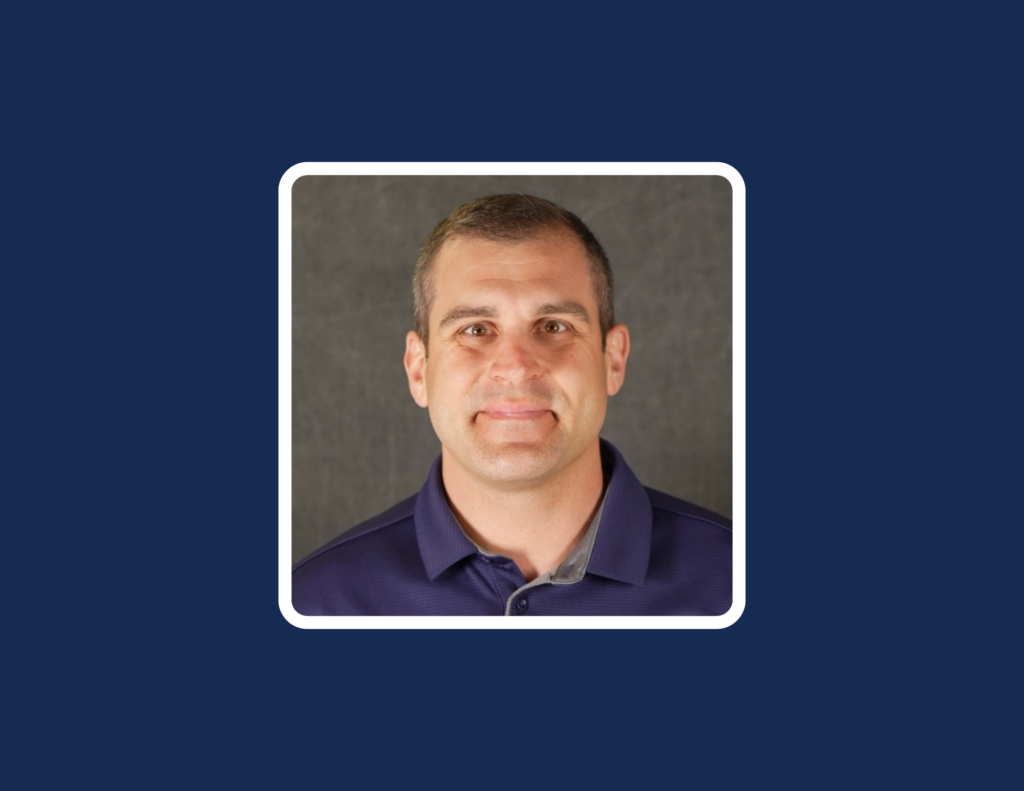
DONNY LIND – MOUNT ST. MARY’S MEN’S BASKETBALL HEAD COACH – EPISODE 1197

Website – https://mountathletics.com/sports/mens-basketball
Email – donny.lind@gmail.com
Twitter/X – @dslind
If you listen to and love the Hoop Heads Podcast, please consider giving us a small tip that will help in our quest to become the #1 basketball coaching podcast.
Donny Lind is the Men’s Basketball Head Coach at Mount St. Mary’s University. In his first season, the 2024-25 team captured the university’s first Metro Atlantic Athletic Conference (MAAC) championship with a victory over Iona in the conference title game. They would notch a NCAA Tournament victory – the program’s third – by defeating American in the First Four. The 23 wins by the team set a Division I record and were the most by any Mount St. Mary’s squad since 1986-87.
Lind previously served on coaching staffs at both Radford and UNCG under head coach Mike Jones from 2016 – 2024
In his first stint at the Mount from 2013 – 2016 he was as an assistant coach and recruiting coordinator and was on staff for the team’s 2014 Northeast Conference Championship.
Former Mount Head Coach Jamion Christian brought Lind along from Virginia Commonwealth University where he worked as a graduate manager before being elevated to video coordinator. He was part of the Rams’ storied run as the team won 84 games, including seven NCAA Tournament games and the team’s run to the 2011 Final Four.
On this episode Mike and Donny discuss the importance of fostering relationships in the realm of coaching. Lind shares how aiding the personal growth of both his players and staff is critical to his success. In this discussion, we delve into the intricate dynamics of cultivating a competitive culture within the team, a necessity for achieving success. Lind reflects on his journey, from his upbringing in a basketball-centric environment to his evolution as a coach, underscoring the significance of resilience and adaptability in the face of challenges. Through a serious examination of the modern landscape of college athletics, he articulates how he seeks to impact his players within the limited time frame afforded by today’s NIL and transfer portal environment.
Follow us on Twitter and Instagram @hoopheadspod for the latest updates on episodes, guests, and events from the Hoop Heads Pod.
Make sure you’re subscribed to the Hoop Heads Pod on Spotify or wherever you get your podcasts and while you’re there please leave us a 5 star rating and review. Your ratings help your friends and coaching colleagues find the show. If you really love what you’re hearing recommend the Hoop Heads Pod to someone and get them to join you as a part of Hoop Heads Nation.
Grab pen and paper before you listen to this episode with Donny Lind, Men’s Basketball Head Coach at Mount St. Mary’s University.
What We Discuss with Donny Lind
- The qualities that make Mount St. Mary’s a great job
- Fostering relationships is key to shaping the success of players and coaches alike
- Prioritizing the development of individuals to enhance overall team dynamics
- How tracking win-loss records in practice helps identify competitive players
- The evolving landscape of college basketball and building a program for long-term success
- Building the right staff to cultivate talent effectively
- Adapting coaching strategies in response to player capabilities
- Transitioning from assistant to head coach necessitates a shift in approach towards players
- Establishing trust with players can lead to improved performance and stronger team dynamics
- Resilience helps players navigate adversity effectively
Like this show? Please leave us a review here — even one sentence helps! Consider including your Twitter handle so we can thank you personally!
We’re excited to partner with Dr. Dish, the world’s best shooting machine! Mention the Hoop Heads Podcast when you place your order and get $300 off a brand new state of the art Dr. Dish Shooting Machine!
Give With Hoops is a groundbreaking initiative that fuses basketball analytics with modern sponsorship. Built for teams who see data as opportunity, from AAU programs to college powerhouses.
By tying on-court performance directly to community and sponsor engagement, Give With Hoops help programs raise more while deepening support from those who believe in the game.
Traditional fundraising disconnects donors from the action. Sell candy bars, wash cars, beg for donations, it’s exhausting and ineffective. Players perform better when their stats matter beyond the scoreboard. That’s why Give With Hoops was created.
Give With Hoops connects game performance to community support. Every basket, rebound, and assist becomes a chance to raise funds. Transparent, exciting, and proven to raise 3x more than traditional methods.
Your first impression is everything when applying for a new coaching job. A professional coaching portfolio is the tool that highlights your coaching achievements and philosophies and, most of all, helps separate you and your abilities from the other applicants.
The key to landing a new coaching job is to demonstrate to the hiring committee your attention to detail, level of preparedness, and your professionalism. Not only does a coaching portfolio allow you to exhibit these qualities, it also allows you to present your personal philosophies on coaching, leadership, and program development in an organized manner.
The Coaching Portfolio Guide is an instructional, membership-based website that helps you develop a personalized portfolio. Each section of the portfolio guide provides detailed instructions on how to organize your portfolio in a professional manner. The guide also provides sample documents for each section of your portfolio that you can copy, modify, and add to your personal portfolio.

Hey coaches — you’ve got a game plan for your team… but do you have one for your money?
That’s where Wealth4Coaches comes in.
Each week, they deliver simple, no-fluff financial tips made just for coaches. Whether you’re getting paid for camps, training sessions, or a full season—Wealth4Coaches helps you track it, save it, and grow it.
It’s time to stop guessing and start building.
Subscribe now at wealth4coaches.beehiiv.com/subscribe
And follow them on Twitter @Wealth4Coaches for daily money wins.
Your money needs a coach.
Start with Wealth4Coaches.
THANKS, DONNY LIND
If you enjoyed this episode with Donny Lind let him know by clicking on the link below and thanking them via Twitter.
Click here to thank Donny Lind via Twitter
Click here to let Mike & Jason know about your number one takeaway from this episode!
And if you want us to answer your questions on one of our upcoming weekly NBA episodes, drop us a line at mike@hoopheadspod.com.
TRANSCRIPT FOR DONNY LIND – MOUNT ST. MARY’S MEN’S BASKETBALL HEAD COACH – EPISODE 1197
[00:00:00] Narrator: The Hoop Heads Podcast is brought to you by Head Start Basketball.
[00:00:21] Donny Lind: I truly believe in the value of relationships. I believe that my job is to help the people that I work with and our players grow as people. If we were going to be successful, it was going to be because we had the right staff, and that if we had the right staff, we’d get the right players.
[00:00:39] Mike Klinzing: Donny Lind is the men’s basketball head coach at Mount St. Mary’s University in his first season. The 20 24 25 team captured the university’s first Metro Atlantic Athletic Conference Championship with a victory over Iona in the conference title game. Match NCAA tournament victory. The program’s third by defeating American in the first four. The 23 wins by the team set, a division one record, and were the most by any Mount St.
Mary’s squad since 19 86, 87. Lind previously served on the coaching staffs at both Radford and UNC Greensboro under head coach Mike Jones from 2016 to 2024. In his first stint at the Mount from 2013 to 2016, he was an assistant coach and recruiting coordinator and was on the staff for the team’s 2014 Northeast Conference Championship.
Former Mount head coach, Jamion Christian brought Lind along from Virginia Commonwealth University, where he worked as a graduate manager before being elevated to video coordinator. He was part of the Ram Storied run as the team won 84 games, including seven NCAA tournament games, and the team’s run to the 2011 final four.
Hey Hoop Heads. I wanted to take a minute to shout out our partners and friends at Dr. Dish Basketball. Their Dr. Dish shooting machines are undoubtedly the most advanced and user-friendly machines on the market. Learn more@drdishbasketball.com and follow their incredible content @drdishbball on Twitter, Instagram, Facebook and YouTube.
Mention the Hoop Heads podcast and save an extra $300 on the Dr. Dish Rebel Allstar and CT models. Visit drdishbasketball.com for details. That’s a great deal Hoop Heads, get your Dr. Dish shooting machine today.
[00:02:23] Todd Kowalczyk: Hi, this is Todd Kowalczyk, head men’s basketball coach at the University of Toledo. You’re listening to the Hoop Heads Podcast.
[00:02:34] Mike Klinzing: Coaches, you’ve got a game plan for your team, but do you have one for your money? That’s where Wealth4Coaches comes in. Each week, we’ll deliver simple, no fluff financial tips made just for coaches. Whether you’re getting paid for camps, training sessions, or a full season, Wealth4Coaches helps you track it, save it, and grow it.
It’s time to stop guessing and start building. Subscribe now at Wealth4Coaches.beehive.com/subscribe and follow us on Twitter at Wealth4Coaches for daily money wins. Your money needs a coach. Start with Wealth4Coaches,
grab pen and paper before you listen to this episode with Donny Lind, men’s basketball head coach at Mount St. Mary’s University. Hello and welcome to the Hoop Heads podcast. It’s Mike Klinzing Here tonight without my co-host Jason Sunk. I am pleased to welcome in Donny Lind head, men’s basketball coach at Mount St. Mary’s.
Donny, welcome to the Hoop Heads Pod.
[00:03:28] Donny Lind: Thanks, Mike. Appreciate you having me on.
[00:03:34] Mike Klinzing: Absolutely excited to have you on. Looking forward to diving into all of the interesting things you’ve been able to do in your career. Let’s start by going back in time to when you were a kid. Tell me a little bit about your first experiences with the game of basketball.
What made you fall in love with it?
[00:03:51] Donny Lind: Yeah, so I’ve been told, I grew up with a ball. My mom actually the other day sent me a photo of me and my dad and I was an a newborn and he had a little stuff, basketball that he had me playing with then. So, as far as I know, as long as I’ve been alive basketball has been pretty central to what I’ve done.
my first kind of basketball playing memories. I was fortunate. I grew up with a bunch of kids my age in the neighborhood in. and we had a, a hoop at the end of the driveway and we, we have to play a lot outside. We could walk to a, a park that had a full court. So if, if playing three on three or playing 21 in the driveway wasn’t wasn’t sufficient, we could walk down the maybe a half a mile walk to the park where we could play and run five on five.
And that was great. because growing up you could play with older kids. You you could learn a lot real fast about how to stay on the court, how to get picked, things like that, that I learned at a really young age.
[00:04:55] Mike Klinzing: How do you look at, and this is a question that we’ve kind of investigated this a lot on the pod, but when you think about the way you grew up, just how you describe right.
Playing on the driveway with your friends in the neighborhood, going down to the park, playing with guys who are older, sort of that pickup basketball culture that in so many ways and youth basketball has. Disappeared today and been replaced by travel basketball and a a u and trainers and playing with a coach and playing in front of your parents and playing with a scoreboard on.
How do you think about that in terms of your own experience as a young kid versus the experience that some of your players get growing up in the game today? Just how do you think about the, sort of, the juxtaposition between those two?
[00:05:38] Donny Lind: Yeah, I mean, I wouldn’t trade how I learned how to play for, for anything.
I think I wasn’t a very good player, but I learned how to compete at a young age and I learned the value. nobody liked to, to lose because you had to sit out for two or three games sometimes. So you learn the value of winning and how important it is to win because if you love to play, the only way to keep playing is to keep winning.
I think players today are far more skilled, far better shooting, better ball handling, better passing the players that I get to coach are way better than the best players that I played against. Growing up, but I don’t know if they have that same cultural learning of how important winning is.
And I think guys who would rip your face off to win in today’s day and age stand out so much more, whether it’s in the recruiting process, whether it’s watching them play in a high school game or an a a u game. Because that’s not everybody and, well, it probably wasn’t everybody when we were coming up, but it, it felt like more guys cared more because there was just that different culture of, of how you played and how you learned the game.
I don’t think kids play enough right now, but they’re also, like I said, they also can shoot away better. They can pass away better. They can handle way better. So there’s certainly a trade off there that we get to work with when they get to us.
[00:07:02] Mike Klinzing: How does that impact the way you coach in terms of that desire to win that competitiveness?
How do you go about. Designing things or putting your program together, putting together a practice, how, how do you teach that competitiveness that may have been more naturally present 20 or 30 years ago in a player?
[00:07:21] Donny Lind: Yeah. It’s one of the only things that we track in practice every day. So we track everybody’s win loss record every day in practice.
And what it does is by the time you get from summer school to the first game one, it tells me really, really quickly who I want to play at the end of the game. Because if you’re 50 games, over 500 and the guy who, plays the same position to you is 25 games under, like, you must be doing something right.
that, that helps you win and helps your team win. And so it also teaches the guys innately that I value winning and our program, Val values the things that go into winning. we don’t keep track of what your shooting percentage is. We don’t keep track of your how many rebounds you have.
We keep track of did you win? And it gives our guys a, a, a benchmark of like, Hey, coach, it’s, and it’s not like it’s not the be all end all, but it, it just, it keeps over their head like, Hey, do the things that go into winning, make your free throws at the end of the game. Take care of the basketball.
Like, those are the things that will help me win. And if I win, coach is going to notice that, and then that’s going to help me play more. So we, we try to compete a ton every day. And I’ve learned that the guys I’ve worked for have been compete competition guys. And I’ve been fortunate to work for some really, really good coaches that have taught me the value and watch when the guys compete and how much that pushes them to get better.
So it, it all kind of goes together there. But yeah, we really, we really try to make them aware that there’s a scoreboard up there. And as much as . I think I’m a process driven guy, and I think we focus a lot on the process of becoming a great team. But there’s still every time you step between those lines and there’s a score, you, you’re trying to win and if you’re ever out there and you lose sight of that, then I think you you’re, you’re missing the Mark A.
Little bit.
[00:09:13] Mike Klinzing: What percentage of your practice time would you say is scored and has a winner or a loser? If you had to ballpark it?
[00:09:20] Donny Lind: I would probably say somewhere 60, 70% probably is there’s a winner and a loser, and it might be a a four minute segment of a defensive drill. But we’re going to find a way to make that a competitive competitive thing.
[00:09:36] Mike Klinzing: All right. Let’s work backwards to, you mentioned right off the top that your dad puts the ball in the crib with you, mom’s got the picture of you. What influence did your dad have on you as a young player, and do you feel like he had any influence on you eventually deciding that you wanted to become a coach?
[00:09:54] Donny Lind: Yeah, I honestly haven’t put a ton of of thought into that. my dad certainly like I said, put a ball in my hand and influenced me to want to play and want to get better. was there to rebound for me. Was there to try to instill whatever he knew about the game. My dad’s not a coach.
My dad didn’t play high level basketball. he was much like me. I found out later his story changed as he got older. I think a little bit more truth came out. But he was, he was a manager in college, much like I was, I think originally the first time he told me he played in college.
But as we both grew, as we both grew up, he was a little bit more forthcoming. And so he. My dad’s an accountant. He’s a math numbers guy. He was doing stats and stuff for the team when he was in college. And but he loved the game, loved sports in general really, but taught me to, to value the game and was always there to help me improve as a player as much as he could.
I grew up in a really, really small town in Ohio. Hoosiers esque the size of the town is right on the Ohio, Indiana border, and it had that kind of vibe. And we played on Friday and Saturday nights, and we played in front of a, a sold out gym every night. The town had 800 people in it, one stoplight.
The gym set seated 1200 and was sold out for every game. I don’t know how that math works, but it was there every night. And so I just grew up in an area, in a place we didn’t have enough kids to have a football team. so basketball was king, and I was really fortunate to grow up in a place like that.
That wasn’t a big football country or anything like that. It was all basketball all the time. And the biggest thing that both my parents, but my dad taught me that has influenced me in becoming a coach is my, my dad and my mom both they, they taught me to really care about people and that one of the reasons that God put me on this earth is to help people.
And they taught me that from a very young age that you have an opportunity as a human being to try to make somebody else’s life better. And I didn’t know that that would lead me to coaching, but that was something I was searching for when I was in college trying to figure out what was next.
It was what could I do? I was doing an internship in New York. I will never, will never forget I was doing an internship in New York City. I was after my sophomore year at college selling ads and. I get, I take the train. My parents at the time now were living in New York, in, in suburban New York, and I took the train into the city and I get off the train and there’s probably a hundred thousand people all getting off the train at the same time.
And I am, I feel like I’m being herded like cattle up from the underground where the train gets out at Grand Central Station up to the street. And when I finally got up to fresh air and light I said to myself, this ain’t it. I don’t know what it is that I need to be doing my life, but I am not going to do this every day.
I am not going to take the train with all these people. I’m not doing it. And so I finished out that summer, but that was, that was it. I said I have to figure something else out or I can, like I said, make an impact in people’s lives and I can try to be a, a positive influence for others.
And I’m fortunate that that led me to coach.
[00:13:19] Mike Klinzing: While you were playing, there was never a thought of, Hey, someday I’m going to be a coach. Were, did you, were you a player that considered yourself to be a coach on the floor and maybe you just didn’t recognize it in yourself? Or, or what was the thought process while you were playing?
No. Thoughts of being a coach at that point.
[00:13:35] Donny Lind: I did not see it as a career at all. I’ve been told even I actually saw my high school, one of my high school coaches this week, and he told me for the first time that he thought pretty early on that after coaching me that I would probably end up coaching in high school at some point, or like doing something like that.
But I never, I didn’t I didn’t have any coaching in my pedigree. I didn’t know any coaches other than the ones I played for. So I didn’t even see it as a job I saw that I didn’t, I didn’t really see myself as somebody who would go and be like a high school teacher. So I didn’t think well, if you’re not a high school teacher, you’re not, probably not going to be a high school coach.
And that was about all I knew. And so. I knew I loved the game. And like I said, I knew, I loved, I knew at, at some point in time, I recognized that my coaches were helping me grow up. I, especially in college when I was a manager, I was like, these guys are having an impact on me. They’re helping me grow up at a time that I really need it.
And I’m just a manager. Like, but they’re, they’re, they’re choosing to take this time and have this impact and try to help me. Like, that’s pretty cool. Like I and then they, they kind of introduced me to this idea of, oh, maybe you could be a GA and stay around doing this sort of stuff.
And next thing I knew I was getting to do this full time
[00:14:51] Mike Klinzing: once the process for becoming a manager for the first time. When’s that idea pop into your head? Who, who, who talks to you and says, Hey, this is something that you could do. Who do you go in and talk to? Just tell us a little bit about how that happens at Loyola.
[00:15:04] Donny Lind: Yeah, so I chose to go to Loyola because like a lot of kids my junior year of high school. I thought I was a Division one player. I was getting recruited by some Division threes, and I say recruited like pretty lightly by some Division threes in, in New York. But to me I felt like I was LeBron James at that point.
And so I thought I was a division one player, no question about it. I, there was nothing you could tell me that I was not a division one player player. And so I went to Loyola because my junior year, they went one in 27. They were the worst team in the country. And I said I had a, I had a coworker of my dad whose son went there, so I’d heard of the school and I said, shoot, if I can’t play there, I can’t play Division one basketball.
And so I went to Loyola and found out really quickly I wasn’t going to be a divisional player. they had had a coaching change and Jimmy Patos was hired during my senior year of, of college and of high school, sorry. And then by the time I get there, he’s completely revamped the amount of talent on the roster and get cut from the team.
My freshman year, don’t do, don’t handle it very well. But at some point I really decide, Hey, I’m going to, I’m going to really give this thing a go. Like, I get to know some of the guys on the team. They let me start playing pickup with them after the season. I get in really good shape. I go through another summer of working at home, but really working on my game and thinking my sophomore year, all right, I’m going to make the team and get myself to a point where I’m hanging all fall I’m playing pickup with the guys I’m doing everything there is there that I could possibly do to make this team.
And one day basically It’s a week left in tryouts. It’s right at the end it’s me and one other guy that are still there letting hang around and I get hurt, roll my ankle bad pretty bad ankle sprain, where I got no chance anymore. I’m, I’m in a boot.
I’m, I’m done. And. one Jimmy pulls me aside and says, Hey sorry man stinks. You got hurt. You probably were never going to play for us anyway. I don’t know if Jimmy, but pretty frank with the way he would tell things. You, you probably weren’t going to make it anyway, and, but if you want to hang around and be a part of the team you could, you can be a manager.
And I didn’t know what that meant. I didn’t know anything about what that role would be, but I knew I wanted to still be around basketball and I was probably the worst student manager you could possibly be for the first two or three months. Again, like a lot of managers that I’ve had the privilege of being around in my coaching career now, like things they should be playing trying to beat out the guys, talking under my breath about how I’m better than this guy and trying to steal reps in practice, like all the stuff you’re not supposed to be doing.
That was me and it, it was my dad. I came home for Christmas break my sophomore year. He said, Hey, like if you’re going to do this, like why don’t you try to help? Why don’t you try to like, be the best you could be at it? And it like a, a switch flipped when I got back to to campus I didn’t go home for the whole break like most of us, but I did go home longer than I probably would’ve any other time in the rest of my life.
And I came back and I was back, I was all in Hey, what can I do? How much can you give me? And I just ran with it from there. I tried to that was I don’t feel like it was that long ago, but dang, it was probably almost 20 years ago at this point. And at Loyola at the time, it was an, a head coach in three assistants.
We didn’t have an ops guy. There was no video guy. Our, our SID did our travel for road games. Like he planned our buses. And so they, when there was somebody who wanted to help. They were like, shoot, we’ll give you, come on, whatever you can handle. Like, let’s do it. And so before long I was, I was cutting up film, I was doing film exchange and finding working guys out, rebound and passing just doing whatever I could.
And I’m so appreciative that I was in a place that would give me that much to do. there’s a lot of places that you’re when you, you, you’re first year as a manager, you don’t get to do hardly anything other than wipe up some sweat and do some laundry. And obviously I did plenty of that too.
But just, they just kept giving me more and more responsibility when they saw what I could handle and how much I wanted to help. And that was unbelievable for my development.
[00:19:27] Mike Klinzing: Was there one guy on the staff in particular that took you under their wing and kind of was your guide?
[00:19:34] Donny Lind: Yeah, we, we had a really good staff at the time, but, but Gigi Smith was probably the guy who, . He, he opened my eyes to what I could do and how I could help. And and then eventually how this could probably be a career. And he was, he was great. he, he would let me help him with whatever he needed help with and I, I so fortunate to him and obviously that’s a good, good guy to have.
because he had such a connection through his family and all the people they knew ended up being really beneficial for me down the road.
[00:20:04] Mike Klinzing: What point in your tenure as a manager did you really start to recognize and see that, Hey, I think this is a direction that I might want to go CareerWise, because obviously leading into it wasn’t a thought at all.
So now you get the opportunity to be exposed to a different layer of coaching, right? Before you were kind of thinking about it in terms of. I don’t know if I want to be a high school teacher, so then I’m probably not going to be a high school coach. So that didn’t really fit. But now you’re starting to see another avenue.
Do you remember, was it kind of a light bulb moment or is it more of a slow burn to kind of realize that, hey, maybe this is where I want to end up?
[00:20:42] Donny Lind: Yeah, it was, it was probably more of a slow burn, but I remember late in my junior year of college it was like, Hey, school year’s about to be over. I don’t really want to go home and get an internship.
I wonder if I hang around here. Will they let me keep working for the team over the summer? And when I did, when I asked about that that was when they were like, okay, like, we’ll help you work some camps. We’ll help you with whatever we, you, you can stop by the office every day if you want.
I don’t know what we’ll have for you, but you can always come by and it. It was like, they were like, okay, this, this, they kind of saw it in me that I was pretty serious about wanting to help. And they kind of showed me the path Hey, go work. That was the that in that era it was Go work camps, go get to know people, .
And Jimmy was obviously so connected to University of Maryland. It was go meet all the guys there, work Gary’s camp work for Hoop group camp. I did that one summer and just, just meet people that way. And then when you’re around those other people that are your same age, and they, they were probably more most of them were more advanced than me and hey, this could be a career.
What, this is what I’m trying to do. It kind of opened my eyes a little bit to what was out there. And so that I didn’t leave. I never went back home my junior year once once I got back to campus at the start of my junior year, I never went back home. I stayed on campus and then worked that summer, and then my senior year, obviously as soon as it was done, I, I was fortunate to get a, a spot as a GA and get started.
[00:22:13] Mike Klinzing: What did that process look like, getting the GA job? How easy, hard was it? What connection was the most beneficial to you? How, how many letters did you write? How many emails did you send out to be able to make that happen?
[00:22:26] Donny Lind: Yeah. I was a, I was a brute force brute force guy. I, again, I didn’t know anything.
So I knew that we were division one and I knew I was I still had this, I was a division one player idea, so I was like, I’ll, I want to work in division one. And so I went, I went handwritten note to all 300, I think it was 3 49 at that point. Programs in the country handwritten note, resume.
I, I don’t think I have it in front of me in this desk that I’m at right now, because I showed it to the team this year. But I have all the responses still, and it’s probably 20 maybe that I got back all nose. I got back two maybes. I got back a maybe from Minnesota where Tubby was coaching at the time.
And I got a, I got an email back from VCU that said, if you can get into our grad school, then we’d consider interviewing you. And after I had gotten, 200 no responses and 20 no’s, that was basically like, Hey, you’re it in my mind, because I was a pretty good student, so I knew I was going to get in.
I, I, fortunate, I’ve always been a really good test taker. So my GRE score was through the roof, so I knew like I was going to get into whatever unless it was Harvard or something like that I was probably in. And so it, when I got that email, I’ll never forget. I, I ran to it who can help me, who can connect me to somebody there?
And what can I do to try to get this, this interview? And thankfully Gigi and Kyle Getter, who was the ops guy at VCU at the time had a relationship and he was able to really open that door for an interview for me with Kyle. And Kyle was kind of the gatekeeper of the GA’s he was the one who handled all the first stages of interviews before you got on campus and got to meet meet with the people there.
And so I was able to get into school and got through a couple phone calls with the staff there and got invited down to Richmond for an interview with probably the last month of my senior year was got offered a job on the ride home and accepted it with, without telling my wife. I got, I was married young, so we were married at the time.
I think I told her when I called her, I accepted it on the call. And then I was like, oh, shoot. So I called her and said, Hey, you’re good with this, right? And I think I acted like I hadn’t accepted it already, but I. I certainly had,
[00:24:57] Mike Klinzing: did she know what she was getting into when she married you, the life of a coach?
No,
[00:25:00] Donny Lind: I don’t. No, she did not. But getting married as young as we did I think really helped because it was all we knew. we were just trying to figure out life together. We were she was all in on trying to help me and none of us knew what it could be really. we just, we kind of were learning as we went.
And getting that first job at GA spotted VCU was, was life changing for me and for our family. because we were around such amazing people. And for her as, as a coach’s wife, she was around around some unbelievable coaches’ wives that helped her kind of see. They, they were, they were positive.
They there’s plenty of coaches’, wives that have really struggled in this profession, and we were fortunate to be around people that had made it, had figured it out, had, Sharon Jones, who’s Mike Jones’ wife they, she and Sierra hit it off right away. she’s been a mentor to her about this profession and that ever since.
And it’s been unbelievable the people that we, we’ve met and how those people have helped shape our lives and how the her life as a, as a coach’s wife and this profession and being around people that wanted to, to make it work and it’s hard. And to be around people that we could look up to in that sense has been, has been great.
[00:26:30] Mike Klinzing: You look back on that first year at VCU, what’s a lesson? That you learned in that first year that has stuck with you, that you still feel like is impacting you today as a coach?
[00:26:44] Donny Lind: I mean, there’s, there’s a billion of them, but that, that’s the most the, I don’t know if I could narrow to one year, but those three years will the most impactful time at my coaching career by far.
But I will never forget, there was a day I thought we had five GA’s, right? One of them worked with the strength coach. So we had four that worked with the basketball team. And I was sitting in the office, I was, I was Mike Jones. I was kind of his ga but I also helped our video guy because I’m kind of a tech nerd especially back then, but I still hold onto it as much as I can.
And so I was helping the video guy and I was just grinding away on the computer, man. I was just cutting up film and none of the other GA’s were in the office. And I was like. I really thought I was doing something. Like I’m one up in all these guys, like they’re being lazy, they’re messing around.
And coach Smart came into the, we had a, we worked out of a out a conference room, all the GA’s at the time. And he like looked at me and he said, yeah, deal. Where, what’s going on? Where’s everybody? And I said, oh, they’re, a couple of them are in the gym working out with guys, and a couple of them are in the dorms.
I think they’re messing around on playing video games with the guys. And he said I was, this is, I’ll be family friendly, but he said, what the, what the heck are you doing here? Like, the most important thing you can be doing right now is spending time with the players. You can always work on the computer.
You can always get this done, get out of here and go spend time with the guys and build that relationship. I was like, put in my place and it, it changed my outlook and changed my opinion of what I was doing. And I tell our staff every year, I tell them that story. And it’s, it’s central to how I want my program to be.
How, how I want us to coach is we’re going to be in the lives of our players and we’re going to build real relationships and we’re going to spend time with them and the rest of the work will get done when it gets done. But the most important thing we can do is build those real relationships with our players.
[00:28:49] Mike Klinzing: Give with hoops is the first platform turning basketball analytics into fundraising impact. Every stat tells a story and now every story drives sponsorship engagement and team growth programs nationwide are transforming basketball stats into funding power. Learn to use performance data to attract sponsors, engage fans, and raise more with every play.
Give with Hoops will help you raise three times more money for your program as their stat based pledges consistently outperform traditional fundraisers. Visit give with hoops.com/hoop-heads-podcast to learn more and take your fundraising to the next level. Give with hoops.
How important have the relationships that you built with the staff at VCU been to your continued development and your continued ability to move to your next spot throughout your career?
[00:29:46] Donny Lind: Yeah. It’s everything. The only job that I’ve gotten that wasn’t a direct hire by somebody I worked with, there was this one.
I’ve, I haven’t, that’s the only time I’ve had to interview because I worked with such an unbelievable group of people. Every once in a while I’ll get tagged in a post with how many of those guys are, are head coaches now, but, we, we had such unbelievable people that Coach Smart had put together on that staff and great coaches, but better, better people.
And they have been great to me, mentoring me, helping me. Anytime I have a question I can call one of the eight other head coaches right now, individual one basketball that I worked with during my three years there. Not to mention like a guy like Kyle, who’s the associate head coach at Notre Dame who.
And has helped me more than a lot of them and it’s those, those connections and those people, and there was no ego. It’s unbelievable. there were so many great coaches on that staff and there was no ego it was coach Smart did such a good job of establishing a program that was just so player centric that we all just put ourselves aside so that we could help them become the best they could be.
And we, because we had those shared experiences and because we we, we were able to accomplish so much together that that group of guys we’re, we’re pretty close and we, we have helped each other along the way a as much as we could. like I said, I’ve I, people who have hired me, I worked with but also like the people I’ve looked to hire people that if, if I need to recommend somebody or I need to get a recommendation on an assistant or a video guy.
Those are the guys I’m calling, right? I’m calling those same guys to try to help with that stuff too. Because we’ve all been through it and we kind of know what what worked and what probably will work for each other.
[00:31:45] Mike Klinzing: Yeah. It makes sense, right? I mean, again, this business, when you talk coaching is all about those relationships, both in terms of guys you want to work with, jobs that you can potentially help someone get or that someone can help you to get.
And it is amazing how small the basketball world is in terms of the number of, again, the six degrees of Kevin Bacon theory, right. It’s in inside the basketball world, it’s, it’s even, it’s even smaller. It’s definitely smaller than six degrees of separation in terms of being able to get to someone, especially those guys, like you said, that you’ve been fortunate enough to, to work directly on the staff with those relationships that, that benefit both parties on a two-way street.
Forever. Right. For the remainder of the, of the time that you have, that you have a career. Talk about after VCU, your first trip your first stint at Mount St. Mary’s. How does that come to be a a and talk about just what it was like to to be an assistant coach and kind of, again, I know you had moved up to be the video coordinator after your ga experience ended at VCU, but just talk about the first experience at Mount St.
Mary.
[00:32:54] Donny Lind: Yeah, so I I after my second year at VCU Jamie and Christian got the job here at the Mount and he played at the Mount. And he was only with us for about nine months at VCU. And he and I had got, had a really good relationship when we worked together. We, we saw eye to eye and a lot of things.
We spent a lot of time together. We, we went to Subway next door to the Siegel Center, like a lot, like, way too much I way too much subway with him. But so when he gets this job at the end of the season, I’m like, this is great. I’m going to, I’m moving up, right? I’m, I’m going, I’m going. And he called me into his office and he said, Hey man, I I know I got the job, but I can’t bring you I, there’s, I have to keep one of these guys on staff and as much as I’d love to, I, I can’t do it.
And so It was I think I tried to play it cool, but I was, I was pretty, pretty disappointed. thankfully I had a really good job, a job I really liked. So it I couldn’t complain too much. And a year later my phone rang and he said, Hey I thought I had to keep those guys and one of them I definitely shouldn’t have kept.
And now I can get, now I can offer you a job. if you want to come up here and work the know. He’s selling me on the mountain. I didn’t need to be sold. I, he’s like, you can come be an assistant coach. I said, shoot, I’ll go be an assistant coach at anywhere at this point in time in my career.
I just didn’t want to have to be, be a dobo. and so I I jumped at the opportunity, to come to Mount St. Mary’s. I didn’t know anything about Mount St. Mary’s. I didn’t know where it was. I other than I’d watched some of his games this past year because of our friendship.
But I, I get up here and I tell people the Mount is a unbelievable basketball place. People really care about Mount St. Mary’s basketball. It’s a place where if you live in Frederick County north of Frederick, the city, Maryland, like most people grow up Mount St.
Mary’s fans, which is, it’s kind of odd in today’s day and age of, of college athletics, because it’s a it’s a school with 1800 students and it’s. It’s tiny, but they’ve got this longstanding basketball tradition. But I didn’t really appreciate it during the three years I was here because I had just come from VCU where we’re selling out the Siegel Center every night and went to the Final four.
And we went three straight NCA tournaments and won a game and each of the tournaments like this is cool. It was cool. I always loved my job. I love learning how to be an assistant coach and love trying to find my voice with the players and having more of an impact, but I didn’t really appreciate how good of a job it was, how cool of a opportunity it was until I left and got a little perspective.
you go to some other places and you realize, man, they, they had a good thing going there that I didn’t really know about. But the biggest thing when I got here the first time was Jamie was so good to me to teach me how to do the job to be willing to hire a guy who’d never recruited anybody.
I didn’t have recruiting ties. It’s not like. He was bringing me in because I could get him some players. It was like he was going to teach me how to do the job and trust that I would be able to run with it. And that’s kind of been my mo throughout my career is like I’ve been around good people that have seen that my work ethic and seen my character and have trusted me with maybe more responsibility than I was ready for.
And so those three years I learned how to make recruiting calls. I learned how to work with players on the floor. I learned how to do scouts. I learned all that stuff. And he was willing to let me make mistakes and let me be messy. And it, it was pivotal because it’s a lot of the same things that I continued those same ways of doing things have helped me all throughout.
[00:36:44] Mike Klinzing: What do you think was an early strength for you? As a coach, when you think back to that first experience getting the first head assistant coaching job, what were you, what were you good at? Obviously, as you said, you had some things that you didn’t have much experience with, but, but what were you good at initially?
[00:37:01] Donny Lind: Yeah, I was, I would like to think I was good at connecting with our, with our players and helping them get better. Like, again, I wasn’t a good player, but they knew that they were getting my all, when we were going to get out there on the floor, they knew that I was going to work my tail off to help them get better.
And that level of trust that I was able to build with those guys they trusted me to help them get better. They trusted me that they could confide in me and know that I had their back and was going to help them as best I could. And so just, just being real with them and trying to build those, that relationship I think was probably the thing I did best.
The other thing is, is I. I have what we like to refer to as fit folk. And that’s figure it, the f out. And if I was not the type of person who would take no, I don’t know for an answer. I just I don’t know. I’ve grew up this way. I have to thank my parents like if you don’t know how to do something, like we live in a day and age even then whatever, 15 years ago, 12 years ago, that in my pocket on my phone, I can learn how to do just about anything.
And so I had this desire to figure it out and wouldn’t stop it. I don’t know how to do that, or I’m not very good at that. I just had a, a relentlessness about me as a young coach that helped me bridge the gap of the things I didn’t know how to do. And that’s one of the things is now as a head coach, I look for, especially in, in the GA’s and the young staff members that haven’t, don’t have a ton of experience.
do they have that ability to fight through that first, ah, I’m not quite sure how to do this. Or or is it always going to be, Hey, run into an assistant, Hey, how do you do this? Or run into somebody else. How, how do you do this? Like, just, just, just Google it, watch a YouTube video, figure it out.
you can, you can do it. You’re smarter, you’re smart, and you have a, an unbelievable access to information. And so try that, that mindset has helped me my whole life. But especially as I moved in the business and got new things put in front of me, there was a lot of that just, just being relentless on trying to figure out how to be better.
[00:39:30] Mike Klinzing: I think that’s well said. And it’s a theme that I’ve heard a lot from guys who have spent time as an assistant coach or from guys who are head coaches in terms of character traits that they’re looking for in an assistant, right? You want somebody who, if you as the head coach, give somebody a task to be able to do, you want that person to be able to do it.
And that’s not to say that as a head coach, you’re not giving them guidance or helping them or or trying to develop them, but as you said, the ability to just go and say, Hey, I’m going to figure out like somebody gave me this project or this assignment, this task. And yeah, it may take me a little longer than somebody who knows exactly what to do, but I’m going to figure it out and provide value ultimately, right as head coach.
Take things off of your plate and bring their strengths to the table, which is going to strengthen your program as a whole. And if you’re always having to handhold somebody who is kind of afraid to take that initiative, then not a lot gets done. And so I think for sure that, that’s a character trait that I’m sure most head coaches are looking for in an assistant.
And if you are an assistant coach out there and you’re listening, man, that’s great advice of something that you should cultivate in yourself is just, yeah, figure it out and get, take, take whatever task is given to you and boom, let’s get it done. And figure out what you have to figure out what you have to do.
So, all right, then next stop is Radford with Mike Jones. Tell me how that comes to pass. Why, why go and work for Coach Jones? Tell me a little bit about that relationship and, and what made it. Work over. And again, we’ll talk about the next stop with Coach Jones as well. But just gimme a little insight into your relationship and again, why going to work for him was ended up being such a good choice for your career.
[00:41:16] Donny Lind: Yeah. I mean, coach Jones is, is the best. I love him to death. He, he is an unbelievable human being. He’s an unbelievable leader. He is an unbelievable father. He’s an unbelievable husband. And I was, at this point, I would been up here for three years and it was, I was seeing so many people that I knew in the business struggling as husbands and fathers and I was working with all young people none of us had been through that yet.
And I wanted to learn that from somebody who had done. So Coach Jones called me and said, Hey, I’m having some turnover on my staff. Would you be interested in a job? And we had worked together, obviously VCU and I knew his character. I knew who he was. And he had, he had a son who was going in, I think at that point, I think he was going into his sophomore year at Bucknell, maybe.
And another son who was in high school. And I knew his wife. I knew his kids like they were what I aspired my family to be like. And I wanted to, to see that it’s not something I’d seen before. And the bed is far, none. The biggest reason why I left to go from here to Radford. It wasn’t really a better job.
I mean, it was pretty lateral move as far as a basketball job goes. And financially it was a very lateral move. But it I thought it would help me and my family learn. Just how to do this. if, if, if I knew that, if coach Jones is a couple years older than I am, I think if, if I could fast forward whatever, 20 years, 15, 20 years from that point, and my family looked like his family and my relationship with my wife looked like his relationship with his wife, and my kids were doing as well as his kids are doing, then I would be really happy with where my life was.
And so I wanted to see and I, that was the number one reason. And I told him that when, when we’re going through this, like part of the reason I want to do this, and he’s like, well it’s it’s maybe things aren’t always as how they seem this is hard stuff that we’re doing.
But no, they’re, they’re awesome. And so I decided when that happened he had a big turnover on his staff. They had, so he got the job at Radford after my first year, after the year we went to the Final four at VCU. And I had already been hired as video coordinator.
And so I had a very similar conversation with him that I had with Jamie the following year. I was like, Hey, I’d love to hire you, but I, you already told, he said, you already told coach Smart, you’re staying here as a video guy. You can’t leave to come with me to Radford. Like, that’s not how this works.
You, you say you’re staying, you’re staying. And so five years later they had had some great success. They had started to turn the program around. But he felt like they had some issues on the staff that were holding them back. And he he had one guy leaving take a new job, and he let multiple guys go.
And that’s hard to do. I didn’t realize how hard it was to do now as I, as I do now sitting in as a head coach. But yeah, we, we had basically a whole new staff when I got there to Radford. And there were some bumps in the road that first year. I, we, I think we won 17 games my first year at rad.
And you can ask anybody who was on that staff. We coached our butts off to win 17 games. Like we had, we had like a nine win team that we won 17 games with. Maybe we won 14. It might even not even been 17. But we we, we coached our tails off and learned a lot. Grew fortunately, well not fortunately for that year, but fortunately going forward, we had a kid sitting out Carly Jones who he had some academic hurdles in high school and they ended up deeming him a non qualifier so he wasn’t able to play his freshman year.
And so he was sitting out that year and the next year he was freshman of the year and the in the big south and hit a shot to send us to the NCA tournament at the buzzer. And ended up being freshman of the year. Then the next year he was first team all conference and the next year he was Player of the year and transferred to Louisville and played in the NBA and was playing in the early league.
Now, I mean that makes us all look good but. that that group of guys David Boyden and I don’t know if Dave, but we worked, we started on the same day at Radford and we, we really quickly, we both knew Coach Jones from earlier, he worked with Coach Jones at Georgia and I worked with the VCU.
And so we, we both knew coach we didn’t know each other at all. And the two of us are like two of the more relentlessly positive people you’ll ever be around. And that’s what the, we needed. That’s what the, we really quickly realized like that’s what Coach Jones needed. That’s what the players there needed.
And we took it upon ourselves to interject as much positivity as we could into the program. coach Jones is one of those guys, like he’s positive, but he’s really positive when he is around positive people. And if he’s around a bunch of negative people, he can drift the other way. And so we, we, we both knew that about him and we knew each, we, we got to know each other and, with us, and we had Ron Durso was on staff and the three of us we, we hit it off and really had a great thing going there.
At Radford. We had an unbelievable staff. We had great success won a ton of games, multiple power, five wins, obviously went to the NCA tournament, won back-to-back regular seasons at, at Radford the year, the two years after we went to the NCA tournament. And just it, it, the reason we were successful there is obviously we had really good players but we allow, they were able to be the best they could be because of the environment that we had on the staff.
There again, there was not, there was, there was so much energy and enthusiasm every single day with the group of people that we had there that. We had no choice but to be successful. And it was fun. we, we had a moment that, that second year, the year we ended up winning it where we had lost four games in a row and Coach Jones called us into a meeting and I was worried it was going to be doom and gloom.
And he he was great and he just encouraged us to double down on our, on the fundamentals that we think are going to be what we need to get it done. the one or two things defensively, one or two things offensively, like if we can double down on those, it was probably January 25th ish at the time.
And it’s like, for one month, if we can get better at those, these four things, can we be good enough to win three games in three days? And he was dead on. He was dead on. We, we didn’t let off the gas. We still had a ton of fun. We still had enthusiasm, but we had such an attention to detail on those three or four things.
We got better and we, we, we got better at the things we needed to get better at. We had some some great leadership on the team that helped and ended up having a ton of success. And I learned a huge lesson in that because there, when you watch your team play, coaches know there’s a laundry list of things we have to get better at.
I mean, I think about my team right now, there’s a laundry list of things we have to get better at, but gained games, come down in conference to, to two, one or two possessions a half. And what are those fundamental things that can help us win those one or two possessions? And if we can just, just grind those things out so they’re no longer an issue for us, we could be a really, really good team.
And that’s, that’s what it took there. And that’s, I think, what it takes most years and not being willing to, to relent on those things that really, really matter.
[00:49:02] Mike Klinzing: So funny that you say that because I’ve told this story on the podcast before, but I remember my very first coaching job and I was a JV head coach at a high school and I had come off my playing career and then I had volunteered back at my high school where I kind of showed up when I could for a year when I was figuring out kind of like you had your epiphany getting off the subway.
And I had my epiphany when somebody wanted, wanted to hire me and they wanted me to start work July and put on a suit. And both my parents had been teachers and I’m like, you want me to go to work in July and wear a suit and tie? I’m like, I don’t think I want to, I don’t think that’s for me. I don’t think I want to do that.
So anyway, but my very first team, my very first coaching job was coaching a JV team and I remember my first practice and put in the first drill that we’re going to do and the drill goes for like five minutes. I remember just standing there watching the drill and going. There’s like 500 things that they just did wrong in this one drill.
How am I ever going to fix all those things? I remember being just overwhelmed and it took me probably that entire season between just me kind of thinking through in my head, but also just talking to other coaches to kind of figure out exactly that lesson that you talked about where we could all find millions of things, right?
That at any given play or in any given situation that maybe we might want to fix. But you really do have to dial down and be intentional about what are the most important things in a given drill, in a given practice, in a given season that are going to help our team the most. And you don’t always, it, it, sometimes it takes a long time to learn that lesson.
I don’t know if I was ever very good at that. I still think in, in many cases, even now, I still get overwhelmed of like. There’s so many things I want to fix in that, in that one play that I just saw. And you have to pick and choose. But I can completely and totally relate to what you, what you just described there.
So let’s move forward now to Coach Jones’s decision to move from Radford to UNC Greensboro. When that happens, does he consult at all with you guys on the staff and say, Hey, I’ve got this opportunity, I’m thinking about it. Does he bounce ideas off you, or is that something where he’s kind of doing that off in a silo and then once it’s done, he comes to you and says, Hey, I’m going to go to USC Greensboro, I want you to come with me.
What’s the process like from your end of it as an assistant coach in that situation?
[00:51:39] Donny Lind: Yeah, I was fortunate. I think so. I think I was fortunate. I was kind of that guy for him. Okay. I was the guy, I don’t think he consulted with everybody on staff. I was kind of the middle I was kind of the go-between.
And I was the guy who would do the research for him and help him. And so he would clue me in on how he was feeling and what he was thinking because of that. And he he would a he, if he told me to keep it quiet, I would, but he, he often wanted me to let the assistants know but he didn’t really have the time or the bandwidth to fill everybody in on every step.
So I was, I was in the loop pretty good. On, on, on the jobs that he was involved with throughout our time together. There were a few but when he decided to go to UNCG it was, it was a pretty quick process. Like a lot of these are by the time Wes Miller was there, and when he left to go to CincinnatIt didn’t, I remember one of the guys who was an assistant for Wes called me and said don’t be surprised if, if you get my office.
And I was shocked. I was like, really, like they’d consider Coach Jones and he said, yeah, he’s the president really likes him and I had no idea. And I didn’t know they had, they didn’t have a relationship that I knew of mean, he just and so pretty early on we we were, we knew we were involved and he’d have a chance.
And yeah let us know. coach Jones is the best. Like I said, I’ve learned, I’ve learned more from him than probably anybody, any man in my life outside my father. But he brought us all in that next morning and hey, you’re one thing’s for sure, you guys are all going to have a job.
And he said, I don’t know necessarily how quickly, I don’t know what your title is going to be. I have to figure some things out when I get there, but if you want to come, everybody in this room is going to have a job. And I that as we know in this business is a big deal. we showed, we showed up at at UNCG and there were three or four people looking at us.
Like we, it was sad puppy dog faces hoping that we’d keep them around, ? So that’s not the way it is everywhere. And met with the team and Coach Jones went down. I don’t remember the days of the week, but I want to say he went down on Monday and coach Boyton and I were down there on Wednesday.
And then the rest of the staff followed within a couple weeks. But yeah, it was like, like all these things, they go quick. fortunate again to be with a guy that understood and cared enough about us and the work that we’d done to help him, that he wanted to make sure that we could all continue working together.
[00:54:26] Mike Klinzing: When you’re an assistant in those cases and you leave one school to go to another. Obviously when you’re a head coach, you meet with your players and talk to them, and before you go out the door as an assistant coach, you do that same thing.
[00:54:40] Donny Lind: You should, you should. So I we, we all obviously had meetings and we talked to the guys and when we got to Greenboro, they were, there was, they were just finishing up some NCA probation from, it was actually because of the women’s staff.
It had nothing to do with the men’s team. But literally on our first day, they were all over us to not communicate with any of the players from UNCG that weren’t in the portal. And, I’m a rule follower. Like if you tell me I can’t do it, I can’t do it. And it’s one of my biggest regrets in coaching is that I.
I recruited a lot of those kids and I told them and their parents that this was not a basketball decision exclusively, that I was going to be there for their sons. That I was going to help them grow up, that I was going to put their, their needs in front of my own. And I didn’t follow through on that as well as I could have with a lot of those guys because I was trying to follow the rules of my new job, and if I had to do over again, I would’ve broke those rules and li live with whatever punishment might have come.
It’s funny, one of those guys I coach now and I’ve apologized to him since I got here to the mountain because of, because of that. But yeah, it, it was, it’s hard. that’s, that’s a hard process. And I tried to have as many conversations as I could before I left officially so that I could do what I needed to do.
But there’s a lot of that stuff’s up in the air because are you going to, are you going to bring these guys with you? the guys who were really good for us at Radford are good enough to play at. And so like, who are the guys that are at UNCG are going to leave, and what are we going to have available and who fits those spots and all that sort of thing.
So there’s and some of those guys arrive, they’re like, well, I’m not going in the portal unless I know that you’re bringing me with me, with you. And so there’s a, a little bit of a back and forth there that’s have to take place that I think I could have handled just as a person as a man, as a leader.
I should, I could have handled better with those guys at Radford. And I, I’ve since had the opportunity to talk to those guys, most of them, and kind of share that with them. But that’s something that I would’ve liked to have done better.
[00:56:51] Mike Klinzing: That’s a tough spot to be in, right? I mean, again, as you said, when somebody above you tells you, Hey, don’t do that, and yet we all know again, the relationships, right?
In college basketball especially, are everything what you go through both. As players, right. With your teammates and then as a coaching staff and with your guys and the amount of time that you spend together. I mean, the relationships, the relationships are everything. And it’s such an intense time with, again, just guys being 18, 19, 20 years old and just going through the rigors of a season and everything that that entails and those emotional bonds and just the connection because you’re going through things that not very many people get an opportunity to experience what it’s like to go through a, an athletic season at the college level, and just everything that that entails and then to just have that kind of cut off.
I know every coach that I speak to, Donnie just sort of echoes the sentiment that you just gave. That that even though the next opportunity’s exciting and it’s a, it’s a move that you want to make for your career, there’s always that regret of leaving the guys behind that. Obviously you didn’t know when you said that to him, that, Hey.
I’m going to be there and I’m going to help you through it. And we’re going to help you improve as a basketball player and as a man and all the stuff that goes into that, nobody expects that they’re going to leave. And it’s always a difficult situation and conversation for coaches to be able to, to be able to have when they leave, to, to take a new job.
And I think it’s just, again, it’s one of those things that, unfortunately it’s part of the business. It’s, it’s one of many difficult conversations that you sometimes have to have in the coaching profession. Which again, I think people who can have difficult conversations oftentimes are the most successful, right?
Because you can tell people the truth. And I know I’ve talked to so many coaches that when I think about what’s made them successful, that ability to be honest and tell the truth and be upfront with players, I think ultimately that’s what guys that’s what guys respect. So you guys were at UNC Greensboro, at what point?
Do you start thinking about, have you already started thinking about becoming a head coach yourself? Is there a point in, in the process in your career as an assistant here when you’re at UNCG, where you thought about being a head coach?
[00:59:21] Donny Lind: I definitely thought about being a head coach. I wanted to be a head coach.
I thought I needed to be a high major assistant in order to be a division one head coach. that’s just where my mind was at, where the people around me and people I knew in the business and I thought that was kind of the way things had to go. And so I was not actively trying to be a head coach during my time there.
a, the year that I, that I was there for three years at the end of that as during that third year. Was one of those years, like all of us coaches have, where we had a great year, we had a great team. Unbelievable. I knew it was probably time for something different. It was time for a new challenge.
I’d been with Coach Jones for eight years now at that point. And he did such a good job of keeping me from getting comfortable. But I was ready to learn from somebody else. I was ready to take on a new challenge. And we were, I was very open with him about that that hey I’m not quitting.
I but like if something comes across your desk that you think one of your buddies brings up, like, don’t be afraid to mention my name. And thankfully I worked for a guy who was willing to do that and was willing to try to help put, push me forward and help me. because he wanted me to be a head coach, probably better, worse than I wanted to be.
And he knew, he probably thought I’d be better at it than I thought I would be. He he did a great job of always encouraging me and the other guys on staff that, that, if that was your goal, like let me help you while you’re here, be all in, but let me help you with whatever you need in the profession.
And so I knew that was my goal. That had become, that was not, maybe not my goal at whatever 24, but that had become my goal. To be a division one head coach was one of my goals. And coach Jones was great about trying to help me. And in fact he had talked to some high major head coaches that same spring hey talk to Donnie, get to know Donnie, whether it’s for this year or for some time down the road.
I think he’d be really good. he would slip my name in and give me credit for things publicly things that, now me sitting in this chair, like things that I want to do for my staff. And help those guys with, with whatever their goals are. so many times it’s so easy, I guess, to get selfish.
when you’ve got a good staff member I got some unbelievable assistance. And there are days that I think, man, I hope that guy gets to be a head coach or gets to have his goals. one of my, one of my assistants, man, he wants to be a division three head coach. Like that is what he wants.
And then, and I hope he gets it, but there are days like, man, what am I going to do if I lose that guy? ? And yeah. And so really it would be really easy for me to, and it was, I’m sure it would been easier for Coach Jones to say, oh yeah, Donnie, I’ll help you. I’ll help you, I’ll help you.
And then when that phone call comes, not mention your name, but he was, he was great for me and trying to help me. And I hope I do as well for my assistance as he did for me.
[01:02:38] Mike Klinzing: What was the interview process like at the Mount? Obviously you had been there before, so you had some familiarity with the program, with the area.
Obviously that gives you an advantage, but just walk me through the process of what the what the interviewing process was and what that looked like.
[01:02:54] Donny Lind: Yeah. So rumors started circulating at the final four that year that the current head coach might be leaving. I guess he was at the time that people were saying he might be taking an assistant job might be stepping down.
I didn’t really think much of it to be honest. First time I heard it and that was, I think, I think I heard it for the first time. I think the Saturday, the day of the games of the, of the semi-finals got back from the final four that Monday. I went with Mike Morell, who I worked with at, at VCU the head coach at UNC Asheville.
The two of us went to the Masters on that Monday. On Tuesday I believe it came out that Dan was, was leaving Mount St. Mary’s. It might have been Wednesday, I think it was Wednesday. And I remember there’s a new a, so there was a new ad new president. But pretty much everybody else in the administration was the same, or maybe they were in a different role, but they were people I knew I had a relationship with.
And so I texted the SWA that afternoon ju we had, and so Justine, our SWA, she was our ops when I was on the staff here. So she worked, I mean, we worked shoulder to shoulder. I, that’s Coach Miller. She’s still Coach Miller to me, even though she’s working in administration now. And so I just texted her like the, the big eyes emoji, like, and she just said, yeah, let’s talk tonight.
And I, again, I didn’t think anything of it. I just thought we were going to talk about what they were thinking. And the other thing with it was they announced who was going to have the search, and it was Jenna McLaughlin was going to run the search. And Jenna and I were freshmen at Loyola together.
We did the same thing. We both thought we could walk on the teams at Loyola. She thought she could walk on the girls team. I thought I could walk on the guys team. We tr both tried for two years. I stayed and was a manager. She transferred to division two when she couldn’t make it. And so we, we hadn’t talked since, basically, since our, our sophomore year of college.
But we, we knew each other. We knew who each other were, at least I saw, we saw each other’s numbers. So I also sent her a message like, Hey, I saw you got the mount job worked there. It’s a great job. Something like that. And, that night when I talked with with Justine the first thing she said before I could say anything was Brad, Brad is going to want to talk to you.
And I was like, floored. Like I was shocked. I had, I had no way thought that I was going to be one of the candidates I thought she was going to ask me about. Some people maybe that I knew that, that maybe were further along, were more ready than I was. But that was a, and so before I could even try to plug a friend of mine she let me know so I could change my tone and my conversation real quick.
So we talked that evening about what it would be like and and what they were looking for and all that sort of thing a little bit. And then the next day I have to talk with search Firm. And that was probably Thur, that was Thursday on on that Sunday, maybe it was the Sunday of the Masters because it was in the afternoon.
I didn’t get to watch the end of the Masters. I had a Zoom interview on Sunday on. Wednesday they, I was on campus and I got offered the job on Friday afternoon. So the whole process was nine days, I think from the time Dan left to the time they hired a new coach. Yeah, it was new AD who I did not know, didn’t know anything about.
But Brad Davis, he’s, he’s great. We hit it off right away very we see eye to eye on a lot of things. one of the things I tell people on I kind of mentioned it earlier, is like, I had a leg up. Not just because I’d worked here, but because I knew that the Mount was a place where you could be successful.
I think a lot of people, they see this job is open and it was the we’d been in the Mac for two years, we’d been in the NEC before that and had some success in the NEC once every four years basically winning the league. But then you get to the ma the Mac and both years came in ninth, finished under 500, and the schools in the middle of nowhere.
We don’t, we can’t hide it. we’re out here. It’s a really small private schools, and those schools are stru. people think those schools are all struggling in this day and age. And so there might have been some coaches who may have been more qualified than me that made it, maybe didn’t want the job because they didn’t know how much they care about basketball here, how much the administration from the president down is aligned with us being good.
the advantage of not having football at this level. those sort of things that I was very familiar with. I knew, I knew all those things. I knew the type of people I knew the type of people that would be successful here as players. I knew the academic footprint and who you should type, type of kids you should recruit, and those sort of things.
So I didn’t have to in a process that went super fast, didn’t really have to do a ton of research, didn’t have to it wasn’t like trying to make a cookie cutter presentation fit them. It was I could just be myself because I was familiar with the place which really helped.
[01:08:03] Mike Klinzing: Yeah. Obviously no hesitation in taking the job, correct? No, correct.
[01:08:07] Donny Lind: and it’s interesting because obviously these jobs are really hard to get and there’s not very many of them. But this is one of those jobs that like, it wouldn’t have mattered. Like there is, it is a very good job for what it is.
And again, I was fortunate to know that, and it made it really easy to say yes. But again, I, I didn’t think I was going to be a candidate, but in, in my heart there were probably two jobs that I thought I might be able to at least interview for. And this was one of them. And the other one was probably my alma mater little, and those were the two that I had enough ties and enough relationships that even without being a high major assistant.
I could at least get a sniff at. And they both happened to open in the same year. So but it’s it, it, it’s certainly no hesitation. that’s the search firms ask you that especially when it gets down to it so that the boss doesn’t have to call and look like an idiot, I think.
So yeah, that was a very short phone call that I had with with Brad that afternoon. I got, I got a call from the search firm that said, Hey, be by your phone. And which time I called my wife and said, Hey, if I get this call, like, we’re doing this right. And she, she said, of course. And yeah, and like, like, like all of us get the job on Friday afternoon.
I went to my son’s little league game on Friday night and got up at five in the morning after not sleeping all night on, on Saturday, and was up here by noon on that Saturday. And haven’t left.
[01:09:46] Mike Klinzing: So you get the job, it’s early in the morning that Saturday. What are some of the things that you think about in terms of getting the program quickly, moving in the direction that you wanted it to go?
As a first time head coach, you’ve probably had a lot of time to think about, Hey, what would I do if I had my own program? What are some things that are important to me? How would I do things similar to what the guys I’ve worked for have done? What might I do differently if I’m the head coach? So what do you remember about your first two, three weeks on the job?
What were the things that were most important to
[01:10:25] Donny Lind: you? Yeah. It’s funny you said the thing earlier about people who are willing to have hard conversations. I think one of my bosses probably Coach Jones I don’t remember specifically who, but he said that, Hey, one of the reasons that they hire you’d be head coach is they think that you could have difficult conversations.
The ad wants to feel like he doesn’t have to have all the hard conversations. He wants to feel like he’s hiring a guy who can have those difficult conversations. And so going in then those first weeks I was like, I’m no, I’m going to have to have hard conversations and I’m going to make it all about the people.
I truly believe in the value of relationships. I believe that my job is to help the people that I work with and the people that work that are, are players grow as people. And so those first shoot probably longer than three weeks, but was all about the people. I probably didn’t do a very good job at some of the other things that come with getting the job for the first time.
But for me, I just knew that I was going to make, if we were going to be successful, it was going to be because we had the right staff, and then if we had the right staff, we’d get the right players. And so that was it. My first thing was get talking to all the players that were here I called all of them that first night and then met with them all that first Saturday.
Unfortunately had to have some difficult conversation with the staff that was still there. And I said, didn’t want to wait and make the ad do it on Monday morning. Like I was just going to do it. I knew a couple of those guys already and and, and had the conversations that needed to be had.
And then it was, it was trying to get a staff together and trying to make sure that I had people because I didn’t think I was really going to get a job yet. I didn’t have like the, oh, this is what I’m going to do in my first 60 days. This is what I’m going to do. I didn’t have any of that stuff it was this was a, a little bit of a, in my mind, like I knew I’d be able to figure it out because that’s what I do that’s one of my strengths is I can put my nose down and I can figure it out, but.
That’s what the first shoot the year was. every day just trying to figure out hey, what are the most important things that I need to work on today? And like I said, for me it started with people. It was, let’s get the right staff and fortunate to get an unbelievable staff here.
And then they helped did a, did a help us get a really good team. And we were fortunate. I mentioned x not by name, but I will now. So Xavier Lipscomb was here when I got here. He was going into his fifth year. He had red shirted the year before. because he broke his foot.
And Xavier I coached, I recruited and coached his freshman year at Radford. And we joked about it later in the year, but I was going to coach X last year no matter what. because if, if I didn’t get the job at the Mount, he was going to transfer to UNC. But he he was instrumental in helping me build trust and relationships with our team, the guys who decided to stay.
And we, we were able to retain some really good players. And because I had that relationship with X previously, he could go in the locker room when I’m not there and tell those guys, Hey, you can trust this dude. Like, he, he, he’s going to be, it’s going to be a lot different than things were like, it’s going to be a lot more fun.
It’s going to be a lot more exciting. those things that the players are, are, I’m telling them, but they don’t know if they can believe me or not. They don’t know if they can trust me or not. I’ve got somebody who’s got my back that has their ear that they trust. And that was, that was instrumental to us having as good of a year as we had in year one because we were able to retain some they guys that they, they hadn’t shown that maybe necessarily how good they were.
But they, they were really good players who helped us win a championship.
[01:14:24] Mike Klinzing: As you went through the year last year, how closely did sort of the vision of how you’d like your teams to play offensively and defensively, how close did the way you ended up playing last season, how close was that to the ideal vision of, if you look ahead in your program or you think about in your mind what you want teams that you coach to look like, how close was that team philosophically from an offensive and defensive standpoint to what your ideal team would look like?
when, when you kind of picture what, what kind of team you want to coach as a head coach?
[01:15:07] Donny Lind: Yeah. As far as X’s and O’S stuff, it was, it was okay. It was fair. I would like to have been more aggressive defensively and been more uptempo. We played. But it wasn’t a fit for who we had.
And then especially we had some injuries throughout the year that kind of hampered us a little bit. And so we had to dial back some of our pressure. We press, we pressured in the full court, the whole non-conference and then had some injuries, late non-conference and kind of had to dial that back.
And that in turn slowed us down a little bit. It planned to transition in offensively and that sort of thing. We also were a little careless with the ball and because of that we also had to slow down because we weren’t just going to keep turning the ball over at an astronomical rate. And so I would like to play a little bit more of tempo.
I would like to press maybe not quite what we were doing at VCU, but I would like to be an aggressive defensive team that leads to a high tempo offense. And so we weren’t quite there now. Much more important to me. Is like the, of all the things I want to teach our players I think the most important thing that I want them to learn if they play for me is that you’re, you’re not defined by what happens to you.
You’re defined by how you respond. And that I thought we did in an unbelievable level, and we really learned that. And that allowed us to be successful no matter how we were going to play on offense or defense because we, we were able to be onto the next play faster than our opponent. And once we were able to do that we weren’t dwelling on mistakes that we made.
We weren’t worried about the plays that hadn’t happened yet. We were able to be really successful and able to be really focused on what was going on in that moment. And that was the thing that, of all the things that we worked on and all the things that I was trying to stress to the guys, that was the one that stuck, that was the one that we needed.
like you don’t know. What have you, the things that you’re trying to teach the guys you’re going to actually need during the season, ? But because of all the injuries we had and because of all the adversity we went through, the responding to adversity piece was a huge deal for that, that team and that group, and it’s probably is from host, but that team, they had done it really well.
They learned it, they were willing to do it. They helped each other with it. And it allowed us to we had some, some injuries late in the season that I think would’ve crippled most teams, and they, they went right. Just flew through it,
[01:17:44] Mike Klinzing: and that was pretty fun. Did you enjoy the most about becoming a first time head coach That was different from being an assistant coach in a program?
What part of the head coaching position did you really get a lot of joy from that was different from the joy that you got from being an assistant?
[01:18:06] Donny Lind: Yeah. I would say it’s like, it’s the weight of the conversations that you have with the players. I, I thought I prided myself as an assistant on having a relationship and having real and honest conversations with our players and trying to really help them and be there for them off the court and that sort of thing.
But I didn’t understand, and I love the I think weight is the only way to put it, but like, how much those conversations mean now when I sit down with a guy at lunch or he comes over to the house, or we go to church together or whatever the thing is that we’re doing, and we talk, it, it, I know I can have an impact and I know that those conversations mean a lot.
And so you have to be, I have to be precise and honest and I can’t mince words I have to, I can’t, . Play both sides. you have to be, you have to build a relationship and then be able to have true, honest conversations. And I love that. It’s hard, it’s difficult but I really enjoy those conversations that I get to have with our players and that they, they if I give a guy hope if I can inspire a guy to think, of himself more highly, he’s probably going to play better.
And those conversations like they assistants as an assistant you try like crazy to give a guy confidence. You try like crazy. And I can now, as a head coach if, if you tell a guy he is a good player, like it means a lot more than it did when I was an assistant. And so those, those conversations are, are the thing that I really enjoy because it’s you just feel the impact that you’re having.
[01:19:56] Mike Klinzing: You feel like the guys are able to come to you in the same way as a head coach, as they did when you were an assistant coach? because a lot of times, right, the assistant coach is kind of the proverbial good cop or the confidant that the players can go to. And the head coach on the other hand is the guy who controls the playing time.
And so maybe the players don’t feel that that head coach is quite as approachable. So have you felt like, again, you’re talking about impact, do you feel like you’ve been able to, to still cultivate the same type of relationship? Or is the relationship just different and more meaningful? I, I’m, I don’t know if I’m asking the question in the right way.
Yeah. But just again, the relationship between the players and assistant versus the players and a head coach, have you felt the difference there?
[01:20:40] Donny Lind: Yeah, it, it’s, there’s definitely a difference there. and there is a little bit of I, I think as an assistant, I was more of a friend than I am now as a head coach, and there is a natural.
Viewing that I have to try to break down every day of that, of my office being the principal’s office, right? And my guys know that that’s not me, but they’re still like, Hey, if I text the guy and say, Hey, come by the office, I have to talk to you about something, it’s instantly their, their first thought is that it, this is probably not going to be a great conversation.
Right? And so I make sure I do it when I have something good to tell them so that they learn like, Hey, this isn’t just a place you, I come, I call you in for something bad. But yeah, so there is that natural hesitancy because nobody wants to hear, Hey, you, yeah, I’m not playing you tonight, or you’re not going to start tonight.
Or, because because I have to be the one to have that conversation too. The assistant doesn’t get to have that conversation, ? And so because you have to have those other conversations, there’s, there is a little bit of natural hesitancy. But I think we’ve I’ve done a good job and our staff has done a good job.
Like, I feel like. The players know that if they come in my office or they come talk to me or we go to lunch, they’re going to hear the truth. They’re not, they might not love what they hear, but they’re going to hear the truth. And I’m going to give them what I see and what’s next. it’s not just going to be, Hey, I have one today.
Hey, I’m going to have to move you to the scout team because we because we need you there. It’s what’s best for the team. And no player wants to hear that. in their heart they might know, but no player wants to hear that. I’m, I’m going to, I’m going to the scout team. But it’s, hey. But also in that conversation is I think you’ll be able to respond to this the right way.
I think you’re going to be able to handle this and try to prove to me and to your teammates that you deserve to be on the blue team and that you got, you’re going to get way more reps now. Instead of being the fourth post player on the blue team. So you’re going to have opportunity every day go, go earn a, a chance to flip your jersey back over.
And you can have an honest conversation, but also show them very specifically, Hey, this is how you can improve, where you’re at and I’m judging your response. And they, on my, in our program, they know that they’re being judged on that response. They’re not just being judged on, on the outcome.
[01:23:15] Mike Klinzing: All right, Donnie, we’re coming up on an hour and a half. So I want to ask you one final two part question. Part one, when you look ahead over the next year or two, so you’re in your second year, but when you look ahead over the next year or two, what do you see as being your biggest challenge? And then the second part of the question, when you think about what you get to do every single day as the head coach at the Mount, what brings you the most joy?
So first, your biggest challenge, and then secondly, your biggest joy.
[01:23:42] Donny Lind: I mean, I think they kind of go together. the biggest challenge is having the impact that I want to have on our players when I may only get nine months with them. and where we are at Mount St. Mary’s we’re very one thing that’s come from this whole era of transfer portal NIL, is the players are in a very similar situation that we are as coaches.
And we, I think we can be much more transparent in our conversations. I tell our guys when we’re recruiting a kid, Hey, I want you to stay here as long as you, as long as you want to be here. But if, if someone calls you and says they’re going six x your salary, you need to listen to that person.
You don’t necessarily need to do it, but you need to have that conversation the same way I would, right. If somebody calls me and says, Hey, I’m going to six x your salary, I have to go talk to my wife. I have to say, Hey, we have to talk about this, right? This might be a good, good thing for us. And so, . In this world that we’re in right now.
I, like I said, I still believe in the value of the relationship that we build and the if, if we can make an impact in somebody’s life in those what might only be nine months, and so have to be very intentional about it. And that’s, that’s the fun part, right, is we, we don’t have the luxury of time that we used to have that, hey, this conversation might naturally come up over the course of two or three years about something in this person’s life that I know I need to help him with.
a, a, a character thing, a a issue a area of growth, whatever it is that hey, if we’re around each other for two or three years and we really build a super tight relationship, it’s going to be a lot easier to have that conversation. But right now in the world that we’re in I have to be super intentional.
To make the time to have those conversations, to not waste opportunities to have impact on our guys and help them grow and help them become the players they want be and the people that they want to be. And so that’s what I love to do in the job every day, whether it’s two minutes before practice, whether it’s lunch, whether it’s grabbing a guy after a film session to to, to follow up on something.
those conversations that lead to real life change. Like, that’s what I’m trying to do and I love it, but I’m, I’m nervous about how impactful you can be in this era that we’re in right now.
[01:26:14] Mike Klinzing: Yeah, that’s fair. And I think a lot of guys are trying to figure that out, right? You’re going from what used to be the normal of you’re going to recruit a guy and you’re going to develop them over the course of four years.
Build that relationship and be able to have that kind of impact. Impact on somebody. Versus now you’re having to sort of recalibrate how quickly can I build that relationship so I can have the same impact that I want to have? But as you said, I might only be able to do that over the span of nine months instead of over the span of four years.
And I think that’s a challenge that everybody in the coaching profession is trying to figure out because I think most guys feel exactly the way. Do you do that? Again, part of what they want to do and part of the reason why they’re coaching is yeah, they want to win games. Yeah, they want to impact kids as basketball players, but they want to impact young people and have that impact last for the rest of their lives.
And so how do you do that when the time span is so much shorter in the era that we are now? And I think that’s something that everybody’s trying to find that equilibrium of where that is. And I think people are going to get there. because again, everybody loves the game. Everybody loves what they do.
Everybody’s studying and talking to one another and bouncing ideas and trying to figure out how do we do this? And so I think we’re going to get there, but it certainly is a, an era of adjustment, let’s put it that way. So, all right, Donnie, before we get out, I want to give you a chance to share how can people connect with you, find out more about what you’re doing at your program, whether you want to share email, social media, website, whatever you feel comfortable with.
And then after you do that, I’ll jump back in and wrap things up.
[01:27:46] Donny Lind: Yeah, sounds good. Yeah. you can, you can email me. My email is my last name. It’s really easy. lin@msmary.edu. You can follow me on social media. I’m not a avid social media poster, but I will occasionally I’m trying to stay off social media more during the season, so I’m quieter now than I am, but it’s, it’s d as in dog, s Donnie DS Lin on all the social media channels.
And then obviously @MountHoops is, you want to learn more about our program and we’re an open book. I’ve, everything that we do, we stole from somebody. And so we’ll gladly pay it forward to the next people. Our practices are all open. Come to a game, come to a practice.
We love when coaches come by. I say we’re out here a little bit, but we’re only an hour from DC and an hour from Baltimore. So anybody who’s in this area we’d love to have you come up in and taking a practice, taking a game.
[01:28:39] Mike Klinzing: Donny cannot thank you enough for taking the time out of your schedule to join us tonight.
Really appreciate it. And to everyone out there, thanks for listening and we will catch you on our next episode. Thanks.
Your first impression is everything when applying for a new coaching job. A professional coaching portfolio is the tool that highlights your coaching achievements and philosophies, and most of all helps separate you and your abilities from the other applicants. The Coaching Portfolio Guide is an instructional membership based website that helps you develop a personalized portfolio.
Each section of the portfolio guide provides detailed instructions on how to organize your portfolio in a professional manner. The guide also provides sample documents for each section of your portfolio that you can copy, modify, and add to your personal portfolio. As a Hoop Heads Pod listener, you can get your coaching portfolio guide for just $25.
Visit coaching portfolio guide.com/hoopheads to learn more.
[01:29:42] Narrator: Thanks for listening to the Hoop Heads Podcast presented by Head Start Basketball.