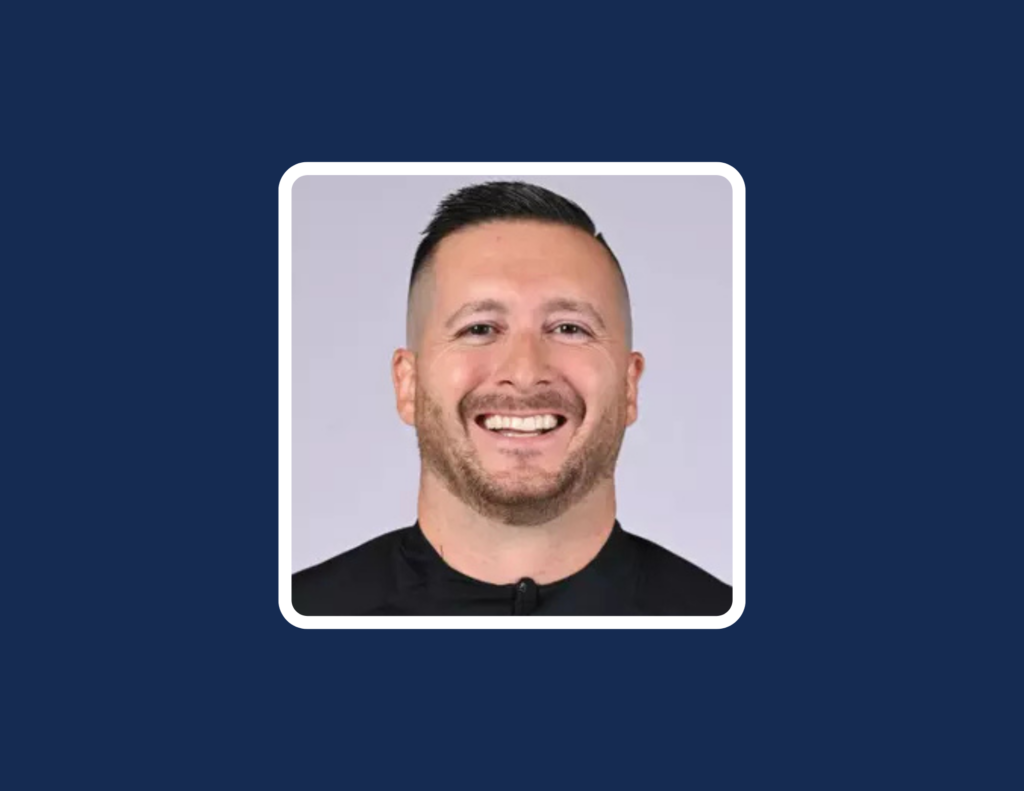
B.J. DUNNE – MIT MEN’S BASKETBALL HEAD COACH – EPISODE 1196

Website – https://mitathletics.com/sports/mbball
Email – [email protected]
Twitter – @CoachBJDunne
If you listen to and love the Hoop Heads Podcast, please consider giving us a small tip that will help in our quest to become the #1 basketball coaching podcast.
B. J. Dunne is in his first year as the Head Men’s Basketball Coach at MIT. He spent the past seven years at Gettysburg College, where he put together an 89-68 overall record (.567) and saw his teams advance to four straight Centennial Conference semifinals over the past four seasons. In 2024-25, he helped guide Gettysburg to the program’s first 20-win season since 2007-08 and its highest national ranking in program history at No. 8, as the Bullets earned an at-large bid to the NCAA tournament, advancing to the second round before falling to top-seeded Wesleyan (Conn.) in the second round.
Prior to Gettysburg, Dunne guided the Vassar College men’s basketball program for five seasons. In his first season as head coach, Dunne became the youngest head coach in the NCAA at all levels at the time, and in 2016, he was one of two Division III Coaches named to the Under Armour 30-Under-30 Team.
Before his time at Vassar, Dunne spent a year as the men’s basketball top assistant coach at Emerson College in 2011-12 under Jim O’Brien, the former head coach at Ohio State University. He was also an assistant coach at Babson College in 2010-11.
Dunne is a 2010 graduate from Bates College with a Bachelor of Arts degree in sociology. He was a three-year letter winner and served as a student-assistant coach as a senior for the Bobcats.
On this episode Mike and B.J. discuss the standards and expectations that Dunne seeks to establish both on and off the court in his first season at MIT, emphasizing the importance of fostering a cohesive team culture. Moreover, we explore the complexities of transitioning from a successful tenure at Gettysburg College to a prestigious institution such as MIT, highlighting the emotional and logistical challenges associated with such a significant career move. Dunne shares his vision of cultivating an elite basketball program that mirrors the academic excellence synonymous with MIT, while also addressing the need for adaptability in coaching style and strategy. Ultimately, this episode provides a profound insight into the journey of rebuilding a program, underscoring the values of commitment, resilience, and community that are integral when taking over a new program.
Follow us on Twitter and Instagram @hoopheadspod for the latest updates on episodes, guests, and events from the Hoop Heads Pod.
Make sure you’re subscribed to the Hoop Heads Pod on Spotify or wherever you get your podcasts and while you’re there please leave us a 5 star rating and review. Your ratings help your friends and coaching colleagues find the show. If you really love what you’re hearing recommend the Hoop Heads Pod to someone and get them to join you as a part of Hoop Heads Nation.
Be prepared to take some notes as you listen to this episode with B.J. Dunne, Head Men’s Basketball Coach at MIT.
What We Discuss with B. J. Dunne
- What made MIT such an attractive job
- Talking with his players at Gettysburg after the decision to go to MIT was made
- The establishment of clear standards and expectations is critical for building a successful basketball program
- Investing in personal relationships with players
- Recruiting players who are not only talented but also come from winning programs
- Creating an environment that allows players to thrive academically and athletically
- Establishing and upholding high standards both on and off the court, emphasizing accountability and commitment
- The transition to a new program at MIT involves overcoming unique challenges and adapting to new environments
- Communicating effectively with players helps in understanding their needs
Like this show? Please leave us a review here — even one sentence helps! Consider including your Twitter handle so we can thank you personally!

We’re excited to partner with Dr. Dish, the world’s best shooting machine! Mention the Hoop Heads Podcast when you place your order and get $300 off a brand new state of the art Dr. Dish Shooting Machine!

Give With Hoops is a groundbreaking initiative that fuses basketball analytics with modern sponsorship. Built for teams who see data as opportunity, from AAU programs to college powerhouses.
By tying on-court performance directly to community and sponsor engagement, Give With Hoops help programs raise more while deepening support from those who believe in the game.
Traditional fundraising disconnects donors from the action. Sell candy bars, wash cars, beg for donations, it’s exhausting and ineffective. Players perform better when their stats matter beyond the scoreboard. That’s why Give With Hoops was created.
Give With Hoops connects game performance to community support. Every basket, rebound, and assist becomes a chance to raise funds. Transparent, exciting, and proven to raise 3x more than traditional methods.
Your first impression is everything when applying for a new coaching job. A professional coaching portfolio is the tool that highlights your coaching achievements and philosophies and, most of all, helps separate you and your abilities from the other applicants.
The key to landing a new coaching job is to demonstrate to the hiring committee your attention to detail, level of preparedness, and your professionalism. Not only does a coaching portfolio allow you to exhibit these qualities, it also allows you to present your personal philosophies on coaching, leadership, and program development in an organized manner.
The Coaching Portfolio Guide is an instructional, membership-based website that helps you develop a personalized portfolio. Each section of the portfolio guide provides detailed instructions on how to organize your portfolio in a professional manner. The guide also provides sample documents for each section of your portfolio that you can copy, modify, and add to your personal portfolio.

Hey coaches — you’ve got a game plan for your team… but do you have one for your money?
That’s where Wealth4Coaches comes in.
Each week, they deliver simple, no-fluff financial tips made just for coaches. Whether you’re getting paid for camps, training sessions, or a full season—Wealth4Coaches helps you track it, save it, and grow it.
It’s time to stop guessing and start building.
Subscribe now at wealth4coaches.beehiiv.com/subscribe
And follow them on Twitter @Wealth4Coaches for daily money wins.
Your money needs a coach.
Start with Wealth4Coaches.
THANKS, B.J. DUNNE
If you enjoyed this episode with B.J. Dunne let him know by clicking on the link below and thanking them via Twitter.
Click here to thank B.J. Dunne via Twitter
Click here to let Mike & Jason know about your number one takeaway from this episode!
And if you want us to answer your questions on one of our upcoming weekly NBA episodes, drop us a line at [email protected].
TRANSCRIPT FOR B.J. DUNNE – MIT MEN’S BASKETBALL HEAD COACH – EPISODE 1196
[00:00:00] Narrator: The Hoop Heads Podcast is brought to you by Head Start Basketball.
[00:00:20] B.J. Dunne: These are our standards. These are our expectations. This is who we’re going to be on and off the court. And every meeting that we had leading up to us being on campus as a team, we were constantly reminding them. Every slide deck started with, these are the standards, these are the expectations, and we’re going to continue to work on that together.
It’s not going to be perfect, and we’re learning that now. But I think that was really what we were trying to lay the groundwork of is we’ve seen what it looks like right when it’s finished, and we have a pretty good blueprint. But this is a different animal. It’s have to be different. We have to be adaptable.
We have to figure some things out. So. Investing in our people, investing in the culture, and kind of having the end in mind of where we want this thing to ultimately go.
[00:01:04] Mike Klinzing: BJ Dunn is in his first year as the head men’s basketball coach at MIT. He spent the past seven years at Gettysburg College where he put together an 89 and 68 overall record and saw his teams advance to four straight Centennial Conference semifinals over the past four seasons.
In 2024-25, he helped guide Gettysburg to the program’s first 20 win season since 2007-2008, and its highest national ranking in program history at number eight, as the bullets earned an at large bids of the NCAA tournament advancing to the second round before falling to top seated Wesleyan in the second round.
Prior to Gettysburg Dunn guided the Vassar College Men’s Basketball Program for five seasons, and his first season as Head Coach Dunn became the youngest head coach in the NCAA at all levels at the time. And in 2016, he was one of two division three coaches named to the Under Armour 30 under 30 team.
Before his time at Vassar Dunn spent a year as the men’s basketball top assistant coach at Emerson College in 2011-2012 under Jim O’Brien, a former head coach at Ohio State University. He was also an assistant coach at Babson College in 2010-2011. Dunn as a 2010 graduate from Bates College with a Bachelor of Arts degree in sociology.
He was a three-year letter winner and served as a student assistant coach as a senior for the Bobcats.
Hey Hoop Heads. I wanted to take a minute to shout out our partners and friends at Dr. Dish Basketball. Their Dr. Dish shooting machines are undoubtedly the most advanced and user-friendly machines on the market. Learn more at drdishbasketball.com and follow their incredible content at @drdishbball on Twitter, Instagram, Facebook and YouTube.
Mention the Hoop Heads Podcast and save an extra $300 on the Dr. Dish Rebel all-star and CT models. Visit drdishbasketball.com for details. That’s a great deal Hoop Heads, get your Dr. Dish shooting machine today.
[00:03:00] Narrator: Hi, this is Ted Hoteling head men’s basketball coach at the University of New Haven, and you’re listening to the Hoop Heads Podcast.
[00:03:10] Mike Klinzing: Coaches. You’ve got a game plan for your team, but do you have one for your money? That’s where Wealth4Coaches comes in. Each week, we’ll deliver simple, no fluff financial tips made just for coaches. Whether you’re getting paid for camps, training sessions, or a full season, Wealth4Coaches helps you track it, save it, and grow it.
It’s time to stop guessing and start building. Subscribe now at Wealth4Coaches.beehive.com/subscribe and follow us on Twitter at Wealth4Coaches for daily money wins. Your money needs a coach. Start with Wealth4Coaches.
Be prepared to take some notes. You listen to this episode with BJ Dunn head, men’s basketball coach at MIT.
Hello and welcome to the Hoop Heads Podcast. It’s Mike Klinzing here without my co-host Jason sunk tonight, but I am pleased to be joined for the second time. Welcome back to the Hoop Heads pod, BJ Dunne Head, men’s basketball coach at MI. B.J.Welcome.
[00:04:11] B.J. Dunne: Thanks Mike. Appreciate all that you do for the basketball community. So thanks for having me again.
[00:04:16] Mike Klinzing: Appreciate it and we are excited to have you on. Looking forward to diving into the new chapter that you have come into in your life. When we last spoke you were at Gettysburg and now the head coach at MIT.
So we’re going to kind of put the focus of the podcast on the transition from one job to another, what the process was like for you, what it’s been like building a new program. So let’s go back to the end of the season last year at Gettysburg. Just talk me through the end of the season and then kind of into the off season as the MIT job comes open, and just sort of the thought process of that.
What got you interested in the job to begin with?
[00:05:00] B.J. Dunne: Yeah, no absolutely. So yeah, I mean the end of the season for us, for us at Gettysburg, I mean, it was it was, it was pretty incredible. I mean, it was a pretty emotional ride too. I remember being in the locker room at Johns Hopkins in the conference semifinals, and we just lost a heartbreaker.
And over time it was just an unbelievable basketball game. Whoever was going to have the ball last was going to win. And hearts, hearts were broken. There were a lot of tears. A lot of guys thought their careers were over. Our season was over. I felt like we had done enough in the regular season, especially non-conference play, to put ourselves in a position to receive out large opportunity.
But we had to be patient and we had to wait and watch. And the D three data cast guys, I’m going to give them a shadow, they did an unbelievable job, but continue a live update where everybody stood on the bubble going into the final weekend and. I just kind of hunkered down on Saturday, Sunday, I watched every single division three basketball game that mattered and impacted us.
And it was a pretty surreal emotional feeling when we knew that we were in and really the last team in to division three NCAA tournament on that Sunday. And to be able to text your guys to tell them that, hey, we have more life, we have more basketball to be played. And it was a senior class that’s the all time winningest class in, in school history.
And it was the first time since 2009 going to the NCAA tournament, only second time in school history advancing to the second round. So what was really cool about is when our name got called on Monday, we ended up in Wesleyan’s pot. And I played for Joe Riley, the head coach at Wesleyan.
So that was a pretty unbelievable experience to be able to go to a a place that’s led by someone who’s so important in my life. And they had an unbelievable run in season that went to a final Four. we shared a court in the NCAA tournament, which is pretty cool as a former player coach.
But yeah, I mean, when, when that season ends I always say like in coaching, like the goal is to be able to cultivate an environment and culture where no one wants it to end. And I felt like in that locker room, you, you totally felt that it was super emotional. A lot of love use sadness, but also just like this idea of the joy that we did something really hard together.
We overcame this unbelievable challenge that we were all faced together. And that was just it kinda led us into the off season. And I think you never really have any intentions, I think on leaving especially Division iii. Gettysburg was an incredible place to me and my family.
And my wife is an alum. we have two boys that are five and one and we felt like it was a great place to raise our family. But I think there’s a lot of things that kind of happened, like. Behind the scenes at our level, when you kind of think about like career path, professional development, personal growth, and you start kind of having some of those questions like with your family, especially when a job like MIT opens up and I have a ton of respect for Larry Anderson.
Just an unbelievable coach. Coached for 30 years, 467 wins national players of the year academic, all Americans of the year, final fours, elite eights. I mean, go look at his resume. It’s, it’s really impressive. And when something like that kind of opens up it, you start kind of having some of those conversations and our athletic director had left someone that I was really close to and believed in and you start having more.
I think again, just more of those conversations like where is my career path? Am I getting the personal and professional development and growth opportunities? that I’m craving. And Massachusetts was a really desirable place. It’s where I’m originally from. It’s where my wife and I ended up meeting.
She was head was a cross coach and a graduate student at Emerson. I was assistant men’s basketball coach and she spent a good portion of just her professional life up in Massachusetts. And we felt like it would be worth exploring. I think what was really unique about it was Larry retired in May and MIT didn’t really reach out and express interest in us until like the third week of July.
So it was really kinda late right in that process. I think optically we kinda had some of the conversations, like we didn’t feel like it, it was, it was maybe the right time then. we had, we had no kind of hesitations about MIT, it’s the number one school in the world.
It was a place that we both loved, but I think. Because it was so late in the process we were concerned just about our boys and how that transition was going to go. Right? You kind of go to all the places anxiety could take you, right? Like the what ifs and you don’t even have the job or know that they even think about you in that way yet.
But those are some of the things that I think go through your mind at division three because we know it’s a long process. It’s not like division one where someone phone calls you and you have a job the next day. And my wife really pushed me to when they had reached out and expressed interest and wanted me to interview.
she really pushed me to, to pursue it and said, I think this is the one. And, and you need to really think about this. And I remember like the first time I zoomed an interview process. I’m, I’m an extrovert. I love talking to people. I love seeing people’s energy and emotions, and I feed off of that.
That’s why I love to coach. There was no camera, so you’re just talking to six people and you’re just reading their names on a screen and it was really hard to gauge how everybody kind of felt about you and kind of walked away like, yeah, I don’t think I’m the guy. And I didn’t hear for them for two weeks.
And that’s a really long time in, in the process. And it was like a Thursday, it’s like the second week in August, our son was starting kindergarten. It was August 18th, he was going to start kindergarten. His birthday was August 20th. Our freshman we’re going to move to Gettysburg on campus, August 20th.
And I was like, all right this, this is it. Like, I just like, our recruiting class is great at Gettysburg. Like I’m locked in. Like, we just had a great season, we got a great team coming back and you kind of stop thinking about it. And then they call and they’re like, Hey, we want you to come to campus.
And, I remember being a little caught off guard and just letting them know that, hey, I really need to think about this. I need to spend more time talking to my wife. I think the challenge, this is kind of what we’re feeling and this is a huge move for us and our family’s a huge career change as well.
And then when we got off the phone, a couple people close to me had mentioned that some people were, were reaching out to them. And I felt like that was when I kind of felt like, okay, I think they’re really serious. Like, I think this, we’re gaining some traction here. And I ended up going to campus.
I felt like I connected with the players I had great meetings with athletic director, sports supervisor and staff, and I left campus on a Friday. And on Monday they, they made a phone call and it was just a really emotional week. Our son just started kindergarten, which is in different emotion in all of itself when, when he walks into school by himself and he turned five, two days later and that was kind of the deadline that they had given us is, Hey, like we need to know by Wednesday and it’s his birthday and you’re trying to let him enjoy his day, but you’re trying to find pockets in the day to kind of talk, talk it over with your wife, talk it over with your closest mentors.
And our freshmen had moved to campus that day too, and I just think optically it was, it was really challenging kind of working through that. And obviously we decided that we felt like this was the best decision for our family. And here we’re halfway through the.
[00:12:00] Mike Klinzing: All right. What were some of the questions that you had for the administration at MIT when you started looking at, Hey, I know the reputation, obviously, of MIT as a school. You mentioned Coach Anderson and the success that he’s had, but clearly, until you’re on the inside, you don’t really know all the ins and outs of, Hey, what do they want this program to be?
What’s the vision of it? So what were the questions that you had for them going into the interview process that you wanted to, to have answered?
[00:12:30] B.J. Dunne: Yeah, no, absolutely. I mean, I think we were really trying to like, just evaluate, I think now how serious they were going to be. I think about men’s basketball again, I mean, to go to Final Four, they went to an Elite eight in 2018, second round of 2019.
So it seemed like there was so much traction prior to COVID. But all the other teams at MIT were winning at a really high level. I mean, MIT won four national championships last year. The past decade, it’s been top six in the Director’s Cup every single year. So I I really wanted to know from them all right, like, these are the challenges.
And I actually thought MIT did an unbelievable job in the process of, they didn’t hide the challenges. And to me they were incredibly transparent about that. And I really appreciate that. I think they understood, like we, I was coming from a program where, hey, like we were eighth in the poll for a couple, couple weeks, we went to the second round NCAA tournament.
Like they knew that this would be a massive, I think, change in shift for me and my family dynamics. My, my family hasn’t been with me for three months. They’ve still been in Pennsylvania. So I think it wasn’t as many questions that I felt like I need to ask. I just appreciated so much transparency of, hey, like bj, these are the challenges.
We’re going to work with you to problem solve them, and we’re just looking for someone who’s willing to problem solve with some energy and find some solutions and get this program back on track with the culture piece. And so a lot of my questions were just, were just around that, wanting to make sure that we were going to be supported and to be able to provide a really strong student athlete experience.
But I think the blueprint was, was already there watching a lot of our other teams perform and have success. I mean, a women’s soccer team went to a third round of that NCAA tournament and lost by a goal to the national champs. So I really believe that it, that it could be done. I think you just want to get a feel for, I think the rhythm of, of the life at MIT as a student athlete is totally different than anywhere else.
It’s so unique and just really wanting to know how other coaches have kind of problem solved that and worked on how they’ve been so successful when everybody talks about all the challenges and I felt like we would be able to do that.
[00:14:39] Mike Klinzing: What was one of those challenges that they laid out for you that maybe you didn’t see coming into the interview process?
[00:14:46] B.J. Dunne: Yeah, I think the biggest the real the, the challenge is our guys have such a unique rhythm to their day. And if they’re not in class, they’re doing undergraduate research projects. They’re working on startups they’re interviewing at, at high levels for.
job opportunities. A lot of our guys work in the sports lab and they do a lot of things with the NBA. So it’s, it’s really unique in that like they’re, they’re going all the time. Their motor is incredible, right? It’s the number one school in the world. We’re talking about like the brightest students in the world.
But I think they’re there because they’re driven, they’re intrinsically motivated, they’re work motors at such a high level. And I think one of the challenges that we only have five to seven o’clock to work with our work, with our team, that’s it. Every team practices at five o’clock. Now there’s pockets of the day I think that you have to problem solve where they don’t have class till nine.
So it’s realistic that someone can get in, watch film get, get a workout in. And I think just making sure, I think we had a lot of success with player development at Gettysburg. I spent a lot of time watching film with guys. That’s how you get better at at division three, as we all know that we can’t work with them year round and in the summer and in the off season.
So we have to be able to maximize the hours and minutes really within the day. I just wanted to ask some of the questions of have you guys maximize that time? Like is there opportunity for them to come by the office and get work in? And I think we’ve been able to problem solve that and figure that out with their schedules and it’s been really appreciated to by our guys.
Like again, they’re driven, they soak up information, they’re knowledgeable, they want to be successful, so they’re going to be willing to do the things necessary.
[00:16:26] Mike Klinzing: Absolutely. It makes a ton of sense when you start looking at the highly motivated, highly intelligent guys that you get to deal with every day on your roster.
I’m sure that getting them to put an extra five or 10 minutes or half hour or 45 minutes or hour here and there where they can squeeze it in, I’m sure that they’re very motivated to do that if they can fit it into the, the time and the demands of the, the academic side of it. And just, again, one of the things that no matter what school you’re at from a Division three standpoint, I think one of the biggest attractions is just the ability of a student to be more than just an athlete.
Right. And clearly at MIT, that’s the case, but I think in most Division three schools, the balance between the academics and sort of that extra part of college that maybe you don’t get a chance to partake in if you’re a division one player. I think it’s a big part of, as you said, the college athlete, the student athlete experience, no matter where you’re at.
But I’m sure it’s even more pronounced at at MIT.
[00:17:17] B.J. Dunne: Yeah, absolutely. A hundred percent.
[00:17:20] Mike Klinzing: Let me go back. Before we dive into getting started with the job at MIT, let’s go back and tell me about the conversation, the meeting that you have to have with your guys at Gettysburg to tell them, Hey, I’m taking another job.
I’m leaving the, the, the job here at Gettysburg. Obviously spending a bunch of time with those guys, and then as you said, your freshmen are coming on campus, guys that you’ve recruited, guys that you’ve brought in that presumably some of the reason, at least why they came to Gettysburg is because you’re the coach and you’ve built a relationship with them.
So just walk me through what those conversations were like and just again, the impact that it had on you emotionally and just what was that process like going through and having to have those conversations? Obviously difficult.
[00:18:09] B.J. Dunne: A lot of, lot of sleepless nights leading up to it. And even just kind of the decision and I hadn’t our freshman moved to campus on Wednesday and that was the deadline that kind of MIT had said, Hey, it’s, it’s a couple days we’re going to need to know.
And I didn’t even made a decision at that point. I think you’re still trying to fill it out. You’re still trying to talk to your mentors, you’re still trying to talk it over with your wife and family and figure out what’s best. But I mean, I, I love those kids in that locker room and I’ve loved all the kids that have come through that Gettysburg program.
I mean I think what I love so much about coaching is that we get to like embrace hard and challenges. With 18 to 22 year olds, it’s such a important part of their life. And we get to watch them embrace adversity and problem solve and find ways to win. And the Gettysburg guys did it at an unbelievable high level.
And when you get all that extra basketball, you just get extra moments and extra opportunities to spend with them. And it was, it was really hard, like not only thinking about telling the current team, but thinking about life going on without you in alumni games. Like we were planning the hundred 25th celebration of Gettysburg Basketball and not being there to see the seven years of alums that you’ve built all these relationships with.
And even just alums that you never coached, but got close with because you had the shared purpose and connection right, of what Gettysburg basketball was. So there was a lot that goes into it. Like we have really close faculty friends at Gettysburg and it’s a tight community and space and your son and kids have friends too.
And I just think it, it all kind of just weighs on you and it was just really emotional thinking about. We’re about to tell all these people that we care about and that we love that we’re leaving. And that was just really hard. And you can rehearse it a million times in your head and but it’s, it’s, you just have to do whatever you can to get it out and I think you have to do right by, by the current players in the program.
And we, we had a Zoom that was the only way we could do it. So we had a zoom Thursday night. You’re trying to stop all the, the powers at be and Division three hoops. Twitter, it’s like the gossip community is, is incredible at our level that everybody starts kind of finding out and you’re trying to press pause on all of that so people don’t know.
And you just, we did it over Zoom. And I think something that just like has stuck with me that was super impactful is we actually had a, we have a player from Gettysburg and he like got right in his car and drove right over to campus and we just like spent 30 minutes together and like, I love those kids.
I love that kid. Like it was just. While everybody was sad and everybody handles it differently. Like they understood and they were just like really happy for our family. And I think that even made you more emotional of like, oh my God, these kids are incredibly mature to think that like they, they get the big what we’re, what we’re trying to achieve for our two boys, right?
And and then our freshmen who had just moved in, they came to knock on the office door and I had to spend some time with them. And then I was in Gettysburg for a month prior to coming up to Cambridge. So I was able to see everybody on an individual level at least once before I took off.
And that was really important to me and, and mattered. Again. When you build really strong relationships and you do things hard together, it’s it’s just, it’s why we do what we do and it was really special. And to be able to kind of get that individual goodbye, I think would’ve been really difficult to not have had that opportunity.
Because these guys changed my life and I was very clear with everybody in that MIT process. I’m not here. If the guys at Gettysburg didn’t commit to our program and buy in and give us max effort every single day and be value added in our community. Like MIT the, the number one school in the world doesn’t even consider me as a candidate if it’s not for those players.
Right. So I’m forever indebted to them and to the alums for helping us build the program back up. And like we are who we surround ourself by with. And I’ve just been really fortunate to surround myself with great people and it’s, it’s led me to this opportunity where we felt like we could give our two boys and our immediate family a pretty unbelievable life.
And that’s what it’s all about.
[00:22:21] Mike Klinzing: So clearly in the conversations that you had and just you talking to me and just knowing what it takes to build a program and build the kind of relationships that you’re talking about, right? You have. Over the course of your time there, you build the program, right?
You start with the base and you put the pieces on top of it, and eventually you get to a point where you’re making an NCAA tournament and you’ve built all the relationships, not just with your players, but with the school community and faculty and administration, everything that goes along with that.
And then boom, now you’re in a new job and not only you’re in, are you in a new job, but you’re in a position where you’re taking the job very late in the process for figuring out what is this first team that I’m going to coach? What does it look like? You’re not, you’re not going to be getting anybody in as a recruit when you’re coming into MIT in August.
That, that that’s not going to happen. So you’re basically starting from, Hey, I already had this, I already had this house built, now I’ve have to start again, and I’ve have to put, I have to put the first block in place. So as you start looking at the program and you get to Cambridge and you, you get on campus and you start meeting with your players, you start talking about.
What’s the first thing or two that you want to do that you think is really, really important in order to get off on the right foot? What’s the first one or two things that when you got there you’re like, I have to get these things done?
[00:23:44] B.J. Dunne: Yeah. I think you have to start like with end in mind, and I think for us we wanted to build Boston’s most elite college basketball program.
And I think we take a lot of pride in like being in the city and there’s so many elite programs in the city. We have so much respect for that. But we wanted to be the model program in the city. We want to be the model program of developing our people. And we wanted to strive for excellence just like they do at MIT in, in the labs, in, in the classroom, in the research, in the projects.
And I think right away the first thing I did was. which was unique when, when we met with the team, we invited all of their families on a Zoom. So it was my wife, our two sons, and everybody’s all the players and their parents. And I think that was unique and a little different.
And that’s just like who we are, who me and my wife are. That’s, that’s who we are as our family. Our boys are at practice, they’re at the scores table, they’re in the locker room. Like we wanted them to feel like they have a community and there was going to be belonging. And there was going to be this like really strong.
We were going to develop this culture of like, we, we got you and we’re going to take care of you and we’re going to give you the very best student athlete experience and it’s going to start with the person first. And we were going to invest in the person more than anyone else. And after that I think like the first thing was like I was FaceTiming everybody on the team once a week.
Like whatever fit their class schedule. I was on a FaceTime with them for a month until I got to campus. And when I got to campus, I go, but I needed a walk, I got a class. Or continue to do that or meet with them one on one, whether it was five minutes, 10 minutes, 15, we were doing that because. There wasn’t a runway, like we didn’t have a spring or summer to get to know the players on a personal level.
So we had to do it as fast as we could. So I think the basketball piece, we were just going to roll with whatever we were going to do at Gettysburg, like we were going to do. We didn’t have really a lot of time to pivot. we got hired at the end of August. my, my first day was the end of September.
The, the second day I was on campus. We had practice. So there, there wasn’t a runway there. So how we were going to really get to know the guys, ask about their MIT experience what they expected out of our coaching staff, what they needed from us. And we just kept trying to end every conversation as like, how can we help you?
Like, how can we be better for you? How can we make this experience better for you? So I think that was really everything that we were just fixated on, just right away. Was the people in the program getting to know them, them getting to know us. and obviously the trust is, is ongoing, right?
Like we’ve had 41 practices that that’s not a lot of practices to build trust. And we played 11 games. It’s, that’s not a lot. Right? at Gettysburg, I coach the same guys for four straight years. You go in that locker room, they knew, they knew you, you knew them. And like, we have to build that up here.
And I think just continuing to stay cognizant and reflective and reminding everybody that this is going to be a process. And then I’d say the second thing that we did was like. These are our standards, these are our expectations. This is who we’re going to be on and off the court. And every meeting that we had leading up to us being on campus as a team, we were constantly reminding them every slide deck started with, these are the standards, these are the expectations.
And we’re going to kind of continue to work on that together. It’s not going to be perfect, and we’re learning that now. But I think that was really what we were just like trying to lay the groundwork of is we’ve seen it, we’ve, we’ve seen what it looks like right when it’s finished. We have a pretty good blueprint, but this is a different animal.
Like it’s, it’s have to be different. We have to be adaptable, we have to figure some things out. So, but again, investing in our people, investing in the culture and kind of having the end in mind of where we want this thing to ultimately go.
[00:27:40] Mike Klinzing: Give with hoops is the first platform turning basketball analytics into fundraising impact. Every stat tells a story and now every story drives sponsorship engagement and team growth programs nationwide are transforming basketball stats into funding power. Learn to use performance data to attract sponsors, engage fans, and raise more with every play.
Give with Hoops will help you raise three times more money for your program as their stat based pledges consistently outperform traditional fundraisers. Visit give with hoops.com/hoop-heads-podcast to learn more and take your fundraising to the next level. Give with hoops.
What were some of the things that the players told you when you first got a chance to walk around campus with them? When you’re on those Zooms, what were some things that they said, Hey. This is what we need from our coaching staff, this is what we’re looking for. This is something that we’d like to see.
I dunno if upgrade is the right word, but what’s, what, what were some things that they were looking for?
[00:28:43] B.J. Dunne: I, I think just intentionality, I think with everything that we do, kind of was like the biggest theme of like, hey, if we get, if we get two hours, like we want it to feel like we’re improving and we’re growing and we’re developing and we wanted more skill development stuff and we’re very conceptual in kind of how we play.
So it was going to be natural that some of that skill development stuff was, was going to find its way in there. But I think they wanted more like opportunities for us to be around and, and watch film and as a team or individually or be available for guys to get shots up or hey, just like.
Coach, you’re around for a coffee and we, we do this thing called mining for gold, where every week we have including staff it’s a one-on-one meal and we have a home team and an away team, and the home team has to reach out to the away team and they have to set it up on your calendar.
And we do it as a staff too. So I think that was some of the stuff that they wanted was like feeling like they were a team, feeling that they were connected with each other. Right. The city can be kind of a unique dynamic. so I, I think making them feel like when they were in our facility, in our spaces we, we kind of were intentional, purposeful with our plan and with our culture.
So I think just making sure, like practice flowed, they felt like there was improvement, everything made sense with kind of how what we were, how we were playing or, or the drills that we were doing. again, like these, these guys were like super smart, so I think they know when it’s like fluff or not, right.
So like. They want to feel like they’re, they’re getting better. It’s the same thing in the classroom. And I think the biggest thing is like what our guys do in the classroom is incredibly hard. Like, it’s, you can’t deny that it’s, it’s a really hard academic experience that I have the utmost respect for them.
So when they come to us, like we need to make it the best part of their day. Like there needs to be an element of fun. We also need to redefine fun, but we need to celebrate them, right? we need to try and cultivate an environment of joy and where guys can celebrate each other where they feel like they can show up and be their best selves every day.
And those are things that we’re continu to work on and striving for to make it the best environment we can for them.
[00:30:52] Mike Klinzing: So from an adaptability standpoint, right? You come in and you don’t have a tremendous sense of what you have, what guys can do, what it looks like. Obviously you’re not watching every MIT game last year as you’re coaching at Gettysburg.
So. What’s the process like for learning your team from a basketball standpoint? Obviously you’re watching film of what they did last year, both collectively as a group, but then individually to kind of get a feel for them. And then, as you said, you’ve had 41 practices, so I’m sure after practice 41 you have a little bit better feel for what you have than you did at practice number one.
But just in terms of your own adaptability, like you said, you’re hitting the ground running, you almost have to go back and fall on, Hey, this is what we were doing before. because I don’t really know yet what I have or what adjustments I need to make. But just talk a little bit about the adaptability in terms of how you want to play versus what your personnel dictates that you’re able to do, if that question makes sense.
[00:31:55] B.J. Dunne: Yeah, no doubt. So I think, I think even before personnel or or, or strategy, it was. We have three practice facilities because we all practice five to seven, right? So volleyball’s in season, they’re on our main floor, so we’re in different spaces like every day. So it’s trying to feel out the spaces to make them feel like you can have this like really tight intimate brotherhood, environment and practice.
And a lot of our spaces are just like open spaces and you kind of have the student body coming and going. So it was kinda learning and figuring that out. Like, you’re going to laugh, but I bought a headset and I had a microphone, like a headset to just project the teaching. And I think that was like the first thing that we had to learn was like, how do we cultivate an environment where we can teach and our guys can actually learn?
Like, can we have some verbal and visual cues that we can create? So like before we even say anything, we just yell eyes now and the whole gym yells eyes and we get really close together. So we can teach and talk. And I think that’s been really great for our guys to learn. But that took us a couple weeks to try and figure out, because you’re just like trying to, like, this is, this is crazy.
Like people are coming and going, people are watching us practice. Like this is nuts, right? Like, and then we don’t have a scoreboard or shot clocks in those two out of the three facilities. So we got about we’re, we’re trying to problem solve and fundraise so we can get some of that. And just trying to be like intentional of like, we want to be able to play fast and be efficient and practice in the professionalism.
So like, what does that look like? Right? Without a scoreboard, without a shock clock. Like two massive pieces that you use in a game. And then I I think just the adaptability is like asking guys a lot of questions too, of like, Hey, where are you comfortable? Like, are you comfortable in the action that we’re running?
we do a lot of like conceptual stuff. Is it a ball screen? Is it get action? Is it handoffs? Like. What do you like? Like you need to tell me what you’re comfortable with. Obviously I can look at synergy and analytics, but now I want to know from you, I want you to have a little bit of a say in this, right?
Like, let’s be collaborative like kind of talking about just empty stuff and how do you want to communicate if we’re going to flip this screen or set this maybe flat. Like those are just kind of examples and also just like, hey, like was this part of what you guys discussed through some of the teaching in previous years?
And if not, that’s okay because everybody does things differently. But obviously our language is going to be different. So. Just raise your hand, communicate with me, make some eye contact, just so we can help you and kind of get us into more just like appropriate spaces and situations, right?
So I think it was a lot of just like questions kind of early on, and it’s still just like ongoing of we’re trying to play off two. So like if we haven’t talked about that in the past, like just let me know. Or, hey, our scouting reports different than what they’ve been in the past because we’re really big on knowing personnel and we’re going to change our coverages based on personnel.
And if you’re not trained and used to that, like I don’t want to freak out and get upset like it’s probably natural I’m going like in a game because it’s just, that’s just who I’m, but just communicate a better way for us to get you that information. Right? So I think I think the adaptability piece is you’re just constantly trying to find things that stick, right?
Like when you’ve coached the same group for so many years, what works for them, right? There’s that trust there. I think a lot of it is like these guys just trying to trust us, like, Hey, we have your best interests in mind. Like when we ask for feedback, it’s not a hypothetical, it’s a real feedback because our, our job is to be impactful and it’s to help you and it’s to help the program succeed and thrive.
So I think that’s kind of just been not, not a barrier, but a little bit of a challenge that we’re just like all working through is like provide us the proper feedback so we can put you guys in the best situations to be successful
[00:35:35] Mike Klinzing: for you going from a program that you had been there for a number of years and the teaching points that you’ve made, right?
Yeah. You have a group of freshmen who’s new that maybe hasn’t heard those teaching points, but you have guys who have gone through your program that you can say, Hey, we’re going to do this particular ball screen covers and guys know what you want. And your upperclassmen can pull your freshmen aside and say, Hey, here’s what he’s looking all that kind of stuff.
And so you’re almost going back to square one from a. Teaching point of view. So for you, did you find that to be refreshing in any way in that you had to kind of go back and sort of figure out again, hey, I have to make sure that I’m on point with what I’m teaching because it’s no longer just, I can just give that one cue word, right.
It’s, I have to really go through what it is that I want these guys to do in these different situations or a particular technique or whatever. So did you kind of have to go back and almost, I don’t want to say relearn it yourself, but rethink about how you were teaching it to make sure you were going over the details that maybe you could have taken for granted?
because your guys had already learned them and they were kind of teaching themselves of that again.
[00:36:47] B.J. Dunne: Yeah, yeah. No doubt. I mean, that’s, that’s a great question. And yeah, I mean I think that was just kind of like real, really early on, I think realizing like you’re looking around and it’s like our staff is new.
The players are new, right? Like. That that was, that was definitely a real challenge that I think I took for granted the past couple years when it’s just, you can say like, Hey, this is the coverage, right? And everybody can go out and execute it, and you can have somebody coach through it. And I think you just have to remind yourself like, this is, this is where we’re at and this is what they need of you, like in this moment.
But I think to your point, yeah, like, it, it was fun. It is refreshing, like the teaching the detail of everything and there are moments where like, I know that I have to be better and I have to hold myself more accountable and realize like, Hey man, like you always have to be honest as, as a head coach, right?
Like, you, you can’t take it off. But I think we all have moments in practice where we know like, hey, this is great to be player led at this moment. And I have to continue to remind myself, it’s like, this is new for everybody, so. There really aren’t any moments that you can take off as a head coach because you’re literally teaching everything from how we enter the facility to how we ball screen coverage or how we’re going to attack, drop coverage and what we’re going to do on a post entry and post moves and we can go on and on with that stuff.
So I think that’s an area that I’m still trying to like, improve and, and work at is I think you forget sometimes I think as a coach, like just a mental kind of exhaustion that kind of comes with that too, of just breaking everything down. But it is, it has been really fun and unique just kind of.
See something like I always say like, the climb is the fun part. I really believe in that. And I think when you’ve seen something like all the way through you can have these moments of like, man, this is, this is different than what I’ve experienced. But you just have to continue to remind yourself of like, I know what it looks like when it gets to the end.
And it’s, it’s a pretty unbelievable feeling and it’s really cool to, to pull another group with you. I think that’s what this is all about in our journey. So it’s, it’s, it’s been fun to continue to kind of teach that, the detail of it. And I feel like it’s helped me kind of evolve and learn and grow too.
Like I’m, I’m watching different videos and different ideas too as a coach. Just different methodologies of ways to get that point across too, to, to these guys.
[00:39:11] Mike Klinzing: Well, stereotypically, right? The extraordinary students that you have at MIT, a lot of times people say, well, they have a lot of questions. They always want to know the why.
When you tell them, Hey, this is what we’re going to do. They’re not just going to blindly accept and say, okay, great, you’re the coach. We’re going to do it. They, they oftentimes want to know why. So have you found that to be the case that, not that they’re questioning you and your basketball knowledge, but just because they have such a thirst for knowledge, they want to know and understand the philosophy behind what it is that you’re doing.
Have you found that, and what are some of the things that players have asked you questions about on the floor that have maybe made you even think about how you’re explaining it or what you’re doing? If that again makes sense?
[00:39:58] B.J. Dunne: Well, I think the biggest thing is just trying to repurpose some of the questions to one, you obviously want to have a healthy environment, right?
Where guys feel like it’s safe and they can ask questions and our, our kind of big thing is like we don’t want to think in hypotheticals, right? Like, we don’t want to think in, like, if it happens, we’ll work through it, but this is the teaching point, this is the why for this.
Like, let’s not think about. If the defense is like it all of a sudden, like changes what they’re going to do halfway through the play, right? Like, let’s get really good at this and then we’ll progress up to that. So I think, I don’t have any like specific examples, but I think it was more of just like the hypothetical piece, right?
And I think we’re playing very conceptually offensively where the ball goes here, now you can do A, B, C, or D. And if you do those things, all of a sudden you can get to E, F, G, or H. And I I think when we explain it, it’s like this is, this is what the expectations are in this moment, but don’t worry about something that really has like a very small chance of actually happening and developing some like paralysis by analysis, right?
Like as an example of just play free and I think play loose and I think. That’s really what we’re trying to have them do because we’re playing differently than I think they’ve experienced in the past. And everybody sees the game in a different way. It’s natural, right? When there’s a coaching change.
So we want them to have some like, freedom within that, right? And to be able to play loose. So to kind of eliminate some of those, those questions that are asked and just kind of be more, I think, fixated on some of the details within, within the teaching, if that makes sense.
[00:41:40] Mike Klinzing: It does.
How do you balance the freedom to make those decisions and yet continue as a coach to help them improve their decision making when you’re putting them in situations? So what are some things in practice that you do to, yeah, we want you to play free, but we also want you making good decisions within that freedom.
So how do you train that? What’s your philosophy practice wise as a coach to try to help them with that?
[00:42:04] B.J. Dunne: So, so we do like a lot of small sided games with some advantage stuff and some constraints. But I think the way we build up and practice, like we’re very specific from how we’re passing, how we’re dribbling, how we’re pivoting, how we’re finishing, how we’re generating shots.
Because I think we, we want there, and I think their brains kind of can operate in that way, and that workflow of this all makes sense, right? Like, we’re playing off two, we’re attacking a drive this way. Alright, if I don’t have the finish now we’ve all of a sudden progressed to a shooting drill where we’re getting these spray out opportunities, right?
kind of how we’re working off of a dribble at us or dribble away from us and kind of the timing and, and how we view that. And then we do, like early on we were doing a lot of buildups. we were playing a lot two on one, three on two, four on three, four on two full court, five on three full court with some constraints.
Just so they can kind of start like reading the defense and seeing the next, next play. And then I also think like you play three on three and a half court, you can play four on four and a half court when we’re playing five on five. this is what we’re looking for out of this.
I thought we had a really good practice last week. Like we really just slowed it down and we kind of just walk through our offense with the defense out there. And again, just like taking guys through a lot of reads we show that in film. I think we’re really intentional about what we’re looking at in film.
It’s not just like a bunch of random clips for 20 minutes. It’s, it’s very in intentional with some of the read and react stuff if if they slide under, we have stop behind opportunities if they lock control wrapping it. But I think we, we know what we want to be really good at. We try and eliminate we try and give them like an example is, is is dribble handoffs, right?
There’s, there’s a lot of different ways to attack a dribble handoff if. Someone goes under you, stop behind opportunities, you can rescreen it. If somebody’s in a locking trail, you can wrap that, wrap it to the rim. You can also like circle cut underneath and the big can flip it and hand off. Now you’re attacking the baseline again.
Or you can fight pressure with pressure and bounce off, and then we can dribble up underneath, right? So there’s a lot of different things that we can do. So we as a staff have to figure out, all right, like, what are a couple simple reads for an under and then an over that we can become really good at, and just like teach and stress, right?
And then I think there’s also the freedom within the play per player, right? Like, I really believe in this psych. Explore the jungle analogy is like you and I, Mike could go to the jungle and we could see we’d be in the same jungle, but you and I could see five totally different things in the first minute.
And I think that’s the same way as as player personnel. So while everyone can be running the same offense and system, everybody is capable of doing very different things within that. So like we talked about in dribble handoffs, like we have a couple guys, right? Like whether they go under or not, like you’re wrapping it to the ri and then we have some other guys who, yeah, like you can break off and let’s dribble underneath and get you a step up ball screen and a snake.
And so I think that’s also part of it is like as a coach, we have to identify what each player is capable of handling and that we give them the freedom to explore and say, Hey, for you it’s just these two, but you can do four and you tell us what you like the best. And I think that’s when you can like transform your offense because the players feel like they have ownership over that.
[00:45:28] Mike Klinzing: That makes sense, right. The more you get to know your personnel and you understand what they’re good at and what they like and how they play, yeah. You want to be able to put them in the most advantageous positions that you possibly can and then give them the freedom to make those reads within what their capabilities are.
Makes complete sense. Would you say since you started, do you feel like you’re further along offensively or defensively? Which one has come easier for your team?
[00:45:57] B.J. Dunne: I would say we’re kind of neutral. I, I think for us. We’re just, we’re, we’re working on sustaining the game plan I think for 40 minutes and, and sticking to it maintaining leads maintaining kind of that belief in, in max effort and trying to finish strong.
Like, I think it’s culturally for us I think we’ve had spurts in, in a lot of games where one side has looked really good and then the other, I think we’ve, we’ve really worked hard. I think in terms of just trying to scheme and strategize to kind of be disruptive defensively a little bit. I think we’re trying to figure out personnel offensively, so.
I don’t know if any one’s side is like further along than the other. I thought earlier it was kind of defense and we, we could hang our hat on that. And I think we’re still just kind of growing and trying to learn. And I know that’s a lot of coach speak, but I would just say we’re, we’re, we’re pretty neutral I think where with where we’re at on, on both sides of the ball.
And I think a lot of it is we’ve just kind of given equal time and energy to both. Because again, like we got here at the end of September and this is a new group with us and we have to coach both sides equally as hard. But I think like defensively is, has kept us in, in a lot of games and has given us some opportunities that we might not have had in the past.
And now it’s on us. We have to finish, we have to finish the job and learn how to kind of maintain those leads and sustain our energy levels.
[00:47:24] Mike Klinzing: That makes sense. I was just curious if you, maybe you from a philosophical standpoint said, Hey, we have to take care of our offense first. We have to take care of our defense first.
But I think it makes a lot of sense to kind of put a both, again, when you came in, not necessarily knowing, Hey, what exactly do we have? You kind of have to put an equal emphasis on both of them. Make, makes a ton of sense to me. What about from a culture standpoint? What’s the one thing, if you had to point to some aspect of the program culturally, that’s come together really well, when you think about an early success from a culture standpoint, what’s one thing that you can point to that you think has really worked well so far?
[00:48:02] B.J. Dunne: Yeah, I mean, I think just making every day feel like it’s enjoyable for the guys. making them feel like it’s going to be productive. We’re going to be efficient with our time. there’s intent behind. I think why we do what we do and how we do what we do I think that’s like, been really just kind of like important for us to make sure that they feel that.
I think that was a lot of what they kind of talked about in, in the fall and the preseason and their expectations. So I think culturally again, we’re, we’re, we’re still trying to grow and get better there and become more connected. I think have some shared responsibility and accountability in what we’re trying to accomplish here with, with MIT basketball and really for us as, as, as a staff, like, kind of help and guide them and lead them in that.
But I think we’ve, we’ve done a really I, I think I’ve seen too, just like the community building within the group. The closeness. I think our, our guys were already really close, I think off the court, but making them feel this like shared purpose and connection. Like, we talk a lot about there’s, there’s no other school like these three letters.
They really, really mean something when they’re across their chest. Like this is the number one school in the world and what they do is incredibly hard. And that’s our superpower that our guys are running their own startups and they’re doing all this undergrad research and they’re interviewing at Goldman and we have someone working at Apple and with Oklahoma City Thunder.
Like, it’s amazing. Like. All within our team, like our small community. And I think that’s what we’re really trying to hone in on culturally and take that next step is like, this is our superpower that every time we step out onto the court, no one else in the country has been doing hard the way that our guys have.
And we really believe that. And I think that’s something that we’re really trying to tap into, I think to be able to sustain those energy levels when it matters most in close games to finish people off.
[00:49:57] Mike Klinzing: Talking about just again, the type of players that you have and the type of people that you have in your program.
Obviously the lifeblood of what you’re going to do moving forward is the recruiting process, right? And so you come to a new place and obviously MIT your ability to recruit pretty much anywhere in the world with. The three letters, MIT opens up this whole world, right, of recruiting. And now clearly there’s an academic profile that eliminates a lot of players.
But when you’re talking about the best of the best in terms of students and guys who are capable of playing at your level, being able to recruit nationally, what does that look like? What’s the adjustment been like for you and what has the process been? Because clearly for people who don’t know, anybody who’s a coach at the division three level knows that the recruiting is nonstop.
It’s not like you’re like, Hey, we’re in the season. We could put recruiting on the, on the table. we, we could set that over here on the shelf until, until March when the season’s over. It’s ongoing. So just talk about getting the job late, trying to get the recruiting process going, the ability to recruit nationally and even internationally.
Just lay out what the process has been like for you at MIT.
[00:51:17] B.J. Dunne: Yeah. So I mean, I think the recruiting has been a whirlwind. And I, I had a little understanding of it going in when I was the head coach at Vassar. we recruited quite often against MIT and that’s kind of where Larry and I developed a relationship.
You’d see him on the road he’d kind of kind of share with you what was going on or let Hey, this guy’s probably not getting in, so you call. And so we, we had that previous relationship right going into this process. And it, it was really late. And I think what was funny is when Larry and I connected after I got the job, he’s like, Hey, whatcha doing next weekend?
I was like, you mean in five days? He’s like, yeah, like there’s like four kids visiting on Friday, like, you think you can get up here? So I was like, I told my assistant, I was like, dude, we’re getting in the car. We’re driving eight hours from Gettysburg to Cambridge, and we’re going to go recruit and take these kids around campus that we haven’t even seen ourselves really.
But I think you just you’re relying a lot on your network, like in, in this class, right? Like you’re making a ton of phone calls. You reach out to au coaches, high school coaches, like anybody, . But I think one of the unique things. I wasn’t really prepared for, I, I should have been is like, this is everybody’s first choice.
Like this is, everybody wants MIT, which is really exciting and unique and I think was one of the things that really drew me here too is that this, this is just a first choice school because the opportunities that MIT provides to our, our students, right? So I remember like getting on the phone with like the first kid, someone gave me his number and was like, Hey, this kid really wants MIT and he’s going to apply and I’m trying to give him the spiel and talk to me.
And he is like. Coach, like if I get in, I’m coming. I’m just letting . So like, I love, I just want you telling me and that was just different for me. whereas you’re kind of like in these, a lot of these recruiting battles in the arms race of division three and talking about facilities and gear and trips and experiences where MIT really recruits itself and now it’s on us to identify who we think is going to be the right cultural fit for what we’re trying to build here.
I think the other unique is we don’t have early decisions, so we have nothing that’s binding everything at MIT is early action. So we, we’ll know in, in, in a week what our class is is going to look like here. Which is, there’s a lot of anxiety that goes with that, but it’s exciting at the same time because we’re really excited about the possibility of it.
But I think from, for me, and my perspective is you’re already going to get an incredibly driven, intrinsically motivated person, right? Like it’s, they, they want to seek knowledge and they want to learn. That’s why they have an opportunity to be admitted by M-I-T-M-I-T is an incredibly collaborative environment.
I think there’s this idea that we’re, it’s cutthroat, it’s not cutthroat like some of these really other high academic STEM schools. I think were really unique in that and I think our guys will even share that as they visited some of these other high academic STEM institutions and it was really cutthroat and like people wanted to know your ranking and your SAT like.
At MIT, everybody’s smart, smartest people in the world, right? Like no one, no one stands out. And they’re really collaborative of how they work together to build these unbelievable projects and ideas and do research because they’re really committed to solving like the world’s problems. And I think that’s just so impressive and unique about our community is that we get a very community invested collaborative person.
And then I think for us, like from a basketball perspective, and I think we’re not going to change much about how we kind of attacked, I think some of the intangibles at Gettysburg, because it really worked for us is talent obviously kind of sets the bar, but like you have had to win in high school and we want you to have won at a high level.
And I think that was really important for us when we really got it going. at Gettysburg those first couple years, we had a lot of guys in those locker rooms that understood what it takes to win the winning habits, the behaviors. the, the unseen hours staying after practice and watching extra film and taking care of your body and sleep and nutrition, like all those things.
So I think that’s really important for us as we vet in the process of everybody wants to be at MIT is like, we want them to have had a winning experience and we’re, and we’re not going to sacrifice or compromise that from a talent perspective. And I think we’re, we’re pretty strong-willed in that. So I think just that’s, that’s really what we’re looking for from, from a basketball piece.
because we’re going to get it from that the, the personal piece with admissions here,
[00:55:57] Mike Klinzing: you have a kid that is being recruited from across the country somewhere on the West coast, let’s say. How often do you see that kid play in person? Are there kids that as you move forward or you think about the history of them it, with Coach Anderson, are there kids that.
You may have only seen on film that end up being a part of your recruiting class, or how do you envision that? I’m, again, just understanding what budgets are like at the division three level and your national rate, again, reach as an institution. Yeah. How, how does that work? How does that work from a basketball standpoint?
ing what you’re getting as a basketball player.
[00:56:35] B.J. Dunne: Yeah. Well now, well, I’m, I’m not going to share budget information. I want my sports supervisor to get obviously in, in this class. Like, we’re not getting on a plane. Like we’re, we’re not going anywhere. from September to December to, to, to see anybody.
So a lot of that has just kind of been dissecting film and trusting the people that are close to you. and I think that was important in this process of we got late, like. I’m reaching out to the people that I trust the most about this class and making sure that like, I’m getting the right feedback that I’m going to need to build it in, in the year one.
I I think, again, what’s unique too, again, we’re where everybody’s first choice. So what’s different for me is like, we would be trying to finish a class the past couple years, like April may, like, we’re already talking to 2020 sevens in December. So we’re already onto our next recruiting class.
Our assistant’s done a great job kind of working through that. And we’re going to start our, our outreach has started. We’ll get guys to campus for visits February and March. And then we as a staff we’ll start to think about who’s really important to us in this next class.
And we’re, we’re able to go really wherever we want to go from April to October and that kind of cycle without much restrictions. So. We’ll, we’ll start going out to AAU events in April and in May. And then June is a huge month with Scholastic events and the Federation.
So we’re definitely going to be on the West coast and I think the way that we’re going to attack it is pretty regionally amongst our staff. So if I have the west coast, I have the West coast but I think there’s a lot of like really strong STEM pockets that we have to attack.
You have the Midwest, you Florida, you have Texas. We don’t really get anybody from New England, so we’re not really kind of fixated on that. It’s more can we be really good in the Midwest? Can we really attack Texas and Florida? and what is obviously the West coast has, has been great to us, so.
We have to make sure we’re, we’re, we’re still recruiting that really hard. So I think we have a really good plan of, of how we want to go out. But I would say guys that we really like, like we’re seeing four to five probably events. So you times that by three to four times. And then we have a great prospect camp in August that typically attracts over 200 potential recruits of all class years.
And we’re going to continue to do that to make sure that that process stays running at a high level for us.
[00:59:07] Mike Klinzing: What’s your ideal roster size? How many guys do you like to have on the roster, and then how does that kind of play into the roster that you inherited?
[00:59:15] B.J. Dunne: Yeah, so I I think our roster’s a little unique right now.
We had a couple guys kind of battling back from injuries, so. we have 16 guys on a roster, but at times we only had like 10 or 11 guys practice, which is really difficult when you’re building culture and you’re trying to build standards and sustaining energy levels because everybody’s literally in every rep, right?
It’s, it’s a lot to ask of guys. So we’re, we definitely want to increase that. Like, I think. Here at MIT, like we want to be around 18 to 19 guys. I think a lot of that is just, again, that academic rhythm of the reality is like, our guys are going to have to pull an all-nighter. Like there’s just, there’s, there’s no going around it.
There’s so if some guy’s tired, like somebody needs to be fresh that next day. And I think we’re just thinking about numbers, right? And playing that game. So the more bodies I think we have, just the better. also, like we’re in a really unique situation where our junior class is, is nine guys, which is a lot.
So we’re going to graduate nine a year from now, so we have to make sure that we’re prepping and maintaining the health of the roster as you build it up. So I also think it’s an exciting time too, like for the current group, right? Like. We have nine nine juniors. and they make up kind of a bulk of our culture and what we’re trying to accomplish.
And we’re going to have a lot of continuity from this year to next. But then there’s also that excitement I think, in how we’re able to pitch it into recruiting, that there’s going to be a lot of opportunities to play and within the next two years when they graduate. Right. So I think it works on both ends for what we’re trying to do.
[01:00:49] Mike Klinzing: What’s the coolest side project one of your guys is involved in right now? Yeah,
[01:00:53] B.J. Dunne: that’s great. Our guys have like, it. It’s, it’s amazing. Like we have, we have two guys who got offered Goldman Sachs internships. One of our guys is going to be machine learning and the AI engineer for the Oklahoma City Thunder, which is pretty amazing.
And like, what was super cool was Sam Preci called me the, the talk about him, which was amazing. because he’s, he is an Emerson alum. So like, I had worked at Emerson, but now we’re like Num Mac rivals. So you’re able to ja a little bit, but you really can’t because they’re the fe champs and they’re just, they’re just everybody right now.
But I think that was just like really cool for him to have that kind of opportunity. One of our guys is working for Apple. Two of our guys have a, have a startup data analytics company where they got $25,000 in seed funding for AI technology and, and kind of just, to reduce the amount of data that people see to make it cleaner in college basketball, I think is maybe the best way I can explain it.
But they’ve, they’re working with major division one programs. They’ve done stuff with Florida, which is pretty unbelievable. we’ve had guys work on policy in, in, in Capitol Hill one of our guys this summer. I mean, I could go on and on, as you can tell, I like talking about these guys.
They’re impressive. But he worked on the Ukrainian war. He was in Finland for the summer. So our guys do a, do a lot of like, just like unbelievable good. And it’s, it’s really neat like hearing them talk about it. Like one of our guys, I wish I could do him justice, but he, he does a lot of stuff with nano transmitters, but the, the language and verbiage he uses, like, I can’t even regurgitate it.
So I.
It, it really is. And then just like the expectation of like having an elite men’s basketball program on top of all of that is you have to tip your hat to them. I mean, they’re, they give everything that they have to, to every area every day. But we have an MIT sports lab we have the Sloan Sports Analytics conference every year.
Like Tom Brady was on campus in the fall. They’ve done stuff for Ferrari, but are, a lot of our guys work really closely with the NBA and FIFA with sports analytics, which is pretty amazing.
[01:03:06] Mike Klinzing: Yeah, that’s cool stuff. And again, for you, right, just to be able to have those conversations with your guys, I’m sure you’re learning stuff every day.
You’re like, what? Hey, what that Hey, I have to, I have to learn more about that. Can you show me, can you teach me a little bit more about that? It’s almost again, you get to flip the, you get to flip the process on, on you.
[01:03:25] B.J. Dunne: Well, everything at MIT is in numbers, so I still haven’t figured everything out.
No building has a name except the number, and every class is numbered. So our guy’s like, coach, can you meet me at like 35, 20? And I was like, come on. Like I, I don’t know if I can remember numbers, I can remember names and I have like 1602 or 6.08 and I’m like, just as a physics, like, are we taking computer science, engineering, just help me out to start and then I’ll word associate later on.
But I think that’s like, again, it, it just goes back to MIT’s culture. It’s so unique and special that I’m excited about the culture that we’re going to be able to build because of the culture that is already established here, just on campus as a student.
[01:04:13] Mike Klinzing: Tell me about the challenge of your family not being with you here for the first couple months.
At the beginning of the season and then just, yeah. How that process has gone in terms of just figuring out the dynamics of they’re still in Gettysburg, you’re in Cambridge. The process of where are we going to live, when are they going to come up? Just walk me through that piece of it.
[01:04:37] B.J. Dunne: Well, well, my wife is, she’s certainly the MVP in, in, in all of this.
And wouldn’t be able to have done what we did if it wasn’t for her. And just, I think her strength and to take, to take this on with, with our two boys. But anybody who’s, who’s a parent, it’s incredibly difficult to go that long. Like, I mean, even I just think about being on the road recruiting, like, I’m excited to go home and be with my kids.
And it’s just, it’s been a really, just, it’s, it’s been a long, tough kind of process. just you, you miss him, you miss kind of the rhythm, the outlet. my five-year-old and I are super close. He loves basketball season. he sees a lot of meals and practices and I think that’s been just a tough rhythm for both of us to feel like we’re not having that debt.
father father’s son Bond connection right now. But I think we knew going in like this was going to be a challenge. We also, we sold our house within two days. We didn’t think that was going to happen. So I think we had prepared for our family to stay in Gettysburg through Christmas.
wanting our five-year-old to finish school there with his friends. Our 1-year-old was in a great situation in daycare. My wife works remote, so she was able to continue to do that. And I we’re lucky my family is here, so we’re, my mom lives 25 minutes from from campus, so we’re all going to move in with her.
Which I’m excited that when they’re here, so it’s not just kind of me hanging out in my mom’s basement like I’m back in high school again. But I, I think honestly just like the hardest like, emotional piece of this is like, I think we all experience this is it’s really hard to think about like, life is going to go on without you.
And I think for me at the start was like really difficult. Is like we, we love Gettysburg. Like we loved those kids that we had an opportunity to welcome into our home and that our boys looked up to and adored Right. And spent time with. And my family staying there was really hard thinking about they’re still our son goes to daycare on campus and you’re, you’re still there for a little bit, but you’re not the coach and the guys want to see you, but you’re coaching another team and you’re trying to move on and be where your feet are and be impactful where you are.
But when you call home, you’re calling back to the place you just poured your soul in and heart for seven years. And you have friends there that your, your wife and your children are spending time with. And I think that has just been the emotional, just like challeng, it’s like life is going to go on without you.
It has to, I mean, it’s, it’s just part of it. But I think because there’s still in that place where you you obviously had a connection. we didn’t have a bad ending. It was, it was a great ending. It was a storybook ending for us. And so I think just them still being there and me just trying to kind of find my way here by yourself is, and they’re a huge part of it.
Like your I think we talk a lot about family and brotherhood within our team, and that’s just kind of who our, who our family is in, in general. So I think that’s just been really hard just to not feel like you’re being the best spouse that you can to, to help out during bedtime and pick up and drop off.
And you’re putting a lot of strain and pressure there and not feeling like you’re able to be the best dad that you can to your boys. because, because you’re not around, can’t be super productive on FaceTime because the attention span is, is not long at all. Right. So I’m excited to, to be able to spend time with them and just get them up here and that’s when I feel like I’m at my best self is.
When they’re part of this thing. And they, they came up for a Harvard game and which was really cool. And I actually almost sat on my five yearold at one point during the game because he gets so fired up. He was behind the bench and just kind of made a big play. And, but there’s just so photos of like the two of us celebrate.
He is literally mimicking the celebration and I think as, as a dad, like, it’s just really special. And one of the best piece of advice I got throughout the whole process because we, we were concerned about this optically of what, what was this going to be like? And I remember Steve Brennan, who I worked for at Babson, he’s a super close friend of mine.
And then Joe Riley, who played for I played for at Bates and he left after my sophomore year. He had four kids under five and went to Wesleyan and he had family in Connecticut. And I was able to really lean on him during this process because he, he went through the same thing that I went through.
Love Bates. I had this opportunity at Wesley and got to go back home. Right? How often in coaching do we do we get to go home, right? And be around family and but Steve Brennan just said was like our job as parents is can we provide the very best for our children? And I think it’s such a simple, simple thought and it really just has stuck and resonated.
And we felt like we could do that at Gettysburg. Like we definitely did. But I think when we really dug deeper, Massachusetts is the best public schools in the country and opportunities that we could provide for them here. I think just continue to remind myself that we’re doing this, to be able to provide them this unbelievable opportunity and life experience and to be home and to have help and support for my family with our children.
I think it’s helped quell some of those emotions that you feel when they’re not here and you miss them a lot. So I can’t wait to see them and for them just to be, feel like we’ll be totally complete. because we’re just a really strong team and we’re all together. So.
[01:10:14] Mike Klinzing: All right. I know the answer to this question already is going to be when my family gets here, so I’m going to ask you to put that part of this question to the side and say to you as my final question, what milestone are you looking forward to at MIT with basketball the most?
When you look ahead and you say, I can’t wait until we accomplish this, and it could be a very, very short-term goal, it could be a long-term goal. I want you to take it in whatever direction you want, but when I say what milestone are you most looking forward to, what’s the first thing that jumps to mind?
[01:10:52] B.J. Dunne: I mean, I, I think just getting back to the conference tournament and I think that’s, that’s really important to us. And since 1999, MI t’s been every Nuac tournament and it has in the past couple years. And I think that’s kind of we need to be a staple again back in the New Mac and New England.
Right. And then we can get nationally. But I say that I think with more context of, I think there’s something really powerful and special about being the group that is able to bring a program back. And we’ve talked a lot about like a resurgence of the program and it’s a real challenge and it’s really difficult and it’s really hard and it’s going to take everything that you have.
Right. But I think one of the things that we keep talking to our guys about is like when you guys come back to alumni games Yeah. You have the Final four teams, the lead eight teams, and they’re going to be able to stick their chest out a little bit, right? As the two best teams in school history. But this team right now.
With all the challenges and the limited runway and the coaching transition. Like this could be a team that gets to stick their chest out too, because you guys handled hard better than anybody else. And I think that’s really special. So to me, like that’s going to be a huge milestone. It’s like, can we fight, can we work to get this program back into the New Mac tournament?
And I just think kind of drawn on some of my previous experiences is just guys that I’ve coached that have been part of those like turnarounds, like they take a lot of pride in that. And it’s something that I think there’s, there’s all these life skills and there’s this connection, right?
And there’s this community that’s embedded in it. And so that’s, to me, the biggest milestone that we’re, we’re trying to work on is just, let’s get to Nuac tournament. Let’s be a team that can say, Hey, we have the resurgence and we were part of it. And that’s what we’re just trying to get the guys to buy into and really believe in, believe in themselves that they can do it.
[01:12:41] Mike Klinzing: Love that. And I think it speaks to, again, what you’ve laid out here in terms of the blueprint for how you’re going to build the program and given the guys something to shoot for, right? Something that they can tangibly hold onto that is going to be meaningful for them’s going to be meaningful for you and going to be meaningful for the program long term.
Really well said. All right, bj, before we get out, I want to give you a chance to share how can people connect with you, find out more about the program that you’re building at MIT, share, email, social media, whatever you feel comfortable with. And then after you do that, I’ll jump back in and wrap things up.
[01:13:18] B.J. Dunne: Absolutely. No, I think what’s amazing about the Division 3 community, what you’re doing, Mike, too, and it’s not just about Division 3, but I think just small college basketball is we love to connect. We love to share, we love to learn. And I think our door virtual doors are always open.
So if you want to reach me email me, it’s bjDunn@mitedu. I love to connect with people in the coaching community and help in any way that I can and ask questions along the way too. So I appreciate, Mike, everything that you do for this. I love listening to your podcast.
They’re super insightful. And I just appreciate, again, like what you do for us too, of giving the small college basketball community a voice, because I think that’s, that’s a really just like, important thing. And we’re really grateful to have people like you who showcase and support us.
[01:14:07] Mike Klinzing: Appreciate those kind words. Bj it means a lot. And again, it’s like I always say that. Basketball has given me so much. There’s no way I can ever give back to the game everything that it’s given me. And if in some small way this podcast represents my little gift back to the game of basketball, I can, I can never repay the game for what it’s given me.
So I appreciate the opportunity to have anyone who’s willing to come on and share their story and share what they do and share the love for the game. And that’s one of the things that I’ve felt more strongly than anything when I talk to someone like you and the passion that you coach with.
And just again, anybody who listens to this and hears you talk and feel that love for the game, the love for your players, the love for what you do coming through the microphone. And to me, again, that’s what it’s all about. Like I just, it’s been a lifelong love affair with the game of basketball.
And what I get to do on here is talk to other people who have that same feeling. And there’s, there’s nothing better than that. So thank you for your time. I wish you nothing but the best and I know that you’re going to accomplish your short term and your long-term goals there at MIT without question.
So really appreciate it again tonight, and to everyone who listened, thank you and we will catch you on our next episode. Thanks.
Your first impression is everything when applying for a new coaching job. A professional coaching portfolio is the tool that highlights your coaching achievements and philosophies, and most of all helps separate you and your abilities from the other applicants. The Coaching Portfolio Guide is an instructional membership based website that helps you develop a personalized portfolio.
Each section of the portfolio guide provides detailed instructions on how to organize your portfolio in a professional manner. The guide also provides sample documents for each section of your portfolio that you can copy, modify, and add to your personal portfolio. As a Hoop Heads Pod listener, you can get your coaching portfolio guide for just $25.
Visit coaching portfolio guide.com/hopheads to learn more.
[01:16:16] Narrator: Thanks for listening to the Hoop Heads Podcast presented by Head Start Basketball.