
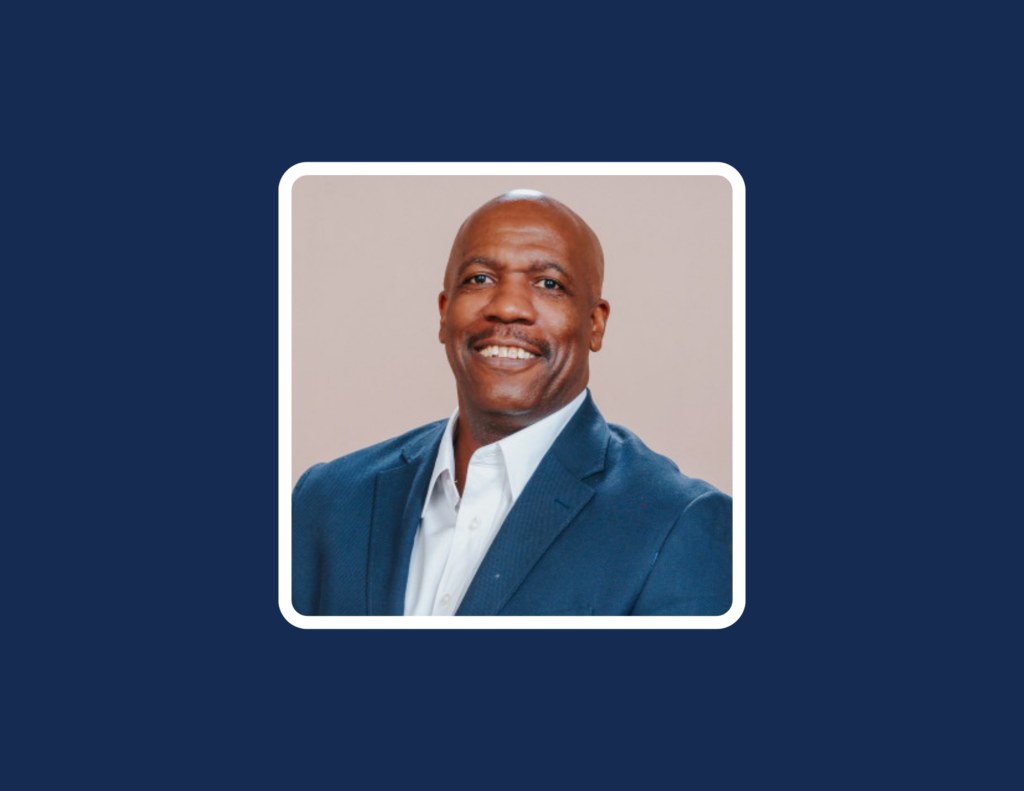
RON KING – PUTNAM VALLEY (NY) HIGH SCHOOL BOYS’ BASKETBALL HEAD COACH & FOUNDER OF KINGS BASKETBALL – EPISODE 1192

Website – https://www.kingsbasketballtraining.com/
Email – coach.king@kingsbasketballtraining.com
Twitter/X – @KINGSBASKETBA11
If you listen to and love the Hoop Heads Podcast, please consider giving us a small tip that will help in our quest to become the #1 basketball coaching podcast.
Ron King is the Head Boys’ Basketball Coach at Putnam Valley High School in New York. He is also the Founder of Kings Basketball, an AAU and player development program which he started in 2008.
King previously coached at the collegiate level at Plattsburgh State and at Kennedy High School in New York. He is known for teaching the Triangle Offense originated by Tex Winter and used by Phil Jackson to win 11 NBA Titles with the Bulls and Lakers.
King played his college basketball at Plattsburgh State and has helped many of his players move on to play at the collegiate level.
Follow us on Twitter and Instagram @hoopheadspod for the latest updates on episodes, guests, and events from the Hoop Heads Pod.
Make sure you’re subscribed to the Hoop Heads Pod on iTunes or wherever you get your podcasts and while you’re there please leave us a 5 star rating and review. Your ratings help your friends and coaching colleagues find the show. If you really love what you’re hearing recommend the Hoop Heads Pod to someone and get them to join you as a part of Hoop Heads Nation.
Have your notebook handy as you listen to this episode with Ron King, Head Boys’ Basketball Coach at Putnam Valley High School in New York and the Founder of Kings Basketball.
What We Discuss with Ron King
- Why the development of coaches is as rewarding as the development of players, enhancing overall team performance
- Instilling resilience and teamwork is vital for young players to thrive in basketball and life
- Utilizing the Triangle Offense aids in teaching players basketball IQ and enhances their game understanding
- Building relationships with college coaches is essential for player recruitment
- Emphasizing individual player growth ensures that success is measured not just by wins, but by improvement and confidence
- Preparing players for the realities of competitive basketball requires a focus on conditioning and physicality in practice
- Ways to foster player confidence
- Developing a deep understanding of both the mental and physical aspects of the game
- The transition from assistant to head coach involves redefining roles, making final decisions, and adapting to new responsibilities within the program
- Instilling a growth mindset within basketball players
- Coaching is not only about strategy; it is about building relationships and trust with players, enabling them to perform confidently under pressure
Like this show? Please leave us a review here — even one sentence helps! Consider including your Twitter handle so we can thank you personally!

We’re excited to partner with Dr. Dish, the world’s best shooting machine! Mention the Hoop Heads Podcast when you place your order and get $300 off a brand new state of the art Dr. Dish Shooting Machine!

Give With Hoops is a groundbreaking initiative that fuses basketball analytics with modern sponsorship. Built for teams who see data as opportunity, from AAU programs to college powerhouses.
By tying on-court performance directly to community and sponsor engagement, Give With Hoops help programs raise more while deepening support from those who believe in the game.
Traditional fundraising disconnects donors from the action. Sell candy bars, wash cars, beg for donations, it’s exhausting and ineffective. Players perform better when their stats matter beyond the scoreboard. That’s why Give With Hoops was created.
Give With Hoops connects game performance to community support. Every basket, rebound, and assist becomes a chance to raise funds. Transparent, exciting, and proven to raise 3x more than traditional methods.

Your first impression is everything when applying for a new coaching job. A professional coaching portfolio is the tool that highlights your coaching achievements and philosophies and, most of all, helps separate you and your abilities from the other applicants.
The key to landing a new coaching job is to demonstrate to the hiring committee your attention to detail, level of preparedness, and your professionalism. Not only does a coaching portfolio allow you to exhibit these qualities, it also allows you to present your personal philosophies on coaching, leadership, and program development in an organized manner.
The Coaching Portfolio Guide is an instructional, membership-based website that helps you develop a personalized portfolio. Each section of the portfolio guide provides detailed instructions on how to organize your portfolio in a professional manner. The guide also provides sample documents for each section of your portfolio that you can copy, modify, and add to your personal portfolio.

Hey coaches — you’ve got a game plan for your team… but do you have one for your money?
That’s where Wealth4Coaches comes in.
Each week, they deliver simple, no-fluff financial tips made just for coaches. Whether you’re getting paid for camps, training sessions, or a full season—Wealth4Coaches helps you track it, save it, and grow it.
It’s time to stop guessing and start building.
Subscribe now at wealth4coaches.beehiiv.com/subscribe
And follow them on Twitter @Wealth4Coaches for daily money wins.
Your money needs a coach.
Start with Wealth4Coaches.
THANKS, RON KING
If you enjoyed this episode with Ron King let him know by clicking on the link below and thanking them via Twitter.
Click here to thank Ron King via Twitter
Click here to let Mike & Jason know about your number one takeaway from this episode!
And if you want us to answer your questions on one of our upcoming weekly NBA episodes, drop us a line at mike@hoopheadspod.com.
TRANSCRIPT FOR RON KING – PUTNAM VALLEY (NY) HIGH SCHOOL BOYS’ BASKETBALL HEAD COACH & FOUNDER OF KINGS BASKETBALL – EPISODE 1192
[00:00:00] Narraor: The Hoop Heads Podcast is brought to you by Head Start Basketball.
[00:00:17] Ron King: It is almost as gratifying when I see a coach who takes the lead and now has a voice that the kids are listening to and has something to say and researches the game and comes up with his own drills. Almost as gratifying as seeing a kid who, who does the same thing with his confidence in his game just elevates to the next level.
I love developing coaches just as much as I love developing players.
[00:00:42] Mike Klinzing: Ron King is the head boys basketball coach at Putnam Valley High School in New York. He’s also the founder of King’s Basketball, an A a U and Player Development Program, which he started in 2008. King previously coached at the collegiate level, at Plattsburgh State, and at Kennedy High School in New York.
He’s known for teaching the Triangle Offense. Originated by Tex winner and used by Phil Jackson to win 11 NBA Titles with the Bulls and Lakers. King played his college basketball at Plattsburgh State and has helped many of his players move on to play at the collegiate level.
Hey, hoop head score big on Dr. Dish basketball’s end of year sale. Give your team the gift of extra more efficient reps this season. It’s a perfect gift to your team. For the holidays during the Doctor Dish end of year sale, everything must go. You’ll get three to $4,000 off select doctor dish models.
Visit doctor dish basketball.com and get your doctor dish shooting machine today.
[00:01:42] Shiva Senthil: Hi, this is Shiva Senthil Head Men’s Basketball Coach at Oberlin College, and you are listening to the Hoop Heads podcast.
[00:01:51] Mike Klinzing: Coaches, you’ve got a game plan for your team, but do you have one for your money? That’s where Wealth4Coaches comes in. Each week, we’ll deliver simple, no fluff financial tips made just for coaches. Whether you’re getting paid for camps, training sessions, or a full season, Wealth4Coaches helps you track it, save it, and grow it.
It’s time to stop guessing and start building. Subscribe now at Wealth4Coaches.beehive.com/subscribe and follow us on Twitter at Wealth4Coaches for daily money wins. Your money needs a coach. Start with Wealth4Coaches.
Have your notebook handy as you listen to this episode with Ron King. Head Boys, basketball coach at Putnam Valley High School in New York and the founder of King’s Basketball. Hello and welcome to the Hoop Heads podcast. It’s Mike Klinzing here without my co-host Jason sunk tonight. But I am pleased to welcome.
Ronde Coach King from King’s basketball, Putnam Valley High School Head boys basketball coach, among many other things. Ron, welcome to the Hoop Heads Pod.
[00:02:57] Ron King: Hey, thanks for having me. I appreciate the opportunity.
[00:03:01] Mike Klinzing: Thrilled to have you on. Looking forward to diving into all the interesting things that you’ve been able to do throughout your basketball life.
Want to start by going back in time to when you were a kid? Tell me a little bit about your first experiences with the game of basketball. What made you fall in love with it? How’d you get introduced to it?
[00:03:16] Ron King: Okay. Man, going back, my basketball career almost ended before it started, so, so you know how when you’re in fourth grade, you know how everybody makes the team?
So transfiguration in Tarrytown just moved to the area, went to Transfiguration. I was skinny. I was weak, so I could barely get the ball up to the basket. Everybody made the team. I got cut. So, and that part there a basketball career could have ended up before it started. But I got into the game and the love for the game because of my mom.
She was a diehard basketball fan Laker fan, magic Johnson fan. So I am as well to this day. And that’s how I got into the game. Yeah, so after I got cut, I just went to work. Just went to work. She wouldn’t let me quit. It also taught me quickly that I’m the type of person that I could just let things hit off my chest and roll with it.
So that’s how I got into the game.
[00:04:11] Mike Klinzing: What did it look like? In terms of you deciding, Hey, I want to get better at this game. I’m not going to give up in the face of being cut as a fourth grader. What, what did you do? What did that look like in terms of trying to get better and improve your game? Back at that time?
[00:04:27] Ron King: It looked like me just getting back on the court going with my mom. Her and I would just shoot around. She would just push me around. She wouldn’t let me win she wouldn’t let me give, she wouldn’t let me go into it. Yeah, she wouldn’t let me win. She wouldn’t let me get anything easy.
So we just went back and forth. And then my grandmother as well, I was raised by three women by the way, so there was no word. There was no quit there. So my grandmother also said it’s okay. Just get back out there. It’s no big deal. Just get better, get stronger. And that’s exactly what I did.
I grew a couple inches and in fifth grade I was an all star. As, as much as a fifth grader can be, you know? Right. No. So I grew a little bit, I was the biggest kid on the, on the court, so that helped with the confidence at that time. And then it just, just went on from there.
[00:05:07] Mike Klinzing: What was your mom’s background in basketball?
Did she have a background playing herself or was she just a fan?
[00:05:13] Ron King: Yeah, she was a fan. She was actually a tennis player. tall for tall for a woman she was 5, 9, 5, 10, 11 in heels. So she was, she was a towering presence and just really confident and always knew what she wanted to do and what, what she was about.
So yeah, she was, she was that presence for me and the no quit, and I saw it in her she wanted to be a nursing supervisor at Westchester Medical. So the de determination that that took, I saw what, what she was going through and what she did, and yeah, I took that on.
[00:05:41] Mike Klinzing: You started getting a little bit older.
You mentioned that she was a Magic Johnson fan, and then you became a Magic Johnson fan, sort of by osmosis there. Who did you model your game after, or who did you like to watch besides magic as a kid and did you try to take stuff? I know when I was young, right? So I grew up born in 1970, so my access to NBA games when I’m 8, 9, 10 years old, it’s not like it is today, right?
It’s, it’s one game. It’s like the game of the week and that kind of thing. And so I can remember being in like, first, second, third, fourth grade and watching a game and then trying to go outside and have my hoop at eight and a half feet so I could dunk like Dr. J or work on my magic passes or whatever.
So who’d you kind of model your game after it in that young age when you’re still kind of in elementary school?
[00:06:25] Ron King: Okay, so same thing grew up born in 1971. Grew up around that in that era. So Bernard King was first so Bernard King was my guy. Guy was a monster. It was a travesty that he wasn’t one of the greatest 50 players the first time around.
But absolutely Bernard King was my guy. But then when the Knicks did him dirty but I was always a Laker guy because my mom I was allowed to stay up late and watch Laker games with her. when they’re on the, we’re on the east coast, there’re on the West coast. But being in New York, so Bernard King was my guy.
But I really modeled my game after Jordan. So I was a Jordan Guy vh the VH test tapes, and then that’s how we recorded the games back then. I just watched them over and over and over again, and then I’d go out there and just model it. I was the only boy in the house. So I would just use my imagination and that’s where my, I think my creativity came when I got on the court.
Just playing by myself, pretending somebody was there, and then just doing moves and and just playing and trying to get better in the game. So I made up a lot of scenarios. Sometimes I’ve lost to myself you could get imagine. But yeah, that’s how I got started with the game. And that’s how I modeled.
I modeled Jordan an R King first, but then Jordan came on the scene and I was like, yeah, that’s the guy I went, went
[00:07:35] Mike Klinzing: after. That’s the guy completely under, completely understand. All right, gimme, gimme your Jordan goat case. Lay it out for me.
[00:07:41] Ron King: Jordan goat case. I mean, I mean, all you have to say is the guy’s.
The guy’s amazing. I mean, just think, look, all the things that he accomplished. In, in the amount of time, even when he came back to the wi, came back into the league and played for the Wizards. I mean, at four years old, he was doing his thing. I mean, the guys got accolades after accolades. Just, but the thing about Bernard King, I mean, LeBron’s great and all that good stuff, but the swag that, that Jordan had, I mean, on the court is the cool swag he had and the way he went about his business.
It was relentless. It was relentless. And then when he broke through and had the ability to make other players better around him thanks to, thanks to Phil Jackson and Tex, you know that’s when he really took off. And that’s when I was like, oh, yeah, okay, now he’s, now, now he’s unstoppable.
Now he’s just, yeah.
[00:08:26] Mike Klinzing: Yeah. I always feel like when people ask me one, I just say, if you don’t think he’s the greatest, then you weren’t there watching what he was doing. And just, I feel like he was just inevitable that it would just, he just kept coming. He just kept coming, just kept coming and I feel like there’s never been a player.
That had the combination of a, his physical tools. Mm-hmm. B, his maniacal work ethic, which gave him every fundamental skill, footwork, form, just everything about basketball, iq, everything that goes along with that piece of it. And then absolutely mental, mental toughness. There’s never been anyone in the game more mentally tough than Michael Jordan.
And you combine the physical tools, the, the skill level that he attained through hard work. And then you take just the mental toughness to be able to shrug aside any mistakes that he would make and just to always come through in the big Mel. I tell people all the time that you, when you watched Michael Jordan, you just knew that there was going to be some way, somehow that.
He was going to figure out how to beat you. He’s not figure it out. He might not have figured it out in the first quarter or the second quarter, or he might not have figured it out in game three of a series, but by the fourth quarter, or by game six or game seven of a series, he was going to figure out whatever it took to beat you.
He was going to do whatever it took. And I just, if you live through it and you watched it live, I just don’t think that there’s any way that anyone who was alive during that time and watched him play can argue that, that anybody was ever better. And I think about what you just said in terms of trying to emulate just how Jordan played and what he did.
And a lot of people when they think of Jordan right now, we see the highlights of highlights. You’re seeing all the dunks and you’re see dunk, right? You’re seeing the, you’re seeing the crazy layups and going from one side of the basket to the other and flipping the ball and all those things, but.
You don’t often see nearly as much all of his footwork in the post and his footwork on the perimeter and his balance and just the form in terms of his shot, being able to get to that shot out of anything. And so a lot of times, I guess people don’t necessarily equate fundamental basketball with Michael Jordan, and yet if you look at what he did on the floor, there was probably no better person to try to emulate in terms of footwork and basics and all those things.
And then obviously he had the flare and the swag like you talked about, but to be able to go out in your driveway or wherever to be able to practice your game and sort of model it after Jordan. Yeah, I don’t think people often think of him in that way. So man, it’s, yeah, it’s, he’s incredible. I’ll tell you, I’ll tell you, I had, I just had an opportunity, I just had an opportunity to go down to so I retired in October, Ron from my teaching job.
And when I retired I told my wife I had two things on my bucket list that I wanted to do sports wise. One was go to the US Open Tennis Tournament, which I retired before the US Open started. So next, next fall I’m going to try to get up to get up to Flushing Meadow and get to get to the, get to the US Open.
And then the second thing was to go watch a North Carolina game. Oh man. And so I had a friend, John Schulman, who coaches at the University of Central Arkansas, and they opened up their season. They were North Carolina’s first home game this year. So I got a chance to go down. Coach Schulman got me into their shoot around, I got to go back through the locker room with Jeff, with Jeff Lebo with some other people from Central Arkansas, my wife, my daughter, and saw like the, they got the whole wall of Jordan all the shoes, like every model.
Oh, must got the Jordan shoe. All these like Jordan murals, like the, the Jump Man is everywhere. So I was like, my wife’s like, you’re, you look like you were like 10 years old. I got the shoot on the Dean Dome floor. It was just like, it was crazy, man. Like it was candy store. It was, it was unbelievable, un unbelievable stuff.
So can completely, can completely understand where you’re coming from in terms of modeling your game after, after Jordan.
[00:12:35] Ron King: Yeah. And that’s, I mean, that’s, that’s where my mom came in as well. So every Christmas, I don’t know you, you’ll remember this, every Christmas, they used to come to New York and play the Knicks.
And we were there live, we were there live watching him. Oh, that’s awesome. But yeah, man, it was crazy. It was insane. 1, 1, 1 year we had floor tickets right behind the basket. That was the year that Patrick un hit the game winning shot. That game was insane. And Nick Van were high fiving everybody and all this good stuff.
And I’m rooting for Jordan, but right. I’m going to high fans The game was that good, you know? So yeah, the love of the game came came, came exactly. Came from my mom.
[00:13:11] Mike Klinzing: Yeah. That’s cool. I mean, it’s just, again, when you have that passed on, and again, oftentimes right, it’s, it’s somebody’s father, like the stories of, of somebody’s mom passing the game on to them are, are few and far between.
There aren’t nearly as many of them. So it’s cool to be able to hear that story that it was your mom that kind of drove you into, into the game and developed your love for it and all that. So that. That you were able to continue to bond together with her and she’s there on the court with you and playing and not letting you win, and all those kinds of things that you normally hear those stories about dad.
And so to be able to have you have your mom be a part of that and even your grandma like you talked about, to, to be able to encourage you and then get you to move in that direction is is really cool.
[00:13:52] Ron King: Yeah.
[00:13:54] Mike Klinzing: Tell me a little bit about, as you got older and you’re moving towards high school age, how did your training, your going about improving as a player, how did it change from when you’re in elementary school where again, you’re kind out working with your mob, but did you get more, I don’t know if scientific is the right word.
because again, you and I grew up in the same era, so there wasn’t much that we were doing that was scientific the way it is today. Right. But just what did you do in terms of planning out how you were going to get better as you got older and got into high school?
[00:14:22] Ron King: Yeah. Then then it came down to school ball and the coaches that I was inundated with, so eighth grade coming out, I was a point guard, so I pretty much played every position coming into this game. So I was a point guard. I was eighth grade and we won the championship on the eighth grade level. So I’m going into high school. I went to step and neck going into high school as a point guard, but when I got to tryouts, there’s a million point guards trying for the team.
A lot of them these kids could play. So we made the team but didn’t play much. Got a few minutes here and there, so I sat the bench a lot my, my freshman year after just winning a championship. So I’m thinking I’m the guy so, you know. And then what changed for me was when I went to jv, 10th grade, a new coach came in saw my athleticism.
I was starting to come into my jumping ability a little bit, and I was quick. I was fast. And the coach changed my position. He put me in the post. And that changed, that changed my game. I had a great season that year. I was a leading scorer, leading rebounder for the team. But then going into 11th grade, now I’m, I’m in stepping ag Marty Collin just got done graduating from the, from the team.
And we got Kyle Harrington on there as well. So, 11th grade, I’m a four and a five now, but now high school stepping at is 6, 5, 6, 6, 6, 7. I have no business being in the post. Okay. Right. So I don’t play as much. I do come off the bench I’m like 6, 7, 6, 7, 8, man coming off the bench. I get a couple minutes at four.
But then in my senior year. I stayed in that four position, in that, in that in that five position. And yeah, I mean, I was one of the leading scorers in C-H-S-A-A leading rebounder as well. So I just thrive when my jumping ability came in. My footwork got better. The coaches I had coming in from seventh grade coach Kearney and Coach Krause they were brutal on me.
I mean, back then, you know how I was, it was like, yeah, touched the ri, touched the rim. I like grade. I can’t touch they until blew in the face, until I tried to touch the rim. So that helped me. So it was just the coaches that I had and them changing my positions. And then when I got to college, my position changed again.
They put me on the wing. I was a three now. That position I settled into, and then semi-pros, a one and two. So I was all over the place playing every position. And I loved it because it helped me be a better coach because I was like, I’ve been there. I know what you’re going through. I’ve been on the bench, I’ve been the guy so I know what you’re going through in all aspects of the game.
[00:16:41] Mike Klinzing: Yeah, absolutely. When you think about those guys that coached you in high school and then you think about yourself as a coach today, what are some things that you took from them that you still are, you still feel like are a part of you today in terms of your coaching style and just the way you approach things?
[00:16:57] Ron King: Yeah. The big snap takeaway is that kids can figure it out so we like to, I see a lot of adults, they, they baby the kids. They say, oh, don’t give them too much. That’s, that’s too much for them. And stuff like that. Kids are more resilient and kids can figure things out and kids can take a lot.
As long as you can teach it to them the right way, kids can figure it out. Just like you, you know that I run, I like running the triangle offense and people thought I was crazy trying to bring the triangle offense to youth basketball. But what I found out is that kids can understand it and you teach it the right way.
The kids can understand it, they can pick it up, and it actually helps them become better at basketball. Iq triangle offense is amazing at helping kids get better. Basketball iq when you. Make up the principles and apply the principles, and they learn and know the principles. Not just move here, move there, but the principles that go behind it, that trigger the movement.
It’s a, it’s a great tool for teaching basketball iq. So so yeah, I’ve been doing it for years on the youth level, high school level. Triangle offense, what we do.
[00:17:53] Mike Klinzing: Yeah. I talked to a, or I just put out an, I revived my Hoop Heads pod newsletter like a week and a half ago. I hadn’t done one in like a year.
And one of the video videos I put in was from a guy who actually explained how you can use the triangle offense in today’s basketball. because a lot of people I think, associate the triangle right, in a, in a pre three point era of the balls going and swinging and it, right. And so people don’t think, Hey, how does it fit into the, the threes and layups and all that kind of thing.
And this video kind of broke down a little bit of how you could take the triangle and. I dunno if modernize it is the right word, but just utilize it to still be able to take advantage of some of the things that we’ve done with the game today in terms of threes and analytics mm-hmm. And layups and all that kind of stuff.
So how do you think about that when, when somebody comes to you and says, how can you be, how can you be running the triangle? Like you talked about it helps kids with their basketball iq. When you think about somebody who asks you the question of, Hey, how does the triangle fit into, that’s not modern basketball?
How do you respond or answer that in terms of those kinds of questions? Because I’m sure you get them all the time.
[00:19:00] Ron King: Yeah absolutely. So my base, my base, my biggest answer is that they, they just don’t know how to teach it. They know, they get, they get the concept of it, but it’s just, it takes a skill to teach it.
You have to really study it. So that’s the biggest thing. But for modern basketball, especially with the three you’re running the triangle, especially the way they play out the high posts. I mean, a lot of, the lot of offenses that are run today are pieces of the triangle. A lot of people just don’t realize it.
So now you see players playing at the high post and the pinch posts a lot. Now that’s born from the triangle and when you come off of that handoff boom, you got the kick to the corner. Doesn’t get more modern basketball than that. So just knowing, knowing the principles of the triangle and knowing how to teach it it’s more modern than anybody thinks.
And only reason why I don’t think it’s modern is because you still play with a big man in the post. And that’s, that’s the thing of the pass pretty much in the mid post area. But if you have a mid post that can go to the dunker spot and hit the baby jay and there’s a good screen in a good passer you have a beast of a player.
[00:20:00] Mike Klinzing: Yeah, no doubt about that. I think it’s one of the interesting things is. My son plays college basketball division three at Ohio Wesleyan, and they run a lot of their offense through their five. So the five is oftentimes at the top, at the top of the key, and then screen and roll to the basket, or making decisions.
Guys are cutting off either for handoffs or just making backdoor cuts on the back. On the weak side, which again, not necessarily that they’re running the triangle, but there’s a lot of principles that come out of that offense that are a part of it that again, they would never say, Hey, we’re running the triangle.
But when you watch it, you definitely see elements of, Hey, that looks familiar, that particular concept or that particular action. Like you said, there’s a lot of things that get triggered off of different types of actions that if you’re teaching it. Makes it a really modern offense and you can be able to do what you just talked about in terms of, yeah, you got a guy that can pass the ball.
You got a guy that can play out of that mid post area. You got a guy that can pass. Now all of a sudden, boom, you’re able to get the kind of shots that the analytics would tell you, right? That, that you want to get. So how do you, how do you break that down for kids when you talk about teaching it? How do you break down the different actions and teach them to make the kind of reads that they need to make out of that offense to be able to make it successful?
[00:21:16] Ron King: Yeah. So just to piggyback on what you were saying there, and the reason why it’s also more modern than what people think, especially when you’re playing with that mid post, is because people don’t practice against it, so they don’t know how to guard it. When the ball goes in the mid post, they’re like, oh, what do we do at that point?
Right. they, they turn their heads and they want to dig down on that post. Next thing we’re picking em apart because we got all these actions happening. So yeah, so absolutely. But the way I break it down for the kids is by having them learn the principles. So I have a whole write out of principles that are involved in the, in the in the triangle.
And once they learn those principles and we take it to the court, okay, so things that they always remember like the group of kids that I’m coaching now I haven’t had them for a year or so now, but it came back to me and they still remember the principals, like it’s the back of the hand. So it’s, it’s not only that it teaches basketball iq, but it also, it sticks.
once they learn it and once they’ve been running it for a whole season, it sticks with them. I can guarantee if I have kids come back, actually I have kids that went to college, came back during the summertime, three years later, and they still remember that the principal that are involved and can run it, run it.
And that’s the thing, that’s the beauty of the offense. It’s a, it’s a system. And when you know the principals and can teach the principals, it sticks with them. And that basketball IQ stays with them and they can take it anywhere. So it’s not just a program for my King’s program or for Putnam Valley, it’s, it’s, you can take it anywhere you go, play any a a U system or anything.
And you do these principles for that coach. That coach is say, oh yeah, this kid’s been trained, this kid knows what he’s doing, this kid can play. And that’s the beauty of it. And so it’s just about teaching the principles first baby steps, and then breaking it down piece by piece, this side of the floor and into this side of the floor.
And then this, then assigning roles everybody has their roles, but to let them know that, and I think this is what makes the kids really think about it more, is when you tell them that you need to know all five positions when you’re doing the triangle. Because when you bring the football from this side to that side, you’re going to be in a completely different position.
So it’s positionless basketball at, at its finest, and you’re not going to be able just to know this one spot because you’re not going to be here when the ball goes to the other side and all five guys move at the same time. When the ball’s moving it really sticks. It really sticks.
[00:23:27] Mike Klinzing: There’s nothing more modern than that, right?
When you think about modern basketball, especially at the youth in the high school level, right? What do we hear all the time? Positionless basketball, right? The ability to play the game as opposed to just run plays. I think those are the two most common things. When you hear people. Criticize youth basketball.
It’s that, hey, this coach just runs set play after set play. That’s all their practices are, is set plays. We’re not really teaching the kids how to play. We’re just showing them all these plays. And then again, when you talk about trying to pigeonhole, think about your own career, right? You’re playing different positions as a player in junior high, and then you’re playing different positions in ninth grade, and then 10th grade you switch, and then you get to the high school level.
You have to switch again. You get to college, you get to pro all over there, you’re, you’re playing all over the place. And so you don’t want to get pigeonholed into a, a certain spot, especially at a younger age, right? You want to develop kids in such a way that they’re developing all their skills. And I think those are the two most common criticisms that I hear about youth basketball coaches or youth basketball programs is that they just pigeonhole a kid into a position and that.
They don’t teach kids how to play. They’re just running whatever. They’re running their stuff, right? They’re running their plays. That doesn’t translate to wherever their next situation is going to be. And so what I hear you saying, which I think is a great point, is that when you teach the triangle, you teach it the right way and you’re teaching triggers, and you’re teaching reads, you’re teaching movement, you’re teaching guys to play out of different positions.
All of a sudden now you’ve got a kid that, let’s say they have the talent to be able to go play in college, right? They’re not just, oh, this kid only knows how to play this system. Now you’ve created a basketball player. Right. As opposed to just a kid who plays in your system. And to me as a coach, there’s nothing, there’s nothing more valuable that you can do for a, for a player as an individual.
And then you just think about what it does for your, for your team. And obviously you’ve put a lot of time into, as you said, studying it. Which is another great point that I think we always try to make with especially young coaches, right? Is if you’re going to teach something, whatever it is, doesn’t matter if it’s a triangle or it’s dribble drive or it’s read and react or it’s a high ball screen offense, whatever you want to do, you better know that like the back of your hand so that you can teach it.
because if you can’t teach it and you don’t know it really well, the kids are going to figure you out real quick that you don’t what that you dunno what you’re talking because they’re going to, they’re going to have questions. It’s not like when you and It’s not like when you and I were playing where if the coach said something that didn’t make sense, everybody just kind of kept quiet and we’re, we’re trying figure it out.
Now those kids, yeah, those kids are going to, those kids are going to ask for sure. There’s no doubt about that. What’s up
[00:26:03] Ron King: a hundred percent. Yeah. And I mean, I ask my kids a lot, a ton of questions as well just to make sure they have their understanding of it. So it’s not just me talking, I’m asking them just not to play the game, but to also think the game so that they can see, since I ask them, they come to the bench, I was like, what are you guys seeing out there?
You know? So I hear what they’re saying and this stuff that the other, and then I’ll add my 2 cents in it. But the kids, the kids have to have their voice in, in it player led teams are the best teams out there. And when we’re talking about the triangle offense, when I have youth, youth kids, like sixth grade, fifth grade and stuff like that there, I tell them that there’s, there’s about four or five things that you can do.
You can either screen the ball off, ball screen, you can cut, you can below post. You can high post. So I have the kids go, I have the kids, okay. Huddle up. And each one of you pick one of those things that you promise you’re going to do when you don’t have the basketball. Now you can do all five of them, but promise your teammates one of those things that you’re going to do when you don’t have the basketball.
And it starts from there. So then when they’re out there, they’re not just standing there watching the ball. someone promised you, promised you were going to make that cut, you promise you were going to to go set that screen. and that gets the kids moving when they’re at the, at, at the younger level.
And that fosters into when they get older. Now we can really dig into the, the formation of the triangle and the principles that go with it.
[00:27:20] Mike Klinzing: Absolutely. All right, let’s work backwards to your college decision. Tell me a little bit about your recruiting and your decision to go to college. What you thought you might wanted to do for what, what you thought you might want to do for a career as you were heading into college, or were you like most 18-year-old kids who have no idea what direction you wanted to go?
[00:27:37] Ron King: Yeah, a hundred percent. I wanted to go to Springfield College. That was my thing. Okay. I wanted to be near the basketball Hall of fame. All that good stuff. Went to the camp and all that good stuff. But I wasn’t getting the attention from Springfield College, so I had to do the work myself if I wanted to go there.
But Blackburg, I went to SUNY Pburg. They came calling. They recruited me hard. They came to the house. This was back in the day when coaches coming into the house and sit down that dinner and all that good stuff, you know. They came to the house multiple times and my parents fell in love with them.
So PLA was, pla was a place, and it was a great place. It was a great choice for me. It was a great choice. I had a nice career there. And so that, that was my progression into college playing college, both flash work.
[00:28:17] Mike Klinzing: Yeah. When did when did you know that you thought, when did you think coaching was going to be something that you might want to pursue at some point?
Was that something that you were thinking about at all in college or was that something that was not on your radar at all? You’re like, I’m just going to try to play a little bit after I graduate, then go and I know you’re in real estate now, but just kind of walk me through the, Hey, I’m done with my career.
What, what am I going to do next? Walk, walk me through that.
[00:28:43] Ron King: Yeah. So coming out of college had, had a decent career there. Of course I wanted to play ball coming out of college. Didn’t have the guidance. things from my college coach asked me one time, you want to be overseas? I said, yeah. And that was like the end of the conversation.
But,
I never went any further than that. So coming out of college just like any college graduate, I had to get a job. So I got a job. I landed to SUNY purchase. That’s back when you’ll remember this, when the Knicks used to practice there back in SUNY purchase. So I was the manager at the bookstore there.
I found out that they had open gym. Coaching was not on my radar at all. I, I didn’t have no inkling to coach. I didn’t know what coach was. I didn’t, I had no idea about it. So I just went to the open gym. So I started playing open gym. I’m out of college myself, so I’m pretty much around the same age as the kids that are there.
And I just start bawling and next know this, this, this giant of a man comes over. Pete Caruso comes over. He is like, Hey, you’re going to try out for the team. So I was like, Hey. So what I didn’t know is that the team, they didn’t have a team for six years prior to that. So he is like, Hey, you going to try out for the team?
I was like yeah, coach. I did my four years already. So. He was like, but I said, I was like, I’d love to help out with the team. And so he was like, yeah, absolutely. So that’s how I got started in coaching. So I started coaching college right out of college. Started coaching college basketball was there for a year and change, I believe.
Yeah, for a year and change. And then I went and played so a couple years I was off. Then when I was done playing, moved and then I started, I saw a rec center, so I was like, yeah, can I volunteer to help? Got into the rec center, had every position in that rec center. From that point forward, we started their first travel team there in the fish field, rec center.
And then from there it really took off because my nephew played high school basketball and just had a negative coach. the coach had tell him that, Hey, you kids aren’t going and this, that, the other so. Coaching for a couple of AAU teams at that point. So I went to one of the games and I saw the negativity for myself.
And it outraged me. So it then parents were telling me, it’s like, yeah, you should help out with the, with the summer team and this, that, the other. And I was like, okay, tell me about it. So they pointed me to the right, to the person that was running it. Man, Craig Andrews was running it at the time.
And so I went to him, I was like, Hey, can I help with the team? He said, absolutely. He, his son was playing on the team as well. And he was going to step away because get to that age when you can’t really coach your son anymore so, yeah, for sure. To me, and that same, that same team that I had they, during the school season they went like five and 15 was their record.
And then I took them over and all that. The only thing I did, we went 20 and five that season. And the same exact kids playing harder. because we were around the AU circuit, took em, travel and all that good stuff. But the only thing I did, I told them I believed in them. I pushed them hard in practice.
At this point down time, I’m, I’m a certified personal trainer, sports performance trainer as well. So I put all of that into the practices. And they were brutal. They were brutal, but they loved it all of a sudden had done, they they, they hated me in the morning, but, but they loved me in they hate me now, but loved me in the morning, you know when it was all said done.
But and to this day these kids, they, they call, they call me back. We talk all the time and so they loved that time and that time in their life and everybody’s always wishing they can go back. But that was, that was my how I got into coaching and kind of just fell on my lap one day playing pickleball and then went from ball.
[00:32:09] Mike Klinzing: What do you remember about those first experiences with First to college group and then, and then this first group of high school kids that you’re working with? What did you love about it right away? What was it about coaching that really hooked you and said, Hey, I want to stay in this, I want to really pursue this moving forward?
[00:32:27] Ron King: Man, the adrenaline, I mean, it was a, it was a rush at first. My first college game the coach got kicked out. Okay? So I’m a college kid myself. The co the, the coach gets kicked out. The first half he lost his mind and got kicked out. And now I have to try to take this team home. We’re at Pratt University in Brooklyn and I have to try to coach these guys to a win.
I was terrified. I mean, I was terrified. Well, it doesn’t show what to do, what to say or how to do it or how to say it, but I faked it until I made it type of deal. So that was my first experience with that. But what got me to stay with it was that team I just told you about, that we went, they went five and 15 and then 25, the joy that they had playing that season was what hooked me. Seeing kids improve, get their confidence back and go on to do good things now in their lives as well. That’s what it’s all about now for me. To see that, to see that transformation in kids it’s special. It’s special and it’s, it’s something, something you just don’t want to ever leave if you don’t have to.
So yeah, that’s what, absolutely, that’s,
[00:33:35] Mike Klinzing: yeah. Yeah. So was that first group that you’re coaching, that you’re describing when you jumped in, when does, is that the genesis of King’s basketball or did that come later after the fact? Tell me a little bit about how you got started. Was, was, was that already the organization or, and then you just kind of took it over or you started your own thing after?
After that experience?
[00:33:57] Ron King: Yeah, a hundred percent. So how it went down is the kids that were on that team with the negative coach, I was coaching them during the summertime. That that coach said he wants, it was for the school team. So we were the a u team for that school team. Right. So the coach came back and said, I want to take, I want to take over the program.
So we were like, okay, want to take the program over? We offered to help him. He didn’t want to help. So I held a meeting at a restaurant right across the street from the school with the parents and all that good stuff, and the kids. And they were like, yeah, we’re not going to play for him. So then somewhere in the background, one of the parents screamed out, why don’t you start your own?
So I looked out, I was like, Hmm, why don’t I start my own? So, so that’s how King’s Basketball was born. We were actually, fishkill Wolves at first. Okay. Then a couple group of kids came in and said, coach, we don’t like we don’t like the Fish Gull Wolves name. I was like, okay, so what do you want to call it?
So I was like, how about how about King? How about Fishkill Kings? So I didn’t think, I never thought about going to Kings. So they came up with it and I was like, oh, I love it. It, it’s like, okay. So we became Fish Gull Kings, and then during the years we realized I didn’t have any kids from Fish Gull on the team.
So we dropped the fish gull part and became Kings basketball. So yeah, so that’s the, that’s how the kings, that’s how kings were born.
[00:35:15] Mike Klinzing: What were the biggest challenges in, in growing it? So you start with that one group, right? Of parents and kids that have a great experience with you. How do you then grow that into a bigger business with more teams and the training aspect and all the different pieces that you have today?
What was that process like? What was easy? What was hard about it?
[00:35:35] Ron King: Mm-hmm. So. I probably did it the hard way because I didn’t really advertise. And I was destined to have the program where we didn’t cut kids, we took everybody. But I was a referee once again, the fish rec center. So I refereed every, almost every game they had.
And so I referee games and when I would see kids come in, I was like, Hey, what are you doing for the summer? Whatcha doing? I just pick kids for the summer. And then I would bring them in, I’d train them. The parents would love it, and the parents would spread the word. And pretty much word of mouth is still how we do this to this day.
Parents just bring it in. I really, you really won’t see much advertising. I mean after Instagram and stuff like that, but. You won’t see me going out there advertising and doing any big hoopla. because I’m really, I really, I really cater to the, to the division two, division three type of players, you know type, type of players like that.
The monthly club ball for this school maybe. Now we felt, we felt over 20, nearly 30 kids now go and help play, help them play college basketball to division two, division three level, which I’m proud about. I’m happy for that if that’s their goal. So we just try to figure out what their goal is with the game of basketball.
And then we just did it by word of mouth, by refereeing all those years. We took the kids that way and then parents took it over from there. Had some assistant coaches come in and help parents who were parents of the players and they would just help me out and I would take them on.
And then I taught them how to coach and now they’re awesome coaches themselves and it’s just a beautiful progression and this is the reason why I stick with it and why I love it so much. I could do this stuff all day, all night, I do for free, which I kind of do. because I really don’t charge that much throughout program.
I just want, I don’t want money to be a reason why a player can’t get training, you know? And we try to make it as affordable as we possibly can so we’re not charging thousands of dollars and all that good stuff. A few hundred bucks and we’ll, we’ll find a way to get your train,
[00:37:18] Mike Klinzing: you know.
Alright. Tell me about, let’s, before we jump into the player side of the training. You talked a little bit about putting together a staff. I think it was always a challenge, no matter whether you’re a high school coach, trying to put together a staff, certainly an AAU program, trying to put together a staff of good coaches that are going to do some of the similar things to what you’re talking about in terms of the positivity and the teaching and all that.
So what’s your methodology for somebody who wants to be a part of it, somebody who wants to be a coach, whether it’s a parent or somebody you bring in who that’s not, that’s not a parent or someone in your program. What’s your philosophy for, for training that coach to be able to follow in the footsteps of what you want to do in terms of your program’s culture and environment that you want to create for the kids?
[00:38:06] Ron King: Yeah. So I have my, my culture and my environment is, is family number one. Period. So looking for good people, people that want to be there. So somebody comes and says, yeah, I’d love, I’d love to help. Whether they have coaching experience or not, I’m like, yeah, absolutely. Come on, come on board, let’s see what you can do.
Go get them on the court. I see how they interact with the kids. I see what their skill level is at coaching, and then I pretty much model the way that I want them to coach or the way they like to coach. because they like my program for a reason. A lot of it’s because of the way I do coach the kids.
I’m not, I don’t, I’m not easy on them, but I’m not hard on them. I don’t yell and scream at them. I demand a lot from them as far as give you a hundred percent. I mean, you come into the gym, you could be had a, the toughest day in the world, you might only have 10% of energy in the tank. I just tell them, gimme a hundred percent of that 10%.
No, that’s all I ask. And the parents love it. Parents love the drills that I put the kids through. They’re, they’re rigorous. They let, they love the fact that kids sleep at night because of the drills they go through. So so I model a lot on the co on the court so they can see. I teach the kid, the, the coaches the system that I run so that they know it, like the back of their hands.
They watch it, they watch it. I put them in, I put them in the mix. So they watch it, they see it, have it written down for them. And then they do it themselves until the point when they get comfortable. When they’re not comfortable, I throw them out there anyway so that they do get comfortable. So there’s only one way to get comfortable in this by fire so.
Yeah. So it’s, it’s, it’s, it’s almost as gratifying when I see a coach who becomes his own coach and, and takes the lead and now has a voice that the kids are listening to and has something to say and researches the game and comes up with his own drills and makes his own drills. Almost as gratifying as seeing the kid who, who does the same thing with his confidence and his game just elevates to the next level.
So I love developing coaches just as much as I love developing players. Yeah. And my philosophy is just throw them to the wolves. Throw them to the fire. They don’t know how to do it. I didn’t know how to do it when I was, when I was at suny purchase the fire shivering in my boots. Same difference.
You just go out there, fake it till you make it, you mean? Well, and if I see that you mean well then you can’t go wrong. you can’t go wrong.
[00:40:24] Mike Klinzing: Yeah, that’s a great point. I mean, I think the people who care, right? It, it’s, it’s a lot easier to teach somebody the technical aspects of it when you know that they’re, they care and their heart’s in the right place and they’re in it for the right reasons.
I think that makes it that much easier for that person to be able to, to find their voice and figure out who they are as a coach. And obviously if they’re getting an opportunity to watch you go through and do the things that you do in practice, and they get a feel for what your program and what you’re all about, then they can take that and inject their own personality into it to some degree.
Yeah. But al but also reflect the culture and the environment that that you want to have from a player perspective. When you’re thinking about working with, whether it’s a team or an individual player, how do you go about making sure that you understand each individual player’s needs? Because obviously on the a a U side, as you said, you’re working with kids who, some of them at least have aspirations of playing.
Basketball at the next level. So how do you balance the needs of those individual kids wanting to get better, wanting to showcase themselves and their skills to schools with, again, building a cohesive team and putting that all together. How do you think about that and how do you have conversations with kids and families about, right, if we win, right?
A rising tide lifts all the boats. So how do you just go through and make sure that people understand that there’s a connection between the success of your team with your individual desire to stand out and showcase yourself to schools?
[00:41:54] Ron King: That’s a great
[00:41:54] Mike Klinzing: question.
[00:41:55] Ron King: Well, pretty much the conversations I have with team, and I’ve been blessed over the years to have a group of kids who started with me in sixth grade and all the way until they graduated.
So I’m blessed to have that group of kids to be a model. So when we have kids, so like I said, we, we don’t cut kids. So kids who just learned how to pick up basketball, they’re on the team, right? So and we try to get them games as much as we possibly can, but they have something that they can model.
So when they see the high school team playing and how well they play and how well they play together, how well they move, we, we show them and tell them that they started exactly where you were. they weren’t able to catch the ball. They turned the ball over the time. They couldn’t even get the ball over half court.
Sometimes it’s a process. And it’s, and it’s the biggest thing, not even so much to get the kids to buy into it, but the parents to buy into it, that this is a process. Because I tell them all the time, I was like, I really don’t care if we win the game as far as the score is concerned. But my whole thing is that if each and every single player can get better, then winning’s inevitable.
And that’s my philosophy with everything. So if I can help each player get just a little bit better every single time they step on the court. Winning’s going to be inevitable. And we’ve, we’ve won a lot of championship with kids that just started learning how to play the game on the AAU circuit. As, as well as off the AAU circuit.
I don’t just use a a u I use other circuits and other stuff like that as well. But the conversations I have with the, with the players starts with me asking a bunch of questions to them, to their parents, to their what, what, what, what do you think is the strongest part of your game?
What is the weakest part of your game you think? What are you trying to accomplish with basketball? I ask the parents that how well do they, how, what do they notice about their kids when they see them play? And the biggest thing that I always get from parents is the answer is confidence is confidence.
And I was like, Hey, okay, no problem. I’m a special. That’s our specialty actually. Is confidence. So kids come in, Hey, his confidence is confidence. Confidence. So we work on that. And we just tell the kid We believe in you. We tell all the kids, Hey, listen, all of you have the green light. As long as it’s a green, it’s a good shot.
You all have the green light. I’ll never take you out because you took a shot and missed a shot. And sometimes that’s all they need to hear. because they’ve been on these other teams where, oh, and they’re not the best player on the team. they take a shot, they miss, they get pulled out, they turn up the turn one turnover, they get pulled out.
I was never a big fan of that, never believer of that. But sometimes, yeah, you have to pull them out, have a talk with them, and then we have to get back to the lab. But you have to tell them, it’s like, Hey, go back out there and try it again. See what happens. some players, you have to tell them.
It’s like, listen, I’m keeping you in there until you keep on making this mistake over and over again until you’re tired of making that mistake. You know? Yeah. Just have to do that with the players in. The biggest thing that I I, that I, that I take pride in is, is that I stay in tune with my players. Being in tune with your players to see okay, okay, this is what he’s capable of.
This is what he’s, this is what he wants to do, this is where he is at. Now, being in tune with that player and all the players is something that I take pride in. I’m not always going to be perfect, of course, I’m not expecting to. And I tell the kids, you don’t have to be perfect. So that, that, that’s the whole, I think that’s a lot of things that, that brings the kids’ confidence down is that they want to be perfect in everything they do.
Is when they out in the court and I was like, you don’t have to be perfect. Go out there and make mistakes, because that’s all, that’s what success is. Making mistakes and learning from it. As long as you learn from those mistakes, that’s the definition of success. So just keep reinforcing that and telling them that.
And saying even if they take a, a shot that goes over the backboard, just that they have the confidence to take the shot. Hey, good job. Take that shot. You get that shot again, take it again. just keep on going there and just making sure that they know that okay, they got somebody, you have a coach that’s telling you, shoot the ball, not, don’t shoot the ball.
Get the ball to this player. Get the ball to that player. And even if I have superstars on the team. I’ve had kids that just learn how to walk and chew gum at the same time. And I tell them, I treat them the same way. I treat them the same way. My superstar gets the same treatment as the kid that just got there.
Just learning. So, and that’s the way you keep it balanced, letting it know, hey, it’s, it’s going to be a fair system. I like to tell the kids that you’re not going to play for a more fair coach. It’s just no favorites. I love you guys all the same. I’m not going to treat you all the same, but I’m going to hold you to the same standards.
[00:46:02] Mike Klinzing: Yeah. I think when I, when I think about confidence, I think about two pieces of it, right? I think there’s one that you talked about a few minutes ago, which is you’re developing each kid’s individual skill level, right? You’re helping that kid to improve. And if my skills are better, I’m going to be more confident to try things.
So I feel like I’m a better shooter. I’m going to be more likely to take shots. If I feel like I can handle the ball better, I’m more likely to try to dribble the ball against pressure or try to go around my player and drive to the basket or whatever it might be. So I think that’s the first part of it. And the second part that I really like what you talked about there, is that you’re not immediately.
Going and looking at the buzzer, right? Every time a kid makes a mistake. because I know you’ve seen lots and lots of teams and coaches and games where every time a kid makes a mistake immediately right, their head turns and they’re looking at the bench. because they, they just know, they know that somebody’s getting up from the bench to come over to the scores table, right.
And check in. And that is for anybody at any level of basketball, that is such a difficult way to play the game. It doesn’t matter if you’re a high school player, a college player, doesn’t matter if you’re in the NBA. It’s always funny. I’ll, I’ll have this conversation with my own kids sometimes that you watch guys, even when they come in at the end of an NBA game for like the last three minutes of the game in a blowout.
Yeah. And a lot of those guys look. Half scared to death. I mean, they’re one of the 350 best players in the world. And they’re like, I just don’t want to make a mistake. I don’t. Let me turn it over. And they look so tentative and yet we all know how good they are. Right? But because they’re in a situation where they feel like one mistake is going to blow their entire chance to be able to do whatever, yeah.
Earn more minutes or stay in the league, or get off their two-way, or stay out of the G League, that they feel all that pressure. And I think one of the things that, it’s our job as coaches, especially when you’re talking about the youth level or the high school level, right, is to be able to give those kids confidence to go out and play free so that they can demonstrate the skills that they have.
because I know for myself, and I’m sure you feel the same way, that if I’m always looking over my shoulder. I’m not going to be playing it. I’m not going to, I’m not going to play at my best. There’s no way that you’re going to get the best out me if I’m always worried about, if I miss this one shot or I have one turnover, or my man meets me to the basket and I’m immediately coming out.
That’s a really tough way to play.
[00:48:29] Ron King: Yeah. The crazy part about it is like I seen coaches who coach the high level EYBL and all this good stuff, coach. And even in the NBA and I think the biggest thing that we forget about, I mean, you’re looking at this, this, this player who’s 6 9 2 50, but he’s 15, you know?
Yeah. you’re looking at Kids’s who’s six, seven and, and just a, just a monster of a body. But he’s only 20. And I think we, we and these coaches, they’re just talking them to talking to him. In adult language, I should say for a lack of a better word. But and just forgetting about their kids, when you look at their faces, yeah, you can see the baby that’s in their, in their faces, but their monster bodies with their babies in their faces.
You just have to realize their kids. So they, they got confidence issues, they got, they got, maybe they got body issues because they’re so big and no one else is as big as them. You know? Just all these things they, that they, they’re probably going through that we forget about in the bat, in the, in the, in the midst of competition.
just to win and to have a winning program and stuff like that. So yeah, I just take a different approach to remember, yeah, these are kids just kids.
[00:49:36] Mike Klinzing: It’s a great point about remembering that. I especially think that when I watch. Again, like like the USA basketball, like hoop summit, or you’re talking about like the McDonald’s all American game where you see kids that come in in college basketball and they’re freshmen, or even the guys like Cooper Flagg that are in the NBA now at age 18 or 19 years old, and they’ve kind of been in the spotlight for so long that you forget that like, and like kid’s 18 or 19 years old.
And I think, well, what was I, where was my mental toughness and my capacity to deal with all this stuff when I was 18 or 19 years old? Could I have even, yeah. Could I have even come close to dealing with all that stuff at that age? And the answer to that is probably not. And so I think sometimes we, as coaches, like you said, we, we forget that there’s a, there’s a human being that’s, that’s still developing inside there that you have to remember.
There’s more to it than just. Coaching basketball and trying to get them to stop making mistakes or whatever. There, there’s also just the human being that you have to coach to be able to, as you said, give them the confidence to, to demonstrate what they can do.
[00:50:43] Ron King: Yeah, absolutely. There’s the, there’s the mental aspect of it.
I mean, we talk about mental toughness and there’s also the emotional aspect of it. I mean, they’re a human being. I mean, games, the best Game. Basketball is a very emotional sport it’s a very mental sport. I mean, 95, the game’s, 85% mental, maybe even more. The X and os are easy, the physical part.
These kids have the physical ability at the wazoo. But can they take the bump and the bruises and the, and the letdowns and all that other good stuff? And then on top of that, they have to try to deal with a coach yelling at them and pulling them just for making that mistake. Right. It’s tough. It’s tough.
It’s tough.
[00:51:18] Mike Klinzing: Too often, too often they got a parent at home that’s yelling at them too. So you got, you have to think about that too, right? As a coach that sometimes they got mom or dad in their ear at home, right? Getting a car ride. Or when they’re at home saying this, that, the other thing. And then you’re, then you got that whole piece of it to deal with.
So you have to figure out what’s the, what’s the safe haven for them as a player that you can really, again, nurture them and get them to, to reach their potential, whatever that potential may be for, for an individual.
[00:51:45] Ron King: Now
[00:51:45] Mike Klinzing: at the same of
[00:51:46] Ron King: Muscle Tough is that we’re not talking about babying them either. so even though yeah, for sure fine line to work to walk, but there’s also accountability where we also can’t think our kid is perfect and all that good stuff and they never make any mistakes, but we don’t have to berate them every time they do.
[00:52:04] Mike Klinzing: Yeah. Right. It’s giving them the confidence to be able to, to bounce back. Right. You, you understand that players are going to make mistakes and you want them to learn from those mistakes and grow from those mistakes. And so there, that’s where the accountability piece. Comes in, but at the same time, not making them afraid.
That’s the art to me. I always say that’s the art of coaching, right, is each individual kid, maybe you can coach them slightly differently in terms of how you talk to them or what you say to them or when you say it to them, right? Some kids can get called out in front of an entire group. Some kids do that and they completely meltdown, so that might be the kid you have to call over to the side and put your arm around them and whisper it in their ear and just kids learn and react to coaching in different ways.
And I think that’s part of what a good coach does. It’s, it’s, again, there’s no science to that. There’s nothing that you can say, Hey you have to always do it this way, or always do it that way. It’s kind of like you said earlier, you have to be in tune with your players of what they need in the moment and who can be coached how, and what allows you to get the most out of each individual kid.
I think that’s really an important piece of, of being a good coach. I’m sure you see that a hundred percent. Well said. Well said. Tell, tell me about. From an a a U coach standpoint and running an a a U program, how important is it for you to develop relationships with college coaches so that then you can have those conversations with those coaches about the players who are part who are a part of your program?
I know in my experience here in Cleveland, just with my son, my son’s a a u coach that he played with for for two seasons as a, as a high school. Again, going into his junior and senior years was instrumental in just making connections with college coaches and having those kinds of conversations and being an advocate for him.
But he had a lot of great relationships with coaches, again, at the division two, division three level, that were a benefit for the kids who were playing for them. So how do you look at those relationships that you build with college coaches and then how that helps the kids in your program to ultimately reach their goal of playing at the next level?
[00:54:08] Ron King: Yeah. Yeah, I mean, I mean, I think it’s crucial for me, I go the roundabout way, so I’m, I have a connection with, with coaches who have connection with coaches, so, so to speak. So if I need to get a connection with a coach or any, any advice on that matter, I reach out to certain number of, a number of coaches that I know.
So pretty much the way I take Teach the Kids is I, and I just got done writing an article about this, about how to play college basketball in 2, 2 20 2025 and beyond. So I just wrote an in-depth article about that and teaching them exactly what it’s going to take. Not necessarily playing a playing games, but getting training giving them the math on how.
You’ve going to travel an hour to a game and then go ahead and sit for like three more hours and you’re probably going to get up 20, 20 shots maybe at the most for the whole weekend. When those five hours, you could have been putting up 500 to a thousand shots from that hour. so that could have been 1500 1500, 2 2500 shots that you could have got up in that 24 hours.
Which one is going to make you better? On top of that, talking about the academic aspect and just giving them the roadmap and saying instead of doing that and spending your money there find, think about the college you want to go to first. Know the college you want to go to. There’s a lot of kids really just don’t know yet, so go to think about where you want to go.
Play, go, go find their elite camp. Go to their camp. And that way you’ll get access to the coaches, the coaching staff and then go to that camp and let them know that you want to choose them, not just have them choose you is a great way to start. Also, reach out to everybody on the totem pole that you can find from the trainer to the manager, to, to the head coach, to this, to, to the assistant coaches, just everybody.
And just reach out because they have access to the head coach. Let them know your goal. So just those avenues and also keeping it real with the kids and letting them know these are the numbers. I mean, there’s like 300,000 basketball players out here. What are you going to do to stand out when there’s only 20,000 spots in a college roster, right?
From division one to division three to NIA to juco. How you going to stand out? You know whatcha going to do? And it’s not, it’s not going to take playing more games. It’s going to take. Training, working out, getting your game better and being better, and then going to showcase your stuff and making sure that you’re going to legit events that you know are going to actually have college coaches there that are actually going to do an index on you and send them out to the coaches that they have in their database.
And just know, letting parents know that you can ask questions to these event organizers. It’s not just give him the money and hope for the best, but you can actually ask these questions. What coaches are actually confirmed that are going to be there, what schools are actually going to be there?
Who’s in your database? is there going to be an index on my player if he does come to your, come to your showcase stuff like that. Is the NCAA eligibility eligible? So sanctioned and stuff like that. So that’s how I, that’s how I get kids prepared to play college basketball. And letting them understand, oh, I’m going to make a, a highlight tape.
I was like, yeah, but if you put all this scoring. Coaches really aren’t going to look at all that. So if you’re going to put a tape together showing that you’re diving for the loose ball that you’re boxing on, your rebound, that tradition dimes and all the other good stuff stuff that a coach might actually need you to do because they already got their superstar score, they might not need you to do all that stuff.
I guarantee you they have a guy who’s who’s, who’s doing a superman die for a lose ball and all that other good stuff. So little things like that can get you on the squad. You never know.
[00:57:31] Mike Klinzing: There’s no doubt about that. I always say to kids that like when you think about developing yourself as a player, that each level you go up, it gets harder and harder to be the leading scorer, to be the quote star, to be the guy that gets the ball.
And even at the high school or the college level, and certainly at the levels beyond that, there are very few guys, right? That the coach just takes the ball and hands it to you and says, Hey. Go do your thing. Go do whatever you want. Everybody, no matter how good you are, almost every single player that gets to move on in a level ends up becoming a role player, maybe is not the right term, but has to play a role on their team that isn’t the guy who, not everybody gets to be Jordan.
Not everybody gets to be LeBron. Not everybody gets to be magic where the ball is in their hands all the time and they make every decision and everything flows through them. That doesn’t happen, right? Most teams at the college level don’t even have one guy that gets to that. They might have a leading score, but that guy, it’s still isn’t the guy that just gets the ball and gets to go do whatever he wants to do.
And so I think sometimes there’s misinformation there and in terms of being able to play a role at the next level. And I love what you said about being proactive. That’s one of the biggest lessons that I learned through the recruiting process with my son was. Being proactive. Identify some schools that fit your academic profile, that fit correctly with what level you can play at that you feel like are going to be a good fit.
And then just keep pounding those schools and keep pounding those coaches. And if they know that you’re interested, it makes them more interested as long as, again, you’re a player that can play at that level. If you show interest it, it definitely comes back to you. And so I think that’s a big that’s a big piece of, that’s a big piece of having that the, the, the being, the being proactive part.
And then I think the other thing that you said that I really liked was putting your teams into the right tournaments that are going to have coaches there. And part of that is your knowledge as an AAU director, as an AAU coach of being able to, as you said, talk to the tournament organizers and confirm which coaches are going to be there.
I think that’s really, really important. because a lot of times you’ll see teams that’ll go and they’ll go to events and there are no coaches there. Or the other thing that I find is, is that, especially at the younger levels, right, where you’re talking about division two and Division three players, division one guys, people have already identified them.
Everybody knows who they are. And those kids get identified early on in their high school career. Not that there aren’t some kids that slip through the cracks and get found, but if you’re a division two or division three player. Mostly you’re going to get recruited and you’re going to get watched the summer heading into your senior year, right?
So the AAU season after your junior year, like my son’s team, we had a really good team, bunch of good players when they were going into their junior year. So after their sophomore year in high school, we’d go and we’d play some other high level teams and there’d be nobody watching us. Literally nobody, maybe a coach would stroll by and watch for five minutes, but nobody was there to evaluate or really look at scouting those kids or getting a feel for them or starting to recruit them.
It didn’t happen until the following year. And then we had people watching us all the time. And so I think that people sometimes misunderstand, they’re like, I got my incoming ninth grader and we have to get to this tournament where all these college coaches are like, I’m like, it doesn’t really matter when you’re going into your ninth or 10th grade year because nobody’s watching you unless you’re a division one kid.
And if you are a division one, everybody already knows who you are and it doesn’t, it doesn’t really matter. You talked about earlier, just being able to educate parents. I think that as an a a U program director, I think that’s a critical part of understanding which tournaments in your area are valuable and which ones are going to have coaches there at the right times.
In terms of, are we looking at the, our 17 U or our 16 U or whatever it might be, getting the, getting the teams to the, to the right tournaments at the right in, during the right a a u season so that they can get recruited, if that makes sense.
[01:01:49] Ron King: Yeah. Hundred percent. A hundred percent, absolutely. Yeah. I mean, identifying those, those, those type of tournaments and events is, is critical.
I mean, if you have a kid that’s not getting recruited and the only chance he has, I mean, he’s nothing, coaches aren’t coming to his school to watch his school games and so forth and so forth. But does the summertime in the spring and fall is, is all they have to get some, to get some recognition.
Absolutely. But also kids like that, I mean, like I said, you, you need to find your school’s camp. And I mean, most schools, most coaches they have at camp in the summertime or at some point in time, go to that camp. Yeah, go to camp. It’s the, I think that’s best thing you can do is go to that camp and just be a part of the program that way.
Let the coaches know you’re interested in going to to that camp and not going to that school through the camp and go to that camp every year show up every year to that camp. And yeah, the more they make a name for yourself there,
[01:02:40] Mike Klinzing: the more they see you, the better off you are. All right, let’s transition from a aau.
So high school coaching, obviously this year you’re taking over a new program, but just kind of walk me through the chronology of how you get to Putnam Valley and sort of the steps along the way to get there and how you initially got into high school coaching.
[01:02:56] Ron King: Sure, absolutely. So I got into high school coaching because I had my player development program the Kings.
So I would bring my team to a, a facility in the Brewster Sports Center when those was there at the time. And the director of that program, Al Morales, he was put out there. He was like, yeah, I’m looking for a coach to, to be my, be JV head coach at Kennedy Catholic. So I. Emailed him back, emailed he, I think he sent it out to a couple of guys.
I emailed him back and they said, yeah, I’ll do it. I would love to do it. Out of those guys. He chose me. So I owe him, owe him a big, a big, big thank you for choosing me. So we were at Kennedy Catholic for three years. I was JV head coach there and I assisted on the varsity side with him.
Then when he left Kennedy Catholic, he brought me with him to Panum Valley. And that was seven school months, seven years ago now. Once again, I was a JV head coach there. Last year I was a associate head coach, and this year I had the battle and I got I got the varsity head coach. So super excited about it.
You just got done off for scrimmage
[01:03:56] Ron King: too. Something’s nice.
[01:04:00] Ron King: How’d it go? How’d you look? Ah, man. We look good. Good. We look good. Alright. That’s good. We’re an A school and we just played a double A school. Okay. And yeah, it came out looking good for only having three practices under our belt. They look good, but this is a group that I had they were, when they were freshmen.
This group is coming back to me at a juniors now, so like I said, the, the system, it sticks. They were able to pick up the stuff. So even though we only had three practices, it was almost like a recap and that they picked it up like super quick. We didn’t even get to put out defense in yet. And they were able to pick it up and still run it.
They, they did very well to, I’m super proud of these kids. I’m super proud.
[01:04:36] Mike Klinzing: Tell me about the transition from being an assistant coach in the program to being a head coach. So, there’s always, whenever I talk to assistants that go to become a head coach in the same program, whether that’s at the high school level or the college level.
There’s a couple things that happen in that transition, right? One, your role has changed from being the guy that maybe the players go to when there’s problems or there’s issues and you’re kind of the sounding board. And then when you become the head coach, that kind of goes away. because again, you’re the guy that controls the the playing time.
And then there’s also the piece of the perception previously is Coach King’s the assistant coach. Now all of a sudden Coach King’s the head coach. So that’s a transition. So just talk a little bit about what that’s been like for you in terms of the transition from assistant to head coach within your same program.
[01:05:33] Ron King: Yeah. I mean. What a week into it. I’m still trying to figure it out, so but Yeah. But this is all but yeah, the heaviness is there. it’s, it’s a lot different the, as a head coach who always took care of everything and I was just there to assist him and make sure everything that his vision was ran smooth.
Now all the guys that I was with all these years, they’re not there anymore. So I had to bring in two new guys and they’ve been phenomenal, by the way. So trying to figure it out. So now everything, yeah. So I had to reach out to, to my, to the former coach and how do I do the uniform order things like that because I never had to do that stuff before.
So how did you do it? And, you know. now I, now I’m the guy that everyone’s looking to for the booster club and you know also the parent meetings and stuff like that, instead of being the guy being introduced, now I’m the guy doing the speech and introducing somebody in.
So it’s there talking to the ad, figuring out the, the plan for the, the, the plan for the year and all that good stuff. So it’s a lot different. I’m, I’m loving it. I’m loving it so far. Like I said, I could do this all day long. I’ve, I’m blessed again to have a great group of kids, great group of families just like I do with my Kings program.
Just been blessed with the, with the families I’ve had. To the point we, we get together outside of the basketball court especially with my Kings program and do things outside of there. On the high school side, it’s, it’s just been lovely so far. So I am still trying to figure out everything.
I’m sure I’m going to learn on the fly, everything I’m going to have to, need to do and be for as a head coach. The one thing you, you mentioned the kids would would come to me on the side because I was an assistant. I’m hoping that they still do as the head coach. Yeah. I’m still the same guy, still coach the same way.
Still care about them the same way. And I’m still, and the biggest thing that I care about is, is their progress is that they’re getting better and that they’re achieving their goals, whether that be to play at the next level or not. But I’m very clear about what my job was when I was a JV coach, and that was to prepare the boys to be able to play varsity basketball.
I feel I did a good job of that. because last season we were able to have six sophomores and one freshman play varsity basketball. Which also helps us this year because now they have varsity. Now the juniors and the sophomore, they have varsity experience, which is nice. So now I’m clear. My, my goal as a varsity head coach now is to help prepare these young men for college life or college ball or college sports.
because not all of them going to go play college basketball. we have baseball players, lacrosse players football players that are on our team, golfers that are on our team, that are looking to go to college for those sports. So just preparing them how to work hard in the weight room, in the weight room and on the court, and have that transition into what they’re going to do out there in life.
Because true believer that ball is life, it definitely, it is. And it teaches a life lesson. So I hope they can still come to me and feel free that they can. And time will tell, we’ll see, because my door is always open and always will be.
[01:08:23] Mike Klinzing: Yeah, understood. And it makes sense and certainly you hope right, that you continue those relationships that you had with kids and continue to be able to have that play, that mentorship role and to be able to impact them in ways again, the same way that you were able to impact them as an assistant and maybe even more so as a head coach taking over the program this year after being on the inside, right.
As an assistant coach for a number of years. And whenever you’re an assistant, right? There’s always that sort of stereotype of the assistant, right? That you’ve got a lot of suggestions, right? Let’s try this. Or Yeah, how come, how come we’re not doing that? Or we should, we should really look at doing this.
And then all of a sudden, now you’re the head coach and you could kind of do all those things right now. It’s not just suggestions, now it’s decisions. Like those decisions now fall on your head, right? They don’t just fall on the guy next to you, you, you’re not making suggestions anymore. You’re making the ultimate call.
So when you looked at the program before, you took it over, as you’re going through the process of, of taking the job and thinking about what that’s going to be like, how did you go about sort of injecting your personality or what you wanted to do or some things that you saw previously that you thought, Hey, if I’m in that position, I might do things a little bit differently than how the previous head coach did.
And what were some things that you thought about that you wanted to do to kind of put your stamp on the Putnam Valley? Programs.
[01:09:47] Ron King: Yeah, just bringing back the system that I use as a JV coach. we went, we went away from my system totally different system. It, it worked for us. We won the league last season as well.
But bringing back my system, bringing back the triangle offense, the 1 3 1 defense as a main, as a mainstays instead of here and there. Bringing it back as the mainstay as a foundation of what we do was the biggest transition. And, and the kids are loving it because they knew it.
They know it like the back of their hands. They can flow it. We have the pieces that can run with it. So, and we showed it tonight as well. So having, being able to do that, that’s been it’s been nice. It’s been a refresher effort there. And yeah, I think that’s the biggest adjustment. The thing I was looking to do when I first got to the program, instilling a system and not just plays and all that good stuff, but having mean that system and putting the pieces in there.
[01:10:37] Mike Klinzing: What’s your process for putting together a practice and sort of your preseason practice plan to get your team ready for the first game as you’re going into it for the first time, planning out what that needs to look like to get your team prepared. As you said, Hey, you have a scrimmage tonight, you don’t even have your defense in only practiced three times.
How do you make sure you pace it correctly so that come game one you’ve got, and again, you may not have every single thing that you dream about putting in in, but how do you make sure your team is ready to go in terms of planning out just the scope of practice, but then an individual practice getting done, the things that you want to get done, what does that process look like for you?
[01:11:18] Ron King: Yeah, just getting them, knowing the principles that are involved on the offensive side and the defensive side. That’s first and foremost. Before the X’s and O’s know these principles. If you can know these principles, then we’re, we’re, we’re good. Okay. And then from there, let’s know the foundation.
But the biggest part of my practice is conditioning. So we start with conditioning. We end with conditioning. I condition them to death. Not literally, but I condition. I condition, I condition them. Conditioning, like I said, I have a personal training background. So conditioning is number one.
It’s hard to think out there when you can’t breathe. So I promise, I make a promise to all my teams, the Kings and Putnam Valley, that you’ll be in better shape than any team we face. They appreciate that they respect it and they, they go hard to achieve that. because it’s a huge promise to make.
because it’s, there’s some really good teams out there. So I start with conditioning and I start with physicalness. So we start with conditioning. We start with conditioning, and then we go right into physical play that’s one-on-one, no middle. That’s know, boxing out drills. Anything where we got contact and these kids are banging and banging bodies because we’re not the tallest team.
So that means we have to, we have to be the strongest and the, and the most physical team that we could possibly be to keep bigger guys off the boards and be able to run a gun and also be able to have discipline to set about or our offense set. So conditioning, physical, and then discipline.
And it all centers around knowing the principles like the back of your hand.
[01:12:43] Mike Klinzing: Obviously you’re in your preseason right now, headed towards your first game as the head coach there, and you’re going to play through this season as a first year head coach, come next March, April. When you sit back to reflect on this year, how are you going to look at, look and define whether or not you had a successful season?
What are the markers, the criteria that when you evaluate this first year for you as a coach and your team, how are you going to define what was a successful year for you?
[01:13:17] Ron King: Growth player, player development, player growth. You want to win, don’t get me wrong, we’re going to chase win with intensity. But did my players get better as ball players, as people?
Did they achieve the goals that they had set out for the season? Was I a catalyst for that or what, what, or did I deterred in any way? So I’ll definitely reflect on that. What could I have done better? Dealing with parents, maybe dealing with the ad and dealing with the whole staff. Could I have directed my managers a little bit better?
Could I have directed my assistant coaches better? And my JV coach. So I’ll reflect on all those things and see what I can do to improve it on that. If anything needs to be proved improved, which pretty sure it’ll, because I’m not perfect. Like I tell my, like I tell my kids I’m going to make decisions.
They’re not always going to be right. But they’re going to be with, I feel in the best interest of the program, know the team and of you as individual players. And I’m going to do the same thing and just reflect on all those things. Was our system the right system to run? Should I try changing things up?
You know? But yeah, those are things I’m going to reflect on and see if they, if I came true. Did I keep my promise? Where were we? The best team, best best in shape team. There you go.
[01:14:26] Ron King: My word.
[01:14:27] Mike Klinzing: There you go. What’s the number one life lesson that. You hope to teach the kids through basketball this season and through your tenure as a, as a head basketball coach, if you could pick out one life lesson that they could take away from you 25 years from now, they look back on their time with Coach King and they say, man, this one thing that Coach King taught me, this is something that’s still sticking with me in my life that’s made me a better person.
It’s made my life better. What’s that one life lesson thing that you hope that they take away from being part of your program?
[01:14:59] Ron King: It takes a team. It takes a team.
[01:15:02] Ron King: No one person can do everything and all things by themselves. It takes a team. So seek that. Seek those. Seek those guys that you know that will be in the battle with you and seek those guys.
Know how to identify them. Hold them accountable into the standards that you hold yourself to. Just know that you’re never alone. As long as, as long as I have air in my lungs, you always have me that you can come to turn to talk to whatever it takes. If you don’t even need anybody to talk to, you can just be there and we can just sit in the same room and just be quiet.
whatever it takes you, let me know. So I think that’s one of the biggest things that my players know, that they can always come back to me, talk to me about anything, or talk to me about nothing. Shoulder to cry on a word of advice, whatever the case may be. That’s, that’s one of the biggest things that I hope they take, they take away.
On top of knowing that it takes a team. And if it means that one person myself is that team then, and you got a village. So that’s one thing I hope that they take away and keep.
[01:15:59] Mike Klinzing: Alright. Final, final two part question, Ron. Part one, when you think ahead over this next year, what do you see as being your biggest challenge?
And then the second part of the question, when you think about what you get to do. Each and every day, both with the AAU program. And as a high school coach, what brings you the most joy? So your biggest challenge and then your biggest joy.
[01:16:22] Ron King: My biggest challenge is going to be able to get our team prepared for the season before our first game.
because we have a game Saturday. We, and then we go our first game next Saturday, you know Thanksgiving’s here. So we’re losing days of practice, right. Like I said, we ain’t put our defense in. We have practice tomorrow, so I’ll try to get that. And we got two days of practice there and then Thanksgiving and then we have to, we have a game that Saturday.
And the thing about this season is all our league games are, first, they, they usually last, but now they’re first. So. We have to be prepared. And so my biggest challenge is to making sure our guys are prepared to the level and have the discipline that we’re looking for, but most importantly, have that team chemistry.
I purposely kept a small number of players this year because I’m, I’m having an initiative where no player gets left on the bench all season long, so that’s a tall order. When you have players that can’t pick up the sets as fast as other players and stuff like that to also be successful and win.
But once again, I mean, we could win all the games. We could lose all our games, but is that last player who’s struggling to learn the sets getting any better is how I’m going to define the wins. Young others might not see it that way, but I’m not really concerned with that. I’m concerned about the kids.
Are we getting better or not as a team? So that’s my biggest challenge. Just making sure these afford this program, making sure they’re they’re prepared. For my a for my player development program the biggest challenge is making sure that the players that are just learning the game progress nicely and the players that already know the game are getting better as well.
So I guess with both programs it’s like, are my players getting better? Yeah. That players more people. So that seems to be a common denominator that I care about more than winning. What was the second part of the question?
[01:18:10] Mike Klinzing: What brings you the most joy?
[01:18:12] Ron King: Yeah. Seeing players get better. So, I mean, there’s no bigger joy than that.
It gives me pleasure when I see a player who was scared to shoot the ball. Now all also I have confidence to, to let it fly or to drive the lane. to say, Hey coach, I made my school team whatever, whatever it is they’re looking to do, it’s whether they made the team, they’re setting the bench, they want to get playing time, they, Hey, I got some playing time, or I made the team I mean, there’s no greater joy than that.
[01:18:38] Mike Klinzing: Good stuff. All right. Before we get out, I want to give you a chance to share how can people connect with you, find out more about your program, share email, website, social media, whatever you feel comfortable with. And then after you do that, I’ll jump back in and wrap things up.
[01:18:53] Ron King: Okay. Yeah, so my website is kingsbasketballtraining.net.
If you go into the about section, you’ll see the article that I referenced in here about the college ball. So that’s how you can find stuff about us. Excuse me, the Instagram is Kingsbasketball and those are the pretty two ways to reach out to me reach. Yeah, my email is CoachKing@kingsbasketballtraining com.
But the website is net, so it’s great.
[01:19:21] Mike Klinzing: Perfect. Ron, can I thank you enough for taking the time out of your schedule to join us tonight? Really appreciate it. Wish you nothing but the best of luck. Your first season as the head coach at Putnam Valley and to everyone out there, thanks for listening, and we’ll catch you on our next episode.
Thanks.
Your first impression is everything. When applying for a new coaching job. A professional coaching portfolio is the tool that highlights your coaching achievements and philosophies, and most of all helps separate you and your abilities from the other applicants. The Coaching Portfolio Guide is an instructional membership based website that helps you develop a personalized portfolio.
Each section of the portfolio guide provides detailed instructions on how to organize your portfolio in a professional manner. The guide also provides sample documents for each section of your portfolio that you can copy, modify, and add to your personal portfolio. As a Hoop Heads Pod listener, you can get your coaching portfolio guide for just $25.
Visit coaching portfolio guide.com/hoopheads to learn more.
[01:20:29] Narrator: Thanks for listening to the Hoop Heads Podcast presented by Head Start Basketball.