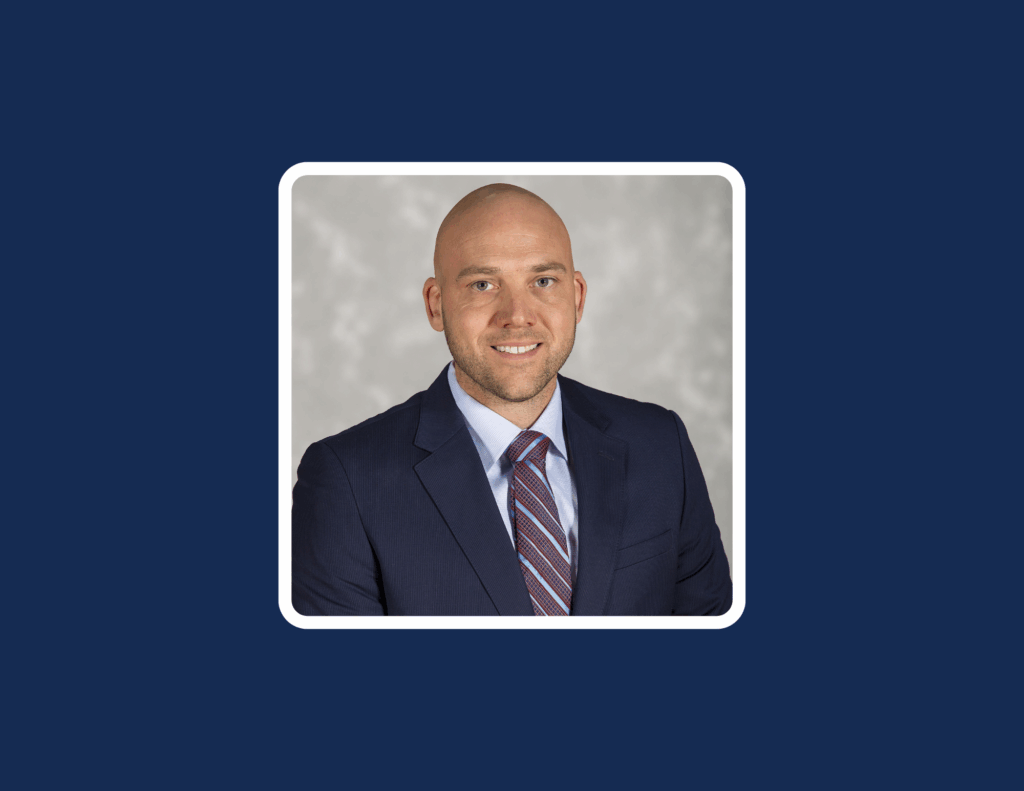
KEVIN DRISCOLL – FOUNDER OF REAL HOOPS – EPISODE 1190
Website – https://www.real-hoops.com/
Email – [email protected]
Twitter/X – @_KevinDriscoll

If you listen to and love the Hoop Heads Podcast, please consider giving us a small tip that will help in our quest to become the #1 basketball coaching podcast.
Kevin Driscoll is currently the Director of Real Hoops and has spent the last 25 years coaching or playing basketball at the high school & college level including 10 years as a Division 1 assistant coach. In his role at Real Hoops Driscoll is a recruiting advisor, exposure camp operator & film study coach.
Driscoll previously spent 4 years as a men’s basketball assistant coach at Marist College from 2018-2022 and also served as assistant coach at Loyola University Maryland of the Patriot League in 2017-18 season. He was an assistant coach at New Jersey Institute of Technology (NJIT) in 2016-17, and was an assistant at Holy Cross from 2013-16.
Driscoll has four years of experience as a Director of Hoop Group Elite Camp and began his coaching career with three years as an assistant at Albright College from 2006-2009.
Driscoll began his coaching career as the head boys’ basketball coach at his alma mater, Hamburg (Pennsylvania) High School, from 2004-06.
As a player, Driscoll was a four-year letterwinner at Misericordia University, helping the Cougars to a pair of ECAC Division III Postseason Tournament appearances.
On this episode Mike & Kevin discuss the intricacies of basketball recruitment and the invaluable role of personalized coaching in the development of aspiring players. We explore the necessity of individualized film analysis to enhance player performance and how a structured approach to player development, rooted in the fundamentals of the game, can significantly elevate a player’s prospects for collegiate basketball. He also underscores the importance of fostering relationships with coaches, both at the high school and collegiate levels, to navigate the complexities of the recruitment process effectively. Through Driscoll’s insights, we gain an understanding of the current landscape of basketball recruitment and the critical elements that contribute to a successful transition from high school to college basketball.
Follow us on Twitter and Instagram @hoopheadspod for the latest updates on episodes, guests, and events from the Hoop Heads Pod.
Make sure you’re subscribed to the Hoop Heads Pod on iTunes or wherever you get your podcasts and while you’re there please leave us a 5 star rating and review. Your ratings help your friends and coaching colleagues find the show. If you really love what you’re hearing recommend the Hoop Heads Pod to someone and get them to join you as a part of Hoop Heads Nation.
Be sure to take a few notes as you listen to this episode with Kevin Driscoll, Director of Real Hoops.
What We Discuss with Kevin Driscoll
- The importance of utilizing film sessions to enhance player development, particularly in high school basketball
- The critical role of relationships in the recruiting process for both players and coaches
- How connections can greatly influence a player’s opportunities
- Understanding the level of competition in college basketball, especially D3
- How Real Hoops aims to guide players through the recruiting process while providing personalized training and development
- The evolving landscape of college basketball recruiting and the need for players to be informed and proactive
- Why players need to know both their athletic AND academic profiles
- The importance of mental preparedness and communication skills for players
- Why a player’s character and communication skills cannot be overstated in the recruitment process, significantly influencing coaches’ decisions
- Why athletes and parents must set realistic expectations and goals when it comes to finding the right college
- Building trust with families, players, and coaches at Real Hoops
Like this show? Please leave us a review here — even one sentence helps! Consider including your Twitter handle so we can thank you personally!

We’re excited to partner with Dr. Dish, the world’s best shooting machine! Mention the Hoop Heads Podcast when you place your order and get $300 off a brand new state of the art Dr. Dish Shooting Machine!
Your first impression is everything when applying for a new coaching job. A professional coaching portfolio is the tool that highlights your coaching achievements and philosophies and, most of all, helps separate you and your abilities from the other applicants.
The key to landing a new coaching job is to demonstrate to the hiring committee your attention to detail, level of preparedness, and your professionalism. Not only does a coaching portfolio allow you to exhibit these qualities, it also allows you to present your personal philosophies on coaching, leadership, and program development in an organized manner.
The Coaching Portfolio Guide is an instructional, membership-based website that helps you develop a personalized portfolio. Each section of the portfolio guide provides detailed instructions on how to organize your portfolio in a professional manner. The guide also provides sample documents for each section of your portfolio that you can copy, modify, and add to your personal portfolio.

Hey coaches — you’ve got a game plan for your team… but do you have one for your money?
That’s where Wealth4Coaches comes in.
Each week, they deliver simple, no-fluff financial tips made just for coaches. Whether you’re getting paid for camps, training sessions, or a full season—Wealth4Coaches helps you track it, save it, and grow it.
It’s time to stop guessing and start building.
Subscribe now at wealth4coaches.beehiiv.com/subscribe
And follow them on Twitter @Wealth4Coaches for daily money wins.
Your money needs a coach.
Start with Wealth4Coaches.
THANKS, KEVIN DRISCOLL
If you enjoyed this episode with Kevin Driscoll let him know by clicking on the link below and thanking them via Twitter.
Click here to thank Kevin Driscoll via Twitter
Click here to let Mike & Jason know about your number one takeaway from this episode!
And if you want us to answer your questions on one of our upcoming weekly NBA episodes, drop us a line at [email protected].
TRANSCRIPT FOR KEVIN DRISCOLL – FOUNDER OF REAL HOOPS – EPISODE 1190
[00:00:00] Narrator: The Hoop Heads Podcast is brought to you by Head Start Basketball
[00:00:21] Kevin Driscoll: For all the players that we work with. We do film with them throughout the year, so on average it’s about eight games, and our thing is we can help you a little bit over time by watching your film and it’s universal basketball. Okay. You, you just stood there with your knee straight when you could have went over there and boxed that guy out, right?
Or. You’re not in help here, is there a reason why? Or you’re standing at the wing, your teammate’s driving down the slot, should you relocate to the corner? So it’s universal basketball stuff. So we do that throughout the year, which I think is a really good way to have a relationship with them. Number one.
And you’re a basketball tutor for them, right. And then for the guys that are serious about playing in college, it’s preparation and it’s not going to be the first time that they’ve heard terminology. So when they get to college, we think that some of those guys will be a little ahead of the pack.
[00:01:10] Mike Klinzing: Kevin Driscoll is currently the director of Real Hoops and has spent the last 25 years coaching or playing basketball at the high school and college level, including 10 years as a division one assistant coach.
In his role at Real Hoops Driscoll is a recruiting advisor, exposure camp operator, and film study. Coach Driscoll previously spent four years as a men’s basketball assistant coach at Marist College from 2018 to 2022, and also served as an assistant coach at Loyola University of Maryland of the Patriot League in the 2017-2018 season.
He was an assistant coach at New Jersey Institute of Technology in 2016, 17, and was an assistant at Holy Cross from 2013 to 2016. Driscoll has four years of experience as a director of Hoop Group Elite Camp, and began his collegiate coaching career with three years as an assistant at Albright College.
From 2006 to 2009, Driscoll began his coaching career as the head boys basketball coach at his alma Mater Hamburg High School in Pennsylvania from 2004 to 2006 as a player. Driscoll was a four year letter winner at Misra Accordia University, helping the Cougars to a pair of ECAC Division three postseason tournament appearances.
Hey Hoop Heads! Score big on Dr. Dish Basketball’s end of year sale. Give your team the gift of extra more efficient reps this season. It’s a perfect gift to your team. For the holidays during the Dr. Dish end of year sale, everything must go. You’ll get three to $4,000 off. Select Dr. Dish models. Visit drdishbasketball.com and get your Dr. Dish shooting machine today.
[00:02:51] Sean Rossi: Hi, this is Sean Rossi, men’s basketball associate head coach at Montclair State University, and you’re listening to the Hoop Heads Podcast.
[00:03:01] Mike Klinzing: Coaches, you’ve got a game plan for your team, but do you have one for your money? That’s where Wealth4Coaches comes in. Each week, we’ll deliver simple, no fluff financial tips made just for coaches. Whether you’re getting paid for camps, training sessions, or a full season, Wealth4Coaches helps you track it, save it, and grow it.
It’s time to stop guessing and start building. Subscribe now at Wealth4Coaches.beehive.com/subscribe and follow us on Twitter at Wealth4Coaches for daily money wins. Your money needs a coach. Start with Wealth4Coaches.
Be sure to take a few notes as you listen to this episode with Kevin Driscoll, director of Real Hoops.
Hello and welcome to the Hoop Heads Podcast. It’s Mike Klinzing here without my co-host Jason Sunkle tonight. But I am pleased to be joined by Kevin Driscoll from Real Hoops. Kevin, welcome to the Hoop Heads Pod.
[00:03:59] Kevin Driscoll: Thanks, Mike. Appreciate you having me on. Thank you very much. I’ve been listening for a long time.
[00:04:04] Mike Klinzing: Appreciate you as a listener, and I’m excited to have you on looking forward to diving into all of the interesting things that you’ve been able to do throughout your basketball life. Let’s start by going back in time to when you were a kid.
Tell me a little bit about some of your first experiences with the game of basketball. What made you fall in love with it?
[00:04:21] Kevin Driscoll: Oh man, I mean it started maybe like five or six, first kind of memories, basketball. My dad was a local coach. he was the junior high, which was the seventh grade coach.
Our high school was like seventh to 12th grade at the time, which is pretty wild to think about now. So he was the junior high coach for probably like 10 or 12 years. And he also coached like elementary as well. And so I remember being in kindergarten and my dad, he ran his own business.
So he would pick me up half days at like noon. I would go have lunch with him and then he would take me to the seventh graders practice. And so it was right from there, like I was the little kid dribbling the the ball in the corner of the gym and just wanted to be around the older kids and think that they were like the coolest people in the world and watching them pass and make shots and things that I couldn’t do.
But when I watched them do it, I knew that like that’s what I wanted to do when I got older. So it’s just one of those things like early core memory for me in my life and just yeah, that’s, that’s kind of how it all started for me in a little rinky dink town in Pennsylvania.
[00:05:30] Mike Klinzing: So when you think about your dad as a coach and going to the gym and watching him and just, I’m sure, even if you weren’t consciously aware of the conversations that you were having of, about his team and about coaching, when you think about yourself and what you eventually became as a coach, what are some things that maybe were influenced by your dad?
What, what characteristics you did you steal from your dad that became kind of a part of you when you became a coach?
[00:05:55] Kevin Driscoll: I didn’t, I didn’t think I would be, but like, he was pretty old school, ? And I think old school now especially is like a really good thing. And I, I think that was part of it.
And he was pretty simple in a good way. Not too complicated. And it was all about the fundamentals and at that time it was a public school that wasn’t like a basketball powerhouse, so it was a lot of teaching and can we get these kids to make layups from their right and their left hand whatever they’re strong in their weak hand was, can we get them to dribble with both hands, share the ball, play defense the right way.
So it was, it was really a simple, simple game from what he was teaching. And a lot of those things is definitely things I learned early on.
[00:06:37] Mike Klinzing: As you started getting a little bit older and started to get more into the game, what do you remember about just how you went about getting better? Did you approach it in any way scientifically or in an organized fashion, or were you just kind of out there playing and getting your, getting your work up in the gym?
I know it’s, look, it’s totally different today because of all the access that people have to. YouTube and just the trainers and all this stuff, but just tell me a little bit about how you grew up in the game trying to prove and be the best player you could be back in the day.
[00:07:11] Kevin Driscoll: Yeah, I mean, I’ll be honest, I mean, I probably wouldn’t be a great example if you studied, did a case study on me.
Mine was just, my, mine was just playing. I mean, I played all the time. I loved to play. But like, there wasn’t anyone locally who was like, oh, you can go work out with that guy, or he’s a trainer. Like, there was none of that. I was really fortunate in the, in the summers I would go to camps in the summer.
So like I went to the Pocono Invitational camp which I ended up running 20 years later maybe. I don’t know what the math is, but going to, going to those camps and the Poconos was great because like. It like, it was like 92. And like Bobby and Danny Hurley were there and they were like college kids and like their dad, coach Hurley was like running the drills and the Hurleys were like sitting there.
Bobby and Danny both had full heads of hair at the time, which they don’t anymore. And then like Kevin Boyle was there, who was like this young hotshot coach at St. Patrick’s and Elizabeth, and like he was just on the rise and like Herb McGee was doing the shooting and teaching. So those are like super core memories too, of like development and learning and things like that.
But like once I got back to like my hometown, there was no one that was like teaching those things. So it was just like, play as much as you can, play with the older guys as much as you can. And like getting into high school, I would play in the summers with like men’s leagues and things like that.
Older, slower guys that would just beat the crap out of you and teach you how to play. But yeah, I mean, I was a, an average high school player. I was good enough to play in college at probably an average level. So I’m definitely no super star player. But it, it’s, it’s, yeah, it’s, it’s one of my great loves the game of basketball.
[00:08:57] Mike Klinzing: What’s your favorite memory from being a high school basketball player? What stands out for you?
[00:09:01] Kevin Driscoll: a lot. We, we were like this little like farm town in Pennsylvania where I grew up and there’s a town or city, small city called Reading Pennsylvania. And Donel Marshall who played in the NBA played at Redding High School and Stu Jackson who was a long time big college player.
I think he played at Wisconsin. And then recently Lonnie Walker was a Redding High School graduate, played at Miami, played in the NBA for a few years. So my little farm town went down and beat those guys and it was at the time the worst loss in the history of that gymnasium. And when we came out on the floor before the game, their student section was singing Old McDonald had a farm.
because that’s just, we were all farm guys, ? So that was, that was definitely a great memory. And we had a, we had a good, we had a good little high school team. We fell short in a lot of the big games, unfortunately, but we, we had a lot of fun and. A couple of us still text once a week to this day.
So, as from all the people you talk to on these podcasts, just like how basketball just brings people and keeps people together is really cool.
[00:10:07] Mike Klinzing: Yeah. That’s what it’s all about. I mean, the connection that you build long after the wins and losses fall away. The relationships that you build, whether it’s with your coaches or whether it’s your teammates, those are the things that, again, you remember long after the long after your time together on the court is over.
The relationships are the ones that still still stick around. Did you always know you wanted to play college basketball? Was that a dream that you had as a kid when you were 10? Where’d you want to go to school? Where was, where was your dream school? Where’d you want to go?
[00:10:38] Kevin Driscoll: Well, when I was 10, it was 1992 and I had just told you about like the Bobby Hurley thing at being at the camp, and it was Bobby Hurley and like Christian Laettner.
So I want, yeah, I mean, duke, if when I was 10 years old, I thought I was going to Duke for sure. ? And then and then three years later a friend from my hometown, his dad was a, an alum of North Carolina. And I remember three years later we went to North Carolina camp. And then that all changed.
I fell in love with North Carolina and there was a kid from, there was a rising freshman. They were, all the players were on campus in the summer. There was this rising freshman from Daytona, Florida who was like six, seven hitting threes, windmilling, and then Jerry Stackhouse and. Rashid Wallace came back for like an alumni game, and Vince Carter, who I’m talking about from Daytona, he hadn’t played one college game yet, and they played this pickup game.
It was Shaman Williams, ed Coda, Serge Wicker. I mean, it was unbelievable. And Vince Carter, like windmill on Jerry Stackhouse and like, then North Carolina became my team for a couple years. So I guess I, that’s funny. I guess I was a little bit of a front runner at that at that point.
[00:11:50] Mike Klinzing: I don’t know.
You can root for Duke and Carolina at the same time. That’s a little,
[00:11:53] Kevin Driscoll: yeah. I switched
[00:11:56] Mike Klinzing: well, I’ve been a Carolina guy my whole life, and so just in the last whatever, so two weeks ago they opened up against Central Arkansas who John Schulman, who coaches at Central Arkansas has been a friend of mine through the podcast for.
I dunno, seven years since I, he was one of my first guests when I, when I first started the show and I retired and I retired in October. And so one of the things that was always on my bucket list is I wanted to go and see a Carolina game in Carolina. And of course, obviously when I was teaching, it just wasn’t usually feasible for me to be able to do that, right?
So I look up, when I retire, I’m looking up the Carolina schedule and I lo and behold, I see their very first game of the year this year is against central Arkansas. So I texted Schulman, I’m like, Hey man, can you get me a couple of tickets to to the North Carolina game? And he’s like, well, let me work on it and see what I can do.
So he got me some tickets and my wife and my one daughter who’s here and not in college, like my other two. We drove down to Carolina and got into the shoot around and then Jeff Libo, who was friends with Schulman, gave me and my wife and my daughter along with some other people that were there from central Arkansas, a tour of the Carolina locker room, got to see the Jordan shoe wall.
The whole film room, all the Jordan murals that they have in there. Yeah. In the hallways and stuff. And got to shoot around on the court at the Dean Dome. I was like a little kid. So you talk about being somebody being 10 years old. My wife’s, my wife’s like, you look like a little kid out there. Just taking, taking some shots.
My daughter’s taking pictures of me standing at half court in the Dean Dome. Yeah. So again, as a little kid, it’s just one of those things that Yeah, I was, I was, I was just like you, man. I was totally unrealistic and I was probably even unrealistic up until, till the time I was like a junior in high school.
I still thought I was going to Duke or North Carolina or Ohio State at the time. And just because again, there wasn’t any information out there the way there is today. So Yeah, I could totally relate. Tell me about Ms. Cordia.
[00:13:51] Kevin Driscoll: I went, I went to Miscordia. I actually originally went to Albright College just for a semester.
I, my choices were Albright College and Miscordia my senior year in high school. And I had a teammate who was really good in high school and he was recruited by Albright. And that was kind of like why they were recruiting me and it was local, so I kind of just went there because it was local. That kid ended up being like on the all rookie team.
And It just wasn’t the spot for me. So I went to Mr. Cordia I played for Dave Martin. He’s the athletic director now at Scranton, whose women’s team just beat Pitt as you, I’m sure you’re aware. I’m a huge advocate for division three. I love the level. I played with Willie Chandler at Miscordia, who’s the head coach at Miscordia now.
And he scored, you can look this up, I’m 99% sure. He scored 2,898 points and he had a career average of 26.1 per game. I think he’s the only reason I played college basketball because he was so good that he drew so much attention. All I had to do was be able to catch and make a layup or get his offensive rebound and throw it back out to him.
And so I freshman year I took my lumps and then sophomore to the senior, probably played like 20 minutes a game. And we had a couple good teams and it was really fun. A lot of guys we went to school with ended up being like coaches now, like Willie Will’s the head coach there at Miscordia.
There’s some other guys at different, various levels. One of my teammates is from college, is a big time ref now, ed Corless. He’s ref some big East Games, big 10 games. And he’s, he’s really working his way up the referee chart. So it’s cool to see all, all those guys staying in it, staying in it to some extent.
[00:15:39] Mike Klinzing: When did you wanted to get into coaching? Was that something that you were thinking about while you were still playing, or did that not hit you after your playing career until after your playing career was over?
[00:15:48] Kevin Driscoll: Yeah, exactly. I had no idea. And then I’ll be honest with you, I was like not very motivated in my early twenties to get on into the real world, which, you see that a lot in young males.
they don’t grow up till they’re about 30. So I was even more delayed than that. So I had I got a job like back in my hometown, like a little marketing job as in between an intern and in an actual real position. And the school that I went to, my alma mater they were, they had a coaching change that summer, and so I would just go up and work out with the guys and play with them and lift and stuff.
And I just told the athletic director, I said. Just while you’re trying to find a coach, just gimme the key. I’ll come, let the guys in, I’ll work them out, I’ll shoot around with them. And then once you find a coach, if there’s any way I could be the coach’s assistant I would love to just kind of be around and that’s really all I wanted to do.
And they went two months and they couldn’t find a coach. And I guess they got desperate one day and they said, Hey we want you to be the coach. And I was like, of what? They’re like the varsity team. I was like, I was like, all right. So I ended up doing it and whatever the school board is, is like, maybe it’s seven people that vote, right?
So you need the majority, right? So you need to get four votes versus the three. And I got six votes. One person voted against me. The person that voted against me was my dad.
[00:17:12] Mike Klinzing: Nice. There you go.
[00:17:15] Kevin Driscoll: Yeah. So he didn’t, he didn’t, he didn’t want to, he didn’t want to play favorites, so he voted against me.
But anyway, so I got, I got that job and it was, it was just a step above the bad news bears and thank God for that. because I really knew nothing about coaching and it was just kind of like, my first year was kind of like, I’m the energy coach. Get you to play hard, . Exert as much energy as you can run two or three plays.
And I was definitely, wasn’t tricking anyone with my whiteboard, let’s just say that. But we made an improvement from like two wins to eight wins. And then my second year we went from eight to 500. We made the playoffs, we lost at the buzzer in the playoffs and everyone was really excited and it was good.
And then I was fortunate enough that I was able to latch on at Albright College in reading Pennsylvania. So I went there after coaching at Hamburg High School in Pennsylvania. And then I spent three years with Rick Ferry at Albright College. And that was great. Unfortunately I couldn’t dedicate as much time to coaching, because I also worked in the admissions office, so it was kind of like recruiting first and then be a part of the coaching staff.
But the guys that were in that program then, brit Moore is the head coach of Elizabethtown College. Mike Larkin is now on the staff at Rutgers. Adam Van Zel is the head coach of Arcadia. Ryan Van Zel is the head coach of drew. He just got that job, so that, that was four guys right there.
And I’m I hate to find out who I might be leaving out, but there’s, that’s four guys right there that are now full-time coaches, three year head coach, one in the Big 10. And there was a lot of guys that just like really loved hoops and like Mike Larkin, I mean, I used to run like camps like in the off season and he, he would work like all my camps on the weekends at nights.
Like, he was all in, like he wasn’t, he wasn’t as much thinking about the Saturday nights as like, how can I, how can I work out five or six local kids and get them better? Which is pretty cool.
[00:19:20] Mike Klinzing: At this point at Albright, are you thinking that this is going to become. Your career, or are you still kind of looking at it as, I’m going to be working a regular job and if I can find these part-time positions just to kind of feed my coaching, feed my coaching Jones, that’s what I’m going to do.
Or what, what was your mindset at this point?
[00:19:39] Kevin Driscoll: I definitely thought career. I wasn’t worried about I was just thinking about basketball 24 7 so these are, these are the things a lot of people admit on these basketball podcasts versus the real world. Like, I wasn’t worried about making a million million dollars or my 401k at that point in time again, I hate to say it, but I was just thinking about how can I get this to a full-time thing?
Like how do I do it right? And this is like the early 2006, 2007, and I would call email anyone. It didn’t matter. So I literally would go through the America East, the NEC, the Ivy, the pa, no, I swear I would call these coaches office numbers. Just try to connect, try to understand what to do. And this is a true story.
So Joe Jones was the head coach at Columbia and he called me back, one of 80 people to actually call me back. He called me back when he called me, I thought it was a prank call. And we talked for like 15 to 20 minutes and this is crazy what he told me. And then actually what happened, he was like, listen man, I played division three, I forget if he coached division three.
I don’t remember, but he played division three. And he’s like, if you want to coach division one, then you have to quit coach in division three. And I was like, what? I was like, yeah, you just have to get out of Division III and you have to take a different route. And I had like, I just didn’t understand what he was saying.
He’s like, you have to work for the hoop group, you have to work for Rob Kennedy. You have to do something like that. And. Then I just started working every hoop group event there was for the next year. And then coincidentally, the hoop group was now looking for a move for a new facility. And I was friends with I got pretty tight with Mike Farley, who was the director of the Elite Camps.
He’s an assistant coach at Notre Dame now. And Mike had told me, Hey, we’re looking at all these places to move the camp from the College of New Jersey. They were leaving there. I said, well, Albright we have six indoor courts and we have a parking lot in the back with six more courts.
So we have like 13 courts, or 12 or 13 courts. And I’m like, really? I was like, yeah. So they’re like, Hey man, we’ll come up and look at it. And so Rob Kennedy and Mike Farley came up and like, I was like the liaison. I was walking around with the president, the ad, and they’re like, yeah, let’s do it. Let’s, let’s come to Albright.
So when they got there that summer. I was again like the liaison, so talk about your dedication. I basically took my two week, two weeks vacation from the admissions office and just helped the hoop group guys run the camp the whole summer. So it was like I was mopping floors, I was blowing leaves off the outdoor courts.
I was picking guys up at the airport I met Kevin Boyle out front. He literally dropped Kyrie Irving off to come to the camp. Like anything they needed me to do, I was doing. And then at the end of that summer, they saw like I would I was in it and they had a job available in the Poconos and they’re like, do you want to take it?
And I knew that wasn’t going to be the way that Jo Jones like drew up the playbook to go and run the camps in the Poconos, but I also knew it would help me get in, like with the organization. So so that was like 2 0 0 9. Then I went up and I spent the end of the summer running camps in the Poconos.
And I did that for like the next year, year and a half.
[00:23:10] Mike Klinzing: What did you like about running camp? Did you like it?
[00:23:13] Kevin Driscoll: Yeah. I mean, yes, I love it. Like, I love being on the court teaching the fundamentals. Like camp is fun, it’s old school and a lot of the times it’s like more than middle school age kids up in the Poconos and being able to kind of develop and mold them and just be able to like teach them like new stuff that no one’s ever taught them is like one of the fun parts about coaching as we all know.
Like telling, telling a player Hey, try this or try that and help them correct something or fix something and actually see them do it is like, it’s the most corny cliche thing, but it’s awesome. Like, that’s why people, coach, coach camp’s really hard. It, it’s, it’s, it’s pretty much 24 hours. you sleep with one eye open when you’re running camp.
It’s really grueling, but when it’s over it’s, it’s a really proud accomplishment.
[00:24:02] Mike Klinzing: What were some of the key relationships that you built during that time at Hoop Group that helped you as you moved on in your coaching career?
[00:24:10] Kevin Driscoll: Oh man, so many. So I went from the Poconos and then one of, one of our co so one of our coworkers at the hoop group, he had just left for Manhattan.
And this was the time, like I keep saying these Notre Dame Manhattan, Sienna LaSalle, all these guys went on different coaching careers and jobs. But but we had one guy leave and he went to Manhattan Matt Grady. And then I ended up switching over from the Pocono camps to the elite camps and I joined Chad Babel, who now owns and runs, made hoops.
A little entity you may have heard of. So. So I went over and worked with them and, and what happened, and I, and I didn’t realize this is like a lot of people, like college coaches or not college coaches high school coaches, a a u coaches, parents especially, really appreciated at the time you trying to get them to come to the camp and let them know like, Hey, you need to be here because there’s going to be 300 college coaches here.
And they appreciated the platform. So I started developing relationships with again, those three groups of people, the high school coaches, the AAU coaches, and the parents. And what happened was, is like now I’m like, man, I know like all these people in New Jersey and all these people in Philly and New York City.
And it went from like DC to Boston and I could if I didn’t know the person, it would take one call to get in front of the people, ? And I started understanding that that was going to be my advantage, that when I talked to college coaches, I could fill them in on the information. Hey, you like this kid from Jersey City?
Here’s this deal. You like this kid from South Philly here? And I knew everything. And like, if you want to recruit him, you have to call this guy, right? Call the AU coach, call his uncle. Don’t call him, don’t call her. So I was helping college coaches, like really vet a lot of the processes with a lot of players, .
And I also got really into the academic side. During that time we started an academic elite camp. So I would always have a printout and I still, like, I remember seeing Ivy assistants and I say, here, here, take this list. And I literally would give them a printout and there’d be 56 names on that list. And the range was.
The range went from kids that maybe weren’t good enough for the Ivy that ended up going to Tufts, to kids that went to Stanford. But out of those X amount of names, they could, they could start doing their research and find guys that could be good fits. So I just kind of started showing people that I had the knowledge of who’s out there for them to recruit, and as Mike the five guys you put into the game have a lot to do with you winning those games.
Right. So for me, for me to be able to tell all these people, like, and help them get good players, they, they saw that I had value.
[00:26:52] Mike Klinzing: Yeah. There’s no question that that type of information and being plugged in, in that way is super valuable. It’s funny because one of the questions that I love to ask coaches is just how do you start.
Your list, like where does your list come from? The initial group of whatever, some coaches say it’s 30, some guys say it’s 50, some guys say it’s 75. Like where does that list come from? And your story there that you’re just telling, like that’s kind of where it starts, right? You get some information from somebody and you put the kid on the list, and then obviously the coaches then go from there and do their own evaluation and figure out, Hey, is this a kid that we want to recruit that’s a good fit for our program.
But I’m always kind of fascinated how you go from this wild west of grassroots basketball to how do you narrow that down even to the fifth or 60 kids that you want to, that you want to take a look at. And again, that’s whether you’re Stanford, whether you’re NYU, whether you’re whoever, how do you figure out who those kids are going to be that you’re going to recruit?
And I think what that story you just told kind of gives people a little bit of an idea of, of where it comes from, right? There are just people who are plugged in and that moment in time in your life, that’s, that’s where you were, if that makes any sense.
[00:28:04] Kevin Driscoll: Yeah, I was a lot more plugged in then than I am now.
I can tell you that. It’s cra it’s crazy because it, it’s, it’s being plugged in is something you have to work at. It’s a skill. And then you have to be able to communicate with people and you have to be able to be effective in what you’re saying and how you’re explaining players and you also have to be right.
You have to be like in, you can’t always be like totally on the money with an evaluation, but you have to be close. Like you have to be in, in in the wheelhouse for sure. Because if, because if you just give them a list and all those players aren’t even close, then that’s the last time you’re ever going to, that’s the last time you’re ever going to talk to that coach.
[00:28:42] Mike Klinzing: How long did it take you to feel confident that your evaluations were on point
[00:28:48] Kevin Driscoll: Being, being around a lot of these grassroots basketball players or, like not players, but grassroots guys that have been around and they’ve seen guys go through their programs and just talking to them and hearing their stories and they, they’re saying, Hey, I got this guy.
He reminds me of this at, of this guy who’s now at St. John’s or whatever. And then the other thing is, like at the hoop group is like, you’re at all these camps, you’re at all these AAU tournaments, you’re at high school showcases, you’re always sitting on the baseline and you’ve, you’ve seen those guys that are evaluators and they have their own recruiting services.
And I was super lucky. it was the first I met, met Tom Kowski when I was at the hoop group. And then norm Evanson, I don’t know if that name, but Norm. He, he passed away a few years ago and sort of Tom Kowski of course, but Norman, like I used to love sitting next to him and talking about him and he would describe players and like, he was just unbelievable.
And he was one of my, you talk about the lists, he was my guy my 10 years of coaching division one, I would, I would print out his list and I’d say, Hey Norm, you got these six guys at in that are six, four to six six and you have them rated this. And he would tell me about all of them. Then I would go and dive in.
But guys like that Adam Finkelstein, he was still doing that at the time and just having conversations with these guys and this is what all, this is all you talk about what do you think about the kid from St. Anthony? What do you think about the kid from Roman Catholic or Gonzaga?
And at the hoop group there’s 12 guys and they’re all comparing and contrasting and arguing about these guys. So it’s constantly on your mind. But it’s really, it is hard to project certain kids. especially like the really talented like raw athletic kids when they’re in like ninth and 10th grade when someone who’s been around so long is like, oh, that kid’s going to play in the Big 10?
And you’re like, what? And there’s a lot of guys out there that have been doing it for 20, 30, 40 years that pretty on the money with that.
[00:30:48] Mike Klinzing: Yeah. I do think that one of the things that I guess in some ways I can understand and in other ways, I always find it amazing that guys can identify talent. And yet at the same time, I always think that, and again, not that I’ve ever run a scouting service or done anything close to what you’re doing, but it’s one of those things where you walk into a gym and you just can watch a game.
And I think if basketball, you can be like, well that kid, that kid’s, a basketball player. And maybe I don’t understand exactly what level he can be a basketball player at, but you can watch a game and be like, okay, that kid hasn’t, the average person walks in Right. And is looking for the kid that scores.
10 points or 15 points or 20 points in the 10 minutes that they watch, whereas you or I are watching just looking at their IQ and just the feel that they have for the game and all those kinds of things. And I think if you’re a basketball person, like you can sense that, but what I always have a always wonder about is, man, I look at a kid and I’m like, okay, this kid obviously can play in the game that I’m watching and playing, but then how does that translate?
Does that translate to him being a, a high level division three player? Is he d, is he a D two? Is he a mid-major D one? How does that all translate? I think that’s the thing. Whenever I talk to somebody that has done what you did in terms of evaluating, that’s the piece of it that always is interesting to me is how do you figure out the level, like clearly the kid can play, but how do you figure out the level and then like what you said is a whole nother level of figuring that out where here’s a kid who’s in ninth or 10th grade who is super raw and maybe doesn’t have the basketball skill, but you look at their body and just their athleticism and somebody can project the fact that, hey, this kid can take it to the next level.
I’m always kind of amazed by that.
[00:32:23] Kevin Driscoll: Yeah, I agree. I did have a time where I was pretty darn good at it, like 10, 12 years ago. Now, I’ll be honest with you, like I tell the coaches with what I’m doing now, it’s like, I’m not really sure, but I think you should take a look at them. That’s what I say, because like, like a really, like a really good D three prospect.
Like some of the Ivys might be looking at, like if they’re high academic, like those kids that go to Tufts and Williams and NYU and they’re, they’re not that far off. The kids going to the Ivy League. So to make those, like, I think that’s one of the hardest ones. And then like the D two level is, is so good and people have no idea how good it is.
Like the Sunshine State Conference in Florida, like. Forget about it. I mean, it’s basically division one and that, that’s a whole nother bowl of wax too, where like there’s some D two leagues that could be better than D one. There’s some D three leagues that could be better than all like a D two league.
And so that’s, that’s a whole thing that it is, hurts the common person with their knowledge of the recruiting.
[00:33:31] Mike Klinzing: Yeah, there’s no doubt. I think when I, that’s when I always think about this piece of it. I think about education, right? Education of the parents and education of the players in terms of how good you have to be to play college basketball at any level.
Like people don’t understand. You go and you watch like a seventh, eighth, ninth grade game and you listen to the conversations of parents who are sitting in the stands and they have no concept at all of, they’re like, well, who’s that school? Or, what’s that school? Or, why is that school? Or they’re watching them and they it’s a division three or Division II school.
On tv. TV that they’d never heard of. And they’re like, oh, come on. like what? I’m like, do you have any idea like how good the players are that play at those places? Like you have no clue, like your kid would be doing cartwheels if they eventually had the opportunity to play at any level. And I just think that the average person has no idea.
I know when I first started doing the podcast, Kevin, I used to ask division three coaches. I’m like, when you’re recruiting a kid, how many kids do you talk to that when you ask them, have you ever seen a Division III basketball game? What percentage of those kids say, I’ve actually seen a game? And a lot of guys would be like, it’s like 75% of the players that are being recruited by a division three school that have never even seen
[00:34:46] Narrator: Yeah, a
[00:34:47] Mike Klinzing: division three game.
They have no idea how good those players are.
[00:34:52] Kevin Driscoll: No, it’s, it’s like, yeah, the division three thing. It, it to me, like what people perceive of it is almost a joke. because they think it’s like rec ball. They think like, oh, it’s division three. It’s not that serious. And I’m doing this recruiting consulting now, which I’m sure we’ll talk about at some point.
But I’ve, I’ve had, I’ve had a lot of kids go on visits. That’s what I try to get them to do in the fall. I want you to go D three practices and games. And I had, I had a dad, I spoke with him today and he was like, you were right man. He’s like, every possession, there’s blood in the water. These guys are trying to kill each other.
I said, yeah, I told you. I said, I said, when your son goes back and plays his high school game this year, they won’t, they won’t, their best possession of physicality and how hard they played and how fast they were, won’t even be close to the worst possession in that game. You just saw when you watched Susquehanna play York.
And they just don’t, they don’t understand and and Division iiI think after the portal and the NIL and all that stuff, I think Division III from what I’m gathering, is better today than it was five years ago.
[00:35:57] Mike Klinzing: I do think that there’s a lot of guys that potentially might have been scholarship players five years ago, are not getting scholarships and consequently are ending up at Division three schools.
And I think the other thing that Division III has a big advantage over the other levels at this moment right now is, is that, yeah, the portal has kind of always, right? It’s always, always been there for division three. Like you could leave and leave one Division three school go play at another Division III school.
So it’s kind of always been there. But I think that now when you’re looking at it, division three is really the only level where you can. Kind of go through the old school program building process that everybody used to go through, right? Like Yeah. Used to be, used to be, you could get a recruiting class and be like, Hey, these guys are going to be really good when they’re juniors and seniors.
And now if you’re a division two or division three, like that’s, I mean, that’s, that’s not happening. Yeah. It’s, it’s, it’s a year to year process, whereas at division three, you can still bring in a kid as a freshman and think, well, maybe he’s not ready to contribute now. But again, talking like we did a minute ago about a kid who has potential, somebody’s going to develop, and by the time they’re a junior or senior now, suddenly that kid could be an integral part of what can be a really good team.
And I think that adds to the quality of play, just the continuity that you don’t see at the other levels of college basketball right now.
[00:37:17] Kevin Driscoll: Yeah. No, I I definitely agree with that. There are some cases where D three guys are shooting up the portal to D two and even D one. But yeah, for the most part, I think that’s kind of your.
You’re like old school development for sure. I do have, I want to make sure I tell this story before I forget on this, the level of D three. So I’m in Tampa, Florida, that’s where I live. And I went to, two years ago I went to Eckard College. My friend’s, the head coach at Dickinson, his name’s Al Retti, and he called me and he said, Hey man, I’m coming down to your neck of the woods.
We’re playing in like a holiday showcase or tournament. I was like, oh, cool. So I was like, man, I’ll come see you play. So they played at Eckerd College. Nice. division two school, small gym. So I sat right in the front, which is where you want to sit and just see everything that’s going on.
So they played Nazareth College who have an unbelievable coach. So like really good coaches. And I hadn’t seen a college game in like three years because I got out of college basketball and kind of stepped away. But the last game I had ever seen was I was coaching in the Mac Conference Division one, and when I watched this division three game, I was like, oh my gosh, I did not realize this fast, strong, physical.
Like it was crazy. And my, one of, I don’t have a whole lot of name drop stories, but this is a name drop now. So Jeff Van Gundy was at the game because he’s a Nazareth alum and I’m pretty sure, I don’t want to give you any false advertising, but I think he’s like in the hall of Fame, maybe at Nazareth or was a good player there.
And I was like, that’s Jeff Van Gundy, I’m just going to go talk to him. So I talked to him after the game. because I knew I had to talk to Jeff Van Gundy because he is like a basketball prodigy. So I, he was the nicest guy. I talked to him for like 15 minutes and I was like what do you think about that game?
He goes, he goes. I think if I was on the team, I would have a jersey, but I’m pretty sure I would never get into that game. He goes, that’s how good that game was. Wow. And he was, he was right. Like, it’s just like, it’s like two inches at this position, two inches at that position, maybe 10 pounds of muscle at a certain position.
And then a little bit is like the quick twitch from a point guard or something. The difference between this low division one and division three, but like, man, it’s, it’s high level and only there’s over 5 million high school basketball players in the country every year, and only 1.6% play Division iii.
So I think that tells you how good you have to be to play in college.
[00:40:00] Mike Klinzing: It really does. And I think you make a really good point in terms of just the slightest of differences, right. In terms of, and most often it’s just. The physical tools, right. That set a Division one player apart from a division three player.
I I’ve had the opportunity to watch either my son’s team or some other teams just watching during the process of his recruitment or just going to games and seeing some Division three schools play against some Division one schools and seeing the kids who are the high level division three players going against the Division one guys.
And when you watch them, you, you see that the skill level of the best players in division three is oftentimes equal to or better than the division one player. And the difference is just the division three guard is five 10 and weighs 160 pounds and the Division one guard is 6 4 2 10, and the skill level is very similar, but just the athleticism and the size sets them apart.
But it, it’s just very interesting to, to watch and as you said. I’ve had the opportunity to go and watch my son’s team play all of last year, and then through four games this year. And just to be able to see, like you said, the physicality and the effort and the skill level and just the competitiveness of those games.
And I think people just people take it for granted. People who are not yet to the college level as players, parents, and even some coaches. I don’t think they necessarily understand. I’m thinking a, a u coaches, they don’t understand how good that level of basketball is in any way, shape or form. My, my go-to statement is always, you have no idea how good you have to be to play college basketball at any level.
That’s just, that’s my, that’s my go-to statement whenever anybody says something to me about who’s recruiting them or who they want to be recruited by, I’m like, look, if somebody’s recruiting you, take it as a compliment man and get, get an opportunity to play for four more years. Wherever you can, wherever you can do it.
[00:42:09] Kevin Driscoll: Yeah. Yeah. It’s like the whole levels thing and kids not understanding levels and think they’re a level higher than they are. And it’s, it’s kind of like, what, what am I missing here? Like, these 3D three schools are recruiting you. They call you once a week. You want to play division two. You’ve never heard from those people.
Yeah. Keep, keep waiting and you’re just going to miss out on could be an unbelievable opportunity. And that’s, that’s my, I mean, well you’re, you’re, I guess you’re bold too, but that’s probably why I don’t have any hair. That’s why I don’t have any hair because just trying to educate student athletes.
Parents, whatever on just the levels and how good things are. And that’s kind of like my full-time job now, which I enjoy it. But just, it’s just so, so hard to, it’s so hard to explain to someone that has never, like you said, has never seen it or doesn’t understand it, and it’s your whole life. like for me, I was part of like like four or 500 college games I sat in the front row as a player and assistant coach.
So like, I have a decent idea so you watch, you watch some, like you go to ES ESPN Plus and you watch a quote unquote low major game and you think you can play in that game. You’re not even paying attention to how great the passing is, right? Yeah. Like, just like you watch a high school game, they don’t throw passes like that.
You watch a college game, the ball’s going side to side, it always lands in the guy’s hand who throws it. They snap the pass. And then the help’s always the defense is always moving at the same time and they’re so good that the regular trained eye, they can’t even, they get confused. Like they can’t even tell how good they are.
But it’s, it, it, it’s really hard to explain, but I’m hoping you’re picking up what I’m putting down.
[00:43:58] Mike Klinzing: No, it is, and I’ll give you a personal example. Just thinking about my son who’s now a sophomore in college and I look at where he is today as a player. Like, I watch him on the court in his sophomore year playing division three basketball, and I watch the way he plays, how much more under control he is of what he’s doing on the floor, how much harder he plays.
And he always played hard. Just again, how much that has even gone up another level and the skill that he plays with and just the physicality and all the things that you were talking about. Just, I don’t think we had any idea when he was in high school of what that was going to take in order for him to be able to get an opportunity to get on the floor at the college level.
Right. And again, it, it’s a, it’s a process of just improving yourself and working and being in that environment every single day. You either rise up to meet that, or again, some kids fall away and so often, again, people just, they just don’t, they just don’t have any idea. And that’s what it comes down to.
They don’t understand how good those levels are. because again, they’re just not exposed to it. Right. You only see, you only see what’s on TV and then therefore you watch it and you’re like, oh, if, if all, if, let’s put it this way, if you’re used to watching NBA games. Or top 25 Division one college basketball games.
And that’s your only frame of reference for what basketball looks like. And sure, maybe if you watch a Division three game compared to an NBA game, it looks a little bit slower and the players don’t look quite as skilled, right? If that’s what you’re used to seeing on tv. But if you go watch it in person, or you see a player that plays at that level, or that player that plays at that level shows up in your high school gym guess what?
Guess what? Kid’s probably going to, kid’s probably going to dominate. Or if you try to step on the floor as a high school player at a Division III school, you’re probably not going to do the things that you’re, you think you’re going to be able to do at that, at that level for sure. So, all right. That being said, tell me a little bit about your experience as a Division One assistant, as you move on from Hoop Group and what it was like for you at Holy Cross and Marist.
[00:46:08] Kevin Driscoll: Yeah, it, it was, it was great. I mean, I worked for a lot of different guys for different circumstances. Some coaching changes and things like that. But I started out at Holy Cross and I worked for Milan Brown. He, he’s the guy that hired me to get into the Division one coaching. He’s now the associate head coach at Pitt.
So he’s he ended up there was a coaching change. He ended up out at Holy Cross and he ended up going to the College of Charleston for a couple years and then went to like, back to back NCA tournaments. They had two guys that I think played in the NBA two back court guys, and then he ended up at Pitt which was pretty cool because coach Brown, was Coach Cappel, senior’s assistant at Old Dominion. So it’s pretty cool how all that stuff works together. But yeah, I worked for him and I, to this day say he’s, he was probably the best human being in college basketball. He’s just an unbelievable person, great guy. Great coach. And at the time at Holy Cross, like he just, all the guys, like you talk about, you talk about a team where the players wanted to play for the coach, and it was that team.
And the first year I was there, we won 20 games. So I thought, man, coaching is pretty darn easy, we had, we had a senior center who he’s still playing pro to this day in, I think he’s in Germany, and he was like a six seven center that had every move and every counter, and no one could block his shot and then he could hit threes.
Then we had another kid, Malcolm Miller, who was a junior. Who played for the Raptors, who won an NBA championship in 2019. So we had those two guys on our team, and we had other guys that were all conferenced, so we were good. So my experience was the first game I ever coached was at the Boston Garden.
I coached against Harvard. So like, I remember like texting my, my parents and I’m like, Hey, just so you, I’m going to Boston Garden today to coach against Harvard in my first division one college game. And coming back to your Carolina memory we went Harvard, we lost, then we came home, we played Sacred Heart.
I’m almost certain the score was, was 1 22 to one 18 and like three overtimes. So we won. We ended up getting home from that game at like, it was home, but we got home at like midnight, one in the morning, and then we left at five in the morning to go to the Boston Airport and we flew down to Raleigh. We played North Carolina like a day or two later.
And so that was my third game against North Carolina on E-S-P-N-U. So I’m thinking, man, this is just like Hollywood, ? And we ended up, we were tied with North Carolina with like a minute and a half to go. And then you, you’re a Carolina guy, so you’ll know the name is the, was the Lefty Marcus Page?
Is that his name?
[00:48:53] Mike Klinzing: Oh yeah,
[00:48:53] Kevin Driscoll: yeah, yeah, yeah, yeah. Yep. Yeah. Yep. Yeah. So they set like two flare screens for him late and he buried him two in a row. But like, we literally were like right there. It was tied at halftime. So it was really fun. Good year. We won 20 games. We lost in the semi-finals in the Patriot League.
We played in the c CIT. We we won our first game. We lost the second one to Yale. They had a six, seven kid that banked one off the backboard. I think we were up one. So that, that was year one 20 wins. What a piece of cake this profession is, ? And then the next year, the next year, we lose the kid.
His name, his name was Dave Dinky. He graduated and we had everyone back, and we just thought we were going to be great. And unfortunately we just had these injuries. Like we never had the same starting lineup, like throughout the whole year. And we ended up being like eight and 10 in the league, which was like eighth place.
And 10 and eight was fourth place. So that’s how close the league was. And like I said, they made a coaching change and so the rest of the staff unfortunately, had to head out of town. I was kind of fortunate because the new guy that came in wanted to keep someone, and he was from Spring Lake Heights in New Jersey where the hoop group is, and I knew his brother.
So Bill Carmody, his name was he was the head coach at Princeton. Northwestern. And then he was at Northwestern for like 13 years. He got let go there and was like, there was like a year off. They hired him at at Holy Cross and he kept me. He never told me he was keeping me either, by the way, still to this day.
So I was in li I was in limbo the whole year trying to figure out if I was still employed or not. But the checks came. The checks came every two weeks and we had the worst season that probably anyone’s ever had. We finished in ninth out of 10th place and we were 10 and 15. No, no, we were 10 and 19 at the end of the regular season, and it was the worst year.
And it was kids that were talented. They were trying to get used to running the Prince and offense. They were trying to get used to playing the 1 3 1. And after 29 games, we were 10 and 29. Two weeks later, we were cutting down. Two weeks later, we were cutting down the nets. We won the first four game in the NCA tournament.
We beat Southern. And the first four. And that, that next night we flew out and played Oregon. Who was the overall number one seed, I think we lost by a hundred. But they had, they had Dylan Brooks, they had Dylan Brooks, Chris Boucher, both NBA guys. They had another guy that played in the NBA as well.
So yeah, that was really, really good. Really, really fun times. And then I kind of, I bounced over around to, NJIT in Loyola, in Baltimore just for a year each. And then I was fortunate enough to, my boss was let go at Loyola and then I was fortunate enough to get hired by John Dunn at Marist.
And I was with him for four years. And coach Dun was the head coach of St. Peters for a long time. And he was an assistant at Seton Hall. Unbelievable coach, if you ever want to learn anything about defense, try to go see his team’s practice, especially in like. September or October, and it’s literally a defensive clinic.
I remember like when I first started with him, I couldn’t believe like all the things he would see, all the things he remembered he knew what was going to happen here. It, it was unbelievable. And he’s literally a, he’s a defensive savant. And the one thing I always say about him is everyone’s like, oh, he’s a defensive coach.
He’s a defensive coach. And I would say, yeah, that’s where it all starts. But he is just as good as offense because he is so good at defense. He knows what the hell’s going on in every offense that any coach has ever run. So he’s good at both.
[00:52:42] Mike Klinzing: I always am amazed by guys that have that ability, like you talked about, to, to see things and pick things out and know I can watch an entire play and I know exactly where the breakdown was and is.
And there there’s some guys that just have that photographic memory, for lack of a better way of saying it, or just their ability to immediately diagnose things. I don’t think everybody has that.
[00:53:04] Kevin Driscoll: Oh yeah, no. Talk about photographic memory. Like he would say, did you see, did you see the point guard from my own to turn it over?
There was like 13, 17 on the clock. In the second half he was bringing it over half court and there was a trap and I’m like, yeah, that was When was, when was it? I was like two weeks ago. Like, oh my god. It’s amazing.
[00:53:25] Mike Klinzing: It’s funny that you say that. because I have a guy that I coached with, so I was a high school varsity assistant coach for like the first, I don’t know, 12, 13 years of my career.
The guy who I worked for as my head coach, one of the best coaches I’ve ever been around, always had our teams super prepared. And I think in all the time I coached them, I don’t think we ever lost a game that we, that we should have, that we should have won. Right. But anyway, he was one of those guys that just would remember, he’d be like, Hey, do you remember that game against W whatever, four years ago when it was in overtime and we had the ball and they got the steal and then we came down and blocked the shot, and then we got followed on the rebound and then it was a one-on-one.
And yeah, I’m like, I’m like, I’m like, I have no rec. I don’t even remember the game, let alone that the specifics of the play that, that he’s talking about. And sometimes I I would look at him and be like, are you just making this up? Like, is this just complete? Like if I went back and looked at the film, like, is any of this even true?
Because he’d have so many, yeah, he’d have, he’d have so many details. But I think there are just some people that have that ability to recall that stuff that I certainly don’t have.
[00:54:30] Kevin Driscoll: Yeah, no, it’s, it’s amazing. And I mean, there’s a reason that guy’s successful. I think he’s been a division one head coach for over 20 years.
It’s like two or three years ago, all of division one. the defense is ranked and I don’t know what, what effective field goal percentage or whatever. I, I forget what category it was, but I think it was overall some type of defensive. Houston. Houston was number one in the country, and Marris College was number two.
I mean, so
[00:54:56] Mike Klinzing: that tells you what you need to, to know, right? Let’s get into what you’re doing now with real hoops. Tell me a little bit about how you got it started, why you got it started, and what it is that you do on a day-to-day basis now.
[00:55:07] Kevin Driscoll: Yeah, so yeah, I got out of college coaching like three years ago.
I was just trying to I made, made a big life change and . It was, was actually dealing with some, some mental health issues too, which I think, I don’t mind sharing because I think people go through that. So I just kind of totally got out of basketball and was like, start this new life or whatever, and I’m just going to do a regular job.
So I started doing that, like the quote unquote real world, but the whole time, like basketball has kind of like hit me on the shoulder like, Hey, there’s still, there’s still things you can do. And so like, I remember I had my son was, I don’t know, three, and then my daughter was like six months and I was just walking him through this park around where we live and it was a nice time of the year.
And so this guy was teaching these kids how to play basketball. And I was like, oh my gosh, I can’t believe what that guy’s teaching these kids. And I’m watching the kids, I’m watching the kids, and I’m like, they’re pretty good. Like. Sixth, seventh, eighth graders, they’re talented, skilled, they’re good. And everything this guy was teaching them was not relevant and not translatable.
So I remember like waiting until the trainer left and I just went and talked to the parents for a little bit and I literally like grabbed their numbers and I kept in touch with them and I said, Hey, if you want come back next week. And the four or five kids I’ll do work workout with them and so I started doing it a little bit here and there, just on the side.
And then I got this bright idea, well all these other guys, they’re doing all this stuff that’s not even real and I’m, my stuff’s real and it’s real hoops or whatever. So I just say, I’ll call real hoops. And then, so the original master plan was to be this guy that was a trainer and taught kids how to play.
And so I started doing that for a couple months and I basically went out of business because they didn’t want to jump, stop and pivot so everything I was trying to teach that if they’re good enough to play in college, I’ll actually find out is the reality of it. Right. It, it doesn’t fly. So, so that was like one of the first things.
And then a company called College Athlete Advantage got in touch with me or vice versa. And they have a guy, Steve Schafer, I don’t know if him, but he’s running the I know Steve. Yeah, yeah. He’s, he’s unbelievable. He’s great. So he’s running the recruiting side of or the men’s side of the recruiting at College Athlete Advantage.
So they, they picked me up to do recruiting, advising on the, on the side. And I really enjoyed it. I liked it. And then Steve left, he started his own company and he’s doing really well. And then I just kind of was like, yeah, I think I’m going to see if I can do this as well. So we, we started hitting the ground running like 15 months ago.
And. Begin building clients and just helping them through the recruiting process and advising and telling them what camps to go to, what camps not to go to. Here’s where you can be seen. Hey, if you go to this camp, there’s going to be 30 coaches there. I’m going to text them, let them know you’re there, right? I’ll send them your transcripts, I’ll send them your highlights and just trying to get to the information at a quicker pace than they could by sending out emails on their own.
And one of the big things we’ve been doing that seems to be really popular is we do film sessions with the players that we work with. So at the division one level you got like four or five coaches on staff ops guys, video guys. So they’re just constantly pounding film of all their players after every game, practice, scrimmage, sometimes even a one-on oh workout where a guy’s just working out on his own.
They film it and they break it down and they show him, Hey, your jump hook, you need to do this or your free throw, you need to do that. So film is, is such a critical part of the game. At the high school level, you have film sessions where you study your opponent and you might have a film session, which is a recap of your team.
But very rarely is there individual film sessions because no high school coach could rip and edit and analyze eight players that played in the game and do, you can’t do it. So what we do, and I have myself, I have another former guy that coached division one for 13 years. I have some former D three guys that do it a little bit.
On the side is for all the players that we work with, we, we do film with them throughout the year. So on average it’s about eight games. And depending on when they start, we love to do summer league games. We love to do fall league games. And our thing is, is like, listen, we, we can help you a little bit over time by watching your film.
And it’s universal basketball, so it’s never like, what the hell is your coach telling you? It’s, it’s like. Okay. You, you just stood there with your knee straight when you could have went over there and boxed that guy out, right? Or you’re not in help here. Is there a reason why? Or you’re standing at the wing, your teammate’s driving down the slot, should you relocate to the corner?
So it’s universal basketball stuff. So we do that throughout the year, which I think is a really good way to have a relationship with them, number one. And you’re also, it’s like you’re a basketball tutor for them, right? And these are things that, again, high school coaches, or they might be athletic directors, they might be teachers.
They, they just don’t have the time to do it. So we can add another, we can kind of be an extension of their, their coaching staff. And then for the guys that are serious about playing in college, it’s preparation and it’s not going to be the first time that they’ve heard terminology. So when they get to college, we think that some of those guys will be a little ahead of the pack.
And yeah, film development on an individual basis is just missing. So we’re. We’re really excited about all the progress we’ve made. And yeah, so that’s, that’s a little bit about what we’re doing right now.
[01:00:37] Mike Klinzing: How do you start that and get your first client? What’s the process for getting the word out that, hey, this is what we’re offering, this is what we’re doing.
And then how have you continued to sort of build your clientele as you’ve gone along?
[01:00:50] Kevin Driscoll: Really like, it, it, it’s build off trust and word of mouth and referrals pretty much what runs the world, right? Business, why a kid goes to a school is believing in someone, trusting them and knowing that they know what the heck they’re talking about.
So a couple years ago when I was just like doing it on the side, I really got into the film thing and I just was calling every high school and a, a u coach in the country that had really good players and I was just doing film sessions with them as like a, Hey, you want to try it out? Check it out.
And I started to catch on and there’s a kid named Ethan Lin from New Jersey. He goes to Montgomery High School and we had a film session. He was coming off an injury, so he was probably a little down in the dumps. He actually had pins in his ankles and he hadn’t played in like six, seven months. So we did a film session and they kind of liked it, like, Hey, can we do another one?
I was like, yeah, definitely. And we were, this was like. August and we were watching film from January, February before he got hurt. But it was something to keep him mentally in the game. And I built a relationship with him and the dad was act, actually an Olympic tennis player. His name’s Benny Lin.
So he, he was a, for Indonesia and he was, he was in 92 in Barcelona. So he, he said when he played tennis for Indonesia and he got to Barcelona, he was more worried about meeting Charles Barkley than he was playing in the Olympics. But, but so, so, so Benny and I became connected. And the reason I tell you is he was a tennis player is because he runs an international tennis recruiting agency.
So he brings people over from all over Asia, brings them over to the states, sends them to camps in the summer, helps them get recruited. So he was like, I think what, what I’m doing in tennis you should do on your own and I had, I had been doing it with ca a little bit, so I knew it was a real thing.
Then he kind of gave me the confidence and then he started just, he called, he called two of his friends in California. because he spent time in California and all of a sudden I had seven people in California that were my clients. And there’s a, there’s a guy in Fairfield County, Connecticut who, who does all the shooting up there for people.
And he’s like, listen, I can fix your shot. I can’t help you get recruited, but Kevin can, now I got 10 kids from Connecticut. And then there’s two programs that I’ve had three consecutive kids in. So class of 25, class of 26. Class of 27 because I helped the kid in 25. They referred me the kid in 26 and it just kind of kept going down the ladder.
So if you look at my map of clients, it’s like, it’s all the way up and down the east coast. So you got Connecticut, New Jersey, Philly. Well, we have one in Nashville and then Florida, and then it goes over to Texas. So I have a handful in Texas, and then if you go to the west coast, you got like seven, eight kids in California, and then a kid in Oregon.
So a lot of it’s just the referral process, it’s hard to just make a cold call and say, Hey, I want to help you get to college. I mean, that, that’s tough. But you also have to do the evaluation because you want to make sure that you can help them. You don’t, you, you don’t want to take a kid who’s not even close and upfront, oh yeah, I can help you.
I can help you. And then, then you get to the end of the road and there’s no options. Because I’m not, I’m not putting my head on the pillow at night knowing that like we’re just not doing it the right way.
[01:04:10] Mike Klinzing: How important are the relationships that you have from your time in college coaching as far as being able to reach out to.
Being able to reach out to those college coaches and and say again, as you, as you build your reputation and you’re talking about the kids that you have, that you have a pretty good feel for where they can play. How important are those relationships that you built during your time in college basketball to this whole process?
[01:04:34] Kevin Driscoll: That’s, it’s, it’s the most important thing. Like I mentioned Brit Moore earlier he has a kid that was with me here in Tampa training for two years, and he, this kid’s a junior for him averaging 12 and nine. He’s a six three guard averaging nine rebounds a game. And it was just me telling Brit, like, Hey, check this guy out.
What do you think? And he is like, yeah. And it’s early, but they’re three and oh, and he said the kids played a big role in it. And so what, what I’ve learned though, as doing this is not I never liked when someone was like, pushy or You have to take this guy, you have to look at this guy.
He’s a no-brainer. Coaches hate that. I think a lot of it is like, what position are you recruiting? What are you looking for? What’s your style of play? Kind of asking them first and then say, all right, I got two guys. Can you take a look? What do you think? ? Yeah, we like him, we don’t like him.
If you don’t like him, then I’m going to keep helping the kid and his family. I’m going to go to the next guy. You’re not going to hurt my feelings. You’re not going to hurt their feelings. We’re just, we’re just trying to get options. So that, that is definitely kind of how I operate. And depending on what the kid’s goals are, if he’s a high academic, then we’re going to explore the neca, the UA, a liberty centennial and we’re going to go through those leagues and just see what, where’s the match?
And you just, we need a six five wing. Okay, cool. Here’s a kid. Check him out. What do you think? And that’s, that’s kind of, it’s, it’s just, it’s, it’s just, it’s just connecting people. I tell people all the time, I don’t, I don’t have some fancy. Computer system. I can’t solve algorithms, but I can call the people that we want to get in touch with.
[01:06:09] Mike Klinzing: What advice do you have for the parents and players themselves in terms of their interaction with the coaches in schools that they’re interested in, beyond just you reaching out to them? Obviously at some point they are going to talk to the coaches and go on a visitor, so what kind of advice do you give them in terms of if they’re really interested in a particular school and the school is interested in them, how do you go about just giving them advice in terms of what they should do to make sure that they’re cementing that interest so that the coaching staff knows that, Hey, you’re right there you’re in my top three, or you’re the place that I really want to go.
[01:06:46] Kevin Driscoll: Well, just in general, like some of the things I, some of the things I talk to everyone about first and foremost is it’s, it’s your son’s journey. He’s the lead singer, you’re the backup singer. They want to recruit him. But while they’re recruiting you, while they’re recruiting him, they’re also recruiting you.
So like if you, if you just are acting wild or saying crazy things, like that’s going to really resonate with them. I mean, I can’t tell you how many times I was an assistant coach and I would call someone and ask about the parents. People ask me about the parents. I mean, it’s parents. It’s, it’s a deciding factor, ?
So that’s one of the first things. Also in preparation, talking to these student athletes is like, if I ask a, if a kid, like, how many points did you average last year? Be like 17.2? I say’s, your GPA, what’s your GPA? I’ll be like like three. I go, no. I go, you’re going to this. You’re going to go visit this college.
You better know that you have a 3.62. You’ve taken four honors. Here’s where you had a, you had a C in ninth grade. Tell him about it. And you have to be able to speak like that and you have to like, you have to know what’s going on, right? Like, they’re going to draw a play up in two years and they’re going to ask you to execute this play.
They want to see a guy that knows what the heck’s going on that carries his head on his shoulders and things like that. So we, we kind of just talk to them about that whole thing. And the other thing I tell their parents is I said, listen, every person I’ve ever worked with, I’m working with the hardest working kid that’s ever played basketball.
Do you realize that every time I talk to someone, the person I talk to, their child is the hardest working kid ever. Right? So I just, I tell him that, I said, you don’t, you can spare that. You can save it. Like the coach has already heard that 17,000 times. Let it go. ? Yeah. So that, that, those are some of the things you kind of just try to.
Educate the people on, but they, they want to know, how should I follow up with a text or an email? What should I wear? all these things. And they’re good questions and they’re things that I used to just take for granted. But being on the other side now to know you can help some people out with just things like that is, is really it’s, it’s fun to do.
[01:09:02] Mike Klinzing: What are some turnoffs when you think about yourself, when you were recruiting, you mentioned one, if the parents are acting crazy, but what are some turnoffs that you tell people, Hey, you have to avoid, or you have to tell a player, Hey, avoid doing these things, that’s going to turn somebody off.
[01:09:17] Kevin Driscoll: Yeah, I mean, I remember one time at Holy Cross we were on an official visit and I mean, this is 10 years ago, so it wasn’t as bad as it is now, but a kid was just like on his phone the whole time.
It was like. It’s like a $1,200 official visit steakhouse. And it’s like this dude’s on his phone. Like you have to, you have to have a personality, you have to talk you don’t, you don’t have to be the most eloquent person, but you have to show these people that you’re interested. You care.
And again, you can speak like you’re more than just a basketball player. the character thing is really you were saying it earlier about kids playing hard and things like that. Like there, there’s this mold of kid, let’s just use a division three level, like a dime a dozen mold.
Right. So when I call a college coach and it’s a six one combo guard, he can get, he can get a six one combo anytime he wants. Anywhere he wants. Yep. So if he want, he, he’ll, he’ll get one on March 15th. Right. So when you’re in that category of player, like. Having good character, playing hard, being a good communicator, like you have to be a class act and it’s part of it because you’re just going to, you’re just going to get crossed off the list if you’re not, if you don’t totally have your head on your shoulders the right way.
[01:10:31] Mike Klinzing: It’s funny that you say that because, so my son is six six and I would always have this conversation with them like, dude, you’re so lucky that you’re six six because you’re going to get a second and a third and a fourth look from people. because there just aren’t that many guys out there that are six. Six.
Conversely, look at a couple of your teammates who are five, between five nine and five 11 white guys who shoot the ball. Pretty good. Look at how many of those kids there are. At this a a u tournament with 50 courts. I mean, you could just start Yeah. Throwing, you just start throwing darts out at people with your eyes closed and you’re going to hit a million of those kids.
And I think that you make a really good point that if you’re in that category, which let’s face it, a lot of people are right. Yeah. So you have to do some things. You have to do some things to be able to, to stand out. And I think that the other thing that you talked about there is just being able to have a conversation with people.
And I found that, like with my own son, to be in a, a critical part of his recruitment, right, is that he was able to, over the course of time, build relationships with the coaches that were recruiting him, by talking on the phone, by having conversations in person when they showed up for an a a U tournament or when they showed up for one of his high school games, you could stop.
And I like me as a parent. I could walk away from that conversation and leave him with the head coach knowing that he was going to be able to handle having an adult conversation. And I think when I look at the process that we went through, I think his ability to have those conversations was a big part of what enabled him to have a few schools that ended up giving him the ability to make a choice about where he went to school.
And I see a lot of kids who that I talk to and you, you get three words out of them and then they got their head down or they’re walking away, or they don’t know what to say. And it’s, it’s rare today because again, so much of the kids’ communication, right. Is this Right. They’re even, even with their friends, right.
They’re just, it’s just, it’s just, they’re just texting and they’re not, and they’re not talking. And there’s so few kids that ever have a conversation with an adult.
[01:12:46] Kevin Driscoll: Yeah, I agree. And it, and it even like shows up on the court. So myself and a guy, Chris Kavinski he’s down here in Tampa. He, he’s, I referred to him earlier, so he coached at Old Dominion for 13 years.
He was under Jeff Jones, who’s obviously a great coach, old school guy. And Chris is like, Chris is an amazing on the court guy. Like, he’s unbelievable. So he, he works guys out every day three to five kids seventh grade to pros, like every, every age group. And then we do different workouts together on Sundays.
We actually call it SOS shooting on Sundays, because we always say that during the season, during the season, you don’t get to shoot a lot. So let’s SOS let’s save your shot on Sunday, but we’ll explain something and we’ll, we’ll, we’ll transition from one drill to the next and just the amount of like.
Just like, ugh, like and it’s like, so, so we’ll get so we’ll Chris, and I’ll get so frustrated, be like, do you guys want us to text you what we’re saying? Do you want us to DM you? Or maybe put it on TikTok so you understand. But it’s a shame like, listen, we’re all on our phones and I have to do it for work all the time too.
And it’s just, it’s a shame with the kids you’d like to, you’d like to see them not be so reliant on those things and have some conversations. For sure. Coach is also one of the deciding factors too, is like, oh, that kid wants to be here. And sometimes that plays a part in recruiting too.
[01:14:16] Mike Klinzing: Yeah, I think that’s a huge piece of it, right?
Because I think, especially to me, especially at the division three level, right? Because so much of being a division three coach, if you want to be successful, you’re trying to recruit kids who maybe can get a scholarship somewhere. And so. If you’re a kid, and like I’ll, again, I’ll use a personal example with my son.
Like I told him probably from the time he was in 10th grade, look, if you’re going to play the college basketball, I feel like you’re going to be a division three college basketball player. That’s where I think your skill level and where you’re at, that’s what you’re, you should be shooting for. And so when we started, when I started trying to help him and figure it out, we just started targeting schools that we felt like were a good fit for him academically and a good fit for him basketball wise.
And then we made it clear to the schools that we reached out to that we’re interested in coming to your school and that’s why we’re contacting you and that you’re, you’re in our top three or you’re in our top five, or whatever it might be. And I do think that that made a big difference that there was then those coaches now know, anytime we put into this kid, we’re not necessarily wasting, we’re not wasting our time.
We know we have a legitimate chance at having this kid. Come to our school. And I do think that that helped. And of course there’s always a little bit of game of a cat and mouse there, right? Because we all know that the coaches are recruiting more than just the one kid, and we know the kid is probably talking to more than just one school.
So there’s a little bit of back and forth there. But I think for the most part, right, if, if you’re, if it’s a place that you’re really considering that you really want to go to, I think it’s great advice to say, don’t be afraid to say, Hey, I really, I really want to come here. And I think that that helps coaches to see, and it’s just like the go, it’s the advice that players always get is, right, go somewhere where you’re wanted.
Mm-hmm. I think it, it also works in reverse, right? Coaches are going to go recruit kids who, who want to be at their school as opposed to somebody they’re trying to beg to, to come through the door.
[01:16:09] Kevin Driscoll: A hundred percent. Yeah. I totally agree.
[01:16:12] Mike Klinzing: All right. So when you think about where you are right now with real hoops and kind of where you started, where do you want to go or where do you see this going?
Moving h how, how is your vision of what you saw it becoming or what you’re seeing it become? What do you think is going to happen with it in the future?
[01:16:33] Kevin Driscoll: I, I’ve been in this recruiting space for probably two years part-time, full-time over, a little over a year full-time now. So I’m like, at the reflection of like, trying it, it’s like coaching, like how many mistakes did you make?
Like, how, how do you, how do you capitalize? What can you do to improve? So I, this is what I do full-time. I run my own business, right? So now I am the head coach, so I feel just as much pressure because every two weeks there’s no guaranteed paycheck, right? So, yep. It, it’s a different kind of pressure, but yeah, I want to continue to elevate the business and obviously pick up more clients and then to be able to help guide them through the process.
we’ll, we’ll, we’ll have the whole gambit. We had three kids that we worked with this year that committed division one. We’ve had kids in the last few months Johns Hopkins, Carnegie Mellon, Connecticut, college case, Western, like some great schools. We’re going to have some kids that are maybe going to play on a jv, a developmental team on division three.
But so we, we have the whole gambit. So I think for us is we want to continue to grow and get more clients. We want to diversify the levels for sure. And division two is one where we don’t have a whole lot of clients, so maybe that’ll be something down the pipeline. But what we’re, one of the things we’re, we’re working on for moving forward is just setting up a website, which we, which is launching soon, which will be called.
Real hoop recruit, which is different than real hoops, but that’s part of the evolution. And what we’re trying to do there is have a monthly newsletter and just give people insight on this whole recruiting process, updates, changes, things like that. And then, so like now it’s November, like, here’s some things to focus on.
And we’re definitely targeting more of the division three player for sure. But we’re, we’re going into admissions this month and financial aid, the fafsa, things like that. And then like, how do you, how do you, what’s the best way to set up your highlight video? What should you be showing? How do you, how do you compose an email and send to a college coach?
Is it going to be that long? Well, guess what, they’re not going to read it, right? So how do we, how do we, how do we help you get seen a little bit more? Where should you go for camp and why? Right? Can we help you save money on making the right choices? So yeah, it’s a, we’re just trying to be, we’re just trying to be an advocate and a guide for people, whether it’s the real personalized recruiting or just in general where they want to get a newsletter once a month and just learn a little bit, bits and pieces.
So that, that’s really the goal in the mission right now. we’re running some events in the state of Florida because there’s no division three schools in Florida. So we actually fly down division three coaches and we run some prospect camps down here. So that’ll still be like part of the mission as well.
But the camp thing is like, unfortunately it, I I love camps, but it, it, the rest of the society doesn’t love camps. So you can’t make that your, you can’t make that that big of your in in your business model. Right. You have to keep it small. But yeah, we’re we’re trying to, we’re trying to get some people in the Midwest.
We don’t have any Midwest clients, so if there’s anyone out there in the Midwest that, that’s part of the goal too. because you got your map with all the pins in it. So we have to start filling up the middle of the country.
[01:19:45] Mike Klinzing: There you go. That sounds like a good plan. All right, final two part question, Kevin.
Part one, when you look ahead over the next year or two, you just kind of laid out the vision. What do you see as being the biggest challenge? And then the second part of the question, when you think about what you get to do every day, what brings you the most joy? So first, your biggest challenge, second your biggest joy.
[01:20:04] Kevin Driscoll: Hmm. My biggest challenge is just on me being organized and being a good manager and learning how to learning, learning how to delegate. So that’s my biggest challenge. The the landscape of college basketball might be a little bit of a challenge because the levels are now higher. So working with kids and managing, managing expectations is probably the biggest challenge no matter what.
And then you said the second part was what?
[01:20:30] Mike Klinzing: Biggest joy. Biggest joy.
[01:20:32] Kevin Driscoll: Yeah. I mean, as far as just this job and career, it’s like when a kid. Calls you on the way home and says, Hey, I’m going to commit to this school. And you’re like, you’re like, you’re like on his call list. Like, that’s super cool. And then, and then that same kid, his dad sends you screenshots and says, Hey, the, this, this, this, this parent, or this person was asking about if I should work with you.
And he sending you screenshots, like, yeah, you should work with Kevin. He helped my son get to this school. So that there’s, there’s a ton of joy in that. And it gives you confidence that you are, you are being able to provide a service because listen, at the end of the day, a lot of this stuff is just all made up, right?
I mean, like, Hey, I’m going to help you. there’s, there’s no like, rigid structure or formula. It’s for sure it’s, it’s a game. It’s a game of trust. there’s a, there’s a deck with 12 slides and you have to believe that we can. Do those things for you and to get, to get those people that are speaking highly of you to other people is the best.
And like we had, we had probably, we’ve had about five kids, class of 2027 that have been on 30 campuses over the last six weeks, 30 campuses watching practicing, watching scrimmages, watching games, and every Sunday when they hit you up and like, thanks for setting this up. Like, we couldn’t have done this without you.
This is great that we’re meeting these coaches and getting in front of the recruiting process. That to me is super fun. And that goes back to just having all these great contacts that I made over the last 20 years.
[01:22:12] Mike Klinzing: Yeah, that’s good stuff, man. I mean, again, when you talk about being able to help somebody to live out their dream, right?
And then you get that call of thanks. I think as a coach, that’s. There’s probably nothing better than that in my career. When I think about the guys that I’ve been able to have an impact on that reach back out to me. I mean, those are some of the most meaningful conversations, phone calls, texts, meetups, that, that you can possibly have.
So, couldn’t agree more on that sentiment. Before we get out, Kevin, I want to give you a chance to share how could people connect with you, find out more about what you’re doing, share social media. I know you already said the website that you got coming soon, but just how can people find out more about what you’re doing and get in touch with you?
[01:22:49] Kevin Driscoll: Yeah, no problem. I’m looking at my other screen so I can see what my X handle is @_KevinDriscoll. And then the new website that we’re launching is going to be called Real Hoop Recruit So Real Hoops is, more of the training and the basketball side, but Real Hoop Recruit is where all the recruiting is going to now be located.
And then yeah, we’re on X and Instagram @realhoopsfl which stands for Florida. So yeah, I appreciate you sharing that. And then my email’s [email protected], so maybe I’ll get an email out of this. We’ll see.
[01:23:33] Mike Klinzing: Easy enough. There you go. All right, Kevin, cannot I thank you enough for taking the time out of your schedule tonight to join us.
Really appreciate it. And to everyone out there, thanks for listening and we will catch you on our next episode. Thanks.
Your first impression is everything when applying for a new coaching job. A professional coaching portfolio is the tool that highlights your coaching achievements and philosophies, and most of all helps separate you and your abilities from the other applicants. The Coaching Portfolio Guide is an instructional membership based website that helps you develop a personalized portfolio.
Each section of the portfolio guide provides detailed instructions on how to organize your portfolio in a professional manner. The guide also provides sample documents for each section of your portfolio that you can copy, modify, and add to your personal portfolio. As a Hoop Heads Pod listener, you can get your coaching portfolio guide for just $25.
Visit coaching portfolio guide.com/hoopheads to learn more.
[01:24:38] Narrator: Thanks for listening to the Hoop Heads Podcast presented by Head Start Basketball.