DAVE KLATSKY – NEW YORK UNIVERSITY MEN’S BASKETBALL HEAD COACH – EPISODE 1050
Website – https://gonyuathletics.com/sports/mens-basketball
Email – [email protected]
Twitter/X – @DaveKlatsky

If you listen to and love the Hoop Heads Podcast, please consider giving us a small tip that will help in our quest to become the #1 basketball coaching podcast.
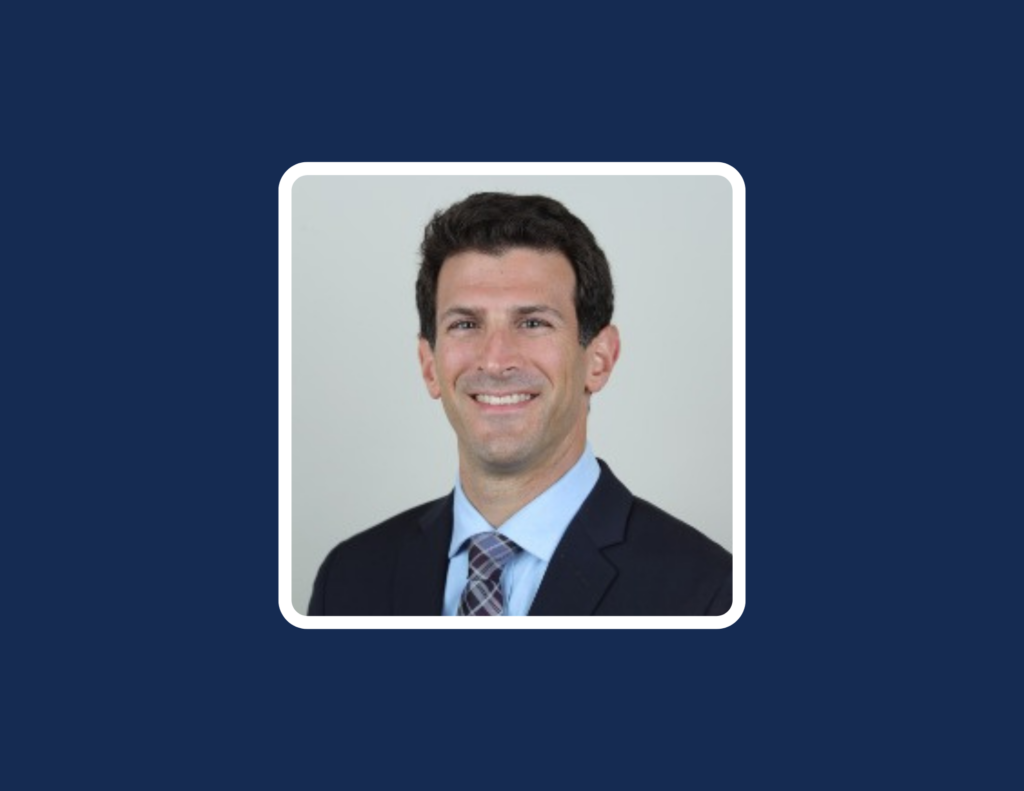
Dave Klatsky is the Men’s Basketball Head Coach at New York University. He was named head coach of the Violets in May of 2022.
Klatsky produced his second consecutive winning season at NYU in 2023-24, as he led the Violets to a 21-6 record, the University Athletic Association (UAA) Co-Championship (the program’s first title in 30 years), and to the Second Round of the NCAA Division III Tournament.
In his first season at NYU, Klatsky led the Violets to their first NCAA Tournament berth since 2015-16. He set a new standard for the most wins by a first-year head coach in program history as the Violets posted an 18-8 overall record and added a 7-7 mark in the UAA, the most victories since 2015-16.
Klatsky came to NYU after an 11-year tenure as an assistant coach at NCAA Division I Colgate University under Head Coach Matt Langel, helping lead the program to three of the last four Patriot League Tournament titles.
Prior to Colgate, Klatsky served as an assistant coach at Stevens Institute of Technology from 2007-11. Klatsky, who earned a Bachelor of Science degree in Economics with a concentration in Finance and Accounting from the Wharton School of Business at the University of Pennsylvania in 2003, played for Coach Fran Dunphy from 1999-2003. He set the program’s then-single-season assist record in 2000-01.
After graduating from Penn, Klatsky worked as an equity analyst and trader in Manhattan and Jersey City, before entering the coaching profession.
On this episode Mike & Dave discuss Dave’s journey to becoming the head coach of NYU men’s basketball through a candid exploration of his experiences, philosophies, and the intricacies of coaching. Klatsky recounts his early days in basketball, influenced by his older brother, where the love for the game blossomed into a lifelong commitment. Klatsky draws a vivid picture of his development as a player, emphasizing the importance of competition and the evolving nature of basketball today compared to his formative years. His transition into coaching was not immediate, as he initially pursued a career in finance after college, but a rekindled passion for the game led him back to the court, where he found fulfillment in mentoring young athletes.
Throughout the podcast, Klatsky articulates his coaching philosophy, which is deeply rooted in efficiency and teamwork. He stresses the significance of taking quality shots on offense and instilling a defensive mindset that compels opponents to take low-percentage shots. His strategic approach to practice planning is evident as he details how he structures sessions to foster competition and skill development. Klatsky’s emphasis on leadership within the team is profound, as he encourages players to take initiative and voice their ideas, creating an environment where everyone feels empowered. This philosophy is instrumental in building a cohesive team that not only strives for success on the court but also grows as individuals.
The discussion also delves into the realities of recruitment, particularly in a city like New York, where the allure of the urban environment attracts a diverse pool of talent. Klatsky reflects on the lessons learned during his time at Colgate, where understanding the fit of a player within the program became crucial. At NYU, he finds that many athletes are eager to join the program, simplifying the recruitment process while still requiring diligence to ensure alignment with the team’s values. Klatsky’s enthusiasm for his role shines through as he shares insights into the challenges and rewards of coaching, expressing his commitment to fostering a positive culture and driving the program forward. His journey resonates with listeners, offering valuable perspectives for aspiring coaches and basketball enthusiasts alike.
Follow us on Twitter and Instagram @hoopheadspod for the latest updates on episodes, guests, and events from the Hoop Heads Pod.
Make sure you’re subscribed to the Hoop Heads Pod on iTunes or wherever you get your podcasts and while you’re there please leave us a 5 star rating and review. Your ratings help your friends and coaching colleagues find the show. If you really love what you’re hearing recommend the Hoop Heads Pod to someone and get them to join you as a part of Hoop Heads Nation.
You’ll want to take some notes as you listen to this episode with Dave Klatsky, Men’s Basketball Head Coach at New York University.
What We Discuss with Dave Klatsky
- How his early love for basketball was influenced by his older brother
- Why his recruitment to Penn was a pivotal moment in his career
- How a pivotal moment in a men’s league basketball game reignited his passion for coaching
- A great assistant coach must support the head coach while providing honest feedback
- The numerous decisions that head coaches have to make every day
- The challenges of recruiting extend beyond talent, focusing on the right fit for the program
- Establishing team culture and relationships is crucial for a successful coaching tenure
- Why effective practice design emphasizes skill development while fostering competition among players
- Quality coaching involves much more than just basketball strategy
- Understanding the unique challenges of coaching in a city like New York is vital
- Recruiting at NYU is influenced by the city’s unique vibe
- Creating opportunities for player leadership helps build team cohesion
- Why the transition from assistant to head coach involves a steep learning curve in leadership
- Effective communication with players and staff is crucial for maintaining team morale and performance
- An emphasis on taking high-quality shots leads to greater offensive efficiency in games
- Building relationships with players and their families enhances recruitment efforts and team unity
Like this show? Please leave us a review here — even one sentence helps! Consider including your Twitter handle so we can thank you personally!

We’re excited to partner with Dr. Dish, the world’s best shooting machine! Mention the Hoop Heads Podcast when you place your order and get $300 off a brand new state of the art Dr. Dish Shooting Machine!

Prepare like the pros with the all new FastDraw and FastScout. FastDraw has been the number one play diagramming software for coaches for years, and now with it’s integrated web platform, coaches have the ability to add video to plays and share them directly to their players Android and iPhones via their mobile app. Coaches can also create customized scouting reports, upload and send game and practice film straight to the mobile app. Your players and staff have never been as prepared for games as they will after using FastDraw & FastScout. You’ll see quickly why FastModel Sports has the most compelling and intuitive basketball software out there! In addition to a great product, they also provide basketball coaching content and resources through their blog and playbank, which features over 8,000 free plays and drills from their online coaching community. For access to these plays and more information, visit fastmodelsports.com or follow them on Twitter @FastModel. Use Promo code HHP15 to save 15%

The Shortcut to a Better Year? A Better Brain.
Say goodbye to burnout, procrastination and sleepless nights, and hello to a sharper mind, calmer energy, and less stress.
- Two delicious daily shots
- Increase your productivity in the day
- Reset with deep restorative sleep at night
- Clinically-proven ingredients, science-backed results
Get 45% off the Magic Mind bundle with with my link:
https://www.magicmind.com/hoopheadsjan
Your first impression is everything when applying for a new coaching job. A professional coaching portfolio is the tool that highlights your coaching achievements and philosophies and, most of all, helps separate you and your abilities from the other applicants.
The key to landing a new coaching job is to demonstrate to the hiring committee your attention to detail, level of preparedness, and your professionalism. Not only does a coaching portfolio allow you to exhibit these qualities, it also allows you to present your personal philosophies on coaching, leadership, and program development in an organized manner.
The Coaching Portfolio Guide is an instructional, membership-based website that helps you develop a personalized portfolio. Each section of the portfolio guide provides detailed instructions on how to organize your portfolio in a professional manner. The guide also provides sample documents for each section of your portfolio that you can copy, modify, and add to your personal portfolio.
Hey, coach! Want to take your team to the next level this season? Introducing GameChanger, the ultimate game-day assistant with tools to give you a winning advantage. With GameChanger, you can track stats, keep score, and even live stream games, all for free! Get the stats and crucial game video you need to lead your team to victory, all from the palm of your hand. Coach smarter this season with GameChanger. Download GameChanger today on iOS or Android and make this season one to remember. GameChanger. Stream. Score. Connect. Learn more at GC.com/HoopHeads
THANKS, DAVE KLATSKY
If you enjoyed this episode with Dave Klatsky let him know by clicking on the link below and thanking him via Twitter.
Click here to thank Dave Klatsky via Twitter
Click here to let Mike & Jason know about your number one takeaway from this episode!
And if you want us to answer your questions on one of our upcoming weekly NBA episodes, drop us a line at [email protected].
TRANSCRIPT FOR DAVE KLATSKY – NEW YORK UNIVERSITY MEN’S BASKETBALL HEAD COACH – EPISODE 1050
[00:00:00] Mike Klinzing: Hello, and welcome to the Hoop Heads Podcast. It’s Mike Klinzing here without my co-host Jason Sunkle tonight, but I am pleased to be joined by Dave Klatsky, head men’s basketball coach at NYU. Dave, welcome to the Hoop Heads Pod.
[00:00:17] Dave Klatsky: Thanks for having me, Mike. Good to be here.
[00:00:21] Mike Klinzing: Thrilled to have you on, looking forward to diving into all the things you’ve been able to do in your career.
Let’s start by going back in time to when you were a kid. Tell me about your first introduction to the game of basketball. What made you fall in love with it?
[00:00:36] Dave Klatsky: Wow. Yeah, it’s going way back I am I’ve been playing for a while I think when I was probably two or three is when I first started and it’s probably because I had an older Brother about three years older than me. So he was he was playing in a league probably a first second grade league and I was tagging along trying to do what he was doing.
So ever since that time, I love the game. I was, you couldn’t find me without a basketball as a kid. And now I’m still in, still in the game coaching and loving it, loving every minute of it. So the game’s given me a lot.
[00:01:14] Mike Klinzing: Talk to me a little bit about your development as a player, what you remember about how you came up in the game.
Maybe versus how the guys that you’re coaching today come up in the game.
[00:01:28] Dave Klatsky: Yeah, Mike, that’s a great question. I think, I think the game has changed a lot. For me, I was, I just love competing. So even from a young age, I just love being out there trying to compete, trying to win, trying to, trying to be better at the game than others.
So when I was little, like I said, I had a ball in my hands at all times. So. Learned how to dribble right and left at an early age. And when you’re in second and third grade and can dribble, you usually can go around people and get layups. So that was pretty fun when I was young. And then just as I got older, I just kept trying to add pieces to my game and never was, never grew, never got that much stronger.
So that was a shame, but just was, was a really smart player. Watched a ton of games, listened to a ton of. Basketball, trying to just pick up things where I could as a kid. I wasn’t thinking I was learning the game. I just loved it. So I was around it a lot and I was always really good at if something worked against me, I did it.
So if somebody was like, Oh, I’m going to cut off his right hand. Well, then I was like, that’s a good play. Or if somebody would stand me up with their chest as, as I got a little bit older, I was like, that works. I’m going to, I’m going to do that. So I was able to just incorporate things that I saw or, or played against and added it to my game.
And little by little, I got to the point where I could be a good high school basketball player and eventually a college player. And with ended up having a decent career at UPenn.
[00:02:57] Mike Klinzing: Would you spend more time as let’s say a high school player? In the gym by yourself working on your game or playing pickup or what was the balance between the two for you?
[00:03:10] Dave Klatsky: It was definitely more competing. I think I didn’t answer the second part of your question. So I’ll, I’ll answer that and this question, but I think, and it’s funny you asked that question today at practice. We were working on the guards jumping off same leg, same hand finish. And I was, and I said to them, I wish we had that when I was playing because I love it.
It’s a quick move for little guys. You catch a big off balance, but like nobody was doing that when, when I was coming through. And I said when I said that, that’s not, I wasn’t around in the nineties. They were like the nineties. I couldn’t believe I was playing in the nineties. I was like, yeah, that’s, that’s when I was about your age.
But but no, I think for me, I love playing, so if there was a game I wanted to, I wanted to play, we would play. This is more getting into high school, but high school and college, if we had two guys, three guys, we’re playing ones. If we had five or six, we’re playing twos or threes and up to, up to ten.
So and we would play for a long time, right? And it was until everybody was too tired to go, and I was usually one of the guys that would be there till the end. But I did work on my game. I don’t want to, I don’t want it to be like I just was out there playing pickup or playing ones or twos. I got a lot of shots up.
I definitely didn’t do as much as the players today. And I wish I did to a degree because I wasn’t a great finisher. I was a great passer, good shooter, but watching the creativity that we teach now, or that you, you watch some of these pros have and the trickles down are. Our our, our game in the college level, it’s, these guys are so creative and, and I, I wasn’t create that creative as a player.
I was creative and crafty and had all the tricks you need for a little guy, but like, I wasn’t, I wasn’t doing like reverse layups, jumping quickly and just kind of flipping it up there. I did have my extension lamps, which I call like, we reach out. with one arm as long as you can, but just the creativity is so much better in the game today.
And I think because of that, there’s, there’s more room for guards to, to be better. So so yeah, so I was competing more than working out, but I also was, I got took so many shots, reps on reps on reps on reps of just shooting.
[00:05:24] Mike Klinzing: And a lot of the moves that guys do today would have been illegal when you and I are playing.
[00:05:28] Dave Klatsky: Huh, huh. Absolutely.
[00:05:32] Mike Klinzing: All right, so tell me about the decision to go to Penn and what you remember about the recruiting process for yourself.
[00:05:42] Dave Klatsky: Sure. It was quite a long time ago, but again, I was probably a junior in high school, maybe a sophomore when the first. Interest came and I never thought I was gonna be a Division One player. I really didn’t. I was pretty good at tennis and did really well in the classroom. So I was focused on doing, getting to a good school.
And then my AU team and my high school team started doing well and Started getting some calls from some low D1s and and then eventually coach Donahue from from Penn who obviously is now the head coach of Penn And then coach Dunphy who was my head coach at Penn who’s now at LaSalle. Those two really Really did a great job of just being or being present Coach Dunphy was at so many of my games, coach Donahue Talked to me constantly and just did a really good job of showing me what Penn was all about and, and eventually, I remember my parents sat me down and they were like, what are you waiting for?
It’s Penn, right? Like, what do you, what’s better? Like, what are you waiting for? And I was like, I don’t know. I don’t know. And I committed the next day. So I needed that little nudge, which in recruiting sometimes, In big decisions, kids need, and I did need that at the time. But I was thrilled to, to be recruited by them and eventually go to Penn and play for coach Dumpf and coach Donahue and the rest of the staff.
Coach Donahue only for one year, unfortunately, but he ended up getting the Cornell job after my freshman year, but. Great time, great staff. So all good things to say about Penn.
[00:07:12] Mike Klinzing: I know you worked in the business world after you graduated. So clearly when you entered college, was coaching at all on your radar, something that you thought about, or were you just strictly focused on trying to be the best player that you could be?
[00:07:29] Dave Klatsky: Coaching was not on my radar entering Wharton, I’ll be honest. I wanted to have an awesome career. I love basketball. I wanted to make the most of my four years, but I was going, part of the reason I was going to Penn was to set myself up after college, which is Penn’s great at. So I really, it really wasn’t on my radar.
I loved the game, but I didn’t think of the career of coaching. I thought of myself as a coach on the court. But it never crossed my mind at that point to coach. So what was the second part of that question? I forgot. Is there two parts to that?
[00:08:05] Mike Klinzing: So, well, I mean, I’d sort of build on it when you get into school and obviously you’re focused on the fact that you’re going to graduate, you’re going to get a job, you get a job in the business world.
And clearly you played for a couple of tremendous coaches who Again for you, as you said, you thought of yourself as a coach on the floor. Did they ever talk to you at all about, Hey, maybe you should consider coaching, or just what was your mindset as you were graduating? Obviously you’re graduating with a degree from Penn.
They give you a lot of opportunities to do pretty well economically, I’m sure. So just what was your mindset as you were graduating
[00:08:45] Dave Klatsky: to get a good job and make some money? the, the, the staff really didn’t, didn’t at the time talk to me too much about coaching and I think that was the right decision because I, I was setting myself up I was trying to be in finance, so going on interviews coach jumped at a great job of, of hooking me up with a couple of former Penn alums that were in the business, got to talk to them, interviewed with them, ended up getting a, a, a very good job and coaching wasn’t on my radar at that time, but playing was.
So I did get some calls and some offers to play in to play overseas and I had already secured my job and it was a really good job working for Merrill Lynch coming out of school. It’s like really hard to get. I was just so blinded by the money and the, the chance to be independent.
That I didn’t, like, I was done. I was done at that time with basketball and I do, I do tell my players and anybody that asks, like, if you are in this situation, go play your jobs are fleeting, even in finance coaching, like, You never know what’s going to happen in the next five years, but what can’t happen is you can’t go back and play.
You can, you can play right after college if you get that chance, but you can’t go back. If you go in the, in the business world, I mean, some guys can, but I said not, not a five, 10, 1. 70 at that time. So there’s no way I could go back and I do looking back, it would have been fun to give it a year or two to see, to travel a little bit.
So that, that is some advice that I. It was probably given at the time, but I was just so, so ready to get to New York City and start working and start making some real money.
[00:10:24] Mike Klinzing: So how long was it into that finance job that you started to look around and were like, and there’s no, there’s no basketball here.
What, what am I doing? How can I get back in the game? At what point did that bug kind of start biting you again?
[00:10:40] Dave Klatsky: Yeah, so I’ve told this story before, but so about four years in and I’ve been playing men’s league like twice a week every, every week since I got to New York and obviously at that age between 22 and 26, still a little bit too competitive.
But was playing in, in one of these games, a shot went up and I just like you’re taught box the guy out my, my little I’m little, but I got some strong legs. I just got a guy out to like the foul on ref blows the whistle, calls a foul and I lose my mind. And then I realized, like, why am I yelling at this men’s league ref number one, but number two it just triggered something that I needed to get back in the game at a high level to, to teach what I knew and, and try and help people be the best player they can be, cause I, I, I do love this game.
So I went home. And Google local Division 2, Division 3 schools. And Stevens Tech popped up, which is in Hoboken, New Jersey. My office at the time was in Jersey City, New Jersey. And I looked up the coaching staff. Josh Leffler, who’s now the head coach of Loyola, was the head coach. But luckily enough, an assistant coach was one of my freshman coaches in high school.
So I knew him well. Reached out to him. He connected me and Josh. And pretty much the rest is history. So I got, I got involved in a, in a part time volunteer role for that year. And then Josh moved on and Bobby Hurley took over at Stevens. He was also there when I was there as an assistant and he’s been there for probably 15 years now, maybe less, maybe 13 years now.
Not, not the Bobby Hurley at Arizona state, but a different Bobby Hurley. And stayed with him for three years. And then, so that was four years. Doing a part time type thing where I was working full time in finance at a firm called Knight Capital. And then I would shoot over after work and be there for practices.
Didn’t, did hardly any recruiting. Maybe went on one or two trips with Bobby. Trips meaning like high school events or anything like that. Not a trip. But I did start taking I loved it so much. I, I love being part of the team. I Bobby was letting me Do a lot on the floor and started taking my off days, my, my vacation days for work to travel with the team and they would go away.
Right. And that, that was what I wanted to do. That was, that wasn’t work to me. It was, it was my vacation from my actual job, but I just enjoyed it so much and I I was hooked. I loved, I loved the team aspect of the coaching aspect, the strategy. Being part of a group again, driving impacting lives and mentoring 18 to 22 year old.
So all those things just really fit. And that’s, that’s how I got started.
[00:13:14] Mike Klinzing: Did pretty quickly into that, that at some point, like, Hey, I’m going to have to leave my quote, real job and, and go in and get into coaching full time or, or when did that realization strike your, or, or was it just. When you eventually got the opportunity to go to Colgate, just how does that decision get made?
Cause I’m sure it wasn’t an easy one.
[00:13:35] Dave Klatsky: It was extremely difficult, extremely difficult. Because life, life gets in the way too, which I’ll get to. But for me, I think when I started doing it and loving it in the back of my head, I was like, okay, like, I wish I could do this full time. But like, I’m not gonna at that time I was 27, 28 years old I wasn’t gonna jump in and do the GA to the ops, to the video and, and put in another five to seven years.
So in the back of my head, I was like, all right, this is fun, like, but it’s never really going to work out unless the opportunity is like perfect. And yeah four years in Coach Langell got, or Matt Langell, who was a teammate of mine at Col Matt Langell was a teammate of mine at Penn, got the Colgate head coaching job.
And that was the first, like my conversation with him, I, I hit him up and I, I said, Hey, Matt, what do you think about me going to Temple and taking your job, the assistant coaching job at Temple? not knowing how the carousel works and how crazy the carousel is and how hard it is. And he was like, well, you have no shot at that, but have you thought about Colgate?
And I was like, no, what’s what, where’s Colgate? So I looked up Colgate, did some research and then realized. Like, Oh, wow, this, this is the only chance I see that I will actually be able to come in at a spot that makes sense for a guy that I, that I respect immensely and be able to do this if I really want to do it.
So so I ended up thinking about it. I had a new girlfriend at the time who’s now my wife. So that was a little tricky, as I said, life, life decisions, but just in talking to people I trust, they were like, you gotta, you gotta go for it. They’re like, you gotta, you gotta try. You love it.
You gotta give it a shot. So I ended up calling Matt back and pushing pretty hard saying like, this is, this is it. Let’s do this. Like, I’m ready. And I think he was shocked by that. I think he was like, why? Like, you have a great finance job. You got a good life. What are you thinking? But I think years later, he would say it was the right decision because I have a passion for it.
And and it ended up all working out to this point. So, so I’m glad I did it. But it was there was and had to, we moved quickly because obviously Matt gets the job and a new head coach wants to get going right away. So when I got involved and had to make the decision, I came back pretty quickly.
To him, because I didn’t want him to pick somebody else, right? these things move quickly. If you, if you got your guy and then you wait two weeks, well, you, you’re not, I wasn’t that high on his list. I’m sure that he would wait for me. So I knew I had to act quickly and, and the rest is history.
[00:16:28] Mike Klinzing: What was the learning curve like going from a part time assistant, who, as you said, some of the things that maybe a full time assistant coach may have done that you maybe weren’t doing? that when you jump in full go at Colgate, what was that learning curve? Like, what were some areas that you felt like, man, I really got to get up to speed on these things initially coming out of the
[00:16:51] Dave Klatsky: gate.
It’s, it’s not what you would think it was at least at the time. I didn’t it was more. And again, Matt is one of the best coaches in the country, but from the first meeting, it was always about. How are our guys, who do we need to be thinking about like, and as a guy that would show up for practice and do strategy and workouts and yell at the guys for not being in help position and then go home because I wasn’t there during the day.
That was like the biggest thing that I was like, Oh, coaching is only a little bit about basketball, right? Because Matt, he’d been through it. He he knew. So that was the first thing I was like, Oh man, like. There’s so much more to coaching than X’s and O’s really, and knowing the game. So that was number one, just like the, the mindset of our players, the, the, the, the being of our players, like how they were doing the culture, I guess culture would be the right word for that.
And, and that was number one. Number two is just the recruiting. Right. And when I talked to coach Dunphy about making the jump, he was like the the, one of the biggest adjustments you’ll have is recruiting because. You haven’t done it. Like, I didn’t really do it at Stevens and he’s like, but I’m, I’m very confident you’ll figure that out.
But I didn’t realize exactly what that meant until you get to Colgate and Matt is like, okay, we sit down, we go over our roster and he’s like, we have one guy that can handle the ball. We need a point guard in the next month. And we’re like scouring through services and calling anybody that will like, do you have anybody left in May?
This was before the portal was like huge. Anybody left in May that can, that can be a backup point guard. Right. And I’m like, I don’t know anybody. I haven’t been out like on the road. So I’m like looking through lists and look so I realized how difficult recruiting can be when you don’t know, when you don’t have the, now it’s a whole different story.
I, I know so many coaches in like high school and AU coaches in business, they reach out to me and, and there’s just like, it’s just a lot easier when you’ve had the experience. But the first year, I mean, I just remember getting in the office. At that time, there was like DVDs and a couple YouTube clips and just trying to find players, watching highlights, watching full game and reaching out to players.
And it was, it was, it was eyeopening how, how much hard work recruiting is like, it never stops.
[00:19:20] Mike Klinzing: How long did it take you to get a handle on the type of player or the level of player that you needed to recruit at Colgate? Because I always think when I sit down, I’m watching players, like anybody who knows basketball, you can walk in the gym. And you can be like, Okay, I know this kid can play. I, I watch this game and I can really pick out the best player, whether they’re the average fan might look at it and say, Oh, this kid’s scoring a ton of points or this kid’s not making any bad, whatever, but you and I both know that you can kind of eyeball and know that, Hey, that kid, that kid could play.
That kid can’t play, but there’s another level of. That kid can play, but can he play at Colgate or can he play at North Carolina or can he play at NYU? There’s all those different things kind of fit in. So how long did it take you to get a feel for the level of player that you needed to recruit at Colgate?
If that question makes any sense.
[00:20:09] Dave Klatsky: No, absolutely. Absolutely. I, and I think by the, my, my end of tenure at Colgate, it was like clockwork, right, especially cause I had been working with Matt for so long, so I knew exactly what he wanted, but. I, I don’t know if there’s an exact time period. I will give you a couple of stories about failing and realizing why I failed.
But two of my top recruits in probably my first year or two were great players, like unbelievable players. One the kid I’m thinking of right now is from Texas and nobody wanted him. Nobody wanted him. I saw something in him, recruited him hard. At the end of the day, he ended up choosing New Hampshire.
And it’s just like, I just couldn’t get it out of, like, why, like, why was he choosing New Hampshire over Colgate, right? He’s telling me he wants academics and no offense, like nothing against New Hampshire, but it’s not the same level of academics as Colgate. The, the levels were similar at the time, but I just, I, I, I couldn’t figure it out.
And then another kid we had and the visit couldn’t have gone better. Awesome player ended up going to Ball State. So again, I lost to Ball State and to New Hampshire, and I was just like, what, like, I’m recruiting the wrong kid, right? And, and that was, like, something that I had to realize that I can’t just go by talent level alone, because fit is so important.
And those kids didn’t belong at Colgate. They clearly chose The other school one was from Indiana and once an Indiana school got involved, he was going to Ball State and the other one wanted a big school and Colgate wasn’t that. And, and at least that’s what they’re telling me at the time. And I, I asked, I remember having conversations with them and their parents and them being like, we love you guys.
We think it’s a great, great school. We think you guys are on the come up, but it’s just, we need this. And, and that, that hurt because I didn’t do my homework. I didn’t know. That we had no chance, essentially, we had no chance, even though the talent, those kids, these kids would have been all league, it didn’t matter.
So it really changed how I approached things from that point on of like, I got to do my homework early before I waste all my time getting a kid that yeah, talent wise is good and he’s a good kid. No fit culture wise, but he’s not coming to Colgate. Like he’s, he’s, he’s not coming to Colgate for whatever reason it is.
So yeah, that, that was a, a big thing that I learned early. And like I said, by the end, I could talk to somebody and know right away, like this is, this is a possible Colgate kid. We didn’t win every, every recruiting battle. We’ve won hardly any of them, but at least I knew that, like, we could, he would come, he would come to Colgate.
So that was that was a big difference between probably my first two years and then every year after on this way.
[00:22:53] Mike Klinzing: Of course, of your 11 seasons there at Colgate, what would you say are the two or three things that you learned about what it takes to be. a great assistant coach. So when you’re trying to define what makes a great assistant coach, what are the qualities that you saw that you tried to develop that now when you look for an assistant for your program or you just think about what makes a great assistant, what are those key qualities?
[00:23:21] Dave Klatsky: Well, I want to start off by saying I’m not sure I was a great assistant, but I tried my hardest. And I, and I tried to give everything I could. For the better, for the betterment of the program. And I think some of the things that I, that I tried to do that I now look for is one give ideas with no ego, meaning like ice, like even as an assistant, like me and Matt and the staff, like there would be heated arguments.
We’re like, I’m saying one thing, Matt, you’re wrong. He’s saying, no, you’re wrong. And then the other system’s like, no, you’re both wrong and given another point of view and, and then like giving our ideas, but having like 10 minutes later, like five, five seconds later, maybe not five seconds, like 10 minutes later, just be like, all right, I’m on board with, with you, Matt.
Like that’s right. We can, we can answer it out in here. how I stand, but I’m, I got your, I got your back and, and I don’t think there’s. Like you could ask him this. I don’t think there’s any time that I ever went against him outside of that office. Ever because he’s the boss and my job was to give him ideas, which I, I gave plenty of and was rejected plenty of times.
But he also took a lot of the ideas too. So there is some give and take there that I think a good assistant, you, you have to be okay with like and he’s amazing with it. I’m sure I’m not of being like, But almost like suggestion noted, we’re not going to use that because you hear something that you disagree with and you immediately want to be like, no, you’re wrong.
But he had a way of like not making me feel like. Self conscious about bringing those ideas and sometimes he used them, sometimes he didn’t. So I, I try and, I try and use that, but I’m sure if you asked my staff, I’m, I’m, I’m not as cordial with with those decisions, but I try to be, cause I know I want those, I want those decisions or those ideas to be thrown at me.
And then sometimes I may use them, sometimes I’m not. So I think that’s a really big one is don’t let your ego get in the way when. You’re rejected from, from one of your ideas that is right, even though you’re never, the reality is you’re not always right.
[00:25:36] Mike Klinzing: Tell me about the opportunity at NYU. Had you been actively looking for a head coaching position at that point? Was it just that NYU ended up being the perfect opportunity? Just tell me a little bit about the process of how you end up at NYU.
[00:26:00] Dave Klatsky: I always felt that, that I was in a weird spot up in Hamilton after about like six, seven years when we were starting to get better because every year I would be like, next year we’re going to be awesome.
Like, I, I love our team. I don’t want to leave, but I also don’t want to be an assistant coach at Colgate for 25 years. So I really was, was stuck in my own. My own head about like, what do I do with my career, with my life? Because I don’t want to leave because literally every subsequent year I’d be like, well, the guy’s coming back.
I love our recruiting class and I think we can win again. And maybe we win a game in the tournament and then maybe something bigger happens and I’m loving life. So so I was always trying not to be a grasses greener, greener type guy, but in the back of my head, I was also like, I, I need more.
I want to, I want to do this. I want to be a head coach. Or an assistant at a higher level or anything. I just, I wanted something else. So I interviewed for a bunch of D3 jobs over probably year four to year 11. And then a couple of D1s that never really got anywhere, just like initial conversations, things like that.
But you got rejected pretty much by all the D1s and. And some of the assistant coaching jobs that I was offered just didn’t make sense. They were more lateral. And like I said, I just, I, every year I was like, I, I, I think we can be good again. And I don’t want to leave this to go start over somewhere else that is trying to do what we just did.
So it was a long process. And then by year 11, we had just won our third and four years. And I was really, really struck with like, I don’t know what to do. Like I just interviewed for Lafayette and made like the final 10, but not the final five and was just. I was really upset about that and and then that’s, that’s how fate has it, I guess, but got rejected and probably 24 hours later got a call from, from someone that knows someone in the program and was like, this is like, what do you think of NYU?
And I was like, Oh, that’s great. But I’m not getting it. Like I, I’m so down. But I was excited about it. Obviously NYU for me personally. I’m from New Jersey, lived in New York for eight years. So I was excited about it, but was also just so beaten down by all the jobs I didn’t get that I wasn’t confident that I would have a chance.
So, but luckily the AD, Stuart who’s actually no longer the AD here, saw something in me and, and and moved forward with me.
[00:28:37] Mike Klinzing: What questions did you have for them in the interview process? Because obviously they have a lot of questions for you, but as you said, you had a pretty good situation going, even though you sort of had an idea that, Hey, I want to look for, look for something, but clearly you wanted it to be the right something.
So what were the questions that you wanted to know from them? So that if you were offered the job, you’d feel confident that it was a place you could go in and run the program the way you wanted to and, and have the kind of success that you guys are having.
[00:29:07] Dave Klatsky: Yeah, it, it, it, it was more, more questions just about the team, I guess the culture of what was there like why, why, why, why hasn’t, hasn’t NYU been able to climb to the level that I think I thought and a lot of outsiders thought the women’s program was doing it.
And there’s a lot of, there’s a lot of answers for that. And just hearing their, their responses and some of it was circumstantial. Some of it was unlucky. now that I’m meeting some of the alumni that they’ve been, they were picked to win a couple of years in a row back in the like Oh six to Oh nine or whatever it was.
And a couple of bounces here and there, and it didn’t happen. So I was just more, more concerned with just, okay, what am I missing from the outside that You guys might know on the inside that there might be some obstacles that I’m not thinking of and and just hearing some of the, like the corporate, corporate stuff and the bureaucracy was good to hear.
But I, at the end of the day, I didn’t think it was anything that would be a hurdle that you couldn’t climb over. I understood it was very difficult, I mean, I talk about this a lot with, with, with people, but for seven years they didn’t have a gym. So, how hard must it be to recruit to like, oh yeah, we’re gonna, we’re gonna travel to Brooklyn, and then we’re gonna go to Pace, and then next year we’re gonna play at Hunter, and like, I just, I can’t imagine how hard that must have been.
For the last two stabs. So it’s just some of the stuff was just like very difficult and the timing wasn’t right for them. And it was for me
[00:30:45] Mike Klinzing: when you get the job and you decide you’re going to take it, what are the first things on your list that you’ve got to establish that you want to put in place to start the program moving in the direction that you want it to go?
[00:31:00] Dave Klatsky: Yeah, yeah, it’s a, it’s a, it was a really chaotic couple of months because obviously your life, you have life at this point, I had two kids or three kids. We just had a baby. So you’re just juggling a lot of different things, but for the team aspect of it, I really wanted to establish. Like that we were about you to the, to the team.
So the first thing, one of the first things I did is I tried to schedule trips to as many kids I could knock out to meet them and their parents as I could. So again, like it’s not an unlimited budget in division three. So I had to, I had to get creative. Like there was a, a clinic out out West and we had three kids from Los Angeles.
So I was able to go to the clinic, recruit. And then for breakfast the next day, meet one of my freshmen and then dinner after I was done, go meet one of the juniors and and, and tried to be creative with that and was able to probably the 12 to 13 returning players are not even the freshmen too.
So we probably had a roster of 15. I probably got to about eight or nine face to face, whether it was just going over to their house and saying hello or. Grabbing a coffee with them and then the other five or six that I couldn’t get creative with, I did zooms with just to introduce myself. I hadn’t recruited any of these kids.
So when you go through the recruiting process, you meet the parents, you meet the important people in their lives, you meet them. So to me, I thought it was really important just to have the parents see me, meet me, understand that their kids are in good hands, even though I didn’t recruit them. So that was, that was, that took up probably the first couple of months.
Obviously it wasn’t back to back to back to back because you’re. Moving and recruiting and doing all that stuff. But that was one of the first things I did that I, I’m looking back, I think was, was pretty valuable.
[00:32:53] Mike Klinzing: Well, within the university structure, did you have to get on board that was maybe outside of directly the basketball program that you felt you needed to have their support in order to get this thing going?
[00:33:09] Dave Klatsky: I didn’t really face any people that were, I guess, I mean, against you. I felt supported from day one. Again, I think it helped that the, the, the AD that hired me really wanted me to succeed. I think that is pretty obvious if the AD hires you, he wants you to succeed. So he was great in talking through things with me.
If I asked her something being like, well, we can’t do that, but what about this? And cause I come with some crazy ideas and, and I, I get the answer. Well, if we do that for you, we got to do that for all 25 of our teams. I’m like, Oh, yeah. Forgot about that equity thing and asking that question.
But but I I’m going to ask and I’m going to try and get things for our program and help them the most I can. But yeah, I didn’t really feel that there was anybody that I was just like banging heads together. like just somebody that was like against me or I felt like everybody wanted me to succeed.
And that’s partly why we have succeeded because. upper management and, and staff and, and even the coaches, like the other coaches have been great and we all want each other to do well. And, and it’s fun. It’s fun when everybody’s good. And right now NYU is doing pretty well in a lot of different sports.
[00:34:25] Mike Klinzing: Adjustment for you going from assistant coach to head coach. Was it as easy as you thought it was going to be? Was it as difficult as you thought it was going to be? What was that transition like for you both from just a. A mental standpoint, the conversation inside your own head.
[00:34:46] Dave Klatsky: When I was at Colgate, I, Matt again, afforded me a lot of opportunities to do things that head coaches do.
So I was comfortable in a lot of different things in terms of meeting with our players and, and bringing them to when things are bad, having one on ones with them and talking to alumni and, and and running fully coaching the team at times. Giving ideas for practice and all that stuff.
So I, I felt a lot of the things over the years I was ready for, but what I wasn’t ready for was just the decisions that go into coaching. Just everything, like everything just falls back on you. When you’re an assistant, you throw all these things at the head coach and then he makes the final decision.
I didn’t realize how many decisions there are. Right. And I’m not even talking about like what play to run or who to sub. Like those are, those are real too. But again, I, me, me and the staff and Matt, we worked on those things all the time at Colgate. So you have a grasp of that, but just, all right, what are we doing?
What time do we need to get ready yet? What, what are we eating? What, what’s the best thing to do between days? Like, oh, should we have a hard practice and easy, like all those things. You have to make the final decision with, with the input from your staff. And I, I just, I guess I just took for granted that Matt or Matt, Bobby and Josh, the three head coaches I worked for before, just, they just took my input and made a decision, not necessarily what I agreed with, but all those decisions like really weigh on you because they all, they all come back to you when you, when you’re the, when you’re the head coach, they all come back on you.
[00:36:30] Mike Klinzing: Tell me about your coaching philosophy in terms of how you want to play on the floor. Offensively and defensively, how did you put that together as you’re preparing for your first opportunity to, as you said, be the final decision maker. It’s no longer you giving suggestions of, Hey, I think we should try this or maybe here’s something that we should look at.
Now you’re getting to put out on the floor a product that represents you in the way that you want to play. So how did you put together that thought process, that philosophy of how you wanted your teams to look and, and play out on the floor?
[00:37:08] Dave Klatsky: I’ll start with offense because that’s obviously more fun and we’ve been better at offense over the years.
So I’ll start with that and then touch on defense a little bit after that. But for, for me, offensively, It’s all about efficiency and that includes getting great shots. Number one, like that is the, the, the focal point of every team that I’ve been an assistant on and a head coach on is we have to take great shots.
And again, I’m very analytical. I studied the stats a lot. So I, in the back of my mind, my head works in numbers. I try not to. Talk too much about that with my players, but they obviously know that now but just getting the best shots possible. So we, we took this from Colgate, but getting our shot and that might mean you like if you have the ball and you have the right shot for the team, shoot it right.
Or it might mean like one extra pass to a more open guy, but it doesn’t mean coming off. A ball screen with 18 on the clock and rising up and taking a mid range that is slightly challenged. Like I, I know that you can make that shot, but like our offense is unstoppable. So why would you shoot that when you can get that with five seconds left?
So like just that message constantly getting across to our guys of like, yes, I know that’s an okay shot. But like, that’s a great shot. We want the great shot. Let’s let the other team take the okay shot and, and, and we’ll take the great shot. So that’s been a huge part of, of what we do. It’s what we did at Penn as a player.
It’s what we did at Colgate and we’ve now taken that to NYU and it’s been fun to watch because I, I tell people all the time that like, we’ve had a couple of different cycles at Colgate and Colgate’s offense was always at the top of the Patriot League. And now at NYU, I was nervous I’m not going to lie.
We had the player of the year, Spencer Friedman, last year, who is one of the most efficient players in the country. And losing him, I was like, I don’t know if this mantra and this offense is built for without him. And our offense has been great again. And so it just gives me confidence again that it’s, it’s the players matter.
We have really good talent. I’m not going to sugarcoat that. But it also is about sharing the ball and taking the right shot and getting opportunities that are high percentage shots. So there’s my offensive philosophy. The defensive philosophy is just exactly the opposite of that. To try and force teams into and bait them into taking low percentage shots.
Which sometimes teams will do it on their own. And then sometimes teams are good and they’re very good offensively. And you gotta pick your poison, right? Like we just played Brandeis who was, if they’re not top five in the country on offense, they’re top 15. And, and we talked about that.
Like, this isn’t a game where you’re just going to stop them, but you have to make them take the toughest shots that you can, and they still might hit them. And now we got Emory coming up on Friday and same thing, like they’re, they’re just electric. So we’re going to try our best to make them take shots that are high percentage shots.
[00:40:26] Mike Klinzing: Talk to me a little bit about practice design, keeping in mind those two things that you just talked about offensively and defensively. When you sit down to plan a practice, what, do you have a set structure that you like to go through in your practices? Just what’s your process for putting the practice plan together and then.
What’s the structure of how you like to put the practices together?
[00:40:51] Dave Klatsky: Yeah, practice is obviously more important than games as a coach. You can only do so much in games. So I love practices. Generally, we start practice, every practice you want to dribble pass and shoot. So, we’ll start practice with a dribbling drill, we’ll have a passing drill, and then we’re shooting a lot in practice.
Like, we shoot. We have two or three drills we do every single day and then sometimes we’ll throw another one in there. But it’s always a, it’s always a buildup. So we’ll start, like I said, we’ll start with the dribbling drill and then maybe a passenger and then maybe a three on, oh, dummy one side of concepts like a dribble handoff or a backdoor handle back one guy goes back door, then you hand off to the next.
And 3 on 0, type stuff. And then we’ll start to get competitive. Then we’ll we’ll break down the post perimeter. And then we’ll do something more competitive. 5 on 5 shell or 5 on 5 up and down. Everyday we’ll have a transition drill in there just to work on offensive transition, defensive transition.
And we compete. We compete at everything basically. So unless it’s like a dummy drill where you’re doing 3 on 0, We’re competing. And it might be trying to beat a number. Right? Like in our passing drills, how many passes can we get in two minutes? Right? Like that’s, and we try and beat our number from the day before.
Sometimes it’s five on five competing and in an up and down drill. So we, we, we keep score of everything. I love seeing the guys compete. I think that’s at the, at the bones of it. What I want, any program I’m involved in is I want guys that just compete, that they play to win and they figure out what it takes to win.
And the more you compete, the more you figure that out. And and that’s generally what our practices look like. All
[00:42:37] Mike Klinzing: right. To go along with that. Competitive miss piece. How do you think about developing leaders in your program and trying to give guys on your team, the opportunity to develop as leaders, obviously you’re the leader of the program, but how do you provide space for your guys to lead and how do you encourage them and, and just give them the blueprint for what it likes to be a great leader on the floor?
[00:43:06] Dave Klatsky: We, we do give our guys a lot of chances, I think is the best way to put that. And again, this year we have two captains, but every year I’ll make the speech that leadership comes in a lot of different ways. So just because you have a C on your shirt or the captain status doesn’t mean that somebody else can’t lead in a different way.
But some of the things we do is I’ll give the guys like a chance, right? To, to, I’ll be like, you guys get together you got a minute, figure it out, ? And just so somebody, somebody in that huddle has to speak up and lead and, and can’t rely on me all the time. The other day I was like, okay, three seconds left.
You got the ball on, on like a weird spot. End of game. No, you got nothing for me. You got 10 seconds to get together. Like, so somebody has to figure out what to do. Just putting them in positions to think a little bit. So that’s, that’s more on the court and then off the court when we meet individually with guys, we’re talking about all the things they can do.
Just whether it’s basketball or not basketball, talk about like how you can respond to a different situation that might’ve happened on our team or another team that I’ve heard of and be like, what would you do? And then talk them through. What some ideas I would never say there’s a right or wrong way to lead but just like your personality Like what can you do if this happens?
We did we do an exercise every year this year we did. Something that coach shishesky I stole from him because I was a little worried about our transfers and like our new guard and old guard Getting along and I asked him. How’d you deal with the one and duns when? When he started to do that, he gave me a suggestion that pair him up one new guy, one old guy and, and let him get to know each other.
And then they present it to the team. And again, speaking in front of your peers is hard. So they each had a chance to have two to five minutes to speak in front of their peers about somebody they just talked with on their team. And I want to say at least five or six of the players. Started with, I thought I knew Jimmy, but after talking to him for 40 minutes, I realized I didn’t really know much about him.
And it brought the, it brought the team way closer and the guys bought in, I presented this to some other teams. They’re like, we can’t do that. Our guys wouldn’t buy into that. But our guys did. And it was great to learn about them. And and I think they really enjoyed it. You had to know each other a little bit more and had some fun with it.
So just different, different ways that you can be creative to let these guys think and then express themselves as well.
[00:45:42] Mike Klinzing: All right. To go back to something that you said earlier about when you were at Colgate in terms of being able to recruit the right guy and knowing that, Hey, is this kid really going to be a kid that’s going to come to Colgate?
I would guess that NYU has a similar vibe and that there’s some guys that would love to go to school in New York City. And then you have other guys that you could probably talk to and immediately know this kid’s never going to want to come to school in New York City. So talk a little bit about just that piece of it in terms of recruiting, how quickly can you get to that?
Hey, this kid, I know, I know, I know he’s going to buy into the New York City vibe. And then there’s another kid that maybe doesn’t. So just talk a little bit about that when it comes to recruiting there at NYU.
[00:46:24] Dave Klatsky: It’s way easier to figure that out in NYU I think because New York City is so unique and some kids don’t want a city and it’s like, okay, well then we’re definitely not for you and that’s okay.
That’s, that’s okay. Right. But New York City, like you, you better want an urban situation because. There’s no hiding, there’s no hiding from the city aspect of it. It’s not like you could find a place like I have in, in New Jersey and you’re a student, you’re living in New York city. So it’s been a little easier to locate those at NYU because of that.
And then the other, the other side of that is at NYU, we have so many people reach out to us. And, and talk about how much they want to go to NYU. So right there, that checks the box of like, Oh, you reached out to us. Oh, wait. And you’re really good. I can go forward with this. Where Colgate, it was the opposite.
We were like locating guys. And then doing our homework to see like, does this fit like very rarely does someone grow up being like, I want to go to Colgate right. But NYU, there’s a lot of, there’s a lot of that. So that’s just the difference in brand. And and I’m not saying one product is better than the other.
I’m just saying just the brand awareness of NYU versus Colgate has been eye opening, eye opening. We get hit up by so many good players. That immediately check that box so we can limit their recruiting a little bit more because we don’t have to talk to their math teacher and talk to their coach and then their fourth grade coach and figure out who they really are.
And which is stuff that I was doing at Colgate, but at NYU, it’s like, Oh, he reached out to us. Well, yeah, we, we know he’s interested now.
[00:48:08] Mike Klinzing: All right. Final two part question, Dave, part one, and you look ahead over the next year or so, what do you see as being your biggest challenge? And then part two, when you think about what you get to do every day, what brings you the most joy?
So your biggest challenge and then your biggest joy.
[00:48:26] Dave Klatsky: I think the biggest challenge going forward will just be to keep the level of talent and culture that we have at, at this level. Honestly, it’s, it’s been a really fortunate first three years and our first two and a half years, we have a lot of season left. I panic every day about what the rest of the season is going to look like.
But so far so good. So when I think about next year’s team and what, how we’ve built the program, which is a lot of one year guys or two year guys, so to try and keep it at that level, knowing that you’re going to have to replace some really good players and people with more really good players and people, I think that there’s some luck involved in that a little bit.
But we’re gonna try. We’re gonna try and keep finding these players that are really good that want, like you said, want to be in New York City and our and our good kids that can keep the culture where it’s at. But I think it’s challenging. I’m nervous about it that we can keep it, keep it at the level that we’ve had it the last year or so.
And then the biggest joy I think is just, I just love it. What I do, I think coming in and being part of this group and, and imparting my knowledge that I’ve had over the years that I’ve learned and trying to pass it on and then competing with a group that I, I love our team this year. I really do.
I tell them that so just being able to be part of that and put so much in together to the common goal. It’s it’s fun. It’s fun. And we might not reach our ultimate goal. We might not even reach our primary or secondary goal, but just knowing that we’re in it together is it just I love it.
It’s part of the reason why coaching is so fun.
[00:50:14] Mike Klinzing: All right, Dave, before we get out, I want to give you a chance to share how people can connect with you, reach out to you, find out more about your program. So whether you want to share website, email, social media, whatever you feel comfortable with. And then after you do that, I’ll jump back in and wrap things up.
[00:50:29] Dave Klatsky: Sure. Yeah, I mean, my email is simple. It’s [email protected]. Feel free to reach out whenever to follow us, just Google NYU men’s basketball. I’d love to see anybody at some games or anything like that, but if I can help anybody in any way that I was helpful along the way, which was by a lot of different people I’d love to do that, so feel free to reach out, but it’s fun doing these podcasts, talking a little bit, talking hoops. So I appreciate you having me on Mike and hopefully people listen.
[00:51:03] Mike Klinzing: Absolutely. I’m sure they will. Dave can’t thank you enough for taking the time out of your schedule tonight to jump on with us.
Really appreciate it. And to everyone out there, thanks for listening and we will catch you on our next episode. Thanks.