
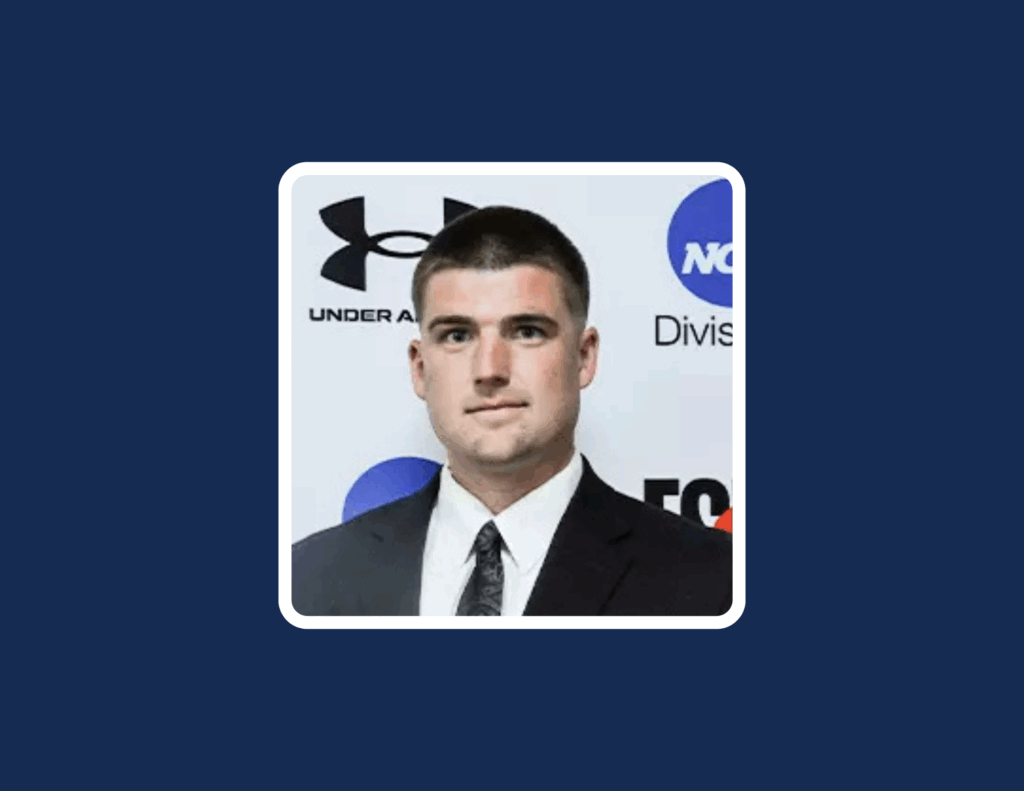
ZACK THOMSEN – FROSTBURG STATE UNIVERSITY MEN’S BASKETBALL HEAD COACH – EPISODE 1121

Website – https://frostburgsports.com/sports/mens-basketball
Email – zwthomsen@frostburg.edu
Instagram – https://www.instagram.com/coachzthomsen/
If you listen to and love the Hoop Heads Podcast, please consider giving us a small tip that will help in our quest to become the #1 basketball coaching podcast.
Zack Thomsen is entering his third season as the Head Men’s Basketball Coach at DII Frostburg State University. Thomsen increased the Bobcats’ win total by 9 in his second year.
Thomsen came to Frostburg having been the head coach at the State University of New York at Delhi for seven seasons. During his tenure, he compiled 123 total wins, including reaching at least 20 victories in each of the past three seasons. While at Delhi, Thomsen was named conference coach of the year three times and helped oversee the school’s transition from USCAA and NAIA to full-fledged NCAA Division III members.
Prior to SUNY Delhi, Thomsen spent time in the region as an assistant at Shepherd University, Le Moyne College and Onondaga Community College.
Thomsen played his college basketball at West Virginia Institute of Technology where he was a team captain and earned Mid-South Academic All-Conference recognition.
On this episode Mike & Zack discuss the critical importance of winning the possession battle, which encompasses securing more offensive rebounds than the opponent and minimizing turnovers. Thomsen also emphasizes the necessity of cultivating a competitive spirit within the team and fostering an environment conducive to player development. Throughout our discussion, we delve into Thomsen’s coaching philosophy, specifically his strategic approach to practice design, which prioritizes live play and competitive drills to enhance skill acquisition. Additionally, Tomsen reflects on his journey in coaching, from his formative experiences as a player to his current role, underscoring the significance of recruiting players who embody the desired mentality and character of his program. Ultimately, this episode provides valuable insights into the multifaceted nature of coaching at the collegiate level and the ongoing pursuit of excellence within the realm of basketball.
Follow us on Twitter and Instagram @hoopheadspod for the latest updates on episodes, guests, and events from the Hoop Heads Pod.
Make sure you’re subscribed to the Hoop Heads Pod on iTunes or wherever you get your podcasts and while you’re there please leave us a 5 star rating and review. Your ratings help your friends and coaching colleagues find the show. If you really love what you’re hearing recommend the Hoop Heads Pod to someone and get them to join you as a part of Hoop Heads Nation.
You’ll want to have a notebook handy as you listen to this episode with Zack Thomsen, Head Men’s Basketball Coach at Frostburg State University.
What We Discuss with Zack Thomsen
- Why winning the possession battle is essential and the two key ways to secure more shot attempts than your opponent
- Teams must strive to get more offensive rebounds while simultaneously minimizing turnovers during games
- Fostering trust and accountability within the team environment
- Successful recruiting requires finding players who are committed to the team’s philosophy and who exhibit a strong desire to win and improve
- The value of analytics and their impact on coaching
- Your ability to adapt your communication style to meet the needs of individual players enhances player development
- Integrating family into the basketball program creates a supportive atmosphere that benefits both players and coaches
- Implementing competitive drills during practice maximizes player engagement and skill improvement
- The importance of live play in practice
- Film sessions should be tailored to individual players’ learning styles
Like this show? Please leave us a review here — even one sentence helps! Consider including your Twitter handle so we can thank you personally!

We’re excited to partner with Dr. Dish, the world’s best shooting machine! Mention the Hoop Heads Podcast when you place your order and get $300 off a brand new state of the art Dr. Dish Shooting Machine!
Your first impression is everything when applying for a new coaching job. A professional coaching portfolio is the tool that highlights your coaching achievements and philosophies and, most of all, helps separate you and your abilities from the other applicants.
The key to landing a new coaching job is to demonstrate to the hiring committee your attention to detail, level of preparedness, and your professionalism. Not only does a coaching portfolio allow you to exhibit these qualities, it also allows you to present your personal philosophies on coaching, leadership, and program development in an organized manner.
The Coaching Portfolio Guide is an instructional, membership-based website that helps you develop a personalized portfolio. Each section of the portfolio guide provides detailed instructions on how to organize your portfolio in a professional manner. The guide also provides sample documents for each section of your portfolio that you can copy, modify, and add to your personal portfolio.

Hey coaches — you’ve got a game plan for your team… but do you have one for your money?
That’s where Wealth4Coaches comes in.
Each week, they deliver simple, no-fluff financial tips made just for coaches. Whether you’re getting paid for camps, training sessions, or a full season—Wealth4Coaches helps you track it, save it, and grow it.
It’s time to stop guessing and start building.
Subscribe now at wealth4coaches.beehiiv.com/subscribe
And follow them on Twitter @Wealth4Coaches for daily money wins.
Your money needs a coach.
Start with Wealth4Coaches.

High school and middle school basketball program directors, listen closely. Coaches are expected to do far more than just coach. You know this. It doesn’t matter if you’re doing the coaching yourself, or you have a full staff of coaches with you. You know very well that coaches handle scheduling, academic issues, parent communication, leadership development, and even mental health concerns for athletes. A lot to deal with, and they haven’t even gone home yet to balance those responsibilities.
No matter the passion for the game, and burning desire to help athletes develop, this level of responsibility can lead to burnout, inefficiency, and less time spent on actual coaching. You know it’s true.
When coaches are stretched too thin, it impacts the development of athletes, team morale, and the overall success of the program. Now here comes the outsiders throwing their two cents in about what’s happening. Then come the parents complaining about how you’re running things, as if they know what they’re talking about. When’s the last time you went to their place of work chiming in from outside their window?
Before you let that fire fizzle out, know that it doesn’t have to be that complicated. There are several ways to prevent you or your coaches from feeling overwhelmed. However, I’ll tell you one of our favorite ways to keep coaches firing on all cylinders, and that’s athlete-driven accountability and organization.
Instead of coaches constantly reminding players about assignments, grades, and practice schedules, our programs at Playmaker Planner puts the responsibility back on the athletes. By tracking their own academics, goals, and commitments, student-athletes become more self-sufficient, which of course allows the coach to put their babysitter hat in the closet, and put their coaching hat back on, allowing them to focus on what they love doing.
Are we offering planners that you can get at the dollar store as a solution? Of course not, but we are starting a conversation with you to see if our programs can be a compliment to what you’re already doing. Let’s find out. To learn more visit https://playmakerplanner.com/stop-is-this-for-you
THANKS, ZACK THOMSEN
If you enjoyed this episode with Zack Thomsen let him know by clicking on the link below and thanking him via Twitter.
Click here to thank Zack Thomsen via Twitter
Click here to let Mike & Jason know about your number one takeaway from this episode!
And if you want us to answer your questions on one of our upcoming weekly NBA episodes, drop us a line at mike@hoopheadspod.com.
TRANSCRIPT FOR ZACK THOMSEN – FROSTBURG STATE UNIVERSITY MEN’S BASKETBALL HEAD COACH – EPISODE 1121
[00:00:00] Narrator: The Hoop Heads podcast is brought to you by Head Start Basketball.
[00:00:20] Zack Thomsen: The big thing is winning the possession battle, so getting more shot attempts than your opponent. So you’re going to do that with a couple of different things. You’re going to get more offensive rebounds than you allow by as wide of a margin as possible, and you’re going to turn over the opponent and limit your own turnovers.
[00:00:39] Mike Klinzing: Zack Thomsen is entering his third season as the head men’s basketball coach at D two State University. Increased the Bobcat total by nine in his second year. He came to Frostburg having been the head coach at the State University of New York at Delhi for seven seasons. During his tenure, he compiled 123 total wins, including reaching at least 20 victories in each of his last three seasons.
While at Delhi Thomsen was named conference Coach of the Year three times and helped oversee the school’s transition from U-S-C-A-A and NAIA to full fledged NCAA Division II members. Prior to SUNY Delhi, Thomsen spent time in the region as an assistant at Shepherd University Le Moine College and Onondaga Community College.
Thomsen played his college basketball at West Virginia Institute of Technology where he was a team captain and earned Mid-South Academic all-conference recognition.
Hey Hoop Heads, Dr. Dish’s 4th of July sale is here from now until July 31st, 2025. You can save up to $4,000 on the top shooting machines chosen and trusted by thousands of coaches across the United States. Secure your Dr. Dish CT Plus All Star Plus or Rebel Plus while supplies last. Learn more @drdishbasketball.com and follow their incredible content @drdishbball on Twitter, Instagram, Facebook and YouTube. Mention the Hoop Heads podcast and save an extra $300 on the Dr. Dish. Rebel All Star on CT models. Those are some great deals Hoop Heads. Get your Doctor Dish shooting machine today.
[00:02:16] Dyami Starks: Hi there. This is Dyami Starks, trainer and player development coach for all Iowa Attack and you’re listening to the Hoop Heads Podcast.
[00:02:26] Mike Klinzing: Coaches, you’ve got a game plan for your team, but do you have one for your money? That’s where Wealth4Coaches comes in. Each week, we’ll deliver simple, no fluff financial tips made just for coaches. Whether you’re getting paid for camps, training sessions, or a full season, Wealth4Coaches helps you track it, save it, and grow it.
It’s time to stop guessing and start building. Subscribe now at Wealth4coaches.beehive.com/subscribe and follow us on Twitter @Wealth4Coaches for daily money wins. Your money needs a coach. Start with Wealth4Coaches,
You’ll want to have a notebook handy as you listen to this episode with Zack Thomsen. Head Men’s Basketball Coach at Frostburg State University. Hello and welcome to the Hoop Heads Podcast. It’s Mike Klinzing here without my co-host Jason Sunkle tonight. But I am pleased to be joined by Zack Thomsen. Head Men’s Basketball Coach at Frostburg State. Zack, welcome to the Hoop Heads Pod.
[00:03:24] Zack Thomsen: Thank you for having me.
[00:03:28] Mike Klinzing: Excited to have you on. Looking forward to diving into all the things that you’ve been able to do thus far in your career. Want to start by going back in time to when you were a kid? Tell me a little bit about your first experiences with the game of basketball. What made you fall in love with it?
[00:03:44] Zack Thomsen: Yeah, so when I was a little kid, I was involved in every sport imaginable. I was super fortunate. I had really supportive parents, so played basketball and soccer and baseball and wrestling and did a little bit of everything as a five, 6-year-old kid and kind of had some, some good mentors and some people to look up to. I had a couple of older cousins that were basketball players. My uncle was a collegiate basketball player when I was probably about five he started college right? Right around when I was about five years old.
And had some coaches in my family, my mom’s cousin and my mom’s uncle were both collegiate coaches. So was exposed to the game at a pretty young age. And everybody in my family particularly on my mom’s side, is pretty obsessed with basketball. So it was it was a kind of an easy and almost an expected part of being a part of my family that you were going to like basketball at bare minimum but a lot of us myself included, really love it.
[00:04:48] Mike Klinzing: So when you think back to that time, if you could pinpoint. One person, whether in your family or outside your family, and I’m talking like elementary school, junior high, middle school, sort of that era. Before you get to high school, who would you say was your biggest basketball influence during that period of your life?
[00:05:07] Zack Thomsen: Yeah. So I would say as a player probably the, the biggest influence for me would’ve been my, my grandfather he was just obsessed with, with the game. big, big basketball guy, always watching the game. Always would came to every one of my games from the time I was five years old all the way through high school and into my first couple years of college.
So from a, from a playing perspective, I would say that it was him. I kind of indirectly credit my father with leading me to, to become a, a coach. And I say indirectly because my dad was not a, not a basketball guy but became one as I, as I got older and really grew to, to love the game and understand the game, but.
The reason he kind of led me to it, my, my father’s a surveyor. And if I went to him and wanted something I had to work for it. So if I’d, if I’d ask him if I wanted to go to a basketball camp or wanted a new pair of shoes or something like that I was going to have to work for it.
So I was going to work with him as a surveyor. I lived in a, a small town, so if that wasn’t an option, it was working on a farm. Our neighbors were farmers, and I learned pretty quickly that I did not enjoy any of that type of work. And watching my uncle’s coach basketball and or my mom’s uncle and her cousin and and then watching my uncle play basketball, that looked like a lot more attractive job to me than than than doing the the manual labor stuff that I was doing as a young kid.
[00:06:40] Mike Klinzing: So were you then a kid that was thinking about coaching when you were very young and did you find yourself looking at the game from not just the perspective of a player, but also the perspective of a coach? You were already kind of thinking, Hey, maybe coaching is a direction that I want to go when I’m done playing?
[00:06:57] Zack Thomsen: Yeah, I think I knew, I bet I knew probably in about sixth or seventh grade that I wanted to coach at some point. Now, obviously at that point, I wanted to be as good of a player as I could be, and I was putting in a lot of extra work and trying to be a good player. But I definitely looked at things from kind of a, a coaching perspective.
I would say even back at that time, I would go to some of my coaches probably drive ’em nuts drawing up plays and things like that as a little kid that probably didn’t make any sense at all. But I definitely had that side of, of the game and I was in high school, I was doing scouting reports and watching film and stuff like that for, for our team.
So it was definitely kind of a, I had that aspect of the game at a, at a young age for sure.
[00:07:48] Mike Klinzing: So beyond that xs and o stuff and the, the scouting and while you’re a high school player, what are some things that you’re doing to make yourself a better player? What did that look like for you growing up where you did trying to get better and maybe even take it one step further and sort of compare and contrast that to the guys that you coach today and just how different your upbringing was in the game.
Maybe compare to some of the guys that you’re coaching now.
[00:08:15] Zack Thomsen: Yeah, so living in a small town, it, it was hard to get a five on five game. So there was a lot of things that we did though I, you know. I can remember multiple occasions. My dad would get home late from work. My church had a gym and my, my dad had a key to it.
so I’d be waiting he’d get home at 6 30, 7 o’clock at night and I’d, I’d be waiting for him and he’d walk in the door, he’d get changed, and we were right back out the door going to the gym. That was a, a pretty regular occurrence. I rode to school in the morning when I was in high school.
I rode to school with my high school coach. My mom had her own daycare and my, my high school coach would drop his kids off at the daycare and I would ride into school with him, and I’d work out in the morning from seven to eight. He was a PE teacher at our school. So I’d work out for an hour before school started every day in high school.
So I was doing a lot of that. I had a, a neighbor right up the street from us that had a nice outdoor court and we would play two on two or three on three out there under the lights at night quite often. So I was doing a lot of just individual stuff, getting a lot of extra shots mentioned my father and he’d rebound for me all the time.
So I was, I was just really trying to put in as much extra work. particularly getting a lot of extra shots wasn’t probably as invested in the, in the weight room as, as guys are nowadays. That was, it was a piece of it, but I don’t know that we understood the importance quite as much as, as everyone kind of understands now of that aspect of, of player development.
And I think a lot of our guys just to answer that part of your question, I think our guys are, are more likely now to get five on five games and do a lot less with skill work in, in my opinion. I mean, we have some guys here that are great about the, the getting in the gym, getting the extra work with a coach or with a teammate or, or by themselves even.
But they want to play at night they’re in there, they’re playing five on five instead of going in and just kind of working out, I had a tough time finding those five on five games just where I, where I grew up.
[00:10:25] Mike Klinzing: Do you have a plan when you’re working out by yourself? When you think back now to sort of what you did when you were in the gym by yourself, what did that look like?
Were you planning before you got into the gym for, okay, for an hour, here’s what I want to work on tonight? Or was it more kind of haphazard, for lack of a better way of saying it, I always tell people, so again, I’m a lot older than you, and back in the mid to late eighties as I was in high school. I had basically two workouts through high school and college.
I had a workout that I did when I was by myself, and then if I was lucky enough to have somebody else that would shoot with me, then I had a different workout. And now I look at all the creativity that there is out there in terms of player development and how easy it is to go and look on YouTube or just see something on Twitter and be able to incorporate that into what you do.
And then I think back to like, God, how did I not get so bored of just doing the same? I got pretty good at those drills, Zack, you know? But I’m not sure. I bet. Yeah, I’m not sure. I’m not sure I maximized my player development time in terms of what I could have been doing. So I just, how did you approach that as, as a high school player in that time when you, by yourself?
[00:11:32] Zack Thomsen: Yeah, I would say early on in high school, I didn’t do a great job of planning out what I was doing. I went to Dave Dios the Pat National point Guard college or National Point Guard camp, whatever it was called. And kind of learned there a little bit more about planning out workouts and that sort of stuff and got a lot better in that regard.
Once I got into college, I was very organized with what I was doing. And it would be, I wouldn’t say I necessarily had an exact workout that I filed every time. I had kind of a, a bunch of different drills that I liked. And I would pick maybe five or six of them that I was going to do every time I would go in the gym.
And and I a lot more organized with that stuff. The, that I. That I was playing. And I, and I would adjust and do different drills depending on if I had, like you said, had somebody to rebound for me or a teammate that was going to be taking shots in between the shots that I was taking and that sort of stuff.
And as my brother got older, I have a, have a younger brother. He is five and a half years younger than me and was a college player himself. And we would work out together when he was in high school. And I was in college and was home. And so that, that became like really good because he had his own set of drills that he liked.
I had drills I liked, and we would work out together. And I think we got really organized around that time. But no, initially I would just I. For lack of a better, I really had no idea what I was doing. I was just going to the gym and just getting as many shots as I could and trying to be become a better player.
But definitely not the type of organization that I had later on in my career. And the type of organization that some of our guys now have, the, the guys that go and work with a trainer and have been around college basketball for a couple years and really understand how to get better.
[00:13:18] Mike Klinzing: What’s your favorite memory from playing high school basketball?
[00:13:22] Zack Thomsen: Oh, boy. That’s a great question. I would say there’s not necessarily one one game or one, we played in the, we played in the sectional championship my senior year. And that was, that was a cool experience. But I would just say the, the, the type of atmosphere at home games, I tell people all the time like when they’re coming to college and they’ll, we’ll get questions from recruits, like, what type of fan base do you have?
And how many people at the game. And I’m like we get a decent crowd, but it’s you’re everywhere you go, unless you go high major, it’s going to be, it’s going to be different than when you were in high school. as far as that stuff goes. ’cause our whole community would, would be at every single home game.
A lot of ’em would travel. Again, being from a small town, I think that that’s something that we were really fortunate to have was, was people that were really supportive of the program. And I think just that atmosphere at games is, is my favorite part about high school basketball.
[00:14:24] Mike Klinzing: When you think about the experience that you had and the guys that coached you in high school, and now you think about yourself as a coach, what’s mm-hmm.
One thing that you can directly trace to what your experience was in high school from the coaches that coached you there to now who you are today as a coach.
[00:14:46] Zack Thomsen: Yeah. I think the, the biggest thing, the, the best compliment that I could give my high school coach was just that he had a great relationship with every guy on the team.
And it wasn’t, it wasn’t fake. It wasn’t like he was, he legitimately cared about everybody on the team. And that was something that stuck out to me even when I was in high school. Like, we, we as players all really trusted our, our coach and really enjoyed being around him. And enjoyed practice, enjoyed the games, and I try to do my best to, to really, to, to be that for the guys in our program have a good relationship with ’em. obviously we have to hold ’em accountable and we’re going to have to correct things and come down on guys at times. But having a good relationship, having an open door and, and being somebody that the guys in the program can come and talk to and not feel like you’re, you’re too busy for ’em.
We tell our guys all the time you guys are the most important piece to the program. So if you come in here and you need to talk, we’re here to talk no matter what we’re working on. If you want to go in and get a workout in, we’ll always get a workout in with you. No matter again, no matter what’s going on we’ll, we’ll take the time for the players in our program.
And I think that was something that w was very evident in, in the high school program that I played for.
[00:16:05] Mike Klinzing: Makes sense. And I think when you start talking about right, the relationship and just the investment that somebody makes in you. Counts for everything. I always say when you look back on the people who are the most important in your life, and this is something that I teach during the day as my real job, and it’s something that comes up in education all the time.
When you think back right to your favorite teacher or your favorite coach, it’s maybe not necessarily the teacher who taught you algebra the best, or the teacher or the coach who really knew their Xs and Os. It was the coach that took the time to get to know you and cared about you and asked you about your personal life.
Same thing like with a teacher, right? It’s the teacher you could go in and talk to for five minutes before the bell rang. Like those are the people that you remember. It’s amazing. Zack, just from talking to so many coaches here on the podcast, when you think about the tremendous amount of basketball knowledge that people have carried that.
I’ve been able to talk to on the pod, and yet 99.9% of ’em all come back to that same point that you just made. Right? That it’s an investment in the players on your team, that the players have to be at the forefront, and when you invest in them and they know that you’re investing in ’em, then you end up getting the best out of ’em.
And it sounds like your experience initially as a high school player was the exact same thing that you just felt valued, and then again, that carries over into what you’re doing today.
[00:17:28] Zack Thomsen: Yeah. No, absolutely. I agree a hundred percent.
[00:17:31] Mike Klinzing: All right. Tell me a little bit about your recruitment and just the idea of playing college basketball.
Was that something that, with your family, being a part of the coaching profession, was that something that you knew you always wanted to do? Did you grow up a fan of college basketball thinking, Hey, that’s something that I know for sure that I want to do, or just where was your mindset at as a high school player in terms of playing at the next level?
I.
[00:17:54] Zack Thomsen: Yeah, I always wanted to play college basketball. Wanted to play at the highest level I could possibly play at and. I think I was probably similar to a lot of players in that I probably thought I was a, a little bit better than I really was. And but I had aspirations of, of playing in college and playing at the scholarship level.
And I was be getting recruited by a lot of division three programs pretty much all in New York State and had some, had some different options. And was fortunate to, to be recruited by Dave Paac who was the head coach at Anga Community College. And he, his pitch was it worked.
His pitch was you come here, you’re going to have all those same division three options in two years, and you might have something else. You might have something a little bit higher. and that was, again, that was really my goal was to find a way to, to play as at the highest level that I could possibly play at.
And my, my, my mom’s uncle definitely did help with kind of leading the way with some of the decision making and asking some of the right questions in terms of opportunity to, to play and playing style and that sort of thing. And I think that that stuff was maybe a little bit of something that I didn’t understand at that point is how important it is to find a place that’s the not just the, the highest level, but the right fit.
So that was I was super fortunate to have some people that could kind of help guide in that, in that decision. But yeah, I always knew I wanted to play and so started out, played at Onondaga for two years. Had had two pretty good years there. Was all region and all conference my, my sophomore year.
And then went on to play at West Virginia Tech which was NAI Division one school at the time. Obviously, as I’m sure NAI doesn’t have divisions anymore, but at that point it was NAI, division one and had, had two pretty solid years at Tech as well. So look back at my college career, I couldn’t have really asked for anything more.
[00:19:58] Mike Klinzing: Throughout the time that you’re playing in college at both places, what are you thinking about from an academic slash career? Are you still at this point, are you pretty locked in that hey, whatever degree I’m going to get, I, I’m hoping to make the transition and be a coach. And at that point, were you thinking college basketball was where you wanted to coach?
’cause obviously there’s a, you could go the route of becoming a teacher and going into high school coaching, and so just what was the thought process for you as you were going through your four years of school?
[00:20:29] Zack Thomsen: Yeah. I would, I would say I’d never really have wavered for. More than maybe after a, a tough loss.
I’ve never really wavered on, on being a college basketball coach. It’s always been what I wanted to do. It’s always been my passion. And I kind of always wanted to, to be in, in college coaching college. So during my time at Onondaga coach Paak had kind of already talked to me about go on, play your last two years and if you have something else, that’s great, but if you want to come back here, we’d love to have you back.
So I kind of knew in the back of my mind that that would probably be my first coaching stop would be to, to go back to Onondaga. But but yeah, I always knew that college coaching was where I wanted to be for sure.
[00:21:15] Mike Klinzing: Made it pretty easy. Compared to a lot of guys coaching searches, right.
They get done and they’re like, I have no idea. Sure. And maybe their coaches had connections and were able to get ’em different places, but it sounds like you kind of had that lined up. So just talk about taking that job and what it was like to go back to, I always think it’s interesting to think about as a player, right?
You’re in the program, you’re playing for the head coach. I always felt like as a player, I never really thought that much about what the coaches did other than. Seemed like they were showed up to practice. They were there five minutes before I was there, and then I took a shower and went back to get some dinner and go whatever.
And then who knows what the coaches were doing after that. Like I was, yeah, completely unaware of what was going on. So I always figured and thought, wow, to be able to then step behind the curtain and see with my, with the actual guys that coached me, what that was like, what they were actually doing would’ve been incredibly eye-opening for me when I was a young kid of 22, 23, right after I graduated.
I never had that opportunity. But just talk about what it was like to go back to your same program, working with your same coaching staff, except now instead of being a player coach, now you’re colleagues. What was that experience like for you?
[00:22:28] Zack Thomsen: Yeah. So I guess I should back up a little bit. My, my freshman year, I tore my ACL 12 or 13 games in.
So I actually got to kind of try my hand at coaching for the second half of my freshman year. ’cause I wasn’t able to play, so I got, I got kind of a little bit of a sneak peek there for a little bit of my freshman year, which was, was, the injury obviously was pretty devastating at the time.
But it was a cool aspect of just kind of getting to see the, the, the coaching side of things. Then when I came back after my two years at Tech I would say one of the nice things because I I have some friends that have become GA’s or or assistants at the school they graduated from, and they’re, they’re, they’re trying to coach and correct the, the kid that they played with the year before and maybe were going out with the year before and, and that sort of thing and hanging out with, and, the nice thing for me with it being a a a two year school was when I came back, it was a whole new group of kids. So I, right. I didn’t, didn’t coach anybody that I had played with, which was nice. But it was, it was a very it was a very interesting kind of perspective of what goes into coaching in that.
We had some we all kind of had some impressions of who our coaches were, like who our head coach was, who our assistant was, and who our other assistant was, and kind of their personalities. And they were pretty far off once we actually got behind closed doors as just coaches we, we all thought coach our head coach was like kind of a a little hard on us and that sort of thing.
And he was behind closed doors. you knew that he loved you. Like he was, he was very much about. player success and what was best for for the guys in the program and that sort of stuff. And some of our assistants were actually when in practice they were fine, and then you get behind closed doors and they’re talking about how bad you suck.
So it was it’s an interesting perspective to, to kind of get from, from those first couple years of coaching.
[00:24:29] Mike Klinzing: What did you love about it right away? Because obviously having not done it in any type of full-time capacity, you’re thrown in. I’m sure there were things that you’re like, man, I didn’t realize there was so much of this, or, boy, we’re doing a lot of that, but just what, what was it that grabbed you right away that you were like, man, I, I know this is, I I know I’m in the right spot.
[00:24:48] Zack Thomsen: Yeah, I think developing a program, getting to spend time around the game y and just seeing players develop over the course of their at, at Onaga it’s a, obviously, like I said, it’s a two year school, so you’re really getting to develop ’em for a couple years, but you’re helping those kids to achieve their goals, helping them to move on and go to, to their four year school if that’s what they choose to do.
And most of our guys did choose to kind of go that route. And but seeing the development with our players over the course of those couple of years the part that was the hardest was just that I still wanted to play. I, but, but aside from that, I loved everything else about it.
I actually liked going out, recruiting liked preparing for opponents liked, liked practice, liked everything about all of that stuff. Loved the games but, but wanted to be out there playing still.
[00:25:38] Mike Klinzing: Did you get to play a little bit in practice?
[00:25:41] Zack Thomsen: Every once in a while, yeah, we would play pickup pretty regularly in the off season as well and over the summers and stuff like that.
And I’d get to play a little bit like when we’d run camps and stuff, but a little bit in practice as well. It’s
[00:25:54] Mike Klinzing: amazing how much you miss it. Like I’m 55, Zack and I tore my ACL when I was 42 and that was the end of my playing career. It was probably over before that just ’cause I wasn’t playing very often.
And when you get to when you get, when you get to that age and you’re playing like once every three weeks and then you can barely walk after you play, it’s really not, yeah, it’s really not that fun of a thing. I was always like, man, if I could play three or four days a week, I could probably be fine.
But playing once every three weeks just wasn’t cutting it. But it’s amazing how. When you think about just the amount of time that you spend, right as a kid and just how much you just love, like there’s a reason I think this is something that I think about as a coach, right? That, and I think about this as a parent too, that sometimes we get so serious about the game and we just, we lose sight of the fact that why’d you pick up a ball?
Man, why did I pick up a ball? We picked up a ball, not so we could grind and not, so we could figure out all this different stuff. We picked it up because we just love to play and it was fun. And I think like, as a kid, and that, what you just said rings so true to me, that when I stepped away from the game, and obviously I’m still playing in men’s leagues and I’m still playing some pickup basketball when I’m in my early twenties, but it just wasn’t, it wasn’t, it wasn’t the same.
And it ba the, the ability to play has never. I mean, the ability to play has left me. The desire to play the, the desire to the desire, the desire to play has never, has, never waned. I still, I probably have more dreams about playing basketball and winning or losing basketball games than I do about anything else.
And I haven’t played competitively for 30 years or whatever it is. So it’s, it’s kind of crazy. And that, that, what you just said rings so true to me, just about, man, I still, I still want, I still want to play, I still want to play. So that’s, I think it’s, yeah,
[00:27:50] Zack Thomsen: no, I think it, yeah, it was, it was hard for a handful of years, for sure.
[00:27:57] Mike Klinzing: All right. So after you get done at the alma mater, then the next opportunity is at Le Moines. Tell me how that comes to be. Tell me about the transition from, again, a program you’re familiar with to you’re suddenly in a new place that you haven’t been before.
[00:28:14] Zack Thomsen: I was extremely lucky. So I used to work Le Moines Camps from the time I started playing at, at Onondaga.
And then I, when I’d be home in the summer from from Tech, I would work the camps again. Then when I came back to Onondaga, I started once again working working their camps. And I was, I’d been applying to some, some GA positions and some different things and was, was kind of striking out.
And I had started reaching out to some different coaches and asking if I could meet with them and just talk about kind of the path to moving up the path to, to getting the next job. And Lemoine just happened to be one of ’em. I went in, I, we walked in with a Onondaga blue polo on and a pair of.
Khaki shorts, I think, and sat in the office with Steve Evans who was the head coach at Le Moine at the time. And just started asking him some questions and then it kind of turned into a makeshift interview. And he said, I don’t know if you’re aware, but Nick Nhe left told us he was leaving two days ago and I need to get a GA in position.
Would you be interested in the job? So just I happened to kind of reach out at a, at a time that was a position had opened and kind of he knew who I was. I had worked his camps and. I was obviously very interested, wanted to coach at that level. And he gave me an opportunity and he was very, very hard to work for at times.
But the type of guy that when you’re not working for him he’ll give you the shirt off his back. He’s, he’s, he’s great. He is done a ton for me and a ton for my career. to answer how, how, how things kind of were different at a, at a place I was unfamiliar with. They were a lot different.
at first, I, it was more of an kind of an observatory position trying to learn, trying to figure out how they were playing. I got the job. It was the school year had started already. They were practicing and they had a lot of stuff in, they had stuff in from the previous year.
So just, it was, it was playing catch up initially and figuring out how he wanted to play and, but one, once I did, I mean, it was a, it was a tremendous experience for me and super high level basketball in the, in the Northeast 10. And so I really enjoyed it and I’m super appreciative that, that he gave me that opportunity.
But yeah, it was a, a, a ton of fun for sure.
[00:30:50] Mike Klinzing: One of the things that I always think is interesting is when somebody starts out their coaching career like you did in a program where you played, right, where you’re already familiar with sort of, at least the rhythm of this is how practice goes, this is the offense that we run.
This is how our coach runs the program. And I always say that, again, going back to an experience from my life that I played for the same high school coach all through my high school career. I played for the same college coach for all four years. So when I got a coaching job, the only thing I knew really was I.
What those two guys had done. So when I started coaching a team, all my drills, all my offense, all my defense, everything was pretty much based on them. And I wish somebody would’ve grabbed me at some point in my first year or two of coaching, said, Hey, you have to go and you have to study. This person, or you have to go to this clinic, or you have to go to that.
I kind of, I kind of relied on the fact that, hey, I was a good player, so I’m going to be a good coach. As antiquated as that sounds to me today after having gone through and talked to so many people in their career. But that was kind of the way that I approached it. And so I, I always think that it’s good once you get an opportunity to get outside of that and see that, like, hey, there’s lots of different ways, right, that we can have success.
And then as you’ve gone through, and we’ll talk about some of the other stops you’ve had along the way, right? You pick and choose things that you’re like, I really like this. I’m going to incorporate this into who I am and what I do. And then maybe there’s some other things that you’re like, yeah, I didn’t, I didn’t like that as much.
Or maybe that didn’t work for me, or I didn’t fit with that. And then boom, you, you kind of start to develop your own philosophy. So just talk about how valuable just that piece of it was when you got the job at Le Moines just to see a different way of doing things, good or bad.
[00:32:33] Zack Thomsen: Yeah. So I mean, I think that was extremely important for me.
When I was when I was at Onondaga, one of the things Coach Paac had had kind of told me to do was to keep a notebook of different drills I liked different things I liked about different coaches that I had played for or worked for. And then obviously the, the opposite of that drills and things that I thought probably I didn’t want to do.
And maybe some characteristics about coaches that maybe I wanted to, to not be myself as a coach. And so I was, that that was something I kind of did. All throughout my coaching career was, was track that stuff. And so getting the opportunity to work for a different coach who had a completely different style.
We went from Montego where we pressed and played pretty fast and played basically all man to man ran a motion offense to getting to Le Moines where we’re continuity ball, screen offense, a million sets and then defensively playing two three zone almost exclusively. It was it was great in the, in terms of just like you said, getting an opportunity to just see a different style and pick some things out of that that I really liked and then kind of figure out what parts of it I didn’t like so much.
How many of those notebooks do you have now? So I only have one. I have a, I have a notebook. I have a couple different notebooks. I only have one with my, the things I like about the, the, the guys that I worked for. I have another notebook where I this summer I started a new project of kind of tracking every successful program that sort of plays within the style that, that we play.
And just taking notes, watching film, watching synergy and looking at the stats and really trying to figure out what things stand out in those stats. And it’s amazing how clear it really is that the, the teams that are successful they, they, they all have some of the same markers in terms of kind of what makes them successful.
And then I’ve, I’ve been fortunate to, to meet with some of those guys this summer. And a couple of those are division one programs that we’re practicing this summer. So I’ve been traveling around quite a bit and watching some, some schools practice this summer as well and trying to, get, get as much better within the confines of kind of how we’re trying to play as I possibly can. So that’s been, that’s been really valuable for sure. All
[00:35:01] Mike Klinzing: right. I don’t want you to give away all your trade secrets. Sure. But if you can give me, give me one thing that you’ve looked at that you think translates to success for the teams that you’re watching, and then for your team, and then which teams, what, what team is doing that well that you’ve sort of gone and been able to been able to steal from?
[00:35:23] Zack Thomsen: So the, there’s a, there’s a couple things. It’s not given anything too crazy away. There, there’s a couple things that stand out a lot. One, the, the big thing is winning the possession battle. So getting more. Shot attempts than, than your opponent. So you’re going to do that with a couple of different things.
You’re going to get more offensive rebounds than you allow by as wide of a margin as possible. And you’re going to turn over the, the opponent and limit your, your own turnovers. Now we actually did a fairly good job of that this past year. We won in both of those areas, but we were. Pretty bad defensively and gave up a pretty high percentage shooting.
So that, that’s something where we need to get better. I would say some of the teams that do a great job in those areas that we’ve, that, that I’ve looked at, I mean, obviously everyone knows Nova Southeastern, but Coker did a great job of it last year. West Liberty Dallas Baptist plays that style.
They’re really, really good at it. Pitt Bradford does a really good job of it. They play that same style and then Sean Rossi and Montclair State, they and Coach Potts, those guys do a great job of it as well. So if you look at any of those programs, they’re, they’re winning in those areas.
They’re, they’re getting a ton of offensive rebounds. They’re not giving up a whole lot of ’em. And then they’re turning their opponents over probably 7, 8, 9 more times than they’re turning it over every game. So if, even if they shoot the same percentage, they’re, they’re getting 10 to 15 more shot attempts per game.
So those are some things that we’ve, I’ve always felt like those were important, but really putting the stats next to it and seeing just how important it really is, is, is has definitely helped me this summer for sure. So
[00:37:08] Mike Klinzing: as a coach, do you look at, okay, so let’s take those two. Let’s take those two statistics, offensive rebounds and turnovers.
You can look at it. There’s two sides to each one of those, right? You can either. Get more offensive rebounds yourself. Yep. Or you can prevent your opponent from getting more offensive rebounds. Obviously you’d like to do both if you could. Yeah. But you could focus on one or the other a little bit more.
And same thing with turnovers, right? You can either say, Hey, we want to be a really low turnover team ourself, or maybe when we want to play more pressure defense and turn the other team over. So when you think about those two, two statistics, do you lean one way or the other with each one of those, or do you try to cover sort of all four areas, for lack of a better way of saying it?
[00:37:54] Zack Thomsen: Yeah, I think we want to be at least solid in all four areas, but I’m, I’m very aggressive by nature. So I think from a, from a, the turnover perspective, we want to create more turnover. So I’m okay if we’re not sitting at seven or eight turnovers in a game if we have 10 or 12 in a game, but we turn the opponent over 20 times.
We’re, we’re, we’re very happy with that, those numbers. ‘Cause we’re going to play very fast. And that’s, again, not giving away any secrets. We’ve always, always played fast, but and then. From a, from a rebounding perspective I concern myself a little bit more rather than just a raw number with a percentage.
So we’re trying to offensive rebound a specific percentage of our misses and hold our opponent under a specific percentage of, of their misses. So I’m a little more balanced in terms of the offensive rebound versus defensive rebound number. we’re trying to get 40% of our offensive rebounds and give up under 30% of, of the opponents misses.
So it’s a little bit more of a kind of need to have both with the with the rebounds I would say.
[00:39:08] Mike Klinzing: High school and middle school basketball program directors Listen closely. Coaches are expected to do far more than just coach. You know this. It doesn’t matter if you’re doing the coaching yourself or you have a full staff of coaches with you. You know very well that coaches handle scheduling, academic issues, parent communication, leadership development, and even mental health concerns for athletes a lot to deal with.
And when coaches are stretched too thin, it impacts the development of athletes, team morale, and the overall success of the program. There are several ways to prevent you or your coaches from feeling overwhelmed. However, I’ll tell you one of our favorite ways to keep coaches firing on all cylinders, and that’s athlete driven accountability and organization.
Instead of coaches constantly reminding players about assignments, grades, and practice schedules, the programs that Playmaker Planner put the responsibility back on the athletes by tracking their own academics goals and commitments. Student athletes become more self-sufficient, which of course allows the coach to focus on what they love doing most coaching.
Let’s find out if the programs from Playmaker Planner can be a compliment to what you’re already doing. Visit playmaker planner.com/stop. Is this for you to find out more
as you wrap up being an assistant at Shepherd, you get your first head coaching job. Tell me a little bit about the transition from being an assistant to taking over your own program, what you remember about those initial days on the job as a head coach.
[00:40:38] Zack Thomsen: Yeah. So it was, it was an interesting transition.
So when I took the job at Delhi Delhi was transitioning from a two year school to a four year school. So they were starting the NCAA process. We were going to compete in the U-S-C-A-A postseason wise, but we were not eligible for like NCAA postseason and stuff. When I took the job there had been a, a head coach there for a while.
Then there’d been an interim guy and then me. And so when I took the job, I had one returning player in zero recruits. And I took the job in June. So I the, the, the thing I remember the most from tho that initial maybe month to two months was just literally trying to recruit anyone with a pulse that would come play at Delhi that had any ability whatsoever.
one of the, one of the beautiful things about that experience was it taught me how important it is to recruit character. that that first year was was, was rough. To say the least. I was, I spent more time in the university police office than I probably spent my own office for different things on campus with kids getting in trouble and stuff.
And I swore to myself that I would never do that again. No matter when I took a job, I was never doing that again. And and fortunately haven’t had to go through that again. So
[00:42:01] Mike Klinzing: how do you, when you think about recruiting for character, obviously makes your job as a head coach so much easier, both on and off the floor.
When you think about recruiting for character, what are some things that you look for in players? So I’m thinking intangible wise, and then as you’re looking for those things, how do you vet out? What makes a guy a high character guy? What are some things that you do to determine whether the guy has the kind of character that you want to bring into your program?
[00:42:33] Zack Thomsen: Yeah. So I would say some of the things that you’ll see initially would just be how a player interacts with their teammates on the court, how they interact with their coach. If a coach gets on ’em a little bit are they, are they saying something back or poor body language, that sort of thing.
Or are they responding kind of the right way? Obviously it’s recruiting has changed a lot with the transfer portal. We still try to do at least depending on how many guys we need in a year, we’re trying to bring in maybe half high school guys and half transfers.
So still kind of doing some of that traditional recruiting. But if we bring a kid in from the portal, we’re, we’re trying to vet them by, sometimes reaching out to their college coach, depending on how well we know ’em and where the kid might be coming from and that sort of thing. But if not, going back and even contacting their high school coach and getting kind of a report on how the kid is.
I’ve found over the years that most people are pretty honest. I’m very often found somebody that’ll say, the kid’s a great kid, and then you get ’em, and they’re kind of a knucklehead. Most, most coaches will be honest. I’m, I’m always honest, if somebody calls me about a kid that’s leaving our program, I never try to run anyone into the, into the ground.
I’m just honest. If they’re really good kid, I tell ’em if they’re not the greatest, I’m, I’m telling that as well. So, but as far as the, the vetting process goes, I think that’s really important. I think it’s important to always try to get kids on campus as well for their visit. Some of our, some of our older players, our returning players, they really have a good gauge for the type of kids that we’re looking for.
So I always try to create opportunities for our guys to spend time with the recruits without the coaches around to, to kind of get a feel for, for the kid. If we can get ’em to stay overnight, that’s even, even better. Sometimes kids, for whatever reason, aren’t able to or, or don’t want to, and so we try to still set up some time for them to be around the, the players by themselves.
I think that has really, really helped over the years. even back to my time at Delhi, to really get a good ga get a good gauge for the type of person that, that the young man is. And sometimes if they come with family members parents. Or whatever. I mean, you kind of see how they interact with them as well.
If their mom says something, they roll their eyes it’s not a, it’s not a good sign. we all, there’s always going to be those moments where maybe you don’t want your mom to say something, but it’s probably not the right the right approach to, to, to when, when she does say something.
So just, just kind of reading all those different things and trying to make sure we’re bringing in the right kids for the program.
[00:45:12] Mike Klinzing: Tell me what attracted you to the job at Frostburg? What was it about the potential of the program that made you think, Hey, this is going to be a really good opportunity for me to build something special.
Yeah, so
[00:45:23] Zack Thomsen: I would say initially the, the location we’re less than two hours from Pittsburgh we’re just over two hours from Baltimore, just over two hours from dc, three hours from Richmond. So we can get to a lot of places where there’s a lot of good basketball in a, in a short period of time.
we have every single major you can imagine. So as far as like if, if there’s a kid you want to recruit and you want engineering, we have engineering, we have sports management, you can come here and become a teacher. You can do literally anything you want to do from, from Frostburg. And then our facilities the gym is, is okay.
It’s not it’s not the best gym in the conference, but I would say our campus is probably overall the best, or at least top two or three campuses in the conference. It’s really, really nice and people are. Always super impressed when they, when they come here. I think one other thing that was really attractive was there’s only two division two programs in the whole state of Maryland.
So as far as kind of getting some Maryland kids, I would say our roster’s about 50 50 Maryland and outta state. And but we can always attract, and Marilyn’s got really good high school basketball, so we’re, we’ve got a pretty big pool of players to, to pull from. And then I think having a, having a good working relationship with the women’s coach is always a good thing.
And I knew Jennifer our time at fr or at excuse me, shepherd together. She was the women’s coach at Shepherd when I was the assistant there. So I knew that she’d be easy to work with and, and fun to be around and all that type of stuff. So that was that was another piece that was just a huge sell for me as well.
[00:47:05] Mike Klinzing: Yeah. I think if you can get yourself into the right environment and see the potential of the job that you’re taking, right. It goes back to what we talked about in terms of players, right? Trying to find the right fit. And it sounds like as you’re looking around and you get the opportunity at Frostberg, you’re looking at all those different factors that you just laid out and said, Hey, this is the right fit, where I think I can come in and make a difference and and build something.
Build something special. Yeah. Talk to, talk to me a little bit about just how you design a practice. What’s your philosophy for putting together a practice plan? How do you do it? How do you structure it? Just go through the sort of step by step, how do you, how you plan out a practice.
[00:47:51] Zack Thomsen: So the, the first thing we always want to do is make sure that it’s going to be really, really competitive.
We, every single drill that we do is we’re keeping a score, there’s a winner and a loser. And if you lose it it’s not meant to be like as punishment, but you you’ll have a down and back or two burpees or something like that, just so that makes things as competitive as possible no matter what we’re, no matter what we’re doing.
But we, we try to start with some skill work, some shooting at the beginning again maybe it’ll be a kind of one warmup shooting drill. And then we’re going to get right into some, some competitive shooting drills and break down our offense and kind of work in that way. And then we try to transition right into live action.
I’ve always kind of been a believer that, a lot of drill work, I feel like doesn’t necessarily translate that well to live play. you, you, you do shell for 15 minutes and you’re in the gap and you’re doing all this stuff and you’re talking, and then you, you go into the live play and guys are not in the gap.
They hugged up to their man, they’re, their back is to the ball. So we do a lot more of like we might do shell to the whistle and then when the whistle blows it’s live. So it maybe it’ll be two or three passes of kind of dry and then on the whistle we’re playing. So it’s much easier to correct on the fly and you don’t watch ’em do something perfect for 15 minutes and then just not do it at all for the next 15 minutes.
So but we try to e everything is, is going to be competitive. We get up and down a ton, play a ton of live, five on five, try to put guys in positions that they’re going to be in in the game. and, and then we always, at the end of practice, we always come back to some more shooting, some more skill work, breaking things down breaking down parts of our offense, breaking down by position, that sort of thing.
but, but I would say no two practices exactly the same. But, but we are getting up and down and playing live a, a ton in our practices. So if we have an hour and a half practice, we’re probably playing live for 45 minutes of that. And then the rest is competitive skill work, competitive shooting drills, things of that nature.
[00:49:59] Mike Klinzing: All right. Question I always like to ask coaches is when you think about correcting or coaching something, let’s say it’s a, an incorrect decision or something that you thought the player could have made a better read or whatever it might be, how do you balance out. The correction part of coaching with not interrupting the flow of, especially when you’re going live action.
How do you balance out, hey, when’s the right time to stop it and intervene versus letting the flow of the action continue and maybe talking to a kid when they come off the floor, or maybe doing it even in a film session. How do you balance that out as a head coach?
[00:50:38] Zack Thomsen: Yeah, so I think a, a little bit of that depends on what exactly we’re doing as far as the live plays.
So we do a lot of ODO where it’s just three trips. I’ll never stop it for a mistake on something like that. So ’cause two plays later, three plays later. some players might forget what they did wrong, but most guys are going to remember, right. You know what you’re talking about.
So I’ll always let that kind of play out. If it’s more of a, of a, Hey, we’re going up and down, we might try to yell some instruction from the sideline, but then if we feel like they maybe don’t understand what we’re saying or, or or it happens again, or another guy does it, then we’ll stop it and interject.
And it also kind of depends on what the mistake is. if it’s a bad shot or something like that. We, we don’t overco shot selection, but we might say something to a guy on the fly about, about the shot. if it’s something where we press a lot, if, if we don’t even get into the press, we’re going to stop it immediately and we’re going to address that, that that’s something that we need to do better.
If it’s crashing the offensive glass again, that might be something we can correct on the fly. The next possession, we’ll see if they fix it that sort of thing. So I think also time of the year, it can, can play a little bit of a role, I think, early on in the season, correcting those things so it becomes a, a habit.
And then as the season progresses mistakes are going to happen and in the game you’re not just going to be able to stop it. So you kind of have to let ’em go a little bit and then correct it when you have an opportunity. I am big on film sessions as well. I don’t love team film sessions that much, but bringing individuals in to watch things they’re doing correctly and things they’re doing poorly.
And sometimes watching other guys, whether it’s on our team or on other teams and picking up from, from that some, some things that they can improve upon or, or do more of. I think that’s really can be really useful.
[00:52:31] Mike Klinzing: How do you build that film time into your day, into a player’s day? How do you fit that in, let’s say, during the season, while you’re playing games?
[00:52:40] Zack Thomsen: Yes. So usually after the game I’ll reach out to some guys that I want to do a film session with the next day. Or if maybe have one of my assistants do a film session with the next day. And just kind of figure out what a time, what a good time is going to be to bring them in.
And then just we, everybody has synergy nowadays, so just finding those, those few clips you want to show, it’s usually not going to be that long. we’re going to maybe show ’em five to 10 clips, probably at the most. And so we need, we need 15 minutes at the most of, of their time. So it’s, it’s pretty simple to just say, Hey, look you’re in at nine, you’re in at nine 15, you’re in at nine 30, and we’ve have to, you know.
Got it taken care of, at least until we, we get to practice. So usually that’s going to be something kind of the, the, the day, the night of the game talking to a guy about, Hey, tomorrow this is what we’re going to, this is what we’re going to do, or play Saturday. Tell ’em, Hey Monday, this is what we’re going to do.
[00:53:38] Mike Klinzing: Do you find that, obviously different players have different ability to process or learn in, in different ways and.
Boom, they get it right away and then you see that translate to the practice floor, whereas maybe other guys don’t see it as readily, or maybe it doesn’t transfer quite as well from a film session. Maybe they have to see it on the floor. How do you handle that or how do you think about just making sure that you’re giving the guy what they need in terms of their learning style to be able to help them to maximize what they need to do on the court for you?
If that question makes any sense at all.
[00:54:17] Zack Thomsen: Yeah, no, I absolutely, I un I understand what you’re what you’re saying. And I think everybody kind of does, like you said, learn a little bit differently. And I think again, goes back to kind of building those relationships with guys and really understanding what their, what their.
Preferred style and kind of how they’re going to learn best what, what that’s going to be. And I think you figure that out with guys. we, we used to do, I don’t run a ton of sets anymore, but early in my career, we’d run a million sets and I’d have guys in my office draw on the plays on the whiteboard, and we’d have some guys that would draw ’em on the whiteboard.
Perfect. And then you go out there and they, we we’re running them in practice and they have no idea. They have no idea what we’re doing. There other guys that are drawing them on the whiteboard and they might not quite seem like they have it, but but then they go on the court and they’re good. So figuring that out and just kind of figuring out which guys are going to learn which way and when that guy has a, an issue addressing it in a way that, that makes some sense.
Even if that’s just five or 10 minutes right at the beginning or right before practice, just going over something with a guy. I think that can be really helpful. I think even just your delivery to a specific player. Needs to change depending on that player. We we’ve had some guys that if you, if you don’t some here, some at Delhi, where if you don’t get after ’em a little bit, they might not respond.
But then you have other guys that if you do get on ’em a little bit, they might shut down. And just understanding which guy you’re talking to. And you can be mad in the moment, but you have to deliver the, the message the way that they’re going to respond best to it.
[00:55:55] Mike Klinzing: It’s funny because clearly that is a theory of coaching that has changed dramatically from Yes.
25 or 30 years ago. Again, I think of the times when I was playing and I can’t imagine ever a discussion in a coach’s office on any team that I ever played for where the coaches would be saying, well, I wonder if I. We yell at Mike, how’s he going to react? Versus if we we, we pat Bill on the bud and maybe that’ll get more out of him.
It was just sort of whatever the style was. Yep. Loud, quiet, whatever the style was from that particular coach. Everybody was getting the exact same thing. And I think it’s one of the best things that has happened in the coaching profession is that evolution of thinking about what does this player need?
Or even taking a step further, right? What does your team need on a given day of practice today? Maybe we need to just spend some time in the film room and we need to spend some time talking and get some shots up. Maybe there’s another day where we need a little bit more intensity. I think coaches across the board are way more intentional and thoughtful about trying to figure out what each individual player needs to get the most out of and what their team needs on a given day.
Whereas I think in the past there was a lot of, I. This is the way we do it, and we don’t really look at the circumstances of what we’re, what we’re trying to accomplish. Yeah. It was just, there was one way and that one way was the only way. And now I feel like coaches understand much better that I have to figure out how to reach my guys.
I have to figure out how to reach my team and what I, what they need on a Tuesday may be completely different from what they need on a Friday.
[00:57:39] Zack Thomsen: Yeah, no, you’re you’re absolutely right. Absolutely right. All right. Tell me a little bit
[00:57:44] Mike Klinzing: about what you see moving forward with the program as you continue to try to build, what are the two or three things that you think you need to continue to do to get to where you want to go, the consistent success that you want to have?
What are the keys?
[00:58:00] Zack Thomsen: Yeah, so I think the keys are, are recruiting kids that are bought into the way that we want to play. We, we talk to our guys, we talk to our recruits. A hundred percent of the time when we recruit them, like, this is how we’re going to play. And we don’t want you to come here if that’s not the way that you want to play.
So we need to continue to get the. Type of player in here with the right mentality, guys that are super competitive guys that want to win and, and want to build something that hasn’t, hasn’t been done here since we’ve been division two. So we, we need to get those guys. I think the other, the other piece to that is been undersized in each of these first two years.
We’re not going to be undersized this coming year we’re, we actually have pretty big team in comparison to the rest of the conference. And I think that’s have to continue. I think, you know what we talked earlier about what do I see with the teams that are successful and it’s not across the board, but it’s, the majority of them are big at every single spot.
There’s teams that are, that are successful that do not fit that. But, but most of them that are successful I feel like are big and kind of switch everything and are very interchangeable. We, we’ve have to, we’ve have to have that. But I just think those are the, those are the things. I mean, collective buy-in, guys that want to play the way that we want to play, that are unselfish and, and good overall team size.
And I think I think we’re headed in the right direction. I really like our roster for next year. We’ve got a, a solid group of returners, guys that were good players for us last year, I think can be great players for us this coming year. And then we brought in some pieces that I think can be really, really good for us as well.
[00:59:44] Mike Klinzing: All right. Last question. Yep. When you think about what you get to do every day as a college basketball coach, going back to when you were a kid and thinking about, Hey, someday I want to be a coach. And now obviously you’ve been in the profession for a long time. You’ve been a head coach at two different places.
What brings you the most joy about what you get to do day in and day out?
[01:00:04] Zack Thomsen: Yeah. So I would say that the thing that brings me the most joy is the, a a lot of, a lot of coaches will kind of take the opposite side to this, I think, in terms of the fact that they miss a lot of time with their, with their families and that sort of stuff.
But I think the thing that is. Awesome for me is the fact that like my family is super invested in our program. So my wife is, is really, really supportive. I have two little boys one’s seven, one’s going to be five in a in a few days. My 7-year-old missed maybe five practices last year. That’s awesome.
He’s in practice with a, with a whistler around his neck and a, and a practice playing tucked in his waistband, running around, playing one-on-one with any guy that’ll play him. And blowing his whistle and he is not supposed to sometimes, but but at every practice he traveled to a couple of games last year.
They’re at every game and, and just getting to. See my, my kids become obsessed with the game that I love. I think that’s been something that’s been super, super rewarding. and then seeing the, the guys in our program at Delhi and now at Frostburg as well become like family to my family.
I think that’s been super special. My wife is like, kinda like team, team mom a, a little bit but my boys are at practice running around and all the guys are, are great with ’em. And It’s just, I think that’s just such a cool experience for them to be around all different types of kids and all different types of players and they just, they think it’s, they think it’s super cool.
So I love that for them. So that’s.
[01:01:45] Mike Klinzing: Integrating one family with another, right? When you can put those two things together and spend time with both of them. ’cause we both know how intense the life of a college basketball coach is and how time intensive it is. And just, again, the investment that you have to make in order to be successful.
And so when you can incorporate and have family time and have both of those families be a part of that, I think there’s nothing better than people who do that well and can integrate it. And again, when your kids love being around it it’s, again, it’s so, it’s something special that not everybody gets an opportunity to, to do that.
And to have that as part of what they, part of what they do as a basketball coach. And so for you to have that, I know is tremendously valuable and special. So before we get out, Zack, I want to give you a chance to share how can people reach out to you, get in touch with you, so social media, email, website, whatever you want to share.
And then after you do that, I’ll jump back in and wrap things up.
[01:02:40] Zack Thomsen: Okay? Yeah. Email’s always good. It’s on the website, but ZWThomsen@frostburg.edu. Or Instagram @CoachzThomsen. I do not have a personal Twitter. We have a team one FrostburgMBB. I think. And we have a team Instagram as well.
So any of those are great. Love talking basketball. If anybody wants to reach out or wants to do a zoom or a call or anything like that, I’d be more than happy to do that for sure.
[01:03:13] Mike Klinzing: Zack, I cannot thank you enough for taking the time out of your schedule tonight to join us. Really appreciate it.
And to everyone out there, thanks for listening, and we will catch you on our next episode. Thanks.
Your first impression is everything when applying for a new coaching job. A professional coaching portfolio is the tool that highlights your coaching achievements and philosophies, and most of all helps separate you and your abilities from the other applicants. The Coaching Portfolio Guide is an instructional membership based website that helps you develop a personalized portfolio.
Each section of the portfolio guide provides detailed instructions on how to organize your portfolio in a professional manner. The guide also provides sample documents for each section of your portfolio that you can copy, modify, and add to your personal portfolio. As a Hoop Heads Pod listener, you can get your coaching portfolio guide for just $25.
Visit coaching portfolio guide.com/hoopheads to learn more.
[01:04:16] Narrator: Thanks for listening to the Hoop Heads Podcast presented by Head Start Basketball.