Following the NBA has never been easier, with highlights hitting social media almost immediately, box scores updating live, and postgame press conferences streaming straight to your phone.
Somewhere in that constant flow, fans started wanting more than quick reactions and 15-second clips. They wanted real conversations about strategy, more context around what they were watching, and room for thoughts that don’t stop at 280 characters.
That’s the space podcasts filled. Over the last decade, basketball podcasts have become one of the main ways fans keep up with the league. They give people something social media and standard sports coverage often don’t: time to sort through what happened, space for disagreement, and a chance to stay with ideas that go well beyond who scored the most points.
The Growth of Sports Podcasts
Back in the mid-2010s, the setup was simple. Smartphones were everywhere, streaming apps made on-demand listening easy, and fans realized a commute or workout could double as time to catch up on their teams.
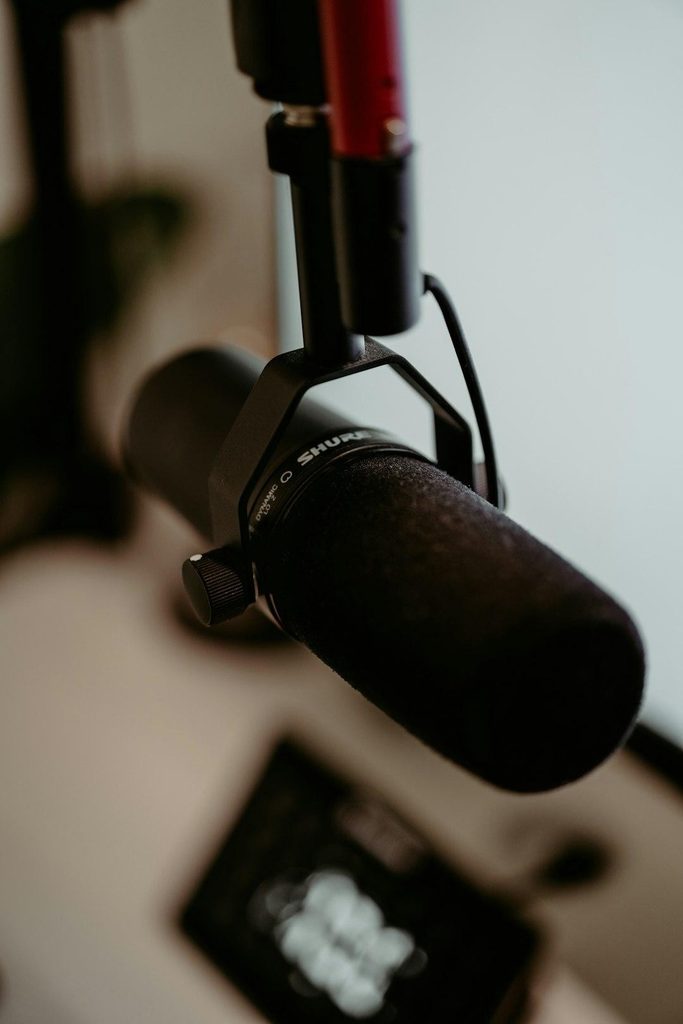
Basketball fit the format almost immediately. The NBA has a global fan base, the offseason rarely stays quiet, and the league’s culture is built around debate. Getting started wasn’t especially hard, either: a decent microphone, an internet connection, and a clear point of view were enough for a new show to exist.
By 2020, there were hundreds of shows covering game recaps, salary cap details, player interviews, and niche subjects. The format opened the door for analysts, former players, reporters, and regular fans who wouldn’t have had a place in older sports media.
That shift also shows up in industry data. Statista reported that by 2020, sports podcasts had become a meaningful part of the broader podcast market in the U.S.
Why Basketball Is a Great Fit for Long-Form Discussion
Basketball lends itself to longer conversations in a way some sports don’t. The pace is fast, but there’s a lot happening underneath: rotations, matchups, defensive coverages, and offensive sets. Defensive coverages are the ways a team arranges and adjusts its defense.
Then there’s the personality side of the league. Players post constantly, off-court news becomes part of the story, and the NBA produces talking points that last well after the final buzzer. That gives hosts room to:
- unpack one matchup adjustment and how it changed a series
- look at how a rotation tweak changed a game’s pace
- argue through how a trade rumor fits a team’s longer plan
How Podcasts Add Context Beyond the Headlines
A highlight reel can show the shot. A podcast can explain the play call, point out what failed on defense, and connect that possession to the larger playoff picture.
The extra time matters for the “why” behind a result, especially with things like:
- coaching adjustments
- injury updates and minutes restrictions
- how a team’s style lines up with a specific opponent

A podcast also gives an analyst enough room to build a case. On TV, a topic might get a quick segment. In audio, that same idea can be examined from multiple angles, tied to older examples, supported with data, and sharpened by a guest who sees it differently.
The Value of Expert Analysis and Different Perspectives
What makes the strongest basketball podcasts stand out is the mix of voices in one place:
- Former players can describe what certain coverages feel like in real time and why communication slips late in games.
- Journalists can add reporting, including front office context that doesn’t show up in a box score.
- Analysts can break down film and use advanced stats — numbers that measure performance beyond points, rebounds, and assists, to explain what’s happening on the court.
Once that kind of layered analysis becomes part of how someone follows the league, it makes sense to look for shows that bring the same approach to related NBA conversations, including how odds and market expectations are discussed alongside stats and storylines.
The Sports Geek’s Geek’d Up Bets Podcast is one example of a show that treats betting discussion as part of broader analysis, using data and current storylines instead of quick, surface-level reactions.
How Podcasts Strengthen Fan Communities
The connection podcasts create is different from most other formats. Even when someone is listening alone, it can feel like dropping into an ongoing conversation. Consistency has a lot to do with that. When you hear the same hosts every week and the segments become familiar, the running jokes land faster, and the way those hosts think through a game starts to feel recognizable.
Many shows carry that sense of connection beyond the episode itself. Common touchpoints include:
- social media threads reacting to new episodes
- mailbag segments and Q&A shows
- live events and recordings
If you’re looking for a good entry point for college hoops in a similar format, Hoop Heads Pod keeps a running list of sports podcasts focused on March Madness.
The Future of Basketball Media
Video is already part of the shift. YouTube gives shows a way to pair audio with visuals, which helps with film breakdowns, on-screen graphics, and interviews where body language adds something audio alone can’t.
Traditional media is still in the picture, and the lines keep moving. Some podcasts come from major networks; independent creators still build large audiences without any broadcast backing. The appetite for longer basketball coverage hasn’t gone away, as the fans still want help making sense of the league, hearing different takes, and following details that get lost in faster formats.
Conclusion
Basketball podcasts didn’t replace highlights or postgame clips. They filled in what those formats usually leave unfinished, explaining what happened, why it happened, and what might matter next. For NBA fans, that added context changes the experience from tracking results to actually understanding the league. As coverage keeps spreading across audio, video, and social platforms, podcasts remain one of the steadiest places to find that fuller picture.