
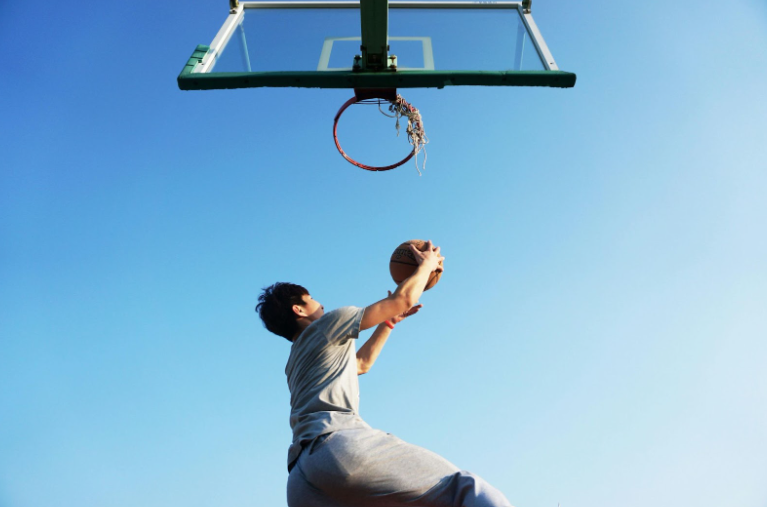
There’s something almost counterintuitive about how much a sport can shape someone’s entire university experience. You’d think the classroom stuff would dominate: lectures, exams, research papers. And sure, those matter. But for thousands of students every year, basketball becomes the thread that ties everything else together. Not always in obvious ways, either.
The thing is, most conversations about sports in higher education get stuck on scholarships and professional prospects. That’s maybe 2% of the story. The other 98% happens in campus recreation centers at 11 PM, in pickup games between midterms, in intramural leagues where pre-med students guard business majors. That’s where the real impact lives.
The Academic Balance Nobody Talks About
Here’s what coaches and athletic directors have known for decades but rarely articulate well: student athlete development doesn’t happen despite academic pressure; it happens because of it. Students who commit to basketball programs, whether Division I or casual club teams, develop time management skills that no seminar can teach.
Consider this: A forward at Duke or Gonzaga might have 6 AM practice, then classes until 3 PM, then film study, then strength training, then homework until midnight. That schedule would crush most people. But these students learn to compartmentalize, prioritize, and execute under pressure. Those aren’t just athletic skills. When they’re balancing research papers with away games, many discover resources they didn’t know existed. Some turn to trusted academic writing help to manage particularly brutal weeks when a tournament conflicts with finals. Others develop study groups with teammates, creating networks that outlast their playing careers.
The university sports student life dynamic creates something unexpected: forced efficiency. Students learn to write that economics paper in two focused hours instead of six distracted ones. They discover that paying attention in lectures eliminates hours of confused studying later. Some even strategically pay for college essays during championship weeks, recognizing that managing resources (including time and help) is itself a valuable skill. Universities like Stanford and Northwestern have documented this phenomenon in their athletic academic support programs, showing that structured athletic commitments often correlate with improved grades, not worse ones.
What the Social Science Actually Shows
The college basketball benefits extend well beyond individual achievement. Research from institutions including UCLA and the University of Michigan demonstrates measurable impacts:
Social Integration Metrics Among Basketball Participants:
| Category | Basketball Players | Non-Athletes | Difference |
| Weekly social interactions | 47 | 23 | +104% |
| Cross-major friendships | 8.3 | 4.1 | +102% |
| Campus event attendance | 12/semester | 5/semester | +140% |
| Alumni network connections | 156 | 71 | +120% |
These aren’t abstract numbers. They represent real friendships formed during bus rides to away games, study sessions organized around practice schedules, and connections made in locker rooms between players from completely different academic worlds. An engineering major from rural Montana becomes close friends with a literature student from Brooklyn because they both guard the perimeter. That doesn’t happen in lecture halls.
The basketball university social life component creates what sociologists call “weak ties”: connections across different social groups that become crucial for career opportunities and personal growth. A point guard might befriend a computer science major who later becomes a tech entrepreneur. A center might study alongside a pre-law student who eventually works in sports management. These networks compound over time.
Beyond the Court: Skills That Transfer
Something shifts in how students approach challenges after they’ve experienced real competitive pressure. Missing a game-winning free throw in front of 2,000 people teaches resilience differently than failing a quiz. The stakes feel immediate, visceral. But here’s the interesting part: that resilience transfers.
Former players often describe how basketball prepared them for job interviews, difficult conversations with supervisors, and high-pressure presentations. Write Any Papers writing service has tracked this phenomenon among their clients, noting that student athletes request different types of assistance than general students. They want efficiency and structure, not just completion. They’ve learned to manage pressure, so they approach academic help strategically rather than desperately.
Programs at schools like Georgetown and Villanova have documented how intramural basketball college experiences specifically benefit students who never played competitively before university. These recreational leagues provide low-stakes environments to develop teamwork, communication, and conflict resolution skills. A chemistry major who never touched a basketball in high school joins a dorm league junior year and discovers leadership abilities they didn’t know existed. That happens constantly.
The Mental Health Dimension
University counseling centers have identified something crucial: physical activity combined with social connection creates uniquely powerful mental health benefits. Basketball offers both simultaneously.
Depression and anxiety rates among college students have climbed steadily since 2010, with recent studies showing nearly 40% of undergraduates experiencing significant mental health challenges. But students involved in regular basketball activities (whether varsity, club, or pickup games) report notably lower rates of both conditions.
The mechanism isn’t mysterious. Running up and down a court for an hour releases endorphins. Being part of a team provides social support and accountability. Having scheduled practices creates structure in otherwise chaotic student schedules. These factors combine into something protective.
Students at institutions ranging from small liberal arts colleges to massive state universities describe basketball as their “reset button.” After a brutal exam or a relationship disappointment, they head to the gym. The predictability of the game (dribble, pass, shoot, defend) provides comfort when everything else feels uncertain. And unlike solitary exercise, team dynamics demand presence. You can’t zone out mentally when someone’s depending on you to rotate on defense.
The Career Pipeline Nobody Maps
Here’s something that doesn’t make it into recruitment brochures: The basketball community at most universities functions as an informal career network. Not through official channels or organized alumni events, but through organic connections formed over years of shared experience.
A graduate working at Goldman Sachs spots a résumé from someone who played for the same college team three years later. They get an interview. A startup founder in Seattle hires someone from their intramural league at University of Texas because they remember how that person handled conflict and communicated under pressure. A medical school applicant gets advice from a former teammate now in their residency.
These connections matter more than most students realize while they’re still on campus. The basketball community creates trust shortcuts: shared language, shared memories, shared understanding of what it takes to commit to something difficult. Employers value that.
The Transfer Portal of Life Skills
The recent NCAA transfer portal phenomenon has created something unexpected: Students learn to navigate institutional bureaucracy, negotiate with authority figures, and advocate for themselves in ways that translate directly to professional life. A player evaluating transfer options considers program culture, academic resources, geographic location, and long-term career implications. That’s identical to evaluating job offers.
Students involved in basketball programs (even casually) develop comfort with complexity. They learn that sometimes you stay with a difficult situation and work through it. Sometimes you recognize a bad fit and make a change. Both decisions require courage and self-awareness.
Why This All Matters
The university experience isn’t just about accumulating credits toward a degree. It’s about discovering capacities you didn’t know you had, forming relationships that reshape your worldview, and developing resilience for whatever comes next. Basketball serves as a vehicle for all three.
Not every student needs basketball specifically. Some find this through theater, debate teams, student government, or research labs. But for students drawn to competitive team sports, basketball offers something particularly valuable: immediate feedback, clear metrics for improvement, and unavoidable social interaction. You can’t fake engagement on a basketball court the way you might in a lecture hall.
The students who look back on their university years most fondly often point to unexpected moments: pickup games during finals week, intramural championships celebrated at 1 AM, friendships formed with people they’d never have met otherwise. Basketball creates the conditions for those moments to happen.
That’s not rhetoric or marketing. That’s just what happens when you put diverse groups of students together, give them a shared goal, and let the game do its work. The benefits ripple outward in ways that become clear only years later, when former players realize that the skills they developed on the court (resilience, communication, strategic thinking, teamwork) became the foundation for everything that followed.