
“THE TRIPLE DOUBLE” #17 WITH ROB BROST, BOLINGBROOK (IL) HIGH SCHOOL BOYS’ BASKETBALL HEAD COACH – EPISODE 1068


Website – https://il.8to18.com/bolingbrook/athletics/basketball/b/v
Email – raidershoops@comcast.net
Twitter – @BrookHoops
If you listen to and love the Hoop Heads Podcast, please consider giving us a small tip that will help in our quest to become the #1 basketball coaching podcast.
The 17th episode of “The Triple Double” with Rob Brost, Bolingbrook (IL) High School Boys’ Basketball Head Coach. Rob, Mike, & Jason hit on three basketball topics in each episode of “The Triple Double”.
- Developing Basketball IQ
- Playing against Junk Defenses
- Full Court Pressure Defense – When, Why, and How
On this episode Mike and Jason welcome back Rob Brost to discuss Developing Basketball IQ, Playing against Junk Defenses, and Full Court Pressure Defense – When, Why, and How.
Be sure to follow us on Twitter and Instagram @hoopheadspod for the latest updates on episodes, guests, and events from the Hoop Heads Pod.
Be sure to have your notebook handy as you listen to “The Triple Double” with Rob Brost, Bolingbrook (IL) High School Boys’ Basketball Head Coach.
What We Discuss with Rob Brost
- Developing Basketball IQ
- Playing against Junk Defenses
- Full Court Pressure Defense – When, Why, and How
Like this show? Please leave us a review here — even one sentence helps! Consider including your Twitter handle so we can thank you personally!

We’re excited to partner with Dr. Dish, the world’s best shooting machine! Mention the Hoop Heads Podcast when you place your order and get $300 off a brand new state of the art Dr. Dish Shooting Machine!

Prepare like the pros with the all new FastDraw and FastScout. FastDraw has been the number one play diagramming software for coaches for years, and now with it’s integrated web platform, coaches have the ability to add video to plays and share them directly to their players Android and iPhones via their mobile app. Coaches can also create customized scouting reports, upload and send game and practice film straight to the mobile app. Your players and staff have never been as prepared for games as they will after using FastDraw & FastScout. You’ll see quickly why FastModel Sports has the most compelling and intuitive basketball software out there! In addition to a great product, they also provide basketball coaching content and resources through their blog and playbank, which features over 8,000 free plays and drills from their online coaching community. For access to these plays and more information, visit fastmodelsports.com or follow them on Twitter @FastModel. Use Promo code HHP15 to save 15%
Your first impression is everything when applying for a new coaching job. A professional coaching portfolio is the tool that highlights your coaching achievements and philosophies and, most of all, helps separate you and your abilities from the other applicants.
The key to landing a new coaching job is to demonstrate to the hiring committee your attention to detail, level of preparedness, and your professionalism. Not only does a coaching portfolio allow you to exhibit these qualities, it also allows you to present your personal philosophies on coaching, leadership, and program development in an organized manner.
The Coaching Portfolio Guide is an instructional, membership-based website that helps you develop a personalized portfolio. Each section of the portfolio guide provides detailed instructions on how to organize your portfolio in a professional manner. The guide also provides sample documents for each section of your portfolio that you can copy, modify, and add to your personal portfolio.
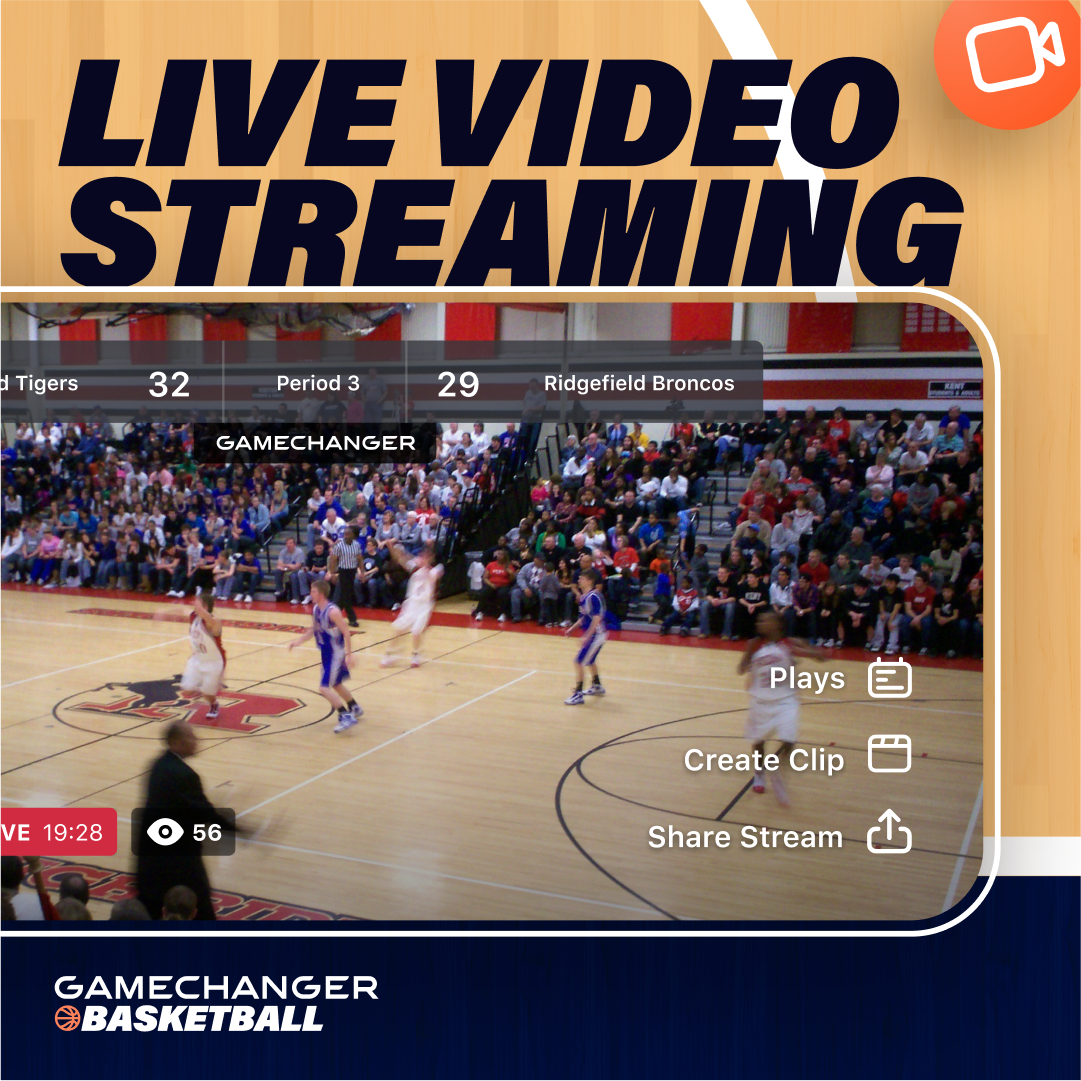
Hey, coach! Want to take your team to the next level this season? Introducing GameChanger, the ultimate game-day assistant with tools to give you a winning advantage. With GameChanger, you can track stats, keep score, and even live stream games, all for free! Get the stats and crucial game video you need to lead your team to victory, all from the palm of your hand. Coach smarter this season with GameChanger. Download GameChanger today on iOS or Android and make this season one to remember. GameChanger. Stream. Score. Connect. Learn more at GC.com/HoopHeads
THANKS, ROB BROST
If you enjoyed this episode with Rob Brost let him know by clicking on the link below and sending him a quick shoutout on Twitter:
Click here to thank Rob Brost on Twitter
Click here to let Mike & Jason know about your number one takeaway from this episode!
And if you want us to answer your questions on one of our upcoming weekly NBA episodes, drop us a line at mike@hoopheadspod.com.
TRANSCRIPT FOR “THE TRIPLE DOUBLE” #17 WITH ROB BROST, BOLINGBROOK (IL) HIGH SCHOOL BOYS’ BASKETBALL HEAD COACH – EPISODE 1068
[00:00:00] Mike Klinzing: Hello and welcome to the Hoop Heads Podcast. It’s Mike Klinzing here without my cohost, Jason Sunkle tonight, but I am pleased to welcome back in from Bolingbrook High School, Rob Brost for Triple Double number 17, Rob.
[00:00:17] Rob Brost: I think we’re getting right up there and we’re going to have to carry the load without Jason tonight, but I think we’re up to it.
[00:00:24] Mike Klinzing: I think we’re going to be able to do it. And we are going to talk some interesting topics tonight. We’re going to start with. Basketball IQ and how you as a coach can help your players to develop their IQ. And I’m going to kind of let you take this in whatever direction you want to go with it. When I came up with the question, I was kind of thinking in a practice setting, but you take it whatever direction you want to go.
[00:00:46] Rob Brost: Yeah. I think the development of basketball IQ is really hard, right? Because basketball has become so selfish. And so me oriented. Rather than team oriented. And so I think teaching basketball IQ is even more difficult, right? Because every good player now, I shouldn’t say every good player, but most really talented players and even some average players have their own trainer and they go see this guy and then they go see that guy and they have a lot of people in their ear as to what good basketball looks like.
And that. Plays a part in a large part in developing basketball I. Q. And so I, I think for us, what we try to do is create two things. And one is good habits, right? And so and the other one is decision making on the floor. And so. Basketball IQ is really helped, the development of the IQ is helped by putting kids in situations where they have to make decisions on the floor.
And so we’ve talked a little bit about this before. If your team plays my team 10 times, there’s going to be 10 different games that are played, even though they’re worthy, exactly the same teams. And so. developing that IQ is going to be critical and putting kids in situations where basketball is random, because that’s what the game is.
Coaches like to think they know what’s going to happen. Coaches like to think they can predict every play and all those things and that they have control, but the exact opposite is true, right? And so. The best way to help your team win, in my opinion, is to help develop that IQ and that’s putting them in situations where they have to make decisions.
And you can help them with those decisions, obviously, and you can correct those to a point, but I think there’s so much over correction in basketball now and so much over coaching, if that makes sense. And so letting your kids figure it out, so to speak. And letting your players play through some things I think is really critical, not panicking as a coach, I think helps with basketball IQ, all of those things.
And the whole culture thing that we talk about all the time on this pod I think helps develop that. Now, when you get specific, specifically into practice situations and those things, then you get into philosophy things and how you want to play and all of those things. Thanks. Bye. I think developing IQ is critical and how you go about doing it is first setting the culture and then you develop habits and then you go to the decision making piece.
And so that’s just how we do it here at Bowling Brook. I don’t know if it’s right or if it’s the best thing or what it is, but it’s, it’s how we do it.
[00:04:01] Mike Klinzing: Practice setting. How much time do you spend going off court, quote unquote, versus. Going full court because I think when you start talking about Making decisions depending again on how you play.
I know you guys play fast and get up and down the floor But but how do you parse out that time within practice in terms of going over the half court sets versus getting up and down? The floor five on five
[00:04:30] Rob Brost: as it gets closer And more toward playoff time we work more in the half court because the game slows down a little bit in the playoff the flip side of that is When it slows down more than those transition baskets are even more critical.
So to get some of those is really great. And so in general we’re working in transition and in the full court much more than we are in the half courts. But as we get closer to playoff time and we’re in playoff time, like last week we had our last regular season game and then we had a full week of practice.
We did a lot of things in the half court. And then we actually worked on topic number two because we see a fair amount of that, which we’ll get to in a, in a little bit, but we did a lot of work in the half court, whereas at the beginning of the season, we would do much less work in the half court. I think, and I’ve said this on this pod many times, I think the most overrated thing in basketball is half court offense because you don’t do it very much.
And then when you do do it, it’s about decision making, right? And so if you can get your kids to make good decisions and then go from there, so we like to say, we want to teach our guys how to be players and not just teach them plays, obviously everybody has sets and plays and specials and all of that, that they run at the end of the day, you need to make a play and you’d be shocked how many times I go into a timeout in a critical situation and I tell them what I think the other team’s going to do.
And then I say. Their coach is telling them what they think we’re going to do. You’re going to have to make a play, whatever breaks down, whatever happens, you’re going to have to make a play. And so we practice those things in practice, the randomness of that, like we’ll tell our defensive unit to blitz a ball screen, for example, when a team hasn’t been doing that.
in a practice setting and then we see how our guys can make adjustments and then make decisions. Right. And so that all plays into the IQ piece. And then we do a lot of things in the full court, race car a bunch of drills that I’ve kind of talked about in, in the past that make our kids make decisions.
We do a lot of short sighted games with advantage. Where we give the offense the advantage or the defense, the advantage in some cases, and then our kids have to play out of that. And then it’s random. It’s totally random. We, we just play. And so we want to space the floor, we want to attack closeouts, and then we want to make good decisions.
And one of the things we started doing, I don’t know, three or four, five, maybe it’s five or six years ago, we’ll, we’ll stop the action. Where the mistake was made and then pick it up right from there. So if a kid turned it over as he was driving to the bucket and he had an easy pass open and he missed it or whatever, we’ll go, I’ll say, go back to right where you were before he turned that over and then we’ll give him the ball.
And then I’ll say, as soon as he passes it, then we’re going to play. And then we start right from that spot. And so where the poor decision was made, that’s where the starting point is. And so we’ve gone to that, not exclusively, but we do that a lot in practice where we stop guys where the mistake was made, quote unquote, and then we play right from there and then it’s live.
And so that’s helped our decision making immensely because it not only shows the kid. where the quote unquote mistake was, I don’t want to call it a mistake, but the poor read or the turnover or whatever. And then not only does he see where it was made, then he gets to correct it and then see the results of the next thing that happened.
And so that’s been really good for us. And so we don’t do it. We do a lot of short sighted games with different actions, but we don’t do a lot of breakdown where we’re playing. we want to play five on five, right? Whether that’s in the full or the half, so be it, whatever we need to work on. But we want to play like, make it game like as much as possible.
Now, in our short sighted games, we’ll obviously play three on three, and even some two on two on one side of the floor, or some three on three on one side of the floor, something like that, so. We’ll obviously do those things and break it down into little pieces. But when we’re doing shell drill, for example, we do with five guys out there because there’s never a time where you’re going to have four guys out there.
And so that’s just one example and all of that plays into the whole IQ thing.
[00:09:17] Mike Klinzing: You do more of the small sided game stuff like in the preseason and early in the year as compared to what you do now. Just curious.
[00:09:26] Rob Brost: Yes, yes. Yes. Thanks. Because when you do the small sided games and you only have three guys out there, then everybody’s making a decision on almost every pass, right?
Yep. You’re either going to need to cut or space or fill or replace or whatever your terminology is that you’re using with your team, but you’re going to need to do all of those things. And there’s a lot of decisions to be made right there. And so. We do a lot more of the short sighted games at the beginning of the season than we do at the end.
Like today, we have a game tomorrow, but today we didn’t do any short sighted games. We, it was all five on five. We went over the scout. We went over the sets and we played for about 15 minutes was all. And we, it was all five on five, some in the half, some in the full. And that was it. So and how I feel about having our guys fresh and ready to go.
And so that’s my big, we went for about 45 minutes or an hour. We watched a little film before that. We were on the court for about 45 minutes and then we got them out of there. Now, several of them are working out right now, just shooting and doing some, some other things. while I’m doing this podcast, so, but it’s goodfor our guys to get some shots up and that type of thing.
And workout situation, and it’s not all of our guys, but four or five of them are currently in the gym right now, and I only know this because my son is one of them, and he’s there, so that’s good.
[00:10:51] Mike Klinzing: When you look back over your coaching career, and you kind of think about the players that you would define as having a high basketball IQ, what do you think, what do you think drives a high basketball IQ outside of what you do with your team in formal settings?
[00:11:11] Rob Brost: I think this is going to sound funny maybe or weird, but I think the parents and where you grow up and how you grow up has a lot to do with that. And how much you’ve been around the game has a lot to do with that as well. And so I’m super biased right now because Trey’s our point guard, but he’s one of the most unselfish players we’ve ever had.
One of the more high IQ players we’ve ever had. And I think in large part it’s because he’s been around the game so much. And he’s been at practices when he was four, five, six, seven, eight, just hanging around listening. And then we’ve had some pretty good players during that time as well. And now they help him and they talk to him.
And so I, I think the support group that you have around you, I think helps and I’m not trying to pat myself on the back for Trey, but he’s just been around it a lot. And so therefore. he doesn’t care if he scores, he literally doesn’t care. And that is hard to find now, even sometimes on my own team.
And so that helps develop the IQ piece. And a lot of players say, all I want to do is win. But then the first thing they do is run to social media and then put how many points they had up there. And they don’t say anything about the rest of the team or whatever. this, this app, you, you see this on social media, I’m not speaking on my team specifically.
I’m just talking in general. And so now that seasons are starting to end for some guys, I think it’s really. Coming around, like who’s who’s playing together and that those types of things. And that doesn’t guarantee that you’ll win, but it gives you a chance to
[00:13:03] Mike Klinzing: win. Yeah, that unselfishness.
And I think you make a great point about the parents and just the amount of exposure that they’ve had to winning basketball. And when I think about players that I’ve seen that have a high IQ, for me, high IQ almost starts and ends with Your ability to make simple easy passes and just move the ball to the next guy.
Not everyone has Supernatural peripheral vision that they can pick you out and throw no look passes and whatever but players have a high basketball IQ the first thing that you notice about them is that they don’t take bad shots and they move the ball to open teammates and as Silly as that sounds and as simple as it is You and I both know that that is a very, very rare quality in the game of basketball.
And I don’t know if I shared that. I know I’ve said this on the podcast at some point. I don’t know if I shared it with you during one of the triple doubles, but I’ll be sitting in there. I was sitting in the stands one time with my daughter, who’s a freshman in high school. This was, it was sometime earlier this season.
We were at a game and she’s like there was somebody threw a really nice pass in the game and I clapped and said, Oh, that’s a really nice pass. And we weren’t, it wasn’t like I wasn’t rooting for one of my kids or a team. We were just at a game watching my daughter. She turns to me and she looks at me and she just says, dad, the only thing you ever clap for or excited about is when somebody throws a good pass.
You don’t clap for anything. You don’t smile for anything else. Like yeah. Like I just love passing because it’s such a rare skill and I know how important it is for winning basketball. It’s really kind of amazing when you think about all the time and energy and effort like you mentioned guys that everybody has a trainer now and Again, when you’re with a trainer, you’re primarily working on your ability to score the ball.
That’s what most trainers are putting the time in. That’s what most kids want to work on. It’s probably the most fun part of the game, right? Seeing the ball go through the hoop. It’s amazing the amount of basketball knowledge that we have out there in the game, Rob, and that so many players, and I don’t want to say coaches, because I think coaches understand it, but so many players don’t understand the simple formula for winning basketball of just Move the ball to the open player.
And it’s like I said, you don’t have to be this great, unbelievable Magic Johnson, Nicola Jokic type of passer. You just, you just have to throw the ball to the next person who’s open on your team. And if you have five players that are going to do that, all of a sudden now you’re going to get unbelievable shots almost every time down the floor.
And it’s just, it’s amazing that more, more players with all the knowledge that we have out there and the number of coaches that. I’m sure sharing that within the confines of their team Atmosphere their team practices that we don’t we don’t get more of that. It’s it’s kind of crazy to me.
[00:16:05] Rob Brost: Yeah, I mean the the story you told about your daughter is interesting because trey and I When we’re watching a game really the only thing I point out to him like i’ll say that was elite point guard play and it’ll be something a little like Putting a guy in jail on your back and just pausing and then finding the right guy to draw on kick and that, that type of thing.
And then I’ll say that’s elite point guard play. Well, two or three games ago, he, he made a pass and it wasn’t like a fancy pass. It was just like an extra one or just passing up the floor. And he kind of ran by me. It was like elite point guard play and I don’t know, there was a little bit of like, Hey dad, I’m tired of you saying that to me, but there was also a little bit of, Hey dad, I am one of those.
A little bit of that in there too, which was good. Then that story that you told about your daughter reminds me, cause I don’t really talk about other teams and what they should do. And cause I don’t know their teams and I feel like it’s not my place to tell other teams and I don’t know them, but I do point out when we’re watching with him, like elite point guard play.
And it was, it’s just funny that he then pointed that out to me when he. Did something simple that I, because sometimes he says that’s not elite point guard, but I was like, yeah, it is watch. How many people do not do that? Yep. Yep. And so it’s, it’s interesting that, that you would mention that.
So it’s, I think in this day and age when so many people are in kids ears and they’re so influenced by social media and all of those things, and that can be a good thing too. Right. And so. Like, if you see Steve Dags, for example, and his stuff that he puts on social media, that’s really good. Like, that’s stuff I want Trey to see, and I want all my players to see and learn and listen.
And then you see some other things where it’s just Me, me, me, and look at what I did. And I made 200 jump shots and all of those things, like every workout here’s highlights from my workout. Here’s highlights from the second half of the JV game just come on. And so I think all of that plays into it with kids these days.
Well, IQ by osmosis, no doubt, no doubt, no doubt. You got to do it in some ways. It hurts your IQ. If you get the wrong osmosis, if you don’t want to meet
[00:18:32] Mike Klinzing: correct, the osmosis can go many different directions without, without question and what the osmosis is from the time you’re six years old and your parents start yelling, shoot it.
Every time you touch the ball, that message tends to sink in, unfortunately. And so,
[00:18:49] Rob Brost: yeah, you have to already. I’m already thinking about like when Trey gets to college or whatever, and then he might not play or he might not be in the first group or whatever the situation is. When we need, like your job is to be a good teammate.
That’s it. That’s your only job is to be a good teammate until you get onto the floor. And then even when you’re on the floor, your only job is to be a good teammate. And so that’s the challenge that I have, not only for him, but for. All of our guys. Right. And that’s really hard to do because you might not think you have a role.
You might not like your role necessarily. It might be new to you. And so your only job is to be a good teammate and then work so hard and do so well that the coach can’t keep you off the floor. That’s your thing to do. And if you can’t do that, that’s on you. And so as kids grow and mature, I, I hope, or I would think, That, that would be more the point of, of why, why people play, but sometimes it’s not as we talk about all the time.
[00:19:55] Mike Klinzing: Absolutely. I mean, that’s Rob, a conversation, what you just described for any parent of any player anywhere on any team. When you think about what should I, if a parent asks you, what should I be talking to my kid about? Like, honestly, we could just take that 30 seconds of what you just said. I can’t even tell you over the course of.
My son’s four years of high school, and now this year as a first year college player who got in some games but didn’t play nearly as much as he would have liked to or have hoped to, the conversation has been the same for the last five years since he was a freshman in high school, and my conversation with him almost mirrors exactly the same.
What you just said, like you have to keep working. You have to do the things that that you’re capable of doing. You have to do them as hard as you possibly can, and you have to do whatever you can to help your team win. And sometimes that’s being the best practice player. Sometimes that’s being the best cheerleader on the bench.
Sometimes that’s being. The first guy bouncing off the bench at a timeout to give guys a high five. And those conversations are, I don’t want to say they’re hard. They’re hard because any player wants, again, wants to play, right? Wants to get as many minutes as they can. And so when you don’t, then how I react as a parent certainly has an influence on my child’s attitude.
And ultimately in the long run, and this is what I would tell any parent, ultimately in the long run, if your conversation is, the guy ahead of you stinks, how come he’s playing, your coach doesn’t know what he’s doing, that might feel good in the moment, but I guarantee it doesn’t help your kid get to where you’re at.
You want them to go. And so it’s man, I think that’s part of like that. That’s, that’s basketball IQ by osmosis. That’s a conversation with somebody who, again, I feel like my son has had a huge advantage, just the same way Trey has a huge advantage with you is somebody who has experience in the game over many, many, many years and then is able to relay.
It’s not just about it. It’s not just about, Hey, this is the whole team is set up for Trey or set up for Cal. That’s not the way, that’s the way, that’s not the way, that’s not the way it works. And so when they, when they hear that message at home, again, it sinks in. And I think that when you bring a positive attitude and you work hard, eventually good things are going to happen for you.
And that’s just the message that I think for any parent out there. Go back, go back three minutes in this pod and just listen to Rob’s conversation and just copy that and have that conversation with your own player.
[00:22:37] Rob Brost: Yeah, and I think the easy thing for both players and parents to do is to make an excuse.
And well, this is happening or that’s happening because then that excuses your play and then it’s not on you, it’s on somebody else. And that’s the easy thing for people to do. And now we’re getting into a whole different topic, which we can do next time. That’s, or the next time on triple double.
But I mean, the, everybody wants to have an excuse for their play and you, you can’t do that. You gotta own. Your stuff. So anyways, I’m
[00:23:12] Mike Klinzing: marking that, I’m marking that down. Excuses. Topic. Number one, next time. That’s right. All right. Topic number two for tonight, junk defenses. And when I came up with this, I know with the success, obviously that you guys have had that I’m sure over the years you have seen many, many junk defenses.
So let’s start with just again, when you see a junk defense, what’s the philosophy on how you attack it and, and what you try to accomplish when you’re going against a team that throws one at you.
[00:23:39] Rob Brost: Yeah, well, I think the thing that we do now, which is way better than what we did even five years ago, we make the person that is being face guarded or the one of the box and one or the two and the triangle and two, we make them into screeners.
And then, for example, if they’re playing box and one, then you’re taking two guys, two defenders out of the play with the screen instead of just one. And then you’re playing four on three and now you’re playing advantage. And now you’ve been working on decision making all the stuff that we talked about in the first segment.
And now you’re playing four on three. And so immediately what we do and we have two really, really, I mean, we have more than two really good players, but we have one or two elite players on our team right now that get mistreatment sometimes as far as face guarding or boxing one and immediately as soon as we see that that’s happening, he just starts screening people.
And it’s crazy how open our guys get, because the guy that’s face guarding you, isn’t going to leave you. And then if you screen that guy, now we have huge advantages all over the place. And so we, we don’t even give our guy any other instructions except for start screening, start screening, and keep screening.
It doesn’t matter who, it could be on the ball, off the ball, away from the ball. Just start screening somebody and you’re automatically going to make two play one, which is what we try to do in our offense anyways. You make two guard one and that’s what’s happening when he screens. And so that’s our biggest adjustment that we’ve made.
And of course we have sets and specials now that we, we have in, especially against a boxing one or when they’re face guarding on one of our guys to go to go against that. But the biggest thing we’ve done is just told the person that’s getting the one or the face card to start screening people.
And just that alone opens up things for everybody else. And when we play off advantage and we space the floor, we’re going to get really good shots for our other guys. And then they’re going to start not shading him so much. And then all of a sudden he’s going to be open after three or four or five possessions.
And so. Sometimes you have to be patient with it, but a lot of guys get frustrated that that’s happening to them, instead of be a good teammate and do what the team needs right now. And it’s going to open you up by the time we get to the third quarter, fourth quarter, whatever, if the other guys do what they’re supposed to do.
So, that’s the biggest adjustment we’ve made. We don’t use ourselves a lot of junk defenses against other teams. We just haven’t done that. I don’t know if there’s an exact reason for it, but I, I, I believe in doing what we do and then try to just do it better. And so we, we obviously shade towards guys and we might face guard a guy for a possession or something like that.
Or we might try to deny a guy in the fourth quarter, something like that. But we I mean, since I’ve been here, we haven’t played much junk defenses, but we’ve gotten some junk defenses thrown against us. Is
[00:27:04] Mike Klinzing: there a conversation to be had, whether it’s. Leading into a game where you think you might see a box in one or like during a timeout when a team throws that at you with the player who’s being face guarded or box in one, where you have to say, in addition to saying, Hey, we just want you to start screening, here’s what’s going to happen, it’s going to pop open your teammates.
But we also know that if you keep doing that, you’re going to. Get the ball and be able to still do your thing. Cause clearly a player who’s being boxed in one, this kind of ties back to the previous conversation, right? That no matter what we think about basketball IQ and scoring players who score like to score.
I like to think that I had, I’d like to think that I, I’d like to think that I had a high basketball IQ, but when I was being boxed in one, I know that I still have to be able to score and not just watch my teammates score every time. So is that a conversation? That’s had at some point during the season with those guys.
It’s
[00:28:05] Rob Brost: definitely, it’s definitely a conversation. And it’s that goes back to the culture piece and all the other stuff too. Because it’s coming. And like, we talk about our team that we have, last week we had that whole week of practice. We practiced against teams face guarding our leading scorer.
And so it’s going to be frustrating and we can’t have you losing your mind and forcing up shots when you touch the ball and then they force you into some bad shots. Now, obviously, usually your best scorer can make some shots that other guys cannot. So I don’t want to take that away from the player either.
But at the same token, we can’t just be chucking shots because it’s, it’s win or go home at this point. So we need to, to play right. And you need to be a good teammate and then we’ll let the chips fall where they may, but I I’m really confident that if we do what’s best for the team that we’re gonna Nine times out of 10 prevail in the game.
It doesn’t guarantee that, but most times that, that is the case for sure. So I, I think there’s a definite conversation and then there’s a definite follow through, but I think you have to practice it too. And that’s where this last week and then a little bit, two weeks ago, we practiced against this because we haven’t seen a lot of that because we have other weapons that I think people are afraid to do that to us.
But in the playoffs, I think anything goes for one game. I mean, we could it could go any direction. You, how that goes. Have
[00:29:48] Mike Klinzing: you found that teams typically get out of it relatively quickly? Once you guys have started to attack it, or do you have teams that stick with it for a long time despite the fact that it may not be working as effectively as they thought?
[00:30:03] Rob Brost: I think if we make shots that they get out of it pretty quick but we have to be patient too, right? So sometimes we’re not making shots, so we just need to keep playing right and not lose our mind because that’s what they want. Like I tell our guys, they’re doing this junk D because they don’t think they can win.
That’s why they’re doing this. So let’s not play into the reason that they’re doing this. Let’s do the right thing and which is spacing and sharing and playing off advantage and all the stuff that they’ve been taught the whole time. But it was five on five. Now it’s like five on four and a half because they’re taking.
Our guy away as, as best they can. And so every team is a little bit different that we play against. And so we talk about this all the time. Every team has a, a quit point. We call it like where they’re going to quit because they can’t do it. And you want, well, we need to find that in whatever team we’re playing.
And we can’t allow that to happen to us. We can’t have a quit point. We, that’s what we call it, like where they’re giving, we call it giving up, but like, of course they’re not giving up, but like when they know the game is won, and so when you’re close to that, that’s when you really got to hammer it and then let the chips fall where they may, obviously.
[00:31:25] Mike Klinzing: I feel like teams that run a lot of sets and patterns, I think are more susceptible to a junk defense as opposed to a team that’s playing a more free flowing. Decision based principles of play style of basketball, where if you’re used to making decisions and making reads like we talked about in topic number one, then it’s just a matter of, okay, now, yeah, you take this one guy out and he’s being, he’s being face guarded or he’s being chased all over the floor and you use that player to set screens as you talked about now, everybody else is just far more open as opposed to if you’re, if you’re in a set and that player is usually the one Whether it’s receiving a screen or whatever, now suddenly that junk defense, I think can become more effective.
So when I think about a junk defense, I always think that if you’re playing a team that patterned, that’s a much more effective tactic than against a team that’s more free flowing.
[00:32:21] Rob Brost: No doubt. And that’s where it’s sometimes difficult to do that to us. Now I probably just jinxed myself and I would hope it’s difficult to do that against us because we play in such a manner.
Obviously, we have sets and specials and all those things. So I don’t want to make it sound like we’re just rolling the ball out there. But on the other hand, we want to roll the ball out there and just space the floor and make some plays and make reads off of that. And so when you can get your players to buy into that, and I say this all the time, you want to play like 95 percent of the high school teams where we just run set after set and coach has complete control.
Well, then keep making bad decisions because I can do that too. We can do that too, but let’s, don’t put yourself in a position where that’s what we have to do. So if you are making poor decisions with the ball over and over, then I got to take some leash back, and then I have to control it more. And I don’t want to do that.
I want you to be in control. So it’s a little bit of truth to that. Not a little bit. There’s a lot of truth to that, but there’s also. Making your players believe that you trust them and I do trust my guys. I’m not just making it up, but on the other hand, I’m being truthful with them. If they keep making poor decisions or bad reads, then I have to take some control back.
And so. nobody wants that when I talk to them, I say, do you want to play like X, Y, Z school? And I’ll name the school, like, you want to do that? You want to run pattern after pattern, after pattern, you want to do that? So everybody gets the same exact amount, touches in the same exact spaces and just whatever the coach wants.
You want to do that? And then of course they’re like, no, we don’t ever want to do that. So then it all plays upon all of it. So I’ve said this a bunch of times, I’m kind of an amateur psychologist as well. Not only with our team as a whole, but individual players and that plays a part into that as well.
And I think good coaches are able to reach their team at a different level, which is another topic for another pod for sure. And I think when you can do that, then you got the start of something for sure.
[00:34:42] Mike Klinzing: Yeah, absolutely. All right. Topic number three. Pressure defense and thinking about when you use it, why you use it, how you use it, do you use it differently with different Rosters and different personnel from year to year.
Just give me your philosophy on pressure defense. I’m thinking primarily Full court in this case, obviously you can get up and play pressure defense in the half court too But I’m thinking about when you put on a full court pressure defense What sort of the parameters for when and how and why you want to do that?
[00:35:14] Rob Brost: Well, I think you always want to make the offense uncomfortable, right, and do things that they’re not accustomed to doing. And I can’t tell you how many times we’ve shown tape this year where we’ll just point out on a scout tape, you see how the defense is just letting, just standing there and letting them survey, letting them do whatever they want.
And so we don’t want that. We want the opposite of that. We want them to have to make a play, not to run plays. That makes sense. So we want to blow up what they’re used to doing and make them make plays. And so the exact thing that I try to have our kids be comfortable doing, I want to make the other team do, if that makes sense.
And so a lot of teams cannot do that. like we might say, Hey, we’re going to deny entry to the right for the first three possessions. And you would be shocked how many teams are just completely thrown by that.
[00:36:17] Mike Klinzing: Yeah,
[00:36:17] Rob Brost: absolutely. Or we’re going to blitz the first three high ball screens. Teams just aren’t used to doing what they aren’t used to doing, right?
And so, and if we can get two or three turnovers or even just even a dead ball turnover or a bad shot so that we can get out in transition. That’s what we want. And so we want to make those things happen. And I get the traditionalists that are like, Oh, pack line and keep them out of the lane and all that.
Well, if you allow us to reverse the ball and do what we want all the time, I don’t know how you’re going to stop us. And we’re not the Lakers or anything like that. But like, I, I bring up, we played Vashon several weeks ago. They’re three time defending state champs out of Missouri and they pressured us from start to finish.
I mean, they were up in our shorts, stuff we don’t really get around here because teams are afraid to do that. And I mean, they beat us. I mean, we were up six in the fourth quarter, but they ended up beating us and they kind of just wore us down in the last two minutes. We, we just didn’t, didn’t execute.
And it was because of the relentless ball pressure. That they put on us the entire game. And so now I just probably gave a scouting report out to whoever’s playing us, but this, I don’t think this will air tomorrow or the next day. So anyways, you’re good. So I think the pressure we like to use it almost constant, not necessarily zone pressure or.
Try or a diamond press or anything like that, but man full for sure. But we always say it’s man full without getting beat. So we want to pressure without fouling while still, still keeping your man in front. All of those things have to happen. And so we know it’s a lot, we know it’s hard to do, but that’s what we’re asking you to do.
And so you have to figure out what that looks like for you. Cause if I’m guarding Kyrie Irving, I might have to back off a little bit. If I’m guarding a kid, I’m just as athletic and I’m just as quick as him, then I can get up and get in him a little bit more. And so you gotta, yeah, you gotta do it all.
Now certainly we’ll press with diamond press and man press and some, some other things in the full court just to get pace up and to get teams moving a little bit. I think we’ll do a little less of that when the shot clock is full go. A lot of the games we have are played with the shot clock now, but.
About half of them aren’t still in Illinois because we’re it’s still like light years behind most states, but next year, I think it’s going to be all of our conference games and then the following year, it’s going to be everything is going to be shot clock. So we’ll adjust a little bit when that comes.
So we, we want constant pressure for sure without getting beat and then obviously we’ll use diamond presses and run and jump and some other things when we want to force tempo a little bit.
[00:39:17] Mike Klinzing: Yeah, that’s what I was going to say, when you’re picking up man full court, do you find yourself most of the time just pressuring the ball with the, with the on ball defender and trying to turn the guy and just make him work and sort of having it be a just trying to wear a team down and how, or how much, how much do you trap and run and jump out of a man, out of a man press?
[00:39:37] Rob Brost: Well, we don’t trap and run and jump a bunch because we want to be solid in our D if that makes sense. And so when we’re even garden man in the fall, we don’t try to turn them where we, we just try to make them uncomfortable, however, that looks. And then in the half court, this is going to put some guys, they’re going to roll their eyes.
And some of these old school guys, we don’t want to turn guys really at all in the half court. Cause when you turn guys in the half court, then they have advantage on you. And we don’t want that. And we started doing this in the half court, maybe two years ago. Where we don’t turn guys, like we’re not turning you because when they reverse pivot or they go between the legs and change direction, then they have advantage immediately because you have overcommitted.
That’s why he’s turning in the first place because you’ve overcommitted. And so we don’t like to be in rotation and I know that’s like what you don’t like to be. No, we don’t like to be in rotation. We don’t ever want to be in rotation. Obviously we are. And we practice it. But these teams are like, you got to practice help the helper 7, 000 times.
No, don’t get beat off the dribble. How about that? Then you don’t have to do that. Well, you have to practice rebounding. Well, if you’re inside your man, you don’t have to practice rebounding that much, and if you don’t get beat off the dribble, you don’t have to practice rebounding that much because you are at a constant advantage because you’re between your man and the basket.
So when people say like block out and all of that. A lot of times you don’t have a block, block out problem. You have a getting beat off the dribble problem because you’re in rotation and there’s nobody to block that guy out because the guy had to rotate. And so that just gets into a philosophical thing with, with the defensive pressure and all of that, but you got to find a good balance of that with your team because you can’t just sit back and let other teams do whatever they want, but you can’t pressure so much where you’re getting beat off the dribble because then you’re in rotation and then you have a myriad of issues.
And so what we like to do is what we want to do on offense, we try to take that away on defense, right? And that’s getting beat off the dribble because we want to get to the leg, right? And we want to play off advantage. So we don’t want to give up advantage when we’re on defense. So the, the philosophy kind of is what it is and it seems simplistic and it is, but it’s much harder to execute as everybody knows.
That’s coach
[00:42:03] Mike Klinzing: force, middle force, baseline doesn’t matter. What’s your thoughts on that?
[00:42:07] Rob Brost: Yeah, well, for a while, we, we ran man left defense exclusively when we were running man where we wanted everything on the left side of the floor. And for some reason, I’ve been kind of looked at as a guru of that because I made a video or whatever.
But we’re not doing that as much now because we were getting snaked back to the right so much. And then we were at disadvantage, right? And so, we want to keep the ball in front now. That, that’s, that’s our thing. We want to keep the ball in front and then we can pressure as much as we’re comfortable with.
So we’re not a no middle team or forced baseline team, we’re not any of that. We want to keep the ball in front. And sometimes we do a good job, and sometimes we don’t. And we play a team tomorrow that’s, if they get to the lane, we’re done. Like, there’s no way we can beat them because they Make such good decisions.
They got finishers everywhere. We just gotta keep in front and make them make plays over us. And so, again, the whole thing, make them make a play rather than run their plays, that plays a part into it. So, we’ll do some things like blitz the ball screen every now and then, or take away the entry for a possession or two, or right out of a timeout, those things.
And that confuses teams a lot. And we’ll play a little zone probably in the playoffs. That’ll work. In the regular season, we didn’t play much zone at all.
[00:43:35] Mike Klinzing: The ball in front looks different for every guy, depending upon their ability to move their feet and who they’re guarding and that kind of thing. I think that’s when you start talking about hard and fast rules defensively, it’s sort of it’s analogous to the, to the free flowing offense, right?
Like the defenses, every guy, every guy’s pressure looks different depending on their matchup and depending on their ability to slide their feet. And I do think The one thing that struck me that you said a couple minutes ago was just playing against a team or watching a team on film where the team just passes the ball around the perimeter and there’s no pressure and the ball moves side to side and then eventually they’re able to attack and get what they want and whenever I see a defense that’s being played that way, I just always wonder, especially at the high school level where there aren’t that many players, especially on your average high school team, that with somebody up on them, Can make a good decision and can make a good play off the dribble.
I mean, every team probably has one or two that are okay, but the, at the high school level, you rarely are finding and running across a team that has five guys that can put the ball on the floor and blow by a defender and then make a decision in a five on four and make the right read and do what they’re supposed to do.
So I think that the more, to me, it’s always the more pressure you can put on a team defensively. The better that turns into opportunities for you at the offensive end of the floor to get out and get easy baskets and transition. ’cause you can turn ’em over and doubt to me. No doubt. Turn turnovers is always a huge, I think analytically, if I was ever coaching a team, one of the things I’d really wanna look at is how do we score off a turnovers and how much more efficient are we offensively when we can turn the team, turn the other team over, whatever set the number.
Obviously you get to know your own team and your statistics and analytics, but. To me, turnovers opponents, forcing opponents turnovers always would be a huge piece of what would, what would allow my team to have success. We think alike
[00:45:37] Rob Brost: because at halftime, I ask our stat guy, how many offensive rebounds do we have and how many turnovers do they have?
Because that’s extra possessions for us, both of those. And so we track, obviously we track more than this, but offensive rebounds and turnovers get us more possessions. And we’ve talked about this before, basketball is a game of possessions. Theoretically, you get a possession, then I get one, and we have an even amount of possessions.
In theory, until somebody starts turning it over, or they get offensive rebounds, then you get more possessions. So we want to win that every single quarter. And so we don’t do it all the time, but we do it most of the time. And we’re going to turn it over a little bit just because of the pace at which we play.
We want them to turn it over, obviously more, and then offensive rebounds makes up for a lot of that because then you get a second look and sometimes a third look at the basket. And conversely, we don’t want them to have any second and third looks at it. I, I don’t know what the exact numbers were, but this was us and opponents too.
First shots were like, I don’t know, 46 percent or something like that. Then second shots were like 58%, and third shots were like 72% because the third shot’s usually like a layup where a offensive rebound put back something like that. So those weren’t the exact numbers, but it was close to that. And so if you can limit second and third opportunities, you’re gonna be at a huge advantage Possession wise.
[00:47:16] Mike Klinzing: Yeah, I don’t know if it’s a good use of timeouts, Rob, but I can’t tell you how many times during a timeout. I’ve said to a team that I’ve been coaching, look, if you’re going to give them four offensive rebounds on a possession, they only have to shoot 20%. And that’s like shooting, that’s like shooting a hundred percent on one, on one shot.
And I don’t know if that’s, I don’t know if that’s helpful in any way. I don’t know if that’s actionable in any way during the timeout, but I know, I know I have said that many, many times in a timeout to teams that I’ve coached, like, can we please just. Get a defensive rebound and keep them off the offensive glass.
[00:47:48] Rob Brost: The rebounding is a huge piece because then you can get out in transition and then it starts everything that we like to do So anyways that’s a good thing for us.
[00:47:58] Mike Klinzing: All right I think we did a heck of a job tonight getting those three topics and there’s a ton of good stuff in there So Rob again as always thank you for jumping on tonight really appreciate it And to everyone out there, we will catch you on our next episode. Thanks