
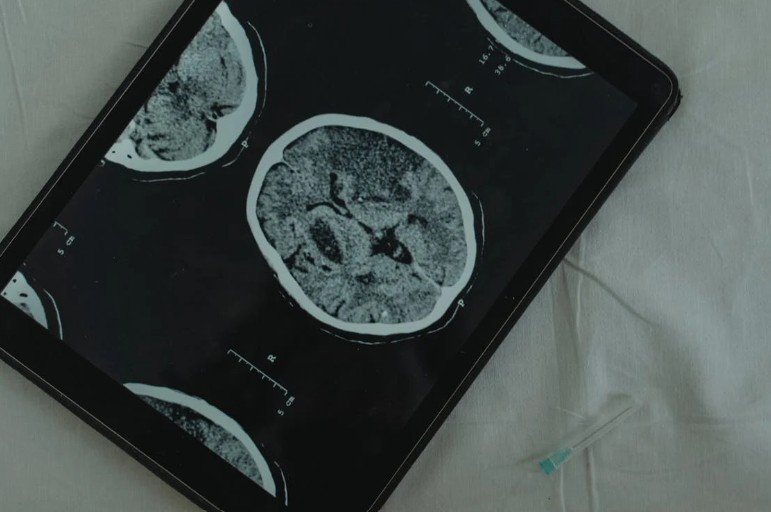
Play basketball for brain health optimization?
If you want something fun to build neuroplasticity and exercise your brain, pick up a basketball.
Seriously…
Basketball might be the most potent exercise for rewiring your brain. It challenges you mentally and physically unlike most routines. But does the research back this up?
What’s Inside:
- Basketball Changes Your Brain
- Basketball Improves Inhibition & Working Memory
- Team Sports ARE Better Than Traditional Exercise
- Learn How To Get Started With Basketball
How Basketball Literally Changes Your Brain
When you play basketball, your brain changes.
It’s not the same as going for a jog.
Let me explain
Basketball forces your brain to do many things at once. You have to keep track of teammates, defenders, and the ball at the same time.
This multi-tasking develops new neural networks.
Scientists discovered that basketball training increases the size of your striatum. That’s the part of your brain that controls movement and learning. The growth of your striatum shows how the game actually changes your brain.
But that’s not all…
Basketball exercises the prefrontal cortex, cerebellum, and visual processing centers all at once if you’re focusing on the game. Get consultations from APEX brain centers if you’re serious about optimizing your brain function and want to know how activities like basketball can help with your overall brain health plan.
Does your workout challenge multiple areas of the brain like basketball does?
It’s rare to find an exercise that does this.
Basketball & Neuroplasticity: The Research
Neuroplasticity refers to the brain’s ability to change itself.
When you learn how to dribble around a defender or make a last-second shot, your brain creates new paths that control those movements.
Your brain becomes better at these skills the more you practice them.
Basketball requires players to:
- Jump
- Pass
- Dribble
- Shoot
- Make quick decisions
- Scan the court
Each of these actions exercise different parts of your brain. Here’s the interesting part…
According to new research published in Scientific Reports, basketball training led to neuroplasticity changes in the brain.
These scientists found that improved inhibition and working memory were significant in basketball players after only four months of training.
Players also experienced…
- Increased connectivity between hemispheres of the brain
- More gray matter in brain regions associated with motor control
- Better visual tracking
- Larger memory capacity
How does basketball do this?
Traditional exercises like jogging won’t improve cognition to the same extent. Sure, you’ll get a good workout. But basketball places higher demands on your inhibitory control.
You have to constantly stop certain movements in response to another player jumping in front of you or blocking your path.
The constant stop/start nature of basketball creates multiple neuroplasticity changes in your brain.
Team Sports Are Better Than Traditional Exercises
All exercise is good exercise.
But when it comes to your brain, team sports provide benefits that solo workouts can’t match.
Allow me to clarify
The WHO says 80% of adolescents don’t meet global guidelines for physical activity. We know exercise is good for the brain. So why are so many young people not benefiting from exercise?
Here’s the issue…
They simply aren’t enjoying the exercise they’re missing. Once you find an exercise you enjoy, you’re far more likely to continue that exercise into adulthood.
Team sports provide a social element that most exercises lack. There’s competition, camaraderie, and a drive to get better at basketball.
Team sports that require you to learn specific skills with a cognitive component may be considered ideal for improving cognition.
This is known as the cognitive stimulation hypothesis. The theory states that when you participate in activities with both high physical exertion and mental demands, you’ll outperform those who choose traditional exercises.
Basketball exercises your body
Plus it challenges your brain on multiple levels all at once.
Young kids who play sports develop greater prefrontal cortexes. The areas of the brain associated with decision making. Experts think this has to do with playing with other teammates.
You constantly have to adjust your game based on the people surrounding you. It takes higher-level brain function to do this.
Beginners Guide to Basketball
Ready to start playing basketball for brain health?
The best part is you don’t need to be good at basketball to start seeing benefits.
Here’s what to do
Simply pick up a ball and start working on your dribbling, passing, and shooting. Each of these skills will improve your brain health.
They force your brain to coordinate your hand-eye movements with your brain. Before you know it, you’re building neuroplasticity just by working on some basic basketball skills.
You don’t even have to play a full game.
What matters most is that you’re challenging your brain consistently. Dedicate yourself to playing, practicing, or learning basketball two to three times per week.
Shoot some hoops after work, enroll in a basketball league, or even play streetball.
Here are some things to focus on as a beginner:
Movement
Learning how to move without the basketball is half the battle. You have to work on lateral movement, stopping quickly, jumping, sprinting, and more.
Decision-Making
Learning how to move with the ball is just as important. You have to make decisions on the fly during a game.
You can improve your skills by simply watching basketball. There are tons of skill-based videos on YouTube that walk you through different basketball drills.
Social Interaction
Make sure to play with other people. Pick-up games are the best because you never know who you’re going to play with.
Group play creates constantly changing scenarios that actually improve your IQ. You never know what skills you’ll need to learn on the spot.
Older Adults Can Still Benefit From Basketball
Basketball at any age is better than no basketball.
Don’t worry if you think you’re too old to learn how to play basketball. Playing basketball at any age is better than not playing at all.
Senior citizens can still benefit from participating in basketball related activities. Whether it be shooting around or playing in a retirement league.
Shoot some hoops, work on form, or have friends over to pass around the basketball.
Watching basketball and analyzing plays can also be helpful.
Basketball & Your Brain Health Long-Term
Regular exercise preserves brain health.
Think about that for a second
Not only can exercise prevent brain atrophy, but it also protects your brain from degeneration as you get older. Both your prefrontal cortex and hippocampus benefit from regular cardio workouts.
Basketball improves your cardio while also challenging your brain.
Players are better at:
- Managing stress
- Regulating their mood
- Problem-solving
All because they played a game requiring coordination, movement, and mental processing.
And don’t forget about the social aspect of basketball.
Loneliness has been shown to increase cognitive decline. By surrounding yourself with teammates, you create a network of support and friendship.
You challenge your mind when playing basketball.
Your brain has to come up with solutions to every problem you encounter on the basketball court. Defenders constantly swapping hands, adjusting your feet, figuring out how to finish at the rim.
Final Thoughts on Basketball Brain Health
Basketball is unique when compared to other exercises.
It engages your mind on multiple levels. From dribbling to shooting to playing with others, you are constantly challenging your brain.
Quick recap:
- Basketball changes the physical structure of your brain
- Playing basketball can help your brain improve working memory
- Team sports are more effective at building a healthier brain
- Basketball is for people of all skill levels and ages
Give it a shot!
Playing basketball is fun and rewarding. You don’t have to be Michael Jordan to reap the benefits.