
RUS BRADBURD – AUTHOR OF “BIG TIME” & FORMER MEN’S BASKETBALL ASSISTANT COACH AT UTEP & NEW MEXICO STATE UNIVERSITY – EPISODE 1033


Website – https://www.rus-bradburd.com/
Email – rus.bradburd@gmail.com
Twitter/X – @rusbradburd
If you listen to and love the Hoop Heads Podcast, please consider giving us a small tip that will help in our quest to become the #1 basketball coaching podcast.
Rus Bradburd was an assistant men’s basketball coach for 14 seasons at UTEP and New Mexico State University. He eventually left the game to pursue a life in writing.
Rus’s latest book is the satirical novel, “Big Time” a mirror to the distorted reality of sports on modern American college campuses. All five of his books focus on the intersections of sport, social progress, politics, and race. He was awarded a Fulbright fellowship to return to Ireland to work on his next book about refugees in Belfast, “Almost Like Belonging.”
Rus has remained connected to the game through his acclaimed Basketball in the Barrio summer program in El Paso, as well as serving as New Mexico State’s television color analyst.
On this episode Mike and Rus discuss his journey through the world of basketball, highlighting the intersection of sports, culture, and personal growth. He reflects on his experiences coaching under legends like Don Haskins and Lou Henson, emphasizing how these relationships shaped not only his coaching philosophy but also his writing career. The conversation delves into the profound impact that words from coaches can have on players, with Rus recalling pivotal moments from his own basketball journey that influenced his path. As they discuss the challenges of coaching and the balance between personal and professional life, the importance of storytelling in sports emerges as a central theme. Russ’s insights on resilience, the power of mentorship, and the stories behind the game provide a rich tapestry of lessons for aspiring coaches and basketball enthusiasts alike.
Follow us on Twitter and Instagram @hoopheadspod for the latest updates on episodes, guests, and events from the Hoop Heads Pod.
Make sure you’re subscribed to the Hoop Heads Pod on iTunes or wherever you get your podcasts and while you’re there please leave us a 5 star rating and review. Your ratings help your friends and coaching colleagues find the show. If you really love what you’re hearing recommend the Hoop Heads Pod to someone and get them to join you as a part of Hoop Heads Nation.
Have your notebook with you as you listen to this episode with Rus Bradburd, Author of “Big Time” and former assistant men’s basketball coach at UTEP and New Mexico State University.
What We Discuss with Rus Bradburd
- How experiences in basketball reveal character and shape individuals
- The significance of mentorship and the impact of coaches’ words
- The balance between personal life and coaching responsibilities
- The cultural connections made through basketball and their storytelling potential
- Cultural connections through basketball are profound and impactful
- Influential coaches often have lasting impacts on players, shaping their life paths significantly
- Basketball serves as a powerful bridge across cultures, fostering connections and understanding
- The challenges and lessons learned from being cut from a team and how adversity can build character
- The opportunity to work for legendary coaches Don Haskins and Lou Henson
- How the transition from coaching to writing underscores the interconnectedness of sports and literature in shaping narratives
- Reading and self-education are vital for personal growth
- Finding your coaching identity is crucial for success
- Self-awareness is key for writers and coaches alike
- Finding balance between humility and confidence is essential
- The writing process is often more about discipline than inspiration
- There are many ways to stay involved in basketball beyond playing
- The profound lessons learned from losing seasons in sports
Like this show? Please leave us a review here — even one sentence helps! Consider including your Twitter handle so we can thank you personally!

We’re excited to partner with Dr. Dish, the world’s best shooting machine! Mention the Hoop Heads Podcast when you place your order and get $300 off a brand new state of the art Dr. Dish Shooting Machine!

Prepare like the pros with the all new FastDraw and FastScout. FastDraw has been the number one play diagramming software for coaches for years, and now with it’s integrated web platform, coaches have the ability to add video to plays and share them directly to their players Android and iPhones via their mobile app. Coaches can also create customized scouting reports, upload and send game and practice film straight to the mobile app. Your players and staff have never been as prepared for games as they will after using FastDraw & FastScout. You’ll see quickly why FastModel Sports has the most compelling and intuitive basketball software out there! In addition to a great product, they also provide basketball coaching content and resources through their blog and playbank, which features over 8,000 free plays and drills from their online coaching community. For access to these plays and more information, visit fastmodelsports.com or follow them on Twitter @FastModel. Use Promo code HHP15 to save 15%

Your first impression is everything when applying for a new coaching job. A professional coaching portfolio is the tool that highlights your coaching achievements and philosophies and, most of all, helps separate you and your abilities from the other applicants.
The key to landing a new coaching job is to demonstrate to the hiring committee your attention to detail, level of preparedness, and your professionalism. Not only does a coaching portfolio allow you to exhibit these qualities, it also allows you to present your personal philosophies on coaching, leadership, and program development in an organized manner.
The Coaching Portfolio Guide is an instructional, membership-based website that helps you develop a personalized portfolio. Each section of the portfolio guide provides detailed instructions on how to organize your portfolio in a professional manner. The guide also provides sample documents for each section of your portfolio that you can copy, modify, and add to your personal portfolio.
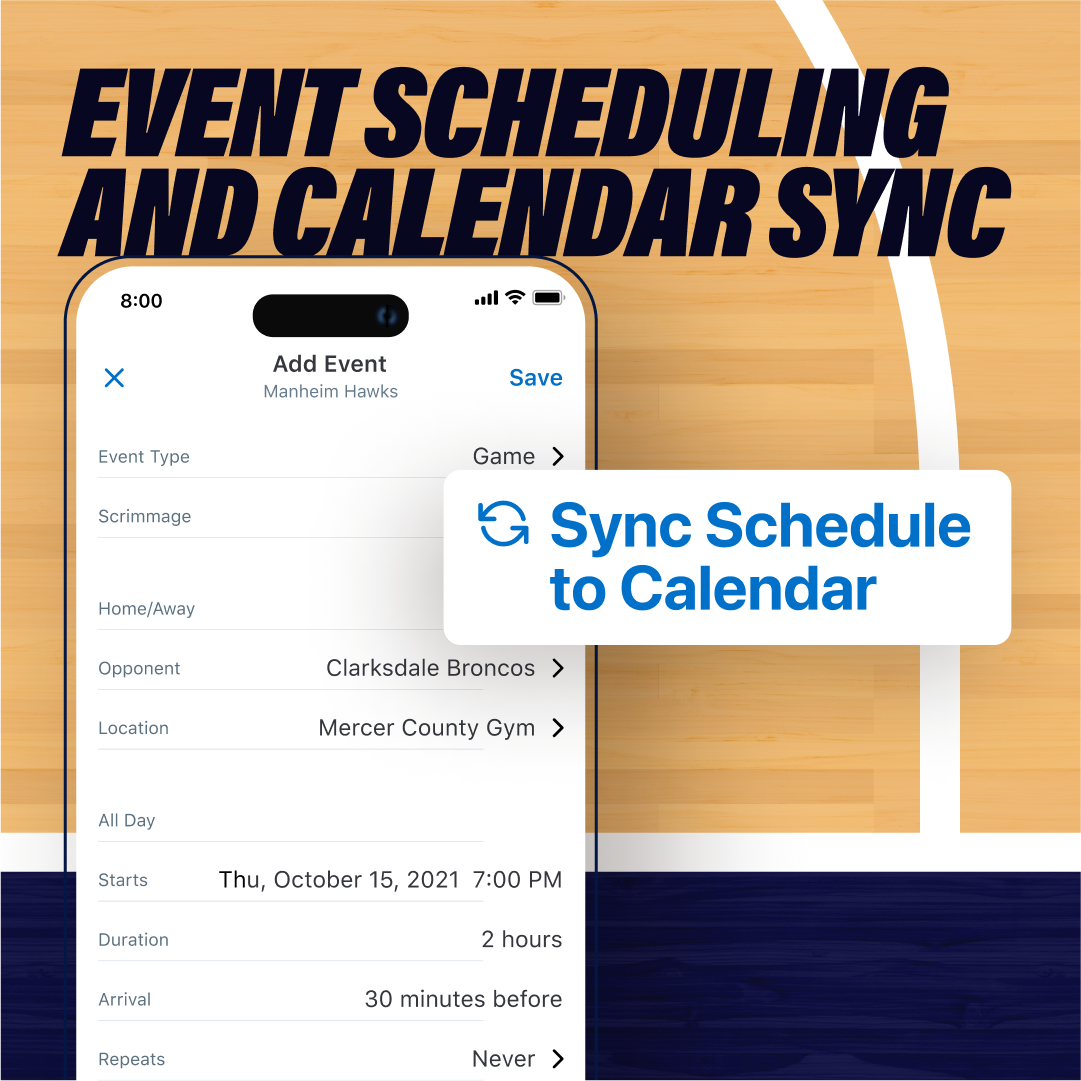
Hey, coach! Want to take your team to the next level this season? Introducing GameChanger, the ultimate game-day assistant with tools to give you a winning advantage. With GameChanger, you can track stats, keep score, and even live stream games, all for free! Get the stats and crucial game video you need to lead your team to victory, all from the palm of your hand. Coach smarter this season with GameChanger. Download GameChanger today on iOS or Android and make this season one to remember. GameChanger. Stream. Score. Connect. Learn more at GC.com/HoopHeads
THANKS, RUS BRADBURD
If you enjoyed this episode with Rus Bradburd let him know by clicking on the link below and thanking him via Twitter.
Click here to thank Rus Bradburd via Twitter
Click here to let Mike & Jason know about your number one takeaway from this episode!
And if you want us to answer your questions on one of our upcoming weekly NBA episodes, drop us a line at mike@hoopheadspod.com.
TRANSCRIPT FOR RUS BRADBURD – AUTHOR OF “BIG TIME” & FORMER MEN’S BASKETBALL ASSISTANT COACH AT UTEP & NEW MEXICO STATE UNIVERSITY – EPISODE 1033
[00:00:00] Mike Klinzing: Hello and welcome to the Hoop Heads Podcast. It’s Mike Klinzing here tonight without my co-host, Jason Sunkle, but I am pleased to be joined by Rus Bradburd, former assistant coach at UTEP and New Mexico State, current color analyst for New Mexico State, author. I just could keep going on and on, but Rus, welcome to the Hoop Heads Pod. Excited for our conversation tonight.
[00:00:25] Rus Bradburd: Mike, I’m happy to meet the Hoop Heads, the Hoop Heads Nation.
[00:00:29] Mike Klinzing: Well, thank you. We are out there and listening strong. So Rus, let’s start by going back in time. Tell me about some of your first experiences with the game of basketball. What made you fall in love with it? What was your childhood like in the game of basketball?
[00:00:45] Rus Bradburd: Well, I grew up on the north side of Chicago and went to Chicago public schools. But our, our area was not a big basketball hotbed. And so I got a little bit of a late start. I tried out for the baseball team at Von Steuben high school in ninth grade and got cut.
And so I thought, well, maybe I’ll try basketball next year. in Chicago, there’s the frosh, soph and the varsity. There’s not, there’s not four different teams like there are at many of the suburban schools or Catholic schools. So it was just the frosh, soph and the varsity. So that as a sophomore, I tried out for the for the frosh, soph team and was one of the worst players on the team, but made it.
A funny thing happened to me then, Mike, is that the assistant, the, the frosh, soph coach said to me, he pointed down at, at the other end of the court and there was a little, little kid on the varsity who was a starting point guard. He’s a white kid, but with a big red afro. And he said, if you practice these ball handling drills, the way that guy does, you could learn to do the ball handling drills like that.
And it really stuck with me. And that moment was really a key moment, even for me as a coach and a teacher, is it. what we say to kids can really stick with them. You’ve coached thousands of kids and I’ve probably coached hundreds of kids, but those kids remember what you say to them.
And I remember his name was Harvey Brouse and I’m still, I’m back in touch with him after, after years. But he said we the ball handling drills were a big part, so big part of practice. And so he said, said that to me and it really, it really stuck with me. But, but the hard part for me is after that sophomore year, well, it was a Chicago public high school called Von Steuben, but there was only 800 kids at the school.
And we moved, my father took a different job in the suburbs of Philadelphia to Abington, and that was 4, 000 kids. And they were the defending state champions when, when we got there. And and I wasn’t good enough to make the team. I got cut from the varsity two years, but it sort of set something off in me.
It, it sort of I was I wasn’t too good at reading, reading the room or reading the tea leaves. I thought, well, I’m going to keep using and make my team in college, which was a well, first I kept getting cut. I got cut my two years at, at Abington high school and they were good. Well, there was a good team and they were we sent guys at division one, none, none, I don’t think any went to Ohio, but the Philadelphia, the big five and that kind of thing.
It was, it was a dominant high school team and I just wasn’t good enough to be on the team, but went to a small school called North Park. Which, your Division 3 listeners would know the name North Park. And I wound up making the team there for three years. And when I was a sophomore, I was just on the junior varsity, but we won the national championship.
And then the next year I made the varsity team, scored 13 points in my entire career. And Mike, I was just crazy practicing my dribbling drills all the time. But then it was bad enough that I got cut as a senior. And we, when we won the national championship my junior year, there were no seniors on the team.
And as from your experience, it’s those senior dominated teams that are often the, the, the fab five at Michigan was a, that was a freakish thing that doesn’t happen very often in college sports. But at, at North Park, we won the national championship without a senior. And the next year, the coach said to me, right before the day, the day I was going to get cut, he had a couple, coaching shirts in the wrappers bright gold and bright blue, the North Park colors, and said, you’re not going to make the team today, you’re good, this is your last day, but we want you to be the student assistant.
But I wasn’t smart enough to take that opportunity, and so, I was so determined and so focused on practicing and practicing and making the team, it was this holy quest For me and I, and I just could not bring myself to do it. And of course, they, they won the na if, if your division three fans might remember this, they won three national championships in a row.
I was only on one of the teams, but they won the, I would’ve been a national championship coach at age 21, but I was too hurt. And I, and I, how sometimes this happens to me even today, Mike, if. My wife says, we’re going for pizza tonight. I’m like, get pizza in my head, pizza. And then, oh, the pizza place is closed.
I can’t, I really have trouble dealing with, I set a goal and if it doesn’t happen, I really struggled. So I really struggled. And, but I think in, in retrospect, the getting cut in high school and in college, I think it made me a better coach. I didn’t know Rick Majerus well, but I know you played against him, but I remember him saying, I I remember him saying that, It’s really important to coach your 11th and 12th man.
Well, I was the 13th man or the 14th man, but I really took that to heart. Always tried to coach every kid on the team. And even if it was what we would call garbage time, I still tried to coach them because I know for me, garbage time was everything. I scored the hundredth point twice at North Park. where we’d be blowing somebody out and I’d, I’d get the call and went in and scored the hundredth point a couple of times.
So anyway, it, it was, it was mostly, mostly a sad story and it prepared me for a writing career and a coaching career. But, but, but maybe the, the takeaway was that I figured, I knew at five foot 11, I had to do something to separate myself. And those dribbling drills that I got a booklet from my brother, that from crazy George Shower, your Ohio.
listeners would remember, but I never met Crazy George, but my brother came back from one of those basketball camps. It might’ve been the Pocono Mountains camp or something. And he came back with this booklet. And I read that book and that was like the Bible about how this idea that when I’m not practicing, somebody else is out there practicing.
And so I stopped watching television. I was an odd kid that way. all the programs that kids of our generation grew up with. I never saw them. I never saw the love boat or. Eight is enough or the, I stopped, I think partly in retrospect, I was too hyped up to sit still and watch television. But I, when I spent a lot of my teenage years and even into college at North Park, blindfolded with gloves on trying to do doing ball handling and then, and those eventually, but that was sort of my ticket into coaching was the, That, that I was going around to, to, at one point I remember I went to Eldon, Eldon Miller’s camp if you’re old enough to remember Eldon Miller.
Oh, absolutely. Yep. Yep. Yeah. A guy named Todd Landrum was his assistant. I remember Todd invited me to was a big thrill to do a dribbling show in front of, so I was going around the country doing my, my dribbling shows and that was sort of my ticket into, into college basketball.
[00:07:03] Mike Klinzing: So who’d you meet that helped you to get your foot in the door as you’re going around and doing that ball handling stuff?
Todd Landrum.
[00:07:09] Rus Bradburd: Well, I, I met all kinds of, I went all around the Midwest doing it. So I was at their rich fall camp at Northwestern and do you remember Evansville? You had, had the this all American camp in Evansville. You probably got invited to it, but there was one in Evansville that Nike or somebody put on.
And I, I went, I went to that one as, so I went all around the Midwest and I remember I would charge 250 for a college. And a hundred dollars for high school, but I did all the travel on my own and a little, little Dotson, but there wasn’t really anybody that that opened the door for me, but I had, I had a network of coaches, particularly in Chicago that had seen me do this dribbling show.
And I’d come out there looking like Pee Wee Herman. I’m not the most impressive looking guy, but then I can come out and really blow your doors off with, with dribbling because it was, it was, but more than anyone, it was Dick Versace and Tony Barone. They were the Bradley coaches and Versace went on to the Pacers and and they both wound up working for the Memphis Grizzlies for a long time.
But they were the one, they were the ones that really built my confidence up and, and, and, and, and, It really helped me to promote myself and going around. And so I started writing letters to I was a security guard in Chicago at Glenbrook North High School. It’s where John Shire went, but well before I was there and Jerry Sloan’s son was a star player before I got there.
And I’m trying to think of other famous players that went to Glenbrook North, but the Duke coach is, is the, probably their, their, their best known well, Chris Collins, who’s the Doug’s son, the Northwestern coach. Yes. But, but but I wrote letters to every major school in America. And I was already at the time, I was probably already a better writer than a coach because one day Tim Floyd called me.
I was a security guard at Glenbrook North High School. But after, after school, I would help him. Coach the kids. I was a security guard and it was an important year for me, Mike, because as a security guard, the first day I thought, this is great. It’s so easy. Okay, it’s a minimum wage, but I just sit here.
And they were nice kids. Glenbrook North is a very suburban high school. But after a couple of days, I thought I got to bring a book. And for, for that year I read 50 books during the school year. I’m not a fast reader. And so that was a lot of books and it really got me interested in books. And for somebody who left coaching to become a writer, it was really an important year for me.
But Tim Floyd called me and said that that Don Haskins was looking for, Don Haskins was the head coach. And Tim, of course, would wind up as the head coach at Iowa State and the Chicago Bulls and, That kind of thing. And then he eventually went back to UTEP, but, but Tim had called me and I knew I used to keep a notebook of all my dribbling drills and on the front of that notebook was Nate Archibald, just a photo I’d cut out of Sports Illustrated and I had my list of dribbling drills.
And so I knew when, when Tim called that I, I knew that that’s where Nate Archibald had gone and it and I knew they’d won the national, they had that landmark national championship team. So I went down there at Glenbrook North, you’ll laugh Mike, we were four and 27 the year I was there cause Brian, Jerry Sloan had been fired and so Brian Sloan left for left and was no longer at the start.
So just the one year there where I was four and 27 and then went to UTEP and we were 27 and four. And so it was for a division three benchwarmer. To go, now we were good. I don’t want to belittle the North Park team. We, we beat the Division One teams we played. We snuck up on them, I’m sure, but to go suddenly we’re playing in front of, I’m in front of 12, 000 people and with Don Haskins, one of the, I hate the word legends when it gets applied to everybody.
Like this guy this guy’s a legend and that guy’s a legend. Don Haskins really was a legend. He was really, and even then, He was he was younger, 10 years younger than I am today, but we were all very enamored with him. And it was really a magical time because he had great teams in the 60s, but then he had a lull in the late 70s until Tim Floyd got there.
And then we became good again. And so I was there for eight years with Don Haskins. And it was really a remarkable experience for, for a guy that couldn’t, could hardly get in the games in division three.
[00:11:07] Mike Klinzing: What did you like about coaching right away? Cause obviously coaching wasn’t necessarily in your background.
It didn’t sound like you had any necessarily coaching role models or people that you looked at and said, Oh, this guy kind of showed me the rope. So when you got into it and you got that opportunity, what was it that you really liked about it that got you hooked?
[00:11:29] Rus Bradburd: I think for me, it’s an easy question.
Mike, I was single. And I wasn’t close with my we have a complicated family. They’re all good people. We, we, we, we, but it was a complicated family situation. Nothing criminal or anything, nothing, nothing. the worst thing that ever happened to me as a, as a young man was I got cut from the high school team and then I got cut from.
So if that’s the worst thing that happens to you as a kid, there it is. But to as a kid, everything seemed is so intensely important to us the, Well, if the girlfriend breaks up, not that I had any girlfriends in high school, but the girlfriend breaks up or whatever it is. So for me, it was the sense of family.
And because I wasn’t close with my own father, the coaches always took that place. So Dan McCarroll, he’s the only coach besides John Wooden to win three NCAA championships at the men’s. He did it in division three, but I really wanted to please coach McCarroll. And then Don Haskins was such an impressive person.
It was like he wrote off the page he wrote off of a, of a John Wayne, it was like John Wayne. He is very, very macho guy and very gruff. But a kind, kind hearted, if you could get past the gruffness, but just wanting to impress the coaches. And I think it’s part of the the, the guys who excel in basketball often have, have complicated relationships with their fathers.
I mean, you could even, the same is true of Bruce Springsteen. I love Bruce Springs Tea. And he always talks about the complicated relationship he had with his own father. But for me, it was, it was a sense of family and a sense of belonging. And I was never married when I was coaching in my 14 years in division one.
And then a couple of years in Ireland, I was there. It wasn’t until I came back from Ireland that I got married. And I don’t know how, I don’t know how you do it as a married guy, the time commitment and that kind of thing. But for, for me particularly, it was the, the family. And also I didn’t know this at the time.
I didn’t know any of this at the time. But Also looking back, I was very it was at a time in the 1960s and 70s and the black players had big afros and Chicago was very segregated at the time. It still is, of course, but Von Steuben had something called the permissive transfers, where kids from the west side could transfer to Von Steuben if they, if their school was overcrowded.
And those guys, it almost set an unrealistic expectation, right? Because those eight or ten African American kids that were in my class at Von Steuben, they were the greatest guys ever. They’ve all been huge success stories and I got it and it really opened up this, it really opened my head. The church we had got when I went to as a kid was integrated, but that was just an hour on Sundays.
But suddenly I was around these, these African American kids and they were cool. They had the big Afros and the platform shoes and they’re listening to the spinners and the stylistics. and, and what was, what was my culture like half Swiss and half Ukrainian and it was small, but, but I think in retrospect, the window into black culture and the way that it bridges music does it also, and food can do it like, let’s stop here.
This is the great barbecue place, or this is a great Chinese restaurant. But, in my experience, the three great bridges from one culture to another are music and food and sport. And I don’t know that I’m, I don’t know what your, your background enough, Mike, but as I think of the, I, I know hundreds and hundreds of black people and they’re nearly all from basketball or basketball related or somebody’s sister or, or a cousin like I can count on, on two hands the number of black writers that I know, but.
I couldn’t begin to count the number of people, the black people I know from basketball, parents and cousins and, and everybody else. And so for me, it was a window into, into a culture. And at that time at that time it seemed very cool. I was interested in black music. I loved Al Green and the Spinners and James Brown and the Temptations and, and here, these guys were like living it, were part of that life and, and they were willing to accept me.
And one of the things that I love about sports is that. It’s probably the most equal and most equal. Part of society, like if you’re good, like what happened with LeBron James’s son? That’s really unusual in sports. It’s somebody’s gonna get something because like I don’t know I want to argue about LeBron I actually I’m a big LeBron admirer But but I I wonder would that kid have been on on the Lakers if he wasn’t LeBron’s son and I have to think but that’s one of the really few even in coaching like Maybe you might get a break.
You might get your foot in the door. my dad, my parents were not at all interested in sports and neither were any of my siblings. But I, I think that, that it’s one of the few places where it’s totally equal and everybody’s equal. And the acceptance I got from the black players, even though I wasn’t a good player, I think they sense this guy’s trying really hard and he’s dedicated and it’s important to them.
And yeah, that’s always been my experience. Yeah. And so anyway, that’s the, that’s how I got interested in the game.
[00:16:28] Mike Klinzing: Well, I think it’s interesting for sure when you talk about just being able to bridge that cultural gap. There’s no question that where I grew up was a primarily white suburb of Cleveland, Ohio.
And to your point, a lot of the experiences that I had interacting with African Americans was through the game of basketball. And conversely, or to go along with that, certainly the music, I’m a little bit younger than you. So my experience was When I start thinking about, I’m, I’m thinking about the early days of, of rap music and how much I listened to that and R& B and all the way through college.
And again, I always say that I knew a lot about pop culture and music and those types of things up until my kids were born. And then once my kids were born, all my pop culture knowledge and everything kind of falls, completely falls off the, completely falls off the map. And I also can relate to a couple other things that you said that I want to pull out of That part of the conversation, one, just in terms of how coaches do it when they’re married.
It’s certainly one of, I think the biggest challenges that when I’ve talked to coaches, Rus, that people are always trying to figure out how can I balance my desire to be a great coach and give everything that I can to the players who are a part of my team and my basketball family. And then how do I, again, balance that with my quote unquote real family, whether that’s just a spouse or whether that’s.
a spouse and children. I think it’s something that coaches struggle with. They struggled with it when you were coaching. They struggle with it today and they’re going to continue to struggle with it because again, the bar for how much time you have to put in as a coach, I don’t care what level you’re coaching on, the bar for what it takes to be successful in terms of time is really high.
And then the last thing that you said that really struck a nerve with me that I’ve said A ton of times on the podcast to lots of different people is something that sticks with you that a coach says that I’m betting that if you went back and you asked that coach, Hey, do you remember when you told me that I should be like this kid with the red hair who has the big Afro and that you should be a ball handler like him?
I would guarantee that he has no recollection of saying that. Of course. Yes. And here you are. And here you are 45 years later, and you still remember it like it was yesterday. And I have things that are exactly the same. There’s things that coach has said to me that I know they would have no idea. They said to me that I still remember that carry me, that have fueled me in different parts of my life.
And conversely, I’m sure that there are things that I’ve said to, whether it’s my students or whether it’s players who have played for me, that I have no idea the impact. And that’s why I always say it’s important. To think about, you want those things to be positive, right? You want the things that you said to be remembered to be something that steers somebody in a positive direction instead of a negative.
And so it’s always important as a coach to remember that your words. They last. And man, when you think about something that you’re talking about 40 years later, I mean, that’s, that’s pretty incredible. The power of what, of what somebody can say to you. For sure.
[00:19:40] Rus Bradburd: Yeah. And, and Mike I was such a bad player even as a, a sophomore in high school that I, he always said two things to me all year.
Really. I mean the other one was, what do ? I was trying to try, I was having trouble getting the ball passed making the first pass. it’s like I’m supposed to be a point guard. And he said, well, what are you afraid of? if you throw it, don’t worry. and, and that was actually, that was good advice, but, but you mentioned that stuff about the family.
I want to sort of push you on that. The, the, the real, one of the big influences in my life I worked for Don Haskins and sat on the bench for Dan McCarroll, but I, my last three years of coaching, I worked for Lou Henson. That would have been the Illinois coach when you were, when you were, when you were at state and Lou was such a fine gentleman, really changed my life.
I think about Lou Henson and Don Haskins all the time when I was teaching writing classes at I became a writer, as and when I taught writing classes at New Mexico State, I thought about them all the time, the way they dealt with people, the way they, both of them, they were very different in some ways, but they were similar in many ways.
And one way was not, they didn’t go around making enemies. And Lou Henson in particular said, would say, 95 percent of the problems in the world are caused by the tone of voice people use. And he would say it just like that with a big smile on his face. And I do think, I try to use that with my my daughter is 18 now and how that you’ll see when your daughter turns 18, she, she can be a little bit violent.
I know,
[00:21:03] Mike Klinzing: I got a 20, I got a 20, I got a 20 year old daughter and an 18 year old son, so I know. the deal. I know. So I know.
[00:21:09] Rus Bradburd: But I just thought Lou is really unflappable that way. Like, he was going to, he was going to talk in a nice tone of voice no matter what. And the worst, I remember the worst he would say to players would, I remember one time him saying to Divino, Divino had trouble remembering whatever out of bounds play, he said, Divino, you’re so sloppy.
He said, I bet you don’t even make your bed in the morning. And I think one of the that was the worst thing you could make my bed and we all looked at each other. But I think that from people who are our generation, I I’m an admirer of Bob Knight. I didn’t, I didn’t worship him, but I was an admirer that I think he ran a clean program and his kids played hard.
And I think that one of the things that happens to us as young coaches is you think that you have to drop F bombs all over the place or that you’re not coaching. And one of the things I’ve learned from Lou, now Lou never said to any of us when he, he, I, I, I was with Lou when he came, when he left Illinois and retired and then they pulled him out of retirement at New Mexico State.
Lou never said, I don’t want to hear any swearing, it was just one day one of the play, he would look, give you a look if you swore. And one day one of the players, now Billy Keyes denies this, but our best player was Billy Keyes. And Billy said, I swear, he said, Hey, Hey, you guys, Coach Henson, don’t swear.
We ain’t swearing either. And that was it. Everybody stopped swearing. And I, I, I honestly, as a writer, I’m a writer now. And I think I remember my, my father saying to me, well, you gotta, you’re a smart kid. You should be able to come up with, Better words than F this and BS that and I, and I think that I think that as a writer and as a coach we’re, I want you might not remember Tim Jankovich, he wound up as the SMU coach for a while, but Tim told me, and this really, this struck home with me too, and I think it was something that Lou took to heart is, I, he said, I never want the players to see me lose my cool.
And I thought, wow, that’s quite a thing to say because coaches lose their cool all the time. And he said, well, how can I expect them to keep their cool if I lose my cool? and, and I know that and so I, I, I tried to take that take that to heart. But with, particularly with Lou, once the game ended, I struggled with this, Mike.
I don’t know how you are, but once the game ended, Luke could completely turn it off. He was, he was like George Foreman like you remember George Foreman, he would try and knock your head off, but once it was over, it’s a big smile and it’s a hug and everything great. And it was remarkable how he could change gears.
I, for me, like I’m still mad at my college girlfriend. How did, how did these guys get over it so quickly? But I think that’s, that’s a, Admirable. Can you get, after a tough loss, are you able to, to smile and, and talk nice to everybody in the court side and that kind of
[00:23:46] Mike Klinzing: thing? Well, that’s a really good question.
So I would, I have to phrase it, I have to put it into categories. So as a player, the answer to that was definitely no. So if I lost a game and I was on a bus or I was driving home or I was interacting with people, I was not happy and you weren’t going to be able to make me happy as a player after a loss.
Then when I was his assistant coach, I found it to be much easier to put a loss behind me as an assistant coach. I’m not sure why that was, but I can definitely say that I wanted to win and winning was important to me. But when that game ended, I could go home and I could go to sleep and I could kind of put the game out of my head.
Anytime I have been, anytime I have been a head coach and I have never been a head coach at any real level, cause I was only an assistant high school coach. I’ve been the head coach of plenty of my kids recreation, travel, AAU teams. And no matter how unimportant any of those games may be, I would sit and sleep with those games until we played again, regardless of the outcome.
So, if we lost and I was the head coach, I can only imagine when I’m losing a fourth grade girls rec basketball game and I can’t sleep because of what I think I did wrong in that game or how I could have helped us. I can’t even imagine what it would be like to be a head college coach or a coach in the NBA where, again, my livelihood was dependent upon my ability to.
So to answer your question, I think I probably tend to the side of, yeah, I can’t really put that behind me. I would, I would carry it with me, which probably isn’t a healthy way to do it. Right, Rus? I think
[00:25:44] Rus Bradburd: I made you a bit more the same in that regard. When I was at UTEP in New Mexico state I was, I was in eight NCAA tournaments as an assistant.
And if we lost in the, of course we never won the championship, we’d lose in the NCAA tournament. And I’d, I’d be sad for a couple hours and then I’d never, when I’m going over to, I coached in the Irish Super League, which is one of the lowest levels of pro basketball in the world. And if we in front of 400 people, if we lost, I could not And it Tim Floyd used to say that it’s the longest 18 inches in the world from the head coach to the assistant, like when it’s all on your shoulders, boy, even, even in the Irish super league.
I really were at UTEP we’d be playing and we’d lose and we had 12, 000 fans at the game and it was a bummer but I don’t see, I don’t see I worked for two of the great lifers, Lou Henson and Don Haskins with, with a lot, a lot of, a lot of something like six of the three division one coaches.
I worked for Neil McCarthy as well. I think the three of them combined for nearly 2000 college wins. And I don’t know how they did it. It’s just, it’s, I think it would have ruined my health because I’m, I’m, Tightly, too tightly wound and I had, even as a kid, I had too much energy and had to go out and practice my trying to dribble three basketballs at the same time.
I think I was lucky that way in that I always wanted to be a division one coach and it never happened, but I think in some ways it was a blessing.
[00:27:06] Mike Klinzing: Tell me a little bit about what it was like being on a staff during the time when you’re coaching. Obviously what people see today, especially at the division one level is they have large, large staffs where guys are very.
Their roles are pretty well defined. So what was it like for you on the staff in terms of your responsibilities at UTEP, New Mexico State under each of those coaches? Just give me a little idea of kind of what your roles were and how that may have differed from what we see today in terms of a division one coaching staff.
[00:27:41] Rus Bradburd: Yeah. Well, when I, that’s a good question. And when I got to UTEP, it was Don Haskins. And there was a man named Jim Forbes on the staff. He’s passed away now. He’s one of the nicest people that ever, well, but he was the guy in the 1972 Olympics. You’ll remember that Alexander Beloff elbowed him, grabbed the ball and laid it in.
That was Jim Forbes. And I think it really damaged him emotionally in some ways. He’s tightly wound and he was having health problems when I was, my first year, he was having health problems. So he didn’t, He wasn’t doing much, and Coach Askin showed up for practice in the games, and that was it. He didn’t do it.
So there, I would, and Tim Floyd had essentially been doing everything by himself, so I think, I don’t think Tim had that great of esteem for me. He was just happy to get somebody who could roll up his sleeves and work. So it was essentially him and I running the office that first year. Then Jim Forbes took a high school job and, and we’d hired somebody else.
But, but but that first year, boy, it was a tremendous workload. And one of the things I think that was good for me at that, at that stage was if you do a little bit of everything like I imagine if you’re the, if you’re the Ohio Wesleyan coach, you’ve got to sweep the floor, get the towels, you’re doing a bit of everything.
You don’t have everybody, you don’t have these specialists. But I look at the staffs now where there’s eight or nine people and I think it’s a mistake in that I don’t think there’s that much to do. And, and I think that egos would get in the way then I’m into longevity I worked for my, my college coach, Dan McCarroll was at North Park for 20 years.
And then he was at Mankato State for 20 years. And Don Haskins, of course, was 40 years at the same school. that, that, to me, that’s what, what I was interested in legacy a legacy. Guys who had legacies. And I, I just think when you have that many people on your staff, you’re going to have guys arguing and wishing they got more credit.
How come he makes more money than I do? By, by the way, Mike, you’ll laugh, but my average salary at UTEP, we went to seven NCAA tournaments in eight years. My average salary was 17, 000. Now El Paso That doesn’t
[00:29:39] Mike Klinzing: surprise me.
[00:29:40] Rus Bradburd: If, if you could, if you could, you could get by in El Paso on that because El Paso at that time, it’s still pretty cheap, but he was a border town and, and really cheap.
But, but I, I, I just, I think, I think it’s the same with, there were times that you tip when we had 10 and 11 guys on the team and we were good. And I think it’s, for me, I’m a bit of a minimalist that way. Like I don’t want 22 guys on the team and I don’t want a staff of nine people. And I know that Mike Krzyzewski and Bob Knight, they have all these managers and this and that, but.
I just, I just feel like if you’ve got, if you’ve got it just seems it goes against my grain, I guess. I know there’s different, one of the things also I think to keep in mind is, as there’s more than one way to skin a cat. And what, what Don Haskins was doing Nolan Richardson, who I wrote my book about, Nolan played for Don Haskins and they couldn’t be more different in terms of coaching philosophy.
In terms of personalities, they were very similar, but coaching one was run and gun and trap. That was Nolan Richardson. Coach Haskins was we slowed things down and very selective and it was going to be a defensive battle. So I think there’s more than one way to be, and, and, and, but the other thing for me, Mike, I don’t know if you could, could you copy Jim McDonnell?
Like, I can’t imitate Don Haskins. I’d have a, I’d have a D because he’s a big intimidating guy. I’m I’m 5’11 160 pounds. Now I could imitate Lou Henson a little bit and I just thought I, he rubbed off on me personally, more like. I’m going to be in a good mood. I’m going to be upbeat and I’m not going to swear my head off like I did when I was younger.
And I think but I mean, were you, were you able to imitate Jim McDonald when you were? Well, that’s
[00:31:15] Mike Klinzing: a good question. I mean, I think from a, from a personality standpoint, I think there’s, there’s some part of it that probably when you play for somebody for four years, I think there, you can’t help but sort of absorb a little bit of sort of the way that they coach.
So for me, What’s interesting, Rus, is as a high school player, I played for, so in my era, in my community, the ninth grade was not at the high school. So we were at a junior high when I was in ninth grade. And so I played for a ninth grade team when I was in ninth grade at my junior high school. So then when I went to high school, I played for the same high school coach for three seasons.
And then I played for coach McDonald for four seasons at Kent. And we’re talking about a completely different era where there isn’t the internet, where you’re not going on. And I wasn’t studying YouTube videos or looking at this drill that this trainer was putting together. I wasn’t going to other schools practices or watching.
I had no idea what other teams and coaches may have been doing. So when I got my first coaching job as a junior varsity basketball coach in Bay Village, Ohio, the only thing I really knew was. What I had done as a player, which again, was completely uninventive and unexciting. And I did the same thing probably for seven years, the same drills, the same I had like two workouts and that was pretty much it.
And then the rest of what I knew in terms of me being a coach was what my high school coach did. And what my college coach did. So when I ran drills or I set up a practice, I mean, I didn’t know anything other than what those two guys had done. And so I look back on that as probably one of the regrets that I have in my coaching career, and I just wonder that had I poured myself into it more in those first couple of years, in terms of me learning the game, instead of just sort of relying on, Hey, I was a really good player.
I, that should make me a really good coach, which again, now I would have been disavowed of that notion probably pretty quickly, but back then there just wasn’t as much information out there. It just wasn’t as available. And so I really do feel like I’m not so sure from a personality standpoint necessarily that I took on from my high school and my college coach, but I definitely took on the way that they went about.
Doing their drills and putting that, putting a practice together and running a team. Those are things that I definitely took from my high school and college because I didn’t have anywhere else to go. I didn’t have anything else to draw on.
[00:34:04] Rus Bradburd: Yeah. I, well, there’s nothing worse than a guest coming on and contradicting you, Mike.
But I will, I will say, I don’t know if it’d be a direct contradiction, but what I see happening with particularly young coaches today is I think, I think you’ll agree with this McCarroll and then Don Haskins and Lou Henson. And, and, and the, all, the, their. They weren’t playing, but one of the, I guess the point I’m getting at my old friend, Larry Gibson, you might remember Larry Gibson.
He’s the he was the university Toledo coach, but he’s from Ohio and I can’t think of, I can’t remember if he went to Ohio Wesleyan or what his what his small college was. But anyway, he, he would call it being a cesspool of knowledge. And I think one of the things that happens more to young people, I think you’re better off what happened to you.
You’re better off doing that than trying happy, eight different coaches. Like you can’t agree with that. Yeah, you can’t play like like Don Haskins and Nolan Richardson. You can’t do both of those. You can’t press and trap all the time and then have a great half court offense and a great half court defense.
It’s just not, so one of the things that I, that I would, if, if, if, If I were to encourage a young coach, if you were to ask me, I would say get grounded in something and, and try. Now I say that I’ll contradict myself here. I went over, when I went over to Ireland the first year I tried to coach more of a Don Haskins, Lou Henson style.
And the second year I thought, screw it. Nobody’s scouting. There’s no scouting in Ireland at that time. No one was filming the game. And so we started trapping, trapping all the time and it would just disrupt what everybody did. And I was very successful. Well, that, but I don’t think even you could do that today in Ireland, that, that I think you have to be able to adapt, but I, I would caution, I think it’s the same in music.
Like if you go here, George, I don’t know, you’ll outdate myself. If you go, if you go here, George Strait. You don’t want to hear him do a reggae song and if you go see Taylor Swift, you don’t want her, you don’t want to hear her do a rap song like the Wu Tang plan. And it’s just like I think you have to, you have to sort of, sort of stick with in, in some ways.
And, and so that was the biggest lesson I got from Haskins and Lou Henson, Don Haskins and Lou Henson was when to bend and when to like, I, I remember Coach Haskin saying, don’t ever get me a, I’m not gonna ever have a guy with a tattoo. Don’t ever recruit a guy with a tattoo. Well, you wouldn’t have a team today.
Yeah. Good luck
[00:36:19] Mike Klinzing: today. Good luck with, good luck with that one today, Rus. Yeah, you wouldn’t, you would luck. You wouldn’t have, you wouldn’t
[00:36:23] Rus Bradburd: have a team today. And I think there’s time and, and he wound up Tim Floyd talking, talking him into playing zone some when I was there, which you would’ve never thought that.
A guy who played for Henry ibo whatever plays. Also, I think that’s a big thing too, is when do I bend? And I think that happens with us at parent, with parents too. Don’t you think? Like. Are you really going to holler at your daughter to clean up her room today? Like her, her dog died yesterday. So this isn’t the time to to that kind of thing.
It’s, it’s what. I think. Go on, sir.
[00:36:52] Mike Klinzing: So I think that what you’re saying, I agree a hundred percent that you have to figure out right who you are as a coach, as a human being, as a parent, whatever. But I also think that to some degree what you have to do, and this is where I feel like My experience where I would have benefited from seeing how other people did things, just so not necessarily.
So I could say, okay, I’m going to take from six other coaches and try to combine those all into whatever Mike ends up becoming as a coach. But I do feel like because I didn’t have any other experience with other coaches. I almost didn’t realize that, hey, there are other ways that you can go about trying to do the same thing.
And so I feel like I would have benefited from seeing how did Rus Bradford coach? How did Lou Henson coach? How did Tom Izzo coach? How did Eldon Miller coach? And then looking at those and going, okay, does that fit What I believe, or does that fit how I want to coach? Or does that fit the style of play that I want?
Or does that fit my personality? And I feel like I just kind of was, okay, this is what I was exposed to. This is just the way it is. This is all I know. And I didn’t really go out and explore, not necessarily to copy everything, but just to make myself a more well rounded, I think again, it’s just like, right.
When you read or you listen to music, the more that you turn, you start to figure out, this is what I like. This is what I don’t like. Whereas for me, I had such a narrow view, I think, of experiences that it kind of put me in, I don’t know if a box is the right way to say it, but I just was sort of, this was, this was the way I knew, and so that was kind of the walk that I walked, if that makes sense.
[00:38:43] Rus Bradburd: Yeah, but I, I would say, I would ask you, like, I don’t know that you can learn, you I was very interested in Pete Carri at one time. Not that I could, could tell you the first thing about I couldn’t drop his pleasure, but just the back cuts and that, and I, but I, I, I got where I thought, I don’t think you could, I think you’d have to, I don’t think you could get it from a YouTube and I don’t think you could get it from a coach.
I think you’d have to be around Carll for a couple years. May maybe other coaches are smarter than I am, but by after being around Haskins for two or three years and Lou Henson for a, a couple years. I knew what they were going to say before they said it. And that’s just for, the only way to get that is, like, I’ll go to practice now, we have a great young coach at New Mexico State I do the TV for, and it’s Jason Hooten, and I go to watch his he’d worked for a man who’d worked for who’d once been around one of the IBAs, so he’s very Mr.
IBA influenced and that kind of thing, but, I don’t always, I don’t always know, like sometimes they’re doing things at practice and I’m, I’ve been going to practice every week and I’m still not entirely sure what they’re doing. I think the only way to do it is you really have to be, I’ve, I’ve had a fiddle teacher in Ireland and he said, and I think this is true, he said, all of the great knowledge in human history has been handed from person to person.
whether, whether it’s, whether it’s music or art or literature or, or coaching I think there’s a reason Bob Knight had a lot of guys from his coaching tree. And I think the other thing, Mike, I wonder about this for you is I was lucky enough to be around winning coaches. And even though I never got in the games at North Park, we won the national title.
I had an expectation. that we were gonna win. I know after two years at Kent state, well you guys were on the verge of being going into the NCAA Tournament and winning a few games, but then it didn’t happen, and they, but did, did that, I mean that must have been hard, was that hard to swallow your junior and senior year?
[00:40:31] Mike Klinzing: So that’s tough, I mean I think when I look back at our experience at Kent. So the group that I came in with as freshman Rus, we had seven, we had seven freshmen, And I was definitely guy seven in that recruiting class because I only got. Mike Klinzing. was my only division one offer after somebody else transferred.
And so I was a very, very late signee. I was a kid who was determined, I was a kid who was determined to be able to go and play division one. Like you, you heard a lot of advice and. Mike, sorry for interrupting. I’ve given, I’ve given. No go, go ahead. Where would you, where would you have gone if you didn’t go to Kent State?
I mean, that’s a very good question. I mean, the honest truth is that I was so focused on, so there was There were guys that I played with again and with and against all summer long that got scholarships and had signed early and all these different things. And I really felt like I was as good as they were.
And so my, my really, my only focus was how am I going to get a division one scholarship? And at the time when I signed with Kent, and that was again, like I said, my only, my only offer, I still was talking to St. Francis of Pennsylvania. My dad was a professor at Cleveland state. So I could have gone to.
Cleveland State and Ben, I would have been able to go to school for free because of my dad and I could have been a, been a walk on there. And Coach Mackey at the time said, well, if you come and it works out, then we’ll, we’ll put you on scholarship your second year. But by no means was any of that guaranteed.
I mean, I, it very easily could have been that I wouldn’t have had a scholarship. And to be honest with you you always hear about, don’t be a division one or bust person. And back in the day, that’s kind of, that’s kind of what I was. As I think back to what I might’ve done. and who was recruiting me.
I think that I was being recruited pretty heavily by at Wooster Steve Moore, who was he was ended up, I think as the winningest, maybe the second winningest coach ever in division three. And he was there a long time. So that was at the very beginning of his tenure at Wooster. And I remember I really liked coach Moore and he came to a ton of our games.
And so I think I would have had a lot of different places. Case was really recruiting me. Case Western, coach Sudek. At the time. And so it just, I, I ended up again, getting very, very lucky to be able to have an opportunity to go to Kent. So my first two years, we were, we were very good. My sophomore year, I think, as I told you in our pre pod call was probably our best team.
We went 21 7. We split with Ball State who ended up going to the Elite Eight and losing to the Larry Johnson, Stacey Augman, UNLV team. And we went to the NIT that year. And then my next two years. As a junior and a senior, to your point, I think when you’re winning, and again, as a high school player and as a player in the summertime and all that, I mean again, if you’re a good player at that level, you tend to win a lot.
And so it was tough. We started out my junior year, Rus, we were seven and four. And we were playing three guards, so I was basically our small forward at 6’3 175 pounds, and battling guys who were much, much bigger, taller, stronger, faster than me, but it got our best players on the floor. And we were playing, which nowadays would look like a ridiculously slow pace and not shooting any threes, but for us at the time, we were pushing the ball up the floor and shooting far more threes than I think Coach McDonald was comfortable with.
And so we went into the, we got through the non conference part of our schedule, like I said, we were seven and four and he decided to go back to the way we had played previously. And it put one of our bigger players back on the floor, took one of our guards off the floor. And we just never really recovered from that.
And it kind of just went downhill from there. We won two games the rest of that year. We only won two games in the league when I was a junior. And then as a senior, my backcourt mate, who, I had played against in high school and then he and I had been together as sophomore and junior. He ended up getting a blood clot in his leg and missed 18 games.
And we just kind of never got, we just kind of never got it on track. And I look back on it and we had in our class of those seven guys, the three of us that made it all four years, all of us scored over a thousand points. And it felt like we had, it felt like we had enough talent that if we had figured it out or maybe another piece, one more thing together, that It didn’t feel like we were that far away, but it was definitely, it was definitely an adjustment.
I mean, it was tough when you go from, you win in high school, you win your first two years in college. And again, as a freshman, I didn’t play a whole lot, but you still were winning. And then to go through and, and experience what losing was like for everybody. I mean, it’s stressful for coaching staffs. It was hard on players.
And again, you just, You look back on it, you, I guess I always look at the sort of the what ifs of what could we have done? What could I have done to, to make that more of a winning environment? And again, you can’t, you can’t go back and change it obviously, but man, there’s times where I still, again, to this day as a 55 year old man thinking back whatever, 35 odd years ago, what, what could I, what could I have done differently?
[00:45:44] Rus Bradburd: Yeah. Well, then I, I, I, I, I, and I do think we talked about early in the, in In the program, we talked about the thing that that coach said to me. The one thing he said stuck with me and it was a positive thing. I could do that. But I do think that I was interested in what you said that these other guys in Cleveland, they were getting scholarships and I, and I didn’t get a scholarship.
And I do think there is something to that like having a bit of a chip on your shoulder and having the best player I ever recruited, it was mostly luck, but Tim Hardaway was completely overlooked in high school. These other guys were all getting much more publicity than he was. But he was to my eye was, was better and he’s never gotten over, he has never gotten over that feeling of, I’m you don’t think I can play.
I’ll prove to you. I can play. And I do think there’s something about that, but, but, but, but, and also just that idea that I am, I do find that interesting, your career where you guys were winning, you were on the verge of being, going deep into the NCAA tournament and then think you’ve been on, I do think it’s helpful to be on both sides of things and, and do to, to experience a disappointment.
I do see
[00:46:47] Mike Klinzing: that. Yeah. You do see that as a coach. And so I’ll tell you my thing that stick, that sticks with me. So you talked about the things that stuck with you and the, the, the impact that they had. So when I was being recruited, one of the places that I went to visit was an NAI school in Atlanta, Oglethorpe University.
And when I was at Oglethorpe on my visit, I remember I was sitting in the coach’s office and it was an assistant coach. I honestly, I don’t remember his name, but I still can picture it. I can still picture sitting in the office when he told me this and he said, Cause I told him I’m still, I’m still waiting on Kent.
They’re still in on me. I think I, I think I may I think I may end up getting an offer. I remember he looked at me and he said, Mike, he goes, you don’t want to go to Kent. He goes, there’s no way you’re ever going to make it there. They’re going to bring you in this year as the seventh guy in a seven player class.
They’re going to recruit over to you the next year. He’s like, if you came here to Oglethorpe, you come here and you could score a thousand points. And so at Kent, I ended up with a thousand and six points. So my very last game as a senior was in the Mac tournament. And obviously at that time, I didn’t know whether it was our last game, but our team obviously didn’t have the kind of year that we would have liked to had.
So there was a decent chance that was going to be our last game. So I went into the game. I got to think, I got to think about this and do the math. So I went into that game with 991 points. And so I needed nine points to. Get myself to I needed nine points to get myself to, no, I needed a less, sorry, I needed 11, so I had 9 89.
I needed 11 to get to, to get to a thousand. I ended up getting 17 in that game and finished with 1,006. And so when I think about not very many individual things necessarily mean a lot to me, but the fact that I can always look at that list and see that I scored a thousand points. That coach at Oglethorpe, I’m sure has no recollection of ever saying that to me, but that, that drove me.
Yeah. At least from an individual standpoint to try to prove that guy wrong and I’m sure he could care less at this point.
[00:48:46] Rus Bradburd: That’s right. Well, Mike, we combined for 1, 013 points because I had my 13. There you go. You and me. You and me. I like it. Yeah. I do think there is something about I am not, I do think there’s something about the stick to itiveness.
It’s helped me as a writer quite a bit is that as a writer, one rejection after another rejection, rejection, rejection. This editor and that publisher. if, if, if there’s anything that would prepare you for writing life, it’s getting cut from the team in high school, getting cut from the team in college losing that kind of, that kinda thing.
It can, it can really, it can really prepare you for if, if, if it doesn’t beat you down and I was just, yeah,
[00:49:25] Mike Klinzing: absolutely. Yep. Yeah. Yep. Tell me about the transition. Tell me about the transition to writing. How do you gut decide that? Hey, I’m going to, I’m going to get out of the coaching profession.
I want to get into writing. Had you always been writing while you were coaching? Are you a guy that likes to journal? Just what’s the background that kind of leads you in that direction? Or was it just the fact that you had an interesting story to tell?
[00:49:45] Rus Bradburd: I, I, I, I, I go back to that year as a security guard when I read 50 books and I was, I was one at, at UTEP and at New Mexico state, we would fly Southwest Airlines.
And I would always deliberately be the last one on the plane. If you’ve ever flown Southwest there’s no reserved seats. So I’d see everybody, sorry, I got to sit in this middle seat here, guys. I’ll see it. And I could read my book that way. And, and for, I think like a lot of coaches, a lot of coaches are guys who love to play and couldn’t imagine living without it, they kind of spill over from players into coaches.
And I think for me, I, spilled over. I like books and I was interested in books. I didn’t know this at the time, Mike, but looking back that I was always more interested in the stories. Like I was reading sports books as a kid. I was very, very very enamored with these kinds of stories.
You’re not old enough to remember Dan Gable, but he was the Olympic wrestler that was completely unbeatable. From Iowa. Yep. Sorry? He’s from Iowa, right? Yes. That’s it. And became the coach, I think, maybe in Iowa state. I don’t know anything about wrestling, but I remember watching the Olympics that he was on and hearing the story of his crazed practices.
And he would practice and pushups all the time and this and that. I just thought, and that really hit home with me. And, and sports books, you start thinking if you read enough sports books, well, I can do what Michael Jordan did or whatever. Of course you can’t, but, but, but I, I’d read a lot of sports books as a kid and I was just a reader that spilled over.
And I think I was always more interested in the stories Like, I couldn’t, Lou Henson was an X and O genius. He was maybe the greatest X and O coach who ever lived. He would rather draw plays on a napkin than do anything. If I said, if you said, Lou, there’s a bunch of gold here on the ground, look, he’d rather, he’d rather be drawing plays on a napkin than pick up the gold.
I don’t remember any of those plays. I couldn’t drop, I don’t think I could drop any of Lou’s plays, but I got a lot of good Lou Henson stories. And I think I was always more interested in the stories. I got very enamored because of the black culture thing, I was enamored with playground basketball and reading about New York playground basketball and, and that kind of thing.
I read Fowl, the Connie Hawkins story. he was wound up in the NBA after being shunned for getting caught in a gambling scandal. And just reading, reading books like that really affected me. And I just became very interested in, in the stories behind it. And I think I tell my, I told my students for years at New Mexico State where I became a writing professor is that we’re made of stories.
if I ask you, Mike, tell me about yourself, Mike, you don’t say, well, I’m type A blood type. I’m six foot three but I’m, I’m 86 percent water. we, we, you have to tell you, we want to tell your story. my grandfather came over from your, your grandfather came over from Germany or how whatever it is.
I think we’re wired for stories and we’re wired, and I think that’s one of the big attractions of sports is that every game is a story like what’s going to happen now? Oh, there’s these twists and turns, just like a good novel, a good, a great game can have the twists and turns like a novel. And it nearly all the books you read that are sport related, it’s either about a game.
Like when Muhammad Ali fought in, in the Thrill in Manila or whatever the Rumble in the Jungle. It’s either about a, a single game or a season or a career and they all make, they all make for stories. And so I got very interested in the story side of things. And when I came to New Mexico state, my first day on campus, a guy came up to me and said, are you the new basketball coach?
It happened to be, my picture wasn’t in the paper very much, but it was that day. And his name was Robert Boswell, and he was a well known novelist and short story writer. And we struck up a friendship. And so I started I would go over to his house after the games and he would want to talk about the game.
Like Point Nevada’s center was really, and I would want to talk about books. And so he was giving me books and I would, I would sort of fill him in on basketball. We would always wrestle for the control of the conversation, but I started sitting in on his class. And I realized I started to think about what had happened to me.
I was in, I was in Division I at age 23 working for Don Haskins. It all, I was on a fast track very quickly. I think I, maybe I mentioned before we got on the air, or maybe I’ve already, so forgive me if I’ve, sounds like I’m bragging, but I was in, in, in seven, eight NCAA tournaments by the time I was 31 years old in Division I.
It was all happening too fast. And, and as a writer, I’ve been able to sort of think about all of my books are about sort of the intersection of sports, basketball particularly, and culture and the way basketball can often be I don’t think, I’m not so sure that sports builds character, but I think it reveals character.
I think you learn a lot about what LeBron is really like or what Steph Curry is really like from watching these guys play. And so, and I when I was looking at these older coaches, Lou Henson was really the only older coach I ever met who was happy. He was the only one.
Everybody else was bitter. And when I got screwed, Donna Haskins not so much. He was natural. He was naturally in a bad mood. . I just thought there were a lot of unhappy coaches out there. And I, and, and I thought this if I’m ever, and I went in and asked the athletic director, when Lou Henson retires, can I get this job?
And he says, well, I can guarantee you’d get an interview. And I thought at the time, I thought, I’ll go back to school and I’ll get my master’s and then I’ll be a division three coach because that was, to me, there’s a real beauty when Ohio Wesleyan plays Wooster or when Cedarville plays plays Wilmington or whatever.
I think there’s a real purity to, in a way that there is still in women’s sports, I think, that we’ve lost in college basketball. And so I wanted, I thought I’ll get a master’s degree and then I’ll and then I’ll become a small college coach. I had a chance to go to Ireland and so then everything, things got screwed up and that became my first book is it’s a memoir about coaching my team in Ireland.
It’s called Patty on the hardwood. It’s, I coached my team in Ireland in the last place while I was trying to learn the Irish fiddle. And so most of the book is about the, there’s, I don’t want to spoil it for your listeners. It does cover two seasons, but it’s mostly about the first season. I think the, the the losing seasons are, are, they say that history is written by the winners.
Mike. But literature is written by the losers. And I think that the losing season is much, everybody wins well and it’s exciting and you hug and you cut down the nets. But I think in that losing season, I learned so much about myself and trying to learn the Irish tradition of fiddling while I was teaching the American tradition of the basketball I’d learned from Don Haskins and Lou Henson.
That’s sort of the interplay. And so I just got interested in the stories. And then, then one day I do a basketball camp in El Paso called Basketball in the Barrio. I’ve been doing it for as long as you’ve been doing your camps, 33 years. And one day Nolan Richardson walked in and he had just been fired.
And I’d started doing a little research on it and everyone said, well, Nolan deserved to get fired. He deserved to get fired. And I thought there’s gotta be more to this story. And so pretty soon I was off and running and we know it. We know in basketball, Mike, that just cause you’re a good player, It doesn’t mean you’re going to be a good coach.
In academia, they haven’t figured that out yet. In academia, in Ohio State or any of these schools, if you have a book, you’re somebody. If you’ve written a book, you’re somebody. And if you’ve written no book, you’re nobody. And so I immediately, things started happening quickly for me, promotion wise, I got promoted and raises and became a full professor.
Although I was a phys ed major at North Park with a 2. 3 average, grade point average, I I was getting promoted by through these publications and by publishing, by publishing books. So and I have a new book that comes out in a week or so. It’s about, it’s a satire about the overemphasis of sports on our campus, on the big school campuses.
It’s called Big Time and it happens at a school that I made up called Coors State University. The beer company came in and bought out the school and, and all the money goes to football and basketball, but they started having campus protests. It’s a satire. But I, but I think there’s a I I do think that through books through stories and books, we’re able to see the world and change the world.
I don’t think it’s any coincidence. It’s two of the greatest coaches Phil Jackson and Steve Kerr and Popovich, I guess does as well at the, at the pro level, these guys are giving the players books to read. And I do think there’s a certain power to books and I hope that we don’t get too far away from that with YouTube and Tik Tok and Instagram and all the stuff you young guys do.
[00:58:21] Mike Klinzing: Well, yeah, I do a little bit of that, but man, there’s nothing better than books. All right, I got a book to ask you about, and then I want to talk to you about your writing process. So have you seen, have you read, this is a book that goes back a long time, and when you started talking about, again, the interaction of basketball and culture, have you seen, read the In Your Face Basketball book?
That was a
[00:58:42] Rus Bradburd: huge, that was it, was it Alex Wolf’s book?
[00:58:45] Mike Klinzing: Alex Wolf, yes,
[00:58:47] Rus Bradburd: absolutely. And that was a huge influence on me. It was, it almost looked like it was self published. It was sort of a, but it, but it was it had all the slang and all the, . Yes. But what my writing career, one of the, it was a big influence on my writing career.
I read his, I read that book, but I read the one called Big Game, Small World, where he goes around the world. Each chapter is a different country. But one of the chapters. I’ve read that. One of the chapters was Don Haskins in El Paso. And I got mentioned in that book, not by name, but I I’d lost my job at UTEP.
It’s a long and sad story. But I wrote, when I was trying to write the Irish basketball book, Patty on the Hardwood, I wrote to Alex Wolfe and he was so nice to me. I didn’t realize at the time, like, he’s a real icon in basketball writers. It’d be like writing to Bob Knight and Bob Knight calling you and, and and Alex got very involved in the early part of my career and was very encouraging to me.
Because I think he saw the, the, and in fact, he had me apply for the Vermont Frostheaths job at the, the old ABA. When he took over that team, I didn’t get the job, but I was flattered that he asked me to apply. But yeah, that, that book had, Alex Wolf had a huge influence on me. And I still say that Big Game Small World is one of the great basketball books ever written.
I
[01:00:00] Mike Klinzing: still do my shoelaces based on the in your face basketball book. They had different ways you could lace up your shoes.
[01:00:06] Rus Bradburd: Well, just, just don’t do the, I remember they had, they had, they had like sort of do’s and don’ts. Like don’t go to the, don’t go to the playground with these black socks on. Yeah, exactly.
That kind of thing. Yeah. He’s a wonderful person. He has, he has the he has the, the Obama basketball book called the Audacity of Hoop. But I think he’s a really, not only is he a brilliant person, he’s a really nice and decent person. Yeah, I think you learn a lot about people by he never talked down to me.
He’s a much better writer than I’ll ever be and he’s never done anything but encourage me. In fact, he interviewed me for the, the Hoops IQ site that just came out a few days ago. So yeah, I’m a big, I’m a big Alexander Wolfe fan. It’s funny, I don’t have that book anymore. I loaned it out. The one you mentioned, the In Your Face Basketball book, but, but I I think he, and I would say this to your listeners too, especially the young ones is You don’t have to play in the NBA or be a famous coach to be involved in the game.
there’s, there’s a lot of ways to stay involved in the game. And now like tomorrow night, I’ll do the television for the New Mexico State home game. I’m the color analyst, meaning I don’t say that much. I’ll just say, boy, he should, he should, he should be a pointer. But, but there’s ways to stay involved in the game and you don’t have to be Michael Jordan or Steve Kerr to to, to stay involved in the game.
[01:01:21] Mike Klinzing: That’s true. You can write or you can have a silly podcast like this, right? There’s lots of different ways to do
[01:01:26] Rus Bradburd: it. Or be an agent or a trainer or or there’s a lot of different ways, even scorekeeper or that. There’s a lot of ways to be around the game. And for me, I could not envision, I don’t know if you were the same way, Mike.
I could not envision a regular job. I thought with coaching basketball as a way to stay, it was, it never felt like a job to me. I never once thought, Oh, this crap again. It was, now there was a lot of hours and it was exhausting, but I never wanted, it never once felt like work.
[01:01:54] Mike Klinzing: Yeah. I mean, basketball, anything that I’ve ever done with the game, I always say that one, it’s, it’s what so much of you mentioned earlier, just how many people that through the game.
And I would say that when I look at what the game of basketball has given me in my life. There’s no possible way I can ever repay the game for, for what it’s given me. And yeah, I just, whenever I’m doing something basketball related, it never, it never feels like work. It never has. And I don’t think it, I don’t think it ever will.
Tell me a little bit about your writing process. When you sit down to write a book from the, from the genesis of the idea, To sitting down and putting pen to paper or tap it on the keyboard. How do you go about the writing process? What does that look like? Maybe just use your most recent book or you can even talk about, maybe your process has changed since that first book.
Just talk a little about what you do to, to get a book from an idea to, to an actual product that somebody is going to pick up and read.
[01:02:51] Rus Bradburd: Yeah. Well, the new one, interestingly enough, Mike, the new one, big time, the satire, it’s a That took a decade to work on and I, and I kept thinking, I’ve got to, I’ve got to get this finished before college sports gets put into perspective.
Of course, that’ll never happen. But it was a man named Phil Brady. It was a man named Phil Brady. He’s a writer that lives in Youngstown. That, that, that he was the editor that accepted the book. But, but for me, one of the things that the, one of the fallacies is that you have to be inspired and that we’re artistic people.
And I’ve, I’ve, I’ve tried to drill this into my students at New Mexico state is, My, my dad was a businessman and he worked, but, and I’ve considered myself an artist, but I worked just as hard as my dad did. It’s just that I’m working on my art. And so I think one of the things that happens with young people now is they think, well, I’m a creative person, so I’ll just play music.
But, but the great ones, Bruce Springsteen or whoever it is, that they, they really, really, really work at it. So for me, the, the, my point here is that, yeah, there’s the inspiration and the idea for the book. But most of it is, it is rewriting and print it and mark it up mark it up in red ink, go back and fix it, throw the old drafts away, print it.
I don’t know how they did it in the old days before computers and printers. I constantly print, read it out loud. This is terrible. and then go back. Her thing to do I think as a coach and a player and a writer is to look at your stuff objectively or show it to somebody. Like I never showed it to my wife until the very end because it hurts my feelings.
She’s a well known poet and it hurts my feelings too much if she doesn’t like it. But. I, I know that as a coach, it’s important if someone else watched your team and tell you, here’s what you’re good at, but here’s what you’re terrible at. I think it’s, it, and to be able to look at yourself realistically, and that’s the hard part in writing is it’s the grunt work of revise, revise, revise, and it’s less, it’s a lot less inspiration than you would think and much more of it.
But the other thing that I think is true with coaching as well is, You’ll never find a coach who will say, well, why did you get into coaching? Well, I wanted to be a coach, but I don’t really like to watch basketball. I just want to coach my team. And it’s the same with writers. If a young writer says to me, well, I don’t really like to read books.
I just want to write. This guy sunk. It’ll never happen. And it’s the same in music. You won’t find a great guitar player who says, well, I don’t really listen to anybody. I just, I put you, you’re, we’re all influenced by what we see. And so I would say to young coaches or young writers for me, part of the writing process is reading other people’s stuff.
like we talked about Alexander Wolfe, like he’s been a huge influence. I’ve read Big Game Small World four times. And, and, and it’s not because I’m it’s not out of hero worship. It’s just, I read it now and think, how did he do that? It’s like rewinding the film for me to, to read a, to watch, read someone who’s successful.
And even, I can even do it with a book that I don’t like to read it again and think, here’s where I think this guy went wrong. So, so for me, it’s, it’s that. My wife said this to me when she first said, when I first met her, she said, you have to sit your butt in the chair for two or three hours every day.
So I think of writing as the physical process. I sit there and I type, and I don’t worry if it’s inspired. I write a crappy draft. I’ve written for Slam magazine and New Mexico magazines. I’ve done magazine stuff and book stuff. And some newspaper stuff, but I write a crappy draft, drafts, and I print it and I fix it.
And I think one of the things that holds people back is that they think it’s got to be perfect right away. And there’s this sort of this like when you watch Steph Curry and you see him do those things, it seems like he’s doing it instinctively, but he’s practiced it so many times like any great player.
He’s done it so many times, like when you’re, when you had an open three in college, Mike, you weren’t thinking backspin, arch. Jump straight up, keep your eye on the rim, follow through, like, there’s a dozen fundamentals of shooting. You can’t think of them when you’re shooting. You might be able to think of one when you’re practicing.
I gotta work on my arch or my backspin. But I think it’s the same with writing. You’ve gotta do it so many times that it becomes second nature. And you start, you’ll start to get better and better, but it’s only through the struggle that you’re able to get better. And I think there’s a fallacy with, there’s so much TV and YouTube.
You can watch Steph Curry or Great Point. I think that it’s easy to copy. It’s not easy. There’s a lot, like, there’s so much time involved. And, and I think it, like, I’ve given up a lot of things. I’ve, I’ve missed a lot of movies. And, and even, even now, like, I’m, I’m a, the television announcer, But I could, I couldn’t name three guys in the Big Ten, right?
I don’t, because I have to focus on my writing and I’ve got a daughter and you can’t, you have to make some choices in your life. I think of it, I tell my students, it’s like having a small car. Remember the Ford Escort? It’s like you’ve got a Ford Escort. You can only put some certain things in the car.
The rest you’re going to have to leave behind on this journey and you can’t take everything with you. You can’t see every movie, watch every show, listen to every new record that comes out and especially as a player or a coach. You’ve got to make decisions about. Now, I do think as a coach, I, I’m, I would lean more towards Phil Jackson in that I think it’s good to go see a movie and think about how that relates to your team or to go to think about Bruce Springsteen’s life and think of how that relates to your team.
I do think you can, you don’t only have to watch the film. And I got a little bored watching film, and I would go home at night. Here’s a funny thing, Mike. I’ll confess this. In 1987, I got rid of my television, and I haven’t had one since. I think about, now you’ve got to, I’ve got the computer on my lap, doesn’t matter so much.
I can go to Netflix, but for a long time, I, part of my being, becoming a good dribbler, becoming a good coach, becoming a good writer. There’s no television. And if you think of all the hours, I’ve talked to my daughter about this, like all the time you spend on TikTok, she’s very interested in music as if you could have learned the guitar in that time that you spent on TikTok.
[01:08:43] Mike Klinzing: Yeah, it’s totally true. I mean, I think when you look at what the majority of people utilize or waste a lot of time, With TV. I don’t think there’s any doubt about that. I, I haven’t watched a TV show. I don’t even remember that. Maybe Survivor is the last TV show that I watched at some point. Other, otherwise, otherwise my, my TV viewing consists of sports and that’s pretty much, that’s pretty much it.
Otherwise the TV, otherwise the TV is not on. I think what, what I got out of what you just said, that. that struck a chord with me there was the ability to be self aware, right? As a writer, you have to be self aware of, Hey, I can’t just put something out on paper and think, all right, this first draft is ready to be out there for public consumption.
And as a coach, I think that the ability to be self aware and understand what your strengths and weaknesses are and how you can fill in those weaknesses by hiring your staff and, being aware of just of yourself and being able to self correct. Or you talked about like Steph Curry making it look easy.
Well, that’s thousands and thousands of hours in the gym of knowing I got to put my foot here. I got to make this move here or this little fake here is what’s going to make the difference. And the only way that you can make those corrections to get yourself to the point where you make it look effortless is by being self aware of what you need to work on.
And I think that’s something that the very best people, and I would just about guess any profession. are people who are self aware, at least in terms when it comes to their performance at their particular job. They may not always be self aware in their personal life. But in their, in their job, they’re usually pretty self aware of the people who get to the top.
[01:10:34] Rus Bradburd: Well, my writing, I mentioned Robert Boswell, my writing instructor who loved basketball, but he thought, and I think this is true in basketball and writing and probably plenty of other things is you want that balance between humility and humility and confidence. So you, you don’t want to be so confident, Mike, when you’re at Kent State that you shoot it every time you touch it.
That’s too much. That’s hubris. it’s too much, but you don’t want to be so, you don’t want to be so humble. Like. Oh, I can’t make this. I can’t. Now, Jim McDonald’s yelling, shoot it. Klinzing, shoot. And so I think it’s that balance between humility, like I’ve got a lot of work to do if I’m going to be as good as these guys, but also that kind of arrogance.
Like I can do this. I could I, one of the things that really helped me being around Robert Boswell was I’d hear him talking about getting a book published or the New York times reviewed his book. And I thought, and I grew up, I think The thing, same thing happened to Steph Curry. He’s around Del Curry as a boy.
He’s just around NBA players all the time. He’s sort of thinking, well, I’m supposed to do this too. And I think it’s that fine line between the being, being humble and being arrogant. You want to be somewhere in between. We want that guy who thinks if I’m open, man, I’m shooting it because I know I can make this.
And, but you don’t want them to be so kind of like, I’m going to shoot no matter what, every time I get it. That’s too much. And it’s the same as a writer’s. I know I’m a good, I know I’m a good writer, but what do I what is that, when is the book ready and when I have to stop beating myself up over it and now, now I feel like I’ve got a finished product is that I just think balance if you’re so too humble, you’ll never get off the bench.
And if you’re arrogant, you’re just going to fight with the coach and your teammates will all hate you.
[01:12:11] Mike Klinzing: Yeah. My dad, another piece of advice that stuck with me. with me that I don’t even know if my dad would know that he said this to me, but at one point I remember when I would go and play pickup games and be going again to all kinds of different places all over the city of Cleveland.
I remember at one point my dad said if you want to be a good basketball player, you got to be a little cocky. And I think he, he, he would have slotted the word cocky in between the two words that you used of being humble and being arrogant. There’s, there’s a sliding scale in there. And I think he would have put He used the word cocky, but I think he would have put it in between those two words that you use.
And his point was exactly what you just said. Like, if you don’t believe in yourself and that you can do it, then nobody else is going to believe in you. And oftentimes, again, when I was a high school player in particular, and thinking about, again, it was a different culture, as I’m sure you can attest to, that when I was 13, 14, 15, I was going and trying to find places to play where I was playing with adults, or I was playing with older guys, or high school players, or college players, or whatever it was.
And so, You walk in there as a whatever. At that time I was probably a six, two, a hundred sixty pound white kid. You gotta figure out a way to get people, to get people to have some respect for what you can do. And so there, there’s definitely a, an a, a line there where you have to be, you have to be confident.
But not, but not again, arrogant. And there’s a fine, it’s a fine line. It’s a fine line to walk, let’s put it that way. But I know that was advice. That was a piece of advice that my dad gave me that, that stuck with me throughout my entire playing career. But you weren’t getting technicals and getting thrown out of the gym, were you?
No, I was, no, that was, no, that was not, that was not me. I was a, I definitely, as a coach, I was much more even keeled as a player. I was much more I was, I was, I was competitive. I was very competitive, but I was not competitive in a sense of losing Not losing my composure. I was more emotional as a player than I am as a coach or just as a human being in my everyday life.
I think most people would describe me as being relatively, relatively calm and in most situations. And yet as a player, I think I was, I think I was more fiery as a player, but not fire in a sense of doing things that were to my detriment or to the detriment of my team. So
[01:14:28] Rus Bradburd: you weren’t, you weren’t getting in fights with the opponents.
No,
[01:14:32] Mike Klinzing: no, no. I was not that, no, I was not, I was not that guy. I was definitely not that guy. So I want to ask you a final two part question, then give you a chance to let people know where they can find all your books. So the two part question first, and then we’ll. We’ll give you a chance to share how they can they can find the books, but part one of the question, when you look ahead over the next year, and obviously you have a book coming out, but what do you see as being your biggest challenge and that number two, when you think about, Your life today and what you get to do every day when you wake up, what brings you the most joy?
So your biggest challenge and then your biggest joy.
[01:15:05] Rus Bradburd: Well, I’ll start with my biggest, it might be the same answer, but I’ll say, I’ll start with my biggest joy. I resisted getting married for a long time and thought, I don’t want to have, don’t want to have kids. And my, my daughter is, is, is I’m, I’m very enamored.
I’ve got one kid. It’s my daughter Alma. She’s, she’s going to go to Western Michigan, by the way.
[01:15:24] Mike Klinzing: Awesome. There you go. Broncos.
[01:15:27] Rus Bradburd: She never considered Kent State, but she, but she did consider Ohio. She was interested in the pilot program the airline pilot, but, okay. But, but but it was really, it was really good for me to have a daughter.
I thought in a way I was delighted not to have a boy, because if it’s a boy, I’m just going to make him practice my dribbling drills over and over. I used to have a little dribbling team that did halftime shows. And she was one of them from ages six to 10. She was, they were called the pistol arrows. They would perform at the halftime of the New Mexico State games.
But when she got to be 10, I told her she didn’t have to keep playing if she doesn’t want to. And she decided she didn’t want to. Now, I do wish that we’d have had her play team sports, but that’s another, some team sport. But, but, but that, that was the big one. But I think. For my challenge my challenge now is to keep the writing fresh for me.
I don’t know, I’m working on a book now. I spent a couple years in Belfast and I’m writing a book about the refugees there that are playing Gaelic sports. It’s an odd, it’s not, I don’t think it’ll ever be a bestseller, but, but I think for me, the biggest challenge is How do I keep their she’ll be off at Western Michigan next year and that I’ll be less busy driving her around and going going with her to get ice cream or that kind of thing.
But I think the biggest challenge for me is how do I keep the writing fresh? What is it? What would be my next writing a book takes two or three or four years for me. daunting. I just think it can be exhausting. And the constant rejections that you get as a writer, well, it’s just like the rejections I got when I was dating and the rejections I got as, as, as, as as a player and as a coach is you’re, The ups and downs.
I don’t miss, I don’t miss the, what I, what I don’t miss about college basketball is the ups and downs. The highs were really high and the lows were really low. And I like the level. And that’s the hard part for me. I think going forward is what will keep me motivated? What will, what will, what will my next book project be?
I think is my big challenge.
[01:17:27] Mike Klinzing: Got you. All right. So, and I think I get your biggest joy is, is your, is, is your family and just being able to get up and, And do what you do.
[01:17:36] Rus Bradburd: Well, my wife is as mean as a snake. It’s my daughter I’m talking about. Well, I’m joking.
[01:17:41] Mike Klinzing: Ah, there you go. I got you.
[01:17:41] Rus Bradburd: But, also, Mike, I will say if people are interested in my book, I won’t spell my name for you.
I think that people have to look in the notes of your podcast, but they’re all on Amazon. The cheapest place actually is bookshop.org. Bookshop.org is cheaper than Amazon. And the money goes, winds up going to independent bookstores where Amazon is a giant, the bookstores aren’t going to get nearly as much money from, aren’t going to get any money from Amazon.
So I would say bookshop.org and I’ve got the Nolan Richardson biography and the Irish basketball book and, and this new one, the satire about Coors State University.
[01:18:22] Mike Klinzing: Rus, this has been a really fun conversation. We’ve taken it in a bunch of different directions. It’s always amazing to me, again, sort of.
The interwovenness of the basketball world and the number of people that you’ve come across and the number of people that I know that we sort of have in common, whether through common stories or actually knowing people. It’s just an amazing, amazing world when you start thinking about just how basketball has been able to connect so many people and now it’s connected the two of us.
So I want to say thanks to you for all of your time tonight and for being willing to share. Please go out and check out Rus’s books. Again, he’s got the new one. It should be out by the time the episode drops, the new book will be out there. So please go and pick up a copy. I think you’ll enjoy what Rus has to say.
And thank you for listening to our episode tonight. We really appreciate it. And we will catch you on the next one. Thanks.