NICK FRIEDMAN – WAKE FOREST UNIVERSITY MEN’S BASKETBALL ASSISTANT COACH – EPISODE 1282

Website – https://godeacs.com/sports/mens-basketball
Email – [email protected]
Twitter/X – @CoachNickyFree
If you listen to and love the Hoop Heads Podcast, please consider giving us a small tip that will help in our quest to become the #1 basketball coaching podcast.
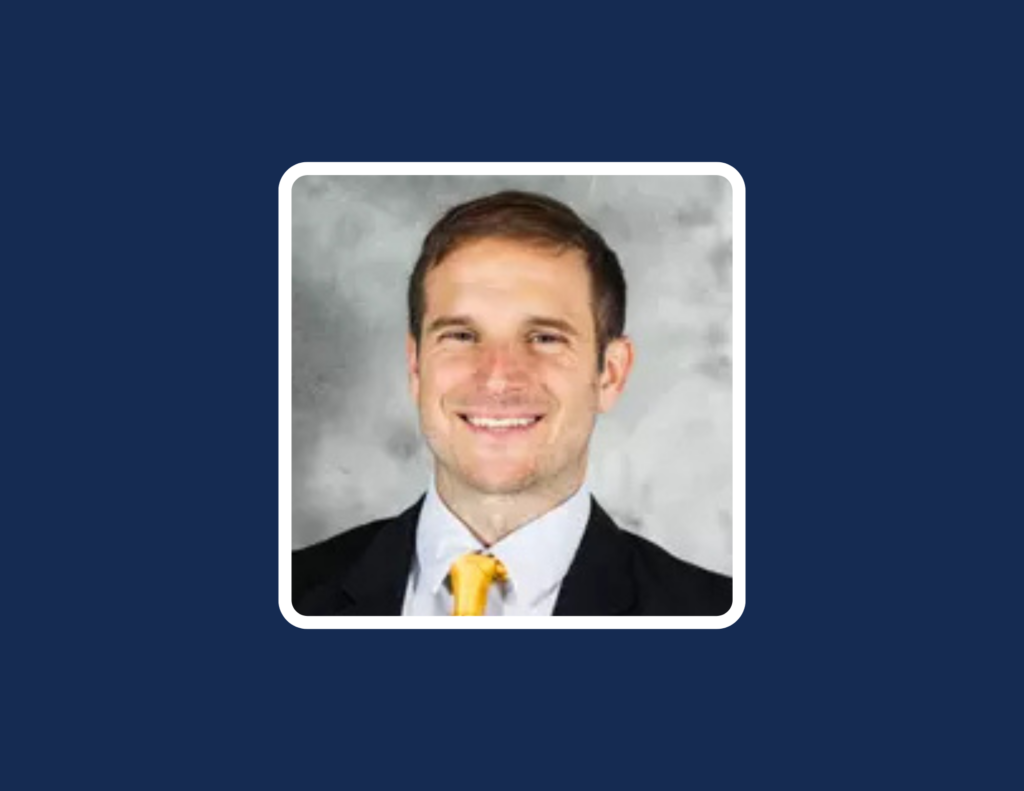
Nick Friedman is entering his second season as a Men’s Basketball Assistant Coach at Wake Forest University. He previously served in numerous NBA and G-League coaching roles including four seasons as an assistant coach with the Charlotte Hornets.
Friedman has also worked with the Capital City Go-Go, Rio Grande Valley Vipers, Northern Arizona Suns, Maine Celtics, and the University of Miami during his coaching career.
Since 2017, Friedman has served as the associate head coach for the Haitian National Team and this summer as the newly appointed head coach, led the team to their first ever wins in international competition. Nick founded a non-profit organization dedicated to developing the game at the grassroots level in Haiti.
Friedman played two seasons at Bates College before earning an undergraduate degree in Sport Administration from Miami.
On this episode Mike & Nick discuss the importance of player development and the unique challenges faced by athletes transitioning from high school to collegiate basketball. Coach Friedman shares his extensive journey through various coaching roles, emphasizing the necessity of adaptability and the value of fostering strong relationships with players. He stresses the importance of creating a structured environment that enhances both individual and team performance, ultimately aiming to instill a sense of belief in the players he mentors. This episode underscores the impact of dedication and strategic thinking in college basketball.
Follow us on Twitter and Instagram @hoopheadspod for the latest updates on episodes, guests, and events from the Hoop Heads Pod.
Make sure you’re subscribed to the Hoop Heads Pod on iTunes or wherever you get your podcasts and while you’re there please leave us a 5 star rating and review. Your ratings help your friends and coaching colleagues find the show. If you really love what you’re hearing recommend the Hoop Heads Pod to someone and get them to join you as a part of Hoop Heads Nation.
Grab your notebook as you listen to this episode with Nick Friedman, Men’s Basketball Assistant Coach at Wake Forest University.
What We Discuss with Nick Friedman
- The importance of being well-prepared as a young coach
- Developing lifelong relationships in coaching can foster future opportunities and collaboration
- How his experience with the Haitian national team highlights the impact of basketball on community development
- Understanding player roles is crucial in coaching, particularly for players transitioning from high school to higher levels of play
- Nurturing players to excel in their defined roles within a team
- Persistent dedication to player development and strategic planning for success
- Utilizing film and analytics enhances both player performance and coaching effectiveness through detailed feedback and preparation
- A successful coaching career requires a balance between achieving results and adhering to a process-oriented mindset
- The importance of developing relationships with mentors
- Effective player development is linked closely with understanding the X’s and O’s of the game
- Getting players to focus on the sacrificial elements of the game
Like this show? Please leave us a review here — even one sentence helps! Consider including your Twitter handle so we can thank you personally!
Your first impression is everything when applying for a new coaching job. A professional coaching portfolio is the tool that highlights your coaching achievements and philosophies and, most of all, helps separate you and your abilities from the other applicants.
The key to landing a new coaching job is to demonstrate to the hiring committee your attention to detail, level of preparedness, and your professionalism. Not only does a coaching portfolio allow you to exhibit these qualities, it also allows you to present your personal philosophies on coaching, leadership, and program development in an organized manner.
The Coaching Portfolio Guide is an instructional, membership-based website that helps you develop a personalized portfolio. Each section of the portfolio guide provides detailed instructions on how to organize your portfolio in a professional manner. The guide also provides sample documents for each section of your portfolio that you can copy, modify, and add to your personal portfolio.
Aiming to go D3? The D3 Recruiting Playbook gives you a clear, step-by-step roadmap to the recruiting process – what coaches value, key milestones from early high school through application season, and how to build a target list of schools that fit your needs.
We’ll demystify researching D3 programs and how to stand out without chasing every camp or showcase.
The modules cover things like writing emails to coaches, building an effective highlight tape, using social media well, planning ID camps and visits, and navigating application strategy.
You’ll get templates, checklists, and an outreach plan to communicate confidently, learn how to compare financial packages, and avoid common missteps. By the end, you’ll have a prioritized school list and a decision framework you can use to land your best-fit opportunity.
Give With Hoops is a groundbreaking initiative that fuses basketball analytics with modern sponsorship. Built for teams who see data as opportunity, from AAU programs to college powerhouses.
By tying on-court performance directly to community and sponsor engagement, Give With Hoops help programs raise more while deepening support from those who believe in the game.
Traditional fundraising disconnects donors from the action. Sell candy bars, wash cars, beg for donations, it’s exhausting and ineffective. Players perform better when their stats matter beyond the scoreboard. That’s why Give With Hoops was created.
Give With Hoops connects game performance to community support. Every basket, rebound, and assist becomes a chance to raise funds. Transparent, exciting, and proven to raise 3x more than traditional methods.
THANKS, NICK FRIEDMAN
If you enjoyed this episode with Nick Friedman let him know by clicking on the link below and thanking him via Twitter/X.
Click here to thank Nick Friedman via Twitter/X
Click here to let Mike & Jason know about your number one takeaway from this episode!
And if you want us to answer your questions on one of our upcoming weekly NBA episodes, drop us a line at [email protected].
TRANSCRIPT FOR NICK FRIEDMAN – WAKE FOREST UNIVERSITY MEN’S BASKETBALL ASSISTANT COACH – EPISODE 1282
[00:00:00] Narrator: The Hoop Heads Podcast is brought to you by Head Start Basketball
[00:00:20] Nick Friedman: I have my entire coaching portfolio. I could send it to you. I can– This is my drill library. I think it’s really important as a young coach to be prepared on demand to, to send it to a guy that you aspire to work for in a way of “Hey, this is not me asking for anything, but these are just some cool things that I’ve been working on that maybe you can draw inspiration from.”
And sometimes you may get somebody that is interested, and you develop a lifelong relationship with them.
[00:00:48] Mike Klinzing: Nick Friedman is entering his second season as a men’s basketball assistant coach at Wake Forest University. He previously served in numerous NBA and G League coaching roles, including four seasons as an assistant coach with the Charlotte Hornets.
Friedman has also worked with the Capital City Go-Go, Rio Grande Valley Vipers, Northern Arizona Suns, Maine Celtics, and the University of Miami during his coaching career. Since two thousand and seventeen, Friedman has served as the associate head coach for the Haitian national team, and this summer, as the newly appointed head coach, led the team to their first-ever wins in international competition.
Nick founded a non-profit organization dedicated to developing the game at the grassroots level in Haiti. Friedman played two seasons at Bates College before earning an undergraduate degree in sports administration from the University of Miami. Ever since I founded Head Start Basketball in 1993, we’ve helped young players develop their skills, confidence, and love for the game.
Now we’re partnering with coaches and athletic programs to bring the Head Start Basketball camp experience to new communities. Our camps run for five days, three hours per day, and serve boys and girls in grades one through six. You or someone on your staff directs the on-court portion of the camp while Head Start Basketball manages registration, promotion, parent communication, T-shirts, trophies, website setup, and administration.
There are no upfront camp planning headaches, and the profits are divided fifty-fifty between your program and Head Start Basketball. If you want to reach more families or strengthen your youth basketball pipeline or just create additional revenue for your program, visit headstartbasketball.com to explore hosting a camp.
Are you or an athlete you know planning to go D3? Check out the D3 Recruiting Playbook from D3 Direct. Their playbook gives you a clear step-by-step roadmap to the recruiting process, what coaches value, key milestones from early high school through application season, and how to build a targeted list of schools that fit your needs.
The playbook demystifies researching D3 programs and how to stand out without chasing every camp or showcase. The modules cover things like writing emails to coaches, building an effective highlight tape, using social media well, planning camps and visits, and navigating application strategy. You’ll get templates, checklists, and an outreach plan to communicate confidently, learn how to compare financial packages, and avoid common missteps.
By the end, you’ll have a prioritized school list and a decision framework you can use to land your best fit opportunity. Click on the link in the show notes to get your D3 Recruiting Playbook from D3 Direct.
[00:03:25] Keith Hack: Hi, this is Keith Hack, men’s basketball head coach at Fairleigh Dickinson University Florham, and you’re listening to the HoopHeadz podcast
[00:03:37] Mike Klinzing: GivewithHoops is the first platform turning basketball analytics into fundraising impact. Every stat tells a story, and now every story drives sponsorship, engagement, and team growth. Programs nationwide are transforming basketball stats into funding power. Learn to use performance data to attract sponsors, engage fans, and raise more with every play.
GivewithHoops will help you raise three times more money for your program, as their stat-based pledges consistently outperform traditional fundraisers. Visit givewithhoops.com/hoop-heads-podcast to learn more and take your fundraising to the next level. GivewithHoops.
Grab a notebook as you listen to this episode with Nick Friedman, men’s basketball assistant coach at Wake Forest University. Hello, and welcome to the Hoop Heads podcast. It’s Mike Klinzing here without my co-host Jason Sunkel tonight. But I am pleased to be joined by Nick Friedman, men’s basketball assistant coach at Wake Forest University.
Nick, welcome to the Hoop Heads pod.
[00:04:44] Nick Friedman: Glad to be here. Glad to be here. Go Deacs.
[00:04:47] Mike Klinzing: Excited to have you on. Looking forward to diving into all the interesting things you’ve been able to do thus far in your basketball career. Let’s start by going back in time to when you were a kid. Tell me how you got hooked on the game.
What do you remember about your first experiences with it?
[00:05:00] Nick Friedman: So I’m originally from Cambridge, Mass which is really an, an interesting melting pot, specifically from a basketball standpoint. Went to Cambridge Latin Beaver Country Day, which is home to two, basketball legends in my mind, Patrick Ewing and Wayne Turner.
And, really came up in a competitive landscape where I just, I fell in love with the game. I really– I started playing when I was four years old. Lance Doughton, who was the longtime head coach at Cambridge Latin, Nkrumah Jones, who’s one of the more honorable youth AU guys in the area, just playing in leagues, working out, playing pickup, organized pickup all the time.
It just made me fall in love with the game, so just by playing a lot. That, that was really how I naturally got started, and it was really a workout feat. Whether it was, working with a trainer who, Nkrumah was my coach, and then, going to find, one of my friend, one of my best friends or two of my best friends and honestly organizing our own workouts and really being in the park and being in the gyms, going to Hemingway or the Mac Gym at Harvard and, sneaking in there and just getting to play.
And I just think being immersed in it, those good old days, right? You go to the park at 9 a.m. and be there till 6, go have dinner, then go back out and maybe even play some more, right? And just hang out and, ride your bikes. And that was really just how I got started in it all. And then that led me to go play Division III basketball initially at Bates College.
Was there for two years, ended up getting hurt. It was the D-III life wasn’t necessarily for me. I had an itch just throughout it all, and I really appreciate, my coaches coming up as a kid. I always knew I wanted to be a coach. I just didn’t know when I wanted to do it.
And I had been studying. I had a lot of friends who went to the University of Miami, Florida for my school and, I was an avid Boston Celtics fan, like diehard. I think I broke down in tears when LeBron had, what, forty-five/sixteen, and I forget what it was, maybe nine. Just absolutely ripped our hearts out in game six at the Garden when we thought it was like the series was over.
It was a closeout game, and he just absolutely dominated. I was at that game, actually. It was incredible. And had just been, Jim Larranaga, his son, Jay, had been coaching for the Celtics, and I was like, “You know what? Maybe it’s time to go into this coaching thing and-” Go to U– try transfer to University of Miami and be a manager.
And so I went to become a manager. Adam Fisher, Chris Caputo Mike Huber, Eric Konkol were all working under Jim Larranaga. It was an amazing group of coaches. All of those guys ended up being head coaches. And, all three of them are still head coaches right now. And walked into that gym and was working out.
Saw my guy, Aaron Windshaw who’s works with me, the HT National team. He’s working out two Miami legends in James Kelly and Diandra Burnett. And I hopped in the workout and was helping him rebound and defend, and I was like, “This is for me.” And so I went to work as a manager at the University of Miami for a year.
Ended up then my se– that was my junior year. I transferred as a junior, ended up leaving the program to coach an AAU team, the Florida Flash, which featured a Demon Deacon, as a legend, which is crazy about this full circle thing John Collins. And so I coached John, went away from the from the Miami team as a manager, finished up my undergrad, and at the same time, coaching AAU.
I was actually working for Sportview Analytics, which was overseeing all the internal analytics, the data tracking, and se… and the ceilings, essentially. It was like the old second spectrum, if you will, and was doing that game nights and was just immersed in the basketball world of Miami.
Started training some guys some pros. Our first-ever pro ended up being Earl Clark. Or pros, Earl Clark, Brandon Rush, and Shaun Livingston. And so I just was, like, kinda in this melting pot again of training coaching AAU, working on the analytics side, making relationships. And then just finished out my senior year.
That AAU program dissol-dissolved, and I ended up going back as a grad assistant. So I go back as a grad assistant worked for the team. In ’15, ’16, we went to the Sweet 16. We lost to the eventual NCAA champions, I believe in Phil Mello with Josh Hart Kel- Mikeal Bridges, and Jalen Brunson, and Deni Avdija.
And so I’m thinking about going back, and in that summer, Cody Toppert ends up getting promoted or gets a job with the Rio Grande Valley Vipers. And he was running an NBA pre-draft in Delray Beach, Florida at the time. And he ended up being like, “Yo, man, I can’t run this anymore. Would you want– Would you be interested in taking it over?”
And I was like, “Absolutely.” And so I ended up working with several agencies that summer. We had Two guys get drafted in Abdel Nader, who played at Iowa State, and Taurean Prince ended up being a lottery pick that year. Derrick Jones Jr. was with us, was an undrafted, obviously longtime journeyman in the NBA, and was able to work out 12 guys and really essentially run my own team.
And this is all at the age of 25, right? And that’s like a small snapshot of how the journey started, right? And it’s kinda can get long-winded. But, it’s, it kinda speaks to where I’m at today and just the ability to just add value and understand you’re never just gonna be handed opportunities.
You’ve gotta go out there and really prove that you can get, in the trenches and execute and show that you can run the show. So just really blessed about my basketball background and, excited to talk more about it
[00:10:14] Mike Klinzing: Did you have at any point in the process that you’ve described so far, did you have an idea of what career path you thought you were pursuing at the time or was it just “Hey, this opportunity came to me, let me grab it.
Hey, this opportunity came to me, let me grab it,” and then like you said, “I’m just doing the best job that I possibly can where I’m at, and then that brings the next opportunity”? In other words how planned out was what you were trying to do, or is it more just, “Hey, this opportunity’s in front of me. I’m gonna do the best I can and then see what happens”?
[00:10:46] Nick Friedman: Definitely a combination of both. I think in order to achieve your dreams and really aspire to be what you want to be in life, I think you have to be goal-oriented. I always knew that I wanted to be in the world of player development. Player development has always been, my number one thing, regardless of my head coaching aspirations.
I think if you’re a great head coach, you’re a great developer and you care about players, you want to get on a court and you want to build sweat equity and be in the gym for all hours, right? So that was always my mindset of no matter what whatever path I was gonna go on, I knew at the end of the day I wanted to be in the field and I wanted to work with my players.
And then throughout that, it morphed into, okay, now I’m really enjoying the X’s and O’s and applying both, and understanding that you have to link player development to coaching and the conceptual side, right? And how it’s all gonna work within a system. And I think that makes you, it gives you an advantage where you have the insight of okay, if we’re working on ball handling if there’s a guy that I know that’s gonna end up being more of a two-three, I know if his opportunities to handle are gonna come more in pick and rolls than maybe they’re gonna come in DHO’s.
And if I’m dealing with a guy that’s a four man we’re trying to expand his game, maybe ultimately if we’re playing more five out, he’s gonna be coming off the DHO’s and never involved in pick and rolls or isolations, right? So it gives you more of a sense of how to work with a guy if you have a real understanding of the X’s and O’s.
And my passion really switched from being, “Hey, I wanna be the be- I wanna be the next Phil Handy. I wanna be the next Dave Atkins. I wanna be the next Jaiden Baker,” to, “I wanna be And a head NBA coach. I want to be a head college coach. And the mindset shifted. It was– You know, I love the pre-draft space.
So before I had gotten into coaching in the NBA, I had my own pre-draft training business because I didn’t have an NBA contract. And there’s a lot of conflict of interest, right? Of having a, being able to run an NBA pre-draft while also being an assistant NBA coach, because that’s not allowed.
But I was on these six-month contracts in the G League for four years, where I was then able to go, “Hey, I’m working with, the Maine Celtics or the Northern Arizona Suns or the RGB Vipers.” And then after my six-month deal, I would just go straight to Miami or go to Raleigh, where I worked with Dennis Smith Jr. For a month and a half, and just building my own business. And that’s, like, where the aspiration of being the best developer in the world came from. But then as I got to run these, it wasn’t like I was working with just one guy. I’d be working with a full team. “Hey, how do we structure practice?” And that was my d– That’s where I felt like I made my edge in the pre-draft world is I’m not working you out.
I’m getting you ready to participate in an NBA practice, right? Because in order to be a successful NBA player, you have to be a good, you have to be a good practice player. And that was my mindset of I am going to structure a developmental factory that’s not just gonna work on your own individual game.
You’re gonna learn how to play a style of basketball that helps you f- helps the team function at a high level when you’re on the court, right? Both ends, and I teach that. And that was my whole, when I felt like I differentiated myself in that business. And, you get to these pro days where you’re working with lottery picks and you got every single NBA team in your gym.
And just as much it’s always about the players, right? It’s not about you. It’s not your show. “Hey, how does this drill look?” Or you showcasing yourself above the players. It’s not that. But you also are trying out for a, a job of a lifetime, and that’s to coach in the NBA. And I ended up Mitch Kumchak and Buzz Peterson were at one of my pro days for Kevin Knox, and I caught their eye and then, a couple months later, I ended up getting a call from James Borrego, and he’s, we’re interested in interviewing you for as a two-way player development coach for the Charlotte Hornets,” where I would go up and down between the Greensboro Swarm and the Hornets with any assignment plays.
And so when I ended up getting the opportunity, it was like, wow, all that work Has paid off, but now I gotta give that up. And so I gave that up and got fully immersed in the coaching side, and it was a really unbelievable opportunity for me to not only develop but then be immersed on the actual coaching staff.
Borrego had… I was on the offensive side of the ball. I took everything I learned in the G League, with Coach Todd, with Matt Brase, with Joseph Blair and was able to add value there with the X’s and O’s while also being responsible for the Martin twins, Jalen McDaniels those three guys of hey, keeping them right mentally, understanding that how they play in the G League must translate to how they play with the NBA staff.
And those guys ended up having successful runs with, playing. Caleb played 28 games in G League. Jalen McDaniels played 30, right? So it’s and then they end up, having success in the league, and that was like my first taste of understanding, okay now the aspirations have shifted, right?
Of like I feel like I can be a head coach, and less of hey I’m aspiring to be that director of player development. I think, you have to… i’m a firm believer in that you have to be a good developer in order to be a good coach. You can’t just be, thinking that you’re gonna get by with just drawing up a million ATOs or just, set designs and so forth.
You have to know how to develop talent, because at the end of the day if these guys are not individually working on what you’re trying to help them work on within your system in a creative way, in a way that keeps them engaged, or, oh this feels like practice. No, this is development, right?
And developing is part of practice, but you don’t want them to feel the monotony of time of being in a practice. But they also have to understand whatever you do has to translate to how the team functions and plays, right? And I think all those experiences helped me get to this point in my coaching journey and just really cool to see it all unfold the way it has.
[00:16:19] Mike Klinzing: Talk to me about from a player development standpoint, we can look at it both from the guys you’re working with prior to the draft, but then also guys that you’re working with who are in the GV or guys who are at, on a roster already in the NBA. And one of the things that I always find interesting when it comes to player development at the highest level, and you’ve touched on it, but I wanna hear you dive into it a little bit more, is when you’re developing a player most guys in the NBA are role players, right?
There’s very few guys that the head coach hands the ball to and says, “Hey, LeBron, go ahead and you can do whatever you want. You can showcase your entire repertoire of skills.” And yet most of these guys who make the NBA, for the vast majority of their career, they’ve been… Certainly as a high school player, they were the best player on their team.
Oftentimes in college, they’re the best player on their team. They’re the guy who has the ball in their hands, or the guy that gets to kinda make the decisions, do whatever they wanna do. And then suddenly you get to the highest level or even at the college level, right? You bring in a high school s- kid who the best player on their team, now suddenly they gotta fit into a role and maybe their skill set Has to, for lack of a better way of saying it, almost has to shrink, right?
We’re like, “We need you to make corner threes and be able to defend twos, threes, and fours,” or whatever it is. “We don’t need you to be the guy,” like you said, “coming off, pick and roll, and making decisions with the ball in your hands.” So how do you work with a guy who obviously has some of those skills, but they’re not the skills that he’s gonna use in an NBA game?
How do you get guys to understand that you’ve got to excel at these things in order to be able to make a roster, in order to be able to earn more playing time? You’re not gonna be this all around do everything guy that maybe you were at other levels. Now suddenly you got to fit into a role. So how do you do that both on the floor with the drills that you’re doing, but also just the conversations that you have to have with guys to help them to understand that?
[00:18:16] Nick Friedman: Yeah, and I think a lot of those hard conversations come via film. I, I’ve always, what we preach here at Wake Forest is the sacrificial elements of the game, right? How you run, how you space, how you cut, how you play with what we call snap decisions, which are quick decisions, right? Everybody says point five, but shoot it, rip it, swing it, or boom it, which means become a screener.
Those are rites of passage to earning more usage, right? And so if you’re able to dominate those sacrificial elements of the game, you’re gonna have more opportunity to expand. That’s how we coach. That’s what I’m a firm believer in, and I’ve seen it unfold that way, right? Cael Martin is a perfect example.
I always point to him, but, a guy that initially when he did come in the league, like he, he wa- he didn’t dominate those sacrificial habits of sprinting the floor, right, spacing, not like feeling the gravitational pull of letting the ba– of not allowing the ball to find you. And, he ended up like having to fail for a little bit, and then all of a sudden, boom, he’s a borderline Eastern Conference Finals MVP, and he’s doing all those things.
He’s defending at the highest level and he’s running, but he’s also giving you 20. And so he’s a clear-cut example, and I could go down the line with, a Bruce Brown, right? A Jaden McDaniels. These guys are clear-cut examples of dominating the role-centric areas of the game that then, oh, wow, now I’m able to go and ex- and actually be playing live tran– just develop my game to a point where I can be creative and prove that I can actually have some level of usage.
And that to me is how you get it done. But The way that you do it is you show the film. Like I showed the guys, I made an edit the other day of LeBron James’ running habits and several clips where he is sprinting to the rim, right? To like, for a layup if he doesn’t get the ball, and it allows an Austin Reaves or a Rui Hache-Hachimura get an open three, and he’s, this is age, what, like at the time it was like age 39, and this was like two years ago, right?
Or a year ago. And it’s just one clear-cut example of the best players in the world, if you really watch them. People may have their complaints about certain guys and, their tendencies, but if you really watch them, they do dominate the sacrificial elements of the game, can it get lost in a 82-game season? Yes. But when it comes to actually winning, the best players in the world do the sac- perform the sacrificial elements of the game at a very high level, and you gotta show the film to these young guys. They gotta see what that looks like. It’s so interesting being in college because the majority of issues for guys in terms of earning That next level of role come from understanding that how they run is not good enough, how they space is not good enough, right?
Those two things in a nutshell I use the term– I define pace as relentless purpose of play. That’s my definition of pace. People get it confused with speed. Oh, we play with great pace. We’re up and down the floor. We, our possession, our average possession length is fifteen seconds.
We rank top twenty in the country. That’s not what pace is to me. You can… Speed is an element of pace, but purpose of play is the number one thing, right? And the purpose of how you run, how you cut, how you space, those things right there are ultimately what the young player struggles with. And when they’re able to understand, “Oh, I need to be focused on everything but making shots,” you play better, right?
And I’m not even talking about the defensive end. That’s the number one thing, right? But as we re-relate it to the offensive end it’s the understanding of this des- definition of pace, which entails how you run, how you space how you offensive rebound, right? The, the league, the highest level of basketball have been preaching offensive rebounding rates at a far more extreme rate, right?
The way you crash, your routes at which you crash, right? Those things, like this is all go-goes towards earning more responsibility, right? And so teaching, showing them via film is the number one thing. You can talk about it, but like it is a daily deal every single day, showing the players at the highest level doing what you’re asking them to do, right?
Demanding it in the moment, right? S– Not being afraid to stop a live drill whether it’s individually or in a group setting or a full team practice, to just be like, “You know what? That’s not good enough,” right? Not doing it after the fact, but just constantly holding them accountable to everything but making shots.
And we get so caught up in this being a result-oriented business, which it is. It is a result-oriented business. That’s what professional basketball is. That’s what college basketball is now. But it is our responsibility as coaches to teach these kids that if you don’t dominate the sacrificial elements of the game it’s almost impossible to earn more usage and more opportunity to be creative with the ball in your hands.
[00:23:13] Mike Klinzing: What are some specific instances, one or two things that you can point to that college players struggle with when it comes to pace or space? What’s something that you point out on film probably way more often than you think you should have to because it’s just a mistake that you see repeated? Or it’s something that when a guy first comes into the program, doesn’t understand, and you just have to keep showing it until it clicks in.
Are there one or two things that fit that definition?
[00:23:41] Nick Friedman: Yeah. Yeah. I think I’ll give you three. So the number one thing is how to run, right? The first three steps of how you run, and then turning your head over your inside shoulder, right? So if I’m running up the left side of the floor, first three steps head down and turning my shoulder.
It’s incredible how many kids don’t understand how to do that. And the way that the game that we play for instance, when we’re an extreme pace off a mixed team where we’re very organized, when the five takes it out, you’re essentially in three different concepts. You could be in a pistol, you could be in something, one of three things.
But that all is dependent on how you run the floor. If I have no vision of ru- of when I run, I can’t understand where the, the handler is, where the five-man is. And so the thi- teaching these kids how to run is the number one element to being able to play with organized pace. The next piece is the passing and exchanging for no reason.
That’s the nu- that’s the other thing that, that, that’s really… It’s interesting about youth basketball in that you have so much unnecessary movement, right? For us, we call them penetration automatics, right? When the ball is driven middle, right, drive right, move right. Drive left, move left. So we cut inside on every single middle drive, right?
And a lot of this can be sim- system based. There’s not a, a– there’s only a handful of teams in the world that are, that do that as an identity. But you see so much passing, exchanging for no reason, where then the elements of how you space get very confusing, and the driving angles are all over the place, and the ability to make reads aren’t necessarily there, right?
And so that, that’s the other element. And then honestly, just being able to simply swing the ball. Of course we preach about ripping and going, and that’s an- another element of a bad habit that guys, don’t necessarily really have ingrained in them, coming into play at the highest level.
But just simply the power of a click pass, as I call it, which is a swing pass. Just simply moving the ball from wing to corner, or corner to wing, to just shift the defense to then be able to make another quick decision That, that’s really something that young guys struggle with. So for me, and I’m really big on groups of three, right?
What are the three big rocks of a takeaway of something? And for me, the three things that I feel like guys struggle with the most in terms of adjusting to the next level offensively is the running with vision and purpose, the spacing with purpose and the simple necessity of just swinging the ball, understanding that the ball is gonna ultimately find me if I’m committed to those three things
[00:26:16] Mike Klinzing: That last one, Nick, is one that always amazes me, that players don’t understand that simple concept of just the ball gets to me and it just needs to get to the next spot.
It needs to get to the next open guy w- in whatever off- whatever kind of offense you’re running. It really doesn’t matter. If the ball gets to you and there’s another guy that needs it next that, that is open, man, the ball should just swing automatically. And I guess, again, I think about myself as a player, I think about what I try to teach as a coach, and that to me seems like almost the number one rule for if you wanna have a good offense and you wanna have a cohesive team, that the ball just makes that click pass, it makes that extra pass.
And if you watch basketball and you watch good teams play, good teams consistently over and over again, they’re not making the fancy no-look thread-the-needle through four guys. They’re just making the pass to the next guy in the offense who’s open, and they’re doing it quickly, oftentimes making that read right before you even catch the ball.
You know the ball’s gonna be swung to the next person. And it’s always amazing to me that guys who have gotten to the level, again, you’re talking about right now Wake Forest, but even guys that you were working with who were G League guys or NBA guys, that you can get to that level of basketball and still not necessarily understand that, hey, just that one extra pass, that one quick pass is what unlocks so much.
And then you make a great point of you want the ball to eventually come back to you. That’s the worry of every player, right? If I give it up –
…
[00:27:50] Mike Klinzing: I wanna score. I’m not getting it back. And again, that’s where it’s the constant reinforcement and teaching of if the ball swings and all five of us are playing this way, guess what?
You’re not only gonna be the guy passing that ball, but you’re also t- oftentimes gonna be the guy receiving that next pass, and that’s gonna get you more opportunities. But it always amazes me that players don’t understand that.
[00:28:11] Nick Friedman: I think the other piece, too, is that, like we as coaches need to consistently do a be- need to do a better job in inco- incorporating that style of play and how we develop, right?
It drives you crazy when coaches just talk about, “Hey, we need to move the ball. We need to do a better job of spacing.” But are your drills, and I’m talking about team drills like fully oriented around making simple click passes? Like we do a number of shooting drills where we’ll end up shooting three or four shots, and pretend there’s four guys on the court, but we’re throwing six passes in order to get all four guys a shot, right?
Like I come and drive the slot, I swing it, skip it to the right corner. Drive to the left slot, skip to the r- to the right corner. He ones mores it to the slot for a guy who shoots it, then everybody spaces out. We throw another one in. It swing, swing, drive again, another one. Everybody’s getting shots. When you develop that s- when you develop in that style of training and that style of decision-making where guys are forced to pass- That trust factor becomes more natural and instinctive when you’re just simply talking about it and even just showing film about it only.
These– They’re young players for a reason. They have to work on this, right? So I think ultimately, it’s about incorporating it in whatever you do. You could simply, if you’re working out, I always love to break it up, but if I’m working with two guys in a, in a two-man group workout where, you know, hey, we may go from a finishing drill and then, make it variable to okay, hey, one player’s in the corner, one player’s in the wing.
I’m gonna skip it to, I’m gonna drive the slot, and like I could skip it to the corner. He’s got one more and then I’m throwing him, him a pass, so both guys are getting shots, and then like I’m making it variable, so I’m gonna throw it to the wing, and he’s got one more to the corner. So you’re not shooting the same shot, but like everybody’s getting shots, and you’re working on the simple habit of moving the ball, right?
And I think we’ve been a really interesting case study, and I, I’d encourage you, and I encourage a lot of coaches to study us, like over 80% of our threes come off catch. Like we shoot an incredible amount of catch and shoot threes invol- in high volume and that’s simply, in my opinion, because of the way that we develop.
Guys are constantly making passes to each other, to coaches. We rarely work out one on, one on one. Like it’s typically going to be with two players in the workout and two to three coaches to help them make decisions so that they are passing to each other. They’re making pocket passes.
They’re making skip passes. The art of passing is always being worked on, right? And so that to me is key in, in developing. You can’t just talk about it, right? And you can’t just do it in a way where it’s scripted, right? As we all know, everybody’s been talking about decision-making in order to foster this environment of trust, you have to constantly make these guys make decisions where they have to throw passes,
[00:30:58] Mike Klinzing: no, it makes sense. And I think the other thing that goes along with that too, when I think about for a high school coach or a guy who’s doing training, that so oftentimes we think about how many reps did this guy get up in, in a workout or how many shots are we getting in practice. And so obviously if you’re standing underneath the basket and you’re rebounding for a guy, he’s just moving and relocating, you’re past him, he’s gonna get more reps than if you’re having him in a two-man workout and you’re having to make decisions and cut and pass, whatever.
So you’re gonna get less theoretical shots up in the workout, but those shots are gonna be more like what they’re gonna see in a game. Plus you’re incorporating a whole other skill of being able to pass the ball and deliver it. And I think that’s something too that when I think about the way that players oftentimes are trained is we don’t teach kids how to throw a good pass that- Yeah
makes their teammate a better shooter, right? How much better of a shooter are you when you can catch the ball in the right spot at the right time and now I can go up into my shot versus I’m catching a pass that’s up here, or I’m catching it down by my ankles, or I’ve already come set, now I’m standing and I’ve lost my momentum and now the pass comes and it’s a half second too late and suddenly that defender’s able to close out, whereas if the pass would’ve been there a half second earlier, I would’ve had enough clearance to be able to get it off.
And I think the more you can incorporate that stuff into a workout, maybe the less shots you get, but the more realistic those shots are, and I’m sure then the better the translation is to an actual game.
[00:32:29] Nick Friedman: You gotta think, the majority of workouts across the country are all oriented around scoring the ball, right?
And in order to be a successful player y- you know- You have to understand role definition, and there, there are certain guys that are, I call them closers. Closers… You have three different types of roles: connector, creator, and closer. Closer is a scorer. And some guys have to be built around being closer versus creators.
If they’re a closer and they’re trying to be a creator, their minds explode. But that closer ultimately has to make enough of the right reads in order to keep the defense honest, in order to score the ball at a high enough level, right? Of like, okay, I drive the nail. If a guy swipes to help and I’m missing the guy sliding to the corner ultimately, I’m shooting a lower percentage shot than I would if I were to kick it two or three times, but now that defender has to inch out, and I have more of an open opportunity to score the paint at the– score the ball, paint at the rim.
And that comes with working on it, right? And so the majority of workouts are all oriented around scoring the ball, and we as coaches, that, that’s what we’re here for. We– The, the way that we have developed in understanding that as a coaching community, especially at the highest level, has changed the game in so many ways.
I think you are seeing far more creators in this day and age than you are just purebred scorers. I think, it’s obviously we all need them, but at the same time the art of IQ and guys having basketball intelligence. If you don’t have a level of basketball intelligence, you could be one of the best scorers in the world.
It’s hard for me to watch you on my roster because I don’t know if you necessarily help the team function at a high level, and so that’s, that to me has been such an evolving trend in development overall. And I feel Crazy, not really talking about the defensive end, right?
But again, it’s the number one rite of pa- rite of passage. I think, ultimately everybody’s defensive upside is different, right? Like for us, like a, a Xander Pintelon, who, we just recently got from Florida Atlantic University. He’s from Belgium. He’s a phenomenal player, but his defensive upside is different from that of Gavin Tosi.
But he needs to maximize his defensive upside in order to ultimately, earn the responsibility of ha- of having more offensive responsibility, being, the recipient of an ATO three. If he’s not defending at his level at the high enough– at a high enough standard, it’s hard for us to help the kid earn more defen- o-offensive opportunity.
And he’s one example, and he’s bought into that, right? And so it… But it’s helping explain to every player, like how they need to maximize their defensive upside in order to gain more offensive responsibility. And that simply comes through one, working on it every single day and holding them accountable to it.
But then, having these open conversations through a develop– I’m huge on development plans. Th- that’s where you develop transparency. Everybody wants to be told the truth. Every good player wants to be told the truth, and they understand that’s not criticism. But you have to, as a coach, like these, these guys are very good players, and they’re smart.
And so if you’re not fully honest in a intelligent way, that makes sense to them, where they– there is no excuse and there is no, open-ended, or unanswered questions as to what they need to do and how do they develop in order to earn the responsibility that they think they should have you’re ultimately not gonna develop you’re ultimately not gonna develop the player.
So I think like Again it all comes back to the simple fact of you have to be able to develop at a high level in order to coach at a high level, and that’s where I’m very grateful for my player development background and just having to have been, in gyms on hours on my own without a boss, right?
Like just experimenting and learning and making decisions on my own. And that’s ultimately, really helped me. And then when I’ve been blessed to be in opportunity to with unbelievable mentors like Steve Clifford, and James Borrego and Cody Toppert, and Joseph Blair, Matt Rossi, like all these guys that are just unbelievable coaches.
Jim Larranaga, how can I forget him? Then it’s allowed me to then really, evolve as a coach. T. Forbes, the ultimate decision-maker. Every bit of what we do in practice with Coach Forbes is decision-making based, right? You may have a small warm-up, but it’s bones over cones.
That’s just what it is, and so then it’s about refining that, right? But he’s always allowed me every single thing we do, call it combo work, right? Whether it’s three-man or four-man actions, everything is guarded, right? We’re not necessarily player on player, but walk-ons on players.
It’s managers on players, it’s coaches, myself, Darnell Harris Coach AK, like we’re out there developing sweat equity with these guys. I may be 36 and not be able to slide on my feet like I used to, but at the same time it’s like, hey, at least I can make a guy make a decision, and so-
…
[00:37:18] Nick Friedman: I think like ultimately that’s where you really build connection, is the, is practicing that type of way. And that’s what’s been so incredible about making the jump from college from NBA to college is the NBA is, it’s heaven on earth in so many ways. It’s a basketball dream.
But the sad reality about the NBA is that once the season starts, you don’t practice. You may have your low-minute games where you got, a group of guys that are in the rotation and you’re playing. You’re scrimmaging against coaches and these staffs of developing, player development staffs with guys with great playing experience, but that’s not the same as trap– college practice.
College practice is war, right? Like this is where you really build your armor, and so that’s what’s so cool about being at college now, and it’s so refreshing, is that we practiced 151 times last year, 151 since the first day of summer workouts. That doesn’t include shoot-arounds, that doesn’t include all your individual workouts, like full team practice 151 times.
And so with that, like you see guys get better so quickly. Like Duke Harris’s, development last year was, it was such a, it was such a fun thing to observe and see in that like, wow, practicing at this rate really does get you better. Especially when you’re able to foster an environment where you’re constantly making these guys make decisions, and so it’s just been, it’s really been an honor, and a privilege and just really just a fun experience being at Wake Forest and really g- being able to help foster that style of development. And Coach Forbes does such a good job of, empowering all of us to develop this style of practice
[00:38:57] Mike Klinzing: Tell me about the jump from the NBA to Wake Forest from a mindset standpoint, what you were thinking about career path-wise.
Tell me about the decision.
[00:39:10] Nick Friedman: I think, one, it came out of nowhere really. We had just finished the G League season. We, we finished round one of the G League playoffs. We had lost to the Maine Celtics when I was with Capital City Go-Go. And I was actually just about to head back to Washington for summer workouts when I got a call from Assistant Coach Matt Woodley that they were looking for an offensive coordinator, somebody who had both NBA and G League experience, and ended up getting on a Zoom with Coach Forbes.
I thought I was… With Coach Forbes and Coach Woodley. I thought it was going to be about 45 minutes to an hour. It ended up being about four and a half hours, and just fell in love with the idea of really being able to run it and run my offense. And, I think a lot of us at the NBA level, we get a little bit skittish on the idea of going to college ’cause…
And I’ve learned so much, right? The NBA game doesn’t necessarily translate to college. I think we also have that very confused in that like, “Hey, our style of play.” We watch the college game, and we think “Oh, NBA concepts are gonna just, translate so naturally.” You have to have a fine balance of both.
I think a lot of the elements of this definition of pace, spacing, cutting, offensive rebounding, I think these things with those type of concepts really translate to winning big at the college level. But there are certain things in terms of possession catches, the just overall level of physicality. It’s at e- every single game, almost every single day is playoff level, right?
And so you’re getting everybody’s best, whereas, listen, the NBA season, it’s 82 games. There are gonna be games where you can simply run this ATO, and you’re gonna be able to get the possession catch that you want. Ultimately, it comes down to the guy making your missing shot, right? In college, it’s, there’s a whole another level of pressure, right?
These, these guys, as much as they are getting paid they still are kids. You’re going in front of 24,000 people at UNC, screaming fans where you can’t even hear yourself think, right? And I just think overall it’s been s- the jump has been I’ve learned so much. But I do think- it was, it’s not as e- as easy as people think to make the jump simply from the NBA to college.
But when I had the opportunity to come here and, be told, “Hey, you’re running an offense.” And, “Hey,” “Coach, what does that mean?” “No you’re calling every play.” Obviously we have such a great collaborative dynamic and, he’s able to bounce ideas off of me, I’m able to bounce ideas off of him, and he’s really just been such a unbelievable mentor and somebody that has really changed my life and my career.
But I think a lot of us, like- Y- you deal with some coaches that have a hard time understanding that this style of play takes time. You’re gonna turn the ball over. It’s not gonna be clean. These guys are not used to making these type of decisions, right? Or playing like, understanding just getting to a spot and making decision and making a read, right?
And so those things take time to, to groom. It’s gonna take 40 to 50 practices to figure it out. You’re gonna be driving yourself crazy. You may have more turnovers than assists in a practice but it’s for multiple practices. But ultimately, like this, this pa- last year we actually ended the summer with, I believe, 10 more assists than turnovers.
So essentially like an even assist-to-turnover ratio, which is not good. And we ended up s- protecting the ball at a very high level while still playing faster. It’s eas- We never took our foot off the gas pedal. And I think that shows you that when you practice that style of basketball, you have an opportunity to, to, for it to be effective in live play.
And that’s credit to Coach Forbes, like not abandoning it, right? Did we adjust at times? Yeah, we did to fit our personnel and fit like maybe some injury situations, right? But at the same time what has been such s- so unbelievable about my transition has been the freedom to make those decisions, right?
In, in in running the offense here. So that’s been pretty much just my biggest takeaway in going from the NBA to college, I think. Or yeah, from the NBA to college. What’s funny from an X’s and O’s standpoint, the biggest thing I learned is how it… Above all else, the possession battle.
And in possessions, right? One, the rebounding. The rebounding battle, whether it’s the defensive and offensive rebounding battle. How you look at the best teams in the country, right? Like all eight of the last final, Final Four teams over the last two years have all ranked in the top 16 offensive rebounding percentage.
Like it’s everything, like you could be, you could run all these great plays and everything, but if you don’t offensive rebound the ball well, like it’s a hard ti- you have a hard time winning big. And then the ability to play off two feet. I think when I was in the NBA, the amount of one foot decision-making that I taught was gross at times, to be honest with you.
I think that there’s a time and place for it, right? Especially when you’re dealing with guys that are 6’9″, 6’10”, strong, right? There’s certain, there’s a certain one foot package that you need to develop in these guys. But had we played off of two feet, we did the numbers, had we played off of two feet at a higher level against Michigan this year, we would have probably put ourselves in a better chance to win You know, we were up seven with essentially five minutes left, right?
And you have three or four possessions where had you evaluated the play off two feet, you would have had a been– you would have made a higher level decision. And so that’s something that in year two I’ve gotten so much more comfortable at teaching that, and Woodley has really been a major influence in that, in, in teaching the art of play on balance, playing off two feet.
You see it in the NBA like Jalen Brunson, we obviously know, but if you ever go through and watch the film and make a highlight tape of every single poor one foot decision that’s resulted in a loss, right? It’s pretty fascinating, and I think like I’ve been really blessed at this stage in my career to go to college because that’s– it’s taught me that, and how to teach it in a way where it’s not robotic either.
I think sometimes we do get too rigid in teaching two foot stuff. Pivot pivot, right? Like there’s certain creative yet fundamental ways to teach playing off two feet. But I think the possession battle, and I define possessions by the rebounding battle and the playing on balance battle has been a major takeaway for me or for me in my adjustment for going to the NBA college.
And I think, if when I do make that transition or if I make that transition back to the league, I think it’s gonna, help me teach winning basketball at a higher level
[00:45:44] Mike Klinzing: Yeah, it is amazing how at every stop that you have that you pick up something and you learn something, and obviously you’re spending a ton of time in the film room looking at what you’re doing, looking at what your players are doing, looking how they’re reacting to what you’re teaching, and how then that translates into what they do on the floor in games, and how that then translates into winning.
And you start to take those, and you categorize those things, and you lock them away. For you, as a coach in your career, as you’ve gone through, and you’ve talked numerous times about all the great coaches that you had an opportunity to work for and the things that you’ve learned along the way, how do you absorb those things and make sure that you keep what you learn on a daily basis in front of you and in front of mind?
Are you a Google Drive guy? Are you taking notes? What’s your methodology for cataloging the things that you’ve learned along the way?
[00:46:38] Nick Friedman: I’m such a big film guy. I think when you do work at these, these high levels of the game, you’re, you’re honestly, you’re privileged, right?
You have big budgets and, SportsCode is like a lifeline for me, right? Of like, I– the amount of sorters and folders that I have of whether it’s, hey, these are… this is a two-foot Miles Bridges finishing package. I can turn that into an MP4. I can put it on my Dropbox. I can send it to a player.
These are LaMelo Ball passes to the roll against the switch, right? I catalog it all, and that’s not where I’m talking about my playbook, right? Of okay here are all the Iverson sets, over the last five years that I think that I love and that I feel like I can study and maybe make my own tweak on to create an advantage that’s unique for our team.
And so I– to me I’ve been, I’ve had a really extensive video background. I started as, when you’re a GA, you are a video guy. When you’re first getting into the G League, you are the video guy. And that background has always stuck with me.
My players will tell you we watch every day we watch film. But it’s all small quick hits But they’re incredibly calculated. While a five-clip edit may seem like it takes two seconds to make, for me it takes four hours, right? Because you’re like really being, okay, what is what I’m showing in just five minutes going to translate to it being executed in practice?
If we see carryover, like I’m like dying to go to heaven, like I’m going home to have a nice little glass of of red wine and enjoy myself because I’m like, “Okay, we had a successful day.” Cody Topper is the best I’ve ever been around in terms of priming guys, right? And it’s something that we’ve been doing for years now.
I learned from him, but we’re s- we’re segmenting film throughout practice about three or four times. If they’re getting ready to do a drill that’s, we call it waves here at Wake Forest, where we’re working on our pace off made field goals, where we’re playing out, a quick, right, or trigger as some people may say.
But before we go into that drill I’m showing three clips of pistol and this is what we’re looking for, and it’s not like I need to necessarily do a bunch of like breakdown drills to do it. It’s like, no, this is what we’re looking for. This is what it looks like. Let’s see who’s good enough to actually execute it while we’re actually running and doing it that way versus just like a stagnant, “Hey, let’s put guys in half court and just constantly just, do scripted things.”
But like I think that to me, to answer your question, is how I really organize my thoughts is based on video. I journal a lot too. I think me, for me journaling and really writing down my thoughts and trying to be, present, is incredibly important. I’m not a, I’m not a, a great reader.
I need to read. It’s amazing. I write a lot, but I don’t read. I don’t know if that really makes sense. But I think the way that I organize is really based through film. And then so for me, you use Sports Code, but then two tools that have been really productive on my end have been Dropbox, right?
Like I, I have my entire coaching portfolio on there. I could send it to you. I can be like, this is my drill library.” And I think it’s really important as a young coach to be prepared on demand to, to send it to, a guy that you aspire to work for, in a way of “Hey, this is not me asking for anything, but the- these are just some cool things that I’ve been working on that maybe you can draw inspiration from.”
And sometimes you may get somebody that, that is interested and you develop a lifelong relationship with them. And Dave Adkins is somebody that, was a huge influence who– one of the best developers in all of basketball. I remember being at the University of Miami, and it was like a red book right back in the day where like it had everybody’s contact and you just kept call- cold call people or email them.
And I remember I had sent him some video footage of never posted on social media, but I had been working with a couple guys and had just, “Hey, what do you think about this drill?” And so that was always like a way of like being able to just share knowledge and, sometimes you get people that are interested in having a conversation, and sometimes you don’t.
But I think making sure you have what you’re working on, on video to be able to just, to show a potential mentor or somebody, you wanna get advice from is really crucial in developing a career in basketball
[00:50:59] Mike Klinzing: The film piece of it, and as you said, the technology that we have available to us now as coaches compared to what it was 10 years ago, 15 years ago, 20 years ago, it’s just incredible the ability that you have to be able to go in and slice and dice and pick out and look at and categorize and do all the things that you just described.
Which again, going back to the beginning of the conversation when you’re talking about working with players, there’s no better way for them to understand what it is that they’re seeing and what you want them to see than seeing it on film. ‘Cause again, all of our perceptions when we’re on the floor, whether we’re coaching on the floor live and what we think we see, and then even more so for a player who thinks that they did X or Y or thinks that they saw X or Y, and then you can go back and look at the film and say yeah, but this is what we– what really happened compared to what your perception of it was.”
It’s just amazing to me, again what the film allows you to be able to do in terms of the teaching process and just for you as a coach to grow and learn and, as you said, to be able to just pick things out and say, “Hey, I’m gonna steal this,” or, “Hey, I’m gonna use that,” or, “Hey, I gotta put together…” As you said, I wanna put together a five-clip sequence, and that takes me four hours of going through and finding the right things that allow me to teach what I wanna teach.
And you mentioned earlier that in the midst of your practices there at Wake, that you’re pulling up the video before you go to a drill and saying, “Hey, this is what we’re looking for. This is a concept that we wanna try to teach here.” So walk me through What a typical practice looks like or how you guys plan a practice.
Does it usually follow the same set format in terms of maybe you do player development first, and then defense and offense? I know you talked a lot about decision-making, but just talk to me about how you guys as a staff put together a practice, and then what that practice looks like on the floor.
[00:52:46] Nick Friedman: Yeah. I think it starts with an interactive film session where, you’re not sitting in that film room for 45 minutes to an hour, like covering the entire game, right?
Like for us, like we we watch film on the floor. We always have a TV on the floor. We have TV built into our practice facility, and so I try to keep our film sessions pre-practice to no more than 10 minutes, right? And some days it’s gonna be, “Hey, we’re gonna we’re gonna watch three minutes and maybe an install set.”
We’ve got a set that we’re gonna install today. Here are three clips of what it looks like. Let’s get the, the two, three script offense groups out there, walk through it, boom, then you don’t have to install in practice. Let’s see who retains it when we get to practice. Or, we’re gonna, they may be thinking, “Dan,” “we’re about to watch a 30-minute film session.”
No, this is gonna be no more than 10 minutes. Oh, that’s it? Okay. Cool. That’s all I need to know. Less… That’s something that I’ve had to learn over the last six years is less is more. Obviously when you first start out in this, right? You’re doing too much. You’re thinking you gotta cover every base, and it’s just the reality is you can’t, but you wanna be extremely detailed in what you cover and just making sure that, listen, like the other day, like we’re installing, we’ve installed about 17 sets this summer. It’s more than I’ve ever had, but I’ve also learned that I felt had our playbook been deeper In the first five games of the season, maybe you win, a game against Michigan or Texas Tech.
And so I think us getting deeper in the playbook earlier has been better, but at the same time before we did, our practice, I explained to them via film, transition and flow, right? Is the priority. That’s the lifeblood of being successful offensive for us. It’s showing them what our package is.
What’s our package off missed field goals? What our package– What is our package off made field goals? Boom, six minutes of film, right to stretch, right? Then we’ll get right to, how we practice, and a lot of it is going from defense to offense to defense to offense, right? Like we’re rarely doing these long chunks of “Hey, we’re gonna go 30 minutes of offense and then 30 minutes of defense,” right?
The game rotates from possession to possession. It’s variable. And we’ll do a quick, five-minute combo work deal where it’s three-man action. We’re gonna work on, flare screens or, some sort of delay or something, and then boom, it’s right into an after action.
Like I-I’m big on what’s next. You go find out and then you end up throwing it. They get a shot up, and then they gotta go in what we call shotgun or flush to a spot. Flush, then you get out of the paint. Get flush the toilet, get out of there in space, and then we’ll throw another ball in, and it’s gonna be random after action.
It will be that, and then we’ll go maybe into a live player-on-player full court three-on-three, right? Where it’s like, okay, we’re not necessarily doing scripted shell. Then we’ll bring it back to shell. We’ll get fundamental base. Then we’ll go back to live play. Then we’ll go to an offensive sequence.
It’s a lot of going from offense to defense. And then, they are, luxury being in college, we play a lot. Like we, we play a lot of five-on-five. It can be a lot of set run or starting my favorite, Coach Philip Staples’ pace of drill, right? Where it starts with five defenders circling, and you’ve got one offensive player with dunker and four around, and coach just throws up all the other players, and they gotta get the shot off, and then everybody crashes, right?
So you’re working on boxing out, you’re working on crashing, and if you get the rebound, you go down. It’s down and back, and then sets again. If they– If the team gets the offensive rebound, you play a lot in the half court, and you gotta keep going, right? Resets it over. But we- we’re able to play a lot, but it’s the, it’s just the variability of possession to possession and getting defense to offense.
Okay, water break is gonna be filled. We’re gonna show this is our free throw, our X out routine, right? Or we’re gonna throw in a special situation. This is our full court down four, we need a three. We’re gonna run, we’re gonna run this full court play with 10 seconds left. Show it via film.
Let’s go out there, execute it. That’s essentially your break. Then we go to a live drill, right? I think the big thing that we’re stressing a lot this year than this summer is just end of game execution. The last three minutes, not necessarily “Hey, what’s your end of, end of game sideline out of bounds play?”
But like, how do you manage the game in the last three? How do you manage the game in the last out of four? And so just trying to sprinkle tho- those type of special situations in. But I think to me there’s a lot of joy in practicing that way. It’s fast. I think you still gotta reserve time to teach but you also gotta, you gotta trust these guys.
You can’t just, spend 30 minutes talking about, breaking down yard, setting a, a ball screen. There’s gonna be times in a drill where you could be watching us practice and be like, “Man, that guy’s not screening for shit.” Excuse my language. But I’m gonna teach him.
I’m gonna sh- I may not call him out right there, but I’m gonna… We have the film, and I’ll sit down, even in a convo working against managers, I’ll be like, “Hey, Gavin, come see. This is how you screen.” And it’s, “Oh, okay, this is– So I’m not doing it right in my own mind.” But I’m not gonna just slow the gym down every single…
There’ll be a time and place for that, but there’s just times where “Hey Darnell Harris,” maybe bring Gavin, come see to the side. “Hey, you gotta hit on this. You gotta… This is how you’re supposed to hit against the drop.” Okay. Versus just stopping the whole momentum in the entire gym to, explain that detail.
There, there’ll be days when we’ll do that. But, you gotta just, collect the mistakes. It’s an imperfect game. And so that’s really just how we practice. It’s a fun environment to be a part of. It’s very, high paced, high intensity very little wasted time.
Because at the end of the day the best players in the world, and I forgot to really talk about this in terms of the sacrificial elements they’re in the best shape at it. They’re just in incredible shape, incredible condition. And practicing that way is, that’s our differentiator.
We aren’t, the team that’s gonna have $20 million in NIL and be able to buy guys and whatever that is. We have to separate ourselves through work, right? Through the being in the elite condition, and that, that’s the challenge that, that I love. I love… that to me is w- what my identity is.
That’s the type of fight that I want to be in, and so I think the way we practice is very representative of that. That’s credit to, to Coach
[00:58:50] Mike Klinzing: Forbes. Each foot Forbes delegate what you guys do as assistants during practice. In other words, who has what role? Is that something that you guys talk about consciously before the season, in staff meetings?
How does that go in terms of under each coach understanding what their role is in practice?
[00:59:08] Nick Friedman: Yeah. So we we have offensive coordinator and defensive coordinator, myself being offensive, and then Shay, Jason Shay being the, our defensive coordinator this season. And then we split, our assistants to both sides of the ball.
So on the offensive side, I’ve got Matt Woodley and Darnell Harris and Frank Davis with me. And, the, the biggest thing that I’m trying to learn this year, ’cause, this is why Coach Forbes has been as successful as he’s been and every other head coach that I’ve worked with is that they understand the art of delegation, right?
And with that you might run the offense, but you gotta be comfortable with giving guys drills, obviously I’m very comfortable with the way I develop. I think it’s a unique style in terms of teaching, teaching guys Developing a style of practice where you’re forcing guys to make decisions, right?
It takes a lot of confidence and comfortability in teaching that. And like my goal is to teach my assistants in that this is the way we wanna develop. We rarely wanna do blocked work, now there’s certain times when we have to teach a technique of how we’re gonna finish, but like a s- a small, nuance of a drill is like, okay Coach Woody, for instance, we’ve defined three different stops in terms of getting to two feet.
Now, we may be doing a drill of hey, you’re gonna get to a stride stop, but I’m not gonna tell you how to finish, right? Could be inside hand right, could be a Rondo fake to then a reverse pivot to a baby hook. But you’re gonna work on that stop. And just teaching your assistants this is what I’m looking for in terms of the style development, like that, that to me is where you gotta get really comfortable in delegating, and I think– A- and again that’s the boss that I work for, is that, okay, as offensive coordinator, you’re making that decision in how you’re going to teach your assistants on how they’re gonna run this drill, and so that’s how we really break it down in practices. If it’s the offensive side of the ball Coach Forbes will give me the floor to be able to run that drill.
If it’s defensive side of the ball, Jason Shay. And then, as co-coordinators, if we want an assistant to run, a finishing drill, a shooting drill, or, a combo work drill you know, drop attack, switch attack, whatever it is, they’ll have the floor to do that. So that’s kinda how we organize our practices in terms of staff responsibility
[01:01:22] Mike Klinzing: Yeah, that ability to delegate, I think, is something that, especially for young coaches, I’ve talked to so many high school coaches, Nick, that tell me that my first job that I got as a head coach, that I was a terrible delegator because the coaches will just say I wanted to do everything myself, right?
‘Cause that’s where you feel like it’s my program for the first time, and I wanna make sure I’m doing all this stuff. And and they’ll tell me I, I just didn’t utilize my assistants in the way that I should have. And then as I’ve progressed in my career, that the ability to then delegate to someone that you brought in, that, again, you brought them in for a reason, because of their skill level and being a teacher and a coach and whatever.
And but I think it’s something that doesn’t necessarily always come naturally, right? Because somebody who’s a go-getter, somebody who wants to be successful they wanna they wanna have… The reason why you’re successful is ’cause you believe that what you’re doing is the right way to do it, and so then you kinda wanna have your hands in everything.
And I think, again, as guys go through their career, they come to the understanding that i- if you can utilize all of the manpower that you have on your staff and get the most out of everybody on your staff, you’re gonna eventually get the most out of everybody on your team. But I don’t think that comes naturally to everybody, that ability to d- to delegate.
I think that’s something that a lot of guys have to learn over time, that it’s not just my baby. There’s all these other people that can contribute to even making what we’re trying to do, make it even better. And it sounds like that’s what you guys have going with Coach Forbes and obviously the offense.
[01:02:49] Nick Friedman: Yeah, and like you don’t learn that until you get head coaching reps. I used to always think like oh, once I get my shot, like I’ll automatically learn how to delegate. You really don’t. ‘Cause when you’re in the role of an assistant coach, you’re so hyper-focused on owning your responsibility that it’s your baby, right?
You have to be able to let go. I, I was fortunate this summer to get some head coaching reps and, it’s hard to let go of an offense, it’s hard to let go of defense, but like you have to be, you have to be demanding in your willingness to push yourself to delegate, ’cause it just, it gives you far… It’s the macro versus micro perspective. I think as a head coach, and I learned so much through my opt too the Haitian national team of, just understanding I don’t need to be responsible for teaching our press defense. I need to be responsible in co-collaborating in that, hey, Franz Massenat, who is our defensive coordinator with the national team’s at Drexel.
“Hey, what are you thinking about installing? I’m gonna give you two weeks to go and come up with an idea of how we wanna press. Let’s have you present that. And then, okay, here are my tweaks, but then you’re gonna teach it. And then I’m going to let you teach, not interrupt your teaching, but then when it’s time to, when feel that pregnant pause of a opportunity to speak and maybe give your little feedback or little nuance of something maybe he missed in his explanation, then I’m gonna, I’m gonna chime in.”
And I think that allows you to develop a very united front where your coach, best teams I’ve been a part of have allowed their assistant coaches to have voices, right? RGV, my, my first year at pro ball, Matt Brase was like that. He gave Joseph Blair the floor for being a defensive coordinator.
He gave Cody Toplin the floor to be offensive coordinator. He gave me a floor to run drills and practice as a young 25-year-old teaching, teaching NBA players, so it’s like, what how would I want to go up about running my own program? I would want to develop that style of staff development, and so I think the ability to delegate and just the willingness to let go, is something that you need. It takes time to learn and you really only get that through, getting head coaching reps.
[01:05:06] Mike Klinzing: It’s a lot of things as a head coach, right? You think sometimes as an assistant coach, you’re like what about this?”
It seems obvious, and then when you become a head coach, you realize there’s a lot of other things sometimes that go into decisions that are made by the head coach. ‘Cause again, as an assistant, a lot of times you’re just, you’re the suggester, right? You’re coming with ideas, and then the head coach ultimately is “Hey, yeah, let’s do this.”
And then as you said, “But let’s tweak it. Let’s add a little bit of this or maybe let’s put this piece of it together.” So let’s jump to that experience with the Haitian national team, and take me back to the beginning again, which I know you mentioned earlier, just how you got involved in the first place, and then just kinda walk me through the entire experience, what it’s been like, how it’s been so valuable to you in your career, and then what you feel like you’ve been able to give to the country of Haiti and their basketball program.
[01:05:51] Nick Friedman: Yeah. I got involved with the program in 2017. I started as the director of player dev- development for the program, and then moved to associate head coach in 2018 and then have been the acting head coach as of this season. It really started as an initiative to start a nonprofit foundation called the Haiti Basketball Foundation, which I started with one of my best friends, Aaron Winchaw who’s based in LA at the University of Miami as a grad assistant, was head manager at Syracuse back in the Fab Melo days, and was one of the video coordinators with Miami Heat, and then actually stopped working in professional basketball full time and has taken on this role of foundation director of our foundation full time.
He’s an assistant coach with the men’s national team, and we– our whole goal was to help fund basketball initiatives in Haiti, help fund the Basketball Federation in Haiti to help build lives through the game that we love for the Haitian youth. Developing socioeconomic opportunities for Haitian basketball players.
It’s, if you study the trajectory of just pros that have played or NBA players or high level Division I players there’s a, a, a very interesting population of those guys, right? From the older Paul Mices to the Sam Dalambers to the Ben Mathers, the Luke Dorseys, Scottie BCAs, Kevin Lanes.
When you have that many guys that have gone, they’ve played at a high level there’s something there. But there’s really been no semblance of an organized basketball culture. And, like, when I went over there in 2017 it’s not that the game isn’t popular. There’s guys are playing all, people are playing, guys and girls are playing all over the place, but, there’s not a lot of resources, not a, a lot of investment or belief in that, hey, this can be a route to changing your life, right?
Like- Gaining a college scholarship, a high school scholarship, an opportunity to go and make money through playing basketball, an opportunity to go make money playing basketball and giving back to your country. There hasn’t really been that, and a large part, a, a big reason as to that, in my opinion, has been the lack of semblance of an organized national basketball team.
And when we played in 2018, playing the pre-qualifier for America it was the first time that we had competed in 37 years. Long story short, we had a disqualification. There were some roster complications, and we got disqualified from the event that we were playing in, and we didn’t play for eight years.
It was not until this summer July 9th to the 12th, that we competed. So we were 0 and 21 in the history of the country. So there’s been no belief that it’s been an abstract concept in Haitian culture. Soccer’s been something that, The, the Haitians believe is in being something that’s real.
Basketball not su- not necessarily. And if I name all those talented players, what’s the reason for that? And so we’ve been we got it going. We raised $40,000 for this event all private donations. Under Armour ended up sponsoring our jerseys and all of our apparel, and we just, we built this thing from the ground up.
Our general manager, Sebastian Sifanos, with the Philadelphia 76ers, our assistant general manager, Jake David, who’s the general manager at Long Island Lutheran High School, and he’s one of the biggest grassroots figures in all of New York. Myself as acting head coach Aaron Winshaw, Franz Massenat, assistant coach at Drexel.
We just– we did it, and it was eight years of incredible hard work, and we made it. We put together a fully eligible roster, and we went three and one and won our first three games. We beat, in, in the history of the Basketball Federation, Grenada St. Vincent and the Grenadines, and the Cayman Islands, and dropped a tough one to Barbados, but I think, it’ll help our story in the long run.
But it was just, it was such an unbelievable experience of growth from managing all the operational aspects to the point where I can’t even think about my X’s and O’s until two or three weeks out, right? Of like, we gotta raise the money. We’ve gotta make sure that we have enough money for, per diem for these to be able to feed these guys, to be able to travel all these guys.
Like when you’re in that position of head coach, you’re not just responsible for, making sure that the X’s and O’s make sense. You gotta make sure that the program makes sense. And I really got, my feet wet in that opportunity and just grew tremendously and just understood the art of having to adjust.
About a week before training camp started, or maybe even three or four days, I lost my starting two guard due to travel complications, right? He wasn’t able to travel from New Zealand. I had a wh- whole plan mapped out to have a two guard starting back court and then, boom, that changes to the point where you’re now starting two fives and a guy that’s always played five for the, his entire career, now you gotta play him three.
And just having to make adjustments to fit your personnel, to get over your own ego of hey, like I said, I’m– there’s nobody in the world that believes in the cut and slide on middle penetration more than me, and that’s what I wanted to do. And then you go through training camp, and you realize like I kinda wasted time doing that.
I should’ve just maybe just spaced, because of my own, preoccupation of this is the way that I wanna play. This is the way that I wanna play, but sometimes you’re not gifted, the personnel to do that and really gotta make a selfless adjustment to being like, “You know what?
This is just not gonna work for my team.” I’ve never been a, a high-low, seal and drive guy. I’ve just– I’ve never really done that. That’s what Lee Dort does well. That was my starting center from Cal Berkeley. I’ve gotta figure out a way to make sure that I utilize his talent.
Is it gonna look clean and be this five-out spacing? No. But that’s what we need to do. I need to emphasize we’re running. I can’t just have this guy float, floating the trail, right? I don’t know if I can in the playoff even play spacing to a corner. Maybe he has to take the dunker, and I’ve gotta adjust to all that, and just being very thorough in, understanding that, like, all of these guys are gonna try to tell you what you tell ’em to do, but you have to be very specific as to when you want it on or off. I made a very crucial mistake in saying that not being clear that we were only gonna be in our press after free throws.
We weren’t gonna stay in it. When you get a stop and a turnover, and then you try to go back into it, and then boom, they go and bang a three the other way ’cause we weren’t extremely clear. And then that, that possession ends up being crucial, in a game, where you’re down six going into the fourth quarter, and so all of those decisions and just making sure that you’re on top of every bit of your process, there’s just nothing like it. And, to do it in a situation where You’re s- you’re sitting there or standing there with your arms behind your back and you’re listening to the, the national anthem of a country that you’re not from, and you’re seeing, guys essentially have chills of representing their country and understanding like the magnitude of how much this means to them and how much every bit of what you’re putting into has everything to do with making them proud, right?
Like it’s bigger than an opportunity for me to get up to, to have reps as a head coach. This is about changing, the pride of a country, the changing the face of a country through a game that many don’t believe that they’re good at, and they’re very good at it. And they have a chance to be, one of the one of the better nations in the world.
And I think that at the same time, like with success breeds interest in investing in the youth, and when you sit back and you have the opportunity to coach a team and what you’re doing has that higher level of purpose your mindset about coaching really changes, and your mindset about program building really changes. And I was just really fortunate and blessed to go through an opportunity where I could truly be a part of something bigger than myself, we talk about it all the time in college and, or, whatever it is of it– you– it’s bigger than the program, but at the same time, like you’re re-re-representing a country, where every single thing you do is being is being evaluated and monitored at a level of is your heart in the right place. And I think that like really changed my life in so many ways and I’ve been really fortunate to go through that experience
[01:13:48] Mike Klinzing: Was there a moment or a conversation or something that was said to you by one of the players after that first win that you’ll always take with you?
Is there a flashbulb moment from after that first win, something that is gonna stay with you for the rest of your life?
[01:14:08] Nick Friedman: Yeah, I think the, the thing that will stay with me for the rest of my life is we had two guys on our roster actually that came directly from Haiti. And those two guys ended up almost not getting through the border of the Domin- of the Dominican Republic.
It’s very hard to travel within the Caribbean and within, from the Caribbean to Latin America. We play in Guyana, and like the, the obstacles that, that tho- those two individuals had to go through to get to Guyana. They had no training camp. They got there the day before the game. Both of them did not speak English pretty much at all, right?
And had the IQ and understanding to pick up on like certain concepts, and after the first… they both didn’t play in the first game. And my assistant, Aaron Winshaw, who had seen them play, I’d never seen them play in person, he’s like, “These guys, they’re the reason– We should have played them in game one.”
And I’m like Aaron, they don’t, they didn’t really, they didn’t know what we were doing.” You gotta throw them in game two.” And so we play against Grenada, and we actually are not even starting out great. We threw both of them in the game, and boom, we’re up 20.
And watching those guys go out there and compete with such force and fire and like you really seeing Wow, like this is them like the honor and privilege and opportunity to simply compete for their country. And then after the game, being in tears and just being so unbelievably thankful for that opportunity that right there changed everything for me.
And to this day, like being, being on WhatsApp and getting a thank you note of “You changed my life through the opportunity to be able to play for the national team,” and understanding this is what we do it for. We do it for those guys, that haven’t had that opportunity.
And both these guys, clearly are Division 1 players, but, one’s 26, one’s 33, and so they don’t you had an opportunity to go through, the pipeline of like being developed and within, these American structures where, hey, you’re able to go to, high school in the States, college in the States, and then, play at a Division 1 level, and then put yourself in a position of like pro.
Those guys didn’t have that, and they were clearly capable of having that opportunity, but they just didn’t. That’s our whole– Like, in that moment you realize, “This is what I do it for.” Can we get more organized with helping those individuals out? And Haiti has a number of them, and that’s our whole objective, and what we’re trying to do is to build a program that, really, generates true belief in the art of changing a life through basketball.
[01:16:32] Mike Klinzing: It’s great stuff, and I always say that the ability to impact people with the game of basketball, right? Something that you love, something that I love, something that we as coaches love to be able to impact people and use basketball as the vehicle to do that there’s nothing better than that. And obviously getting a chance to do that and represent an entire country is special and something that not a lot of guys get the opportunity to do.
And I know that just from talking to you the couple times that I have, just how important that has been to you, not just in your coaching career, but just as a human being. Before we wrap up, I wanna give you the, I wanna ask you a final two-part question. So part one, when you look ahead over the next year or two, what do you see as being your biggest challenge?
And then second part of the question, when you think about what you get to do every single day, what brings you the most joy? So first your biggest challenge, then your biggest joy.
[01:17:24] Nick Friedman: I think my biggest challenge is to continue to stay– to live by the mantra of process over results. I think, the, the game of basketball and the business of basketball can be one– can be very defeating, I think for all of us, right?
Like of what? Of watching maybe opportunities pass you by, that head coaching opportunity passes you by, that opportunity to, make incredible money through, through, your– through the game you love, that, that maybe passes you by. And understanding that, and I-I-I’ve, I’ve become a lot more, spiritual and religious in my ways, right?
Of understanding that maybe it’s not God’s timing. It’s, it’s– you just gotta continue to trust that process of over results mentality, regardless of maybe, the wins not being there in full. And being okay and understanding, not necessarily about being okay with failure, right?
But being okay with being patient, of understanding like it’s okay to be somewhere for five or six years, and knowing that like you may not make that huge jump or that huge leap, but you’re still winning and you’re still succeeding. And understanding that Where you’re at, where you aspire to be, you’re in the midst of making your dreams come true.
You’re just not all the way there yet. And I think understanding to know that no matter what, if you stick to being process over results-oriented, one, people start to believe your word more than anything. They start to believe in your truth and that you’re a living representation of a marathon.
That to me is what is the biggest challenge in this whole thing, is understanding that what you believe really works, and that it’s only a matter of time and only a matter of just truly perfecting your craft till you get that big break, and I think that to me is the biggest, obstacle in any young coach, right?
Of understanding that okay, yeah, you may see a coach that’s 33 years old and he’s had unbelievable opportunity to be a head coach, and you’re 36 or you’re 38 and you’re 40 and you haven’t been there yet. But that’s your own story, you have to be very comfortable with knowing that your time will come if you’re true to being real and genuine.
And if you get ahead of yourself, that’s when everybody just starts not to believe in your identity, and I think that’s the key in all of this, is just really being true to your own process because if you’re genuine in your own story people gravitate to that more than they do just the mentality of chasing and trying to level up a climb.
And there’s certain guys that do get that opportunity by having that mentality, but you know what? A lot of them fizzle out quickly, and it’s about the art of developing longevity in this thing. And I think really being comfortable with that mentality of process over results is the biggest challenge and obstacle.
You get to this point in this life and this career that you’ve proven that you can do that, so why stop now, keep going.
[01:20:22] Mike Klinzing: Yeah, absolutely. Following your own path. And the second part, your biggest joy
[01:20:27] Nick Friedman: Man, I just think the biggest joy is just the ability to just get on the court and move around and work with somebody.
Like it, it’s– it may sound cliché, but not a lot of us get to get up and move their bodies and be physic- you know, be health- physically healthy enough to sweat. Today, for instance, I was do– I’m using my Lucio app, which is, I don’t know if you’ve heard of Lucio, but it’s a unbelievable tool that we use at…
I don’t use a whiteboard. I use a an iPad for everything I do. I press a button, I show the play, and that’s the way I do it, and it takes a, a lot of time, and today I didn’t get to get my three-mile run in, you don’t feel great, but then you get, “Hey, it’s 30 minutes before practice.”
I get on the court with Gavin Gallagher, proceed, and I’m able to physically move and bump and run for a rebound and sweat enough to where you get your, yourself back, and that ability to just simply exercise and move around is the biggest joy, and with that, that’s how you develop connection with these guys with these players that you love, with these coaches that you love, with these managers that you love and respect, and you appreciate, them helping you every single day.
And I think just the simple ability to just, to move your body and move around is what’s my biggest joy in life, and what I look forward to most in this whole journey is that. Because without that, there is no player development. There is no ability to truly help somebody through basketball.
I, of course, you get to a certain point of OG status where you don’t necessarily have to do that, but the goal is, to do it forever, is to be a Tim Grgurich, right? All these, these, these old, these OGs who’ve been able to just be on the court and move their bodies, and you want to be one of those guys, and I think just the simple ability to stay healthy is everything
[01:22:12] Mike Klinzing: Yeah, there’s no doubt about that.
Being able to be on the court and put some sweat equi- sweat equity into it, there definitely is nothing better than that. Before we wrap up, I wanna give you a chance-
[01:22:22] Nick Friedman: I may obviously don’t jump over the phone book, but, or tap the backboard anymore, but, you still get that joy and movement out there,
[01:22:28] Mike Klinzing: trust me, I can relate to that, Nick. There’s no doubt about it.
[01:22:30] Nick Friedman: It hurts.
[01:22:31] Mike Klinzing: All right.
[01:22:31] Nick Friedman: It hurts.
[01:22:32] Mike Klinzing: Be- before we get out, I wanna give you a chance, share how people can get in touch with you, find out more about what you’re doing. Share email, social media, website, whatever you wanna do, and then I’ll jump back in and wrap things up.
[01:22:44] Nick Friedman: Yeah. You can contact me wherever. I’m mainly on Instagram at coachnick3. More than accessible on there. That’s my biggest platform. I’m on Twitter as well. Obviously my web- my, my email’s listed on our website. Feel free to reach out whenever. I’m very big on, being accessible and just simply having a conversation and just talking the game and, try to help aspiring coaches that…
I know I was in their shoes one day just trying to navigate this, this basketball journey, a marathon. That’s how you can reach me.
[01:23:14] Mike Klinzing: Nick, cannot thank you enough for taking the time out of your schedule tonight to join us. Really appreciate it. And to everyone out there, thanks for listening, and we will catch you on our next episode. Thanks.
Your first impression is everything when applying for a new coaching job. A professional coaching portfolio is the tool that highlights your coaching achievements and philosophies, and most of all, helps separate you and your abilities from the other applicants. The Coaching Portfolio Guide is an instructional membership-based website that helps you develop a personalized portfolio.
Each section of the portfolio guide provides detailed instructions on how to organize your portfolio in a professional manner. The guide also provides sample documents for each section of your portfolio that you can copy, modify, and add to your personal portfolio. As a HoopEd’s pod listener, you can get your coaching portfolio guide for just $25.
Visit coachingportfolioguide.com/hoopheads to learn more.
[01:24:16] Narrator: Thanks for listening to the Hoop Heads Podcast presented by Head Start Basketball.