KEVIN HOVDE – UNIVERSITY OF FLORIDA MEN’S BASKETBALL ASSISTANT COACH – EPISODE 968

Website – https://floridagators.com/sports/mens-basketball
Email – [email protected]
Twitter/X – @CoachKevinHovde

If you listen to and love the Hoop Heads Podcast, please consider giving us a small tip that will help in our quest to become the #1 basketball coaching podcast.
Kevin Hovde is entering his third season as a Men’s Basketball Assistant Coach at the University of Florida in 2024-25. Hovde, who has worked alongside Gators’ Head Coach Todd Golden for nine seasons, helped Florida get back to the NCAA Tournament in 2024. The Gators posted 24 wins in 2023-24, their most since 2016-17, and advanced to the SEC Tournament championship game for the first time since 2014.
Hovde came to Florida after most recently helping Richmond to the second round of the NCAA Tournament following an Atlantic 10 Tournament championship. Kevin joined the Richmond staff as an assistant coach in May 2021, returning to his alma mater after five seasons at the University of San Francisco, where he served as the team’s associate coach on Golden’s staff from 2019 to 2021.
Prior to San Francisco, Hovde was on the staff at Columbia for five seasons, two alongside Golden. He joined the program as the director of basketball operations in 2011 and was promoted to assistant coach the following season. In 2015-16, his final season at Columbia, the Lions finished 25-10, setting a school record for wins, and won the postseason CollegeInsider.com Tournament.
Hovde first joined the Spiders in 2006 out of Unionville High in Kennett Square, Pa. as part of Chris Mooney’s first recruiting class at Richmond. He appeared in 99 games over four seasons, scoring 195 total points. As a senior in 2011, Hovde, Mooney, and the Spiders won the Atlantic 10 and advanced to the NCAA’s Sweet 16.
If you’re looking to improve your coaching please consider joining the Hoop Heads Mentorship Program. We believe that having a mentor is the best way to maximize your potential and become a transformational coach. By matching you up with one of our experienced mentors you’ll develop a one on one relationship that will help your coaching, your team, your program, and your mindset. The Hoop Heads Mentorship Program delivers mentoring services to basketball coaches at all levels through our team of experienced Head Coaches. Find out more at hoopheadspod.com or shoot me an email directly [email protected]
Be sure to follow us on Twitter and Instagram @hoopheadspod for the latest updates on episodes, guests, and events from the Hoop Heads Pod.
Make sure you’re subscribed to the Hoop Heads Pod on iTunes or wherever you get your podcasts and while you’re there please leave us a 5 star rating and review. Your ratings help your friends and coaching colleagues find the show. If you really love what you’re hearing recommend the Hoop Heads Pod to someone and get them to join you as a part of Hoop Heads Nation.
Get ready to take some notes as you listen to this episode with Kevin Hovde, Men’s Basketball Assistant Coach at the University of Florida.
What We Discuss with Kevin Hovde
- Falling in love with basketball after watching “Pistol, The Birth of a Legend”
- Learning to play the game within the game meaning how to play a role and what your role is
- “Players have to feel like, all right, this is a place where I can really develop and ultimately reach my dream.”
- “Was this the right decision here? All right, it was…now can you make it a little bit quicker?”
- “On the front end in recruiting, it’s very important to be honest and kind of lay out exactly the opportunity that they’re going to get to have the ball and make decisions.”
- “You have got to learn how to communicate, that’s the most important thing in coaching.”
- The relationship he built with Kyle Smith at Columbia
- “We call them three spheres that we really focus on. And the first one is faith and family. We talk about those things have to be right in your life for you to be as good a player as you want to be. And then the second one is team and that’s kind of all encompassing basketball. So that’s team, but it’s also your workouts, your lifts, everything that has to do with the program. And then the third one’s academics, which is obviously really important. And then everything outside those three spheres are the things that we try to fight against.”
- Leaving Columbia with Kyle Smith to take the San Francisco job
- Developing as an offensive coach during his time under Kyle Smith at Columbia and San Francisco
- “Richmond is an insanely special place. And most of the guys that played there love their experience, love going to school there, love getting back.”
- “They just revere the idea of program and team and a level of accountability and being demanding.”
- “You’re still selling the program. What is different about your program compared to the other programs in the SEC or the other elite programs in the country.”
- “Honesty is going to create happiness, even when there’s hard days and there’s frustration.”
- “We won’t go for longer than like an hour and a half and a big part of that is because we get so much time with them in the summer and the fall.”
- “Analytics allow you to figure out very quickly who your winning players are.”
- “I think why most of us love to coach is because we know that that that’s going to trickle into their lives and make them better people.”
Like this show? Please leave us a review here — even one sentence helps! Consider including your Twitter handle so we can thank you personally!

We’re excited to partner with Dr. Dish, the world’s best shooting machine! Mention the Hoop Heads Podcast when you place your order and get $300 off a brand new state of the art Dr. Dish Shooting Machine!

Prepare like the pros with the all new FastDraw and FastScout. FastDraw has been the number one play diagramming software for coaches for years, and now with it’s integrated web platform, coaches have the ability to add video to plays and share them directly to their players Android and iPhones via their mobile app. Coaches can also create customized scouting reports, upload and send game and practice film straight to the mobile app. Your players and staff have never been as prepared for games as they will after using FastDraw & FastScout. You’ll see quickly why FastModel Sports has the most compelling and intuitive basketball software out there! In addition to a great product, they also provide basketball coaching content and resources through their blog and playbank, which features over 8,000 free plays and drills from their online coaching community. For access to these plays and more information, visit fastmodelsports.com or follow them on Twitter @FastModel. Use Promo code HHP15 to save 15%
Your first impression is everything when applying for a new coaching job. A professional coaching portfolio is the tool that highlights your coaching achievements and philosophies and, most of all, helps separate you and your abilities from the other applicants.
The key to landing a new coaching job is to demonstrate to the hiring committee your attention to detail, level of preparedness, and your professionalism. Not only does a coaching portfolio allow you to exhibit these qualities, it also allows you to present your personal philosophies on coaching, leadership, and program development in an organized manner.
The Coaching Portfolio Guide is an instructional, membership-based website that helps you develop a personalized portfolio. Each section of the portfolio guide provides detailed instructions on how to organize your portfolio in a professional manner. The guide also provides sample documents for each section of your portfolio that you can copy, modify, and add to your personal portfolio.
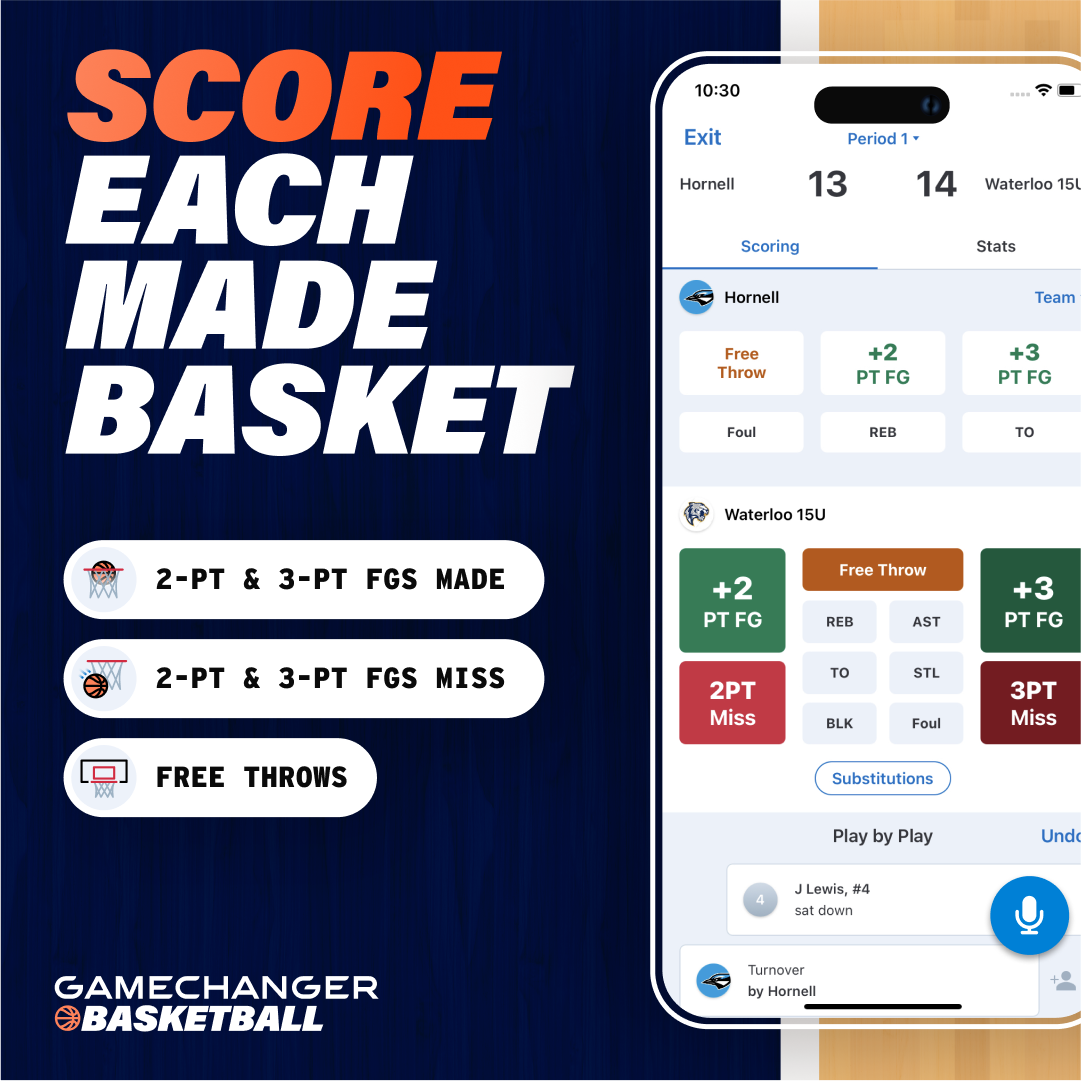
Hey, coach! Want to take your team to the next level this season? Introducing GameChanger, the ultimate game-day assistant with tools to give you a winning advantage. With GameChanger, you can track stats, keep score, and even live stream games, all for free! Get the stats and crucial game video you need to lead your team to victory, all from the palm of your hand. Coach smarter this season with GameChanger. Download GameChanger today on iOS or Android and make this season one to remember. GameChanger. Stream. Score. Connect. Learn more at GC.com/HoopHeads
THANKS, KEVIN HOVDE
If you enjoyed this episode with Kevin Hovde let him know by clicking on the link below and thanking him via Twitter.
Click here to thank Kevin Hovde via Twitter
Click here to let Mike & Jason know about your number one takeaway from this episode!
And if you want us to answer your questions on one of our upcoming weekly NBA episodes, drop us a line at [email protected].
TRANSCRIPT FOR KEVIN HOVDE – UNIVERSITY OF FLORIDA MEN’S BASKETBALL ASSISTANT COACH – EPISODE 968
[00:00:00] Mike Klinzing: Hello and welcome to the Hoop Heads Podcast. It’s Mike Klinzing here without my co-host Jason Sunkle tonight, but I am pleased to be joined by Kevin Hovde, men’s assistant basketball coach at the University of Florida. Kevin, welcome to the Hoop Heads pod.
[00:00:14] Kevin Hovde: Thanks, Mike. Really appreciate you having me on.
[00:00:16] Mike Klinzing: Thrilled to have you on and looking forward to diving into all the things that you’ve been able to do in your career. Looking forward to the conversation. Let’s start by going back in time to when you were a kid. Tell me a little bit about some of your first experiences with the game of basketball.
[00:00:31] Kevin Hovde: Yeah, actually I first started, really fell in love with basketball when I was about five years old. And ironically, I was actually living in in Europe at the time, in England. My family moved to England for my dad’s job for about a year and a half when I was four to five. And we were actually, I don’t know what we did a lot of different like little trips around, around England to kind of explore it.
So we were staying in a hotel one night as a family. And we were watching a movie together and it was called the pistol birth of a legend. And my mom wanted to turn it off because she would, she thought it was about like guns or something and didn’t want us, us to see it. Me and my sister and my dad was like, Oh, I think it’s actually about basketball.
And it was about Pete Maravich and his childhood growing up and kind of falling in love with basketball. And we watched that movie and I was, I was hooked right then. I wanted to do like everything that he did in that movie. And a lot of basketball people will know he, he put out like videos, like homework, basketball videos for kids.
And my dad bought me all of those and I would just watch them. And we were in England at the time, so there wasn’t much access to basketball. So my mom had to get me. a soccer ball and she like drew the basketball lines on it and I would just be in my garage like doing ball handling for hours.
So that’s, that’s really how I got, how I got involved and kind of fell in love with the game.
[00:01:49] Mike Klinzing: I’m saying that you had to go all the way to England to fall in love with basketball. So it doesn’t happen. That’s an unusual story, but starting out with Pistol Pete, that’s a good way to get started to the game. Back in those times you had, again, as you said, the videos, I remember there was a little, it was like, for lack of a better way of saying it, it was a brochure that I got with some of his stationary ball handling drills that were just like drawn out and there were pictures.
And I remember, man, that’s stuff that, I was in my basement just like you all the time, just boom, banging those things out over and over and over again. So you guys are in England for a year, year and a half. You come back to the States. What’s the, how do you, how do you keep working on your game? How do you get involved in basketball once you get back here?
[00:02:30] Kevin Hovde: Yeah I was lucky. I’m from a pretty small town in southeastern Pennsylvania called Kennett Square. It’s about 30 miles southwest of Philly. And so we moved back to that town and it was a little unique because the high school in the town, Kennett high school at the time didn’t have football.
So it was kind of a big basketball town and most of the really good athletes played basketball. Because of that. So for that reason, it was just a really good basketball school. So like when I was in like elementary school going to camps there and like going to the varsity games, the team was always really good.
And it kind of culminated in. When I was in eighth grade they actually won a state championship in Pennsylvania. It was a small school, triple A school at the time. They were it went from single A through quad A. So they won the state championship. It was a huge deal.
And like all those guys that I kind of grew up watching I really revered those guys and. they would let me play in the summers and we would play games at the Y right there in town. And it’s funny, like I always tell people now and tell, and I ask guys like on their recruiting visits to Florida, I would say like did you play growing up?
Like, did you play pickup or what did you do? Right. Cause I always like to hear and obviously now it’s kind of gravitated towards more structure and workouts and. so many of the games are structured games instead of just playing pickup. But for me it was a lot of three on three, four on four and like we would play at the Y and you couldn’t get the whole court cause there was always something going on on the other side, like a workout class or whatever.
So they dropped the curtain and then we would play four on four on kind of a, like we would go full court, but it was small it was probably 50 feet or whatever. Yeah. Yeah. Yeah. And so like the curtain was out and then the wall was out on the other side and like always playing against older guys.
So even when I was. 11, 12, 13 years old eventually I kind of became better than those guys but at the time they were two, three years older than me. So kind of just learned, like I call it the game within the game, like how to play a role when you’re playing with older guys, when you’re young.
And it’s game point you’re, you’re not, you’re trying not to mess up you’re, you’re not going to take a bad shot those kinds of things. And that, those things, they serve you really well not just in basketball, but in life. And I remember like, as I got older I was the best player on my high school team.
And then I ended up going to Richmond and playing at Richmond. And in high school I ended up averaging 20 and being able to kind of do what I wanted out there. I had a lot of confidence. And then when I got to college, it was completely different. I was playing a role.
I was fighting for minutes and always scrapping to get in there. And I laugh now looking back, cause it felt more like when you’re young playing pickup with older guys and you’re just trying to get in, fit in, not screw up. So that’s a little long winded there, but I do think that growing up and just playing a lot of four on four pickup and three on three with older guys was just so important for me developing as a player and now as a coach.
[00:05:42] Mike Klinzing: So when you think about that, and I agree with you 100%, you, you grew up in a very similar fashion to the way that I grew up. I mean, I didn’t have a trainer back in the eighties. I’m just playing pickup basketball and I’m doing stuff on my own and trying to get better. How do you think about that from a coach’s perspective now in terms of, I know that I can hear it in your voice and just from the story that you just told that you clearly prefer the way that you grew up in the game to the way that kids grow up in the game today, just for yourself personally.
But how do you look at it in terms of how players that you’ve coached, what do they maybe have that you didn’t have because of the way you grew up and that the way that you grew up in the game and then conversely what are they maybe lacking that players that grew up the way you or I did have if that if that question makes any sense?
[00:06:36] Kevin Hovde: Yeah, I mean I think The overall skill level now is higher. Just, and that goes all the way up to the NBA and what some of these guys are doing. And I think it trickles down obviously to college basketball and really all levels as far as like just the shot making. the way that guys can handle the ball now, to me, it’s higher level than when, even when I was growing up 20, 25 years ago, but I think that the obvious thing that is a little bit lacking is just the feel and sense for the game and there’s a lot of guys that have it, obviously we try to recruit it here, but and just in watching these games, there’s I feel like there’s more guys that don’t know how to play.
I call it the game within the game, meaning like how to play a role and what your role is. And like, you’ll see, like go out to these like AAU games or we’re going to events this weekend and you just have a lot of guys out there that are just forcing it and part of that is probably they’re trying to get recruited and there’s coaches there and that stuff.
I understand that, but there’s not quite as many like really good plays or guys playing together, beautiful passes. And there’s other things that go into that as far as continuity. And a lot of these teams haven’t played together as much, but I think just growing up the way we did.
You know, I sound old saying this now, but like that playing, I go back to three on three, four and four, the best thing about playing three on three, especially if you’re trying to get better as you get to touch the ball more so you’re playing five and five, there’s five guys out there that want the ball.
If you’re playing three on three you’re going to get the ball twice as much and be allowed to make decisions and read screens and drive and do all these and make these different reads when to try to score, when to throw it out, whatever, you know? So I think there’s so much more value in that than the drills, but it is different now.
It’s hard. Like my sister has a, her son’s getting really into basketball. He’s about 10 years old. And she’s always calling me. So what should I do? Like, Hey, you stuff. And like he’s pretty good player and I’m just like, can he play, is there any way where he can go play against older guys?
Like just do that every day for an hour or two, he’ll get better, you know? But it’s definitely different now, for sure.
[00:08:52] Mike Klinzing: And it’s hard. I mean, I think the other thing that kind of goes along with that, that I always think about is when you were playing or when I was playing and you’re just playing at the park or you’re playing at the playground or you’re in your driveway or whatever, like nobody’s watching you.
Like there’s no parent, there’s no coach, there’s nobody telling you, Hey, you did that wrong or you did that right. So you can kind of experiment. And I like your point about learning how to play a role when you’re playing with older guys, because you don’t want to make a mistake. You want to fit in, you want to win.
Cause if you lose in a lot of cases, you had to sit depending on what. You might’ve had to sit for a long time. No doubt. So I do think that there’s tremendous value in that just figuring out, okay, for this team, what do I have to be? So I’ll kind of jump ahead here, but in terms of like player development with the guys that.
You guys have at Florida, how do you approach with them both in terms of the conversations that you have with them and then in terms of how you try to develop them, that ability to play a role. Cause what I think is interesting, Kevin, is that, and I really never thought about this or process it until I talked with coaches at all these different levels of the game to the podcast.
And that is that when a kid’s young, when they’re eight, nine, 10 years old, what are we trying to do? We’re trying to develop. every aspect of their game, right? We’re trying to make them all around players. We want kids that can dribble. We want kids that can pass. We want kids that can shoot. We want to be able to develop them fully.
And then you think about how, as at each level of basketball, the kids who get to do all those things. That keeps getting smaller and smaller and smaller and smaller. So like, again, you as a high school player, you’re the best player on your team. You got the ball in your hands all the time. You’re making all the decisions.
You’re getting to do everything. You get to college, all of a sudden, man, if you get on the floor, that’s not what you’re getting to do. You have a very specific set of things that you’re supposed to do in order to keep yourself on the floor. And then obviously you go up to the NBA and how many guys are there that just get to have the ball in their hands and do whatever they want.
There’s 15 of those guys in the whole league and everybody else is just, Hey, this is what we need you to do. This is your role. So how do you approach that with guys who obviously are playing at the level that you’re coaching at the University of Florida are great, great high school players. Then they come in and they’ve got to figure out, okay, what’s my role?
What are those conversations look like? And then how do you approach player development from that standpoint?
[00:11:14] Kevin Hovde: Yeah, I think on the front end, one thing that’s great about the way we play that helps us in recruiting is because you are trying to recruit great players, like you said, and those guys are going to want the ball.
They’re going to want, be very interested in the role that they’re going to play. And the decision, they have good options as well. So it has to be, they have to feel like, all right, this is a place where I can really develop and ultimately reach my dream. And so I think the, the style of play helps that because we have a style of play that really spreads out the decision making across all five guys.
Now, eventually it’s not going to be perfect. not, not every guy is going to get to make 20 percent of the decisions when they’re on the court. it’ll naturally flow towards your better guys are going to have the ball a little bit more and be a little more comfortable and as the team shaped.
But I do think our style allows us to be very honest in recruiting on, Hey, you’re going to have a chance to make decisions whether you’re the point guard and obviously most teams their point guards are going to make a lot of decisions, but for us, even our bigger guys. They get to touch the ball a lot. And we work on decision making all the time in practice and it could be five on five, just, just literally coaching it. And then obviously using a lot of film and going back and saying, all right, was this the right decision here? all right, it was now, can you make it a little bit quicker?
You know, the speed in which they make the decisions is something we work on all the time. And we also work on it in putting them in kind of advantage situations, whether it be like five on four or four on three where. the decision becomes easier when there’s a little less defensive pressure out there and you can kind of see, all right, this guy’s covered down, this guy’s open.
So you’re working on those passes, those reads, different things there. So I think there’s different ways to work on decision making. And yeah, as far as. Kind of the conversations and recruiting on the front end, it’s very important to be honest and kind of lay out exactly the opportunity that they’re going to get to have the ball and make decisions and what we’re going to work on.
I think that’s an area where we do a really good job which allows us to be able to coach them harder when they’re here.
[00:13:24] Mike Klinzing: Yeah, that front end conversation, I think, is critical in all aspects of coaching, right? If you communicate up front before there’s a challenge, an issue, whether that’s with players, oftentimes we talk to high school coaches where you’re trying to get out ahead of potential problems with parents.
So you want to communicate and build those relationships. And then if you do get in a situation where you have to have a difficult conversation with a player, you’ve already built that relationship. You’ve already talked through it. You’ve, You’ve laid out sort of the groundwork of where we’re starting from, and then obviously you can progress from there and hopefully allow that player to be able to feel comfortable in whatever role that they end up playing.
Let’s work backwards to the decision to get into coaching. Were you one of those guys that grew up knowing that you were going to coach or was it, Hey, I finished my playing career and now I’m looking around going, I got to figure out a way to stay in the game, which is either one of those better described kind of how you, your route to coaching?
[00:14:15] Kevin Hovde: Yeah. I mean, I think probably. after my freshman year at Richmond, I knew up until that point, I still thought I was going to make the NBA.
[00:14:23] Mike Klinzing: Yeah, absolutely. I understand.
[00:14:26] Kevin Hovde: You’re 19 years old and you’re just kind of thinking like, I could go have a great career and do it. And then come to that realization that that’s probably not going to happen.
I loved Richmond and Chris Mooney has been there for 20 years. he had a huge influence on me and really just after probably during my freshman year, really. I just loved everything about it. the way the coaches communicated with us, the level of accountability.
And I think that’s when I was like, Hey, I really want to go try to do that. I want to try to emulate that and be able to have an impact on kids and be able to do it in college at a high level. Because I just thought it was, I really thought it was the coolest thing.
Just the level of accountability, how hard we practiced every little thing was just demanded at a really high level. And that’s something that resonated with me and really made me want to get into it.
[00:15:21] Mike Klinzing: Your mindset shift when you came to that realization, and did you start looking at things maybe from both perspectives, whereas maybe prior you were looking at it just from a player perspective and then kind of after it hit you, you’re like, Oh man, I got to kind of start looking at this from, I mean, here’s what I see as a player.
Maybe let me kind of dive into what the coaches are thinking or looking at it from a, a little bit more from the coaching side of it.
[00:15:45] Kevin Hovde: Yeah, I think that happened. So I actually redshirted what would have been my senior year, my fourth year at Richmond I had a medical redshirt with a broken ankle for that year.
And that year, I think things really slowed down for me that way. And coach Mooney was awesome. He was like, When it happened I told him I really wanted to come back for a fifth year. So I was coming back the next year, but he said, Hey, you really got to use it. And he knew I wanted to coach at that time.
And he, there was a guy on our team that was a younger guy that was still trying to figure it out. And he was ended up being a great player at Richmond, but he said, so coach Mooney came to me and said, Hey, why don’t you kind of take him under your wing at practice and just talk to him about what’s going on because the speed in which we practice was really fast pace and all.
And so he was like, go help him and kind of talk to him. And he was like, and that’ll help you learn to talk to players. And I kind of like, what do you mean? And he was like, you got to learn how to talk to players. You have got to learn how to communicate, that’s the most important thing in coaching.
So I took that year and I tried to do it and I think it made me better, but more than anything, it kind of resonated, that conversation, you have to learn how to talk to players. And from there, it was kind of like. All right, everything that is being put out on the floor, there has to be a level of communication that’s really concise and to the point where all the guys are going to understand it not just one or two guys.
Cause guys got to listen when other guys are being coached as well. So that was really, I think that fourth year that really helped me kind of slow down the game it kind of gave me just a little bit more insight into what it was like to be a coach. And then I got to go back and play the last year.
And we were really good. I didn’t really get in there that year into the rotation, but it was kind of the same thing, I was out there practicing, but I was definitely looking at it through a different lens.
[00:17:44] Mike Klinzing: Would you say that that communication piece, if you had to pinpoint the number one thing that you took away from Coach Mooney, would that be the number one piece of it or was there something else too that you would think that still influences you today that, that you picked up from your time with Coach Mooney?
[00:18:00] Kevin Hovde: Yeah. I mean, there’s so many things especially as just a person, he’s just an incredible family man, a great guy, like someone you want to emulate. From a coaching standpoint, I would say the communication piece, that’s where to me, he’s elite. If you ever go to like a Richmond practice he really has an amazing ability to, to communicate and to run a practice and, That’s something for me, like when I got into it, I was just trying to emulate him a lot of people, if people watch him coach and then came to one of our practices, they probably would’ve laughed because I was kind of trying to sound like him.
But I think that’s how a lot of coaches are you’re sure you’re leaving the coaches that you’ve worked for or played for But I really do. I got to go work for him and be one of his assistants later. And he’s just, to me, I haven’t seen anybody better as far as running a practice and being able to communicate with guys.
I think he’s really special that way. I’m lucky I’ve got to be exposed to him as a player and as a coach.
[00:19:04] Mike Klinzing: But when you graduate, I’m assuming that his network and his influence help you in your job pursuit initially coming out of Richmond. Just talk to me a little bit about that initial job search and finding the position that you eventually found at Columbia.
[00:19:18] Kevin Hovde: Yeah. So I was at the time, after I got done playing, I think I met with coach and told him what should I do here? How do you recommend that I kind of pursue this? And it’s funny, he’s an old school guy and he said well, I think you should write letters to the coaches at places where you’d want to go to try to be a GA or something.
And so I was like, okay, so I think I wrote like 90 letters like typed out and like mail them all out. And like I’m thinking like, all right, where are the places that I want to coach? So I’m like North Carolina, Duke, like all these different places. So I got a lot of responses like, Hey we don’t have anything, but thank you, whatever.
And anyway, but what ended up happening was so coach Mooney is. One of his best friends in the world is Kyle Smith. They actually worked together as assistant coaches for one year at the Air Force Academy when Joe Scott was a head coach there. And at the time, a huge mentor of mine, Carlin Hartman, who’s the associate coach at Florida now, we work together now.
He at the time was the associate coach at Columbia. And he was the one that kind of spearheaded getting me up there along with coach Mooney. And so anyway, I went up there and it was kind of the only, it was really my only option to stay in division one at the time was to be a graduate manager at Columbia to get into grad school.
And I just got so lucky. Number one, that coach Hartman was up there, but really that Kyle Smith was the head coach there and that was something that again, like a lot of guys are just trying to get in where they fit in. Like, especially when you’re trying to get in you, you have so little control of where you end up.
And for me, it was just so lucky it ended up being with coach Smith. Cause We just became so close and I think we had an incredible working relationship and that happened really quickly and it was just lucky at the time. Like he was obviously a young head coach and he was going into his second year when I got there and we just clicked right away and I ended up working with him for eight years and I was lucky he was able to promote me and put me in different spots and allowed me to take on a ton of responsibility.
And followed him out to San Francisco and he’s still a guy we probably talk on the phone three or four times a week. So just awesome.
[00:21:43] Mike Klinzing: What about the experience coaching the Ivy league? What was that like?
[00:21:46] Kevin Hovde: Yeah, that was great. I loved it. I always say that was the most fun I’ve ever had in coaching.
And part of it was the Ivy league. I really enjoyed coaching those kids and the league was awesome when we were in it. Harvard was great. Princeton was great. Yale was great. We got really good the last year we were there we were like pretty close to a top 100 team KenPom.
And every game was a back to back. So it was like Friday, Saturday night. So six weekends in a row in the winter, and you’re kind of just grinding through it. And it was, it was great. And from a recruiting standpoint, it taught me so much too, because it’s just volume recruiting. So especially at Columbia.
You’re trying to find guys that are, I don’t want to say diamonds in the rough, but it’s very hard to compete against the schools that have traditionally been at the top of the league. So you’re really trying to find guys that either they don’t know about or guys that. maybe you’re have a lot of upside that, but aren’t there yet, like a skinny guy or a guy that’s played two sports in high school and was overlooked.
So that’s where Kyle is he’s obviously a really smart guy, but he was the person that could really identify those guys and evaluate the right guys for the program that he was building. And we were able to get enough of those guys in there to get pretty good. So anyway, again, long winded, but I love coaching the Ivy league and I think the Ivy league schools are all very different.
And like I said, coaching at Columbia, it was, the recruiting was different because you did have to find some guys that the others weren’t really recruiting or didn’t really know about.
[00:23:28] Mike Klinzing: I’m sure New York City itself was either a huge draw or a huge drawback, depending on the guy.
[00:23:34] Kevin Hovde: Yeah, no, for sure. And you had to get to that quickly along with other things. It’s funny. I’m really close with John Jake. He’s the head coach at Cornell and Mike Martin at Brown. And they, those guys always talk about like, you have to right away you have to figure out what’s the financial situation.
Can the kid pay, do a financial aid read. And then obviously academically, you better know right when you start recruiting a guy, you better get that transcript because if you waste a few weeks or a couple months recruiting a guy who can never even get into school, then you’ve just wasted a lot of time.
So. There’s some legwork that goes into it on the front end, especially with the amount of guys you’re recruiting. And for us at Columbia in New York city was the other piece of it. It’s like, you better find out either you’re going to know right away when they get there or can they do New York or not?
Cause it’s just so unique. So you definitely had to find those guys. But I think it was like Kyle was amazing because He made it so much about the basketball program. So it’s funny, because I think guys kind of expect you to be selling the New York piece a lot at Columbia because it’s obviously in my opinion, the best city in the world, it’s an amazing place, but Kyle just, he’s so outside the box. He would kind of go the other way on guys and be like, Hey, this is about basketball. It’s basketball and academics. And like if you want New York city, you want to go out, you want to do all that stuff.
We don’t want you, it’s just like they’re kind of throwing you for a loop, but It worked. We were able to get some ballers in there and some guys that really, really cared about basketball were in the gym all the time. And that’s what you have to do. That’s what you have to do everywhere, but it’s harder in a place like New York because there’s so many things that can kind of pull you away from it.
So you got to make sure you’re getting the right people in there that, that are going to stay focused and committed to the program.
[00:25:16] Mike Klinzing: From an academic standpoint, what’s the balance like in terms of access to your guys, making sure that they’re getting the class time they need. And obviously the academics at a school like Columbia is hugely prioritized.
Just how did you guys balance out the workload that your players are carrying from an academic standpoint versus how much you wanted them in the gym for basketball?
[00:25:41] Kevin Hovde: Yeah, I think it’s natural. I think it wasn’t something that we were overly consumed with. Obviously it goes back to getting the right people in there.
And that’s the most important thing. And when you’re recruiting a kid to Columbia, obviously he’s already going to be a great student in high school. He’s going to be attracted. Most of the time they’re attracted to the Ivy league. So they kind of know what they’re getting into that, Hey, this is going to be really hard.
It’s going to be a huge challenge. But for us, The main thing I would say was that on the front end and recruiting, and we still use this today at Florida, we use the same exact thing. We would really talk about what we’re going to prioritize when they’re within our program. And so you’re sitting down there with the kid and the parents and what we talk about is there’s kind of three things. We call them three spheres that we really focus on. And the first one is faith and family. That’s kind of one sphere and those things we talk about those things have to be right in your life for you to be as good a player as you want to be.
And then the second one is team and that’s kind of all encompassing basketball. So that’s team, but it’s also like your workouts, your lifts, everything that has to do with the program. And then the third one’s academics, which is obviously really important. And then everything outside those three spheres are the things that we try to fight against.
And again, we’ve used this at every single stop I’ve been at, and it’s a powerful thing, I think on the front end for guys to hear that. And we’ll go through like with the parents there, those distractions that are on the outside are the things that are going to stop you from being the best you can be.
And that could be partying or video games or whatever it is. And those are the things that we really try to keep out. And we want guys that don’t want to do that and it doesn’t mean you can’t have a social life have friends do that stuff. But you really got to be zeroed in on the hoops and academics.
And obviously your family what’s going on back home has to be right. So I think if you can get the right kind of people on the front end that are going to be those highly for lack of a better term, zeroed in, focused guys, then they’ll be able to handle the academic piece when they’re there.
And obviously there’s challenges and there’s hard classes. That’s not to say some guys weren’t struggling or it was difficult. But if you get the right people that you feel like these guys are going to give a great effort and they’re going to treat people here, right. Treat the professors the right way.
They’re going to try as hard as they can. They’re going to go to study hall, put extra time in. Then they’ll help you get through if you’re struggling. So like anything, I think it just goes back to making sure on the front end, you’re getting the right people in there.
[00:28:20] Mike Klinzing: Absolutely. All right. Tell me a little bit about the trip cross country. You go from New York city to San Francisco.
[00:28:27] Kevin Hovde: Yeah, it was crazy. So we. Kyle’s obviously, he’s a West Coast guy and he loved being at Columbia. I mean, he would say he could have been there, retired there, but I think part of his family’s back West his wife’s family’s back West.
So he always kind of had it in the back of his mind. I think that if the right opportunity came up that he would want to get back. And so that year we were, it was good timing because we were good. We won 25 games that year at Columbia, which is. a school record for wins. And his obviously background being at St. Mary’s for nine years, WCC and building that program. He was just a great candidate to get back to the league, to the WCC. And a few jobs opened up that year. And I remember this was about 10, we were playing in the CIT post season tournament. And he called me in, this was like 10 days before our season ended and he kind of said like, Hey, San Francisco, like this seems like is going to happen.
And at the time I was 27 at the time and he kind of just said, are you in? And I immediately was like, yes, I’m in I was just like, I knew I was going because you just like, this is my guy you’re just loyal. And we’ve just kind of built this thing up. It’s so exciting. And now we’re going to get this new opportunity.
So literally it happened quickly. So we ended up winning the CIT And go out, celebrate, whatever. And the next morning we wake up and I went in the office, it’s probably like 11 AM. I hadn’t seen him and he comes in and he’s just like, yo, we’re leaving at 6 30 tonight. We got a flight, San Francisco.
So I was like, I call my wife, who’s my girlfriend at the time. We weren’t even engaged yet. We were very close to getting engaged. And we knew that we were going out there together. She was, she was in, so. But I had to call her. I was like, Hey, like I’m actually leaving tonight. So that was a little bit tough to take all of a sudden, like it would just happen pretty quickly.
So anyway, that night said goodbye to her and got on a flight with Kyle that night and the next day, so this was two days after we had just played in the CIT championship the next day we were working out the guys at San Francisco. So you throw on different gear and you’re trying to teach them the fundamental drills, you know?
So it’s such a whirlwind. And that was obviously the first time that I had done it, but it’s funny because our culture at Columbia was, I think, very, very good. And we had so much continuity and. we had just years of the program being established and the things that we worked on and the drills and the warmup for practice and all the little things and it’s like clockwork.
And then all of a sudden you’re in a completely new place with eight or nine new guys. And you’re trying to teach them, this is how we do Mikans and it’s just a lot of legwork to kind of get it going. And you forget until you kind of get to a new spot.
[00:31:19] Mike Klinzing: What about advice for coaches that have to move across the country just in terms of organizing your life?
[00:31:25] Kevin Hovde: Yeah. Yeah. That was well for me I was, I didn’t have much at the time. When I was at Columbia, I lived in a studio apartment right below campus. So it’s not like I had like a bunch of stuff to move.
I think the stuff that I did move, I just threw in the back of Kyle’s moving truck. I was lucky because I think I got engaged to my wife like a month right when she got out there. like a month later we got engaged and she was pretty, she spearheaded the apartment search and all that stuff.
So I was very fortunate that way. I didn’t have to do that much.
[00:31:58] Mike Klinzing: That’s the way to do it right there. Yeah, exactly. Let somebody else, let somebody else take the lead. And it’s perfect. So at San Francisco, how long does it take before you establish what you talked about in terms of what you, what the expectations are in terms of the culture, in terms of just what you guys expected.
How long into it was it before you guys felt like you kind of got a handle on that?
[00:32:21] Kevin Hovde: Probably, I mean, really got a handle. I mean, probably a year I mean, that’s in reality. I mean, you’d like to say it was quicker. But we were. Yeah. the time we were, we were playing the way we played at Columbia and early on at San Francisco was similar to how I played as a player at Richmond.
So it was a Princeton style and that I think is great, especially when you’re trying to build a program because. the things that you’re that you have to work on are kind of relatively simple and it kind of allows you to build out your program with kind of working on really working on the offensive parts.
So you’re kind of trying to establish that. And so that allows you to simplify it, but then you need to buy in and that’s what’s difficult because you’re trying to coach guys that you didn’t recruit. And for the most part, I mean, those guys were awesome when we got there. Really, really everyone, but there’s always a little some hiccups and some trust issues, especially when things don’t go well you lose a game or two and just because again, you’re taking over and coaching guys that you didn’t recruit.
I think that that becomes harder when you hit those bumps in the road in your first year. Whereas as you get established and you get a couple of recruiting classes in there, it just becomes much easier to go through. difficult things and get more established. So it’s not an exact science, but obviously we worked really hard at it.
We had a European trip that summer, which helped. So we got 10 practices. So that kind of sped up the process, but we didn’t really, we were decent that year. And then the second year we were, we still struggled offensively. We got really good defensively. And then the third year we were legitimately really good.
We were close to the top 50 team and pretty good on both sides of the ball. But I think culturally it probably takes, it takes a good year to really get it going.
[00:34:12] Mike Klinzing: Would you start thinking about your own growth as a coach? What areas do you think from where you started until that point in your career in San Francisco, what are some areas where you feel like, man, I really developed myself over those first 7, 8, 9 years of your career?
What do you think you got better at over the course of that time?
[00:34:36] Kevin Hovde: Yeah, I think I was very lucky because when we were at Columbia, as I mentioned earlier, Kyle, he really allowed me to take on a lot of responsibility. And part of that is the one of the things that makes the job so hard, as you mentioned, New York city, it’s really hard to get a veteran staff in there because it’s just so expensive.
So when there was opportunity to grow, whether it be promoted or to take on more responsibility. for me as a younger guy If I wouldn’t have got as much responsibility as I did, if it was just an easier place to live and he could have probably got some more veteran coaches in there that could have done a better job.
[00:35:20] Mike Klinzing: So Older guys didn’t want to, didn’t want to live in a teeny tiny apartment and make no money. Is that what you’re saying?
[00:35:25] Kevin Hovde: I wasn’t thinking that when I went to Columbia it was just my only opportunity to get in. It definitely worked out that way where I was able to get on the road and recruit in my second year there at Columbia.
So I was 24, which was awesome. And then just from a coaching standpoint, taking on responsibility and practice and particularly on the offensive side of the ball are going into our third year at Columbia, we had just our personnel was better fit for playing our bigs were more skillful and kind of good facilitators and not great scorers and.
So it was really, obviously it was Kyle’s idea. He was like I think we should run more prints and stuff. We need to play out a point one, two, two and different things. And so I had just played in that at Richmond. So he kind of was leaning on me to put stuff in and then it kind of spiraled and kept going.
And next thing you know I was kind of in charge of implementing and refining the offense. And we had good success doing it and then bringing it out to San Francisco, that, that was kind of the idea is we’re going to play the same way. So for the first two years we were implementing the offense.
And if you watch those teams, I think we were pretty good running our stuff. But just our adjusted offensive efficiency, what really matters putting the ball in the basket, we weren’t great. And we were kind of trying to do it with some guys that didn’t fit. We were kind of trying to recruit to it.
And I think after that second year at San Francisco, we kind of realized like, listen, we just need to recruit great kids who are the best possible talents. And if you get some guys that maybe are a little less skilled or not quite perfect for the offense, that’s okay. We need to adjust. And that was a huge learning experience for me as you tied it, tying it back to kind of how I developed as a coach at Columbia, it was the offensive coordinator and putting in the prints and stuff and kind of refining that.
And then when we got out to San Francisco, after the first two years, we changed the way we played and kind of went to the more, like I call it ball screen motion but different flow similar to how we play now in Florida. And so I kind of had to learn the ins and outs of that deal of that offense.
And then implementing that there was, there were some differences and a lot of the things that I knew from playing and coaching up to that point were the same prints, like principles, like sprinting to set screens or how you set ball screens and that stuff.
So there were some similarities, but obviously different pattern. So I think over those first six, seven years. I really became very comfortable, I would say, commanding offense in practice and in games and just putting it in, refining it, and then also like play calls and wrinkles and all that stuff.
I just was able to get comfortable doing all that.
[00:38:19] Mike Klinzing: In addition to talking with the guys on your staff and learning from them, where do you go? How do you go about getting better at your craft? What are you watching? Are you looking at things that are happening over in Europe? Are you watching other college teams?
Are you trying to steal stuff from the NBA? Just as you’re sitting down and trying to think about, okay, how can I improve my ability to X and O as a coach? What are your sources? Where are you going to do that?
[00:38:48] Kevin Hovde: Now, definitely a lot of Europe, YouTube stuff. I’ve got a chance to recruit over in Europe, more so than being it since I’ve been at Florida, I’ve been over there a couple of times, the FIBA stuff. So that stuff has really intrigued me just watching pro teams and national teams and the Australian national team has had a really big influence on how we play now. So that’s really just studying film, mostly professional stuff, I would say from Europe, Australia, and some of the NBA. But at the time when I was younger, probably I think it’s like when we were at Columbia, like Yale was a great team and we were always fighting that they won the league the last year we were there. And I just respected their program so much.
And so when we changed the way we played at San Francisco, after that second year, we kind of tried to copy what Yale did. So I actually had the Yale scout when I was at Columbia. So I’d watched probably 50 of their games over the five years or whatever.
And so I kind of had a good feel for how they played just the pattern and how they moved. And then it becomes are the intricacies of the screening angles and all that stuff is things that you have to figure out how you want to teach. And there’s some trial and error there. But Yale, James Jones, incredible coach, incredible.
And their assistants are amazing. He’s had amazing continuity. Those guys are good friends now and people that I rely on. And then when we were at San Francisco, it was Gonzaga, obviously, and everyone’s trying to catch them. It’s impossible, but they’re incredible. Yale and Gonzaga play very, very similar brand with the ball screen motion and a really physical front court, front court players that are going to beat you up inside and try to get deep post ups and duck ins and all that stuff. And so just studying both those teams and even now at Florida, I think we’re probably a combination of both those teams, what they’ve been over the years and a little bit of Arizona and what Tommy Lloyd’s brought to Arizona.
We mix in there, but I think it’s a really good formula for college basketball, the way those teams play. And it’s been pretty good for us going into our third year at Florida.
[00:40:58] Mike Klinzing: Before we jump to Florida, tell me about getting a chance to go back to your alma mater.
[00:41:01] Kevin Hovde: Yeah, that was really special. As I mentioned, coach Mooney, he’s had a huge influence on my life and I just love him. He’s a great, great person, great coach. And after my fifth year at San Francisco, this was Todd Golden was now the head coach. So Kyle Smith had moved on and it was a couple of things.
It was the opportunity to go back to a place I loved great level and a 10 and as I mentioned, I’m from the Philadelphia area. So get back to the East coast. And we were coming in two years into the pandemic in San Francisco, which was really hard. that was a hard living in a two bedroom apartment out there and with heavy restrictions and that stuff.
And so there were a lot of factors that went into it, but none more than just being able to go back and work for coach Mooney is really special to me and the, the place and the people there are really special to me. I have great friends there and people that are close to the program.
I think it’s like one of the most under, not underrated, but like, it’s not that well known how close like people talk about the brotherhood of Duke, like Richmond is, is like that on a, on a smaller scale. But just across generations of guys that played for Dick Tarrant back in the eighties and early nineties, and now coach Mooney’s been there for 20 years.
It’s an insanely special place. And most of the guys that played there love their experience, love going to school there, love getting back. So it’s just really cool, really cool place. And the opportunity to go back and be an assistant there was just special for me. And it was kind of a no brainer. So got to go back and do it and kind of jump back into Richmond and everything that program is, and it had changed a lot.
I was away from it for 10 years. And I would say the. The overall style of play and culture of the program and kind of the style of play driving every part of the program was kind of the same. But definitely if you watch the teams now compared to when I was a player, it looks different.
But still the same idea of like unselfishness five out and versatility all over the court and the balls zipping around. So anyway, I could talk, I could go on and on about it, but it was an experience that, that I absolutely loved. And obviously it culminated, we ended up winning a 10 and get back to the tournament, which obviously made it that much sweeter.
[00:43:17] Mike Klinzing: Was it in any way different from your other stops in terms of you had been on the one side of the curtain as a player, and now you kind of stepped. behind the curtain in a place where you spent so much time as a player, just, it had to be at least slightly surreal to kind of be, okay, here I was in the locker room as a player.
Now I’m in the coach’s office. How unique was it to kind of go behind the scenes? And again, your relationship with coach Mooney as a player, and then obviously as a colleague, as a coach, just talk about that aspect of it in terms of returning to a place of familiarity and yet at the same time, doing it in a way that was.
On the other side of that divide, for lack of a better way of saying it.
[00:44:00] Kevin Hovde: Yeah, I think it was easy, but again, it’s probably because of how special the program is. And it speaks to what he’s built over 20 years there. But getting back there, I was just joining a great team. We had great players that were there.
Grant Golden was a great player there. Jacob Goers playing the NBA now and guys that loved Richmond, you know? So like going back there, even the first workout and like introduce myself, talking to those guys. Just that, that was easy because we all just love Richmond so much. And so I think working for coach Mooney was, I don’t want to say a challenge, but definitely my relationship with him was different because he coached me.
So I was a player and you’re looking at him differently and now you’re working for him and now I’m on his staff. So I’m sure he felt the same with me. He’s trying to find a way to make sure that I’m comfortable and can work as hard as I can and ultimately be productive.
So that was, yeah, that was great though, because I really feel like, and I was only there for one year before the Florida opportunity came. And that was something that I think over the course of the year, by the end, the last couple of months I was there, I think we were really comfortable.
I talked to him about it now, but just like going into his office and after practice, sitting in there, talking for 45 minutes or an hour, I just felt like our, at that point it takes a little time, but our working relationship had really taken off and again, it takes a little time.
And like you said, it’s different because working for Kyle was I always worked for Kyle when I met him and obviously. Todd Golden is we worked together as assistants before I worked for him when, when he became the head coach at San Francisco. So our relationships is different, but yeah, definitely the overall experience coming out to Richmond was awesome.
And I just loved every moment of it. And honestly, it was easy.
[00:45:55] Mike Klinzing: Just call him coach. Or was that a transition that you, that you, that you ever made to calling him by his first name? I always think that’s interesting. Cause again, when you’re a player, I’m 54 years old and anybody who ever coached me, whenever I see him, I, I still call him coach.
So how did you guys approach that? But I’m just curious.
[00:46:12] Kevin Hovde: No, I still call him coach. I mean, I still call him coach. I think everyone there, even the assistants do, it’s kind of, it’s definitely, it’s buttoned up. It’s proper. I’d be here he would probably laugh if I said that, but….It’s old school for sure.
[00:46:28] Mike Klinzing: All right. Tell me about your relationship with Todd and just again, how that leads to the opportunity at Florida.
[00:46:32] Kevin Hovde: Yeah. Incredible. really like a brother, probably the closest thing I have to a brother. we met back at Columbia. He joined our staff after our first year at Columbia, Koby Altman left, who’s obviously now the president of the Cavs and in came coach Todd Golden who it speaks to kind of Kyle Smith and his ability to hire talented people at Columbia.
But so anyway, Todd came in and he worked two years at Columbia. We worked together as assistants and then he went down to Auburn for two when Bruce Crowe got the Auburn job and got the SEC experience. And then he rejoined us out of San Francisco. And when we got to San Francisco I was, it was funny because obviously he was at Auburn.
So he’s assisting the SEC. And I was like recruiting him to come to San Francisco. I was like, come on, man, you have to come back out here, we’re going to do this. We’re going to build it. And I think he really liked the idea of obviously he’s really close with Kyle as well.
Kyle coached him in college and they’re extremely close. And then the ability to be the top assistant at San Francisco was really appealing to him. So came back out and then we, yeah, we did it together. He was the associate coach for Kyle’s three years there. And then when Kyle got the Washington state job I stayed at San Francisco and was really lucky.
Todd promoted me to associate coach. I think wanted me there with him and it was, it was great to kind of be with him as he kind of became a head coach and obviously his role and responsibilities and changed and to be kind of right there for that. And it was a good learning experience for me.
And then being able to kind of help him through it with some, to have that continuity, I think helped him because we were able to kind of just keep the program. intact, like no one transferred out. And obviously the data, we had like 12 guys back in his first year. So the day to day was kind of the same.
We just kind of kept it rolling and we had a really good year and then the post season got canceled cause of the pandemic. But anyway, overall, just, we just have an awesome relationship and just super thankful that I was able to cross paths with him. He’s obviously extremely talented guy, great coach. And I’m just excited for what we can do at Florida.
[00:48:44] Mike Klinzing: All right. Tell me a little bit about your day to day role at Florida. What are some of the things that you’re responsible for?
[00:48:50] Kevin Hovde: Yeah. I think offensive coordinator is kind of the main thing. So, and that probably goes back to my experience with Todd together.
I was kind of doing that at Columbia when we were both assistants and at that time he was defensive coordinator. And then we kind of did the same thing when we got to San Francisco. So I think Kyle felt really comfortable delegating the staff that way. And then when he became the head coach at San Francisco, like the thing about Todd is he’s has a great personality, he’s magnetic, but he’s very low ego and a great delegator.
I think he felt comfortable when he was promoted to head coach, he wasn’t like, Oh, I need to do things this way. Like he was like you’re doing well, keep doing what you’re doing. So I was able to kind of do that for him there. And then once we came down to Florida, it was pretty seamless.
He was kind of like, yeah, like I want you to have similar role. And I would say he has more input now than he did. when we were younger but again, pretty, pretty seamless for me to kind of have that role here. And again, take on the, a lot of the implementation and refinement of the offense.
And I think we’re similar in that now at Florida, we really feel like we can recruit at an extremely high level. And not, you’re not picking and choosing guys, but you, you can get. Kind of the type of guys that you want from an attitude perspective, most importantly, but also from a skillset.
And so the way we’re playing now, we feel like we can kind of recruit to it. Which is a really nice luxury. Cause it kind of hasn’t been that way. It really wasn’t that way at Columbia and San Francisco. It was more like you’re like a lot of jobs. You’re trying to get the best possible talent and more figure it out.
[00:50:28] Mike Klinzing: All right, from a recruiting standpoint, you’ve obviously been in all different areas of the country where you’re building relationships, whether that’s with high school coaches, with AAU coaches, and clearly now with the portal, recruiting has certainly shifted to, I think, recruiting. Probably in all honesty, the portal is probably a more important place to recruit than high school in a lot of ways, because again, you have players who are coming out of there with college experience, but just tell me a little bit about the transition from each area of the country in terms of kind of what does the learning curve look like as far as What’s important as a recruiter when you first get to a new institution?
Is it getting to know sort of what you’re selling about that program? Is it the, the, the coaching staff that you’re now working with? I just, how do you go about making sure that You know what you’re selling and who you’re selling it to as you get out on the recruiting trail.
[00:51:24] Kevin Hovde: Yeah, that’s a, that’s an incredible question.
And it was probably at my first two stops, I would say I was just really lucky that I had a head coach that was He was very confident as a recruiter. So everything I learned about recruiting to Columbia was kind of from Kyle. And just the day to day on like, I being able to identify and evaluate the right kind of guys that are in our wheelhouse that we should go after.
And we kind of took that to San Francisco and that job is more regional. Like at Columbia, you are recruiting across the country and really across the globe our best players from Germany. So at San Francisco, it was really the West coast and then international. And at that time, Todd was really flying over to Europe a good amount and trying to tap into that market.
But yeah, I mean, as far as like learning how to sell the school, I mean, for us, it’s just so much about the program and these guys and really all the guys that I’ve worked for, that’s one thing I would say, they’re all different, but the one thing they have in common is they just revere the idea of program and team and a level of accountability and being demanding and those things.
And so that becomes so strong and such a big part of what you talk about all the time and what you’re building towards. So that’s what you start to sell. So for us that even though we’ve been at different stops and I was obviously back at Richmond, which was different than a little bit different, but that idea is still, it’s such an easy sell because you believe in it so much.
So even. The job, the different jobs, like I said, that kind of changes the region where you can recruit from. Like you’re at San Francisco, you’re kind of staying off the East coast in the Midwest. You’re really just recruiting California and the West coast and up to the Northwest and then Canada and Europe and Australia as well.
But even that’s hard because St. Mary’s has that. You’re just not going to be able to beat St. Mary’s on a guy, and then going back to Richmond, it was your, you at Richmond, the difference is you are recruiting to the system more so coach Mooney is, so he just puts like fluidity and skill is such a high priority.
So that can kind of whittle down your, your, the cast of guys that you can, that you can recruit. And you’re trying to recruit to a system. And obviously there’s a very high academic component at Richmond as well. So you want to make sure that you’re, it’s not an Ivy, but it’s like that.
You’re trying to bring in guys that are going to do well there and appreciate the place, the academic piece and the social piece as well. And then Florida is just a different beast. It’s a different beast. That’s the one that in all my experience as a in recruiting it can’t prepare you for this.
You know, it’s because you’re trying to recruit the very best guys, high school guys and the very best transfers. So you’re now the, the huge benefit is you have an incredible brand. So even my first, I’ve never my first recruiting call at Florida it was to a kid named Grant Basile.
It was a transfer from Wright state. He ended up going to Virginia tech. But it was like my first day on the job and said, I, this is Kevin Hovde for the Florida Gators. And right away you can be in the top five for certain guys because it’s just so strong and there’s definitely a ring to it.
So that’s amazing. But at the end of the day, it gets back to what are you actually selling? we’re not selling, Hey, Florida is a great place, there’s great weather. It’s really fun. You’re still selling the program. Like what is different about your program compared to the other programs in the SEC or the other elite programs in the country.
And that’s where you’re just drawing back on, all right the three spheres of focus and attitude and work ethic. And here’s how we develop guys and all that stuff. So you’re trying to be the best you can possibly be at that. So you can sell it and make sure that guys have a really honest understanding of what they’re getting into.
[00:55:25] Mike Klinzing: Building culture when you have as much player movement as you do. And then when you also have kind of the NIL piece that is in the locker room, what are some things that you guys do to make sure that you have all the dudes in your locker room pulling the same direction and building the kind of culture that you want and not have it kind of fracture off?
Well, how do you go about Building relationships in that short period of time. How do you get guys to buy in? What are some of the things that you guys have done to be able to build a cohesive team in what is, again, probably a shorter period of time than historically coaches have had at the college level?
[00:56:04] Kevin Hovde: Yeah, I think it’s that is, that is tricky. Honestly, in two years here, it hasn’t been as difficult as one might think I think for us, it’s just, it’s head down, it’s program all the time. And there’s going to be less continuity. We actually have what I think is good.
We have like six. We have seven guys back from last year’s team on scholarship and that’s great continuity these days. Like that was like, we were like this spring, we were like, Oh, this is awesome. Like we’re going to be flying through drills and less teaching. And last year we had nine new guys.
So. So I think you’re right, there is less continuity, but so that can slow things down a little bit. But I think for us, cause again, we’re, we’re very strong on our style of play, how we play on both sides of the ball. Like there’s always going to be a really good plan. I think for, as far as getting them kind of on the right page quickly, like we just got our guys back last week.
So we’re in our second week right now. And obviously we’ll work out, we’ll play a lot. We’re trying to get everything in. We need to get in, but the relationship piece and kind of the speed in which you can build relationships becomes more important. So we’ll do team building stuff throughout the summer.
We’ll structure it so we’ll do stuff at night and. trying to make sure we’re taking these guys to meals, having them over to the house. I think our staff’s really, really good at that. As far as like making sure they feel taken care of and that we’re building relationships with them.
So all that stuff has always been important, but now it’s, it’s even more important, like you said, because of the. The way things are and the amount of turnover that you’re going to have and getting these guys to trust you. So. I think there’s that basis of being able to trust you as a human being.
And then there’s obviously the basketball piece is as I talked about in the beginning, but kind of the brutal honesty on the front end about role and what the, what’s going to be expected of. And for us, like coach is never going to promise minutes and like whole promise opportunity.
They’ll say, Hey I think you got an incredible opportunity to start. You got to go do it though. You got to do it every day. You got to earn that but making sure they feel very comfortable on the front end of like, all right, here’s the world to bring me in for.
Here’s what’s going to be expected every day. And then we can hold them accountable on that. And that’s going to create happiness. That honesty is going to create happiness, even when there’s hard days and there’s frustration, but. If you can be honest on the front end, then you’ll, it’ll serve you really well as far as being able to have a good culture and try to try to establish trust really quickly with these guys.
[00:58:50] Mike Klinzing: Tell me a little bit about practice planning and how you guys go about doing that as a staff. And let’s say it’s a preseason practice. So not a preparing for a scout and getting ready for a conference opponent for something like that. But let’s just say in the, in the weeks as the season starts before you start playing games, what’s the practice planning look like for you guys as a staff?
[00:59:10] Kevin Hovde: Yeah, we have like essentially a calendar of things we want to get in. So if we start practice in late September we’ll have essentially six weeks before you play a game, but we’ll kind of have. And we’ll have a lot of like our secondary break and that stuff in already at that time, but what we have it kind of mapped out week by week on like situations and different things that we want to do and get in, whether that’s like end of game stuff or defensive stuff or different defenses or zones and stuff like that kind of mapped out just week by week.
Like, all right, we have to get this in by this day. We have to get this in the next week, just so we’re ready to play a game. And I think that really goes back to Kyle Smith used to have it on his like whiteboard. He would have like a checklist of everything you need to play a game and you’re trying to check these things off and these kind of all over the place.
And we’ve tried to have that and make sure that it’s very like structured in a logical way, as far as being able to get things in. But from the day to day on like what practice looks like, like Coach Golden, he doesn’t want to practice that long. Like we won’t go for longer than like an hour and a half and a big part of that is cause we get so much time with them in the summer and the fall.
I think most coaches are kind of going towards that model. So we try to be really efficient and our practices are very just it, it’ll be pretty similar day to day as far as like it’ll be some type of warmup and then 15, 20 minutes, working on offensive breakdowns, dummy offense, five on O stuff, then we’ll play a little bit.
Do some defensive stuff and then finish with a good chunk of playing is normally what we do. And then the thing that is very unique to our program, well, I shouldn’t say it’s unique to our program, but one area where we’ve, I think, been on the forefront is really the analytics movement in college basketball.
It’s such a popular thing now, but that’s something that I think we’ve been ahead of from the beginning as being data driven and using analytics to kind of develop our team. In that time that you mentioned, like that six weeks before we were playing games, we really rely on film and analytics to help shape our team.
And we could get into more detail about that, but it’s a really big, it’s a really big part of kind of our preseason as far as kind of winning jobs and player development.
[01:01:34] Mike Klinzing: How do you divide up the responsibility for that analytics piece and kind of who does what?
[01:01:39] Kevin Hovde: Yep, so we use our system. We call it Hustle Stats. And it’s about 50 different stats that we keep that are internal to our program. And this goes back to it really started at St. Mary’s with Kyle Smith and Randy Bennett and it’s evolved over time. a bunch of programs that are kind of within our tree that are using it.
And so it’s kind of broken down into three categories, offense, defense, and rebounding. And I’ll take offense, another coach take defense, another coach take rebounding. And say we play for like an hour in practice, it’ll take me like an hour and a half to kind of stat out the offense after practice.
And early on, it’s great because really the first couple of weeks of practice we’ll watch as a staff, watch film as a staff together and grade it out together. So kind of everyone’s on the same page on how we’re evaluating our team. And then it’s kind of practice and the season goes on, it kind of breaks off and it’s kind of individual coaches responsibilities.
But we really believe in it. And it’s a great objective way to kind of do things and to make sure that you’re holding guys accountable and working on the right things with guys. And it just takes the emotion and subjectivity out of it. And allows you to kind of figure out very quickly who your winning players are.
So it’s something that we really believe in and it’s worked pretty well for us.
[01:03:00] Mike Klinzing: To be able to have that. I mean, it’s amazing. Again, I always think back to way long ago when I was playing and just the ability to analyze what goes on and just, even from, you just think about being able to film practice and I’m sure you guys are watching film practice every single one that you do.
It’s just, again, incredible the amount of statistics and analytics and things that you can look at to be able to ultimately help your team get better. And then just like you said, teams have things that are proprietary that they use that they feel, and I’m obviously not going to ask you to reveal all the state secrets, but clearly analytics has become a huge part of the game and evaluating your team and evaluating your personnel and figuring out to give your team the best chance to be able to win. I want to jump back to a personal question for you in terms of your career. Are you at a point now, and again, I’m not asking you to say you’re actively looking to jump from Florida to get a head coaching job, but just thinking about. The future for you as a coach, what are some things that you’re doing sort of behind the scenes in terms of preparing yourself for what may eventually be an opportunity to be a head coach and have your own program.
In other words, are you kind of compiling sort of your thoughts of, Hey, I like this. I don’t like that. Are you starting to, to put together like a blueprint for what a program that you might eventually run would look like? Is that something that you’re kind of actively preparing?
[01:04:29] Kevin Hovde: Definitely, definitely.
Yeah, I have a lot of things kind of written down and organized and different ideas. And again, I feel really fortunate. I’ve obviously worked for three great coaches and guys that, you everything that I know I’ve kind of taken from them. And I do think we have a great blueprint as far as the programs that I’ve worked for.
There’s a lot of similarities between all three coaches that I’ve worked for and the things that I’ve taken from them, I would use a lot of what I’ve learned as far as like building a program and culturally and how to recruit. the right kind of student athletes to that program, no matter where you are.
I think it works. I think the biggest thing is getting the right people on the bus or so to speak, or in your program. And that’s something that I’ve really learned is the most important thing. but to your point, like basketball stuff, offensively, defensively, for sure. Again, I’ve been lucky because I’ve got to take a lot take a big part and ownership of a lot of the offensive stuff that we’ve done at some of my stops.
So I feel comfortable with that and being able to kind of adapt different schemes and things to your personnel, which I think is really important especially as a head coach, you got to know who’s on your roster and what gives you the best chance to win. And if you’re trying to get those guys to do things that they don’t feel comfortable doing, it’s going to be really difficult.
So the most important part of your job is to make sure you’re getting the most out of guys and making sure they’re comfortable and same thing defensively. I have some kind of outside the box ideas defensively because I’m anticipating that if I’m ever lucky enough to be a head coach, it probably won’t be at a place where you can definitely get the kind of natural great defenders.
So I have some ideas of how we could kind of. Figure out different ways to scheme and get the most out of guys defensively as well.
[01:06:29] Mike Klinzing: Absolutely. All right. Makes sense. Final two part question. Part one, when you look ahead over the next year or two, what do you see as being your biggest challenge?
And then part two of the question, when you think about what you get to do every single day, what brings you the most joy? So your biggest challenge and then your biggest joy.
[01:06:47] Kevin Hovde: Yeah, I think the challenge is. Obviously, what we’re, overall, what we’re trying to do is, is break through and be top 10 program, one of the best programs in the country.
And I think we made a really good jump here at Florida last year. And if I’m thinking about our program, just from a basketball perspective in the next two years, it’s how are we building on last year? And it gets back we’ve used the word culture a bunch, but that’s what it gets back to.
It’s, you’re going into year three and we have to be, you have to be one of the best programs in the country. You have to have one of the best cultures in the country and that’s attitude and work ethic every single day and demanding that at a high level. And our guys are in there working and they’re very good that way.
And we have to make sure that we’re just continuing to raise the bar as far as their approach and their perspective on how they go about their business and everything they do. And not that just when they’re with us, but when they’re academics, they’re socially, all that stuff.
They got to be great there. We got to demand it. That’s, what’s going to get us where we need to get to. So that’s a huge challenge because that’s something that you just have to do and you have to demand every single day, which is really hard to do. It’s hard to have the energy to do that and to have that level of accountability, but that’s the challenge.
And then from, I think that’s tied into the joy piece. And it goes back to my experience as a player and why I got into coaching. And at that time I felt that I felt that my life was changing because of the experience that I was having as a player which kind of made me want to get into it and want to get into coaching.
And that’s what really gives me joy is trying to do it for these guys is giving them that level of accountability and honesty. And helping them become better basketball players. But as we all know, and I think why most of us love to do it is we know that that that’s going to trickle into their lives and make them better people and eventually hopefully better husbands, better fathers, all those things. And that’s what you’re ultimately trying to do. And it’s hard because you can lose sight of that sometimes too, especially you’re trying to compete at this high level, you’re trying to win. And at the end of the day, you have to think about how lucky you are to be able to do this and be able to have an impact and be able to work with 18 to 22 year olds and work on great staffs, great people.
It’s an incredible thing that I’m really thankful for.
[01:09:10] Mike Klinzing: Yeah. That’s well said. I mean, I think it is as you just mentioned, very easy sometimes in the midst of a season, right, to get caught up, especially at the level where you’re coaching, to get caught up in the wins and losses are clearly Important.
And oftentimes you get to stay employed. So it is sometimes you got to remember that you are coaching, as you said, those 18 to 22 year old guys, and you’re making an impact. And what I always say is it’s just always an honor to be able to use the game of basketball, to be able to have an impact on people and yeah, there’s, there’s winning and losing along the way, but that impact.
As you mentioned, just certainly something that we’ve had so many coaches talk about and mention. I think it’s just, again, critically important. So before we wrap up, Kevin, I want to give you a chance to share how people can connect with you, find out more about you. Obviously the Florida program is easy to find, but just if you want to share social media, website, email, whatever you feel comfortable with.
And then after you do that, I’ll jump back in and wrap things up.
[01:10:09] Kevin Hovde: Yeah, sure. I mean, my yeah, my, my Twitter, I think it’s @CoachKevinHovde. I don’t tweet much, but anybody’s welcome to follow me on that. And yeah, my, I mean, the best way to get in touch would be email for sure.
[email protected]. Anybody who’s listening to this, feel free to shoot me an email. I’d love to connect, talk about anything that we spoke about or just anything basketball related.
[01:10:31] Mike Klinzing: Awesome. Kevin, cannot thank you enough for taking the time out of your schedule tonight to jump out with us.
Truly appreciate it. And to everyone out there, thanks for listening and we will catch you on our next episode. Thanks.