
JUSTIN NEWTON – REINHARDT UNIVERSITY MEN’S BASKETBALL HEAD COACH – EPISODE 1054


Website – https://reinhardteagles.com/sports/mbkb/index
Email – Justin.Newton@reinhardt.edu
Twitter/X – @jnewton0729
If you listen to and love the Hoop Heads Podcast, please consider giving us a small tip that will help in our quest to become the #1 basketball coaching podcast.
Justin Newton is in his 6th season as Head Men’s Basketball Coach at Reinhardt University. He has amassed over 120 Head Coaching wins and has 13 years of experience as a college coach. Newton has had 3 top 2 Appalachian Athletic Conference regular season finishes in his 5 years at Reinhardt.
Newton previously served one season as the Head Coach at Andrew College where his team had a record-breaking 24-8 mark in 2018-19. He also spent time as an assistant coach at NCAA Division II University of Arkansas at Monticello in the Great American Conference. Additionally, Newton has made stops at fellow GCAA member South Georgia State, NCAA Division II Columbus State, and Lee University.
Newton started coaching in 2011 as the head boy’s basketball coach at his alma mater, Victory Christian School in North Augusta, S.C. He turned an eight-win team into an 18-4 conference-championship squad in his first and only season as head coach.
On this episode Mike and Justin discuss Newton’s life as a basketball coach, shedding light on the profound impact of his upbringing as the son of an athletic director and coach. His experiences growing up in a gym environment laid the groundwork for his love of the game and shaped his coaching philosophy, which emphasizes hard work, discipline, and a faith-driven approach. Newton’s narrative is rich with personal anecdotes that illustrate the importance of family, community, and the values that he strives to pass on to his players at Reinhardt University.
Central to the discussion is Newton’s commitment to fostering a culture of accountability and teamwork within his program. He articulates the significance of effective communication in promoting effort and competitiveness, highlighting the role of upperclassmen in setting standards and leading by example. Newton believes that when players take ownership of their team’s culture, the impact is far greater than when a coach solely drives that message. This player-led approach cultivates a sense of unity and purpose that is essential for success, enabling his athletes to buy into the vision he has for the program.
As the conversation progresses, Newton reflects on the evolution of his coaching strategies and the lessons learned from his various coaching roles, including stints at junior colleges and NCAA institutions. He discusses the balance of playing fast and maintaining strong defensive principles, sharing insights into his practice planning process. By emphasizing the importance of unselfish play and recognizing contributions beyond scoring, Newton aims to instill a mindset that values teamwork and collective success. His insights resonate with both current and aspiring coaches, offering a comprehensive understanding of what it takes to build a successful basketball program.
Follow us on Twitter and Instagram @hoopheadspod for the latest updates on episodes, guests, and events from the Hoop Heads Pod.
Make sure you’re subscribed to the Hoop Heads Pod on iTunes or wherever you get your podcasts and while you’re there please leave us a 5 star rating and review. Your ratings help your friends and coaching colleagues find the show. If you really love what you’re hearing recommend the Hoop Heads Pod to someone and get them to join you as a part of Hoop Heads Nation.
Don’t forget to grab pen and paper before you listen to this episode with Justin Newton, Men’s Basketball Head Coach at Reinhardt University.
What We Discuss with Justin Newton
- Growing up in a basketball family, heavily influenced by his father’s coaching
- The advantages and challenges of being a coach’s kid
- Transitioning from player to coach requires a shift in mindset and learning the game on a different level
- Memorable moments as a player often come from off-court experiences with teammates
- Summer camps are crucial for networking and learning in the coaching profession
- Why coaching energy and effort is essential; consistent emphasis on these values leads to better performance
- Building a culture of unselfishness and teamwork requires celebrating contributions that don’t show up in the box score
- Effective communication during practices and games boosts player effort and accountability on defense
- Learning from mentors is essential for growth in coaching
- Establishing clear roles and expectations within the team fosters a collaborative environment
- Player-led teams often outperform coach-led teams, emphasizing the importance of player buy-in to the program’s vision
- Why building strong relationships with players is essential for a successful coaching environment
- Instilling a culture of unselfishness and teamwork is vital for maximizing offensive effectiveness
- Establishing a clear coaching philosophy
- How utilizing film and analytics can clarify what constitutes a ‘good shot’ in games
- Your recruiting strategy must align with the team’s identity and values
- Evaluating players requires understanding their roles in different settings
- Effective practice planning requires collaboration among members of your coaching staff and adaptability to players’ needs
- Practice planning should focus on building consistent habits
- Adapting to changes in coaching is necessary for longevity
Like this show? Please leave us a review here — even one sentence helps! Consider including your Twitter handle so we can thank you personally!

We’re excited to partner with Dr. Dish, the world’s best shooting machine! Mention the Hoop Heads Podcast when you place your order and get $300 off a brand new state of the art Dr. Dish Shooting Machine!

Prepare like the pros with the all new FastDraw and FastScout. FastDraw has been the number one play diagramming software for coaches for years, and now with it’s integrated web platform, coaches have the ability to add video to plays and share them directly to their players Android and iPhones via their mobile app. Coaches can also create customized scouting reports, upload and send game and practice film straight to the mobile app. Your players and staff have never been as prepared for games as they will after using FastDraw & FastScout. You’ll see quickly why FastModel Sports has the most compelling and intuitive basketball software out there! In addition to a great product, they also provide basketball coaching content and resources through their blog and playbank, which features over 8,000 free plays and drills from their online coaching community. For access to these plays and more information, visit fastmodelsports.com or follow them on Twitter @FastModel. Use Promo code HHP15 to save 15%

Your first impression is everything when applying for a new coaching job. A professional coaching portfolio is the tool that highlights your coaching achievements and philosophies and, most of all, helps separate you and your abilities from the other applicants.
The key to landing a new coaching job is to demonstrate to the hiring committee your attention to detail, level of preparedness, and your professionalism. Not only does a coaching portfolio allow you to exhibit these qualities, it also allows you to present your personal philosophies on coaching, leadership, and program development in an organized manner.
The Coaching Portfolio Guide is an instructional, membership-based website that helps you develop a personalized portfolio. Each section of the portfolio guide provides detailed instructions on how to organize your portfolio in a professional manner. The guide also provides sample documents for each section of your portfolio that you can copy, modify, and add to your personal portfolio.
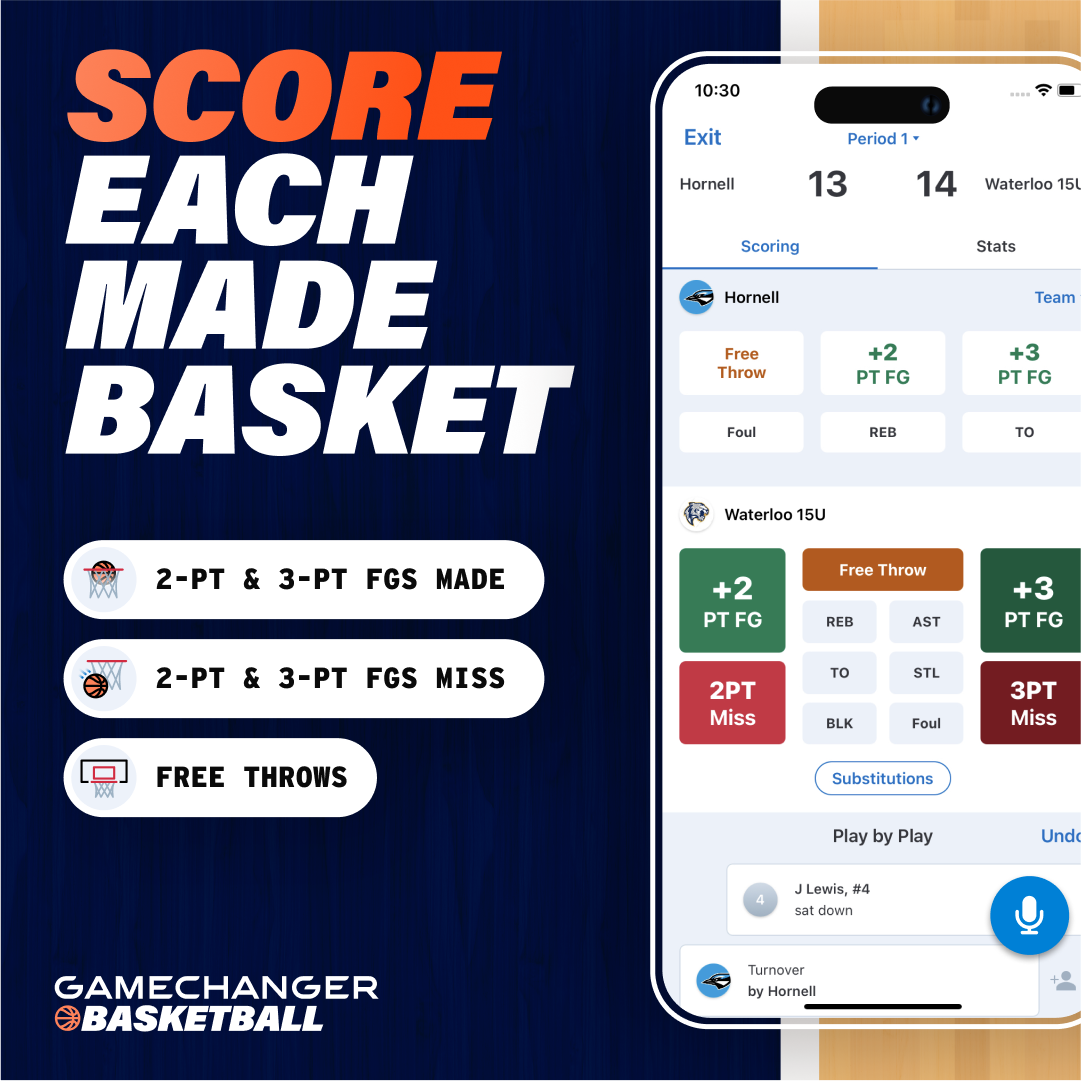
Hey, coach! Want to take your team to the next level this season? Introducing GameChanger, the ultimate game-day assistant with tools to give you a winning advantage. With GameChanger, you can track stats, keep score, and even live stream games, all for free! Get the stats and crucial game video you need to lead your team to victory, all from the palm of your hand. Coach smarter this season with GameChanger. Download GameChanger today on iOS or Android and make this season one to remember. GameChanger. Stream. Score. Connect. Learn more at GC.com/HoopHeads
THANKS, JUSTIN NEWTON
If you enjoyed this episode with Justin Newton let him know by clicking on the link below and thanking him via Twitter.
Click here to thank Justin Newton via Twitter
Click here to let Mike & Jason know about your number one takeaway from this episode!
And if you want us to answer your questions on one of our upcoming weekly NBA episodes, drop us a line at mike@hoopheadspod.com.
TRANSCRIPT FOR JUSTIN NEWTON – REINHARDT UNIVERSITY MEN’S BASKETBALL HEAD COACH – EPISODE 1054
[00:00:00] Mike Klinzing: Hello and welcome to the Hoop Heads Podcast. It’s Mike Klinzing here without my co-host, Jason Sunkle tonight, but I am pleased to be joined by Justin Newton, head men’s basketball coach at Reinhardt University, Justin, welcome to the Hoop Heads Pod.
[00:00:15] Justin Newton: And I’m thrilled to be here. Mike really big fan of what you guys do for the game. A faithful listener and just happy to be on here with you guys.
[00:00:23] Mike Klinzing: Thank you for your kind words, really appreciate it. As I always say, when someone says that to me, it’s nice to know that you’re not just talking into an empty mic and the stuff is going out there to no one. It’s nice to know that there’s some ears out there that are actually hearing and listening to what we’re saying and the time that we’re putting in.
So I appreciate that. I certainly don’t take it for granted that there are people out there like yourself who are listening and finding value. So we’re excited to have you on tonight. Talk to you about some of the things that you’ve been able to do in your career. Let’s start by going back in time to when you were a kid, you grow up a coach’s son.
Tell me a little bit about your first experiences with the game of basketball.
[00:00:58] Justin Newton: my dad and mom, they had both been serving at a, a, a church for about almost 40 years now which also has a school there, a small Christian school. And my dad served as the athletic director and and head basketball coach.
He coached softball, he coached football. He, I mean, he coached about any kind of ball you could have, but he had the most success and the most fun in the game of basketball. And I grew up just being the kid, kind of how my kids are now. I have a six and a four year old that are just running around the gym and around it all the time.
So it was just part of what we did Friday nights and Tuesday nights were getting on the bus and. Watching the game and grabbing McDonald’s on the way back. And so just being around it and loving it it’s always been a part of our family and been a big part of my life. so as far as getting into coaching, it was a real easy decision in that I just didn’t want it to stop.
I always liked being around the team and part of a team. Just the tactical side of it and the competitive side. But my dad is still a huge influence on, on my coaching philosophy and, and my, my walk with Christ and, and what we try to do there. he, he still serves at that same church.
He no longer is technically in, in the sports part of it anymore, man. But he coached and was the athletic director for over 20 years. One seven state championships alone in, in men’s basketball and several in other sports. But he was, he was, and he still is God first and use, use the game of basketball to influence others in a positive way in his walk with Christ.
And and he’s definitely one of the most competitive people I’ve ever met in my entire life and, and, and got that from him so he’s had a, he’s had a great influence on my life there. and he’s, he’s here today. He’ll be at, we got a game this weekend. He, he came up with my mom and he’ll be back there.
It sits behind the bench. A lot of the times it’s so funny. Now I have to kind of shush him over there on the back, back anymore, but he, he still loves it, he still enjoys it. So it’s really great to have it be a family affair so very blessed.
[00:03:07] Mike Klinzing: Absolutely. It’s kind of cool for your kids to be able to have not obviously the exact experience, but a similar experience in that gym access and being able to run around.
And I think when you’re a coach’s kid and you’re in that situation where mom, dad are at the gym and you just start tagging along, I wonder oftentimes, did like how lucky you were to be able to have, like, how old were you when you realized like not every kid gets to just go and. Have, have the gym open and be able to go in and shoot or play whenever they want to, did you ever come to that realization?
[00:03:42] Justin Newton: Yeah, I think probably more towards middle school, high school, you just go, Oh man, everybody else doesn’t get, I mean, it was an every day you go to school and immediately after school, we’re going straight to the gym all day. When he was involved in a small school, every aspect where it’s.
middle school practice, JV practice, varsity practice, and you’re just there tagging along and it’s your big playground it’s my kid’s big playground. They think they own that gym right now. So that’s, that’s a really cool part of it. So I, I’m definitely looking back in adult eyes now going, man, what a cool deal.
Everybody’s got something different that makes their family special. And that, that has been one of the areas for sure that I’m blessed in. I also do think it’s hard being a coach’s kid like any level of success that you have as a player there are those, it’s easier as an adult to have really thick skin, but in that time of your life that you don’t know who you are.
And have the least amount of confidence that you could possibly have, you have adults and kids and things like that will say some pretty ugly things that the only reason you’re a good player is your dad or all the reason you get to play or shoot. So any level of success is never enough for those people.
And then you grow up and realize that it never would be enough. You just, you do it because you love it and you love it because you do it. So I do, I do feel, and I’ve had, I’ve coached some coaches, kids that I can relate to in that aspect. So where you go, man, you are lucky, but there is a burden there for those kids having to grow up in that.
And it was hard.
[00:05:14] Mike Klinzing: No question. Yeah. I believe it. How did you and your dad navigate that? Was that something that you guys talked about and sort of put together a plan for lack of a better way of saying it, or was it something that was just kind of there that you kept off to the side?
[00:05:29] Justin Newton: No, I still laugh about it to this day and it’s very awkward at the time.
My dad would go, look. That boy right there, everybody listen. That is my favorite player. There’s no question. He’s my son He’s gonna be my favorite player, but I want you understand We’re gonna play the best players and the people that deserve to play but do I love him? I gotta act like he’s not my son and him I have to call me coach Tim.
No, he’s my son He can call me dad and I’m gonna coach him harder than probably any of you guys he, the standard is what the standard is, but he, from the get go, he made it very clear. I’m not going to treat him any different, but I, he is my son and that is a realization and the truth of the matter.
So I just thought truth on the table was really good and he, he handled that in the right way. It definitely made for some tough car rides and some tough post game meals and things like that when you’re just ready to. getting your nothing box and you can’t help, but have to talk about the game or sometimes it was pleasant, sometimes extremely unpleasant, but definitely.
Definitely a cool, looking back on it now, really cool to get to go through those moments with your dad. Not everybody gets to do that. And, and my mom as well cheer coach and sister cheerleader and playing, so we’re just all getting in the car. And that’s just a family affair that we get to go to work together around each other all the time.
So
[00:06:52] Mike Klinzing: as a player, were you thinking the game as a coach, were you already thinking about, Hey, someday. I’d like to follow in my dad’s footsteps as a coach or were you strictly focused at that point on being a basketball player? Cause I think there’s usually two ways that people get to coaching, right?
There’s either the kid who’s drawn up plays as on a napkin when they’re like eight years old, or there’s somebody who I’m playing, I’m playing, I’m playing, and all of a sudden my playing career ends for whatever reason. And then I look around, I’m like, I got to have the game still in, it’s in my blood.
How can I stay in the game? So I don’t know if either one of those. Yeah.
[00:07:35] Justin Newton: I think just as a kid, I was really focused on, I, I just wanted to play in college a very small pool, very small level of, of high school basketball with some good players. But there’s not a lot of guys that went on to play in college and that was just my main focus.
It wasn’t any, I’m at 15, 16 years old. I’m thinking nothing about wanting to coach or being an adult. I wanted to be JJ Reddick, man. That was who I. That was my favorite player. I wanted to go play Duke. I wanted to go do those things. And I played at a very small level, very similar to what we are, a Tennessee temple university.
And it was really in college that I knew that that could always be an an area that I could go into, but just talking to my dad. And then the coach that I played for Randy Lee really took, took took time. I really appreciate what he did. Took time to. Talk to me about his path and journey and getting into coaching, working camps and going utilizing your summer as a player to make connections that have a little bit of a vision for what you want to do after.
So it was really college. I started to think on that. I never actually thought college coaching would be it. I always thought I’d go back to the town. It was work at the school. My dad did be in high school. And, and that’s great. And there’s a lot of great high school coaches out there. But I, I’m definitely it was, when we’ll get into it, it was a different opportunity that came after coaching in high school that, man, I just took it and ran with it.
And, and, and look back since.
[00:09:05] Mike Klinzing: What’s your favorite memory as either a high school or college player or, or both, what’s, what stands out for you when you think about your time as a player, as a high, in high school and in college?
[00:09:16] Justin Newton: like, I mean, you can definitely think of like big games he had as a player, but kind of corny, man, my, my favorite ones are just at the hotel clown and with some of your best friends like going to, we go to Christmas tournaments and Thanksgiving tournaments and sneaking out and getting some some food or, or meeting up with some girl in the lobby and cracking jokes and things like that those are the things that I remember and, and stick with me the most in my head.
Yeah. It’s just spending that time with my best friends and laughing until we cry. Like to where your stomach hurts cracking on your teammates. So just those bus rides and those at the hotels and things like that. The best memories. And then obviously we were, we were fortunate enough to be in some pretty big games.
So just some big shots and big plays, things like that stick out post season play. I did have a game where we set the school record for the most threes in one game with 11 threes. And that was pretty cool experience to get to do that. And that, that one kind of sticks with me.
Yeah.
[00:10:16] Mike Klinzing: Yeah, that’s fun. you’re knocking down that many that’s it’s always, that’s always, that’s always a lot of fun. I had a game with nine, so I can, I can relate to, I didn’t, I didn’t, didn’t get to 11, but man, it’s a, that’s a, that’s a lot of fun. Well, you played at a little bit higher
[00:10:29] Justin Newton: level than, than I did, man.
Yeah,
[00:10:32] Mike Klinzing: it’s a, hey, but the, the lines, the, the lines, the lines the same distance away. So it it’s, it’s, it’s all, it’s all the shooting. Shooting is shooting. Right. Right. No matter. No matter what, no matter what the, no matter what the level is, you gotta be able to, the ball still has to go in, still gotta go in the basket somehow.
So you mentioned about getting the advice about camp, getting the advice about camp and, and working and trying to start sort of looking at what it might take to be, to be a coach. What was, did you go out and, and go to a bunch of camps? What was the favorite one if you that when you were out on the camp circuit that, that you went to, either just through connections or just you liked the camp itself and the, the atmosphere that was created there.
[00:11:11] Justin Newton: Yeah, we, I went to Liberty camp when Randy Dunn was the head coach and got to, to work there, Richie McKay. And then I worked some smaller college stuff like at USC Aiken and I’m from Augusta, Georgia in that area. So at USC Aiken when Vince Alexander was there. And Augusta state, Demetrius, who’s still there now just getting to, to go to those places and see different levels of players and always enjoyed the app.
The, the, the camp part was great working the J the very first J Bill’s camp ever. That was pretty cool. But it was really the, after the camp was over and getting to hear those stories from other coaches and how they got into it. you would see different levels of players and coaches and just going, man, there’s so many good coaches out there.
So many good players. But yeah, I mean, I, I worked some, I worked at Duke camp one time. That was really cool. And I think it’s different now to how guys get into coaching. I mean, I definitely think I was on the tail end of it of, man, guys used to be told, man, go work every summer camp you possibly can and make those.
I don’t necessarily think that that’s as popular anymore for coaches getting into it. I, I definitely think there’s a lot of clinics and things like the J bills camp, you can get into those things, the PGC clinics and. All that kind of stuff Headstart basketball, all that really, really cool, really cool opportunities to make those connections.
Now coaching AAU basketball or different areas, opportunities more so than working your physical, I’m going to go to the UGA basketball summer camp. And I know people still do that. That was the only avenue I think back then for making those, those connections. And I did a little bit of that coming into it.
[00:12:56] Mike Klinzing: Yeah, the camp circuit, I think, has definitely changed from that respect, right? I think that when you look at, if you go back in time, those camps, so many more kids would go and attend, whatever, a college camp, versus now everybody’s playing AAU in the summertime, so you just don’t have as many kids going to those camps, and I think, therefore, you don’t have as many coaches working them in the same way, and it’s just sort of morphed in a different, in a different direction.
So, when you graduate. Tell me about the job search. What are you thinking as you get out of school? Obviously you said the thought process first is, Hey, I’m going to go back and I’m going to just be a high school coach and be a teacher. And I know you went back to your alma mater, but what was the job search?
Like, did you look around elsewhere? What were you thinking? What was your mindset when you graduated?
[00:13:47] Justin Newton: Well, actually, at the school that I was at, Victory Christian School my dad was no longer the AD. The pastor kind of moved him into an executive pastor role. So it was a guy that actually played for my dad was the AD and he knew I was graduating.
And he called me even before I was like, even before I graduated, like, look, I’d love for you to come back and do this. If it’s something you’re interested in, it was totally volunteer you don’t get paid for coaching, but you could make some money doing this other Avenue. So I, I didn’t really look at anything else.
I thought, man, what a cool opportunity being 22 years old and coming and being a head coach and, and getting that experience. So I just did that and it was, it was neat. we had. Yeah, I, I didn’t know what I didn’t know. I looked back at those times and it was absolutely pure passion and excitement.
But yeah, I didn’t look around much. It just made stars aligned. And that was, that was the direction I was headed and really excited about coming back home and, and trying to follow in my dad’s footsteps.
[00:14:53] Mike Klinzing: So what’s that experience like? I mean, there’s a whole lot of things to unpack there. One, you’re coming back to your own school too.
You’re coming back to a position that your dad held for many years and obviously had a tremendous amount of success. And then you’re also getting your first coaching position as a head coach, as a 22 year old guy. So what do you remember about that first year in terms of just your own sort of adjustment?
Are you, are you starstruck? Are you figuring it out? Was it more overwhelming than what you thought it was going to be? Just what was that first experience like?
[00:15:28] Justin Newton: Yeah, I, I think playing is way more fun than coaching is a blast, but playing is definitely more fun than, than coaching, but just getting that, that rush of the pressure that you have a direct impact and influence on kids, like immediately.
And that your words carry and I am a competitor and emotional and you get excited and you say some things and you look back and you go, man, that probably wasn’t the smartest thing to say in that moment. you’re, you’re trying to fire up. There was a whole lot more motivating and firing up than there was teaching and I think that there’s a place for both of those things it was, it’s about competing and playing hard and.
I had played at college level and these kids have never played and don’t know, but I mean, they don’t care about that stuff. They only care about what you’re doing for them. So I think it was an unbelievable learning experience for me. I’m still learning a whole lot, but a really cool learning experience to really get thrown into the fire of, of being in charge of trying to come up with what does a practice plan look like?
What is the consistency? What are the goals that we want to have you don’t get to pick the players that that you’re going to coach. So trying to figure out what this team can be good at, not what their deficiencies are and what makes this team special. So that I found that really cool going these guys really struggled the year before.
And then the next year we were able to turn around. By playing some really, really good pick it up full court pressure defense that that, that really fit the group of guys that we had. So that part I thought was really, I never had a hand in that. I’d see my dad do that or my college coach do that, just having a hand in what’s the path, what’s the, what’s the plan, ?
And then I, I, again, from my mom and my dad that relational part of being able to connect with players and, and. Get down to their level to they, they don’t know, they don’t care how much let’s know how much you care. I know that’s a corny and old used one, but it’s so true, man, just being able to engage the heart and let them know, like, I’m, I’m trying to, to do this for your best interest.
And I’m, I’m here to help you. I’m not here to hurt you. So just making that connection with guys, again, really, really neat learning experience and a lot of fall on face moments where you go, man, I don’t know, I don’t know anything yet so it’s definitely a humbling, like bring you down.
Like I need to be a student of the game and really need to learn if I want to be good at this, I really need to. Dive deep into here and, and and be humble and hungry to learn if I’m going to be any good at this, because I definitely know I have the passion and excitement and drive to do it, but there’s a lot of people that want to do it.
It’s about getting better and learning. So I definitely think that set the foundation of man, Justin, you got work to do, ?
[00:18:23] Mike Klinzing: So what was the process then once you realize, because obviously you come in and I think a lot of people coming off their playing career, right? We all think that. We know a ton about what it takes to be a good coach.
And unfortunately, in many cases, and I know this was rings true for me that I basically knew what my high school coach did and I knew what my college coach did. And if you’d asked me how anybody else did it, I don’t know. I wasn’t that, cause my focus was on being a player. And then all of a sudden I’m a coach.
And the only thing I knew was the two guys that I had played for. So what was your process? Once you realized like, Hey, there’s things that I got to figure out about this game. Where did you go? Did you go to. Mentors. Did you go to your dad? Did you go to film? Did you, where’d you go to, to sort of start to build that knowledge base that you came to recognize that, Hey, I gotta, I gotta get better at this part of it.
[00:19:15] Justin Newton: Well I was only at my alma mater for a year and we were, we went to, we were at a summer camp and my college coach that I played for gave me a call. It was in July. And it’s like, man, I got a college coaching buddy at a junior college Corey Baldwin, who coaches at South Georgia state. And he had his assistant bail on him and he needs to know something in like a week are you interested?
And I’m like, oh gosh maybe, . So I’m like, man, what a cool opportunity. My parents were fully supportive of it. And I just dove right in there. And I really believe that that time going to, I learned so much from my dad and so much from my college coach, but that time of where I, where I went away from my first big boy job.
And pennies on the dollar, by the way, but going away from everything and that you’re comfortable with in coaching and working for, and I, they always say you’re the first head coach you work for is so important. And man, I believe that because it can give you a foundation or a love or. A yearning for how to do it and man, did I get a good one in coach ball went over at South Georgia state.
And he was the one that goes, that showed me like, this is, it’s not the, what that you pick, it’s that you pick something and you’re married to it and you’re a master teacher of it, you recruit to it. And that’s what you do. And this is our way. And he really showed me what it means to run a program and to be clear.
On what the mission, the mission and the vision is for our program. So, I mean, full court pressure and big time athletes and very physical. And he was very well connected in the coach still is in the coaching community. So he would take us to clinics and he’s always on the road recruiting.
So he would take, you would take us on the bus ride, introduce us. And he’d take us to college practices. Cause our, we’re trying to get our guys recruited at the junior college level. So constantly seeing those other levels and he knew he still does that his assistant there. That’s not a destination job.
And he’s got a really good knack for moving his players on, but just as good movies, his assistants on to other places. So he really used that. And I try to do that with ours now as a, as a mentor spot, like, look, man, this is what it takes to be good in this business. And I want you to go further than I was.
And here’s some things I didn’t know at the time. Here’s got to be learner. You got to work really hard. And so, yeah, that was the place that really started my. My search for knowledge and my excitement and my baptism to go on, man, this is not always cracked up to be like, yeah, coaches just roll the balls out or hexes and I was man walking guys to class or making sure they’re out of trouble.
I can’t even tell you something stuff like that, or I’m going, Whoa, this little Christian school kid from North Augusta is getting baptized and some crazy, some crazy here to understand that, man, it’s really, you’re in the people business. And, figuring out how to get this group of people to move in one direction.
So that was, that was really where it is long winded answer, but that was really where it started for me in, in figuring out my path and how I wanted to get better at this.
[00:22:32] Mike Klinzing: Looking back, what was unique? What did you like about the JUCO experience? Because obviously it’s different from where you are now and some of the other stops along the way in terms of.
you talked about it just academically, making sure guys are doing what they’re supposed to do and keeping them out of trouble and all the different things that kind of go into a JUCO experience. And obviously it also comes down to, as you said, building relationships with those guys so they can trust you and then giving them that next opportunity for the guys who, who take advantage of it.
So what do you remember about it? And what do you like about it? That, that you co experience,
[00:23:08] Justin Newton: oh man, I remember everything about it cause it’s such a foundational part in my life and I think the, the biggest thing was just the lack of education that most young people have about players at every level and I’m getting being at the school, I turned down going to a small junior college cause I’m like, I don’t need, I’m, I’m a good student, I don’t need to go to A junior college, or it’s not necessarily always about that.
And you’re getting there in these, I mean, I’m looking on, there’s a six, 10 dude with his armpits in the rim and these dudes flying around bigger, better athletes have ever seen in my life at this little junior college in way cross Georgia, ? So just the, the ability to be like, man, there are high level players here.
So that, that was cool. And then just understanding, man, there’s levels within levels of stuff. this junior South Georgia state and its situation is going to be completely different than Northwest Florida state situation. And some junior colleges or maybe a tech school is about like, man, they can only get lower level academic guide.
Well, South Georgia state, we, we were a state school. It was hard to kick guys in there. It wasn’t quite as, as simple as that. So. The, but the, the main thing that I loved about the junior, and I later went on to become a head coach in junior college ranks for one year is just the, the hunger for man, I’ve got something to prove.
I’m, I’m not where I’m going to be. you’re always looking for that, man, if we can do this as a team, we can, accomplish X and, and every other level for your basketball, that’s man, get a degree, that’s. That’s when a championship and all those things are still true at the junior college level.
But you got this fourth one which is men move on to the next level, man, if we all do well here, we’re all going to move on coaches, players included so it was really cool to get those guys. And he always had a plus B equals C, which is our number one goal here is to graduate. You get a, you get a degree here.
It’s a whole lot easier to get in anywhere else. Right. We want to grab, we want to win. people want people from winning programs to do A and B. The moving on part to the next level is going to take care of itself. So just that process of man, getting guys that maybe didn’t get what they wanted and seeing them have the development and the hunger to man, they started out here and freshmen average two points game.
Then man, their first team all, all conference guy in the junior college ranks, and now they’re playing division one. It’s just such a, such a cool deal to watch in a short time. People be able to make such big jumps that sometimes at four year level, you need to make those jumps in four years, but sometimes kids don’t cause you get stuck and thinking, I’m here, I’ve made it, I’ve done it so that was what I found really cool and interesting about there.
[00:26:03] Mike Klinzing: Yeah, no, it makes complete sense. I think that. It’s, as you said, an element that maybe isn’t always as present at a four year institution because, as you said, guys are locked into their spot. Although now with the transfer portal, I’m not sure, I’m not sure, I’m not sure anybody’s locked into whatever, I’m not sure that’s as applicable as it might have been five years ago.
But certainly I understand kind of the point of what of what you’re getting at. When you start out at the college level, at the college level, what do you think you were best at? What was your, what was your strength? What did you bring to the table that first season that you feel like, Hey, this is something that obviously I know that there’s every coach.
The standard answer is I was bad at a ton of things, but what’s something that you felt like? What’s something that you felt like was your strength at? And when you look back at it, you’re like, Hey, this is, if I didn’t do anything else, this is the one thing I brought to the program.
[00:26:57] Justin Newton: God, I can’t tell you how poor of an assistant I was my first year, but I did eventually find that, man, I really, just like as a kid, I just enjoy being in the gym, ?
So getting guys extra shots, but even beyond that. we have, we’ll have a big recruiting budget, but I’ll just go, I’ll just go to every high school game. I go to every showcase and all that. So recruiting really became my niche as, as an assistant, we’re evaluating talent, making those connections with high school juco four year coaches, and just man, trying to help put that team together.
And getting the vision from the head coach, man, what is our need? What is the type of player that we want to have? Cause oftentimes we can be, given to as we’re going in the gym, find the best looking dude I can. Whereas I think assistants could really benefit from man, really study your head coach and understand what is his vision of the fit for our program and go out and find that more so that talent is absolutely essential.
I mean, they got to have talent and they got to have ability. But what talent, what talent, what, what intangibles are the things that your head coach values? Otherwise, you’re gonna, you’re gonna be wasting a lot of time. So man, I just went every gym, tried to cast a wide net. I knew that that selfishly could, could help me make connections in, in trying to So that became the thing I felt like I became really good at there.
And then at the next few stops, that was my, that was my main role as an assistant was coming up with names and hitting the roads and making connections and bringing guys in recruiting wise.
[00:28:38] Mike Klinzing: All right. How do you balance out? And maybe this has changed since you started, but how do you balance out?
Evaluating a player in AAU versus evaluating them as a high school player. Cause I remember, and this is now probably even longer ago than the timeframe that we’re talking about, but I remember when my kids were young, so my oldest is, is 20 now and saying to people. That would tell me, Oh, AAU is more important if you want to play college basketball.
And I remember telling people like, there’s, you’re crazy. There’s, there’s no possible way. And then as my kids, so my son’s a freshmen that Ohio Wesleyan division three here in the state of Ohio, and all of his recruitment came through. AAU. I mean, once people identified him in AAU, then coaches came to watch him play in high school to demonstrate that they were interested.
I would say that 99 percent of his recruitment went through AAU. So how do you think about just evaluating a player? Obviously those two settings are different and clearly not just in terms of the setting and the fact you can see a million players in an AAU tournament versus one or two in a high school game, but just.
Also the role that a player plays, but just, just talk about the difference between looking at a player with their high school team versus an AAU team.
[00:29:59] Justin Newton: Yeah, I think especially at the small college level, when you’re talking about AAU, you’re getting the best players from most high schools and you’re able to get them all under one roof.
It’s just the better bang for your buck. But I, I do believe. It just starts the process, right? Like, so you’re watching those AAU games and you’re going, man, here’s my list. I need to go out and see them with their high school as opposed to, man, let’s just go to the local high school game and see what happens.
You’ve probably, if you’re going to a high school game, you have already zeroed in on this kid and you’re looking for reasons to keep recruiting him or to not. at that point, I don’t. It’s, and sometimes definitely you go in a high school game, you go to watch these two kids and man, there’s, man, who’s that guy?
I don’t know who that is and that happens, but I do think your base starts in those travel ball seasons. Of course now, at least where, where I live, I don’t know if they do this up north as much, maybe they do. But now with the June live period with these high schools, where usually that’s reserved for going to team camps and things like that, like the Georgia Basketball Coaches Association does an amazing job here to where they get like the 200 best high school basketball teams in Georgia, and they stick them all under one roof at Lake Point.
And you can see those same kids that you just saw in April, and you’re going to see in May, or you’re going to see in July, in June with their high school teams, and it’s a totally different deal. Man, they’re their best player, or man, they have a different role, or man, they’re being coached. How are they being coached in a system?
as not the AAU programs don’t run a system, it’s just much less practice time, much more, much less of, of that going on. And so, I do think with the new June live period, you kind of can build a whole lot more into the summertime than you used to. But yeah, I definitely think when you’re talking about going to play like a high school game, you’ve probably done most of your homework before then.
[00:31:57] Mike Klinzing: Yeah, I think that’s what you described in Georgia. We started doing that here in Ohio. I think this will be, this summer will be the, maybe the fourth year that we’ve had that. And they do it here. They call it Midwest live. And it, we bring teams from Ohio, Michigan, Indiana, all over, all over the place here in the Midwest.
And yeah, to be able to have, again, all those really good high school teams under one roof. When you go back and talk about efficiency, now you’re seeing you get the AAU, whatever the volume that you normally get an AAU. But then as you said, you’re also seeing a kid. in a system, which is much more like how they’re probably going to play when they get to your school, which I’m sure helps with the evaluation process.
And again, the more chances you get to look at a kid and see what they are and be able to see them in person, clearly you start to get a feel for what that kid is all about as a player. And probably just as importantly as a person and whether or not they’re going to fit into your program and all the things that again, go along with what it takes to be able to recruit somebody.
So the value of that to me, I mean, again, and I only saw it really from the parent perspective, but the value of that to me, that’s off the charts in terms of being able to evaluate players more accurately.
[00:33:14] Justin Newton: No, I agree. It’s become, I don’t know about other coaches, but a lot of our favorite part of the year AU is definitely fun, but man, that June period is so cool.
And the competitive level of you kind of get some rivalries going local teams playing against each other in June that it’s unlikely that you don’t see it until the regular season. So. It’s been really, so there’s even more on the line there for the competitiveness and the edge, and it means a little bit more to lose a game in that setting than necessarily an AAU setting.
So that, that has been really fun for us coaches to watch and see kids in those scenarios.
[00:33:52] Mike Klinzing: Tell me about the next three stops as an assistant, what attracted you to each of those jobs, what you learned along the way, and then we’ll eventually get to. The first head coaching opportunity that you get.
[00:34:05] Justin Newton: Yeah.
So from South Georgia state, I left and went and became an assistant at Columbus state university in Columbus, Georgia for a head coach, Robert Moore, who’s still there. We actually played in a couple of Juko Jamborees there, and I just thought that place was so cool and I love the town. And made a really good connection with coach more actually got that I, I just bugged the crud out of him with emails, which I don’t encourage that to be the, the, the path by knew he knew who I was and I had just, that was one job.
I just laser pointed, like, I want to, I want to be on your staff coach. I’d love the opportunity. And to his credit, him and coach Hicks, who was the, the associate Ed gave me a chance. And man, I just, I went over there, worked really hard for those guys for a year, learned a lot from them. And it was very different than anything I’d had.
It was the most talent I’d ever seen. I mean, we were so incredibly talented coach Moore and coach Hicks, just like to another level of the recruiting piece just taught me. how even more, not that I didn’t know already some, but even more how to evaluate what translates at this level. what you’re looking for and what good programs to find so that, and then their coaching style was completely different.
Like we ran the like amoeba zone. I had come from a strictly double fist man to man run and jump press pack a lot into a pack line stuff. And over there, man, we’re man to man on misses and amoeba all makes and big. Incredibly huge athletes. We had seven guys play professionally off of that team at D2 team.
So it was just a different vibe and a different level. I mean the peach belt, especially back then, really high level of D2 basketball. And again, just going, man, I did not realize it was, it was this high of a level of, of players and, and coaches, some unbelievably good coaches in the peach belt. So that was a really cool stop there.
Went on from there to become an assistant at Lee university for Tommy Brown and the associate head coach was Cole Rose. Tommy Brown now runs the heartbeat I think that’s what he calls it. I’m using kill me not knowing it, but one heartbeat clinics and he goes and speaks all around the country with different teams.
He’d be a great personality in podcasts, by the way, a really good coach coach at Lee university for a long time, Bluefield for a long time. And Cole Rose, who is now the head coach at Palm beach Atlantic, who’s in the top 25 in the country now in division two got to work with those guys at Lee and the Gulf South, and just again, seeing the level and did the travel unbelievable how far across the country we’re going.
And, and there, I got to go through the process of NAI to D2, like they are just leaving NAI to D2. So learning that was probably the most I’d ever learned about. The compliance side of what goes into getting guys eligible and recruiting periods and dead periods, and when can, when can you talk to kids and all that kind of stuff from what kind of releases and paperworks and things like that, that we really had to be on our toes with.
So it was a great learning experience there. And it was the first time I’d ever been on a staff has been fired. they always say that there are coaches that. Aren’t that are going to be fired or have been fired. And it was a very scary time in my life because I just gotten engaged to my now wife, Nikki and we get let go like a month and a half before we’re supposed to get married, ?
So I had to have some credible face. I’m, I’m talking about search and email and getting on NCAA job postings just anything I could find. And I had a, it was a lower paying job, but it was Arkansas Monticello. They had not been extremely successful yet, but got to go over there and work for an amazing head coach in Kyle Tolan.
And he’s really had an incredible impact on a lot of my coaching philosophy too, and just. He was a great Christian man who, who really had his teams connected. Great teacher. His dad was a 30 year teacher in Oklahoma in like seven Oklahoma basketball hall of fames as a player. And his coach coach at Oklahoma Baptist won a couple of national championships there and he helped.
Yeah, he was a volunteer coach there too. So getting to learn a lot from those guys won a conference championship with them. So those were my, my three stops as an assistant coach, . We’re getting the opportunity to, to jump into the head coach role.
[00:38:49] Mike Klinzing: So at this point, are you looking for head coaching positions?
Are you feeling like you’ve sort of solidified who you are as a coach and that you’re ready to take your own program? Are you actively seeking jobs or does the Andrew job sort of comes to you out of the blue for lack of a better way of saying, how do you get that opportunity?
[00:39:13] Justin Newton: Yeah, I, I wasn’t, look, I was very happy at Arkansas Mossello it was far away from home, but it was a really good place and me and my wife were really happy there.
And Kyle had done a great job of working to get a raise. I mean, it was going good. We had two great years signed a contract. It was all going well. And in the same, the Andrew college job, which it was not a good job, which is why I could get it. everybody’s first head coach job, man, I got to wait for a good one.
Well you might not be able to get a good one. you need to get one that makes sense and that you could, you think you can make an impact and you could make a run at it. And the guy that was at Andrew college before me, Jamie Brooks was a close friend of mine. And Cory Ball, when the guy I worked for, who was obviously in that league, knew it was coming open and called me and was like, look, dude head coaching jobs don’t grow on trees.
I know these are the things that make it really difficult, the location, how much it costs to go there. It’s a private JUCO in a league with a bunch of public JUCOs. I mean, there’s so many bad things, but it’s a good place and it’s a good opportunity for a first head coaching job. And you’re from Georgia.
It’s back home. you’re probably about to start to have a family probably makes sense to get back. So just said, I’d look at it and did. And, and I just felt right in my heart and spirit that this was the right move for us and, and made
[00:40:41] Mike Klinzing: the move. So when you take that job and you transition from assistant coach.
To head coach, obviously you put some thought into before you step into that chair, you’ve thought about, well, when I get my own program, what’s it going to look like and what am I going to do both from a basketball on court style of play, offensively, defensively, that kind of thing, but also just type of culture you want to instill and all those things.
So how closely were you able to. Match your visions of what you thought you would do with a program versus what you were actually able to do once you step into that seat at Andrew.
[00:41:22] Justin Newton: Yeah, I think again, just having the benefit of some really good mentors that you can call and they’ll tell you the truth.
So my dad and Corey Baldwin, as I mentioned, I call him every, every day. And I, like, I need some help. I knew I needed some, I knew I didn’t know what I, what I wanted to, I had an idea. Of some things I liked here or there, but I think high clarity, high performance. So I went back to, I spent four days and went and sat with coach Baldwin and asked him every question I possibly could about the way he did things and, and what we did this and what we liked, what we didn’t like.
And because being somewhere and seeing it and being a teacher of it and a master teacher of it are two different things. So I do think I did the right thing and going back and doing my homework. And then the same thing with coach Tolan and and coach Moore I, I asked the things that I wanted to bring that I learned there.
I just asked them and wrote, wrote down a ton of stuff. Tried to get it all in front of me. Like this is a whole lot of stuff. I got to get some clarity and some simplicity here. About what we wanted to do. And the main thing we came down to is what it is here now, which is compete together and discipline.
we wanted to play harder than any team we wanted to be able to say, man, we’re going to play harder than any, any team that walks in the gym. we want to empty the tank and what does compete look like. in our drills and our daily habits, like anything that we’re going to do, there’s going to be a winner and a loser for, and we’re going to celebrate what repeated, so we would celebrate winners and things like that.
Again, something I got from another place. And the togetherness piece was something that, man, I really thought coach Tolan and then did a good job. At UAM about what does it mean to have an elite level locker room? I don’t think it’s sitting around the campfire and singing Kumbaya. I really think it’s, man, you have to understand if you want a good relationship or you want a good marriage, man, you have to choose to have a good marriage.
You have to choose to have a good relationship. And you have to work, put work into it. So just how do you, how do you manifest that in your team? And the other one was discipline or we’re going to do our plan. Discipline is just doing the things you said you were going to do long after the time you felt after the feeling you had when you said it, right?
So we wanted to be very clear and simple about our plan. And we weren’t going to divulge from that because it wasn’t going the route that we wanted to go. So. I do think I had to ask myself a lot of questions, wrote a lot of stuff down and tried to get a vision because if I’m confused, they’re definitely going to be confused.
And I look back and go, man, I definitely could have done better. Yeah, I still am struggling with that. Like, who are you as a coach? What is, what are your non negotiable? What are the things you believe in and sticking to those things while adapting? To, to the way players are now and, and the resources you have and things like that.
So,
[00:44:27] Mike Klinzing: yeah, what, what’s changed from that original vision, let’s start with the basketball side of it. And then we’ll come back to the culture relationship, locker room part of it, but just start with the basketball side of it in terms of how you want your teams to play, what you want them to look like on the floor.
How has that changed over the years that you’ve obviously you went from Andrew to Reinhardt, but how does what you thought you were going to want your teams to play? Like, has that changed from day one to where you are now? And obviously personnel, you make changes based on who you’re, who your personnel is and that kind of thing and fit, trying to fit their strengths, but just from a basketball standpoint, how, how have you evolved as a coach over the time that you’ve been a head coach?
[00:45:12] Justin Newton: Yeah, I, I think the style is still. What what I, what I envisioned to begin with, I mean, we play fat. We don’t, we say we play fast. We don’t necessarily shoot fast. we want to play with incredible pace on both ends. like we, if we can fly it up and get an in rhythm corner three or a lay up like why wait later on to say just because it’s quick but that also doesn’t mean I’m flying it up and jacking stuff.
Like we really want to move and share the ball. and, and be a team that you can’t just cut the head of the steak off. So we really still believe in, in that ball movement stuff. And we run the old Carolina secondary with some adjustments for more skill type players, as opposed to two big postmen that, that were in there, right.
It’s more of a get three of the baseline rim runner. And then playing with pace and motion, things I own offensive and defensively again, I think maybe not what we teach necessarily has evolved how we teach and the clarity of, of what, what the plan is and the verbiage of what it is, instead of just being like, man, we got to get there, man, this drill like getting really clear on what.
no middle means, and where are, where our spots are on the floor offensively, this is the halo, man. This is the Ray Allen corner hug decided. Like, I just, I won’t believe I was as good at that early on. I think I’ve grown as a teacher and I’ve still got a lot of growing to do, but it hasn’t necessarily changed in the style of play.
I still think we play with pace and space offensively and then defensively. We want to wear people down. We, we play kind of the no middle press defense and quite frankly, have struggled in, in the last year. But traditionally we’ve been really tough defensively and then we usually are top two or three in the league and assist the game, ?
So that’s kind of our, our niche around here.
[00:47:23] Mike Klinzing: All right. So let me ask you two things that go along with those two points that you just made of competing and playing hard on the defensive end of the floor and then sharing the ball on offense. Because obviously any coach who’s out there listening, if you can get your team to do those two things, there’s a pretty good chance you’re going to have some success in some way, shape or form.
So when you think about getting your team to compete and play hard defensively, what’s the key to that? And then I’ll come back to the unselfishness and. And making the extra pass and those things in offense, but let’s start on the defensive side of the ball. How do you get a team to play hard defensively?
What’s the day to day talk, the day to day actions that need to happen in order for your team to compete at the level you want them to defensively?
[00:48:08] Justin Newton: Well, I think Kelvin Sampson said you can always hear a good team and you never can hear a bad team. And I do believe that hawk and not rah, rah, talk early, loud, often positive talk constantly leads to unbelievable effort, right?
Like, so man, I’m, we’re, we’re man, turn the ball. Like I want to, I want to pressure the ball and turn the ball. Well, if I don’t have, I’m more apt to do that more consistently, if the baseline behind me is encouraging me that entire time, turn him Zay, turn him Zay, man, turn him again, I got your back, I’m here just that constant communication to level up to, to what it looks like.
And I think returners also help by leading by example. So when you play for, I mean, they set the tone of, man, this is what it looks like to sprint. to sprint to the paint back on defense, this is what it looks like to close out hard and sit down in a stance and shove a guy out for a blockout rebound.
Right? So I think whatever it is you emphasize, I know a lot of people like to use that phrase. I don’t want to coach energy and effort. Well, I’m sorry, I’m going to coach it every day. And I think you have to, you are going to be the things that you emphasize and the thing, and in college, the things that you recruit to and I’ve learned that kind of the hard way too, sometimes in that man, you have to have an identity as a team.
And if we’re going to identify as a, a defensive minded team and we’re having, I want to fit you as a coach. I want to fix this by recruiting this type of player. Well, if he doesn’t fit what I just talked about. it’s hard, it’s hard to have a really good defensive team and some of your best players aren’t good defensive players so I do think you have to, you have to recruit to that.
Are they mentally tough? Do they value that side of the ball and have they been coached that way in their high school or their junior college? Right. So some of that is solved in the recruiting process, but I believe it starts with incredible talk and then not like blowing the whistle when it’s not good enough, like, I mean, being good, Hey man, that’s not that, whatever that was, that is not, that is not the level of communication and stance and dog that we’re talking about here.
So just constant emphasis, confidence, constant talk, I believe leads to effort
[00:50:38] Mike Klinzing: as you’ve been at Reinhardt for multiple years. You talked about your returning guys being able to instill that. How much of the policing of that type of effort and talk and communication is now taken off your plate and.
And put on the plate of the upperclassmen and obviously, as you said, the whistle sometimes has to blow and it needs to blow, but how much of it has been taken over by the returning guys in the program where compared to, let’s say your first year. Versus now, obviously the standard has been set and the guys that are coming back know what that standard is.
How much are they enforcing that? Just because again, it’s, it’s our team, right? It’s not, it’s not your team. It’s it’s our team.
[00:51:22] Justin Newton: Oh, I think, I think especially this year, we’ve had some incredible locker room leadership, but I think the, the longer you do something, the longer you’re at a program and the more you have success doing it.
I think the better your leaders grow. And that is the definition of, we, we hear that contagious phrase, player led teams are better than coach led teams. People don’t really dive into the art. Not enough. That doesn’t mean the code, the players are calling the plays or making the subs or creating the vision.
That means that the best players and leaders on your team accept the vision and the mission that you’ve laid out. They’re just taking the driver’s seat over and making sure they’re the, they’re the guardrails. If anybody deviates from that thing, they’re the ones that are like, Hey, Hey buddy, we’re back over here.
Right. So I do think that especially on good teams, those guys are much more effective. And the most important conversations that are had are not me blowing the whistle or me going on my tangent during film. It’s usually when I’m not there in a locker room or I’m not there at the hotel room, or I’m not there at that meal that they’re having and they’re talking about, this is what we do, man.
I mean, you may not agree with Newton there, but man, this is the standard of what it’s going to take to win. So you’re not going to win that battle. You might as well get over here with us. Right. So those are way more effective than you sitting there trying to beat a dead horse. you gotta have, you got, you’re a salesman.
You gotta have more on this side of the fence. If you’re going to, cause they’re all, all new guys are going to question there’s a hundred different ways to skin a cat. So if they were successful at their last place they’re drinking the Kool Aid on what they did in the last place.
Right. And that’s great, but we’re not at your last place anymore. You’re here now so are those returners welcoming that in and enforcing that? Yeah. I think it’s a huge
[00:53:18] Mike Klinzing: role. Yeah. It makes sense. All right. Talk to me about the unselfishness piece of it. I’m guessing that the first part of the answer is.
You recruit it, right? You watch it. You see guys that play the way that you like the game to be played in terms of moving the ball on offense. But once you get a guy in there, once you start putting your team together, look, we all know players like to score, right? Players like to have the ball in their hands.
Players like to do things. They like to be the proverbial straw that stirs the drink. But we all know that that’s not the way that basketball works. Basketball works best when nobody cares who scores and when the ball moves. So how do you instill that in your team? What does that look like in a practice setting, in conversations, in meetings, in film?
How do you get that message across so that your kids see that, hey, The ball has to move and when it does, this is the result.
[00:54:14] Justin Newton: Yeah. I mean, I think again, the longer you’re at a place you have film and things like that, that you can go to, but I do think that’s just the starter place of it. Right. But I think clarity on what is a good shot and, and analytics will tell you for sure.
Open in rhythm, catch and shoot threes, layups and free throws. And, and I do think that’s true, but also we like to say what we nines there are no tens in basketball. but we hunt nines, and we don’t want zero zeros or turnovers. Right. So what is a nine look like? And that’s open in rhythm in role and in time, open corner three might be good for you who made eight threes.
It might not be for our five man that that’s better around the rim. So just understanding roles. So I, I think it starts with clarity on what a good shot is. And I think. I think clarity on roles, like celebrate things that they bring to the team. Man, this guy’s an unbelievable shooter, but this guy is an unbelievable rebounder.
He’s never going to be able to shoot it and handle it, but give like praising that guy. We have different roles that have kind of silly names and things like that. We have your spacer, your racker, or we, we call one, like our defensive stopper. We call the UPS man. Cause the guys come up with, we’re going to put them in a box.
He can’t get out of here. Right. So like you, you come up with those things that man, I identify as that’s my role. And that is important to our team success other than just scoring. And then things like again, they remember the shot, the made shot, do they remember the banana cut that the point guard made and flying it up, that led to us being able to get a paint, touching it on the other side, do, do we celebrate that post guy sprinting to the halo and sealing a guy and making their team get four guys to the baseline.
He doesn’t ever touch the ball, but it leads to a Trail 3. so emphasizing those things that you’re going to lead to a great shot and celebrating them, even when they didn’t scored or they didn’t get an assist, showing that, man, that’s an Eagle assist. That’s that led to us having success on the offensive end so that they do feel part of it, because if it’s only celebrating the shot that’s made or the action that’s run.
I’m going to have 15 players that want to be in that action or take that shot, right? But emphasizing and celebrating those things that lead to good shots, I think,
[00:56:47] Mike Klinzing: help. It’s so funny to hear you say it in that particular Way in terms of recognizing a play that happens, that doesn’t show up in the scorebook, right?
It doesn’t necessarily show up in the stats, but it’s the three on two where the one guy runs hard and the defender has to slide over and then the other guy gets to lay up and the guy who ran hard gets no credit for that. But what I always find interesting is. When I’ve been watching my kids play and oftentimes I’ll sit next to other parents or whatever, and I’m watching a game and 99 percent of people that you’ll sit next to and watch a game, don’t see the things that you would see as a coach or that I’m sitting there and I’ll watch and every once in a while, I will have somebody that’ll say, Oh, look at that play that again, didn’t result in a 99 percent of the people you sit next to just they’re evaluating A player or a game or a situation based on who makes the basket or whatever.
And then the other thing that I always think is funny, and I think it goes back to sort of my bias towards the way that you’re talking about your team’s playing, right. And moving the ball and whatever is when I’m watching a game, like I’ll sit and I usually don’t clap for anything. Like I’ll just sit and I’m just, I’m just observing the game.
And the only thing I’ll ever say anything about usually is. A good pass and the one day I was sitting with my daughter who she’s a freshman in high school and I think we were watching the boys high school team or where she plays and kid made a nice pass and I just clapped him like, Oh, that’s a great pass.
And she just turns the mat. She just turns her head. She looks at me. She’s like. Dad, she’s like, only thing you’re ever getting excited about is when somebody throws a good pass. I’m like, I’m like, you’re like, you’re a hundred, you’re a hundred percent. Right. Cause that, if we could unlock that as coaches in the game of basketball, I mean, it’s just, it’s amazing to me how many people play the game of basketball and have not yet figured out that.
When the ball moves, it’s so much easier for your team to have success. And I think as, as coaches, it’s, it’s one of the hardest things to instill in your team, because again, the natural tendency from the time we all pick up a ball is everybody just wants to be the person chucking, chucking it in the hoop.
And so to, to get somebody to see that. And so I just always feel like, man, when you see somebody who can pass and move the ball, it’s such a special talent. I’m sure that’s what you’re looking for when you’re recruiting guys too.
[00:59:25] Justin Newton: For sure, for sure.
[00:59:27] Mike Klinzing: All right. Tell me a little bit about your practice planning process, both in terms of how you go about designing what a practice is going to look like.
How do you figure out what we need to work on in a given day? Obviously within the season, when you’re playing games, it’s easier to kind of look at, okay, here’s maybe an area we struggled in in the last game. Just walk me through a planning, a practice planning session. How are you doing that by yourself with your staff?
How do you go about putting together a good practice?
[00:59:58] Justin Newton: It’s definitely with our staff when we can, I like it all the room and we’re talking, but sometimes it just ends up being, man, we’re playing three games in one week and, and we’re on a text message string or. We’re talking about it on the bus and I’m making notes there.
But we do want to have a level of consistency. I tell our team, like, look, I’m not designing practice to keep your attention. We’re designing practice to build consistent habits and get better and progress over perfection on the things that are going to lead us in some years, a lot harder than others, or we’re just, we’re just stuck here.
I mean, we just got to keep. Hammering down and getting better at it and being stubborn about it. But we do break it up into areas like the start of practice, we call it the price of admission to practice. And that’s not unique to us. There’s a lot of coaches that do that, but our price of admission to practice is not a shooting drill.
It’s a, it’s a toughness drill. And that’s somewhere where we can have a little bit of fun. We’re not going to do the same one every time so we’ll, we’ll do stuff like Nick’s rebounding or it’s competitive two versus two rebounding. we’ll do the loose ball drill. We’ll do the verticality drill.
We’ll have some type of one on one you got to get three stops to get off in the last guy’s got pushups and stuff. So it’s just a compete toughness drill to start practice and give us energy. One where we got cowboy drill where it’s man, you got to jump to the ball. I got to take a charge. I got to dive on a loose ball.
I got to pick it up. My guy go finish through the pad. it just gets everybody fired up to emphasize those little things that we, that we value and find important. After we do that, we’ll, we’ll do our shooting stuff. So like our warmup shooting and and there’s no magic to it. I tell them you got four minutes.
And you shoot your partner shots you get your own rebound, get it to other. But that four minutes is to get your partner ready to practice, right? Like I am loud, I am talking, I am moving. I’m encouraging Johnny to be like, man, we’re about to have a great day. Here’s another one going in shot ready, man, let that thing fly.
it’s just that four minutes of your time without me. Super coaching you out to make sure that I’m in the right mindset. I see some go through the nets, I’ve moved around, I’m ready to go. And after that, we get into what’s called progression, progression, finishing, which is we’re going to, we play off two feet here so we’ll start it with a lot of it’s like, if you see Corey close motion shooting stuff we do stuff, we do stuff like that, but with finishing.
So we’ll do the same three finishes every day off two feet. Lift the guy and then patience in the paint pivot pass back to the rim finishing. And then the first, the last one’s a jump shot. And we’ll do that, that to start. And then it goes into our shell stuff defensive shell, we’ve got different things.
And then right before the halfway point of practice is something we call five to seven. So you have to get five stops and you have seven possessions to get it done. And our halfway point of practice every day, every single day, and knock on wood, we have led the league in free throw percentage the last four years in our league.
And it is. Called 40, 20, so 40, 20, it’s our halfway practice. You get three minutes, go get water, chill. But once it’s at three, it’s pressure free those. So when we’re all shooting as a team, there’s a group over on one side, group on the other a mate counts as one, a miss counts as two. I got, we got to get 40 makes before we bust at, at basically 10 misses would end up being 11 misses.
And we get that pretty consistently if we don’t, we run and then that’s our halfway point. Then we start it back up with five on O and then we’re playing, we’re scrimmaging. Then we usually do scout at the end.
[01:03:56] Mike Klinzing: How do you balance out who plays with who during practice? Are you keeping your five starters together?
Are you mixing guys up? I know that’s something that’s always a challenge because obviously like your eighth guy is often going to play with your starters, but how do you balance that out in terms of how you put together your teams on a daily basis?
[01:04:17] Justin Newton: Yes, I’d say about two thirds of the time, it’s your traditional first team, second team blue and white and then gold, which is like our red shirts and scout team and things like that.
But again, our, one of our pillars is compete. So especially when we have three days to practice or something in between games, we definitely will mix up the teams just to be like, let’s, let’s get an even better competitive edge to the day. I do know a coach, Dip Mitras over at Augusta he always talks about what are your no’s in your practice.
If I went to that, you’ll never see X. And he says, you’ll never see my starting five on the same team ever which I thought was interesting and they’ve had success. So I think you can do it either way, but typically pretty traditional first team, second team, third team. Yeah.
[01:05:06] Mike Klinzing: It’s interesting. I think it’s always a balance, right?
Trying to figure out, cause obviously if you have. Your five starters, you would expect them to be able to have some success against your second string. And, and yet you want those five kids to be able to build some chemistry together. And yet you still want to give those subs a, an opportunity to get in and work with the guys that they’re going to play with.
So if they don’t step on the floor, having, having never played with the, the guys that they’re going to actually have to compete out on the floor with. So I think it’s an interesting conundrum when you start talking about all that. So as you’ve been talking, one of the things that I’ve noticed, and this is something that when I think of myself as a coach.
It’s always an area that I felt like I needed to improve on and that is just, you’ve got all your different verbiage. You got all your different names of your drills. You got all your different concepts and things that you’re teaching in these small little things that you can just say no middle and everybody knows what that looks like and what that’s supposed to be rather than you having to explain it every single time, like, here’s what we’re talking about.
So. Have you for yourself, is that a mental catalog or is that stuff written down somewhere that you can go back and refer to as you’ve kind of put this together? Over the time that you’ve been a head coach, how have you put that together? And as, again, is it, is it all in your head or do you have that on paper or on the computer somewhere?
[01:06:25] Justin Newton: So early in my career, I wish I would have written down my, I mean, everybody always says that, don’t they? And someone told me that in the first couple of years, but yeah, I’m going to take that by now, then you don’t, right. But you should young coaches. And I’m one listening, write stuff down, put it in paper.
You don’t have a golden memory. But now in the time that I am, man, yes, I think high clarity, high performance, we have a notebook that has our verbiage and these are our non negotiables. These are our pillars. These are our, our our, our verb, I say, our our vocabulary of what we’re using. And then we’ll have a page on here’s our defense have the, the defensive principles on it.
With the, the court there and like the shades of this is our keep out, keep out zone. This is our influence zone. these are the words we say, and we only do two ball screen coverages. This is what it means. So yeah, that is in the player’s notebook along with any of our sets and secondary and things like that is in the player notebook along with the coach notebook as well that they keep.
And it’s right there in the locker room. You go into all their, their binders are there. And there are some guys that the only time they ever looked at it was the first day I gave it to them and talked about it and watched film on it. And there are guys that go to that thing constantly and we use it to make notes, but.
Any team you encourage ’em, like, man, this is your Bible. This is how you want. Be a master teacher or master of your craft, man. Do the learning. But yeah, we try to make it as clear and as written down as possible.
[01:08:01] Mike Klinzing: Yeah, I was terrible at that, Justin, when I was coaching, and I’d have drills and I’d never have a name for ’em.
So I’d be like, all right, we’re gonna do the one where we do the, and it was just, I was ter I was terrible at coming up. Cause anytime I tried to name one, I’m like, that’s a stupid name. I’m like, nobody wants to nobody wants to remember this. And so then whenever I was coaching my kids, AAU teams, which is basically I was an assistant at the high school level.
And so I wasn’t responsible for any of the verbiage or naming anything. But when I was at the AAU, I was terrible at that out. Cause I would just end up having to explain the drill over and over again. And eventually the kids would pick up on it. They were probably better than me. I shouldn’t just give them the responsibility to name all the drills.
And then I could have had that off my plate. It would have been a lot easier for. For everybody involved, but anyway, tell me about your game day and what that looks like for you as a head coach at your level from when you get up in the morning until game time, what’s it look like? What are your responsibilities?
What do you have to do as, as a head coach to prepare yourself and, and prepare your team and prepare your program to play a game?
[01:09:07] Justin Newton: Yeah, man, when I was junior college, it was, man, I’m game day operations. We’re getting the tables out. We’re getting, making sure the workers are the area thankfully at Reinhardt university, we have game day operations staff.
We don’t have to worry about table workers and film and things like that. They handle all that for us. So I’m, I’m pretty much, I feel like money’s in the bank at that point. We have done our preparation other than our shoot around. So usually it’ll look like a drop my kids off for school and then I’ll go do a Yeah.
I feel like game days can be the worst ever. You’re just sitting around waiting on seven 30 to happen because we’ve practiced, we’ve done film, we’ve done shoot. So now I got to sit here and twiddle my thumbs. I usually am probably working on the next scout, but usually it’s drop my kids off school. I’m going to go do a workout.
do, do some reading and then I’m going to go to the gym, make sure I got all my ducks in a row from the scout that we’ve already probably implemented to our team. And then we do our shoot around and shoot around for me is nothing more than 40 minutes. And it’s a bunch of shots, a bunch of dummy and stuff, walk through garden, their stuff, get the heck out.
And then from that point on, it’s man, two hour or four hours prior to the game. We’ll eat as a team doing your pregame meal and then sit around, wait, usually watching a girl’s basketball game. And the, the guys have their habits that we make clear about. This is the certain time that you’re back in the locker room.
This is how we should look and act and prepare. Before the game, you have to be dressed by this time and then your warmups, we try to be really intentional. We get 30 minutes warmups and. Man, at 30, you’re here at 27, you’re here at 24, you’re here back to the locker room at seven for prayer and lineups back out there.
Four minutes starter shooting one minute at the huddle to go over what set we’re going to run, tip it up. And then we, we’re getting high clarity. What is a great bench look like? what are they on? We’re not a bunch of dudes yelling out 12 different things and 12 people standing and things like that.
You need to be real clear on what, what’s the bench and everybody’s job looks like. So. It’s usually that and then if I have that downtime between, all right, now it’s scout to my other game, I’m probably watching film on what I got on playing on Wednesday. I’m watching what we’re playing on Saturday.
Right. So that’s a typical game day and then eat some, some bad, awful fast food right off the game with my kids.
[01:11:40] Mike Klinzing: Yeah. That’s, that sounds like a pretty good tradition there after a game, I’m sure that you are, you are Very, very typical when it comes to that, there was a lot of us that probably after a game, everybody’s, everybody’s, everybody’s hungry.
And there’s not a lot of good choices. You’re not going home and cooking up, cooking up a home cooked meal. Let’s put it that way.
[01:11:57] Justin Newton: I’ve sat on a, so I ate a whole pizza before that’s probably not getting all
[01:12:04] Mike Klinzing: right. Final two part question before we get out. So part one, when you look ahead over the next year or two.
What do you see as being your biggest challenge? And then the second part of the question, when you think about what you get to do every day, what brings you the most joy? So your biggest challenge and then your biggest joy.
[01:12:23] Justin Newton: Yeah, I think the, the biggest one is when you first get into coaching yet, I mean, and I’m still very excited now.
I think it’s finding that new excitement and that new flame because the longer you’re in it. There is a lot of change and you’re seeing it now with some, some of the older guys and it’s not wrong you have to adapt a lot as a high school coach, as a college coach, as a youth coach and if you’re a guy that’s been at 40 years, do I really want to reinvent myself now?
you, you understand, but if you’re a guy like me, man, you got to figure out a way to still have those things that you believe in. And your foundations, but not be so fixated on those things that you end up sabotaging and getting burnt out and tired and frustrated. so finding that way to adapt yet still be who you are and still be as excited to go to adjust with, like I’m in a private school, private schools have their challenges and their changes constantly changing in scholarships is constantly changing in your resources and things like that.
So instead of being a problem talker, just being, all right, this is what we got. How do we make it great? And reinventing yourself every two or three years can be exhausting. But you got, that’s, that’s your job so keeping that excitement and that flame doing that. As far as like what brings me the most joy again, just, just corny, but like when they walk across the stage like you go through so many highs and lows as a coach, I am on the Rick Pitino train of when we lose, I do like, you just feel like quitting.
You just feel like going out and he said, die of frostbite outside me. I feel that so much. I am absolutely miserable to be around when we lose and that’s. And then you at 24 hours later, you think how silly that is and you get back to work and you get productive, but just when, when you get to see those guys move on, I’ve got a lot of guys that have played for us that are now coaches two of them are coaching against each other in Atlanta on Saturday.
Like that’s the coolest stuff in the world. You, you, you have a purpose like I want to win games. I want to teach, I want to compete. I want to get better, but man, seeing those guys come back and hug my kids and hug my wife and seeing them being coaches and influencing kids that way.
That is just the, that is definitely the why behind the what, and you can call it corny or whatever, but that is, that’s what keeps you going, right? Like hoops for a job. I can be doing something else, but I get, I get to coach ball and I get to influence young people. And that’s, that’s a pretty cool gig.
[01:15:02] Mike Klinzing: couldn’t agree more, Justin, I always say that one of the best things about Anything that I’ve done in the game of basketball after I got done playing is that I get to use a game that I love to be able to influence young people and to be able to have an impact on them. And not everybody gets to do that.
Not everybody gets to, to use something as much as I love the game and as much as you love the game to be able to be involved in it. And then to be able to have an impact on young people and see them go on and have success and do all the things like you just described. To me, that’s a. A really powerful way to look at what we get to do day in and day out.
And so I think that was very well said before we wrap up, I want to give you a chance to share. How can people reach out to you, get in touch with you, whether you want to share social media, email, website, whatever you feel comfortable with. And then after you do that, I’ll jump back in and wrap things up.
[01:15:53] Justin Newton: Yeah. I mean, I’m not afraid to give my cell phone out, man. I’m here. Give me a call area code 706-831- 4171. I’m not on a lot of social media, but I am on Twitter or X a lot very, very active on X and it’s @jnewton0729 is where you can find me on X.
Email justin.newton@reinhardt.edu. So reach out anytime, feel free. Love the podcast. It is definitely a part of my daily ride in to work. I have a 40 minute commute, so this is definitely growing the game and excited to continue to follow you guys.
[01:16:32] Mike Klinzing: Well, Justin, we can’t thank you enough for taking the time out of your schedule to jump on and join us.
Glad we were able to get you on and have you be a part of the podcast after having been a loyal listener, which again, as I said off the top, we really appreciate the people out there who are a part of the audience that are finding value in what we’re doing. So again, thanks for your time tonight.
Truly appreciate it. And to everyone out there, thanks for listening and we will catch you on our next episode. Thanks.