JON JAQUES – CORNELL UNIVERSITY MEN’S BASKETBALL HEAD COACH – EPISODE 984

Website – https://cornellbigred.com/sports/mens-basketball/
Email – [email protected]
Twitter – @CoachJonJaques

If you listen to and love the Hoop Heads Podcast, please consider giving us a small tip that will help in our quest to become the #1 basketball coaching podcast.
Jon Jaques is entering his first season as the Mens’ Basketball Head Coach at Cornell University. Jacques has spent more than a decade as an assistant coach in the Ivy League, including the last 12 at Cornell.
He has assisted in the development of 12 Big Red All-Ivy selections, including five first-teamers, and two CoSIDA Academic All-Americans.
Prior to Cornell Jaques was part of Kyle Smith‘s 2012-13 staff at Columbia team. Jon began his coaching career at Stevens Institute of Technology under head coach Bobby Hurley in 2011.
Jaques was a four-year member of the Cornell basketball team and a senior captain, emerging as a starter in his final season and developing into one of the nation’s most improved players after playing a total of 108 minutes and scoring 33 points through his first three years. Jaques and his teammates won an Ivy League record 29 games and advanced to the NCAA Sweet 16, defeating nationally ranked opponents Temple and Wisconsin before falling to overall No. 1 seed Kentucky in the regional semifinals. In his four seasons on the team, Cornell went 88-33, including 47-9 in Ivy League play, and won three outright Ivy League titles.
If you’re looking to improve your coaching please consider joining the Hoop Heads Mentorship Program. We believe that having a mentor is the best way to maximize your potential and become a transformational coach. By matching you up with one of our experienced mentors you’ll develop a one on one relationship that will help your coaching, your team, your program, and your mindset. The Hoop Heads Mentorship Program delivers mentoring services to basketball coaches at all levels through our team of experienced Head Coaches. Find out more at hoopheadspod.com or shoot me an email directly [email protected]
Be sure to follow us on Twitter and Instagram @hoopheadspod for the latest updates on episodes, guests, and events from the Hoop Heads Pod.
Make sure you’re subscribed to the Hoop Heads Pod on iTunes or wherever you get your podcasts and while you’re there please leave us a 5 star rating and review. Your ratings help your friends and coaching colleagues find the show. If you really love what you’re hearing recommend the Hoop Heads Pod to someone and get them to join you as a part of Hoop Heads Nation.
Grab a notebook and be prepared to take some notes as you listen to this episode with Jon Jaques, Men’s Basketball Head Coach at Cornell University.
What We Discuss with Jon Jaques
- “At a young age, I cared. I know that much for sure.”
- “Ones or twos or threes and getting up and down, that’s the best way to grow, but also have fun.”
- “You don’t have to be in the gym for hours and hours and hours. Efficiency and having a purpose. It works most of the time.”
- How his high school team and teammates helped him gain exposure to college coaches
- “It helps to be part of a good program that people know about.”
- “The Ivy league was a route that fit me… highly competitive basketball, but also for guys who take the world outside of basketball seriously and are high achieving and care about it.”
- “The Ivy was a league for smart guys who liked basketball and now it’s the opposite. It’s Hoopers who can play anywhere in the country and are studs, but they choose to go this route because they appreciate what the degree does for them and how life altering it is.”
- Being recruited by Steve Donahue at Cornell
- How his year overseas playing in Israel got him started thinking about coaching
- His first coaching opportunity at Stevens Tech under Bobby Hurley
- Working for Kyle Smith at Columbia for one season and the eventual success of that Columbia staff
- Learning that coaching is so much more than what you see as a player
- The opportunity to return to Cornell as an assistant coach
- “I really take pride in digging into a scouting report and providing the information to our group in a way they can digest.”
- “Simple works.” “Be as simple as possible and relate it to your team’s core values.”
- His method for putting together film clips for his team/players
- Letting the film of an opponent run so his team can get an overall feel for they play
- Showing players clips of NBA players to help them add elements to their game
- “In season, you’re creating workouts and creating skill development plans based on the role that they have on the team that year.”
- “Out of season we want to get these guys to a different level.”
- Going through the interview process this spring for the Head Coaching position at Cornell
- “We’ll keep walking that line of being a little different person, but also being true to why we’ve been successful here these last few years.”
- “I’m the same person, but there are responsibilities in this new role that require me to make some decisions that you guys might not like.”
- “Find a staff who you trust, but also will be on the floor and sweating with the guys and watching film with them.”
- Staying elite offensively while also improving in other areas of the game
- “Going over two hours in a college basketball practice. I don’t think it adds much.”
- Using 3 on 3 to teach actions/reads, especially with freshman
- The importance of financial aid discussions in recruiting at Cornell
- Why unselfish players who are willing passers are so important to a program
- “Recruit guys you’d enjoy playing with.”
- “The unselfishness and the effort and the care about each other is what we are striving for.”
- Figuring out what it takes to be a head coach and the constant growth it requires
Like this show? Please leave us a review here — even one sentence helps! Consider including your Twitter handle so we can thank you personally!

We’re excited to partner with Dr. Dish, the world’s best shooting machine! Mention the Hoop Heads Podcast when you place your order and get $300 off a brand new state of the art Dr. Dish Shooting Machine!

Prepare like the pros with the all new FastDraw and FastScout. FastDraw has been the number one play diagramming software for coaches for years, and now with it’s integrated web platform, coaches have the ability to add video to plays and share them directly to their players Android and iPhones via their mobile app. Coaches can also create customized scouting reports, upload and send game and practice film straight to the mobile app. Your players and staff have never been as prepared for games as they will after using FastDraw & FastScout. You’ll see quickly why FastModel Sports has the most compelling and intuitive basketball software out there! In addition to a great product, they also provide basketball coaching content and resources through their blog and playbank, which features over 8,000 free plays and drills from their online coaching community. For access to these plays and more information, visit fastmodelsports.com or follow them on Twitter @FastModel. Use Promo code HHP15 to save 15%
Your first impression is everything when applying for a new coaching job. A professional coaching portfolio is the tool that highlights your coaching achievements and philosophies and, most of all, helps separate you and your abilities from the other applicants.
The key to landing a new coaching job is to demonstrate to the hiring committee your attention to detail, level of preparedness, and your professionalism. Not only does a coaching portfolio allow you to exhibit these qualities, it also allows you to present your personal philosophies on coaching, leadership, and program development in an organized manner.
The Coaching Portfolio Guide is an instructional, membership-based website that helps you develop a personalized portfolio. Each section of the portfolio guide provides detailed instructions on how to organize your portfolio in a professional manner. The guide also provides sample documents for each section of your portfolio that you can copy, modify, and add to your personal portfolio.
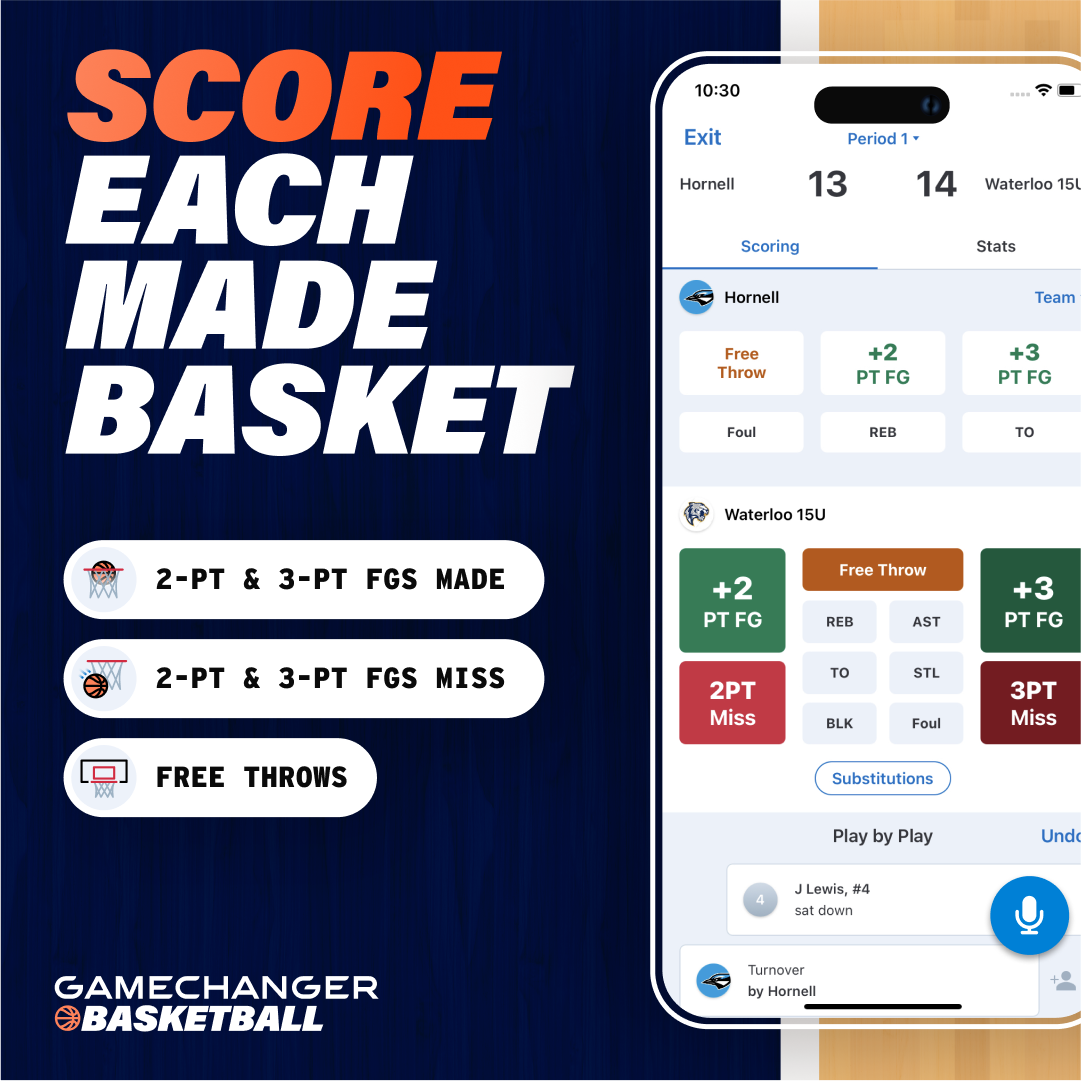
Hey, coach! Want to take your team to the next level this season? Introducing GameChanger, the ultimate game-day assistant with tools to give you a winning advantage. With GameChanger, you can track stats, keep score, and even live stream games, all for free! Get the stats and crucial game video you need to lead your team to victory, all from the palm of your hand. Coach smarter this season with GameChanger. Download GameChanger today on iOS or Android and make this season one to remember. GameChanger. Stream. Score. Connect. Learn more at GC.com/HoopHeads
THANKS, JON JAQUES
If you enjoyed this episode with Jon Jaques let him know by clicking on the link below and thanking him via Twitter.
Click here to thank Jon Jaques via Twitter
Click here to let Mike & Jason know about your number one takeaway from this episode!
And if you want us to answer your questions on one of our upcoming weekly NBA episodes, drop us a line at [email protected].
TRANSCRIPT FOR JON JAQUES – CORNELL UNIVERSITY MEN’S BASKETBALL HEAD COACH – EPISODE 984
[00:00:00] Mike Klinzing: Hello and welcome to the Hoop Heads Podcast. It’s Mike Klinzing here without my co-host Jason Sunkle tonight, but I am pleased to be joined by the head men’s basketball coach at Cornell University, Jon Jaques. Jon, welcome to the Hoop Heads Pod.
[00:00:15] Jon Jaques: Thanks Mike. Appreciate you having me very much.
[00:00:20] Mike Klinzing: Excited to have you on, looking forward to diving into all the things that you’ve been able to do throughout your career.
Let’s start by going back in time to when you were a kid. Tell me a little bit about your first experiences with the game of basketball. What made you fall in love with it?
[00:00:34] Jon Jaques: Man, the first thing I can remember about playing basketball growing up was just doing rec league basketball at the local park when I was four or five.
And I was definitely that kid who was inconsolable and cried. And what was that guy when I lost games, I do remember that. So at a young age, I cared. I know that much for sure. But I know my dad was helped coach those teams and he was involved and he never played at a high level, but loved the game and was around and supported it.
And so, I mean, I do remember that and I enjoyed it. Enjoyed being part of teams always. And I do remember a few years later when I got older elementary school maybe that’s when AAU started becoming a thing and that entered the picture. I remember one of my classmates father’s for a club team. And I had no idea what that was at the time. And I don’t think my family knew either. But that kind of expose me to, to basketball and playing on the weekends and taking it more seriously and entering that world where you have a lot of attention and focus on skills and opportunities to play.
And so that was kind of my entry into playing more seriously. I grew up playing baseball too and and I’m not, 36 years old. I know it’s changing. People become more specialized every single year, I think. But at that time I played baseball through maybe junior year in high school.
But at some point basketball was a sport that. towards became better at and, and was naturally more of a fit. And so as I got older, high school that’s when I really devoted myself to figured being a division one player and a way to get into college and take that next step was a real possibility.
[00:02:29] Mike Klinzing: What did taking the game more seriously? look like for you and then maybe compare and contrast that to what it looks like for the guys on your team and the guys that you’re recruiting now in terms of your development, how much time was spent in the gym by yourself working on your game, pick up games with a trainer at all at that point.
Just tell me a little bit about kind of how you got better as a high school player, kind of in preparation for the opportunity to maybe play at the college level?
[00:02:57] Jon Jaques: Sure. I mean, I was fortunate to I went to a pretty competitive high school basketball wise and academically to the school of Harvard Westlake in Southern California.
So you’re super lucky and grateful for that opportunity on and off the court. So it was a legit basketball program. My high school coach was this guy, Greg Hilliard. very successful high school coach and kind of instilled like a seriousness to, to the game that I think was, was new to me when I entered the program as a ninth, 10th grader so working on your game and playing as much as you can.
And so that was important to be a part of a program that I think made it fun, made it serious and and made being part of a team, something that you. enjoyed and aspired to and the stuff that I love about college basketball. Now, as far as getting better I would walk sometimes run, sometimes have a, a parent who was around, drive me to a local park and I would shoot by myself.
And I don’t know how many guys do that now. And just chase, just chase you on rebound. It’s a good motivation to start making shots and create different silly games for yourself. But that was, What I did most of the time outside of school, honestly I didn’t have a older sibling or anything to play with and which I know is common for a lot of guys growing up.
You’re just playing ones and cutting your teeth that way. But for me, I was shooting and that’s probably why I made some shots growing up and in college and just imaginary games and challenging myself that way. And I know some of our guys do that now because we talked about that.
But obviously trainers and workouts are more part of the equation than they used to be. And there’s a, there’s a time and a place for that for sure. But I hope And our guys know this too. And we’ve talked about playing so much and whether it’s ones or twos or threes and getting up and down, that’s the best way to grow, but also have fun.
So I didn’t do much of the skill workout stuff when I, when I was had practices with high school or club stuff, of course, there was always the, the skill component and ball handling, which I never got good at really, but the passing and shooting, of course, and that was always part of it, but. I grew to love the game a lot by myself, to be honest.
[00:05:26] Mike Klinzing: When you went to the park or you were shooting by yourself, did you go in with a plan or was it more improvisational? I’m just showing up at the court and then, okay, I’m devising games and kind of using my creativity and imagination in the moment.
[00:05:40] Jon Jaques: I remember having some sort of plan, like a routine that I would do. And then eventually. I ended up improvising a little bit, but I, and I still do it sometimes to this day to stay in shape, but just picking spots and you gotta make three in a row, you gotta make five in a row and move on to the next spot and sometimes to be there forever, if it was a rough day.
And so things like that, where you just, you make yourself finish a segment, finish a goal. that worked for me and eventually move on to other things and create. Like you said, create games and, and things like that. And if someone else showed up at the park, maybe occasionally you’d play ones, but yeah, like I was shooting and trying to figure out how the ball felt off my hand and how to move and how to step into the shot.
And you do see a lot now when our guys are in the gym. they it’s not so much we try to get them to have a plan when they’re out there and you don’t have to shoot a million shots to, to get something out of a workout, you know? So I wouldn’t, I wouldn’t stay super long, honestly. Maybe if I was missing, I would, but you set some goals and you check those off and it was kind of a good workout for me if I was efficient.
So I think that’s something that we try to instill here, like you don’t have to be in the gym for hours and hours and hours and efficiency and having a purpose. It works most of the time.
[00:07:08] Mike Klinzing: That pace, right? I mean, I think that’s a big part of when you’re talking about a higher level of basketball and getting your work in is what’s the pace that you’re going at.
Obviously you want to be able to shoot things that are game speed. And if you’re, as you said, you’re getting an opportunity to go with or against somebody else. Now you can throw in some decisions and all those things that. are obviously beneficial in a dynamic game like basketball. So yeah, it’s interesting just how the development of players has changed over the years.
And I’m a lot older than you. I graduated from college in 92. So my world of growing up and trying to figure things out completely different. I mean, there was no such thing as a trainer. There was barely AAU, like I grew up here in Cleveland, we had, I think, two teams that there was a team from the west side of Cleveland, a team from the east side of Cleveland and those two teams we didn’t travel really anywhere.
There was just a couple there’s a couple games and that was pretty much it played in a few tournaments and it just was a completely different. I was, on my own doing workouts and whatever. And then I look at now what is available to kids, just in terms of, it’s hard for them to sort through what they have to do.
I mean, just in terms of YouTube and the creativity and all the things like I did the same workout from the time I was a high school player all the way through my college career. I mean, I just did the same thing. I had one workout when I had one person with me and I had one. Workout I did when I was by myself and otherwise I just kind of had the same routine and now I look at all this stuff and I’m like, man, I just kind of, I was kind of boring just going through and doing all this stuff instead of being creative.
So it is interesting to think about how different the player development has been over the course of the years in terms of just how players get better and improve. And so I know that from talking to lots of coaches, including yourself, that that’s something that they’re always talking to their guys about is, Hey, when you get in the gym by yourself, like, what does that look like?
And how can you put the time in? And what does that look like in terms of improving? And like you said, you don’t have to be in there for four hours shooting. It’s more about your pace and your efficiency. What do you think about, or when did you start to think about having a college career? At what point did that get on your radar where you put that as a goal?
And then when did it sort of become real that you thought, Hey, I’m really going to have an opportunity to do this?
[00:09:24] Jon Jaques: I think my high school coaches, they see who’s like tall and who has some game, I guess, when they come into their program. So I do remember a conversation with my coach and my parents and said like, Hey there’s a chance.
I was probably 6’5 6’6 when I got into high school. I remember him thinking or saying to my parents, like, Hey, there’s a chance this could work and you got to do this. You got to do that and work, work hard, clearly. And I don’t remember it being a goal until then, honestly.
But I was working hard. I love the game. So to hear that it was like, Oh, like that, this is. This is the next step. And it’s realistic. And I was, like I said, lucky to be part of a program that it’s a good school, very good school academically and Ivy league schools do we still know, like it’s, it’s a program we should be recruiting and talking to.
And so I’m thankful for that. And there were schools coming through the gym all the time. And so I’m fortunate. I know a lot of high school players do not, do not have that exposure. And that’s something that through social media and YouTube and all film and all that stuff, people can find ways around, but still, it helps to be part of a good program that people know about.
And so, yeah, like I was, I was seen a little bit and had very talented teammates. I played with guys who went to Bryce Taylor, went to Oregon and Alex Stevenson was in my class. He went to North Carolina and eventually transferred to USC. So I was never close to that level, but people were in the gym and Ivy League schools were in the gym.
So that was my recruiting path mostly Ivy League schools UC schools, D2 schools, stuff like that. But it became kind of clear maybe end of junior year, early senior year, that Ivy league was a route that fit me highly competitive basketball, but also for guys who take the world outside of basketball seriously and are high achieving and care about it.
And so that was what we focused on my family through that process, got to know the schools and fell in love with Cornell and now I’m here. So , you know whatever it is, 18 years later. It’s crazy. But there it is.
[00:11:44] Mike Klinzing: You spent the bulk of your adult life there, right?
[00:11:46] Jon Jaques: Yeah, pretty much. Yeah, almost entirely, which is I would never, would’ve expected. But I’m thrilled the way it worked out and it is crazy how a choice you make when you’re 17, 18 years old can it does just. all through the course of your life. But in my case, for the better, it’s been an awesome journey and very happy with where I am.
[00:12:07] Mike Klinzing: What was your level of knowledge with the Ivy League just in terms of the schools, but also in terms of the basketball prior to the recruiting process starting to take place? How much did you know about Ivy League basketball being again, way out in California?
[00:12:25] Jon Jaques: Not much at all. Honestly I watched I mean, I was a college basketball junkie and I still am clearly, but growing up like high school I was watching games every weeknight on the weekends, like all day Pac 10 was our thing like, but I was watching basketball, but Ivy league, it wasn’t the way.
It is now, like right now we have an ESPN plus deal and coverage. So all of our games, nearly every single game all season and every single conference game is covered on ESPN. So if this were 18 years ago and we had the same coverage, I probably would have watched Ivy league basketball, but I didn’t at the time.
I didn’t know much about it until people started recruiting me. And I got to know the programs quickly cause I was into it and wanted to see who was doing well and get to know the player. I remember like studying the rosters and like, and then eventually watching some of their games and getting to know teams and where I was a fit, all that stuff.
So I dove into it pretty quickly, but the league is it’s so much better. Now, I mean, it’s pretty, I don’t feel, I have no hesitation saying that. I think most people would agree. It’s so much better and so much deeper and more competitive and tense. And we finished as a top 10 league in the country last year in Kenpom.
So when I entered the league and then when I was being recruited, it wasn’t that way. I always say like, it was kind of, at the time, it was a league for smart guys who liked basketball and now it’s the opposite. It’s like Hoopers who can play anywhere in the country are studs, but they choose to go this route because they appreciate what the degree does for them and how life altering it is.
But I, yeah, to answer your question, I didn’t have too much exposure to it. I wasn’t, didn’t have a family in that world and didn’t follow it too closely. But once I started getting recruited, it was, I was into it for sure.
[00:14:26] Mike Klinzing: What made Cornell the place that you ended up choosing over some of the other schools in the Ivy that may have been recruiting you?
[00:14:35] Jon Jaques: So, I mean, I remember taking a trip with my family to the East coast. Cause it was a lot of Ivy attention. And so spring of my junior year, saw a few schools and there was an assistant at Cornell at the time. His name is Izzy Metz. I think he’s the head coach at Wilkes Barre at D3 school in Pennsylvania.
And now he was awesome. Like he got to know me and my family was great. Wanted to come see the place. And he was saying something that I, I still say to this day, like, you gotta see it to appreciate it. You gotta see it. It’s We can talk about it. We can send you pictures and all that, but you have to see it and you’ll know it’s for you.
You’ll know whether it’s for you or not. And so we are fully transparent. Ithaca, New York is not the easiest place to get to in the world. So like if someone makes the effort, they’re investment to get out here. We take them seriously. like it shows a lot of interest and just seriousness on the family’s part.
So that was us. That was my family. Went for visit a few other Ivy schools, drove up to Ithaca and just, It blew my mind, honestly, the campus and the culture and the vibe. It’s a large campus and it’s the largest Ivy league school, largest campus in the Ivy league, largest student body population in the Ivy league.
And it feels like your true college experience. We always say it’s like the Ivy league’s version of a big 10 or SEC school, cause it is like, it’s that big and the college town feel. So if that’s what you want. It’s awesome. And just me growing up, watching college basketball and watching games on TV with sold out crowds and just pack student sections and the whole nine.
That’s what I wanted, but I also wanted the great degree. So this fit me. I got so the head coach very well, Steve Donohue who’s obviously a huge influence on me still to this day and why I’m doing this, but he was just awesome in the recruiting process. Awesome. So what I’m trying to emulate now really like getting to know the guys I’m recruiting and being involved in it and he was great.
And so I took a couple of officials in the fall of my senior year. And that, at that point you’re just meeting your, your teammates. And, and that was what made the experience here special for me. Ultimately it was the experience and the campus and the education clearly, but my teammates here were like special like the chemistry we had and everything we did So, yeah, I mean, that was why.
I mean, everything fit as far as the campus and the fit and the basketball fit and all that stuff, but seeing it and experiencing it that put it over the edge. And so it was an easy decision at the end of the day for me.
[00:17:20] Mike Klinzing: What were you thinking about academically, career wise as an incoming freshman.
[00:17:26] Jon Jaques: So I was pre med coming in. Yeah, it was, it’s crazy to think about now. Yeah, it’s, it was not for me, but we, and we have a couple of pre med guys.
[00:17:36] Mike Klinzing: How long did it take you to figure that out?
[00:17:37] Jon Jaques: Oh man. I made it like a year and a quarter and then I, excuse me, it’s an organic chemistry first semester, sophomore year.
And I tried really hard like I got, you All the tutors and all the help and really I, I’d be honest if I said if I didn’t apply myself, but I did, I was trying and it wasn’t, just wasn’t clicking. And so that’s, and that’s one of those classes where I just decided it wasn’t worth it, you know?
And so I changed to, to biology and society. major sort of like intersection of science and technology and the public and how they all affect each other. And eventually I did go to public health school for a year at Columbia when I was a graduate manager there. So that, that fit into that, but that also fed into my entry into like the Kyle Smith coaching tree.
And so I’m thankful for that. Clearly that was just, an awesome life changing experience being there for a year. But yeah, pre med for a year and eventually altered course and pretty happy I did.
[00:18:45] Mike Klinzing: Was coaching on your mind while you were playing or was that something that you didn’t really think about till you were done playing?
Because I always say that on our pod we’ve talked to so many people and it seems like Coaches fall into one of two categories. Either there’s somebody who is just a player, they’re focused on playing, they’re playing, they’re playing, they’re playing, and then all of a sudden their playing career is done.
Then they look around and be like, man, I can’t just leave the game. I got to figure out a way to stay involved. And they get in coaching that way. And then there’s other people who, from the time they were Eight years old, they’re drawing plays on napkins and they’ve kind of think of themselves as a coach on the floor and they kind of thought about the game from a coaching perspective.
And so I don’t know if either one of those descriptions fit sort of where you were or where the path that you followed.
[00:19:28] Jon Jaques: I was definitely the, the former like I was so I mean, I guess I was in between, but mostly the former I was so like all in and invested as a team here just like all Cornell basketball all the time, seriously, and invested in what we had going on.
And when you were winning, like we were when I was playing, it was so much fun. And to be part of that kind of experience and that group and the teammates I mentioned and the coaching staff and just the rise of popularity and excitement on campus and basketball, like all of that was what I was thinking about.
Like, how do I get better? How do I be a part of this? How do I, how do I interest forward? And so coaching wasn’t, it wasn’t on my mind. I mean, but I did, I did know and appreciate that. I, I was thinking about the game a little differently than some of my teammates. Maybe like I appreciated the X and O’s we were talking about and the strategy.
And I was thinking about why, why coach Donahue was doing this or why they have us doing this in practice. So I do remember. Sort of thinking critically about like what we were doing and being excited and curious and all that stuff. So that sort of, those are good cues that would suggest that I would like it.
But I was, to your point, like we finished playing, had a awesome experience NCAA tournament run, all that stuff. And then it ended pretty abruptly, lost to Kentucky in the Sweet 16. And like you said, like, what do you do now? And I had teammates very. Talented teammates borderline NBA players.
One ended up playing in the NBA for a little bit. And so these guys were doing these big things and I was, wasn’t nearly on that level. But to stay involved in the game sounded fun and I didn’t know what else to do, honestly. So. Yeah, I played for a year. And during that year, that’s when I was like, yeah, coaching could be for me a little bit.
You had more time to think about it. And as I’m sure you’ve heard from talking to people, you play overseas and it’s awesome. Like, I would never complain. You’re getting paid to play basketball. And I was in Israel and it was a blast and had an apartment on the beach and it was the best, but you don’t have the same sense of community and camaraderie and culture and chemistry that you do in college.
You just don’t. Different agendas and people trying to score and get to the next level and all that stuff. So that it kind of reminded me and cemented for me what I enjoyed about my experience the most. And that was being a part of. A group that was doing special things and cared about each other and sacrifice for each other and, and create and being a part of that as an adult and helping young people have that similar type experience seemed like something that I would like to do and try to scratch that itch any way I could.
So as soon as I got back, I was trying to figure out ways to get involved and starting coaching. And so that’s a long way of answering your question. I don’t think I ever thought about it until maybe after I stopped playing, but there were signs that I would. I would enjoy it. I’d be meant to do this. I think
[00:22:39] Mike Klinzing: Once you thought, Hey, maybe this is a possibility.Who was the first person that you talked to about it?
[00:22:45] Jon Jaques: Coach D coach Donahue for sure. And still to this day for anything, he’s someone who clearly I trust and I know he’s going to give a just unbiased and straight opinion. I know he cares about me. So yeah, he was the first person I called and I think he tried to talk me out of it.
Which I wonder if he remembers that, but he definitely tried to talk me out of it. I, but he was like, yeah if you want to do this, like let’s, let’s try it. And so he put me in touch with so Stevens Tech, the head coach there, Bobby Hurley. And that was purely just to get your feet wet, see if you like it.
And at the time I was living in North Jersey with my, my girlfriend then, now my wife, and she’s from the area. So we were there and I had a small job on the side to make some money, but I was serious about the coaching thing and committed to it. And Bobby was awesome. Like just super cool. And let me run with it.
Player development, scouting reports, being a part of the team. everything they were doing and for a pretty good veteran team. So that was, that was fun. But yeah, Coach D was the first for the first call for sure.
[00:23:56] Mike Klinzing: Did you know right away when you started that. All right. This is, this is where I belong.
[00:24:01] Jon Jaques: I don’t remember if I knew for sure, for sure, but I knew I wanted to take it a step further like I was like, yeah, this is great and I gotta see if what the next step is and yeah, I don’t know, like I was still, I guess, hedging my bets a little bit.
And so like I mentioned before We’re trying to figure out where to go to grad school, like seemed like a good idea and get into a good school, see what happens, but see if that school needs help with the basketball staff and a grad manager, grad assistant, whatever you want to call it.
And my wife and I, girlfriend at the time, we’re trying to like coordinate and Like the overthinking like Ivy League people, we were, we were trying to like figure out where to, where to go and like how to figure this out. And I remember there were a few yeah, a few options, but Columbia clearly, clearly not a bad spot.
And again, Coach D, Put me in touch with Coach Smith, Kyle, Columbia, and he’s one of the smartest guys out there. And I think he was like, sure. Why not? A six, seven guy who played it in the sweet 16. Like you can’t hurt our program. And so he was fine with me showing up and trying to help.
And yeah, I mean, that was one of the best decisions I made to go there and be with them and that coaching staff and just all those guys, it’s been well documented by a bunch of people, but how successful that whole staff has been going forward and just to learn from them, be around them, the success they’ve had and the way they think.
And that was a. When I was around them and how they operated and how seriously they took it and how every detail mattered and how much they cared for the guys and all of it. That’s what I knew. Then kind of, that’s what I wanted to do. Like I knew to be one of them or be like them that that was it.
And so I think once I had that, I went through a year at Columbia and it was awesome. And they a spot at Cornell opened that summer. And Kyle basically kicked me out the door. He was like, you gotta go do this. Even though I had one year left of my grad program, he was like, you gotta do it. And I, and again, I was like, I don’t know, like, should I get the graduate degree?
And he was like, if you don’t, I think if I had come back, he would have kicked me off the staff because it was like, this is your alma mater. You gotta do this. If you go there and it goes well, you could end up where I am today. So he knew and he’s. guys in college basketball, so I’m glad I listened to him. It was the right decision.
[00:26:40] Mike Klinzing: All right. So during those two years, before you get to Cornell, what do you think you grew the most in terms of a coach. And in what area of the game, when you look back to that time, do you feel like maybe you had the longest way to go and how much you improved in a particular aspect of coaching?
I don’t know if something sticks out for you in that area.
[00:27:04] Jon Jaques: I mean, certainly, I think just everything. It sounds, I don’t know, it’s a bad answer, but everything No, it’s a good answer. It’s an answer I get, it’s the answer I get a lot. You don’t see, all the stuff you don’t see as a player like that’s and you shouldn’t see as a player like there’s so much, that as a player you’re focused on you, your team getting better, the goal, all of it.
And you’re not meant to see what’s going on beyond the curtain. And so, I mean, all of it like I do recruiting and video and Columbia it was, Helping with video and essentially with me and John Andrzejewski, who’s now at Florida, like the video coordinators kind of, and just like clipping stuff and putting on the coach’s laptops and the stress of that and not screwing that up.
And just all of it stuff like that, where. You don’t know how much thought and preparation and time and attention to detail goes into it as a player. And so, and I would extend that to like the first year or two at Cornell even. And that was pretty interesting because I thought I knew everything about Cornell.
Like I played there and it’s pretty cool. Where I grew up essentially as a young adult and had this great experience. I thought I knew everything about it and I got there and it was like a shocking, honestly, all the stuff you don’t know about a place you think you know. And so, I mean, that’s it.
Just everything that goes into building a program and the things that coaches think about that players don’t realize. And Obviously you learn more. I’m still learning more every day. And, but yeah, just initially in those years, just all the thought that goes into it that you don’t realize when you’re, when you’re the one on the court.
[00:28:52] Mike Klinzing: Give me an example of something. When you got back to Cornell that you were like, Oh man, I didn’t realize that was going on when I was playing.
[00:28:59] Jon Jaques: Yeah, I mean just we, We did a good job. Our coaching staff did a great job of just keeping us focused and it was easy. We were winning, right? So when you’re winning, it’s easy and you’re, you’re enjoying it and you’re, you’re just.
You’re just laser focused on the task at hand and but at Cornell and other schools at our level, you know you’re sharing the facility with people and other sports and it’s part of the deal and it’s not any different than a lot of other schools in our league and at our level, but that was something, you know like I came I don’t remember that being a Ever something I thought about as a player, right?
And I came in and you’re talking about schedules and balancing the court and planning in the future and meeting with the other coaches to figure out the times you can go, but you got to go at the right times because of their class schedules. And so like all this stuff that I never at a place, like I said.
[00:30:01] Mike Klinzing: As a player, you just show up, right. Just show up as a player. You’re like practice at two o’clock. Here I am.
[00:30:06] Jon Jaques: Yup. Yup. And so, yeah, that’s fine. And that’s one is, I mean, there’s a lot of stuff like that, but just and, and every school is unique and Cornell has its own quirks, but like, that’s, that’s one where like I remember early on, I was like, ah, like I, Was this going on?
And it was, but we just don’t know cause the coaches do a good job of making you feel important and making the program all that matters. And so I appreciated them even more in hindsight, for sure. And learned a lot early, I guess, and. Adjusting to life as a coach.
[00:30:43] Mike Klinzing: Was it strange to walk in the, to the Cornell coach’s office or did it feel kind of like you were coming home?
[00:30:48] Jon Jaques: Both, but mostly coming home I was coaching, I was hired by Bill Courtney so not, not the guy who I played for. So it was a little, a little different and coach Courtney was awesome. Like one of the best people I’ve ever met. So to this day, like I feel that way, just one of the best people and gave me a shot learned so much from him and I had no idea what I was doing when he hired me and I’ve said that a bunch, but I really didn’t and so like for him to give me a shot like that, it was.
But yeah, like coming home for sure. Like a lot of the, the, the people were the same and in the administration and around the program and professors and the, the senior class that year was the group that like we helped recruit a little bit as when we were seniors as players. So it felt familiar, but different at the same time.
[00:31:40] Mike Klinzing: Your time there. What do you feel like became your strength or strengths as an assistant when you think about what your contributions were to the staff?
[00:31:52] Jon Jaques: I think I mean, honestly, having not the only thing I hope, but like having the institutional knowledge I think became important for, for me a little bit.
Like I said, Cornell has some quirks and Ivy league in general has a lot of differences. Admissions, financial aid, all that stuff. So I think that was, that was important for me to get a grasp on and become that guy that could be relied on to, to know all that stuff. And that was my thing and run with it.
So that served me well, I think. Player development like I enjoyed that piece of it and. be on the floor with the guys and, and digging into what a person needs, what they want to do, how they want to improve. Like, that’s always something I’ve enjoyed and take pride in. And regardless of the position, I think that’s, that’s been fun.
I’ve been with coaches coach Courtney and then coach Earl these last eight years, who didn’t care? Like, did you see, I just go like, I’m your six, seven, you can work out a point guard. Like who cares? Like just go and tinker and have fun. And so I think that was something that I’ve become pretty good at and I mean, game planning and scouting.
I enjoy it too. Like, that’s something that, especially with Coach Earl he’s elite at that. And I think people know good of a coach he is now, but they may not know how good he is at that part of it. Just like, come up with a game plan. What do you need to win a game? What do we need to do based on what we do well?
Keeping it simple for a team. And so learning that over the last eight years has been awesome. And I’ve had, I think the best. mentor I could in that way. And so I really enjoy that piece of it and I want to keep doing it even in this role as much as I can. And it’s something that I really take pride in and digging into a scouting report and providing the information to our group in a way they can digest.
And, and it’s something that I get better at every year. And so that’s something I take a lot of pride in for sure, too.
[00:33:51] Mike Klinzing: How do you balance what you share with the players when you go out and do a scout or somebody on your staff does a scout? How do you balance what you share with the team that, as you said, that they can digest versus obviously you’re intaking a lot more information and processing a lot more as you put together the game plan and the practices to prepare for that team.
How do you decide what to share? How much do you share? What does that look like when you share a scouting report with your team?
[00:34:18] Jon Jaques: Yeah, that’s hard. It’s one of the hardest. I think it’s one of the hardest things that we do. And we talked about it as a me and the other, the other assistants that I’ve worked with, how do you decide you spend all this time, hours and hours watching film and you know these players and this team’s like the back of your hand, but really you want to condense it to a five minute clip.
Yeah. Yeah. Yeah. for the guys and part, it’s amazing for me, at least how like, like deleting and parting with clips that you, you, you spent so much time making. That’s like, it’s like sad, honestly. So like I don’t know, like it’s, you become. You just have to give yourself up to the, the reality and like trust that simple, simple works like that’s, it’s kind of why I always try to remind myself like simple, simple works and like, it has to be clear and make sense.
And it makes sense for like how we play. And so if you can, and we’ve had, I’ve had, I’ve learned so much from other, other assistants that I’ve worked for too, or worked with too like these, these guys last few years on our staff, like Alex Mumford and Max Ginsberg, they’re at William Mary with coach Earl now, but they would do things in scouting reports and the way they would describe things to our guys.
And I’d be like, I got to do that in mine like that. They said something in such a clear way. So I think just learning from other people and just being as simple as possible and relating it to your team’s core values is kind of what I fall back on. Like we, we, now we play, we play super fast and we press and we want to make the team uncomfortable.
And so you really, you fall back and relate it to something the team Can hang their hat on a little bit and that’s something that they can revert back to when all else fails. They know we’re going to do this and this is why this is how it applies to how we play. This is what this person does, what he doesn’t want to do.
And you show them a clip or two of what’s worked against or what hasn’t worked and what’s worked against teams that play similarly to us. And then you live with the results. So that’s, for me, that’s what’s worked, but it’s hard. It’s hard when you know how much time you put into it to cut it, but that’s really what you need to do.
[00:36:49] Mike Klinzing: Absolutely. So how many, like, if you’re talking about for, you’re preparing for a league game, how many video clips Are you showing to the entire team? And then I don’t know if you break it down player by player and show somebody maybe who they’re going to be matched up with, just how much film are you showing to your players in preparation for an opponent?
[00:37:10] Jon Jaques: Yeah, we haven’t done, we watch a ton of individual film with our guys, but that’s mostly like player development and then like watching themselves in our games and practice. We don’t do a ton of watching our opponents one on one with the guys, but we’ll, what we’ve done. And then I. I think we’ll, we’ll continue doing is you show a, like I said, like maybe a five minute edit and.
You can kind of see, show that to the team as a whole. Personnel strengths and weaknesses of each player. And it’s kind of fun as a coach, when you, when you finish your your edit and what, what you’ve done and you look at it, you can see like the edit or the whatever it is, the clips, they’ll tell you, it’ll give you a blueprint for what the other team wants to do.
You’ll have a zillion clips of Player X and a few less of player Y and then a lot less of the third dude. And then the other guys are role players that you probably need to mention, but you don’t want to show them, you don’t need to show a clips of a guy who should stand still threes, you know?
So like, it’s just get to the point and be quick. And so, yeah, I mean, it’s usually for us, it’s been like a four or five minute personnel segment, like let the guys know who these guys are and then we’ve had success. It’s just like showing a game segment like a running game, live action, not clipped of let’s say it’s whatever, Ivy League opponent, let’s say it’s Yale, and you show them Yale’s last game, the first seven minutes of it, so they can sense the flow of the game, how Yale plays, what they’re trying to do, and we’ll pause it and talk about it, but mostly it’s just letting the clock run, and Letting the guys soak in what the other team’s trying to do, what they aren’t good at.
And then you see all the guys doing what you already mentioned in the personnel film. So that kind of cements it even more, I would say.
[00:39:15] Mike Klinzing: All right. On the player development side that you mentioned, how do you use or how do you design what you do player development wise for each individual player to maximize what they’re getting?
So in other words, are you, when you’re designing the skill work that you do with them out on the floor? When you’re talking about film, how do you balance out showing them, Hey, you did this well, or, Hey, here’s an area that you need to improve. Are you showing them any film of other players who maybe have a similar game to them and finding things that, Hey, you could add this to your game?
Just how do you develop your overall player development program?
[00:39:53] Jon Jaques: Yeah. I mean, I think every guy’s different, obviously. We have had success here. showing everyone likes wants to see themselves in NBA players. So we’ve, we’ve had success showing guys NBA, you hesitate to say equivalence, but guys who do things that a player wants to do and that’s something that always appeals to guys.
And so we’ve and the first person we did that with, I remember this, this guy, junior college transfer, Steven Julian, just absolute, absolutely gifted defender, like elite. Long 6’6 great instincts, ridiculous athlete. And so we started showing him Kawhi Leonard film and he, he wasn’t Kawhi, but he was pretty close in the Ivy league, you know?
And so how Kawhi moved, like he was never too close to his guy. He always spaced it out perfectly. He used his length, like. Just absolutely the right way. So stuff like that, like the, that’s what we’ll, we’ll do a lot of times. And as far as on the court, I think it depends on the time, time of year in the fall and spring that that’s a lot, it’s totally for the guy, for the guys and getting them to develop new skills and where they want to be and where can they go and in the season, there’s a lot of that too, but I would say it’s in season, you’re creating workouts and creating skill development plans based on the role that they have on the team that year, like what does the team need for them to be successful and what kind of shots they’re going to get in games? What moves are going to work? What are go to things out of our offensive sets? And like, actions and all that stuff.
Like, things that they’ll see in games. So in season I would say it’s more of that. And then out of season for sure, like, we want to get these guys to a different level. And so, I think it changes year to year. It involves conversations with guys too, like, and, and hopefully honest, transparent ones where that you can get to the bottom of what they want to be, but also be clear about what the team needs for them in the moment as well.
[00:42:15] Mike Klinzing: Yeah, absolutely. Being able to define that role, or at least what you see for them in terms of what they can contribute and do it in such a way that you can help them to get there. Tell me a little bit about the opportunity to. Become the head coach. Coach Earl leaves and goes to William Mary. What’s the discussion like between you and him prior to him leaving?
What’s the interview process look like? Was there, was it, did you feel like, hey, the job is kind of mine to lose? What was the conversation like heading into the opportunity to become the head coach at Cornell?
[00:42:49] Jon Jaques: Yeah, I mean, There wasn’t, and not, there wasn’t, it happened so fast. There wasn’t a ton of conversation like it was we and for good reason like we were in the NIT at playing at Ohio state crazy game, lose a close one fly back to Ithaca the next morning.
And then a couple of days later News breaks. And so you always know, like we’re having a successful season and coach Earl was awesome. And he should, we had a feeling like, I don’t know, like things might happen one way or the other. And so, but there was no indication for sure that it would just like in college basketball, things happen.
And so, but pretty quickly that night I got a call from him. He let me know what was going on and mentioned, he thought the AD might give me a call and she did. And she asked me to be the interim head coach. And of course I accepted, but she mentioned then that there’d be a national search for the coach.
And at that time just expressed that I was really interested in the job and wanted to throw my hat in the ring. And the process was, it was a real one, like legitimate search with a few stages to it and all of it. And I’m super grateful that it was that way.
I do feel like it in a lot of ways just validated the decision like I would have, I would have taken just a quick promotion or whatever, but now that it worked out this way, like, and I was able to work on my vision and then have to speak to it and, and convince people that I was the right guy for the job and describe my thoughts and my vision forward for this place.
And the whole process, I’m glad I got to go through it, and it definitely feels good that I was picked amongst a really qualified, outstanding group of coaches, I think. And, but then also it’s healthy and helped me kind of like propelled me forward in the first few months. Like I did a lot of the stuff that I was thinking about during those, those two weeks of that search I’ve been doing these last few months.
And so to have to go through it was great. I’m really appreciative of the process and it was efficient and it I’m clearly happy with the decision, but also like I’m happy that I got to go through it as well.
[00:45:18] Mike Klinzing: So as you’re going through the process and you’re having to share your vision for the program, a program that you were first a part of as a player, and then obviously you’re a part of as an assistant coach for a long time, how do you differentiate them?
your vision of what you want the program to look like compared to the program that you’ve been working in as an assistant coach. I always think that’s kind of a delicate balance because obviously you as an assistant coach and as an individual, you’ve had thoughts and thinking about things and considering, Hey, I like this.
Maybe I don’t like this as much, or here’s what I would do in this situation. So how do you do that? And yet also be, I’m not sure what the right word is, be mindful of. your predecessor, a guy who obviously you’re very close to that you work closely with and, and that kind of thing. I don’t know if that question makes sense to you at all or not.
[00:46:18] Jon Jaques: Yeah, no, it does. It’s been an interesting dance like, and it’s in a good way clearly we had success the last few years. and so it’s and I don’t know if I’ve perfected it yet, but like just being understanding why we’re here why I’m in this position and the reason for the success we’ve had and a lot of the things that we do here were very intentional and for a reason and are good for us.
We’re going to continue, but at the same time, like just being true to myself and who I am. And so I think, I think I’ve done as good a job as I can so far. Like the transition has been awesome. We come off a winning season and when we return, we didn’t lose anyone we didn’t expect to we lost a few grad transfers in the Ivy league, you can’t play as a graduate student.
So we had four. graduate transfers who had the COVID year, they’re going somewhere else. And we’re super happy for them. But besides that, we return everyone. And so like everyone’s happy, excited, return a lot of guys and there’s confidence and enthusiasm for how we play. So I think it would be a shame to change too much.
And what coach Earl created is just, it’s amazing here. The style of play and what we do and the uniqueness to it, but I will be myself. We’re different people and we’re similar in a lot of ways, but we’re also different. And I I’m going to be myself and that’s something too.
Like I think the team can sense it they know who I am. They know who coaches and in the spring and it wasn’t anything that was like totally it happened organically just get on the court, do workouts and be myself. And I, I’ve feel good about it. Like, I feel like my voice is, yeah, it was natural, organic, and maybe it changed a little bit as a head coach, but like, I think it’s true to who I am.
And we’ll keep walking that line of being a little different person, but also being true to why we’ve been successful here these last few years.
[00:48:34] Mike Klinzing: How do you navigate and you kind of touched on it a little bit, but maybe go a little bit more in a detail of the transition from I’m an assistant coach where the relationship with players is one way.
And then when you become a head coach, there’s something in the dynamic that changes. How have you either thought about that or tried to navigate it? Obviously, part of it is right. I’m going to. Be myself and continue to be who I am, but maybe take it one step further just in terms of how the players are looking at you, how that relationship sometimes, obviously the assistant coach is sort of the confidant that a player can go to.
The head coach maybe is someone that isn’t quite as approachable. Obviously for you being in the program you’ve already built that relationship with a lot of the guys as an assistant. So just what’s that transition been like and how have you thought about navigating that part of it?
[00:49:28] Jon Jaques: Yeah. I mean, so far it’s been, it’s been great. I mean, like I said, kind of, we’re, we’re still in the honeymoon phase, I think, where we’re everyone, and I’m serious. It’s kind of, you may know in the Ivy league, we’re not allowed to do workouts on the floor in the summer. And so we had three or four weeks in the spring after the coaching change, do Where and I’m thankful for it.
Everyone’s excited. And I, the whole, the whole program, like all the guys and myself and Jalen Hayes, who was our, the one coach who stayed with me from last year’s staff. We’re all like, just, we, I wish we can keep this going for like three or four more weeks. It’s great. Everyone’s excited. The effort was just insane, motivated, great culture, like everything you’d want.
It was awesome. Like it looked, if you walked into a practice, it was really exciting and encouraging. And the, the, the staff we brought on who was able to catch a week, a workout or two, they’re like, Holy moly, like you guys are whatever mid season form. And this looks great.
And I do feel like it’ll change in the fall once they get here and it’s not bad. It’s just the reality once we start you talking about, Playing time eventually and like roles and things get a little more stressful cause you’re preparing for the season and all that stuff. Like I know it’ll change and to your point these guys and I are, we’re close.
Like I have good relationships with these guys and I’m proud of that. And I’m, have been thinking about probably just to address it early on, like one of the first meetings, just like I am who I am. I’m the same person, but there are responsibilities in this new role that require me to make some decisions that you guys might not like.
And part of this is reconciling the two things. Like I’m same guy cares about you. I, hopefully they know that. I think they do. And but obviously this job requires certain things. And so that’s a conversation that I do want to have with the team. I think it’s important like to be able to Be transparent, like it is what it is.
Like I’m the head coach and ultimately have to make some decisions that some guys might not like, but I do think this group we have is. It’s special for a lot of reasons. And pretty typical of the Ivy League. These guys were here for the right reasons and they’re awesome people. And these guys we have specific to Cornell, like they are very unselfish and the style of play we do have requires it.
So they get it. And but it does. Yeah, I mean, it’s a new role and a new responsibility and the relationship should change a little bit, but hopefully at the core of it, not too much.
[00:52:26] Mike Klinzing: How’d you put together your staff? What was your process for that?
[00:52:28] Jon Jaques: Yeah. I mean, like anything you lean on people you trust and who have your best interests in mind.
So yeah, for me, I mean, it’s like, keep mentioning him with Coach Donahue and Coach Smith and talking to them a lot and figuring out who are guys that they, they, they, they trust and would trust to mesh with me and all that stuff. And, you know a lot of conversations and a lot of outreach from a lot of people in those few weeks, you had to sift through that stuff, but you do rely on your friends and people have your back.
And yeah, I mean, I’m super proud and. And just, just really happy with the staff we have. And I have a former division one head coach and Mike Brennan, who’s like the lowest ego head coach I think you can find. And he’s amazing. And Mark McGonigal, he was an assistant at Richmond and a common friend of ours, Kevin Hovde, who I know you’ve talked to he put us in touch and just conversations really, it was clear that we clicked and I mentioned Jalen, he stayed and is promoted to assistant coach and then Luke Colwell coming from VMI, where he was an assistant.
And I think he’s a steal. He’s awesome and just super creative and great for Cornell. So yeah. I’m really thankful. I think, I think the staff is awesome. And the priority all along was to kind of find guys who would just echo what’s made us good. And help our guys develop on the court, take that seriously, work hard, care about basketball.
And so to have guys who want to be on the floor with them and be in the trenches with them, do the skill development we’re talking about. That’s important. We’re not getting finished products here. But we are getting guys who are hungry and are good fits and care. And so to find a staff who you trust, but also we’ll be on the floor and sweating with the guys and watching a film with them.
Like that was probably the biggest priority for me in the process.
[00:54:36] Mike Klinzing: What has the planning in the off season? you and your staff? What does that look like? What are some of the things that you’ve talked about offensively, defensively, culture wise when you guys are sitting down in the office? What have been the priorities for you and making sure that your staff understands?
[00:54:56] Jon Jaques: Yeah, I mean ultimately it’s been making sure they get to know the guys and their strengths and weaknesses and how we’ve played the last year or so. like I said, it’s three new staff members. So a lot of it is when we have, when we do have time, just throwing on a game going through the season and letting the tape roll and it’ll take a while cause we’ll pause it and we’ll talk about why we ran this action there, what we were thinking on defense there. But that’s really good for the guys to the new coaches to get to know the players. What they do well, and I want them to form as much as they can. And it’s probably hard because I’m talking and thinking not loud a lot of the time, but I want them to form their own opinions of these guys.
And that’ll happen more once they get back to campus here in a few weeks. But yeah, just honestly, a lot of film and a lot of discussion on where we can areas of improvement we’ve been one of the better offensive teams in the country the last few years. And I want to strive to improve in other areas.
Defensively, we were middle of the road last year, became okay, but obviously in, and to be a championship team and get over that hump, you gotta be a little better and rebounding. We got to improve that too. So a lot of the conversations are, how do you improve in these other areas without sacrificing too much on the offense?
Cause we know there’s only so much time in a day and you can only emphasize so many things. And we’ve been. elite offensively because we emphasize it like that’s, it is what it is. Like we spend a lot of time on it and we talk about it as part of the culture, what we do. And so just figuring out how to, how to improve without sacrificing too much of what’s, what’s made us successful. Those have been the main themes of our conversations.
[00:56:44] Mike Klinzing: What’s your thoughts on practice design in terms of how you like to structure a practice offensively, defensively, player development, do you follow sort of the same pattern Every day, do you mix it up? Just what’s your practice planning look like?
[00:57:01] Jon Jaques: I mean, we’ve and it, one of the great things about coach Earl, it’s all been collaborative for as long as he was the head coach here and just like, we’re planning practice.
Everyone get in the office, let’s think about this. And so lucky and fortunate to be involved in those conversations for a handful of years now. And I’m not, you It maps out similarly every day usually it was some kind of warm up which was the guys know, and it’s a kind of a grab bag of different skill stuff we would do, passing, dribbling, shooting, and then you move on to defense, and that would it would vary depending on the kind of, the time of year and who you’re playing and all that stuff, but defense for a little bit, you’re trying to guard and work on a concept, maybe some scattering report stuff, depending on who you’re playing.
And then offense and offense for us it’s a lot of it was. It’s just playing, especially early in the season. And so I don’t expect to be too much different in terms of like the format and schedule of practice. But for us, like playing is really important and just getting up and down five on five, and we have lots of different ways we do it advantage games where.
For us we get in transition so much so to create different sort of silly games where you like have Disadvantages and advantages it just puts guys in situations where they they’re gonna be at when the lights are on and so we do a Lot of that stuff and of course five on five or we’re not stopping it too much We want the pace to be to be to be fast and we limit the shot clock So they have to shoot fast and and all that stuff that a lot of teams do but for us it’s really important to So, yeah, I mean, it’s, it’s usually warm up defense offense with some shooting in between and we don’t go so long typically.
And that’s I don’t think people overthink it and going over two hours in a college basketball practice. I don’t think it adds much. So, I mean, yeah, like an hour, hour 45. And if the guys want to stick around and shoot a little bit after they do. And that’s up.
[00:59:13] Mike Klinzing: How do you balance out instruction versus keeping the flow of practice going?
Because I know that’s something that a lot of young coaches struggle with. How do I correct players and how do I help guys to make better decisions? I want the flow of practice to be fast. I want the pace to be fast. I want guys getting up and down and getting lots of reps, which is obviously how you get better.
How do you balance out letting them know what they need to know and yet not interrupting the flow of practice?
[00:59:46] Jon Jaques: Yeah, I mean, that’s, I’m sure it’ll be a challenge for me like I I want to think of myself as letting the guys play and. Let the flow just occur naturally, and I’m sure when I’m in it, I’ll want to stop it, and I’ll kick myself afterwards.
I think, yeah, we’ve, again, like, Brian was awesome at letting the guys figure things out, especially when it was 5 on 5 and full, and they’re playing, like, that’s, it was sort of like that was their time, and a lot of it was because of the style of play. We wanted Pace to be fast and to not sacrifice things for that we do play a lot of three on three in the halfcourt and Especially in the preseason and in season two, especially early in the season different versions of three on three different actions you’ll see and what we do and those are The moments that we’ve used to teach mostly, right?
Like those are good. You have three guys on the court, both offense and defense, but mostly, mostly offense and stopping it and asking guys questions about why they made the decision they did and what did you see? And all that stuff. I mean, those are, those are really good teaching moments. I think those are, those are the moments where you do want to stop it, especially for, for young guys who you’re trying to acclimate into your program and are learning the actions and learning what you want, how you want to play.
And last year was kind of interesting. Like we, we had a really veteran team who had been a part of the system for two or three years. And we didn’t, I don’t think we did as much three on three early in the season. And at some point during the year. we realized we had these two freshmen who are pretty good.
Jake Fegan and Jacob Beckles, those are their names. And we’re like, Hey, they’re a little slower on the actions. And it was cause we, we had all these veterans that we were just kind of on whatever it was, step D instead of step A with early in the season. So there is a balance you have to walk, I think.
And eventually we got there with those two guys and they helped us win a lot of games. But three on three is great for that, like to teach and to slow it down and put them in half court situations that you know you’re going to be in because the fast break stuff is only going to work so often once you get to Ivy League play and these teams know how we play and you have to grind out possessions and make the right reads and all that stuff.
And so I think three on three will be really valuable for us. We bring in six new guys this year, so I plan on doing a lot of that, especially early on.
[01:02:26] Mike Klinzing: And see where the added space that you have in three on three makes those reads at least slightly simpler. Plus, clearly even when you’re in five on five, most often the action’s involved.
directly at least three players at a time. So you can kind of put your guys in spots where you want to see them. And then because you don’t have that other congestion on the floor, you can kind of dial in on what those guys are doing at the three on three. So I can completely see the value in that. When you talk about the new guys that you brought into the program, tell me a little bit about recruiting philosophy, what you guys over the years have looked for in a player.
Obviously there’s a certain level of skill. That a player needs to be able to have. Obviously, the first thing you look at is, can they get into school and their grades and academics and all those things. But once you get beyond the fact that, Hey, this kid has the talent to play here and has the academics to play here.
What are some of those things intangible things that you guys have looked for and will continue to look for that make a guy a good fit for you at Cornell?
[01:03:26] Jon Jaques: Yeah. I mean, it’s in the Ivy league, you have to, you mentioned one of them checking the academic box and you have to figure out financial aid as well.
And then that’s kind of one that’s almost bigger than the academic piece, honestly. There are guys everywhere who have the grades and, and value what this degree will do for you, but you have to figure out if it’s right for the family and if they can make it work. And so that’s. Something that does require a lot of legwork and conversations early on.
And when you do figure that out, that kind of puts you in a nice little separate box where you could take someone pretty seriously as a recruit. And so we try to figure that out as soon as we can. But yeah, I mean, the great thing about this new, I mean, it’s not new anymore, but a few years of the system is you can start to recruit to it and show people the success it’s brought.
And that’s pretty fun. Everyone wants to play fast. But not everyone has the numbers to back it up. And that’s exciting. we can show people we’re fifth in the country and tempo and second and two point fuel percentage and top 10 and three point attempts and all that stuff. So that’s really, that’s cool.
You can talk to people about it and we’re trying to find the right fits for it and Yeah, I mean the skill stuff it’s important and you gotta have guys who are shooters, but like don’t hesitate to shoot like we’ll shoot it when there’s when there’s daylight and that’s important to us Like and if you miss a few you’re gonna keep shooting like that that matters And then a couple guys who can who can play fast and push and see and really enjoy passing like for us The passing piece is probably the most important of the skills unselfish guys who enjoy setting the teammates up, enjoy their teammate making a wide open three that they set them up for.
Like, that’s a big part of what we do. Across all positions like our posts that can be developed a little bit, but to have a post who can, who likes to pass and is willing That’s important as well. And so we’re, we’re still figuring it out. Like I’m, I’m trying to, and that’s been a lot of the conversation this summer too, and recruiting, like, do we recruit to the guys exactly like with guys we lost, or do you recruit a certain type of player?
And so that’s been a lot of the conversation, but there are certain characteristics that we do look for and it’s just guys who go hard. We were, we ask a lot of our guys effort wise and the way we play. So just effort. Competitiveness. And I would say just unselfishness, like really caring about the passing and being able to cut and give themselves up for someone else. And those things we notice in recruiting, I think.
[01:06:18] Mike Klinzing: Passing piece to me is something I feel like is way underrated in terms of putting together a cohesive team. Cause I know myself as a coach, like I tend to gravitate towards. those types of players who are unselfish. And then when you think back to, and I don’t know if you feel this way, thinking about it from a playing standpoint, but there are guys, or I should say were guys since I’m not really playing anymore, but there were guys that you’d step out on the floor with him for like two minutes, you’d already be like, I never want to play with this dude again because they’re just dribbling around and shooting and passing is a last resort. And you can go in a gym and watch and find those guys all over the place who I watch them. I’m like, man, I would just never want that guy on my team because passing is just a complete.
Afterthought, they only pass after they’ve exhausted every opportunity to try to get a shot off. So it’s interesting to hear you say that that’s something that you really look for. Cause to me, when you’re trying to build a cohesive team, that unselfishness, I think with a lot of guys, like it’s baked in.
I think that’s a hard thing to teach if that makes any sense.
[01:07:31] Jon Jaques: Yeah, no, I agree completely. I mean, that’s something we’ve talked about the previous stuff and we probably have this summer to like recruiting guys You’d enjoy playing with and it that matters like it’s a for I think for any team But especially for how we play, you know It we are sharing it and it’s part of who we are and so it brings it’s pretty obvious You know like and there’s great players everywhere who they’re gonna be great somewhere else, you know And they might not be for us and that’s okay Yeah, no, it’s we, we think differently I think it’s and again, just going back to the idea of recruiting guys you’d like to be around and like to have on your team.
I don’t know. It just, it’s a natural fit for the way we think. So yeah, and it’s, it’s been successful. And I think the unselfishness piece, we brought in a few guys who maybe they weren’t the best passers out of high school the most skilled guys, but you could sense they’re all about it and all about improving and great teammates.
And those guys eventually became pretty good passers and really good cutters and just do things that, I don’t know, unselfish winning basketball players do. And so there’s something to that. I mean, like I said before we’re, I’d love to get like perfect basketball players here and maybe one day we will, but I think it’s, We got to recruit guys who are great fits for our culture.
And it’s the unselfishness and the effort and the care about each other is what we are striving for.
[01:09:14] Mike Klinzing: That’s totally all right. As you head into. Your first season, I want to ask you a final two part question. So part one, as you look ahead to this season, what do you see as being your biggest challenge?
And then part two of the question, when you think about what you get to do every single day, what brings you the most joy? So your biggest challenge and then your biggest joy.
[01:09:37] Jon Jaques: Oh yeah. I mean, biggest challenge I think is just, It’s, I don’t know, it’s simple and obvious answer, but yeah, this, I don’t think I’m, I don’t know when I’m going to have figured the head coach thing out.
And so I don’t think I ever will. It’s a constant growth, you know? And so figuring that out and leaning on the staff every single day, it’s, And that’s okay. And I’m definitely at peace with it and excited and confident at the same time, but also know that’ll be a challenge. Like the, some days of doubt and understand it and fighting that and staying true to myself and what we think works for this program.
And so fighting that battle, I think that’ll be a challenge. And probably one that every head coach still deals with no matter how many years they’ve been coaching. But what gives me the greatest joy? I mean, I would say being around our guys is a joy every single day. They’re awesome.
And I’ve mentioned a bunch tonight, I think, how unselfish they are. And we’re lucky in our, in our league, I think in general, to be around pretty high achieving, awesome. Well rounded, interesting people so that’s, that, that’s exciting for me to come in the gym every day and be around them.
I also just like to have my family around them too. I think that’s a huge part of it. I’m excited for, my daughter turns five in a couple of months and my son actually turns one tomorrow, so he won’t know what’s going on, obviously, but like my daughter does and she loves these guys and she knows their names and like she, she came to camp the other day and we had some guys working and.
She, I don’t know, it was great to see her just recognize the older guys and be excited and comfortable and go up and give them a hug. And that, that’s, I don’t know, that’s what it’s about. her seeing these guys be together and be around each other and care about each other and people from all over the places who look different that, that, that is important to me when, with these, with my kids like watching our guys be around each other.
And so that. I guess our guys in general, they bring me joy and them being around my kids. I’m looking forward to that in the future.
[01:11:57] Mike Klinzing: But your basketball family and your real family together, that’s a great way to do it. It’s a great way to think about it. And again, if you can have both sides of that equation be happy, which isn’t always easy when you talk about balance, but when you can bring those two together in a positive way, I don’t think there’s anything better than that when it comes to coaching.
Before we wrap up, John, I want to give a chance to share. How can people reach out to you, connect with you, find out more about you and your program, whether you want to share, email? Social media, website, whatever you feel comfortable with. And then after you do that, I will jump back in and wrap things up.
[01:12:32] Jon Jaques: I mean I’m I appreciate you having me on Mike. This has been awesome. And I would honestly love to connect with anyone. My email is on our website but it’s [email protected]. And feel free to reach out seriously, any coaches out there who want to chop it up and talk. I’m seriously open book and would love to learn from whoever’s out there and our program if you happen to, if you happen to be strolling through Ithaca or driving through hit us up and we’ll be back working out here in a few weeks.
So we can start workouts as soon as school starts. And so, yeah, I mean, if you’re in town or think you will be reach out to us and definitely doors are always open.
[01:13:18] Mike Klinzing: Awesome. Jon, can I thank you enough for taking the time out of your schedule tonight to jump on with us? Really appreciate it. And to everyone out there, thanks for listening and we will catch you on our next episode. Thanks.