JOEL LINCOLN – THE BASKETBALL BARISTA – EPISODE 803
Website – https://www.youtube.com/c/GameShotsBB
Email – [email protected]
Twitter – https://twitter.com/GameShotsBB

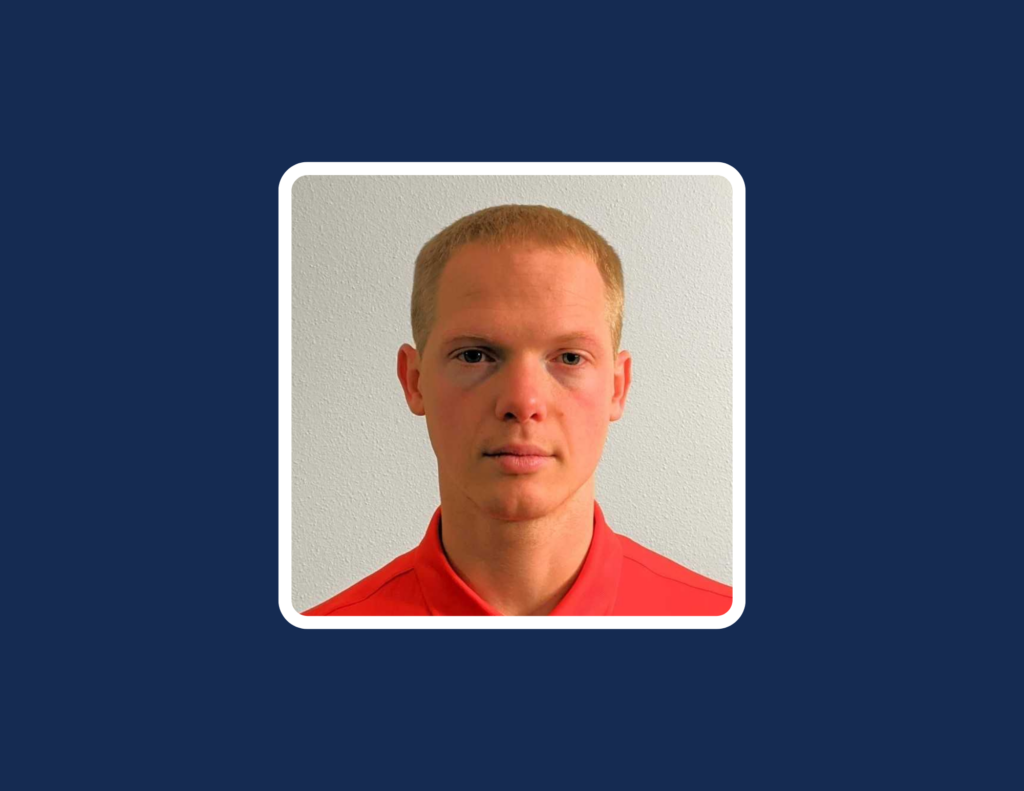
Joel Lincoln, also known as the basketball barista, is the founder of Game Shots Basketball and co-host of the Summer Grind Podcast. Joel played high school basketball at Durant High School in Iowa. Following graduation, he began his career in coaching as a student assistant at Northwest Missouri State, including a 2012 NCAA Tournament appearance. After earning his degree in K-12 Physical Education, he became a graduate assistant coach at East Central University (OK). After earning his master’s degree, he moved to Oregon. He began coaching and leading youth clinics for Lake Oswego High School before becoming a varsity assistant & player development coach at LaSalle Prep. Joel also served as the Head Coach at Lincoln High School before moving to Charlotte in 2021.
Joel has also coached at many different basketball camps & clinics in the United States and abroad; Michael Jordan Flight School, Snow Valley Basketball School, and Yao Ming Hope School. He is a licensed USA Basketball Coach and has been a part of USA Basketball Youth Development in various roles as well as an on-court coach for the Chris Paul National Middle School Combine and Rising Stars. Additionally, for multiple summers, he was a Camp Director for Midwest Elite Basketball, leading satellite camps in over 15 states for athletes at foundational to elite levels.
If you’re looking to improve your coaching please consider joining the Hoop Heads Mentorship Program. We believe that having a mentor is the best way to maximize your potential and become a transformational coach. By matching you up with one of our experienced mentors you’ll develop a one on one relationship that will help your coaching, your team, your program, and your mindset. The Hoop Heads Mentorship Program delivers mentoring services to basketball coaches at all levels through our team of experienced Head Coaches. Find out more at hoopheadspod.com or shoot me an email directly [email protected]
Be sure to follow us on Twitter and Instagram @hoopheadspod for the latest updates on episodes, guests, and events from the Hoop Heads Pod.
Be sure to grab pen and paper before you listen to this episode with Joel Lincoln, the basketball barista.
What We Discuss with Joel Lincoln
- Growing up in Iowa where he played basketball and wrestled
- Where is nickname, the Basketball Barista, comes from
- “The game brought a lot to me, not only of the value of playing, but the friendships, the camaraderie with teammates.”
- The influence Snow Valley Basketball Camps have had on him
- Working for Ben McCollum at Northwest Missouri State
- “Good is the enemy of great.”
- Building trust as a young coach
- “You have to know who you are. You have to be who you are.”
- “There’s no secret, the work works every single time.”
- Working as a GA fro Ja Havens at East Central University
- Learning two different styles of play and two different coaching styles in his first two coaching experiences
- Moving to Oregon to work at Lake Oswego and doing some work for Nike
- “Have the discipline and the patience to fight boredom.”
- “There’s a different level of right depending on a player’s age.”
- “The drill doesn’t make a player, the player makes the drill.”
- “Good development’s having a lot of different tools to teach the same thing in a slightly different way.”
- “Don’t spend too much time looking at your worst player. Otherwise, you’ll think practice sucks.”
- Manipulating drills to reward certain skills or actions
- Noticing and communicating details
- Starting Game Shots Basketball so players and coaches would have a trusted source for player development drills
- Providing players a blueprint to the success that they want to achieve
Like this show? Please leave us a review here — even one sentence helps! Consider including your Twitter handle so we can thank you personally!

We’re excited to partner with Dr. Dish, the world’s best shooting machine! Mention the Hoop Heads Podcast when you place your order and get $300 off a brand new state of the art Dr. Dish Shooting Machine!

Prepare like the pros with the all new FastDraw and FastScout. FastDraw has been the number one play diagramming software for coaches for years, and now with it’s integrated web platform, coaches have the ability to add video to plays and share them directly to their players Android and iPhones via their mobile app. Coaches can also create customized scouting reports, upload and send game and practice film straight to the mobile app. Your players and staff have never been as prepared for games as they will after using FastDraw & FastScout. You’ll see quickly why FastModel Sports has the most compelling and intuitive basketball software out there! In addition to a great product, they also provide basketball coaching content and resources through their blog and playbank, which features over 8,000 free plays and drills from their online coaching community. For access to these plays and more information, visit fastmodelsports.com or follow them on Twitter @FastModel. Use Promo code HHP15 to save 15%
Your first impression is everything when applying for a new coaching job. A professional coaching portfolio is the tool that highlights your coaching achievements and philosophies and, most of all, helps separate you and your abilities from the other applicants.
The key to landing a new coaching job is to demonstrate to the hiring committee your attention to detail, level of preparedness, and your professionalism. Not only does a coaching portfolio allow you to exhibit these qualities, it also allows you to present your personal philosophies on coaching, leadership, and program development in an organized manner.
The Coaching Portfolio Guide is an instructional, membership-based website that helps you develop a personalized portfolio. Each section of the portfolio guide provides detailed instructions on how to organize your portfolio in a professional manner. The guide also provides sample documents for each section of your portfolio that you can copy, modify, and add to your personal portfolio.
THANKS, JOEL LINCOLN
If you enjoyed this episode with Joel Lincoln let him know by clicking on the link below and sending him a quick shoutout on Twitter:
Click here to thank Joel Lincoln on Twitter
Click here to let Mike & Jason know about your number one takeaway from this episode!
And if you want us to answer your questions on one of our upcoming weekly NBA episodes, drop us a line at [email protected].
TRANSCRIPT FOR JOEL LINCOLN – THE BASKETBALL BARISTA – EPISODE 803
[00:00:00] Mike Klinzing: Hello and welcome to the Hoop Heads Podcast. It’s Mike Klinzing here with my co-host Jason Sunkle Tonight, and we are pleased to be joined by the basketball barista. We tried to figure out what his best title was, and this is the one that we think best describes our guest, Joel Lincoln. Joel, welcome to the Hoop Heads Pod.
[00:00:18] Joel Lincoln: Hey, thank you guys, longtime listener privilege and grateful to have the opportunity to join you guys here tonight.
[00:00:26] Mike Klinzing: We are excited to have you on. Joel and I have hooked up several times out at Snow Valley, so excited to have a fellow Snow Valley alum out here with us on the podcast. Joel, let’s start by going back in time to when you were a kid.
Tell me a little bit about how you got into the game of basketball when you were younger.
[00:00:41] Joel Lincoln: So I’ve been playing, I mean, I grew up in a super small town in Iowa and have two older brothers, younger sisters from the third of four. And like we lived in the country surrounded by cornfield. So I played all the sports.
I mean, we were small town kids, so my brothers played all the sports, I played all the following their footsteps. And in Iowa you can actually, they have a split in middle school season where you can wrestle and play basketball, which in Iowa, like I know not all states, I believe Ohio is pretty big into wrestling, but in Iowa, like it’s a real deal.
My cousin won state championships in Iowa, like, so it’s a real deal. So I actually wrestled and played basketball in middle school. And then when I got to high school, like, I mean, I was in Orlando, MAA, penny Hardaway, Shaq in Orlando when I was in high school, middle school. And like I just said, lies, love the game.
Watching the Iowa Haw guys. I’m from Eastern Iowa, so that’s just down the street. And then my dad’s Iowa State alumni watching the tournament, stuff like that. So the game, I’ve always been a huge fan and a student of the game. And that’s from, yeah, middle elementary school. So I remember watching different March Madness games in elementary middle school, on the tv.
[00:01:54] Mike Klinzing: Hey, man, I’m just glad you don’t shoot like a wrestler
[00:01:55] Joel Lincoln: that Yeah, I’ve come a long way, but I the one thing I do remember, like, that I do really enjoy about wrestling is just like the, like it’s a 24 7 real deal thing, like when you’re trying to cut weight and manage weight. My oldest brother wrestled so just, I and he’s six years older than me, so I when he’s in high school, cutting weight, doing all that stuff, managing his diet, like it takes incredible, incredible discipline to wrestle.
And I definitely chose the better of the two sports to coach.
[00:02:27] Mike Klinzing: Was your brother in the plastic bag era wearing era?
[00:02:31] Joel Lincoln: Oh yeah. The sauna suits, absolutely. Yeah. I mean it, like, I mean, I’m, yeah, Eastern Iowa, you’re a small town Iowa kid, or just an Iowa in general, like wrestling’s a real deal and like, I mean, my uncles are at like, I, one of my dad wrestled, like there was it was a real, real thing.
So absolutely, it was cool. And then got into basketball in high school was just an averaged an okay high school player. Attended Snow Valley as a camp. Just love getting better and really enjoyed the team part of it. I’m not, I don’t have a lot of hobbies. It’s pretty much hoops.
I enjoy coffee and then doing some hiking, little traveling, obviously. Enjoy, hence the barista title. Joel, hence the barista title. You like coffee? Hey, absolute. 1000%. Yeah, it’s Snow Valley. Fun Little tradition we’ve actually had is now like my parents still being from still live in Iowa, so they have a coffee pot, they don’t even drink coffee.
So when I come back for Snow Valley, I gather as I’m doing some different travels, get a little pound of coffee from here and there and then give those coaches in the morning before those 6:00 AM sessions and. You know, some coaches are getting used to it and that’s just something we’ve added new to the new title.
And just adding to the camp in general and the camaraderie between coaches, what’s the best cup of coffee you ever had? So, I wish I would, I wish I could have gotten it later. I don’t know if you’re familiar with Kopi Luau. It’s like a hundred to $150 a pound of coffee. Okay. And are you guys familiar with it?
No. So like, it’s from, I want to say like Indonesia. The cats eat the beans, they go through their digestive system, they get, then get the beans out of the poop of the cat and then they roast the beans and there’s like no bite. It’s super smooth and it’s like this huge delicacy, but like a pound of copi coffee’s like 120 bucks.
One of the football coaches at Northwest Missouri State where I went to college and was a manager, he got some for Christmas, somebody gave him. And like, that was part of my other duties as assigned, was being like all the, at Northwest, all of the coaches’ offices, one long hallway, so everybody knows everybody and there’s one coffee pot in the football, GA’s like room.
And so Coach Dole brought the, brought it in and everybody that was in the office that day happened to get a cup of Coke. And I still remember how delicious it was and the notes and tremendous,
[00:04:54] Mike Klinzing: I can’t say I’m not Joel at all. A coffee drinker.
[00:05:00] Jason Sunkle: So I’m not allowed to drink coffee, Mike. I’m not allowed to drink coffee.
[00:05:04] Mike Klinzing: Yeah. Jason’s on a no caffeine thing,
[00:05:07] Joel Lincoln: Well, different strokes for different folks. Yeah, I drink water and coffee, but there you go. I do love me a good cup of coffee at all hours of the day.
[00:05:15] Mike Klinzing: Got it. Makes sense. Well, I have to say, this is the first time we’ve ever talked coffee on the hoop heads pod, so you brought, you’ve broken into new territory for us.
[00:05:24] Jason Sunkle: We have talked about soup Mike on this podcast.
[00:05:28] Mike Klinzing: Yes, we’ve talked about soup, but only soup being thrown at coaches. So not being eaten, but thrown by JR Smith,
[00:05:34] Joel Lincoln: But that’s gone wrong. That’s it.
[00:05:38] Mike Klinzing: All right. So let’s go back to high school as a player, what’s your favorite memory as a high school player?
[00:05:46] Joel Lincoln: As a high school player. I mean, my junior year went on a little, we won a couple games in a row and I was just coming off the bench. I got to play, we played against a couple teams and I got to, had a good run of minutes, had a couple, handful of double digit games in a row. So that little run was probably my best high school memory, basketball wise, to be very clear and to be self-aware.
I was extremely, extremely average. Just kind of worked hard and Like I said, just a student of the game and was always asking questions and being curious and trying to get better, number one. But also for me, it was very social and the game brought a lot to me, not only of the value of playing, but the friendships, the camaraderie with teammates.
And like being from a small town you know, we played together from a young age basically all the way through. Which especially in this day is just unheard of. So you know, just as a whole piece of the locker room, those guys were good. You know, we had a great time. Obviously we could have won a few more games, but.
Did you always know you wanted to be a coach? I did. So and so when I attended Snow Valley a couple years as a camper knew it was a thing. There was a couple older players in the program that had gone to it and had told me about it when I was in middle school. And so I’d gone a couple years and then Coach Showalter coached when he was at Mid Prairie.
I went to Duran High School coach show in Mid Prairie. Were in our high school conference. So we played them, we played them at Mid Prairie and then, like I knew Coach Show, like not knew him, but like knew he did Snow Valley and I was like, Hey, I want to get into coaching, what should I do? And he’s like, well, he should just come volunteer or come be a counselor this summer at Snow Valley and like be a manager in college or play at that time.
And playing wasn’t really an option. There was a little D three interest, but like. It was very much a stretch. So I knew I wanted to co get into coaching and you know, teaching coaching, that was always my passion, helping other people. And you know, just improving I think has always been something that’s been fascinating.
And as a visual kinesthetic guy, like seeing yourself getting better, working on things has always been rewarding in basketball, as we know, is a beautiful game. You get to see it.
[00:08:04] Mike Klinzing: All right. So tell me about your first experience at Snow Valley. This is the summer after your senior year, is that right?
[00:08:11] Joel Lincoln: Yeah, so these were, these were the real weeks, others five weeks, and there were five days, and like that last day, it wasn’t like out the door at noon, like you got done at like four or five. And then the next camp would usually start. The next day. So it was a little bit different and I did that as a counselor.
Like it was whatever needed to have happen, whether it was an airport run or waking kids up was obviously a big one. Anybody that wasn’t that roll call in the morning, anything like that aired up. Basketballs running this here, running that there, moving boxes. And so yeah, that was, that was the beginning.
And you know, the cool thing about that was like when the clinics got started, whatever setup I helped with is I kind of got to choose which one I watched or coached at, or helped out in a basket. And so that was as a guy that’s been in Snow Valley, see you get to see people operate at a high level, which as a teacher and as a coach was very impactful.
And just seeing the caliber of coaches that were there each year in that as a guy that, not floated but had a lot of different things, you got to spend a lot, a little bit of time with everybody which was great. And obviously that,
[00:09:31] Mike Klinzing: I’m sure kickstarted even more of the interest probably doubled down on the fact that, hey, I know I wanted to get into coaching.
And then obviously you have to make a decision about where you’re going to go to college. And then as you said, maybe you might have had an opportunity to play, but you obviously chose to go the route of. Getting involved in being a manager. So talk a little bit about your college decision and then how you eventually connected with Coach McCollum, who multi-time national championship coach, obviously a really good guy to be able to work under and learn from.
So just tell us a little bit about how you made the decision to go to Northwest Missouri State, and then just how you got connected to Coach McCollum
[00:10:08] Joel Lincoln: So just going to Northwest, I also ran cross country and track and I was honestly a lot better at cross-country and track athletically.
So I was getting, they reached out and were recruiting me. So I went down there on a track and field visit and I was like, not feeling great. I have a couple medical things that I was, I knew I didn’t want to run, but I was like, I’m going to go, like, I didn’t decide and where I was going to school until like, April of my senior year.
Like I didn’t take a visit until after winter break, so I was definitely like a last second decision and like, Hey, what’s going to kind of work out type guy? And so when I went to Northwest, like I knew pretty quickly like, this is going to be a good time. And then I didn’t like know anything really. And like, because Coach Mac, it was his first year, he got hired at 28 and so I believe when I visited, like their coaches either left or just gotten fired.
So there really wasn’t anybody there at the time, which I have now gotten to know Austin Meyer, who’s the head women’s coach there, but he was used to be the men’s assistant, a guy named Chad Van Reason, who was at Iowa Western Community College. Like those guys were kept over from Coach Tap’s previous staff when Matt came in.
But yeah, coach Mack at 20 or co yeah, coach McCallum, excuse me. He, I mean, He was 28. And you know, I didn’t know him and I was very immature as a college freshman coming in. And I just I really want to coach and I’d love to come and help out. And I’d emailed him a couple times and like, he hadn’t responded, whatever.
And then it kind of coach shows like, why don’t you just go talk to him? And like I’d never like, that hadn’t struck me that maybe I should just go talk to this guy instead of emailing him. So I go over and he is like, yeah, like here’s kind of the deal. Like, you’re not going to travel. It’s a volunteer position.
Like, sweep the floor, set the clock, whatever we need, like. Cool. And like you’re probably not going to get told thank you and all that stuff. So he’s like, if you decide that’s something you want to get into, he is like, but you know, if you stick with it, like you’ll be treated with respect by everyone And like, cause like Coach Mack outside of my dad has been ama like probably the biggest impact outside of my dad on me.
So I don’t want to like book. I mean, he basically laid out the real deal, like, you want, if you want to do this, it’s going to be hard and you’re going to be putting in a lot of work and like, there’s not going to be a whole lot of benefits to it upfront, but it is an opportunity. So if you want to do it you know, come back tomorrow and you’ll start then.
So when home, when I say went home, went back to my dorm, took like two seconds, like, am I going to do this? And I’m like, well I don’t know what else I’m really going to do, so might as well. And so, yeah, showed up the next day and like that was the start of it. And you know, We were coach Mack has since won Yeah.
Three national titles and had incredible success and like, it’s it’s awesome. And I’m so like, happy for him, the program and like the guys that, like Sean Cooper’s still playing Elijah Allen, who’s a Columbus kid who those guys. Jake Reiner, Jake Peterson, like some of those guys that laid the foundation.
And now like, I think two years ago we were all back for a golf tournament, like after they’d won the national title and like just to hang out and catch up with those guys. And I if anybody that’s been in a locker room, especially college locker room, like that’s different. You got people, we had guys all from all over the world.
You know, we had guys from coops from St. Louis. I’m from nowhere, Iowa. We got just. You know, a couple guy, a guy from Poland, guy from Lithuania. Like, it’s just an incredible life experience. Which was awesome. And then, yeah, with Coach Mack, like we just worked and you know, the first few years weren’t great, but I think one thing that was super impactful and you don’t realize at the time was you’re seeing him figure out how to be a head coach.
Because he’s a young head coach, he’s 28 and he’s got, we got guys on our team that are 24, 25. So especially early on, seeing somebody build it and then to see the success they’ve now built to and will continue to build on. Like, it just proves the process. And that was a great, great process while I was there.
And now obviously I’ve gone on to do great and better things, which is tremendous.
[00:14:22] Mike Klinzing: So tell us a little bit about day to day kind of what you had to do. Obviously some people know. Sort of the role of what a manager does, but some other people may not. And at every school it may be a little bit different. So was it really as dire as he described that you were just going to be doing laundry and no one’s going to say thank you to you? Or did it end up being a little bit better than that?
[00:14:39] Joel Lincoln: I mean, yeah. So like the, so anybody that’s been around a program that’s like I don’t want to say upstart, but like the re the Northwest job when they had won, they hadn’t made the conference tournament the first year. We didn’t make the conference tournament.
So you’re just seeing a lot in the day-to-day, like my first year, I mean, we’re having long practices, we’re doing guys and we’ve got a whole new team of people coming in. We got new recruits, you’ve got freshmen, we got new staff. So there’s that dynamic playing out of the former coaches guys, but Coach Mack played for Coach Tap.
So very similar vision in how they see the game and mental toughness and things. So the first year was, yeah, really I didn’t travel, went to practice. I missed one practice. And that was before life in the ba in the balance. So we got three days for Christmas and I took one extra day on the front end.
And I think as you’re building that respect, just like we all have bumped into people on the road say, yeah, we want to do this, and. I thought it was very wise of Mac, not to just be like, oh yeah, we’d love to have you and anybody’s welcome of like, hey, like this is really what it’s going to be.
And then as it progressed, I mean he, my junior year we went to Hawaii, he took me all expenses, paid. I got a room. I and the one thing that I always valued was like everyone res like there was mutual respect amongst myself and all the players of like and I just remember one time where a player was a little bit disrespectful to me and like, it was instant, like Coach Mack and all the staff and you know, a few of the other players were very quick to make sure, like, that’s not how we’re going to treat anybody, even though he is just a manager.
So like there was definitely some like, yeah, you’re like, we’re doing laundry in a Holiday Inn in nowhere, Missouri at 3:00 AM and like this is the third time. Cause we can’t get something practice clips dry, but like, It was amazing. Went to the NCAA tournament my junior year. Like that was ama like, and just to see, and like for me what I really needed, especially going to college from a small town, going to a there was think about 10,000 students in Northwest.
Like, so for me that was like a huge school, but, and you know, perspectives, everything. Maybe not so much now. But I needed that accountability and building, especially with those guys, I didn’t really know anybody when I went there. So building a community, helping support academically, all of that stuff.
I mean, by the time I was a senior, like travel wise, like I was doing, I had the opportunity to work with player, do player development. I started doing that my junior year. Even my freshman year, like as different people reached out to the program for workouts, like I. The assistants weren’t going to do it, but that gave me an opportunity.
I wasn’t getting paid to be a manager, but I would train kids and they’d give me feedback and just different things. So just being around it and we don’t have a lot of skill. You, I mean, I didn’t really have another opportunity to it was either that or not coach. So or I guess I could have done a high school gig, but I really knew at that time I was very motivated to get into the college game and you know, build that, build that career out.
So it was great. And, and like I said, great experience. A lot of those guys are still my great friends that I talk to pretty regularly, still to this day.
[00:18:01] Mike Klinzing: Do you feel like as those four years went on, that you got to sit in more on coaches’ meetings and, and that kind of thing? Was that something that sort of progressed over time?
[00:18:11] Joel Lincoln: Oh yeah, I mean obviously you got full access. Like it got to the point where like, I mean, most of my saw, I mean from about my junior year on Coach Mack would usually get in about 6, 6:30. In most mornings I’d have eight o’clock class and I’d always pop up, make the first pot of coffee at 7, 7 30, say, what’s up?
And like especially my senior year, we did that most mornings and we talked about anything. He taught me how to watch film. And I mean as, as my time dedication to the program and respect from players, from coaches and everything grew like the natural access of like, okay, Joel, like what do you think we should do?
Not, which we think we should do, but hey on this timeout, where’s this guy shoot better from she shoot on the left corner left corner, right corner. We’re going to drop this play. Like, does Zilo shoot it better from here? From there? Like just those little insights and you know, just.
Building that trust of, hey, they give you a task. Okay you have this scout. Okay, so when you go do it, do you like do it to the best of your ability? Do you like, kind of do it? Are you nervous when you’re presenting it or are you really trying to make it your own and take what you’ve learned?
And I thought Coach Mack did a great job of developing that, of like making sure that the balls were where they’re supposed to be, whichever gym we were supposed to be in the floor was swept all that to the clock was set. And here’s how shot clock works. All, like, all the basic stuff. Like, I didn’t know anything.
Like, I still remember messing up like the shot clock, the first like little bix, I didn’t realize like when hits the rim you have to reset it. So I was first team all stooge and like, I’m glad they gave you the opportunity. But yeah, like I as my skill grew, there was trust that was grown in relationships and it was natural.
And as things got better and that’s one thing that I really value Seeing where the program’s at now is seeing where it was and having that belief and anybody knows or is studied or talked to, coach Mack knows he’s a big fan of Good To Great. And you know that book I still read probably once a year, if not every other year.
And just reminded myself that Good is the enemy of great. And you know, when we thought my junior year we won first two years we make the NCAA or we would make the conference tournament third year. My junior year we won the league, made the NCAA tournament and like lost in the first round.
And like I remember like, we were proud and like then senior year we had a couple coop, had coop was injured, had a couple other things, got second in league and then lost in the conference championship. So we didn’t get to go to the NCAA tournament. Like people were like, okay, like, hey, you guys are doing things well.
And then. They have, they’ve won it every year since I’ve left and I left in 2013. So like, and just seeing how the the belief that you build and you have to do it with exceptional people and to really see that organically come together and like I had no idea. And I don’t think may, I bet Mack probably knew at the time he was going to go do great things.
But like, even my junior, when we won Nome was saying like, Ben McComb’s going to be this, that, or the other. This program’s going to go here. Like just to see, like that is the process and that is what sustained success looks like. And to have that example and that relationship with Nylon Coach Mack, with Coach Meyer and just everybody around that program and guys that have since moved on to being other college coaches, head coaches, other places, and.
High school coaches and you know, different places. Like it was great. And like I said, those guys have been awesome. I still won’t go back every summer. Last summer, coach Mack and I got, I think about 18 miles and he was preparing for a marathon just on a random Friday. So yeah, that’s, that was a great experience and yeah, I still, I still enjoy, look back on that and with very impactful and really has molded me into the coach and person that I’ve seen understand the process and like having had that pro been there, been a part of it, and to now have still still talking with those guys, but seen what it is from the outside that’s the blueprint.
And to have that now entering my thirties is just awesome coaching wise and especially with kids, those lessons in that example, like you come from a place of confidence because you lived it and you know it works as opposed to like, you read it in a book.
[00:22:34] Mike Klinzing: So what made. And makes Coach McCollum such a special coach. And what are some things that you took from him that are still part of your coaching today?
[00:22:41] Joel Lincoln: You have to work every day. Work. Win loss, whatever. You have to know who you are. You have to be who you are. Keep the main thing. The main thing be real. I think like the thing that he does the absolute best is his player relationships.
I mean, the amount of time that a guy would just pop in and sit on the couch and BS and how Mack, and he’s always been like he would, and it’s annoying because there’s times where like if you need to get ahold of him, he may not call you back or whatnot for a couple days just cause he doesn’t look at his phone.
Like, I don’t know if he still does it, but he used to put that thing in his drawer and like if you needed to see Mack, like you knew he was going to be in the office, he was either there, he was down getting a lift or playing noon ball, whatever. Like just the incredible work in the dedication. And then just being around, like being in the office.
So if a guy stop by, you’re there. Those player relationships and how he coached really good players. I think there’s an art to that and I think he does a really, really good job. I think he’s an exceptional communicator. Yeah, I think like those from, I’d say definitely the work in the relationships and then just being cop.
Yeah. The relationships are huge, especially when now they’ve, I mean, Trevor Hudgeons is in the nba. Like he, he was averaging 25 in the G League, like he’s going to be in the nba and he coached that guy and is finding talent. I think he does a great job, especially with everybody, but especially with guards and with teaching space.
And I think that just comes again from the work. And like he watches an a stupid amount of film. I don’t like if I gave it even the guess like it, I like he’ll be talking about this, that, or the other. And like, I’m a development guy. I love development and like I do enjoy the X’s and O’s, but like of all the things I enjoy coaching-wise, like that’s like middle of the pack.
But I mean like, and that’s why he’s so good. He’s been doing that since he got the job in 2009. He’s been watching six, six hours minimum of film a day, every day in the summer. Watching it all day co talking to coaches. There’s no secret, the work works every single time.
[00:24:57] Mike Klinzing: I think that when you think about what it takes to be successful, obviously you start there with, you have to put the time in and any coach, I don’t care what level you’re talking about, you can be talking about a club coach.
You can be talking about a high school coach, you can be talking about a college coach, you talk about a pro coach, I mean, at any level. It starts with, you have to be willing to put in the time that’s necessary and put in the work that’s necessary in order to compete. And I think that on all those levels, probably more so even on the high school level at this point, than I think the college level’s always been like this.
But I think the baseline for what you have to do as a high school coach is, is much higher than it was 15 or 20 years ago in terms of the expectation outside of the season and getting your guys into workout or getting open gym or all that kind of thing. And so the profession, as you said, it rewards the guys who put the time in and put the work in.
And so I think that for sure is a lesson well learned when you start thinking about what you were able to experience in your career. And then as you said, you get done and you graduate, and now you’re looking at, okay, what do I want to do? Where do I want to go with this thing? And obviously you said you were leaning towards college because that’s where your experience was.
Tell me a little bit about how you get to east central, central University and what that looks like in terms of your experience there as a ga.
[00:26:14] Joel Lincoln: Yeah, East Central was a cool, was a cool and unique experience. So yeah, getting done at Northwest I was going interviewing for a handful of different GA positions.
Knew that’s where I wanted to take my career. And I wanted to go and I interviewed for a handful of division one positions and just didn’t get it for whatever reason. And I’m grateful that for my time at East Central, like so Thomas Brock, who is now the head coach at Columbia College, she had been the GA at Northwest while I was there.
And he had been then became the full-time assistant at East Central. And so in that he knew I was looking, he got that job, he called me and I was actually working Snow Valley, Missouri with Coach Neff was helping those guys out. Thomas called me, called Coach Havens the next day, and then, Finished, update two of Snow Valley.
Drove down eight hours to eight Oklahoma. Interview with Coach Havens, offered me the job. And then went back to work in camp. Finished up Snow Valley, Missouri and then did a couple snow valleys in Iowa and then yeah, moved down to eight Oklahoma. So it was just like a very quick very came about very quickly because there was, I’d interviewed Oklahoma State and it was, I’d never been, I should have, I’d been to Oklahoma once before that.
But all I’d interviewed at Cameron University, which is in lot Oklahoma for a GA position. Oklahoma State, obviously in Stillwater and then East Century University. So at Oklahoma in the mine for whatever reason afterwards. And went down there and it was a completely different league coming from the And people will roll their eyes when you say this.
And because division two, I love Division two basketball. I think it’s great. And obviously coming from the A, if you’re not familiar, like Northwest has won of the last three national championships, or excuse me, they haven’t won the most recent one. But the A is a really good league in my opinion. Some people will say it’s this and the third But going from the A, which is fully funded league everybody has 10 folds for the within maybe one that you know, travels deal a bit nicer, things like that.
Then you go down to the gac, which is a, basically a brand new league and it’s a lot more condensed. All the le or all your games are in Oklahoma and Arkansas and like, I don’t know if you’ve be ever driven through the natural state, but I like, we had a little mini bus and so when I was at ga we got to drive most of the time we so I got to drive the mini bus through the natural state, which was an experience in itself.
So, but no, it was a great experience down at ECU eight, Oklahoma. Interesting place. Definitely was good for me. I needed to go. You know, that was good for me. It was a little because Northwest Missouri state was about five hours from the crib, and then Ada was about eight or nine. So it was good.
I needed to kind of get away from a little bit of stuff and go grow up, which was important. And like working for Coach Havens, he had just won a national championship at Dres, an assistant in the G L V C. And that’s when he got the head coaching job down there. And then he brought on Coach Brock, obviously myself.
And so he, coach Mack at the time was very, I mean, we were winning games in low forties, like we’re points per possession, but we weren’t talking about offense, we were talking about defense like, And so then to go play go coach with Coach Havens. He’s we were on pure motion offense and we play a lot in practice and we’re going to coach on the fly.
Was awesome. Like, it was completely different. It was recruiting areas. We were a lot in Oklahoma City, Tulsa, and then Dallas Fort Worth, which, Dallas, I mean, great basketball still. So those were kind of our big recruiting areas. I got to dip my feet into those a little bit. Learned a lot about college academics, learned a lot about player development.
And down there it was a lot different in terms of just your resources around, like, we had a full-time strength conditioning guy and he was, he’s creating still there. But just like. We got a smaller training room, so that means less stem time all the different stuff that goes into it.
Definitely got a different perspective being down there and you know, when we turned that helped turn that around in three years they made the NCAA tournament and Braxton Reeves was division two, all American and my first year there he had, he missed because he had a split in ECAP in a car accident.
So just to see that turnaround from us the previous like five years, they’d won like 12 games. We won 17 our first year, 20 earned, excuse me, 19 the second year. Lost on a half court shot in the G a C championship on just kid that hit a half court shot to win the game and had that shot not gone then we won the NCAA tournament second year.
So just seeing being that four year with Coach M and really seeing how he built it to then seeing how Coach Havens. Built it. And I won’t say quicker, it was every situation, situational. It was just a different situation. Much different league in the gac, a lot more transfer.
Heavy IA at the time, especially, it was a lot more high school and more development. Whereas gac, I mean Arkansas Tech, like Coach Carls skin was been bringing in eight transfers a year and in that league most teams had one or two former division one players on iaa. Most of ’em had one, most had a lot of guys that could have played at that league.
So just seeing a different league, different experience. Especially seeing with Coach Havens, we spent at least 20 minutes a day doing guards forwards. And I had the forward, so. I learned a lot about big development and I’m very thankful for that experience now. But I definitely as a coach got a ton better just from a coaching with Mac I learned a lot about defense, about angles and switching, communication, different things.
And then with Coach Havens pure, I mean, we’re pure motion, so we’re going to may call a little entry, but otherwise like, let’s get on the two scores and sixes and like, let’s kind of roll. So it was great, great experience just to see the game again, like from somebody that Coach Mack is does of exceptional things with offense.
But at the time we were just much more defensive oriented to then Coach Havens we’re trying to score games in the nineties and mid eighties trying to get ’em up. So just a little bit different. Still competing definitely at essential, just a little bit different way about trying to go to win, which for, especially as a young coach, was great to see.
Two different ways into both, see both ways be successful.
[00:32:42] Mike Klinzing: As you’re going through the experience with both of those guys, are you taking notes? Are you keeping a, a notebook, a journal to kind of help you to remember and recall all the things that your learnings, did you have a system for how you kind of categorized and just kept yourself organized when it comes to that learning process?
[00:33:00] Joel Lincoln: Yeah, so we had, so Coach Havens would, I mean, and Mack did the same thing of like, I still have him probably in a binder somewhere of all the practice plans with all my notes. I mean, coach Mack was always big on writing stuff down. He taught me, like I said, he taught me a lot of things, but writing stuff down, being organized, he, I mean he always had his list of things and he would cross ’em off that he had to get done every day.
So success leaves clues. So, hey, you should probably writing stuff down, doing that. So a lot of those practice plans and then just your notes. And I think as I’ve gotten more clinics and had more experiences, more platform of a coach of you get those messages that you got all the time and, but still going through and I’ve got some files and when I got done every year I would kind of write do different themes after every game.
I would always do like a why we win, why we lost, what we have to get better at. I think I started doing that at Northwest just because we had lost, and obviously it’s not my job as a manager to know here’s what we need, but like, There was always conversations. And around that time is when I had a lot of respect and had had, and had gained some respect from the staff.
And not that they were asking me why we win and why we lost, but there was times where we’re talking, picking, roll coverage and they’re going to look and say, what’d you see? And just really having an opinion. So I started doing that around my junior year cause I was traveling, I that my junior year I started to travel to all the games.
So then I kind of had those consistent routines.
[00:34:35] Mike Klinzing: All right. So when you finish at East Central, what’s the plan? What’s the career path? What are you thinking about and then what’s your next step?
[00:34:44] Joel Lincoln: So I, my goal was to intern in the N B A interviewed with the Mavericks, the Thunder, and the Orlando Magic.
And interviewed cool experience like little bit. I mean, it was, I’m obviously didn’t get ’em. And then had an opportunity to coach at Lake Oswego High School out in Oregon. And went out there, pursued that with some connections with Nike and things. And so it was kind of crazy how the whole thing worked out from a just logistical cause I guess one thing that I do want to touch on is like every summer, and I think one thing that really helped in my development was every summer my summer job was to coach coll or to coach basketball.
So came up on the camp circuit like every summer from, I mean, I did Snow Valley after I graduated high school, and then after that, like started with just a couple University of Florida university of Illinois Hoop Mountain, which is no longer camp Snow Valley, to then doing some things in the summer with Hoop group, university of Maryland, Texas, Florida, Minnesota doing some extensive tribal Michael Jordan flight school, some of that.
So in the summer, all of those connections and things like that led to a path out there, which was awesome. And that’s actually where I spent the next six years. So didn’t quite get those b a gigs, which in hindsight’s 2020, like I don’t know if that opportunity’s ever going to arise. But I know I probably would not have been, I would’ve been very poor at it, 25.
And I don’t know how I would’ve responded to that like, Because it was a dream. And like anytime you’re working towards something, obviously you want to accomplish your goals and dreams and like especially as a kid coming from, I I’m very fortunate. I had two come from two parent household.
My parents were awesome had great opportunity, but like to go and be on the cusp of that dream and then to not get it was obviously pretty challenging. But I think having done it and knowing what I know about attrition rate in the nba, like it very well, even if I would’ve done a good job, which I’m not confident, I would have would’ve could very well have been in a one year gig.
And then I don’t know what I would’ve done after that, having experienced that little bit of success. So yeah, then moved out to Oregon to coach some high school hoops and do some things with Nike, which was awesome.
[00:37:08] Mike Klinzing: What’d you like about the high school game compared to the college game? Let’s focus on the positive part of it.
[00:37:13] Joel Lincoln: Oh, shoot. Yeah, no, I mean, I was very happy. So had I not moved to Oregon, like I was going to go coach, coach Show tours at Iowa City High at that time, and I was just really looking for an opportunity, like it was a good time. But so moving out to Oregon, like it was fun. I mean, in terms of development, like I taught elementary pe, which is the Rolls Royce of teaching jobs in my opinion.
And so like that was awesome. I got to help out with youth clinics. I had we did a breakfast club, developed a couple players through that and really allowed me to kind of have an imprint on a few kids lives and just have that platform. And as a guy, like when I got my degree in Northwest, like I knew in the back of my mind that like, if you don’t, aren’t a college coach or not in the nba, like being a teacher and a coach isn’t a bad gig by any stretch.
And especially now with. Different things. I obviously don’t know at the time were going to come about, but I knew I loved the game and I knew I wanted to keep coaching. And I knew I loved player development. Like at that point, that was one thing, and one reason I didn’t want to continue in college was I enjoyed recruiting, but I didn’t love recruiting.
The relationship piece was awesome, but at recruiting division two, and I’ll speak to my experience, you could be recruiting a guy that you know, maybe isn’t getting a lot of love and it’s to your benefit and you spend six, eight months investing in that kid, investing the time in, and then this as soon as I even a.
Just Okay. Division one and you feel like you’ve got a pretty good setup that would benefit that kid and you know, they’re going to, in your mind go somewhere and lose a bunch of games or not have a great experience, is like very challenging. And I didn’t deal well with that. But you know, obviously every kid makes the right decision as they should for their college.
But I knew I was in on player development seeing that at the college game and we put a ton of hours in at East Central and then evenings and like, I learned a lot from those guys. We had a few older players, and especially like Chris Fisher, Braxton Reeves, like those guys taught me the way that they see the game as a non-player.
That was invaluable. Sterling Thomas, like some of those guys really teach you how they saw the game and how they see the game as a basketball player and as a guy that never played, took a shot at a coll never shot a me meaningful basketball on a college floor. You know, and those guys were great at communicating and seeing what they were doing.
I knew leaving East Central, like I wanted to do player development and I had been working kids out and doing summer camps at that point for about five, six years. Knew I had a real passion for that. And knew as a high school coach, elementary PE teacher, like I would have a, a gym I could do some workouts at, and I’d still be coaching, helping kids, which was great.
[00:39:57] Mike Klinzing: What’s the key to good player development in your mind?
[00:39:58] Joel Lincoln: Having a plan and knowing? Well, I think having a, number one, knowing what the progression is, knowing how much time it’s going to take to actually get good at something. Having the discipline and the patience to fight boredom. To fight players, poor attitudes, to teach why this is, why we’re doing this, and why we’re going to continue to do it.
I think those two hand in hand, if you can have a plan, you can tell a kid, here’s why we’re doing it, here’s what we’re going to. I think number one, that sets you up for a development because having to plan and communicating the plan are the first two steps of leadership. And then from a developmental standpoint, making sure we’re doing it right.
Every time like we’re doing it right every time within reason. Like, I coach a second grade team, fifth grade team, eighth grade, do high school player development for a couple clubs here. Like there’s a different level of right. When we’re doing line drills with third graders, it’s don’t travel. When we’re doing it line drills with a high school team, it’s, yeah, we have to catch with our knees bent.
We have to be in a stance ready to make a play. But knowing what the objective, what the main thing of that drill is, and making sure if kids are doing it wrong, you’re correcting them. Yeah, I think that’s really a good point because like in like, we’ll probably touch on this a little bit later with game shots.
Like if the drill doesn’t make a player, the player makes the drill. Like even if you’re doing the wrong stuff, but you’re doing it with great habits, you’re doing it 75 dribble, move, like jump shot. But if your dribble moves are hard if your hard dribbles, your eyes are up and whatever, like, and your form’s good on your shot, like that’s not the way I think you should develop, but you’re going to undoubtedly get better.
So doing it the correct way and knowing what you’re trying to get out, because you know, especially in teaching elementary PE like we as a coach, you can find something wrong every time. And I think it’s pretty easy that like if your team’s not experiencing success, You’re frustrated with something, you’re maybe going through it with a player.
You may have a parent, whatever, like life stuff could be happening. Sorry I just realized this family program, it’s all good. But you know, just having a plan and then making sure we’re holding kids accountable to what actually matters. And yeah, those third graders should catch in a triple threat position every single time and dribble their eyes up.
But if I’m worried, if they’re worried about those four things, I’m only worried about them not traveling. We’re going to work on dribbling in our next little session or, you know what I mean? So I think good development is correcting. I think good development’s having a lot of different tools to teach the same thing in a different, slightly different way.
I think good development is repetitions. And I’m speaking from a like shooting squad perspective, working on your habits before you work on results and understanding how to. Work on habits and what you should be looking for in your form shooting instead of looking for just makes maybe look for swishes and like once you attain a level bump up to the next level.
Okay. You know, we’re going to start with, I have to make 10 form shots from the side front side. Right? Okay, cool. Make 10, boom, boom. Once I’m getting that done in couple minutes. All right, now you have to swish five from each of those spots. It’s going to take you a little bit longer. It’s going to take whatever. Right?
But now we’re focused on swishing. Now we have to switch two in a row, whatever it is like finding that next level to challenge yourself. And kids are no, like, I shouldn’t say, are no longer the game. The cell phone provides the game. They don’t have to come up with a creative game in their head anymore.
They don’t have to search for a level because Flappy Bird has it in there already. You know what I mean?
[00:43:58] Mike Klinzing: I know exactly what you mean. I think from a coaching perspective too, kind of what I hear you saying is, is that you have to find the balance between, hey, you could find something, like you said, you can find something wrong.
In almost every situation. Right? But it’s just a matter of how often do you stop that? Do you correct it? That’s a fine line. I know that’s something that we’ve talked to a lot of coaches about in terms of just even in their practice setting, where you’re going up and down, you’re playing five on five.
And one of the questions I always like to ask is, how do you know when do you stop it? Or how much do you stop play to correct something that you see that you want fixed versus letting the action flow and then going back and talking about it, or having a player come off the floor and talk about it with a head coach or an assistant coach.
And I think mostly the answer always is, that’s sort of the art of coaching, right? Is trying to figure that out and just making sure that you have that balance where you don’t let everything go yet. You can’t obviously stop it for every single thing. And I think that that’s true in a team practice setting, but I think it’s also true in a player development workout setting where you.
You can bog a player down with a million details. It’s almost like you have to pick and say, okay, we’re going to focus on like you said, this one thing. So here we’re working with young kids, it’s just don’t travel. Mm-hmm. And figure out how do you get to the point where kids don’t travel? And then some of those other points that you’re talking about, maybe just by telling the kid, Hey, don’t travel.
Maybe now they do start to bend their knees or they do start to come to a stop in such a way that they stay on balance. And even though those are things that you might be able to point out to an older player, just given it’s the general rule to a younger kid sometimes is more beneficial because they kind of figure out how do they get to that end game.
It’s just, that’s the art of coaching. I think it’s a fine line there.
[00:45:39] Joel Lincoln: And yeah, I think the last part with development is you have to get past, some people say hard, some people say boring, but like get past your comfort zone. And like, I guess two things. One thing that you thought of, and I’m not going to put the coach that said it, is like, and I even when I was a head coach, I really believe this is don’t look at your worst player during practice because if you, I shouldn’t say don’t look, excuse me.
The quote is, don’t spend too much time looking at your worst player. Otherwise, you’ll think practice sucks, right? Yep. Like, if you’re like, and I think Coach Cal Perry said it like, don’t get mad at Derek Rose for not scoring 30. Get mad at the other guy for missing three free throw blockouts. And two a layup.
Like, I think just being fair and understanding that you’re coaching everyone the same, but also, like, I know my eighth player, if I’m expecting him to go on and hit 20, not realistic, but if I expect him to make 50% open corner threes like, There’s a reason why you’re our eighth man buddy, and if you want to become our fifth man, you make three out of four.
You know what I mean? Like, there’s just that part of it. And I think being honest and giving as much data, I’m big especially for development. I’ve been on this for about a year and a half now, is every time we’re in the gym, we’re shooting a hundred threes and we’re tracking it. If we’re doing an hour workout every 15, 20 minutes, you’re going to shoot 25 threes.
And like, we’re going to know every time. And like for kids, I think it’s really important because it gives ’em confidence. And I Tony and I just talked about this last night on our podcast of like, if you go shoot a hundred track threes every day this summer, number one, you’re already going to be in the gym and you’re going to work just a little bit more if you’re doing it every single day.
But let’s say a guy like me who’s got a broke jumper, I’m going to go out and I’ll make 31 out of a hundred tomorrow, right? But by the end of the summer, even if I’m practicing it the wrong way, I shoot a hundred of ’em every day. Like I’m confident I get to mid forties, right? On a good day. And like how much confidence that gives a kid.
And like, I think things like that are important. From a developmental, having a few things that are like your vitamins, your dailies, whatever you want to call ’em. But I think especially for high school programs and if I go ever get back into high school pro like coaching, I will definitely be doing this.
Cause we did like a variation of it at LaSalle prep when I was in Oregon of like, we did shooting. But I mean, you can get a group of three can all get 25 threes in about three or four minutes. Like 10 wing corner, five on a little seven cut, 10 on the opposite wing corner first guy shoots second guy each one of those guys, 10 shots are going to be quick after you shoot, you get the rebound or pass or all that like, Doing that, shooting those hundred threes.
Like, and especially now in the day of like kids taking so much personally, like just the wall of truth on that. Like, yo, your group through, everybody’s going to record their scores, going to do this every day, and we’re going to see what the data says. So if it’s not me that’s saying you can’t coach, or excuse me, it’s not you, it’s not me saying you can’t shoot, it’s you proving you can’t shoot or you proving you can shoot and I’m wrong, right?
Yeah. But there’s no, like I’ve found the best, best coaching I do is when I change rules or when I manipulate things from, like, when I say manipulate, like of ale’s worth five points, now your team’s going to stop shooting threes. Offensive rebounds, worth double points, layup, putback, that’s worth four, not two.
Like manipulating those things. And like you have, you can give kids and players, whether it’s kids, when I say kids, I mean third grade kids or high school players or player players, college guys. I pros of like, yo, like that’s really what it’s like when you give up that offensive rebound. That guy nine times out of 10 is going to dunk it and put it back, or that girl is going to get it and put it back and one, so now it’s a three five point swing the other way.
So you know, anytime you can change those drills, and I shouldn’t say change the drill, but like give it a standard or a score to remove you, verse player, player verse drill, and then drill verse standard. You set the standard of the player comes up to the standard and the drill gives that little buffer in between.
So it’s not personal.
[00:50:13] Mike Klinzing: Yeah, that makes complete sense. I think when you can do that, and obviously as a coach you’re talking about. In a practice setting with your team, if there’s some particular thing that you want to work on, then you can, as you said, manipulate the drill to make sure that you’re rewarding the particular skill that you’re working on, which is another way of not really focusing in on, okay, how do we do that?
But just, Hey, let’s do it. Like if we’re going to reward an offensive rebound and a putback with double points, we don’t even necessarily have to stop and talk about, okay, what’s our offensive rebounding technique? Right? It’s more just, Hey man, I’m more extra motivated and now I’m just going to go get the ball.
Which ultimately, right. I mean, that’s kind of what it’s all about, is having players figure out how do I, how do I do these things? And yeah, you could stop it or you can just, Hey, let’s manipulate the drill, and now suddenly we’re getting a lot more of this behavior or this skill that we’re trying to work on, or that’s something that either is a strength that we want to double down on, or maybe it’s a weakness that we want to try to improve with our team.
And then you think about it in an individual workout. Again, you can do the same thing where you manipulate the drill and you can get kids working on a particular skill throughout that. I’m curious, when you were talking about doing the keeping track of a hundred shots, whatever, if you’re working a kid out, so let’s say you got a, a client that you’re working with once a week or twice a week and every workout you’re, you’re trying to track their shooting.
This is one of the things that I’m not doing very much training anymore, but when I was, I always was like, okay, I want to be able to track this stuff. But then I always found like, okay, me trying to like count in my head of how many shots the kid’s making and then stop after it’s over and get their chart and mark it and write it down.
And then I found myself instead of focusing on what the kid was doing and their technique and trying to help ’em, that I was just counting shots and rebounding more than I was actually coaching ’em. And so I always found that to be difficult. So I’m curious, just what, what’s your method like for making that, for making that happen?
I.
[00:52:10] Joel Lincoln: I just call it out as they’re going. Gotcha. When, and so how I view like we work on, and so I, one thing I’ve really pivoted to and really trying to specialize and have an impact in is shooting because I think there’s a lot of kids that want to shoot the basketball well and they want to score, but they never work on shooting.
So I think working on your shooting, I think when I, when I’m talking about shooting, I’m talking about your habits like. Your form shooting. I talk about like, that’s technique, right? I come in, I’ve got my toes, I got my knees bent. Cause my knees get angles and my ankles angles.
Get my ankles, get angles in my hips, angles of my hips, get my elbow in, not my pocket, right? So it all starts with my knees having an angle on my knees. That’s first thing we’re going to talk about. And then giving those things that are actionable along the way that’s what shooting is, right? So we’re going to really be focused on the process of shooting the basketball.
We’re going to focus on your follow through and then, We’re going to do a few little things of manipulating your footwork. Okay? Left, right. You’re going to get three swishes going left, right? Okay, now we’re going to get three swishes going, right, left. Okay. Now we’re going to work on no box drills or pivots.
We’re going to make this many a row, or it’s going to get this many reps. We’re going to keep track of our shooting percentage. One of the things I like in terms of counting and things like I am gifted with math. Like I can keep track of things off the top of my head, and then at the end of every workout, like I tell the kid, and everybody with a pson above like seven years old has a cell phone.
So I just haven’t put it in their notes. So, and like, I’ll just remember, like first time they got 12, right? Second 25 they got 17. So now they’re at 29. Okay, next one they made four. Whatever it is. Like, and then at the end it’s like, okay, how many we shoot you made this many today. Put it in your phone.
And like that. And the box drills are two things that I always do in box drills. Like I basically kind of just, and that’s not as specific, but any jump shots, like we’re trying to get three out of four and I’ll usually, depending on the age of the player, I’ll usually go elbow, elbow and then wing, wing like threes.
If it’s younger kid, third, fourth grader. Like I usually I’ll pop ’em out to the wing, but it’s like midrange wing. And that’s what I call like working on your shooting, right? And then from shooting, now we start to go into like where we’re worried about makes or swishes or whatever. So like we may do a little like 20 makes and two minutes each of the five spots have to make two.
Okay? If it’s a more advanced player, you have to make two in a row. If it’s an even more advanced player, you have to make two in a row. And if you miss two in a row, you go back a spot and then you start to make it competitive. And as we start to get into those competitive time drills, like if your forms off, we’ll go back after that, drill’s over.
Since there’s a time on it, we’re not going to get stuck in it. And like we don’t move on. And I tell kids, make it obvious that you can do this. Like this workout is me seeing where your skill is, and I want to take you to the next level of that skill. So if you’re not showing me your best skill, I can’t, I’m evaluating what I see today in front of me.
So show me how easy this is or how skilled you are that you can move on from this. Like we can make it harder immediately, if not sooner, but I need to see that we have these steps down and that your form is, you are laying on the balls. Your feet, your elbow is consistently by your eye. You bring it up through the pocket, shoot through your elbow, like if you show and so a good any elite player shooting warm up about three, four minutes cause it didn’t take long.
Whereas, you know eighth grade freshman player, like, we’re going to spend probably 10, 15 minutes on it every single time. Because I’m, my expertise is the correction. Like, you should be doing this on your own. Yes. But. If you doing, if me showing you this is like what you think you’re paying me for, like, you’re paying me for the correction, you’re paying me for the accountability is how I view it.
Especially as, as I’ve done, I’m now a skills trainer and club. I’m an assistant on a couple club teams, but like, I’m paid to help you get better. My service is helping your skill, right? Absolutely. So giving that feedback to kids, like, and I’m in trying to speak to ’em, especially during that shooting section, how are we missing or missing short and long?
I’m not really going to trip on those. Like, things are looking good. Like, obviously we have to make a little adjustment, but short and long, we’re shooting straight. We’re almost there if we’re missing left and right. Okay, are you pulling it? Is your elbow in front of your face know you’re elbow shooting by your ear, up by, by your eyebrow?
Or you know, is your elbow by your chin? That means is you’re shooting flat? Is your, is your head going back? The crown, your head should be straight up to the ceiling. Like all those little details right. But you start off with, hey, have some bend in your knees, have your palm to your passer come up, freeze your follow through balls of your feet.
It starts with that. Okay, let’s get swishes or however many, whatever, whatever level player, whatever’s going to be challenging to that player is the drill we’re going to do. And if they’re shooting a well, they’re going to do some trails that are more challenging. If they’re struggling, like we’re going to break it down into more process.
Or we’re going to shoot, shoot five. How, see how many we make? We’re going to talk about shooting percentage. You know, we’re shooting five. We want I call those nickel. We’re shooting a nickel, we want to make three out of five. If we’re doing dimes, we we’re trying to make six out of 10. I’m big on like, that’s how you add up your workout.
Like first team common sense. Like I can add fives and tens all day. So if I know I’m going to nick of this, or dimes nickels, I usually say like, that’s like a, you got 45 minutes. If you’ve got a dime, you got an hour plus. Right? Everything you’re doing, get 10 reps of it. See what your percentage is and so yeah, that makes sense.
That’s, that’s three like reality live in reality like, and I think, again, not me telling you that’s what you did, you made 10 out 10, you’re shooting it really well. Hey, you made it two out of 10. Like we probably need to go back and spend a little more time on that form shooting we were missing it left, right, or you know, we shot six you made five out 10, but you missed two just off the back iron and one B just a little bit off like I’m not five out of 10 process was good.
We’re going to move on. So I think just noticing those details and communicating those details is really good development.
[00:58:46] Mike Klinzing: All right. Tell me a little bit about game shots and then we can dive back into a little bit of maybe how you got there, but just tell us a little bit about what you’re doing right now and, and how you got into it.
[00:58:57] Joel Lincoln: Yeah, so game shots. It’s been something I’ve been thinking about a lot because I’ve always, I’m very interested in development and player development. And I just remember in high school looking for like, just tell me what to do. Like, I’m hard worker, I’m going to do my best. Like, I just need somebody to tell me, here’s what the workout you should be doing that’s going to get you the results you want.
Right. And I’ve, even as a coach, like I’m still always in search of that. And you know, having the experience at Snow Valley and now it, since moving to Charlotte a couple years ago being in the youth development space and seeing like, I don’t think youth coaches are not trying to do their best or not trying to help kids.
It’s. You know, we’re all guilty of it. I see a drill on Instagram or YouTube or whatever social media. I’m going to go put it in practice and like I just have seen a lot of drills that aren’t necessarily great for development or not showing and teaching. Here’s why you would do this. Here’s where this drill fits into your workout.
And with game shots, I want it to be where you can go get high quality player development and high quality team development. If you’ve got YouTube, which comes standard on every iPhone and Android. So with that, we’re trying to give away a variety of platform big on grassroots basketball.
Because myself and my coach, Tony Sterling, like Tony does a lot more, especially middle school, high school. And I do a lot at the grassroots level being involved with Chris Paul Middle School, combine and stuff like that. So being at that level with what we’re trying to do with game shots is enhance that.
Obviously we have to talk some players and like we do have access to these events and part of my thing I love is advocating for kids that you see at these events and you know, different coaches will ask and see and given your opinion has been great, like as an added value. But then going back to giving to players of like, hey, here’s this workout playlist and I’ve got one and we’re going to be putting up more in the coming weeks of, hey, as a coach I can send this to my high school player and know that if they go in and they do this hard, as hard as they can At pushing themselves as far as they can outside of their comfort zone, they’re going to get better because not every coach can be in the gym.
And I found, when I was a high school head coach, as a guy, that’s always been big on development. There’s not consistent content you can push out that you can trust and know, like comes from a place of like, this actually will be getting my player better and they’re not going to be over dribbling or doing things we don’t want.
And as you know, we’re building out content and getting great feedback from coaches of like and I think a place that I really am passionate about is like second, third, fourth, fifth, sixth, seventh grade basketball of like, here’s how you teach the game. Because like some kids are never exposed to a good coach and they could have been really good, but they can’t they interacted with a coach or whoever that.
You know, didn’t have the adequate training or wasn’t was trying to do things just the way they saw them. And like, I’ve invested a ton of time in traveling, learning, talking. You know, again, I don’t have a lot of hobbies with basketball and especially youth basketball. So, and you know, living in this space for a couple years of, hey, like you got four kids that show up to your second grade practice, what should you do?
And like, that’s the situation that I feel like not a lot of people talk about, but like most youth basketball is in that like second through sixth grade range. Cause there’s some kids that get to sixth grade and they think they suck. And it’s like, you just have never, no one’s really taught you here’s how the game’s supposed to be played.
You’re just out there having fun. Like, whereas like a video game will give you feedback, like whatever it is. Like you find out like, oh, I’m supposed to do it this way. And the video game gives you that feedback in real, but in real life, in the game of basketball, like that’s what a coach’s job is to do of like, after you pass, you should cut.
I think that’s what’s so great about to bring this back to Snow Valley of like, that’s what’s so great about Cutthroat. That’s what’s so good about all the clinics that people do. There is, it teaches you the game. And I think that’s what game Shots is aiming to do, especially in the youth basketball space.
As well as provide some coverage of up and coming just because I think it’d be remiss of we’ve, Tony and I both put a lot of work into earning this platform and earning some of these opportunities and I think talking and speaking about those kids is I’ve been doing this for over a decade.
Seeing kids, seeing development, being part of development, being part of club basketball, being part of high school basketball, college basketball I. Training kids, all of that to, to see that and to have the experience, the knowledge that we’ve that I’ve had and that Tony has had to speak about players and to let people know about events that are coming up.
Let people know about Snow Valley Basketball School, let people know about U S A B gold camps and just really trying to bring just a fresh voice of just a couple guys that, I apologize, my dog Larry Birds back there, getting a squeaker toy here before his walk. You know, providing that for, if you’re a dad, all of our all of our player development content content is set up for you to be able to watch it and go teach it to your kid and they’re going to get reps and get better at it.
So like that’s the YouTube channel is all about like, The only thing we ask is if you find it useful, be a teammate, share it with a teammate. But it’s all about player development. Especially like, not even towards the elite players. And like I, because I, and like I’ll say this stuff is what Division two all Americans were doing high school, all, all state players were doing all of these drills.
Like I stole or I’ve tweaked or whatever. And like those were the results those guys got from those drills. Like Josh Engle is division three, all American. He was part of the breakfast club when I was in Oregon. Didn’t miss a day in two years. And like that was the stuff we were doing in the gym. So the reps or the reps.
And that’s kind of what if a kid wants to work, boy, girl, whatever. If you want to work like, and you don’t know what to do, you can’t afford a trainer, you don’t have access, whatever. Like if you have somebody that’ll rebound for you, pass you the ball, like you can go get better at it. And obviously I’m not there in person, but if you have the desire to go get better at the game of basketball, that’s what there’s for And like, I, there’s a lot of different ways to develop players, but this is what I’ve seen.
This is what I’ve learned in pro players guys are still playing. This is the things they were doing are still doing. And it’s just a way to kind of provide players a blueprint to that process, to the success that they want to achieve.
[01:05:32] Mike Klinzing: All right. So I think when I hear what you’re talking about, it’s all great stuff and I think it’s things that are needed in the basketball space.
Anybody who has been around youth basketball at that elementary school age, as you talked about, knows that there’s lots of volunteer coaches, there’s lots of parent coaches that are struggling to figure out, Hey, what do I do to try to provide a good practice environment and a good environment where kids can get better at basketball.
So what’s the marketing plan for getting that stuff out in front of people? Cause I think that’s always the biggest challenge because there’s just so much content out there that you know as well as I do. Then when people go out and search, A million things pop up. So how, what’s the plan for trying to get this in front of the right people?
[01:06:14] Joel Lincoln: So, I mean, very, I mean, basic 1 0 1 is like this summer, this will be the first summer. We’ve got real content up. I know myself and then Tony Sterling will be, I think we’re going to be in front of about five to 10,000 players this summer between the two of us and the camps and events we’re going to be at.
So I think just the promotion of that, I think the cream ice rises to the crop or cries to the top. And we’re both making a concerted effort to get more out there. I think specifically in the Charlotte market, like there’s you know, my brand with some of the training and stuff, I’ve got more a few more.
Clients and I have gym space. So I think from that perspective, we’re growing and like we’re only getting, when I for me as a guy that does a lot of the content, we’re only getting more and more players and more ages. So I think it’s the reps again of, we’re going to consistently do that.
We’re going to obviously Go on and promote it. We’re going to bring people on with our podcast. And I think that is going to be our pillar of content in terms of like, we’re going to consistently do that every week. People get to know us, we get to know them. And just pro I think the marketing plan has provi add value to others.
And fortunately, having done been doing this for 13 years, I’ve, there’s a lot of people that are giving us good feedback as to things we’re going to be getting better at. Along with just, we’re going to be doing some camps this summer along with coaches Book Club, weekly podcast, and then yeah, skills clinics.
I know with USA Basketball, I’m going to be speaking at the Gold Camps about this topic specifically. So for people that want to get more information or if you’re not going to be attending those camps, all that stuff is on there. So we’re playing the Infinite game. We’re both teachers and I think as the numbers work out, I think, I guess what would, what advice would you have for myself on how to market a good podcast?
[01:08:18] Mike Klinzing: Whew, that’s a great question. I mean, I think that we’re trying to learn all the time, but some of the things that I guess we’ve been successful with is we try to make as much of the content that we have, especially with interviews, Rather than talking to a coach about their specific season or hey, this particular game or whatever, we try to make it content that if you listen to the episode today or you listen to it two years from now, it’s still going to be relevant.
And so I think that helps is that people kind of go back and when somebody discovers the podcast for the first time, they’re not just listening to the latest episode, they’re able to go back and find sort of the back catalog. So I always find that to be something that I think’s been helpful. And then other than that, I mean, we’ve slowly developed our following on social media, which clearly I think nowadays is something that you have to do and, and have a good presence and be active on there.
We probably could be even more active in terms of interacting with some of the things that people are posting in response to what we put out there. I mean, we, we bang out a lot of content on there, but we don’t necessarily always, I. Interact, which is probably something that we could do better. Just a matter of finding the time.
I mean, I think that’s always, that’s always the challenge is finding the time to be able to do some of the things that are required. But I think social media, I think that if you do that, and I think if you can. Just have content that your catalog in and of itself is valuable and not just the latest episode, which it sounds like that’s kind of the direction that you guys want to go with things.
To me, that sounds like it. It makes a lot of sense. And so that, that’d be the two things that I’d probably recommend. And like I said, we’re by no means experts on how to get that done. I think you’re always, and just, you’re always searching and things are always changing, so, mm-hmm. It’s hard to know what you’re doing.
One moment may not always work in the next, and so you just kind of have to keep on, keep on your, keep on your toes. As we head towards the end here, Joel, I want to ask you one final two part question. Part one, when you think ahead to the next year or two, what do you see as being your biggest challenge?
And then part two of the question is, when you think about what you get to do every day, what brings you the most joy? So your biggest challenge and then your biggest
[01:10:28] Joel Lincoln: joy. I think the biggest challenge is always just fighting complacency. As success or fail in success, making sure you’re staying true to the process.
And when you’re things go bad, understand it’s all star part of that process, but in specifically is to your point of finding time as a full-time teacher training five, six nights a week we’re going to be doing we’re launch. You know, I think biggest thing, yeah, will just be the time in managing that time as you know, things are going to be growing with a couple different leagues and a few different things.
Taking shape here in Charlotte, hopefully going to be getting my, not my own facility, but a facility where I’ll have more gym space. Because yeah, the time in the gym spacer right now, the two biggest constraints I’m facing so good problems to have. Yeah, absolutely. But yeah, just that time for building out content for making sure you are connecting and making sure you’re keeping the main thing, obviously that main thing.
And understanding that you have having a great amount of gratitude for. You know, just each morning when you wake up and have able bodied clean air access to great food, everything like that, like just remaining consistent and making sure the ups and downs that you’re just grateful for each day’s time and you know, the opportunity to use your talent.
You know, just improve and hopefully serve somebody and make somebody’s day. And then the biggest opportunity, or what was the second part? Biggest joy. Oh, biggest. Every day. Man. I love the man. These kids are hilarious. Like kids are hilarious to me. So every day like, I just, I teach at a school where we’re K five, we’re 17 different languages.
We got a lot going on every single day, which is awesome and I love it. But just what brings the joy to me is like, what? I mean just the little things you know, from a kid you got a handshake with to a kid that they, yesterday they were up sex, they didn’t have any friends in their class and they’re walking in whatever.
Like, that’s just the joy is seeing. That impact I think, every day. And you know, even if it’s not the immediate one, it’s and especially this time of year as for us that are teachers, like this is the bet. Like this is the, you’re reminded every day while you’re a teacher, but especially this time of year when kids are you’re, you’re seeing that growth.
And I think the spring work that growth is happening not only physically, but as well as students are all that work, that relationship, those struggles that, Hey, I’m holding you accountable cause I know you’re better. And you know, that stuff is starting to pay off. So obviously there’s a lot of intrinsic joy that comes from seeing a kid once again from not having a friend to, hey This is, I’ve got our soccer team won three to one yesterday.
Hey, I found a Girl Scout’s troop to find like, just all those little, little wins I think bring me the most joy because like, especially one of the things I love about my job is like kids. Cause they bring that fresh perspective every day of like whether it was good or bad. Yesterday. The awesome things about kids is just how resilient they are.
And you know, they come in hopefully the next day and even better if they come in and they’re say good morning and have a smile on their face is better yet. So that stuff is what keeps me going. Being around the people, being around having that impact, seeing that stuff. Being able to put wear shorts every single day as a gym teacher.
That’s great, great life. That’s good stuff.
[01:14:11] Mike Klinzing: I couldn’t agree more. I’ve been in the elementary gym for the last 10 years and compared to being in the elementary classroom, definitely has been a positive for me. Before we get out, Joel, I want to give you a chance to share how people can connect with you.
Email, social media, website, whatever you want to do, podcast, tell ’em how they can find it, and then after you do that, I’ll jump back in and wrap
[01:14:29] Joel Lincoln: things up. Awesome. Well, no, thank you guys. I really appreciate the time and the platform you guys have created. Like I said, I’ve been listening for a while and you guys do excellent.
So to get in touch with me on Twitter and Instagram’s @CoachjLincoln email at or [email protected]. And then yeah, on all of our latest and most updated content is on our YouTube channel which is also gameshotsbballwhich is our Twitter, Instagram, and YouTube. So thank you guys. A privilege honor, and appreciate you guys listening. I kind of went on a few rants there, so appreciate it.
[01:15:24] Mike Klinzing: No, you’re good. And we appreciate you taking the time out of your schedule to jump on with us. It’s always fun to have somebody that we’ve actually met in person, which there’s quite a few guys that we’ve met now at this point, five years in, but it’s always a pleasure to get a Snow Valley guy on.
It’s always a pleasure to have, again, somebody that we’ve been able to have a face-to-face contact with. So thank you Joel. We really appreciate it. And to everyone out there, thanks for listening and we will catch you on our next episode. Thanks.