Young players learn best when practice matches their stage, while older athletes need faster tactical preparation. Treating age groups like a varsity team slows development, reduces enjoyment, and leaves movement skills unfinished. Youth practice builds foundations, while high school practice sharpens execution under pressure.
Good practice design shares several qualities with other engaging games: clear rules, immediate feedback, achievable goals, and steadily increasing difficulty. Adults interested in how digital games structure rewards can check the free demos here for one example, while basketball coaches use similar engagement principles through timed challenges, scoring targets, and competitive drills. The activities differ completely, but both rely on understandable goals and visible progress to hold attention.
Start With Different Development Goals
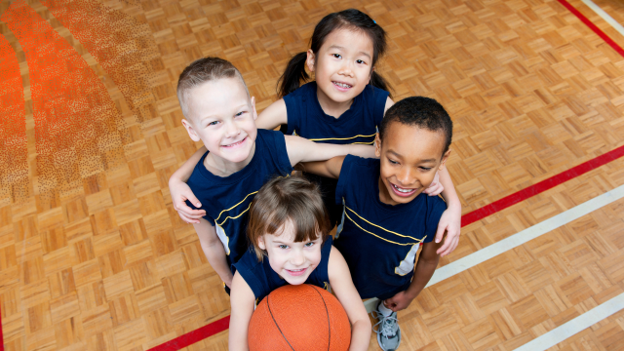
Youth teams need broad athletic development before complex systems are introduced. Practices must emphasize balance, coordination, stopping, changing direction, dribbling with both hands, passing, catching, shooting form, and awareness. USA Basketball emphasizes skill development during introductory and foundational stages, with competition taking a smaller share of training time.
High school players still need fundamental work, yet practice has a narrower target. Coaches prepare athletes for opponents, game plans, rotations, special situations, and seasonal physical demands. A varsity session includes more tactical repetition and less time explaining movement.
Youth Practice Needs Exploration
Children learn through movement, repetition, and discovery. A dribbling activity that asks players to change speed, respond to colors, or evade a defender builds control without turning the gym into a long lecture.
Small games also give every player more decisions and touches. Two-on-two and three-on-three situations expose spacing, passing angles, defensive positioning, and finishing opportunities more frequently than extended five-on-five play.
High School Practice Needs Precision
High school athletes need standards for timing, spacing, communication, and effort. A coach might stop a possession because a cutter arrived late, a defender opened the wrong hip, or a screener used a poor angle.
This level of correction reflects the game players face. Opponents punish small errors, scouting reveals habits, and limited possessions make execution more important.
Coaches can also use memorable basketball stories to regain attention or introduce a lesson. Unusual game records give youth players entertaining examples of sports history, while high school athletes can examine the rules, circumstances, and performances behind those numbers.
Adjust Instruction to the Players’ Attention Span
Young athletes lose focus during long explanations. Coaches need brief teaching points, quick demonstrations, frequent changes of activity, and simple language that links one cue to one action.
A youth sequence includes the following priorities:
- Demonstrate the skill from more than one angle
- Let players attempt it before adding corrections
- Use one memorable cue during each repetition
- Return to the same skill through a new game later.
High school players handle tactical discussions, film clips, and detailed feedback, although efficient instruction still matters. NFHS guidance emphasizes organized practice plans, clear expectations, and purposeful segments rather than wasted gym time.
Change the Balance Between Skills and Systems
Youth practice must focus on transferable skills. Players gain more from passing against pressure, finishing from different angles, and defending in space than from memorizing several set plays.
High school teams need reliable offensive entries, defensive coverages, press breaks, inbound plays, and late-game options. Repetition builds shared timing so five players respond to the same cue without hesitation.
Use Competition Differently
Youth competition must reward learning. Coaches can award points for using the weak hand, making a jump stop, finding an open teammate, or completing a defensive possession without reaching.

High school competition needs consequences that resemble games. Score, time, fouls, possession, and lineup combinations create realistic pressure, especially during end-of-quarter situations or special defensive scenarios.
Manage Physical Load With Greater Care
Young players need varied movement and regular recovery. Their sessions must build coordination and confidence without copying the volume, conditioning, or contact level of older athletes.
High school practices should involve greater speed, strength, and repeated intense actions. Coaches still need recovery, hydration, safe progression, and attention to fatigue during congested schedules.
Conditioning also needs a basketball purpose. Sprinting without decision-making has limited transfer, while transition drills, defensive recovery, and short competitive games connect fitness to actual play.
Coach the Person as Well as the Player
Youth coaches shape the relationship a child develops with sport. Praise must recognize effort, attention, teamwork, and improvement, while mistakes need calm correction that keeps the player willing to try again.
High school coaching includes greater accountability because athletes understand roles and standards more fully. Direct feedback fits this stage, but respect remains essential, and humiliation never improves performance.
Build the Right Practice for the Right Stage
The best youth practice leaves players more skilled, more curious, and eager to return. The best high school practice leaves athletes prepared to execute a defined plan at game speed.
Both groups need structure, safety, challenge, and meaningful feedback. The difference lies in how coaches deliver those elements and what they expect athletes to master next. Good coaching meets players where they are and guides steady progress.