

Every coach dreams of leading their team to victory.
But the path to championships isn’t paved with wins alone. It’s built on a foundation of resilience, a culture that fosters not just winning, but growth, support, and the ability to bounce back from setbacks.
As a coach, you have the greatest influence on creating this culture.
Your behaviors, your words, and the rituals you establish become the guiding principles for your team. This article will equip you with the knowledge and insights of how to build a positive team culture with more resilient and successful athletes – one that emphasizes progress, and inspires confidence.
Culture is the Backbone of Any Sustained Success
First, let’s be clear that your CULTURE has more of an impact on your team performance and success that your strategy. Having great plays is nice – but culture will always determine how well your execute those plans.
And let’s also break down a simple but powerful truth: Culture is behaviors. Behaviors are evidence of values and beliefs. Your team culture reflects the core values, standards, and beliefs you instill in your players.
A team that embodies positivity, hard work, and mutual respect will naturally exhibit these behaviors on and off the court.
Lead by Example with the Power of Optimism
As the leader, your influence on the team’s culture is paramount. If you are despondent after a loss, they will be too. If you are negative, it becomes their default mindset.
Conversely, your optimism and determination become contagious. As Napoleon Bonaparte so famously said, “A leader is a dealer in hope.”
Your positivity inspires your players to believe in themselves, in each other, and in the ability to overcome challenges.
Winning is Important, But Not Everything
Many young coaches, myself included, fall into the trap of chasing wins at all costs. Wins become the sole measure of success, overshadowing the importance of growth and development. Embrace the journey, not just the destination. Celebrate progress, the small victories that lead to bigger achievements.
Set High Standards and Appreciate the Power of Progress
It’s vital to set ambitious goals and strive for excellence. Not every team will win the championship, but that doesn’t diminish the value of the journey.
High standards challenge your players to become better versions of themselves.
Embrace the Power of “Progress, Not Perfection”
The path to mastery is paved with mistakes. Perfection is an illusion. Instead, focus on progress. Did your players improve their individual skills?
Did they execute plays more effectively? Did they demonstrate better teamwork? Recognizing and celebrating these improvements fosters confidence and fuels the desire to keep pushing forward.
Keep Your Team Motivated Even After a Loss
Losses are inevitable. The key is to use them as a springboard for growth.
Here’s a simple, yet powerful strategy you can adopt:
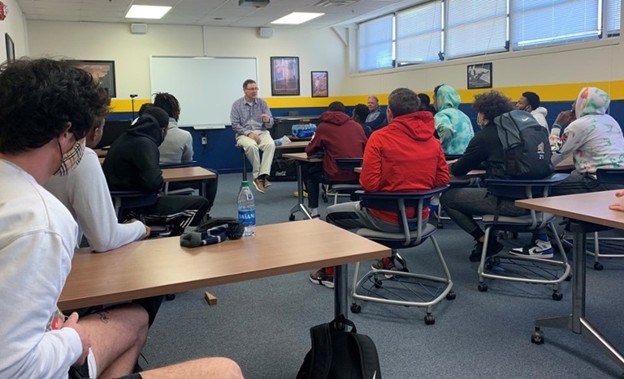
- The “Two Ls” Exercise: Gather your team in the locker room after a loss. Have each player share two things: One thing they “Loved” about the game, a positive aspect of their performance. One thing they “Learned” from the game, a takeaway that will help them improve.
This exercise serves several purposes. First, it encourages players to find something positive, even in defeat. Second, it fosters a learning mindset, emphasizing the value of extracting valuable lessons from setbacks.
Build a Championship Culture Through Rituals and Traditions
Team rituals and traditions are more than just pre-game routines. They serve as powerful tools for building team spirit, fostering a sense of belonging, and reinforcing your core values. Here are some ideas to get you started:
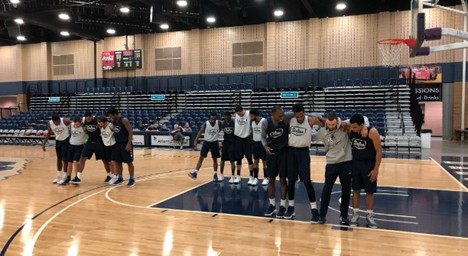
- Post-practice Huddle: This is a classic for a reason. Gather your team at midcourt after each practice and ask team members to share a celebration of something someone else did that was a great example of one of the team’s values or extraordinary effort.
- Team Dinners: Sharing a meal outside of basketball creates space for casual interaction, fostering stronger bonds between players. Make this something that is consistent throughout the season – breakfast or lunch or dinner every two weeks where you can have them answer a fun question and get to know each other better.
- Community Service Projects: Volunteering together allows your team to give back to the community and build camaraderie through a shared experience. An attitude of humility and commitment to serving others is a key part of being a Winning Teammate!
- Celebrating teammates off-court life: Recognize birthdays, academic achievements, and other victories – big and small. Celebrate the things that are important to them as people, and help them feel valued beyond their athletic role.
- In-Season Awards: This doesn’t have to be elaborate. Recognize players who exemplify your team’s core values throughout the season – whether weekly or monthly. Don’t wait until the banquet to applaud what you want everyone in your program to be. Provide a chart in your locker room for things like a “Windex award” for best rebounders or “Hardhat award” for loose balls and deflections or a “Green light” award for best shooting or FT percentages. These highlight what you see as important, and help to reward efforts you want repeated.
- Halftime 2 and 2 and 2 Talk: This is a twist on the traditional coach-led halftime talk. While the coaches are outside the locker room discussing the two key adjustments needed for the second half, require your players have a player-led discussion. They should identify two things they are doing well as a team (to keep the momentum going) and two things they need to improve on (to address the coaches’ points and take ownership of their performance).
Deliberate Conversations Build Trust and Communication
Effective communication is the lifeblood of any successful team. Go beyond X’s and O’s. Schedule regular team 1-on-1 meetings every month to discuss goals, concerns, and how to support your team members on and off the court.
Here are some prompts to get the conversation flowing:
- What are your individual goals for the season?
- What are your strengths and weaknesses as a teammate?
- What story do you want to tell about this season and your role in it?
- What is a current challenge you are dealing with?
- How can I better support you on and off the court?
- What are some ways we can improve communication within the team?
Embrace Meaningful Team Building for Athletes
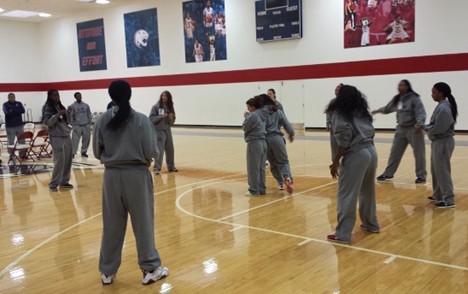
Team building activities are a fun and engaging way to build trust, communication, and problem-solving skills. Here are a few ideas to get you started:
Building a strong team culture takes time, effort, and intentionality.
While the strategies outlined above provide a solid foundation, consider bringing in an experienced facilitator to work with your team. A facilitator can offer a fresh perspective, guide you through team building activities for athletes that are specifically designed for your team’s needs.
Or provide leadership training sessions for both coaches and players.
Investing in your team culture is an investment in their success, both on and off the court. Remember, a strong culture doesn’t guarantee championships, but it creates an environment where players can thrive, learn from mistakes, and reach their full potential. Take the first step today towards building a resilient and successful team that will leave a lasting legacy.
– – – – –
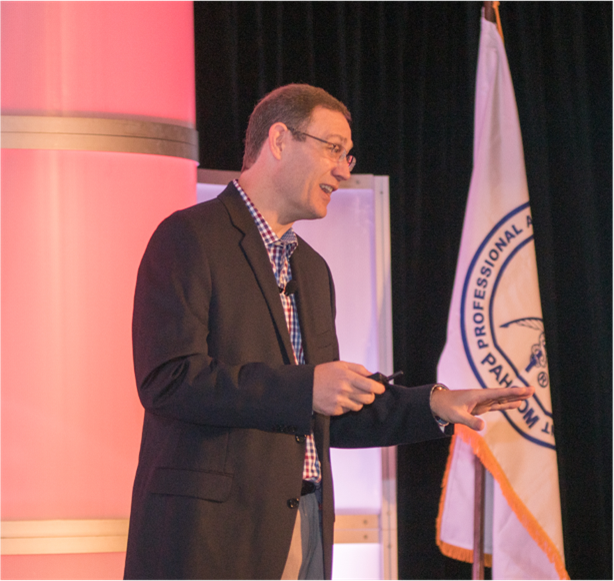
Sean Glaze is a leadership speaker, teambuilding facilitator, and author who delivers engaging experiences that create Sticky Cultures and ignite your team’s performance. Sean has worked with clients like Cisco, John Deere, the CDC, and Emory University to increase collaboration, boost productivity, and build more positive and profitable workplace cultures.
As a successful basketball coach, Sean gained valuable insights on turning talent into teamwork – and now he travels around the country to share those lessons. Sean’s conference keynotes and custom team building events deliver laugh-out-loud moments and memorable take-aways that transform your people into winning teammates and more effective leaders.