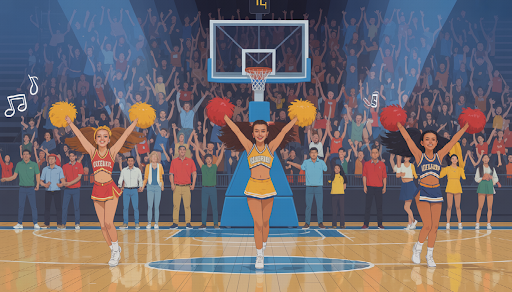
Walk into any packed high school or college basketball arena, and you’ll feel it before you see it—the pulse of music syncing with sneakers squeaking on hardwood, the crowd rising to its feet as the home team breaks on a fast break. That energy doesn’t happen by accident. Increasingly, basketball programs are turning to premade cheer music to create a consistent, high-energy atmosphere that elevates both player performance and fan engagement.
Unlike the improvised playlists of decades past, today’s cheer music is a carefully engineered blend of tempo, rhythm, and cultural relevance. It’s designed to do more than fill silence—it’s meant to amplify momentum, rally crowds during crucial moments, and give teams a psychological edge. This shift reflects broader changes in how sports organizations think about the game-day experience, treating sound design as seriously as lighting or video production.
From Claps and Chants to Curated Soundtracks
Cheer music in sports has undergone a dramatic transformation. What began as simple call-and-response chants led by cheerleaders has evolved into a sophisticated audio experience. Early cheerleading routines relied on live bands, drum lines, or basic recorded tracks. By the 1980s and 1990s, as competitive cheerleading gained recognition as an athletic discipline, music became more integral to routines, with choreography timed to specific beats and transitions.
Today’s premade cheer music reflects this evolution. Professional producers craft mixes that blend popular hip-hop and EDM tracks with original beats, creating seamless transitions that match the pace of basketball gameplay. The result is a soundtrack that can shift from high-intensity hype during player introductions to sustained energy during timeouts, all without the awkward gaps or mismatched tempos that plagued earlier approaches.
This professionalization has made quality cheer music more accessible. Teams no longer need in-house audio engineers or expensive custom production. Instead, they can select from libraries of pre-produced tracks designed specifically for sports environments, allowing coaches and athletic directors to focus on what they do best while ensuring the audio experience meets modern standards.
Why Premade Music Works for Basketball Programs
The case for premade cheer music extends beyond convenience. Research and practical experience point to several concrete benefits:
- Consistent Energy Management: Basketball games have natural rhythm—periods of intense action followed by stoppages. Well-designed music mixes anticipate these patterns, maintaining crowd engagement during free throws, timeouts, and quarter breaks without overwhelming play-by-play moments.
- Psychological Impact on Performance: Studies have shown that music can influence athletic performance. A review in Frontiers in Psychology found that music with tempos matching physical activity can enhance endurance and reduce perceived exertion, suggesting that the right soundtrack may help players sustain intensity throughout games.
- Crowd Synchronization: When thousands of fans hear the same driving beat, they naturally move together—clapping, stomping, chanting in unison. This collective energy creates an intimidating home-court advantage that opposing teams can feel physically.
- Brand and Identity Building: Signature music moments become part of a team’s identity. Think of how certain NBA arenas are known for specific songs or sound effects. High school and college programs can create similar traditions with consistent, recognizable music choices.
What Makes a Great Cheer Music Mix
Not all premade music delivers the same impact. The most effective cheer music mixes share several characteristics that distinguish them from generic playlists:
- Strategic Tempo Variation: Elite mixes don’t maintain one constant energy level. They build and release tension, matching the emotional arc of a game. A well-constructed mix might start at 128 BPM for warm-ups, spike to 140+ BPM for player introductions, then modulate based on game flow.
- Clean Transitions: Amateur mixes often feature jarring cuts between songs. Professional-grade cheer music uses beatmatching and harmonic mixing techniques borrowed from DJ culture, creating seamless flows that feel intentional rather than random.
- Cultural Relevance: The best mixes incorporate current popular music while avoiding tracks that will feel dated within a season. Producers monitor streaming charts and social media trends to identify songs that resonate with student sections and younger fans.
- Audio Engineering for Arenas: Gym acoustics differ dramatically from recording studios. Quality premade music is mastered specifically for large spaces with concrete and metal surfaces, ensuring clarity even when played through aging PA systems.
These technical elements combine to create an experience that feels both professional and authentic—polished enough to impress but energetic enough to inspire genuine crowd participation.
Navigating Copyright and Licensing Requirements
One of the most overlooked aspects of using music at sporting events involves legal compliance. Many schools and programs unknowingly violate copyright law by playing commercial recordings without proper licensing, exposing themselves to potential fines and legal action.
The National Federation of State High School Associations has published guidance on this issue, noting that public performances of copyrighted music require licensing even at amateur sporting events. The complexity increases when performances are streamed online or recorded for later broadcast.
Licensed premade cheer music solves this problem by including performance rights in the purchase or subscription. Reputable providers handle the legal clearances, allowing programs to use the music confidently at games, competitions, and in video content. This protection extends to:
- Live game performances in front of paying or non-paying audiences
- Streaming and broadcast through school websites or local media
- Social media content featuring game highlights with music
- Competition use at tournaments and championship events
Beyond legal protection, choosing licensed music supports the artists and producers who create it, contributing to a sustainable ecosystem for sports music production. It’s an investment in quality that pays dividends in both legal security and audio excellence.
Selecting Music That Fits Your Program
With numerous options available, choosing the right premade cheer music requires thoughtful consideration of your specific context. Cookie-cutter approaches rarely work—what energizes a Division I college crowd might fall flat at a middle school game, and vice versa.
Start by assessing your audience demographics. Student sections respond to different music than parent-heavy crowds. A program with a strong youth following might lean into current hip-hop and pop hits, while a community-focused program might blend contemporary tracks with classic rock anthems that appeal across generations.
Consider your team’s personality and playing style. An up-tempo, fast-breaking team might benefit from higher BPM mixes with frequent energy spikes. A more methodical, defense-oriented squad might need music that builds tension gradually, creating anticipation rather than constant intensity.
Technical factors matter too. Evaluate your venue’s sound system capabilities. Older gyms with basic PA systems may struggle with bass-heavy EDM tracks, while newer facilities with modern audio equipment can handle more complex production. Test potential music in your actual game environment before committing to a full season’s worth of content.
Many programs find success working with providers like Cheerleading Mix, which offers customizable options designed specifically for basketball and other sports. These specialized services understand the unique demands of athletic events and can provide guidance on matching music to your program’s needs, an area where providers like CheerSounds and IPP Music have also built out multi-sport catalogs.
The Competitive Advantage of Professional Sound
In an era where high school and college athletics increasingly mirror professional sports in presentation quality, audio has become a differentiator. Programs that invest in professional-grade premade cheer music signal to recruits, fans, and opponents that they take every aspect of the game-day experience seriously.
This attention to detail creates tangible benefits:
- Recruiting Appeal: Prospective student-athletes notice when a program creates a big-time atmosphere. Quality music contributes to the perception that a program is well-resourced and professionally run.
- Fan Retention: Consistent, engaging music keeps fans coming back. In an age of endless entertainment options, creating a memorable game-day experience helps programs build loyal followings.
- Home Court Advantage: Opposing teams and officials consistently report that hostile crowd environments affect performance and decision-making. Music that energizes home fans contributes directly to this psychological edge.
- Community Pride: When local communities see their school’s basketball program operating at a high level in all aspects, it builds pride and support that extends beyond the gym.
The investment in quality premade music pays returns that extend far beyond the audio itself. It’s part of a comprehensive approach to building a program that competes not just on the court, but in every element that contributes to success.
As basketball continues to evolve as both sport and spectacle, the role of music will only grow more important. Programs that recognize this reality and invest accordingly will find themselves better positioned to attract talent, engage fans, and create the kind of electric atmosphere where memorable moments happen. The right soundtrack doesn’t just accompany the action—it amplifies everything that makes basketball compelling.