
Have you seen a young athlete preparing himself for the game? He’s standing on the sideline and adjusting his wristband before entering the stadium. No one has taught him this habit, but he has been watching his favorite player doing this, and he follows it subconsciously. Influence starts from here.
Young players start seeing this before going to any formal coaching. They learn how their role models walk and play. These small things might look simple and ineffective, but they built the confidence and foundation for their game.

The Copying Habits Start Early
Many young players start observing things and follow them unknowingly. Some of them learn:
- How does their favorite basketball player celebrate when he scores a basket?
- How are the players running on the court?
- What routine they follow?
- How are they standing there?
They observe it all and unconsciously start following everything. Also, details such as youth basketball uniforms, their signature moves, and everything else become a part of their routine and identity.
What Young Players Wear is Psychology, Not Style
What young athletes wear is not only about their appearance but also about their style. This builds their confidence and mindset, too.
The Effect of Dressing and Feeling Like Players
When young players dress like their role models, they feel different and gain another level of confidence. Clothes are the basic trigger and help them develop mentally. Before the start of the game, they feel more focused and prepared, and this can have an effect on their behavior.
Appearance Helps Shape the Belief
Players’ appearance affects their game and makes their belief strong. When players feel a part of the game, their confidence naturally builds. For many young players, even wearing sports uniforms like Chicago Cubs Shirts makes them feel connected to the sports world. This builds their motivation and self-belief.
When Exposure Replaces Experience
These days, youth are exposed to endless content. However, the experience they gain from physically playing a game is not possible when watching the game online. Watching doesn’t help in actual growth.
Online Culture and Real Development
Many young athletes have a craze for game highlights only and not practice. They are fond of watching the winning and big-shot moments and not the struggle behind them. This makes their expectations unrealistic, and success feels easy and instant to them, and thus, they don’t pay attention to practice sessions.
Identity Through Repetition
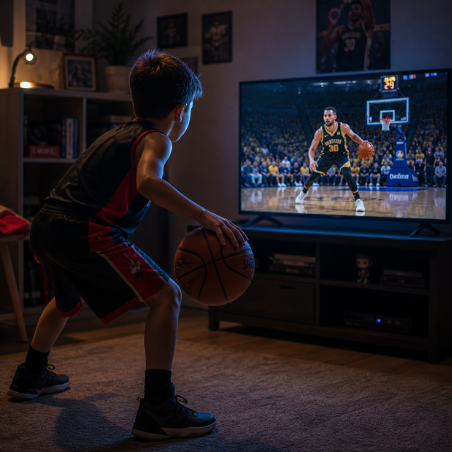
When the young players watch certain things repeatedly, they normalize those things. They start believing that the game is like that and is easy to play. Instead of learning from real experiences, they start shaping the visuals they have in mind and feel that what they see daily is the real game.
The Pressure to Perform is Equal to the Pressure to Appear
When young athletes look to others, pressure to perform gradually changes to pressure to appear. This might affect the game.
Looking Good Means Playing Well
For many young players, style becomes an important aspect. They shift their focus from the game to their looks, moves, and gestures. Sometimes, this change moves the focus from the game, and they don’t perform well; instead, they are more concerned with how they are looking on the field.
Comparison Without Context
Many young athletes compare themselves with the players they see online or on big screens. However, they are unaware of the fact that those players have seen a lot of struggle and hard work before achieving what they are today. This comparison without context causes pressure, which eventually increases and affects their game.
Role of Parents and Coaches
For such situations, parents and coaches play an important role. It is important to make the young players understand if they are watching too many games online. Saying no will not help; therefore, they have to make them understand the cons of this.
They have to explain to them:
- Why some habits and behaviors matter and how to convert them into influential learning?
- Young athletes should be informed that appearance is not the only thing that matters on the court.
- They should focus on efforts, habits, and improvement, as all this will boost their confidence.
Having understood all this, young players start focusing on their game rather than looks and perform well.

Conclusion
That young athlete who was adjusting his wristband is still learning, exploring, and absorbing things. The influence will always be there as it is a natural part of the game. All they need is to understand it. It doesn’t matter much what the young players are watching; what matters is how they absorb what they are watching.