
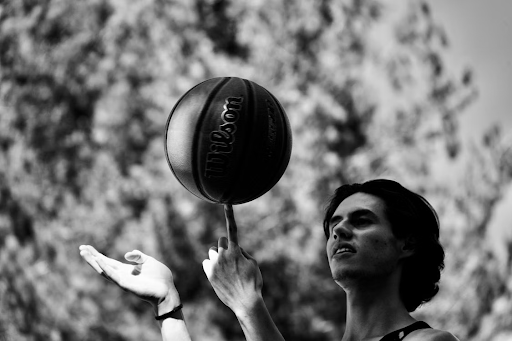
After a stressful day, someone walks to a local court with a ball under their arm. They take a shot, then another. With each one, the worries of the day seem to loosen their grip.
Basketball is easy to start. You need a ball, a hoop, and a bit of open space. But the benefits go far beyond physical fitness. Basketball can lift your mood, teach discipline, and help you handle life’s ups and downs. In this article, we will look at how a simple game can shape a stronger mind.
How Playing Basketball Lifts Mood and Eases Stress
When you run, jump, and move fast, your body releases feel-good chemicals. These help lift your mood and lower stress. Regular active play can also improve sleep, which is one of the most important foundations of mental health.
The game has a special rhythm, too. The steady bounce of a dribble and the focus needed to line up a shot can pull your attention away from worries. For a little while, your mind is only here, in the present moment.
It is worth being honest about one thing. Basketball is a helpful support for well-being, but it is not a replacement for professional care. If you are struggling deeply, talking to a doctor or therapist is a wise step. The court can work alongside that help, not instead of it.
The Power of Practice: Building Discipline One Shot at a Time
Basketball teaches discipline through repetition. No one becomes a good shooter by accident. Improving a jump shot or ball handling takes patience, regular practice, and a willingness to repeat the basics again and again. If you want a simple way to build habits like this in daily life, Overwell offers short lessons that help you set small goals and stay consistent step by step.
Setting small goals makes the process easier. You might aim to make a set number of free throws, or to practice for fifteen minutes after work. Each time you keep that promise to yourself, you build a habit of showing up. You also learn to trust the process, even when results come slowly.
Think of a beginner who can barely hit the rim. They practice every evening, missing most shots at first. After a few weeks, a few more balls drop through the net. After a few months, they make shots they once thought were impossible. This is how effort turns into confidence, and confidence turns into a belief that “I can improve if I keep working.”
Learning to Handle Misses, Losses, and Pressure
Every basketball player misses shots. Even the greatest players in history miss more often than they would like. Turnovers happen, games are lost, and bad days come. This is not a flaw in the game. It is part of the lesson.
Each miss is a chance to practice staying calm and trying again. A player who takes a breath, forgets the miss, and focuses on the next play stays in the game. Over time, this habit teaches emotional resilience, which is the ability to bounce back from disappointment.
Pressure moments teach even more. Imagine a close game with seconds left on the clock. The ball is in your hands. You must breathe, focus, and take the shot. Whether it goes in or not, you learn to face pressure and accept the result. These experiences train the mind to stay steady, and that strength carries into school, work, and relationships. A stressful exam or a hard conversation starts to feel more manageable when you have faced a last-second shot.
Teamwork, Friendship, and a Sense of Belonging
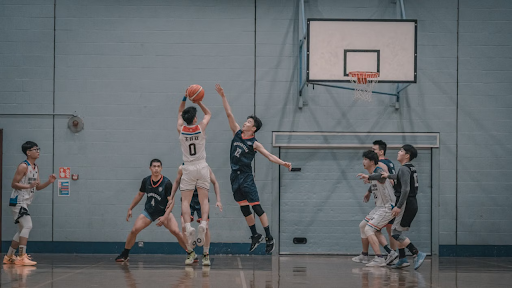
Basketball is also a social game. Passing, calling for the ball, and working toward a shared goal all build trust, empathy, and cooperation.
Playing pick-up games or joining a team can ease loneliness. It gives you a reason to meet people, share laughs, and build friendships. For those who feel isolated or new to a place, a game at the local court can be a warm way to connect.
The game also teaches respect. Each player has a different role. Some score, some defend, and some pass. Learning to value these roles, accept feedback from teammates, and celebrate other people’s success makes relationships stronger, both on and off the court.
Starting Small and Making Basketball Part of Your Life
You do not need to be athletic or experienced to begin. Start with something simple, such as shooting around by yourself or playing a relaxed game with friends. Choose fun over perfection. The goal is to enjoy the movement, not to prove anything.
Set gentle goals that feel realistic. Maybe you play once a week at first, then add a second day when you feel ready. A steady routine matters more than a big burst of effort. It also helps to stay safe. Warm up before you play, drink water, and listen to your body. If something hurts, rest.
Basketball is open to people of all ages and skill levels. The most important step is the first one: picking up the ball.
Carrying the Court’s Lessons Into Everyday Life
The habits you build on the court do not stay there. Patience, bouncing back after mistakes, working with others, and showing up consistently all support a healthier mind in daily life. A person who has learned to miss a shot and try again is better prepared to face a hard day at work.
Think of the court as a safe place to practice courage and self-belief. Here, mistakes are small, and chances to try again come quickly. Every dribble, pass, and shot is a small step toward a stronger, calmer, and more confident you.