
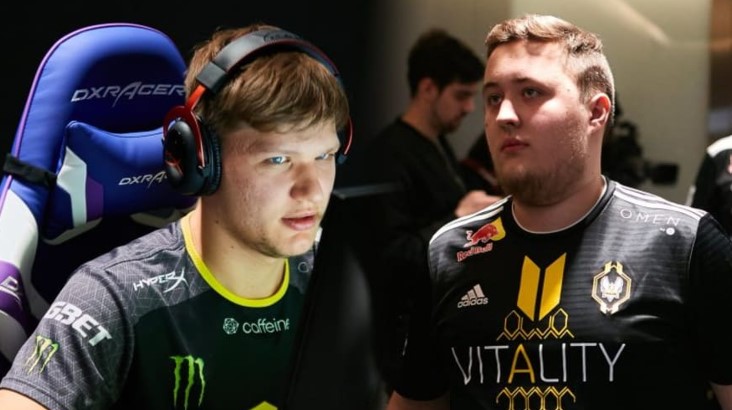
Esports fans’ loyalty to their teams and players is based on a powerful emotional connection that goes beyond mere interest in the game. Fans become attached to their teams and players as individuals, admiring their unique playstyle, skills, and achievements. Major events, such as cs 2 esports tournaments, play a crucial role in fostering this attachment, making esports more than just competition. For example, players like s1mple and ZywOo have become not just professional athletes for fans but sources of inspiration and role models due to their professionalism and unique playstyles.
This loyalty explains why fans continue to support their idols, even when they face difficult times. For instance, when the Na’Vi team encountered challenges and repeatedly lost positions, its fans continued to support it, hoping for a return to victory. Such dedication, unaffected by wins or losses, creates cultural significance, forming a fan culture where players and teams become symbols with whom fans associate and whom they aspire to emulate.
Building Connections Through Community: The Social Aspect of Esports Fandom
The social component of esports plays a crucial role in maintaining fan loyalty. Active communities form around CS, where fans find like-minded individuals, discuss matches, teams, and share experiences and insights. CS fan communities frequently organize local gatherings and online watch parties, where fans come together to watch tournaments, exchange emotions, and even analyze team strategies. Major tournaments often spark meetups worldwide, allowing fans to celebrate together and strengthening their sense of community and shared passion for the game.
At large events like Major Championships and upcoming csgo events, fans gather to enjoy the tournament alongside other esports enthusiasts, share their favorite moments, discuss team strategies, and even establish new social connections. These events provide a unique opportunity for fans to go beyond virtual communication and meet in person, creating the sense of a grand event and a true celebration. As a result, people not only watch games but also become part of a global community, which strengthens their attachment to esports and makes their support more enduring through positive emotions.
The Emotional Engagement and Experience of Major Events
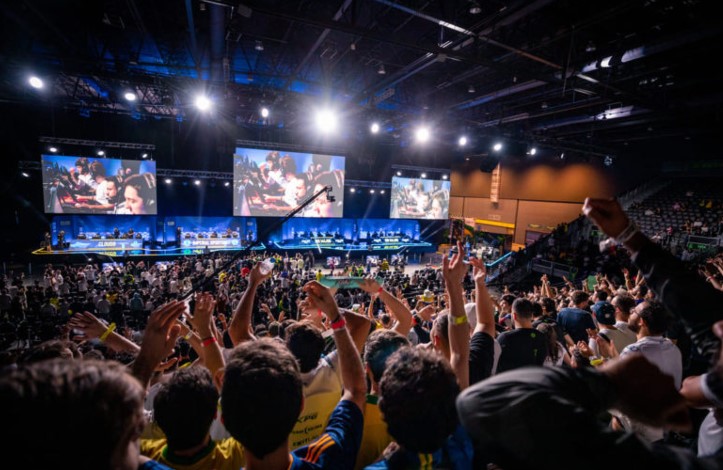
One of the main factors that attract fans to esports is the emotional engagement it offers. Tournaments like the next cs major make viewers experience a wide range of emotions—from tense anticipation to incredible excitement. Sometimes, even by simply reviewing the csgo major schedule, fans can sense how thrilling the upcoming matches will be. For example, in 2019, the CS Major final in Katowice became a thrilling spectacle when the underdogs ENCE surprised everyone by reaching the finals and competing against the favorites Astralis. This unexpected turn of events sparked joy and excitement among viewers, illustrating the powerful emotions esports fans experience.
Emotional engagement in esports is often compared to watching a thriller: spectators are constantly on edge, knowing that each moment could be decisive. The fast-paced nature of games, spectacular moments, and the ability to communicate with other fans in chat create a unique emotional experience that sets esports apart from other forms of entertainment. As a result, esports attracts not only young people but also older individuals who appreciate its dynamism and interactivity. Most importantly, it’s accessible—one can access this captivating world of esports with just a computer and internet connection.
Conclusion: The Global Impact and Growth of Esports Fandom
The phenomenon of esports fandom continues to grow rapidly, bringing people together into communities worldwide. For fans, esports becomes not only a form of entertainment but also an opportunity to feel part of something meaningful, find like-minded individuals, and experience unique emotions. Psychological factors such as emotional attachment, social connections, and the desire to be part of a global movement create a phenomenon that will only continue to gain popularity.
In the end, esports not only attracts new fans but also strengthens connections with those who are already part of this world. This culture unites people worldwide, forming a dynamic and enduring fan base that is an essential part of esports and continues to grow and evolve every day.