
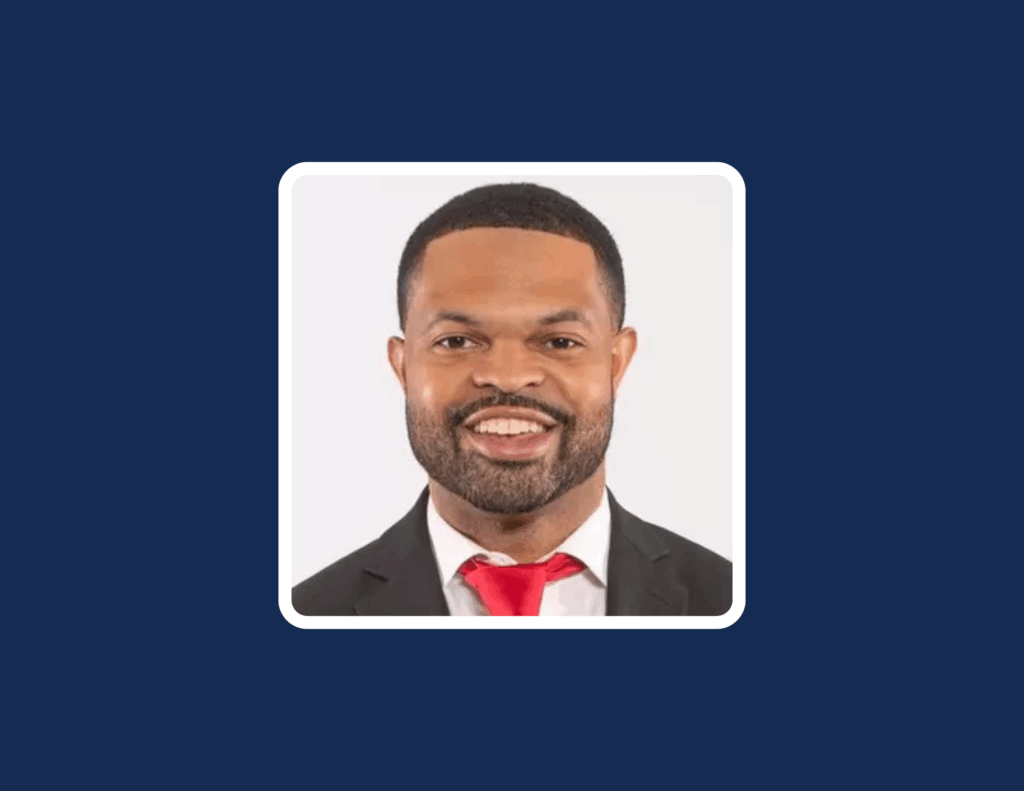
DEVRINN PAUL – ROSE-HULMAN INSTITUTE OF TECHNOLOGY WOMEN’S BASKETBALL HEAD COACH & AUTHOR OF “COACHING THE WINNER WITHIN” – EPISODE 1144

Websites – https://athletics.rose-hulman.edu/sports/womens-basketball
Email – paul1@rose-hulman.edu
Twitter/X – @CoachDPaul
If you listen to and love the Hoop Heads Podcast, please consider giving us a small tip that will help in our quest to become the #1 basketball coaching podcast.
Devrinn Paul is entering his third year as the head coach of the Rose-Hulman Institute of Technology women’s basketball team in the 2025-26 season. Paul has guided Rose-Hulman to a combined 24 wins in his first two seasons as head coach after the program won just 23 games over the previous four seasons combined. In his inaugural season in Terre Haute, Paul guided the Fighting’ Engineers to a 10-win improvement over the previous season.
Paul has been a member of the coaching staff at three Division One institutions, including Louisville, Cincinnati and Marshall. His stop at Louisville included two trips to the Final Four.
Paul recently wrote, edited and released, on May 1, 2025, his first book titled “”Coaching the Winner Within, 7 Leadership Skills to Elevate Your Team and Your Life.” To help promote and sell the book, Paul created an website to enhance the reader’s experience that introduced individuals to the book and accompanying workbook. Throughout the book, Paul discusses his exposure to championship cultures that focus on preparation, humility, and leadership and his evolution of a coach while helping rebuild a program – learning how to recruit, develop talent, and elevate team chemistry.
Follow us on Twitter and Instagram @hoopheadspod for the latest updates on episodes, guests, and events from the Hoop Heads Pod.
Make sure you’re subscribed to the Hoop Heads Pod on iTunes or wherever you get your podcasts and while you’re there please leave us a 5 star rating and review. Your ratings help your friends and coaching colleagues find the show. If you really love what you’re hearing recommend the Hoop Heads Pod to someone and get them to join you as a part of Hoop Heads Nation.
Be prepared with a notebook and pen as you listen to this episode with Devrinn Paul, Women’s Basketball Head Coach at Rose-Hulman Institute of Technology.
What We Discuss with Devrinn Paul
- Why coaching is not solely about strategy; it also encompasses personal growth and leadership skills
- Insights on financial literacy and the necessity of managing personal finances for coaches
- How financial literacy can significantly impact a coach’s career and peace of mind
- Advice on effective communication and relationship-building
- Becoming the best version of yourself to attract opportunities
- His transition from a student manager to a successful head coach at Rose-Hulman Institute of Technology
- Embracing challenges and adopting an athlete’s mindset
- The importance of letting players make decisions on the court
- The dynamics of coaching with a spouse, highlighting the benefits of shared goals and a unified approach in their coaching philosophy
- Having both a clear coaching philosophy and the ability to adapt to new circumstances
- The role of mentorship in coaching and how it can shape your career trajectory.
Like this show? Please leave us a review here — even one sentence helps! Consider including your Twitter handle so we can thank you personally!

We’re excited to partner with Dr. Dish, the world’s best shooting machine! Mention the Hoop Heads Podcast when you place your order and get $300 off a brand new state of the art Dr. Dish Shooting Machine!
Your first impression is everything when applying for a new coaching job. A professional coaching portfolio is the tool that highlights your coaching achievements and philosophies and, most of all, helps separate you and your abilities from the other applicants.
The key to landing a new coaching job is to demonstrate to the hiring committee your attention to detail, level of preparedness, and your professionalism. Not only does a coaching portfolio allow you to exhibit these qualities, it also allows you to present your personal philosophies on coaching, leadership, and program development in an organized manner.
The Coaching Portfolio Guide is an instructional, membership-based website that helps you develop a personalized portfolio. Each section of the portfolio guide provides detailed instructions on how to organize your portfolio in a professional manner. The guide also provides sample documents for each section of your portfolio that you can copy, modify, and add to your personal portfolio.

Hey coaches — you’ve got a game plan for your team… but do you have one for your money?
That’s where Wealth4Coaches comes in.
Each week, they deliver simple, no-fluff financial tips made just for coaches. Whether you’re getting paid for camps, training sessions, or a full season—Wealth4Coaches helps you track it, save it, and grow it.
It’s time to stop guessing and start building.
Subscribe now at wealth4coaches.beehiiv.com/subscribe
And follow them on Twitter @Wealth4Coaches for daily money wins.
Your money needs a coach.
Start with Wealth4Coaches.
THANKS, DEVRINN PAUL
If you enjoyed this episode with Devrinn Paul let him know by clicking on the link below and thanking him via Twitter.
Click here to thank Devrinn Paul via Twitter
Click here to let Mike & Jason know about your number one takeaway from this episode!
And if you want us to answer your questions on one of our upcoming weekly NBA episodes, drop us a line at mike@hoopheadspod.com.
TRANSCRIPT FOR DEVRINN PAUL – ROSE-HULMAN INSTITUTE OF TECHNOLOGY WOMEN’S BASKETBALL HEAD COACH & AUTHOR OF “COACHING THE WINNER WITHIN” – EPISODE 1144
[00:00:00] Narrator: The Hoop Heads podcast is brought to you by Head Start Basketball.
[00:00:15] Devrinn Paul: You got a coaching portfolio. You got all of this stuff, but at the end of the day, they just want to know who you are as a person. And that’s what I just kept telling myself. Just let them know who you are, what you stand for, and what could you bring to the program.
[00:00:35] Mike Klinzing: Devrinn Paul is entering his third year as the head coach of the Rose-Hulman Institute of Technology Women’s Basketball Team in the 2025, 2026 season.
Paul has guided Rose-Hulman to a combined 24 wins in his first two seasons as the head coach after the program won just 23 games over the previous four seasons combined. In his inaugural season in Terre Haute, Paul guided the fighting engineers to a 10 win improvement over the previous season. Paul has been a member of the coaching staff at three division one institutions, including Louisville, Cincinnati, and Marshall.
His stop at Louisville included two trips to the final four. Paul recently wrote, edited, and released on May 1st, 2025. His first book entitled, coaching The Winner Within Seven Leadership Skills to Elevate Your Team and Your Life To help promote and sell the book, Paul created a website to enhance the reader’s experience that introduced individuals to the book and the accompanying workbook.
Throughout the book, Paul discusses his exposure to championship cultures that focus on preparation, humility, and leadership, and his evolution as a coach, while helping to rebuild the program, learning how to recruit, develop talent, and elevate team chemistry.
Hey Hoop Heads. I wanted to take a minute to shout out our partners and friends at Dr. Dish Basketball. Their Dr. Dish shooting machines are undoubtedly the most advanced and user-friendly machines on the market. Learn more at drdishbasketball.com and follow their incredible content @drdishbball on Twitter, Instagram, Facebook and YouTube.
Mention the Hoop Heads podcast and save an extra $300 on the Dr. Dish Rebel All-Star and CT models. Visit drdishbasketball.com for details. That’s a great deal Hoop Heads! Get your Dr. Dish shooting machine today.
[00:02:23] Krista Phillips: Hi, this is Krista Phillips head, women’s basketball coach at Spire Academy in Geneva, Ohio, and you’re listening to the Hoop Heads Podcast
[00:02:34] Mike Klinzing: Coaches. You’ve got a game plan for your team, but you have one for your money. That’s where Wealth4Coaches comes in. Each week, we’ll deliver simple, no fluff financial tips made just for coaches. Whether you’re getting paid for camps, training sessions, or a full season, Wealth4Coaches helps you track it, save it, and grow it.
It’s time to stop guessing and start building. Subscribe now at Wealth4Coaches.beehive.com/subscribe and follow us on Twitter at Wealth4Coaches for daily money wins. Your money needs a coach. Start with Wealth4Coaches.
Be prepared with a notebook and pen as you listen to this episode with Devrinn Paul Women’s basketball head coach at Rose Hulman Institute of Technology.
Hello and welcome to the Hoop Heads podcast. It’s Mike Klinzing here without my co-host Jason Sunkle tonight. But I am pleased to be joined. By Deron Paul Women’s head basketball coach at the Rose-Hulman Institute of Technology and author of the new book “Coaching the Winner Within” Devrinn, welcome to the Hoop Heads Pod man.
[00:03:39] Devrinn Paul: What’s up, Mike? Super happy to be on. Excited to have a great conversation with you today.
[00:03:48] Mike Klinzing: We’re thrilled to be able to have you on looking forward to diving into all the interesting things that you’ve been able to do in your career and diving into the book. So we’re going to get into the book in a little bit more detail later in the conversation.
But want to start off just by letting you talk to our audience, tell them a little bit about the book. And why you wrote it and then where they can find it. And then we’ll dive into some of the details a little bit later in the conversation.
[00:04:11] Devrinn Paul: Yes, of course, Mike. So the book is called Coaching. The Winner Within This is my first book as a published author.
So I’m super excited about it. The, the actual story behind the book is one of my, my close friends and one of my mentees, a coach that I really help from behind the scenes. And not just her, but a lot of other coaches, they kept calling me, asking me, you know, how did you get to the level that you’re at?
How do you become a head coach? How do you really like elevate in your career? And I noticed that a lot of people wanted to hear the answer of basketball related stuff, you know, while I did this as a basketball coach when I was at this university or when I was a JV coach, like they always want to hear like the basketball stuff.
What I realized is it’s the personal development stuff that really helped me to attract all of these opportunities, and it helped me to become the best version of myself. But I also understand that as coaches sometimes we don’t dive into personal development. We, we focus on professional development, and I wanted to give bite size pieces to help somebody that knew nothing about personal development and maybe wanted to dive in and help themselves to become the best version of themselves.
So it’s a leadership read, and it’s all about the seven leadership skills that you can utilize to elevate yourself and your team. You can get the book@derin.com, so D-E-V-R-I-N n.com. And I also have different packages, so you could get a digital workbook that, where you could work through that as well because there’s so much content, it’s so rich in content.
I have the audiobook available as well, so if you like to ride and listen to it or you want to work out with it on, you can do that as well. You want to pause it and come back to it. You can do that. And I actually read the audio book myself, so I’m super excited about that piece. But there’s, there’s a lot of different.
Packages that you could digest? Just depends on what’s your preference. So I’m, I’m, I’m very appreciative of being able to offer such a rich product. I get so many reviews and so many people call me and text me and say, Hey man, I got the book and I’m really excited about it, and every time I send somebody the book, I sign it myself.
So I’m also very appreciative because I understand, you know, there’s a lot of stuff that people could invest in. So whenever you make an investment in yourself, I want to give back to you because that’s, that’s a very difficult thing to do. And a lot of people don’t know how to invest in themselves. So this is a way that you can invest in yourself, you can really grow within, and you can see the outcome, and you can start to attract these opportunities that you want.
[00:06:51] Mike Klinzing: There’s a ton of great content, as Devin just said in the book, one of the things that I want to make sure we dive into is just the financial advice that you give out in the book, which I think is tremendously valuable, and it’s an area that a lot of times we don’t talk about as coaches. And you do a really good job of laying out your personal story and then how you went about getting yourself into a much better financial position through some of the things that you did.
And so we’re going to work through and talk about that in addition to some of the other content in the book. But just wanted to kind of give people a heads up of where we’re going to be heading as we go through the conversation. So we’ll come back to the book, but let’s dive a little bit into your story.
Take me back to when you were a kid, Devin, and tell us a little bit about your first experiences with the game of basketball and what made you fall in
[00:07:40] Devrinn Paul: love with it. Sure, Mike. So the interesting thing is I was more of a football player when I was younger. I was naturally talented in football. I started playing football at nine years old.
My dad took me to the park. You know, back then you would go play at the local community centers and you kind of play like every sport. You didn’t really like pick a sport to focus on. So my parents would just literally drop me off. And I was raised in Louisville, Kentucky, so I was born in New York. My family picked up and moved to Louisville, Kentucky when I was nine years old.
They wanted us to have a better. Upbringing, me and my brother at the time, it was just two of us. It’s four of us now, but at that time it was just me and my younger brother. So I’m the oldest in the family, so I kind of set the foundation and my dad was like, Hey, you need to get involved in sports. And I said, sure.
So I wanted to play football. He took me to the park in the coach was the same coach that I had in baseball at the community center. And I was like, man, I don’t want to play for that coach. Like, I mean, I mean, you, you know how it is, but like when I was younger coaching, it was not like how it is now. You know?
I was nine years old and I’m, I’m getting cursed out. Like I’m a grown man out there. So I was like, I was like, man, I don’t really want to play for that coach daddy. And he was like, no, you said you wanted to play. And I was like, yeah, but I don’t like to coach. And he was like, well, you’re not playing for a coach.
You’re playing to get better. And you’ve been working on all of these things when we’re at home. So you can utilize those things and you can start playing. So I started out playing football. And then I actually, in the seventh grade, I tried out for the basketball team in middle school and I had been playing at the local outdoor courts, you know, just playing pickup and playing 21 back then.
And I was like, thinking I was good and I was not good. I mean, I was, I was, I was terrible. So I went to go try out and after the tryout, I look on the gym wall and they put everybody’s name on the wall that made the team. And back then, it wasn’t like an a b team, it was like, either you were on the team or you got cut.
So I looked for my name and I didn’t see my name. And I asked the coach, I said, Hey, it must be a mistake. Like, my name’s not up here. And the coach said, he said, no, man, you, you have to keep working. He was like, you got no fundamentals. And I thought to myself, I’m like, what is fundamentals? I didn’t even know what that was.
So I went home and my mom, you know, she, she saw me moping around and just, you know, and my feelings and she said, what’s going on? I told her, you know, I got cut at school today from the basketball team. And right there she reshaped my mindset. And you know, in the book I talk at chapter one is all about the athlete’s mindset, and this is where the teaching came from.
It came from my mother in the seventh grade and she asked me a question that really changed my perspective. She said, so what are you going to do about it? And I was like, I mean you, did you hear what I just said? I got cut. Like you supposed to like, you know, cuddle me, tell me it’s going to be okay. Like it’s all right.
But you know, I got a, I got a mom from New York. She’s tough. She’s a tough cookie. So she was like, no, if you going to try out again next year, you going to have to do something different than you did this year if you want to get a different outcome. So she was like, Hey, you should call your uncle. My uncle was a college basketball coach.
He’d been around basketball my entire life and I called him and I asked him, you know, can you help me make the team? And he started training me, started going to the park, started working on one dribble pull-ups, you know, two dribble Maxs one-on-one moves and using screens and all of the fundamentals. So once I learned the fundamentals and I went back out there in the eighth grade and never got cut again.
So, you know, that’s where the athlete’s mindset actually comes from. And that’s chapter one of the book. So after that, you know, I went to high school and I played both basketball and football in high school, and I was an all district football player. I was a solid basketball player. I could hold my own hit the open shot and play defense that those were like the three things, like I really focused on.
Obviously my uncle as a coach, you know, he drilled those things in me. So I always played, I always played a lot of minutes and stuff, but I knew that I wasn’t going to play in college. I was a terrible student in high school. It’s kind of weird because now you know, I’m, I’m a certified educator. I taught special education for six years and went to a lot of school, but at that time I didn’t like high school.
And I thought it was smart to not do anything, which is a terrible idea. So I didn’t really do much in high school and turned around and no schools were recruiting me. When it was time to go to college, I didn’t have any schools calling me. And they were interested, but once they looked at my transcript, no calls came in.
So I was sitting there in my room one day and I was in the 12th grade and I was praying, you know my faith is a huge thing in my life and Jesus Christ is my savior. And I was praying. I said, Lord, if, if you with me. Gimme an opportunity to go to college. And if you gimme that opportunity, I’m going to focus on my grades.
And my uncle was coaching at Kentucky State University, a small D two school in Kentucky at HBCU. And I called him and he said, Hey, if you want to come to school, they could probably get you in here and you can, you could start school. And I was like, really? So I was like, this is my opportunity to get in school.
So I went to school at Kentucky State University, and I really just kind of locked in on my grades. I mean, I focused on, I didn’t even realize, I didn’t know how to study. I didn’t, I didn’t have any like real academic habits. So I focused on building those things. And in the midst of that, my uncle was like, Hey, you should become a student manager with the basketball team.
And at first I was like a manager, like I can hoop like. I’m not going to be a manager. And he was like, no, I’m not at this, not at this level Dev. Like, you can’t, you can’t hoop right here. Like, but you can be a manager and we’ll let you, we’ll let you work out with the team. And I was like, okay. So I worked out with the team every day.
I was just like a player. I just didn’t play in games. And I did a lot of stuff like outside of practice to help with the program. And I realized that that really helped me academically because I got resources that I would not have had if I wasn’t a student manager and a part of the men’s basketball team.
So I did that for the five years that it took for me to get my undergrad degree and had a great time doing that. And I got bumped up to like a student assistant coach and started like training my own friends and I really got wrapped up in player development. I also was building relationships as I was doing that, so they brought in a new women’s basketball coach at Kentucky State at the time Michelle Clark Heard, and she was a phenomenal coach.
I watched that team go from, they barely won a game before she got there to, she won 20 games. I had never seen a turnaround like that before, so I was a sponge every time she came in the gym. I was trying to figure out like, what is she doing with her workouts, like, you know on the men’s side we had really talented players, but we just couldn’t seem to put it together to win a championship.
And she was out here winning a lot of games. So, you know, I got, I got really, really cool with her and we built a relationship and she was from Louisville as well. So we had that connection and she ended up getting the assistant coaching job at University of Louisville. So after I graduated, I knew I wanted to go to grad school.
I knew I wanted to get a master’s degree and I was like, I’m going to go back home and I’m going to live at home with my parents. Am I’m going to go to graduate school, to University of Louisville. So I called Michelle and I said, Hey, you know, I’m, I really want to come there and go to school, and I just want to stay involved with basketball.
At the time, I didn’t know anything about women’s basketball. Like I didn’t know that they had went to the Sweet 16. I didn’t know anything about the team. My uncle was like, you need to do your research. You need to find out. So you know, I started looking up the team and I’m like, oh man. They’re like, they’re pretty good.
This is a pretty good program. So Michelle told me, she said, well, you have to come in and you have to meet Jeff Walls. And he’s the head coach. There still is to this day. And she said, you have to meet Jeff. And you have to, he’s have to give you the, okay. So the first time I went in to meet Jeff Walls, I had a tie on.
I was, you know, dressed to impress as they tell you and stuff. And Jeff doesn’t like to wear ties. So the first, the first initiation was he was like. Take that tie off and don’t ever wear it again. because you not going outdo me. So take the tie off. So I was like, oh, I like this guy. I could really, I could really work for him.
So I started as like a, a, a graduate assistant. They told me they weren’t going to gimme anything that first year. They just said, Hey, if you want to be around the program and you want to put the work in, we’ll be here. So I did it every single day was, it was nothing to me because I had, I was so used to doing all of the behind the scenes work, cleaning the floors, washing the backboards, doing all this stuff nobody else wanted to do.
I was so accustomed to that, it was second nature. So by the second year, they actually put me on scholarship and I got my master’s degree and I graduated from there. And I came back to just, you know. Be an open gym one day and Jeff offered me the video coordinator job and asked me if that was something I’d be interested in.
And that was my first paid position in women’s basketball. I did that for three years. We went to two national championships while I was there. Two final fours, three sweet sixteens phenomenal experience while I was there. And then I became an assistant coach at Marshall University. So I stepped into more of a recruiting role and helped turn around that program.
When I got there to hit, won eight games by my third season. We hit, won 22 games and went to postseason for the first time in 20 years. So I got a chance to help build that program underneath another phenomenal coach, Matt Daniel. And then Tony Kemper was our associate head coach. He’s now the head coach at Central Arkansas.
So I did that for three years and I met my now wife at the time and we were dating long distance and our relationship and I don’t know, I just got that itch like. I had been so involved in basketball, I wanted to make sure this was what I really wanted to do. So I said, you know what? I think that I could do something else.
And I actually got, I was on an interview for an assistant coaching job in the New York area. My wife is born and raised in Long Island, New York. So I was thinking maybe if I could get around that area, we could be closer. It’ll work out. So I had took this interview with a school in that area and I just couldn’t do it.
I just couldn’t do it. I knew I wanted to be with her. I knew I wanted to start to build a family at some point, and I knew I wanted to try something else. So I stepped away from college coaching became a, we actually had a basketball training business in that time. We ran that for six years. I became a certified educator, went back to school, got a second master’s degree in special education from Brooklyn College.
And. Taught special education for the, those six years. And then my wife said she wanted to leave New York. She wanted to do something different, and we wanted to start having kids at some point. And New York was not the place to raise children, so we was like, Hey, let’s get out of New York. And we went to Greensboro, North Carolina, and we lived there for about 18 months.
Had our baby girl who’s now three years old, summer. So we had summer there and that’s when my wife said, Hey, I would love to coach together. And I was like, really? She’s like, yeah, let’s, let’s, let’s coach together. My wife is a phenomenal athlete, hall of Famer, 2000 point scorer in high school. I always tell people I’m the coach, she’s the player.
You, you, if you want somebody on the court getting buckets, you come get my wife. If you want somebody to play defense and get an open shot, I’ll do that for you. So my wife you know, she was like, we, let’s coach together and. Got the call to go to University of Cincinnati from Michelle Clark Hurd again.
So Link backed up with Coach Hurd. She actually was the head coach of Cincinnati at the time. So I came into that program and I was there for one year and then unfortunately they let the entire staff go after my first season there. So I experienced that as well. Something that I had never experienced before, but it turned out to be a blessing for me.
And then I got offered the head coaching position at Rose Hulman Institute of Technology, a Division II school. Prior to that, I knew nothing about Division iii. Didn’t know, you know, that they didn’t have athletic scholarships. I had no idea what I was getting into. One of my friends called me while I was sitting at home with no job, and he was like, he was like, Hey, I think you should talk to this guy, because he’s a Division III coach and he talks very highly about it.
And you get a good balance with your family and your career. And I know you all about your family. And I was like, okay. And I wanted that, that type of balance and rhythm in my life. So I called this guy Jason Pruitt and he told me a lot of stuff about Division II coaching and it really attracted me.
And I thought, you know, these are real student athletes that he’s talking about, like they really are in the books. So I said, you know what, I’m going to talk to the athletic director and Ayanna Tweedy she gave me my first head coaching experience and I’m forever grateful to her for that, that opportunity where this opportunity and I’m going into my third season.
The funny thing is when we got the job here we, they didn’t have a team. They, so they had canceled the season prior. The coach had retired. The program had about six players. And at this level, once you start calling them, you realize it’s about three to actually like really play basketball. And.
We got the job kind of late. It was like June. So it was very difficult to come in and recruit players to such a high academic. We’re the number one engineering school in the country, so you have to have the grades to get into Rose Hulman. So that was a little tough. That was a different type of recruiting process for me.
But what I did was I sat in the hallway of the SRC, which is the student recreation center, and I would work out and there’s like a outside area where you could see the recreation courts, where people would just come play pickup. And I would watch and I would see all of the girls that would come play and I would just ask them, Hey, you want to come to a practice?
You want to come to a workout? And I picked up about four girls from just doing that. We ended up having a roster of 13 players, went to the conference tournament and had a really good season. And then the next year we brought in seven freshmen. And now those seven freshmen are going to be sophomores this year.
And I think we’ll be really, really competitive this year. So I’m excited about this season,
[00:21:44] Mike Klinzing: so I want to work backwards. Then get ourselves up to speed at Rose Hulman. But I want to go back to the very beginning as a student manager. So your uncle makes that suggestion, right? And you’re like, yeah. All right, let me give it a shot.
At what point, how soon after getting involved did you then have a feeling that coaching was going to be your profession? Did you, did you know that immediately within the first week? Or was it something that it kind of grew on you over the course of that first season? Or was it a light bulb moment? How’d you know that, Hey, I want to stick with this and coaching could potentially be my profession?
[00:22:23] Devrinn Paul: I never thought I would be a coach, to be honest. I actually thought that whenever you put coach in front of your name, that’s when people don’t listen to you. The players don’t want to like be around you and stuff and they don’t want to listen to you. So I didn’t really look at it as a career option, which now that I’m older and wiser, I would definitely go back and focus in on it.
because it’s a great, great experience, especially when you’re working towards becoming a coach and you know that I would’ve, I would’ve actually approached it a lot different. But I didn’t know and I didn’t even think about it to be honest. The first time that I thought about being a coach, I was at the University of Louisville and I was walking up the back stairwell to our old practice facility and we had a executive director, basketball operations, AJ Johnson, who played in WNBA phenomenal player, just a great person, and one of my mentors.
And we was walking up the steps together and she said, Hey, you have a really good way with the players. I think you should look into coaching. And I was like, nah, I’m not no coach. Like that’s, that’s not what I really want to do. And she was like, yeah, but you’re, you already are in the profession. Your next step would be to become a coach.
Like this is what you should start to think about. And she kind of planted that seed in me and I started to think about it. And as I started to think about it, and I do believe that that was the Holy Spirit that was inside of her, that was connected to me. And as I started to think about it, I started to attract coaching opportunities.
Like my first assistant coach job at Marshall came from a guy that I had recruited to be a male practice player at the University of Louisville. He was from Huntington, West Virginia. He was in law school at the University of Louisville. He was a, he was, he was. Now I’m a, I’m going to keep a 100 on him.
I’m going to be very transparent. He was a chubby guy. Right? So when you walked into the, the rec center, I walked in there and I was looking for guys that would compete against the girls. And you know, at the time, obviously women’s basketball is like a huge thing. Now, back then it wasn’t such. The way that it is now.
So you had to really like convince the guys like, hey, like you really want to come to practice these, like these females, they can hoop man, like you going to have a good time. And I seen him playing pickup and I was like, oh, this, this dude, he’s nice. He got a good handle. Like, but he, he was a, he’s a chubby guy, so it was very deceiving.
So so I picked up, his name was Greg. So I picked up Greg on the practice squad and we just became really, really good friends and we, we built a relationship. So after he graduated from law school, he went back home to Huntington, West Virginia. And, you know, he’s just a basketball junkie. So he got cool with the coaching staff and the new coach at Marshall and he knew that he was looking for an assistant coach and he was like, man, I got the perfect guy for you.
So he called me. He was like, Hey would you be interested in being an assistant coach at Marshall? And I was like, I was like, you know what? Somebody was just talking to me about getting into coaching and it was just the Holy Spirit preparing me. And we had just went to a final four and I had just told my assistant video coordinator at the time, Matt Toon, who’s now a head coach as well.
I told him, I said, Hey, when we win, we’re going to all get new jobs. I had no idea what he’s about to really get jobs. I was, I was just speaking it into, I was like, man, I just feel it like we’re about to be successful and we need to be prepared. So I was trying to prepare him to take my job at the University of Louisville so I could smoothly transition, but I had no idea I was going to get the call.
And that’s really what got me into coaching was AJ Johnson asking me that question about had I ever thought about it? And it just made me stop and actually think about it.
[00:26:01] Mike Klinzing: Yeah. It’s so interesting that you say that being in that managerial role, because. I often tell people that back when I played college basketball a long time ago, so 88 to 92, and we had guys that were around our program that were the managers, and I honestly never, once ever in four years, Deron thought that, Hey, the reason why these guys are participating as managers in our program is because they might want to coach.
Like my perspective was totally from a player standpoint. Obviously things were different back then. It wasn’t, people weren’t talking about it all the time, and you weren’t seeing that stuff on the internet. So in my defense, it wasn’t out there as much as it is today. But even so, I never once thought like, Hey, these guys are getting to go.
Sitting on coaches meetings or they’re in the coach’s office during the day, or they’re building relationships with the, with our coaching staff. My thought was, and these guys just like to hang out and they like basketball and they like hanging out with the players, and I never once considered that some of those guys would’ve wanted to be coaches.
And several of them that were there during my four years ended up going on and coaching at different levels and whatever. I, but I never, I never thought about it. I never thought of them as sort of coaches in training and sounds like until somebody kind of put that bug in your ear, you hadn’t thought about it either.
And I just think it’s, again, interesting that you’re, you’re so enmeshed in it sometimes, and you’re just doing what you do that you don’t always see that bigger picture. And it’s cool that, again, somebody poured into you and just got you to think about something that you hadn’t been thinking about before.
Boom, here you are today after going through all those stages that you talked about. It’s pretty, it’s pretty amazing. It’s a pretty amazing journey.
[00:27:51] Devrinn Paul: Thank you. I appreciate that. And I will say I was actually coaching as a manager. I just didn’t know that I was doing that. Like I remember right. One of my friends, he had a really bad game one time and we was on a bus ride.
because you know, at that level you taking a bus everywhere. So he was on the long bus ride coming back home and he was like, man, he’s like, dp, that’s what they call me, dp, what do you think? I did wrong. And I said, man, you keep going, right? Every time you get the ball, like you just drive to the right, like you have to work on your left hand.
And he kind of looked at me like, shut up man. Like you, you don’t know what you’re talking about. And I was like, I was like, man, when we get back, let’s go in the gym. I’m going to show you like what you could do so you can start getting more baskets. And that I, that like, that’s how I got into player development.
And I just started building a lot of respect. And I didn’t realize, like, I mean. You have to think about it like, I’m working, I’m working you out. And we hanging out. Like, I’m working, I’m, I’m Friday night. Like we going out together, we going out, kicking it. And then Saturday morning I’m like, Hey, you didn’t run fast enough.
You not going hard enough, man. Like, you have to go hard if you going to come out here and work out with me. And I didn’t, I had no idea that I was coaching or training or doing player development. There was no terminology. It was just literally like, you know, and that’s why I live by the motto, trust the grind.
Like I was just out there grinding.
[00:29:18] Mike Klinzing: Tell me about some of the lessons that you picked up during your time as an assistant that have carried over to you being a head coach. What are the top two or three lessons that you learned from being an assistant that you feel like have helped you as a head coach?
[00:29:36] Devrinn Paul: That’s a great question. I think the top thing that I learned as being an assistant coach is. Master where you are, you know, be where your feet are. So meaning really indulge yourself in whatever opportunity you have in front of you. I used to see a lot of people when I was an assistant coach, I would see people that are aspiring to be a head coach and they would be, or they want to get to that next level of assistant.
It’s like, let me get to the power five. Back then it was the power five, like get to the power five level as an assistant, or you know, everybody was looking for like the next thing, but they weren’t crushing where they were. And I realized at a young age, like, I’m just going to really lock in where I’m at right now, and I’m just going to crush this opportunity.
And every time I did that, another opportunity presented itself to me. So I think that that’s a major thing that I learned as an assistant coach while I was at Marshall University. Another thing that I learned as an assistant coach while I was at Marshall was, you don’t know everything. You know, I I came from a, a, a very successful program, you know, while I was at University of Louisville, I mean, we rarely lost games.
So when you, when you’re not the one drawing up everything, but like, you’re a part of the program and you know the level and what it takes to be successful, you start to actually think like, you know, everything. And when I got that opportunity, I remember the first thing that Jeff Walls told me we was, we was actually I had to pick him up.
And I’m telling you, the Lord just, just works through stuff. Just, that’s why you have to be aware where you are, who you talking to and stuff. Guy could use anybody to talk to you. So I was he, he called me one day and he was like, my, my car’s in the shop. Dp, I need you to come pick me up. And I was like I was like, okay, I’ll come pick you up.
So I came and picked him up and we had to, it was like a 30 ride, 30 minute ride to back to the gym. So that 30 minutes, you know, I’m talking to him about the opportunity at Marshall and he’s giving me feedback and stuff, and right before we get out the car, he’s, he looked at me, he said, listen, when you go into those meetings and you sitting down and it’s the whole coaching staff your first year, you need to just listen.
Don’t say anything. Don’t go in there talking about your ideas, talking about what you going to do, what would you do? He was like, you need to just listen and soak up everything and figure out how everything works. And that was some of the best advice that I got. Like, I mean, that first year I really learned what my head coach wanted and I learned to actually work for him.
I think when you, when you’re not listening and you’re not willing to be coachable as a coach, you’re not understanding that it’s not about you. You, you could be the, the wisest person in the world, but like, nobody wants to listen to you if you don’t approach them with something that’s going to benefit them.
So I learned that, and I learned that from Jeff and he really taught me, I mean, he taught me so many things, but that was a major thing for me when I went to university or Marshall University, because that staff, you know, I had came from, at least when I was at University of Louisville, I knew Michelle.
So I had a familiar person. I was okay. I was comfortable. But when I got to Marshall, I was away from home. You know, I’m a young man coaching young females, so I had to, I had to quickly understand that, you know, you have to be a professional. When it comes down to it, you have to be a professional. So I learned that as well.
And then I was working with a staff that I wasn’t familiar with and they had all been working together already. So they had a system, they had a flow, they had expectations, they had what they were doing as a coaching staff, and my job was to come in and add more value. So that would be my tidbits to anybody out there As an assistant coach, you know, you have to be adding value.
You have to be willing to sit down and shut up and listen. And you have to be willing to let go of your ego and understand it’s not about, it’s not about you, it’s about us and we, and as we go, you let go of your ego.
[00:33:45] Mike Klinzing: Those are two really common threads that we’ve had many conversations on the podcast about.
And the first one is be where your feet are, right? You have to do a great job where you are in the moment. If you want to get that next opportunity. If you are always. Looking over to the side. If you always are looking out to see what that next job is, and you’re neglecting the current job that you have, it’s not the way it works because ultimately it’s a people business and the people that you’re working with and the people that you’re working for.
And as you said, when it’s a we, right? You have to help the we. And the way you do that is by being a star in your role, whatever that role is. I think back to what you said 30 minutes ago, you were sweeping the floor, you were filling water bottles, you were cleaning the backboards, you’re doing all the things that maybe other people didn’t want to do, but I know you well enough from reading your book and talking to you here for 40 minutes or whatever, that we’ve been talking, that you were doing those things to the highest level that you possibly could.
And then when you take on those responsibilities, guess what? Now that next time another opportunity comes along that has a little bit more responsibility, somebody’s going to say, Hey, Devrinn’s really killing it over here. Let’s give him this next opportunity and see if he keeps doing the same thing. So it’s a great piece of advice for anybody in any walk of life.
But certainly if you’re a young coach, whatever the job description is, whatever they need you to do, do it. And then look for other ways that you can even add more value. So I think there’s a great lesson to be learned there, without question. That’s really an important thing when you talk about being where your feet are.
And then the second thing that you talked about, that again, is a common thread. We all think when we’re young and we’re just starting out, that we know everything right. And so often the older you get, the more you realize that you don’t really know. You don’t really know anything. You might know a few things, but I certainly believe I know a lot less about the game of basketball today than I did when I got my first.
Coaching job at age 23, coaching a JV team. And I told, I’ve told this story on the podcast before, but just for for you to hear it, my first day of practice, right? I walk in and I got 12 kids all staring at me. And I had never really coached a day in my life. And my mentality at the time was I was a good player that makes me a good coach.
And I walked in there and the only thing that I knew was what my high school coach had done and what my college coach had done. I knew the way they ran their teams, I knew the drills that they did. I knew the style of play that they had. That was it. I didn’t know anything else. And so I walked in there and I’m running whatever, a drill that one of those coaches ran with me.
And I just remember thinking as one set of eyes, like, how, what am I going to do? Like I just watched the drill for five minutes. There was 500 mistakes that I want to fix. How do I, how do I do this? Like it’s, it’s, this is impossible. I don’t even understand. And you just think. Again, you think you’re going to walk in and know everything.
And I think that piece of advice of just sit, watch, observe, learn from the people who are doing it. Learn from somebody who’s had success. Watch what people do, who are doing it well. If you’re a young coach and you could take those two pieces of advice, be where your feet are and do the greatest job that you can at whatever it is that you’re trying to do, and then just absorb and learn and realize that whatever you think you know, it’s so minuscule on the greater scale of what’s out there.
And I don’t care who you are and how long you’ve been coaching, the game just continues to evolve, and there’s always something or someone that you can learn from. And I think if anybody takes anything from the conversation that you and I have tonight, those two things are great, great pieces of advice without question.
All right. Let me ask you this. Tell me about the process of getting the job at. Rose Hulman in terms of interviewing for that job as somebody who comes from division one assistant jobs. So as you said, you didn’t have any experience at the Division three level. You have to go into the interview process and figure out, hey, is this the right job for me?
They’re trying to figure out are you the right candidate for the job? What were some things that you wanted to know about them and what were one or two questions that they asked you that helped you to solidify, Hey, this is a job that I think I can be successful in?
[00:38:27] Devrinn Paul: Another Great question. You know, I feel like sometimes as coaches when we get opportunities, we kind of just like, just keep moving.
Like, we don’t really stop and think about these type of things. So I love that you asking these, these type of questions. So when I got the job here when I was in the process at for Rose Hulman, I was speaking to the athletic director, Ayanna Tweedy. And she was asking me, you know, what would you do?
Like, what is your like, like coaching philosophy type of thing. But then she asked a very, very intriguing question. She said, how are you going to adjust to coaching student athletes that are really focused on academics and may not be at the talent level that you’re used to having, or just basketball players, like a division one program.
And I thought that was a great question, but to me, I feel like I think that whenever you’re willing to put the work in, you will always get better. So to me it just looked like a great opportunity. Like I said, it was like a, it’s like a fresh start. Obviously, you know, being an assistant coach I wanted to get an opportunity to where I could build something, you know, from the ground.
And I thought that that was what this was. Now I had never been in an interview and sitting, and you have, so what they did was I came in on campus, I sat down at the table, and all of the coaches to in the athletic department were like sitting across from me. And I mean, they were just asking me questions.
I had never been in an environment like that as an assistant coach. You know, I, I hadn’t been in that. But what happened was when I was interviewing for special education jobs in in New York they, they had this a similar type type of interview because it was a co-teaching position. I mean, you know about teaching.
I mean, you got 30 plus years in the game, so you know how it goes. So I, that was new to me. So I just went back to like, okay, just be yourself, really tell, because I think sometimes we always have like, obviously you got like your coach portfolio, you got like all of this stuff. Like, but at the end of the day, they just want to know who you are as a person.
And that’s what I just kept telling myself. Like, just let them know who you are, what you stand for, and what could you bring to the program. But there were, it was intimidating though. I mean, when you’re sitting there and everybody’s just firing questions, and I remember one of the coaches asked me, he said, he said, well, how are you going to, how was your experience in Huntington, West Virginia?
Because Terre Haute, Indiana is very similar. And I was thinking what? Like, I mean. I was thinking like, what, how does, how do they want me to answer this? Like, but I just went back to just telling the truth, like, you know, and in Huntington I didn’t do much because I was close in age with my players, so I wasn’t like going out and stuff because I didn’t want to go out and see one of them while I’m out.
And I just really focused on grinding and getting better as a coach. And I was like, you know, now I’m a husband, I’m a father. Like I want my daughter to be in a good daycare. I want my wife to be able to do something that she loves. And now she’s my assistant coach. So that worked out great for us.
But yeah, I mean, I just feel like the process was, it was very different. And if you’re not prepared, it can be very intimidating, but at the same time. If you just be yourself and you are who you say you are, and you don’t hide behind all of these portfolios and cool graphics and mantras and I do think that you need a plan.
Like, I mean, you definitely need a plan when you’re coming into something, but the plan needs to be from your heart. And I think that the players and everybody around you, they, they’ll resonate with that.
[00:42:19] Mike Klinzing: Alright. Let me ask you about the plan. So as you come into the job, you have in your mind what you want a program that you’re the head coach of to look like, right?
You have this vision in your head of, Hey, this is what I think it’s going to look like. Give me one thing that you envisioned it being before you got the job, that it became a reality in your program. What’s something that you knew you wanted to have that worked? Maybe not exactly a hundred percent as you thought it would, but that comes.
Very, very close to the vision that you had for, for your program.
[00:43:01] Devrinn Paul: The one thing that I really wanted to do was let my players make plays. I didn’t want to run a bunch of sets and put them in situations where they had to think a lot on offense because they are so high academically. I realized that they would overthink stuff a lot and then that would lead to underperforming.
So I wanted to take away the whole thinking process. I wanted to almost make it to where like, if I’m not at the game, they could run, they could. Coach the game. They could, they’ll know what to run if they see a zone. They know what offense to go to. If they see man, they know what we’re doing. If we’re in motion and they’re reading stuff, I wanted them to flow.
In my first year, I had to kind of dial that back because I was like, we also need to win games. So it’s only so much we could just flow. I need to actually control some more stuff that first year. So that first year I didn’t really see it, how I wanted to see it, but last year I remember we were in a practice right before we went to the conference tournament and I just, I just sat there and I just watched and I said, this is the vision that I had.
This is the vision that I had, I’ve been thinking about, I’ve been praying about. And then they were basically like running through everything. Without me yelling the next drill, what we doing, what we got. And I realized I learned that skillset though. And you talked about being a JV basketball coach.
Well, when I was in New York and I was teaching at that high school in Queens, New York, they came, somehow, they found out that I was a coach and stuff. And they were like, Hey, we want you to coach the JV boys team. And I was, to be honest, I only coached the team so I could avoid the traffic to get back home.
Like, because going from Queens to Long Island, it was like right after school, the traffic was crazy. So I was like, well, maybe if I could get paid to stay here a little bit later, maybe it’ll work out for me. So I was like, all right, I’ll do it. And I ended up taking on a team and I had no idea like how to run a JV basketball team, like with boys.
And I had came from a division one background where you pick your players, you recruit and stuff. And I walk into a tryout and it’s like 60 kids in the gym. I was like, oh my goodness. What, what is this? What is going on here? This is crazy. So what I realized is the first year we were terrible. I mean, we were horrible because I came in there with these expectations.
This is how everything’s going to be, this is what I want. And I had long lists, and I mean, all type of stuff. Like I had thought, I was like, oh, we’re going to we’re going to press. But we didn’t even work on pressing, I couldn’t even get to pressing because I could barely get all my kids at practice at the same time.
So how are we going to press? So I realized we was missing a bunch of layups. I was like, man, what is going on? I got kids that wanted to play and then I had too many kids on the team, and it was just a disaster that first year. I told my wife, I said, man, if, if I’m going back, I need to make a decision like right now.
And it was like the middle of the season and I said, because if I make the decision to go back, I need to start preparing for next year. And I used that, that experience to actually learn how to meet the team where they are. And the next year I met the team where they were and we didn’t lose a game. And I realized that that teaching helped me in my role now because I didn’t come in with this huge plan.
And I was like, Hey, I’m go, I’m, I had a system, what we was going to run in our head. I like to run the chin action. We don’t always run all the way through it, but I like the Princeton actions. So I knew that we was going to do some form of that. I love my quick, quick hitters on offense. because I mean, Jeff Walls is a a phenom when it comes to that, so I learned from him about that.
And then defensively I brought in an assistant coach who really focused on defense and we worked through the defensive side together. And I knew that we was going to work on player development. Those was, those were like my main tiers to the program. And I was going to build relationships and I was going to build leadership character characteristics within the program.
That was all I really wanted to focus on the first year and learning the, the kids. And then I think after I realized where they were and what they could do the next year, I also realized what I need, you know, because sometimes we’ll just go out and recruit and you don’t even know what you really need because you haven’t really paid attention throughout the year on the deficiencies or the gaps with your team.
So I was very like locked in on like taking notes. I’m, I’m a big note taker, so every morning I would write down what I thought, how the season went and stuff. And as I went through it, I realized that I had, I had already developed a plan for the next year. So I think that the plan actually changes every year.
You have to adapt to every team. Even like this year, even though we bring back a lot of the players that we had last year. It’s still a different team, still different dynamics. People come in better. Some people would come in and didn’t work out at all. Some people come in and worked out all summer, so you still have to meet the team where they are.
But I think that practice, before we played in the conference tournament this year, which would be a two year process, that’s when I looked out there and I said, okay, this is, we’re, we’re definitely going in the direction that I want to go in.
[00:48:20] Mike Klinzing: You make a really great point there, and that is that you have to have a plan.
You have to have a vision of what you want your team to look like, what you want your program to look like. And yet, at the same time, you have to be flexible enough to make adjustments, especially in your first or second year, right, where it’s not a roster full of players that you’ve recruited. You’ve have to adapt to the players, what their skills are, what their strengths are, and try to adapt and make it work.
And then. As you get more control over the recruiting classes and you’re bringing in more kids that fit maybe the vision of how you want to play. But the key is to be adaptable because what you think may work, or what you think might be what your team ends up oftentimes, as you well know, it doesn’t always turn out exactly what you think it’s going to be on paper in August versus what it actually looks like when you step onto the floor in November.
It looks a lot different. So the ability to be flexible I think is a huge piece of, of being a successful head coach is not being married to, I have to do it this way. because when you do that, I think you just end up beating your head against the wall trying to put that proverbial square peg into a round hole.
It just doesn’t. It just doesn’t work. Tell me about coaching with your wife, and obviously that is a dynamic that doesn’t occur. Very often. Occasionally we’ll see a father son, a mother daughter, those kinds of situations. It’s pretty rare to see two spouses coaching together. So tell me what that’s like both in terms of on the job, but then typically, right.
Most coaches can go home and your spouse isn’t as directly involved because they’re not a coach on your staff. So you can either sort of vent to them and let it out, or you can separate from the job because your spouse isn’t as knee deep in it as you are. You have it on both sides. So just tell me what that’s like on a day-to-day basis for the two of you and, and how that dynamic works.
[00:50:29] Devrinn Paul: First of all, it’s, it’s truly a blessing. I think that like. First of all, being able to coach with my wife is something that we, we actually had it on our vision board and it, it came true. So we know that that’s a blessing from above. And how it happened was, so the first year that I got the job at Rose Hulman, I hired an assistant coach that was a high school coach previously, and she always wanted to be a college coach.
This is what she wanted to do. A hard worker, I mean, phenomenal person. Just a, just a great individual. So she did really well. Her first year she got offered a head coaching job at another D three school in Ohio. So she took that job and, you know, and I’m all about, like, to me the sign of a great coach is you’re elevating other people.
So I always try to elevate people around me because I think that that’s something that. It really helps. And somebody did it for me, so I try to pay back all the time. So she got a head coaching job and my wife at the time, she was our volunteer assistant. So when when Allison McCarthy, who was my assistant coach, when she got that job, it was late.
It was like, we, it was like August. So like our kids were like literally about to be on campus and it took a while for them to hire her and stuff. So it was like a long process and I was just looking around and I’m like, man, I can’t bring somebody in here right now. Like, because our dynamic and the type of student athletes we have, they, they want to be comfortable, you know?
And I’m asking them to be uncomfortable with a lot of basketball stuff. So the last thing I want them to do is feel like with their coaches, like they got people coming in and going out. And so I was like, nah. I was like, my wife, she’s been around the program, she knows what she’s doing. Like I’m going to bring her on.
So we talked about it and she was like, she was like, yes, this is what I want to do. This is what I want to do. But she also realized that she didn’t know all of the things that came with coaching. All she knew was what I would come home with and talk about. Because even in the volunteer position, you know, she was more of a mother, you know, at the time my daughter was two years old.
So if, if we in practice, she’s more so with summer as opposed to like running a drill. So then when she became an assistant coach, she realized like all of the responsibilities, all of the things outside of basketball, because I mean, you know, it like we probably, I mean, Adam, especially as a head coach, my job probably is about 8% of basketball.
Like, I don’t really, by the time I get to the basketball court, I’m tired. Like I don’t have to deal with all this other stuff. So she realized all of those things and I think that that helped our bond because I was able to kind of sit down with her and show her like. You know, the different things that we have, the resources that we have, and being able to be at different levels.
For myself, I’ve learned to do more with less, and I’ve learned to make it operate like it’s a D one program. So instead of, maybe we can’t hire a video coordinator, but I know exactly what a video coordinator needs to do and we could get the resources to run a video department. So I think that after like really sitting down with her and talking to her about the expectations, her role and responsibilities, and kind of putting her in a situation where she’s comfortable and she’s confident I think that she’s grown a lot as an assistant coach.
And I could see it from year one to year two. But the dynamic has always been there. Like I think that’s something that. People will like, kind of overlook. It’s like, oh, like you guys coach together. We built a business together. Like, like, I mean, I remember I would be training on one side, she training on the other side, and we, we come, we do the finances together.
We would do the, the marketing together. We, I mean, we were always doing stuff together. So to us it was like. Yeah, this is just going to be easier. Like, we don’t have to worry about like, like I would come home and then she would ask me, well, how was practice? Oh, why you ain’t do this? Or why you, I’m like, man, you should just be in the gym.
Like, because you already know what we need to do and how we need to do it. So I think that we’ve been doing this for a long time, it’s just that now people see us doing it together. But this is something that we’ve always done, something that we, we’ve always talked about and we have a, a healthy rhythm.
You know, when we’re in basketball season, we say like, our household is in bat. Everybody, like our daughter, everybody’s in basketball season. But when we’re not, we enjoy our time together. And I’m usually the one that have to like tell her like, Hey, like, chill out on basketball. Like, let’s just, let’s just be husband and wife today.
Let’s not talk about what we going to do with the team and stuff. But we rarely like talk about things that we don’t need to talk about with the team and stuff. So it’s been a great experience and to be honest. It’s a lot easier when my wife is my assistant coach, because I don’t have to think about like what she’s talking to with the players and the terminology.
Like, we wake up speaking the same terminology. You know, I normally, you have to have a sheet of like what you call, I may call it the wing, you may call it the slot. You know, those type of things. Those are very important on a coaching staff. And we have those things built in. So we just, we just work together.
And I think that it also adds a dynamic to it. For our student athletes. They get to see a healthy relationship. They get to see a husband and wife working together to get a, a, a good outcome to see our daughter. So we’re not, you know, a lot of times you bring kids on campus and you got recruits and stuff, and you’ll be like, oh, we’re like a family.
No, we are a family. Like we legit a family literally in the gym together. Literally, literally. So, yeah, it’s been, it’s been a, a true blessing.
[00:56:12] Mike Klinzing: Yeah, it’s very cool. And then if you stay late at the office, right, your wife is right there with you. You don’t have to give her a call and say, Hey, I’m going to be an hour late.
She’s right there sitting next to you already. Exactly. So yeah, there’s a lot of, there’s a lot of pluses there. And I’m, I’m sure that it’s, it’s something that when you look at it, like I said off the top of the question, not many people get the opportunity to, to be able to experience that. And so for the two of you and your family, and we always talk to coaches Devin, about, Hey, how do you incorporate your family at home with your basketball family?
And you’ve done that organically where it’s seamless. It’s all part of the same thing. And so to hear you say again, when we talk about family, we are, we are family because literally you have, you have your wife and your daughter around your program all the time. And as you said, for the young women on your team to be able to.
See the two of you and your relationship and have that as a role model for, as they’re growing up and trying to figure things out for themselves and understand what that, what that looks like to be able to have somebody, just like we talked about as a young coach, trying to learn, well, as a young person who’s in college, there’s a lot of things that you’re trying to learn beyond just the academics that you’re studying in your school, which obviously the girls on your team are, are spending a lot of time focused on their academics and that kind of thing.
But then we all know that there’s a ton of other things that you can learn during your college experience that are going to help you as you move through your life and being able to understand relationships and personal dynamics and how people relate to one another and what that healthy relationship looks like for them to be able to have you guys as role models day in and day out.
I’m sure, I’m sure that’s extremely, extremely valuable as you go through and are being a part of that. Let me shift gears. Back to the book. And one of the things as I read the book that I found to be fascinating, just because it’s a topic that I’m interested in, is the financial advice piece and your story of you and your wife kind of getting your finances together.
As you talked about, you guys ran the training business together, which you wrote about in the book and talked about how putting together a business and all the aspects that go into that. It’s not just, Hey, I show up and I train a kid for an hour. There’s all the, the marketing, the accounting, everything that goes in.
How do we get this thing to grow and how do we then incorporate that into what we’re doing financially in other areas of our life? So just talk to me a little bit about a sort of your own financial journey and then why you became so passionate about writing about it and talking about it with some of the coaches that you mentor.
[00:58:54] Devrinn Paul: So, finances to me is a huge part of my life. I remember when I first started going to church I didn’t see. Like financial freedom, like, I mean, I saw people getting their cars repoed. I saw people losing things, stealing money, and I’m not saying everybody, but that I didn’t see millionaires. And when I, what I thought was like being well off was like when, and this is like back in the day, I’m telling my age, but when you driving and you stop and your rims, they keep spinning.
I thought like, oh yeah, you balling like you, you a millionaire. Like you have to, you made a millionaire,
[00:59:31] Mike Klinzing: you made it, you made it, you
[00:59:32] Devrinn Paul: made it, you made it. You got the big system in the back bumping like, oh, you, you got the money. So I didn’t know anything about money at the time. But once again, I prayed and I asked God to, to show me.
So and I think coaches don’t think about like how much you make when you first start off. So when I worked at Marshall University, I made $32,000 a year as an assistant coach. Now I had a, a little apartment right next to campus and the school gave me a car and a phone, a phone stipend. But other than that, you know, I had to pay for everything.
So, you know, you have to learn how to budget and nobody talks about that as a coach. Everybody just talks about, you know, you have to live on nothing. And you got, and I’m all about that and stuff, but like, you need to know what you’re doing though, because you could live on nothing and then you get a call for a better opportunity and you can’t even make the move because you don’t even have enough money saved.
And I realized that, so when I was younger, I kind of started to like, understand it, but I didn’t put anything into practice. Like, again, just like you had said before. I didn’t have a plan, you know, so I so when we got married, we combined our finances right away and I was, I was actually like scared to tell my wife that I had so much debt in student loans.
because my wife obviously a student athlete, full scholarship. She’s like, my wife is very, very naturally like a hustler. Like she’s a New Yorker. Like she knows how to make money. So that’s not like a thing to her. And I’m coming from a background where I was not making much money. I mean, I made more money as a video coordinator at the University of Louisville than I did as an assistant coach.
And I didn’t, I didn’t even realize when I took the job that I was getting the pay cut. I didn’t even think about it. Like, so in all of the opportunities that I had at University of Louisville with training people and just doing different things that you could do as a video coordinator as opposed to now you’re an assistant coach with the ncaa, there’s some things that you just couldn’t do.
So my hands was tied, so I was like, man. When we got married, I said, you know what? First of all, I was truthful with her. I told her exactly how much I had in student loan debt, which was $141,000 of student loan debt. And we sat down and we, what actually sparked everything was COVID happened. So when COVID happened, we had the basketball training business, but we also had a full court in our backyard.
At my mother-in-law’s house, we built a full court and we built like a little like apartment back there. So we kind of like was able to use that outdoor court. And with the basketball training business, we had started getting so popular that we was hiring trainers and we were paying for all this gym time.
And overhead started to be like huge. So even though on paper we were making six figures from the business, we weren’t seeing any of that money. We was actually losing money and then having a a u teams and paying the coaches, we, the business model was terrible. So we brought in a business coach and he was like, man, you need to cut all this stuff.
And so we cut all of the trainers and we just started doing all of the training ourself during COVID outside and we probably made the most money that we ever made. And so as we started to make more money, we started to think, and I said, you know, when we come out of this, like I want to come out different, I want to come out with like something tangible.
Like I don’t want to come out and be like, oh, you know, because I knew that our time was limited before that. Like we, I would go to work in Queens. So I would wake up at four o’clock in the morning. I would leave by 5:00 AM to try to beat the traffic. I get to work in Queens workout before I went to work, work out in the gym, teach coach, and then I’ll be back home.
And then I have to go do a training session at seven, eight o’clock at night. And then obviously I’m getting home at 10 o’clock at night. I’m just eating and going to sleep. So I’m thinking I had no time to think to actually put anything together. So now I’m like, oh my goodness, we got all this time. Like, I don’t have to drive.
I’m teaching online. And I was like, okay, so I’m going to utilize this time. So we did this exercise. We was actually taking like a online real estate course. So we was, we was thinking like, oh, we’re going to go get a a three unit and we’re going to live in one and we’re going to fix up the, I mean, we had this whole little plan and one of the exercises in this, this real estate course was you writing down your dream life and what you wanted and how it looked and stuff.
And so we wrote the stuff down and next to what you wanted, you had to put how much it it was going to cost. And so we add the stuff up and the stuff came out to like 10,000 a month. And I was like, man, we ain’t making 10,000. What we going to do to make 10,000 a month? So I started thinking like, okay, this not it, like we have to figure something out.
So. I said, okay. We was like, let’s go get a house. So we went to North Carolina and we was looking for this duplex or whatever this real estate thing was. So we was looking for this, this house, and we ended up saying, ah, let’s just, let’s just get a house for ourself. Like we, we’re not going to go through all of this.
Let’s just get a house for ourself. Now, mind, mind you we’re crazy though. Like, we’re like really out there. We’re we’re tapped because we, we had no jobs in North Carolina. We had nothing going on in North Carolina. Only thing we had was we went on a trip and we love the area and we was like, oh, this is where we want to be.
Let’s start looking for houses. We’re in, we’re in, we in. So next thing you know, we’re looking at these houses and we actually apply for a house. Now we had made some money from turning the business around and we had some, some money from that. So we had a good amount of change in the bank to put down a, a down, put a down, a deposit down.
And. Next thing you know, the bank comes back and says, Hey you guys were denied. And I was like, what? Denied. Like we have a down payment. Like I thought you just have a down payment and you put the money down and you show them that you have a job and stuff and you get the house. And it was like, no, your debt to income ratio is too high.
And I was like, what is that? I didn’t even know what that was. I was like, that’s an income ratio. Like I got income and I got debt. So I guess I do have both. So what, what does that mean? So the, the the real estate broker broke it down to me and said basically, we don’t trust you to pay this money back because you ain’t paid back all the other people that you borrowed money from.
And I was like, oh my goodness, that hurt. Because, you know, I’m a person that’s all about my character. Like, I like to show up as who I say I am, and I’m like, man, all this time I’ve been going through life and I’m not even paying back people. Like, wow, this is crazy. Like, so that’s what we had to come to Jesus moment and me and my wife, we sat in the car and we, to be honest, we didn’t know what we was going to do, but we knew we was going to do something different.
We needed to do something different because what we was doing wasn’t working. So we went to Walmart while we were in North Carolina, and my goddaughter was with us, and she goes to the book section at Walmart. Now, mind you, at this time, my wife is not a reader. I’m, I’m always a reader. Like that’s my thing, personal development, I love it.
So I would normally read and then tell her what I read. That was her way of learning. So she, she wasn’t really reading that much back then, a huge reader now, but she walks past this book called Total Money Makeover by Dave Ramsey. She just randomly picked up the book and was like, Hey, I think we, we should read this.
And I had heard of Dave and stuff, so I knew of his teaching. I was kind of day-ish. I had paid off my credit cards before I moved to New York and stuff, so I was kind of get getting it together. But once I got to New York, I just went crazy. Like I just lost my mind. Started getting credit cards, started charging stuff, started just living.
So she picked up the book, we read that book in less than a week. We applied all of the things in the book and we came back to New York and we said, we’re not going to move to North Carolina yet, and we’re going to put our head down and we’re going to work. So we started off just paying off all our debt. And I think the major step was actually writing down all the debt that we had.
because we never like really sat down and looked at it. We had business debt, we had car loans. Phone loans. Once we put everything together, it was over $280,000 worth of debt. So. We start paying off this debt, and as we start paying stuff off, we started getting more blessings, you know we had another car that was in front of the house and somebody came and hit that car and then they just totaled it out and gave us cash, and we didn’t need that car, so we was like, we could pay off our other car.
So it was just like, things just started. Once we actually started moving towards something, we started paying our ties, which is 10% of your income towards anything that’s related to God. Once we started doing that things just started to change for us. But it was hard. It was hard. I mean, we, we was doing Instacart door Dash.
My wife started doing physical training sessions, you know, I started, we was also certified basketball officials. We started reffing games right after training, right after coaching. So we did a, anything that we could do to make some extra money to, and we just threw it all at the debt. We got on a real tight budget, we realized we was eating out like crazy.
Oh my goodness. The amount of money we was spending eating out Mike. Yeah, that adds up fast. Oh my good. I was like in New York, it was ridiculous. So even, even in that process I got an opportunity to go teach in North Carolina. So my godmother sends me this job opportunity and they’re randomly given bonuses for teachers.
They wanted teachers so bad they was giving you a cash bonus to come teach in North Carolina. So I applied and they called me. The next day they called me, interviewed me, and I thought what was going to take the next school year? We ended up moving in January and starting the next semester and once we moved to North Carolina, we was consumer debt free.
So we started kind of punching down the student loans and we started doing that and. Everything just kind of just worked together. But to me, finances is very important because sometimes we don’t know that we can’t even afford to make that move. We have no idea what we have coming in, what’s going out.
We don’t know the numbers, but we don’t understand it. That bleeds over into our jobs as coaches, our careers like, like I used to hear people say like, this is my livelihood. Well, I mean, I don’t have no debt, so I mean, if something was to happen, like, I mean, I got emergency fund, like, I mean, I’m not, I’m not coaching from a desperation environment in my mind, and I do think that that frees you up.
I mean, the Bible says that the borrower is slave to the lender, so that, I mean, like some of us are walking around with chains on our feet and we don’t even know that we have, like, I didn’t know I was struggling to breathe, going back and forth to work in New York. Like I was getting like shortness of breath and stuff.
Went to doctors. They was like, oh, you healthy, everything is fine. And it was an anxiety because I had all this debt and I didn’t know how I was going to pay it off. But once I paid off the debt, I never struggled with that again. It was like I got delivered from all of that stuff. So long story short, we’re now a hundred percent debt free.
We don’t owe anybody anything. You know, we we’re highly with, there’s three things that we’d love to do with our money. We love to give it away. You know, we’re big givers, big tithers. Anytime we can have an act of generosity, that’s what we’re really working on being, because that’s what being financially free is all about.
I remember when I was praying, I would pray like, Lord bless me so I could bless my family. And God, one time was like, how selfish is that man? You just want, you just, you just want to just bless just, just this household. What about the other people that I need you to touch? I need you to inspire, I need you.
They don’t want just words. If somebody come to you and they struggling financially and you hit them with, Hey man, everything’s going to be all right. I mean, I could barely eat, bro. What are you talking about? Everything’s going to be all right. You could at least buy them a meal. You know, put them up in a hotel for a weekend or something.
And those are the things that really, really motivated us so we could actually start working towards that. And so I always work with like. Any of my assistant coaches, my managers, we always bring in a financial advisor to talk to our team. Our team knows that finances is a very big thing for us. We always break down investing.
They all know about IRA Roth accounts. They know about 4 0 1 Ks. They know about when you start your job, you need to be invested in at least 15% of your income. Like our players, they know these things because we educate them, because I understand that when you walk out there, you are an extension of everything that we taught you, not just what you know as a basketball player.
So why not give them the best experience possible If they decide to come here and they decide to invest their time with us, let’s give them a great product. I mean, let’s let them walk out of here, let them be champions on the court and off the court. So that’s a, that’s a big thing for me and I’m very passionate about it.
Because I’ve seen what changing your finances could do for yourself and also changing your family dynamics. You know, my mom, she was like, do you realize you’re the first person in the family to be a hundred percent debt free? We broke a generational curse. That’s something that’s been going on for years in our family and we don’t have that anymore.
So I just think that it’s a blessing and an honor, and for real, all the glory goes to God because if it wasn’t for God, we would not have been able to do it.
[01:13:16] Mike Klinzing: The financial piece of that in your book, I think is really well done from a standpoint of, as you said, it’s something that we don’t often talk about as coaches.
And I love what you said about having time to think and plan. Right. And Planning’s been a theory has been. It’s sort of a unifying theme throughout our conversation, and I think it’s a unifying theme throughout your book, right? You talk a lot in the book about different ways that over the, over the years that you’ve journaled or that you’ve wrote things down or your organizational systems for this or for that.
And so there’s a lot of great tips in the book for, for anyone, but specifically for coaches of, Hey, how do I organize myself to maximize these different areas of my life and finance being just one of those areas. So again, the book is called Coaching the Winner Within. I want to ask you a final two part question, Deren part one.
When you look ahead over the next year or two, what do you see as being your biggest challenge? And then the second part of the question, when you think about what you get, you get to do every day, what’s, what brings you the most joy? So your biggest challenge and then your biggest joy,
[01:14:33] Devrinn Paul: biggest challenge.
Right now we got baby number two on the way. So the biggest challenge is going to be congratulations. Thank you. Appreciate it. We got our boy coming, so we’ll have a girl and a boy. So the biggest challenge is going to be still staying focused and winning this conference championship. I believe we have the tools, we have the pieces, we have the resources that we need.
We got the backing that we need. But obviously with bringing a new baby in the world and my wife actually having the child and being the assistant coach we’re going to need the grace of God. So, so that’s going to definitely be the biggest challenge this year. But, you know, I’m all about the athlete’s mindset, so I look for challenges.
I, and that’s one thing I learned as a head coach. I used to kind of run away from like, confrontation, you know, like having those tough conversations about playing time and you know, now I lean into those type of situations. I’m, I’m not waiting for you to come in my office and ask me if I feel like you got some on your chest, like, I’m coming to you.
You know? And I feel like that’s how I’ve approached my personal life as well. Like, okay, we know we’re having a child once again, let’s get a plan. Like we we’re bringing on more volunteer coaches, we’re working on our systems. So now when we do bring people on, they, it is just a system. You just fall into what we know normally do.
Here’s the PDF, here’s the steps. So that’s going to be a major challenge this year, but also a joyful challenge. What brings me the most joy is my family man. And being with my wife and understanding like how much we’ve been through together. And I think sometime when people say that, it just goes to like negative stuff.
Like, oh, you know, you was fighting and no, we, we rarely get in a argument. I don’t think we’ve ever been in a real argument. Maybe I was arguing, but she ain’t even say nothing back. So, so that didn’t even work. But my family man, I’m just, I’m just so thankful and grateful for my parents put me in sports at such a young age.
I didn’t realize until I got a little older, like how much of an impact that that had on me as a young child playing sports and the things that I learned. Teamwork, the mindset, the discipline, all of these things that, you know, I wished that as parents we would get away from like, all my child is not playing and focus on like all of the other stuff, like playing time.
And I talked to my players about this a lot. Playing time is one aspect. That’s like going through life and only focusing on your health. It’s great, but like if you broke it is you need that too. Like if you got a terrible mindset, you need that too. So all, all of these things work together. So I think that definitely focusing on the joy of my family and I’m, I’m just so grateful for my parents, so grateful for just my relationship with God.
You know, being with Christ is the best decision that I made. And because I could remember when I was trying to do stuff on my own, I was trying to do stuff on my own, Mike, and it wasn’t working, wasn’t working. Terrible high school student, you know, like just, just trying to do stuff on my own. But now I can sit here and tell you like, and people could see and be like, man, you a head coach.
But I started out as a student manager, washing floors, cleaning, backboards, doing all the stuff that nobody else wanted to do. Now I get to actually help other people to reach their dreams, reach their goals, help them to help their dreams to become a reality. So I’m super joyful about that as well.
[01:18:12] Mike Klinzing: Well said Devrinn. And I think anybody who listened to the entire pod got and probably could have guessed what your joy would’ve been just from the conversation that we had. But before we get out, once again, give us the, give us the book where we can get it, share some social media, some email, how people can get in touch with you.
And then after you do that, I’ll jump back in and wrap things up. Of
[01:18:34] Devrinn Paul: course, the book is coaching the Winner Within Seven Leadership skills to help you elevate your life and your team. You know, I think that personal development is what I call, this is the, the the personal training for yourself. In basketball.
There’s three layers that we talk about. When we coach, we talk about the individual aspect of the game. That’s your training, your passing your ball, handling your fundamentals. Those help you be more confident as an individual. And you got your, your team stuff that you work on in the practice, offense, defense strategy type stuff.
Then you have the game. That’s when you show the two things that you’ve been putting together. And I believe that this book right here, this is, this is the individual training. So a lot of times we going out there, we looking for opportunities, we looking to elevate in our coaching career or just in our career in general.
And we’re thinking that it’s going to be all of the knowledge that we have. We’re we’re thinking that it’s going to be all about what we know, the X’s and the O’s. And I’m here to tell you as a reflection of this, it’s not about what you know, it’s about how you grow. How can you develop into the position that you want?
How can you develop into the best version of yourself? And that’s what this book is all about. If you don’t know where to start, I broke it down for you. I also have a digital workbook as well that you could work through and you could use it as a guide so you could get the most, you get the bang for your buck.
And you can get the book@devrinn.com, You can follow me on social media. I’m heavy on Instagram, Devrinn_ Paul. I’m also on Facebook. I go live a lot. I give away teachings. I’m all about inspiring, encouraging you because nothing changes until you change.
And I’m going to say that again because somebody might have missed it. Nothing’s going to change until you change. So make the change today.
[01:20:39] Mike Klinzing: Go out there and get Devrinn’s book coaching the winner within. Highly recommend it Devrinn to you I say thanks for taking the time out of your schedule to join us. Really appreciate it and to everyone out there, thanks for listening and we will catch you on our next episode.
Thanks.
Your first impression is everything when applying for a new coaching job. A professional coaching portfolio is the tool that highlights your coaching achievements and philosophies, and most of all helps separate you and your abilities from the other applicants. The Coaching Portfolio Guide is an instructional membership based website that helps you develop a personalized portfolio.
Each section of the portfolio guide provides detailed instructions on how to organize your portfolio in a professional manner. The guide also provides sample documents for each section of your portfolio that you can copy, modify, and add to your personal portfolio. As a Hoop Heads Pod listener, you can get your coaching portfolio guide for just $25.
Visit coaching portfolio guide.com/hoopheads to learn more.
[01:21:47] Narrator: Thanks for listening to the Hoop Heads Podcast presented by Head Start Basketball.