
BYRON BURT – ASPIRING G LEAGUE / NBA COACH – EPISODE 996

Website – https://www.upnextathletics.org/
Email – byronbrt13@yahoo.com
Twitter – @Burt3030
If you listen to and love the Hoop Heads Podcast, please consider giving us a small tip that will help in our quest to become the #1 basketball coaching podcast.
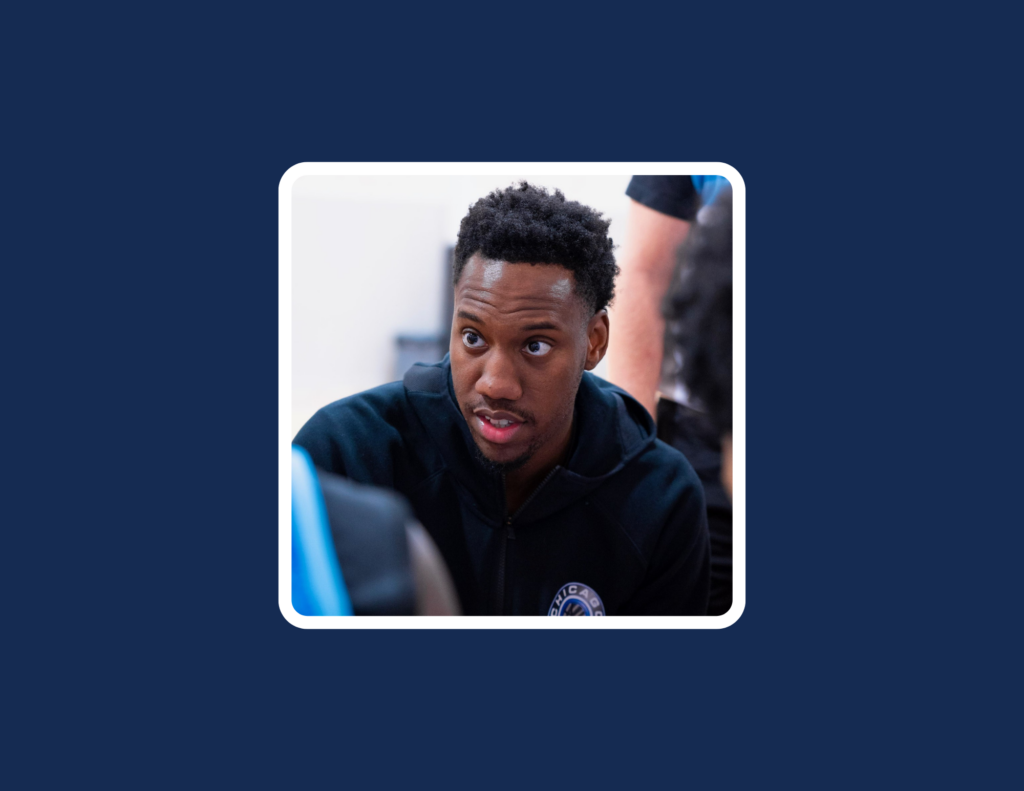
Byron Burt is an aspiring G-League/NBA Coach who previously served as the Head Boys’ Basketball Coach at St. Laurence High School in Chicago, Illinois. He also spent two seasons as the Head Coach at his alma mater, Stephen T. Mather High School before landing the job at St. Laurence. Byron also worked at Beacon Academy in Chicago as the Head Boys’ Basketball Coach and Assistant Athletic Director from 2017 to 2018.
Coach Burt has worked as a coach at the youth level since his playing days and currently helps to oversee Chicago Hoops, the AAU Program he started back in 2016.
Byron played college basketball at Loyola of Chicago for Coach Porter Moser.
Be sure to follow us on Twitter and Instagram @hoopheadspod for the latest updates on episodes, guests, and events from the Hoop Heads Pod.
Make sure you’re subscribed to the Hoop Heads Pod on iTunes or wherever you get your podcasts and while you’re there please leave us a 5 star rating and review. Your ratings help your friends and coaching colleagues find the show. If you really love what you’re hearing recommend the Hoop Heads Pod to someone and get them to join you as a part of Hoop Heads Nation.
Take some notes as you listen to this episode with Coach Byron Burt.
What We Discuss with Byron Burt
- Moving on from high school coaching and setting his sights on coaching at the professional level
- “Always be willing to do some things that you might think is a little beneath you, but you might have to start in that position to get where you want to go.”
- Connecting with Scott Morrison, Utah Jazz Assistant Coach, at NBA Summer League
- “Players in the NBA man, they can see right through you if you’re not being true to who you are.”
- Building authentic & genuine relationships that aren’t transactional
- Invest in the player and the person
- Be consistent and persistent in your job search
- Studying NBA film and learning to use the various video platforms
- “I think it’s just being ready for the opportunity and staying as ready as possible.”
- Being willing to work for little to no pay at the beginning to get your foot in the door
- Running his AAU program in Chicago to stay sharp and ready
- Taking time to get his mind and body right while he not in the grind of a season
- His plans for a free skills camp back in his old neighborhood in Chicago
Like this show? Please leave us a review here — even one sentence helps! Consider including your Twitter handle so we can thank you personally!

We’re excited to partner with Dr. Dish, the world’s best shooting machine! Mention the Hoop Heads Podcast when you place your order and get $300 off a brand new state of the art Dr. Dish Shooting Machine!

Prepare like the pros with the all new FastDraw and FastScout. FastDraw has been the number one play diagramming software for coaches for years, and now with it’s integrated web platform, coaches have the ability to add video to plays and share them directly to their players Android and iPhones via their mobile app. Coaches can also create customized scouting reports, upload and send game and practice film straight to the mobile app. Your players and staff have never been as prepared for games as they will after using FastDraw & FastScout. You’ll see quickly why FastModel Sports has the most compelling and intuitive basketball software out there! In addition to a great product, they also provide basketball coaching content and resources through their blog and playbank, which features over 8,000 free plays and drills from their online coaching community. For access to these plays and more information, visit fastmodelsports.com or follow them on Twitter @FastModel. Use Promo code HHP15 to save 15%
Your first impression is everything when applying for a new coaching job. A professional coaching portfolio is the tool that highlights your coaching achievements and philosophies and, most of all, helps separate you and your abilities from the other applicants.
The key to landing a new coaching job is to demonstrate to the hiring committee your attention to detail, level of preparedness, and your professionalism. Not only does a coaching portfolio allow you to exhibit these qualities, it also allows you to present your personal philosophies on coaching, leadership, and program development in an organized manner.
The Coaching Portfolio Guide is an instructional, membership-based website that helps you develop a personalized portfolio. Each section of the portfolio guide provides detailed instructions on how to organize your portfolio in a professional manner. The guide also provides sample documents for each section of your portfolio that you can copy, modify, and add to your personal portfolio.
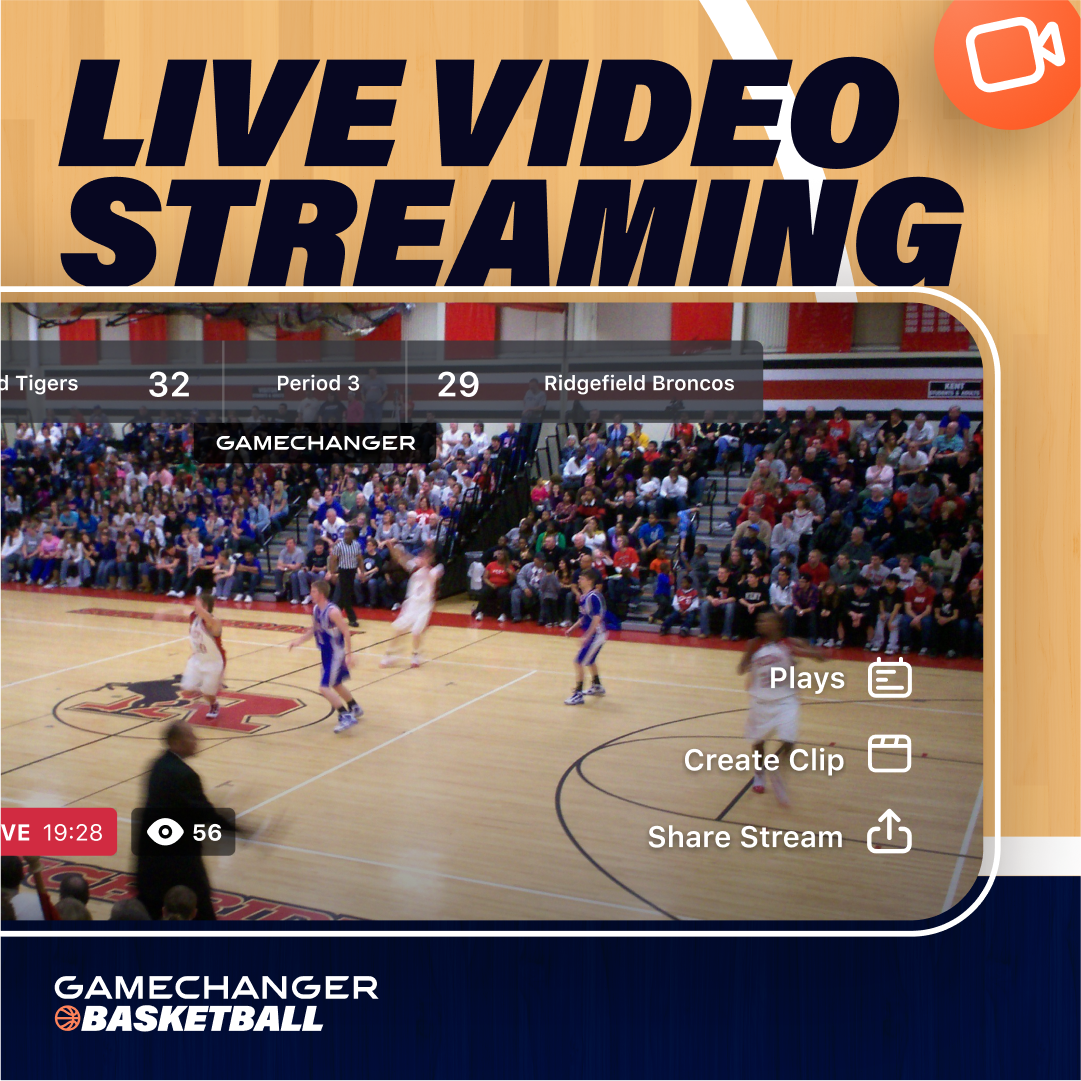
Hey, coach! Want to take your team to the next level this season? Introducing GameChanger, the ultimate game-day assistant with tools to give you a winning advantage. With GameChanger, you can track stats, keep score, and even live stream games, all for free! Get the stats and crucial game video you need to lead your team to victory, all from the palm of your hand. Coach smarter this season with GameChanger. Download GameChanger today on iOS or Android and make this season one to remember. GameChanger. Stream. Score. Connect. Learn more at GC.com/HoopHeads
THANKS, BYRON BURT
If you enjoyed this episode with Byron Burt let him know by clicking on the link below and thanking him via Twitter.
Click here to thank Byron Burt via Twitter
Click here to let Mike & Jason know about your number one takeaway from this episode!
And if you want us to answer your questions on one of our upcoming weekly NBA episodes, drop us a line at mike@hoopheadspod.com.
TRANSCRIPT FOR BYRON BURT – ASPIRING G LEAGUE / NBA COACH – EPISODE 996
[00:00:00] Mike Klinzing: Hello and welcome to the Hoop Heads Podcast. It’s Mike Klinzing here without my co-host Jason Sunkle this morning But I am pleased to be joined for the second time Byron Burt this time an aspiring G League coach Byron Welcome back to the Hoop Heads Pod, man.
[00:00:17] Byron Burt: Thanks Mike. Thanks for having me man. I appreciate it
[00:00:20] Mike Klinzing: Thrilled to have you back on looking forward to Diving into what you’ve been doing since we last talked.
Let’s start there. Give people a quick update kind of on where you’re at, what you’ve been doing, what your goals are.
[00:00:32] Byron Burt: Yeah, man. So it’s, it’s been a little bit of a journey. I’m no longer at St. Lawrence high school anymore. They decided to go a different direction.
And now it’s just kind of on to some new things in life. My aunt was just, it was funny because my aunt was just talking about, Like you do experience a new journey like every seven years and it’s kind of crazy. I’ve been coaching high school basketball for seven years.
And now I’m kind of looking to move on and try out doing some G league stuff or trying to get my foot in the door with the NBA, just to kind of experience that and I had a great time at St. Lawrence. It was fun. I’m grateful for the opportunity I had met some good people.
And it’s just, it feels good though, to know, the process that you put together works and sometimes things don’t work out a lot of these schools, programs, these ADs and principals, they can hire and fire whoever they want. And regardless of the amount of success you may have had I mean, it’s just, that’s a part of the game.
So, I mean, I think it comes with this profession. I think as coaches, we kind of all know that and we kind of just move on and just figure out what the next thing is in life.
[00:01:52] Mike Klinzing: So when things end at St. Lawrence, what do you remember about the first day or two after that? What’s the thought process in terms of, Hey, what direction do I want to go?
How soon was it before you got to the idea that, Hey, maybe I want to pivot from high school coaching and look at trying to coach at a different level, maybe trying to coach at the professional level. How’d you get to that conclusion?
[00:02:17] Byron Burt: Yeah. I think for me, it’s always been a dream of mine, coaching NBA.
So that’s something that’s been on my mind. You know what I mean? When you’re in the position of actually coaching at high school, like that’s your focus, you know? And that’s kind of how I am. Like I am where my feet are. So it’s always been in the back of my mind and I just felt like this was the perfect opportunity because there was nothing else kind of stopping me.
So it was like, why not go ahead and just pursue it all out and see how it works out. So it’s always been in the back of my mind. And now I’m just in a perfect opportunity to go pursue it.
[00:02:58] Mike Klinzing: Did you have somebody that you talked to, maybe that had some experience in this area that kind of guided you or gave you some ideas of.
Hey, if you want to do this, here’s how you have to go about it. Or here’s some ways that you can get yourself out there to get noticed. Was there anybody that kind of fit that bill for you?
[00:03:18] Byron Burt: Yeah, a hundred percent. It was it was one of a friend of mine’s Carson who is he’s the video coordinator for the New York Knicks.
And he was probably one of the first people I reached out to. And he gave me some great advice. You know what I mean? Like he told me that you got to get out and connect. You got to meet some people by going to some of these events like Summer League. And just telling me when you get the opportunity to work in a place you got to be ready to take on any type of position that they give you and just kind of always be willing to do probably some things that you might think is a little beneath you, but you might have to start in that position to get where you want to go. So that was great to have.
And I actually connected with Scott Morrison from, he did a podcast with you.
[00:04:10] Mike Klinzing: He did. Yep. From the jazz. Absolutely.
[00:04:12] Byron Burt: Yeah, I connected with him. We had this in common that we both kind of did this podcast together. So he even reached out to me and gave me some great advice just about getting out and connecting with people.
Went down to Summer League. I ran into him, got to speak with him and a lot of other coaches. So it’s been quite interesting though to talk to other people.
[00:04:34] Mike Klinzing: Give me the rundown of Summer League. So one, how do you get out there? Do you have A formal, I don’t know, role, job. Or did you just kind of go out and try to connect with people and, and make, make those connections or, or did you already have something in place before you went out to Summer League this, this year?
[00:04:54] Byron Burt: No, I don’t think I had, there was nothing in place. I literally just I literally took a one way ticket out there. I took a one way flight, man. I didn’t know when I was going to come back. Summer League’s like two weeks. My cousin was actually playing out there. He’s playing with the Timberwolves.
So like that was good to go out there to watch him, hang out with him a little bit. But yeah, it just took a one way flight, man. Got out there. I also use LinkedIn. I’m, I’m using that a lot. So I met a ton of coaches on there. So I talked to another I talked to a general manager.
Of one of the teams and he said the same thing. just come out to Summer League. You can meet a lot of people. I end up seeing him. We talked for a little bit. So it was just a lot of just connecting man and just trying to figure out how can you make genuine connections with people just to tell them where you come from, what you believe in and what you’re trying to accomplish.
So just trying to be as genuine as possible, man, and just learn some things.
[00:05:53] Mike Klinzing: So as you’re having those conversations, what are one or two things that you think were key takeaways that are going to help you on this goal, on this dream of coaching in the G League and eventually getting to the NBA?
[00:06:07] Byron Burt: Yeah, I think that’s a good question.
I think the number one thing is you got to be true to yourself. when I talked to all the coaches out there and I even got to talk to a couple of players too, but just talking to the coaches and general managers, man, they, you have to be true to yourself. You have to be who you are. I think, they talked about players in the NBA man, they can see right through you if you’re not being true to who you are. So that really stuck home with me and that kind of made me feel good because I am a person that I am me, you know what I mean? I don’t try to shy away from that.
I’m very confident in the person that I am. And obviously each day I’m learning about myself and learning new things and experiencing new things and that’s helping me grow as an individual. And then the second thing I think I took away is probably just, man, it’s just be as genuine as possible.
I think for me that’s important because that’s one of my coaching philosophies in terms of relationships I want relationships to be authentic, when you connect with somebody, those are the people that you keep around for a lifelong time.
The ones that you genuinely just connect with and you’re not looking, it’s not transactional you’re not looking for something from this person.
[00:07:24] Mike Klinzing: One of the things that’s interesting is almost every coach that we’ve talked to on the podcast who works in the NBA, one of the things that they universally talk about is the fact that NBA players, and probably this goes to other levels of the game too, but I often hear it with NBA coaches is that players in the NBA, they don’t really care about your background.
They don’t really care about your credentials. They don’t care about this or that. They basically that they have respect for coaches that can make them better. If you can help them or you can help their team to be better, then they’re going to respect you. And it’s not about like the titles you can put on your resume.
It’s not about like, Hey, are you, did you used to be a high school coach? Did you used to be this? Or did you used to be that? It’s, it’s all about, like you said, if you can be genuine and the player knows that you have their best interest at heart and you can help them improve and get better. That’s something that I’ve heard from so many different NBA coaches.
Did you hear that piece of advice at all when you were talking to, when you were talking to people?
[00:08:32] Byron Burt: Yeah, actually, that’s crazy. Cause that’s one thing that happened on with Scott Morrison, when you talked to him on his podcast, he brought that up about when he went down there to work out it was a Gordon Hayward and he was, I remember he talked about, he was kind of a little nervous and he said it so much when Gordon Hayward just said, you know what, like they sent you down here to help me.
And he said, I don’t really care, like what your background is and all that stuff. The fact that they trust you and they sent you down here to help me, like, That’s great. I want to get better. I want you to challenge me. I want you to push me. And he said that was such good advice for him and it gave him confidence to move forward.
So, yeah, I think that’s what that’s what the NBA is about, man. I think a lot of, pretty much everybody in there, all the players, they just want to get better. they want you to have their best interests and be there for them and be able to connect with them and understand them and the ultimate goal is to help them And I think that’s important, man.
I think like the things like as a high school coach or as a college coach, you can translate the same thing to that level. I think if you can challenge a player on the court in between those lines and give him everything you got, coach him up, you know what I mean? And then once you leave those lines.
It’s love. It’s now, I’m invested in the person I’m investing in you, I want to know more about your family, those types of things. I think that’s huge. And those are translatable from like any level, man. You can do it at the high school level, you can do it at the college level. And I’m sure you can do it at the NBA level.
[00:10:11] Mike Klinzing: Yeah. I think that relationship piece, right. Is getting players to a, like we just said, know that you have their best interest at heart. And B, that you care about them and their success. And you care about it as more than just a player. You care about them as a person.
And that, as you said, it translates from high school, translates in college. And I’m sure that it translates in the same way at the pro great pro game. How about for you in terms of trying to improve your craft, going from the high school level to the NBA level in terms of just. You’re learning about the pro game and whether that be how NBA player development coaches approach their craft, learning, maybe you’re studying the X’s and O’s at the NBA, at the G League level.
What have you done in those areas to kind of improve your knowledge base as you talk to GMs and coaches and players and potentially people who could employ you in the future?
[00:11:14] Byron Burt: Yeah, no that’s a good question. I think it’s, I definitely been doing a lot of like just watching games, you know what I mean?
I’m trying to break down film and try to figure out what are some of the trends in the NBA, what are some of the actions that they’re running? What’s the favorite, what’s some of the favorite actions that’s being ran looking at defensive philosophies and really just doing a lot of research on different coaches, you know what I mean?
Like, you know just reading like interviews and watching how they do their postgame interviews, just paying attention to all the little details and stuff that they’re doing. Like I’m starting to watch like when, when coaches call timeouts in certain situations. how they utilize players coming off the bench in terms of like the minutes restrictions and all of those things.
So it’s a lot, you know what I mean? And it’s hard when you actually like not in it, but you can still get some stuff from it, from watching and things like that, and also just doing a lot more like soul searching for yourself I think you have to be in a great position mentally for yourself in order to get to that level and help someone else. You know what I mean?
[00:12:26] Mike Klinzing: There’s no question about that. I think that. When you start talking about, you mentioned it earlier, that having the confidence in yourself, right? I think that that’s another common theme that I hear with guys who eventually end up coaching the NBA.
Again, depending upon what their background is, obviously, if you’re a former NBA player, you’re probably coming in with more confidence knowing that world and having been A player in the league, those guys probably don’t lack for confidence. Probably in a lot of cases, they might have too much confidence that they can, that they can translate their playing skills into coaching.
But I know with a lot of guys that we talked to that they’re not NBA players. They haven’t played in the league. So there’s, some element of, Hey, do I really belong here? Like Scott said, can I really help Gordon Hayward become a better player? Like this dude is again, playing the national championship game.
He’s been a really, really good player in the league. How do I help a guy like that? Who am I to be able to, to do it? And I think having that self confidence. really helps. And I do think that, as you said, having that self confidence comes from that prep work that you were just describing, right? Where you’re going in and you’re watching film, you’re trying to have an understanding and you’re talking to people and.
You’re trying to learn from people who have already been to where you want to go. And I think that’s a really, really good strategy when you’re out at summer league and you’re trying to make those connections with people who potentially can give you a job beyond just trying to pick their brain and being able to have them give you five or 10 minutes at a time to talk about, Hey, here’s some advice.
What were some things that people talk to you about specifically in terms of, Hey, I want to be able to get a job. How do I go about doing that? What did people tell you in terms of actually going out there and trying to get a job? Did it basically come back to make connections and then once those connections are made, your name’s going to kind of be in the back of their mind.
And when an opening comes, that’s what it’s going to be that your name will be sort of in that mix. Or was it, Hey, you should, send, send an email or make calls or just what, what advice do people give you as far as actually searching for a, for a job?
[00:14:44] Byron Burt: Yeah. Persistent, you have to be persistent.
You have to be consistent. You know what I mean? I think that’s what they, they talked to me about a lot about, you know you have to keep knocking at doors. You know what I mean? You have to keep knocking at doors. You have to keep asking questions. You have to just continue to try to figure out a way.
How can I get in, you know? So when you do meet these people, obviously you don’t want to just go in and say, Hey man, give me a job, talk with people. They learn more about you. If there’s open spots and stuff like that, they always tell you to like, stay, stay in contact because you never know what might open up.
So that’s why that relationship part of it is so important. But I think they, one thing I took away from it was just keep, stay consistent, man. And you’re going to get a lot of no’s until you get that Yes. And that’s okay. You know what I mean? Like you’re going to get a lot of nos, you got to stay patient.
For me, if it doesn’t work out this year, like, like I said, you have to stay consistent. Like, I can’t just give up and let that be the end all be all, but they also talked about too, be where you are, so wherever you are in your position, and accept it, embrace it and that’s kind of what I’ve been doing and it’s been so helpful like when you just going after whatever you got going on right now, just getting in it and being, and being consistent with what you’re doing.
That stuff is so good to do right now. So no, it’s been a lot, it was a lot of good advice that they gave me. And I think that, yeah, just you got to stay consistent with it, man.
[00:16:20] Mike Klinzing: Yeah. That piece of doing a great job where you are. I mean, if I had to, if I was picking out. One of the top five pieces of advice for young coaches that I’ve learned over the course of doing this podcast for six years, that would definitely be one of them is make sure that wherever you are, and again, you said it earlier about, Hey, don’t think that something that you’re being asked to do is beneath you, whatever it is that you’re doing and whatever job you’re in, go at it a hundred percent.
And if that’s doing laundry or that’s chasing down somebody, a water bottle, or that’s rebounded for somebody or whatever. You might think, Hey, I’m better than this. But again, if that’s the position that you’re in, the only way to get noticed and to move up in this profession is to make sure that you’re doing a great job in the spot where you are.
And I think what I’ve found from talking to people is that what helps people get jobs, like you talked about it in one way where you’re building connections with people that maybe you didn’t know before. But the other thing is that what I’ve found to be the people who end up being the biggest advocates for coaches is somebody who they’ve worked with.
So like if I’ve worked with Byron and an opening comes up and Byron’s going for this job, I have no hesitation. Like man, Byron was my, whatever, he was my GA or he was a high school coach here. And man, I watched that dude bust his butt and give everything that he had in that job. And so those are personality traits.
You can learn on the job in terms of the technical aspects of some of the things with the job, but your character and who you are in terms of hard work and loyalty and all the things that we talk about with coaches. To me, those things are huge when it comes to going out and getting a job. So I think that is a really, really good piece of advice is just, Hey man, wherever you’re at, you got to be there a hundred percent.
Like I think about somebody in your case and opportunity. I know, man, I can’t remember. I wish I could remember who told me this story, but basically somebody was going and working with Drew Hanlon and just maybe it was John Beck and he’s a trainer out in Arkansas and he talked about how he worked with Drew Hanlon and basically he just kind of showed up and started doing workouts and all of a sudden he’s chasing rebounds.
He’s going to get people water and he just kept working, kept working, kept working. And then, opportunities start to come and people start talking about, Hey, I need a guy for this. And then because he did such a great job in the place where he was, that’s what afforded him other opportunity. I think sometimes people get lost, always looking at the next thing, right?
You’re coaching. You’re like, Hey man, I can’t wait to leave this high school job for a bigger high school job. Or I can’t,
[00:19:08] Byron Burt: I’m guilty of that too. I have to admit that I think It’s human nature, but I think as you grow, though you got to try to check yourself at the door when you, when you get to that point now, you know.
[00:19:18] Mike Klinzing: Yeah, there’s no doubt. I mean, it’s easy to do. I mean, I think it’s human nature, right? To think about, Hey, cause again, part of it is you want to plan, right? You want to plan of, Hey, what’s my career? Like, yeah, maybe right now I see myself, I’m a high school coach, but at some point I’d like to move up to the college level.
I’d like to move up to the pro level. Well, you got to kind of be thinking about that and planning for that and looking at what does that pathway look like? And so. Yeah, there’s planning in the future that you have to do, but at the same time, you can’t let that affect you in a negative way in that position where you’re at.
And that’s, like you said, that’s a hard balance. Yeah. I’m sure there’s a lot of coaches that just like you, that, Hey, you kind of are thinking about, Hey, what’s next for me. And that’s not to say that you have one foot out the door, but you just have to be conscious of, Hey, make sure that I’m doing what I’m supposed to do where I’m at in that moment.
And if you do, then usually good things, good things are going to happen from there for sure. No, that’s facts. All right. Let me ask you this. One of the other things that I’ve found in talking to guys who break through kind of in the NBA, especially guys who, again, haven’t played in the league or maybe don’t have experience in the, at the pro level is they kind of dive into like one aspect of a team or they really break down film or then they kind of send out, Hey, like I’ve been looking at this or checking this out.
I don’t know if you’ve thought at all in any way about maybe doing something like that where you do a deep dive on, let’s just say again, you’ve got a connection with Scott Morrison. So you start looking at lots of stuff from the jazz. And so you break some stuff down and say, Hey, let me, let me send this to Scott and see what he thinks about kind of my analysis of it.
I don’t know if you’ve thought about that. But that’s something that I’ve heard a couple different people tell me that, Hey, I just kind of went in and I knew this is where I wanted to go. So I just started breaking down and trying to figure some stuff out. And then I shared it with teams again, not necessarily looking for anything, but just to kind of get my name out there as, Hey, this guy, Maybe it’s pretty sharp when it comes to this particular aspect of the game and maybe that gets you a foot in the door.
I don’t know if you’ve thought about that at all.
[00:21:20] Byron Burt: No, I definitely thought about it. I do a little bit of work like that. Sometimes I post it on like my Twitter. If I do some computer, I break down film or I break down a specific action that they’re doing. And you can post it like on Twitter. I haven’t sent it to any coaches like individually, but now I definitely have thought about like breaking down a certain team and maybe sending that to someone that I already have a connection with.
But I think on the other end too, it’s almost like I don’t want to limit myself. I wanted to be open to any opportunities that present itself. I didn’t want people to think that I was like, just choosing just one specific team. It’s like, I’m open to kind of any position that’s open in the NBA.
But I definitely thought about breaking down specific clips and send it to some coaches too. But I also rethought and was like, you know what, do they really want to see this? It’s coming to their phone. But I also just been researching like even smaller roles though. You know what I mean?
What’s the day in the life of a video coordinator at the G league level or at the NBA level what is their day consists of? I actually ran into some video coordinators down in Vegas and just was just asking those guys, like, what is your day to day look like?
I think that would be a position where you would probably have to start at I think you can go in, you know what I talked about, kind of like make looking at when his coach is calling timeouts. And all those things, those are more of like, I think, for a head coach, you know what I mean?
And that’s crazy for me to think about because I’ve been a head coach my entire life. Yeah. I’ve never been an assistant before in my little seven years of coaching. I never, I’ve never been an assistant. So of course those things popped in my head. So I had to kind of like reprogram myself and, and go back to if I was at the bottom what would be some of my things.
So like just scouting, scouting reports, like how to scout. I talked to him about that. I talked to him about like how to set up the actual film of when, when the, when the players and coaches are coming in, you know to, to watch their film and just like, just how the process works and stuff like that.
So that’s been a deep dive for me too and it’s been helpful too.
[00:23:41] Mike Klinzing: The video coordinator route, I think is one, obviously the most famous case is Eric Spoelstra with the Heat, where he starts out in the video room and now probably regarded as, if not the best, certainly one of the best coaches in the league.
And everybody that we’ve talked to who has a history in the video room, whether that’s on the college level or the pro level, just talks about how much learning they did during the time when they’re kind of locked up in the dark in the film room. And just by virtue of. A, breaking down their own team’s offense and defense, but also then just getting a chance to see what the other teams are doing too.
So it’s kind of this like wide ranging education of, yeah, I’m learning about my own team, but I’m also learning about, in the case of the NBA, obviously 29 other teams that I can watch and I can start to see, hey, what is it that they’re trying to accomplish? How are they trying to accomplish it? How does each coach go about things differently.
And so I think the video room, when you start talking about from a learning curve, man, I think the video room, although it’s probably not the most glamorous job at the same time, it for sure is one where, like we talked about earlier, if you want to learn, it’s hard to imagine that there’s a better place to learn, at least from an X’s and O’s standpoint.
It’s hard to believe that you could learn more about the NBA game than being a video coordinator. Obviously that doesn’t talk about the relationships and the people skills and all those kinds of things when you’re locked in the video room. But I think from an X’s and O’s standpoint, certainly video coordinator would be a great place to start.
[00:25:19] Byron Burt: Yeah. You look at like some of the guys I talked to. they talked about like how you have to go back like seven or eight games and start doing tags on those teams. And you’re just like, so if you’re playing the, let’s say you’re playing the Phoenix Suns in two days, that might be your game.
And literally from the day you start to the Phoenix Suns games, you’re literally going back seven to eight games and just watching films that of the Phoenix Suns. Getting down their actions and their habits and things like that. I mean, for me, I love watching film.
When I was high school coach, like they had a tracker, like I’m watching 20, I’m watching 20, 10, 20 hours of film and just like. I think we talked about this on the last time we spoke. Like, I literally love watching film. I think for me now, it’s a program that they use in the NBA. With Synergy and they use like a hudl focus.
They use a hudl system too. That sports code, I think. And I did kind of like a little tutorial with that, just to kind of play, play, play around with it and try to get some experience with it. And there’s like some tutorials you can do online. But just that is the part that you really got to get good with.
You got to be able to do that quick. Cause a lot of this stuff is happening mid game. You’re, you’re, you’re cutting stuff up mid game as well. And at halftime coaches are looking over like, what are, what are we doing wrong? And. And like our rotations and what things that got to be improved. So you got to get good with the programming and practice with that too.
[00:26:56] Mike Klinzing: Yeah, absolutely. So from a G League perspective, how do you feel like when you’ve talked to people and obviously breaking into the NBA highest level of the game in the world, really difficult to break in there to the NBA G League? The stepping stone probably to the NBA, especially when it comes to coaches, but how have you approached talking with G League people and just who have you reached out to?
And again, you don’t necessarily have to name names, but just what’s been your process for connecting with people in the G League that could potentially help you to get some employment.
[00:27:32] Byron Burt: Yeah, I probably couldn’t even just name one name. There’s literally about 20, 30 people I’ve literally connected since the beginning of May till now. It’s been about 20, 30 people from the G League and NBA could probably be even more that I’ve got an opportunity to talk to. And that’s pretty good. I feel extremely grateful for that to even be able to get in contact with these guys and get information from them and pick their brains and stuff like that.
But in terms of like Information on the G League and how to get in. It is a stepping stone to get into the G League. It’s not as easy as it I know it’s the G League and people might be thinking like, Oh, it might be easier to get. No, it’s almost just as hard as to get into the G League as it is with the NBA. I think it’s about like I said, the relationship part is important. Building trust with people. But I think I’m still figuring out how to actually get in there. You know what I mean, if it’s openings, you apply. You know what I’m saying?
You stay in contact with people. If positions open up, you have to be ready to fill in. One guy even told me, like, his way he got in was, he started off as a locker room team attendant. You know what I mean? Like, where you’re probably going, that’s pretty much it. Almost like you’re a manager almost, you know?
Yeah. So like he told me, he started off like that and he said the G league head coach knew the coaching staff knew he wanted to be a coach in the G league. And when a spot opened up he, he was able to build that trust with them already. And he did a great job in his role. We talked about this too, kind of the past couple of years at St. Lawrence, it’s kind of like just being a star, like in your role and that’s, that was something he was able to do. And now he’s coaching now he’s on a coaching staff in the G League. So yeah, I think it’s just being ready for the opportunity and staying as ready as possible.
[00:29:38] Mike Klinzing: Sometimes it’s just showing up, right? Hey man, can I show up at practice and can I watch? I know that’s a story too, that you sometimes hear. Hey, I just, I’m kind of just hanging out. I’m a volunteer. You need me. I’m, I’m willing to do whatever it takes. And sometimes you get in and then that goes back to what you just said of, Hey, I got to build trust.
I got to let people get to know me. And if I’m around and they see me and they see what I’m all about, then when a paid position opens up, sometimes that is another way to open doors.
[00:30:06] Byron Burt: Sometimes it’s not even a paid position. You know what I mean? Exactly. I think at this point, like I think in coaching in general, I don’t think that’s the number one thing, I don’t think pay is like at the top of the list. And I think if it is, I think it’s going to be really tough to, to be a coach. Cause that’s going to be a lot of, a lot of work you’re doing that it’s not going to be, it’s not about the money, you know what I mean?
And I think that that’s, that might be a longer period of time than what you want.
[00:30:36] Mike Klinzing: That is another great piece of advice, Byron. When I think about what I’ve learned from the Who Pets podcast and you think about the coaching profession. And so much of what coaches tell me or so many stories that I’ve heard, obviously on TV, you see the guys that are making millions of dollars, you see NBA head coaches, you see, you see the college guys, the power fives that are making hundreds of thousands of dollars, millions of dollars, but the vast majority of people who are in coaching, Are not those, are not those coaches.
There are people that are working their way up. There are people who are grinding. There are people who started out making zero dollars, or maybe they were getting their education paid for as a GA and they’re living in somebody’s basement in one room with like four other dudes or whatever it is. Real.
People don’t always understand that that’s kind of more of them that it’s the more common journey than Somebody who like steps out of their playing career and suddenly is the head coach somewhere like those things do happen once in a while But the vast majority of people do not have their career unfold that way the vast majority of people start out as a volunteer or a low paid assistant or a GA or somebody who just Start saying, Hey, can I show up?
Cause I want to be a part of this. And I think I want to get into coaching. And so there’s so many different pathways into it. And so many of them, I would say are not glamorous. And I think if you get into it, like you said, if you get into it, thinking that coaching is going to be all glamor and you’re going to be making a lot of money right off the bat, that is not a realistic way to think about it. Even when you’re talking about, even when you’re talking about the professional leagues, right? We think about the amount of money that’s associated with the NBA, but yet there’s tons and tons of guys that are part of coaching staffs at the G League and even at the NBA level that those guys are grinding away.
And they’re not making millions and millions of dollars to be able to do that. And so, again, the jobs are few and far between. There aren’t many of them. And yet there’s any job that opens up. I can only imagine the number of resumes that come in when a job opens up for any of those jobs.
Right? I bet. I know it’s crazy. All right. So from here, where you are today, as we’re talking, it’s September 3rd. What is the plan from here over the next 6 to 12 months to make this dream a reality. What are the next steps for you, Byron, as we head forward?
[00:33:20] Byron Burt: Well again, it’s being where you are. So right now, I still have my AAU program that I run and. You know we’re in the midst of this season right now. It was kind of like individual training. So like we got about 20, 30 kids who are coming twice a week and we’re working out and we’re doing like segments of five week programs.
So I think that’s been important for me is to kind of make sure I’m staying involved, man, lstaying sharp with coaching and developing and speaking with people, connecting with people. I think that’s really important to stay involved with.
So I’m very grateful to still have AAU and still have basketball to do with that. And I think for me, the main focus has been also trying my best to give back. that’s been another aspect that if you don’t, when you really look at it like I went back, I went back home recently like Rogers Park area, like up north.
Cause I’ve been out here since I took the job at Lawrence, I’ve been out here and I haven’t had an opportunity to go back like where I’m from and do things there like camps and just talk to the kids on the place of where I’m from. So I got that opportunity to go back and talk to some old people and we’re in the midst right now of planning a free skills camp for the kids in the area just to offer them some guidance and offer them some ability to work. And just being able to give back and stand true to yourself. I think that’s been something that I’ve had time to think about. Because when you’re in coaching, you don’t get that time, man.
When you in the field is just like, sometimes you can just be so locked in on what you’re doing and you lose sight of these other things. Now that I’ve had time to kind of reflect, it’s been great. Like I’ve been eating better I’ve been getting my mind right.
You know what I’m saying? Fasting routines, like it’s, I changed my whole diet. Like, you know what I mean? So many things have changed for me and it’s for the better, you know what I mean? I don’t think I would have been able to do that being in that position at the time as a head coach.
But I also think now moving forward, when I am in my new position, I can still continue these things that I’m doing right now. And I can add an end to my daily routine next. I will know how to do it now. So it’s been really great. And I think right now you just got to continue to just stay focused on what you’re doing.
You know what I mean? And be ready for the opportunity. I think you have to stay ready so you don’t have to get ready. That’s really, really important.
[00:35:59] Mike Klinzing: Absolutely. And that’s good stuff. Being able to give back. I mean, there’s nothing better than that. I’ve been doing camp at my hometown for, I think this summer will be 32 years.
So I can completely relate to what you’re talking about and going back to where you’re from and being able to pour into the kids who are coming up behind you, that, that really is a powerful thing to be able to do. And as you said, sometimes when you, when you create more space because of just where you are at a certain time in life, it allows you to kind of get those things started where maybe if you were a little bit busier, you wouldn’t have been able to get those things going.
And then once they’re going, they kind of build on themselves and momentum. Before we wrap up, Byron, I want to give you a chance to share. How can people Get in touch with you, all those G League GMs who want to hire you. How do they reach out to you? Just share some social media. email, whatever you feel comfortable with.
And then after you do that, I’ll jump back in and wrap things up.
[00:36:50] Byron Burt: Yeah, for sure. Anybody that’s interested can reach out to me and it’s not just it can be anybody.
Aspiring coaches that has questions or even high school coaches who want to chat? My DMS are always open. My Twitter is @Burt3030 My email is BYRONBRT13@yahoo.com. But you can pretty much find me on social media by just typing in my first and last name and. something will pop up that has something to do with me. And it’s not that hard to get in contact with me. I’m pretty open and always open to talk.
[00:37:34] Mike Klinzing: Love it. Byron can’t thank you enough for taking the time out of your schedule today to join us.
Wish you nothing but the best on your quest. We’ll see you on the sidelines in the G League or the NBA one day, in the not too far in the distant future. And to everyone out there, thanks for listening. And we will catch you on our next episode. Thanks.