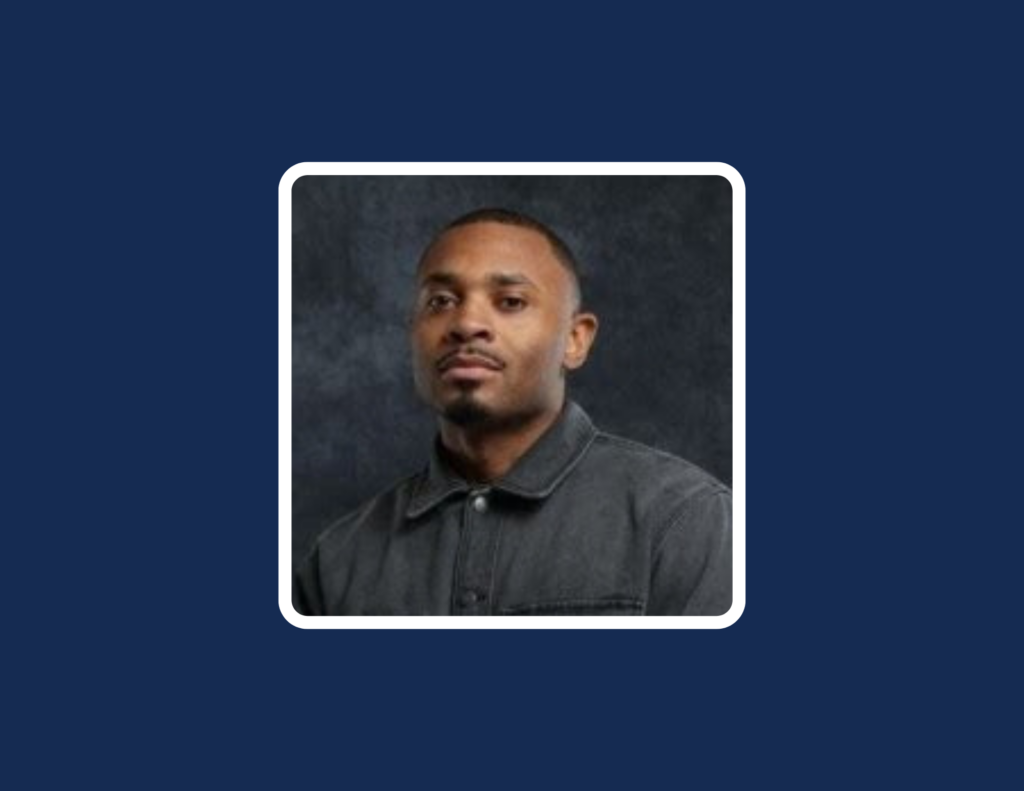
BRANDON RHODES – SENIOR VICE PRESIDENT AND GENERAL MANAGER OF EMERGING SPORTS AT GAMECHANGER – EPISODE 1305
Website – https://gc.com/basketball
Email – [email protected]
Twitter/X – @getgamechanger

Brandon Rhodes is the Senior Vice President and General Manger of Emerging Sports at GameChanger, a technology company that builds simple and powerful products for youth sports teams and their communities.
On this episode Mike & Brandon discuss GameChanger’s growing role in youth basketball and its goal of making the experience better for coaches, parents, players, and club directors. Brandon shares the new tools for capturing full-game video, tracking statistics, generating player insights, and creating highlights that coaches can use for teaching and families can use to celebrate progress. The conversation also explores how GameChanger can reduce administrative work through centralized schedules, rosters, RSVPs, and team communication. For larger clubs, Brandon explains how a unified dashboard and organization-wide messaging can create consistency across multiple teams. The episode highlights how technology can help basketball programs spend less time managing logistics and more time developing athletes.
Follow us on Twitter and Instagram @hoopheadspod for the latest updates on episodes, guests, and events from the Hoop Heads Pod.
Make sure you’re subscribed to the Hoop Heads Pod on iTunes or wherever you get your podcasts and while you’re there please leave us a 5 star rating and review. Your ratings help your friends and coaching colleagues find the show. If you really love what you’re hearing recommend the Hoop Heads Pod to someone and get them to join you as a part of Hoop Heads Nation.
Pay close attention and take some notes as you listen to this episode with Brandon Rhodes, Senior Vice President and General Manager of Emerging Sports at GameChanger.
What We Discuss with Brandon Rhodes
10 Key Takeaways for Basketball Coaches
- Use film to create teaching moments, not just highlights
Brandon Rhodes emphasizes that coaches need full-event video because highlights alone lack context. A coach should review both successful and unsuccessful possessions to identify teachable patterns—such as defensive rotations, shot selection, spacing, and transition decisions.
Episode example:
Brandon explains that coaches want to “see that video and have the context,” not simply a collection of impressive plays.
- Let data support your coaching eye
Statistics should reinforce what you observe rather than replace your basketball judgment. Use the numbers to confirm strengths, uncover blind spots, and make feedback more specific.
Episode example:
Brandon says Game Changer is designed to back up what coaches see with data. A coach who believes a player is an effective shooter can use game statistics to validate that observation.
- Look beyond the box score
A player’s percentage alone does not explain how that player produced it. Coaches should examine shot location, shot type, and whether attempts came off the catch, off the dribble, or in late-clock situations.
Episode example:
Mike specifically mentions examining whether three-point attempts came off the catch or the dribble. That distinction can directly shape practice priorities.
- Track progress over an entire season
One game can be misleading. Season-long profiles allow coaches to distinguish a temporary hot streak from sustained improvement and to show athletes how their performance is evolving.
Episode example:
Brandon describes player and season profiles that show what an athlete did in individual games and how that performance develops over time.
- Use game stories to personalize player development
Players respond better when feedback connects to their individual contributions. A game story can help a coach show a player exactly where they influenced the game, including both statistical production and video examples.
Episode example:
Brandon explains that the platform places a player’s highlights and game reel together, creating a narrative around that player’s performance.
- Plan practices around confirmed attendance
Practice planning becomes more effective when you know how many players will actually attend. If only seven athletes are available, the coach can prepare small-sided games, position work, or advantage-disadvantage drills instead of arriving with an unusable five-on-five plan.
Episode example:
Mike points out that knowing attendance in advance helps a coach adjust the practice plan before arriving at the gym.
- Centralize team communication
Coaches lose time when schedules, reminders, and updates are spread across texts, emails, and different apps. A central communication system gives families one reliable place to find information.
Episode example:
Brandon discusses scheduling practices and games, sending one message to all parents, and collecting RSVPs in one location.
- Give families different levels of scorekeeping responsibility
Not every volunteer has the same level of basketball knowledge. Coaches can make participation easier by assigning simple scorekeeping tasks to beginners while allowing experienced parents to record advanced statistics.
Episode example:
Brandon explains that one parent may only want to track points, while another can record a complete box score.
- Create a consistent operating system across the organization
Club directors and coaches should avoid having every team follow a completely different process. Shared systems for schedules, rosters, communication, and RSVPs make it easier to maintain organizational standards.
Episode example:
Brandon describes the challenge of keeping 20 or more teams unified and the value of having one source of truth.
- Use automated content to celebrate players and promote the program
Automatically generated clips and highlights can help coaches recognize players, keep families engaged, and showcase the team or club without requiring hours of editing.
Episode example:
Brandon explains that automatic highlights and reels can reduce the workload for club directors who otherwise have to hire videographers or manually edit footage. Mike reinforces this by describing how automated clips make it easier to share content quickly.
Like this show? Please leave us a review here — even one sentence helps! Consider including your Twitter handle so we can thank you personally!
Your first impression is everything when applying for a new coaching job. A professional coaching portfolio is the tool that highlights your coaching achievements and philosophies and, most of all, helps separate you and your abilities from the other applicants.
The key to landing a new coaching job is to demonstrate to the hiring committee your attention to detail, level of preparedness, and your professionalism. Not only does a coaching portfolio allow you to exhibit these qualities, it also allows you to present your personal philosophies on coaching, leadership, and program development in an organized manner.
The Coaching Portfolio Guide is an instructional, membership-based website that helps you develop a personalized portfolio. Each section of the portfolio guide provides detailed instructions on how to organize your portfolio in a professional manner. The guide also provides sample documents for each section of your portfolio that you can copy, modify, and add to your personal portfolio.
Aiming to go D3? The D3 Recruiting Playbook gives you a clear, step-by-step roadmap to the recruiting process – what coaches value, key milestones from early high school through application season, and how to build a target list of schools that fit your needs.
We’ll demystify researching D3 programs and how to stand out without chasing every camp or showcase.
The modules cover things like writing emails to coaches, building an effective highlight tape, using social media well, planning ID camps and visits, and navigating application strategy.
You’ll get templates, checklists, and an outreach plan to communicate confidently, learn how to compare financial packages, and avoid common missteps. By the end, you’ll have a prioritized school list and a decision framework you can use to land your best-fit opportunity.

Give With Hoops is a groundbreaking initiative that fuses basketball analytics with modern sponsorship. Built for teams who see data as opportunity, from AAU programs to college powerhouses.
By tying on-court performance directly to community and sponsor engagement, Give With Hoops help programs raise more while deepening support from those who believe in the game.
Traditional fundraising disconnects donors from the action. Sell candy bars, wash cars, beg for donations, it’s exhausting and ineffective. Players perform better when their stats matter beyond the scoreboard. That’s why Give With Hoops was created.
Give With Hoops connects game performance to community support. Every basket, rebound, and assist becomes a chance to raise funds. Transparent, exciting, and proven to raise 3x more than traditional methods.
THANKS, BRANDON RHODES
If you enjoyed this episode with Brandon Rhodes let him know by clicking on the link below and thanking him via Twitter/X.
Click here to thank Brandon Rhodes via Twitter/X
Click here to let Mike & Jason know about your number one takeaway from this episode!
And if you want us to answer your questions on one of our upcoming weekly NBA episodes, drop us a line at [email protected].
TRANSCRIPT FOR BRANDON RHODES – SENIOR VICE PRESIDENT AND GENERAL MANAGER OF EMERGING SPORTS AT GAMECHANGER – EPISODE 1305
[00:00:00] Narrator: The Hoop Heads Podcast is brought to you by Head Start Basketball.
[00:00:00] Narrator: Start basketball
[00:00:20] Brandon Rhodes: One thing that we love about coaches is coaches are really an altruistic bunch a lot of the time, right? They want to see the kids improve and be their best self. So we want to be there to support coaches, and if we can do that, then everything else will fall into place, right? Being able to watch the film, being able to break it down, being able to create teaching moments is one of the main things that stands out.
We give really easy tools, whether it’s a coach or a parent volunteer, to film the game and then also to keep the data, keep the stats.
[00:00:53] Mike Klinzing: Brandon Rhodes is the senior vice president and general manager of Emerging Sports at GameChanger, a technology company that builds simple and powerful products for youth sports teams and their communities.
Ever since I founded Head Start Basketball in 1993, we’ve helped young players develop their skills, confidence, and love for the game. Now we’re partnering with coaches and athletic programs to bring the Head Start Basketball camp experience to new communities. Our camps run for five days, three hours per day, and serve boys and girls in grades one through six.
You or someone on your staff directs the on-court portion of the camp while Head Start Basketball manages registration, promotion, parent communication, T-shirts, trophies, website setup, and administration. There are no upfront camp planning headaches, and the profits are divided 50/50 between your program and Head Start Basketball.
If you want to reach more families or strengthen your youth basketball pipeline or just create additional revenue for your program, visit headstartbasketball.com to explore hosting a camp.
[00:01:53] Mike Koehler: This is Mike Taylor, head boys’ basketball coach at Elkhart Lake High School in Wisconsin, and you’re listening to the Hoop Heads podcast
[00:02:03] Mike Klinzing: Pay close attention and take some notes as you listen to this episode with Brandon Rhodes, Senior Vice President and General Manager of Emerging Sports at Game Changer.
Hello, and welcome to the Hoop Heads podcast. It’s Mike Klinzing here today without my co-host Jason Sunkel tonight, but I am pleased to be joined by Brandon Rhodes from Game Changer. Brandon, welcome to the Hoop Heads pod.
[00:02:26] Brandon Rhodes: Mike, thanks so much for having me. Excited to be here.
[00:02:29] Mike Klinzing: Thrilled to have you on.
Looking forward to diving into a little bit of your background, but also talking about some of the exciting new changes that you guys have coming up at Game Changer that is going to impact the youth basketball space. We’re going to start by just talking a little bit about your background. Give us an idea of what you’ve done in your career and what led you to the position that you’re in with Game Changer right now.
[00:02:50] Brandon Rhodes: Yeah, Mike, I think first and foremost, it’s important to say that, I grew up a hooper, right? So basketball is my lifeblood. Sports and youth sports in general, I played everything across the board growing up. We didn’t specialize as much back in the day when I was coming up, right? That’s the thing that I care about the most is youth sports and basketball specifically.
So I always knew I wanted to be in the sports industry, and I was able to start my career at Gatorade in marketing in Chicago. I was there for five years, had an amazing time, and you can’t pick a better brand if you’re a sports guy to jump into and start your career at. So I was lucky enough to start there.
Knew that I was interested in the startup landscape. So during that time, I was running digital media at Gatorade. I found this small company called Overtime. They were just getting started. They hadn’t really raised any money yet, and I did a small deal with them, and I said, “Hey, this is the perfect intersection of basketball, culture, media,” and I thought I could make an impact.
So I called the founders and convinced them to hire me and made the move to New York And there’s a long story there, but about, eight years later, we had done all these amazing things of going from zero to 100 million in revenue, from maybe 10 in place to 300, launched multiple leagues.
I think OTE is the one that, that would be of interest here. But had a great time there at Overtime. I started a boxing division and li- ran that for three years, and then I got the call from Game Changer. And obviously Game Changer being one of the best companies in all of youth sports, owned by Dick’s Sporting Goods.
Again, you grow up in sports, every season starts at Dick’s. It was just a dream come true opportunity, and I was lucky to land here and get to work on growing the basketball division within Game Changer.
[00:04:39] Mike Klinzing: So once you get hired, what are the first things that you have to do? What do you get asked to do?
What’s the project that you dive into immediately?
[00:04:48] Brandon Rhodes: Yeah, absolutely. If you’re familiar with Game Changer Game Changer has become a staple in every baseball and softball parent’s home, right? So my ultimate goal is to do the same thing in basketball culture. Now, Game Changer has had a rich history in basketball, so we’re not starting from scratch.
There’s actually millions of people out there using Game Changer for basketball. But my first and foremost, my job is to understand what’s happening today, right? How are users using the product? What’s the feedback they’re giving us? How do we go out there and talk to as many people as possible, whether that’s parents, whether that’s athletes, club directors tournament directors, and just get out there and understand where are we at today, what are the, what are they asking wants, and then what are the things people aren’t asking for but we’re seeing through just observing?
So that’s the first thing, and that’s fun because, we love the game, so we just get to get out there and see what’s going on.
[00:05:46] Mike Klinzing: All right. So I’m going to give you my feedback first, and then I’m going to- All right … dive into what other people were saying to you. So from a personal experience standpoint, my son, who’s now a sophomore in college, when he was playing AU basketball back, whatever, now we’re looking at three or four years ago, and I was asked, we had our t- our coach, he would film the games and use GameChanger to do that, but I didn’t have much to do with that.
And then there was a parent that was the person that was doing the scoring, and at one point, I don’t know, a third of the way into the season, that parent wasn’t going to be there, and somebody asked me, “Hey, do you want to do the GameChanger?” I’m like, “Oh, man.” I’m like, “I don’t… I don’t wa- I just want to watch the game.
I don’t want to do-” Yeah. “I don’t want to do all that stuff,” and having never done it before. And then the guy’s like, “Hey, here’s how you do it,” whatever, he shows me, and I’m like, “This is incredibly easy.” And while I’m sitting there watching the game, I also felt like it kept me involved in having a better understanding of what I was watching, ’cause I was tracking everything that was going on.
It was just so intuitive, and it was so easy. And then for the rest of the season, I just argued Brandon “Hey I’ll do the GameChanger, man. Don’t worry, I got it.” ‘Cause it kept me more, it kept me more engaged. So that was number one. I really liked it ’cause it was so easy, and just as I was doing it, it kept me engaged.
And then my daughter, who’s still currently playing AU, like her team, one of our assistant coaches uses GameChanger to film, and then the film gets obviously distributed out to all the girls so they can watch, and parents and people, and highlights and all the things that go along with that aspect of it.
So there’s been lots of personal connection to the GameChanger product, and every aspect of the product that I’ve ever used has been, A, super easy to use, and B, just works the way that you expect it to. Which we all know in technology, there’s the theoretical way it’s supposed to work, and then there’s the actual delivery when you’re at the court or at the field or wherever it is that you are, and it doesn’t always…
Those two things don’t always go together. And every experience that I’ve had with GameChanger has shown that those two things work together really well, that what it’s supposed to do and what it actually does, and the experience of using it have all been nothing but positive. So that’s my feedback.
When you’re talking to people here, there, you can throw my feedback into the mix there. So let’s go from that to your experience going out and talking to people. What are you seeing in the youth basketball space, just from a general standpoint? And then we can tie that back in to what you guys are trying to do and what you’re trying to build, and how that’s going to improve the overall experience for everybody involved.
[00:08:13] Brandon Rhodes: Yeah, Mike, that’s a great tee up and appreciate the, the compliments on the product. And a lot of what you’re saying resonates, right? So we’ll dive more into kind of the specifics, and there’s obviously different personas who want different things, right? A parent is different than a coach, is different than a club director.
And we want to build things for all of them to make their life easier. Ultimately, that’s the goal, right? You have more data, you have more ability to celebrate, you have more ability to track the progress of your athlete which we know when you’re investing that time and energy and connecting with your kid that way, you do want to see some progress.
We want to enable all of those things, and we know the true work is what what’s done on the court and what’s done in practice. But we want to highlight that and help you see that. But just in the general landscape, I would, I would just start with saying that basketball is on fire, right?
It continues to grow at a great rate. I think the SFIA just released some new data, and basketball is not only the largest youth participation sport in America, it’s one of the fastest growing. So it’s just obvious that it’s an area that, continues to be hot for both boys and girls, and it’s a area where, Dick’s Sporting Goods as a whole with Dick’s, Foot Locker, and Game Changer want to invest in, right?
We want to serve whether you’re a basketball athlete, whether you’re a parent, whether you’re just a sneakerhead, we want to be there for you. And it’s, it makes sense why Game Changer is going so big in creating this new upgrade for the basketball community
[00:09:43] Mike Klinzing: So what are some of the things when you look at and what you hear when you’re talking to people?
Let’s start, let’s go through each of those sort of constituent groups, right? Coaches, administrators, or organizational people who are at the top, and then players. What are the things… let’s start with coaches ’cause, again, this podcast primarily directed at coaches. What are some things that coaches are asking you for or that you see a need for that you guys feel like you can f- you can fill that need for coaches?
[00:10:11] Brandon Rhodes: Absolutely. First and foremost, GameChanger has always been about the coach, right? So our tools are completely free for coaches. We just want to enable y- what you have to do, right? And one thing that we love about coaches is coaches are really a altruistic bunch a lot of the time, right? They want to see the kids improve and be their best self.
We want to be there to support coaches, and if we can do that, then everything else will fall into place, right? People will film the game. People will watch at home. We know people love their kids, so we’re just giving them access to essentially be a courtside fan. But for coaches in basketball, the common theme that always comes up is film, right?
So full event video, being able to watch the film, being able to break it down, being able to create teaching moments is one of the main things that stands out. And what we do is we, and you gave your story about being the volunteer, is we give really easy tools, whether it’s a coach or a parent volunteer, to film the game, and then also to keep the data, keep the stats.
So now what we’re introducing in that space is a variety of ways to do that even easier. So previously, you used your phone, and we created a hands-free auto stream where it could pan with the game, because we know the game moves side to side so fast. We know basketball is a huge highlight culture, but as fans, as athletes, as parents, we love the highlights.
But as coaches, we want to see that video, and we want the context, right? So that’s a big common theme
[00:11:45] Mike Klinzing: Yeah, you definitely want to see it all, right? If you’re a coach, you want to see the good and you want to see the things that you need to improve on as well. I do think, again, the technology from a camera standpoint, from the AI ability to track the ball and track the action and be able to see that, we’re a long way removed from the days of standing on the sideline with the parent tracking the trying to track the action and do all that.
So the tools that you guys have put together there, I think are incredible. And then you look at the statistical side of it, right? And being able to take that film and break it down and be able to have the statistics, which is something I know that everybody, whether you’re a player, whether you’re a coach, whether you’re a parent, everybody likes to be able to see those statistics after a game.
And then the cumulative value of those over the course of a season obviously continue to compound as you put more of that together. And then have you guys– I don’t know where you are in terms of just the connectivity with the relationship between having those statistics. Like again, I think of a typical AAU season, right?
Where I go through and I play, but oftentimes in the past there’s no… There might be film, but there’s probably not any real– Unless you’re at the highest levels, there’s probably not much in the way of statistical data that comes out of that AAU season. And so if I’m a player maybe who eventually wants to be recruited, I don’t have those statistics that I could pass along or share.
If I’m an AAU coach and a college coach is asking me about one of my players, I might not necessarily have that data to share. Now, with some of the tools that you guys are putting together, has there been discussions with coaches and players, parents about that aspect of using some of the data that’s being collected to be able to help with the recruiting process?
[00:13:26] Brandon Rhodes: Yeah, absolutely. That’s something that we hear about a lot. And for coaches it’s essentially, you know what you’re looking at as a coach, right? You have eyes you know the game very well. You know which players can do… what their strengths and weaknesses are and what positions to put them in.
We just want to back that up with some data, right? So we’re not replacing what you do, we’re just enabling it further and giving you the evidence of what you’re seeing. And one of the things that we’re doing now is using the backend technology to not only give you the stats itself, but to give you insights.
So we might say, Mike went on a, a run where he shot, seven for 10 from three in this game, right? So we might give you kind of bullet points and breakdowns on each player without you having to do anything. So that’s just a little bit of magic that we have on the backend. We’re also introducing player profiles and player season profiles.
So with that player profile we have a story for each game that breaks down kind of what your player did throughout that game, gets– puts all their highlights in one place, and puts kind of their player game reel in one place. So now, as a coach or a parent, you have a, a repository for that specific game, and then we show you the evolution over the whole season.
So I think coaches are really going to love this, but I really see this as the parent, right? Because as a parent, you care about the team and you want the team to win, but you really care about your kid, right? You want to see their name in the headlines. So this gives you that personalization so you could really connect and you could share it with your family and it’s all in one place.
[00:15:04] Mike Klinzing: It is very cool and amazing what the AI tools are able to do in terms of being able to pull that out and tell the story of the game, and then utilize the player and their statistics to be able to do that. And I can certainly see as a parent, I think you hit the nail on the head. Every parent is rooting for their team, but they’re also rooting just maybe a teeny bit harder for, for their own kid to have success and to somehow power the team’s success.
You hope that your child is the one that’s helping to propel the team to, to victory. And so to be able to see all the things that your child’s doing, the highlights, the statistics, then you have the game stories. To be able to put all that into one place is… Again, you can see where that would be an attractive feature for a parent who in the past may have had, “Okay, I’ve got the film.
Now I’ve got to go through and try to find all the things that my kid did if I wanted to be able to share those things.” Statistics, I know I can speak for myself that there’s been times in the past when I’ve had access to game film of my kids, and maybe I’m interested in just finding the statistics. So in the past, how did I do the statistics?
I’m going through the whole film at a time- Yeah … and keeping track of all that, and that is a very time-consuming process versus I just hop on the GameChanger app and boom, hit my account and the game just ended, and all that stuff now is there for my kid. Tremendous, obviously, time saver for a parent.
But as you said, also for a coach to be able to have those kinds of insights of, “Hey, here’s some things of this kid had a really good shooting game from three. What kind of shots did he take? Where were the shots being taken from? Were they off the catch? Were they off the dribble?” Things like that I think coaches would be interested in being able to see and find out, now you’re going to have access to all that immediately.
I can see the, I can see the value in that. Anything else for parents or coaches in this new release coming up that you want to highlight?
[00:16:56] Brandon Rhodes: Yeah, I have to go back to the blocking and tackling. That’s a more of a football analogy, but what is the– One is, what is one of the biggest headaches that coaches have?
They have to do a lot of administrative work that takes the energy away from coaching. So one thing that we love to talk about is just our team management capabilities, Mike, is as a coach, you have to know are the players showing up for this game? You have to text all the parents individually. You have to send the email of the schedule.
So GameChanger really centralizes that and makes it so much easier, and I think it’s something that we can kinda take for granted sometimes, right? Is that, oh, everybo- everything just falls into place. No it doesn’t. The coach has to do a lot of work to get all that, all those logistics. And what we like to say is, we not only help you coach smarter, we’re going to help you spend more time coaching and doing the things you want to do.
So you could– You can schedule all your practices, schedule all your games, m- send one message in one place to all the parents. You can RSVP to the game and know who’s showing up. And we know in basketball that’s a huge thing in the summer specifically, ’cause kids might be on three or four teams, and you need to know who, what’s my roster going to be for this game.
So that team management side is really important. Alongside, obviously, all the upgrades we’re doing with video we’re also giving you very good options for scorekeeping, right? Because some parents may say, “Hey, I’m new to this. I don’t know this sport as well as, as you do, Mike. So I just want to do the points,” right?
I want… At the end of the day, everyone can know the score. You can follow the game better. You have your ga- your clock on the live stream which has your points and your time. Parents like yourself who know the game can do advanced statistics, right? So you can do everything, basically any stat that you want to the depth and level and get a true full box score out of it.
So we’re giving you the full spectrum and making that much easier for the parent to choose which one they want to do.
[00:18:52] Mike Klinzing: That team management piece is one, again, that I didn’t even mention, but it goes to the fact that you said a lot of times, right? Once that becomes seamless, we take it for granted that I can RSVP who’s coming to practice, right?
So then we know, all right, we’re going to have… We got 10 players on that team. Tonight we’re only going to have seven, so we have to adjust the practice plan ’cause there is no five on five that we can be doing. So how do we have to make adjustments, and we know that in advance as opposed to showing up and maybe somebody forgot to call or text and tell us they weren’t coming or whatever it might be.
And then same thing with the games, as you said, rosters and making sure that people are going to be there and know what time, and all those kinds of things. And to be able to organize that all again in one place makes it super easy. And like I said, I completely forgot about that aspect of GameChanger ’cause I just have taken it for granted that it’s just a kind of a part of- Yeah
it’s just a part of the workflow that happens all the time. So I think that’s a, another really good point there. Tell me about organizations, and if I’m running an AAU club, if I’m a tournament director, i- if I’m in one of those positions, what can GameChanger do for me across the spectrum of sort of a, a larger group than what I might be dealing with if I’m a parent or I’m a coach?
[00:20:02] Brandon Rhodes: Yeah, absolutely. Mike, we talked to a lot of club directors and we’re really focused on helping them do their job. There was three main themes that really came out. One of the themes was they want to create a club that parents and families are proud to be a part of, right? That sounds obvious, but one of, one of the ways they do that is through highlighting the club on social media, right?
That’s the name of the game now, is making sure that you’re getting the word out, making sure that you’re able to share the amazing things that are happening, that you’re able to showcase some of the athletes that are in your club. So that was one thing. The second theme was similar to the team management, right?
Like we have a system that we want to implement across all the teams. It’s very hard to unify this whole thing. It’s hard to organize this whole thing, and we don’t want every team doing their own thing, which typic- what happens very often. So we have some solutions for that. And then number three, the theme was, similar to coaches, we feel like we really want to help the athletes reach their potential.
We want to give them every opportunity to succeed, but this is a very tough business, right? The margins are low. We travel a lot. We have to decide if we’re going to go to the tournament and get on that bus or if we’re going to stay local, right? So they’re having all these trade-offs. So we’ve come up with something for each of those that we think is really excited for the club for the club admin.
So number one, in terms of experience I kinda mentioned some of this before, but there’s no place like GameChanger where you can get… Just basically get us that live film, get us those stats, and we’re going to create magical experiences for you. So for the club director specifically, we heard that getting the highlights automatically and getting the highlight reels automatically was going to be a huge game changer, to use the word, for them because they’ve– they are actually either hiring videographers or spending time themselves cutting up this film and this footage to try to promote the club.
So that’s a big selling point for them, is we can just highlight what you guys are already doing, and then GameChanger as well, we’re going to be showing up for you and collaborating and posting your games and being at these tournaments. So we want to really help highlight the great work that the club directors are doing and make sure that they can recruit the athletes they want to recruit, the parents can be proud of it and everybody can represent all the great things that are happening on the court.
[00:22:28] Mike Klinzing: Yeah, that time-saving feature, and I can speak to that just with thinking about podcasting, and I’ve been doing this thing since 2018, and I think about the improvement in the tools in terms of my ability to just… for a while, Brandon, honestly, I didn’t even use video because it was too time-consuming for me to go back and go through the entire Zoom and be able to find this and find this highlight and pick out that, and it was just overwhelming.
And then as the tools have gotten better, like as soon as you and I are done recording today, within three minutes, I’m going to have a choice of probably 20 different clips of things that we talked about that I can immediately pull out and use and be able to send them directly to social media. And I think about the time saving that does for me, but also, like you said, it also is providing a need and a service that I wanted, but I just didn’t necessarily want to invest the time in being able to do it.
Exactly. And so you’re solving that problem for people who are at the top of those organizations that, “Hey, I want to be able to send stuff out about… I might have 25 teams that I’m running-” Trying to find all those games from all those tournaments in, in a reasonable amount of time, and then be able to post all that stuff and share it in such a way that it’s going to be beneficial and valuable, to cut down the amount of time that needs to be invested to do that, and just to be able to automatically populate all those highlights and grab that stuff and be able to send it in the form that it is right to social media, yeah, from an organizational standpoint, I can completely see where that value is just off the charts.
‘Cause again, it’s something that people want to do, but sometimes just in the course of trying to run a- an organization, you just don’t have time to do those things, or you don’t have time to do them well.
[00:24:15] Brandon Rhodes: It’s very overwhelming, rightfully it’s hard enough to do it as an individual, let alone for, 25, 50 teams in some cases, right?
So I think that’s a real a big one for us, and that was it, on the experience end. The other thing is just the administration, right? Even for the club directors or the club admin that’s the part that’s the hardest, right? You have 20 plus teams, each of them has their own schedule.
You’re playing in multiple tournaments across multiple geographies, right? It’s just very difficult not only to get the schedule in one place, but then to communicate to each team, each parent, and what are the parents doing when they’re not happy? They’re calling you, right? So what we’re trying to do is get everybody on one system, on GameChanger, throughout the whole club so everybody can be familiar.
You have your single source of truth for your schedules, for your rosters, for, again, for your RSVPs. And then obviously at the team level, GameChanger’s been really good at team communication and team management, but now we’re introducing it to the org. So you, Mike, as the club director, can send the message out to everyone at the same time.
Org announcements, I think that’s, again, a very underrated feature that we’re adding that’s going to allow the communication, the organization. But also what we’ve heard is there’s a lot of directors who they’re a lot of times basketball guys or girls, and They actually have philosophy they want to implement, right?
We want to play a certain style. We want to operate a certain way. So just making it easier to get everybody on one system, one accord, and make the communication so much easier than it used to be. And I think that’s another another big one that the club directors are really excited about.
[00:25:57] Mike Klinzing: So if I’m a club director and I log into GameChanger and I’m trying to get all my teams together, I’m going to have a dashboard where I have, if I have 25 teams, I’m going to be able to see all 25 of those teams on my dashboard.
I’ll have an opportunity to send messages to the entire organization. I’m assuming then I also have the option to be able to connect directly with one team or one coach or one player through the system as well if needed. And again, I can see where when you’re running a large organization and you have 25, 30 teams, and you have all those coaches, and you have all those players, that if you’re in a bunch of different places and each coach has their own system for how they’re getting information out to people Yeah, if you want to have an overriding philosophy or you want to connect with everybody in your group and be able to communicate with them, I can see where that, again, unified dashboard with everybody there is going to be a tremendous benefit to the organizational…
The head of the organization, the club director, to be able to get all that stuff, get all that stuff out. So as you think about what the iteration of GameChanger will be here when you guys roll out this new the, the new platform or the new way of of going about it how do people go about finding out about that?
If you’re already on GameChanger, is there going to be an announcement for people who are already using it? How do you plan to get the word out to people maybe who aren’t on it yet? Just what’s the process for getting in front of as many people as you can?
[00:27:21] Brandon Rhodes: That’s a great question, a great segue to what I wanted to highlight, is a special program that we’re rolling out.
So right now, I want to talk to my club directors, right? So we are going direct to you, and you can come to us and reach out to us as well with a special pilot opportunity. So a select number of clubs this winter going into the season, will be able to… We’ll have an account manager that helps you onboard your entire club, so helps you get your schedule, your rosters, and everything uploaded into GameChanger to take out some of that friction.
We’re going to give you some tools to capture the game, and most importantly, and most interestingly, again, we heard this is a business that is very hard to run, so we want to come out and support the community and give out sponsorships. So GameChanger is going to be sponsoring a number of clubs that sign up with us in this this early season and basically commit to streaming games and doing stats around, around their games.
It’s going to be value to them, right? And we’re giving it for free anyway, but we’re actually on top of that giving sponsorships to help support the community. So I think that’s something that club directors should really look out for and get excited about, is just kind of GameChanger coming in to support, help with things like travel, getting your uniforms things of that nature.
And then one more addition that we’re doing for coaches everywhere is that we’re going to have a coach referral program. So if a coach uses GameChanger and they like it and they want to recommend a friend and the friend downloads the app they are also going to get an incentive. It could be in the form of gift cards or subscriptions.
We’re really excited to know… We know that coaches oftentimes are doing this out of the love for the game, and we want to support them as well. So we’re not only coming out with these new product experiences that are going to empower coaches, give the personalization to parents, we’re also offering some support on the financial side as well
[00:29:20] Mike Klinzing: That’s awesome.
Really good stuff. And I think that if you’re out there and you’re running a club or you’re a coach, great way to be able to get to have an opportunity to see what GameChanger is all about, if you’re not using it, to be able to interact. Before we wrap up, Brandon, two things. One, is there anything that we didn’t hit on that you want to make sure that you get out in front of people?
And then secondly, share how people can reach out to you to GameChanger. How can they start to get involved? Where can they go to get GameChanger? I know you have to download the app, but just give us the whole pathway of how they can get to GameChanger. And then, like I said, if there’s anything that we missed that we didn’t talk about, go ahead and share that as well.
[00:29:59] Brandon Rhodes: Yeah. Mike, I think we did a great job of covering it. I would just say that, we really care about making the experience of youth basketball better. And if we do that, we’ll be in a great place, right? So we’ve looked at everyone. We want the athletes to have content for their social media.
We want the parents to be able to build a connection and celebrate with their kids. We want coaches to be able to do the job that they want to do and develop the athletes the way they want to, and we want to enable the club director to have a great experience and to support them. So w- we got something for everybody.
We would love you all to try us. You can go on the App Store, whether you’re iOS or Android. We’re both. Download GameChanger. Give it a try. If you want more information, you can go to gc.com. Check out the website, and obviously follow us at Get GameChanger on social media, or GameChanger Basketball on social media.
You’ll be able to follow along and see what we have going on.
[00:30:55] Mike Klinzing: Brandon, that’s good stuff. And anybody who’s out there that is involved with basketball in any capacity, parent, coach, administrator, whatever, you want to get yourself involved with GameChanger. It’s, again, like I said earlier when I was talking about my own experiences, it just works, and it’s simple, and the interface makes it very easy to be able to keep statistics, to be able to watch video, to be able to do all the things that Brandon talked about.
No matter what role you play in youth basketball, GameChanger can do something to make your experience better. So Brandon, again, I want to thank you for taking the time out of your schedule today to join us. Really appreciate it. And to everyone out there, thanks for listening, and we will catch you on our next episode. Thanks.
[00:32:49] Narrator: Thanks for listening to the Hoop Heads podcast, presented by Head Start Basketball