
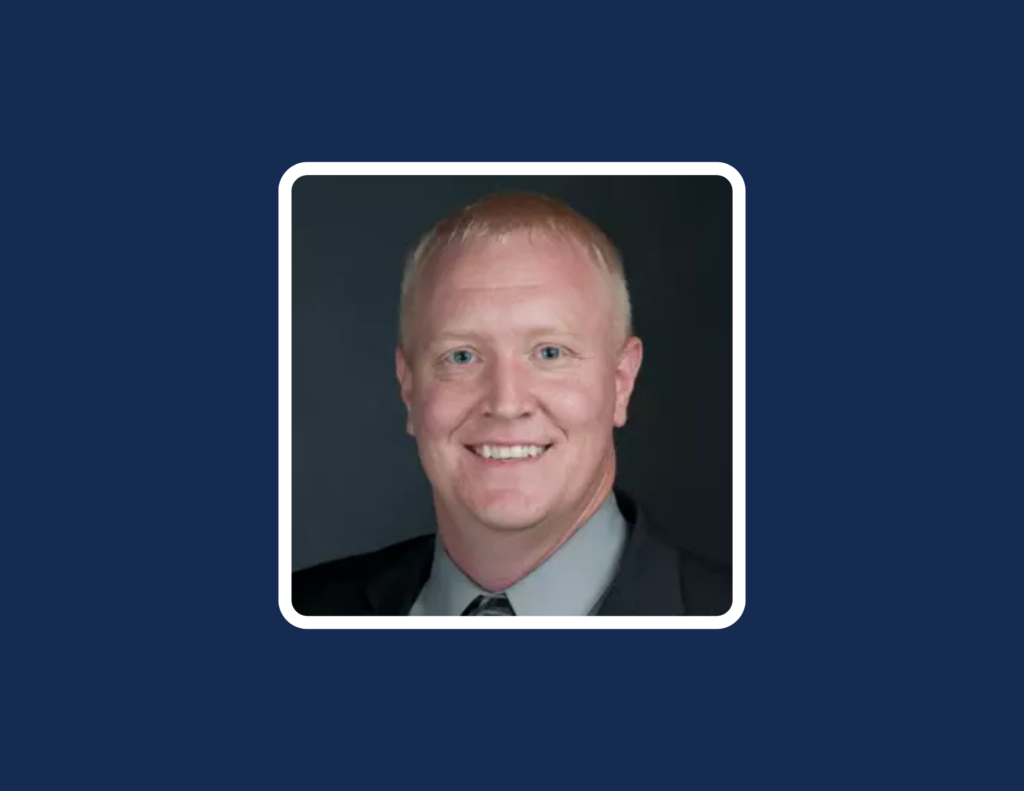
BRAD FISCHER – UNIVERSTY OF WISCONSIN-OSHKOSH WOMEN’S BASKETBALL HEAD COACH – EPISODE 1036

Website – https://uwoshkoshtitans.com/sports/womens-basketball
Email – fischerb@uwosh.edu
Twitter/X – @UWOCoachFischer
If you listen to and love the Hoop Heads Podcast, please consider giving us a small tip that will help in our quest to become the #1 basketball coaching podcast.
Brad Fischer is in his 13th season as the Women’s Basketball Head Coach of the University of Wisconsin-Oshkosh. Fischer has won more than 265 games in his 12 plus seasons and guided the Titans to the NCAA Division III Championship nine of the past ten tournaments. Under Fischer’s guidance UW-Oshkosh reached the Elite Eight in 2022 and the Sweet Sixteen in 2024 in addition to numerous second and third round appearances.
Fischer earned 2014 and 2021 Central Region Coach of the Year honors from D3hoops.com as well as being named WIAC Coach of the Year four times. Fischer has helped UW-Oshkosh win 4 WIAC regular season titles in addition to 6 league tournament championships.
Fischer has led UW-Oshkosh to at least 20 victories during each of his 11 full seasons. His 260 wins entering this season ranks sixth on the WIAC’s all-time coaching list while his .785 winning percentage is fourth best among conference coaches with at least 70 wins.
Previously, Fischer spent five seasons (2006-11) as the top assistant coach and recruiting coordinator at NCAA Division II UW-Parkside. He also was an assistant for the UW-La Crosse women’s basketball team from 2003-06 after beginning his coaching career at Western Wisconsin Technical College from 2000-01 and Gale-Ettrick-Trempealeau High School from 2001-03.
Follow us on Twitter and Instagram @hoopheadspod for the latest updates on episodes, guests, and events from the Hoop Heads Pod.
Make sure you’re subscribed to the Hoop Heads Pod on iTunes or wherever you get your podcasts and while you’re there please leave us a 5 star rating and review. Your ratings help your friends and coaching colleagues find the show. If you really love what you’re hearing recommend the Hoop Heads Pod to someone and get them to join you as a part of Hoop Heads Nation.
Grab pen and paper as you listen to this episode with Brad Fischer, Women’s Basketball Head Coach at the University of Wisconsin-Oshkosh.
What We Discuss with Brad Fischer
- His father’s coaching influence, which instilled a foundational love for the game
- The importance of selflessness and self-awareness in players to foster a successful team culture
- Building confidence in players and teaching them how to win is crucial, especially after taking over a losing program
- Valuable lessons about adaptability
- How the growth of women’s basketball has led to more skilled players entering college programs
- Maintaining strong relationships with players and ensuring their emotional well-being
- Recruiting players with the right mindset and supportive families contributes to long-term program success
- Simplicity in coaching, focusing on players’ advantages rather than complex schemes
- Building a strong team culture and ensuring players feel valued
- Developing coaching strategies based on player strengths and game situations
- Why retention of players is influenced heavily by parental support and understanding of the college experience
- The importance of diverse experiences in developing coaching skills
- Emphasizing hard work and a sharing a clear vision of success
- A successful team is composed of individuals who prioritize collective achievements over personal glory
- The balancing act of managing player expectations, particularly for those who may not receive as much playing time
- Maintaining high morale and ensuring that every member of the team feels valued and important
- The growth of AAU basketball and its impact on recruitment
Like this show? Please leave us a review here — even one sentence helps! Consider including your Twitter handle so we can thank you personally!
We’re excited to partner with Dr. Dish, the world’s best shooting machine! Mention the Hoop Heads Podcast when you place your order and get $300 off a brand new state of the art Dr. Dish Shooting Machine!

Prepare like the pros with the all new FastDraw and FastScout. FastDraw has been the number one play diagramming software for coaches for years, and now with it’s integrated web platform, coaches have the ability to add video to plays and share them directly to their players Android and iPhones via their mobile app. Coaches can also create customized scouting reports, upload and send game and practice film straight to the mobile app. Your players and staff have never been as prepared for games as they will after using FastDraw & FastScout. You’ll see quickly why FastModel Sports has the most compelling and intuitive basketball software out there! In addition to a great product, they also provide basketball coaching content and resources through their blog and playbank, which features over 8,000 free plays and drills from their online coaching community. For access to these plays and more information, visit fastmodelsports.com or follow them on Twitter @FastModel. Use Promo code HHP15 to save 15%
Your first impression is everything when applying for a new coaching job. A professional coaching portfolio is the tool that highlights your coaching achievements and philosophies and, most of all, helps separate you and your abilities from the other applicants.
The key to landing a new coaching job is to demonstrate to the hiring committee your attention to detail, level of preparedness, and your professionalism. Not only does a coaching portfolio allow you to exhibit these qualities, it also allows you to present your personal philosophies on coaching, leadership, and program development in an organized manner.
The Coaching Portfolio Guide is an instructional, membership-based website that helps you develop a personalized portfolio. Each section of the portfolio guide provides detailed instructions on how to organize your portfolio in a professional manner. The guide also provides sample documents for each section of your portfolio that you can copy, modify, and add to your personal portfolio.

Hey, coach! Want to take your team to the next level this season? Introducing GameChanger, the ultimate game-day assistant with tools to give you a winning advantage. With GameChanger, you can track stats, keep score, and even live stream games, all for free! Get the stats and crucial game video you need to lead your team to victory, all from the palm of your hand. Coach smarter this season with GameChanger. Download GameChanger today on iOS or Android and make this season one to remember. GameChanger. Stream. Score. Connect. Learn more at GC.com/HoopHeads
THANKS, BRAD FISCHER
If you enjoyed this episode with Brad Fischer let him know by clicking on the link below and thanking him via Twitter.
Click here to thank Brad Fischer via Twitter
Click here to let Mike & Jason know about your number one takeaway from this episode!
And if you want us to answer your questions on one of our upcoming weekly NBA episodes, drop us a line at mike@hoopheadspod.com.
TRANSCRIPT FOR BRAD FISCHER – UNIVERSTY OF WISCONSIN-OSHKOSH WOMEN’S BASKETBALL HEAD COACH – EPISODE 1036
[00:00:00] Mike Klinzing: Hello and welcome to the Hoop Heads Podcast. It’s Mike Klinzing here without my co-host Jason Sunkle this morning, but I am pleased to be joined by Brad Fischer, Head Women’s Basketball Coach at the University of Wisconsin-Oshkosh. Brad, welcome to the Hoop Heads Pod.
[00:00:15] Brad Fischer: Great to be here, Mike. Thank you for having me.
[00:00:18] Mike Klinzing: Excited to have you on, looking forward to diving into all the great things you’ve been able to do in your career. Let’s start by going back in time to when you were a kid. Tell me a little bit about some of your first experiences with the game of basketball.
[00:00:30] Brad Fischer: Yeah, it’s, I mean, at 45 now, it feels like a long time ago, but I went to a, a little parochial, parochial grade school.
And my dad was one of the coaches that he did all different levels, 5th, And so he was, he was coaching other people’s kids when I was in first, second grade and just started going to his practices and, and I think we started playing games that time as fifth graders. So in fourth grade, I kind of jumped in with his fifth graders and, and started to play and then came home and had talks about, I mean, obviously very basic X’s and O’s and, and what we were trying to do.
And I think that just got all of that going. I mean, it got me in the gym a lot as a young kid, we didn’t have a YMCA or other youth programs at that time, no clubs and things like that. So it was, you played for your school and, and you waited until you’re old enough. But those conversations in the house kind of led to actually me thinking about it a little different maybe than other kids that were just playing and, and, and, you know, that’s just, that’s how it started.
And then going up through junior high and high school, it just became, I got a little bit taller. And then didn’t and then got taller again. So I got a little training in all positions based on varying heights and comparison heights. And so then I learned multiple positions and, and I think just, Got a, got a really deep understanding more than, than other kids just being in a coach’s house and then just looking at things a little bit differently as I got older and, and I wasn’t good enough to, to keep playing through, through all of college and have that be the thing.
So when the playing career was done, wanting to be involved in basketball kind of took hold and, and here I am, you know, 20 some years later, still doing it.
[00:02:27] Mike Klinzing: Tell me about. The influence of your dad in terms of when you think of yourself today as a coach, what are some things about the way that your dad coached or the way that he approached things that you think are still a part of what you do today as a coach?
[00:02:47] Brad Fischer: Yeah, I mean, obviously a lot simpler and, but I think sometimes the simplicity is the piece and. I remember I think I was a sophomore, maybe going into junior year and, and in the summer tournament, he coached us in the summer during high school as well. And we were very basic and if there was a mismatch or there was a matchup on the floor that we could go after, we just did.
And you know, it was, It was way less sophisticated, I think, than it would be now. It was, Hey, you got a size advantage, go post up. And, you know, we weren’t, we weren’t, we weren’t spamming into ball screens to get switches. Like, it was just like, here’s the matchup and go put yourself on the block and go try to score with your size.
And, and so I think a lot of that simplicity is part of the piece. Cause when we talk basketball now, he has no idea what I’m talking about with, you know, tagging ball screens and things like that. But. he brings it back to the, you know, where’s, where’s your advantage at? And I think that’s probably the piece that I forget, honestly, too much sometimes, or are we caught up in this scheme, you’re caught up in the scheme instead of taking a step back and go, where, where are you better and, You know, what’s this game.
And I think that piece we have taken in our program where we look at, we look at where the, where the numbers lie and, and where we should have an advantage and how we’re going to, how we’re going to do that, but I think that simplicity is probably the piece that stuck with me the longest.
[00:04:14] Mike Klinzing: What was your original career path when you decided that coaching was a direction that you wanted to go?
Did you see yourself being a college coach? I know at one point. You coach some high school basketball. Where did you kind of see yourself or was it more a matter of just happenstance and opportunity that you ended up in the college game versus let’s say being a high school coach?
[00:04:34] Brad Fischer: Yeah, it was honestly, it was almost neither.
I, I got to college and, and I didn’t come from a super 18, 000 people in town, but we always tell our girls now, you don’t know what, you don’t know what you don’t know, and so I have girls that show up for visits and aren’t a hundred percent sure of what they want to do for a career and And, you know, most people it’s, well, what have you been surrounded by?
Or, or what is, what are the people in your town do? And so coming from where I came from, it was pretty limited. Like I thought I was going to teach and coach high school. And then I get to college and find out, and I start working in the athletic office and find out there’s a job called sports information and there’s people working in promotions and there’s all these jobs in sports that in a town of 18, 000 people without a college, I didn’t know existed, so, you know, I actually started working in the SID office and I was doing press releases and programs and media guides at the time.
And I loved it. Like it was, I’m a little bit of an introvert at times. So like I got to work on my own. I got to, you know, put together a really nice media guides. And I’m like, this is great. I get to be in. And the numbers and stats and, and I still get to go to the games. Like I get a great seat for these games.
So my plan was to, to go be an SIDI actually interviewed, graduated in December of, of my, would’ve been my ninth semester and co college had a SID opening. So I interviewed at CO for their head, asked ID and, and thought, well, this is just perfect timing. Like jobs like this, don’t come open that semester. I need a job.
And they ended up hiring internally and I had to pivot and decided then that I was going to go to grad school and pursue sport administration as a degree. And, and during that time I got connected after coaching in high school, which really I was just doing to stay around the game and make a little money.
And the women’s coach at UW lacrosse had offered me a chance to come help with their team. With grad school, I was going to be on campus every day and I was driving 45 minutes to the high school job. So I thought, well, this is another good way to just stay involved. It won’t mess up any of my grad school stuff.
And then I got with that group and that was my first time coaching a women’s team. And I just fell in love with it and they listened. They wanted to be coached. They really wanted to do what you asked them to do. And I think that was probably the biggest difference that I saw from coaching boys in high school was there was a little resistance at times.
A lot of times athleticism kind of overrode what you maybe wanted to do. If boxing out was a little less important at times the fundamental pieces for some guys weren’t quite as important. And I got to coaching women and they just wanted to do what you ask, but do it at the best level that they could.
And I kind of gravitated toward that. And then. Started recruiting in my second year helping out there and that was the grad assistant that year. And once I started recruiting and, and got involved in trying to build the team and figure out what makes a good team and how do you put that, those pieces together, I fell in love with that whole piece and then the relationships.
And it just kept one thing piled on top of another, and it became a passion where these are, these are checking the boxes of, of things that, that You know, I didn’t know it was out there in a career, so that was never the plan, but it turned into a pretty special start and it’s continued ever since.
[00:08:00] Mike Klinzing: All right.
So tell me a little bit about in the experiences that you have leading up to getting the head coaching job at Oshkosh. I know you’re at D2 UW Parkside. What did you learn as an assistant coach that you feel like really helped to prepare you for getting that head coaching job? And obviously you’ve had.
The job at Oshkosh for more than a decade. So we’re going back a little ways, but just when you think about your time as an assistant, what were an, what was an experience or two that you feel really helped you when you eventually became a head coach?
[00:08:33] Brad Fischer: Yeah. I remember leaving the GA and that was, Full time for a year at lacrosse before going to Parkside.
I remember leaving there thinking that I had a lot of the answers and then I knew, I knew, I knew what I was going to do when I became a head coach. Or I, I thought I had a lot of things figured out. And then when I got to Parkside and, and. It was just me and our head coach and, and she gave me a ton of responsibility.
She’s a great, I mean, I still think she’s the best coach I’ve ever been around. And she played at Louisville and Jenny Knight was, she was a legend in Wisconsin as a player. And, and she, she just, she opened the door and said, here, you, you’re in charge of recruiting. I need you to do a scout every week.
I need you to, you know, here’s the list. And once I got into the list, I realized that I had no clue what went into a program. So I was with her for five years and, and my first year, I think we won maybe 11 games. The last year we went to the sweet 16 and got, I think in the low twenties and wins 23 maybe.
And, and just that whole process of and her letting me have a pretty big stake in it, honestly. And and do meeting academic meetings with kids and be involved if there was discipline or other issues like it was just I had an opportunity at division one at the same time that the Parkside job came open and and remember in that interview being told like here’s the two things you’re going to do and I think the best investment I made was taking less money at a lower level and having my hands and I think I learned a ton about about program building, about relationship building.
And then she taught me so much about prep and that it’s your responsibility to find an answer. And I remember we played Drury, who was a D2 power to have been as long as, as I’ve been in women’s basketball. And, and I remember I had the Saturday scout for them and And I came to her on Thursday after our Thursday game when I normally would hand the scout over and I’m like, Jenny, I don’t know how we can beat this team.
Like, they’ve got, they’ve got Molly Miller who was, who’s the coach now at Grand Valley, or down in, in Arizona at, at, I forget where she’s at. But she’s, she was a player for jury at the time and they were loaded. And I remember coming over with a scout, like, here’s what they do. Here’s who they are, but I don’t know how we’re going to beat them.
And the next, the next morning she comes back after watching the film and taking my scout and she’s like, well, we’re going to play one, three, one. And I’m like, we’ve never played one, three, one. And. And sure enough, like Friday we put in 1 3 1 and it wasn’t, it wasn’t like we didn’t have every, every E cross and I doubted but, but she felt like it would mess up the rhythm and, and our kids could get behind it and they did and we didn’t play it the whole game but we played it enough especially at the start to kind of throw them off.
We ended up winning the game and, and she taught me, when you talk about moments, she taught me that you gotta, it’s on you to figure it out and. And, you know, we had that situation happen last year a little bit. We played zone for the first time in my career, started a game as a head coach. We played it the whole game.
We played it again later in the year, the whole game. And she just, she was a great reminder. And I think back to it all the time, like, regardless of the situation, who you play, what the matchup looks like, like in your spot, you, it’s your job to figure it out. And I think that, that piece has stuck with me a lot.
And she put a lot of confidence in me that. You can always find the answers. And we tell our team men all the time, if you stick with it for 40 minutes, we’ve got enough answers between our coaches and our players to get things figured out. And I think that has resonated with me.
[00:12:21] Mike Klinzing: Absolutely. I mean, that ability to adapt.
moment to moment, game to game, season to season, I think is one of the hallmarks of really good coaches. As you look at your personnel, you look at who you have to play against, and then you figure out to your point, how are we going to do this? What’s the plan? How are we going to figure it out? And obviously it doesn’t always turn into a victory.
It doesn’t always turn into, Hey, we’re going to go undefeated in our season. But when you have, when you have the ability to, to adapt. One for yourself as a coach, it gives you so many more options in your toolbox. And then number two, for your players, when you, when you teach them to be adaptable and they’re able to take what you give them on the fly and make it work, you just become a much more resilient and more difficult team to prepare for.
And I think that’s something that it feels like there is, there is far less system coaches than there used to be. I see a lot more coaches and I hear a lot more coaches talking about what you just described where. Hey, in this particular matchup or this particular game, we need to try and do something different in order to be able to allow our team to have success.
And so I think that’s a tremendous lesson that you learned. And then the other thing that really struck me when you were talking there, Brad, was about the opportunity to go to a Division I school where there’s obviously a much bigger staff. And your responsibilities are more narrow versus going to division two, where you were going to have a lot more responsibilities and be able to put your hand in a lot of different things.
And it’s interesting because obviously on the podcast, we’ve talked to coaches who have started their careers sort of in both places, right? We’ve had coaches that have started out at the division one level, and then we’ve had coaches that have started out at the division two or division three level.
And I hear that same sentiment that you just expressed from the coaches that started at lower levels saying, I feel like I’m a way, way better coach and have a much better understanding of the totality of what goes into a program because I started at those lower levels where I got to have a hand in the administrative stuff and the recruiting and the scouting and just everything that goes into building a program.
Whereas in division one, because the staffs are so large, your responsibilities are much more. Narrow. And of course, when you think out into the greater public world, most people, when they think of college basketball, they think of division one. And so when kids are 10 or 12, or even when they’re in college, that’s what most people dream of in terms of getting to that level.
But when you start talking about what makes someone a good coach, I think that the ability to have your hand in so many things early in your career definitely makes for a And experience that you don’t always get when you’re at the higher levels. And it sounds like that’s the experience that you had for sure.
Yeah. And when I showed up
[00:15:08] Brad Fischer: to that interview and all the coaches were at the dinner table the first night, the assistants were texting recruits the whole time and that’s 2005 or six. So I barely had just gotten a cell phone. So I, I was not, I wasn’t, I wasn’t texting recruits yet at our level. So there was just a bunch of those things I wasn’t going to be able to scout and I hadn’t done a full scout in, in my time at lacrosse.
So like, yeah, I just, I think things would have been so different for me. I mean, I know they would have, but I could have been at eight different schools for a year or two. And, and I, you know, that part I don’t think fits my personality. So people still think when I go back and they kind of look at me sideways that I turned that down coming from a D3.
That was a huge opportunity coming from E3 as a, as an assistant coach for three years. Getting a chance to go to division one and at a mid major conference. And, and it didn’t make sense to a lot of people, including my family at the time. But I, I, I felt like if I am going to do this for real, I’ve got a lot of learning to do.
And, and at least I feel like I had enough self awareness at that time, but know that that was the right move.
[00:16:18] Mike Klinzing: Tell me about the interview process at Oshkosh. What do you remember about it? And why did you feel like it was the right opportunity for you at that moment?
[00:16:26] Brad Fischer: Yeah, I, I felt like we had a lot of success at Parkside and, and we were not fully funded, so I felt like we got the Sweet 16 that last year that I was, that I was coaching, and it just felt like we probably hit our ceiling at five and a half scholarships and, and going against schools that had 10, and, and so when Oshkosh was open I mean, it was the program when I was at lacrosse, which would have been six years earlier, Oshkosh was the program, like it was them, Stevens Point, and, and Eau Claire, and it was the same three schools.
So I knew you could have success there. They had won a national title in the late 90s. So, you know, there’s not a lot of schools at our level that have won national titles. So I knew that part was possible. We’ve got a great league, so you know when you’re in our league, if you can win our league or compete at the top of our league, you can compete nationally.
And I say it to girls that come visit all the time, if we’re going to put in all the work that we do for 12 months a year, but especially for the players, you know, from the time school starts until the end of, the end of March, like, you want to have stakes when you play. And, you know, in 13 years, every game that we’ve played has had something on the line, whether it’s playing for a conference title.
Trying to be an at large team. Like, literally whatever we’re at now, 300 some games that I’ve coached here, going on 350. Like, every game has had something on the line. So so that was the process for me. And, and luckily, I just, I’d, I’d been in the state the whole time, which I think helped me a lot.
My connections through AAU programs, I think, moved the needle for them a little bit that, you know, having been at lacrosse in the northwest side of the state, And then at Parkside in the southeast corner, like I’ve, I recruited Minnesota and Illinois. And so there was just a big web over those nine years that I had of experience going into that.
And I was still young. I was like 30, 32, I think when I interviewed. So to have, you know, nine years of college experience with some high school. So I’m in double digits at 32 with coaching experience. I think it was just the perfect storm. And, you know, I was fortunate enough that that was a match because that’s the other piece.
And I’ve told my assistants that I’ve went other places like you can have this job that you’re staring at, but you have no idea who else is interested in it. Like, is there a Hall of Fame alum? Is there a coach that used to coach that wants to come back? Like, you can have your eyes on places that you think that’s where I want to end up.
Like, when I left lacrosse, I thought, like, I want to come back here and be the head coach someday. And. As I’ve moved along, like that job had opened a few times and, and I realized like I have one of the best jobs in the country where I’m at. So you just never know. And, and you just got to do all the work that you can to put yourself in position for when something of, of like Oshkosh or a place that you can win at that you’ve done the work that puts you in a position to at least have a chance and that’s.
Kind of what I felt when I interviewed there and I’m like, I know you can win here and that doesn’t mean you’re going to, but there’s gotta be an infrastructure in place that has allowed that to happen in the past.
[00:19:31] Mike Klinzing: So when you step in there and they had been a little bit down for the couple of years before you got there and obviously had a great history of the program.
And as you said, when you looked at it, you knew that the capability to win on a high level was there. What did you have to do? in your mind to come in and sort of reestablish what the Oshkosh women’s basketball program had been? What were some of the keys to those first, let’s say, two, three years to get the program going in the direction that you wanted it?
[00:20:02] Brad Fischer: Yeah, there, I mean, there was a big confidence gap I think in, because in our league, and I’m sure most leagues feel this way, but in our league, the margin is pretty small. Even, you know, the best teams have typically the most talent, which I think is always true. But, In our league, the team that finishes 7th and 8th has a ton of talent, too.
There’s not, like last year, our two teams that didn’t make the conference tournament both had multiple ranked wins during the season. So, like, it’s just a fine margin between being really good and not making the conference tournament in our league. And so I thought there was a huge confidence gap for the players that I inherited at Oshkosh and what they thought was possible because they just didn’t, they hadn’t experienced it.
They were 1 15 the year before I got there. They didn’t understand what’s the process for making the NCA tournament. Like we, we had a parent come in, we were six and two my first year and had a parent come in that was upset that that daughter didn’t play in our trip to Vegas cause they fundraised for it.
It’s like, this is not, this is not a you, this is not a, this is not a club, a club trip to play. Like we’re trying to make the NCAA tournament, which they thought was crazy. You know, at, eight games into my career, but we finished that year 20 and six and, and we’re on the bubble. D3 hoops had us in, you know, on the night before the selection show.
So like they just, they just didn’t understand, you know, what, what the landscape was. And I think once we got them feeling like they could win games, which we did right at the start, we pulled a couple upsets early. Like we were able to kind of turn the, like the investment a little bit, like, you know, And I was really fortunate.
I had three seniors that first year that had lost a lot of games their first three years that stuck with it, that were good players. And they were willing to do anything. And I think they saw the vision. They saw how much prep was going in. Like, our scout reports were way different than what they had done.
I think our purpose to practice and what we were trying to accomplish connected with them. So and we always felt like we had a plan and that’s what Jenny at Parkside taught, told me too. I You’ve got to, if you’re going to go in with a plan, you better be able to sell it and get them to buy in and be on board and feel good about it.
Even like you said, even if you don’t win the game or it doesn’t work out, like everyone’s got to go in feeling like this is, we’re all on the same page. And I think that group helped sell that down, down the line to the, to the new girls, to the young girls. And then and then going out to recruit, it was just, we had enough success that first year.
And I felt really good about the connections and people knew that we had done really well at Parkside. So I think they felt like this guy has at least an idea of how to help rebuild this and, and we hit the ground running and won 20 that first year and, and they’ve done it ever since. And I think that was that’s that turn of the confidence and the purpose probably were the biggest things.
And, you know, that sounds simple. Like we obviously did a lot of stuff for culture and, and try to make this a place people wanted to stay at. And they weren’t just coming to try it out and see how it goes. And now in year 13, a lot of those things that we did in year one and two are still hallmarks of, of our program.
[00:23:10] Mike Klinzing: When you go out on the road and. You’re recruiting and whether that was early on or where you are now, what are some of the things that you’re looking for in a player? And obviously, again, I’m not necessarily talking about basketball skill wise because there’s a certain level of skill and talent that you have to be able to have in order to play college basketball.
But thinking more along the lines of intangibles, culture, like what kind of kid are you looking for? That you want to bring into your program. And then what are sort of the telltale signs that you’re looking for or that you’re, when you’re talking to, whether it’s an AAU coach, a high school coach, a parent, what are some of the clues that you’re looking for that let you know that, Hey, this, this girl might be a good fit for our program?
[00:23:54] Brad Fischer: Yeah, we always, we talk about being selfless and self aware. And I think those are the two, like they hear it every time they come on a visit, they hear it at elite camps, like. We want really selfless kids that you will have to sacrifice. Like we’ve got 15 All State players, high school All State players on our roster and I might be under, underselling that.
It might be 16 or 17. So someone’s showing up and not in the rotation that was just All State in our, in our state or in Illinois or Minnesota. And I think that selflessness is, is number one. We’ve had a ton of years. We’re in another one this year where we’ve got Like, I, I’m not even sure who our leading scorer is, we’ve got, I think we’ve got three kids between maybe eight and eleven points a game, we’ve got a bunch of sixes and fives, like, that’s kind of been the makeup of our team, we’ve tried to be bulletproof to graduation if, if we’re doing a good job developing and we haven’t focused on one or two players that need to carry us that we’re going to be able to survive graduation and, and moving on to the next class, so that selfless piece is first.
Self aware in them understanding that, you know, they’re not perfect, nor do they need to be that they’re not great at everything. We don’t need everyone to prove they can score at the rim, hit a pull up, hit a step back three, like, and I think we’ve got a really good self awareness to ourselves as a program, but also individually the stuff we need to work on and limiting, limiting our weaknesses and making sure that we don’t put everything on display for people every night that.
We’re going to try to prove something, and I think those two things, character wise, for our girls have stood out. And families have been a big part, too. Like, we’ve never had a player transfer out of our program to play somewhere else in 13 years. And it starts with parents who tell their kids, Hey, like, you’re not getting the minutes, or maybe you don’t have the role you want right now, but If you keep working, you’re going to have your time and your moment.
And, you know, I know when, especially when we got started and, and just hearing other programs and seeing retention in other places, like, I think people have a different, different sense of what college is going to look like. I think we do a good job of painting the picture. Like it’s not going to go perfect.
There’s going to be a lot of ups and downs as a freshman. You may not play a ton. I know we’ve lost some players telling them that. But I know it’s, I know it’s the truth and I, and then they’ve gone other places and not played there right away, even though they said they wanted to go somewhere they were, where they could play.
And so I think those, those have kind of been the hallmarks of what we look for. And, and I think the biggest things I’ve learned to listen to are when, when families come for Venice, we, we usually eat with the parents at lunch and, and the, the player will go with our players. So they can ask about us and, and talk about what player life is like.
I’ve picked up a lot of subtle things from parents and, and kind of getting a sense of how, how does basketball get talked about at their house? And you know, we’ve, I’ve had, had parents show up and tell me the, you know, in July, the date that their kid is probably going to score their thousand points in December.
And that’s a huge, that’s a huge red flag to me. Like if, if that’s. If that’s the focus, like I love, I want parents that are passionate about their kids and really involved and, but if, if it’s all about their stats or their numbers or their recruitment and there’s obviously lanes for that. Like there’s certain times of the year when that, when those things do need to be the focus and maybe parents feel like they do need to sell kids.
Usually by the time we’ve gotten on a visit, we’re not in a sales part anymore. Like we’ve, we’ve talked to enough coaches, we’ve figured out where they’re at basketball wise and what kind of people we think they are. And we want to hear parents and families that want to show up and support the Titan or, or cheer for Oshkosh.
And I think that first year, one of the things I saw was I had a bunch of pockets of parents around the gym that were kind of sizing everybody up and trying to figure out where does my kid fit. And, you know, I kind of hope this kid maybe doesn’t play great. So my kid gets a chance. And I think the evolution of our program has been, we’ve got a group of families and parents that, you know, the, we’ve got a senior parent all the time that’ll send the email and let people know, Hey, this is where we’re going for dinner.
This is where we’re going to go for drinks after. This is the hotel we’re staying at, and this is where the team is at. And they’ve just been great supporters of our team. You know, the best parents I have are the ones whose players don’t play as much as they wish, and I wish they did, that will come up at the end of the year and tell us that their kids having a great time.
And I think that’s, we’ve been able to identify those parents in the recruiting process better and better as time has went on. And now I’ve got a group that, regardless of what our record is, I love coaching and I love, I love seeing their parents on Saturdays at games, or if we’re at the hotel in the lobby waiting for the girls when we come back, You know, if we have dinners after a Friday night game that they kind of sit with our team.
And I think that part has helped our culture and they’ve become our best recruiters and, and they’ve done a really good job of kind of moving things forward for what it takes to, to be a perennial program. That’s always trying to compete for a national title.
[00:29:12] Mike Klinzing: It’s interesting because oftentimes I think people think of when you get to college basketball, that the parental side of it is maybe Less important than it is at the high school level.
And I’m guessing there’s probably less communication between you and the parents on your team than there might be between a high school player and parents and a high school coach. But still, it’s really interesting to hear you talk about just how important, again, that messaging that the players get at home from their families, because we all know that when you have those outside influences, right, those are people in, in terms of the parents who aren’t in your locker room, who don’t know what’s going on, you know, moment to moment.
And if that messaging coming from home is bad and gets in the ear of players it’s easy for that stuff to infiltrate the locker room and kind of. knock down all the things that you’ve been trying to build in terms of the culture. So when you start talking about, Hey, it’s right from day one, making sure that not only is the kid the right fit, but is the parent the right fit?
Because like you said, I think the idea, this is always something that I don’t think that a lot of parents, if you went to AAU tournaments and you talk to parents or players of kids who are in, let’s say seventh through 11th grade, I don’t think they necessarily always understand that. You know, just because you’re a great high school player, you’re a great AAU player, you’re not walking into any level of college basketball and the coach isn’t just handing you the ball and saying, all right, go play your 38 minutes with the ball in your hands and do whatever you want, which is what everybody’s dream probably is when they’re in when they’re the parent of an eighth or ninth grade basketball player.
And so I think to just to be able to inject you know, some realism into what this whole process and what this thing is all about. I’m sure as you’ve said, has benefited you in terms of how you, how you go about putting your program together. Tell me about just the process of being on the road and from a women’s basketball perspective, how has the AAU basketball landscape changed for you as a head coach on the women’s side in terms of just the number of girls participating in the tournaments and just sort of the explosion of girls AAU basketball, which again, when you think back.
15, 20 years ago, I’m sure it was much more difficult to be able to, you’re, you’re, you were scouting a lot more high school games, I’m sure than you are today, where you just have the opportunity to be able to see all these kids at, at all these big AAU events.
[00:31:43] Brad Fischer: Yeah. It’s, I mean, women’s basketball is the best place it’s ever been.
And I was like, it’s now we’re in the third generation, a lot of cases of girls playing. And I think that’s the biggest difference for boys is like a lot of players that I coached when I first started, like maybe their mom played but maybe not. And now I’ve got girls, now I’ve got girls who’s, who’s grandmas potentially played, but for sure their moms did or likely their moms did.
So that in itself has been a huge difference. It’s why the skill level’s getting gotten so much better. But yeah, when I first started out, like there was a handful of AU tournaments, it was the best of the best playing at those, and then it was a lot of high school or high school. Team camps or high school tournaments in the summer and it’s, it’s evolved a ton.
I mean, there’s, now there’s, we can’t even figure out some weekends where we should go because there’s five different tournaments and, and last summer we spent more time on streams than we did traveling because it was, you know, it’s 1200 bucks to go to one tournament if we get in hotels and driving or we’ve got five tournaments that we try to jump in the streams on and just check in with kids.
So. That part is, has moved the needle a ton. I think kids are a little more willing to travel now than maybe they were back then. So we can get players from a little further away than maybe when I first started. But the growth of the game has been, has been huge for us and it’s made our level better.
And it’s just kind of trickled down from, from the top down where the best players, I mean, my My players that are part of the rotation right now are so much more skilled and talented than than those, the players in that same position 15 years ago. And that’s why I actually think the parents are important part now because these kids are like, a lot of them, it is their first struggle because they were the best player in high school.
So they were, they were getting the ball, they were getting the minutes like, and, and now they, they show up and have to have to look at things a little different. My players right now are all the best they’ve ever been as basketball players, but some of them don’t feel like it because they’re not as good relative to the people they’re playing against every day.
And I think that’s a, that’s a different piece that we try to pay close attention to. And, and I think as the game continues to grow and more players continue to play, I think that realization and, and that psychology becomes more important for girls as they move into college. Cause I think that has been a part of, of retention and, and girls quitting or transferring is that it’s, it’s such a, a change to what they had been used to growing up, probably being the best player or one of the best players in their area.
So I think that part we’ve paid a lot of attention to, and I think as more and more players play and get better, like that’s only going to increase too.
[00:34:22] Mike Klinzing: How do you balance that in a practice setting when you have, like, how many girls do you have on your roster?
[00:34:29] Brad Fischer: Well, this year, so we had three with ACL, so we have more than we normally, we have 21 in our program.
Typically we’d have 18 but we knew, we knew this year we were going to have people out with injuries. So we actually have, have a couple out for the year and then a couple working on rehab right now, so. Normally we have 17 or 18 is our normal, our normal number.
[00:34:48] Mike Klinzing: How do you balance the opportunities and practice for maybe those girls who aren’t getting the minutes and games that they would like to make sure that they’re continuing to develop and just how do you keep their morale high?
[00:35:02] Brad Fischer: Yeah, I mean, it’s been a huge part of who we are. We have, we have more players that don’t play as freshmen, play little as sophomores that become all conference players than anyone in our league. And I think we, we don’t do a whole lot, like we don’t have a scout team. We never, I mean, there’s times where, you know, at the end of the year, players that maybe aren’t in the rotation play together a little bit more, but I mean, we, we do a lot of mixing and matching and And making sure that our young players are playing with our vets and our starters to, to get better reps and better quality reps with them.
And, and also just to see like, Hey, they’re all in the right spot and you’re kind of not. Right. And when you play with four good players that have experience, like you’re going to feel a little bit out of place, but the more you do it, the closer you get. So it’s a, it’s a balance of making sure obviously we build chemistry and that the players that aren’t playing the most.
Get reps together in practice, but we try as much as we can to, to not really worry about in practice who’s who’s in what group together. Do we have, do we have someone to take the ball out? Someone to bring it up? Like if we play five out, so if we’ve got two fours, a three and a two and a one, like we should be good to play.
So I think we’ve done a good job of, of trying to make sure that we’re getting better every day. And we’re lucky. I think. With as many good players as we have, our bar is pretty high every day, and I think teams that don’t have the depth that we do probably have a harder time getting better every day in practice, so we kinda stress that piece, like, you’re, you’re surrounded, whether you start and play 28 minutes or you don’t play a lot, like, Every day you’re getting a nationally ranked team on the other side of you to get better in practice.
And I think we’ve done a good job of, of just kind of being like, it kind of doesn’t matter who’s out there. And when people get hurt, like we had last year in the NCAA tournament, like people ready to step up. And, and I think that mentality and that selflessness is a piece of that too, where everyone understands, like, it’s our responsibility to help each other get better so that when it’s their time, they’re ready.
And, and whether we always say it’s never your time, it’s. Or it’s never your turn, it’s your time. And we’ve, we’ve avoided the, Hey, now I’m a junior or senior. I didn’t play much. Well, now it’s, it’s my turn. Like that your, your turn is earned. And so for us, it’s about being ready when it’s your time. And I think we’ve done a really good job and our players have done a good job.
When it’s their time and their numbers call, like they’ve done the work at a time. And we had the best off season we ever had this year. Cause you know, we were two points short of the elite eight. That team went to the national championship game. So we’ve got a hungry group and they’ve done a really good job motivating and pushing themselves.
So I think they’ve done a lot of that work for us.
[00:37:47] Mike Klinzing: All right, before we wrap up. Two part quick question, biggest challenge moving forward and your biggest joy. So what do you see as being your biggest challenge over the next year or so? And then what brings you the most joy about what you get to do every day?
[00:38:01] Brad Fischer: Yeah. The biggest challenge for me is, is just trying to have a program where it’s impossible to keep everyone happy, but to keep everyone feeling like they’re an important piece to what we’re doing. And I struggle every day with people that don’t get the playing time that, that they wish or that I wish it’s, it’s hard for me.
As I get older, like when I was younger, I was, I was way too cut through. I was worried about winning games and X’s and O’s and, and, and I still struggled making sure I have the right relationships, you know, 24 seven. But that’s the, that’s the biggest one. I, the biggest joy though, is I still, I know what it’s like to, to watch people go through a college career, not just as a player, but the ups and downs.
And we deal with a lot of real stuff as, Time goes on over the five years from recruitment till a kid graduates and, and that piece, and senior day is, is the hardest day I have, but it’s also the best, the best day of looking back at everyone’s story. And I still have, I’m still young enough to be able to keep a good memory of where was I when they committed.
What do we talk about, you know, what was your career going to look like, and then how does it end up, and it never matches exactly what we talked about, but we’ve gotten so many great highs and so many great moments that when I get to senior day and write their senior speech, there’s always tears because we kind of look at each other like, wow, it’s unbelievable how much we’ve been through together.
And then, you know, seeing them come back on alumni day is probably the next biggest joy of, you know, we’re having 30, 40 people show back up and, and it’s, and, and they’re all cheering for our team. They don’t, they want our next team to be the best team. None of our alums are hoping that we don’t do as well.
So they’re the team that people talk about. And I’m super proud of that. So you know, we have a special program and I’m super proud of our, our girls and our parents for maintaining it. I’m super excited. And now we’re, you know, in the top five in the country right now. We’re trying to get to a final four, which is something that we have not done during my time and, and that’s our mission.
[00:40:05] Mike Klinzing: All right. Before we get out, Brad, I want to give you a chance to share. How can people get in touch with you, contact you, email, social media, whatever you feel comfortable with. And then when I’ll jump back in, I’ll wrap things up.
[00:40:17] Brad Fischer: Yeah. FischerB@uwosh.edu I’ve done a lot of high school clinics with people on Five Out.
We run a lot of Five Out. We run the pack, which is very, very popular in Wisconsin, especially when Dick Bennett was coaching here. But so email, I’m also on X @UWOCoachFischer. I have a lot of Milwaukee Bucks takes, probably more than my own team, but I feel a little more comfortable talking out loud about them than us, but yeah, and I love pulling people’s stuff.
I got 600 plays bookmarked right now on X. So at some point I’m going to get back in and pull those, but that’s, that’s been a great place for sharing and for people to connect. So we’re still there, but I really appreciate it, Mike. And it was great talking to you.
[00:41:04] Mike Klinzing: Absolutely. Brad, I cannot thank you enough for taking the time out of your schedule this morning to join us.
Really appreciate it. And to everyone out there, thanks for listening and we will catch you on our next episode. Thanks.