Counseling has emerged as a vital component in the world of athletics, playing a crucial role in enhancing an athlete’s performance and overall well-being. Traditionally, the focus of athletic training has been on physical conditioning and skill development. However, the psychological aspects of performance are now increasingly recognized as equally important. Counseling provides athletes with the tools to manage stress, overcome mental blocks, and build resilience. By addressing issues such as anxiety, motivation, and self-confidence, counseling can help athletes reach their full potential both on and off the field. This article delves into the various ways counseling positively impacts athletic performance, backed by insights from psychology and real-world experiences from athletes.
Goal Setting
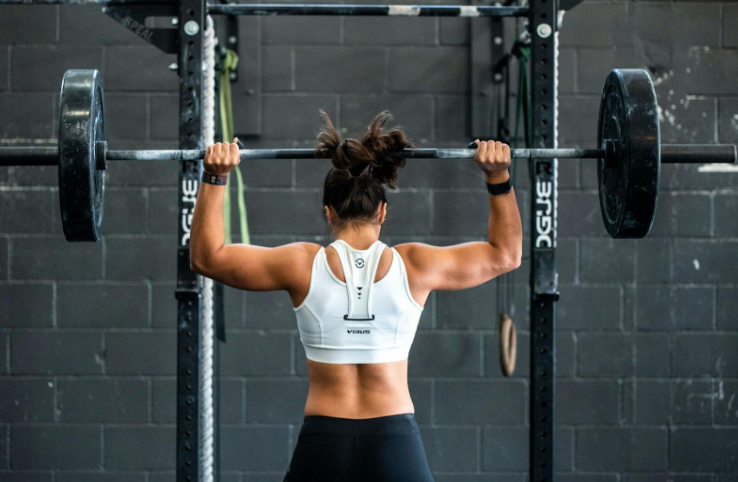
Counseling assists athletes in setting realistic and achievable goals, which is essential for maintaining motivation. Clear, well-defined goals provide a sense of direction and purpose, making it easier for athletes to stay committed to their training and competitive endeavors. Counselors work with athletes to break down long-term objectives into manageable steps, ensuring gradual progress and sustained motivation.
Effective goal-setting also fosters a sense of accomplishment. As athletes achieve their set milestones, their confidence gets a significant boost, propelling them to tackle increasingly challenging goals with renewed vigor. Plus, the mental game of sports is heavily reliant on self-belief and confidence. By setting achievable goals, athletes can build a strong foundation for their mental game.
Positive Reinforcement and Self-Belief
Building self-confidence is another crucial aspect of sports counseling. Positive reinforcement from counselors, coaches, and peers helps athletes to recognize their achievements and capabilities. This support system plays a significant role in strengthening an athlete’s belief in their own abilities.
Counselors often use techniques such as affirmations and reflective practices to nurture a positive self-image. By focusing on their strengths and past successes, athletes can build a strong foundation of self-belief that carries them through both training and competition, enhancing their overall performance.
Identifying Triggers and Developing Coping Mechanisms
Anxiety and performance pressure are common issues that athletes face, often impacting their ability to compete at their best. Counseling helps athletes identify the specific triggers that cause anxiety, allowing them to develop personalized coping mechanisms.
This process includes strategies like visualization, controlled breathing, and mental rehearsals to manage anxiety symptoms effectively. By understanding their triggers and having a toolkit of coping mechanisms, athletes can maintain composure in high-pressure situations, leading to more consistent and confident performances.
Creating a Supportive Environment
A supportive environment is crucial for managing anxiety and performance pressure. Counselors work with athletes to create a network of support that includes coaches, peers, and family members. This community offers emotional backing and practical advice, helping athletes feel understood and less isolated in their struggles.
Through open communication and consistent support, athletes can share their concerns and work collaboratively with their support system to find solutions. This network not only alleviates pressure but also encourages a more wholesome approach to competition and training, ultimately leading to better performance and well-being.

Counseling plays a significant role in the overall development and success of athletes. By addressing mental and emotional barriers, setting achievable goals, building self-confidence, and creating a supportive environment, athletes can enhance their performance and achieve their full potential. As the importance of mental health continues to be recognized in athletics, counseling will undoubtedly remain an essential tool for athletes striving for greatness. With continued support and guidance from qualified counselors, athletes can continue to break barriers and achieve their goals in both sports and life.