RYAN WHITNABLE – FOUNDER OF THE GREAT LAKES INVITATIONAL D3 BASKETBALL TOURNAMENT – EPISODE 1323
Website – https://mydepthchart.com/
Email – [email protected]
Twitter/X – @mydepthchart

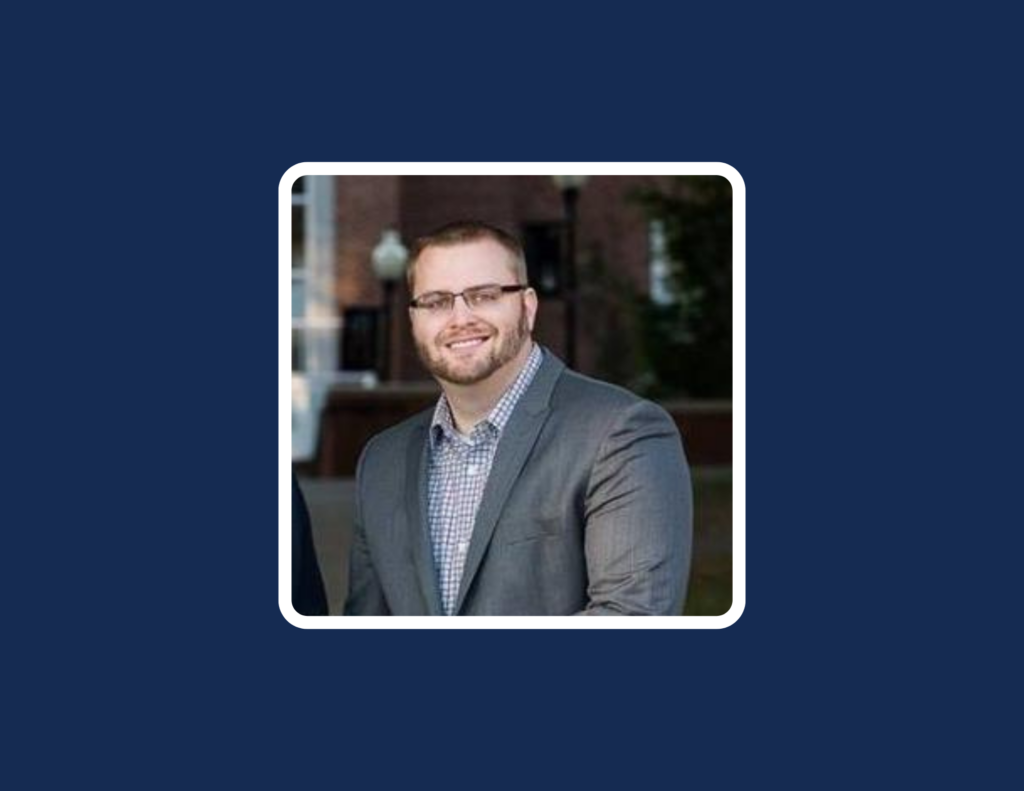
Ryan Whitnable is the Founder of the Great Lakes Invitational, an 8-team premier Division III event that brings together nationally respected programs. The 2026 Great Lakes Invitational is scheduled for November 20 – 21, 2026, hosted by Ohio Wesleyan University at Branch Rickey Arena in Delaware, Ohio. This year’s participants include Berry, Denison, Illinois Wesleyan, Johns Hopkins, Marietta, Ohio Wesleyan, Redlands, and St. Joseph’s (ME).
On this episode Mike & Ryan talk about the Great Lakes Invitational Division III basketball tournament’s history, mission and upcoming ninth edition at Ohio Wesleyan. Ryan traces the event’s start to an idea for bringing top teams from the Great Lakes region together, which became a tournament after Marietta coach John Vander Wal agreed to help if Ryan could recruit seven teams. He describes the year-round planning behind it, including finding a host with suitable facilities, building travel and meal support, and balancing coaches’ requests when setting matchups. The episode also celebrates Division III basketball’s high level of play and welcoming community, and previews teams and games on the tournament schedule. Ryan says fans can attend in Delaware or watch all eight games streamed free on Ohio Wesleyan’s website.
Follow us on Twitter and Instagram @hoopheadspod for the latest updates on episodes, guests, and events from the Hoop Heads Pod.
Make sure you’re subscribed to the Hoop Heads Pod on iTunes or wherever you get your podcasts and while you’re there please leave us a 5 star rating and review. Your ratings help your friends and coaching colleagues find the show. If you really love what you’re hearing recommend the Hoop Heads Pod to someone and get them to join you as a part of Hoop Heads Nation.
Get a preview of the 2026 Great Lakes Invitational and learn more about the tournament’s history as you listen to this episode with its Founder Ryan Whitnable.
The Hoop Heads Podcast was recently selected as #4 on a list of the 47 Best Basketball Coaching Podcasts. Check out the list here – https://podcast.feedspot.com/basketball_coaching_podcasts/
Feedspot is an RSS Reader that lets you follow your favorite podcasts alongside blogs and news in one place.
What We Discuss with Rohan Amin & George Perkins
10 Key Takeaways for Basketball Coaches
- Seek competition that prepares your team for meaningful games.
Ryan describes the Invitational as a weekend of NCAA-tournament-level matchups, bringing together strong Midwest programs and teams from farther afield.
- Turn a good idea into a concrete proposal.
Ryan saw an opportunity to bring top teams from neighboring conferences together, then asked coaches if they’d come; after Marietta’s coach agreed to explore hosting if seven teams committed, Ryan returned with seven teams just three weeks later.
- Check the practical requirements early.
Ryan says hosting depends on both facilities and finances, including access to at least two gyms so visiting teams can practice at the same time before the games.
- Make travel easier for programs with limited budgets.
The event’s organizers assemble hotel, meal and other support to lower travel costs for teams—including those flying in from far away. Ryan also notes that the weekend before Thanksgiving can be a quieter time for hotels, which may help with room blocks.
- Plan the whole season’s work, not just game day.
Ryan describes planning next year’s event while the current one is still ahead, with calendar checkpoints for artwork, host discussions and player giveaways.
- Make tournaments memorable for players.
Ryan gives teams practical keepsakes, such as logoed tube socks, winter gloves, T-shirts and lanyards and says he’s seen players still using earlier event gear years later.
- Create space for coaches to learn from one another.
After practices, coaches and media gather informally at a nearby hotel or sports bar to talk about teams and the season. The episode highlights how those conversations can support a culture of sharing ideas.
- Ask coaches what they want from a tournament before setting matchups.
Some want two tough games to prepare for postseason play; others prefer one challenging game and one more manageable matchup. Ryan also considers fatigue from facing a full-game pressing team on consecutive days and the effect of results on teams’ at-large résumés.
- Prepare for opponents’ styles, not just their records.
Ryan calls out Redlands’ 40-minute press and notes that teams without a steady point guard can have a difficult night against it. That’s a concrete reminder to assess how a style may test your roster.
- Don’t underestimate Division III basketball or its student-athletes.
Ryan emphasizes the level of play, the academic demands many players balance, and the accessibility of coaches and athletes in the division. Mike adds that players at different levels can have comparable skill while differing in physical size and tools.
Like this show? Please leave us a review here — even one sentence helps! Consider including your Twitter handle so we can thank you personally!

XCIV.ai: Game planning for coaches, no film required. No video staff? No problem. Upload your opponent’s box score or a photo of the scorebook (or film, if you have it), and XCIV.ai builds a scouting report, a game plan, and a practice plan. It’s made for high school, middle school, and AAU coaches. Built in Colby, Kansas, XCIV.ai is a corporate partner of the Missouri (MBCA) and Indiana (IBCA) basketball coaches associations. There’s a free plan, and it’s on the iPhone.
Start free: https://hoopheads.xciv.ai
Your first impression is everything when applying for a new coaching job. A professional coaching portfolio is the tool that highlights your coaching achievements and philosophies and, most of all, helps separate you and your abilities from the other applicants.
The key to landing a new coaching job is to demonstrate to the hiring committee your attention to detail, level of preparedness, and your professionalism. Not only does a coaching portfolio allow you to exhibit these qualities, it also allows you to present your personal philosophies on coaching, leadership, and program development in an organized manner.
The Coaching Portfolio Guide is an instructional, membership-based website that helps you develop a personalized portfolio. Each section of the portfolio guide provides detailed instructions on how to organize your portfolio in a professional manner. The guide also provides sample documents for each section of your portfolio that you can copy, modify, and add to your personal portfolio.
Aiming to go D3? The D3 Recruiting Playbook gives you a clear, step-by-step roadmap to the recruiting process – what coaches value, key milestones from early high school through application season, and how to build a target list of schools that fit your needs.
We’ll demystify researching D3 programs and how to stand out without chasing every camp or showcase.
The modules cover things like writing emails to coaches, building an effective highlight tape, using social media well, planning ID camps and visits, and navigating application strategy.
You’ll get templates, checklists, and an outreach plan to communicate confidently, learn how to compare financial packages, and avoid common missteps. By the end, you’ll have a prioritized school list and a decision framework you can use to land your best-fit opportunity.

Give With Hoops is a groundbreaking initiative that fuses basketball analytics with modern sponsorship. Built for teams who see data as opportunity, from AAU programs to college powerhouses.
By tying on-court performance directly to community and sponsor engagement, Give With Hoops help programs raise more while deepening support from those who believe in the game.
Traditional fundraising disconnects donors from the action. Sell candy bars, wash cars, beg for donations, it’s exhausting and ineffective. Players perform better when their stats matter beyond the scoreboard. That’s why Give With Hoops was created.
Give With Hoops connects game performance to community support. Every basket, rebound, and assist becomes a chance to raise funds. Transparent, exciting, and proven to raise 3x more than traditional methods.
THANKS, RYAN WHITNABLE
If you enjoyed this episode with Ryan Whitnable let him know by clicking on the link below and thanking him via Twitter/X.
Click here to thank Ryan Whitnable via Twitter/X
Click here to let Mike & Jason know about your number one takeaway from this episode!
And if you want us to answer your questions on one of our upcoming weekly NBA episodes, drop us a line at [email protected].
TRANSCRIPT FOR RYAN WHITNABLE – FOUNDER OF THE GREAT LAKES INVITATIONAL D3 BASKETBALL TOURNAMENT – EPISODE 1323
[00:00:00] Narrator: The Hoop Heads Podcast is presented by Head Start Basketball.
[00:00:20] Ryan Whitnable: When you think about the way the NCAA’s tournament is structured in Division III, you’re playing a Friday and a Saturday night. So you’re playing back-to-back nights, and you’re playing quality programs both nights on short rest. So for those coaches, they see this as an opportunity of replicating that weekend in November.
“Hey, we’re going to have to do this in March. We expect to have to do this in March. Let’s play the two best teams at this event.” They’re not necessarily as concerned about the win-loss. They just want to challenge their team in the toughest way possible.
[00:00:51] Mike Klinzing: Ryan Whitnable is the founder of the Great Lakes Invitational, an eight-team premier Division III event that brings together nationally respected programs.
The 2026 Great Lakes Invitational is scheduled for November 20th and 21st, hosted by Ohio Wesleyan University at Branch Rickey Arena in Delaware, Ohio. This year’s participants include Berry, Denison, Illinois Wesleyan, Johns Hopkins, Marietta, Ohio Wesleyan, Redlands, and St. Joseph’s Coaches, this episode is brought to you by XCIV.ai.
You heard founder Zack O’Dell right here on the Hoop Heads pod. Now, here’s what his team built. You’ve got a game Friday and no time to chase film. Take your opponent’s box score or just snap a photo of the score book and upload it. XCIV.ai turns it into a scouting report, a game plan, and a practice plan.
No film required. It’s built in Colby, Kansas for high school, middle school, and AAU coaches, and it’s a corporate partner of the Missouri and Indiana Basketball Coaches Associations. There’s a free plan, and it’s on the iPhone. Go to hoopheads.xciv.ai. That’s hoopheads.xciv.ai.
[00:02:07] Ryan Glenney: Hi, this is Ryan Glenney, men’s basketball associate head coach at Dallas Baptist University, and you’re listening to the Hoop Heads podcast.
[00:02:17] Mike Klinzing: Get a preview of the 2026 Great Lakes Invitational and learn more about the tournament’s history as you listen to this episode with its founder, Ryan Whitnable Hello, and welcome to the Hoop Heads podcast. It’s Mike Klinzing here tonight without my co-host, Jason Sunkle. But I am pleased to be joined by Ryan Whitnable, the founder of the Great Lakes Invitational. Ryan, welcome to the Hoop Heads Pod.
[00:02:42] Ryan Whitnable: Mike, it’s great to be with you tonight and excited to talk basketball.
[00:02:45] Mike Klinzing: Thrilled to have you on. Looking forward to diving into a little bit of your background, looking at, to dive into the history of the Great Lakes Invitational and what makes it such a special event, and some of the challenges and joys of putting the tournament on that you’ve experienced over the years.
But let’s start by giving our audience just an idea of what the Great Lakes Invitational is and what it looks like for this year, and then we’ll dive more into the backstory.
[00:03:09] Ryan Whitnable: Yeah, sure. This year we’ve a couple weekends away from the ninth annual Great Lakes Invitational. It’s going to be at Ohio Wesleyan University in Delaware, Ohio.
At a 30,000-foot level, this is designed to be an eight-team e- event. A full weekend of NCAA tournament level match-ups between, the best teams, I think, in what used to be called re- the Great Lakes Region in Division III basketball, now called Region 7. And then trying to mix in some, some great programs from other parts of the country.
Which I think we’ve done again this year, having a team coming out from Los Angeles. We’ve got a team coming in from Maine. So just a great opportunity to see, the powerhouses of the Midwest, which I think is that traditional power… when you think about the power conferences of Division III, I think a lot of them reside here in the Midwest.
And then bringing in some, some different flavors from the South and the West and the Northeast and New England in as well for a full weekend of basketball.
[00:04:01] Mike Klinzing: As you well know, I have a personal connection to this year’s event because my son is a player at Ohio Wesleyan, the host of this year’s tournament.
So I am excited to personally be at the event that we’re going to talk about here and get to see it firsthand and what it’s all about. So I thought what we would do here, Ryan, is start by going back in time and talking a little bit just about your backstory and what led up to the creation of the Great Lakes Invitational.
So walk us back to when you’re a kid. Tell us a little bit about your athletic background, and then how you kinda progressed through life to get to the point where you’re like, “Hey, I think this is a great idea,” and then we’ll take it from there.
[00:04:41] Ryan Whitnable: Yeah I grew up in, in Southeast Ohio just outside of Marietta, Ohio.
Graduate of Marietta College and having been in that community all my life until I left after college. So being a three-sport guy, baseball, football, and basketball growing up I spent a lot of time at Marietta College basketball camps as a kid. And with that, going to Marietta College Division III basketball games, most of my entire life.
Once I got, into that high school process of searching for higher education and making that decision between, the small liberal arts school or going to, the larger state school Marietta ended up working out for me and, it just so happened at the, the same time that I came onto campus as a freshman the athletic department hired John Vander Wall to be the new coach of Marietta College and John was coming in, no head coaching experience, young guy, I think in his late 20s, maybe early 30s.
A-and that was a program that had really been down for, over a decade really had struggled through the ’90s and the early 2000s. And he really came in and reinvigorated that program and by my junior year had turned them into, an NCAA tournament team, a Sweet 16 team by my junior year and really had built that program over the course of my four years of undergrad at Marietta into a, a formidable pro- a formidable national program in the D3 landscape.
And, having grown up wanting to go into, to journalism and ultimately not taking that path from an education route I still had that creative itch. And it really I think inspired me to to start a podcast at that point in time, shortly after graduation which ended up, originally just covering the Ohio Athletic Conference and then ultimately expanded out to, Region 7, the Great Lakes region and, working with athletes and coaches and interviewing them on a weekly basis.
And right around 2015 th- this actually links back into Ohio Wesleyan a little bit. Ohio Wesleyan at the time, Mike DeWitt had a great weekend event. It was a four-team event between teams in the Great Lakes region. He called it the Great Lakes Challenge. They hosted it and that particular year it was Ohio Wesleyan and Wittenberg were playing.
And at the time Ohio Wesleyan was a powerhouse program, Wittenberg was a powerhouse program, and they were playing I think the bottom two teams in the Ohio Athletic Conference. And I remember looking at the schedule and thinking, there’s a real opportunity here with two great conferences that are neighbors to each other to, get together, the top teams from both of those conferences and having just a great weekend.”
And really from there it just expanded and, what if we had eight teams, from the region or eight teams, four from Region 7 and then four from outside the area and really turn this into, more of a national spotlight tournament. At the time, I had no logistical experience of running a tournament.
I had no idea what the costs were or how this was going to work out. I just thought it was a great idea from a competition standpoint. And as I mentioned I’d been working on a podcast for several years at that point, so I had some contacts, from a coaching standpoint and floated the idea to several of the coaches.
Some laughed and said, this is not really something that’s feasible,” either from a cost standpoint or just the logistics of, getting seven teams into, one school for a weekend. But I did have a couple and one in particular, again, John Vanderwall at Marietta went into his office and still remember it to the day of kind of pushing this idea.
And he very seriously looked at me and, said if you can get seven teams to want to come to Marietta, we’ll figure out a way as an institution to put this on.” And I’m guessing at that point he thought, “There’s no way this is going to happen. This guy’s got this crazy look in his eye.
I don’t need to worry about this.” And, somehow three weeks later I came in, I said, “Here’s seven teams that are willing to come. Let’s figure out how to do it.” And to his credit, we did. So 2015, we thought we needed two years to plan that first event. And November of 2017, the first Great Lakes Invitational was put on at Marietta College.
It was a, great field from the beginning. We had Wittenberg Mount St. Joseph came over from Cincinnati, St. John Fisher from from Rochester, New York Birmingham Southern which unfortunately no longer an institution St. Thomas, which is now a very formidable Division I program Dickinson and Hope.
And Hope ended up, being the team that, that hosted the second event. They were the kind of that second program I think that latched onto the idea and, we worked out a deal where, “Hey, come down to Marietta this year, we’ll host it at your place the year after.” And that’s really the, the genesis of the event is…
A- and credit to, to Mike DeWitt. I finally told him a few years later that I’d half stolen the idea from him and the name and everything, and they came to Wooster for the event a few years and that really started the conversation of, where we are today of hosting the event in Delaware at Ohio Wesleyan this year.
[00:09:26] Mike Klinzing: All right. So let’s go back to the beginning and the conversations with John Vander Wal and, “Okay, we’re going to host this thing at Marietta. We’re going to figure out a way to make it happen.” What were some of the challenges that you guys faced over that two-year period of putting it together? ‘Cause to me, if I’m a coach, and again, we see this all the time, Division I schools go and they– teams take and then they go in an event and they travel and they get to do those things.
And in Division III, not every program gets the opportunity to do that. So clearly there’s some… To me, I’d be excited about the opportunity to do that if I’m a program in Division III, and yet at the same time, I understand the budgetary challenges of getting your team, especially if you’re going across the country, coming from California to play.
There are logistical challenges there. There are financial challenges there. So to me, if I’m a coach, I see it, okay, hey, this is a great idea. But what were some of the challenges that you faced, whether it was pushback from people, “Hey, I don’t know if you can get teams to come.” Was it the logistics? Was it the gym?
Was it employees? What was, what were the challenges?
[00:10:34] Ryan Whitnable: Yeah so from a coach’s standpoint, coaches are always the first to say yes to everything, right? They don’t have to deal with the behind-the-scenes of staffing an event or making sure every team has access to locker rooms all weekend. And I think the really the hardest part of this is convincing, from an athletic director standpoint, is the cost of the event.
The mission of this event is to bring in the eight best programs that you can bring in. Ideally you want eight top 25 programs that have aspirations of making deep NCAA tournament runs to come to this event. And, to be able to pick those teams and have that first choice of those teams, you really need to Offer a financial package that is advantageous for them to make them make that trip, over something that’s a little bit closer or easier from a cost standpoint.
So we tried to put together a, a, a financial package that would, try to lower that bar for some of those teams that wanted to participate but maybe didn’t have, a budget in place or was going to have to fly across the country and have that added cost to incentivize them to make that trip and make that effort.
We put together a, a good package of hotels and food and basically left everything but just the logistics of getting to the campus which in, in Division III world, you know the financial offerings to get home games and have the four team tournaments, you know, a lot of them are somewhat thin.
A lot of schools don’t have a lot to offer there from that standpoint. So we try to offer a nice financial package and I think that’s still to this day the conversation that is the hardest part when you’re talking to an institution about hosting the event. That’s always the first question.
What are the financial implications of this? What are the costs that the school bears? What are the costs that I bear and bring to the table as well as organizing the event? Getting teams to come, there’s al- there’s more than eight programs, seven programs that want to come to this event every year.
For me, the toughest part is having that, that initial conversation of, can we financially do this? Does this make sense from an institution standpoint? Do we have the facilities to host? Typically, everyone sees the games on Friday and Saturday, but you’ve got seven programs that are coming into town on Thursday and sometimes Wednesday that want to have court time and practice time and you really need a minimum of two good gyms to be able to have teams practicing at the same time.
Can we do it from a facility standpoint, and then can we do it from a financial standpoint? And usually if you can check those two boxes, the rest of everything falls into place from a logist- logistics standpoint.
[00:12:58] Mike Klinzing: What does it look like as you’re putting together that financial package to offer and discuss with the team?
So what’s your process for going and talking to local hotels, for putting together, hey, what can we do from a food and all, all the things that, again, cost schools money when they go and travel to a tournament like this. How do you as a director go out into the local community that’s going to host and find the kinds of deals and structure that’s going to fit for the schools that are traveling?
[00:13:28] Ryan Whitnable: Yeah, this is where I really lean on the schools because a lot of them have local relationships already with restaurants and hotels. In the case of Marietta that first year, we had a very good relationship with hotels in town. This event typically always takes place the weekend before Thanksgiving.
That’s typically a very quiet weekend from a hotel standpoint. There’s not a lot of people traveling. Hotels are not very full. So that’s a, an advantageous time to ask for blocks of rooms to help offset costs. Maybe you get a block o-o-of rooms given to you for the weekend with the promise of, “Hey we’ll have fans and parents that’ll also be coming into town that are going to buy up, the rest of your block of rooms.”
Maybe they give you an advantageous rate. Everyone at these schools also know the local restaurants in town that might, want to donate a meal or again, give a, a very cost advantage price to, to be able to give teams these meals that they’re also entitled to through-throughout the course of the weekend.
We-we’ve been creative about it every year because every school’s a little bit different. In, in some of the larger places we’ve had the event that have a little bit more of a, a visitors and a travel bureau, we’ve been able to leverage those for some, some items as well as hotels.
So we’ve– every year is a kind of a different conversation and a different situation in terms of getting these things done and figuring out a way to make it work.
[00:14:43] Mike Klinzing: Year over year, when you think about the work that you put in to organize the event, to make it first class, and then you think back to the day that you had the idea for the first time, how does the amount of work and effort that it takes to do it right every single year, how does that compare to what your initial vision of, I want to run this tournament.
Let’s see if we can figure it out. I think it’s going to take this.” How did that original picture in your head compare to what the actual amount of work is that you have to do to put on a great event?
[00:15:21] Ryan Whitnable: Yeah. It’s more than, than you originally think it’s going to be. Like I said- Yeah … I was a, a kid in my 20s with no experience running events who just had this bright idea and, it was throw it at the wall and we’ll figure it out later.
It’s a full year-round process of working on different tournaments, right? Obviously this one and the schedule is set. We’re going to play the event in a couple of weeks, but next year’s event is already set. The artwork is done for next year. It’s going to be unveiled at the, the event this upcoming November.
And, conversations have already started about 2028 in terms of finding a host ahead of time. So there’s typically, different events in different stages going on at any time. I typically am at the point now planning next year’s going to be the 10th anniversary.
I have these points on the calendar where I know, okay, it’s February, I need to have this done. It’s May, we really need to be starting to talk about the artwork for next year’s event and getting a couple of drafts in place to start working on that. I can kinda know based on where we are in the calendar, am I ahead?
Am I behind? Summertime I’m starting to look at, the giveaways for student athletes. What are, what’s the giveaway going to be this year? Is it going to be a backpack? Maybe it’s a, a winter beanie, those types of things. So it’s not all everything all at once, but typically there’s something on your mind that you need to be working through as you go throughout the year
[00:16:39] Mike Klinzing: What’s the part of the process, again, outside of the two game days, which I’m sure rank among the most fun parts of putting the tournament on is actually seeing the games go on, which we’ll get to that part of it.
But in the planning process up to the tournament starting, what part of it do you enjoy the most? Is there one thing that you’re like, “Man, I can’t wait to talk to the coaches and get them in the door”? Is it, “I can’t wait to, till I can present the financial…” What’s the most im- what’s the thing that you love doing the most in the planning process?
[00:17:14] Ryan Whitnable: Interestingly enough it, I think it’s the artwork. And for those that don’t know, every event has a different personalized event logo that is designed to the school, right? It uses the school’s colors. It might use some of their trademarked images as part of the event. I’ve used a common shield shape throughout the event, so there’s some continuity to that.
So scratching that, again, going back to that creative marketing journalism, I, I love to try to figure out what’s the best way we can present this and create something unique each year I think that each school and the fans of that school will enjoy from an artwork standpoint.
That, that’s always been my favorite process. And shout out to Lauren Yanko. She’s my art designer. We work together. We went to Marietta College together. She’s gotten into graphic design now after college. But it’s something that we work on together and luckily she’s good at listening to my vision and what I want to do that year, and she’s very good at saying maybe this is, Not like this or, maybe it should be something like this, and shows me something a little bit different or a different color scheme and okay, that’s why you’re the professional and that’s why we do this together.
But the artwork every year is oddly my favorite piece of the puzzle that I usually work through throughout the summer.
[00:18:28] Mike Klinzing: So the two of you have used the same process essentially from year one to however, where- wherever you are in the design process beyond year nine- Yeah … of, of putting that logo together.
‘Cause I know, like I’ve done my different logos in different ways over time. Like at some point I had- … a person, at some point I used one of the online, hey, I’m sending off my brief of this is what I’m looking for, and I’ve got 100 different designs come back. I love that process when I’m like, “All right, what is this going to look like?”
And then I get 150 of them that I get to look at. And then now there’s ways where if you want a logo, you can go in AI and type it in and- … boom, it’ll spit you back out as many different versions of it as you want. But it sounds like you guys have had the same creative process throughout- Yeah
the history of the tournament.
[00:19:12] Ryan Whitnable: Typically, with an event announcement in November, we’ll start a conversation in May. A- and the first meeting is, there’s nothing. We’re starting from a blank slate and it’s it’s just a conversation of, what are some ideas that we can use?
Do we like the, the athletic logos that the school has? Can we incorporate that in? Sometimes you get a year where a school has something that’s a little bit more bland and you try to maybe go out into the community. Is there something that this community is known for? When we did the, the second year event at Hope, you have the opportunity to work with like Michigan, right?
And the windmills from the Dutch community there in Holland. So that was a fun opportunity to incorporate that into the logo. So it’s just a, a, a Google image search of hey, what are some things that might look good? And, then we’ll start the process of going through a first draft, a second draft.
She’ll put together five options and I’ll say, I like the imagery on number two, but I really like the bordering that you’ve used on number four. Is there something else we can tweak?” And, usually by October we’ve got that final finished product that we’re proud of and roll out in November.
[00:20:11] Mike Klinzing: All right. I’m not going to ask you to pick your favorite of the logos, but I am going to ask you where the bishop ranks. Top half of the logos, where… I would think you’re getting better at them as time goes on, but I know the bishop is a part of the, the Ohio Wesleyan bishop is a part- Yeah … of the logo for this year’s event.
[00:20:30] Ryan Whitnable: The, the bishop at Ohio Wesleyan is such a unique logo, and it’s such a great thing. It was an easy conversation this year to say we want to use the bishop right out of the gate. We didn’t think about anything else. We knew that we wanted to incorporate the bishop into the logo. We tried to play around with some things with the bishop, I will say, before we landed on the final logo, which is just the standard, I think, bishop with the Ohio Wesleyan under the hand.
We, we tried to play with putting a basketball under- beneath the hand instead of the school lettering. The school wasn’t thrilled about altering the, the trademark logos that they had in that way. We tried to put together a couple fun spins on the bishop and ultimately landed on, on, just the, I think the standard logo.
But those are the types of things that we try to think through of Wabash is another great school that has a, the Little Giant. That, that’s– We had so much fun playing around with the Little Giant and figuring out how can we put this into the logo and, I think we were pretty happy with the way it turned out too.
[00:21:26] Mike Klinzing: Yeah, it turned out– I love the one that you have for this year, and obviously I’m a little biased. So yeah, I think it’s it’s really cool, again, how you incorporated the host school into the tournament logo and everything that goes along with that. So you mentioned earlier in terms of teams hosting the tournament, that there are some prerequisites that you have to have, right?
The access to multiple gyms, ’cause you’re trying to have eight teams, not just play games, but also, as you said, come into town and have practice. But just walk me through the characteristics or the selection process for a school that’s hosting. Are you typically reaching out to schools that you think, “Hey, this school would be great to host”?
Are schools– I’m guessing that you’re getting schools occasionally reaching out to you saying, “Hey, we’d love to host it at some point in the future.” So just tell me a little bit about the process for selecting the school that ultimately hosts one of the events.
[00:22:21] Ryan Whitnable: Yeah. I think the first criteria is the success of the program.
Again, and the mission of the event is to bring together the best programs in the country. That, that is at the top of the list of, a program. One, obviously the facilities have to match, but typically the, the programs that are successful and have a long-running pedigree of good basketball typically have the facilities that go along with hosting the event.
A lot of them you’ll find if you go back through, a lot of the participants and the host, typically a host has participated in a previous event. Ohio Wesleyan came to the event at Worcester in 2019, and honestly, we had a– Mike and I had a conversation at that event and he had noted, “Hey, I know we’re going to be renovating our gym here in the next couple of years.
This is something that, that we would really like to do in Delaware. I’d love to wait until we get the gym finished and have everything, ready to go. But is this a conversation we could come back to a couple years down the road?” And here we are in 2026 and we’re doing it. So a lot of times they’ve come to the event as a non-host.
They’ve seen it, and they’ll have a c- conversation over the weekend of, “Hey, this is something we, would like to have a- another conversation about after or somewhere down the road.” So
[00:23:28] Mike Klinzing: Yeah, no, that makes sense. And again, I think that to be able to host an event like this, especially now as your reputation has grown over the years, right?
And people understand what the event is all about, and just if you go back through the history of the event and you see the quality of the schools that have played in it, not just the programs themselves and their historic success, but just in that particular season, Final Four teams and teams that have finished high in their conference standings.
A- as you said, you’re trying to attract great programs, great schools, and you’ve certainly been able to do that over the hor- over the history of the event. And so to be able to host it obviously is it’s, it may mean something to be able to be able to host the event for sure When you look at the logistics of putting on a tournament like this, and we’ve talked about the lead up and the thought process and some of the things that have to go on as we move towards the event.
When it gets closer to the event itself, what are some of the game day/team arrival things that on-site you have to do? And then how many of those things are you physically doing yourself? How much of that do you delegate? Who do you delegate it to? What does it look like for you during the two or three days that the teams are on campus and the event is actually going on, and what’s your role day-to-day during the actual playing of the tournament?
[00:24:54] Ryan Whitnable: Sure. Yeah, so I will typically arrive on campus Thursday morning. So if we tip off the first game Friday at 1:00, I’m typically in the gym at 9:00 AM on Thursday. And a lot of times we have our first practice going on at 10:00, 11:00 on that Thursday. And, this year, a good example, Redlands I mentioned is coming out from Los Angeles.
They’re flying in Tuesday night or maybe it’s Wednesday afternoon, but, they wanted to get into the gym first thing on Thursday morning and, they’re going to be the first practice this year. For me I’m just a one-person crew. I don’t have anything to delegate.
For me the thing that I’m doing throughout that Thursday is I’m in the gym all day making sure everyone knows where they’re going, making sure people get to the, to the locker rooms okay, making sure people can get into the building right. A lot of times these, these buildings are locked up and harder to get into, so you got people coming and going.
And I always put together, as I mentioned, a swag bag every year of goodies. I really wanted to differentiate this event from other events, one, just by having eight teams on site. Most of the events in Division III are four. And then secondly, I wanted to have kind of a college bowl game feel where, you’re going to walk– go home with some nice merchandise to remember the event as a player.
So I’ve tried really hard to do some, some creative things over the years to give players something, one, to not just remember the event, but something they can use, right? And I– it’s nice going through social media over the years and seeing a, a winter beanie, from a Great Lakes Invitational three years ago that someone’s still wearing today and seeing all those and people still using those things.
So every year I try to come up with something a little bit different. Last year I did a nice pair of tube socks with the event logos, embroidered in. This year I’m doing winter gloves with the logo embroidered in. I think we’re doing T-shirts for all of the players We always do a nice event lanyard with all the team logos on it that, that’s laminated, looks really nice.
So just something, when the players arrive, it doesn’t have that feel of just your normal Division III basketball event. So most of my day is putting those packages together for the guys, right? If you got a team that’s practicing, I’m setting up 20, spots where you’ve got all the merchandise to give them, ’cause it, it really becomes difficult on Friday when the games start going.
You got fans coming in to be able to hand those things out. So Thursday’s a really nice day to, to try to get all those organized. You’re greeting the coaches watching a little bit of practice if you’re lucky. But it’s a full day that Thursday of could be 10 to, 10 to 10 of just watching practices and unloading boxes and taking boxes to the dump and whatever needs to be done to, to get everyone where they need to be.
[00:27:27] Mike Klinzing: I can tell you that as a former college basketball player a long time ago, that the swag that you get from tournaments is definitely something that players look forward to without question. I think about in my head as you’re talking, I’m going back through some of those in-season tournament events that I played in when I was at Kent State, and just, I can think of, I got a jean jacket from Cincinnati.
I got a Albertson’s duffle bag from Boise State. I got a nice jean jacket that I would never wear today in 2026. But in 1991, when I got it from the University of Cincinnati, it was one of the greatest things I could have ever gotten, and obviously tons of T-shirts. I got a winter coat one time, played at an Indiana State event.
And just again, I can go through. I played in a Tennessee Chattanooga, got a calculator that was embossed with the logo of the tournament. So there’s just a million different things that I can go back and think of that I still use many years after I went to the event. So I think by doing that, you are ingraining that in the players’ memories, and whether or not any of them ever thank you personally for it or not, I can tell you honestly that the players, I’m sure appreciate as you well know, they appreciate getting that kind of stuff, and it’s one of those things that in Division III, they don’t always get that opportunity, right?
They don’t have the same resources that you have at the Division I level. So to be able to make it a special event and make
[00:28:53] Ryan Whitnable: it memorable, kudos to you for doing that for sure.
[00:28:57] Mike Klinzing: Ever since I founded Head Start Basketball in 1993, we’ve helped young players develop their skills, confidence, and love for the game.
Now we’re partnering with coaches and athletic programs to bring the Head Start Basketball camp experience to new communities. Our camps run for five days, three hours per day, and serve boys and girls in grades one through six. You or someone on your staff directs the on-court portion of the camp while Head Start Basketball manages registration, promotion, parent communication, T-shirts, trophies, website setup, and administration.
There are no upfront camp planning headaches, and the profits are divided fifty-fifty between your program and Head Start Basketball. If you want to reach more families or strengthen your youth basketball pipeline or just create additional revenue for your program, visit headstartbasketball.com to explore hosting a camp.
[00:29:45] Ryan Whitnable: Let
[00:29:45] Mike Klinzing: me ask you about the coaches who are coming in. So you’re bringing in, again, not only the programs, but you’re bringing in eight coaches. And I don’t know if this is something that happens formally, informally, but I know from doing the podcast, you know from your podcasting that coaches love to talk with one another, right?
And bounce ideas off of each other and have conversations. So I didn’t know if there was anything formal that you put together like, “Hey, we’re having a, there’s a coaches dinner on Thursday night,” or is it more just you’re trying to facilitate and get guys where they’re supposed to go? But just what have you seen in terms of coach interaction over the years?
[00:30:27] Ryan Whitnable: Yeah we’ve been lucky over the years to have all of the teams typically in one hotel. And I can think of, if we’ve had eight events so far, six of them we’ve been lucky to have everyone under one roof. So we’ve always on Thursday night, once practices are finished, hopefully there’s a…
If there’s not a hotel bar or there’s a, a nice sports bar that’s walkable from the hotel and we’ve used that time on Thursday night informally to just get together between the coaches, the media guys that come to the event to just again, informally talk about the game, talk about their teams, their hopes and dreams for the season.
It’s an early season event and it’s really, for me as someone who’s not a coach or formally in the programs, just to listen to coaches have those, those informal conversations with each other is a really good learning experience for me just to listen to those interactions. But to, to get everyone together, I think most of the coaches that are coming to these events are very competitive, but they’re also, I think, very respectful of other programs that have similar aspirations and take a similar approach to scheduling that they do.
We’ve always had a really good time and everyone’s been very, friendly and respectful.
[00:31:33] Mike Klinzing: What’s your most memorable thing that you heard or overheard at one of those conversations? PG-13. What’s the most PG-13 story that you’ve ever heard either someone saying directly in front of you or that you just were a fly on the wall for that you can share?
Has anything come to mind? Sure.
[00:31:52] Ryan Whitnable: I don’t know if you’ve met Eric Bridgeland. Eric Bridgeland is the head coach at Redlands. I have
[00:31:56] Mike Klinzing: not …
[00:31:56] Ryan Whitnable: just a great character, just a, a great personality. We had a great time multiple nights with him when they came out to Wittenberg a few years ago.
Illinois Wesleyan was there. Middlebury came from New England. And there was Eric, of course, coming from Southern California, brought a lot of wine to be shared at the tables. And I don’t, I don’t want to get into individual stories but it got a little bit loud and rambunctious after the final once all the games had been played and everyone was in good shape.
That was probably the most memorable night that, that went well into the, past midnight going to bed 2:00, 3:00, and then, getting on a plane at 7:00 the next morning, and dragging yourself out. But again w- he’ll be at this event this year so who knows what we might get into in Delaware this year.
But just a, a great character, great guy.
[00:32:42] Mike Klinzing: Yeah. It’s… I think any time you get a group of coaches together, there’s always great fun, there’s always great stories, there’s always things that are super enjoyable when you sit down in a group with a bunch of coaches and they start talking.
And it goes to, and I think you, you know this better than anybody, that what I’ve found through my podcast is just coaches love the game, and as you said, they’re competitive. Everybody wants to win, but when you get a group of coaches together and you find that they start bouncing ideas and thoughts off of each other and sharing and way more than maybe I would’ve even guessed before I started the podcast of kind of thinking about how things were back a long time ago when I was playing or even when I was coaching high school, where people tried to keep their secrets of, “Hey, I got this.”
Now you can’t keep a secret about anything that you’re doing, even if you want to, because of Hudl and Synergy, and all the tools that we have to be able to share film. And I think the basketball coaching community has gotten to the point where everybody’s willing to share everything, because 99.9% of coaches just love the game and want to see the game improve and get better.
And as a result, they’re willing to share and talk. And to be able to be a first-hand witness to those kinds of conversations like you’ve been able to do over the course of the, the years that you’ve been running the tournament, I’m sure, as you said, pretty special to be able to sit there and as a quote, unquote “outsider,” that isn’t coaching a team, to be able to just listen in and sit in on those conversations.
I’m sure there’s been a lot of things have been entertaining and also a lot of things that have helped you to better understand what those coaches are going through and what they’re trying to accomplish with their teams, which again, ultimately helps you in what you do, and having a greater understanding of the game.
And so it’s always a blast to just sit with coaches.
[00:34:27] Ryan Whitnable: Yeah.
[00:34:28] Mike Klinzing: Let me ask you this On Wednesday night, and before you get to campus, what’s the one thing that you’re the most worried about on Wednesday night that you’re like, “Man, if this doesn’t happen, I’m in trouble”? What’s, what keeps you up at night leading up to the tournament?
[00:34:46] Ryan Whitnable: Honestly, the by Wednesday night everything’s in place. The practices are scheduled. The, the referees are assigned to the games. Everyone is en route or already got their logistics set. I’m super relaxed by Wednesday night. I know everything at that point is set and ready to go and I just have to worry at that point about just making sure everyone’s okay.
I, I think one of the more stressful things that maybe we haven’t spoken about leading up to the event that, that comes out, maybe just before, is the putting together the actual match-ups of the event. Everyone just sees eight games get released and of course people like to talk about, “Eh, this is a great match-up.
You should’ve done this one,” and whatnot. But there’s a lot of politics and conversation that goes into who plays who at these events. And if you’ve got, you mentioned eight very competitive coaches, they have very, eight very different ideas of how they want that schedule to look over the, over the course of the weekend.
“I would really like to play Team A,” or, “I would really like to avoid Team B.” Those, those conversations definitely happen, and I think that’s the toughest thing, when I’m putting together the match-ups in the springtime is, the napkins of all the requests that you have that you try to honor as many as you can, but you also know that you can’t honor all of them.
And just trying at the end of the day to put together hopefully the best match-ups that are, doing the service to the fans that the games they want to see and what are the best match-ups from, program strength standpoint. And, if you can accommodate some of those requests at the same time, you do so.
But that, that’s a really big headache that I get worried about because coaches are committing to these events. They’re spending thousands of dollars to take their team across the country. You want everyone to have a great experience. You want everyone to get everything that they want out of the event, and you can’t always make that happen.
And that’s the one that I think that, that gives me the most feelings of keeping me up at night or stress or anxiety.
[00:36:44] Mike Klinzing: In my head as you’re talking, I’m picturing a coach coming at this from three different perspectives, and I could be completely wrong. But as I’m thinking about myself, if I’m coaching a team and I’m coming to a tournament, I could see myself having three different attitudes of what I’m looking for.
One would be, I have a really good team. I’m trying to prepare myself for, and my team for conference play, for NCAA tournament play. I want to play the best opponent that I can. I don’t care whether we win or lose. Obviously, I want to win the game, but I want to play a game that’s going to be reminiscent of what I might see in my conference tournament championship game or in the NCAA tournament.
So I think that’s one thing that I would come in with as a coach. Another thing I might come in with as a coach is, “Hey, I’m neutral.” I Put me against anybody. I just want to be a part of the event. It’s going to be a great experience for my team, whatever. And then I think the other one would be, “Hey, we’re coming in here.
Maybe we’re looking for, maybe we’re looking for a win,” right? There are teams that I want to come, but I don’t want to leave here 0 and 2. I want to make sure that there’s at least one winnable game in here for me.” So those are the th- those are the three categories that jumped into my head. I don’t know if those fit with the conversations that you have with coaches, or if there’s something else that coaches typically say to you as they’re kinda trying to politic for certain matchups.
So just tell me a little bit about what you hear from coaches coming in, and how that helps you to determine those matchups.
[00:38:17] Ryan Whitnable: Yeah I’ve heard all three of those a- and as well as some others. I think, for teams that are coming in that maybe are a top 10 or a top 15 program, when you think about the way the NCAA’s tournament is structured in Division III, you’re playing a Friday and a Saturday night, so you’re playing back-to-back nights, and you’re playing quality programs both nights on short rest.
So for those coaches, they see this as an opportunity of replicating that weekend, in November. “Hey, we’re going to have to do this in March. We expect to have to do this in March. Let’s play the two best teams at this event. Let’s, maybe we lose both games. Maybe w- we win both.”
They’re not necessarily as concerned about the win-loss. They just want to challenge their team in the toughest way possible. As you mentioned, you also, get teams that, want to s- maybe play one game that’s a little bit more difficult. They want, maybe an easier matchup on the second day.
Depending on the style of the team, if you have a team that might press for the entire 40 minutes of the game, “Hey, I’d really like that game to be on Saturday, not on Friday. I w- I would, rather not play a back-to-back of playing them on Friday and then, not having any lates on Saturday.”
That, that’s come up over the years. And then, the one that that you didn’t mention is, the other thing to consider here is at large resumes. A lot of teams play in tough conferences where, they have a very strong resume, but they also play in a conference tournament where they may not get the automatic bid.
And they are just wanting to make sure, “Hey, I don’t want to play a team at this event that is going to hurt my resume from a strength of schedule standpoint,” or is, We don’t have to worry so much about, wins against regionally ranked opponents anymore with NPI in place, but they want to make sure that they’re putting themselves in a position where, “Hey, if at the end of the year I need an at large bid, I don’t want this event to be a negative to that resume.”
And that’s part of that calculation and that promise of putting together a, a prestigious event. You don’t want that to happen, and sometimes that happens. You have expectations of what a team is going to be coming into the year and those things don’t work out and it can be a blemish on the resume, but again, you try to avoid those as, as much as possible.
And that’s what you get into when you’ve got a, a field where six or seven of the teams are really good and you’ve got one that didn’t work out. And unfortunately, that’s the way the s- the schedule works out sometimes.
[00:40:29] Mike Klinzing: Sounds like Ryan’s playing Whac-A-Mole. That’s what it sounds like to me.
[00:40:34] Ryan Whitnable: Yeah.
[00:40:36] Mike Klinzing: All right. On game day, where are you at in the gym?
[00:40:39] Ryan Whitnable: Yeah. Ugh. We’ve always had a, a, a good media table set up and the last several years for those that don’t know, I think you called them the D3 mafia, right? The, the Snyder brothers and the DataCast D3 DataCast have been coming down the last several years.
Bob Coleman has come several of the past years. They’ll all be here again. So we usually have a, a media table that is opposite the scorer’s table on the floor. Laptops set up. At that point we’re just watching games. We’re ma- we’re doing hot takes on, on, on Twitter.
Just trying to cover the event as, as best we can. There is an all invitational team that we keep tabs on and ev- I let everyone give a vote in terms of who are the guys that stood out over the weekend and have some nice awards for everyone at the end of the event.
But Friday and Saturday, it’s you’re just locked into the basketball at that point.
[00:41:27] Mike Klinzing: Let me ask you a general question about Division III basketball. Obviously, you grew up, as you said, going to camp at Marietta, attending Marietta. Your life has been around Division III basketball here through the Great Lakes Invitational.
What is it about Division III basketball that when you think about it, what makes it so special? What do you love about it? What makes you continue to want to invest in it, be a part of it, be around it? Just what do you love about D3 basketball?
[00:41:55] Ryan Whitnable: For me, it’s the people. I played around with trying to work with Division I, when I got into podcasting, and it’s amazing how less accessible guys at the Division I level are, especially once you get into that mid-major and above level.
Guys are just not real great in giving you their time if they don’t know who you are or those types of things. I’ve never had a D3 coach or a student-athlete, not want to give you a little bit of their time. And the level of basketball is so high, and I think people that don’t live in this small pool of Division III that we do I think sometimes it gets an intramurals-type feel to, Division III athletes not being on scholarships.
But there’s some high-level basketball and some great basketball minds that, that reside in this level. A- and y- we’ve obviously had the transfer portal, leak down in Division III a little bit. There’s some schools that have played around a little bit with NIL, in- including my own.
But it just feels like the last bastion of true student-athletes. A lot of these kids are going to, elite academic institutions, maintaining high GPAs while also playing high-level basketball. Many of them have gone on to play professionally, successfully in, in Europe and G League and I just think it’s something that, that the average sports fan has missed, and I think, if more went out to their local D3 programs and gave it a chance, they’d realize, hey, this is a great experience.
The kids are great. The, the– again, as I mentioned they’re true student-athletes in the classroom and on the court, a- and the coaches are incredible as well. And I’ve just– I don’t remember the last time I watched Division I, Division II basketball. I live in Division III at this point, and part of that is being part of the, the Top 25 ballot and the responsibility of making sure that I’m– I honor and do that well.
But I don’t know if I’d want to be anywhere else.
[00:43:43] Mike Klinzing: I echo every single thing that you said, Ryan, without question. And it’s one of those things that as my son was coming up through high school and we started looking at what his opportunities might or might not be, we pretty quickly zeroed in on the idea that he was going to be a Division III basketball player.
And thankfully, he had me, who had at least a slight bit of knowledge of what the process looked like at that point, that I was kinda able to help him and identify where he was going to be able to play, and then try to start looking for schools that fit what he wanted academically and athletically. And I think for me, the one thing I would add to what you said is that the average person who’s out there, even if they’re a college basketball fan and they’re a fan of what we all think of as college basketball, right?
They’re watching the ACC, they’re watching the Big Ten, they’re watching the NCAA tournament. I think most people have no understanding of how good of a player you have to be to play college basketball at any level. But here, obviously, we’re talking about Division III, and you make a great point about if you go out and you watch a game, and you watch the level of play, and how talented the players are.
I’m often in the games that I go to, both leading up to when my son started playing, but now when my son is playing, and I look at the skill level of some of the players that he’s played with and against, talking about the best players in any given game or on any given team, in any given program, and you look at Their skill set is oftentimes just as good as a player who might be playing at the Division I level, but maybe the Division I guy is a guard who’s 6’4″, 215 pounds, and then the guard at Division III is 5’9″, 170 pounds.
And they might have the exact same skill level, but you just don’t have the physical tools and gifts that someone who’s playing at the Division I level have. And that’s the thing that I think always strikes me is people, there’s this, I don’t want to even want to call it a stigma, but there’s just this, “Hey, you’re playing Division III,” and I don’t think people have any idea, again, how good the level of play is at Division III.
And again, I’m not telling you anything that you don’t know. I’m not telling most of our audience anything that they don’t know. But I think that’s the one thing that people overlook is that to play any level of college basketball, and if you’re a basketball player or parent who is not of college age yet, develop an understanding of no matter what level it is of college basketball, you have to be a very good player to be able to ever sniff the opportunity to be on a roster, let alone be on a court and actually play in any of these games.
So I know you see it too.
[00:46:33] Ryan Whitnable: 100% agree.
[00:46:36] Mike Klinzing: All right. Let’s talk a little bit about this year’s event specifically. We don’t have to dive into individual personnel match-ups, but just- Highlight a couple of the games that you in particular are looking forward to. What can fans expect if they check out the event in person in Delaware, Ohio Wesleyan, or get a chance to watch it online?
Just what can people look forward to?
[00:46:59] Ryan Whitnable: Yeah. It’s another great field this year. I think over half of the field got votes in the top 25. A couple of the teams are in the top half that have some real national championship aspirations. That first Friday we kick things off with a really good matchup in Illinois Wesleyan and Denison.
Illinois Wesleyan is I think top 10 preseason, one of the perennial blue blood programs of Division III basketball. They were– made a deep tournament run last year. I think they’re, going to be in the mix to go to to Pittsburgh this year for the Final Four. And then Denison is the favorite in the North Coast Conference, which Ohio Wesleyan is also in.
They’ve had a really good run these last couple of years building a really good program there. I think they’re the favorite in that conference again. So kicking things off with a couple, really big heavy hitters. My alma mater Marietta will play St. Joseph’s Maine in the second game there at three o’clock.
St. Joseph’s is again a team coming down from Maine top 25 votes. I think they are in the top 25 this year. That should be another great matchup there. Johns Hopkins and Redlands at 5:30. If you haven’t seen Redlands play and the style of play that they bring to the table you’re in for a real treat.
It’s 40 minutes of press. They play 100 miles an hour for 40 minutes, platoon style of substitutions. You– they’re going to bring it. And if you can get past the press, good luck to you. There’s some opportunities to get some baskets and winning games, but I’ve seen so many programs that if you don’t have a steady point guard, it can be a really long night for you against Eric Bridgeland’s press.
Johns Hopkins I think was picked second in the Centennial Conference this year, top 25 program. Ryan Kane I think this will be his third season at Johns Hopkins after a real successful run at Keene State. I think Johns Hopkins is going to be a program with him at the helm that’s going to be a perennial top 25 program.
This is I think his third or fourth Great Lakes Invitational that he’s been to. He loves the event. And then the finale, Berry at Ohio Wesleyan. That’s a matchup that, that I don’t– I’ll have to look to see if that’s something we’ve had before. Berry’s coming up from Georgia. They’re one of the perennial programs there.
I think it’s out of the SAA. They’ve been, again, one of the top programs out of the South region for several years. And then Ohio Wesleyan, one of the historic programs out of the North Coast Conference hosting the event this year. And then on Saturday we… Same times, 1:00, 3:00, 5:30, 7:30, but we’ll re-rack the teams.
St. Joseph’s Maine against Illinois Wesleyan. I think this is the first time these two programs have met. Again, both top 25. Should be a really interesting matchup there. Redlands and Denison at 3:00, and then Marietta at Berry at 5:30. And then the finale, game number eight, Johns Hopkins and Ohio Wesleyan will close things out at 7:30
[00:49:37] Mike Klinzing: It’s a great slate of basketball.
I am looking forward to coming down and being a part of the event, getting a chance to watch my son participate in the event, which again, obviously as a parent, there’s nothing better than sitting in the stands and getting an opportunity to watch your kids compete. So I’m definitely looking forward to that.
And I think Ohio Wesleyan is going to have again, to maybe surprise some people. Hopefully what we’ve looked at and watched them in their first scrimmage and kinda looking and talking to my son and getting some feedback from him on kinda how things are going. And so I’m looking forward to seeing them.
By that point, they’ll have a couple of games under their belt and get an idea of kinda what they’re going to look like and how that’s going to be. So I, like I said, I am looking forward to being a part of the event both as a parent, but coming down and kinda in my role here as a podcaster and getting a chance to talk to the D3 mafia in person and get to shake everybody’s hand.
Now, I’ve had all of you guys on the podcast here with me definitely will look forward to that on a personal level. So I guess before we wrap up, I want to ask you two things or put two things out to you. If there’s anything about the event that we missed, that we didn’t talk about that you want to share with people, and then secondly, let people know where can they get tickets?
How can they find out more about the event? Give us all the logistical information we need for somebody who wants to check out the event in person or online a- and all that. And then after you do that, I’ll just jump back in and wrap things up.
[00:51:04] Ryan Whitnable: Yeah. Obviously if you can be in Delaware, that’s the best place to be.
I don’t believe ticket prices have been released yet. I checked with the school a couple of weeks ago, and I know they were still discussing that, but I believe tickets will be at the door, not online. Should be plenty of capacity though for everyone to come in for the weekend. I believe it will be, one ticket all day gets you basketball all four games.
Double check on that. But yeah, come out to the event. It’s a great showcase for the level. I proudly believe it’s the premier event in Division III. I think the uniqueness of the eight teams, and usually the quality of the field that, that we have, you can sit in a gym from 1:00 until 9:30 and watch, you might see five or six NCAA tournament teams in, in, in one day.
So you get a lot of interesting match-ups. I try to put together interesting match-ups and styles and, try to put together some, some top 25 match-ups as well that, that has the interest of, people from across the country to tune in. If you can’t join us in Delaware, I think all eight games will be streamed for free on Ohio Wesleyan’s website.
So everyone should be able to check it out, again, if you can’t be in Ohio. But just looking forward to a great weekend, looking forward to all the people that come in. It’s a nice opportunity. A lot of us that are in that media landscape are there for the weekend and, I like to think we’re…
We talk about the players and the coaches being accessible in D3. I like to think we are as well. So come by, say hello, and enjoy some great basketball all weekend.
[00:52:26] Mike Klinzing: Ryan, I’m looking forward to, again, shaking your hand and seeing you at the event. But just as importantly, going down and watching some great Division III basketball, and watching my son get an opportunity to compete with his Ohio Wesleyan teammates and be a part of the event.
So cannot thank you enough for taking the time out of your schedule to jump on here tonight to share with us the history of the event, the logistics of this year’s event. And like I said, I’m really looking forward to it, and I thank you for coming on to share that with us. And to everyone else out there listening, we appreciate it, and we will catch you on our next episode.
Thanks.
[00:53:03] Narrator: Thanks for listening to the Hoop Heads Podcast, presented by Head Start Basketball.