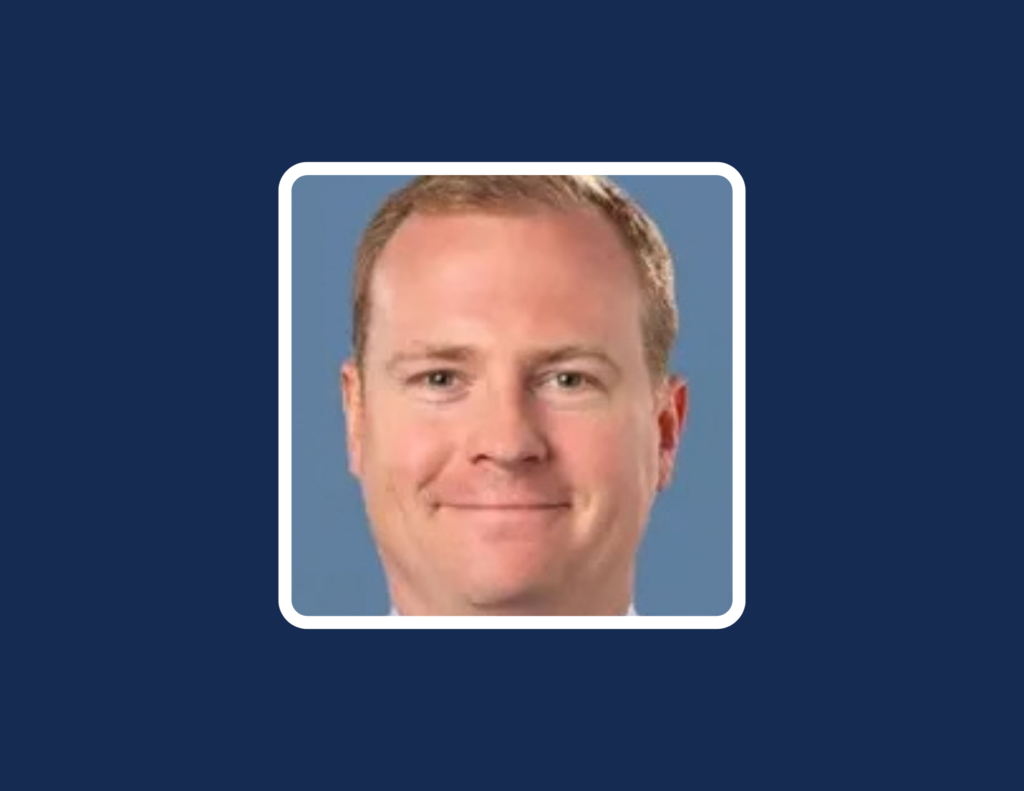
MARK MCGONIGAL – COLUMBIA UNIVERSITY MEN’S BASKETBALL ASSISTANT COACH – EPISODE 1308
Website – https://gocolumbialions.com/sports/mens-basketball
Email – [email protected]
Twitter/X – @MarkMcGo3

Mark McGonigal is starting his second season as a Men’s Basketball Assistant Coach at Columbia University. In McGonigal’s first season Columbia went 16-12 under Head Coach Kevin Hovde and secured the program’s first winning campaign in 10 years.
Prior to Columbia McGonigal served as an assistant coach at Cornell in 2024-25, where he helped guide the Big Red to a second-place finish in the conference and to the Ivy League Tournament Championship game. McGonigal spent 2016-23 on the staff at his alma mater, Richmond, which included four seasons as Director of Basketball Operations. He was elevated to an on-court assistant position in 2023.
Before his time at Richmond, McGonigal coached for the National Collegiate Scouting Association (2012-16). While there, he worked with student-athletes to evaluate their skill level on the court and their academic profile to guide them to college opportunities that would be the right fit. He began his career as an assistant coach at Holy Spirit HS in New Jersey in 2011.
As a player Mark was a four-year member of the basketball team at Richmond after joining the team as a walk-on and played in 27 career games.
On this episode Mike and Mark discuss how his basketball journey from South Jersey pickup games to Division I coaching, shaped his approach to the game. He explains why player development needs a balance of skill work and live play, where athletes learn to read the game and make winning decisions. Mark shares how preparation, film, and intentional practice design help coaches build stronger teams. He also describes the importance of earning players’ trust and building relationships with the people involved in recruiting. Finally, he discusses the Ivy League’s distinctive mix of basketball, academics, and long-term opportunity.
Follow us on Twitter and Instagram @hoopheadspod for the latest updates on episodes, guests, and events from the Hoop Heads Pod.
Make sure you’re subscribed to the Hoop Heads Pod on iTunes or wherever you get your podcasts and while you’re there please leave us a 5 star rating and review. Your ratings help your friends and coaching colleagues find the show. If you really love what you’re hearing recommend the Hoop Heads Pod to someone and get them to join you as a part of Hoop Heads Nation.
You’ll want to take some notes as you listen to this episode with Mark McGonigal, Men’s Basketball Assistant Coach at Columbia University.
What We Discuss with Mark McGonigal
10 Key Takeaways for Basketball Coaches
- Teach players to contribute before they become the focus.
Mark’s experience playing pickup against older players taught him to pass, cut, rebound, and find ways to help without dominating the ball. Give developing players meaningful roles, screening, defending, making the extra pass, so they learn how to help a team win.
- Balance skill work with live play.
Mark argues for a blend of roughly 75% playing and 25% skill work
. A player may look polished in a workout but still struggle to make decisions in a game. Pair individual training with regular 3-on-3, 4-on-4, and 5-on-5.
- Use unpredictable situations to develop basketball IQ.
Mark credits park runs and playing against older competition with teaching him to read the game. Coaches can recreate some of that learning by changing constraints in practice, varying numbers, matchups, or rules, so players must adapt rather than simply repeat a pattern.
- Show up to practice with a plan.
Mark describes preparing film, mapping out defensive solutions, and bringing a clear proposal to his head coach. Preparation gives players direction and builds confidence that practice has purpose. Make the plan specific, but be ready to adjust when the players or situation call for it.
- Build trust through care and coaching competence.
Mark emphasizes getting to know players away from the court while also being detailed and demanding on it. Show genuine interest in a player’s life, then demonstrate that you can help them improve. His example makes the point that personal connection and basketball expertise reinforce each other.
- Recruit the people around the player, too.
Mark describes “building a wall” around a recruit by understanding the people who influence the decision, parents, coaches, trainers, and others. For coaches, this means listening to the player’s circle and building honest relationships rather than treating recruiting as a one-person sales pitch.
- Make development about decisions, not just drills.
The episode warns that isolated skill work can create narrow strengths without enough feel for live play. When evaluating a skill, ask whether the player can recognize when and why to use it in a game, not only whether they can execute it alone.
- Be honest about fit and the full player pathway.
In discussing Ivy League recruiting, Mark stresses explaining academics, finances, and fit honestly. Coaches should present the real trade-offs and opportunities in their program so athletes and families can make informed decisions.
- Treat retention as relationship-building, not just persuasion.
Mark’s approach connects a player’s future to both on-court growth and long-term opportunity. Coaches can support retention by having regular, candid conversations about a player’s role, progress, concerns, and goals, before those concerns become a reason to leave.
- Measure value by how a player helps the team win.
Mark’s recruiting perspective returns to whether a player can help a team, not simply whether they can create shots. In evaluations and feedback, recognize the less visible contributions, communication, defense, cutting, rebounding, and sound decisions, that make teammates better.
Like this show? Please leave us a review here — even one sentence helps! Consider including your Twitter handle so we can thank you personally!
Your first impression is everything when applying for a new coaching job. A professional coaching portfolio is the tool that highlights your coaching achievements and philosophies and, most of all, helps separate you and your abilities from the other applicants.
The key to landing a new coaching job is to demonstrate to the hiring committee your attention to detail, level of preparedness, and your professionalism. Not only does a coaching portfolio allow you to exhibit these qualities, it also allows you to present your personal philosophies on coaching, leadership, and program development in an organized manner.
The Coaching Portfolio Guide is an instructional, membership-based website that helps you develop a personalized portfolio. Each section of the portfolio guide provides detailed instructions on how to organize your portfolio in a professional manner. The guide also provides sample documents for each section of your portfolio that you can copy, modify, and add to your personal portfolio.
Aiming to go D3? The D3 Recruiting Playbook gives you a clear, step-by-step roadmap to the recruiting process – what coaches value, key milestones from early high school through application season, and how to build a target list of schools that fit your needs.
We’ll demystify researching D3 programs and how to stand out without chasing every camp or showcase.
The modules cover things like writing emails to coaches, building an effective highlight tape, using social media well, planning ID camps and visits, and navigating application strategy.
You’ll get templates, checklists, and an outreach plan to communicate confidently, learn how to compare financial packages, and avoid common missteps. By the end, you’ll have a prioritized school list and a decision framework you can use to land your best-fit opportunity.

Give With Hoops is a groundbreaking initiative that fuses basketball analytics with modern sponsorship. Built for teams who see data as opportunity, from AAU programs to college powerhouses.
By tying on-court performance directly to community and sponsor engagement, Give With Hoops help programs raise more while deepening support from those who believe in the game.
Traditional fundraising disconnects donors from the action. Sell candy bars, wash cars, beg for donations, it’s exhausting and ineffective. Players perform better when their stats matter beyond the scoreboard. That’s why Give With Hoops was created.
Give With Hoops connects game performance to community support. Every basket, rebound, and assist becomes a chance to raise funds. Transparent, exciting, and proven to raise 3x more than traditional methods.
THANKS, MARK MCGONIGAL
If you enjoyed this episode with Mark McGonigal let him know by clicking on the link below and thanking him via Twitter/X.
Click here to thank Mark McGonigal via Twitter/X
Click here to let Mike & Jason know about your number one takeaway from this episode!
And if you want us to answer your questions on one of our upcoming weekly NBA episodes, drop us a line at [email protected].
TRANSCRIPT FOR MARK MCGONIGAL – COLUMBIA UNIVERSITY MEN’S BASKETBALL ASSISTANT COACH – EPISODE 1308
[00:00:00] Narrator: The Hoop Heads Podcast is presented by Head Start Basketball.
[00:00:20] Mark McGonigal: Hustle stats is kind of the heart and soul of our program. It’s about 50 different stats, and it’s a plus-minus system, and it covers offense, defense, and rebounding. It definitely works here at Columbia, especially just because you’re surrounded by high-achieving dudes that love numbers and love math, and we’ve really done a good job of presenting it to the guys here in the right way.
[00:00:46] Mike Klinzing: Mark McGonigal is starting his second season as a men’s basketball assistant coach at Columbia University. In McGonigal’s first season, Columbia went sixteen and twelve under head coach Kevin Hovde and secured the program’s first winning campaign in ten years. Prior to Columbia, McGonigal served as an assistant coach at Cornell in the two thousand twenty-four-twenty-five season, where he helped guide the Big Red to a second-place finish in the conference and to the Ivy League Tournament championship game.
McGonigal spent the two thousand sixteen through two thousand twenty-three seasons on the staff at his alma mater, Richmond, which included four years as the director of basketball operations. He was elevated to an on-court assistant position in two thousand twenty-three. Before his time at Richmond, McGonigal coached for the National Collegiate Scouting Association from two thousand twelve to two thousand sixteen.
While there, he worked with student-athletes to evaluate their skill level on the court and their academic profile to guide them to college opportunities that would be the right fit. He began his career as an assistant coach at Holy Spirit High School in New Jersey in two thousand eleven. As a player, Mark was a four-year member of the basketball team at Richmond after joining the team as a walk-on and played in twenty-seven career games.
Ever since I founded Head Start Basketball in 1993, we’ve helped young players develop their skills, confidence, and love for the game. Now we’re partnering with coaches and athletic programs to bring the Head Start Basketball camp experience to new communities. Our camps run for five days, three hours per day, and serve boys and girls in grades one through six.
You or someone on your staff directs the on-court portion of the camp while Head Start Basketball manages registration, promotion, parent communication, T-shirts, trophies, website setup, and administration. There are no upfront camp planning headaches, and the profits are divided 50/50 between your program and Head Start Basketball.
If you want to reach more families or strengthen your youth basketball pipeline or just create additional revenue for your program, visit headstartbasketball.com to explore hosting a camp.
[00:02:40] Xavier Silas: Hi, this is Xavier Silas, men’s basketball associate head coach at VMI, and you’re listening to the Hoop Heads Podcast.
[00:02:48] Mike Klinzing: You’ll want to take some notes as you listen to this episode with Mark McGonigal, men’s basketball assistant coach at Columbia University.
[00:02:55] Mark McGonigal: Hello, and welcome to the Hoop Heads podcast. It’s Mike Klinzing here without
[00:02:59] Mike Klinzing: my co-host, Jason Sunkel, tonight, but I am pleased to be joined by Mark McGonigal, men’s basketball assistant coach at Columbia University.
Mark, welcome to the Hoop Heads pod.
[00:03:09] Mark McGonigal: Thanks for having me, Mike. I’m super excited to be here with you tonight. Thank you.
[00:03:13] Mike Klinzing: Absolutely. We are thrilled to have you on. Looking forward to diving into all of the interesting things that you’ve been able to do in your career. Want to start by going back in time to when you were a kid.
Tell me a little bit about your introduction to basketball. What do you remember about those early years? What made you fall in love with it?
[00:03:29] Mark McGonigal: Yeah, Mike, it probably started, like, when I was in fourth or fifth grade. I just fell in love with basketball when I would be getting dropped off at the park by my parents.
I loved the idea of going outside and playing. A- and in the summer I was getting dropped off at the park, or if it was, like, the winter tri- wintertime, maybe the Y or the, the, the local PAL building. A- and I just loved the idea of playing five-on-five. And Mike, when you’re that age, you’re probably playing against a bunch of older guys which I really enjoyed.
I loved the competition. I love the grittiness of it. But you also have to be smart out there, where i- if you’re the young, skinny guy on the court you have to find a way to make winning plays out there. So I probably wasn’t bringing the ball up and calling for a ball screen, especially if it was game winning point.
But you have to, again you have to make winning plays out there a- and so it’s a way to learn the game. You’re passing and cutting you’re screening away. Defensively you’re boxing out. You’re probably not getting the rebound, but you’re shoving that guy out so he doesn’t get the rebound.
A- and l- like anything in life, you want to earn the respect, and I think you’re earning the respect of the older guys w- when you’re playing outside. And you just want to keep winning because a- again, especially in the summer, there might be 20 guys waiting. So i- if your team loses, then you might not play another game.
So I really i- enjoyed that aspect of going to local park. I was fortunate, I had great parents. They drop you off and it was before cell phones. So they say, “All right, I’ll be back for you in two hours.” And the m- majority of the time there were guys there to play, but sometimes maybe it was two-on-two or three-on-three, so it also have made, forced you to get creative wi- with how to play.
And I would say the other memory when I was young, Mike, that kinda helped me fall in love with the game of basketball Like I, I’m from South Jersey. I was born outside Philadelphia, so naturally I was like a Sixer fan and loved AI and Iverson. But the first team that I really fell in love with was like those early 2000 Sacramento Kings.
I just fell in love with like their style of basketball.
[00:05:36] Narrator: Yeah.
[00:05:37] Mark McGonigal: It– they were very forward-thinking. It was a lot of five out passing and cutting and sharing the ball, which you really didn’t see that in the NBA at that time. So I remember like being in like seventh or eighth grade and trying to negotiate with my dad.
I had to stay up if it was a school night because like the, the Kings, if it was the West Coast, those games were tipping off at 10:30, and they had treme- and I know you know, they had tremendous battles with the Jazz, with the Lakers. So I would say it was like a combination of like just getting dropped off at the park, playing with the older guys, competing, trying to stay on the court, learning how to make winning plays younger.
And then just falling in love with like those Sacramento Kings again, when they had Bibby, Srejacovic Vlade Divac, Chris Webber. So those are my earliest memories o-of basketball.
[00:06:25] Mike Klinzing: Man, there’s so many things, Mark, to unpack in what you just said. So I want to start with the idea of playing pickup basketball with older players and trying to figure out, “Hey, what’s my role?”
And as you said, like you’re not just taking the ball and calling for a ball screen and, “Hey, I’m going to go do my thing,” right? As a younger player in those environments, you have to figure out, “How do I play my role, and how do I develop my basketball IQ, and how do I impact winning in other ways besides scoring?”
And so Monday night I was actually in my old high school gym ’cause I help with the youth program here in our community. And when I was there, a guy who at the time when I was a kid seemed like he was really old. He’s probably only probably about 10 years older than me, but at the time when I started playing pickup basketball, I was probably 15, 16.
He was probably 25, 26, somewhere in there. And he’s now a freshman coach at the high school where we both went to school, and he and I just got talking about some of the current players that they have on their team. And we’re reminiscing because, again, we used to play the same way you did, just playing pickup against each other.
And he actually had a group of guys that they would always play together and be the old guys, and then the young guys would try to beat the old guys and all this type of thing. And so we were just talking a little bit about exactly what you were describing, that You have to be able to, in those environments, you want to keep winning, right?
And you want to keep getting picked up if you lose. And so if you’re somebody who’s just one-dimensional and wants to hog the ball and doesn’t want to play a role, especially if you’re younger than a lot of the other players who are there, you’re not going to get an opportunity. And it led to a conversation that we’ve had on the podcast before where and I think what I see, and you can tell me if you see this as well, but I look at the players today in the game, and just from a straight skill standpoint in terms of shooting, in terms of being able to handle the ball They’re so much better.
Players today are so much more skilled than they were. Again, I played a long time ago. Players are way more skilled than they were in the times when I played, and yet I feel like some of those IQ things that you talked about, that you learned playing against older players, I feel like those are some of the things that maybe haven’t improved…
Let’s put it this way, they haven’t improved nearly as much as the skill stuff. The shooting that we see today, the ball handling is so much better, and I’m not sure we’ve seen the same leap in basketball IQ. So I don’t know if you, if that resonates with you at all or what in terms of just watching guys that you’re recruiting, thinking about how you have to coach them, thinking about your own experience as a player.
I don’t know if any of that rings true to what your experience has been.
[00:09:15] Mark McGonigal: No it definitely does, Mike. When I was playing the word basketball trainer wasn’t a thing. We were just getting coached by either our high school coaches, our AU, our travel guys or you were just going down to the park or the Y to play.
So I agree. The skill level o- of today’s basketball guy, it’s amazing. These guys are elite shot-makers. Their ball handling is insane. I just wish that they would play a, a, a little bit more. Now, to o- on the flip side of that me, for example like I wish I maybe had a trainer.
If you break down your basketball activity, like 100%, maybe it should be like 75% you’re playing and then 25% it’s more skill work. You’re working on your ball handling your form shooting. Just because just talking about my basketball background I was a, a decent shooter, but I coulda definitely had a trainer a- and worked on the fundamentals of what a really good foundation jump shot looks like.
But but like anything i- in life but I do think today’s student athletes or the basketball players are extremely skilled. But there’s definitely a little bit of a, a lack of sense of how to play or a lack of feel just because they’re not playing five on five.
It’s more a, a devoted time to skill work, which is fine a, a- as well
[00:10:36] Mike Klinzing: How easy or difficult is it for your guys at Columbia to find pickup games in the off-season? Like, how hard is that? If they wanted to play five on five and go and find a good game that would be competitive for them where they could actually improve a- and work on things, is that easy or difficult for them?
And again, I know everybody’s from… You got guys from all over the country- Yeah … so it may, it may be a little different. But just when you think about the conversations that you’ve had with them of, “Hey, where are you getting an opportunity to play?” what do guys tell you?
[00:11:05] Mark McGonigal: Yeah. That’s a benefit of being here in New York, Mike.
It, it’s– I’m not saying it’s easy, but you can definitely go and find a really good pickup game, and that’s really important to our program here at Columbia, because in the summer we’re not allowed to be, like, on the court with the guys and working them out. They can lift on their own or they can get in the gym on their own and shoot.
But we can definitely help them find really good pickup games here in New York. And New York’s a basketball city. There’s tremendous pride in the game. So there’s times where on a weekend you can bounce around and find a really good pickup game early in the morning, a lunchtime, and then the evening game.
But it’s not easy. You have to put work in. You have to have contacts. But that is really a great benefit of us being here in the New York City area, just a tremendous pride i- in the sport and then the opportunity to go play play pickup
[00:11:56] Mike Klinzing: Yeah, I just think that’s something that players today, it’s hard.
It’s harder, it’s much harder to find-
[00:12:01] Mark McGonigal: Yeah …
[00:12:02] Mike Klinzing: good games than it was for you or I. I knew, here in the Cleveland area, I knew hey, Wednesday night, guys are going to be at this park, and Thursday during the day, there was going to be games at this YMCA, and you knew you could go there and you could find good players playing basketball, where you could actually have a game where you’re not dealing with a guy wearing a baseball hat or a guy with jeans- Yeah
or, those kinds of things. You could find a legitimate game, and I just think that, just like you, that was a huge part of my development. And then I laugh as you’re talking about working with a trainer. Again, my era, late ’80s, early ’90s, d- it’s not on the radar at all. And I’ve said this before many times, that my workout that I would do, and I would do it just about every day, but it was the exact s- I would do the exact same thing, Mark-
[00:12:45] Mark McGonigal: Yeah
[00:12:46] Mike Klinzing: every single day. Yeah. And so I always say I probably got really good at doing those drills. Yeah. I’m not sure how much of it necessarily translated when I look at all the things that players do today and the way that coaches approach player development. A part of me wishes, man, I wish I would’ve had the creativity or the thought process- Yeah
or somebody would’ve showed me or said, “Hey, man, why don’t you try this?” Instead, I was just kinda, again, doing the same thing day after day. And it’s just interesting how the game has developed and ebbed and flowed in terms of the differences between coming up in the era you did, the era I did, the era that the guys that you got are coaching at Columbia today, how they come up.
And again, not to say that one is better or worse than the other. Each one has its strengths and weaknesses in terms of trying to put the best players and develop players in the best way. But it’s just interesting, To me, I, let’s put it this way, I’m always glad that I grew up in my era- Yeah Playing pickup basketball as much basketball as I played in my, quote, “real career,” I have a just as good a memory as of playing pickup basketball.
Yeah. I’m sure you do too, ’cause that era was just, when you’re out there playing with older guys, and just the, the characters that you meet and all those things that kinda go into it- Yeah … just makes that whole scene special. I feel bad. I tell my son all the time, I feel bad for him that he just has to be in the gym by himself or working with the trainer and only occasionally getting to play, whereas I was getting to play every single day if I wanted to.
[00:14:12] Mark McGonigal: Yeah. No doubt. Yeah. A- again it’s great here in New York. We’ll be walking on a campus visit with a recruit, or we’ll be walking to lunch and Mike, there’s pickup games going on all the time. So I- it’s definitely a, a basketball city. And I, I, yeah, there’s definitely like a part of me wishes I had more experience with a trainer, and those guys are elite at their jobs.
W- I’ll watch like guys come into like our gym and work out with like pros, or I’ve been around to different gyms, and those guys the knowledge they have to increase your ball handling or, “Hey, we have to do X, Y, and Z to fix your shot,” you can tell that there’s a lot of thought that goes into it.
And they care about their, the clients that they’re working with. So there’s absolutely like a, a incredible benefit o- of having the trainers involved with our guys or any basketball players’, like development i- in today’s world. And then if you can balance that with playing five on five, and maybe not even five on five, Mike.
If you can get four on four and three on three, I think when you can combine those two worlds, you’re heading in the right direction as a basketball player in your development.
[00:15:19] Mike Klinzing: Yeah, I agree. I think the other thing that is interesting today about player development is just the attention to detail.
[00:15:24] Mark McGonigal: Yeah.
[00:15:25] Mike Klinzing: Because the ability to watch film, right? Whe- whether you’re doing what you guys are doing and you’re working with players and you’re watching, whether you’re showing them tape of other guys at the college level, maybe you’re showing them tape of NBA guys. I know tons of trainers who right there studying not only the film of their own players, but they’re taking and they’re watching guys in the NBA and saying, “Hey, what can I take from that guy that’s similar to this player that I’m working with?”
Again, we’re talking about if you’re working with an elite high school or college player. We’re not talking about if you’re working with a eight or nine-year-old. It’s clearly different, but the level and attention to detail that players have available to them today, I think is, I… To me, that’s huge too a- as well, when you just think about the access to film a- and all that kind of stuff.
Let me switch gears and ask you about the Sacramento Kings, because I think what’s interesting there is that’s one of those teams that If you’re a coach and you have an understanding of winning basketball and what the formula is for creating winning basketball, and forget the exact philosophy of what system you’re running or, hey, this particular piece of X’s and O’s.
What the Sacramento Kings did really well, which is what the New York Knicks did very well this year to win the NBA title is, you figure out that when you share the ball and nobody really cares where the ball ends up on a possession and everybody’s playing for each other, that’s usually a pretty successful formula.
So I guess my question to you is, when you think back to that as a kid, were you attracted to that as a player? Was there some part of you that was already thinking of, hey, from a coaching standpoint, were you thinking about that at all? Were you just a fan of the style? Just h- how did you think about that when you were watching the Kings and became a fan of them?
[00:17:09] Mark McGonigal: Yeah, I think, I wasn’t the greatest athlete or the fastest guy out there, Mike but I think I did take pride in my ability to pass a ball, and I think I had a good feel and sense for the game early. But before that, w- if you threw on the NBA, it was like these dudes making incredible one-on-one plays.
But then when you threw the Kings on in the early 2000s, they would be doing things that that makes sense because they did X, Y, and Z, and you go try that at the park and I can do that. But I think where my game was at that point I… Again I was a good passer, I knew how to cut, I knew how to keep things moving offensively.
And then when you saw that at the highest level of basketball in the world, that really drew me into that style of play. Because like the ball has energy, and when that thing is zipping around, one, it’s extremely hard to guard, but then everybody on offense has ownership now instead of just one guy at the top, the key iso.
But I really enjoyed just the, how the Kings, again, passed the ball a- and just shared it with one another. And they weren’t just finishing eth- eighth in the West. They were competing for the NBA championship, and obviously ran into the Lakers with Shaq and Kobe. But I think how that style of play really aligned with how I saw the game at that point in my career.
[00:18:32] Mike Klinzing: Yeah, it makes total sense, and I think it’s one of those things that I’m always somewhat amazed when you think about, again, the formula for winning basketball. And again, there’s obviously a lot of layers below it, but If you can just get your team to share the ball and not care who scores and play really hard, like the, the magic formula of basketball is actually pretty simple.
And like I said, there’s a lot of layers underneath that have to go into, to creating that. But if you can lay that all on the base of our team’s going to move the ball and we’re going to play hard, I think it’s amazing kind of the results that you can get from those things. And that Kings team certainly, like I said, is one of the teams when you look back in NBA history that you think about ball movement, you think about a team that had just all the things that go into a great, quote-unquote, team, and just sharing the ball and moving it and not caring who got the credit for scoring- Yeah
but just wanted to get the best shot they could on every possession. That Kings team represents that style of play probably as well as, as any team ever has. Let me ask you about just your high school career and then a little bit about your recruitment. Give me your favorite memory from playing h- high school basketball, and then we can talk about how you ended up at Richmond.
[00:19:46] Mark McGonigal: Yeah. Again I was born outside Philly and then grew up in the South Jersey area, right outside Atlantic City. A- and there was a a smaller Catholic school right outside AC called Holy Spirit. And I was going to the Holy Spirit varsity games from fourth or fifth grade. A- and just at that point those guys were my idols.
So I’d be going to the games, and afterwards they might be signing autographs and going to their summer camps, and just made a really good connection with the, the players on the team and then a really good connection with the coaching staff. And the head coach at the time was a guy by the name of Tom Antonozzi, incredible coach.
A- and went to Holy Spirit and played there for four years and had a good career. Was a four-year varsity starter. And I think probably my best memory from my high school career actually happened my freshman year, Mike, where it was probably January, February. It’s a long time ago. And we were like, we were kinda plugging away.
We were top 10 in, in, in Jersey, which is good high school basketball. And then our rival was St. Augustine Prep. And we had not done well against them, and they had came into our place and we were o- obviously underdogs and were trying to make a statement a- and try to even the, the rivalry out.
And St. Augustine, I think they started four D1 athlete or D1 basketball guys. But in some way we were able to scratch and crawl, claw our way to a really big victory that game. And I just remember stepping on the court. I was 5’10”, 140 pounds soaking wet, and I’m just going against these monsters, and I’m just trying to survive out there.
But again, we were very fortunate, came a- away with a win. A- and I just remember the locker room afterwards, and really emotional. A- and was like, like any program, like, when you have those wins it allows you to make another jump in the, the direction that you want that program to go to. And then most of my recruitment, Mike a- again, I was a decent player.
Had some Division I a little Patriot, a little Ivy, but a lot of it was, like, high academic D3s, especially here in the northeast, like Swarthmore, Franklin & Marshall. A- and was very down the road with Franklin & Marshall. But was also, like, pursuing Division I walk-on opportunities And was able to get my foot in the door at Richmond down in Virginia in the Atlantic 10 and was very aggressive with them.
Was sending them tape. It was VHS tapes back in the day. Sending them emails, just being relentless. Went down there for a visit with my parents, and as soon as I stepped on campus I knew this was the place to be. And had a good meeting. Actually it was a different coach than I played for.
This guy by the name of Jerry Wainwright, who eventually went to DePaul. But they said, “You got a walk-on spot.” A- and just kinda ran with it. But again it was weird. M- spring of my senior year, I played baseball and I’m walking off the field a- and my dad pulls me aside, and he said, “Hey Coach Wainwright just left for DePaul.
They hired this guy named Chris Mooney.” I was like, “Ah.” And my dad’s like what do you want to do?” I was like let’s just go to Richmond. We’ll figure it out.” And it was actually a blessing in disguise, Mike, just because like my principles and values and what I was good on the court really aligned w- with Coach Mooney.
So went there for freshman orientation, had my first team meeting. Again, I was 18 years old. I had no idea where to go. Showed up and I didn’t know anything about nameplates on the lockers or anything like that. Sat down in a locker, and I’m just nervous. All of a sudden the starting point guard walks in the locker room, looks at me.
I look up at him. He’s like, had some choice words that I probably can’t repeat, and said, “Why don’t you move over to the next locker?” … So that was my introduction to Richmond basketball, and had a great four years there.
[00:23:36] Mike Klinzing: So let me ask you this, ’cause I think this is a, an interesting question that a lot of times high school kids are going through something similar to what you went through, where you have an opportunity at the Division III level, you have an opportunity as a walk-on or maybe to get– maybe you squeeze in as a scholarship player somewhere.
And so you have these two competing sort of situations, and I went through the same thing. I was basically recruited by mostly Division IIIs. I ended up getting one scholarship offer, and I took it, and it worked out great for me, and it sounds like it worked out great for you in that respect. But so often we hear coaches, I’ve heard myself say it a number of times, right?
You have to kinda go where you’re really wanted. You have to go where it’s a good fit. You have to go where you think you can play. So just take me back to 18-year-old Mark’s mindset as you’re making the decision between Division III, Division I. I could tell you what mine was at the time, was I felt like I was a Division I fle- player.
I felt like I was competing against other guys in my area that were going and signing with other Division I schools. I’m like, “I’m as good or better than these guys, and I want to take a chance to play at the highest level that I possibly can,” ’cause that’s how I viewed myself. So just what was your mindset going into that in terms of, again, thinking, “Hey, I got lots of opportunities at this one level, but Man, I really want to try to extend myself at a higher level.
[00:25:01] Mark McGonigal: Yeah. I I would probably say coming out of high school, I knew I wasn’t going to be an NBA player. So the top priority when I sat down with my parents about where to go to college was going to be, like, education and the area that I wanted to study, and kinda wanted to get out of the Northeast a little bit just because that’s where we were all from, but I didn’t want to go across the country or anything like that.
So we were doing our homework, and yeah, in theory, i- if I were to go to Franklin & Marshall, and Franklin & Marshall’s an amazing academic school, it really is. But I went there and it was a good visit. I was able to hang out with the players. But afterwards, maybe a few weeks after visiting Franklin & Marshall, went down to Richmond and again, like I think anything in life when you have a certain feeling that it just feels right, you have to chase it.
And you have to believe in yourself. And me and my parents had definitely a system in place on how we were going to ultimately make this a schol- college decision, and you have to believe in your system as well. So went down there and again, fell in love with the campus. The, the academics aligned with exactly what we were looking for.
And yeah, I definitely want to try to play Division I. I, I knew it was gon- going to be a long shot if I could ever kinda get into a serious rotation, but I was definitely going to put the effort in. But there was definitely… There was never a moment when I was at Richmond just looking back on it saying “Man, I wish I went to Franklin & Marshall,” or, “Man, I wish I went to Swarthmore,” and I think that’s a credit to Coach Mooney a- and the culture that I was in and the program that I was in, and it was a combination of coach and the culture that we were building.
But I it really is a brotherhood there at Richmond. There was guys there that are definitely friends but are probably closer to brothers now and there’s probably 10 or 11 guys that I played with over the course of the four years there that we’ve been in each other’s weddings we’ve been around when we’ve had children.
A- and that would’ve not happened probably at another program in my opinion, just because, again, how special Coach Mooney has created Richmond basketball for a lot of guys that have gone through that program and are going through it today
[00:27:03] Mike Klinzing: Yeah, to be able to have that kind of connection, right? I think that any coach, when you start talking about what do you want your program to look like, I think those kinds of connections, like what you just described, whether that’s connections player to player to coach, that’s really, again, beyond…
Obviously, everybody wants to win, and especially at the college level, there’s obviously pressure to win that comes along with any coaching job. But I think ultimately, most coaches not only define their success by wins and losses, but define it by exactly what you just talked about, right? Have I created a program that people feel like they’re a part of, people feel like they’re connected to, they’re connected to each other, they’re connected to us as a coaching staff.
I think that’s really what’s really what it’s all about. And one of the other things that struck me that you said, and I’ll give you some parenting advice since my kids are a little bit longer further down the road. So I’ve had two choose colleges, and probably with my daughter, this was maybe, I would say 100% true.
With my son, maybe a little bit less, but still played into it. You talked about having a system with your family and, “Hey, we’re looking for this,” and academically, whatever. And my oldest daughter, we went and visited five, six schools, whatever, and she would get on campus and within, like a minute…
we went to Cornell to visit Cornell, and we were there probably 10 minutes and she’s like, “It’s too big. I don’t want, I don’t want to go to Cornell.” And we, we had driven, whatever, five hours or six hours to get to Cornell. I’m like, “You can’t give it 15 minutes? We’re already done after 10.” And then she ended up going to Denison here in Ohio, and we were there for probably two minutes and she’s like, “This is where I want to go.”
I’m like do you want to find out anything else?” “No, this is it. This is where I, this is where I want to go.” And my son obviously had some other things with basketball and making decisions there, but still a lot of it was just how does it feel, right? How it feels like– This feels like the right place for me.
When you get your kids, you definitely want to put your system when they get up to the, when your son gets to be that age of, “Hey, we’re– I’m going to make a decision,” you have to put your plans together and then boom you… They’re going to, they’re going to decide it by feel.
So tell me about- Academically, what were you thinking? Was coaching on your radar when you’re an 18-year-old freshman? Did you have any idea what you wanted to do, or you, were you like most kids, just “Hey, I’m just trying to figure it out, and I’m still focused on trying to be the best player I can be”?
[00:29:14] Mark McGonigal: Yeah, I was probably more like most kids, Mike. I eventually majored in pl- political science at Richmond, but I, when I graduated, so I graduated Richmond in 2009. I wasn’t pursuing coaching at that point. I think when I graduated in 2009, I had two things in mind. I wanted to get back into the Philadelphia area, where I had a lot of friends and family and try to get into the business world o- of some kind, and was very fortunate through a family connection after I graduated from Richmond to a- accept a position in Philadelphia in the enterprise managem- management trainee program whi- which has a really good reputation in the business world, and they actually hire a lot of former student athletes.
So did that for about 18 months in the Philadelphia area but quickly found out I probably wasn’t the traditional nine-to-five guy. It was a great experience. I learned a lot, especially some real-world skills that I use today in my position at Columbia. But I knew it wasn’t a love or did not have a strong interest in it.
So was able to make a career pivot and get into sports which was my true passion. I always loved sports, grew up playing football, baseball, basketball, but the number one passion was basketball. Made a connection with a company out in Chicago called National Collegiate Scouting Association.
Was, had an opportunity to go to live in Chicago, which is an awesome city. Was there for three years, and with that company, Mike I was on the basketball side of things. And we assist high school kids in their recruitment. So I was more o- on the back end of things, where I was working with families and clients to navigate the recruiting process and talk to them about visits, unofficial, o- official how to respond to emails or coaches, and probably the, the most important part of my job was to evaluate film and stats a- and try to get a clear picture of what are good schools for that family and that student athlete to be looking at and then try to bridge that gap on how to do that.
And had an awesome three years out there. But like there’s nothing better than Being on a team and competing a- and fighting for championships and getting on the court with guys. So after three years at NCSA out in Chicago, there was an opening back at Richmond for coach in the director of operations role.
And I was very relentless in my pursuit of that. I’m sure coach and it was a lot of the similar assistants that coached me when I was a player, kinda got tired of looking down at their phone and seeing me call and texting when that spot was open. But to their credit they gave me a chance and I’m e- extremely fortunate that I was able to go there and begin my college coaching career at Richmond in May of 2016.
[00:32:05] Mike Klinzing: So when you step back into the program, I always think it’s interesting guys who go back to the program that they played in, right? Because you have one perspective of it as a player, and I don’t know how much you thought about, “Hey, what are my coaches doing behind the scenes while I’m playing?”
That maybe you realized everything. If you were like me, you probably realized very little ’cause I was just focused on trying to play. And so I always think it’s interesting for somebody who comes back to their program to then step from the player locker room, right? Now you’re stepping into the coach’s office and you’re seeing this whole other side of an experience that you went through one way, now you’re seeing it from a completely different perspective.
So what was that like for you going back into your program that you played in, but then seeing it from a totally different perspective?
[00:32:56] Mark McGonigal: Yeah. It made me really appreciate everything they did for me and my teammates as a player. When you’re 18 to 22 years old you’re kinda taking one day at a time, and you’re kinda in your own inner world, and you’re thinking about the test that you have coming up and having a good practice.
And then you’re probably assuming the practice plan just got put together right before,” or, “Hey, we’re going to VCU on Wednesday night.” That scout was just done the night before. So w- when I first got there, and you can kinda see the true operation that running a h- high-level Division I program entails, it really makes you look back on and appreciate all the time a- and maybe even more important, all the sacrifices those coaches made for me as a student athlete at Richmond, and then for all the teammates, just because there’s a lot of time that goes into scouts, and they’re away from their families recruiting.
So it made me appreciate everything they did for me as a student athlete when I first got back there to work for Coach Mooney and the staff there.
[00:33:56] Mike Klinzing: What area of coaching in that first year do you feel like your learning curve was the steepest? There was probably some things that you were good at right away, which we’ll talk about, but what was an area where you’re like, “Yeah, I have to get up to speed here really quick on this particular aspect of what my job’s all about”?
[00:34:14] Mark McGonigal: Yeah. At that time there, there– there were certain rules you had to follow as a, a DOBO. So going to be on the court working out guys. So I think the biggest obstacle I had to overcome is just recruiting, recruiting, recruiting. It’s the backbone of any program, and you have to go out there and you have to recruit most importantly talented guys, but also guys that are going to align with the core principles that Richmond basketball has.
So I think really taking a deep dive into recruiting a-and it’s just not you call the student athlete and you give them the pitch. You have to call the student athlete, give him a pitch, and then continue to recruit him. But I had a great mentor at Richmond, his name was Marcus Jenkins an elite assistant coach.
A-a-and he was really helpful there. And went into his office one day, it’s just what’s your approach to recruiting?” And he gave me a couple tidbits, and obviously it was extremely helpful. But he said, “O-once you identify a, a guy that you like and you think is a good fit for here you have to build a wall around him.”
A-a-and what that entails is you have to say who are, who’s helping you navigate your recruitment? And it might be a mom, it might be your dad, it might be an uncle, a high school coach, a brother a trainer. In today’s world it’d be an agent on the NIL things. A-a-and you have to make contacts with those guys a-a-and women a-a-and from there, you have to build a wall a-a-and make sure you’re maintaining those level of relationships.
That way i-i-if that guy that you’re recruiting contacts one of those people in his inner circle, they have to have great things to say about Mark McGonigal at Richmond just because of how important of an influence they are on that recruit when they ultimately make their decision down the road
[00:36:01] Mike Klinzing: Yeah, it makes sense.
I think when you start talking about being representative of your staff a-and getting a feel for the type of student athletes that your head coach wants to recruit, and it goes to another question related to the one that I just asked you, which is, again, you stepped into the program, but you also stepped into a completely different relationship with Coach Mooney, right?
You– The player-coach relationship. Now all of a sudden, you’re no longer his player, now you are his colleague on his staff. That relationship changes. W-how did you go about just mentally shifting? Was that an easy shift to go from being, “Hey, I’m looking at and, hey, it’s Coach Mooney and I I have to figure out how to play for this guy,” to suddenly now you’re sitting in a coach’s meeting at the table with him and you have to give suggestions or you’ve have to bring things to the table.
How did you handle that shift in the relationship between the two of you?
[00:36:56] Mark McGonigal: Yeah, to Coach Mooney’s credit, it was an easy shift, Mike. He gives complete ownership to everybody on staff. And we’re in a conference room, whether it’s about recruiting or about scouting, he wants to hear from the top assistant down to the GA that’s in there as well.
So he wants to hear all opinions, and he’s very open-minded. To, to coach’s credit it was an easy shift when I first got there. Now obviously I still see him as coach and called him coach as well. But the– our professional and our working dynamic it was a very easy transition when I first got back to Richmond.
But was again, it was a credit to coach and like the professional environment that he created for the Richmond staff
[00:37:39] Mike Klinzing: How exciting was it when you got an opportunity to get out onto the floor for the first time as a college coach? When you get e- elevated to assistant coach position where you can now get out and work with guys on the floor.
[00:37:51] Mark McGonigal: Yeah, I loved it, Mike. I think, I love recruiting, I love getting on the phone and talking to young men and here at Columbia, giving them the pitch and getting on the road a- and evaluating. But I think my, my true passion as a coach is being on the floor with the guys.
I love the energy, I love the communication. If you walk into a gym right now a- and hopefully if me and Coach Ivy or myself or any of the Columbia staff that is a loud gym. So when I had an opportunity to get on the court I absolutely loved it. Now, looking back on it I probably didn’t know what I was doing.
But I think I had good communication. I think I had good energy. But now where I’m at in my career, I always make sure I’m prepared before I go on the court, whether it’s presenting the scout before we play Yale or it’s a spring workout. Just because y- Mike basketball guys, they’re super smart a- and they know when you’re not prepared or when you’re not being a- authentic.
So I think the biggest development i- in how I approach my time on the court with our student athletes and their development is always making sure that I’m prepared and there’s a plan in place, whether it’s a 30-minute individual workout where I got three or four guys, or we’re putting like a ball screen defense in for the whole team
[00:39:07] Mike Klinzing: That goes back to what I said earlier in terms of just that attention to detail.
And I think back to early in my career, that prep work of being prepared for practice and being able to know that you can understand, hey, I’m going to– we’re going to do this drill. I have to be able to explain every nuance of that drill. I have to be able to understand what fundamental things I’m trying to teach and what I’m looking for, and make sure I’m prepared so that I can pass that knowledge along to the players.
And I know I can speak for myself that I’ve been to practices with, whatever, my own kids’ teams or times where I was an assistant, and maybe I showed up and didn’t look as closely at the practice plan as I should have. And on those days when I walked in there unprepared, it showed that I was unprepared, and the practice suffered, not because the kids weren’t ready to practice, but because their coach wasn’t prepared.
And I think I’ve learned over the course of my time to walk into the practice prepared. But also just from talking to so many coaches like yourself that talked about how intentional they are with everything that they’re doing and making sure that they have a tremendous understanding of what it is that they want to do when they step out on the floor, so that if a player has a question or a player is doing something incorrectly, I know how to step in and fix that, or I know what should have happened.
X happened, but Y should have happened. How do we get from that X to Y? Where was the mistake? How could I identify that? And the only way you can do that is by being prepared. And then that goes to the next part of, I think, what’s really important in terms of being a great coach is knowing your stuff so that your players have a tremendous amount of respect for coaches who can help them and help their team to get better and improve.
And I’ve had so many guys tell me that both players and coaches, that what players are looking for, especially the higher level you go, is they want to be coached right and they want to get better. And if you can help them do that, they don’t care where you played. They don’t care who you are. They don’t… I-if you can come in there prepared and help them to become a better player, very quickly you’re going to become one of their favorite coaches if you can help them get better
[00:41:12] Mark McGonigal: Yeah, no doubt.
Yeah, no doubt. Yeah. Yeah and I think like it, it, it– Bouncing off that point, Mike, is just developing trust with the guys when you’re on the court. A-a-and that’s not going to happen in day one. Like trust is going to build over time. And it can’t be a transactional relationship. It just can’t be like, “Hey, why were you thinking of…
What were you thinking about coming off this ball screen?” Or, “Hey, why’d you take that pull-up going towards the baseline?” It’s have to be like, “Hey, how’s school going? Like, how’s your family doing?” Taking these guys out for lunch. Just because if you’re going to pour like that sweat equity in with them on the court, y- they have to trust you at the same time.
So it’s a combination of being on the court, coaching them hard holding them to like the standards that the program has, but also developing that relationship off the court, knowing them as a human being. That way they can really embrace what you’re telling them, and then they fully trust you as a coach and a mentor.
[00:42:07] Mike Klinzing: Yeah, great point. I love that in terms of relationships, right? You have to start there. And if the player trusts you, and again, you’re talking about two different forms of trust, right? They trust that you care about them as a person, and they trust that you can help to make them a better basketball player through the knowledge that you’ve gained over the course of your career, and that you come in prepared for a workout, a practice, a weightlifting session, whatever it is that you’re walking in there prepared.
So to go along with that preparation piece of it, and this is more a, a question that kind of flows over the entire span of your career, but when you think about you trying to improve yourself as a coach, obviously there’s the internal discussions among all the staffs that you’ve been a part of and watching film of your opponent to scout and watching your own practices and those kind of things to be able to get a feel for what you and your team are trying to do.
But outside of that, how do you go about just improving your craft as a coach? Are you a book reader? Are you a film watcher? Do you go– Do you have mentors that you reach out to? What’s the process when you say, “I’m going to sit down and I want to be a better coach next year than I am this year”? What does that look like for you?
[00:43:16] Mark McGonigal: Yeah, there, there’s so many outlets in today’s world, Mike. That’s the beauty o- of living in the technology world that we’re in right now, just there’s so many sources that we can use to grow as coaches. I’m definitely into podcasts. I, I definitely… i’m reading books.
The books that I read are probably going to be a little bit more self-improvement a- and growth a- as a coach. But at the end of the day I love hoops. I love jumping on Synergy. A- and with Twitter, you come across so many different sources of clips, offense, defense. So trying to have those organized when I come across something that I really like.
A- and from the end of the season and then into summer, I’ll try to do a self scout where, I run our defense here at Columbia. I’m our defensive coordinator. So I’ll go through our chem pom and see where are some areas that we struggled. And so those areas that we struggled and se- they are a problem, so what’s the solution to that problem?
Like for example, last year, like our defense, w- we definitely took a leap, but we’re not complacent. We want to continue to grow. A- and one area that we want to try to grow is creating more turnov- turnovers out there. And how do you do that? So trying to go on teams that have really good steal rates, and jumping on Synergy, and going in and seeing how they get steals, and will that kinda fits with our style of play defensively.
And when we get back here maybe a week or two before we start workouts in the fall, having a really clear and organized plan to present to coach. Just saying “Hey, I know you mentioned that we should really try our best to increase steals. Here’s what we can do, X, Y, Z.” And then we have it mapped out for our first six weeks, and this is what it’s going to look like, and this is how we’re going to accomplish that
[00:45:02] Mike Klinzing: Think about how difficult that would’ve been to do back in the VHS era, right?
No doubt, man. It’s
[00:45:06] Mark McGonigal: so
[00:45:07] Mike Klinzing: funny. Every time- No doubt … because, so I stopped coaching at, in high school, I think my last year was like 2009 maybe. So I’m completely almost pre-digital. We were doing a little bit of, maybe DVD stuff, but nothing like the digital. And so my recollection of, again, film work, I think about film work as a player and my coach sitting there in the locker room with the VCR and trying to press, press rewind and get to the exact play, and instead you rewind two minutes past the clip you want to see, so you end up watching a bunch of…
It just, I just remember how brutal it was. I can only imagine what that looked like in the coach’s office and having to run videotape to the FedEx s- Yeah … station and get stuff. I can only imagine what that was like. So to be able to do what you guys do now in terms of film and to break it down to that granular level, right?
“Hey, we want to increase turnovers. How do we do that?” We just hop on Synergy, we figure out where are the teams in the country that are forcing turnovers, what do they do? What does their system li- look like? How can we copy and take what they do and incorporate it into our base defense or whatever it is that we do?
And to be able to do that, again, is one of those things that Man, the, the value of that, and it goes to the beginning of our conversation, thinking about just the attention to detail and the ability for players to be able to have multiple ways to be able to improve, right? They’ve got you as a coaching staff going through and finding these little nuances that are going to enable your team and them as individuals to improve, and I just think that that’s– it’s so valuable when you start thinking about the film work.
Let me ask you about that. I know we’re skipping ahead, but I want to ask, I think this is a good time to ask this question just about film work. So at Columbia, how do you guys utilize the film with your players? Are you meeting with them individually to go over film? Do you do it in small group? Do you do whole team?
How much of the film, if you’re preparing for an opponent, do you share with the guys? What does that look like in terms of just the, the, the film work on a week-to-week basis with your players?
[00:47:03] Mark McGonigal: Yeah, we use film a, a lot here, Mike, to be honest with you. I, I would first start with individually w-we bring guys in our office not every day, especially here at Columbia, where the guys are in class a lo- a, a large portion of the day.
But we’ll try to find windows to bring them in two or three times. A-and what I’ll do actually is I’ll film using my c- my phone, and I’ll film clips on my sports code and narrate it, and then text that out to certain guys. That way, when they’re walking to class and they got their earbuds in, or they’re walking to lunch, they can listen to how I’m narrating it.
And then the guys have been great. They’ll give me feedback they’ll ask questions. And M- as soon as they start asking questions, you’ve got them. All right? And then we probably as a team will watch film every other day, but it’s not long. It’s probably 10 to 15 minutes, and we’re doing it right on the court just because we want to, like as soon as the film’s done, we want those guys to transition right into practice and start moving with our strength coach just because we really put an emphasis on like pace in practice.
And we just feel like if we’re up in our film room, they have to walk down the steps, it’s just kinda like slowing everything down. And then in terms of scouting if it’s my scout I’ll watch five full games. And then myself a- and our head coach, Kevin Hubbie, will probably watch two or three together.
And then that’s the longer film sessions we’ll have with like our team, where we’ll obviously go through like personnel what their tendencies are how we want to guard certain guys. And then we’ll give like a big picture like what their concepts are offensively, defensively and then if there’s any like specific things that we have to make sure to cover as well.
And then in… Once we get rolling in season if it’s a day after a game, we might have a, another longer film session as a whole like in our video room. But that time, Mike, they might come in like their sweats or what they were wearing to class, where like, “Fellas, this is not a physical day, but we need you locked in here mentally for the next 40 to 45 minutes where we talk about last night’s game.”
[00:49:15] Mike Klinzing: How do you balance out showing the good things that your team did versus the things that you want to improve? Is that something that you guys talk about as a staff and try to consciously balance the two?
[00:49:27] Mark McGonigal: We do, yeah. W- we do a balance of like we’ll call them like winning plays and losing plays. So we’ll balance both.
But you also have to kinda have like a feel or sense for the human element and where is our team at mentally and that’s going to dictate the tone of the film session. Like for example, i- if it’s like the day after a r- and we’re fortunate and we got a really good win, the guys might feel good about themselves.
That might be a tougher film session, just because we want to bring them back to, not reality, but, “Yo, we have to come back because we got another game in two days.” Or if it’s the Ivy, we might have a game like that night. So I- I would say like that is the one specific time where we’ll show more like, we call them losing plays a- after a really big win, just to kinda balance the, the team emotion at that point
[00:50:20] Mike Klinzing: So you’ve had the opportunity, first at Richmond, then at Cornell, at Columbia, working in a high academic environment.
So what do you like and enjoy? Obviously, that was the experience that you went through as a college basketball player. What’s the best part about working in the high academic world of Division I basketball?
[00:50:42] Mark McGonigal: Yeah. I I would say you’re recruiting and getting to know really high-achieving young men.
Obviously they’re high-achieving in, in the basketball world, like all the guys that are being recruited at the Division I level. But these guys ha- have a really good approach to the academic side of things, w- which kinda reflects a level of maturity a- and a, a level of perspective i- in the world.
So it’s really fun to, to get to know them. A- and I’ve worked at three academic schools, Mike, but the, the most important thing is the hoops and the basketball. A- and that’s my favorite part, and it’s just by chance I think I’ve worked at these academic institutions. But the most important thing wh- when I’m talking to these young men it’s about basketball and helping them kinda grow a- and develop into the best version of themself which is a l- a little bit easier where you’re dealing with a young man that is good at basketball, but he’s taking his– care of his business in the classroom, too
[00:51:37] Mike Klinzing: Yeah, you got high achievers in both places, right?
The ne- the necessity to motivate somebody to go to class and perform academically, I’m sure is lower at Columbia and Cornell and Richmond than it is in a lot of places. Tell me about the opportunity with Coach Hovde at Columbia. What made it attractive to you, and why was it a place that you felt like, “Hey, this is a program, this is a, a head coach that I can believe in the mission and believe in the university and believe in what we’re trying to do”?
What made it attractive to you?
[00:52:05] Mark McGonigal: Yeah, it really just goes to the opportunity of working with Kevin. Me and Kevin have known each other for 20-plus years. His freshman year at Richmond, I was a sophomore. I was his best man, he was my best man. So there’s just a level o- of incredible trust there.
A- and like anything in life, you really want to go work for and tie yourself to guys that you really trust and have a a firm belief in how they’re going to a- approach their career. So it really came down the opportunity to work with Kevin. And then even just from a personal standpoint, Mike I’m from outside the Philadelphia area and then my wife, her family’s over in North Jersey.
So getting down here to the New York City area it was great from a, a family standpoint, just because we’re closer to my wife’s side my parents. That makes life a little bit easier, especially when you have a, a, a young son. A- and Columbia’s an, an incredible institution. A- and being here in New York City, you…
I didn’t know this going into the program, but you could probably take a good guess that there’s going to be really high-achieving former alumni that are tied to the program because you’re in New York, and a lot of our alumni stay here in the city. So just being, or going to a program that you knew there was going to be really impactful people that wanted to see Columbia do well
[00:53:30] Mike Klinzing: Does being in New York City make the recruiting process, I’m going to use the word quicker, in a sense of when you’re talking to a kid, do they immediately know “Hey, I want New York City,” and then there are other kids of, “Hey, I just don’t want New York City”?
Do you find that often that you can kinda get to that fairly quickly in recruiting a kid or am I off base there?
[00:53:52] Mark McGonigal: No, you’re accurate. You can definitely get to a point or a feel on a kid if they’re about being in New York or they’re not. I, I would say, Mike, that we’re very fortunate here at Columbia because w- we’re definitely in the city, we’re in the Upper West Side, but then when you step on campus it’s really like an oasis.
You don’t hear the street sounds. It’s got a good blend. It kinda feels like Richmond where me and Kevin went to school when you’re, like, in campus. But to your original question I think you can get that feeling from a family if they’re into New York or not. A- and there’s two other things, like here in the Ivy y- you have to find out quickly in recruiting is one, academically, can they do it?
So give me your transcript, let me see it right now. And then the financial piece j- because we’re need-based. So getting on the phone w- with a young man, or you’re probably going to have to talk to a mom or dad or a guardian and just have a very open and honest conversation about finances.
A- and kinda find out is it doable or not
[00:54:52] Mike Klinzing: Yeah, there’s a little– Again, recruiting in the Ivy obviously is a little bit different than recruiting in other areas of Division 1 with the academic standards. And then, you already talked a little bit about some of the restrictions that you have in the summertime that obviously lots of other Division 1 institutions don’t have to face that ta- same type of restriction in the summertime like you guys do there in the Ivy.
You talked earlier about you being the defensive coordinator. So talk a little bit about how you guys divide roles on your staff, how that gets handled both on the practice floor in terms of title. W-what do you guys do? How do you break down those, break down and how does Coach Huff D delegate roles?
[00:55:31] Mark McGonigal: So yeah when I first got here, Kevin did a great job of having the staff super organized. A-and we… i’m very fortunate. I work with a great staff. Like Shasha Brown he would be our offensive coordinator. He works very closely w-w-with Kevin because Kevin ran the offense at Florida a-a-and really obviously
has done an amazing job with the offense for the Gators a-and then here at Columbia. And then we have another tremendous assistant Nate Hickman who played here for coach. Nate i-is in charge of our rebounding because we do, It’s called hustle stats. It’s kind of the heart and soul o-of our program, and it’s about 50 different stats.
It’s a… And it’s a plus/minus system. And it covers o-offense, defense, a-and rebounding. A-a-a-and I think it definitely works here at Columbia, especially just because you’re surrounded by high-achieving dudes that l-love numbers and love math, a-a-and have… We’ve really done a good job of presenting it to the guys here in, in the right way.
And then we have t- our two support staff guys. One, one is Chase Hoffman. He’s our director of operations and general manager. He came up from Florida w-with coach, and Chase does a great job of running Columbia basketball as efficiently as possible. And then our new staff member, Anthony Lorenzo is our director of strategy and analytics.
He’s had tremendous experience, great background, and he helps with defense on my side of things, helps with Nate on the rebounding, then Coach Sha w-with the offense as well
[00:57:04] Mike Klinzing: What does that look like on the practice floor? So when you guys practice today, what does it look like in terms of what you each are coaching?
Is everybody coaching everything? Are you completely zeroed in on what’s going on defensively, and you’re I don’t want to say ignoring the offense, but you’re leaving the offense it’s not in your hands? Just tell me a little bit about what that looks like day-to-day on the practice floor.
[00:57:25] Mark McGonigal: Yeah, I think the majority o- of what I’m looking at is definitely defense. I’m definitely going in into every practice or workout or game w- with that lens just because that’s the film that I’m really devoting a lot of attention to, and a lot of my communication with the guys on the team i- is going to be defensive related.
But also, Coach Hubie does a great job of giving all of us ownership where even though on paper I might be the defense coordinator and Sha might be the offensive coordinator, if I see something offensively, I have the flexibility to go tell that guy. Or if the guys are getting water and we’re in our coaches circle kinda talking about what just happened, what’s going on next I could talk about offense, Sha can talk about defense.
But m- my lens is definitely defense in practice, in games, but having the flexibility to talk about every component o- of the basketball team
[00:58:17] Mike Klinzing: During this point in the preseason, take me through, I don’t know if there is a typical day, but what does a typical day look like for you? What are the responsibilities?
What are the things that you’re doing? When are you guys meeting? What’s the practice planning process looks like? When do you review the film of practice? Just walk me through from the morning when you get to the office until, until you leave when you know, at night and head home.
[00:58:41] Mark McGonigal: Yeah. So o- once we get into the office I usually have my film organized.
And for the first portion of the day probably devoted to recruiting at this time. Just texting, calling. Obviously it’s tough to get ahold of high school guys right now because they’re in class, but just checking in w- with high school coaches, prep school coaches, just making sure I use the first two hours of the day very efficiently.
And then Mike, we’ll usually meet around 10:30, 11:00 as a staff in coach’s office. Kevin does a great job of already having an idea of what the practice plan will look like. And then myself a- and Sha, Nate, we’ll have clips ready to show him. A- and Kevin will have clips a- ready a- as well.
So o- once we have an idea of what the practice will look like we’ll get our film organized. We might not show it, but we’re still going to kinda review the film, talk through a couple things, and then if we’re going to show film, have that organized. And we’ll m- usually meet for an hour and 15, and the majority of this time i- in late September i- is about practice.
But towards the end of the meeting, if it’s wrapping up we’ll talk recruiting or any other things that are kinda tied to the program a- at this time of year. And then we practice at 1:45 every day which is a great time to practice in my opinion. And we don’t go long, Mike. We really don’t.
We want to try to keep the pace going in practice. And we’ll go for Hour and a half, hour 40, or we might go an hour 15. We want to, again, we want to keep it short, keep it quick, so have really good intensity a- and good pace. And then afterwards we’ll grab guys a- and that’s a time to work on a couple skill development things, just get shots up, like really get our vitamins in for the day a- and just get stand stills up, or we’ll have our laptops down there and show a couple clips.
And then from there, afterwards, as a staff, we’ll go back up to coach’s office and we’ll watch really all the five-on-five action from that practice, just because that’s what myself, Coach Shaw, and then Coach Nate will hustle stat later in the evening. So we’re just talking through that. And then when we leave get home help out with the family, and then come down to my office a- and hustle stat the five-on-five segments o- of the practice from earlier that day and have that ready to go tomorrow to show the guys
[01:01:13] Mike Klinzing: So you’re diving, you’re– A lot of your day is spent diving into film, right?
Having your nose buried in the film and trying to find all those things that we’ve been talking about, which certainly makes sense, again, based on the conversation that we’ve had and what you’re trying to do to try to improve your players and improve your team. I think that’s obviously a big part of what makes you successful as a program and as a coach is that ability to, to really do that.
When you’re thinking about just trying to help your players to get better, and you’re looking at every possible way to be able to do that, right? Those are the conversations that you’re having, and then you’re getting into your practice times. Has the amount of… When you think back over the totality of your career, I think one of the things that’s changed, and it’s changed in a huge way from back when I was playing, in terms of understanding keeping your players fresh and ready to go and be at their best physically.
You talked a little bit earlier about, hey, we’re going to have an easier day here where we’re going to be in the film room. We expect you to be mentally locked in, but physically, we may take it a little bit easier. So two-part question. A, how do you guys kinda monitor where your guys are at physically? And then two, over the course of your coaching career, have you seen the philosophy of the various coaches that you’ve worked for or even your own experience as a player, have you seen the length of practices shorten over the time that you’ve been involved with college basketball?
[01:02:44] Mark McGonigal: Yeah. So the, the first part of that question, Mike, we have a great like strength and conditioning and sports medicine program here. So our guys wear devices in practice that track everything. And then what will happen from there is afterwards our strength and conditioning coach and then our athletic trainer, they’ll send a very detailed, organized email to the whole staff just kinda letting us know the intensity of that practice as like a team, but more importantly individually.
Just because, like our center, Mason Ritter, he’s seven foot he’s have to do less than o- our point guard just because that’s just natural. So we’ll get that report every night and we’ll definitely think about that when we’re going into planning practice. And then y- the second part of that question I honestly think, Mike, like Coach Mooney was very forward-thinking about practice.
W- we didn’t practice that long when I played for him. Don’t get me wrong probably when he first got there and he was trying to get the culture he had to maybe have some longer practices and kinda show what the standards are going to be here at Richmond moving forward. But then in year two or three or my last year I really think it, it was a shorter practice compared to what was going around the country.
So yeah, we were hour and a half, hour 45, maybe two those last couple years at Richmond. A- and again, there’s not a lot of standing still i- in those shorter practices. It’s very organized and there’s very good pace, and you’re getting a lot accomplished in, in, in that shorter time window.
A- and that didn’t change w- when I got back there, and I think o- one of the best things about Coach Mooney is his consistency. I- if you were to go watch a Richmond practice right now, the, like the length of it, but more importantly, like the energy, the communication, the juice in the gym coming from him has not changed in 20 years.
A- and my year at Cornell, we were the same. We were not going long. A- and I think that’s just how team sports are trending. Like you, you hear about Cignetti at Indiana, they have hour and 15, hour and a half practices, and i- if you got 80 guys out there on a football team, you know that has to be super organized.
They have to have meetings before going out there on the football field just ’cause there’s so many moving parts. A- and I think the goal is just to put our student athletes to be a- as fresh as they possibly can o- once the season gets going here
[01:05:16] Mike Klinzing: Yeah, I just remember my three-and-a-half-hour preseason practices and two-and-a-half-hour practices – Yeah
during the season, and then I was playing 36 minutes a game. I’m like, “Man, I wish somebody would’ve realized, ‘Hey, we could maybe keep these guys a little fresher.'”
[01:05:30] Mark McGonigal: Yeah, no
[01:05:31] Mike Klinzing: doubt. But it is funny how just, again, that has obviously changed for the better i- in a lot of ways, right? Yeah. Yeah. In a lot of ways. So how does the length of your practices, how does that shift from obviously now during the preseason when you’re not playing any games to once you get into the season, especially with the unique format of the Ivy League schedule, how do you guys handle the in-season, in-between game practices, pre-game, the day after a game?
How does that vary up in terms of the practice length a- and what you guys try to accomplish each day?
[01:05:59] Mark McGonigal: Yeah, w- right now we’re probably– we’re going an hour and a half just because w- we have to i- install new things just because, again, we don’t have summer workouts. So we’re implementing our defense, our offense.
We’re trying to get situation plays going, things of that nature. And then once we get in the season I would say two days out from a game, like if we’re playing Saturday that Thursday practice is going to be pretty intense. We’re going to go a little bit longer. We’re going to go an hour and a half, hour 45.
A- and we really here at Columbia I I think a- as a basketball program, we want to take great pride and be identified as being a very physical team and a hard-playing team. So that practice two days out is going to be hard and physical, and we’re going to put the scout in and be nails on that. But then the Friday, so the day before it’s going to be light.
We’re going hour and 15. But I would say the pace does not change. We’re not hitting as much, we’re not as physical as much, but the pace that we had two days out is going to be very similar, and we’re still accomplishing a lot i- in that hour 15 window. And like you said, in, in the Ivy i- it’s unique because once you get into league play the, the– there’s a sometimes a back-to-back.
It’s not nearly as much as what it once was when Kevin was here working for Coach Smith or even when Coach Moody was back at Princeton. But w- we try to figure things out differently. I, I think you have to be smart. You have to kinda see where your team is at. What was it– How was the game?
Was it a physical game? We’ve probably have to not do anything the following day. Or you know what? We were very fortunate we came out with a win. We might be able to get the guys on their feet, walk through some stuff. So w- we don’t have an exact plan for that back-to-back. But I think you h- you have to be really smart and intentional o- of what you’re going to do that next day and be able to r- read how your guys are doing
[01:07:55] Mike Klinzing: What does your personal game day look like?
What is your day on a game day? What are you doing from the moment you get up until you get to the game? What does that look like? Do you have any superstitions? Do you have a ritual? Are you just… What, how do you handle a game day?
[01:08:10] Mark McGonigal: Yeah. I wish every game day was at 2:00 just so you don’t have to think about the game all day.
[01:08:15] Mike Klinzing: I know. Yeah.
[01:08:16] Mark McGonigal: Yeah. But I’ll usually get in around 9:00 or 10:00 if it’s a 7:00 tip, and especially if it’s my scout, I just want to make sure I’m extremely organized for that shoot around. If it’s not, I’m going to be continuing to watch film of our opponent. A- and then I would say maybe an hour before shoot around, go get a really good workout in.
I, I love having a workout right before a shoot around or practice, just having a little bit of extra energy when you get on the court. And then afterwards, we’ll obviously do our pre-game meal. I try to eat super light, just a chicken a- and a light salad. And then from there, that’s probably the hardest part of the day if it’s a 7:00 tip, where you probably have three or four hours before tip and you’re kinda thinking about the scout and we’re…
Are we organized? Are we detail-oriented? But a- at some point you just have to say, “Yo, the hay is in the barn.” A- and just trust a- all the work and all the preparation that you as a staff but more importantly, what the guys did i- is going to show up that night. And a- and again you’re not going to execute everything, you’re not going to make every shot but a- again I think the, the things that travel well on the road in college basketball, you can always play hard, in my opinion, and you can always play physical.
A- and if we could do those two things at night, w- we feel that we should really be in almost every game that we’re competing at.
[01:09:38] Mike Klinzing: Yeah, it’s just interesting to hear how you go about doing something day-to-day, right? On a game day, you have your ritual, you have your way that you like to do things. I’m 100% with you.
Any team I’ve ever been involved with as a player, as a coach, an afternoon game on a Saturday at two o’clock is way, way better than having to wait around all day until 7:00. I used to love the early afternoon games, whether I was coaching them or whether I was playing in them. Definitely the early afternoon, you don’t have to wait around all day.
Everybody just wants to get to the game and compete and get after it, and get that game under your belt, and hopefully get a win. Let me ask you an overarching question about the Ivy League. What’s one thing that the average person, fan, even coach, that doesn’t work in the Ivy League, what’s something unique about Ivy League basketball that people outside of the league may not know or understand?
[01:10:33] Mark McGonigal: Yeah. I think from an outsider’s perspective, Mike, I I think people would assume the Ivy is– Oh, that’s where the smart recruits go to play basketball. Which is right, but it’s really good basketball. We’re a mid-major plus league. Over the past three or four years we finished like 13th, 14th in conference rankings on KenPom.
So I think from an outsider’s perspective, they might assume o-o-one level of basketball where it’s not. It’s a mid-major plus league. It’s going to take a top 75, top 80 KenPom team to win the league. So it’s high-level basketball. So when you combine like that level of talent and then like the high-level intelligent guys that we have in our program and in our league it’s a really tough league just because you could put more information into a scout just because our guys can in theory, retain a little bit more information.
And the coaches here in, in league are incredible. They run great stuff. A-and it’s an extremely physical and hard-playing league. So I wish– and that’s something we try to emphasize in recruiting right away especially if it’s somebody that doesn’t have any background in the Ivy, where they might assume one thing about our level, where it’s not the case at all.
We are a mid-major plus league. It’s really good basketball. That’s reflected in, in, in the, the NCAA tournament wins that Ivy League teams have accomplished, not over recently, but over the course of m-many years. But it is really high-level basketball here in the Ivy.
[01:12:10] Mike Klinzing: How has the greater college basketball landscape, obviously we all know the NIL world, the transfer portal world, how that has impacted the greater college basketball landscape.
How has that affected the Ivy League? To what degree has it affected it? How do you guys handle some of the things that other schools have to deal with outside of the Ivy League, maybe a little bit more?
[01:12:35] Mark McGonigal: Yeah, it’s a good question. Unfortunately, there’s been some really good players in the league that ha- have left a- and they’ve left just because o- of the world that we live in right now, where you can go make life-changing money at various institutions ar- a- around the world, which I’m not going to fault any kid or family doing.
And I think it kinda goes into really identifying the right guys to bring into the program having very honest conversations about our expectations going into it. A- and if– I think if you do your homework and you have really good conversations with the recruits that you’re bringing in, you should have good retention because they see the value of being here at Columbia for four years and walking away with a Columbia degree.
A- and I would say, Mike, with this fifth year that’s good for us, just because there’s no grad students that play here in the Ivy. We are bringing this up to recruits and talking to our guys right now where, “Hey, walk away with a Columbia degree. There– You can’t put a value on that. But now you’ll have that fifth year to go somewhere else and earn rev share or NIL or whatever you want to call it.”
Those are ongoing conversations that we have with our student athletes. So I think it’s a combination of being very smart in today’s space and then having very good and honest conversations with the recruits and their families that you are ultimately bringing in your program
[01:14:04] Mike Klinzing: No, that makes a ton of sense.
And I think, again, as you said, that ability to sell that Ivy League degree and then, boom, you still have that fifth year that you can go out and earn some money and be able to do that after you’ve graduated and you have the Columbia degree in your pocket. Certainly, there’s tremendous value in that.
I want to ask you final two-part question. So part one, when you look ahead over the next year or two, what do you see as being your biggest challenge? And then the second part of the question, when you think about what you get to do every single day, what brings you the most joy? So first, your biggest challenge, and secondly, your biggest joy.
[01:14:39] Mark McGonigal: Yeah. I think our m- our biggest challenge for the next year is like we had a very good year one here at Columbia and had the first winning season i- in a long time, so definitely had the program heading in the right direction. And we’ll get asked a lot about what’s your goal for wins and things of that nature.
W- we aren’t really about that. I think naturally the next step would be having a winning record in the league and then really trying to fight to get in that top four to make an Ivy League tournament. But I think our fight is to really continue to have our guys be like process driven. A- and as a staff, we’re extremely process driven.
We have really good systems in place a- and trying to have our guys not worry about our first game in November, or our first Ivy League game or what the Ivy League l- Ivy League looks as a whole, but being more worried about tomorrow and have the best practice that you can have. And then even going even smaller, have the best first segment in that practice you can have and just stack wins, because we believe i- if you have that a- approach daily, the rest of it will take care of yourself.
A- and what brings me the most joy, in the summer, Mike, I was very fortunate to go through like a leadership experience with a guy by the name of Ian Palmer a- and it was tremendous and had a lot of g- really good sessions with him and was able to kinda develop like my, my purpose and it’s really to serve and empower those around me as they grow into their s- best version.
A- and nat- naturally, that’s let’s grow into your best version of your basketball self. A- and we have to work on your ball handling and your shooting and I want you to get All-League and win a lot of games here at Columbia and ultimately graduate from here. A- and we want our guys, their number one goal is to play professionally but also w- best version a- as a young man and then into a man.
So just making sure I’m being a good model for those guys. A- and I hope just one day after the long professional career, they can call up, or if I’m still here at Columbia, they come in after five years and they’re playing over Europe, or they have a great job on Wall Street, and then 10 years they invite me to their wedding.
A- and then 15 years they call because they just had a, a, a new baby with their wife. So that’s a really thing that brings me great joy, is just helping these young men grow into their best version here at Columbia as a basketball, academically, a- and down the road a- as a man.
[01:17:08] Mike Klinzing: There’s nothing better than those phone calls, weddings, anniversaries, just babies, what, new job, all that stuff.
Anytime you pick up the phone and you hear, “Hey, coach,” on the other end of it, that’s a conversation that every coach loves to have. So that’s really well said, and I think it, it speaks to kinda what you’ve talked about throughout the entire episode tonight, just again, the way that you approach what you do day in and day out.
Before we wrap up, Mark, I want to give you a chance to share how can people connect with you, find out more about what you guys are doing at Columbia, whether you want to share email, social media, website, whatever you feel comfortable with. And then after you do that, I’ll jump back in and wrap things up.
[01:17:49] Mark McGonigal: Yeah. I have Twitter, Instagram. Please feel free to go follow me. And then like Columbia obviously has the Twitter, and if you’re ever in New York City, feel free to text, email, call a- and we’d love to have you out to a, a, a Lions home game.
[01:18:06] Mike Klinzing: Mark, cannot thank you enough for taking the time out of your schedule tonight to join us.
Really appreciate it. And to everyone out there, thanks for listening, and we will catch you on our next episode. Thanks.
[01:18:18] Narrator: Thanks for listening to the Hoop Heads Podcast, presented by Head Start Basketball.